“Worthless people live only to eat and drink; people of worth eat and drink only to live.”
Socrates · attributed
 quolira
.com
quolira
quolira.com
Spoken at the moment of a final parting, these words hold death and life in an open, unresolved balance. Socrates does not claim to know which fate is preferable. He accepts his own death with composure while acknowledging that continued life is not obviously worse. The humility of admitting that only a higher power can judge the outcome of either path gives the statement a calm dignity that has struck readers for centuries.
This passage comes from Plato's Apology, which presents Socrates' speech after being sentenced to death by an Athenian jury. The Apology is not a legal document but a literary and philosophical account of how Socrates faced his accusers and ultimately his sentence. These closing words were addressed to those present at his trial and stand as some of the most quietly powerful lines in ancient literature. The dialogue is one of the most widely read works in the Platonic corpus and a foundational text in the history of philosophy.
Socrates was an Athenian philosopher who lived from roughly 470 to 399 BCE and was executed by the city on charges of impiety and corrupting the young. His death became a defining event in Western intellectual history, symbolizing the conflict between the free-thinking individual and the demands of political authority. He wrote nothing, and what survives of his thought comes through Plato and other students, but his courage in the face of death has given his words a moral weight that has endured for more than two thousand years.
“Worthless people live only to eat and drink; people of worth eat and drink only to live.”
Socrates · attributed
“Once made equal to man, woman becomes his superior.”
Socrates · attributed
“Know thyself.”
Socrates · adopted from the Delphic maxim
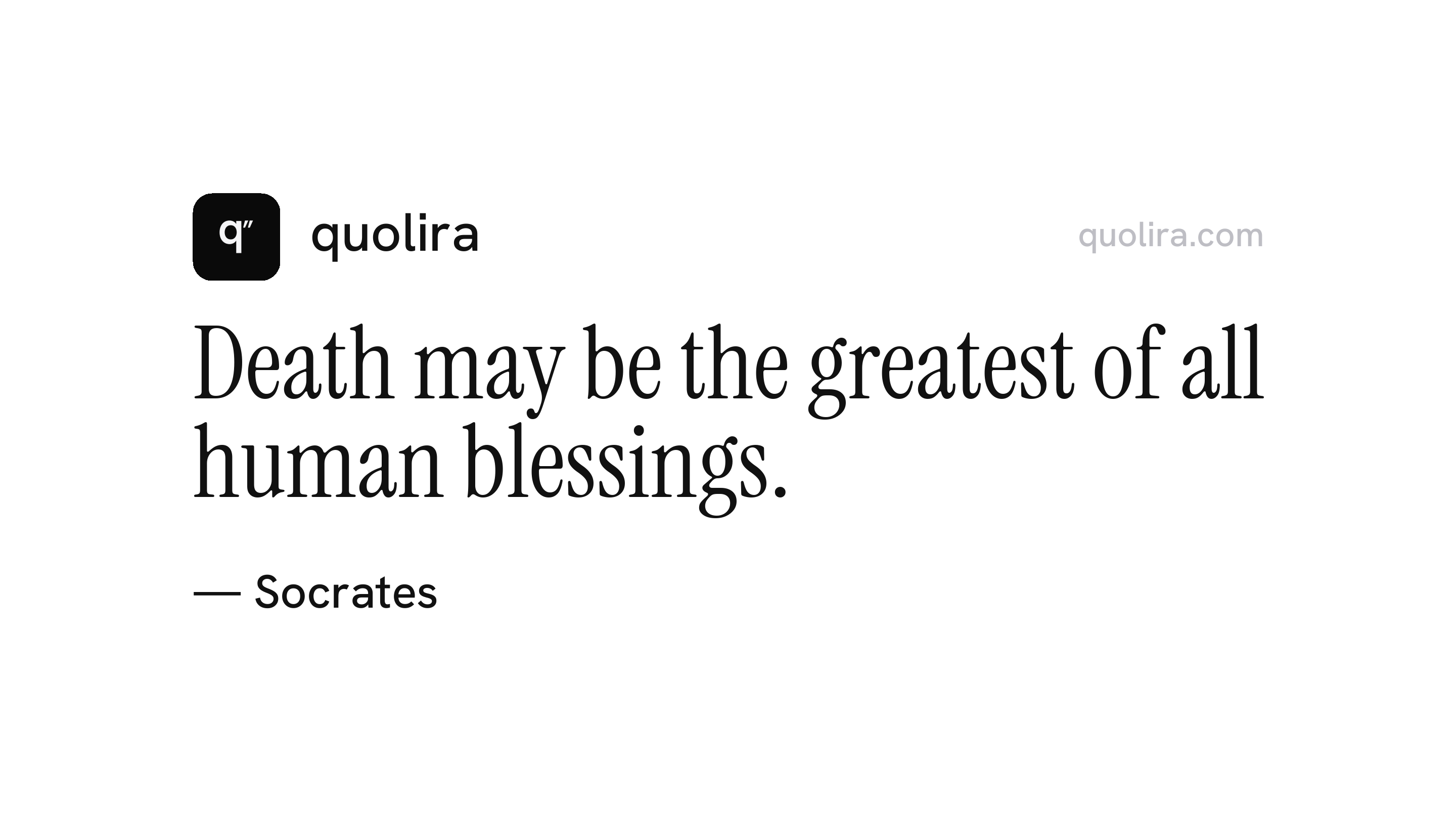
“Death may be the greatest of all human blessings.”
Socrates · Plato, Apology
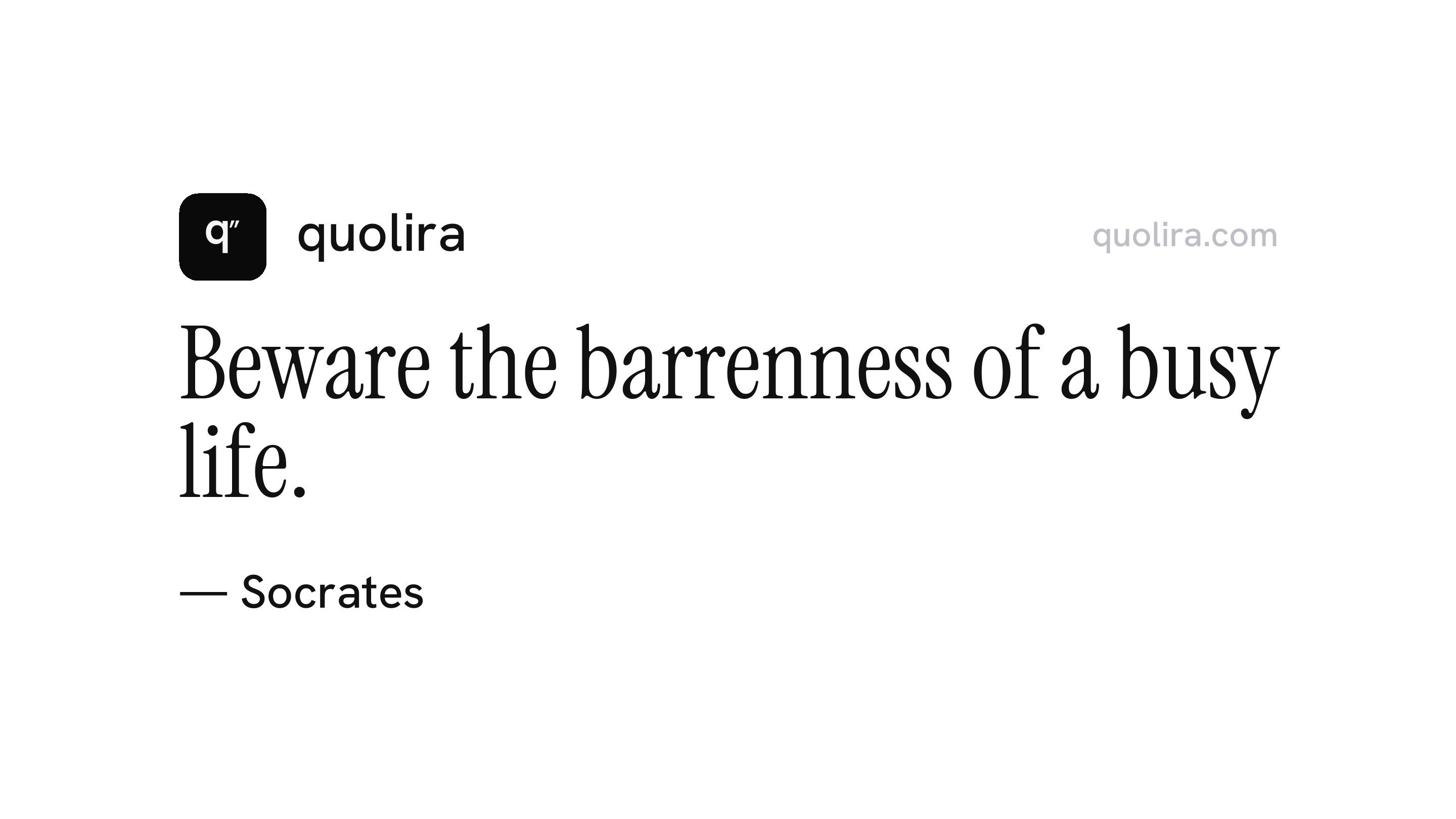
“Beware the barrenness of a busy life.”
Socrates · attributed
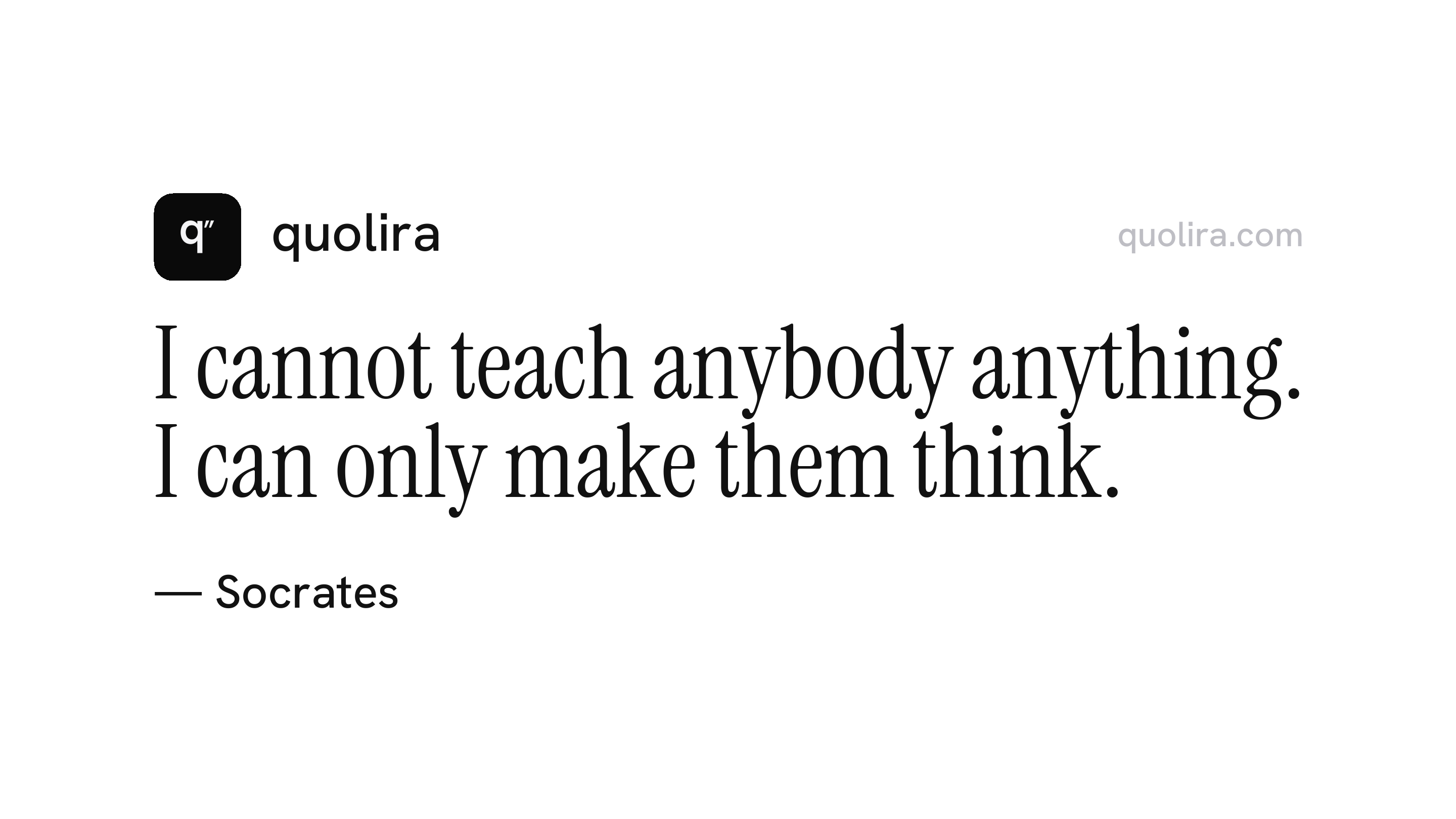
“I cannot teach anybody anything. I can only make them think.”
Socrates · attributed
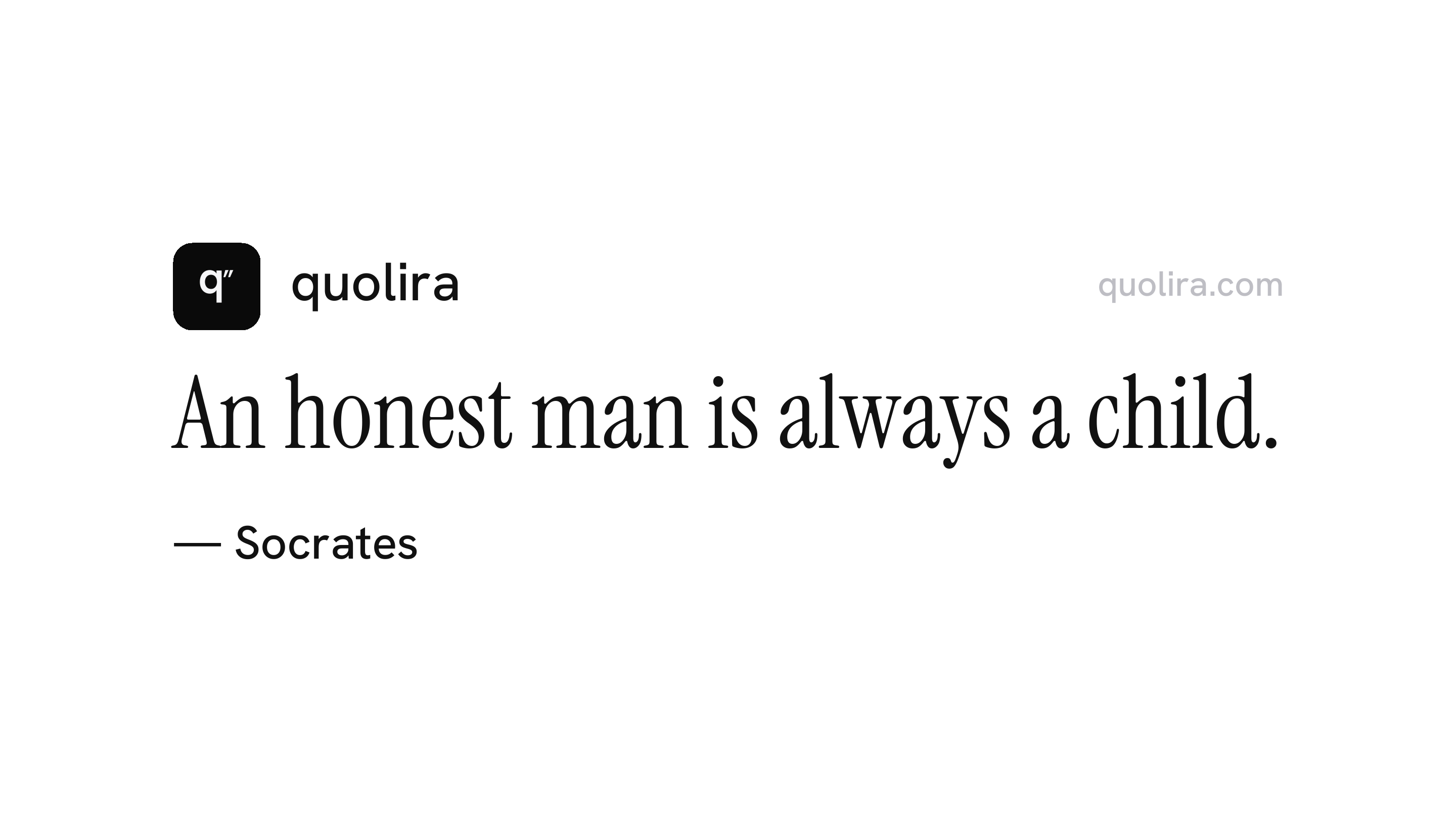
“An honest man is always a child.”
Socrates · attributed
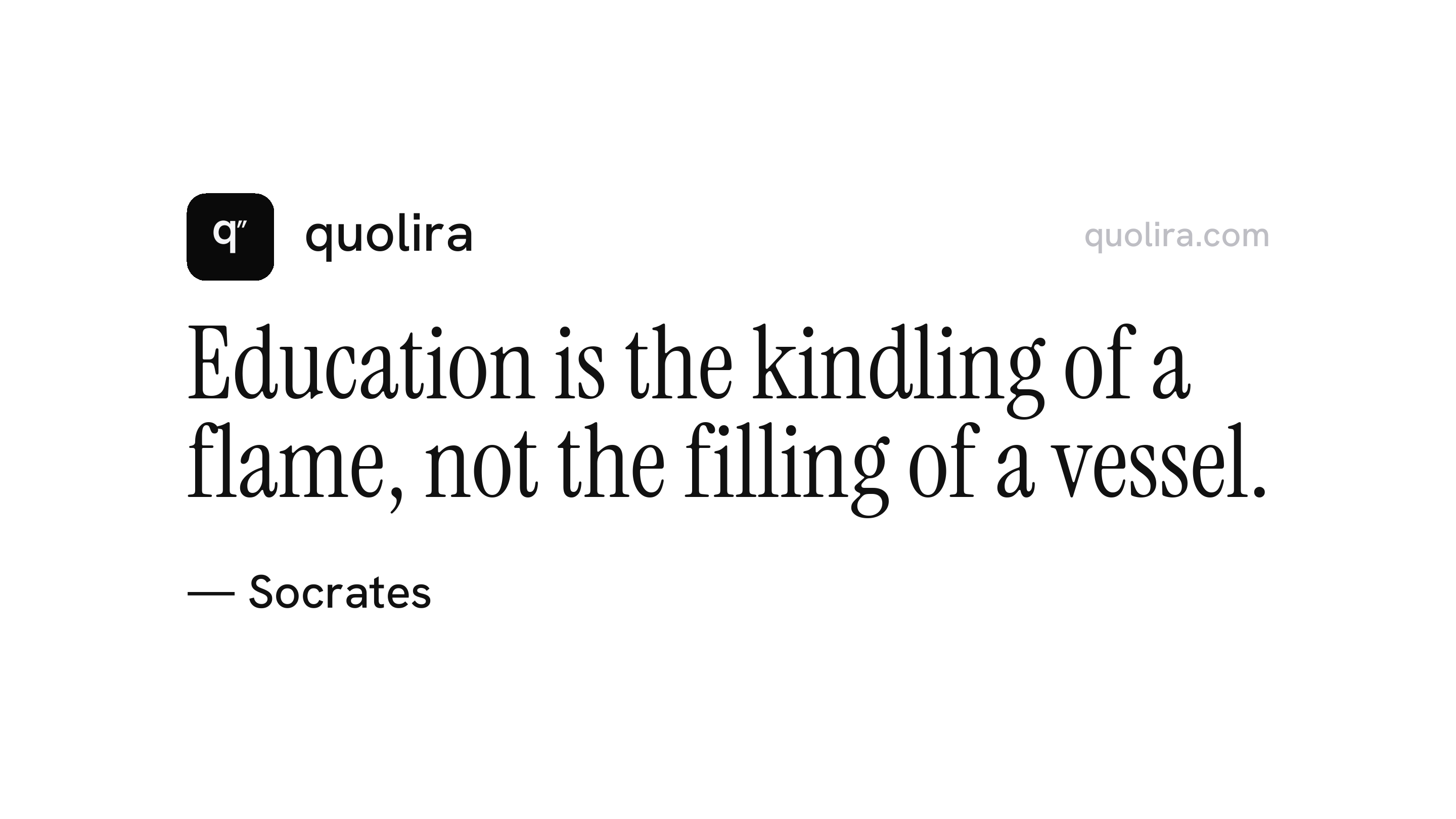
“Education is the kindling of a flame, not the filling of a vessel.”
Socrates · attributed
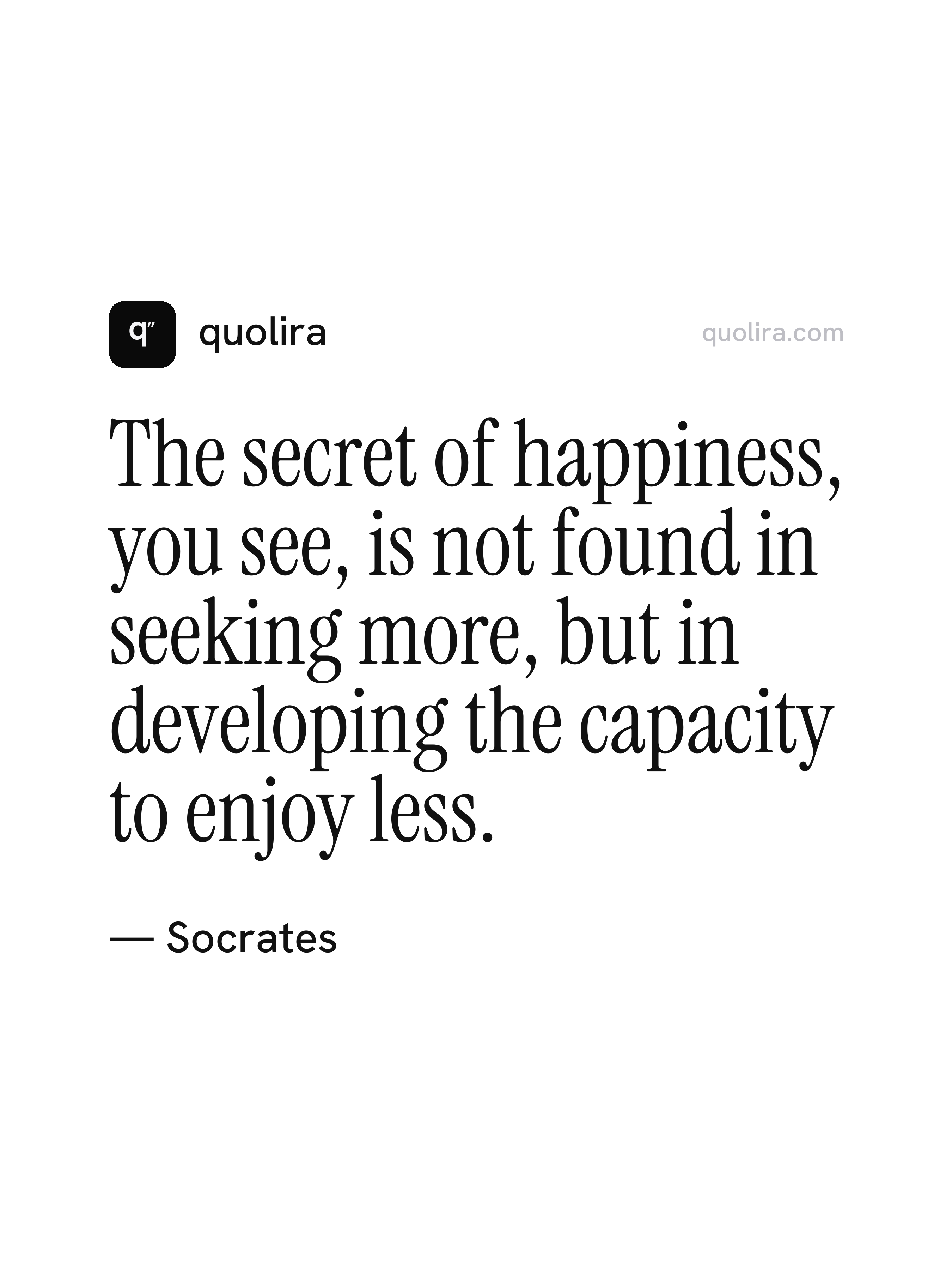
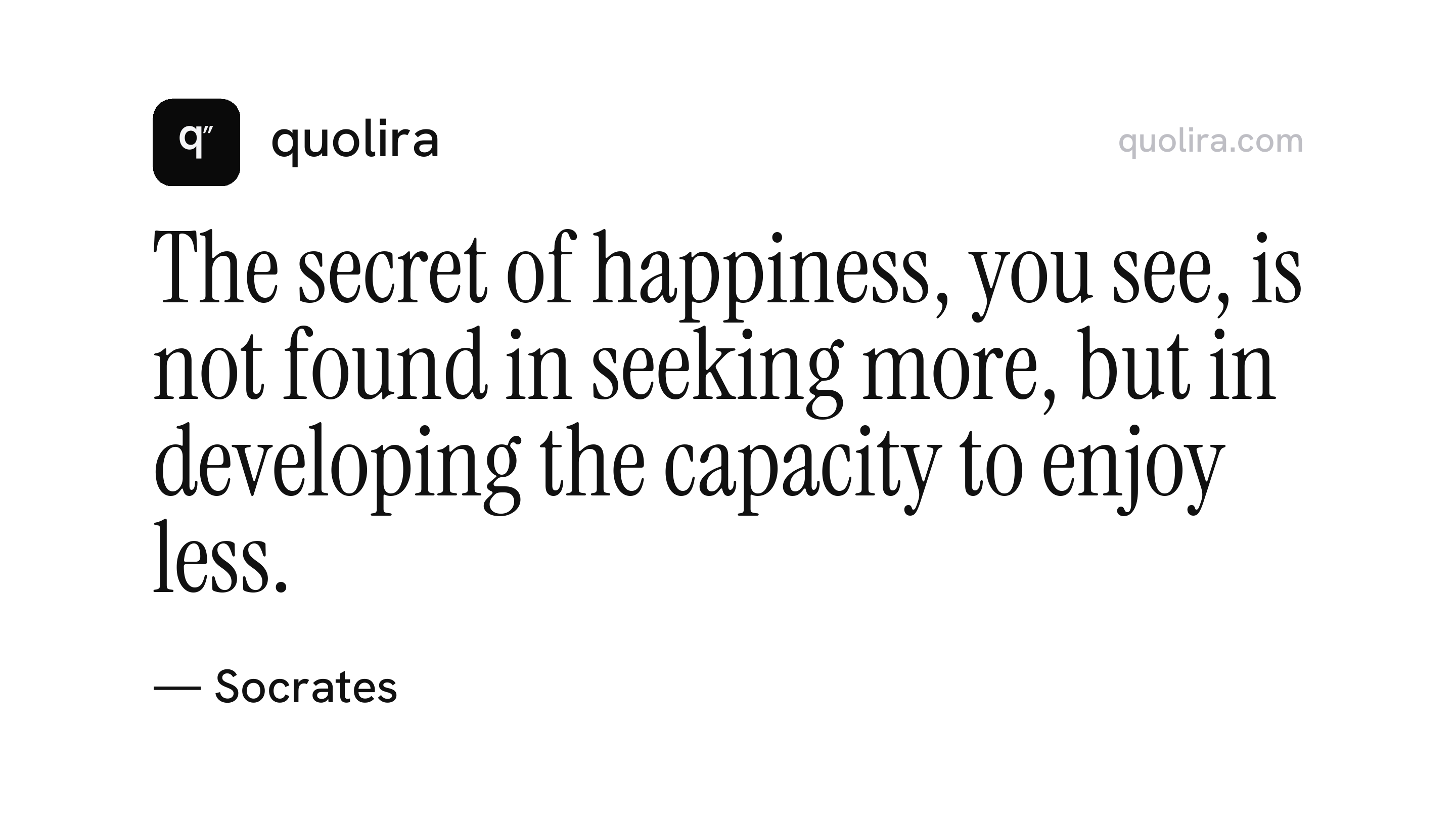
“The secret of happiness, you see, is not found in seeking more, but in developing the capacity to enjoy less.”
Socrates · attributed
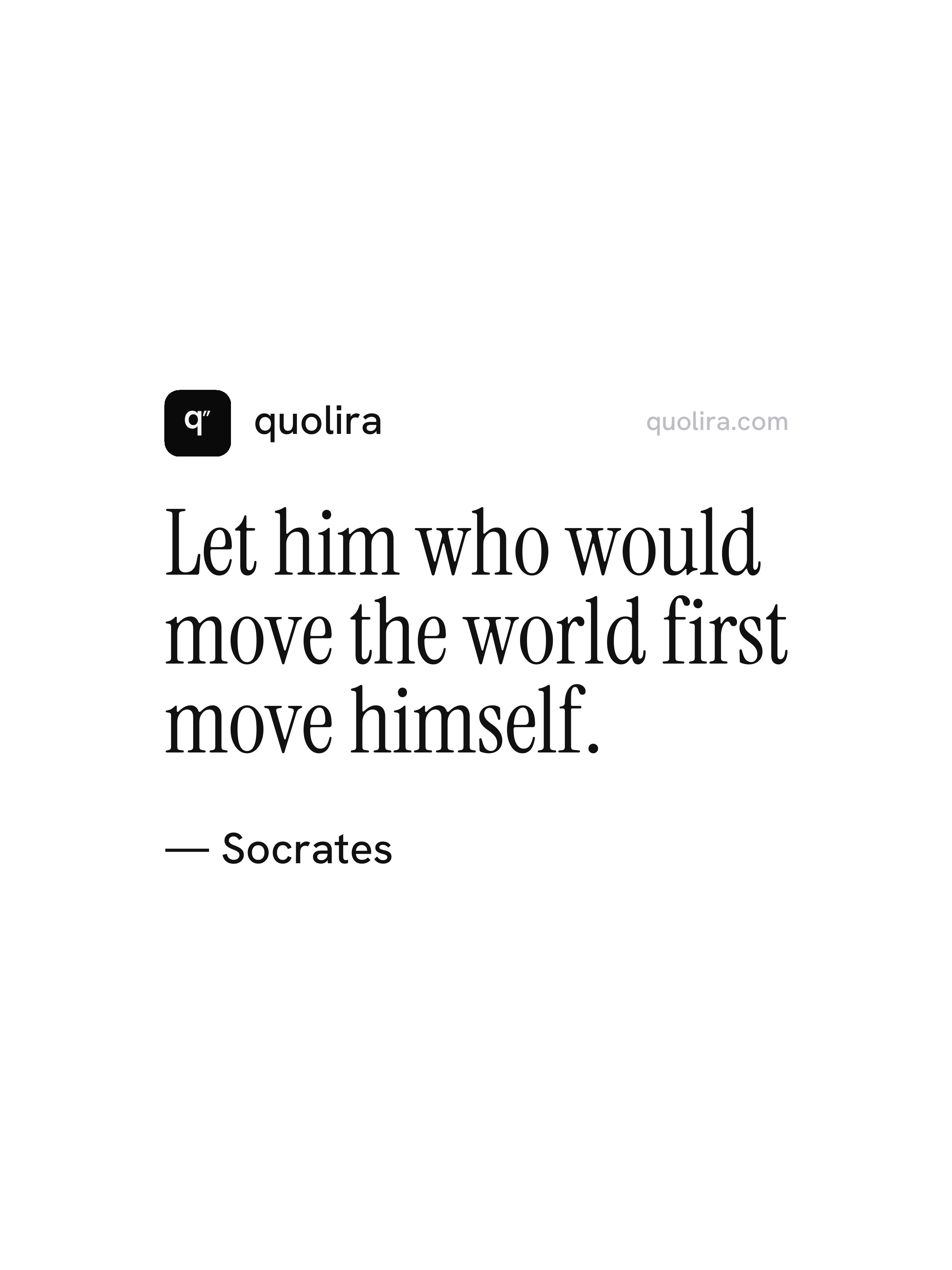
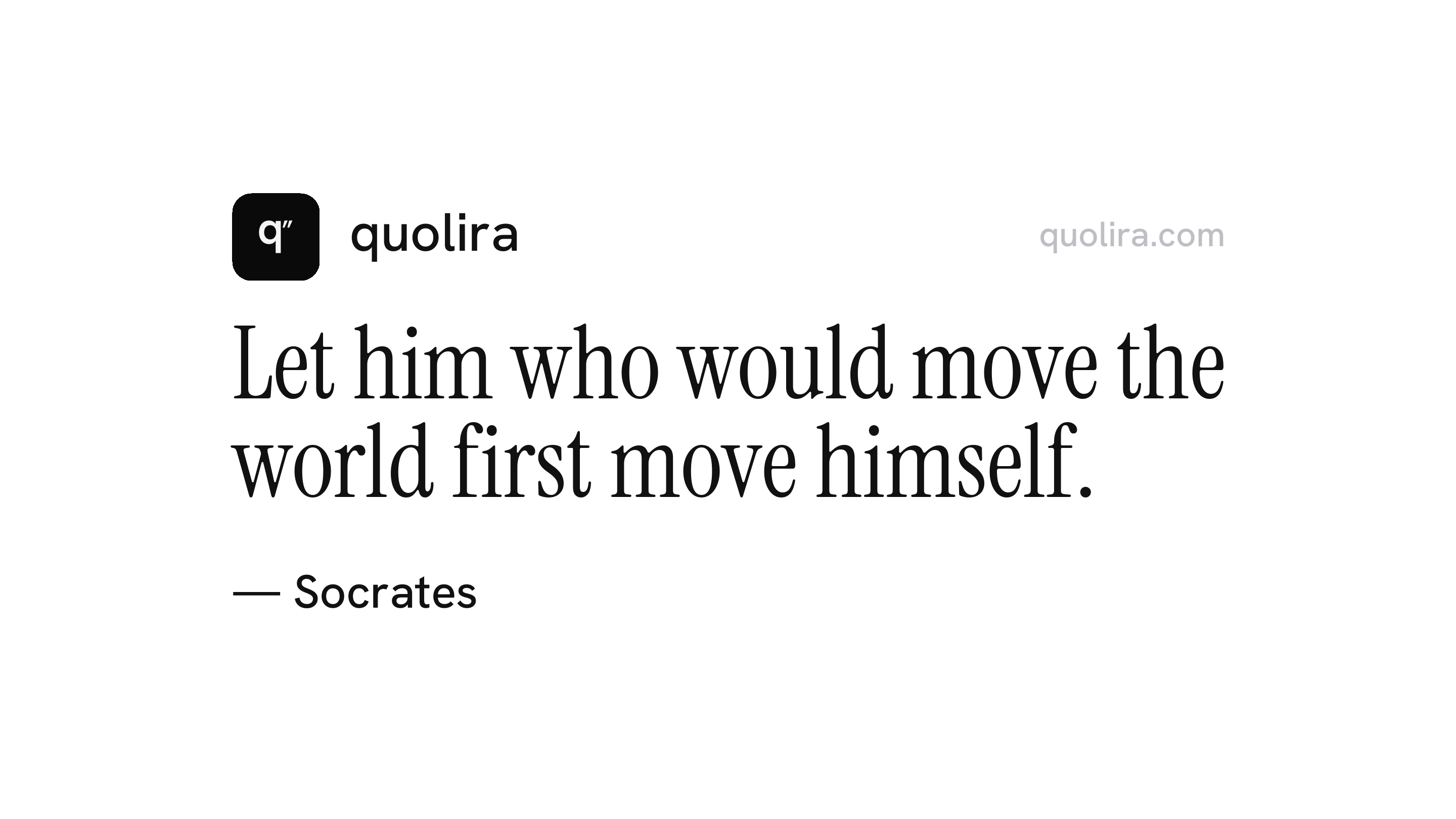
“Let him who would move the world first move himself.”
Socrates · attributed
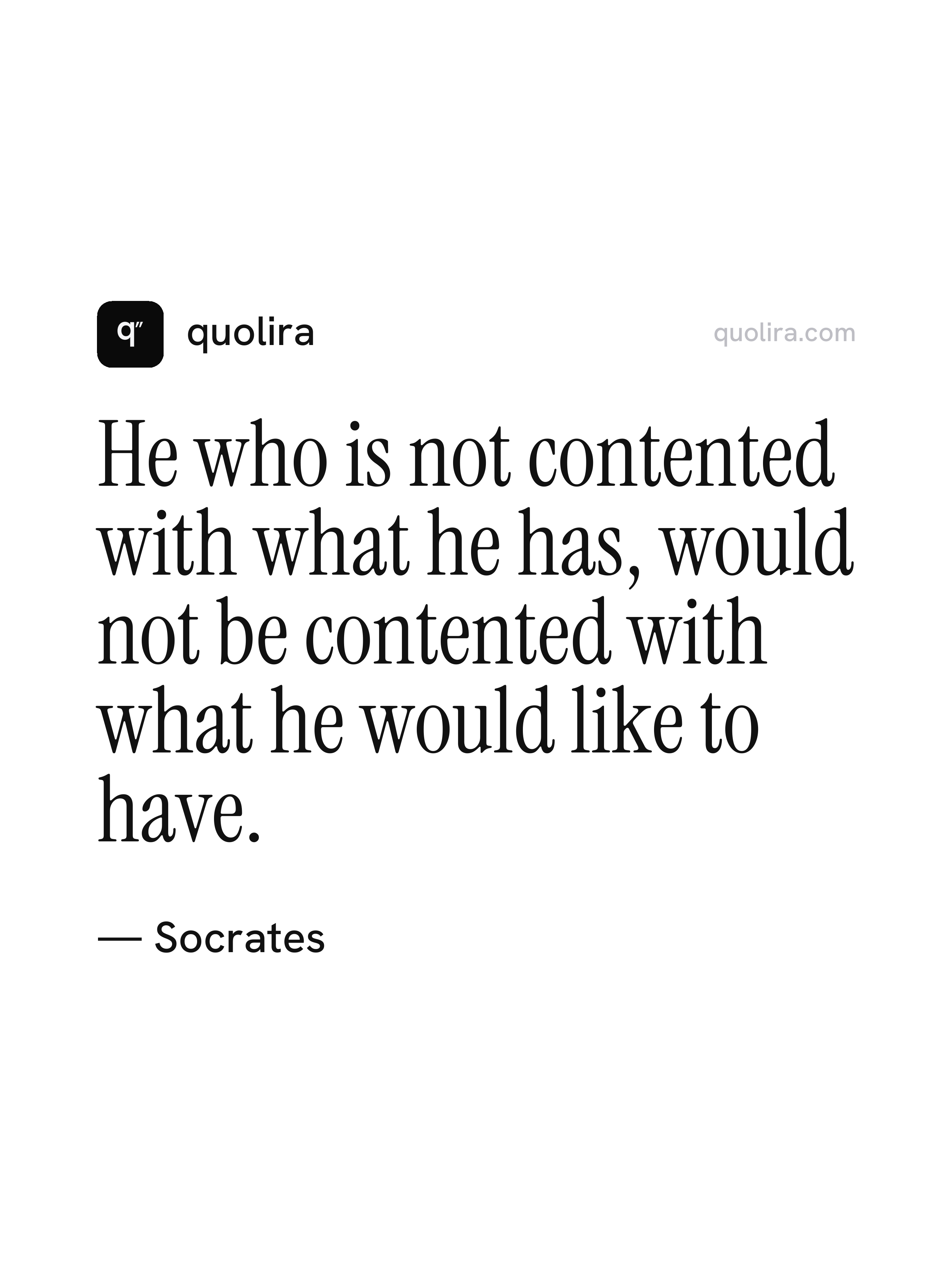
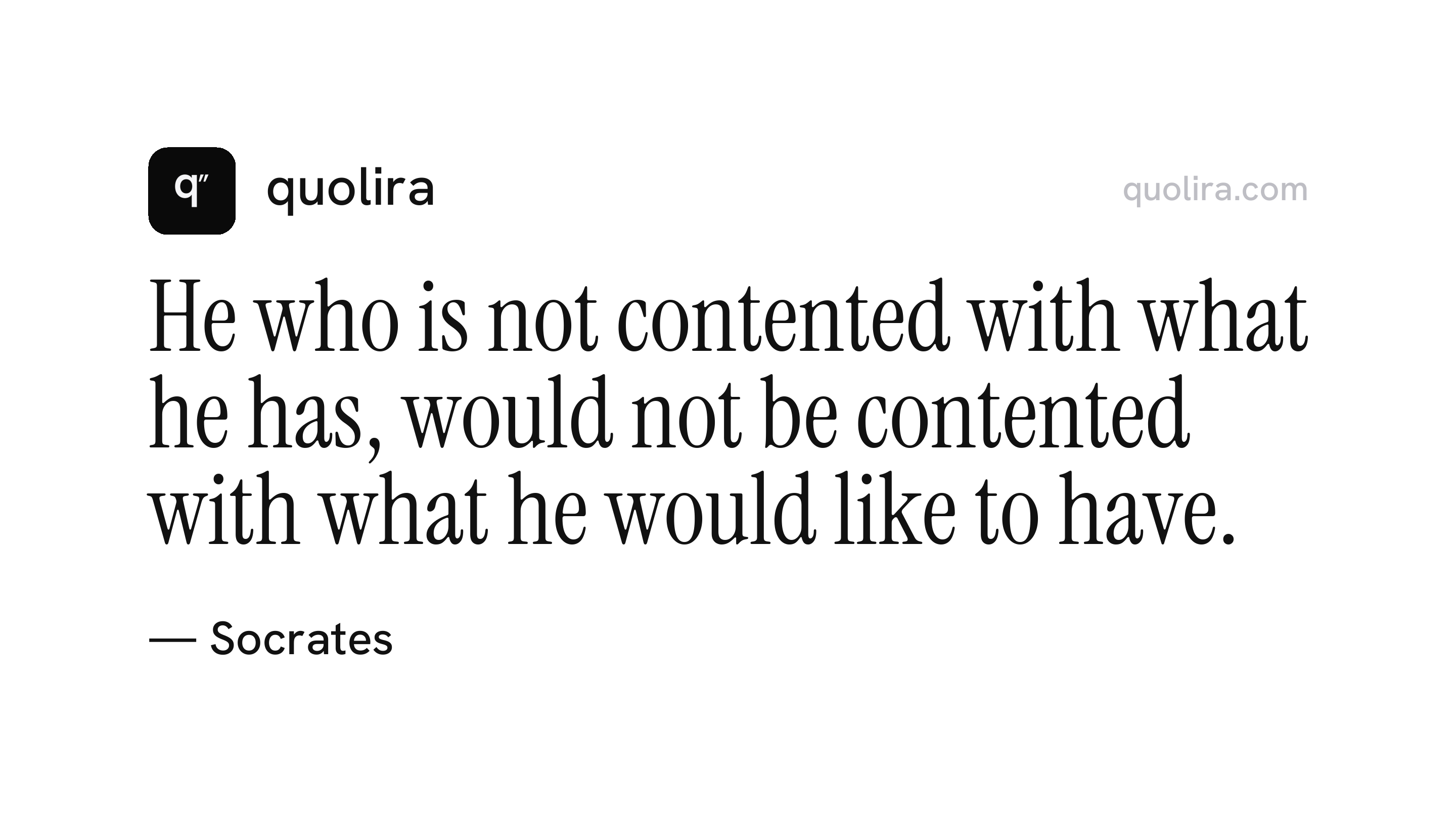
“He who is not contented with what he has, would not be contented with what he would like to have.”
Socrates · attributed
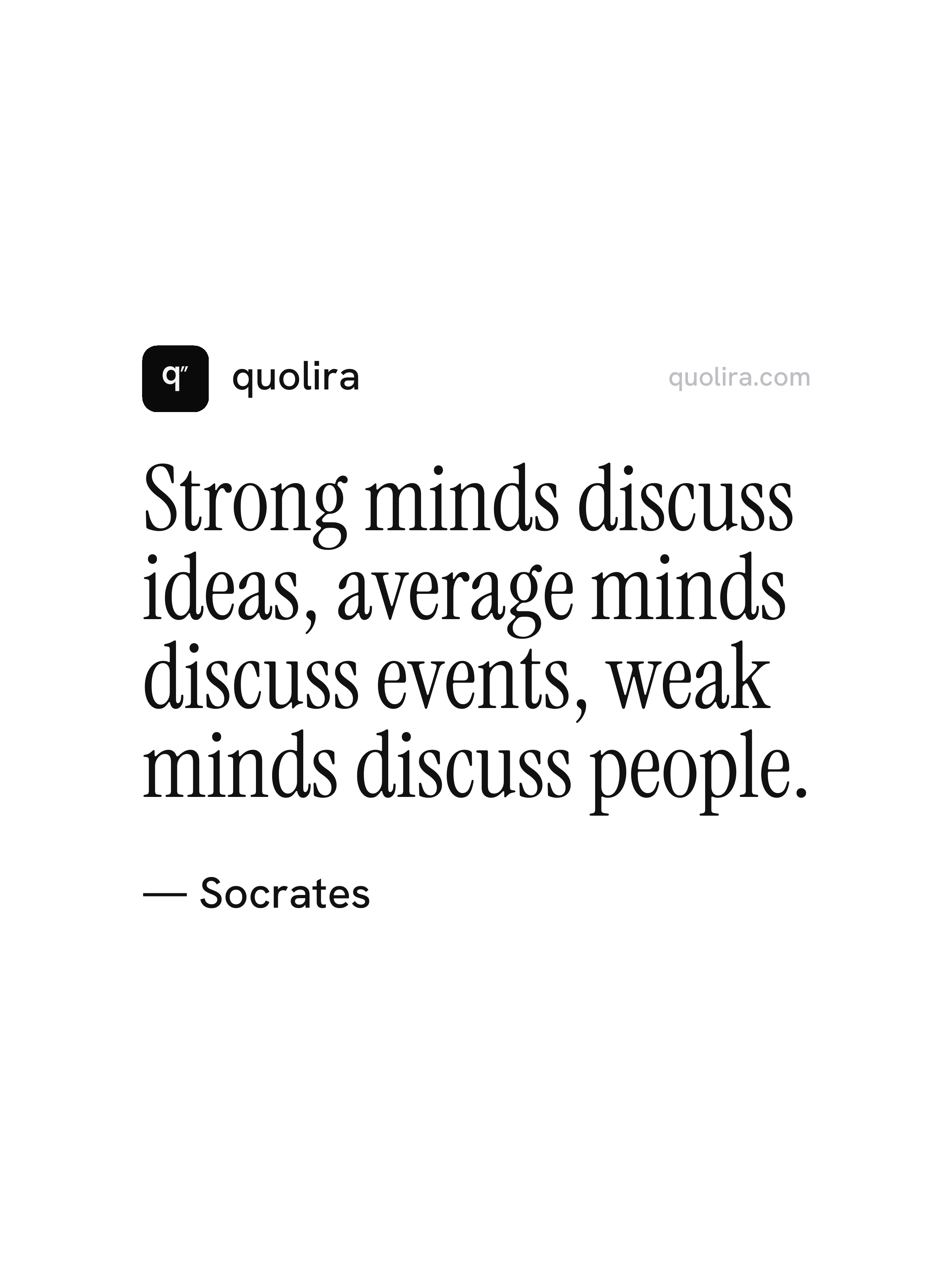
“Strong minds discuss ideas, average minds discuss events, weak minds discuss people.”
Socrates · attributed