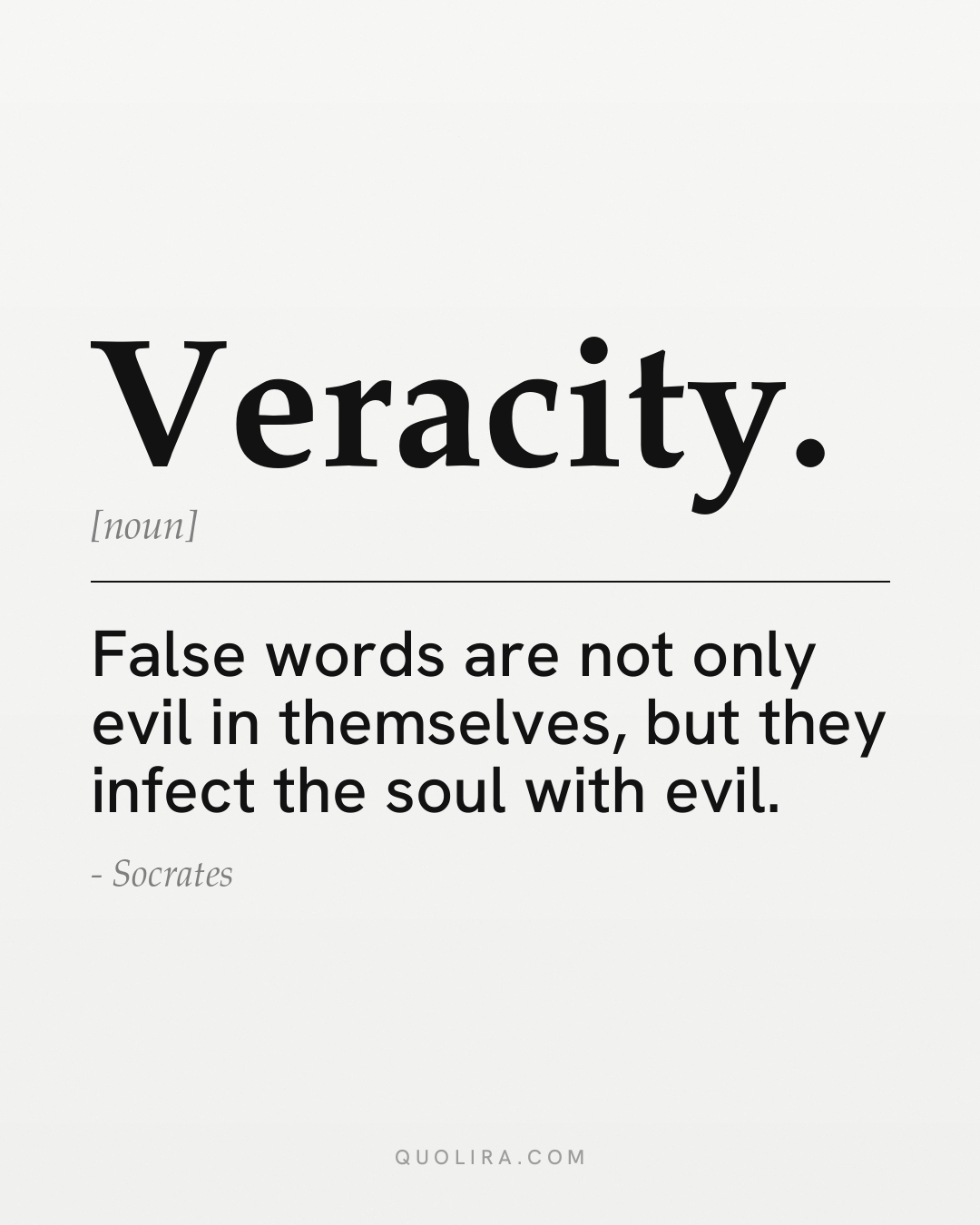
“False words are not only evil in themselves, but they infect the soul with evil.”
Socrates · Plato, Phaedo
 quolira
.com
Commonly credited to Socrates, but it does not appear in his surviving sayings.
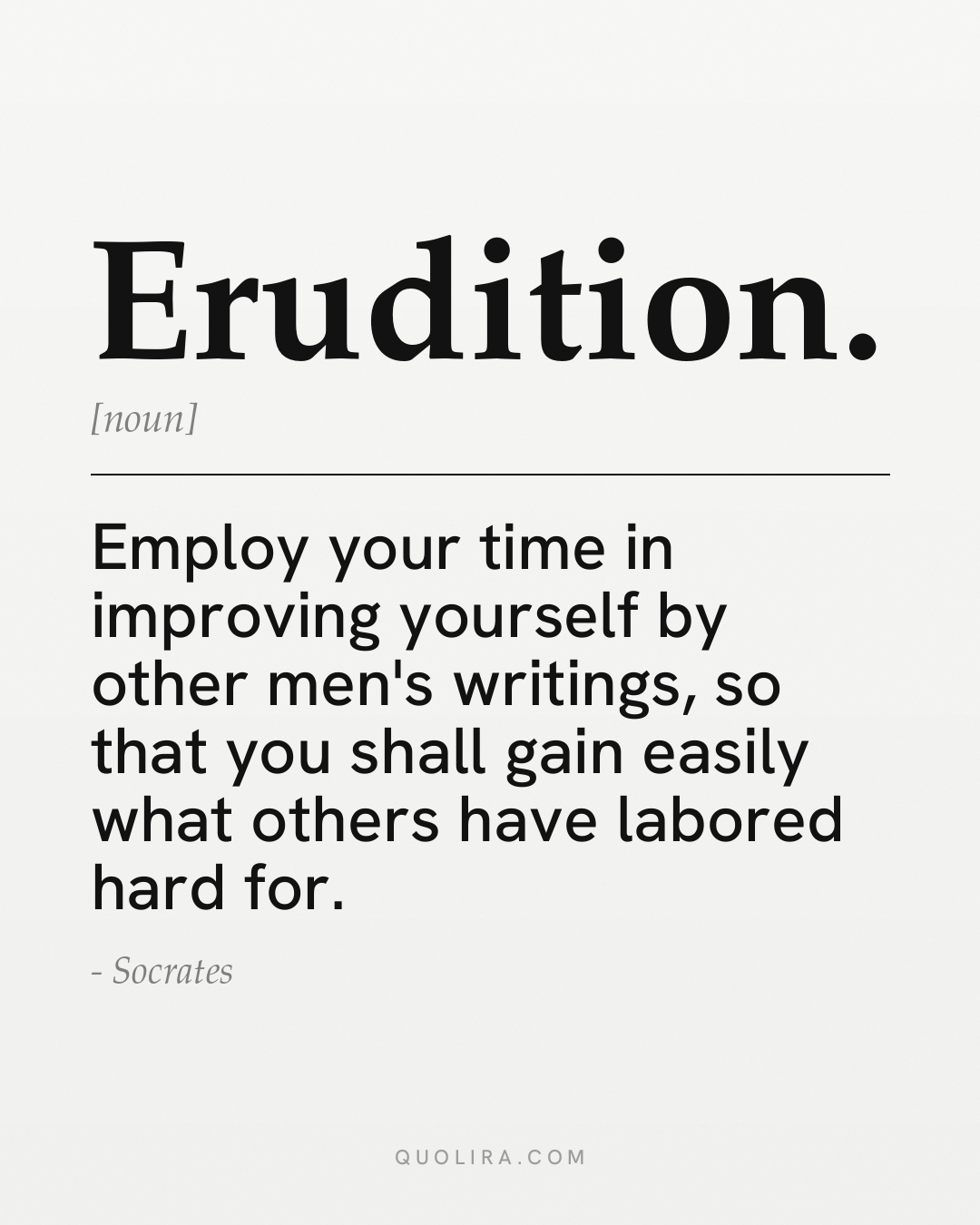
Odd advice from a man who wrote nothing, but the point stands. Borrow the hard-won lessons of others.
More misattributed quotes · How we verify quotes
From the collection: 25 Socrates Quotes That Still Question How We Live
The quote suggests that a person can make faster progress by learning from the hard work others have already done, through reading their writing and absorbing their conclusions. It treats borrowed knowledge as a efficient shortcut rather than a shameful habit.
This line is commonly credited to Socrates, but it does not appear in his surviving sayings and is not documented as his. Socrates is not known to have written anything, so no text of his can confirm the wording. The sentiment fits the broader picture of him as a teacher who valued careful thought, yet that fit alone does not establish the words. Any version of the line should be treated as a later attribution rather than a verified statement from him.
The advice speaks to anyone who feels they must reinvent every idea from scratch. It reminds readers that reading is a form of collaboration across time, and that earlier thinkers often left behind hard-won insights that save effort. It also quietly encourages a habit of intellectual curiosity, since improving oneself through others' work requires choosing sources carefully and reading with patience.
“False words are not only evil in themselves, but they infect the soul with evil.”
Socrates · Plato, Phaedo
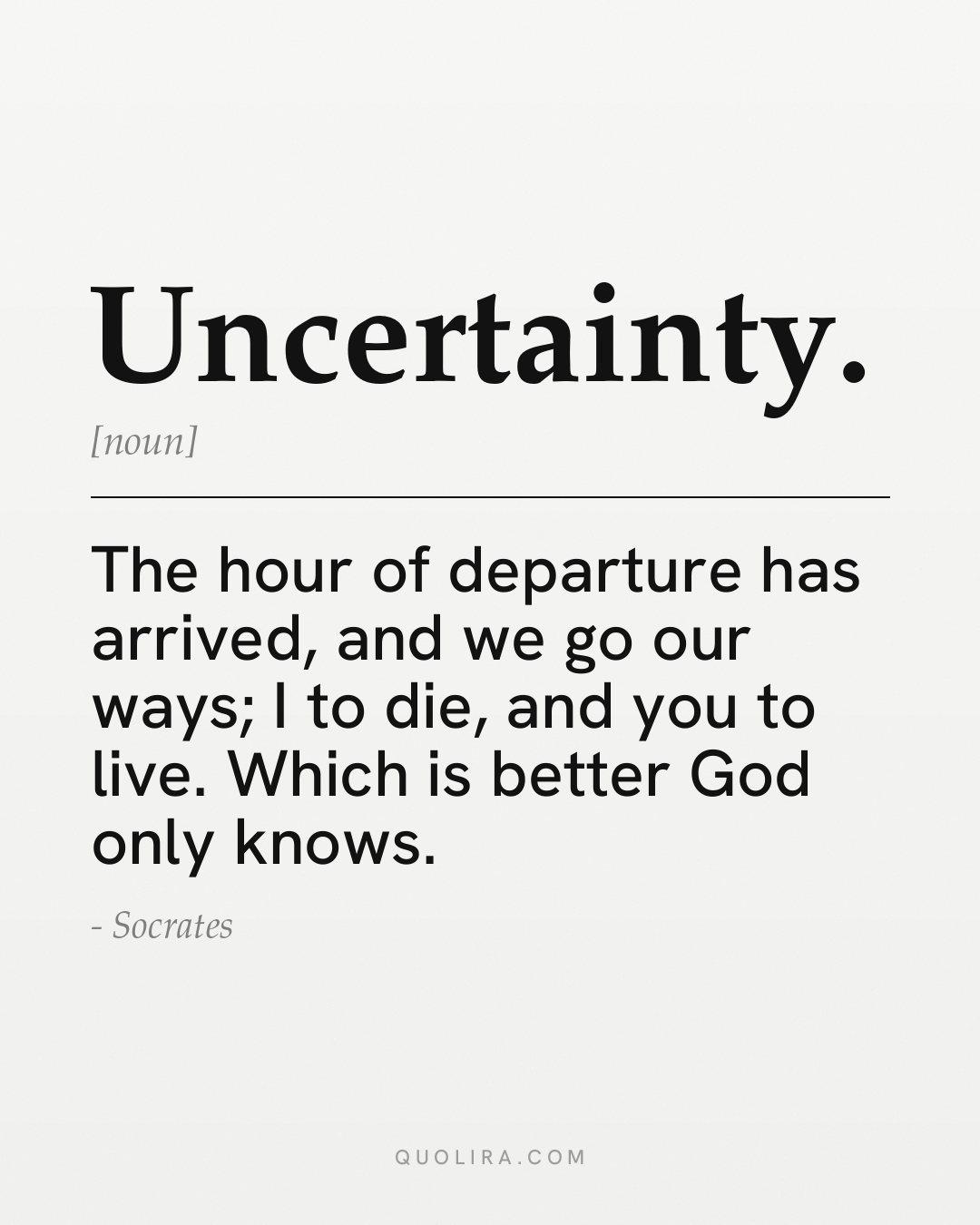
“The hour of departure has arrived, and we go our ways; I to die, and you to live. Which is better God only knows.”
Socrates · Plato, Apology
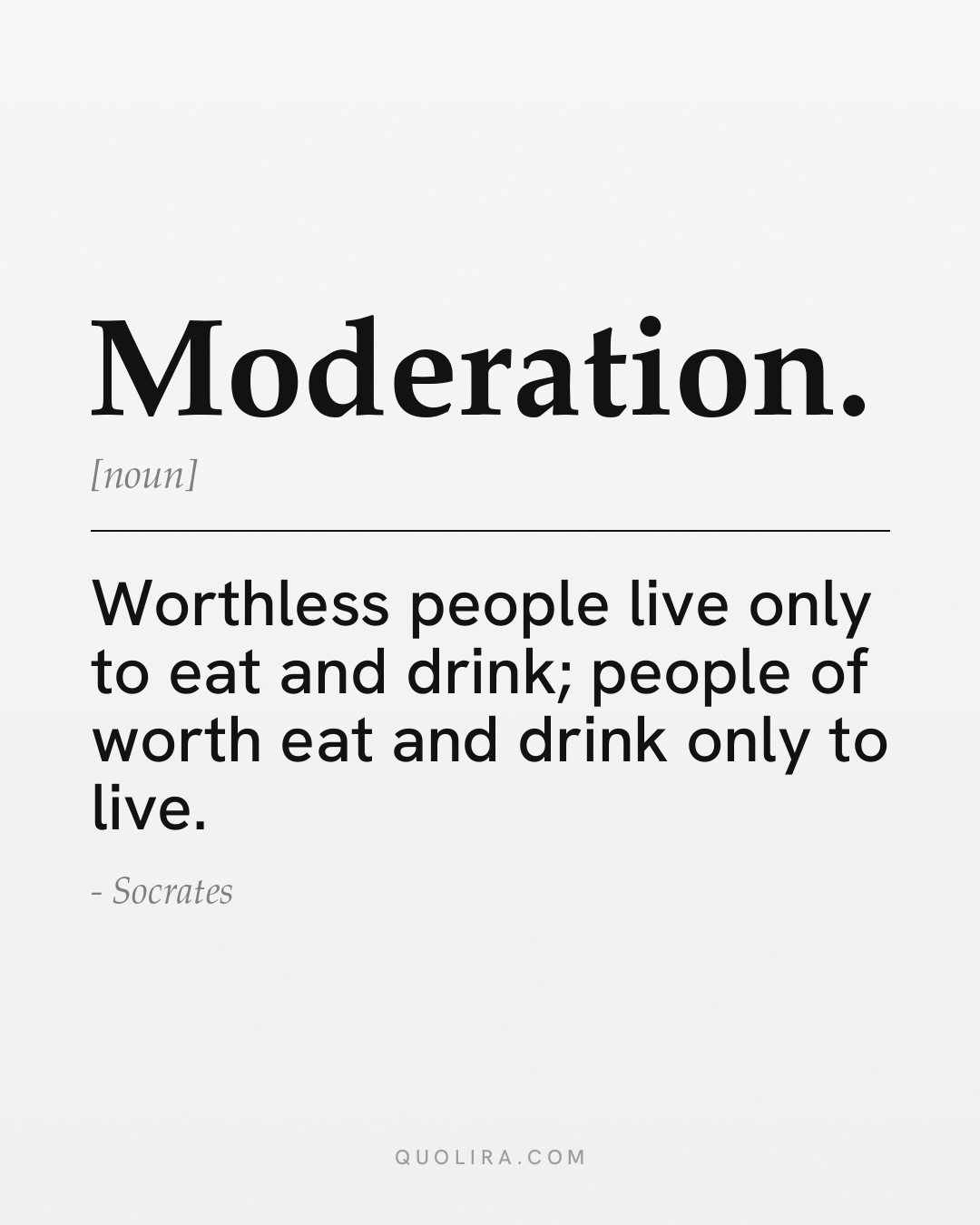
“Worthless people live only to eat and drink; people of worth eat and drink only to live.”
Socrates · attributed
“Once made equal to man, woman becomes his superior.”
Socrates · attributed
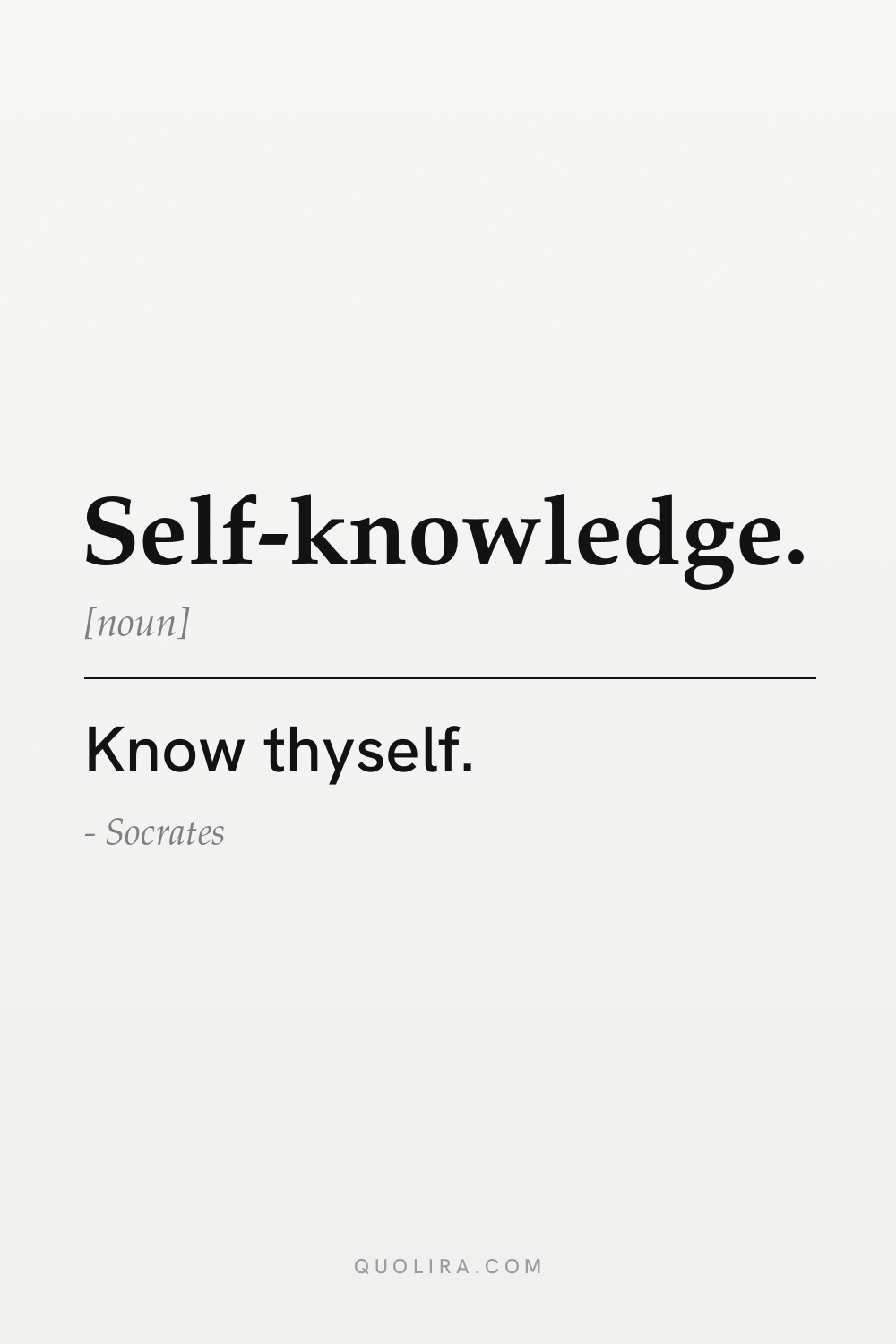
“Know thyself.”
Socrates · adopted from the Delphic maxim
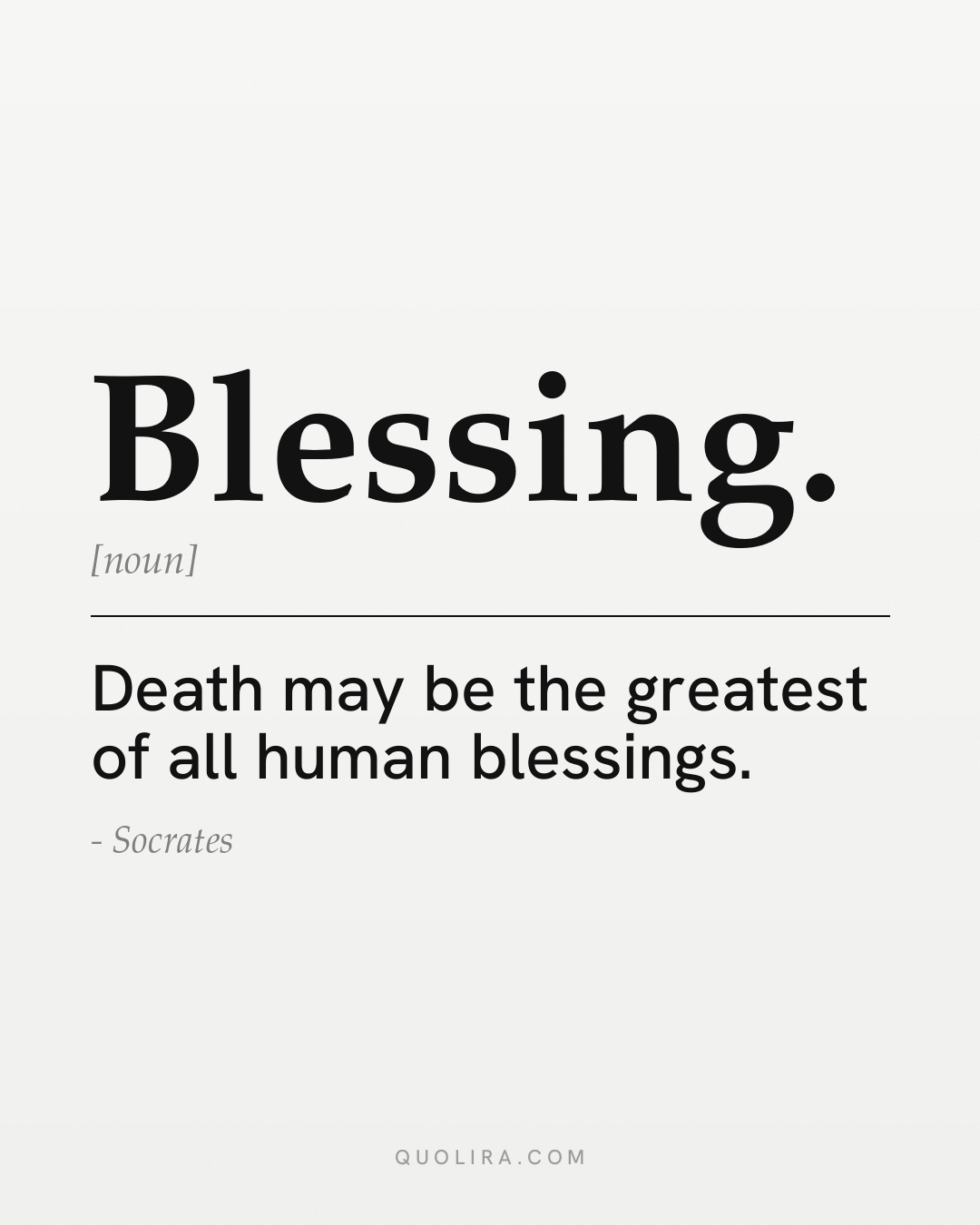
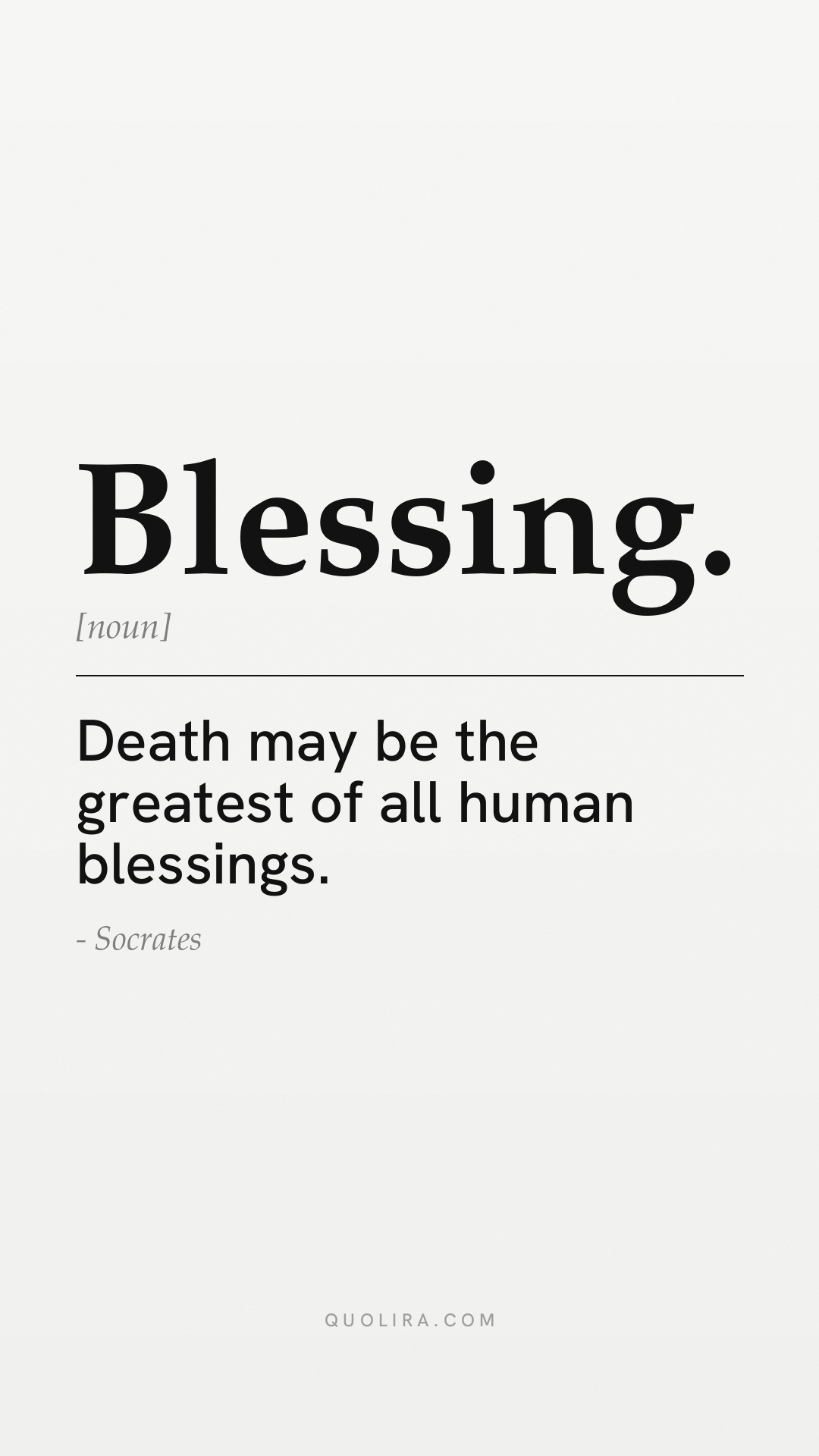
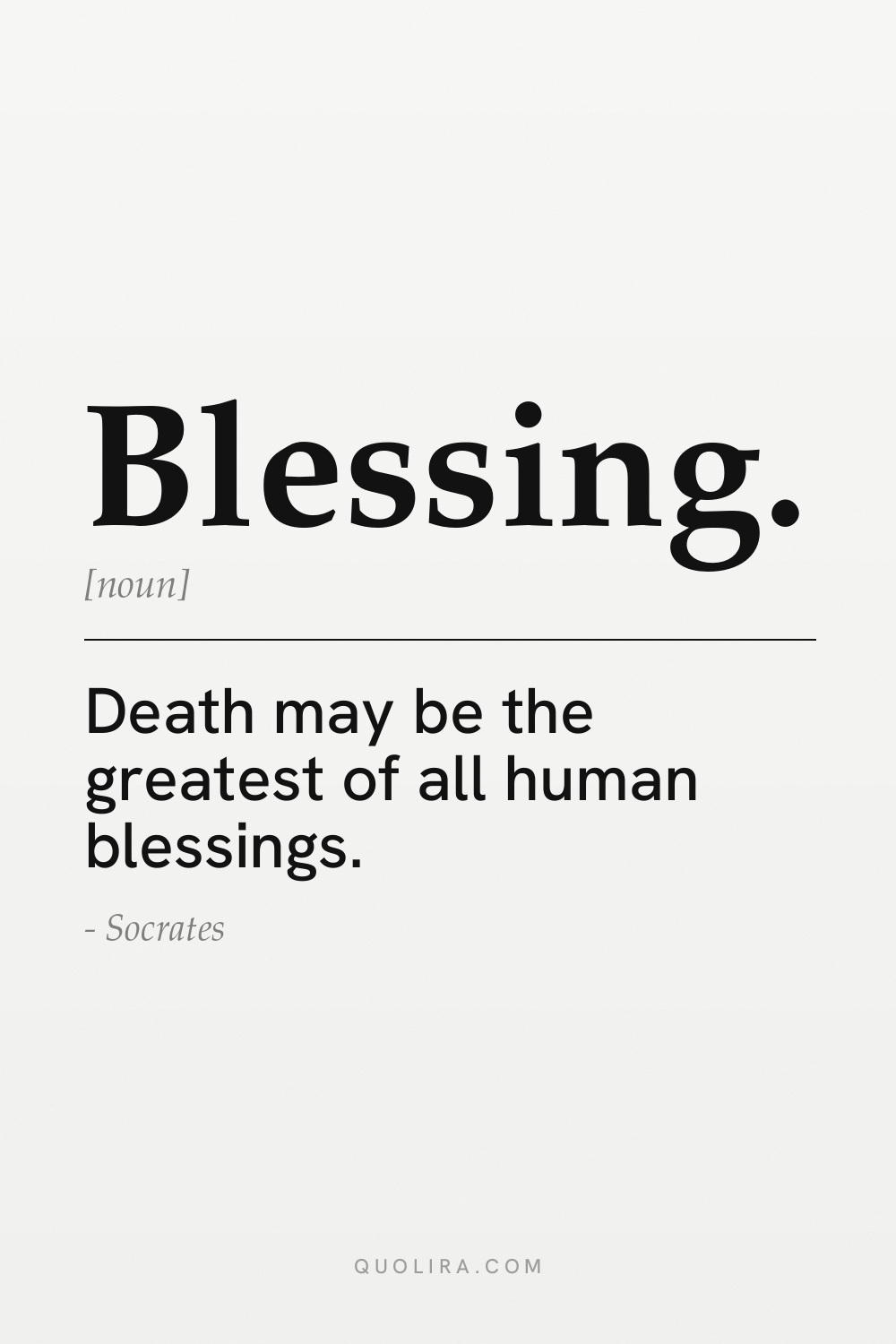
“Death may be the greatest of all human blessings.”
Socrates · Plato, Apology
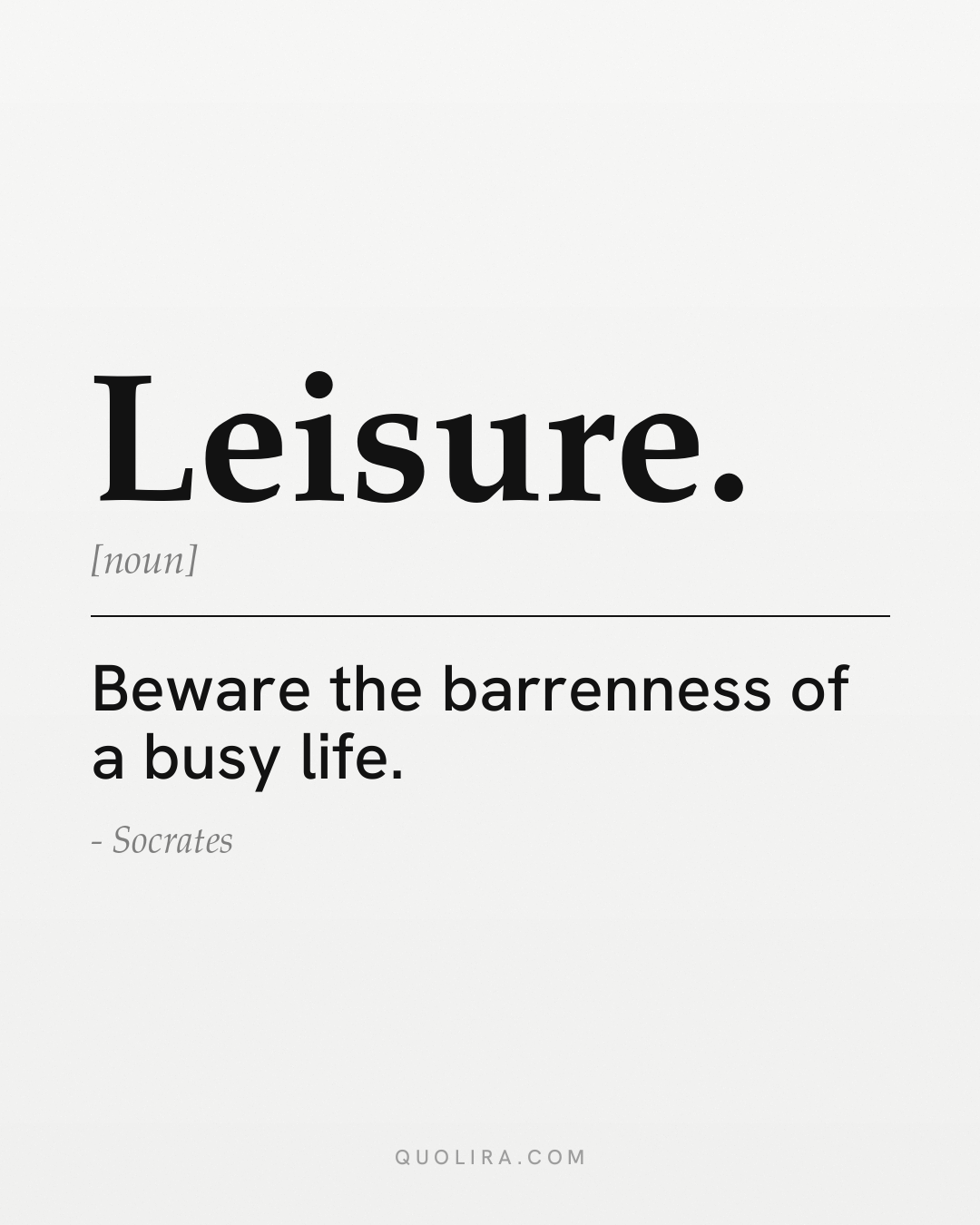
“Beware the barrenness of a busy life.”
Socrates · attributed
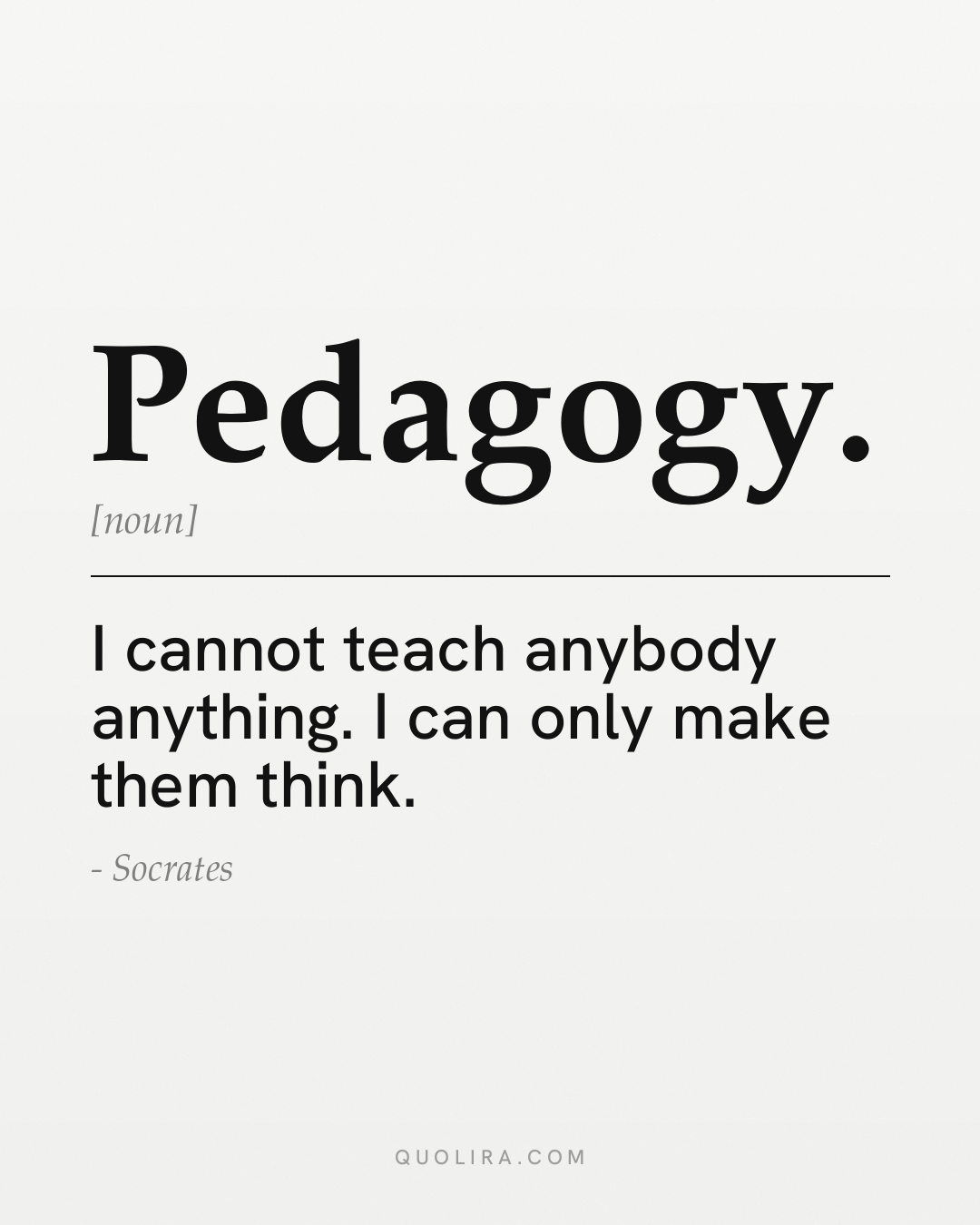
“I cannot teach anybody anything. I can only make them think.”
Socrates · attributed
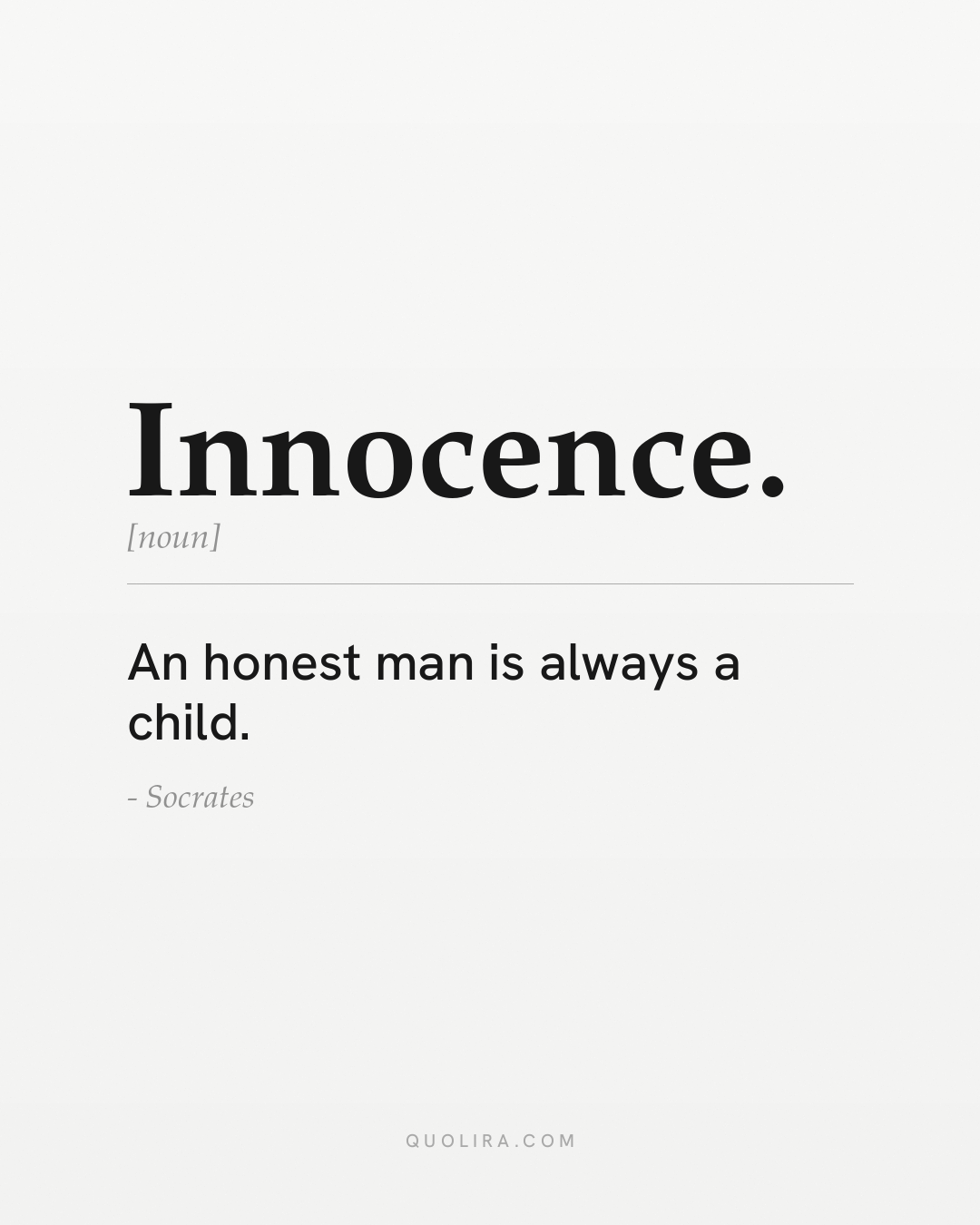
“An honest man is always a child.”
Socrates · attributed
“Education is the kindling of a flame, not the filling of a vessel.”
Socrates
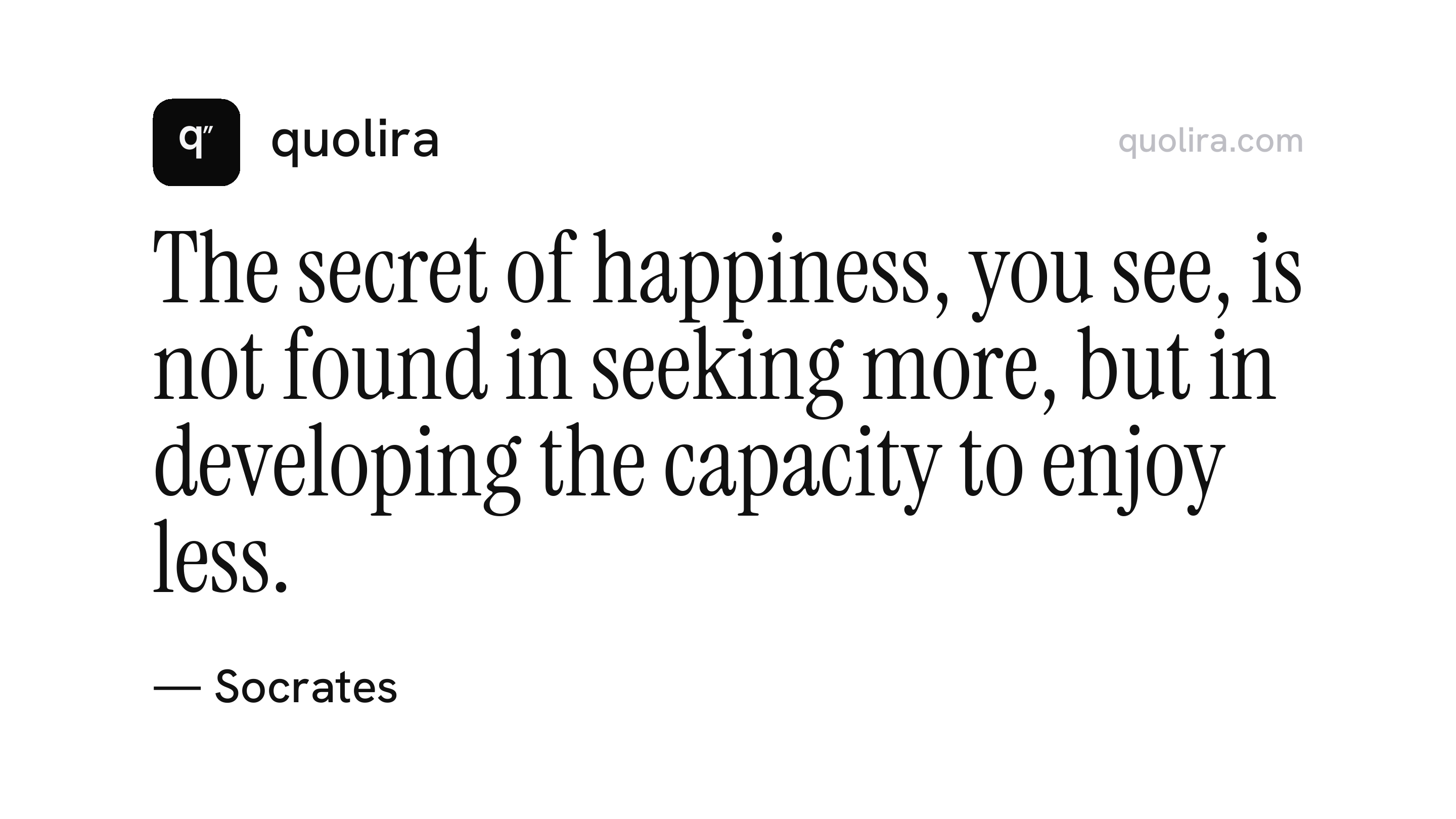
“The secret of happiness, you see, is not found in seeking more, but in developing the capacity to enjoy less.”
Socrates · attributed
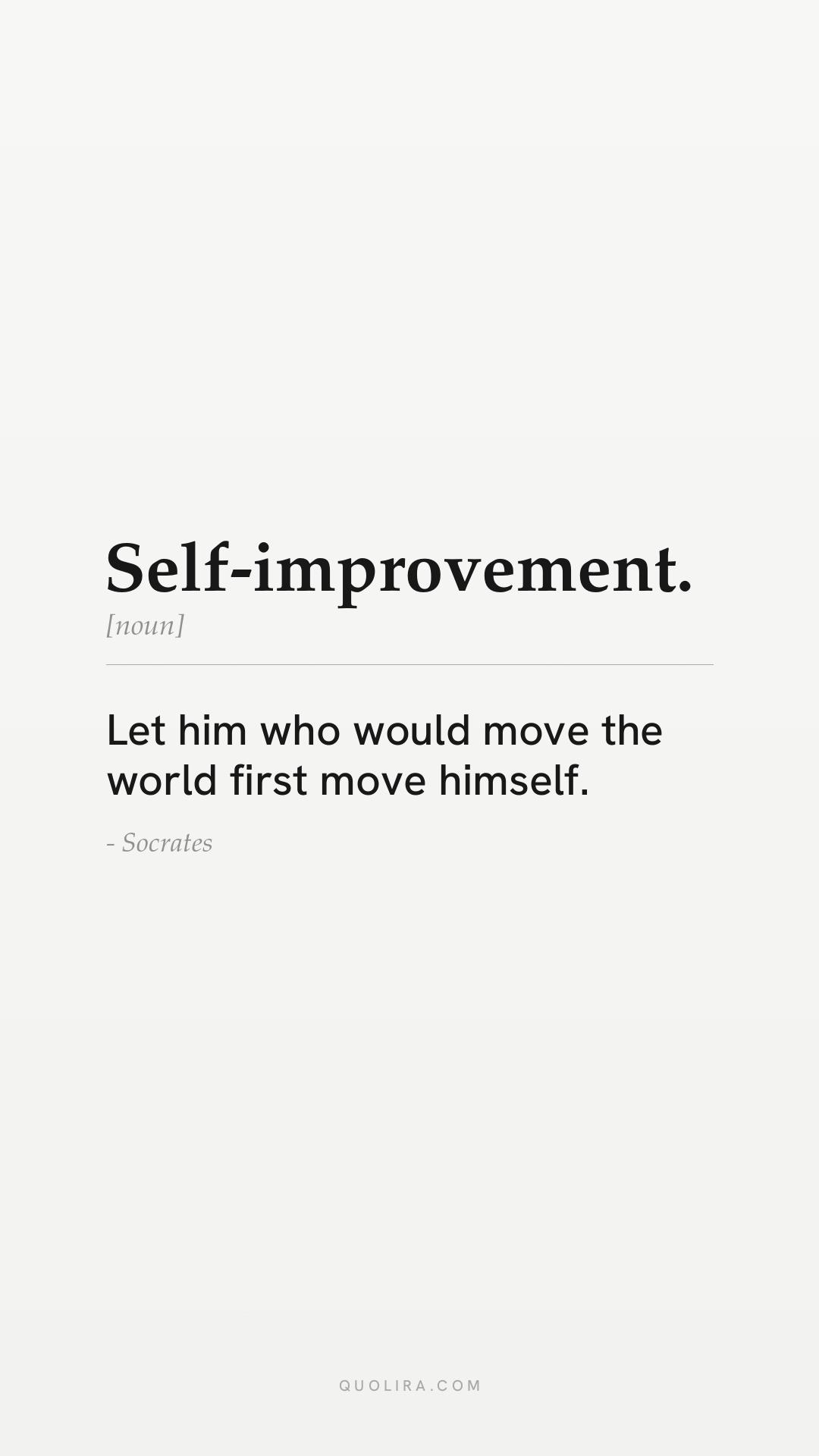
“Let him who would move the world first move himself.”
Socrates · attributed