“Whenever you find yourself on the side of the majority, it is time to pause and reflect.”
Mark Twain · Notebook, 1904
 quolira
.com
quolira
quolira.com
This line reassures us that a wandering path does not signal confusion or failure. Someone who roams widely, explores unexpected directions, or resists a conventional route may be doing so with full intention and inner clarity. The quote gently pushes back against the assumption that productivity or purpose must look straight and predictable.
The line appears as part of a poem embedded in the novel, a poem that describes a particular character whose true identity and destiny are not immediately obvious to those around him. The broader story is deeply concerned with the idea that greatness can travel in disguise, and that appearances rarely tell the whole story. The poem serves as a quiet signal to attentive readers that they should not be too quick to judge a figure who seems, on the surface, unremarkable or directionless.
J. R. R. Tolkien was a British author and scholar who spent much of his academic career at Oxford. He is best known for creating an extraordinarily detailed mythological world, complete with its own languages, histories, and cultures. His two most celebrated works of fiction are The Hobbit and the three-volume novel The Lord of the Rings, of which The Fellowship of the Ring is the first part. His writing drew heavily on his deep knowledge of medieval literature, Norse mythology, and linguistics, and it established the template for much of modern fantasy storytelling.
“Whenever you find yourself on the side of the majority, it is time to pause and reflect.”
Mark Twain · Notebook, 1904
“Do I dare disturb the universe?”
T. S. Eliot · The Love Song of J. Alfred Prufrock, 1915
“Yesterday is history, tomorrow is a mystery, today is a gift of God, which is why we call it the present.”
Bill Keane · Family Circus, widely attributed
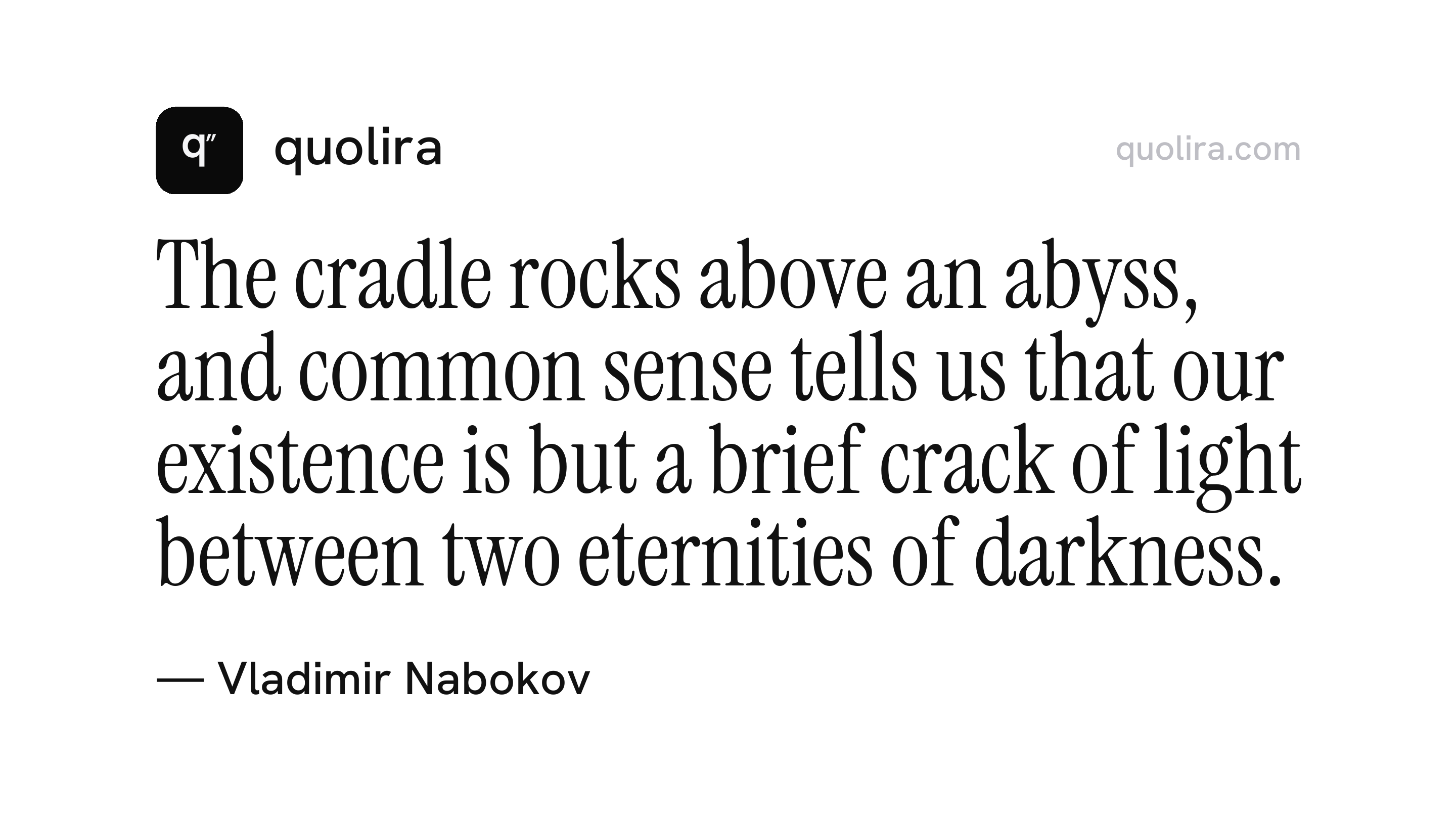
“The cradle rocks above an abyss, and common sense tells us that our existence is but a brief crack of light between two eternities of darkness.”
Vladimir Nabokov · Speak, Memory, 1951
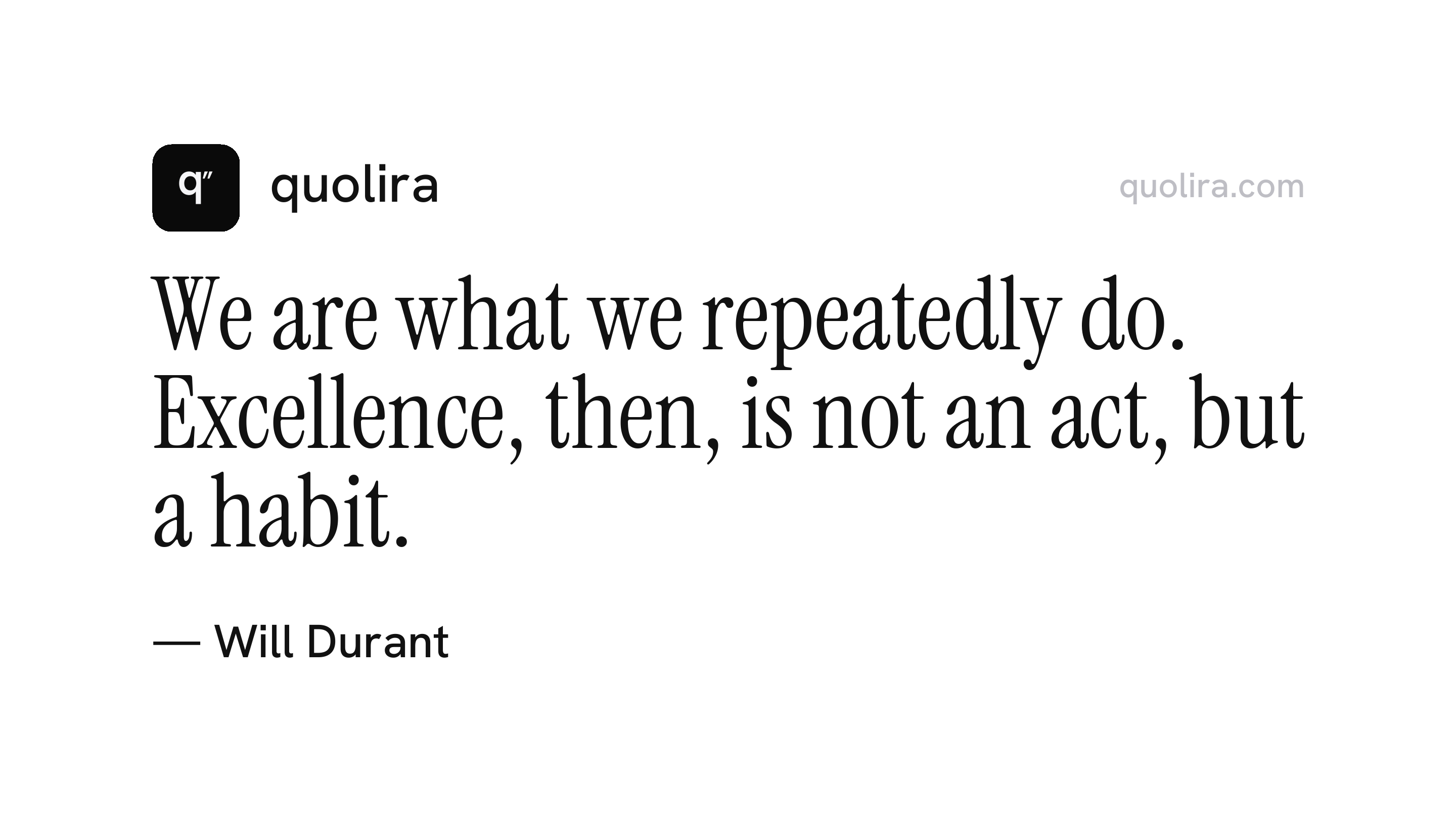
“We are what we repeatedly do. Excellence, then, is not an act, but a habit.”
Will Durant · The Story of Philosophy, 1926
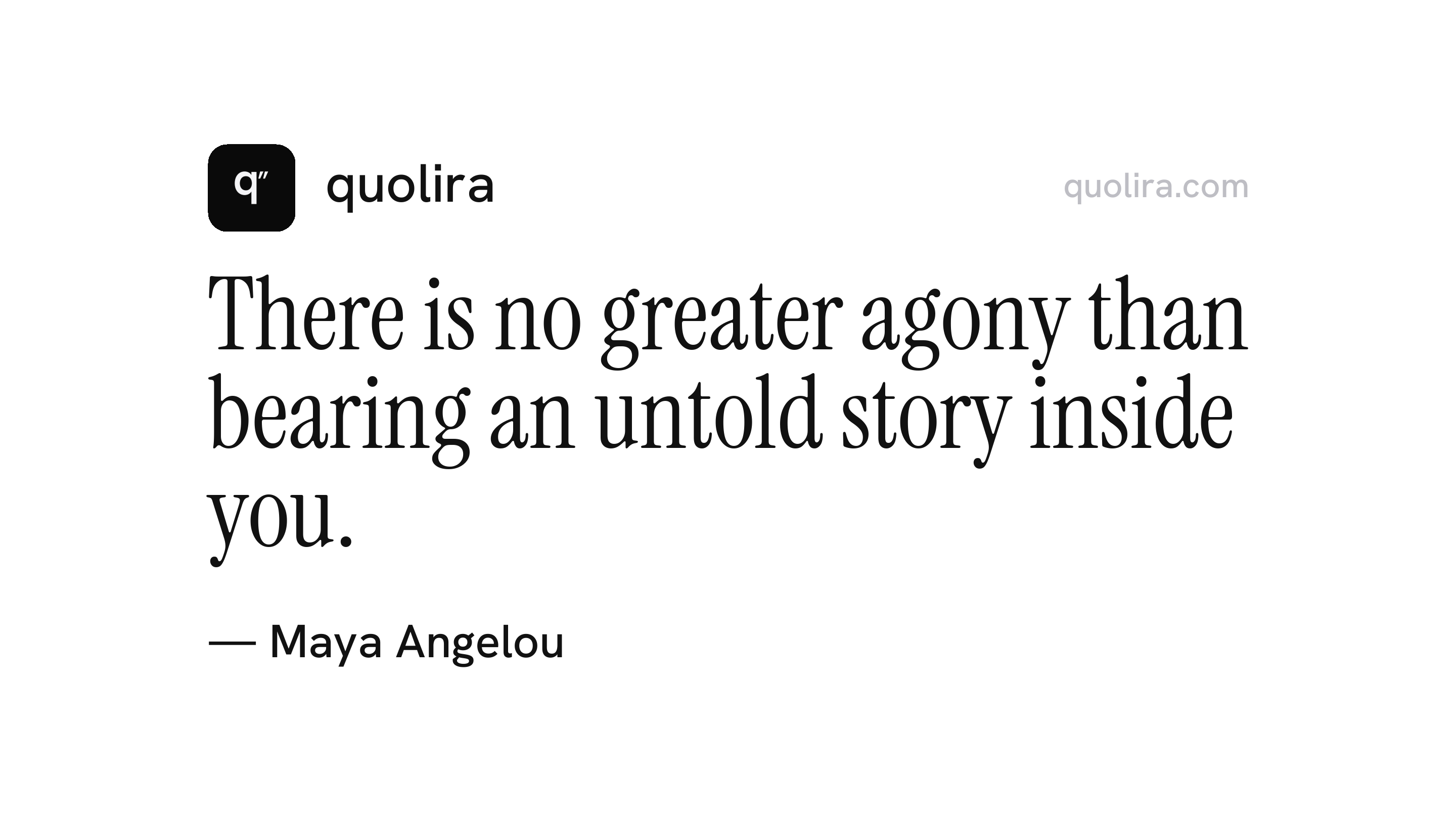
“There is no greater agony than bearing an untold story inside you.”
Maya Angelou · I Know Why the Caged Bird Sings, 1969
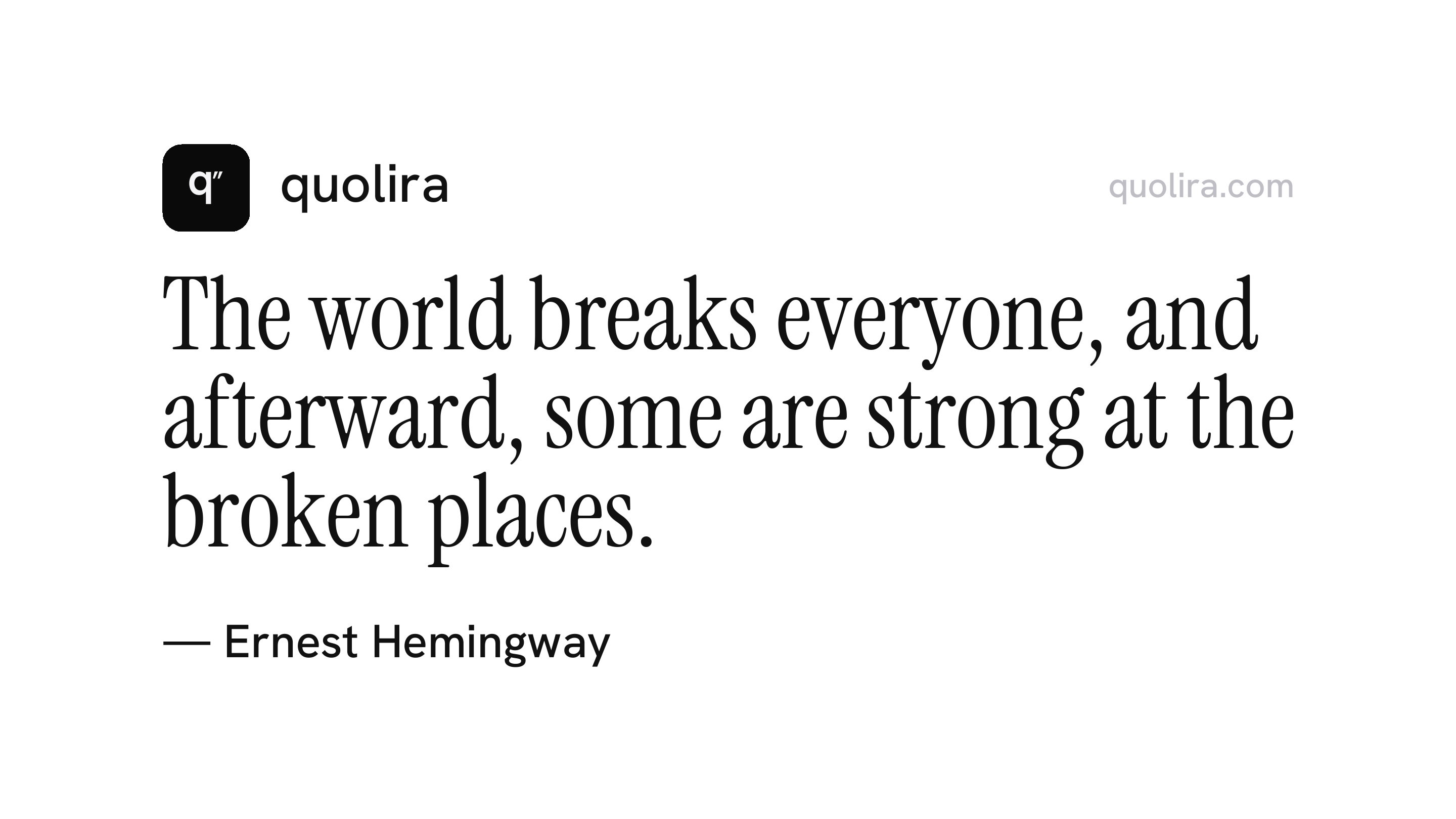
“The world breaks everyone, and afterward, some are strong at the broken places.”
Ernest Hemingway · A Farewell to Arms, 1929
“In three words I can sum up everything I've learned about life: it goes on.”
Robert Frost
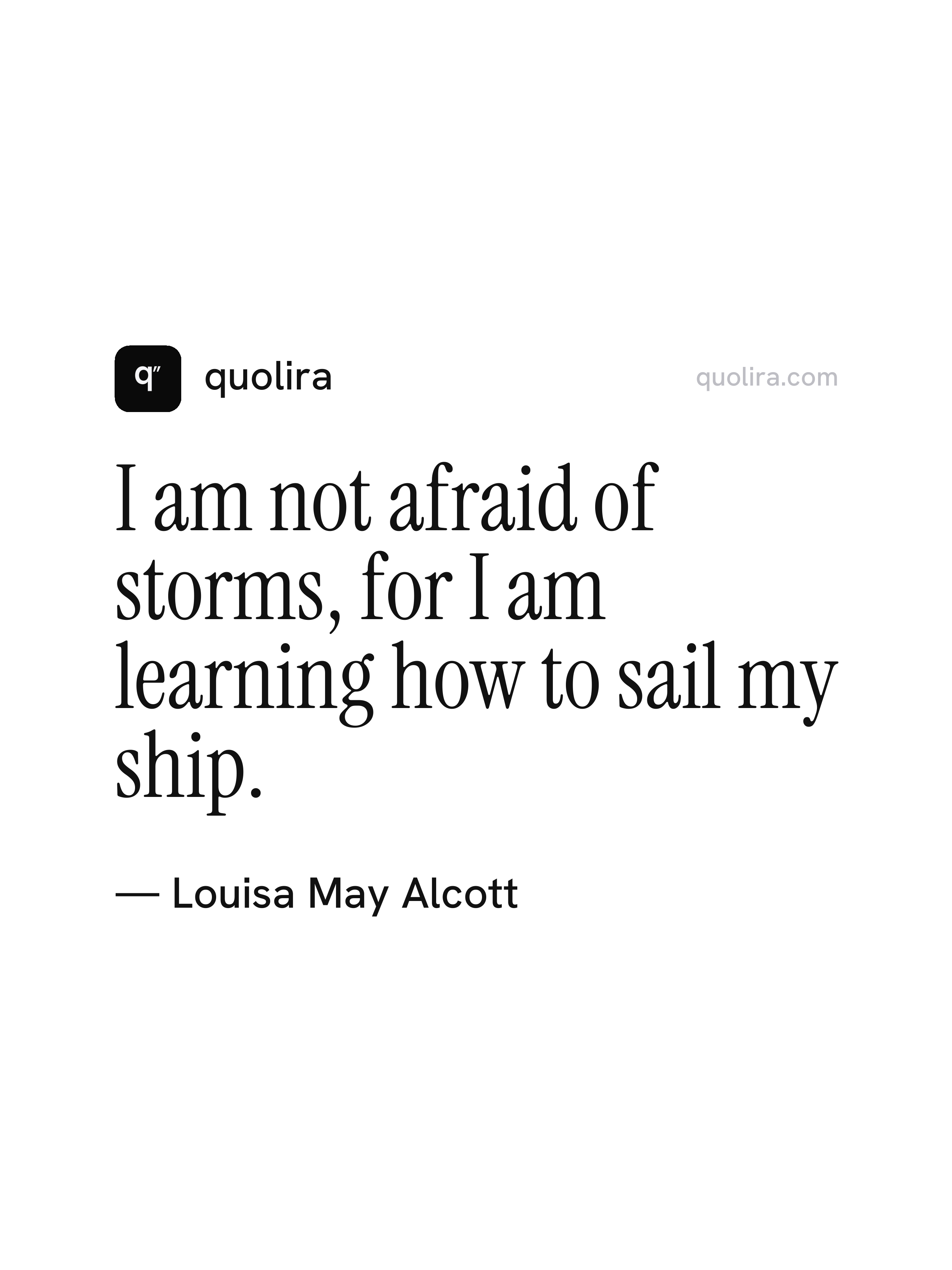
“I am not afraid of storms, for I am learning how to sail my ship.”
Louisa May Alcott · Little Women, 1868
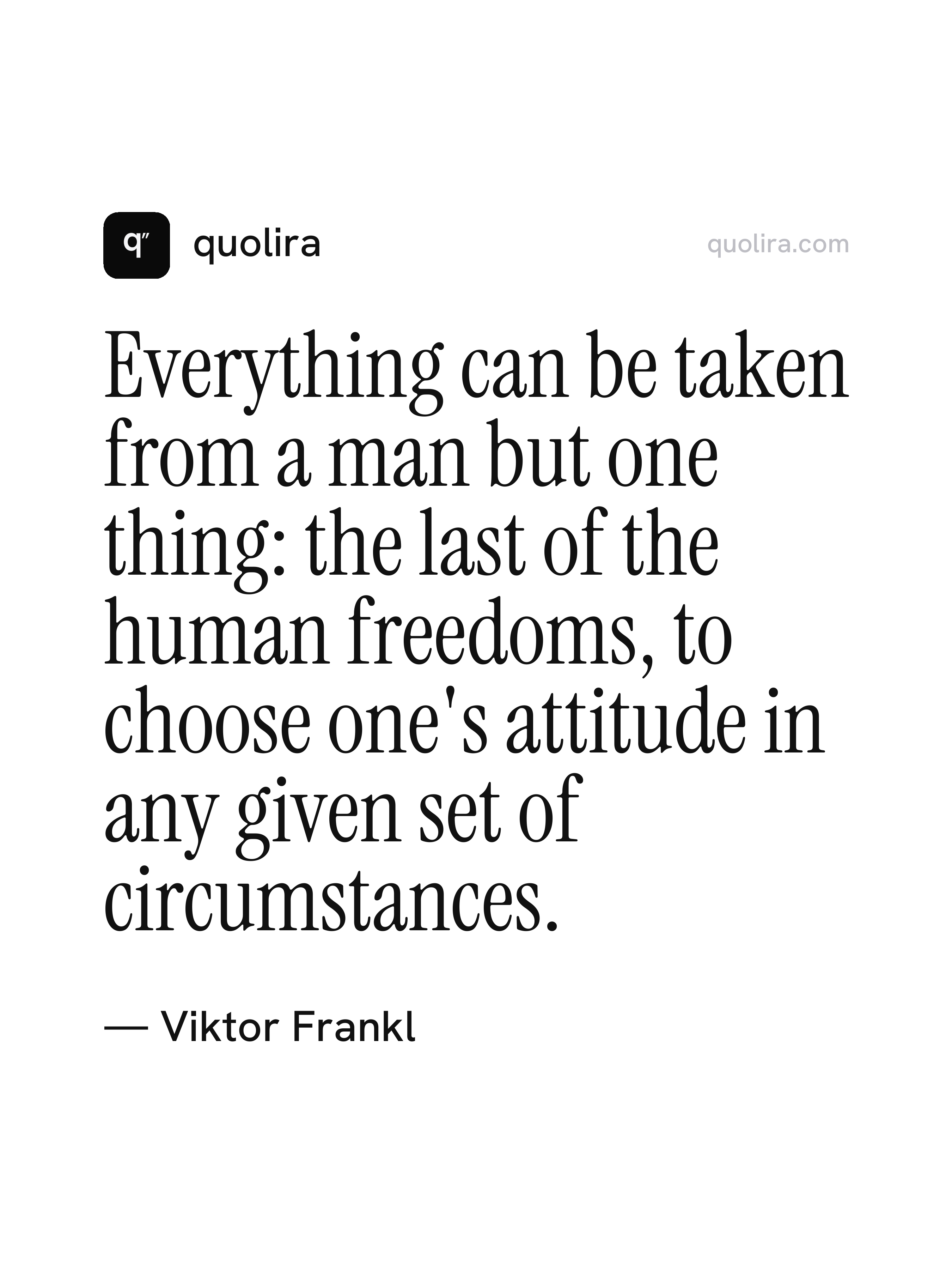
“Everything can be taken from a man but one thing: the last of the human freedoms, to choose one's attitude in any given set of circumstances.”
Viktor Frankl · Man's Search for Meaning, 1946
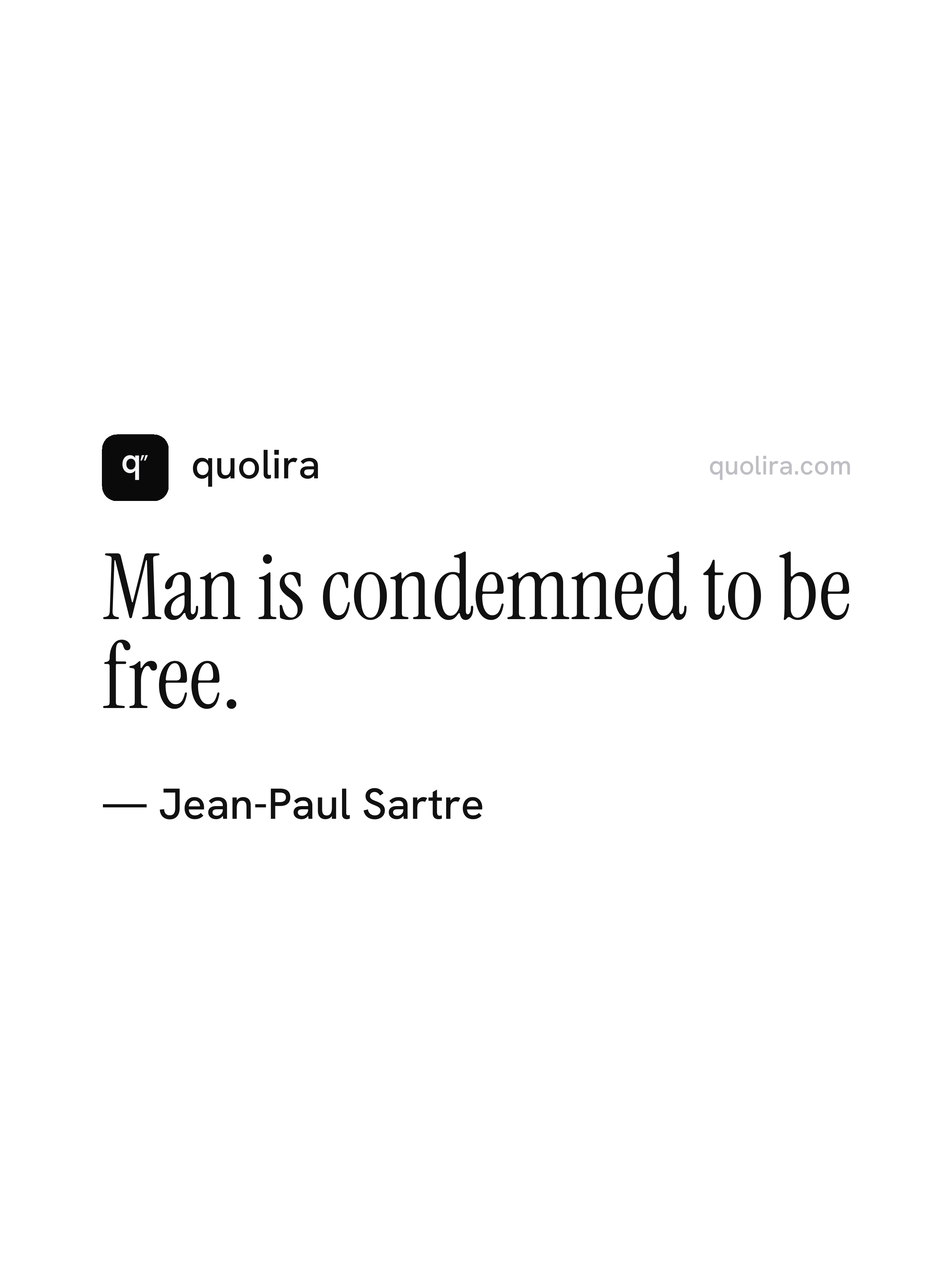
“Man is condemned to be free.”
Jean-Paul Sartre · Existentialism Is a Humanism, 1945
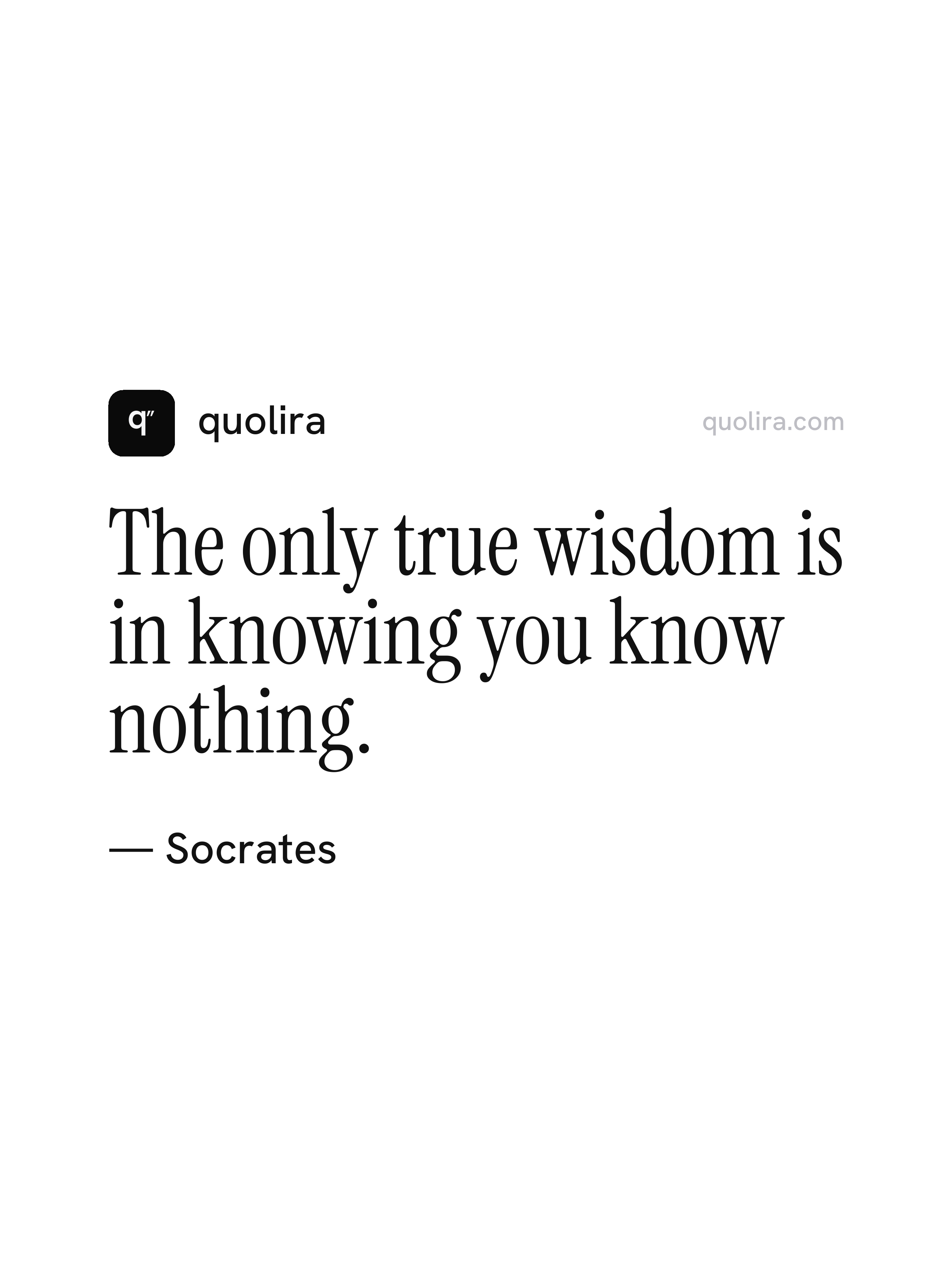
“The only true wisdom is in knowing you know nothing.”
Socrates · Plato, Apology