12 Leo Tolstoy Quotes on Blame That Will Make You Look Inward
The Russian master had a lot to say about fault, and almost none of it pointed outward.
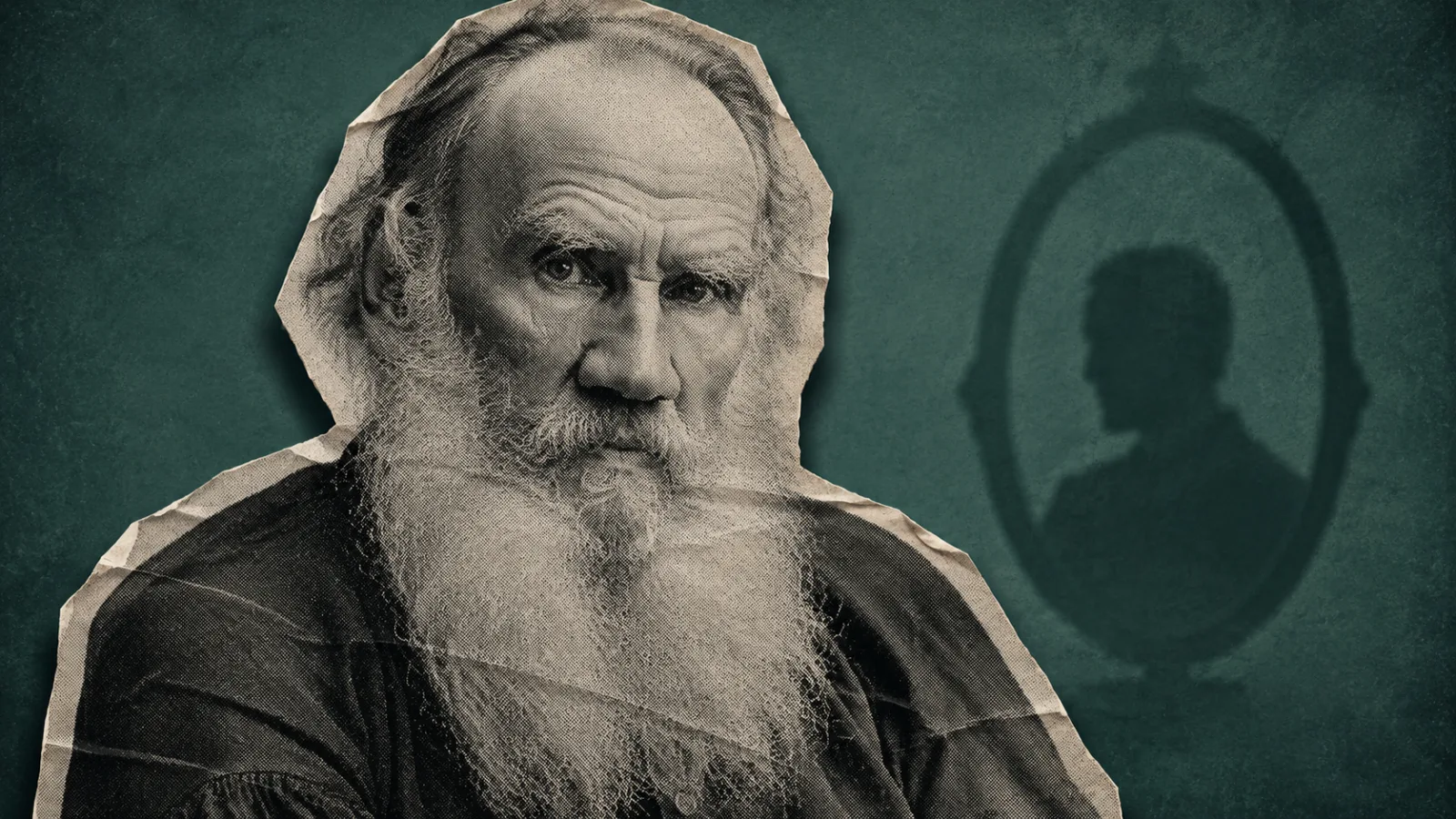
Leo Tolstoy quotes on blame cut in a direction most of us don't expect: toward ourselves. Tolstoy, who spent decades wrestling with moral accountability and personal responsibility in novels, diaries, and essays, kept arriving at the same uncomfortable conclusion. We spend enormous energy cataloging other people's faults. The work he believed mattered was examining our own. These 12 lines collect that conviction from across his writing life.
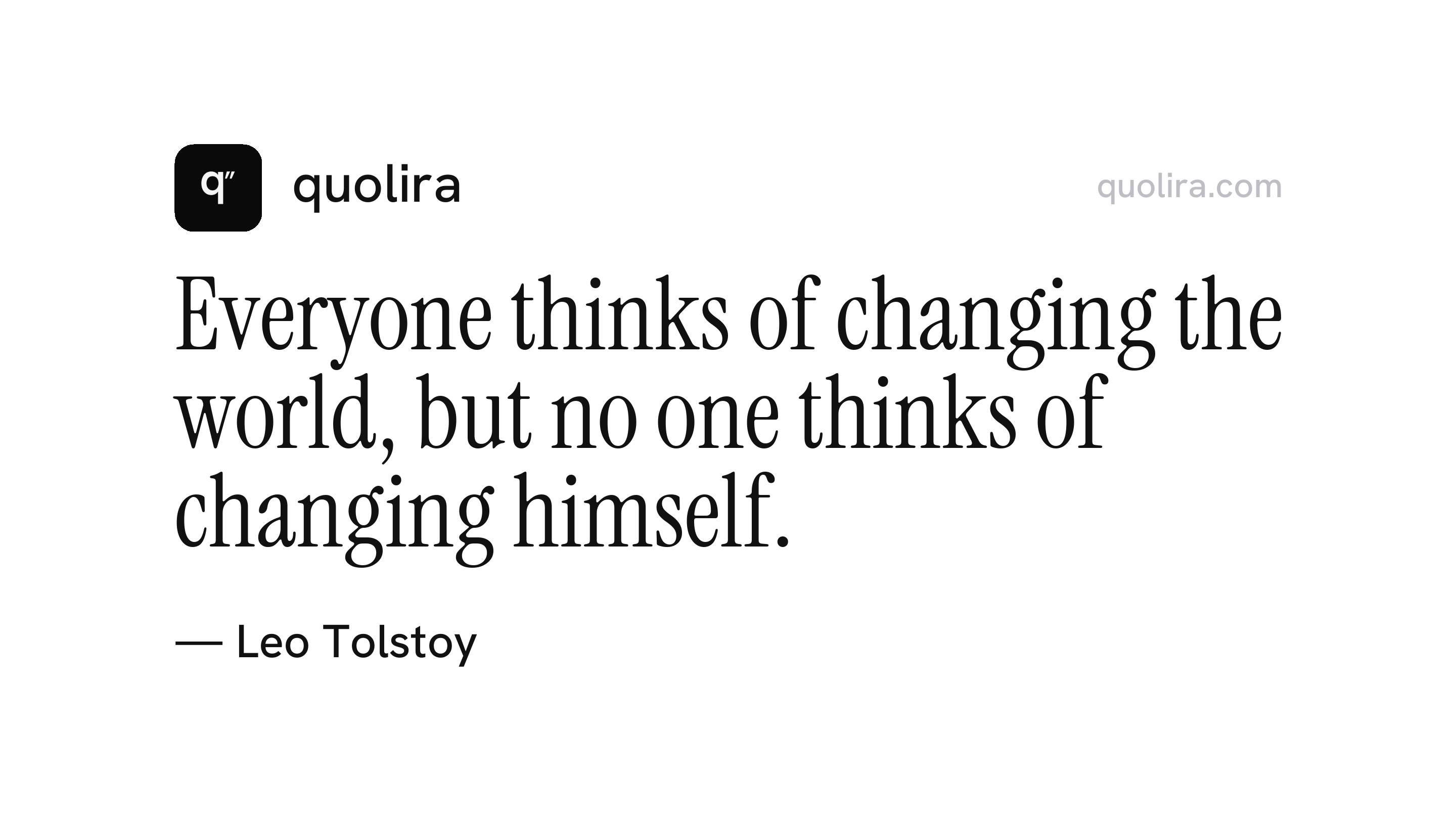
Everyone thinks of changing the world, but no one thinks of changing himself.
The biggest surprise in a man's life is old age.
Tolstoy is pointing at the gap between how we imagine ourselves and what we actually become. It's a quiet indictment of self-deception, which is close kin to blame.
All violence consists in some people forcing others, under threat of suffering or death, to do what they do not want to do.
Leo Tolstoy The Kingdom of God Is Within You, 1894
He's naming the mechanism by which blame gets weaponized. When we can't hold ourselves accountable, coercion fills the gap.
Anna Karenina by Leo Tolstoy
I sit on a man's back, choking him and making him carry me, and yet assure myself and others that I am very sorry for him and wish to ease his lot by all possible means — except by getting off his back.
Leo Tolstoy What Then Must We Do?, 1886
This is Tolstoy at his most devastating. Sympathy without action is just a way of making blame feel noble.
There is no greatness where there is no simplicity, goodness, and truth.
Leo Tolstoy War and Peace, 1869
He's ruling out the performance of virtue here. Blaming others is often exactly that: a performance of moral clarity that substitutes for the real thing.
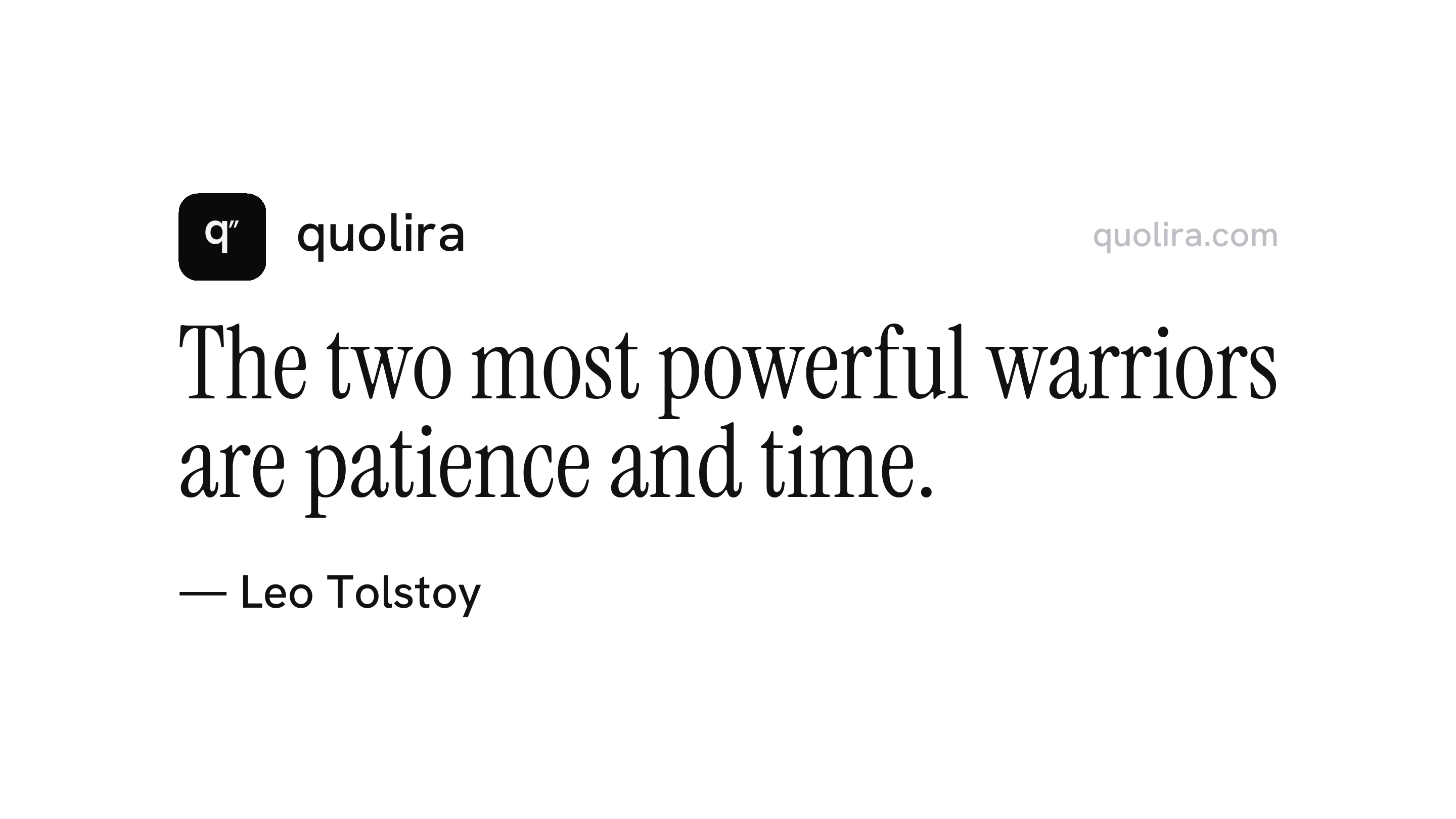
The two most powerful warriors are patience and time.
Leo Tolstoy War and Peace, 1869
Blame is almost always impatient. Tolstoy kept returning to the idea that real moral clarity requires time and the willingness to sit with your own discomfort.
A Confession by Leo Tolstoy
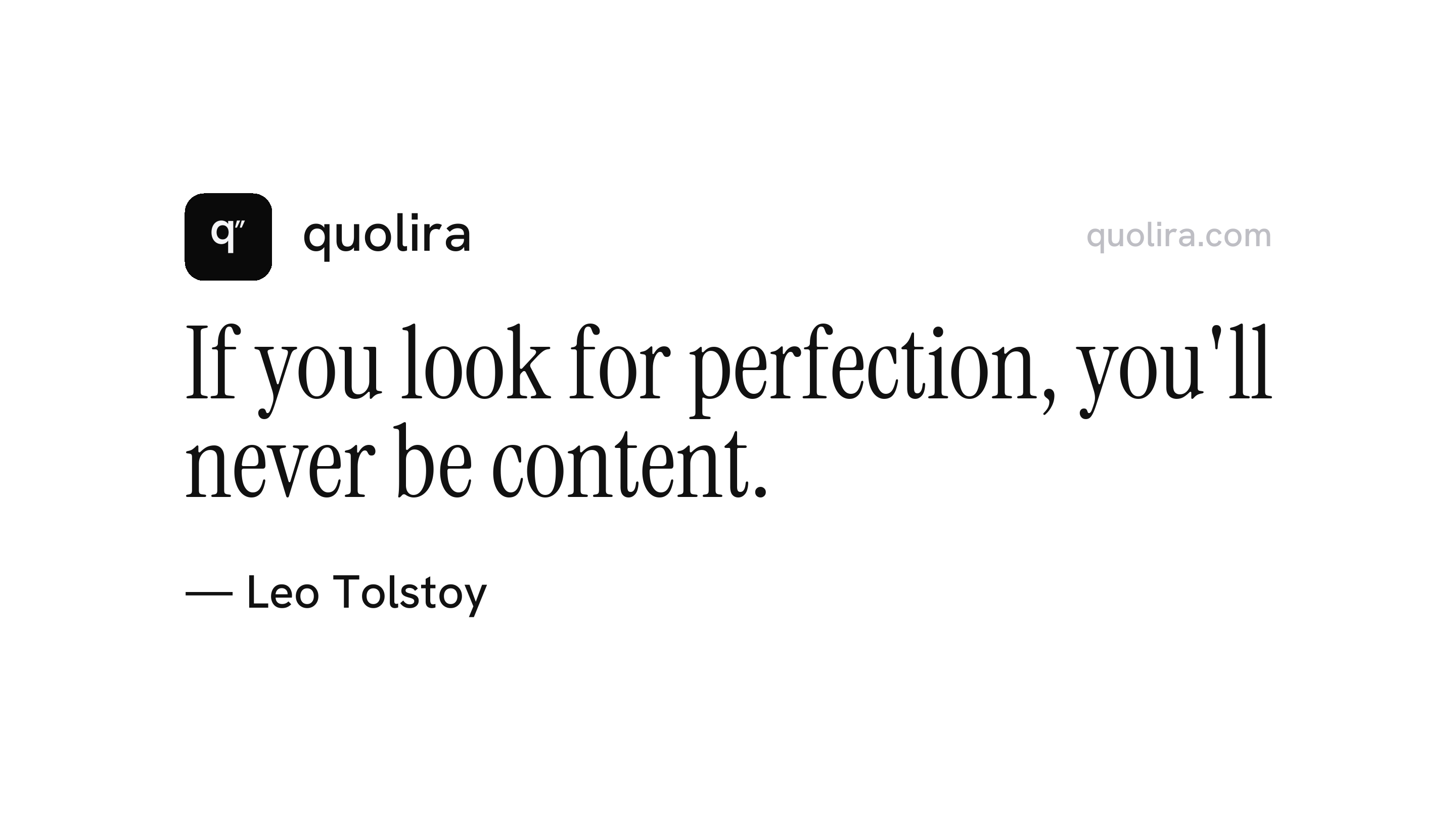
If you look for perfection, you'll never be content.
Leo Tolstoy Anna Karenina, 1878
The search for someone to blame is often a search for perfect explanations. Tolstoy saw that impulse as its own trap.
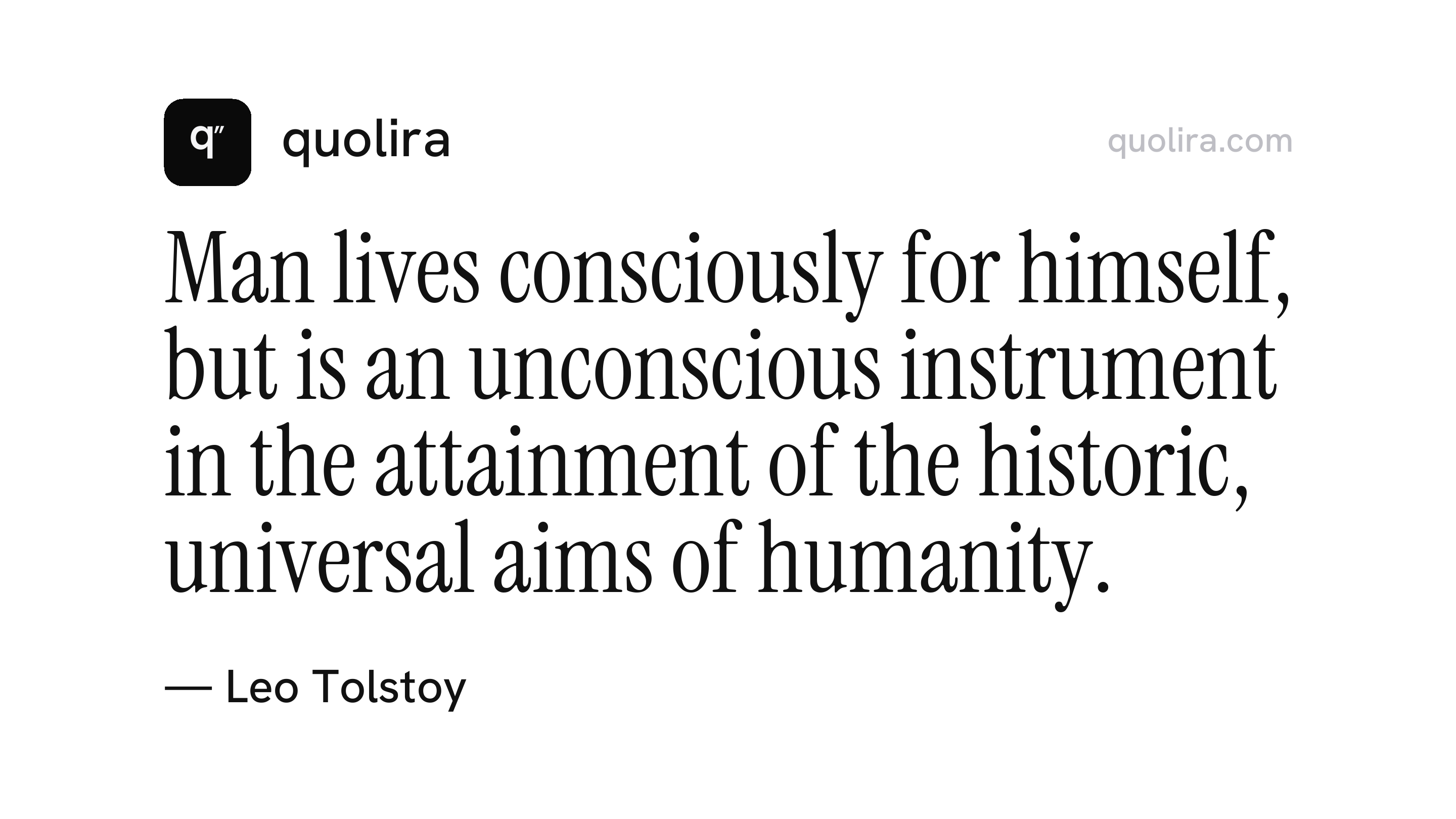
Man lives consciously for himself, but is an unconscious instrument in the attainment of the historic, universal aims of humanity.
Leo Tolstoy War and Peace, 1869
He's deflating the ego's need to assign clear credit and blame. Most of what shapes outcomes is larger than any individual's fault or virtue.
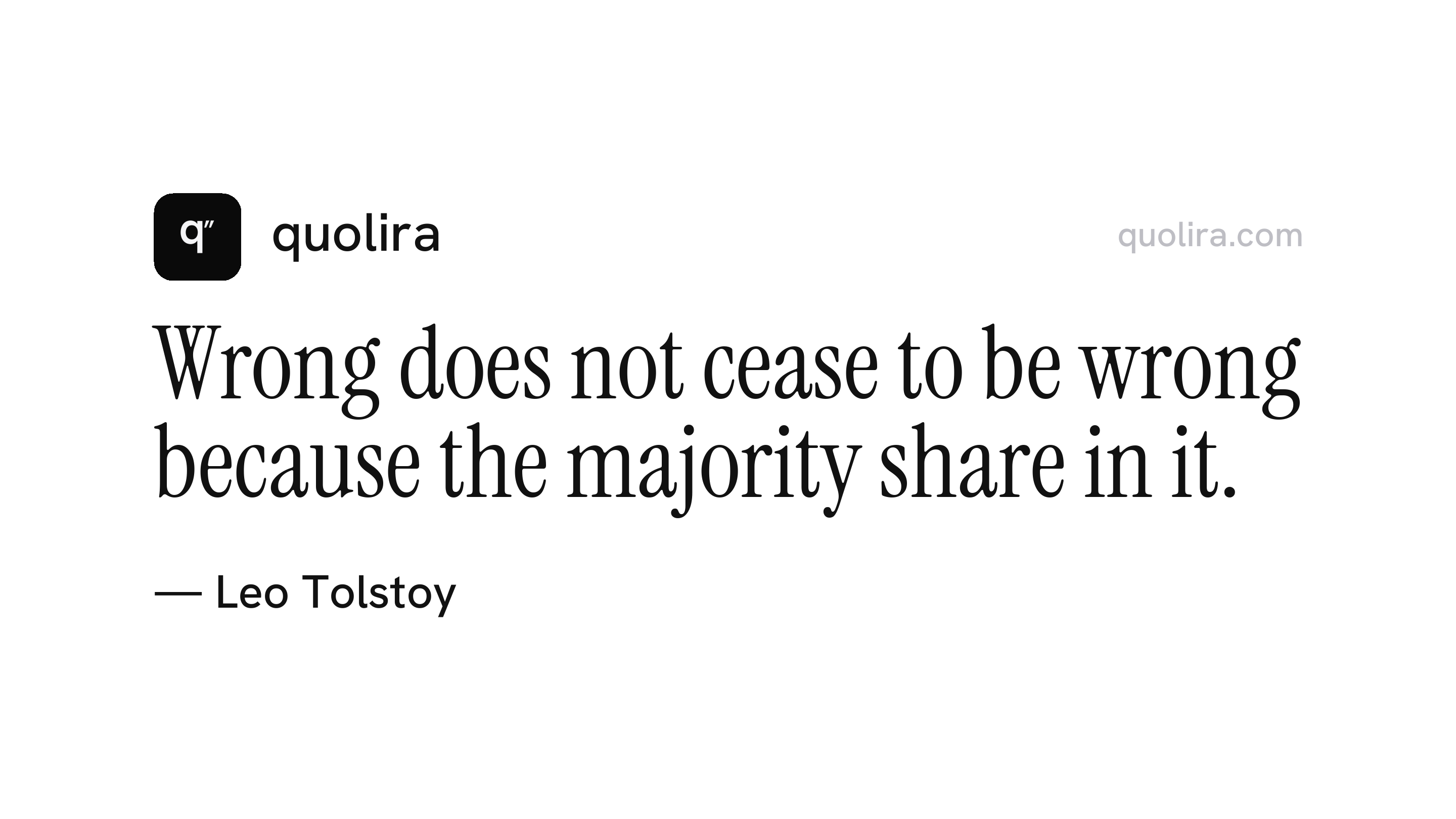
Wrong does not cease to be wrong because the majority share in it.
Leo Tolstoy A Calendar of Wisdom, 1908
One of the clearest statements he ever wrote on collective blame-shifting. Consensus doesn't create innocence.
The Death of Ivan Ilyich by Leo Tolstoy
The sole meaning of life is to serve humanity.
Leo Tolstoy A Confession, 1882
Tolstoy's answer to moral failure wasn't punishment or blame; it was redirection toward service. You can't genuinely serve others while cataloging their faults.
A man can live and be healthy without killing animals for food; therefore, if he eats meat, he participates in taking animal life merely for the sake of his appetite. And to act so is immoral.
Leo Tolstoy The First Step, 1892
Tolstoy refused to let himself off the hook in any domain. This is what accountability without blame-deflection looks like: plain, first-person moral reasoning.
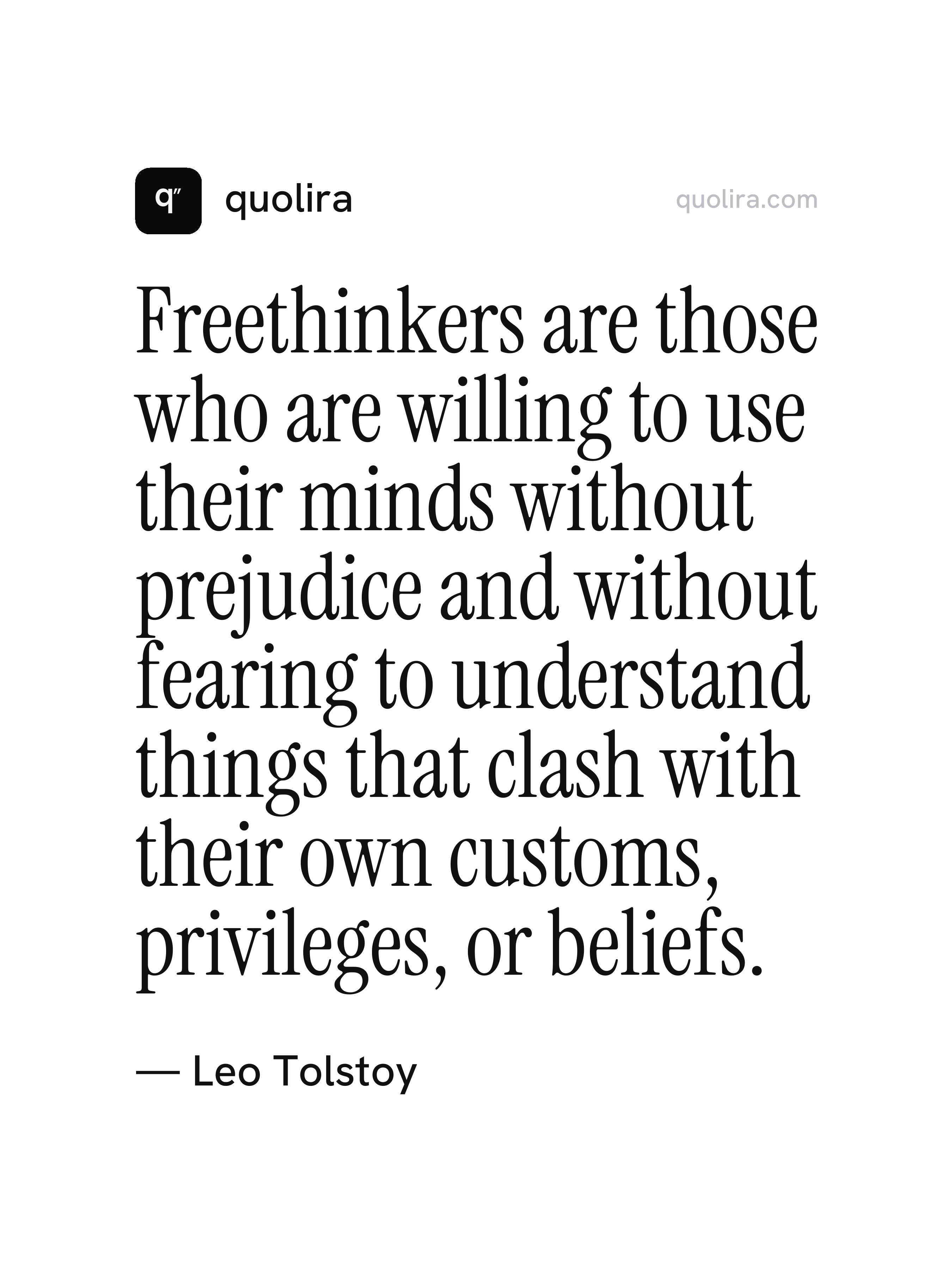
Freethinkers are those who are willing to use their minds without prejudice and without fearing to understand things that clash with their own customs, privileges, or beliefs.
Blame thrives on prejudice. Tolstoy believed that real moral thinking required you to question your own position first, which is the opposite of what blame usually does.
Tolstoy wrote millions of words across 82 years of living. But this thread runs through all of it: the person you can actually change is you. That's not comfort. That's a challenge.
Frequently asked questions
Did Tolstoy write about blame and personal responsibility?
What is Leo Tolstoy most famous for saying about self-improvement?
Are there Tolstoy quotes on forgiving others versus blaming them?
Keep reading

16 Alice in Wonderland Quotes That Still Make You Stop and Think
The strange logic of Wonderland has a way of feeling truer than the real world.
14 Seneca Self Love Quotes on Befriending Yourself
Ancient Stoic wisdom on why the friendship you owe yourself comes before every other bond.
12 Amor Fati Quotes on Loving Your Fate
Twelve reflective lines about accepting everything life hands you, even the hard parts.
This is probably Tolstoy's most quoted line, and it still stings because nothing about it has aged. The impulse to fix the world before fixing yourself is as common now as it was in 1900.