“All violence consists in some people forcing others, under threat of suffering or death, to do what they do not want to do.”
Leo Tolstoy · The Kingdom of God Is Within You, 1894
 quolira
.com
quolira
quolira.com
This passage presents one of the sharpest images Tolstoy ever constructed for the concept of self-serving compassion. It describes a person who exploits another while simultaneously expressing sympathy and a desire to help, with the single exception of actually stopping the exploitation. The point is that sympathy without structural change is not just insufficient but can function as a kind of cover for continuing harm.
"What Then Must We Do?" was written after Tolstoy spent time among the urban poor of Moscow and was shaken by what he found. The book is a serious examination of poverty, labor, and the moral situation of the wealthy. This particular image was Tolstoy's way of describing the position of the privileged classes who supported charitable causes while remaining comfortable participants in the economic arrangements that produced poverty. It is pointed social criticism delivered through a single vivid scene.
Leo Tolstoy was a Russian writer born in 1828 who became one of the most celebrated novelists of the nineteenth century before turning much of his energy toward moral and social philosophy. He was born into the Russian nobility and spent much of his later life wrestling publicly with the contradictions of his own privileged position. His willingness to direct his criticism inward as well as outward gave his social writing unusual credibility and force. He died in 1910.
“All violence consists in some people forcing others, under threat of suffering or death, to do what they do not want to do.”
Leo Tolstoy · The Kingdom of God Is Within You, 1894
“The biggest surprise in a man's life is old age.”
Leo Tolstoy
“Everyone thinks of changing the world, but no one thinks of changing himself.”
Leo Tolstoy · Three Methods of Reform, 1900
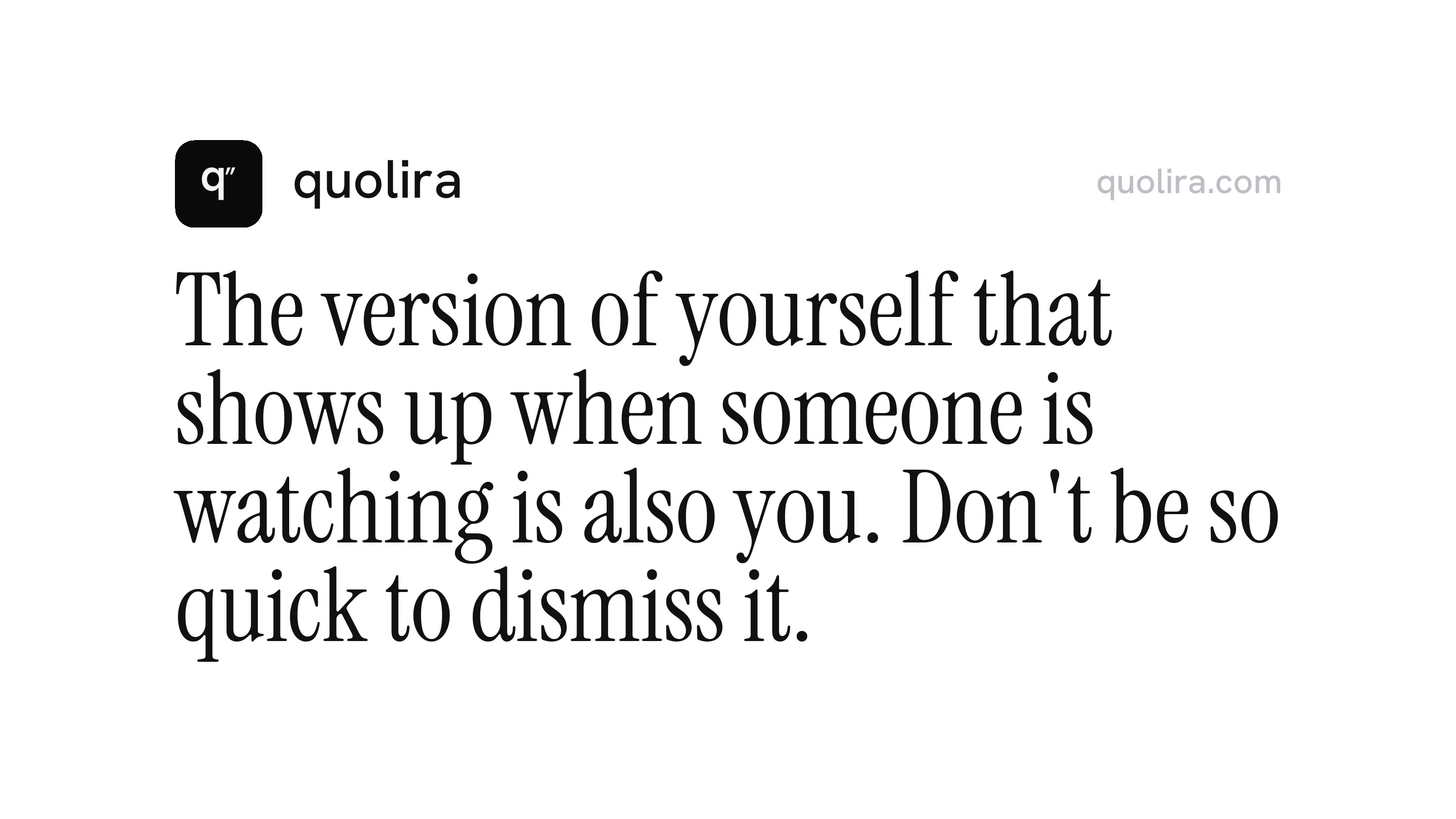
“The version of yourself that shows up when someone is watching is also you. Don't be so quick to dismiss it.”
Original
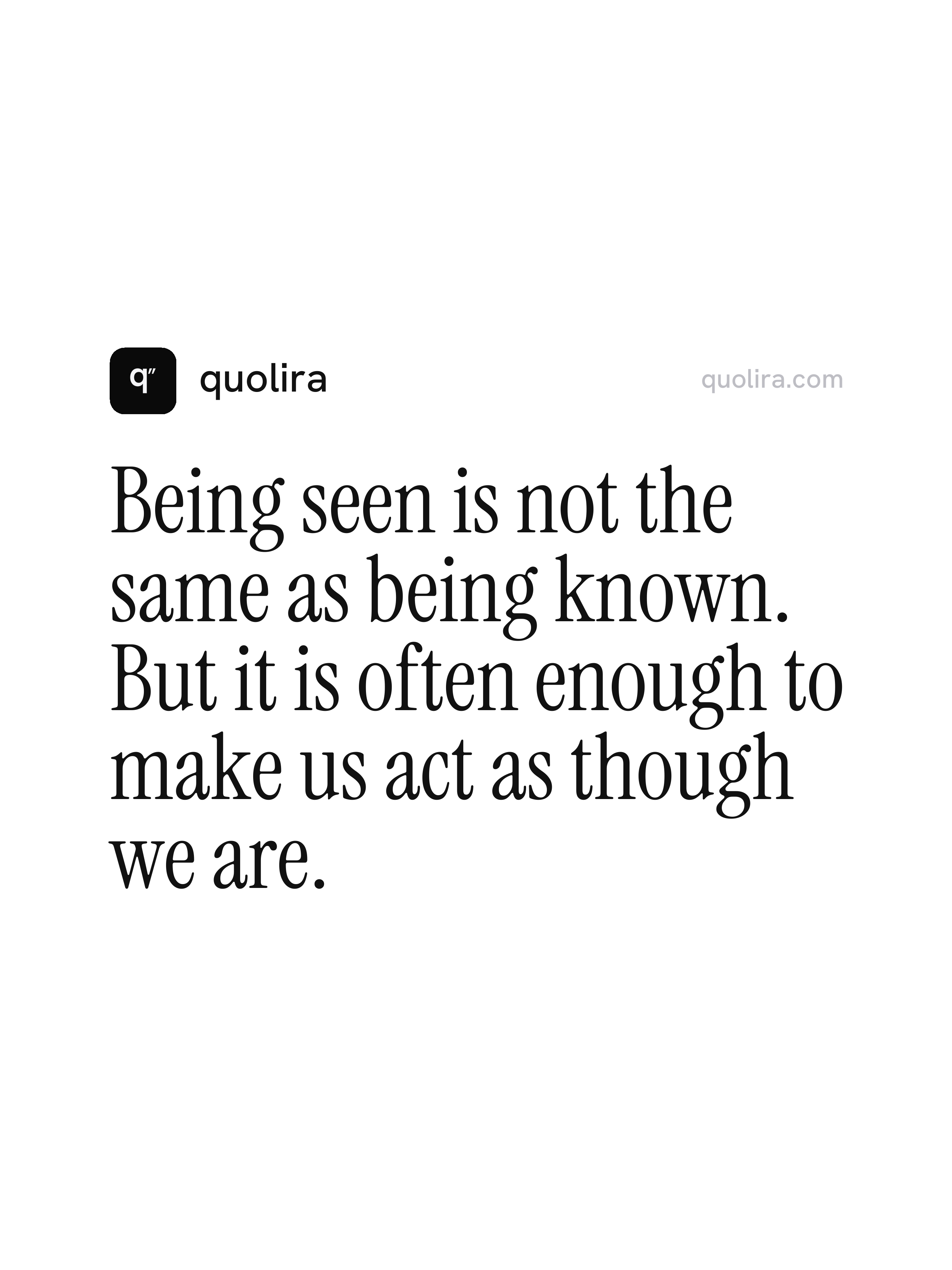
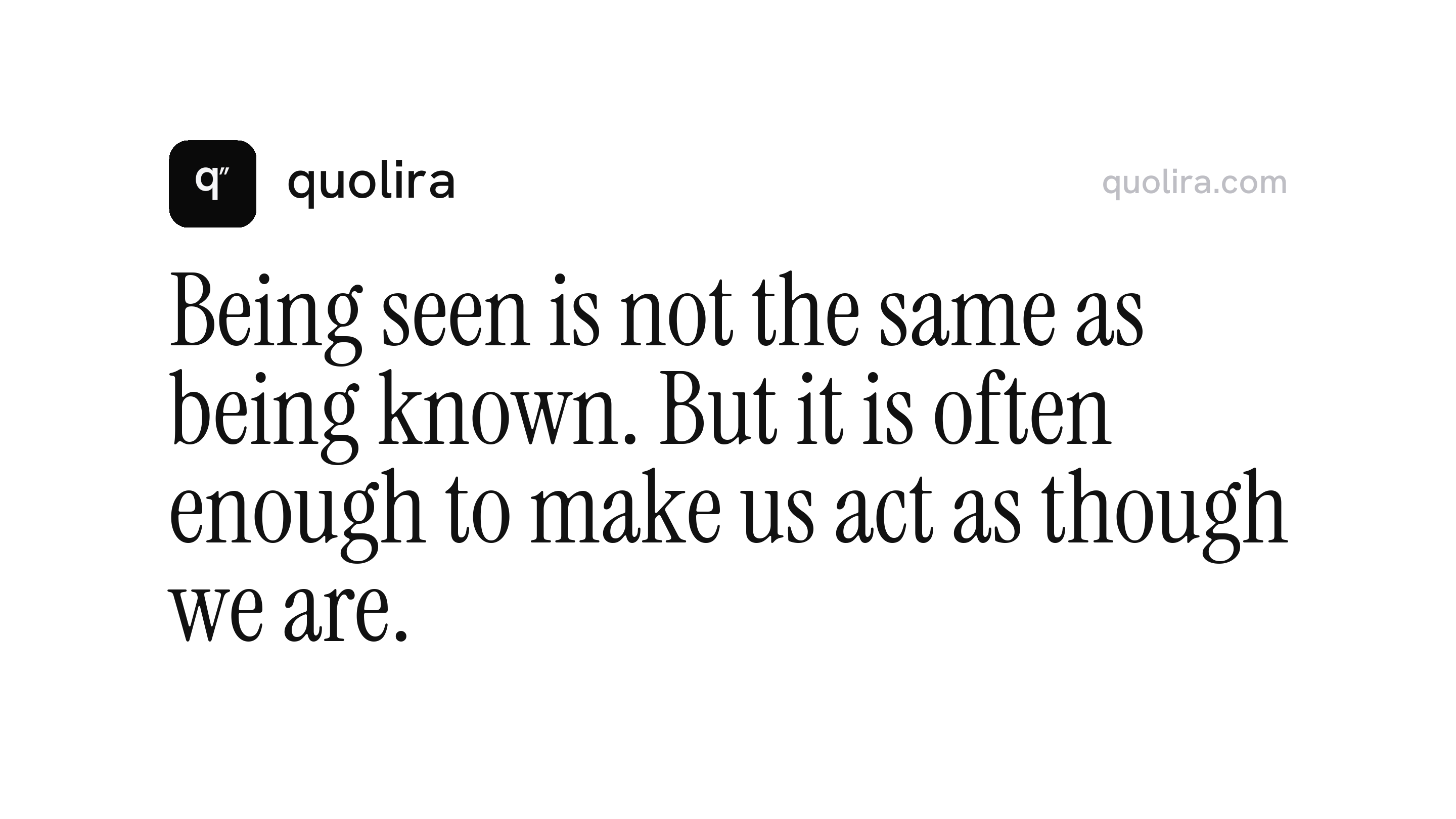
“Being seen is not the same as being known. But it is often enough to make us act as though we are.”
Original
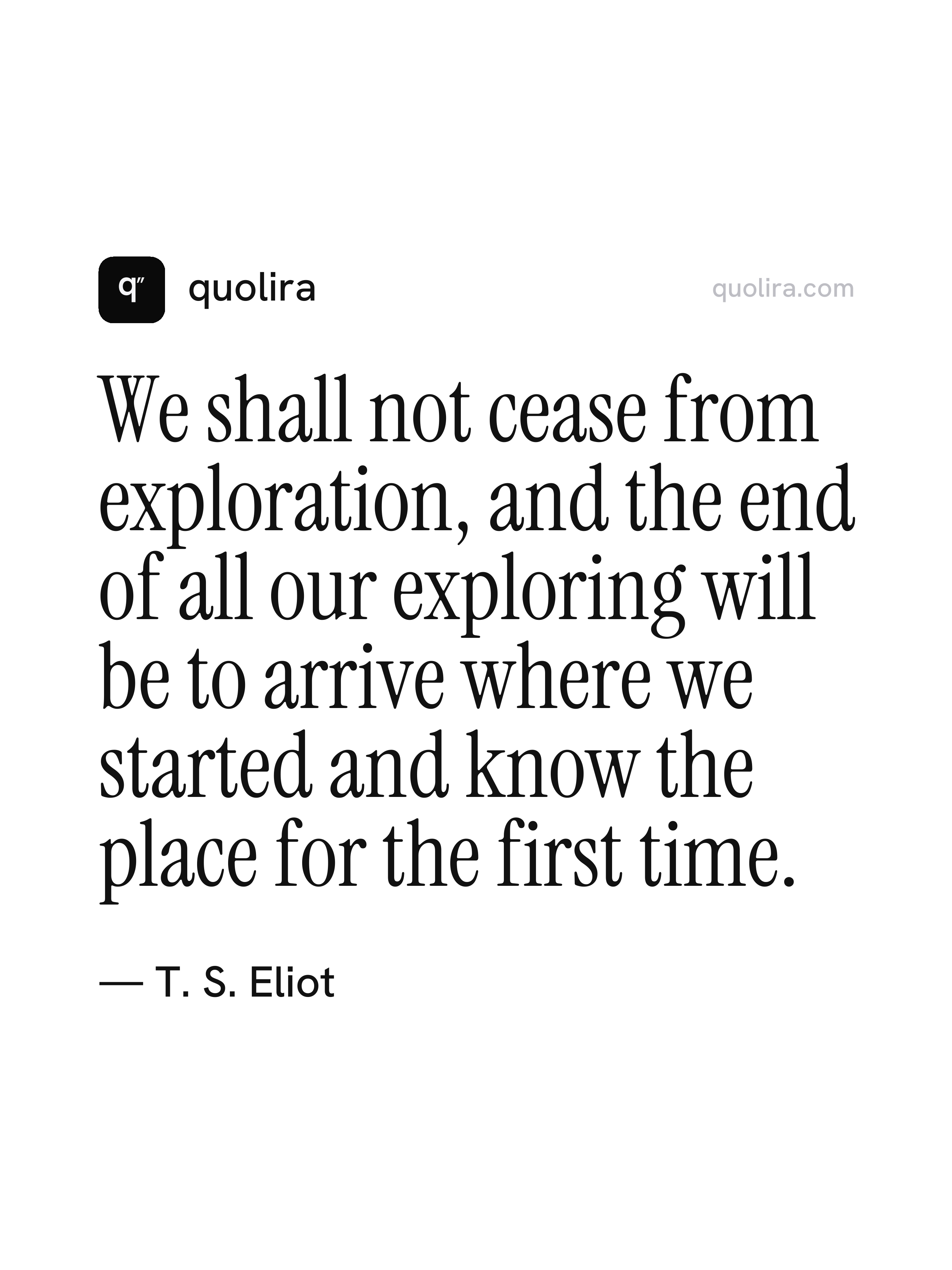
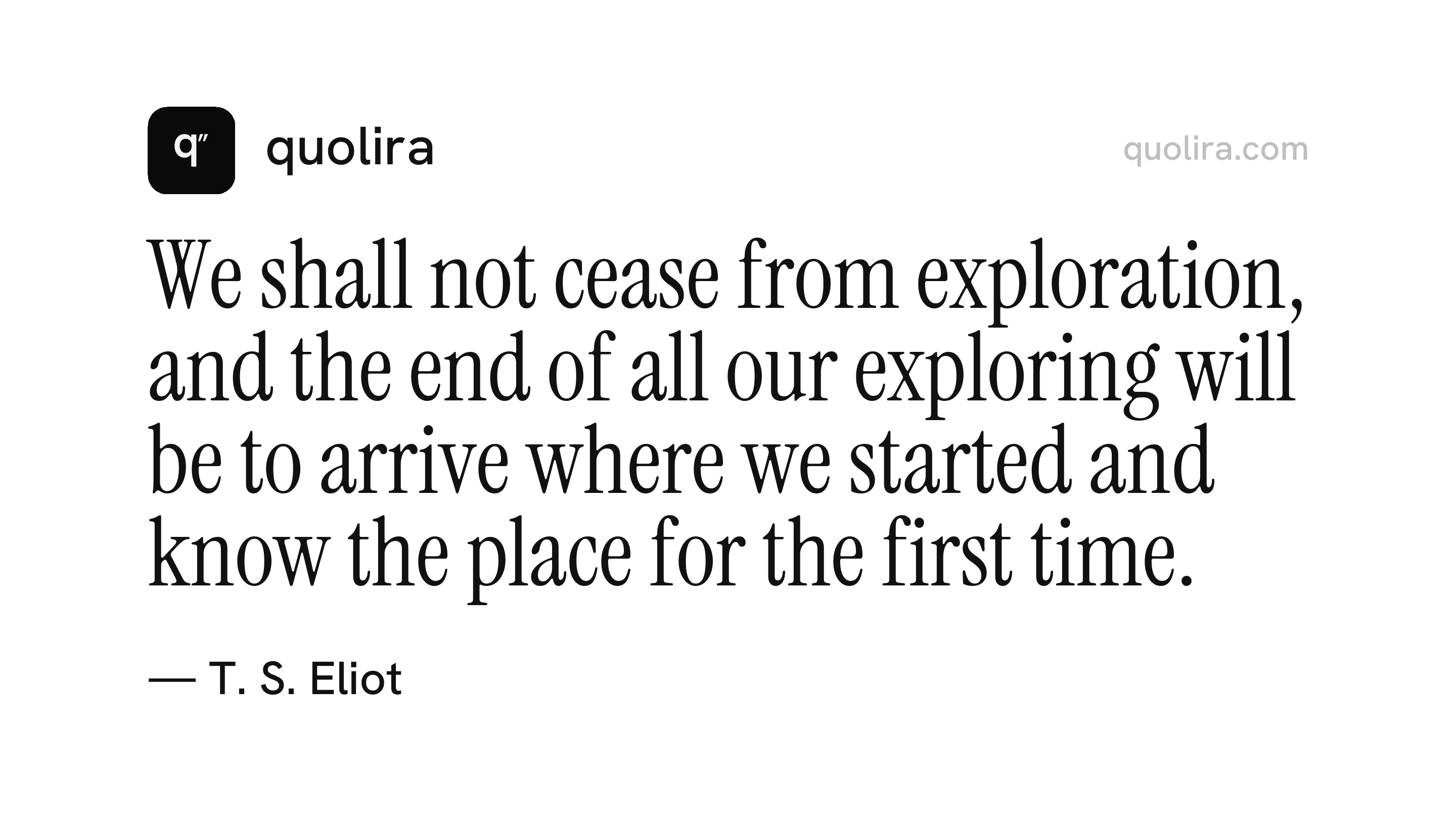
“We shall not cease from exploration, and the end of all our exploring will be to arrive where we started and know the place for the first time.”
T. S. Eliot · Little Gidding, Four Quartets, 1942
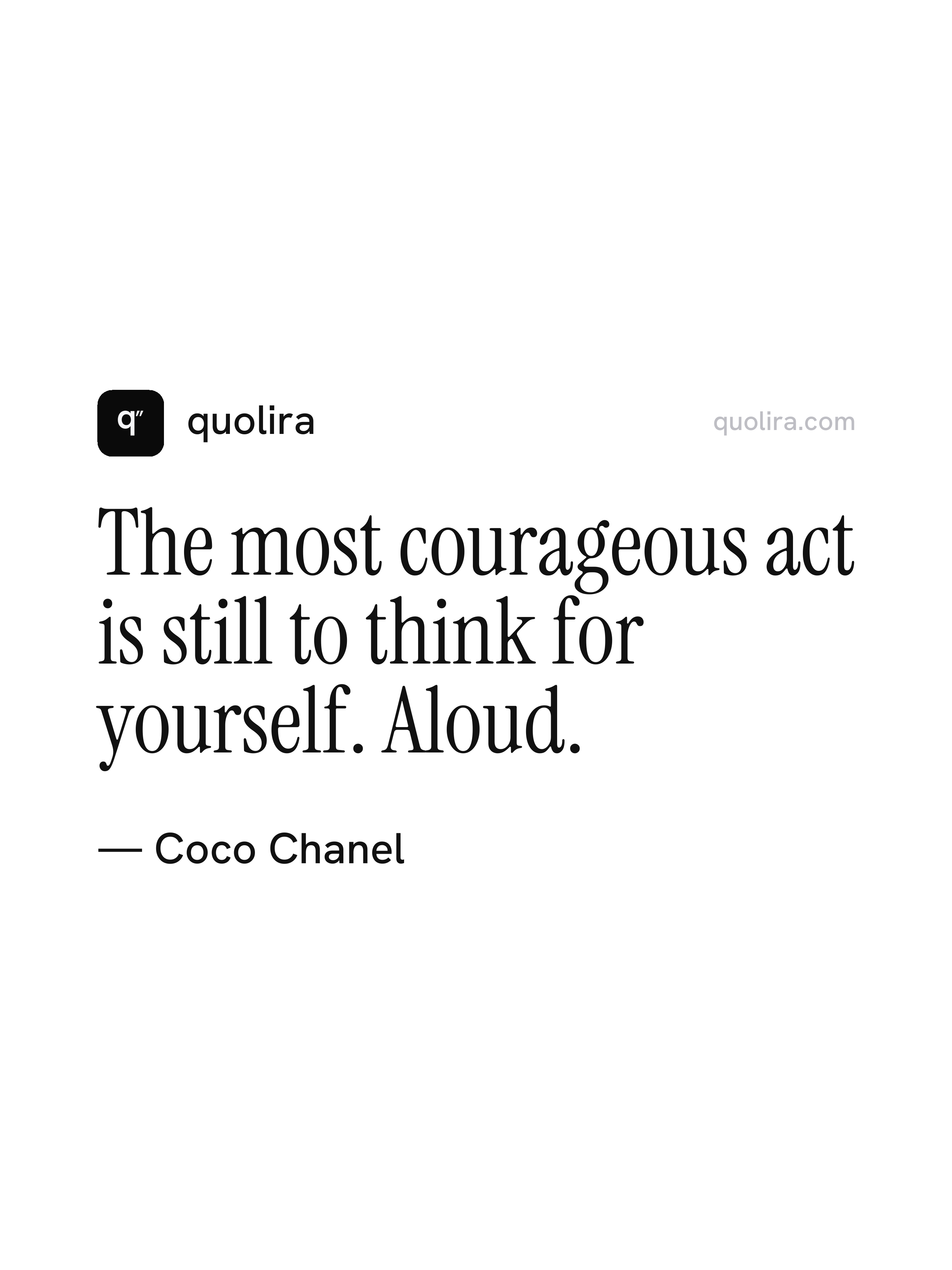
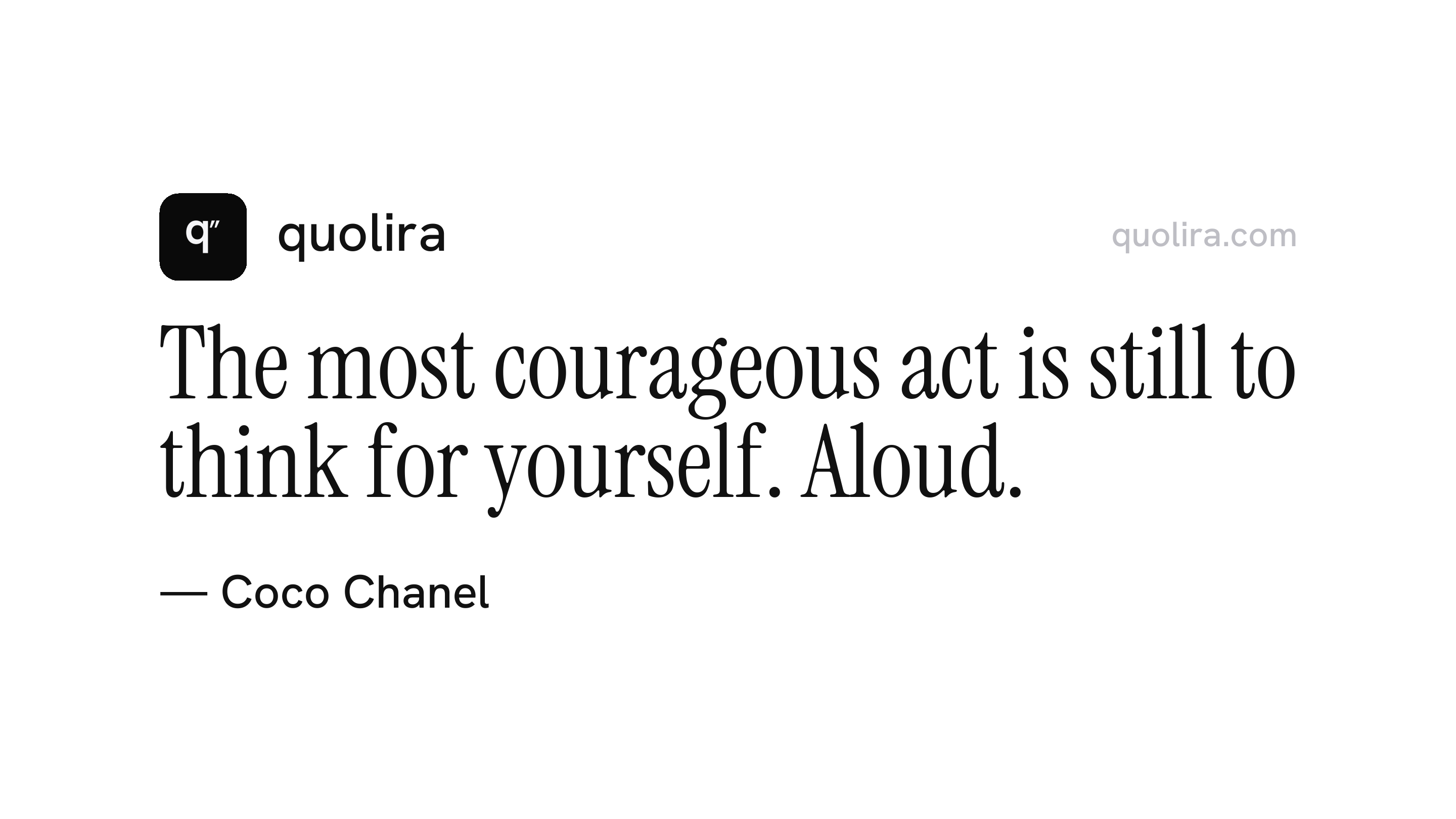
“The most courageous act is still to think for yourself. Aloud.”
Coco Chanel
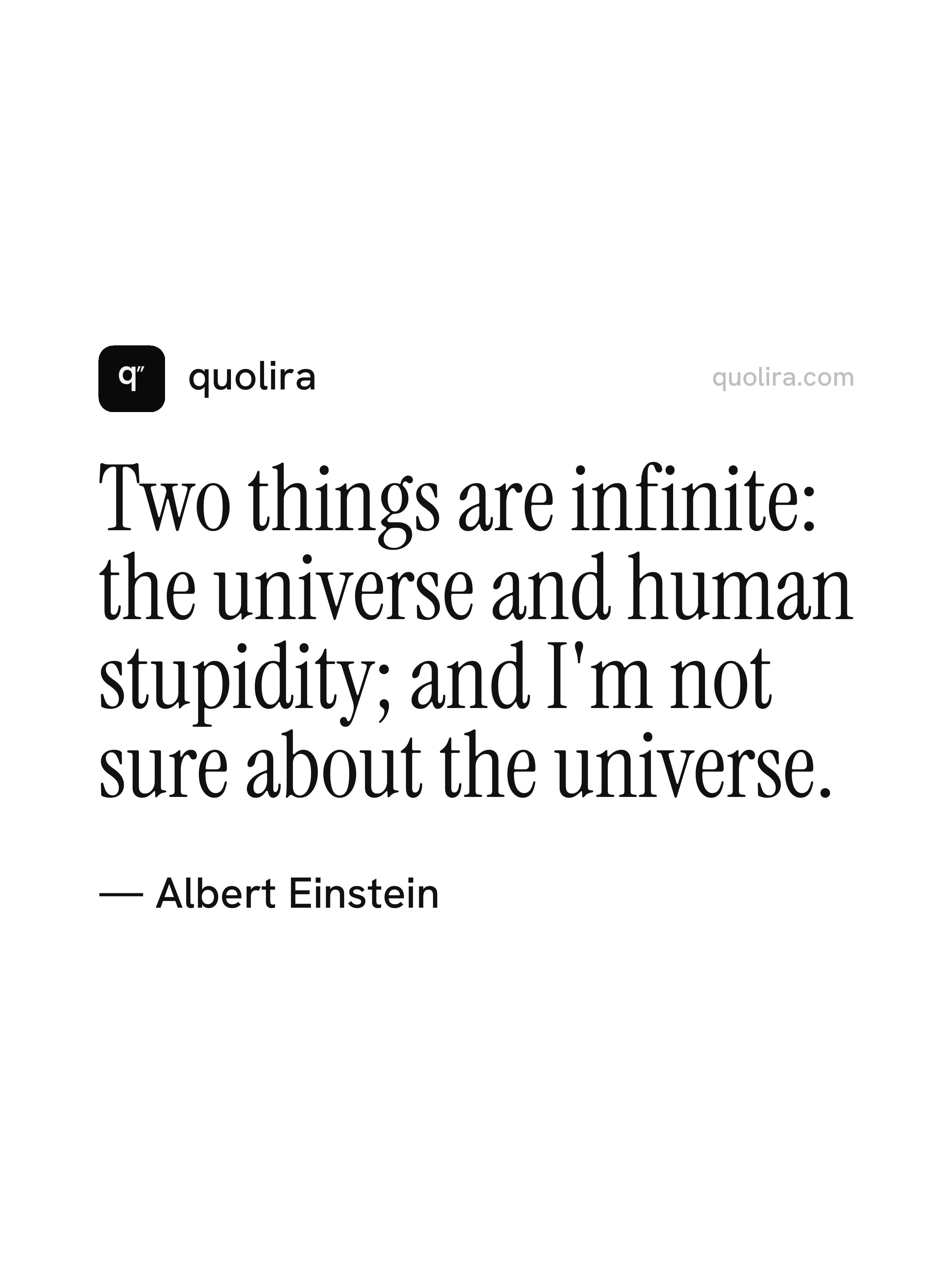
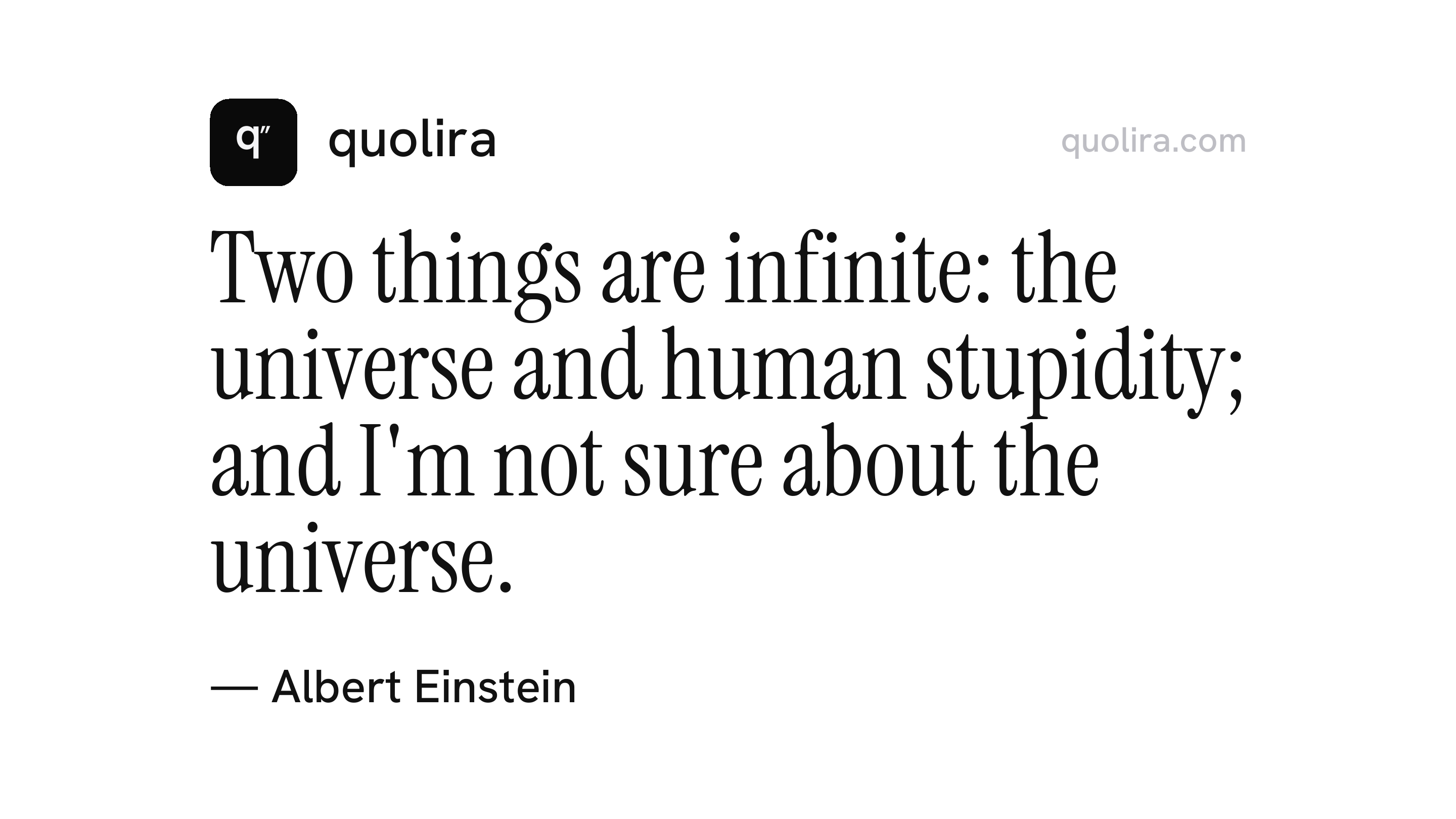
“Two things are infinite: the universe and human stupidity; and I'm not sure about the universe.”
Albert Einstein
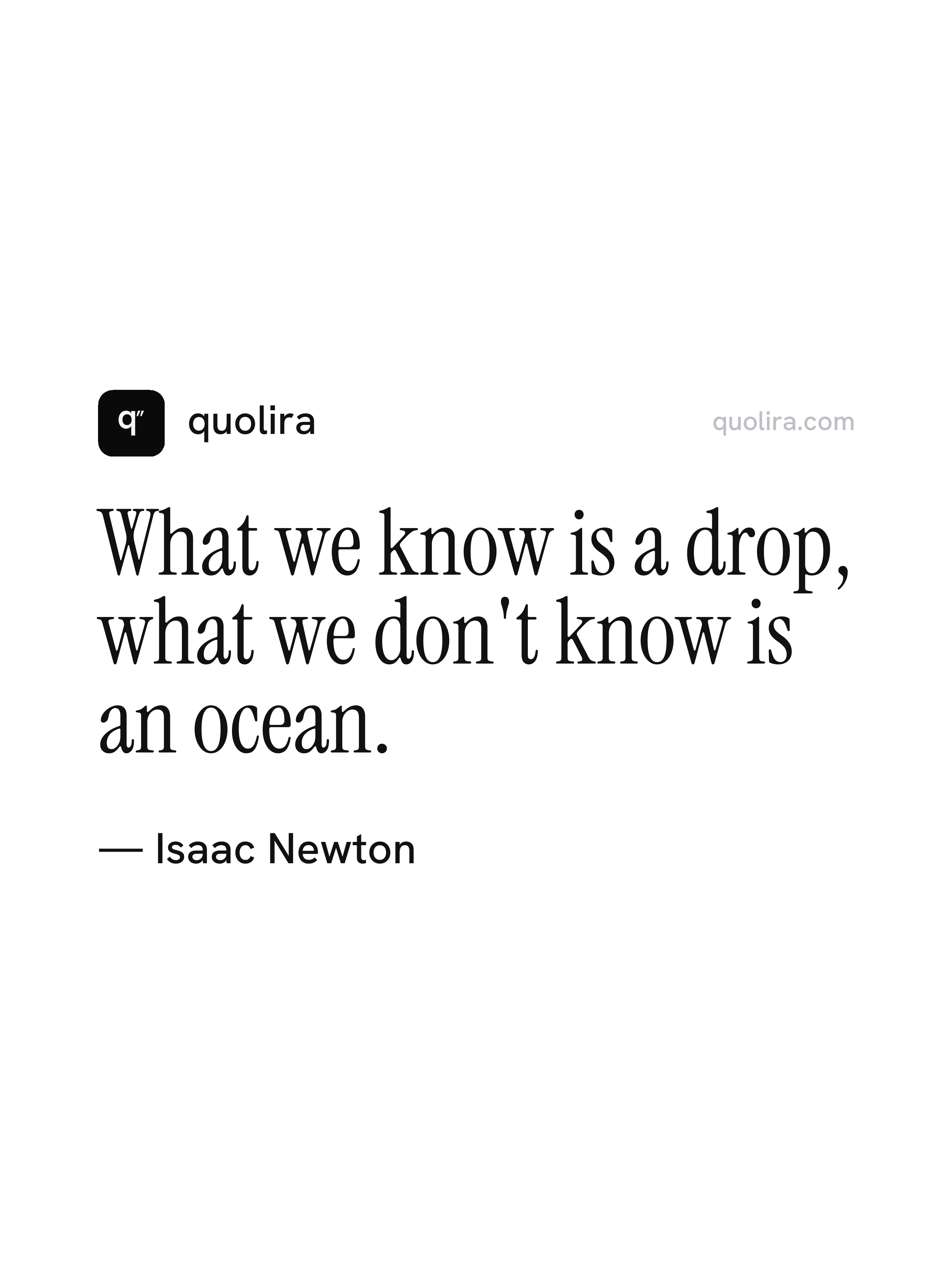
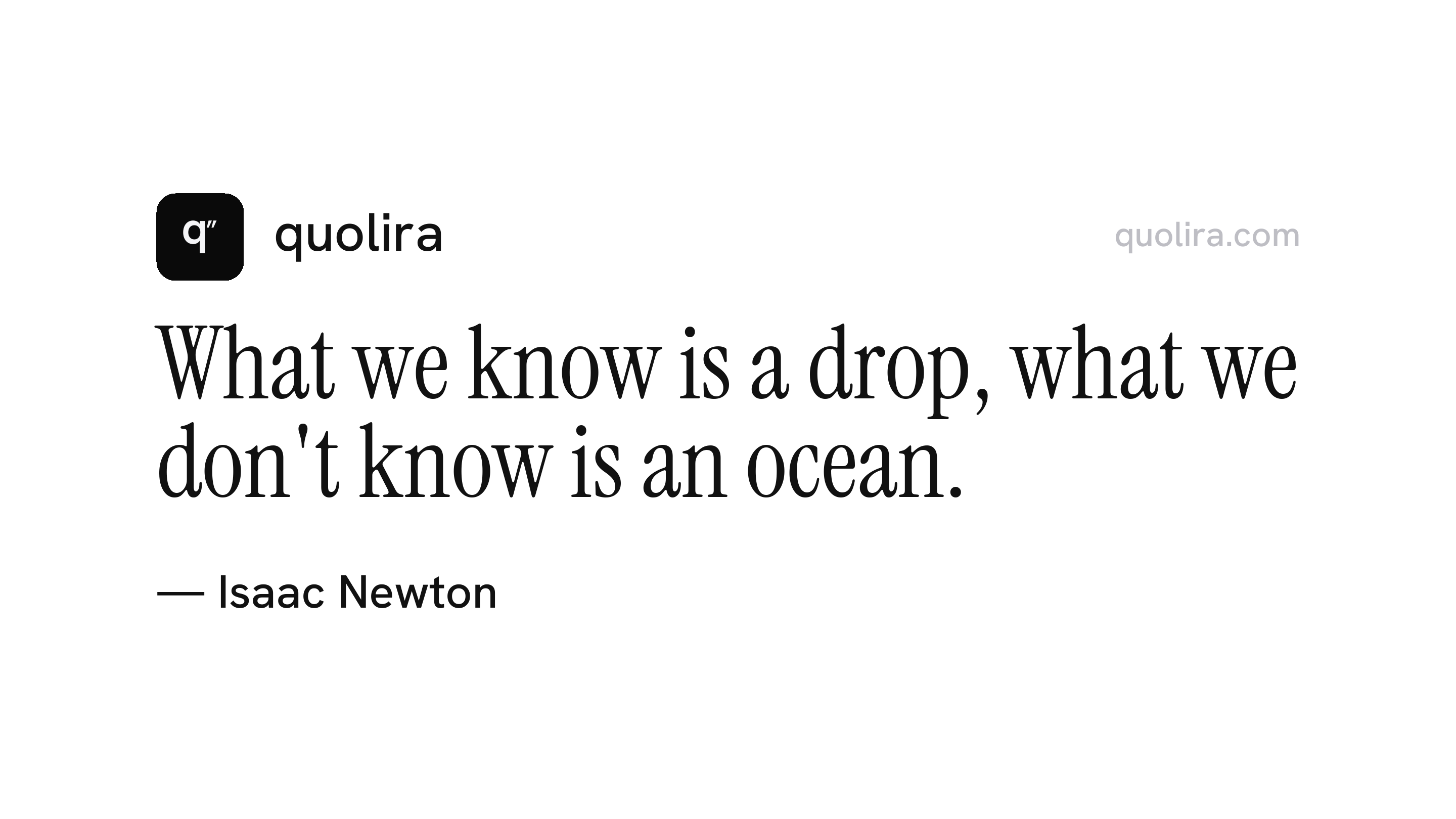
“What we know is a drop, what we don't know is an ocean.”
Isaac Newton
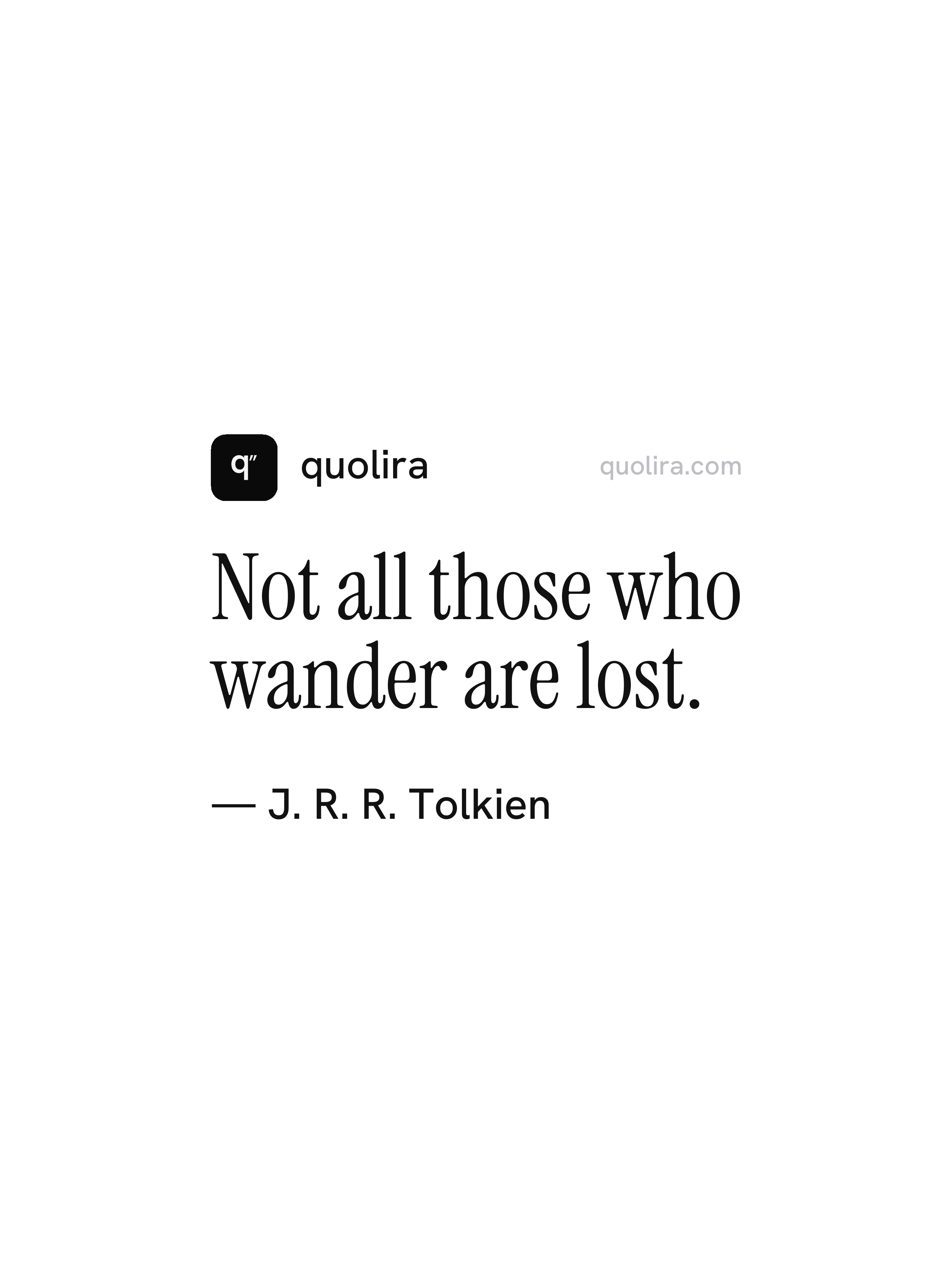
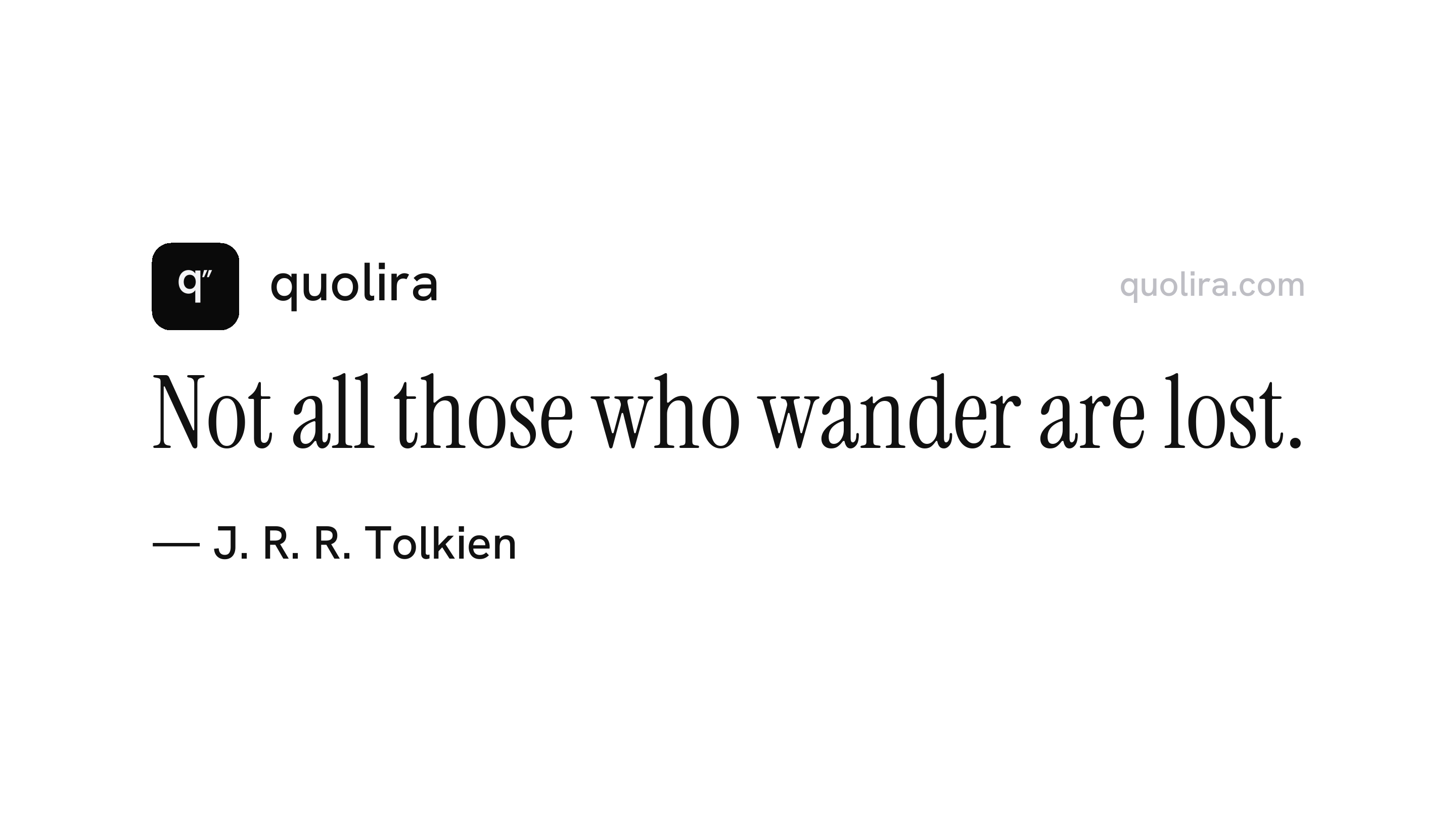
“Not all those who wander are lost.”
J. R. R. Tolkien · The Fellowship of the Ring, 1954
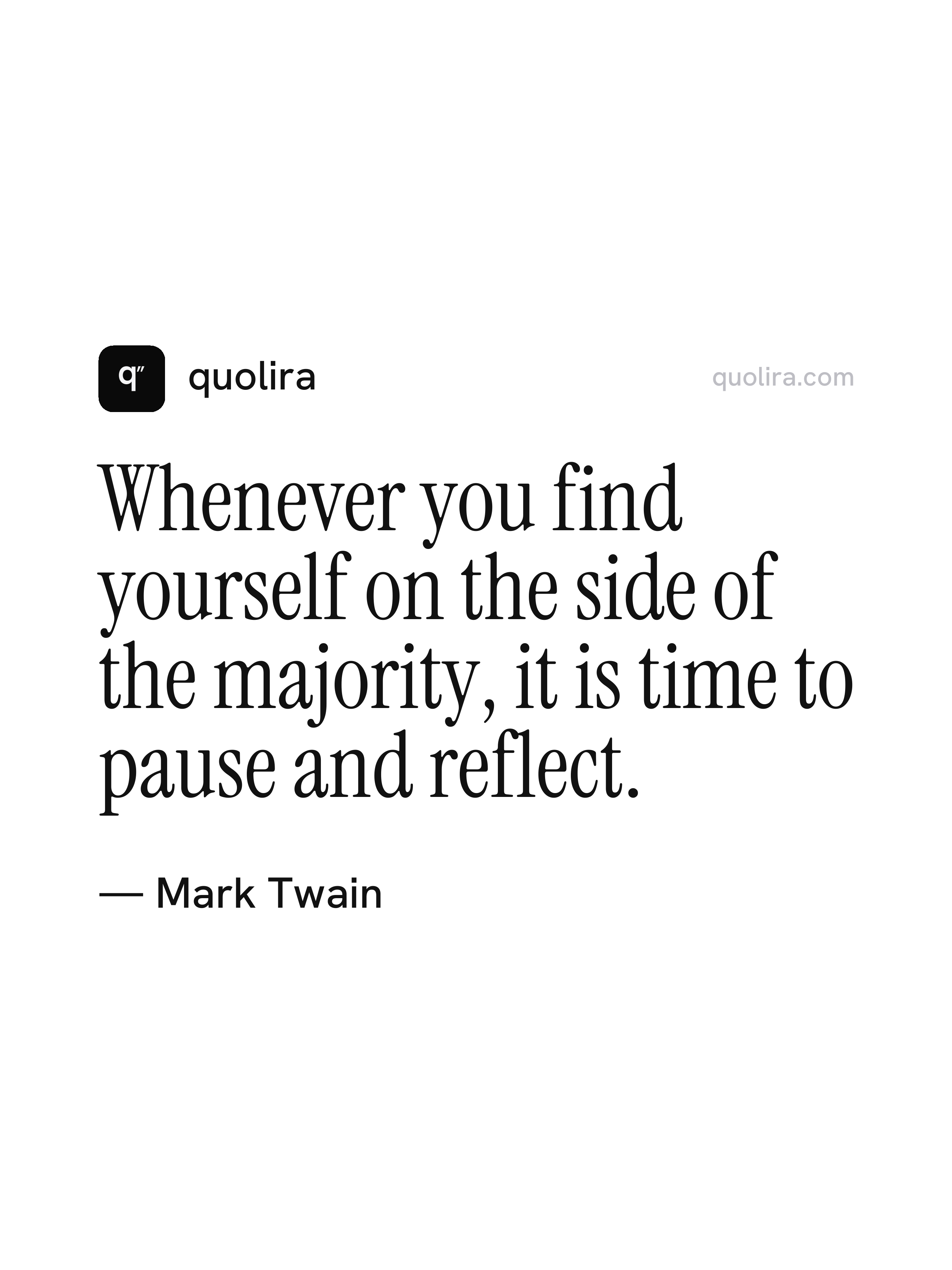
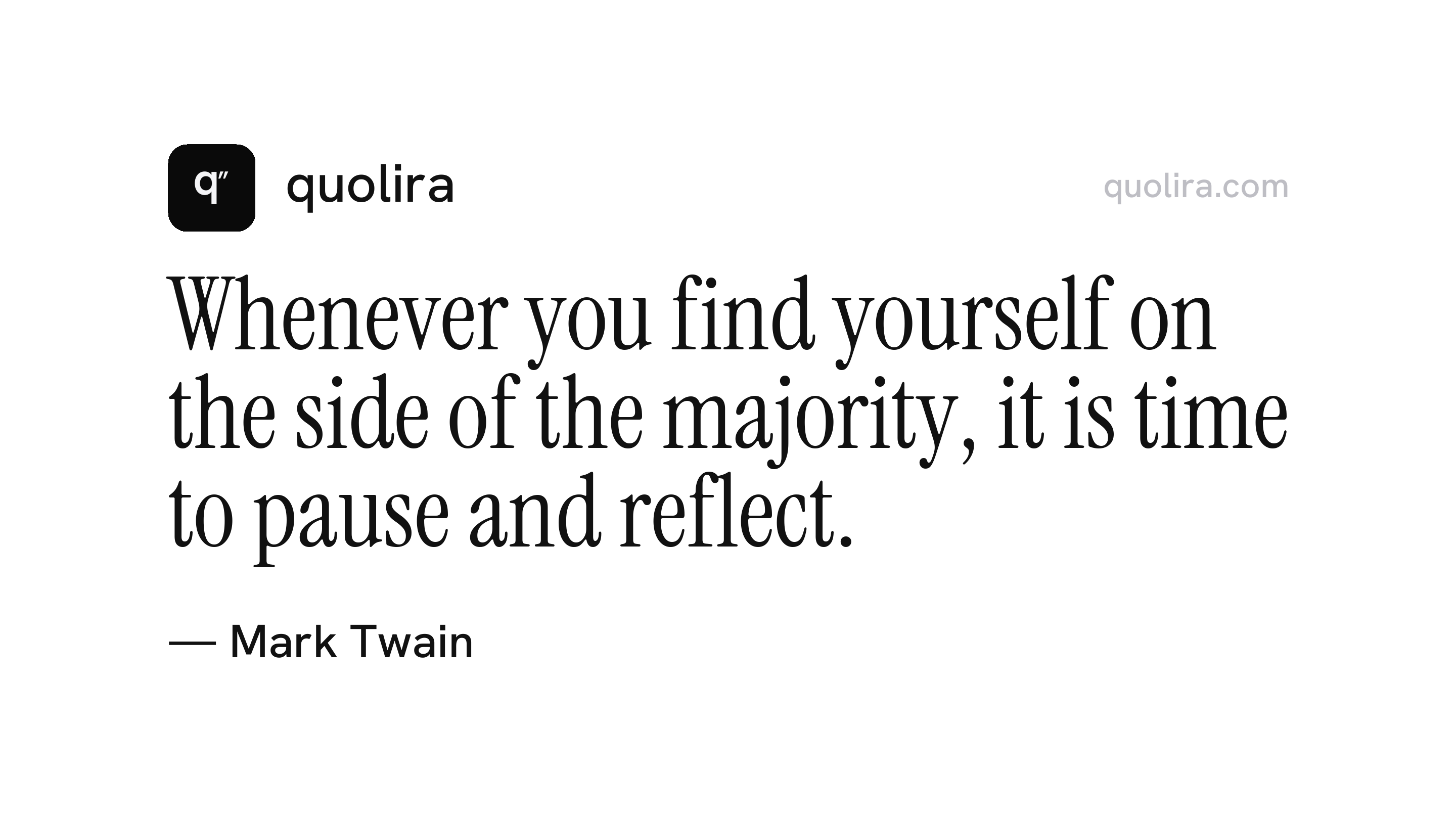
“Whenever you find yourself on the side of the majority, it is time to pause and reflect.”
Mark Twain · Notebook, 1904
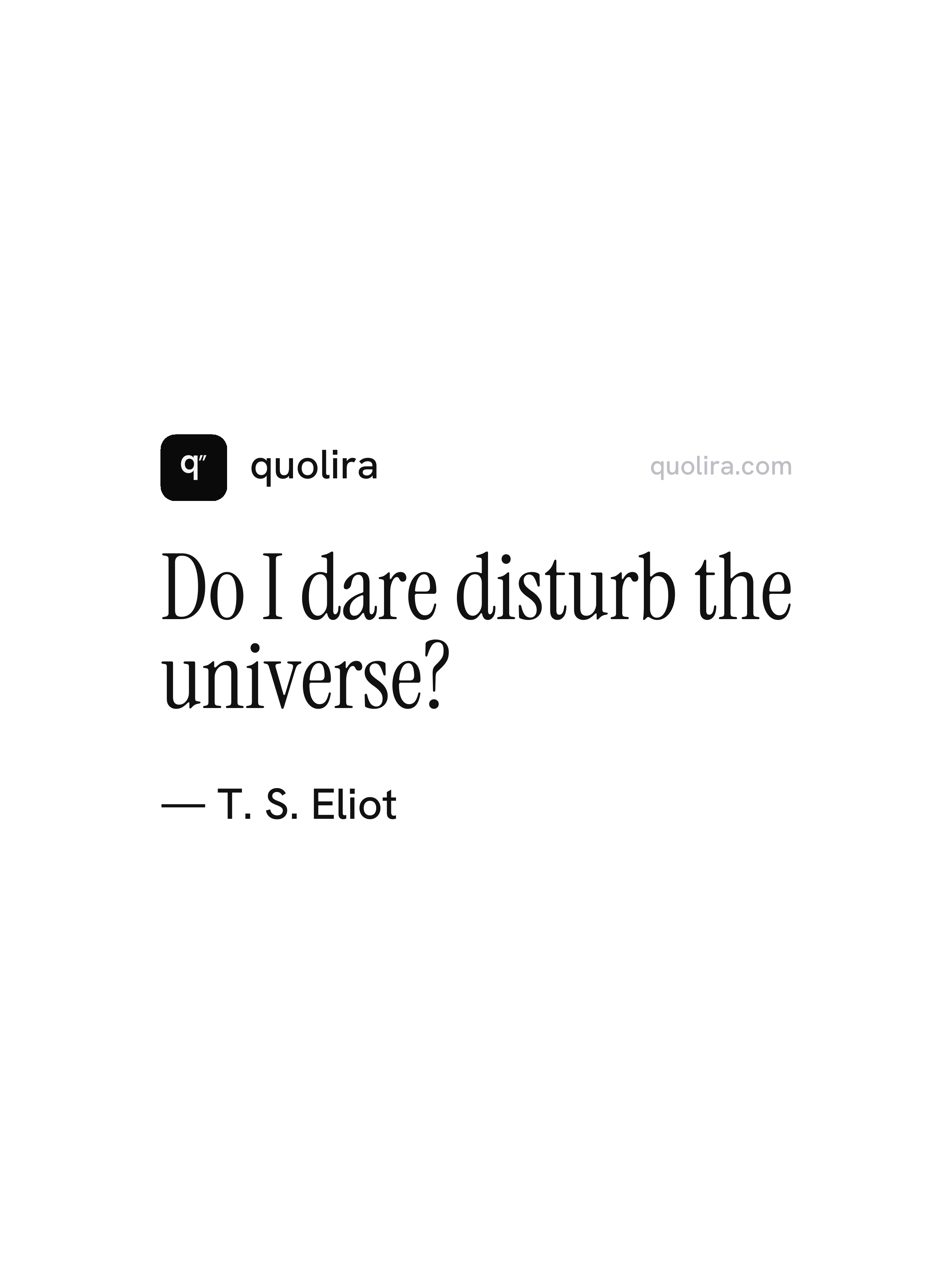
“Do I dare disturb the universe?”
T. S. Eliot · The Love Song of J. Alfred Prufrock, 1915