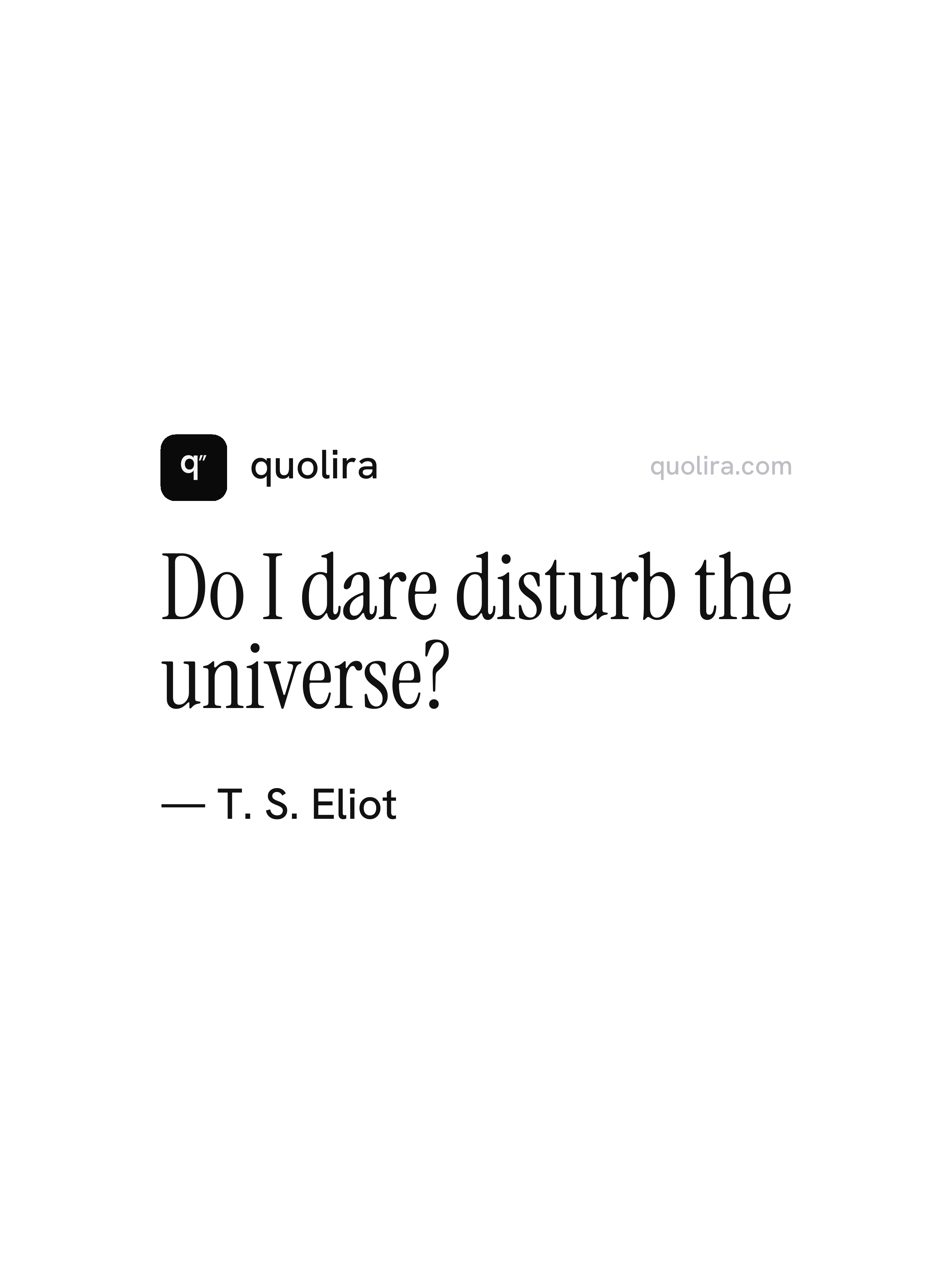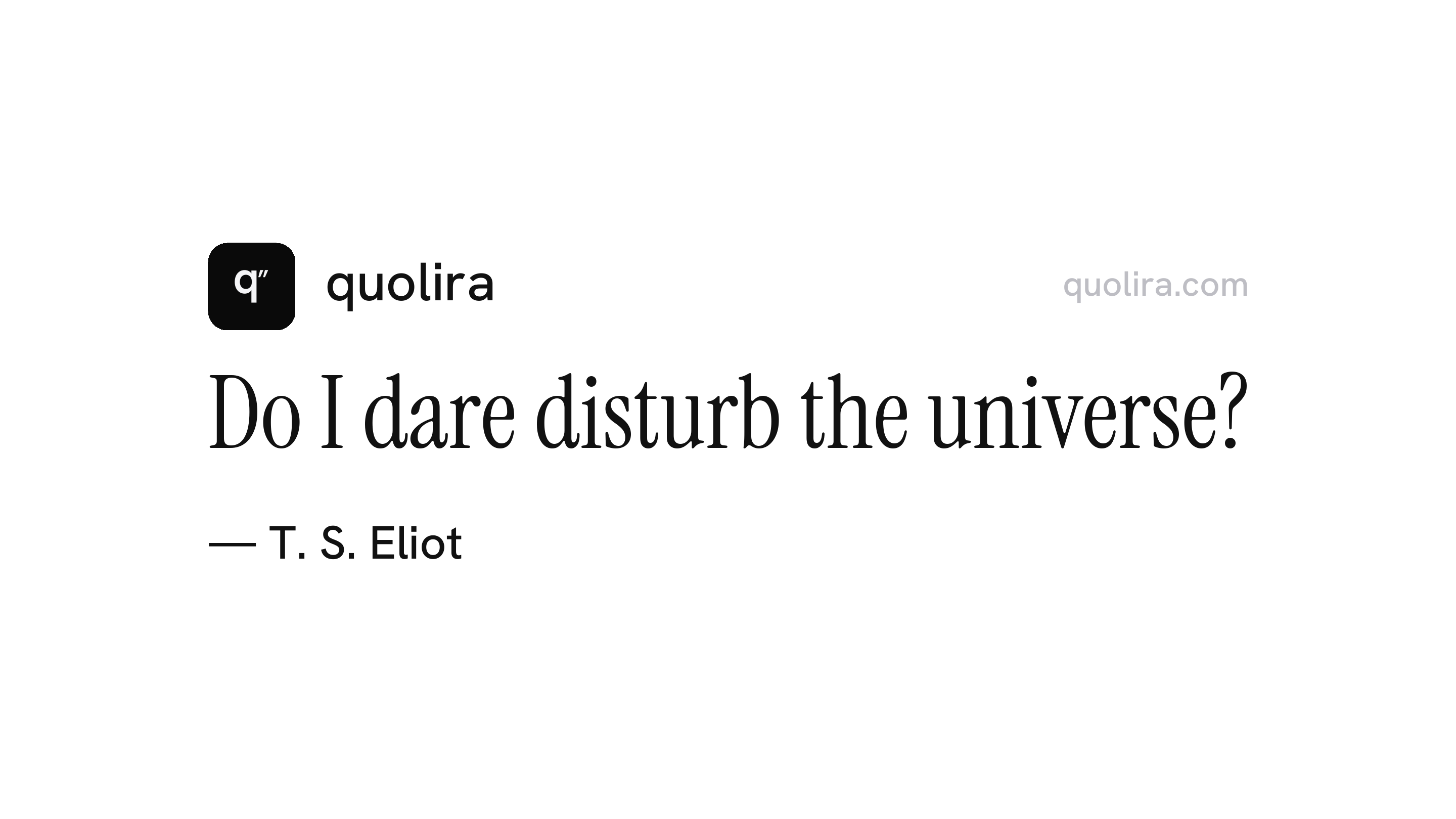
“Do I dare disturb the universe?”
T. S. Eliot · The Love Song of J. Alfred Prufrock, 1915
 quolira
.com
quolira
quolira.com
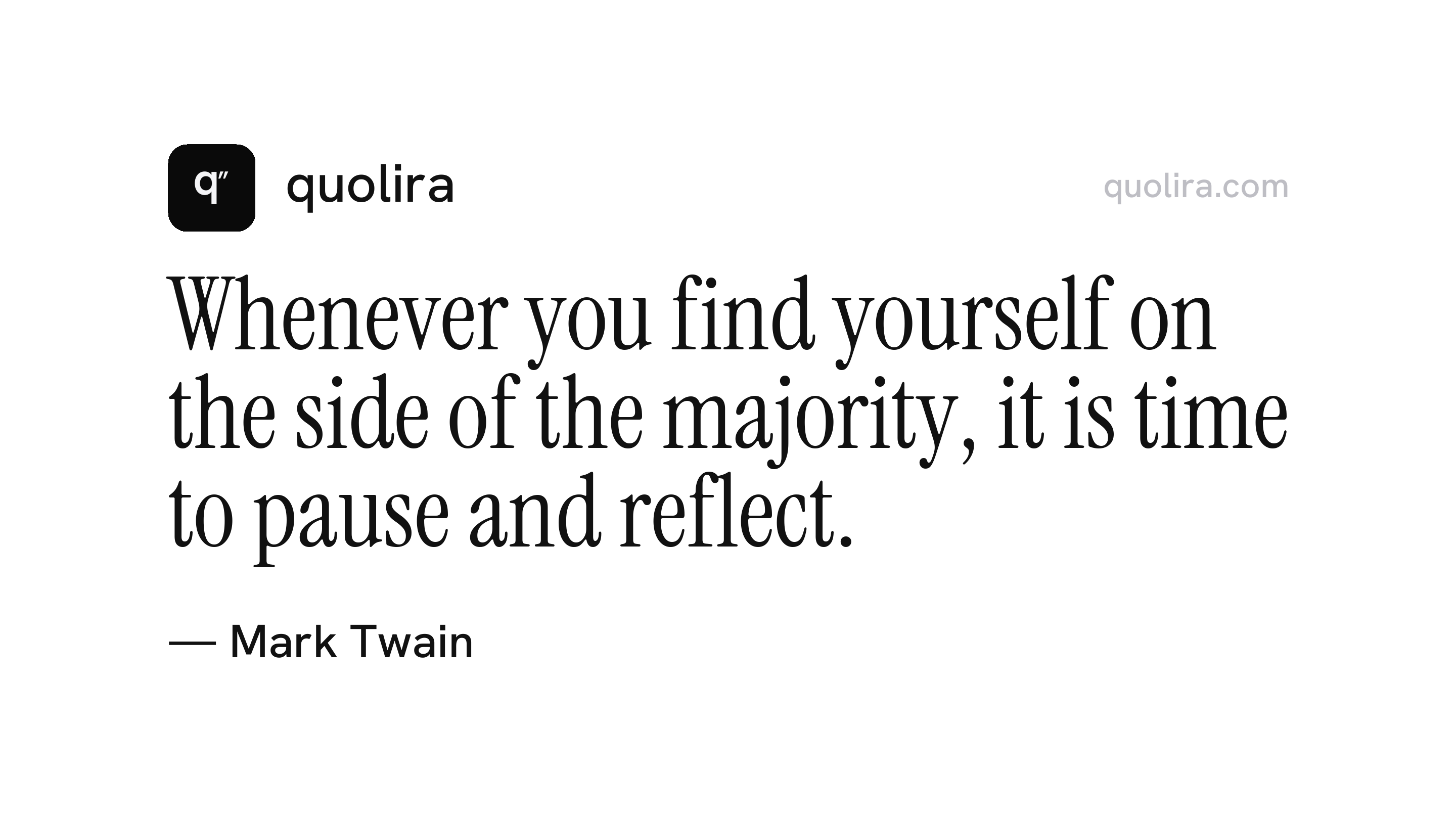
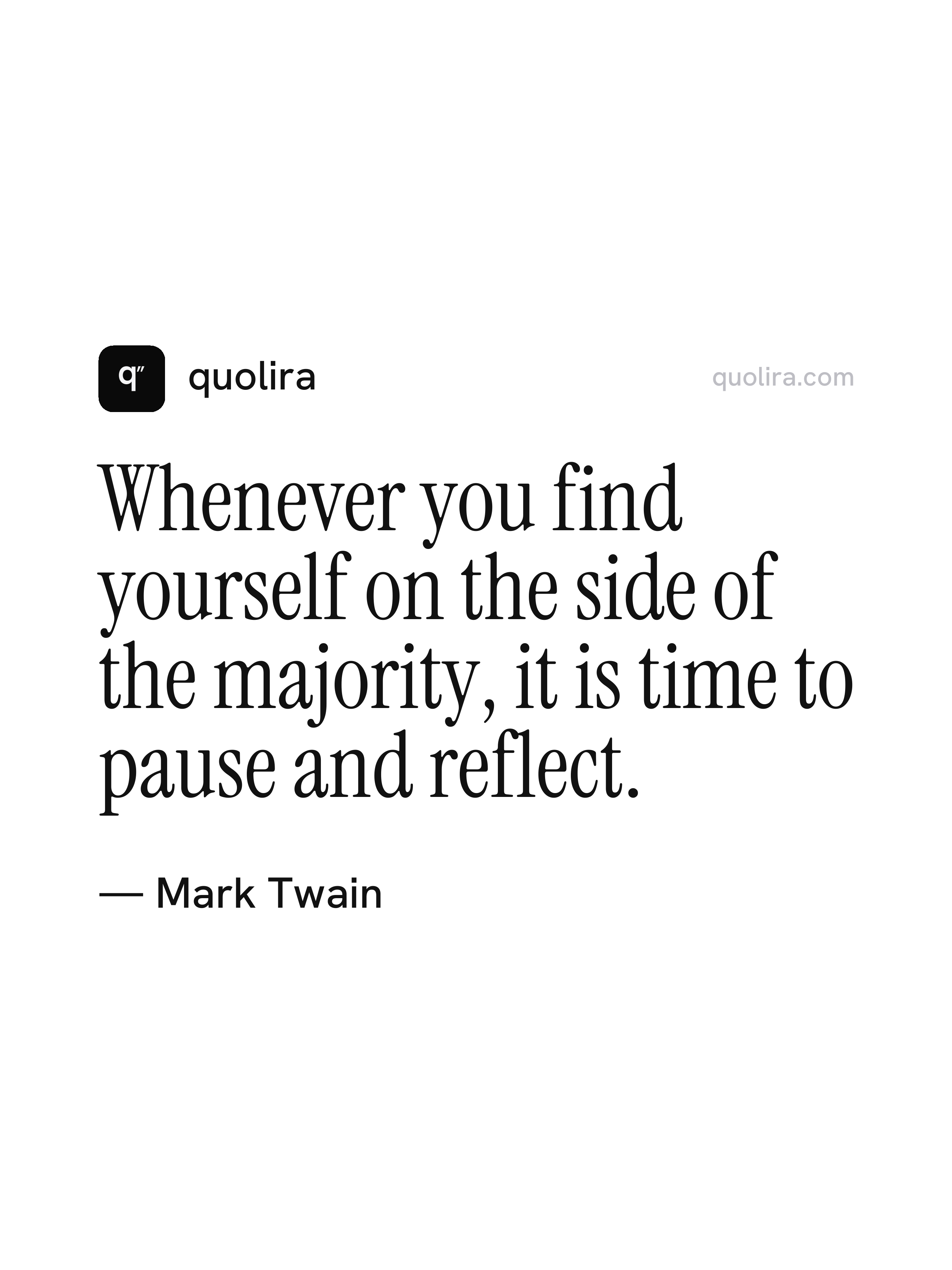
Twain's point is that popular consensus is not a reliable guide to truth or right action. When a person finds themselves agreeing with the crowd, that very agreement should prompt a moment of scrutiny rather than comfort. The underlying idea is that majorities are shaped by habit, social pressure, and convenience as much as by careful thought. Genuine independent judgment often means standing somewhere other than where most people happen to be standing.
This observation comes from Twain's private notebooks, which he kept throughout his life and which were published after his death. The notebooks contain a mix of observations, jokes, draft ideas, and candid opinions that Twain did not necessarily intend for publication in that form. As a result, they offer a less polished but often more direct window into his thinking than his fiction does. This particular line fits a recurring thread in his work: a deep skepticism toward conformity, groupthink, and the unexamined assumptions of respectable society.
Mark Twain was the pen name of Samuel Langhorne Clemens, an American writer and humorist whose novels, essays, and travel writing made him one of the most recognized literary figures of the nineteenth century. He is best known for his novels set along the Mississippi River, but he was also a prolific journalist, lecturer, and social critic. His humor frequently carried a sharp satirical edge aimed at pretension and hypocrisy. He lived from 1835 to 1910.
“Do I dare disturb the universe?”
T. S. Eliot · The Love Song of J. Alfred Prufrock, 1915
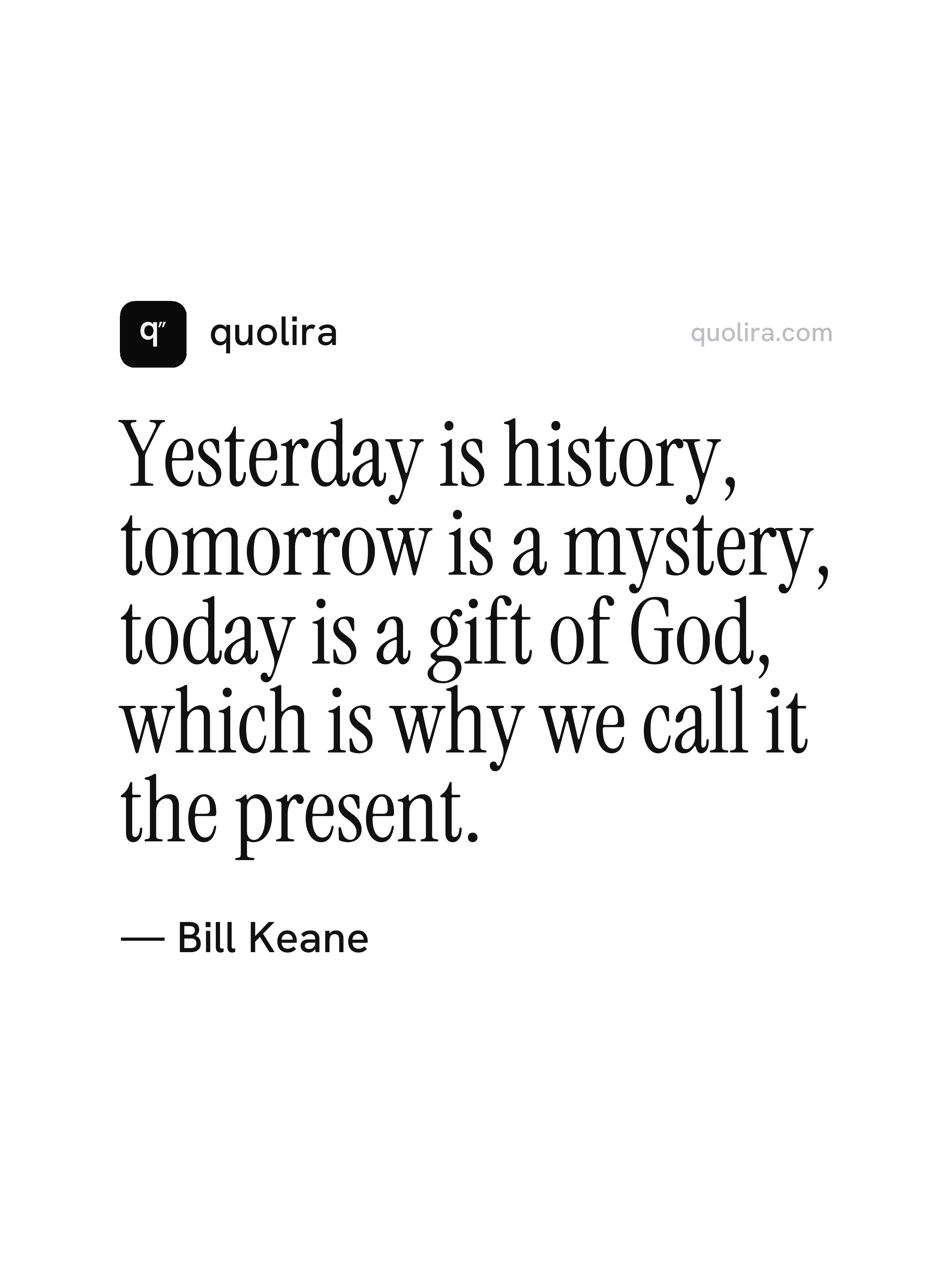
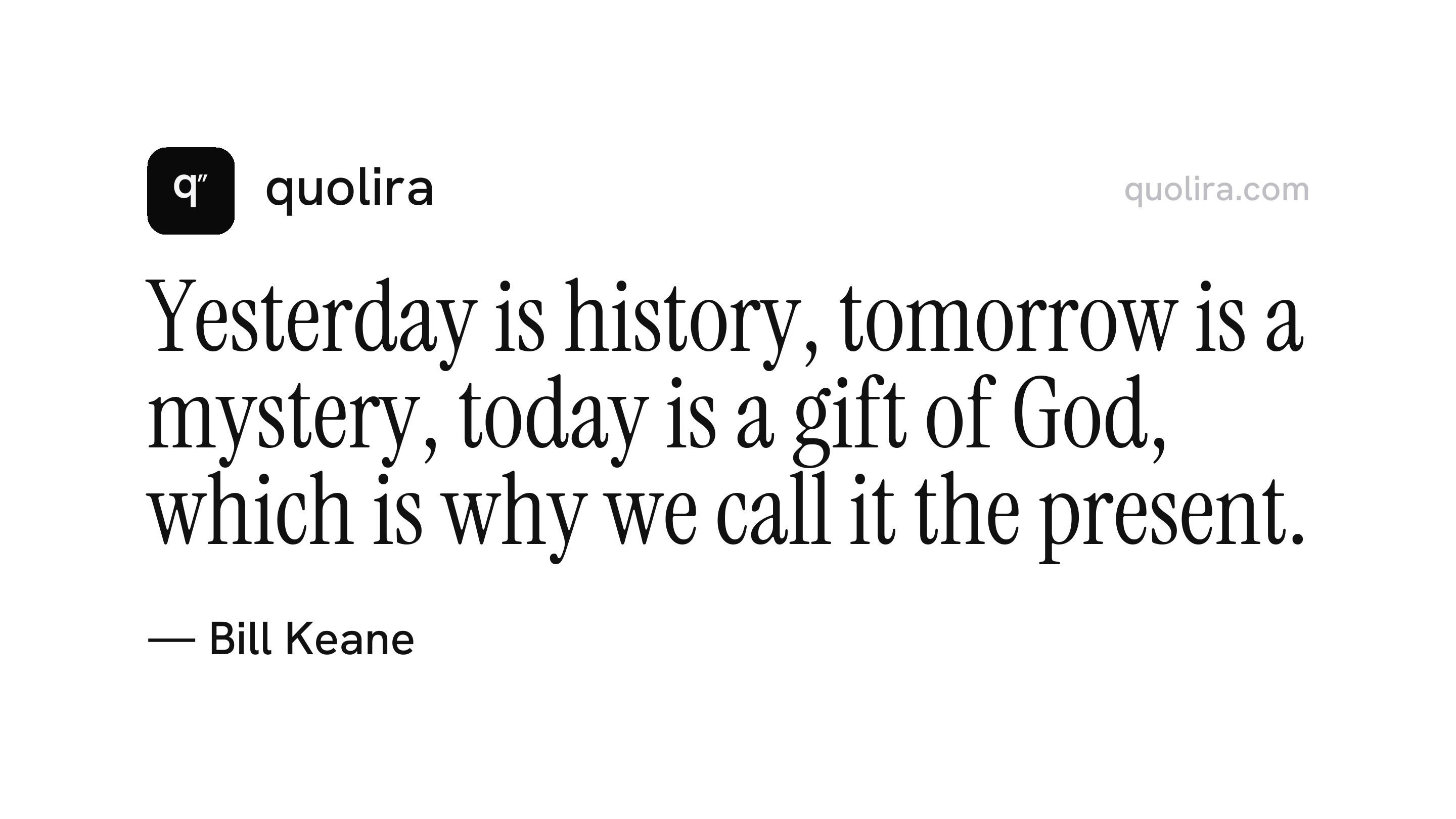
“Yesterday is history, tomorrow is a mystery, today is a gift of God, which is why we call it the present.”
Bill Keane · Family Circus, widely attributed
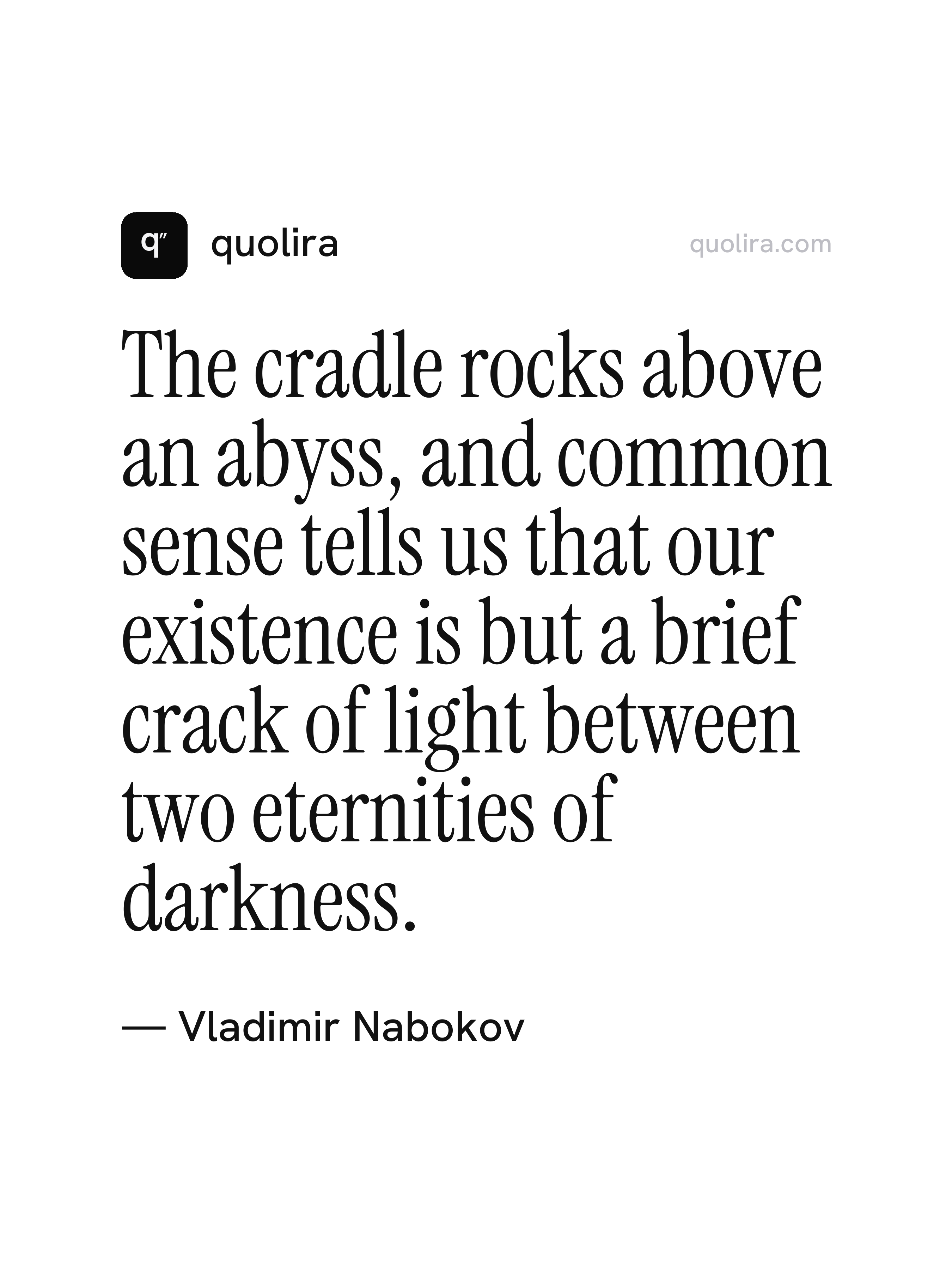
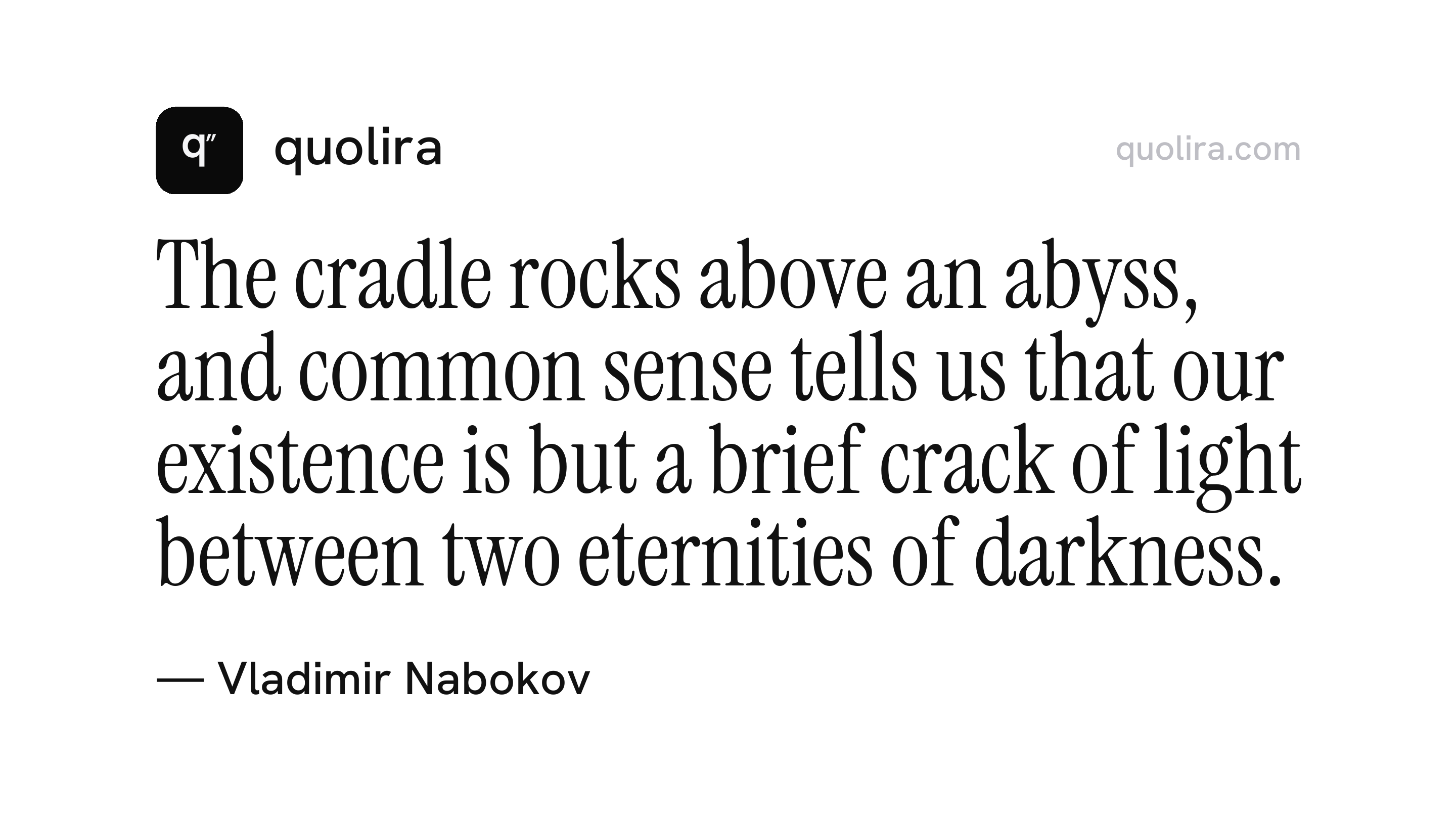
“The cradle rocks above an abyss, and common sense tells us that our existence is but a brief crack of light between two eternities of darkness.”
Vladimir Nabokov · Speak, Memory, 1951
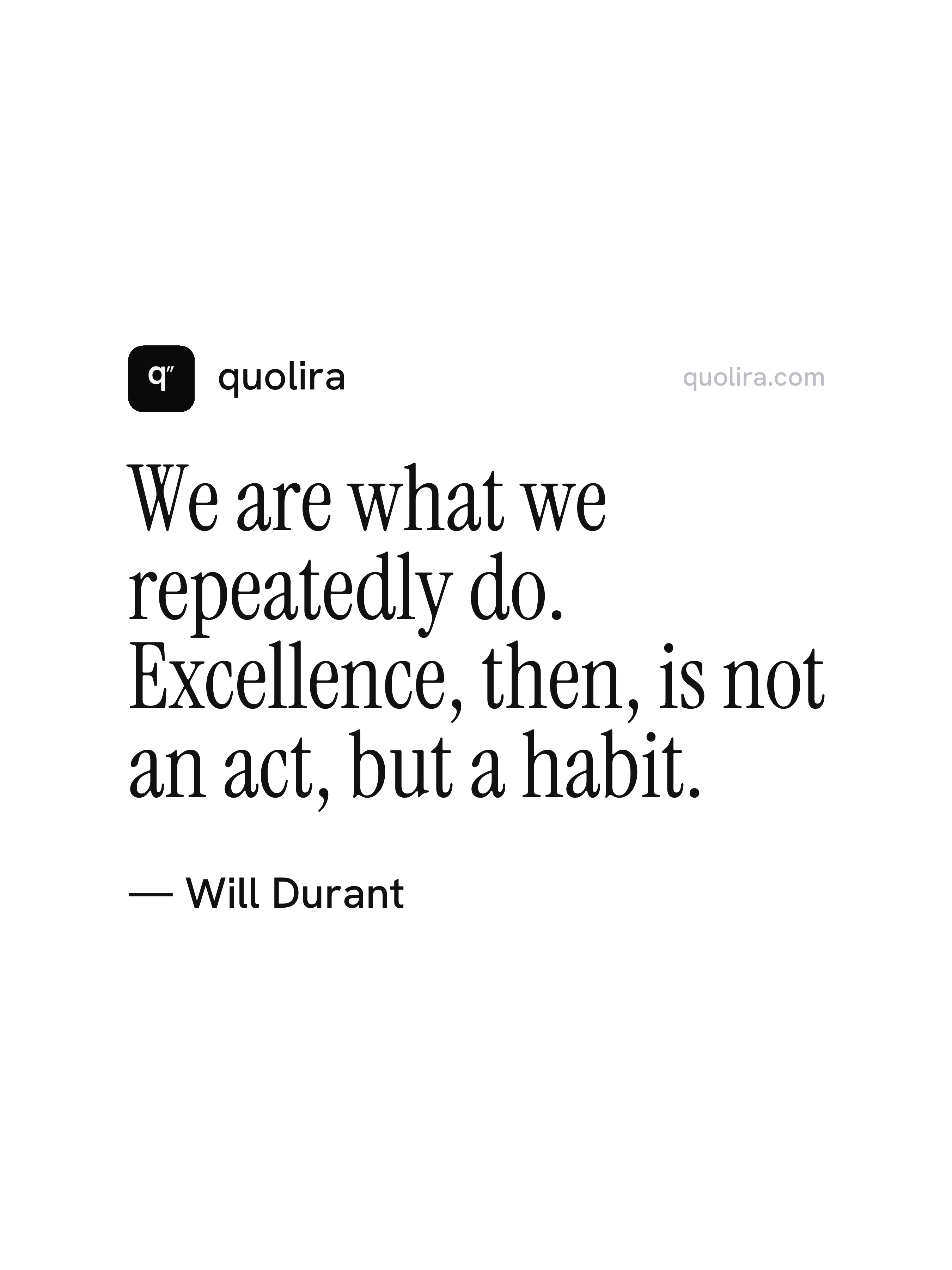
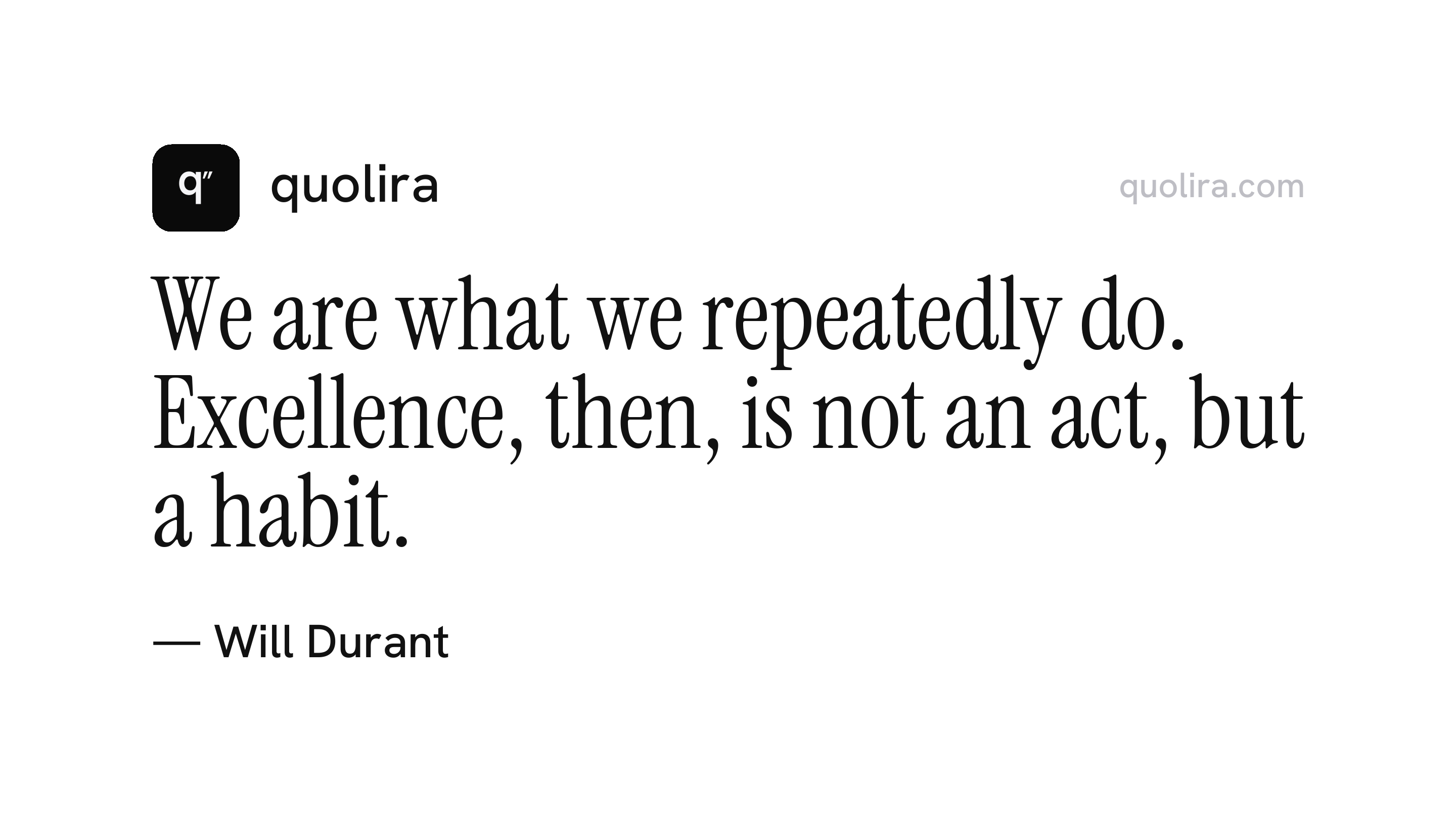
“We are what we repeatedly do. Excellence, then, is not an act, but a habit.”
Will Durant · The Story of Philosophy, 1926
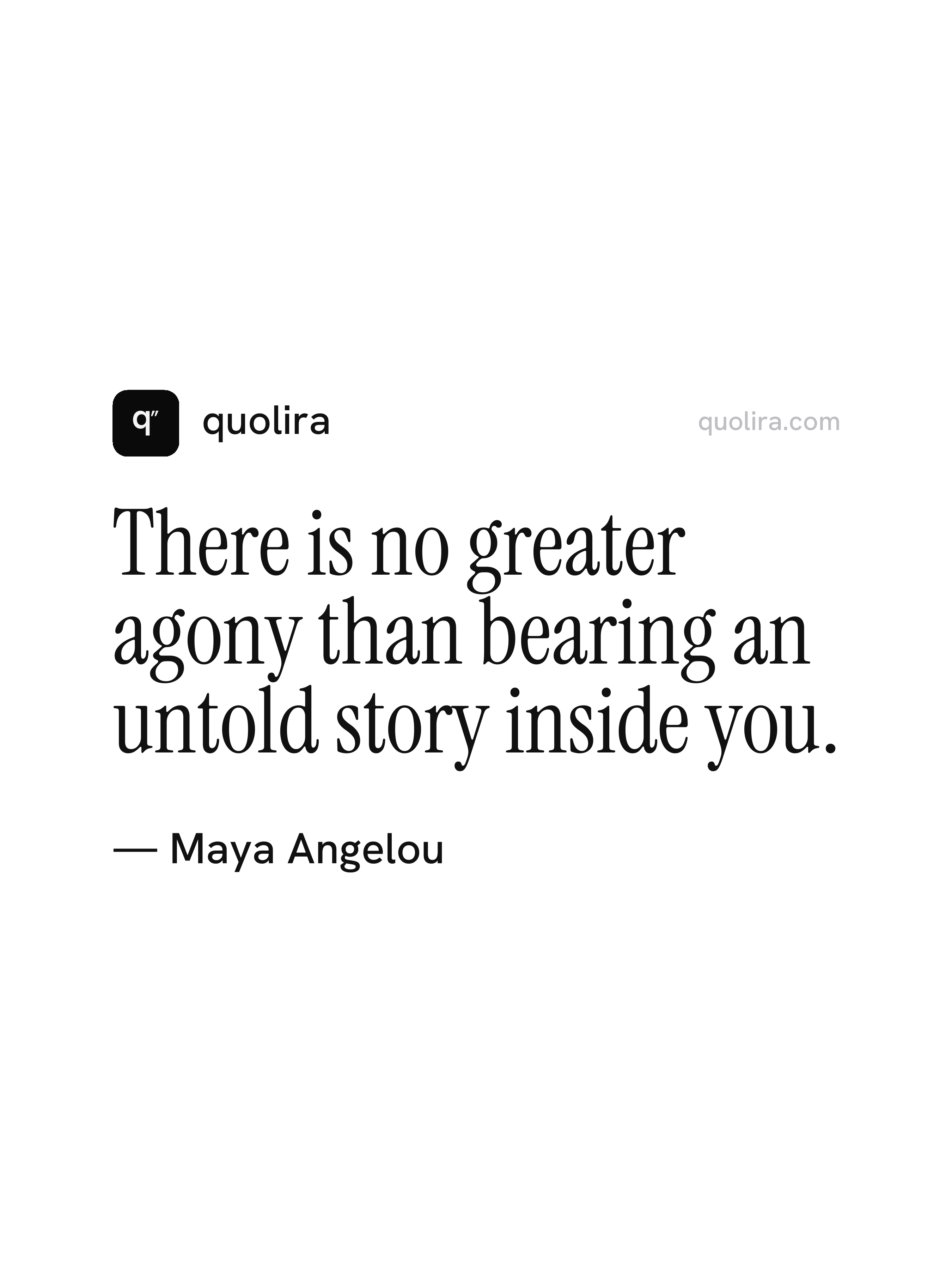
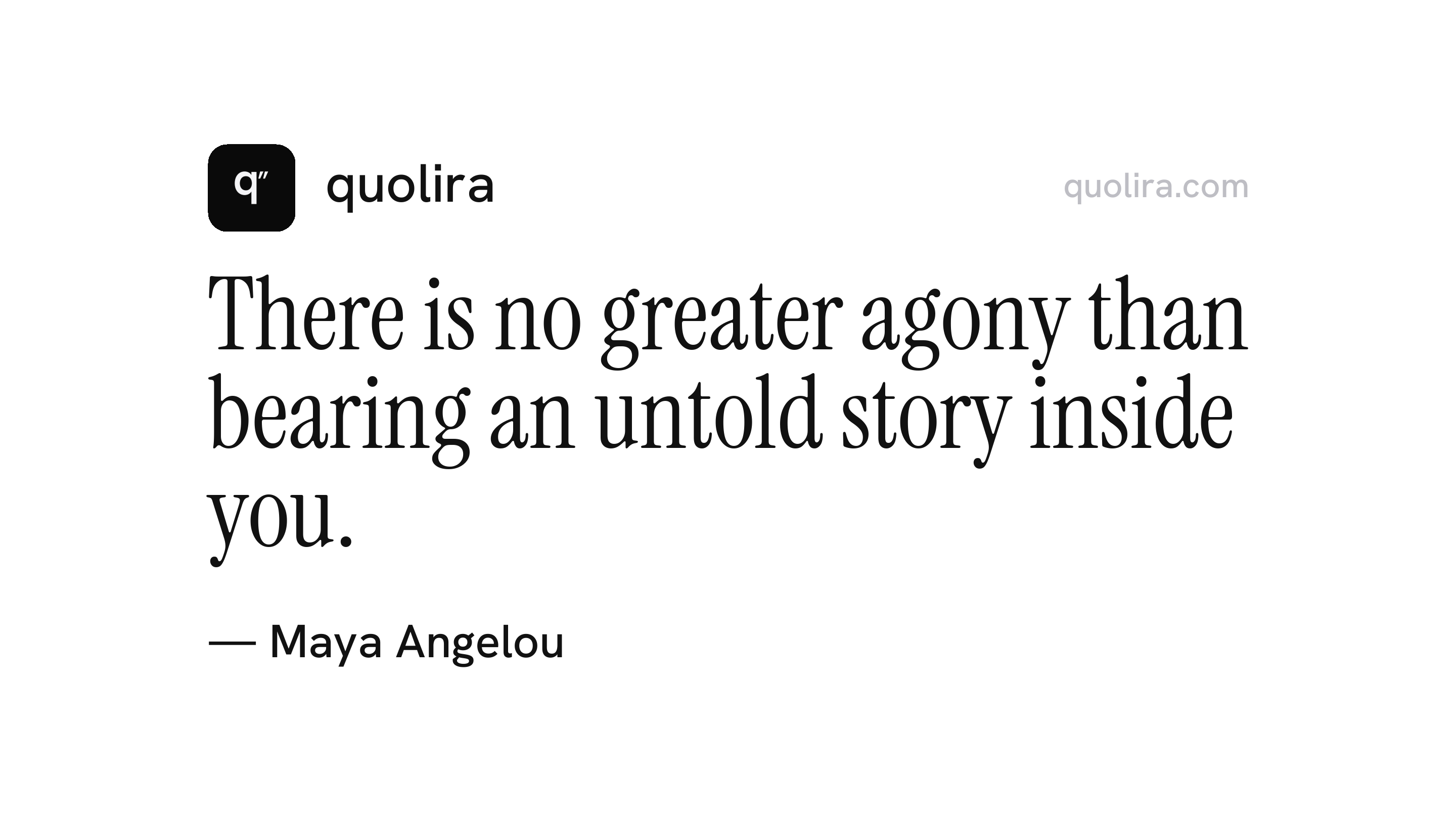
“There is no greater agony than bearing an untold story inside you.”
Maya Angelou · I Know Why the Caged Bird Sings, 1969
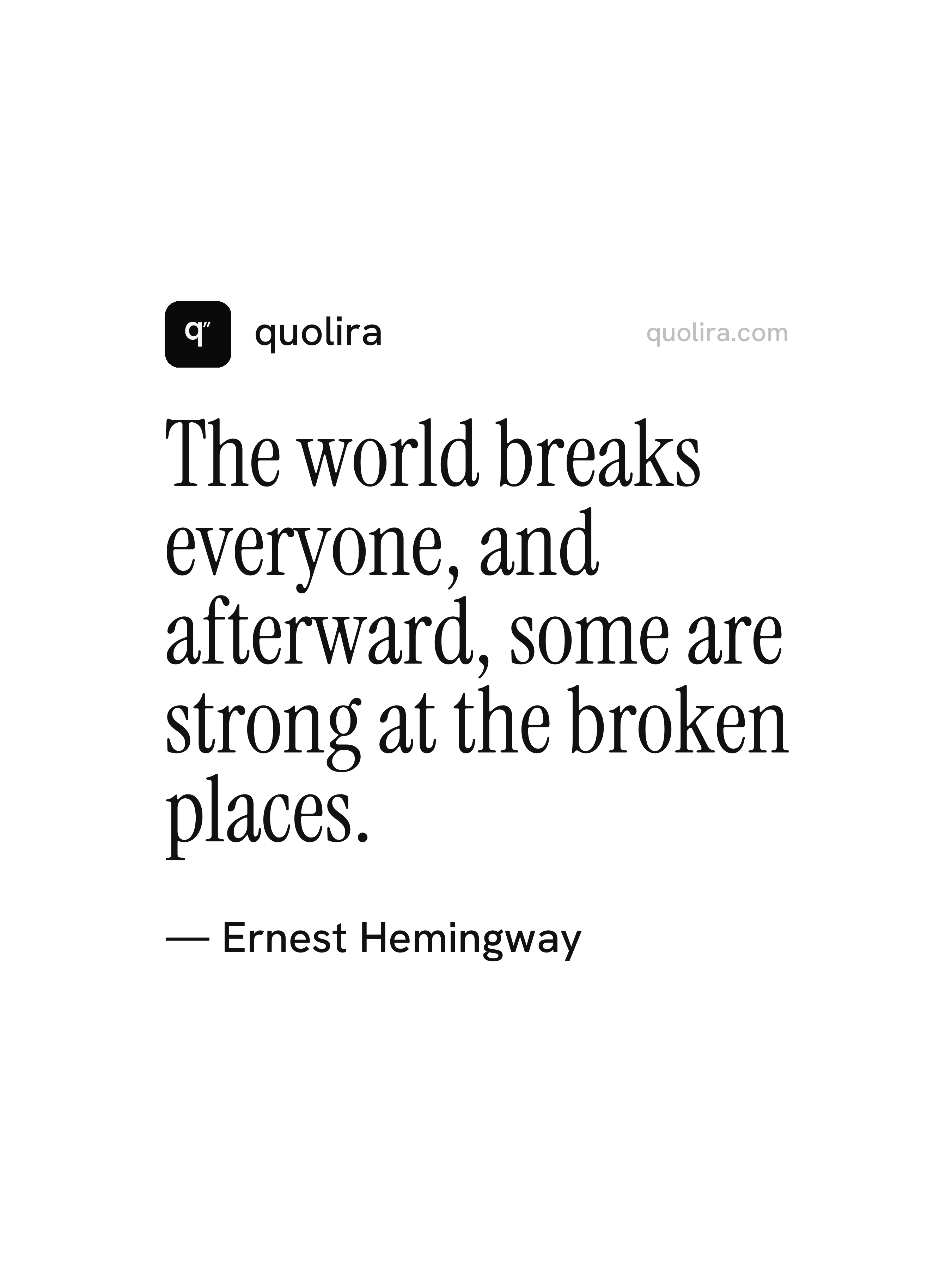
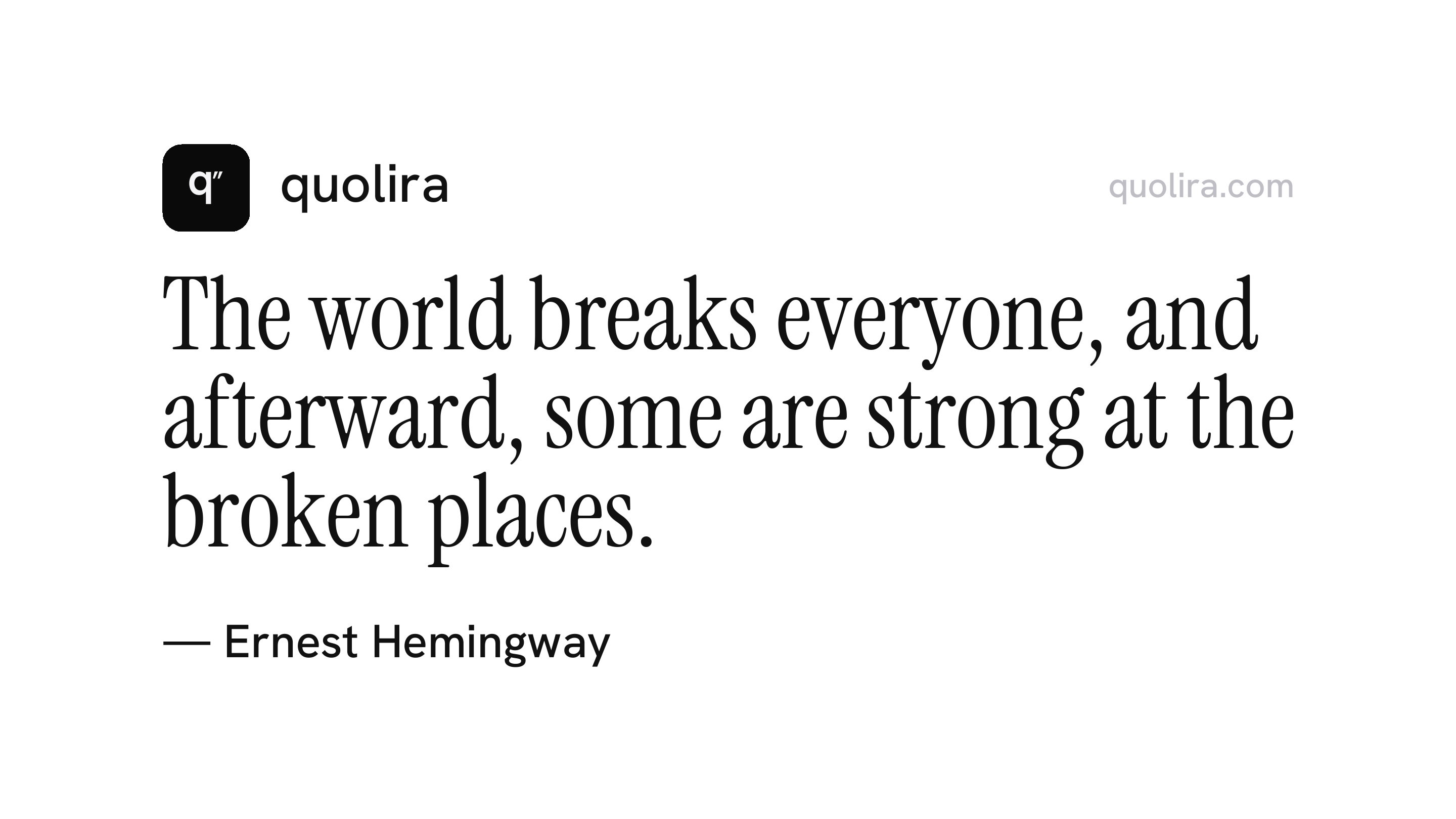
“The world breaks everyone, and afterward, some are strong at the broken places.”
Ernest Hemingway · A Farewell to Arms, 1929
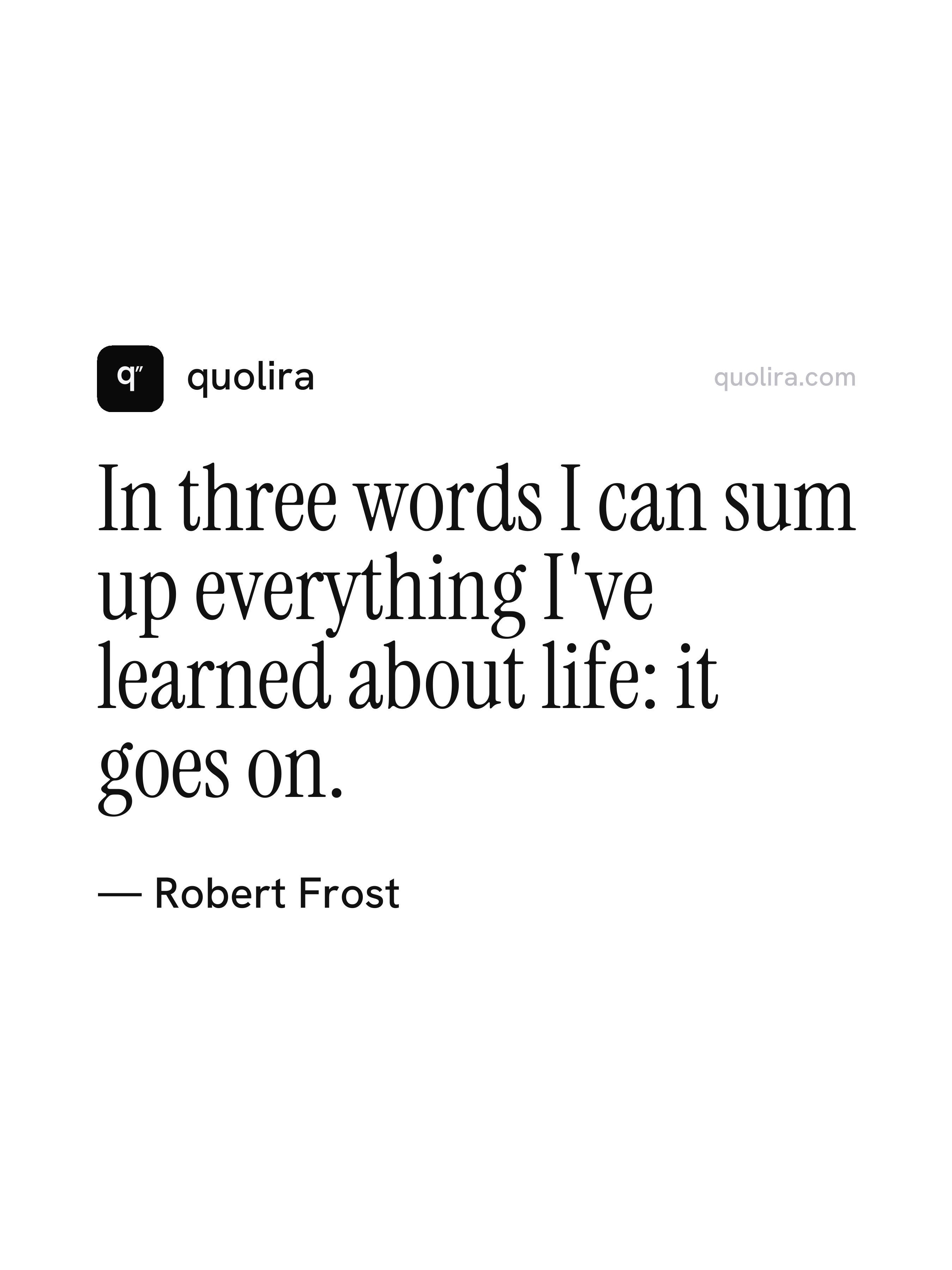
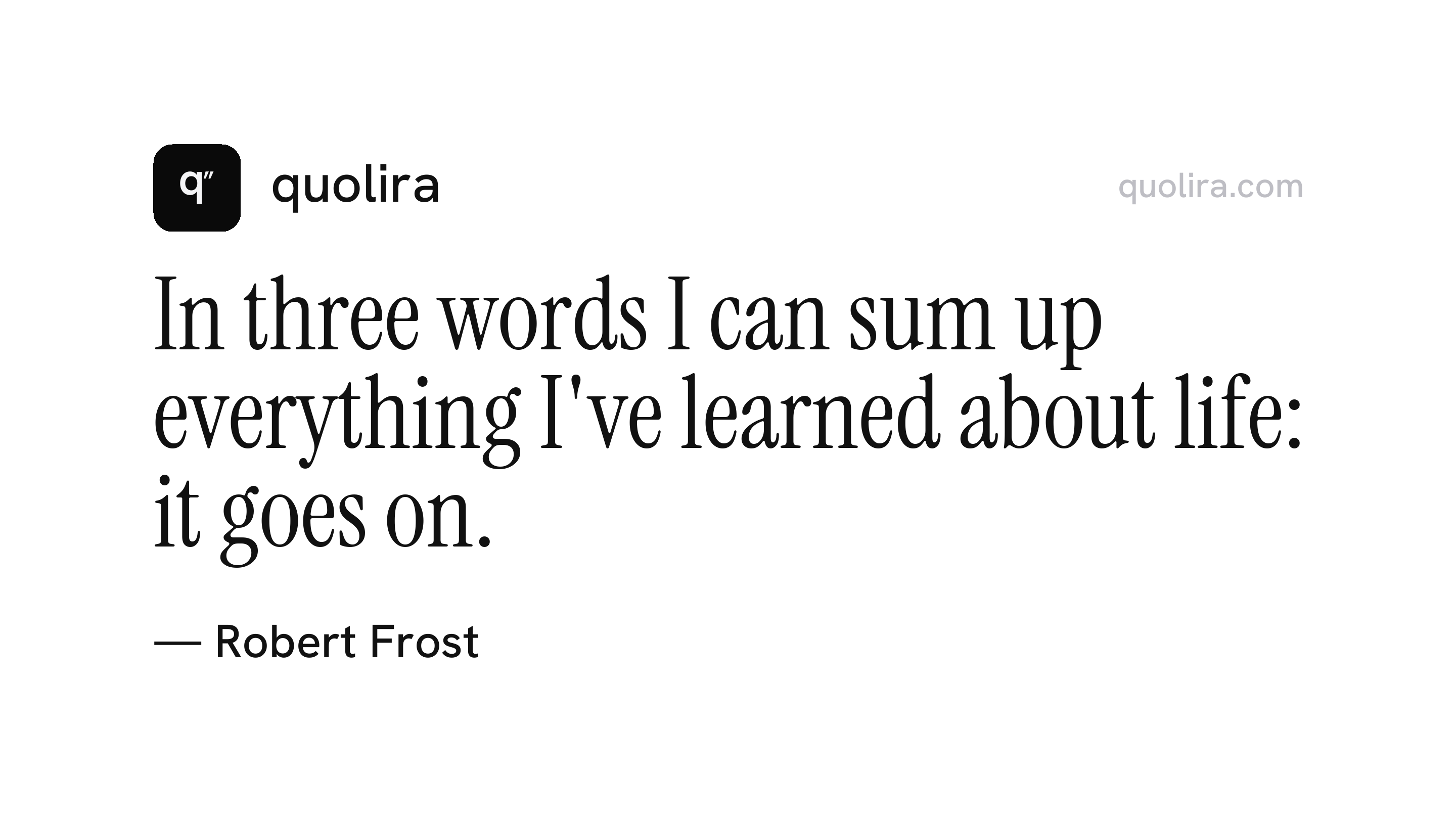
“In three words I can sum up everything I've learned about life: it goes on.”
Robert Frost
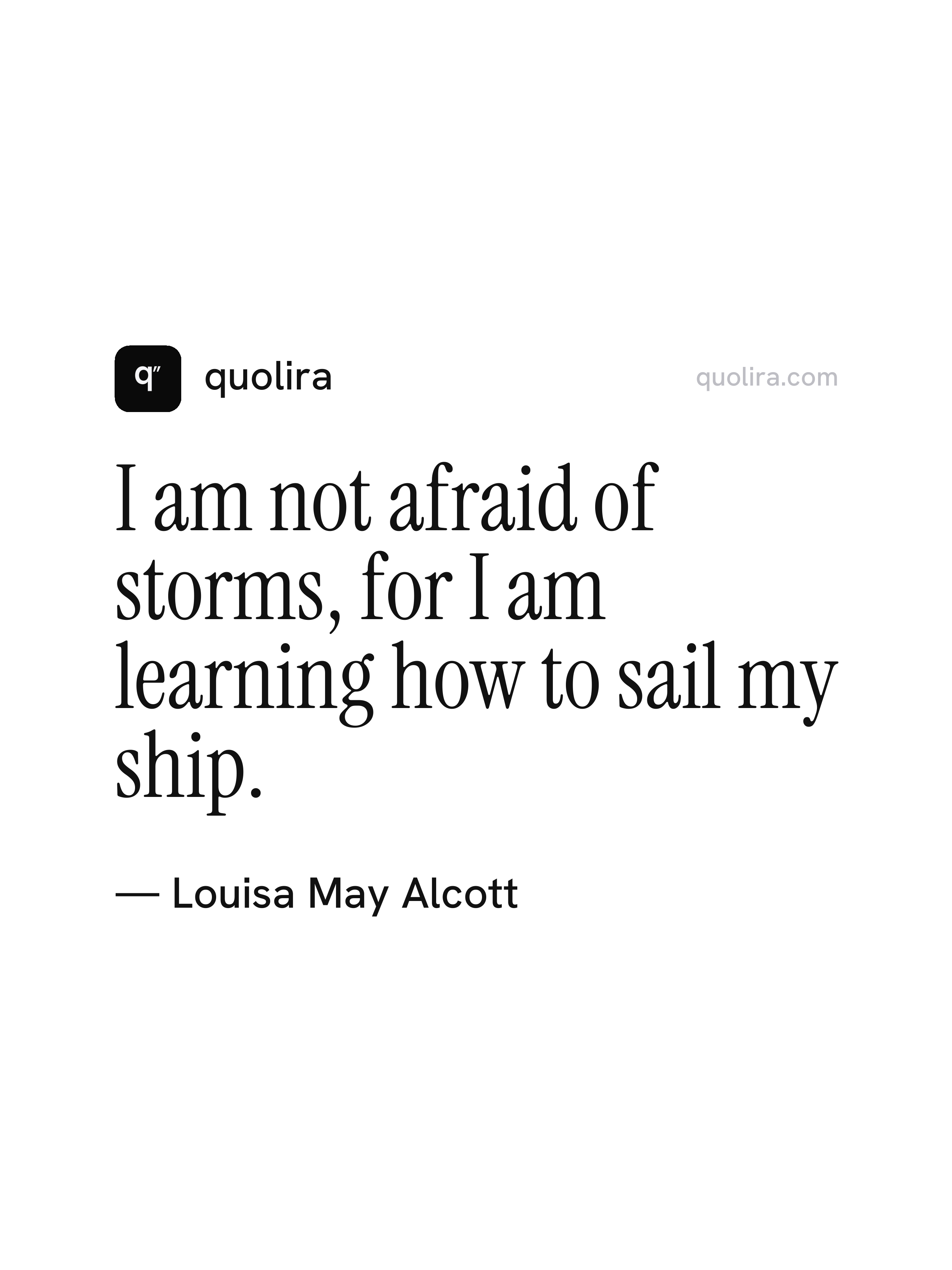
“I am not afraid of storms, for I am learning how to sail my ship.”
Louisa May Alcott · Little Women, 1868
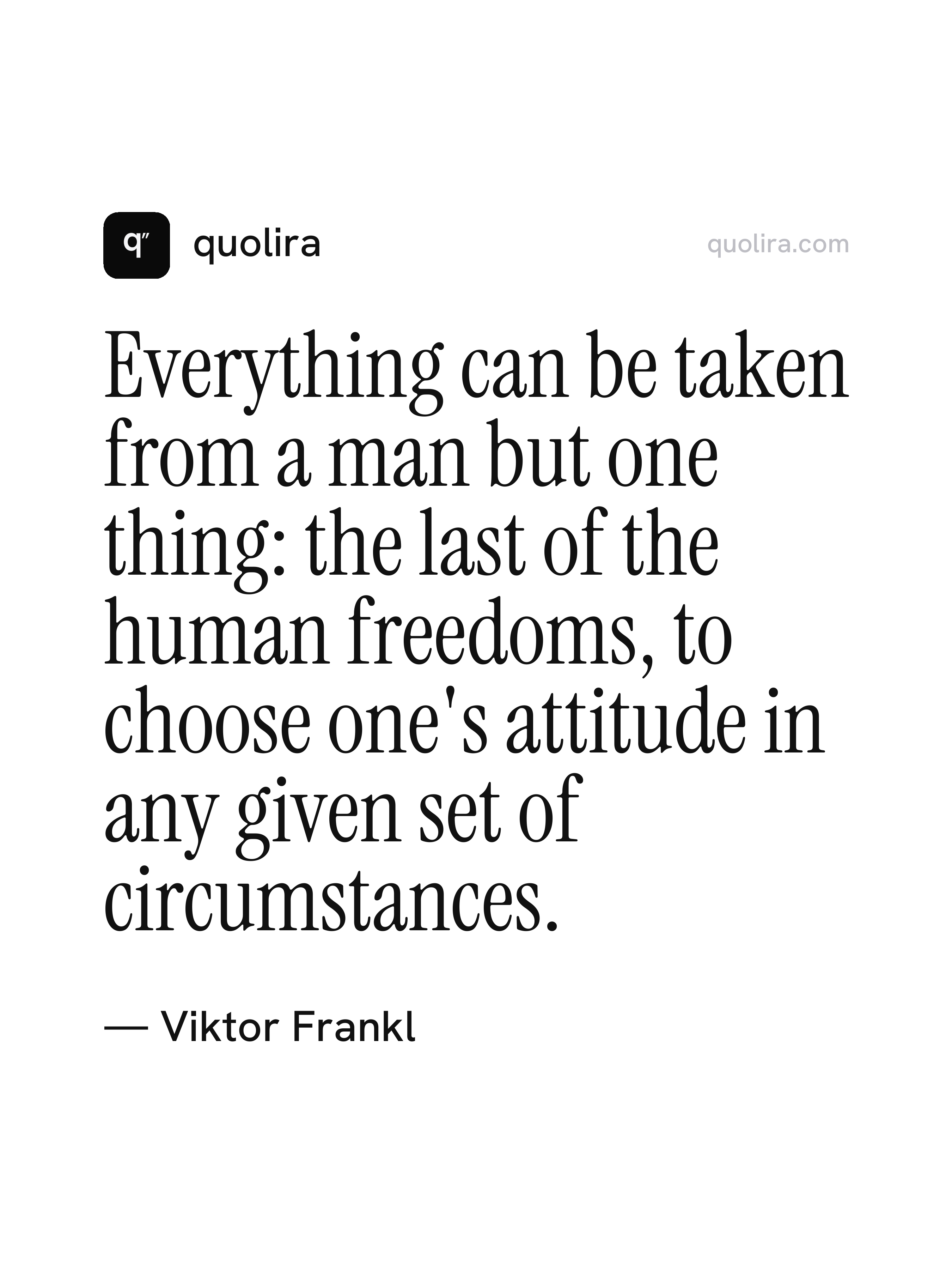
“Everything can be taken from a man but one thing: the last of the human freedoms, to choose one's attitude in any given set of circumstances.”
Viktor Frankl · Man's Search for Meaning, 1946
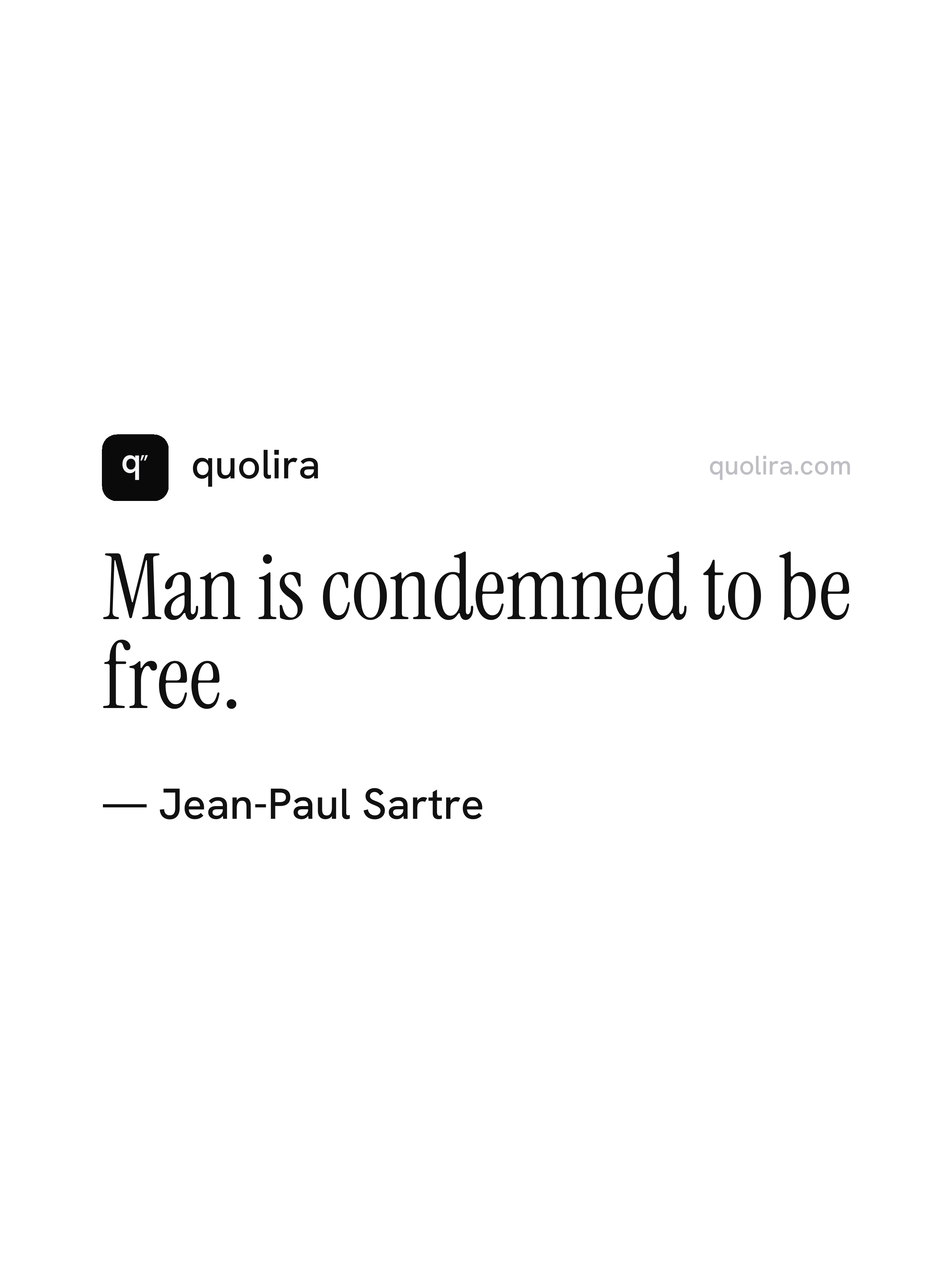
“Man is condemned to be free.”
Jean-Paul Sartre · Existentialism Is a Humanism, 1945
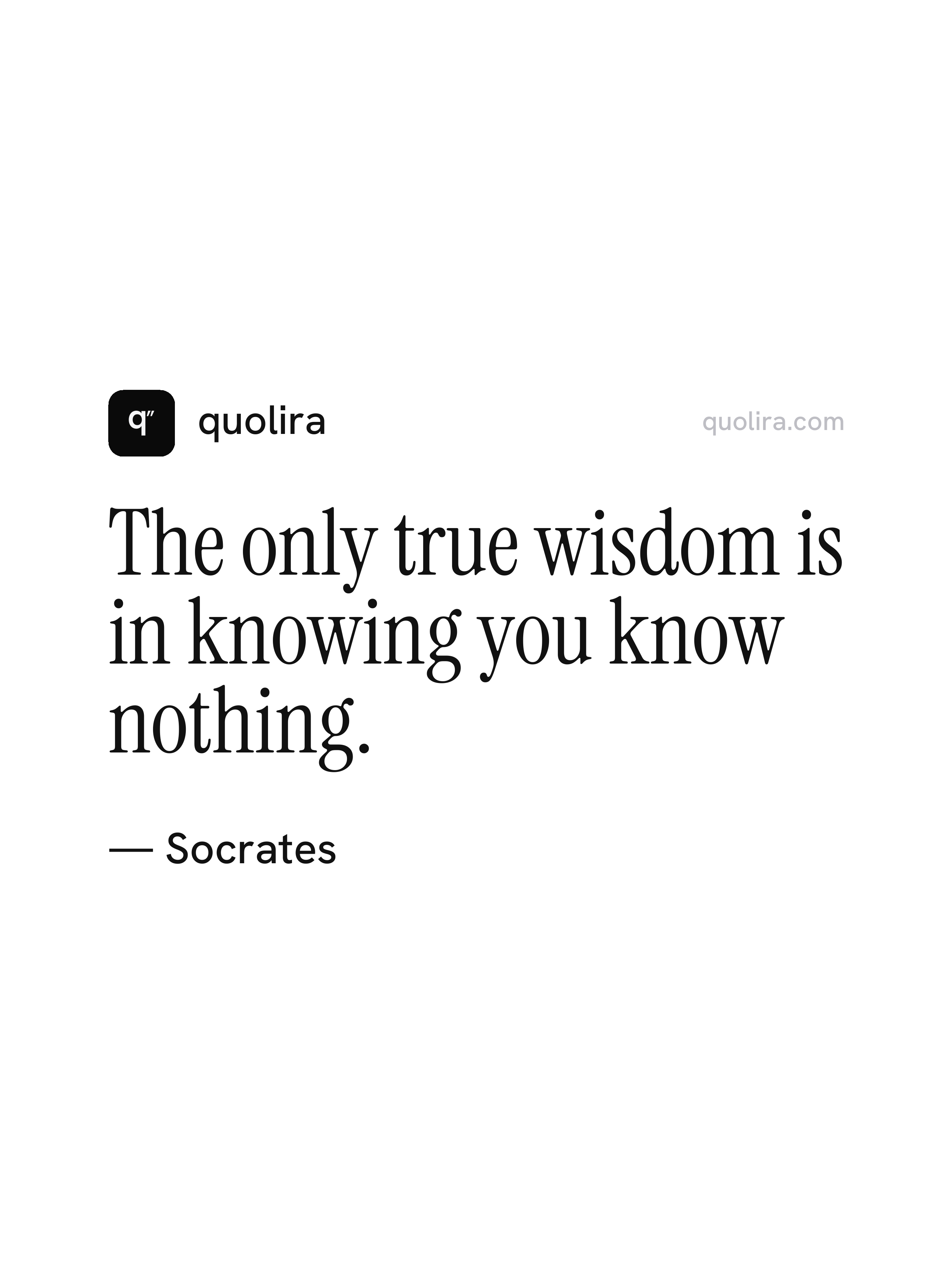
“The only true wisdom is in knowing you know nothing.”
Socrates · Plato, Apology
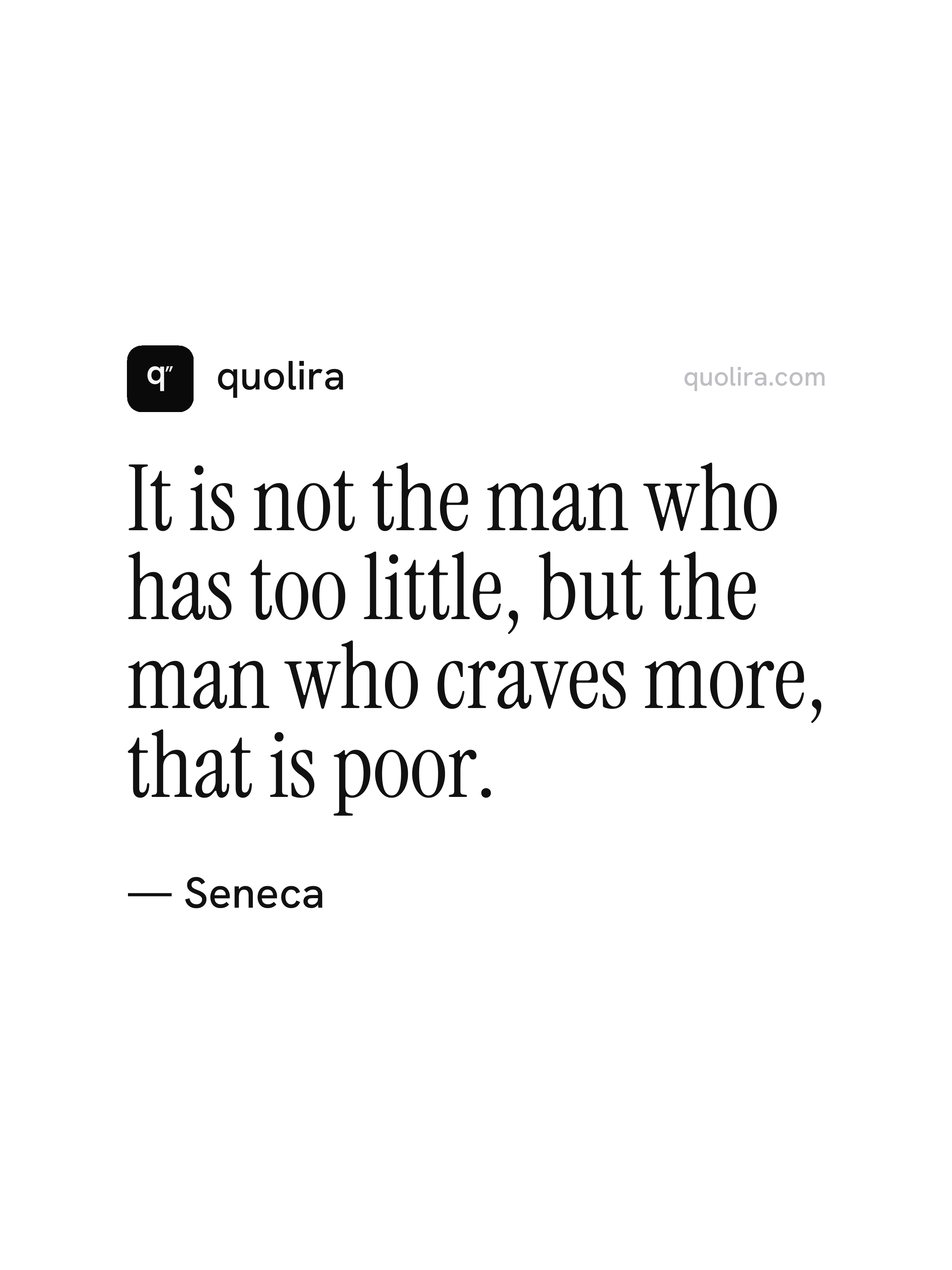
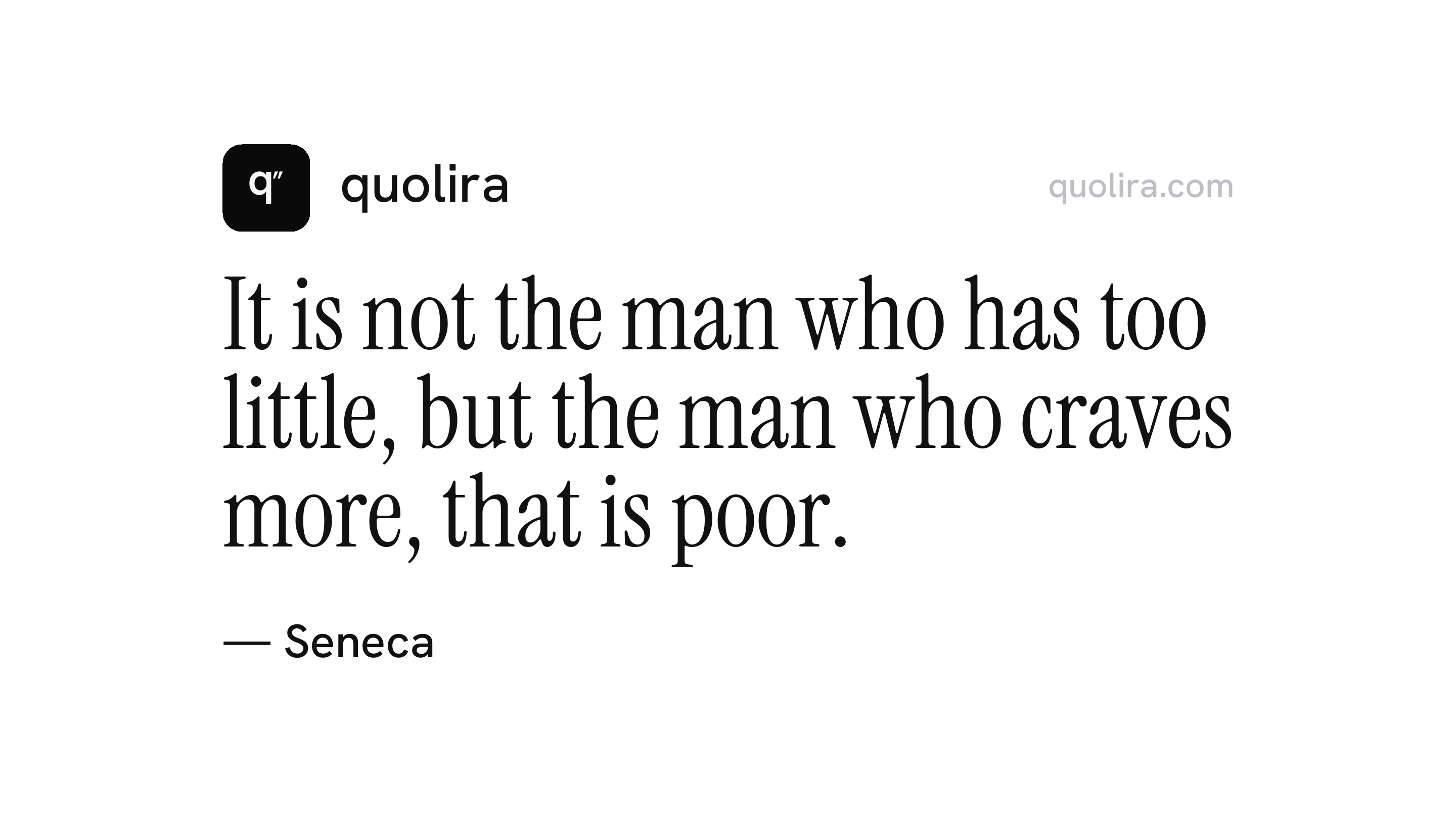
“It is not the man who has too little, but the man who craves more, that is poor.”
Seneca · Letters to Lucilius, Letter 2