“If you would be a good reader, read; if a writer, write.”
Epictetus · Discourses, Book II, chapter 18
 quolira
.com
Epictetus said it, in Discourses, Book I, chapter 18.
Epictetus tells his students to practice on small matters first and build toward larger ones. Start by keeping your temper in a slow checkout line. Small wins prepare you for the hard days.
From the collection: 23 Best Epictetus Quotes on Fear, Freedom, and Control · More Epictetus quotes
This quote means that good habits and strength of character are built by working on small, everyday matters first, and that larger challenges become manageable only after those smaller efforts have become routine. Epictetus treats discipline as something trained gradually, the way a person builds muscle or learns an instrument. The lesson is patient and practical rather than dramatic.
The line appears in the Discourses, the talks Epictetus gave to his students and that Arrian later recorded. In this part of the teaching, Epictetus encourages students to apply philosophical principles to ordinary moments, such as how they respond to minor irritations, small inconveniences, and routine duties. He suggests that these modest occasions are the proper place to train judgment and self-control, so that the same habits will be available when more serious tests arrive.
Epictetus was a Stoic philosopher who taught in the first and second centuries CE. Born into slavery, he later gained his freedom and became a teacher whose lectures drew serious students. He founded a school at Nicopolis in Epirus after living in Rome, and he is known for emphasizing what lies within a person's control. He wrote nothing that survives under his own name. His ideas come down to us through the Discourses and the Enchiridion, both of which preserve his teaching as recorded by Arrian.
“If you would be a good reader, read; if a writer, write.”
Epictetus · Discourses, Book II, chapter 18
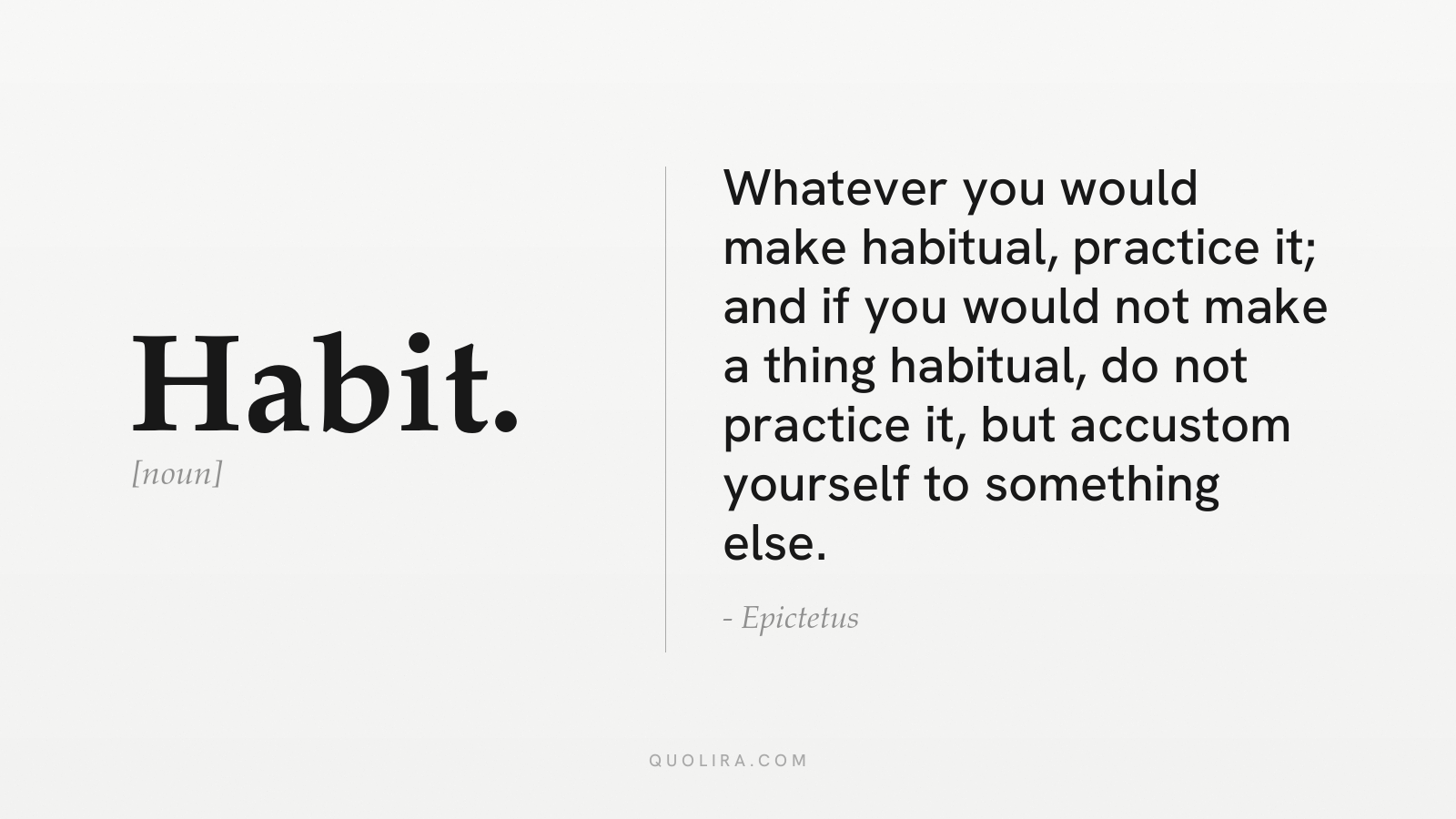
“Whatever you would make habitual, practice it; and if you would not make a thing habitual, do not practice it, but accustom yourself to something else.”
Epictetus · Discourses, Book II, chapter 18
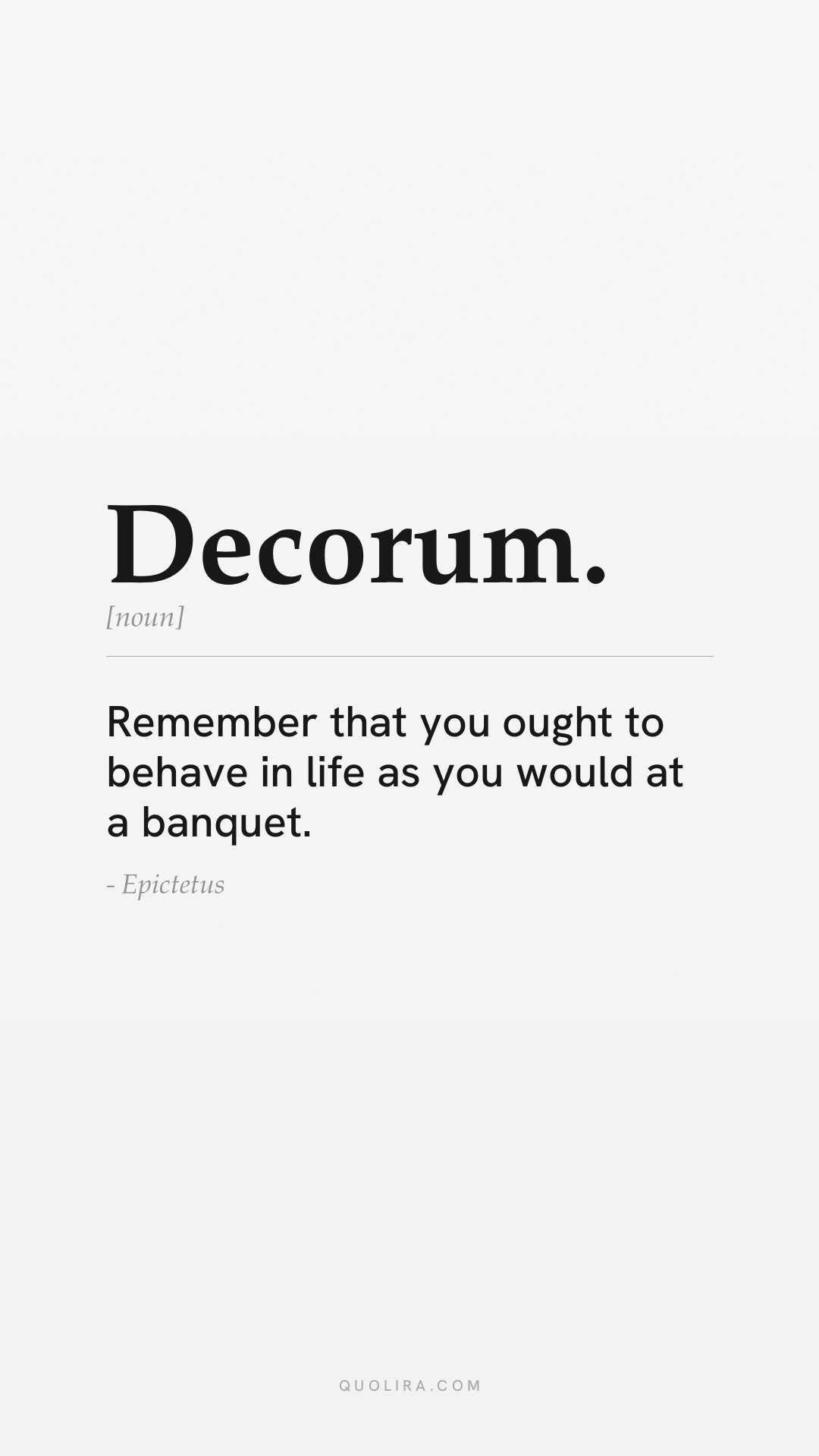
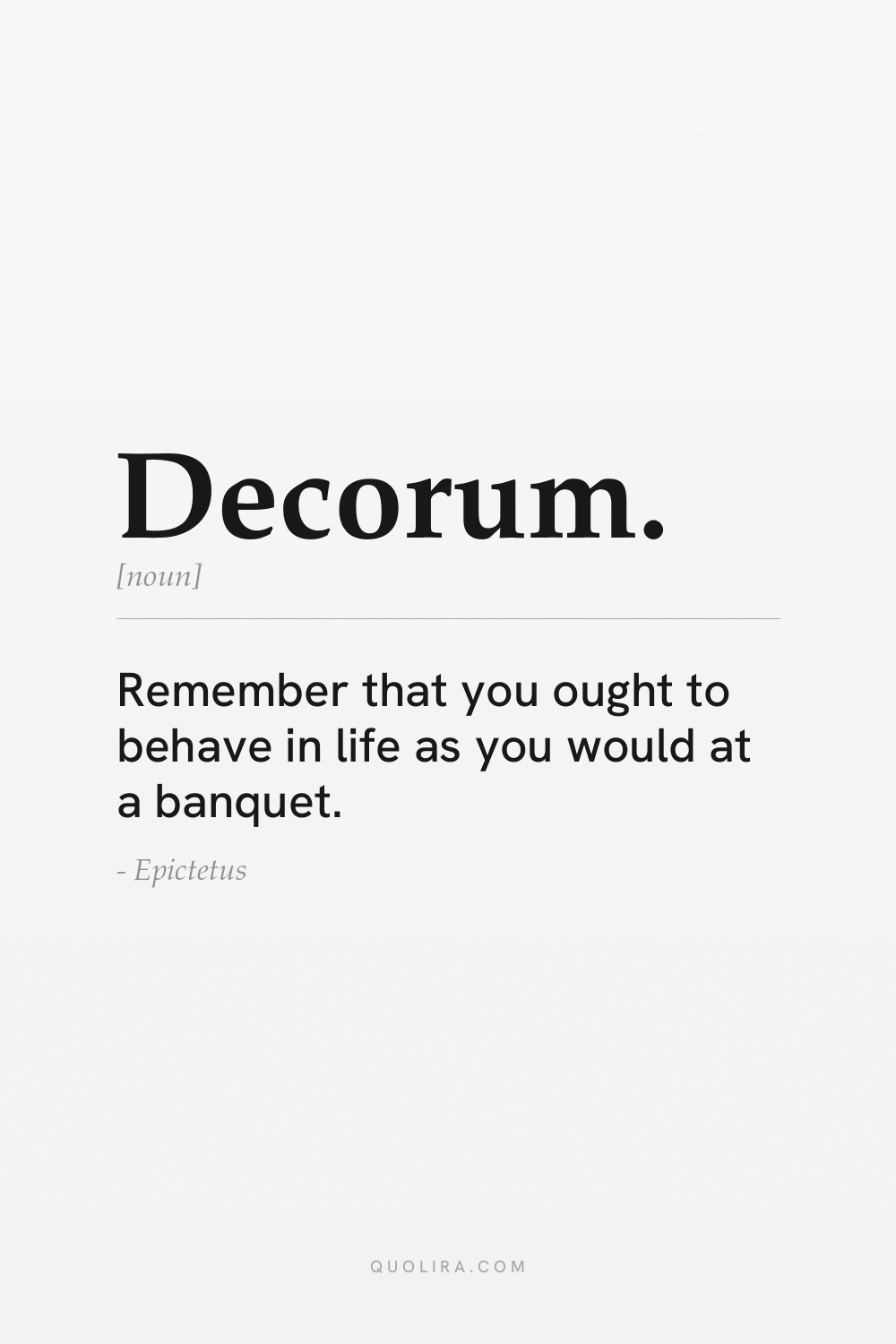
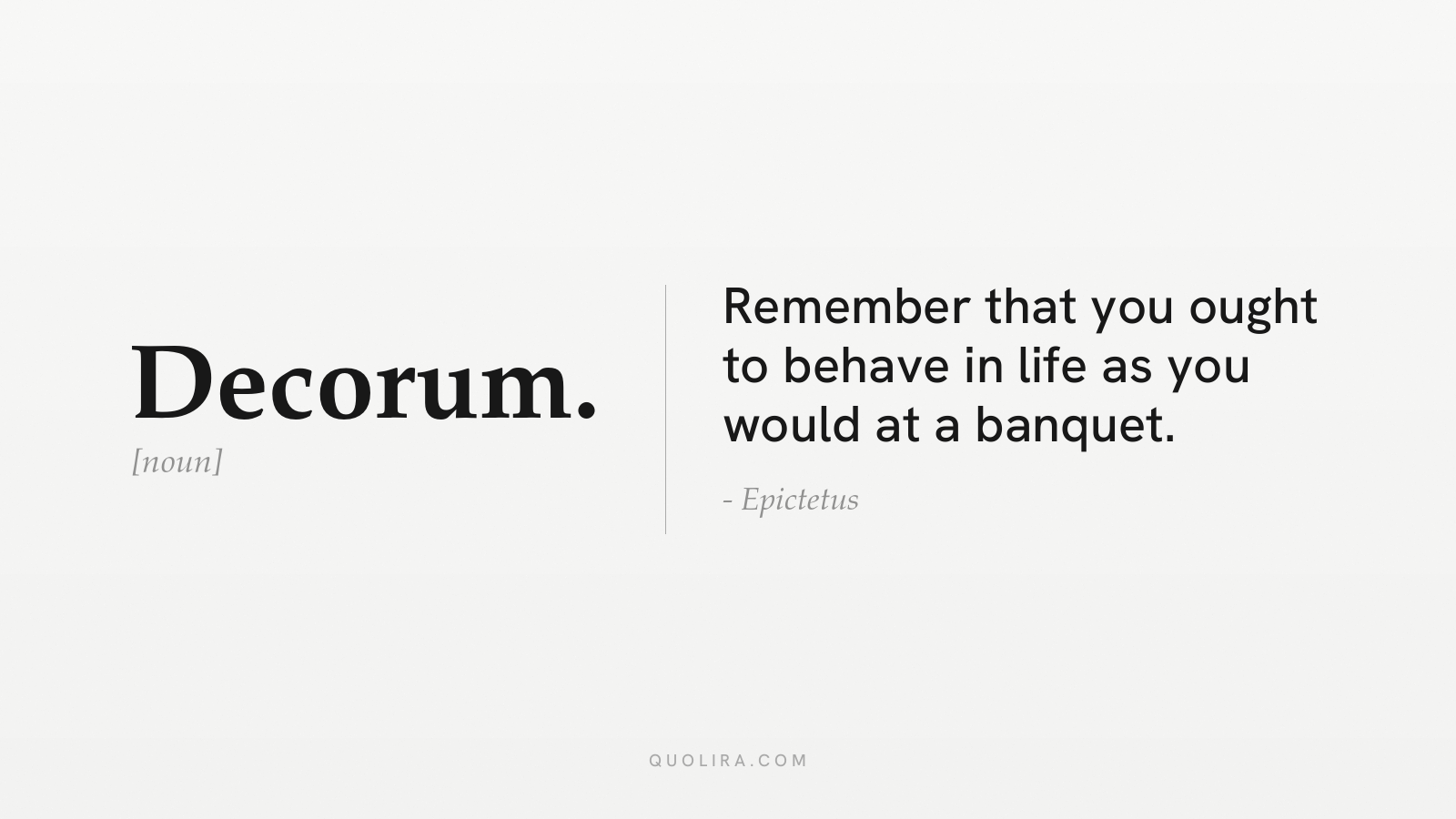
“Remember that you ought to behave in life as you would at a banquet.”
Epictetus · Enchiridion, section 15
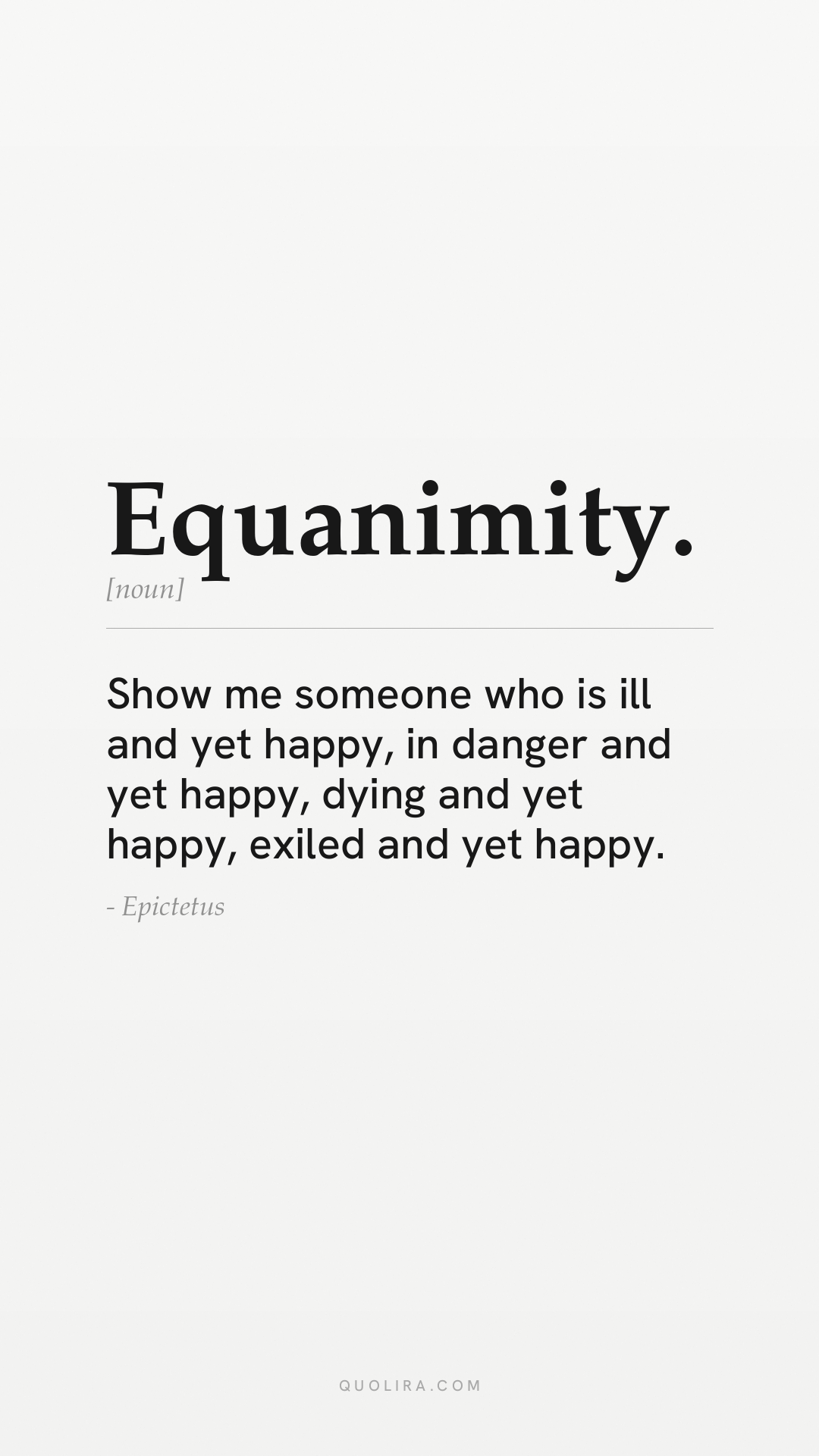
“Show me someone who is ill and yet happy, in danger and yet happy, dying and yet happy, exiled and yet happy.”
Epictetus · Discourses, Book II, chapter 19
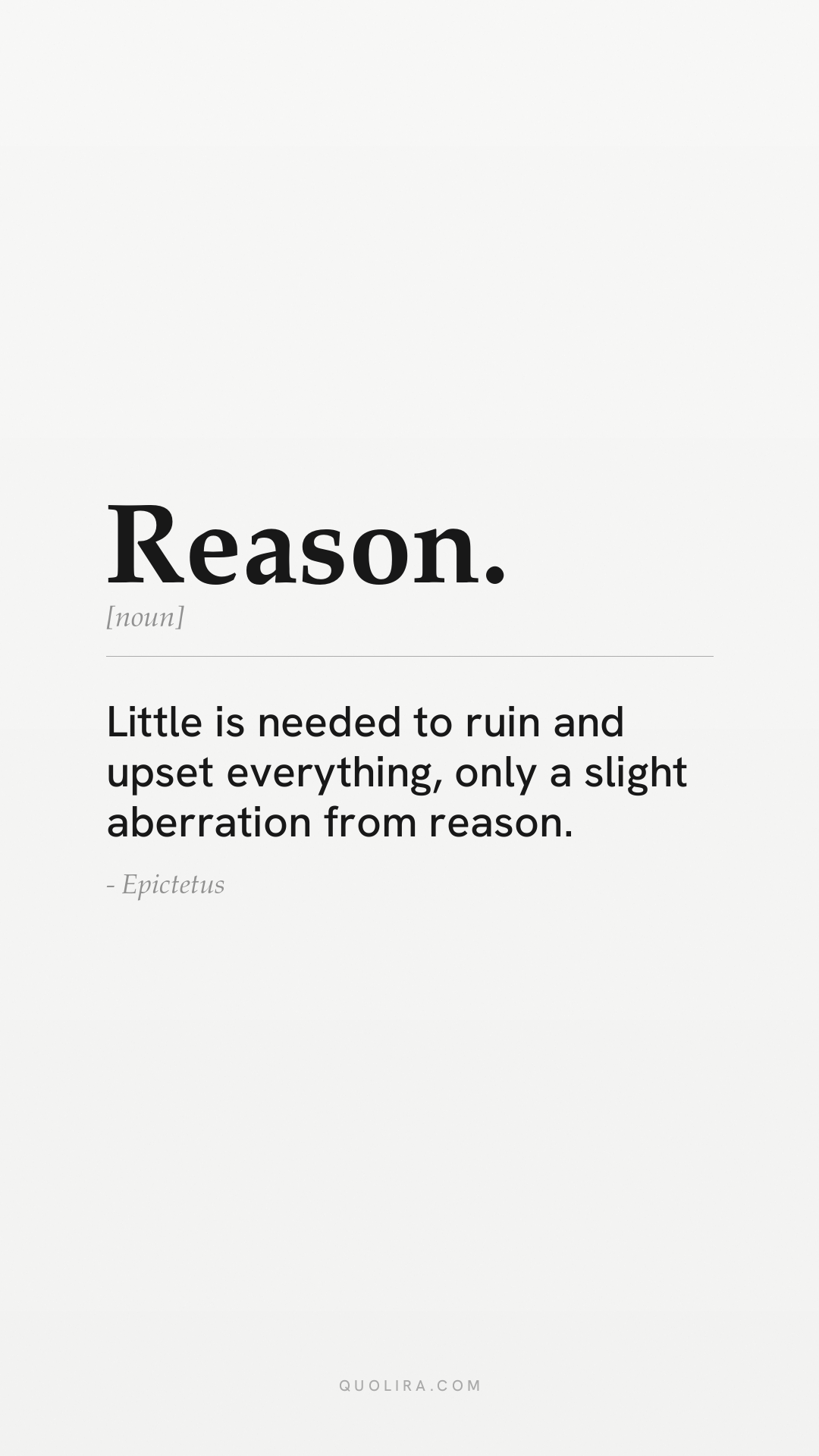
“Little is needed to ruin and upset everything, only a slight aberration from reason.”
Epictetus · Discourses, Book IV, chapter 3
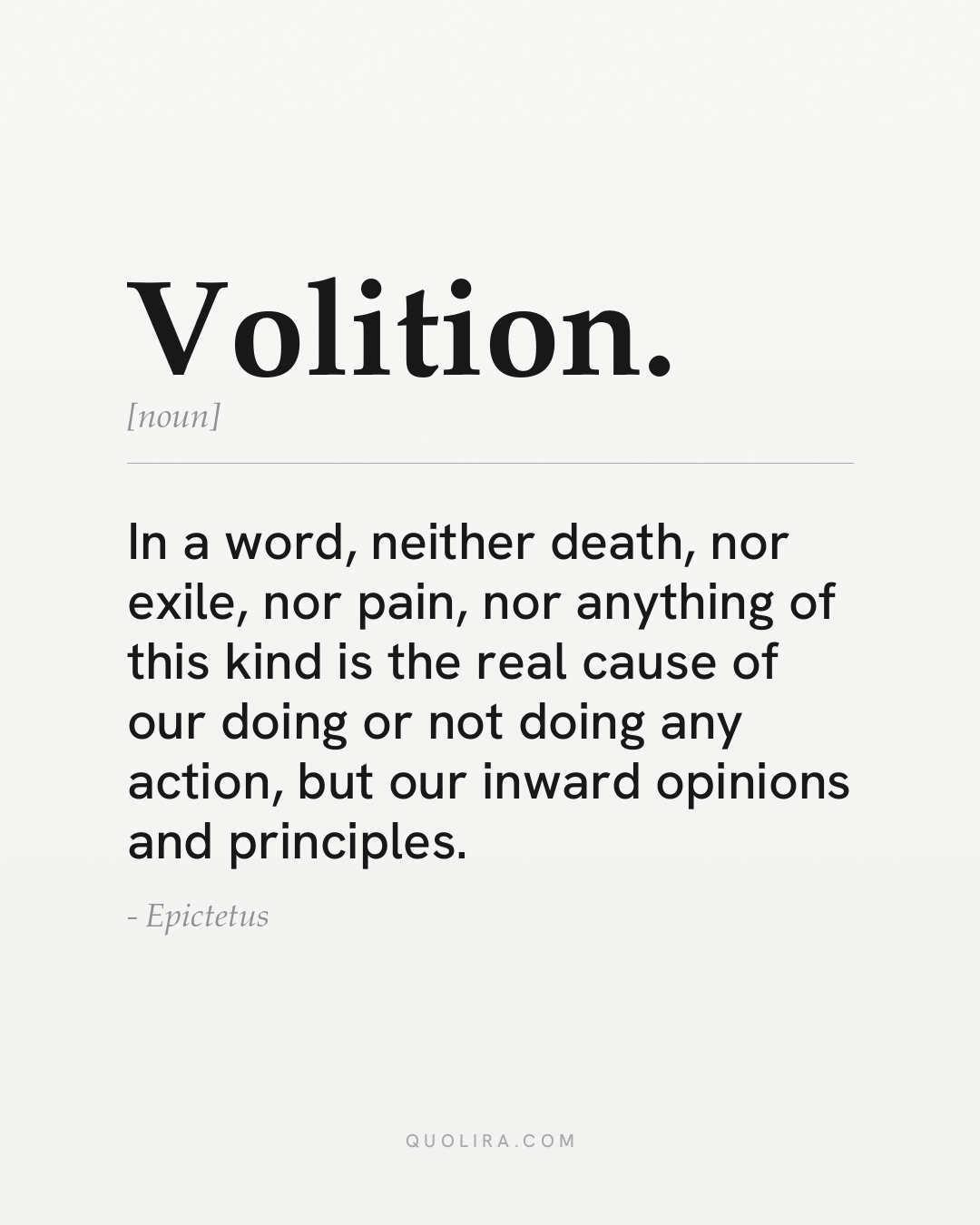
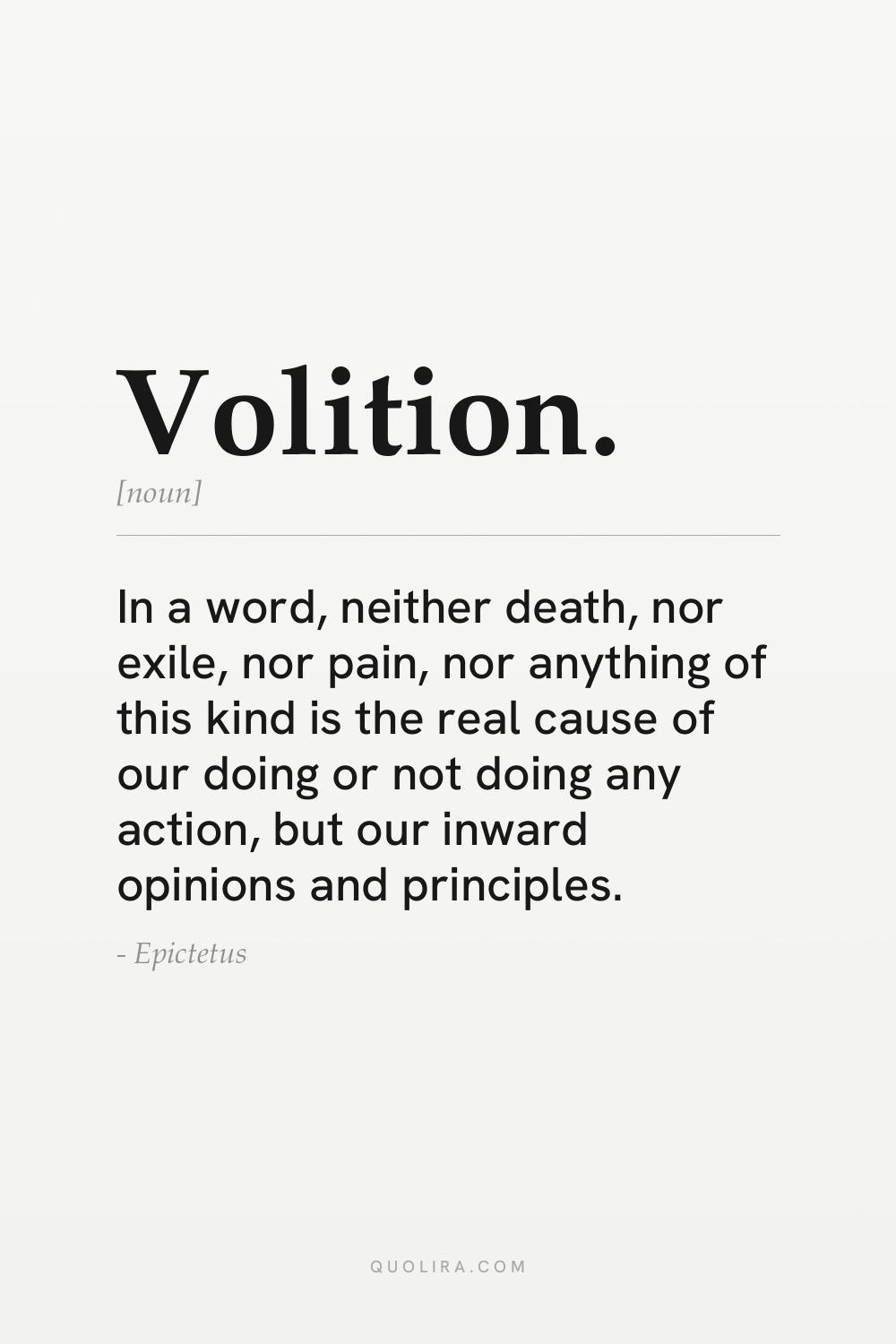
“In a word, neither death, nor exile, nor pain, nor anything of this kind is the real cause of our doing or not doing any action, but our inward opinions and principles.”
Epictetus · Discourses, Book I, chapter 11
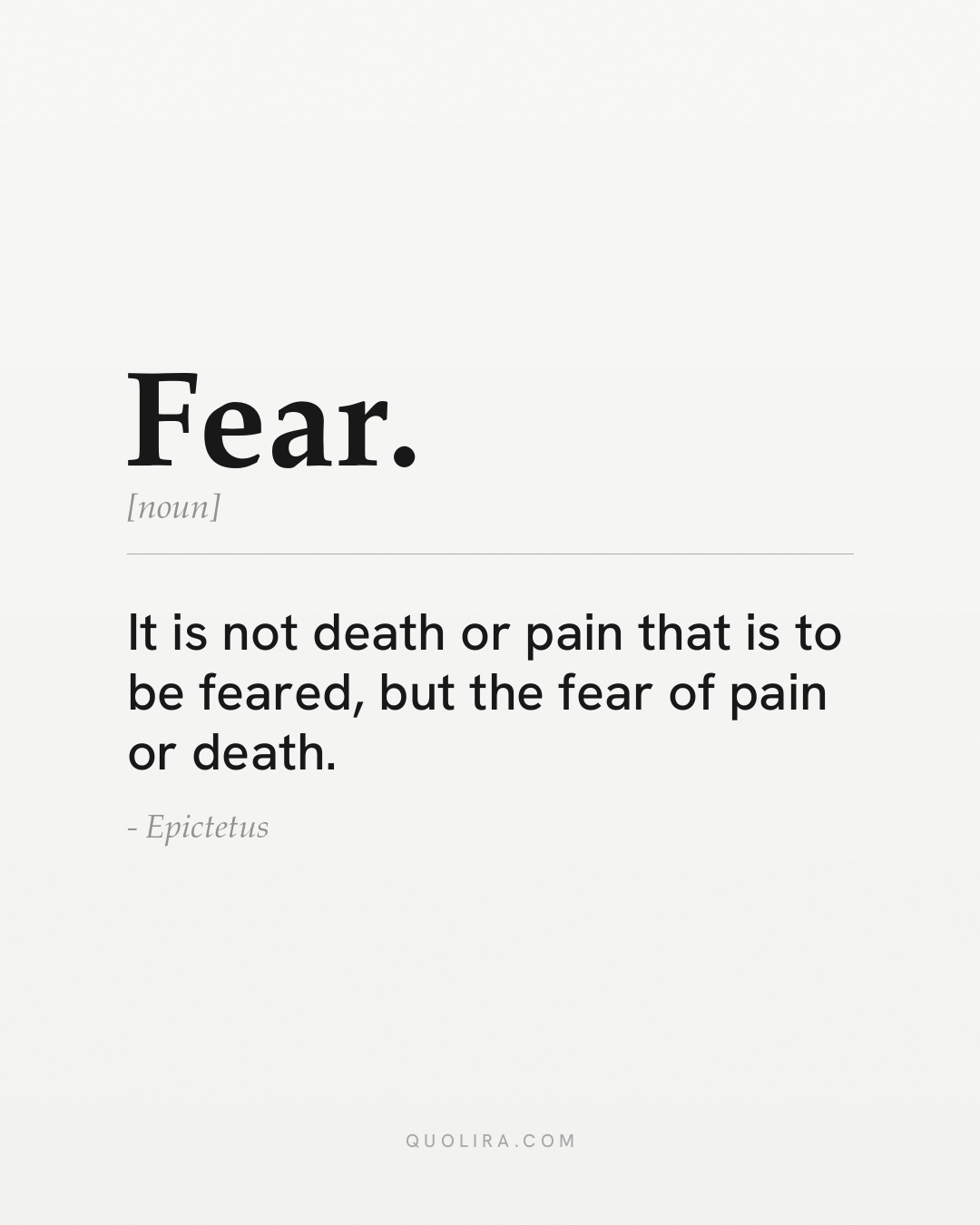
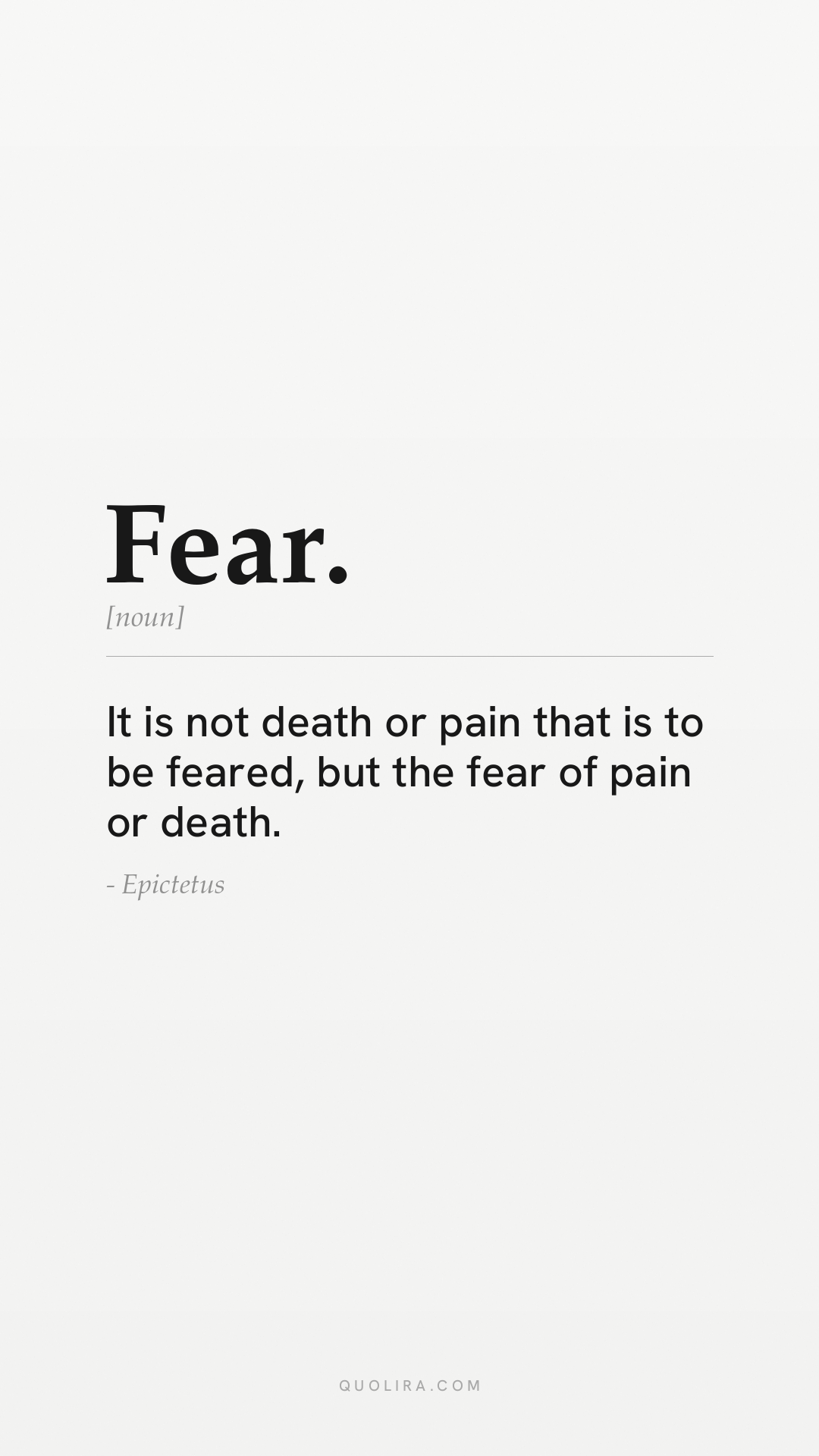
“It is not death or pain that is to be feared, but the fear of pain or death.”
Epictetus · Discourses, Book II, chapter 1
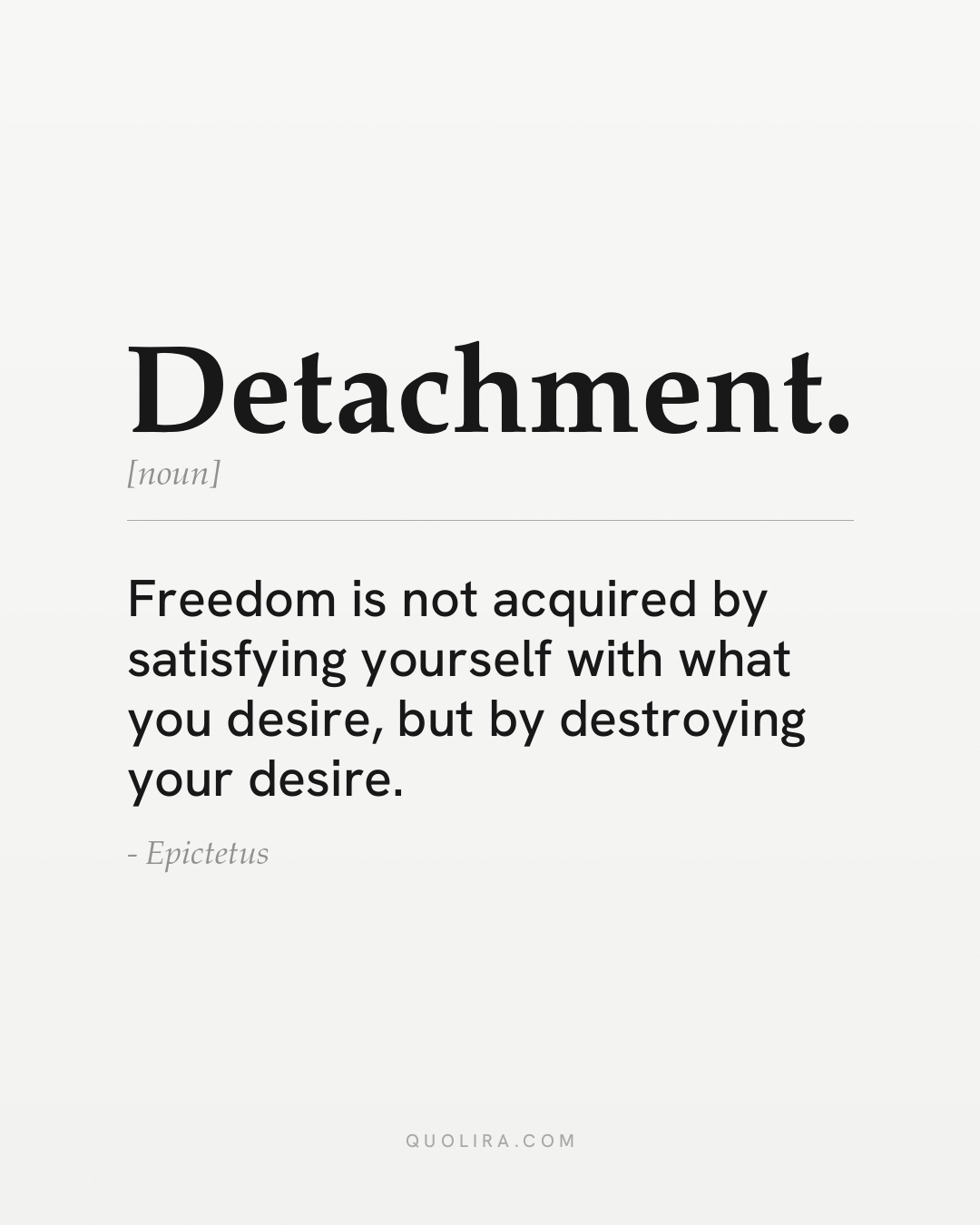
“Freedom is not acquired by satisfying yourself with what you desire, but by destroying your desire.”
Epictetus · Discourses, Book IV, chapter 1
“Know, first, who you are, and then adorn yourself accordingly.”
Epictetus · Discourses, Book III, chapter 1
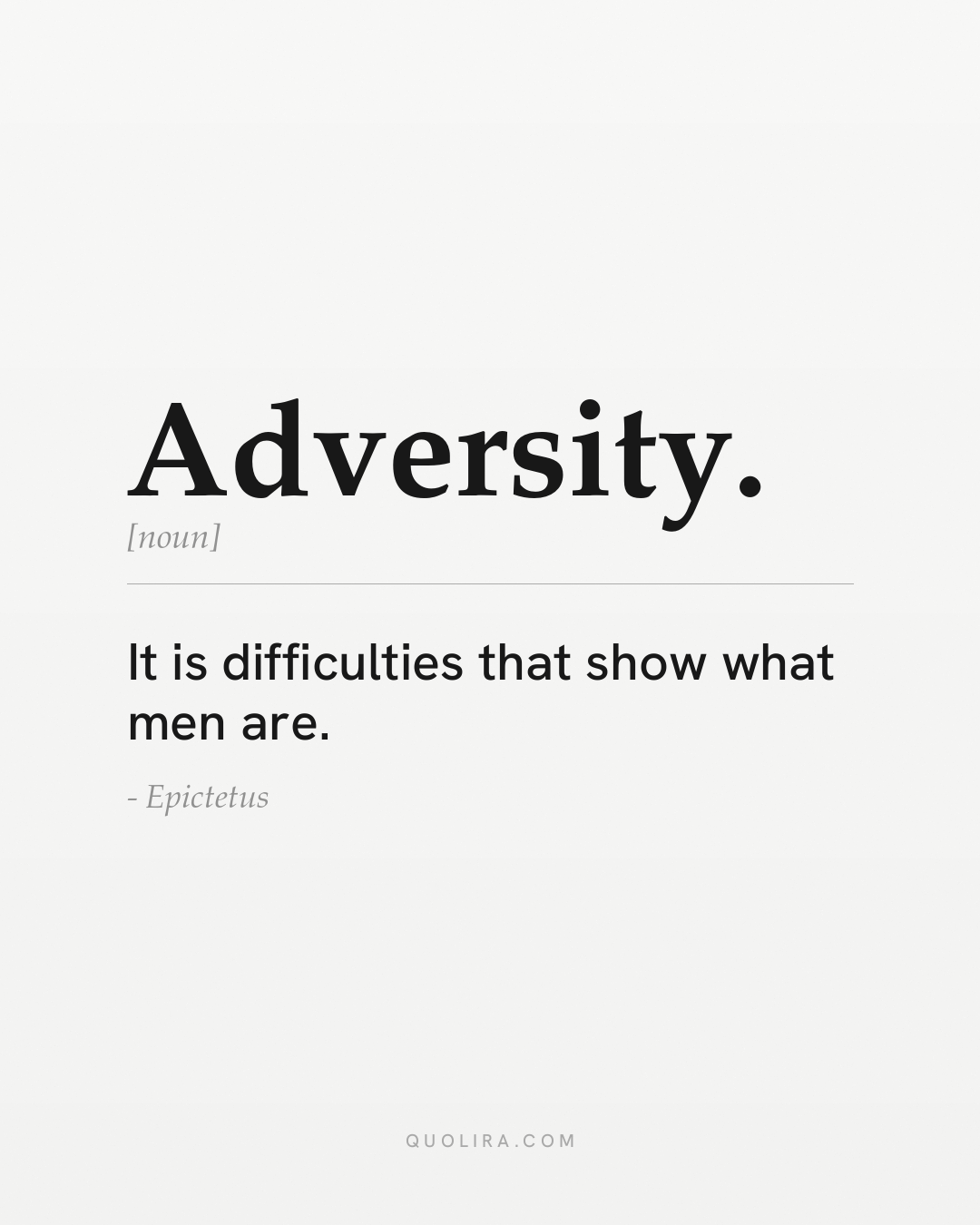
“It is difficulties that show what men are.”
Epictetus · Discourses, Book I, chapter 24
“Remember that it is not he who gives abuse or blows who affronts, but the view we take of these things as insulting.”
Epictetus · Enchiridion, section 20
“Some things are in our control and others not.”
Epictetus · Enchiridion, section 1