“Give me liberty, or give me death!”
Patrick Henry · Speech to the Virginia Convention, March 23, 1775
 quolira
.com
quolira
quolira.com
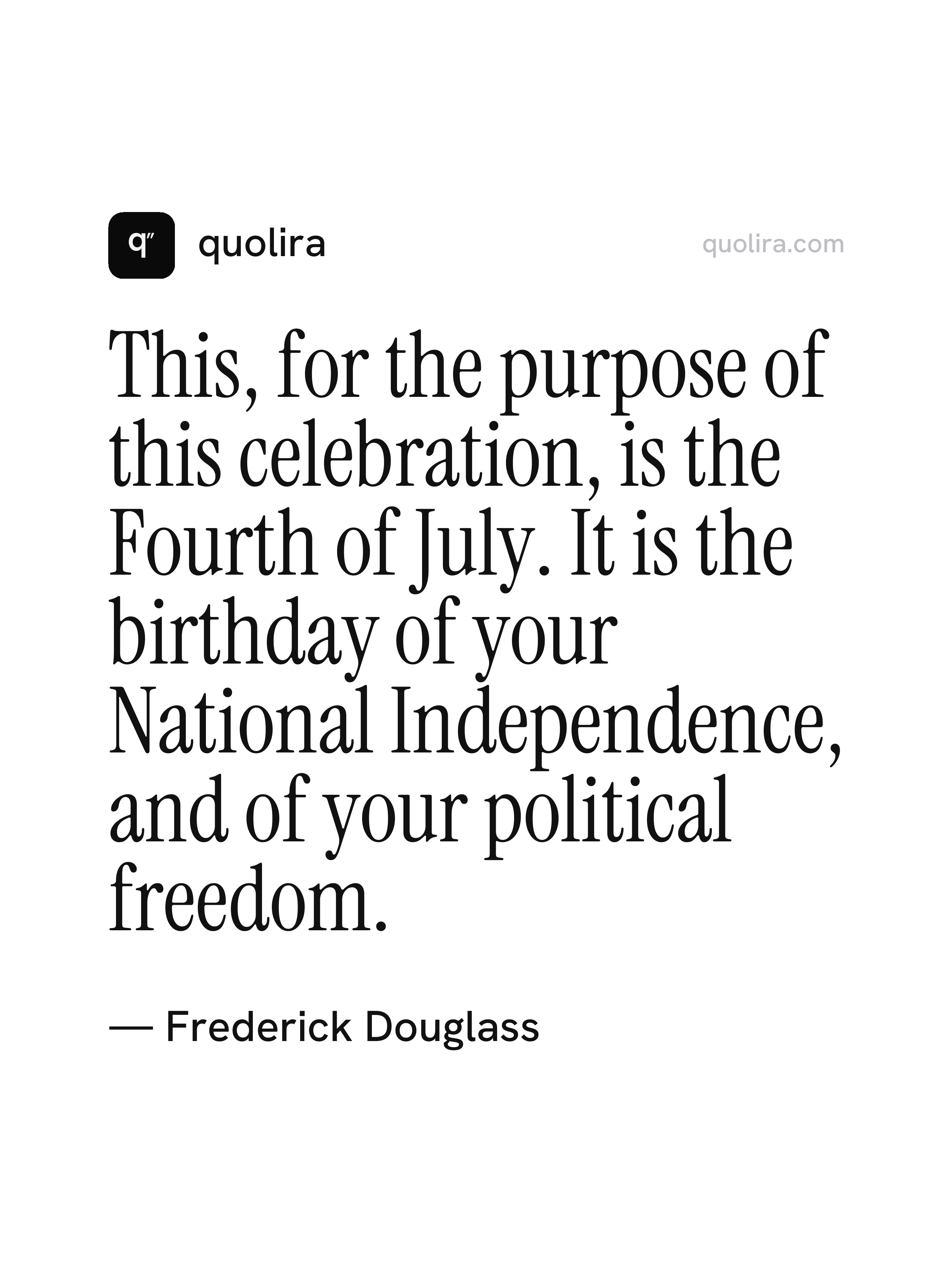
Douglass opens this passage by acknowledging the official meaning of July Fourth as the founding date of American independence and political freedom. The phrasing "for the purpose of this celebration" is carefully chosen: he is noting what the day means to those celebrating it, while signaling that his own perspective will diverge sharply. The words set up a searing contrast between the nation's proclaimed ideals and the reality of slavery, which he goes on to explore throughout the speech.
Frederick Douglass delivered this address on July 5, 1852, to an antislavery society in Rochester, New York. The choice of July 5 rather than July 4 was itself meaningful. Douglass used the occasion to ask what the Declaration's promise of freedom could possibly mean to the millions of people held in bondage in the United States. The speech is regarded as one of the most powerful pieces of American antislavery oratory, combining admiration for the founders' ideals with an unflinching indictment of the nation's failure to live up to them.
Frederick Douglass was born into slavery in Maryland and escaped to freedom in 1838. He became a leading abolitionist, writer, and orator whose autobiography brought wide attention to the realities of slavery. Douglass advised presidents, edited influential newspapers, and advocated throughout his life for the rights of Black Americans and of women. He remains one of the most significant figures in American history, a man whose moral clarity and rhetorical brilliance helped reshape his nation's conscience.
“Give me liberty, or give me death!”
Patrick Henry · Speech to the Virginia Convention, March 23, 1775
“We hold these truths to be self-evident, that all men are created equal, that they are endowed by their Creator with certain unalienable Rights, that among these are Life, Liberty and the pursuit of Happiness.”
Thomas Jefferson · Declaration of Independence, 1776
“When you know a thing, to hold that you know it; and when you do not know a thing, to allow that you do not know it: this is knowledge.”
Confucius · Analects, 2.17
“The man who learns but does not think is lost. The man who thinks but does not learn is in great danger.”
Confucius · Analects, 2.15
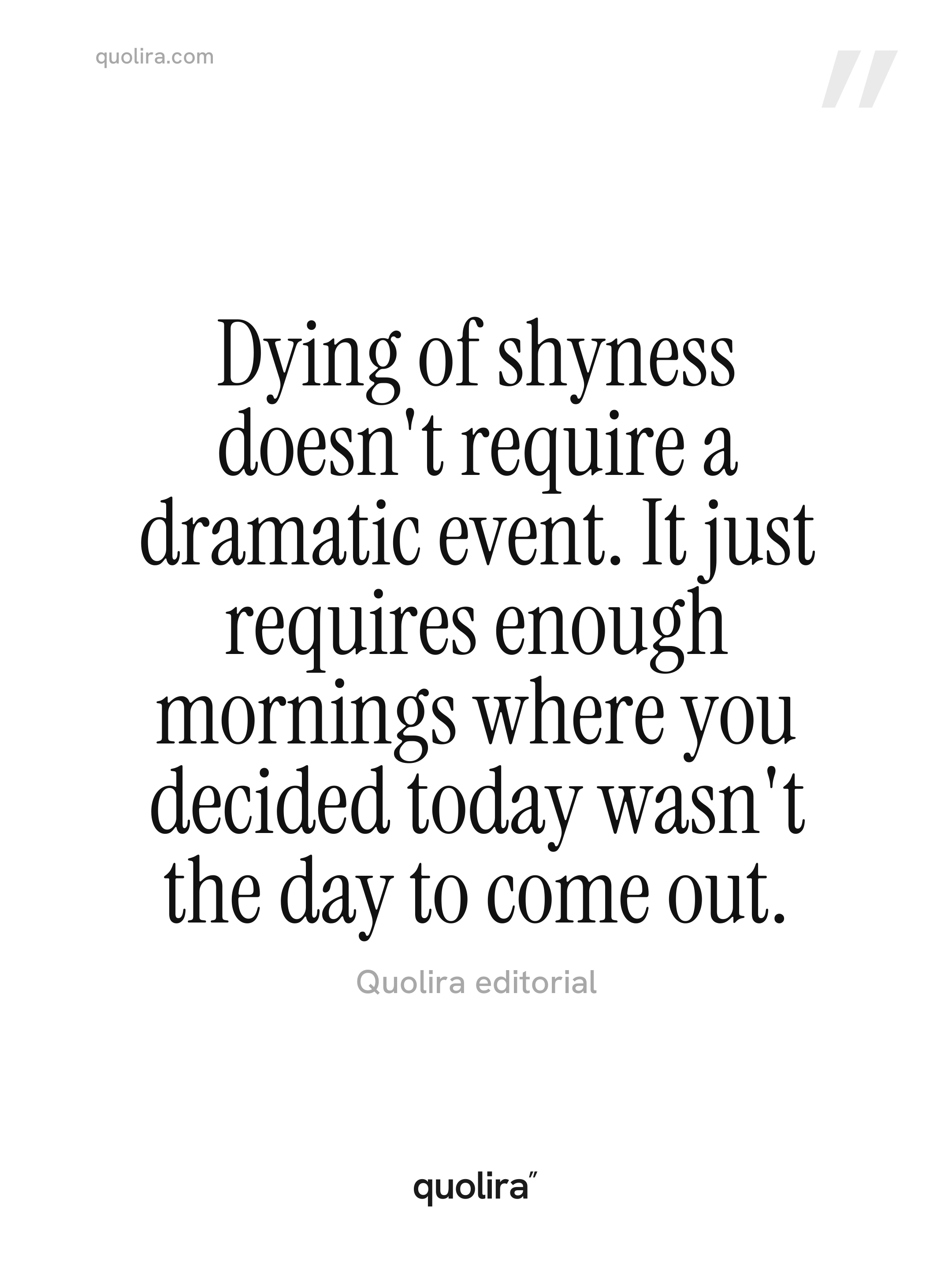
“Dying of shyness doesn't require a dramatic event. It just requires enough mornings where you decided today wasn't the day to come out.”
Original
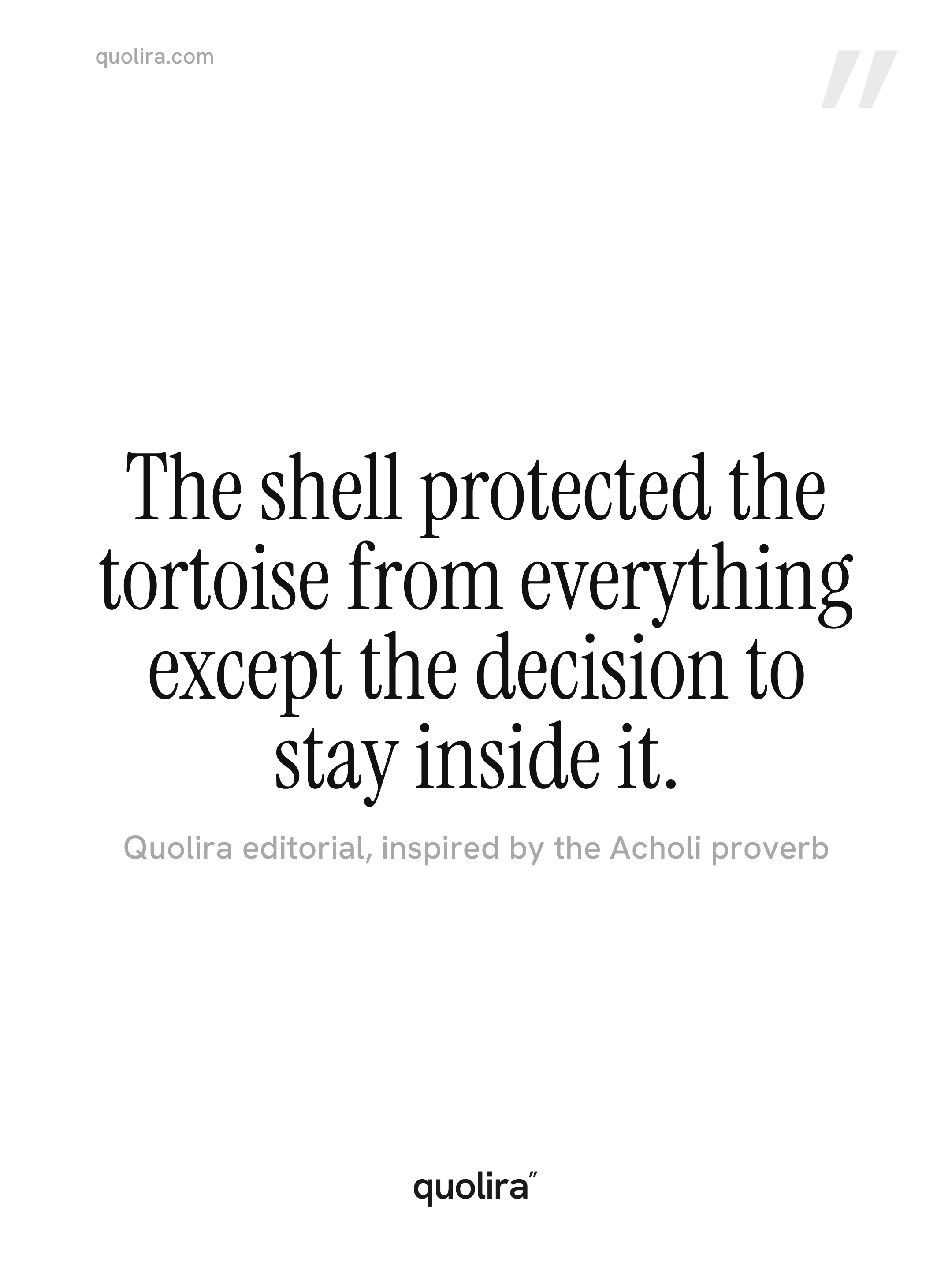
“The shell protected the tortoise from everything except the decision to stay inside it.”
Original
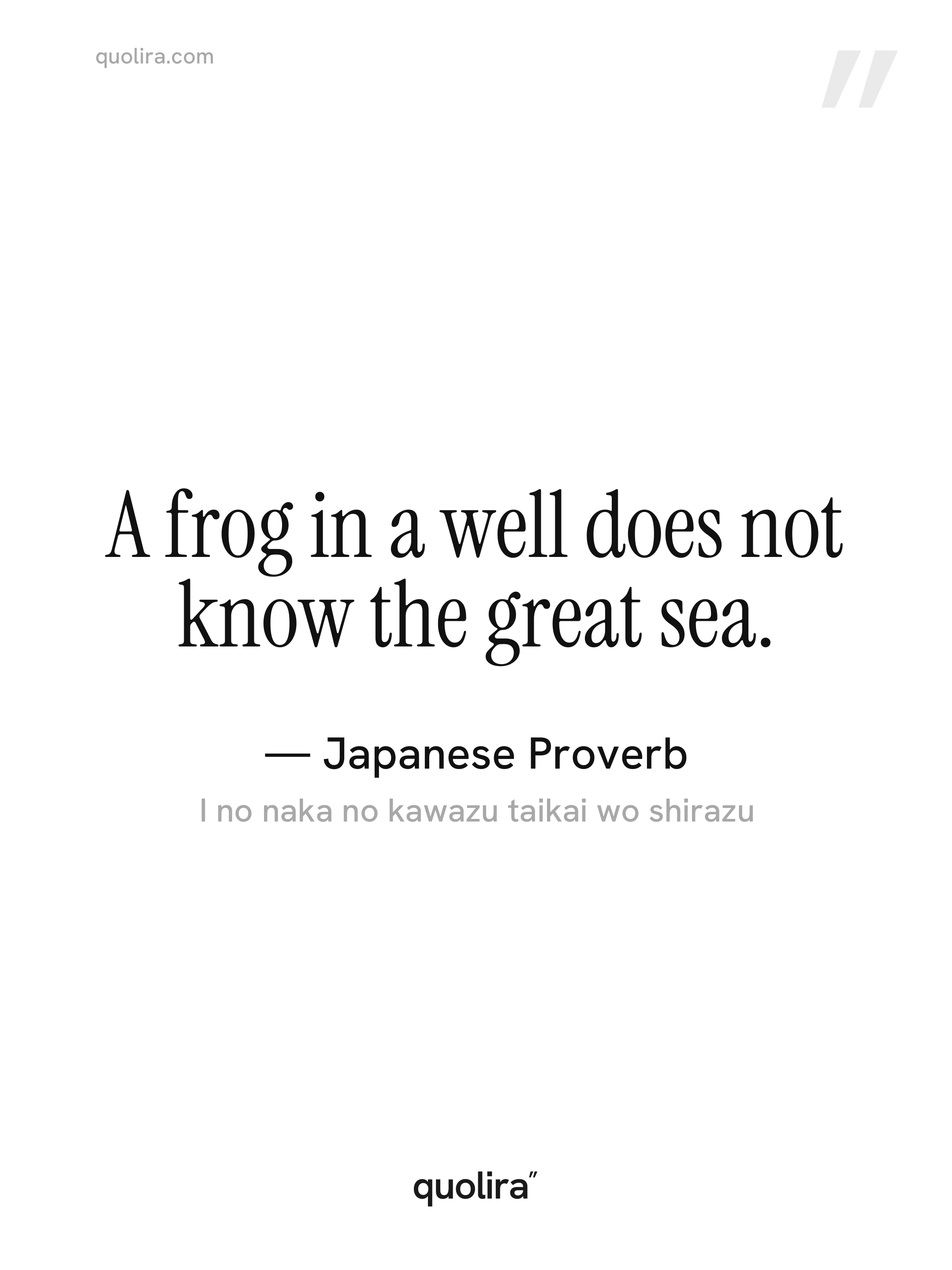
“A frog in a well does not know the great sea.”
Japanese Proverb · I no naka no kawazu taikai wo shirazu
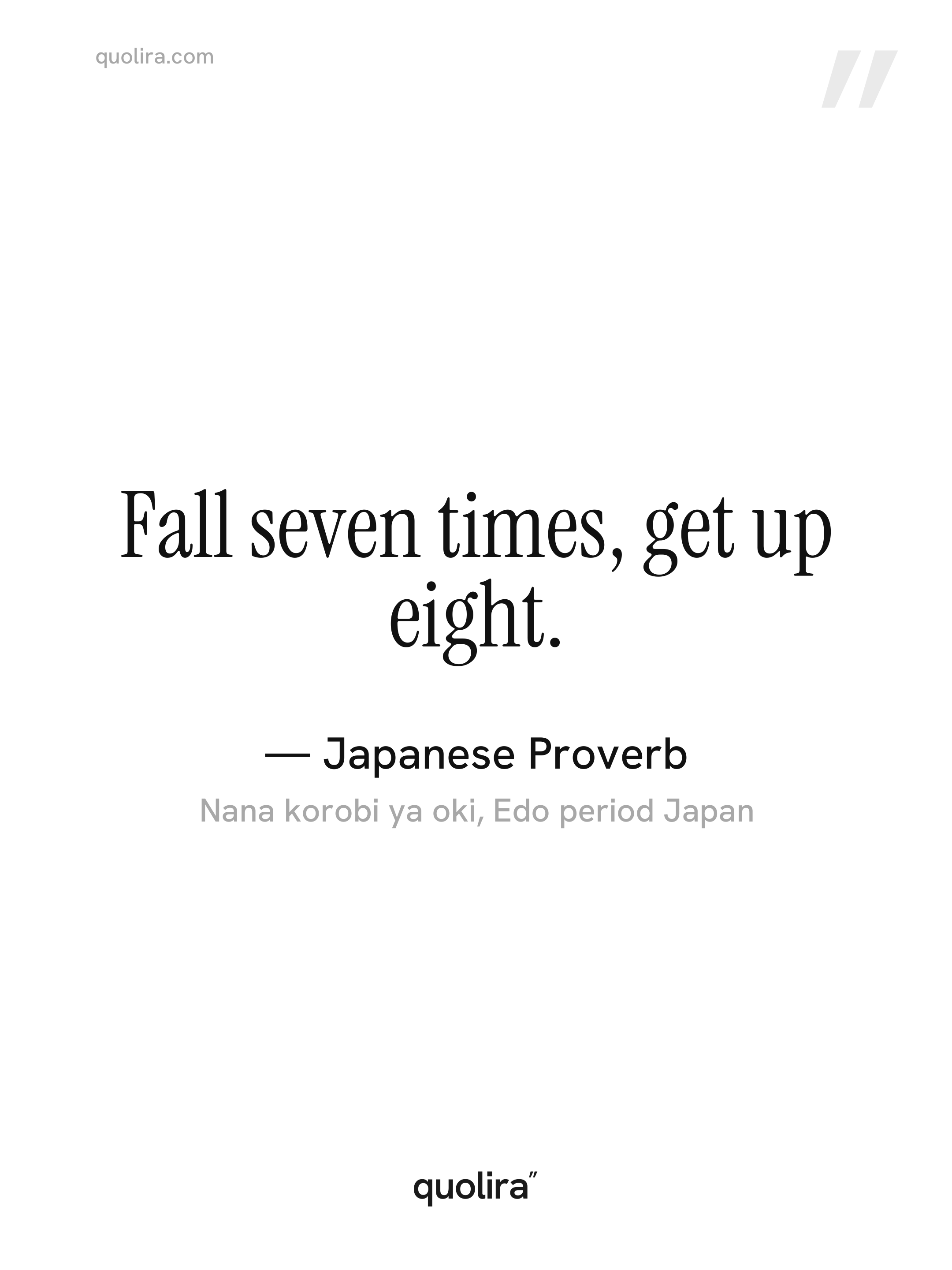
“Fall seven times, get up eight.”
Japanese Proverb · Nana korobi ya oki, Edo period Japan
“The will to live is not the will to live at any cost; it is the will to live this life.”
Nassim Taleb · Paraphrased from Stoic philosophy
“A blazing fire makes flame and brightness out of everything that is thrown into it.”
Marcus Aurelius · Meditations
“Lose money once with real skin in the game and you'll understand risk better than a hundred free articles could teach you.”
Original
“The lesson you pay for is the one you actually keep.”
Original