“Lose money once with real skin in the game and you'll understand risk better than a hundred free articles could teach you.”
Original
 quolira
.com
quolira
quolira.com
Aurelius uses fire as a metaphor for a mind and character that are truly strong. Just as a powerful fire does not get smothered by what is thrown onto it but instead consumes and transforms that material into more light and heat, a resilient person draws energy even from adversity, criticism, and difficulty. The quote suggests that what might weaken or extinguish a smaller flame only feeds a larger one.
Meditations is a personal journal that Marcus Aurelius kept for his own moral and philosophical development, drawing heavily on Stoic principles. The book was not written for publication and retains an intimate quality, as though the author is working through ideas for himself rather than performing wisdom for an audience. The fire image fits the broader Stoic framework, which consistently emphasized the importance of using external circumstances as material for inner growth rather than being defeated by them.
Marcus Aurelius was a Roman emperor who ruled during the second century CE. He is remembered both as a political and military leader and as one of the most significant figures in the Stoic philosophical tradition. His reign was marked by considerable pressure, including military conflicts and a serious plague, and Meditations appears to have been written partly as a way of maintaining his own clarity and moral resolve under those conditions. He is often cited as an example of the philosopher-king ideal that figures in ancient political thought.
“Lose money once with real skin in the game and you'll understand risk better than a hundred free articles could teach you.”
Original
“The lesson you pay for is the one you actually keep.”
Original
“Better is a poor and wise youth than an old and foolish king who no longer knows how to take advice.”
Ecclesiastes 4:13 · Book of Ecclesiastes, Hebrew Bible
“Gray hair is a crown of glory; it is gained in a righteous life.”
Proverbs 16:31 · Book of Proverbs, Hebrew Bible
“The unlived life is always better because it never has to survive contact with living.”
Original
“Some things are worth more after they've been broken. The repair is the evidence that they were worth saving.”
Original
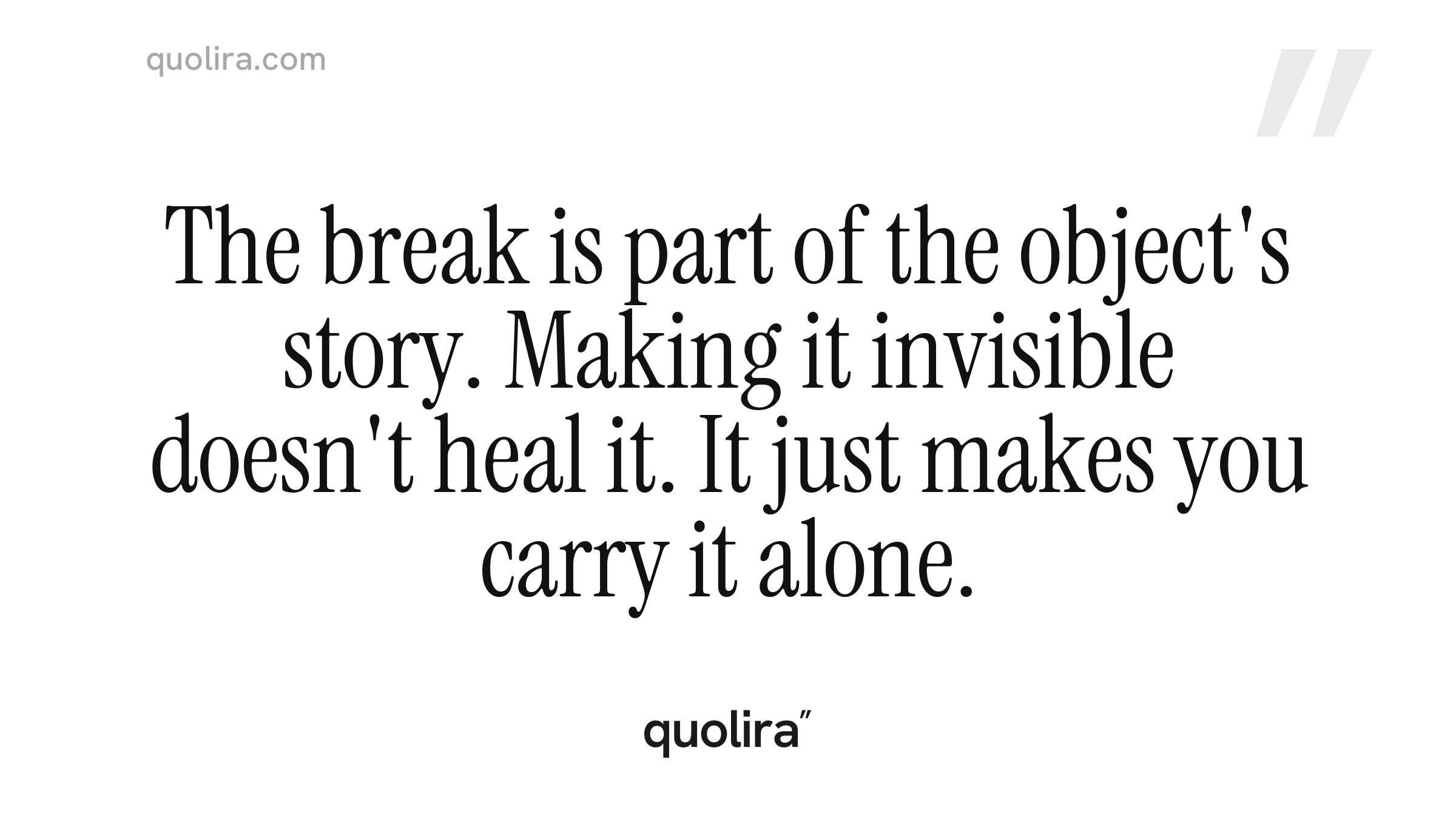
“The break is part of the object's story. Making it invisible doesn't heal it. It just makes you carry it alone.”
Original
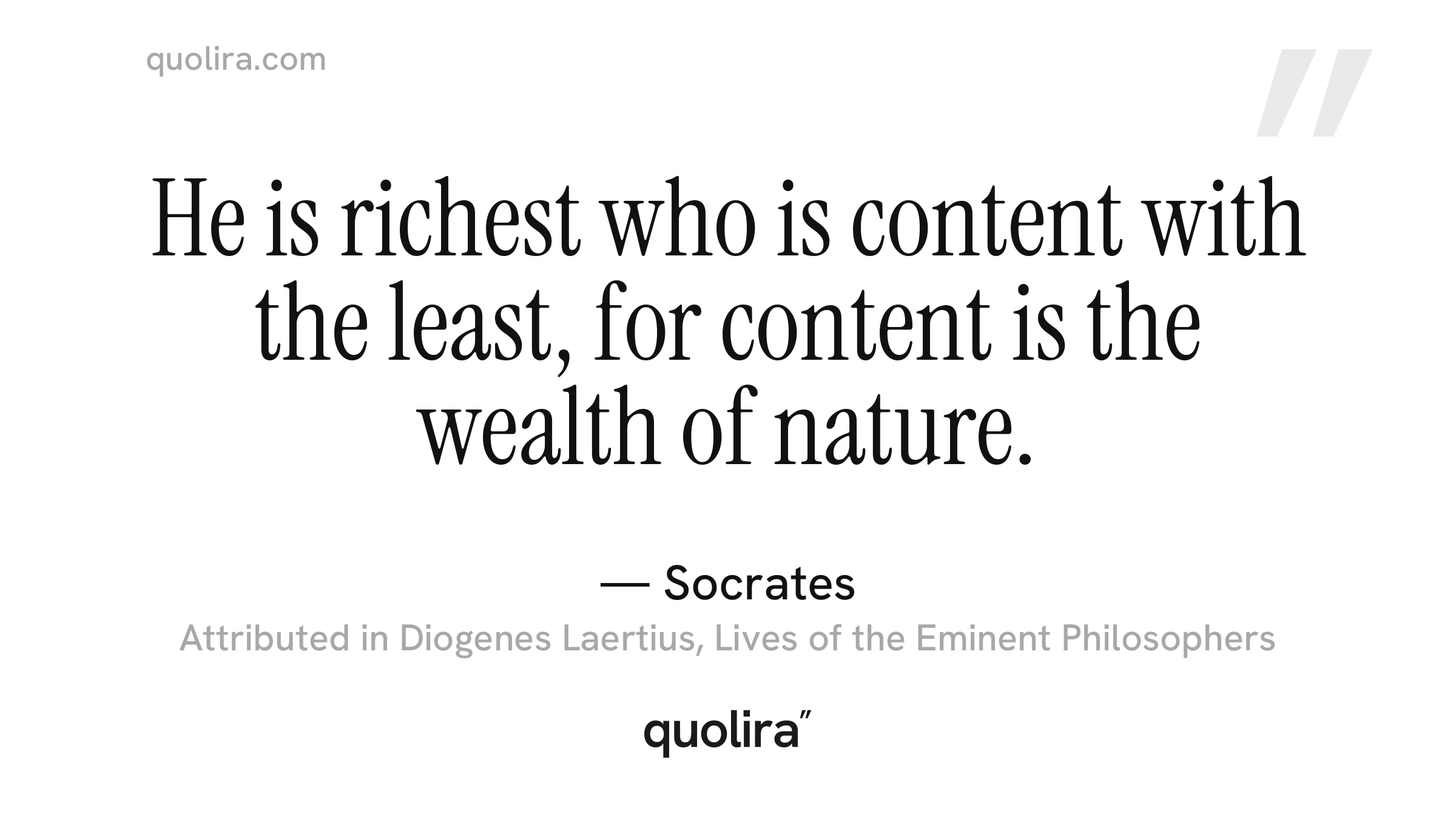
“He is richest who is content with the least, for content is the wealth of nature.”
Socrates · Attributed in Diogenes Laertius, Lives of the Eminent Philosophers
“Nature does not hurry, yet everything is accomplished.”
Lao Tzu · Tao Te Ching
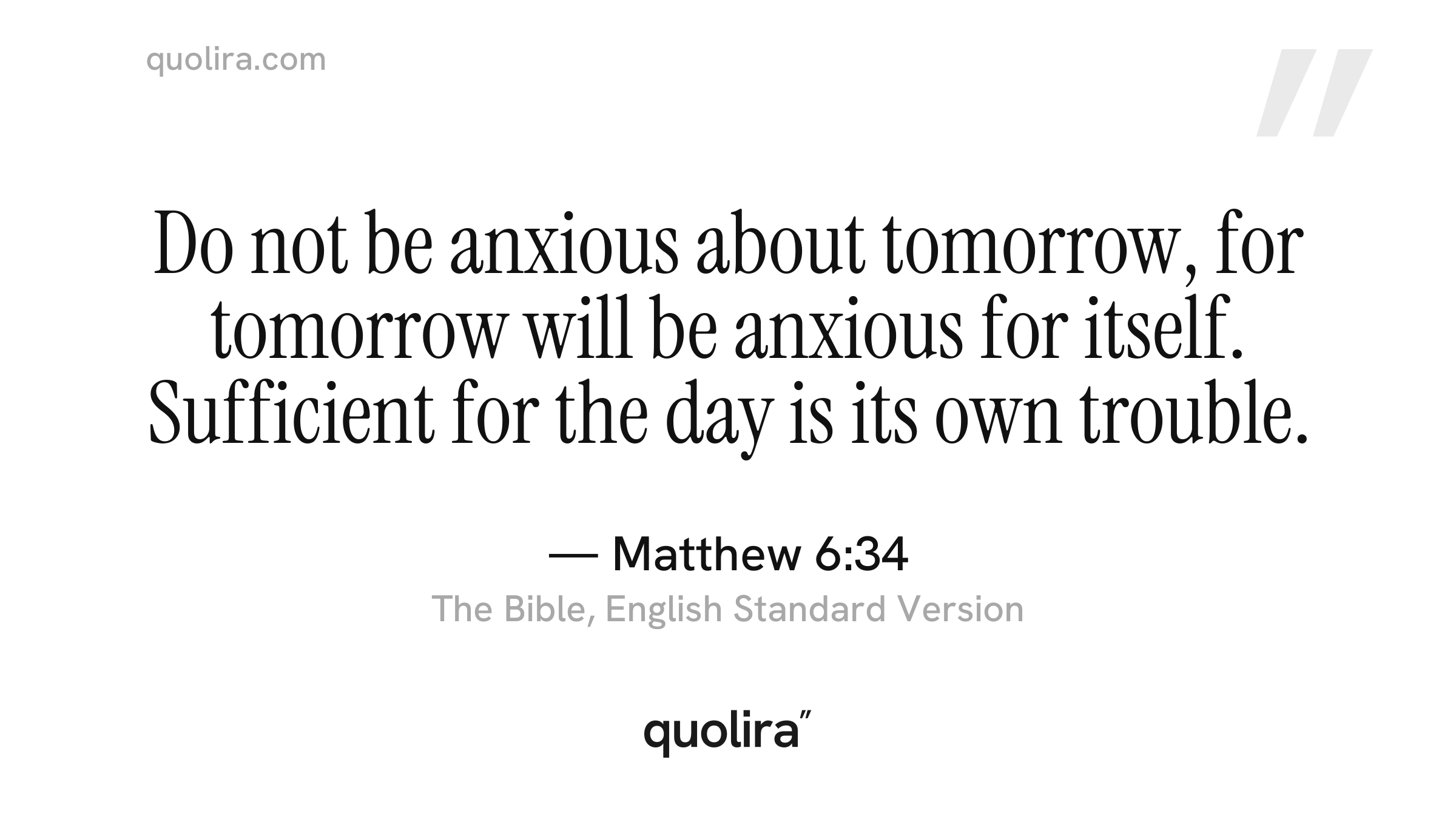
“Do not be anxious about tomorrow, for tomorrow will be anxious for itself. Sufficient for the day is its own trouble.”
Matthew 6:34 · The Bible, English Standard Version
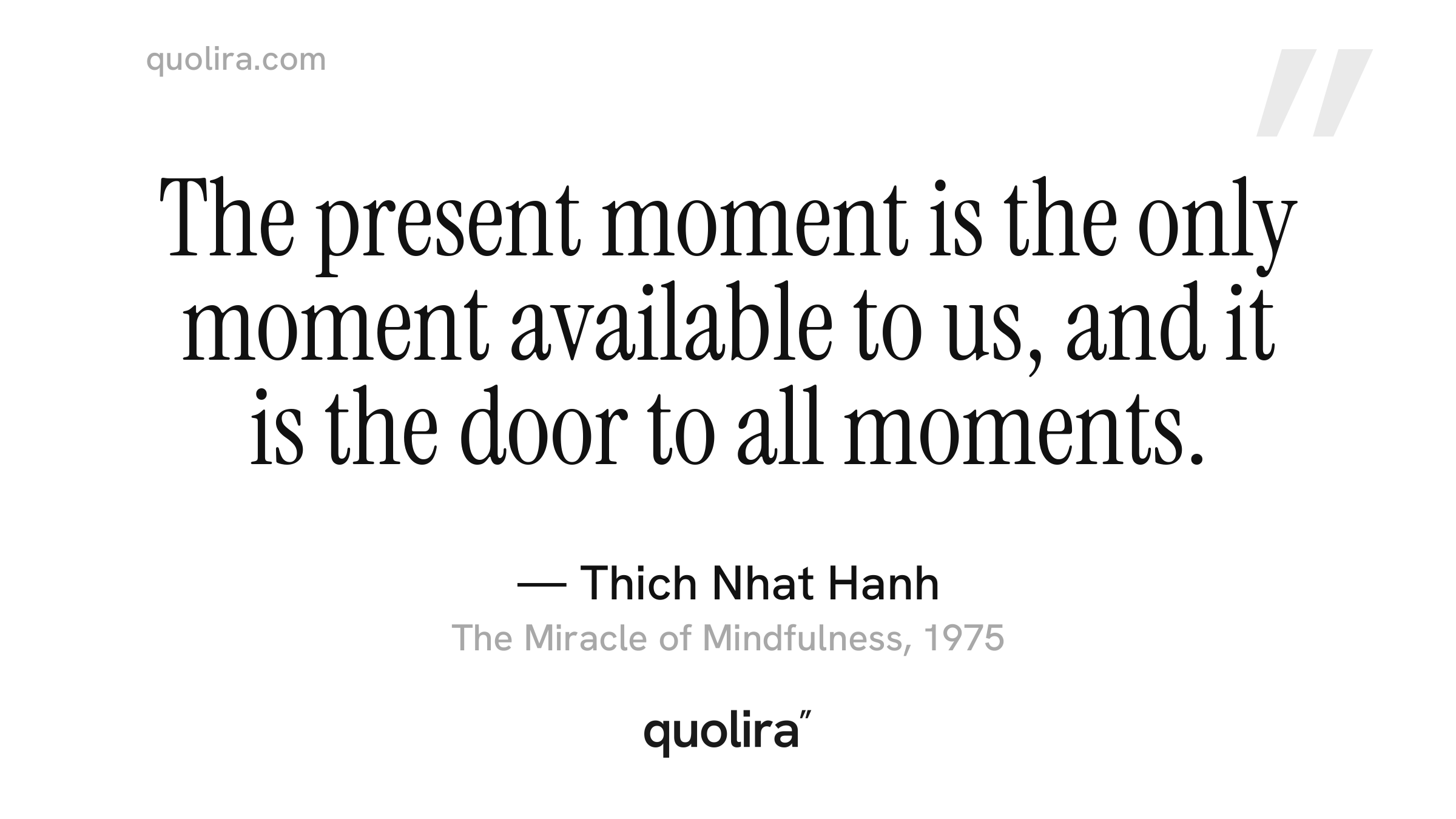
“The present moment is the only moment available to us, and it is the door to all moments.”
Thich Nhat Hanh · The Miracle of Mindfulness, 1975
“Keep close to nature's heart and break clear away, once in a while, and climb a mountain or spend a week in the woods.”
John Muir · John of the Mountains, 1938