“Happiness is not a station you arrive at, but a manner of traveling.”
Margaret Lee Runbeck · Time for Each Other, 1944
 quolira
.com
quolira
quolira.com
This line is a call to step away from the routines and pressures of ordinary life and seek renewal in wild, natural places. The instruction to keep close to nature's heart is not merely practical advice about outdoor recreation; it carries a deeper conviction that human beings need regular contact with the natural world to stay whole. The phrase break clear away suggests that half-measures will not do: the restoration being described requires genuine distance from the built and busy world.
The line appears in John of the Mountains, a collection of Muir's journals and notes compiled and published after his death. Throughout his writing, Muir returned again and again to the idea that wilderness is not a luxury but a necessity, something essential to the health of the human spirit. His journals were personal and immediate in tone, recording the sights, sensations, and reflections that came to him during years of travel through some of North America's most remarkable landscapes. This particular passage reads like advice drawn directly from lived experience.
John Muir was a Scottish-born American naturalist, writer, and advocate for wilderness preservation who lived from 1838 to 1914. He explored the Sierra Nevada extensively and wrote about those landscapes with a combination of scientific observation and near-spiritual wonder. His efforts helped establish the idea of national parks in the United States, and he was a founding figure of the Sierra Club. His books and essays remain widely read by anyone interested in nature, conservation, or the relationship between human beings and wild places.
“Happiness is not a station you arrive at, but a manner of traveling.”
Margaret Lee Runbeck · Time for Each Other, 1944
“I never worked a day in my life without selling something. And I always delivered more than I promised.”
Joseph Addison
“Come to me, all you who are weary and burdened, and I will give you rest.”
Matthew 11:28 · The Bible, New International Version
“To everything there is a season, and a time for every purpose under heaven.”
Ecclesiastes 3:1 · The Bible, King James Version
“There is a pleasure in the pathless woods, there is a rapture on the lonely shore.”
Lord Byron · Childe Harold's Pilgrimage, Canto IV, 1818
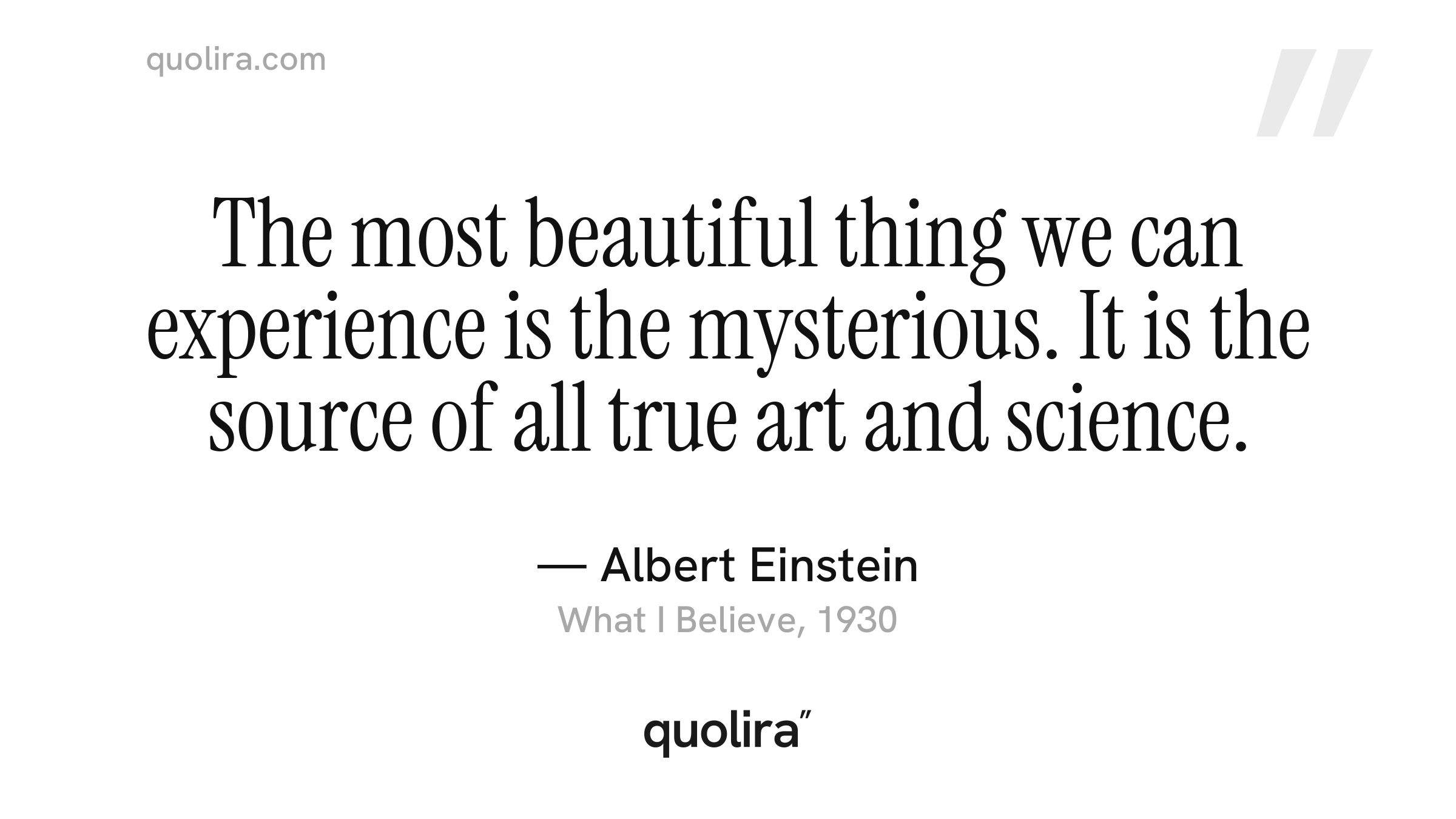
“The most beautiful thing we can experience is the mysterious. It is the source of all true art and science.”
Albert Einstein · What I Believe, 1930
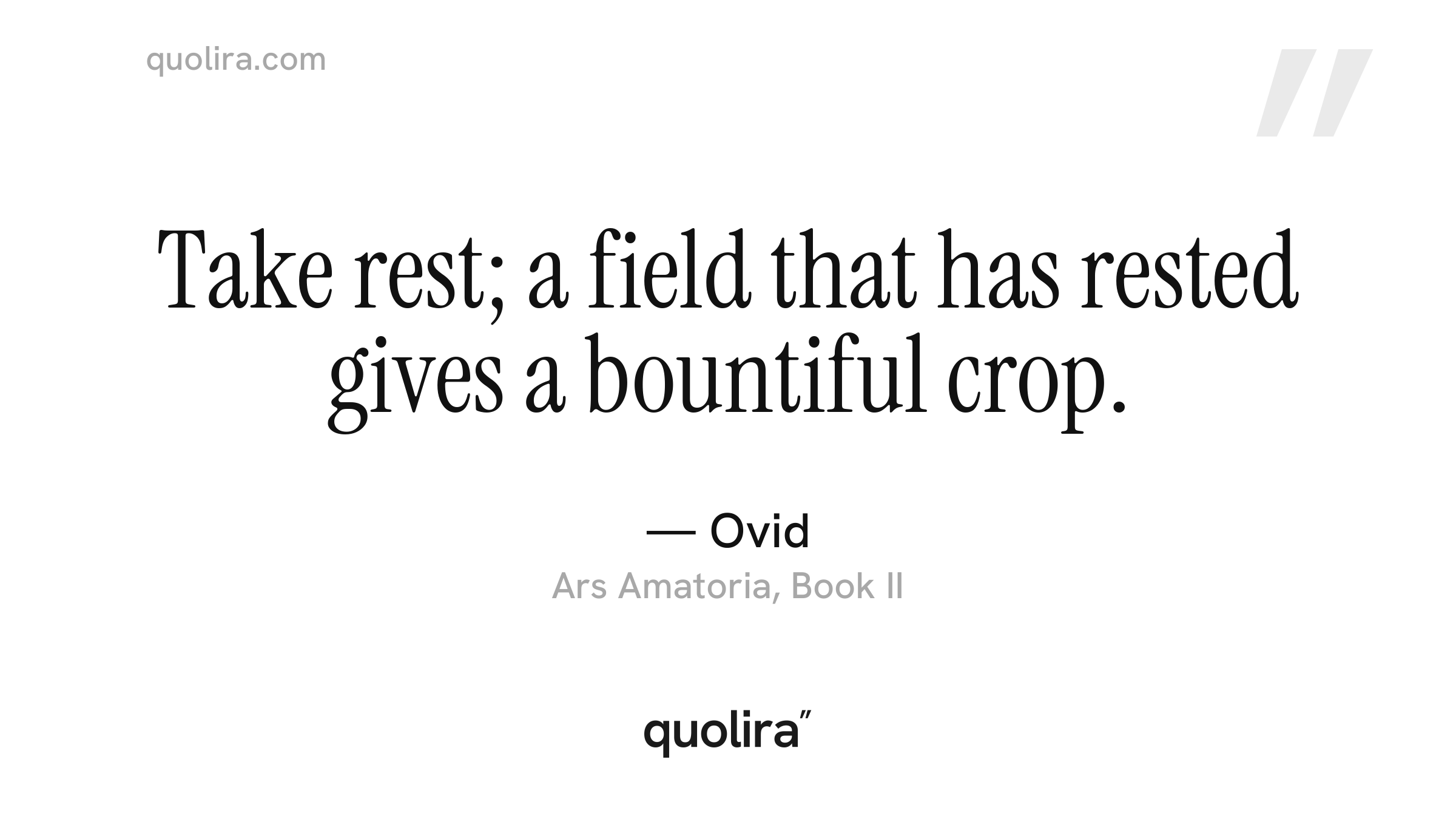
“Take rest; a field that has rested gives a bountiful crop.”
Ovid · Ars Amatoria, Book II
“Finish each day and be done with it. You have done what you could. Some blunders and absurdities no doubt crept in; forget them as soon as you can.”
Ralph Waldo Emerson · Letter to his daughter, 1865
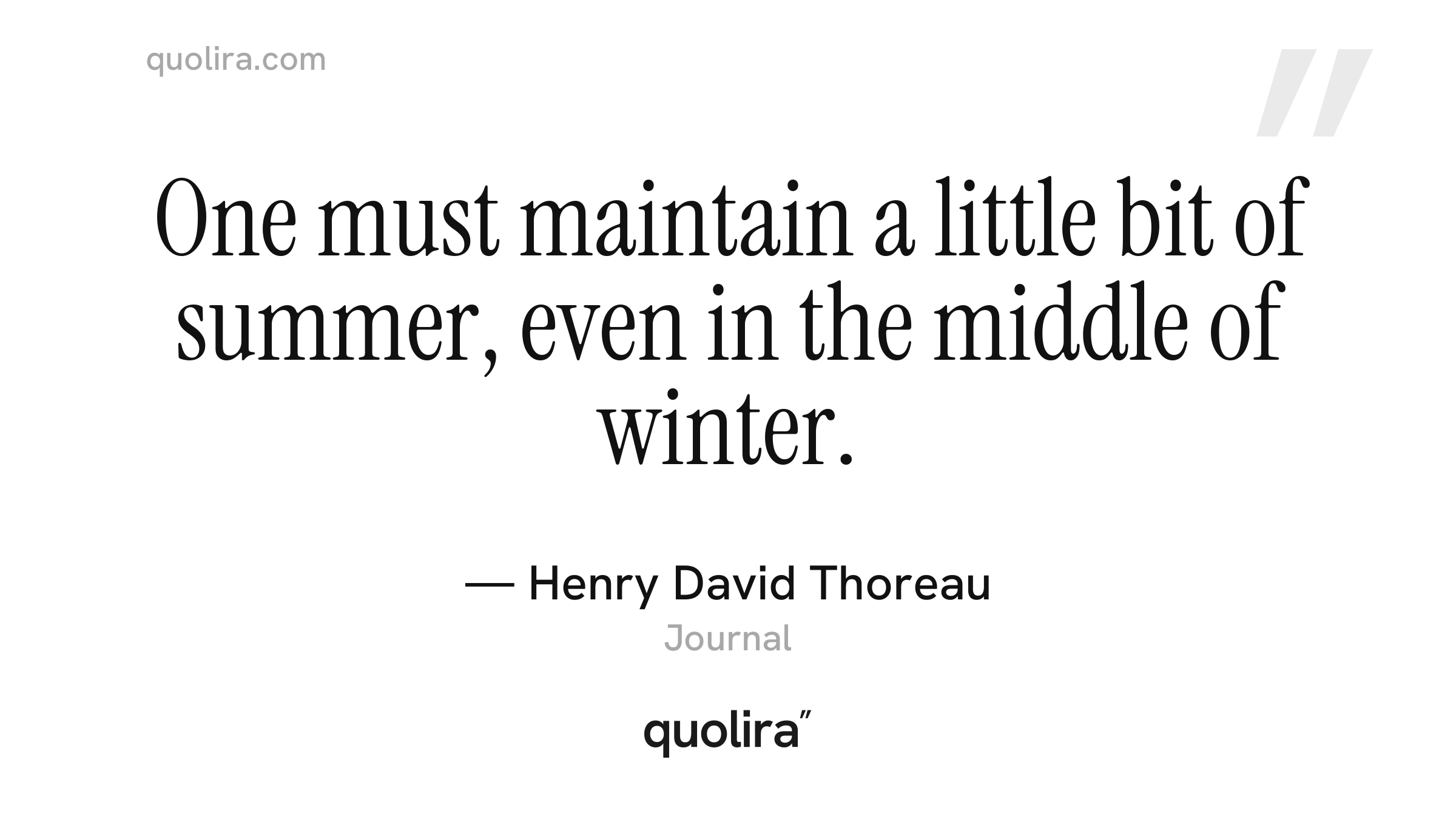
“One must maintain a little bit of summer, even in the middle of winter.”
Henry David Thoreau · Journal
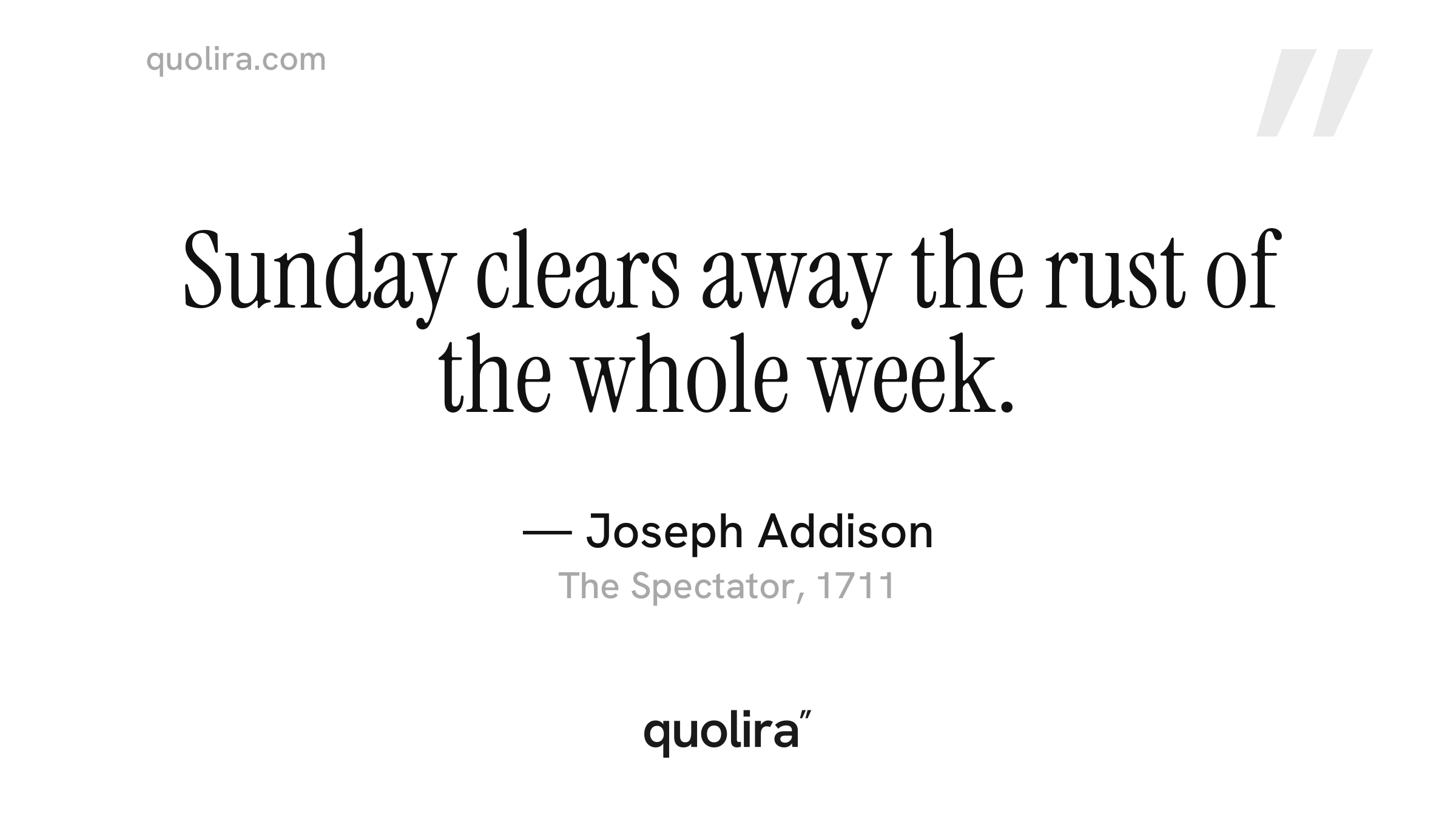
“Sunday clears away the rust of the whole week.”
Joseph Addison · The Spectator, 1711
“Rest is not idleness, and to lie sometimes on the grass under trees on a summer's day, listening to the murmur of the water, or watching the clouds float across the sky, is by no means a waste of time.”
John Lubbock · The Use of Life, 1894
“An early-morning walk is a blessing for the whole day.”
Henry David Thoreau · Journal, 1856