“Nature does not hurry, yet everything is accomplished.”
Lao Tzu · Tao Te Ching
 quolira
.com
quolira
quolira.com
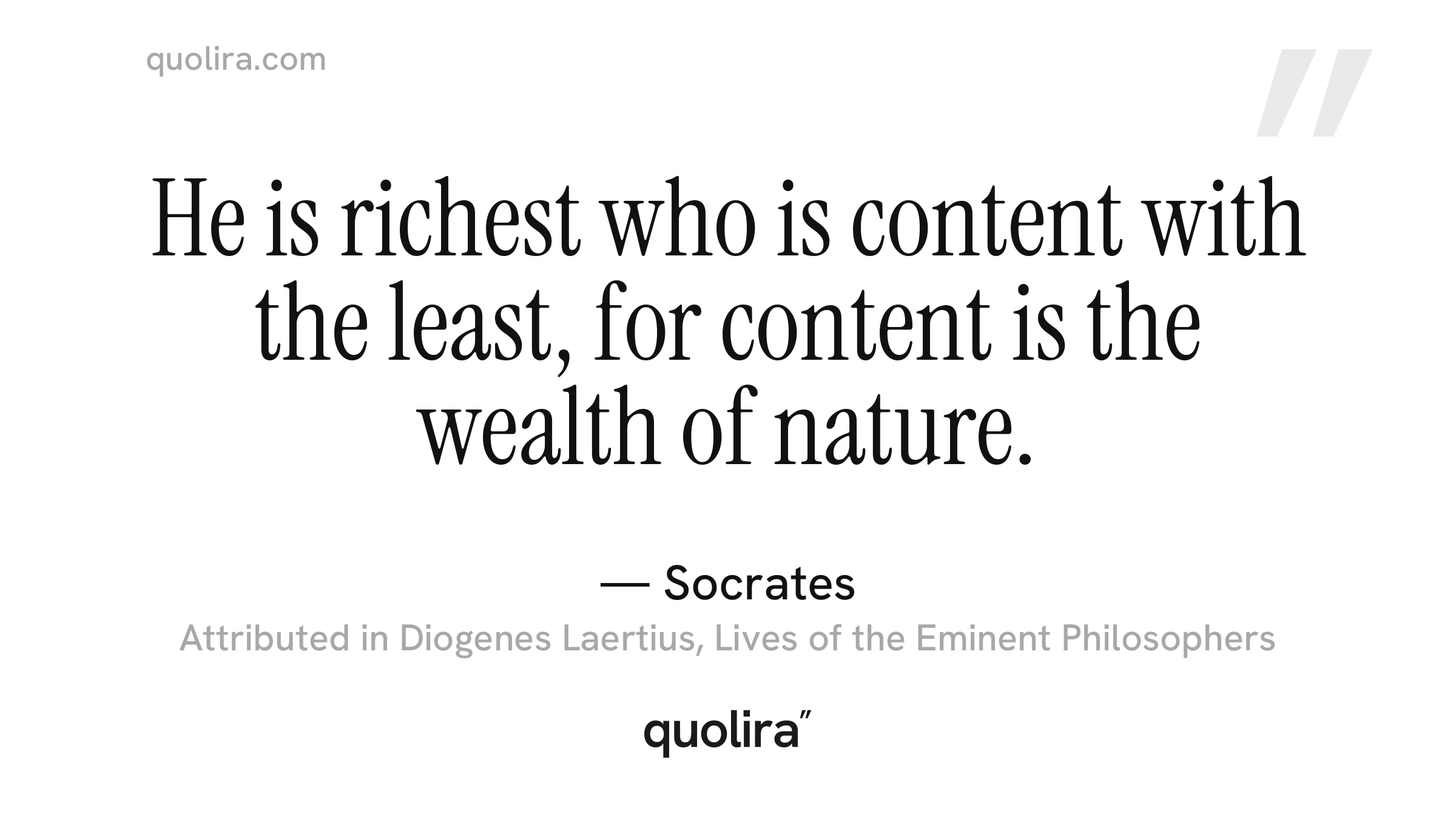
This statement redefines wealth in terms of the inner state of contentment rather than the accumulation of possessions or status. A person who needs very little and is satisfied with what they have is, by this measure, richer than someone who owns a great deal but always wants more. It is a pointed challenge to conventional ideas about prosperity and success, suggesting that the pursuit of more is itself a form of poverty when it is never accompanied by satisfaction.
This line is attributed to Socrates not through his own writings, since he left none, but through the biographical and philosophical accounts compiled by later writers. Diogenes Laertius, who wrote in the third century CE, gathered together sayings, anecdotes, and summaries of the lives of various ancient philosophers. His work is a major source for details about figures like Socrates, even though it was composed centuries after Socrates lived. The sentiment fits well with what is known of Socrates through other sources, particularly his consistent indifference to material comfort and his focus on the examined, virtuous life.
Socrates was an Athenian philosopher who lived in the fifth century BCE and is widely regarded as one of the most important figures in the history of Western philosophy. He spent much of his life in public conversation, questioning assumptions and pushing people to examine their beliefs more carefully. He wrote nothing himself, and knowledge of his thought comes primarily through the dialogues written by his student Plato and, to a lesser extent, through the works of Xenophon. He was eventually tried by the Athenian state and sentenced to death in 399 BCE.
“Nature does not hurry, yet everything is accomplished.”
Lao Tzu · Tao Te Ching
“Do not be anxious about tomorrow, for tomorrow will be anxious for itself. Sufficient for the day is its own trouble.”
Matthew 6:34 · The Bible, English Standard Version
“The present moment is the only moment available to us, and it is the door to all moments.”
Thich Nhat Hanh · The Miracle of Mindfulness, 1975
“Keep close to nature's heart and break clear away, once in a while, and climb a mountain or spend a week in the woods.”
John Muir · John of the Mountains, 1938
“Happiness is not a station you arrive at, but a manner of traveling.”
Margaret Lee Runbeck · Time for Each Other, 1944
“I never worked a day in my life without selling something. And I always delivered more than I promised.”
Joseph Addison
“Come to me, all you who are weary and burdened, and I will give you rest.”
Matthew 11:28 · The Bible, New International Version
“To everything there is a season, and a time for every purpose under heaven.”
Ecclesiastes 3:1 · The Bible, King James Version
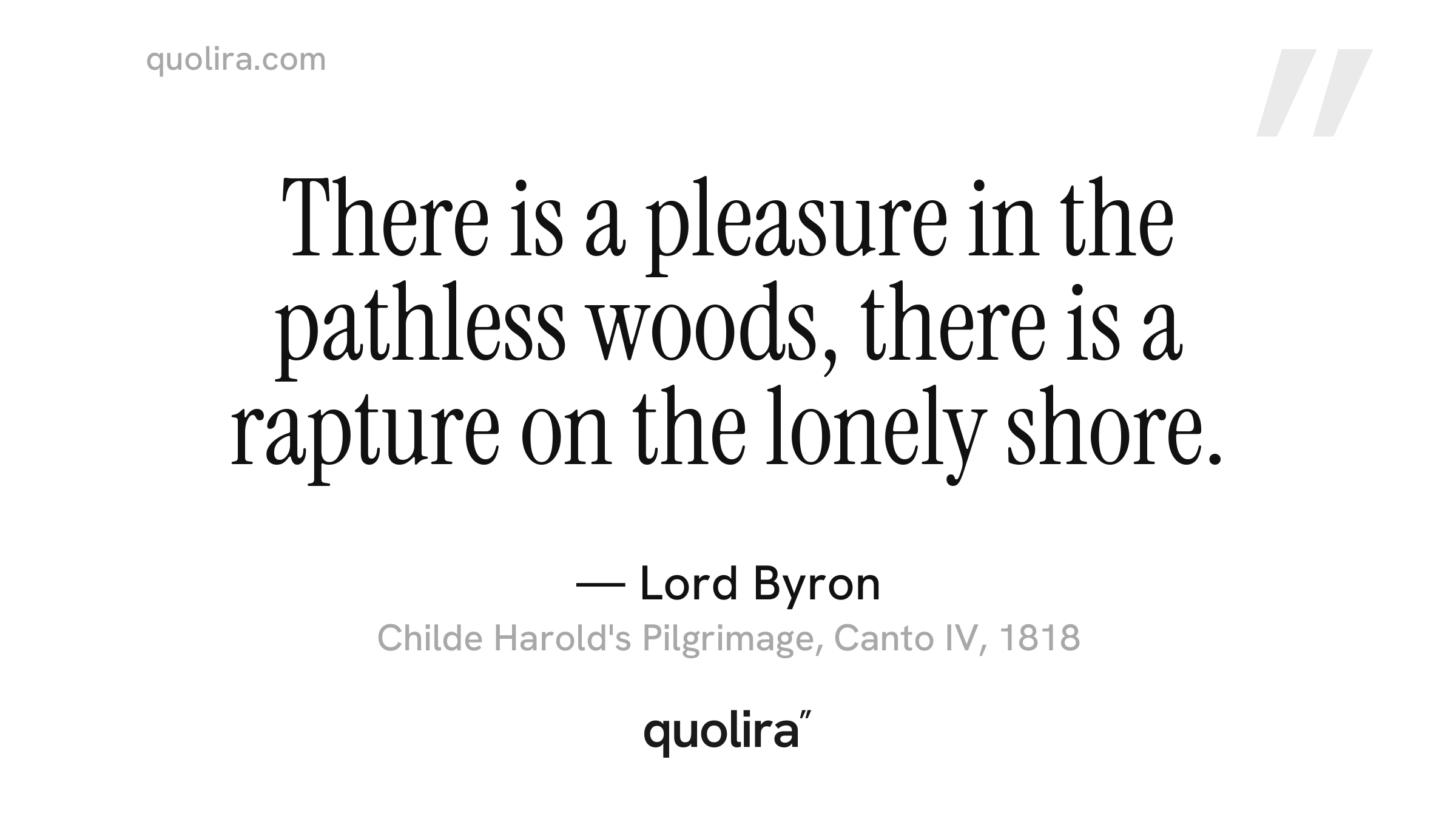
“There is a pleasure in the pathless woods, there is a rapture on the lonely shore.”
Lord Byron · Childe Harold's Pilgrimage, Canto IV, 1818
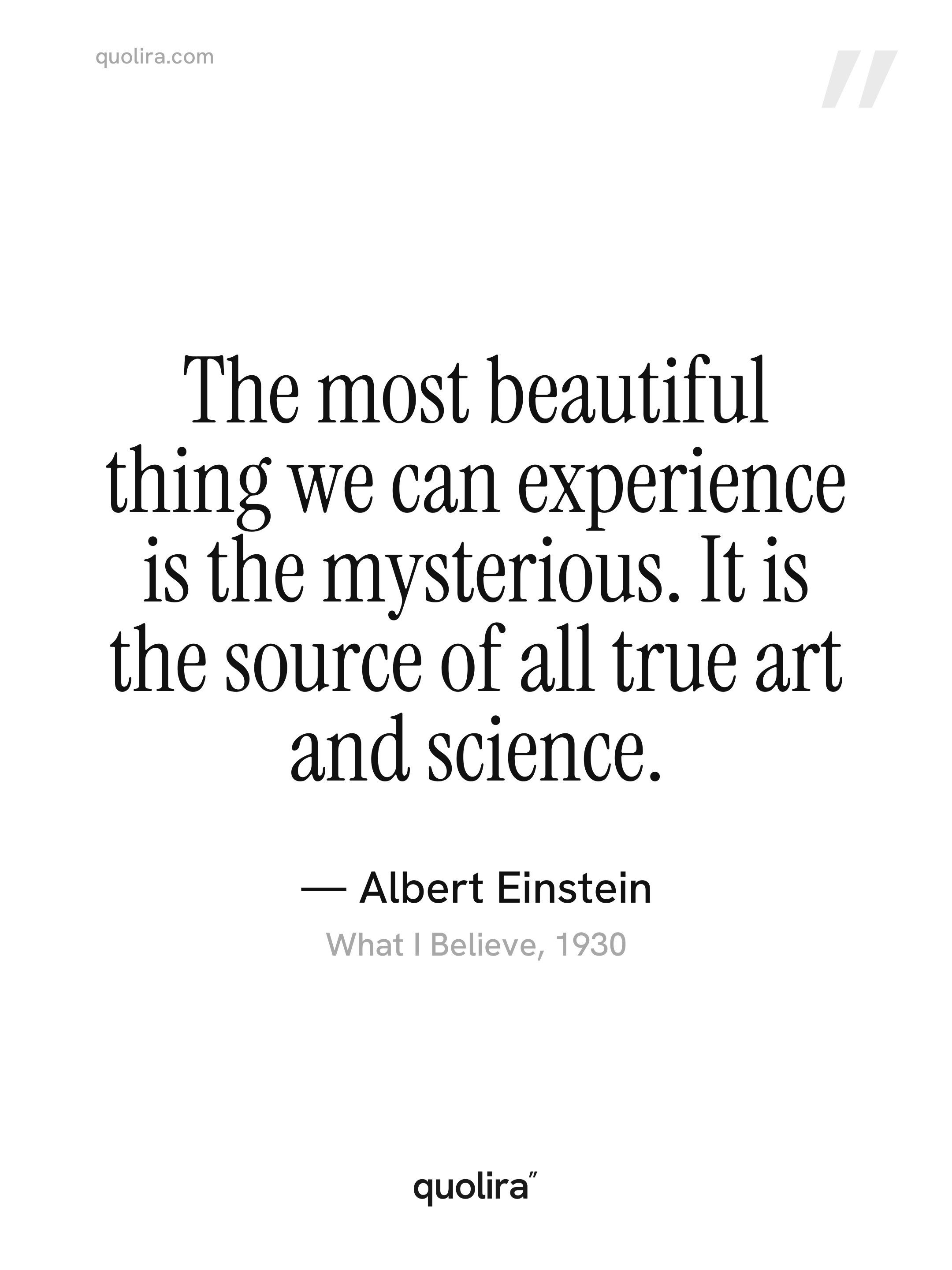
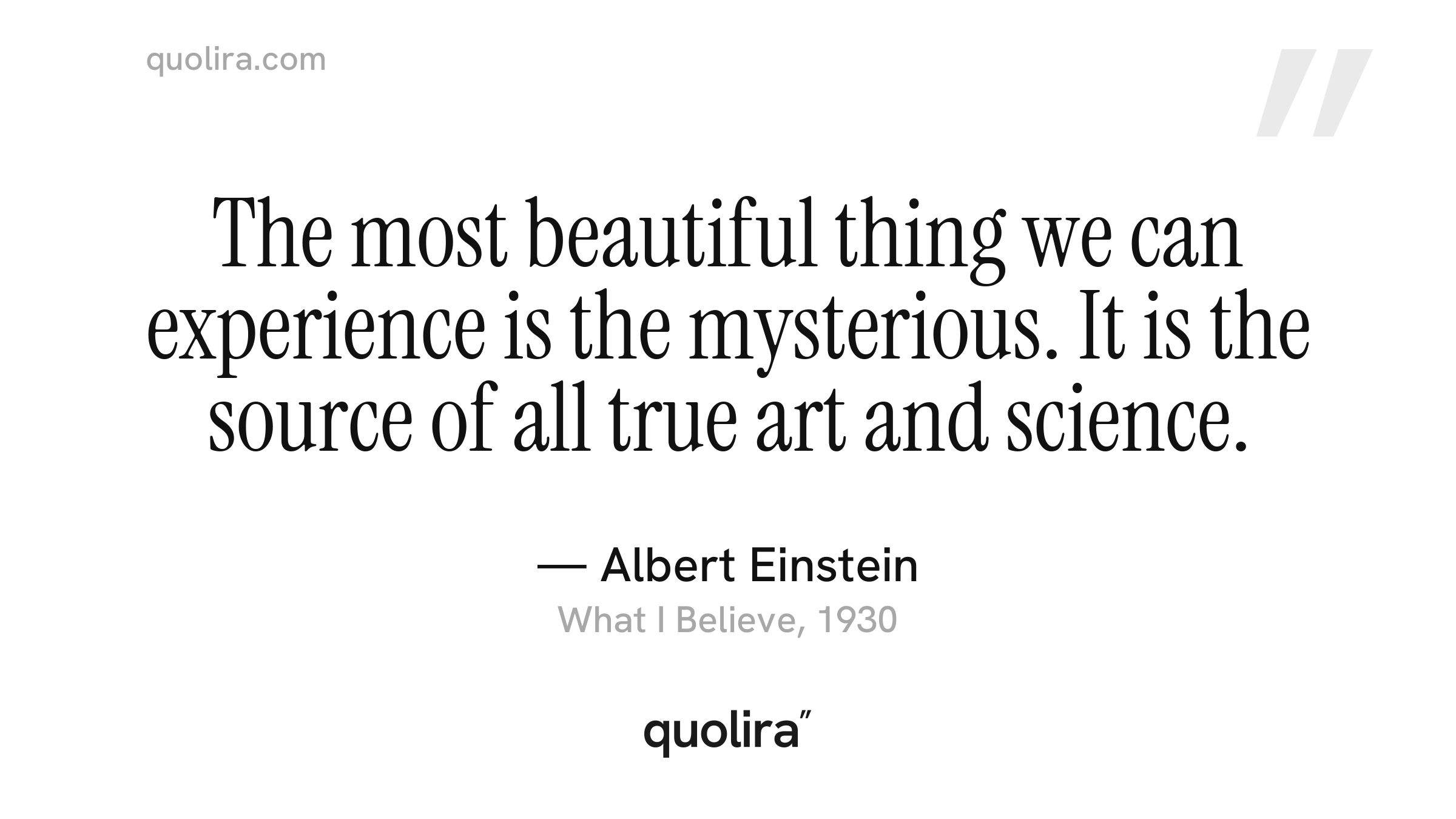
“The most beautiful thing we can experience is the mysterious. It is the source of all true art and science.”
Albert Einstein · What I Believe, 1930
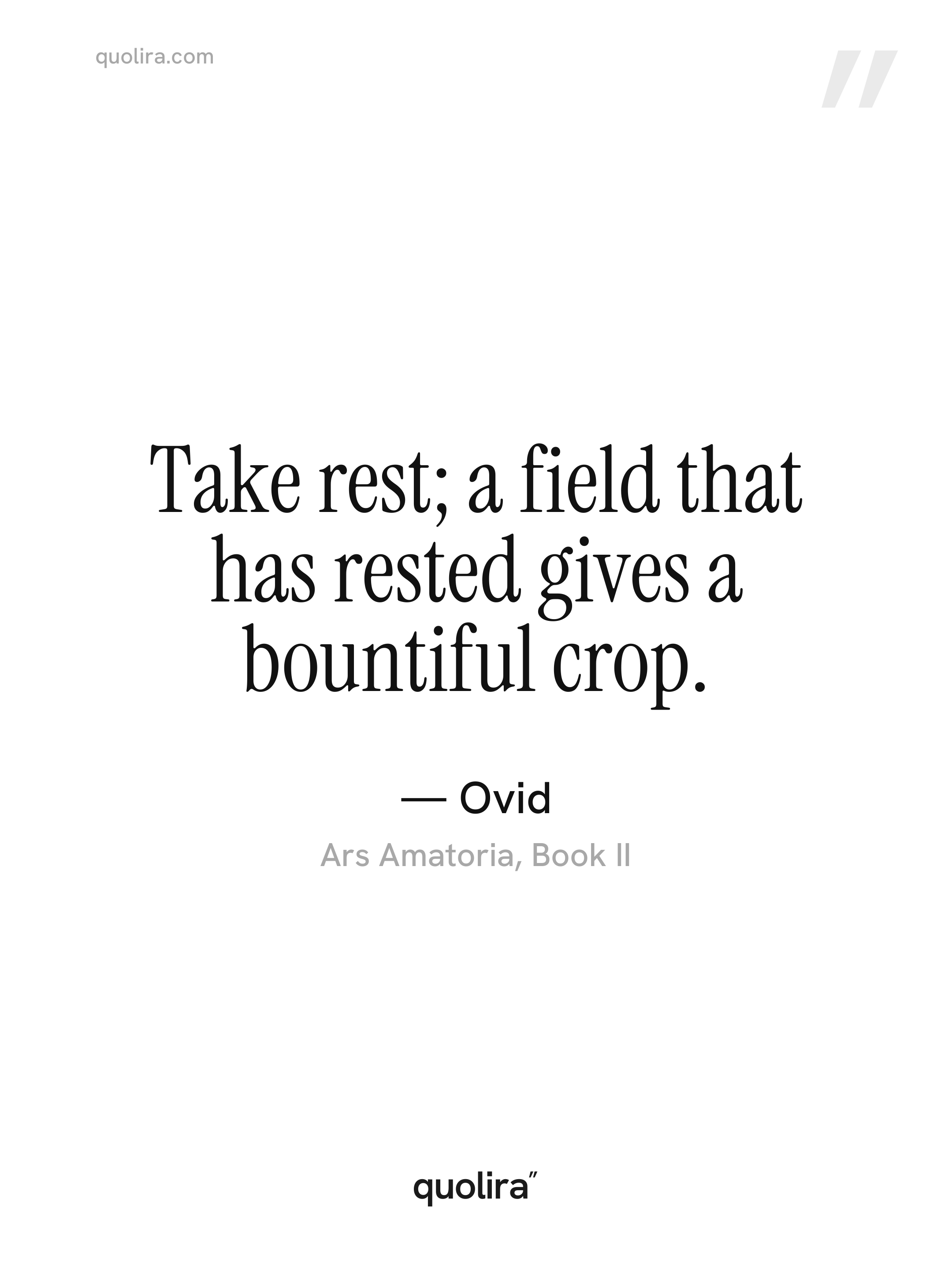
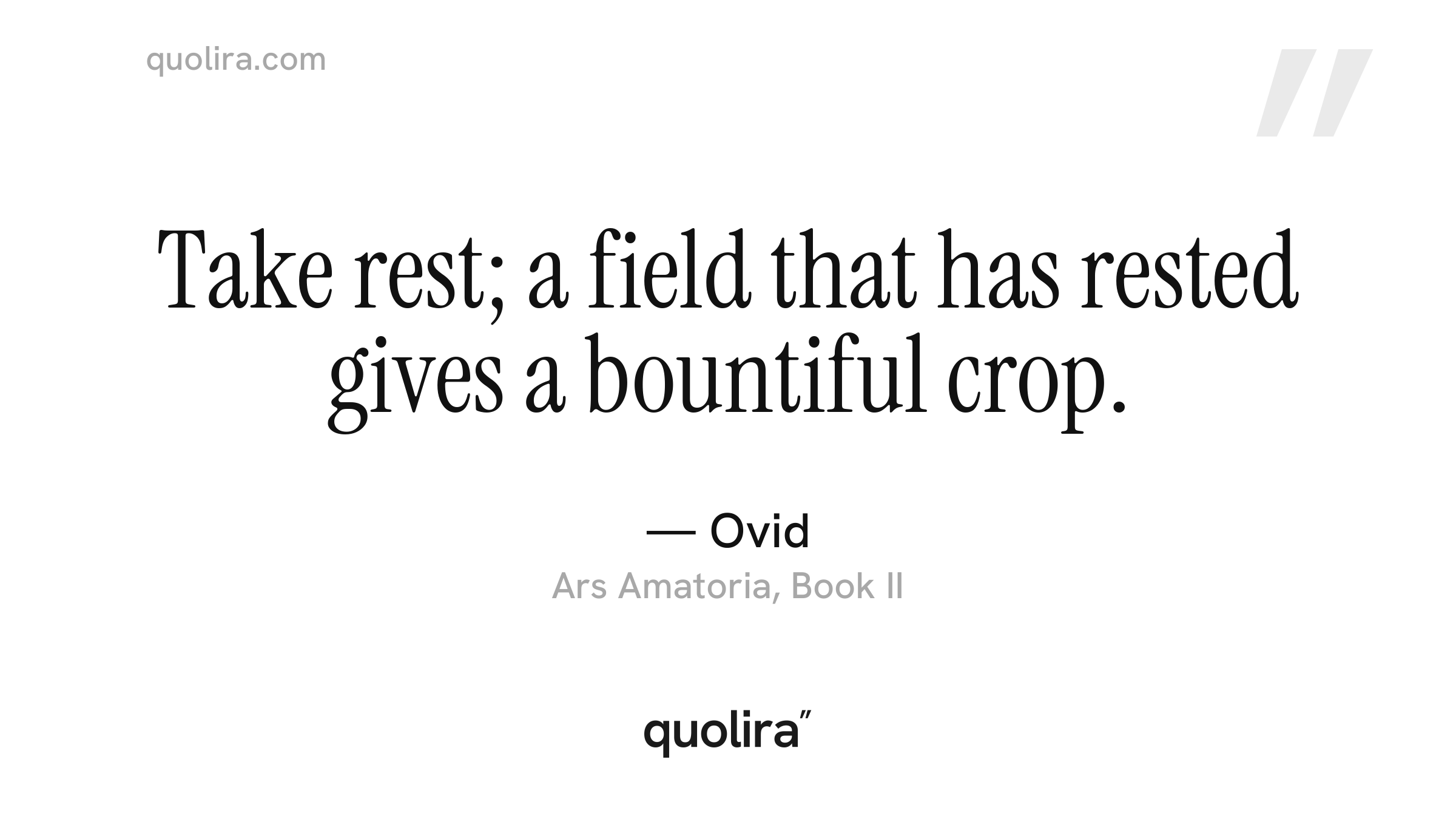
“Take rest; a field that has rested gives a bountiful crop.”
Ovid · Ars Amatoria, Book II
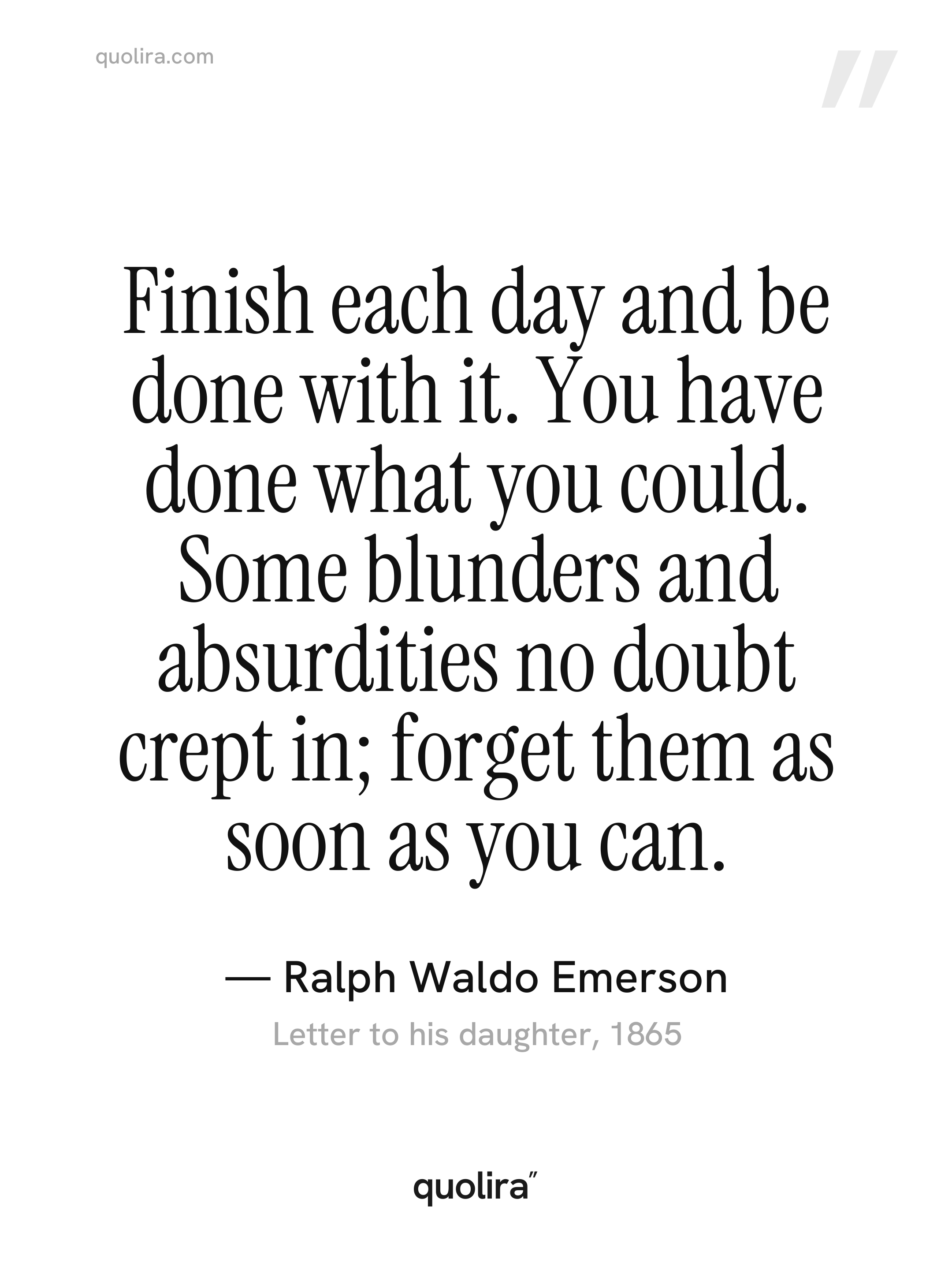
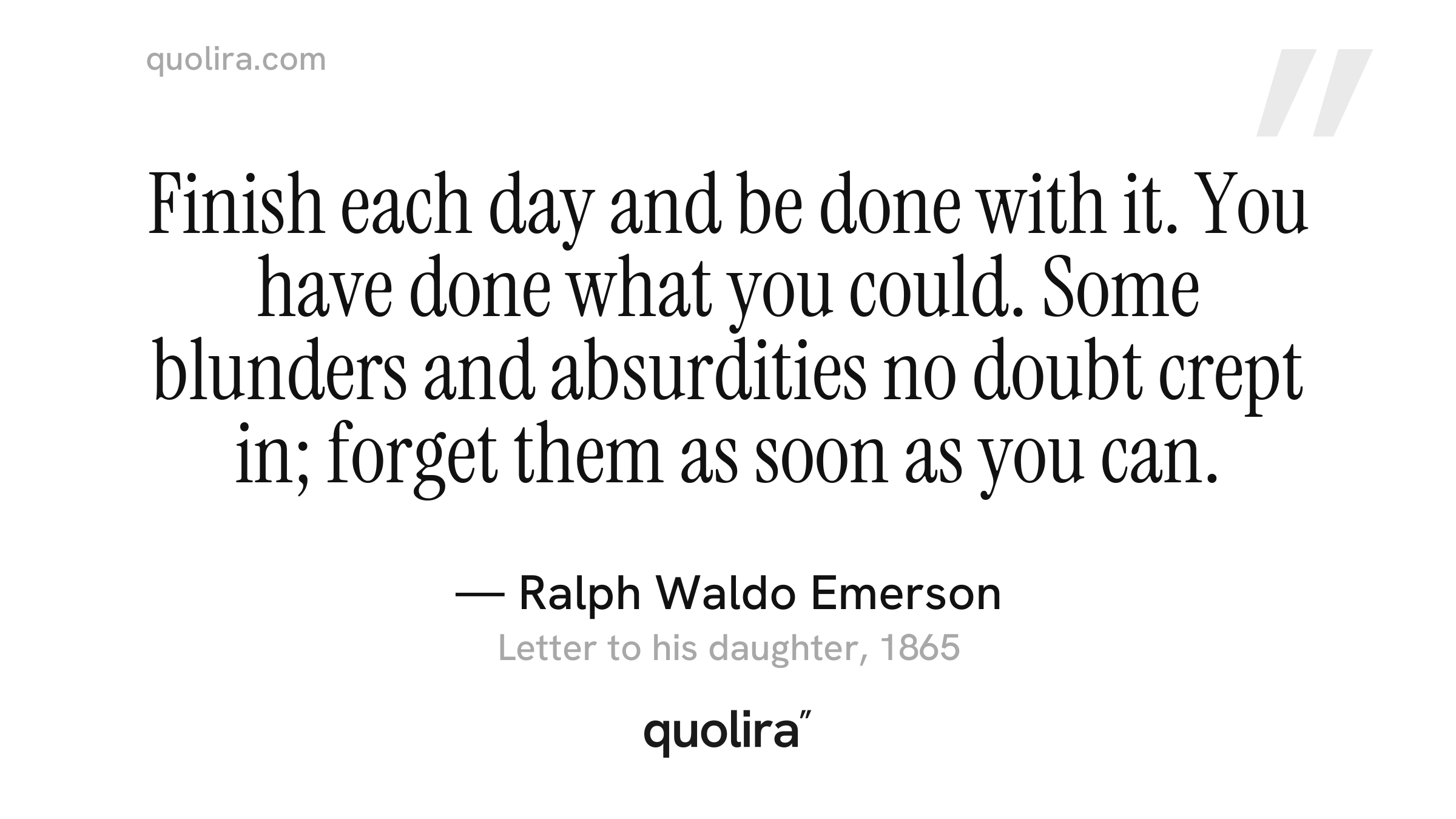
“Finish each day and be done with it. You have done what you could. Some blunders and absurdities no doubt crept in; forget them as soon as you can.”
Ralph Waldo Emerson · Letter to his daughter, 1865