14 Voltaire Quotes That Still Cut to the Bone
The French philosopher said the quiet parts loud, centuries before it was fashionable.
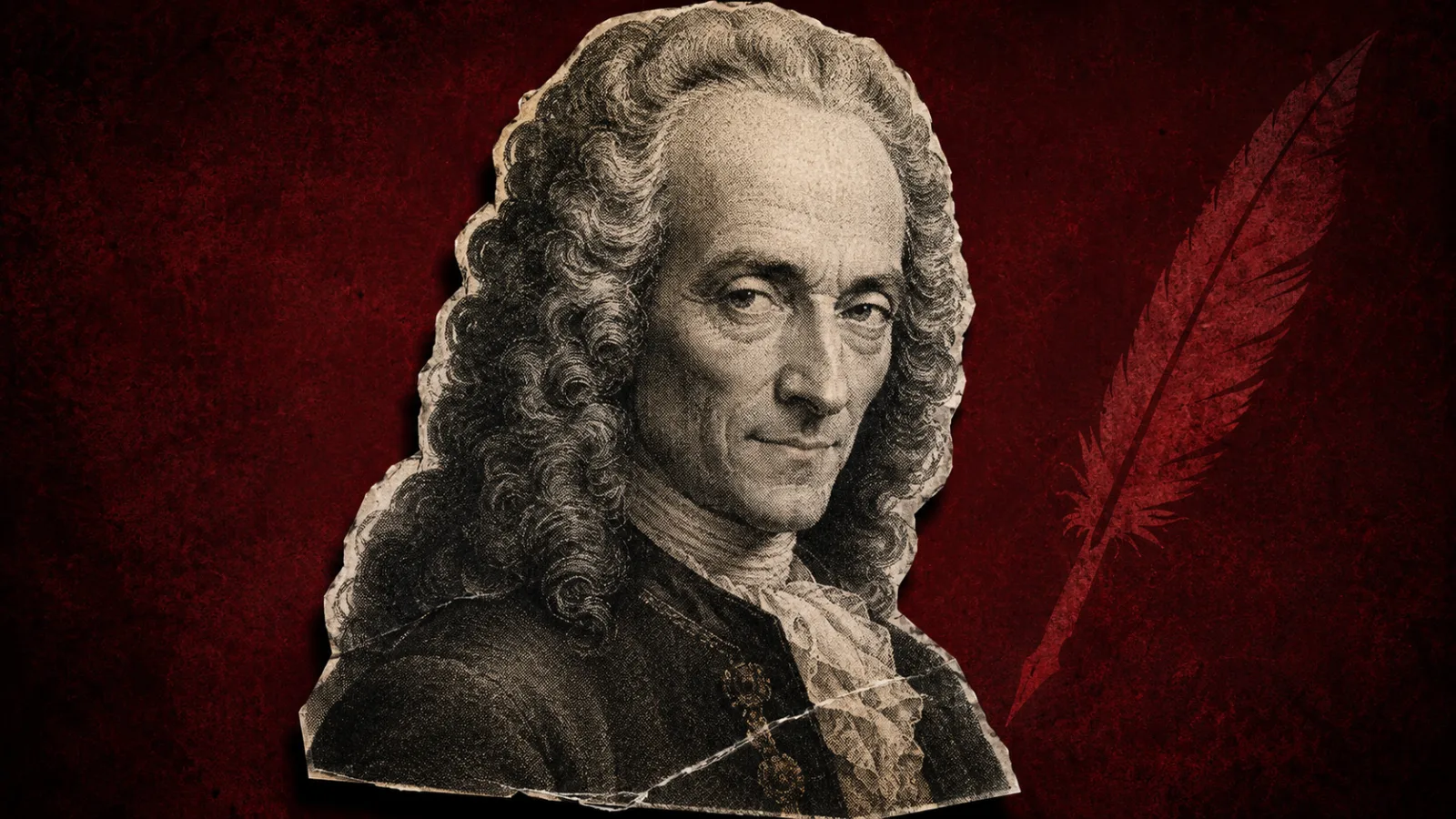
Voltaire quotes have a way of landing like a slap you didn't see coming. François-Marie Arouet, who wrote under that single pen name, spent his life poking holes in religious hypocrisy, political tyranny, and human self-deception, often at real personal risk. He was imprisoned in the Bastille twice and exiled from France for years. These 14 quotes collect some of his sharpest observations, the ones that still feel uncomfortably relevant.
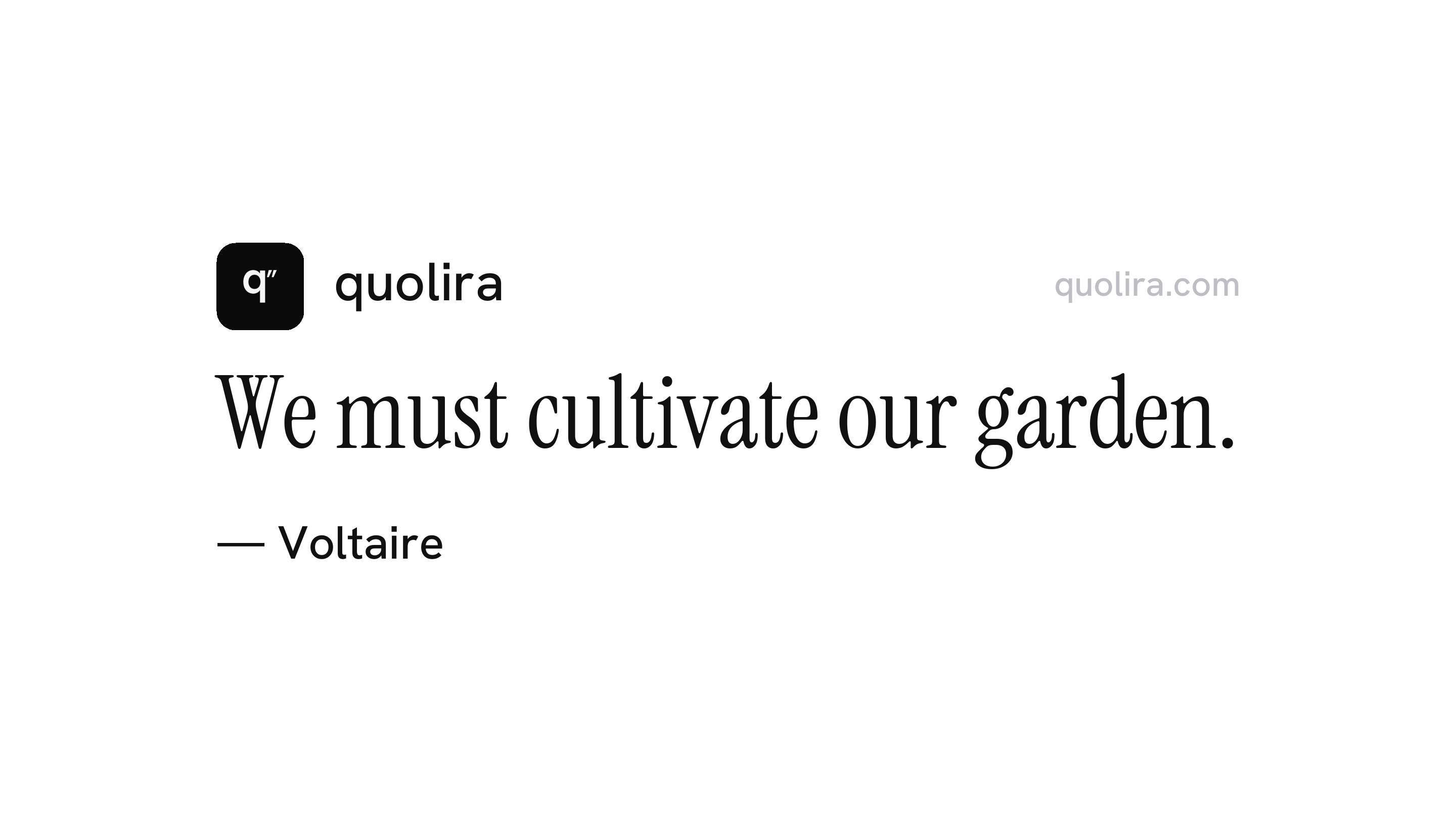
We must cultivate our garden.
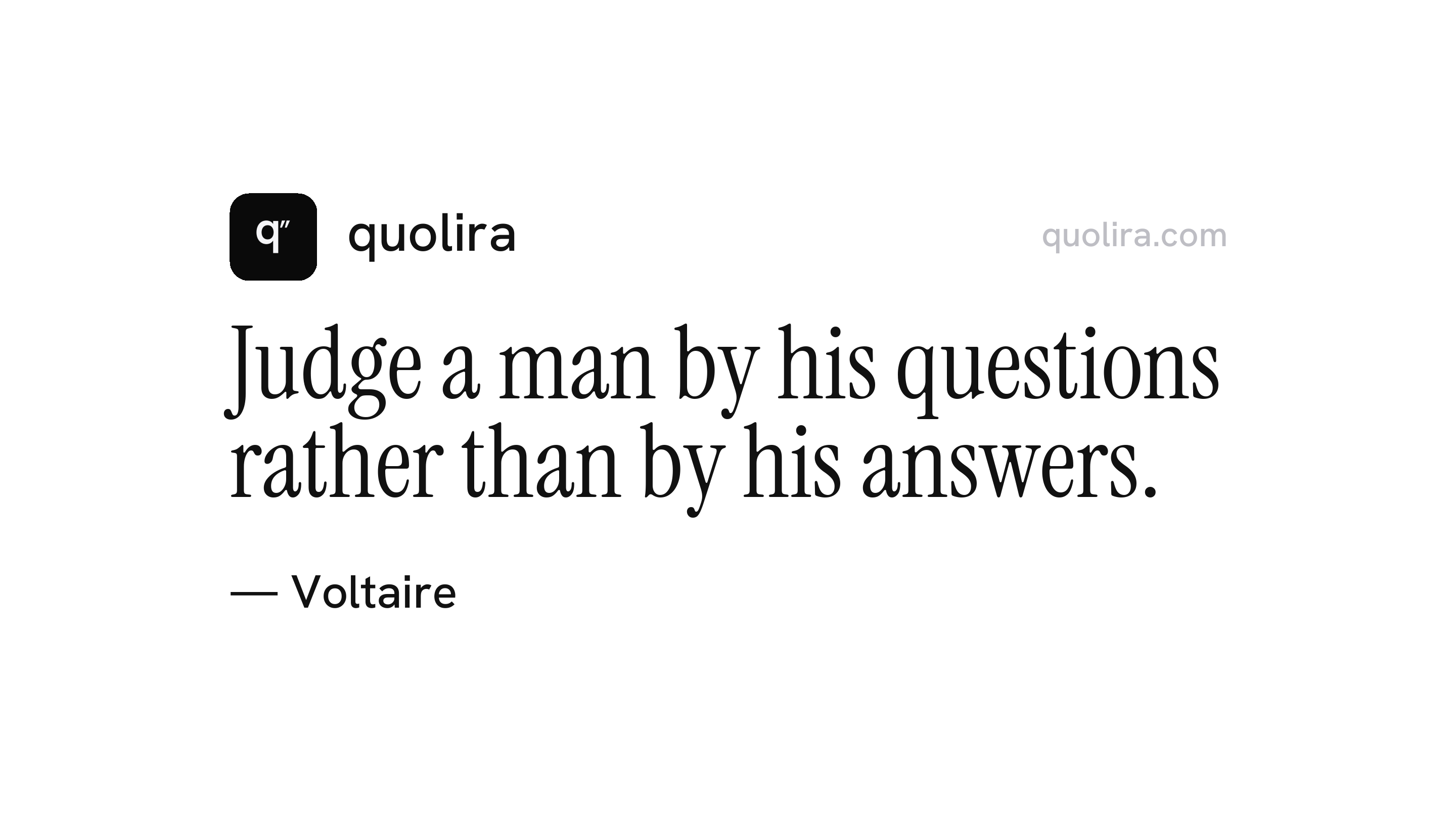
Judge a man by his questions rather than by his answers.
Good answers can be memorized. Good questions require genuine thought. Voltaire, who asked uncomfortable questions his whole life, knew the difference.
Doubt is not a pleasant condition, but certainty is an absurd one.
Voltaire Letter to Frederick the Great, 1767
Voltaire wrote this to Frederick the Great in 1767, and it may be his most honest sentence. He lived in perpetual doubt, and he thought that was the only intellectually honest place to stand.
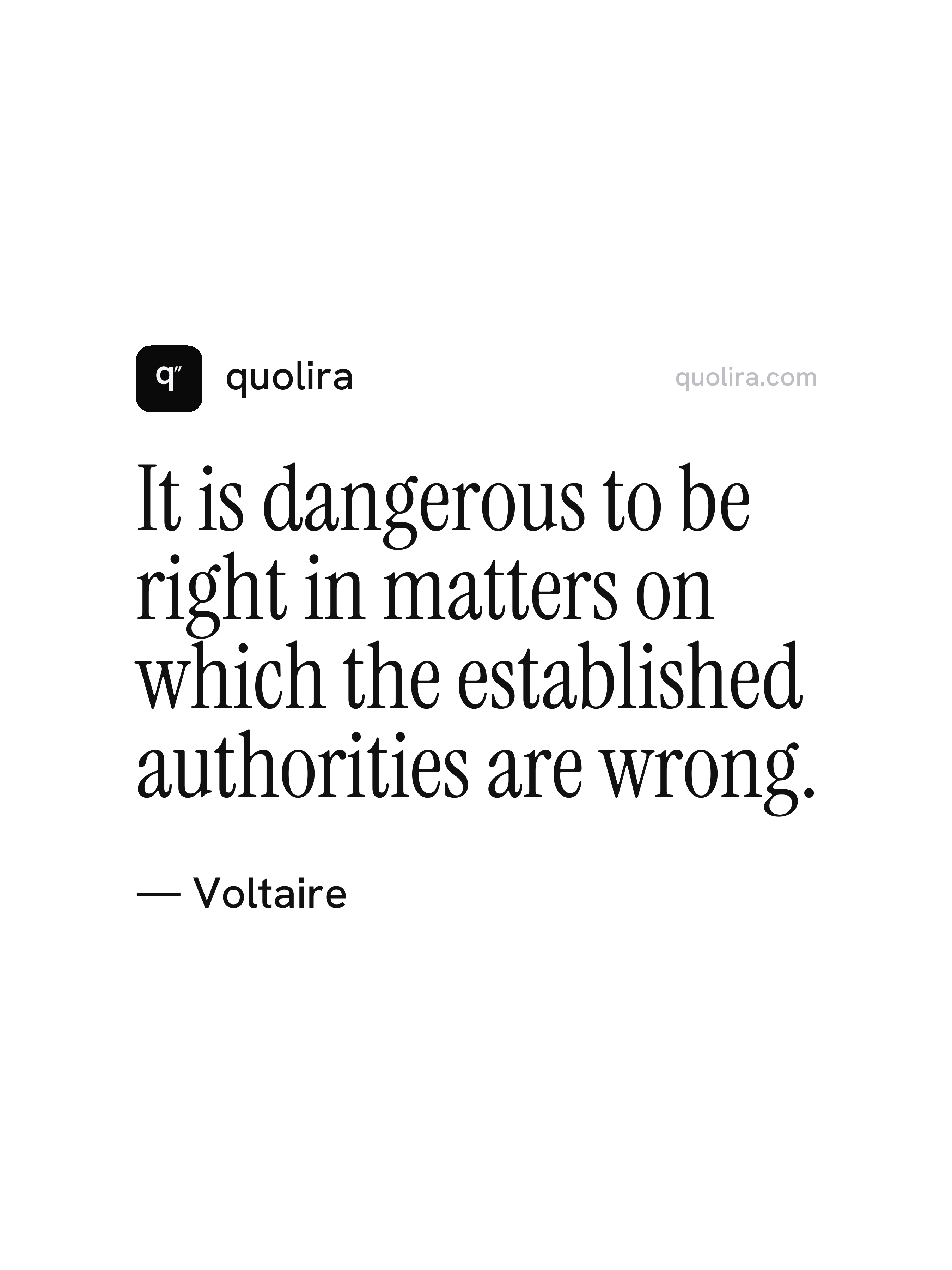
It is dangerous to be right in matters on which the established authorities are wrong.
Voltaire The Age of Louis XIV, 1752
He wasn't being dramatic. Voltaire was jailed in the Bastille and later forced into exile for saying things the French authorities didn't like. He was writing from experience.
Candide by Voltaire
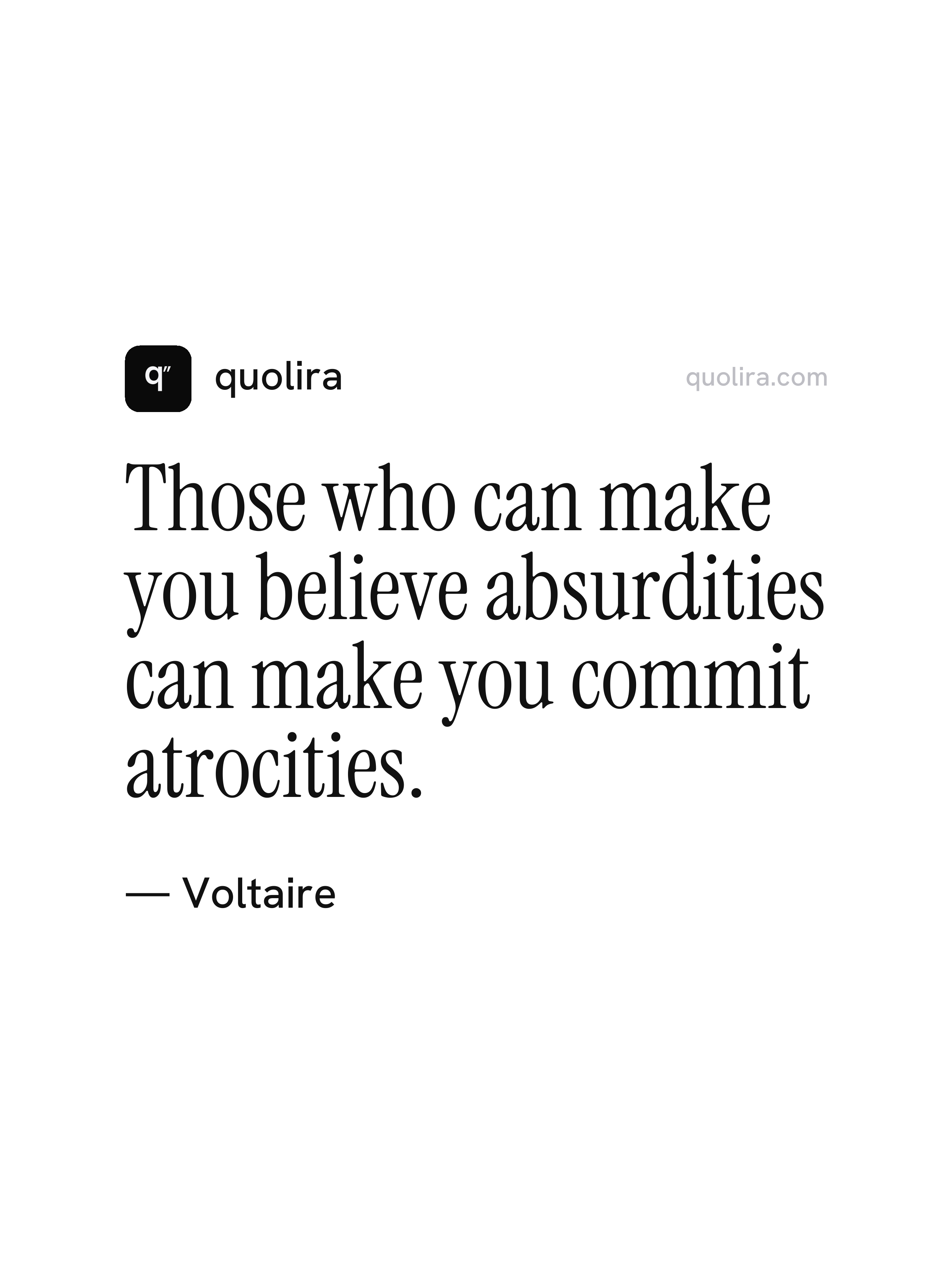
Those who can make you believe absurdities can make you commit atrocities.
Voltaire Questions sur les miracles, 1765
Written in 1765, this line has aged into prophecy. It's Voltaire's clearest argument for why critical thinking isn't a luxury, it's a safeguard.
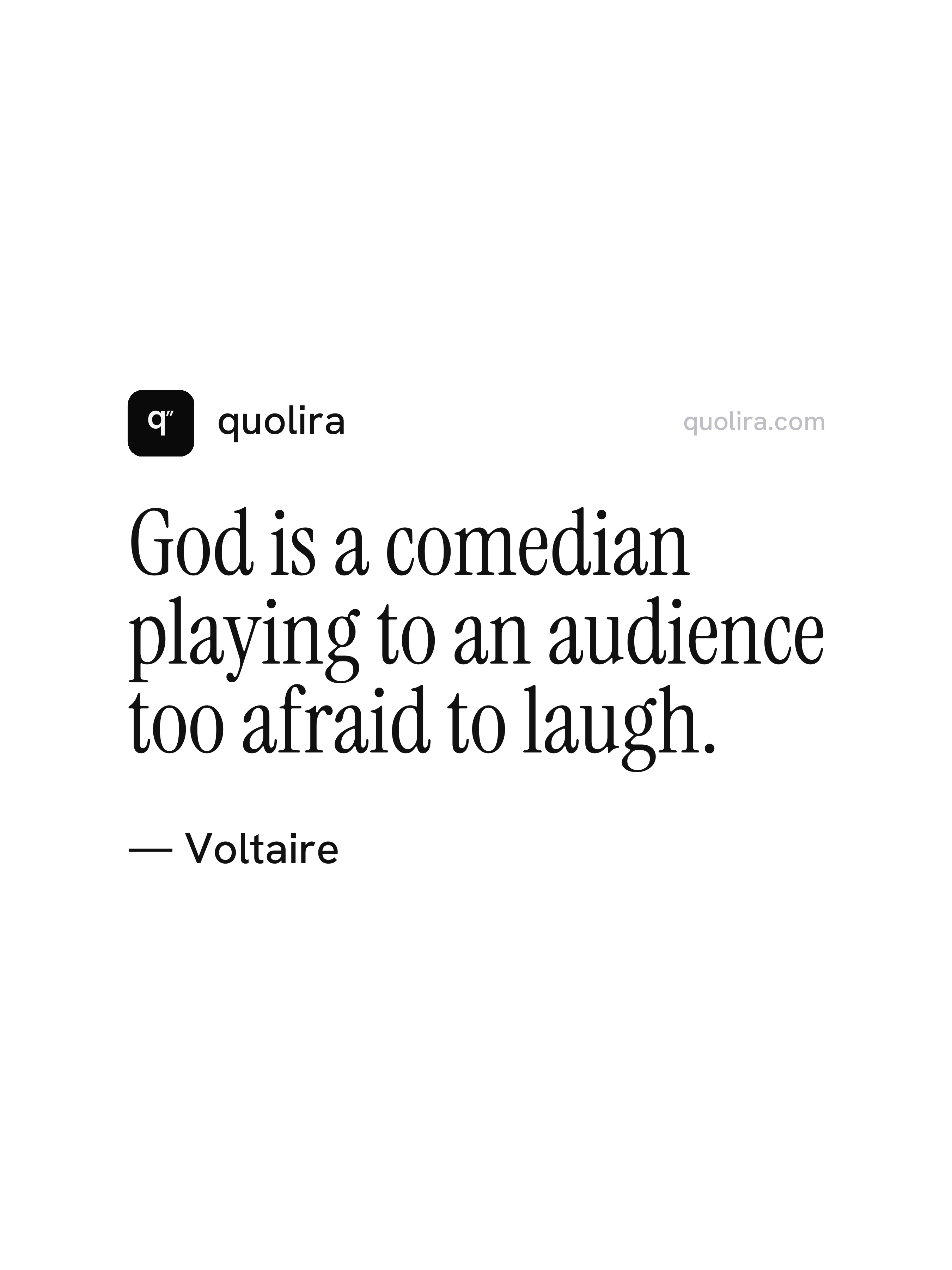
God is a comedian playing to an audience too afraid to laugh.
Irreverent, yes, but there's something sincere underneath it. Voltaire was a deist who genuinely wrestled with the idea of a creator who designed so absurd a world.
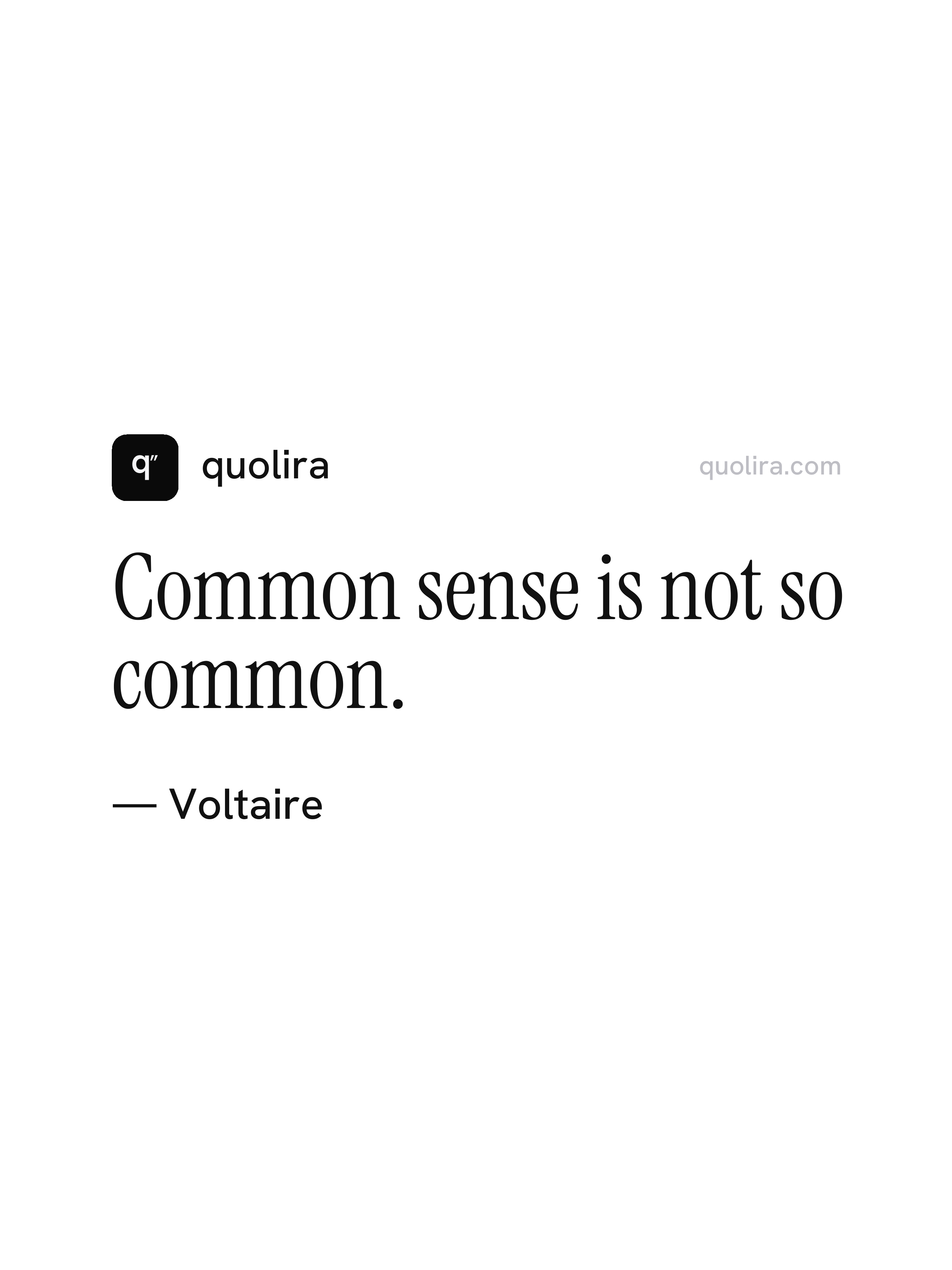
Common sense is not so common.
Voltaire Philosophical Dictionary, 1764
Four words, and he's done. Voltaire had a gift for making you feel slightly embarrassed for needing the explanation.
Philosophical Dictionary by Voltaire
The art of medicine consists of amusing the patient while nature cures the disease.
Cynical, maybe, but also a reminder that Voltaire was watching a pre-scientific medical establishment that often made things worse. He trusted evidence over authority, even before 'evidence-based' was a phrase.
Every man is guilty of all the good he did not do.
Voltaire flips moral accounting on its head here. Most ethical systems punish harmful action. This one punishes inaction, which is a harder standard and a more honest one.
The secret of being a bore is to tell everything.
Voltaire Sept Discours en Vers sur l'Homme, 1738
Voltaire's entire career was built on knowing what to leave out. This is as much craft advice as it is social observation.
It is not inequality which is the real misfortune, it is dependence.
A subtle but important distinction. Voltaire understood that what diminishes a person isn't someone else having more, it's being unable to direct your own life.
Voltaire: A Life by Ian Davidson
Think for yourselves and let others enjoy the privilege to do so too.
This is the core of Enlightenment thinking compressed into one sentence. Intellectual freedom, for Voltaire, was never just personal. It was something you owed everyone else.
Appreciation is a wonderful thing. It makes what is excellent in others belong to us as well.
A surprisingly generous line from a man known for his biting wit. Voltaire had real admiration for Shakespeare, Newton, and Locke. He knew what it felt like to be changed by someone else's work.
All murderers are punished unless they kill in large numbers and to the sound of trumpets.
Voltaire wrote this in 1747 and it still works as a summary of how power protects itself from accountability. Bitter, precise, and entirely without comfort.
Voltaire wrote across 70-plus volumes and died in 1778, but the questions he kept asking, about dogma, justice, and who gets to decide the truth, haven't gone anywhere. That's probably the most Voltairean thing of all.
Frequently asked questions
What is Voltaire's most famous quote?
Did Voltaire really say all the quotes attributed to him?
What did Voltaire believe in?
What book is Voltaire best known for?
Keep reading
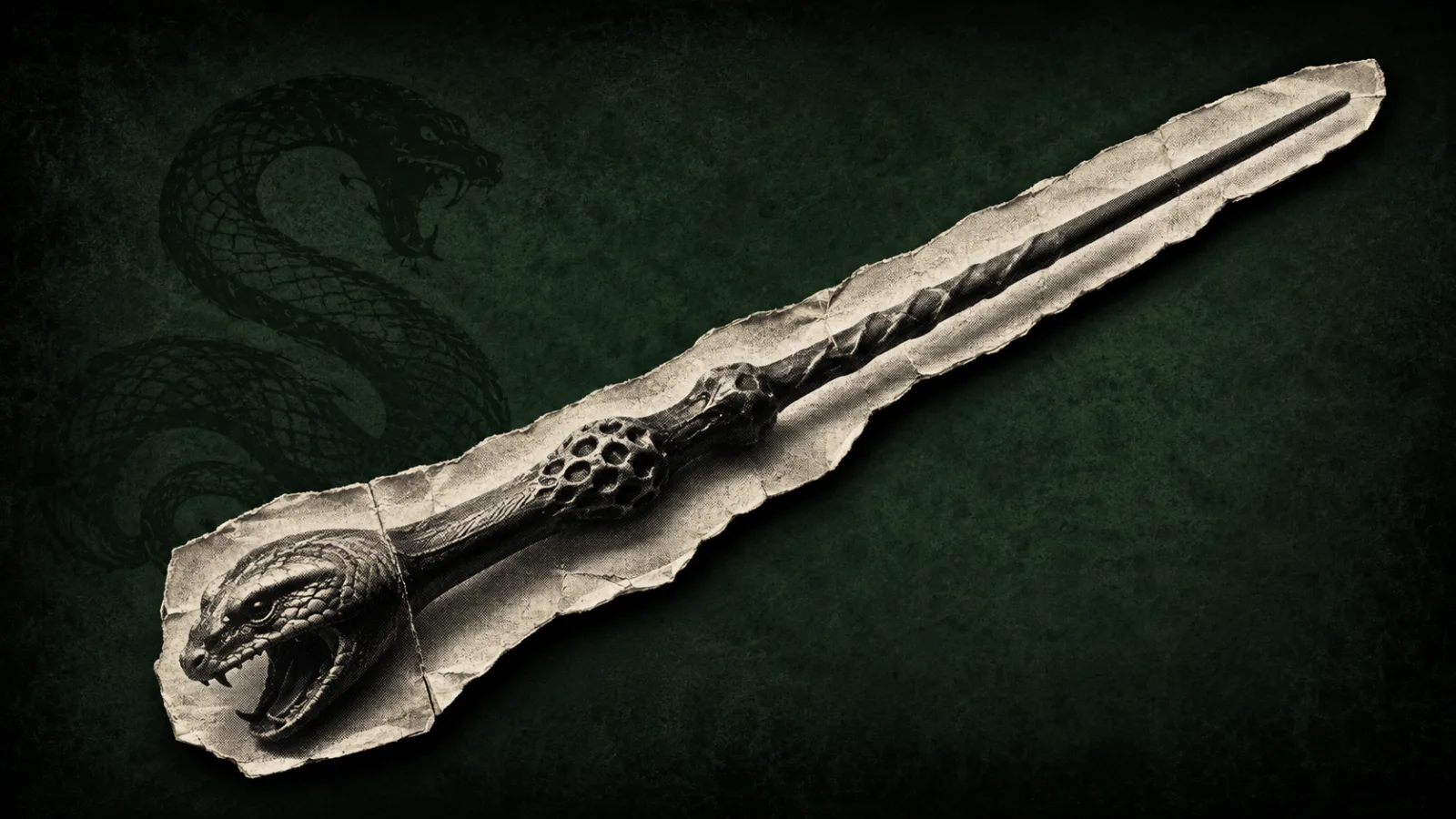
21 Lord Voldemort Best Harry Potter Quotes That Still Chill You
The most memorable lines from the Dark Lord, weighed for what they reveal about fear, power, and the man behind the mask.
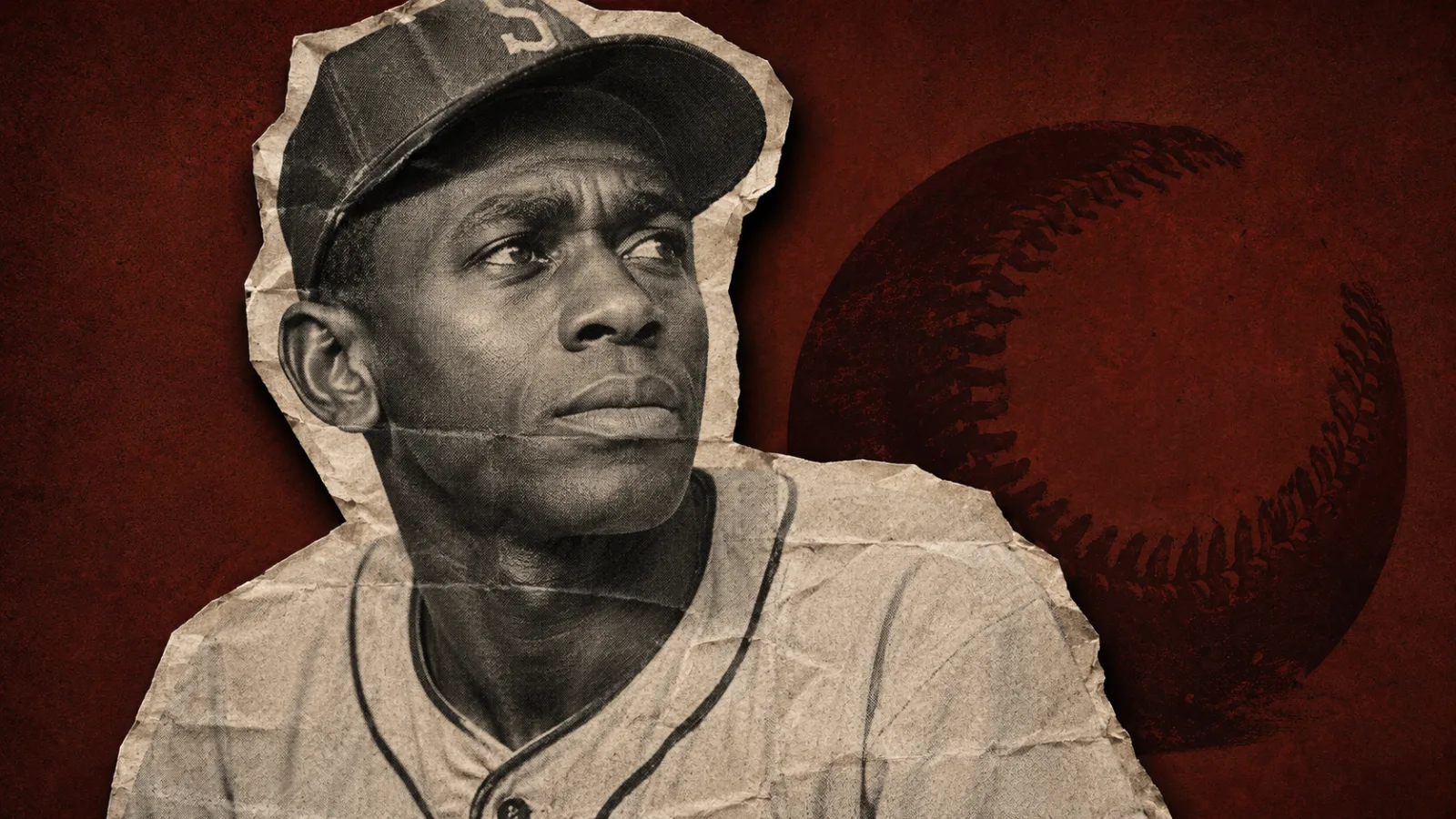
14 Satchel Paige Quotes on Aging, Motion, and Not Looking Back
The pitcher who kept throwing into his fifties left behind lines about time that still land.
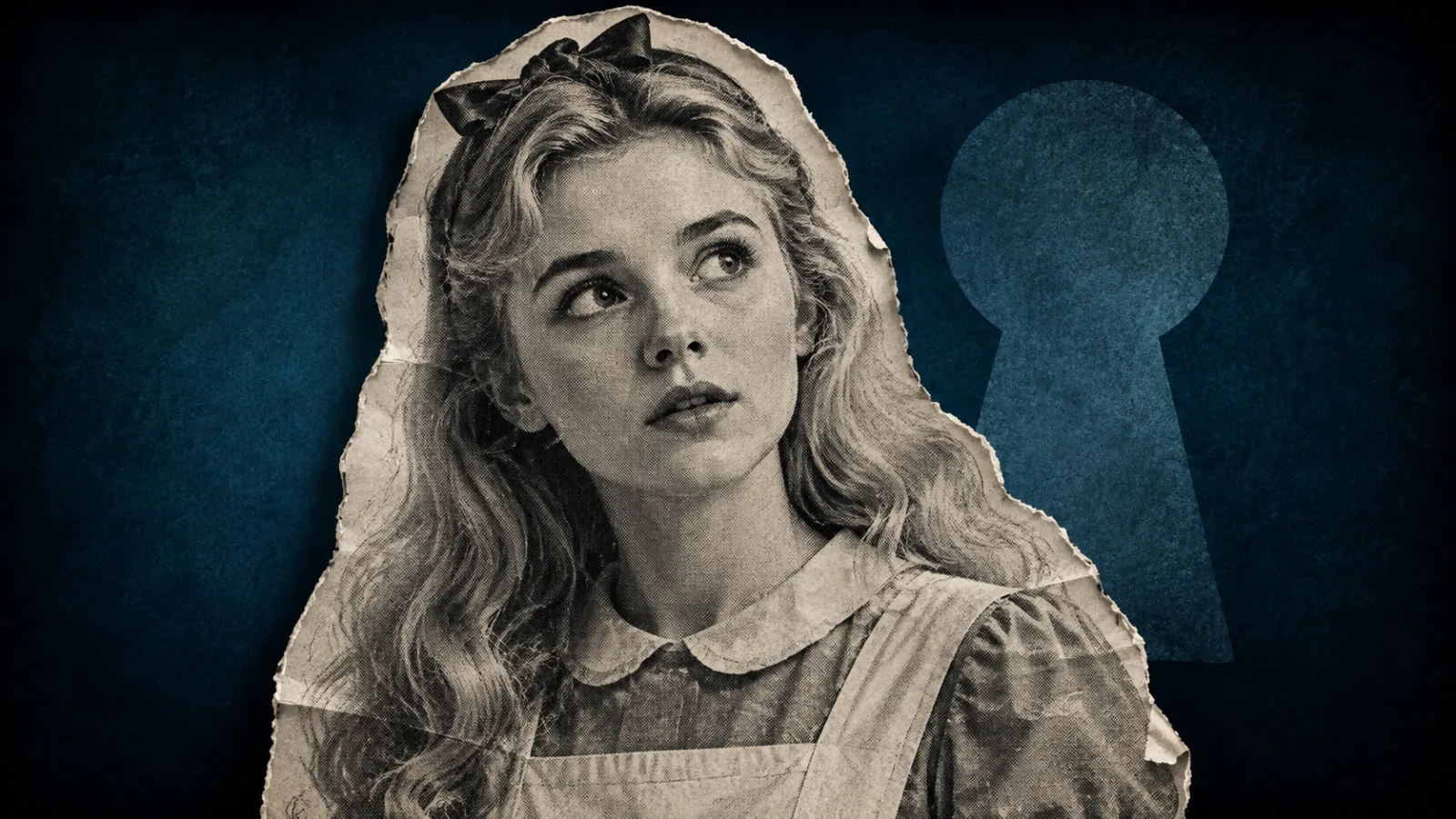
16 Alice in Wonderland Quotes That Still Make You Stop and Think
The strange logic of Wonderland has a way of feeling truer than the real world.
The closing line of Candide is deceptively simple. After watching every utopian dream collapse, Voltaire's answer is concrete work over abstract theorizing.