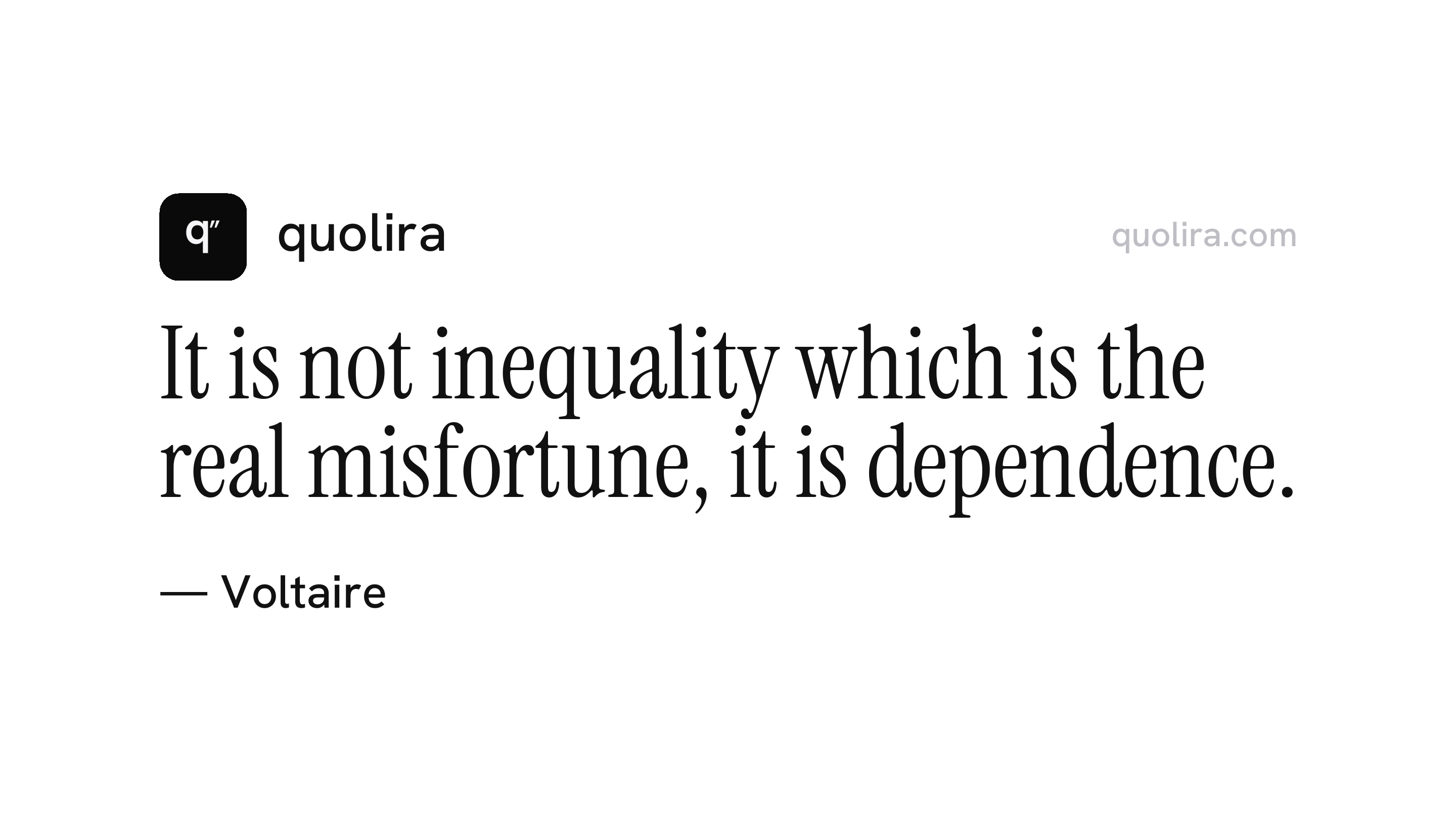
“It is not inequality which is the real misfortune, it is dependence.”
Voltaire
 quolira
.com
quolira
quolira.com
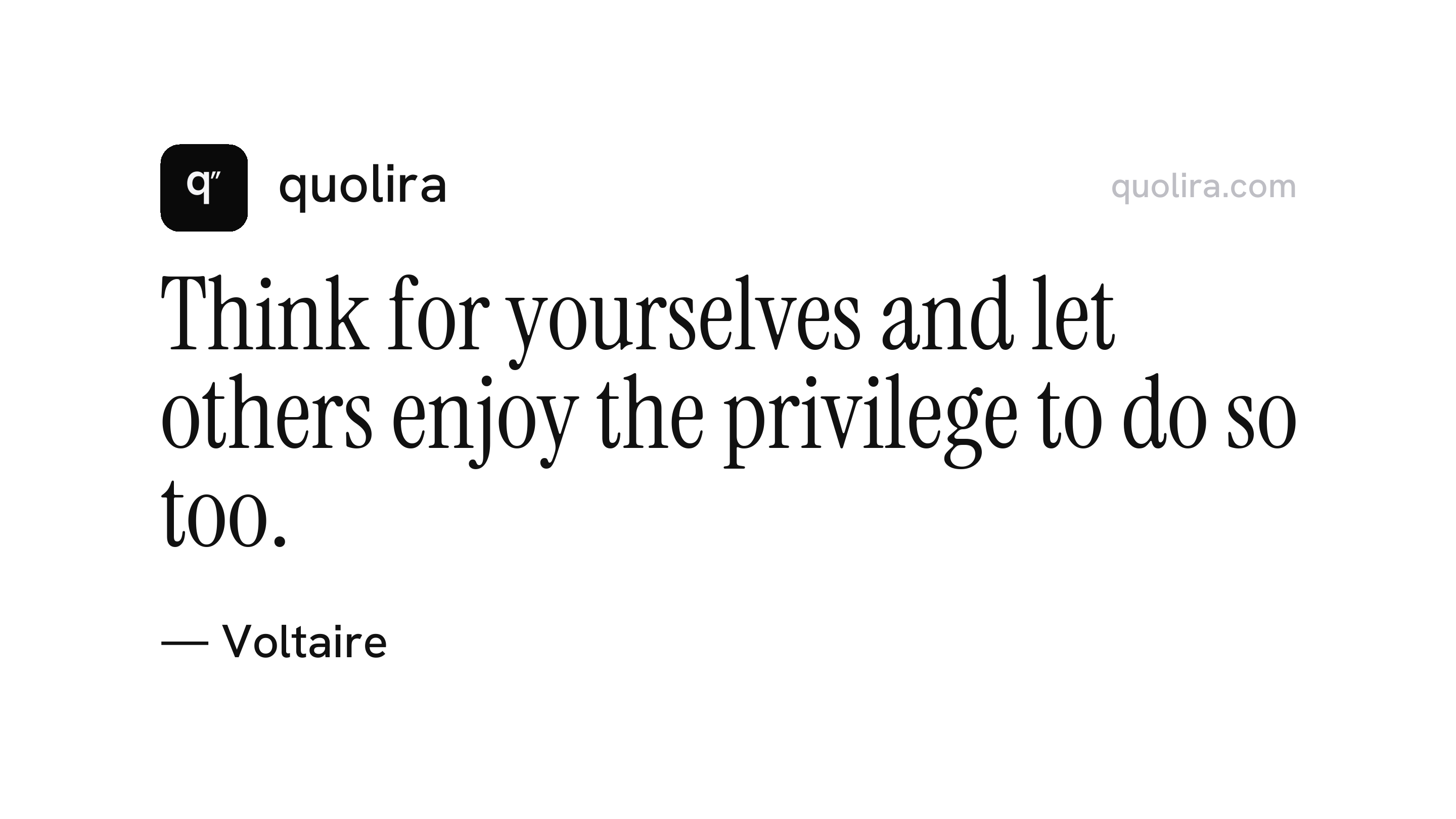
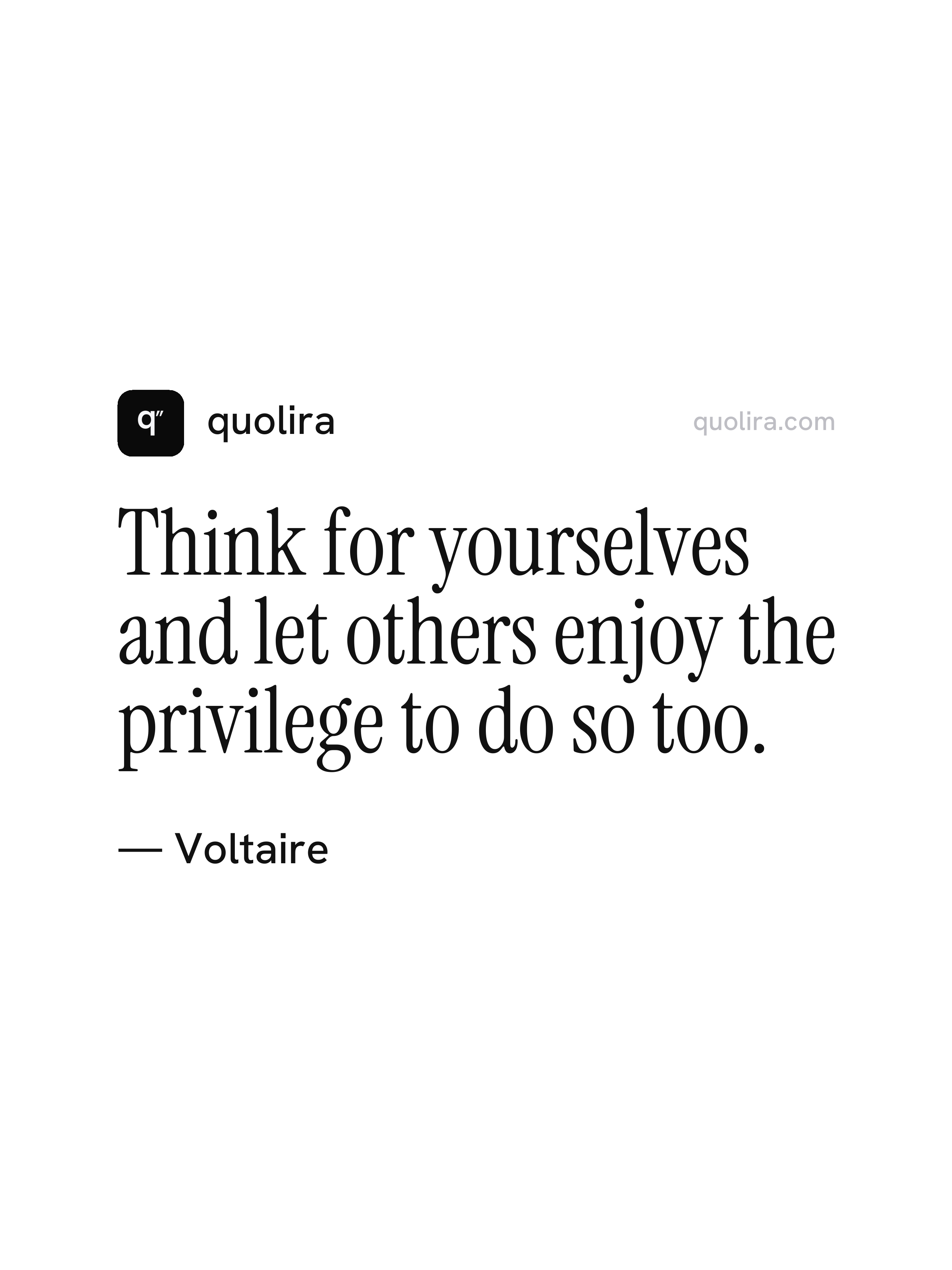
Voltaire is urging every person to exercise independent judgment rather than simply accepting the ideas handed to them by authority, tradition, or social pressure. The second half of the thought is equally important: genuine intellectual freedom is not a private privilege but a right that belongs to everyone. True free-thinkers, in other words, do not hoard the liberty they claim for themselves.
Voltaire spent much of his career challenging the religious and political orthodoxies of eighteenth-century France, and this line captures the spirit that ran through his essays, letters, and satirical works. He lived during the Enlightenment, a period when reason and individual conscience were being asserted against centuries of institutional authority. The idea that freedom of thought must be universal, not selective, was genuinely radical in an era when censorship and persecution of heterodox views were common instruments of power.
Voltaire was the pen name of the French writer and philosopher Francois-Marie Arouet, who lived from 1694 to 1778. He was one of the central figures of the European Enlightenment and produced an enormous body of work spanning satire, history, poetry, and philosophy. He was imprisoned in the Bastille and spent periods in exile, experiences that deepened his commitment to civil liberties and his distrust of unchecked authority. His wit and moral seriousness continue to make him one of the most widely read writers of his era.
“It is not inequality which is the real misfortune, it is dependence.”
Voltaire
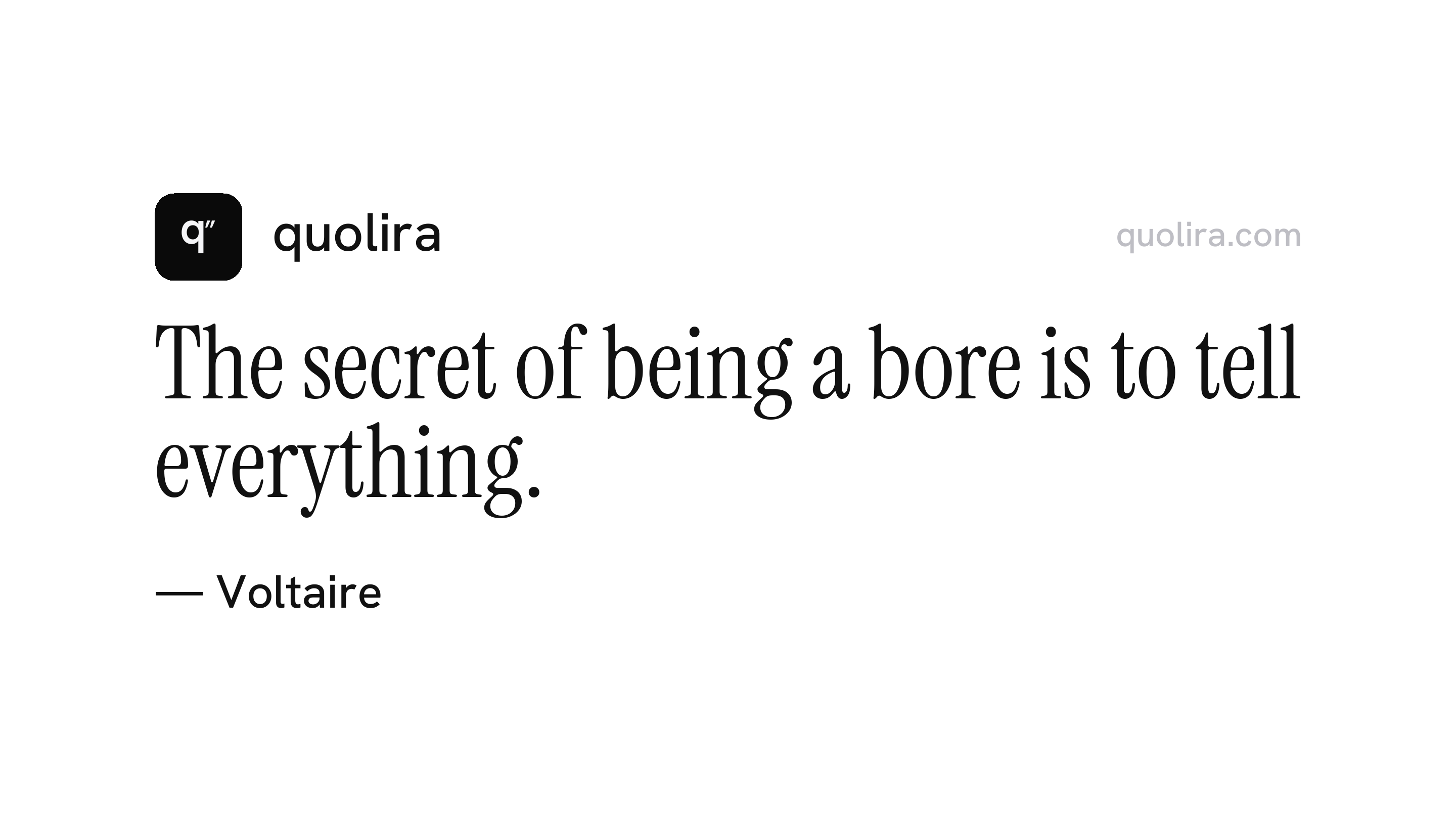
“The secret of being a bore is to tell everything.”
Voltaire · Sept Discours en Vers sur l'Homme, 1738
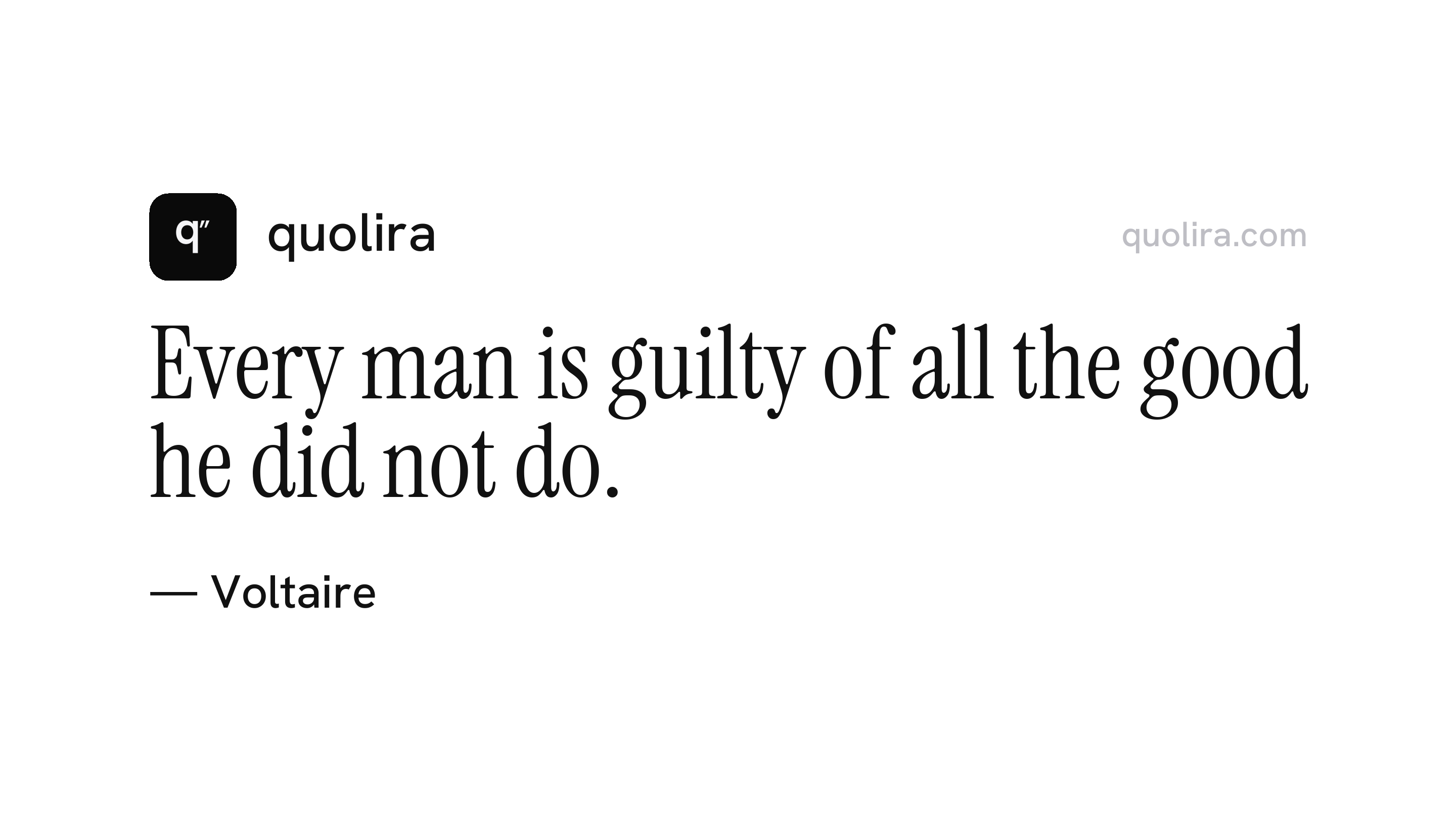
“Every man is guilty of all the good he did not do.”
Voltaire
“The art of medicine consists of amusing the patient while nature cures the disease.”
Voltaire
“Common sense is not so common.”
Voltaire · Philosophical Dictionary, 1764
“God is a comedian playing to an audience too afraid to laugh.”
Voltaire
“Those who can make you believe absurdities can make you commit atrocities.”
Voltaire · Questions sur les miracles, 1765
“It is dangerous to be right in matters on which the established authorities are wrong.”
Voltaire · The Age of Louis XIV, 1752
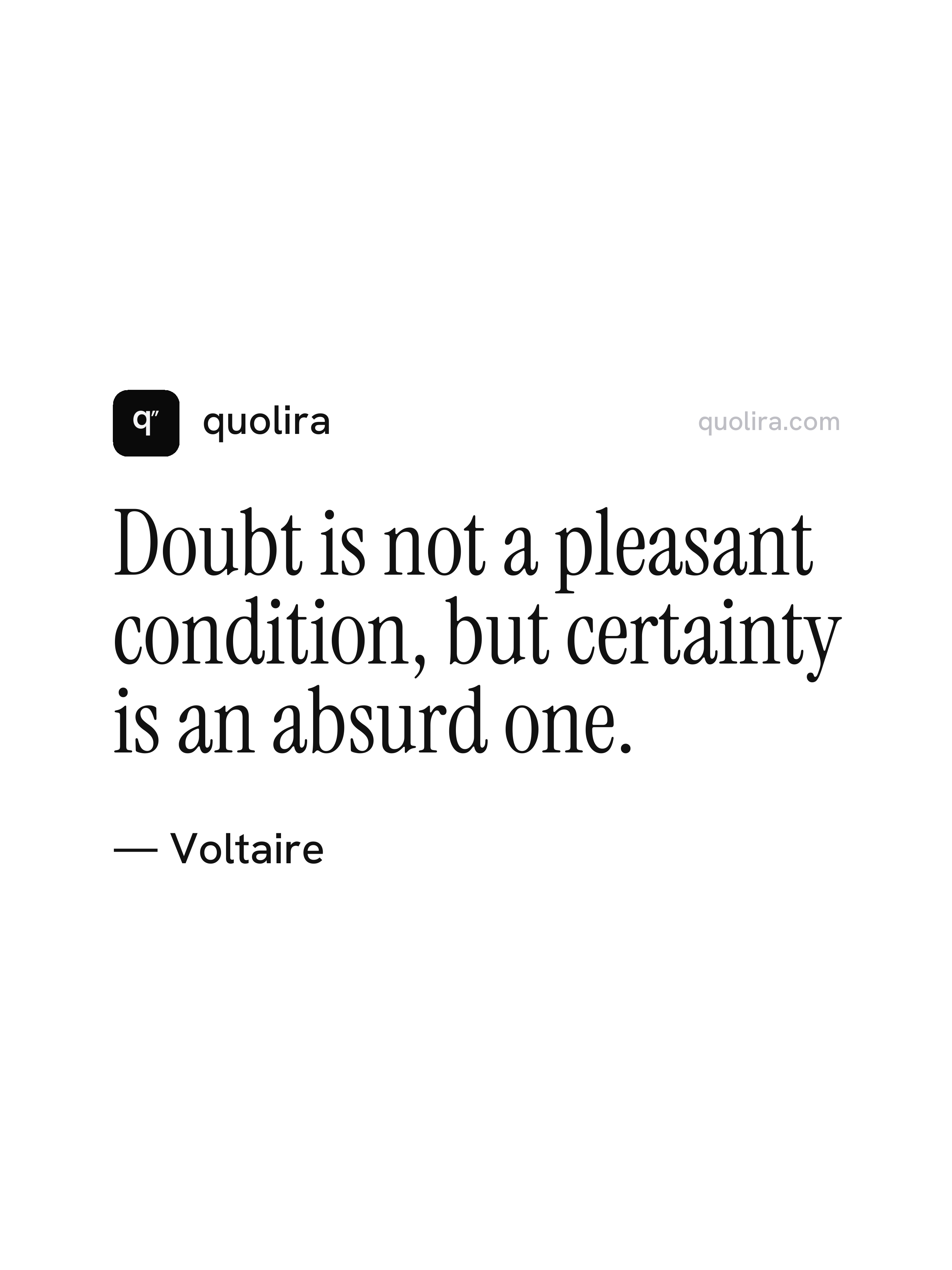
“Doubt is not a pleasant condition, but certainty is an absurd one.”
Voltaire · Letter to Frederick the Great, 1767
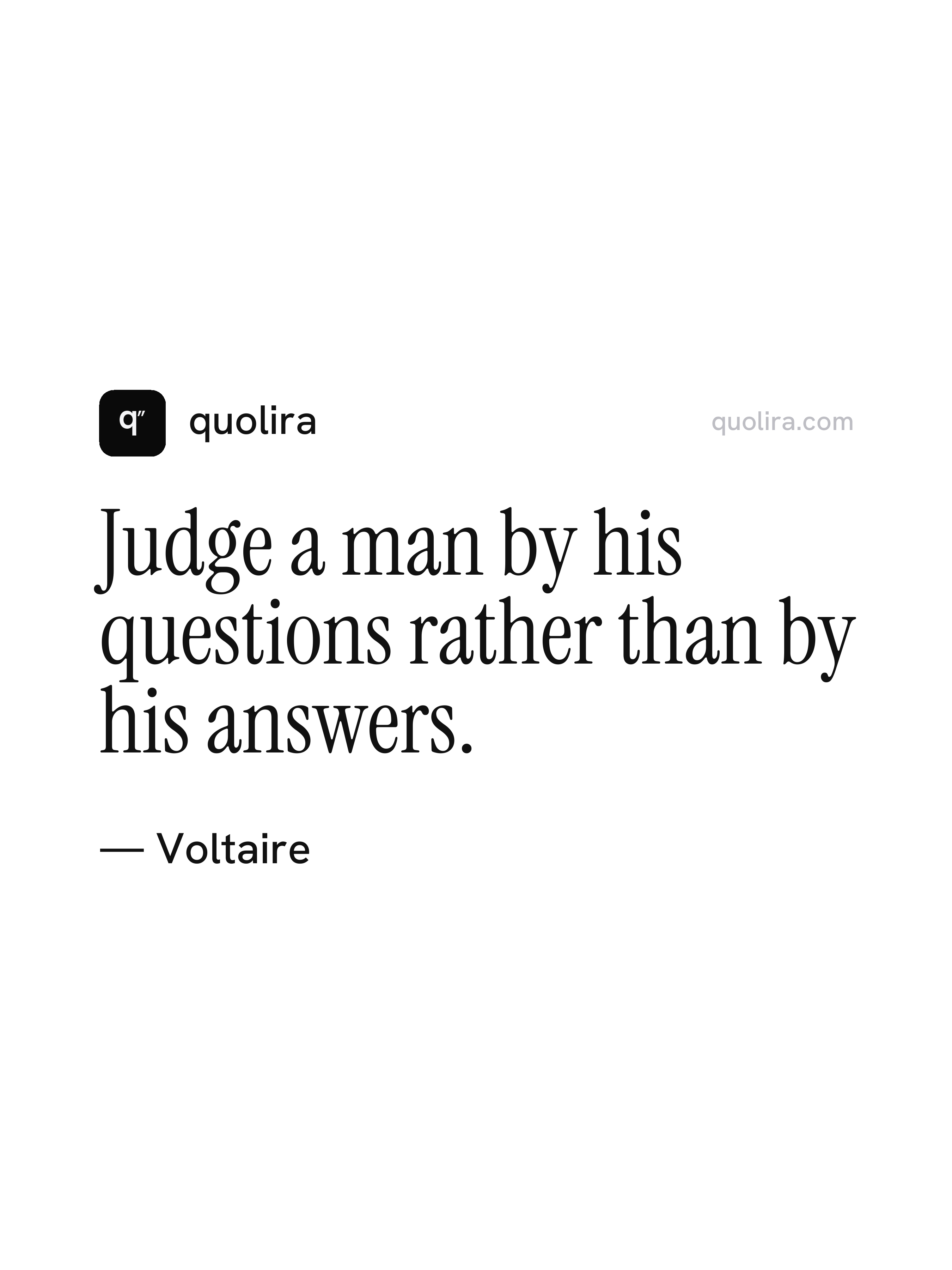
“Judge a man by his questions rather than by his answers.”
Voltaire
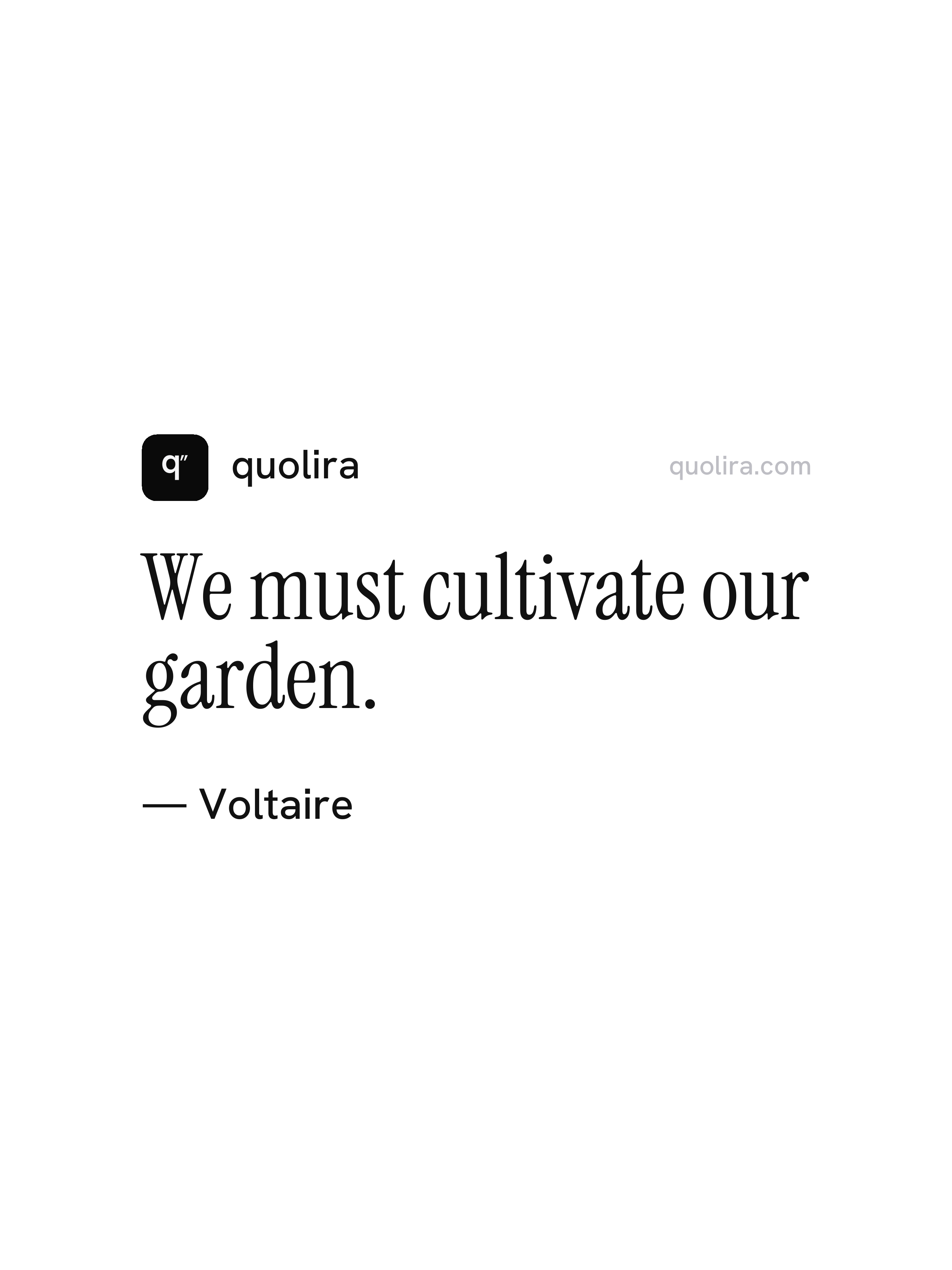
“We must cultivate our garden.”
Voltaire · Candide, 1759
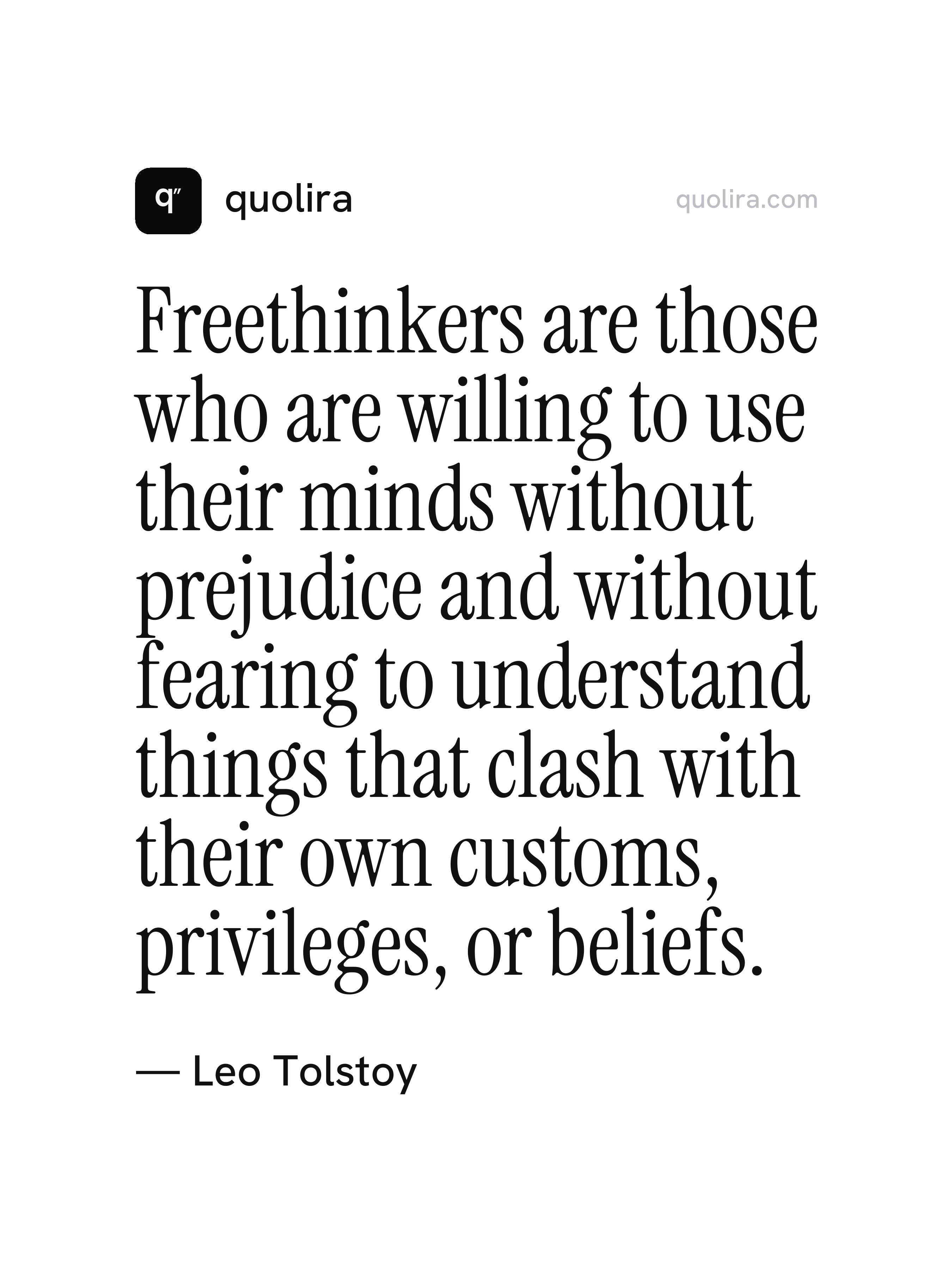
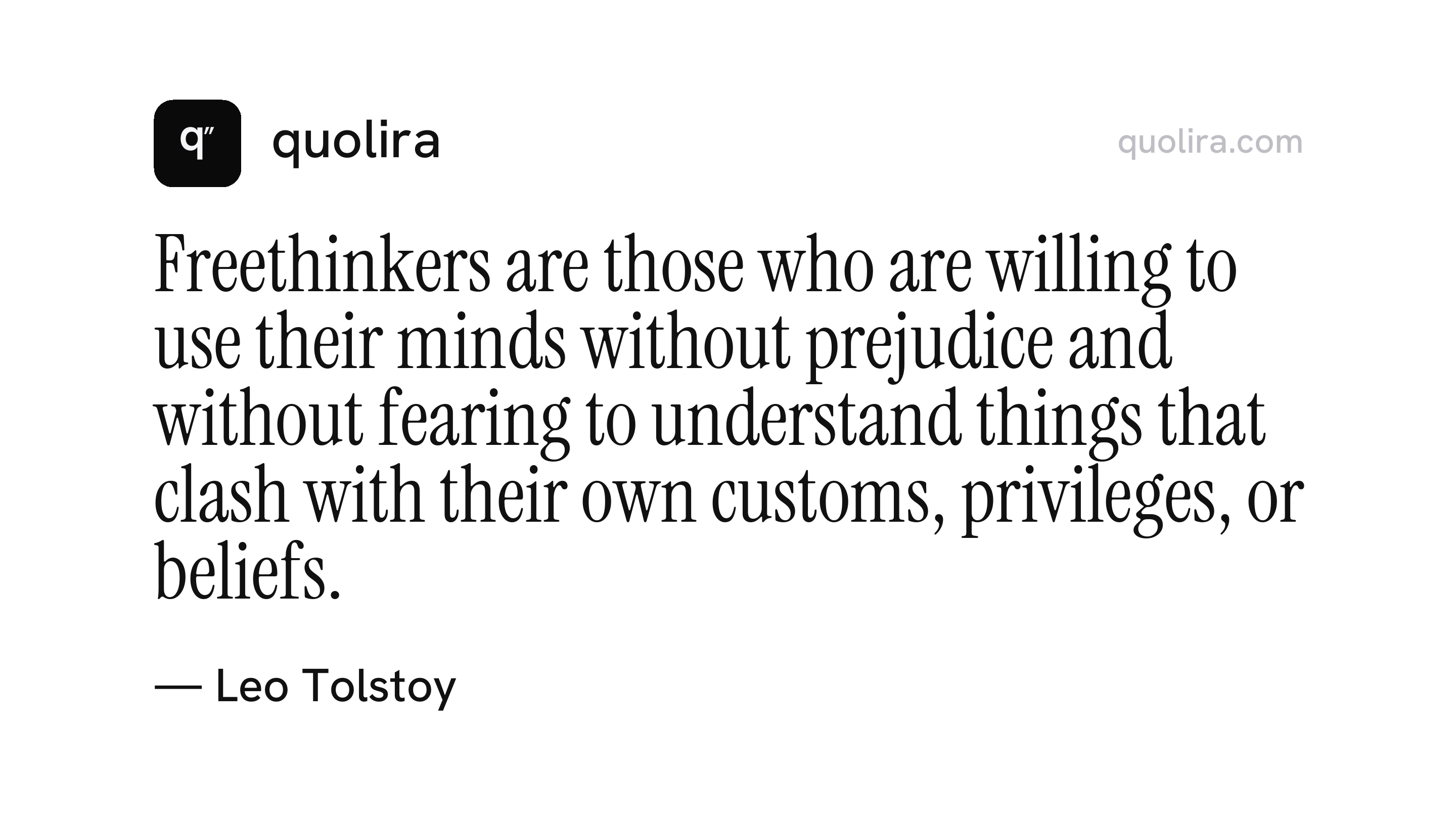
“Freethinkers are those who are willing to use their minds without prejudice and without fearing to understand things that clash with their own customs, privileges, or beliefs.”
Leo Tolstoy