“Judge a man by his questions rather than by his answers.”
Voltaire
 quolira
.com
quolira
quolira.com
Voltaire is making a precise and quietly devastating point about the relationship between knowledge and humility. Doubt, he acknowledges, is uncomfortable: it leaves questions open and offers no firm ground to stand on. But the alternative, claiming absolute certainty, is not a strength. It is a kind of delusion, a refusal to accept the genuine complexity and incompleteness of human understanding. The line defends intellectual honesty over the false comfort of conviction.
This observation comes from a letter Voltaire wrote in 1767, addressed to Frederick the Great of Prussia. The two maintained a long and sometimes complicated correspondence, and Voltaire used that exchange to explore ideas with unusual directness. The remark reflects a recurring theme in his work: that rigidity of belief, whether religious, political, or philosophical, tends to close off inquiry and produce more harm than honest uncertainty ever could.
Voltaire was the pen name of Francois-Marie Arouet, a French writer and philosopher born in 1694 and one of the central figures of the European Enlightenment. He corresponded with monarchs, intellectuals, and scientists across the continent and used that network to spread ideas about reason, tolerance, and the limits of authority. His writing ranged from tragedy and satire to history and philosophy. He died in 1778, having spent a lifetime modeling the kind of critical, questioning mind he so consistently praised.
“Judge a man by his questions rather than by his answers.”
Voltaire
“We must cultivate our garden.”
Voltaire · Candide, 1759
“Freethinkers are those who are willing to use their minds without prejudice and without fearing to understand things that clash with their own customs, privileges, or beliefs.”
Leo Tolstoy
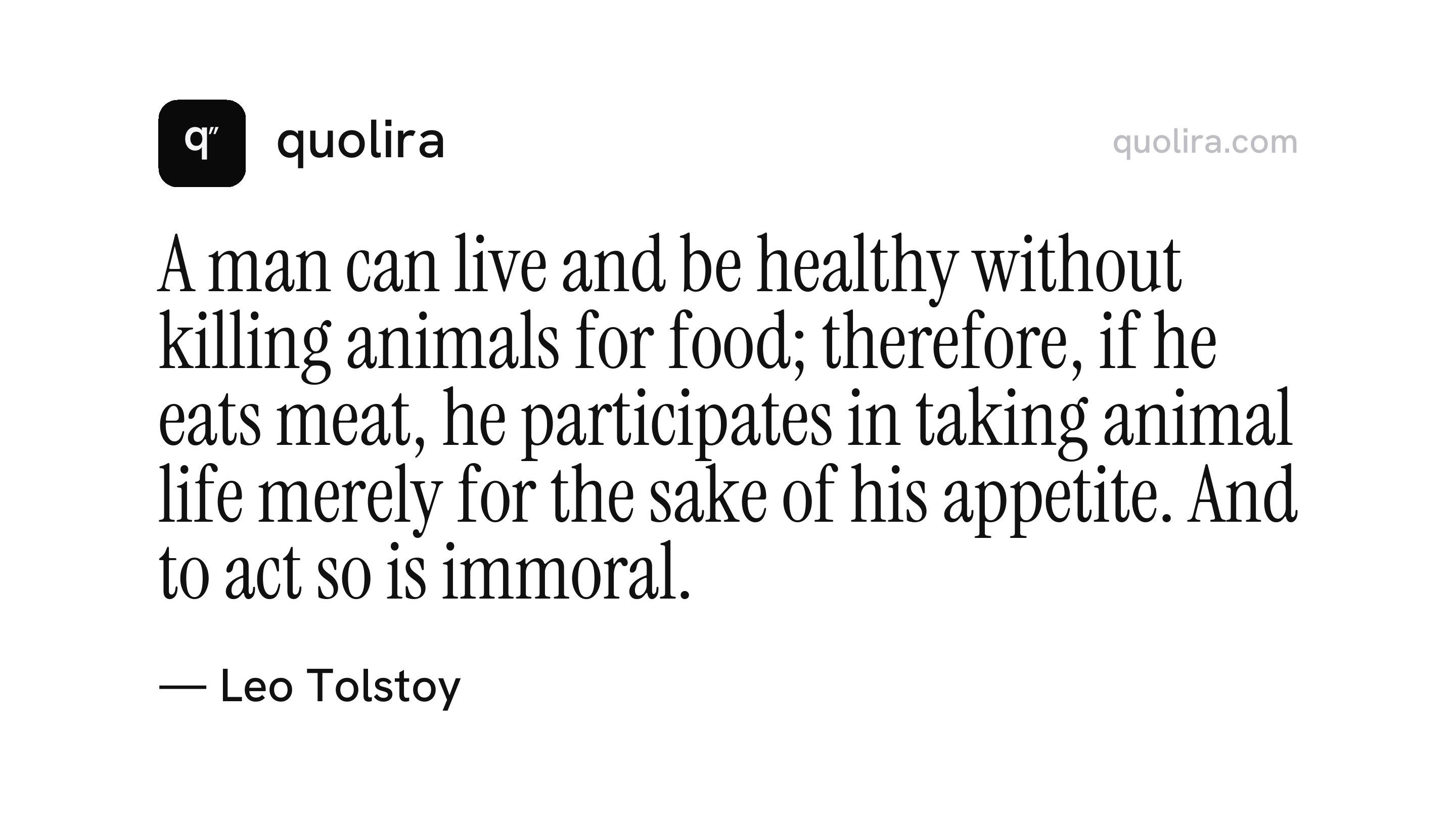
“A man can live and be healthy without killing animals for food; therefore, if he eats meat, he participates in taking animal life merely for the sake of his appetite. And to act so is immoral.”
Leo Tolstoy · The First Step, 1892
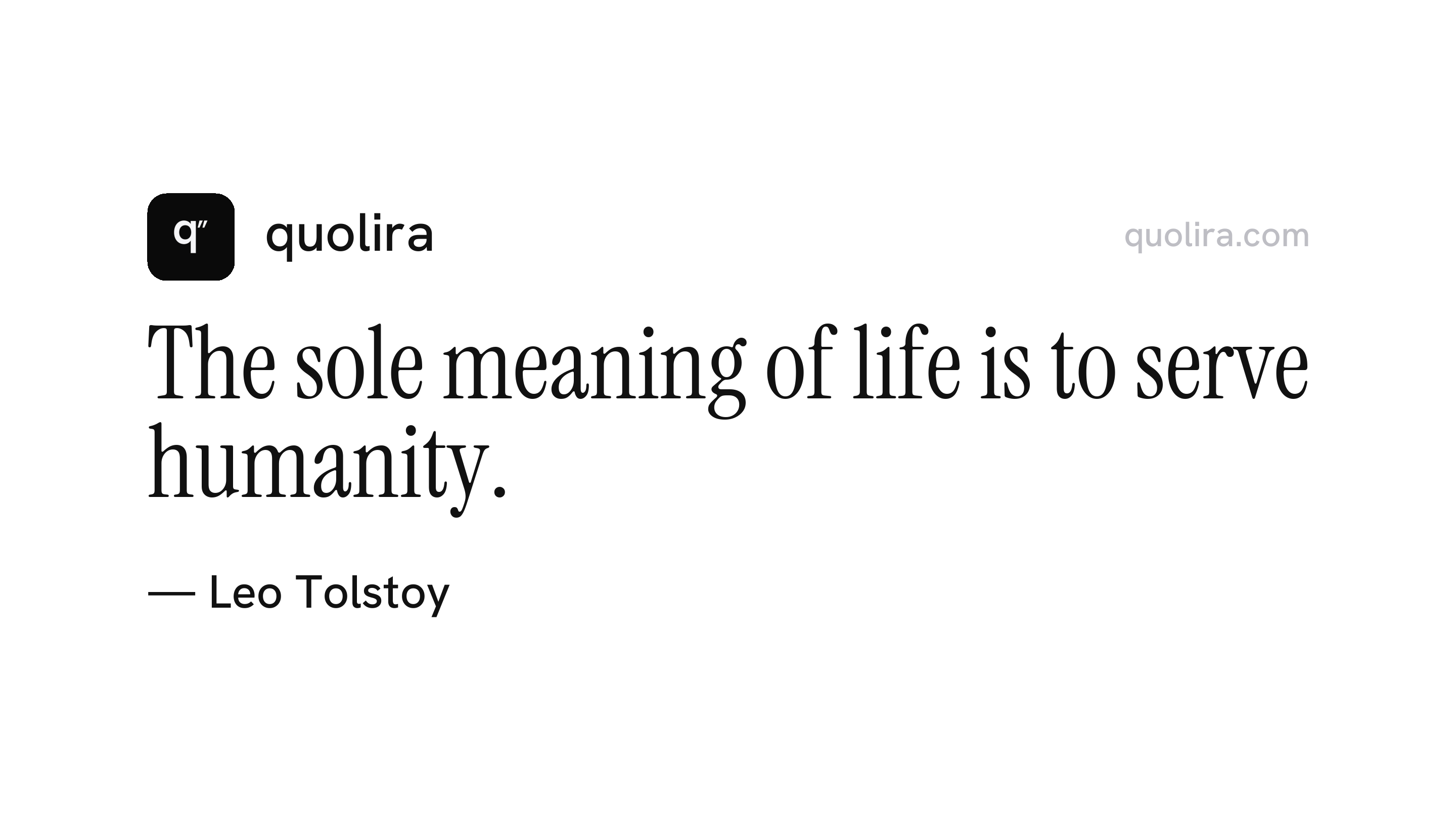
“The sole meaning of life is to serve humanity.”
Leo Tolstoy · A Confession, 1882
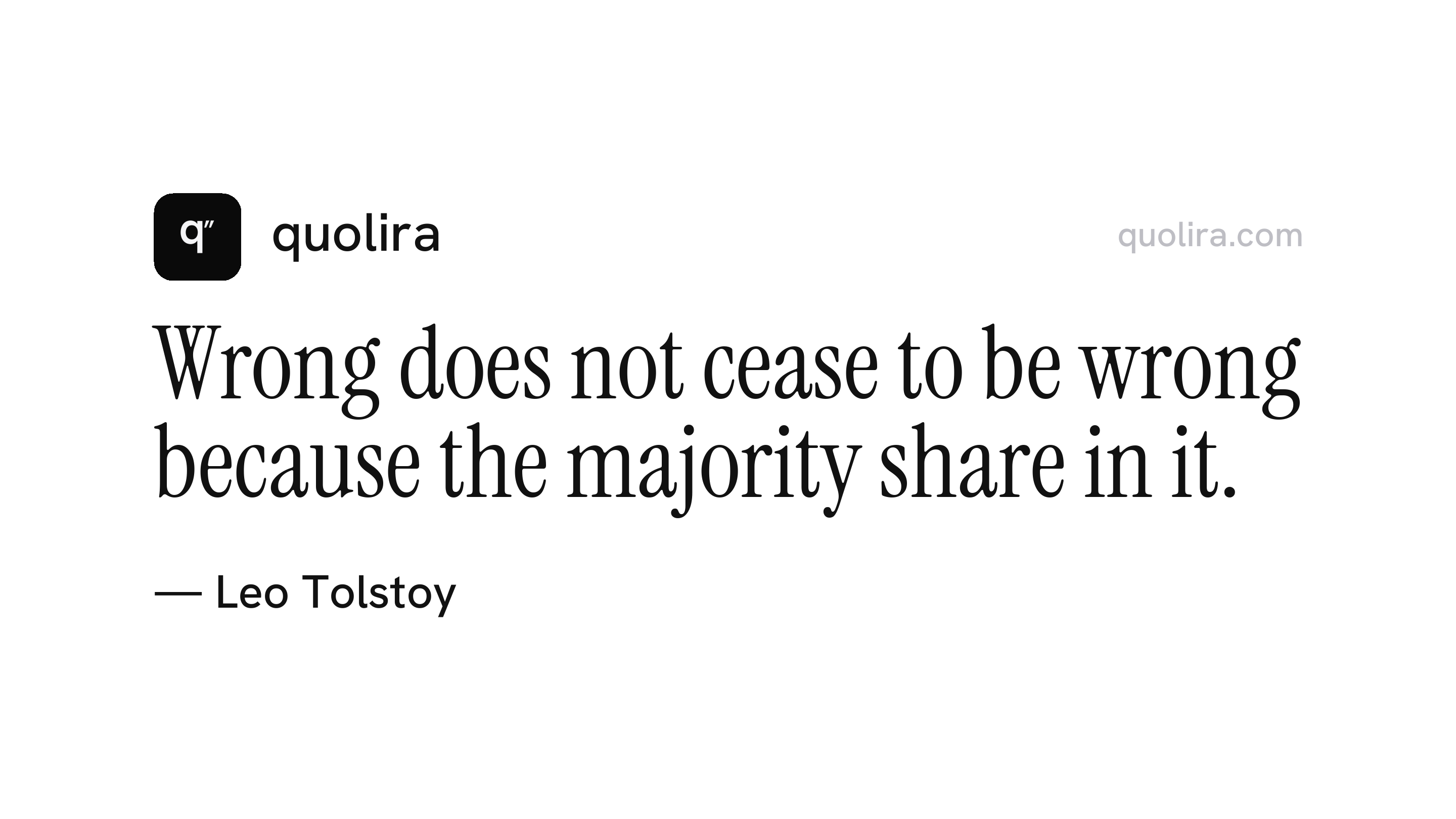
“Wrong does not cease to be wrong because the majority share in it.”
Leo Tolstoy · A Calendar of Wisdom, 1908
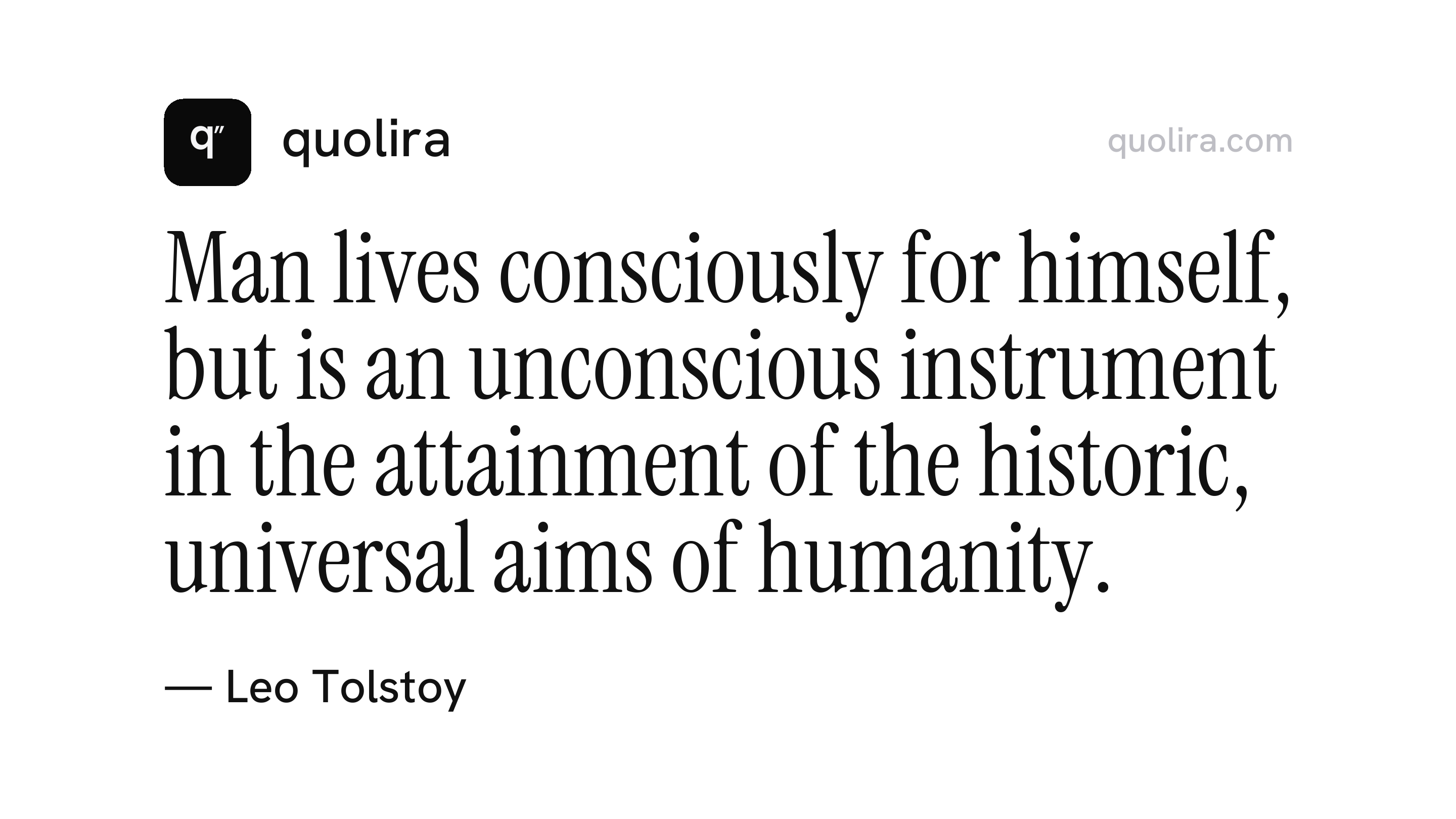
“Man lives consciously for himself, but is an unconscious instrument in the attainment of the historic, universal aims of humanity.”
Leo Tolstoy · War and Peace, 1869
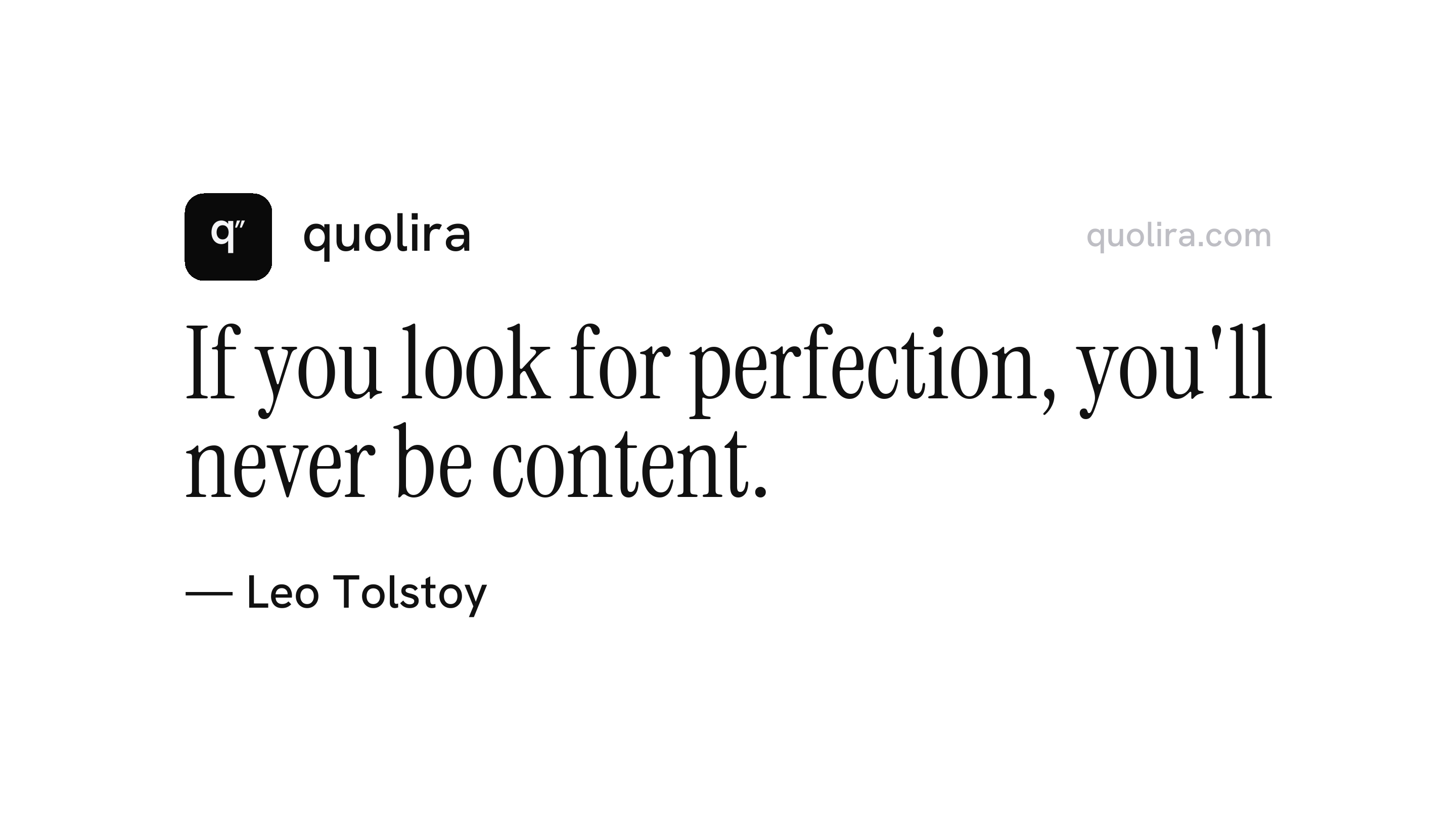
“If you look for perfection, you'll never be content.”
Leo Tolstoy · Anna Karenina, 1878
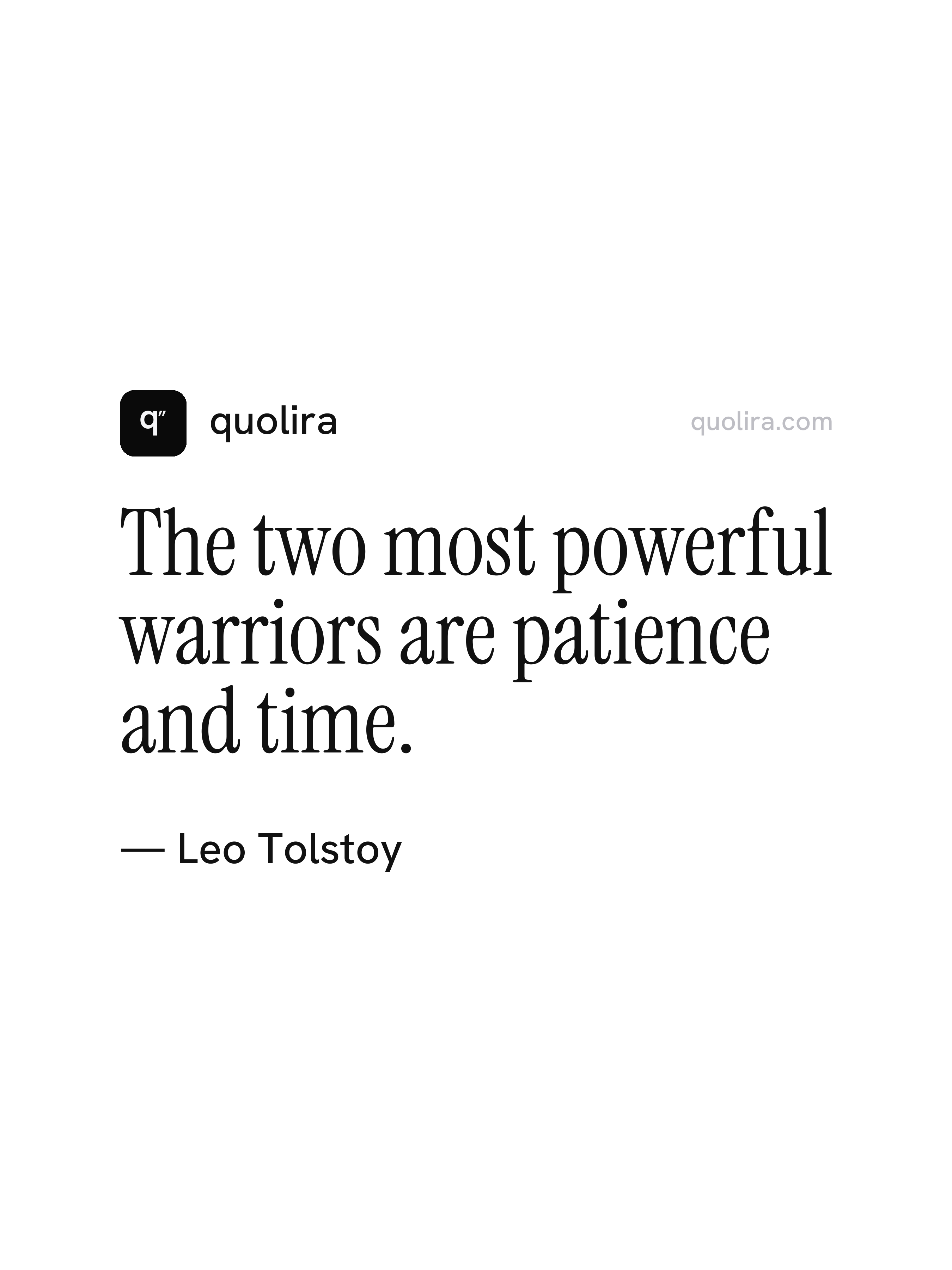
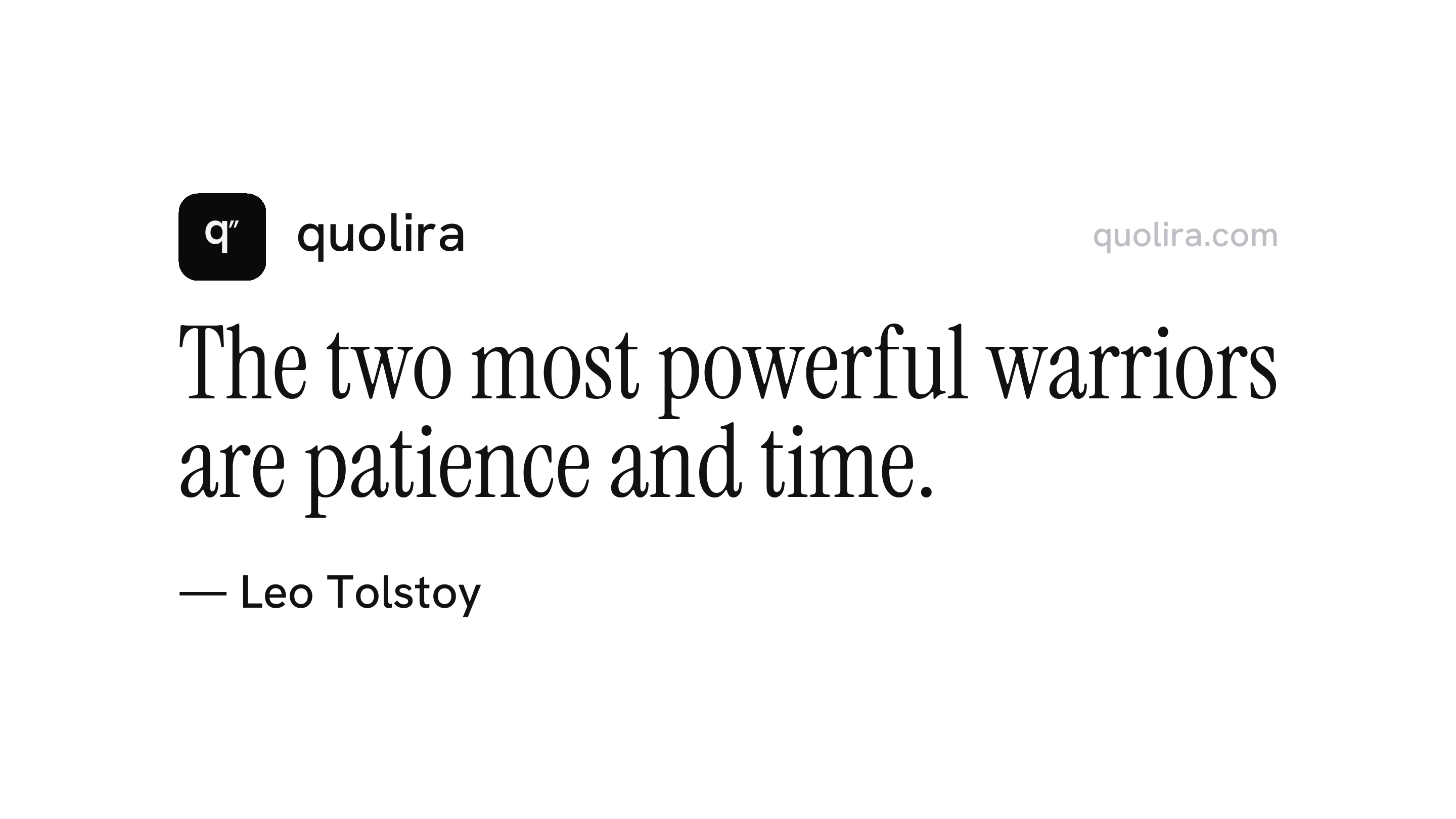
“The two most powerful warriors are patience and time.”
Leo Tolstoy · War and Peace, 1869
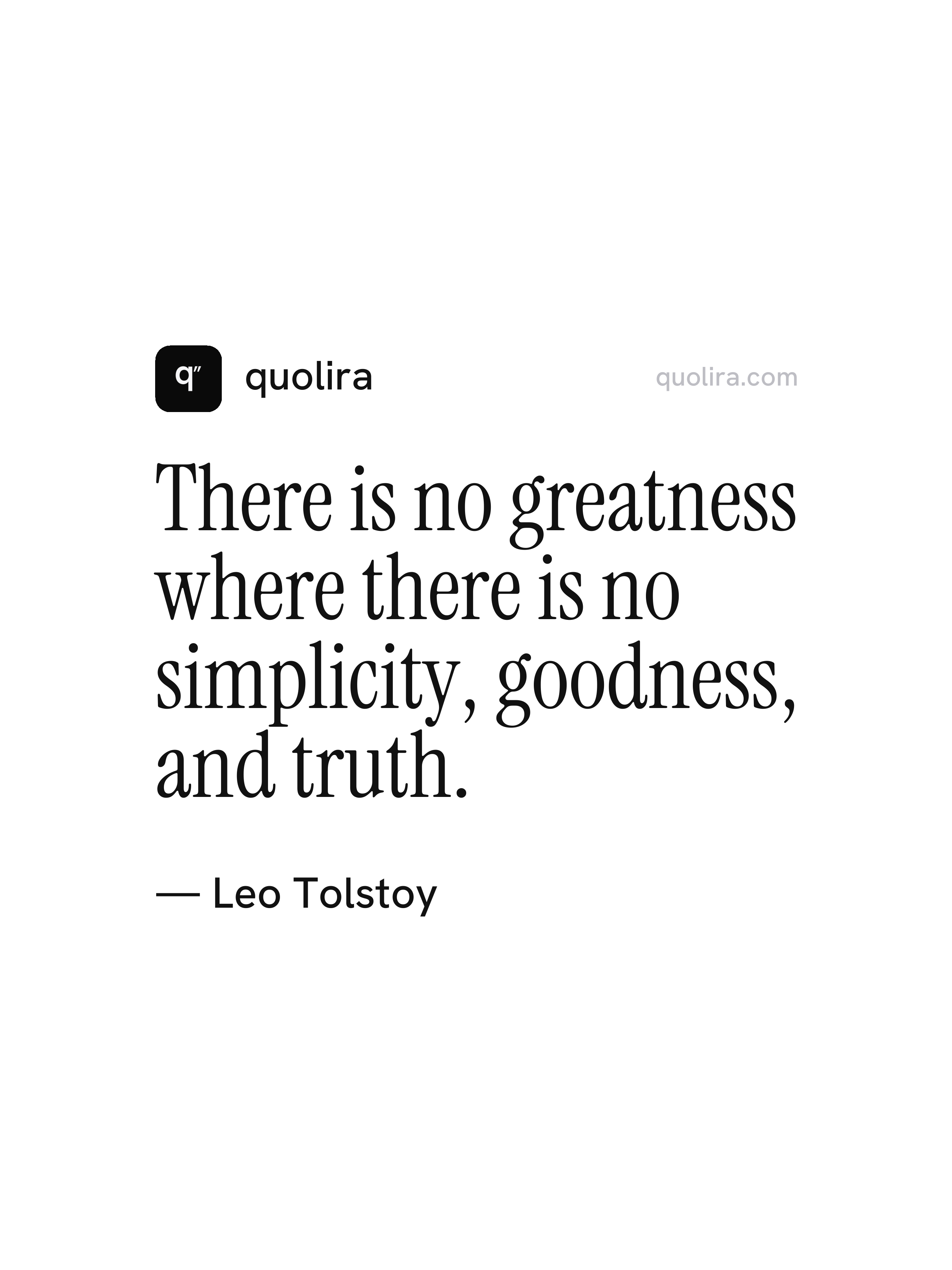
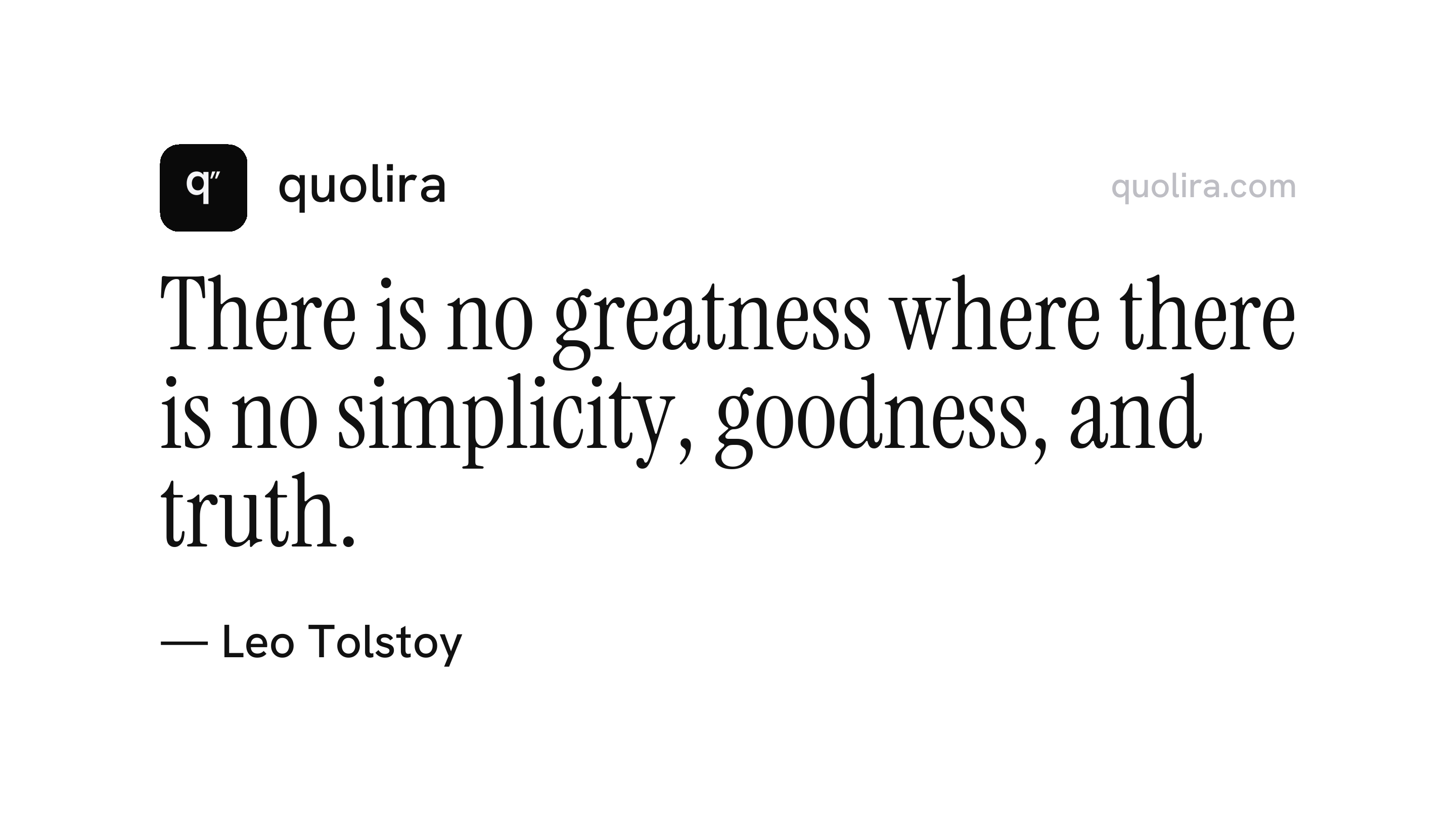
“There is no greatness where there is no simplicity, goodness, and truth.”
Leo Tolstoy · War and Peace, 1869
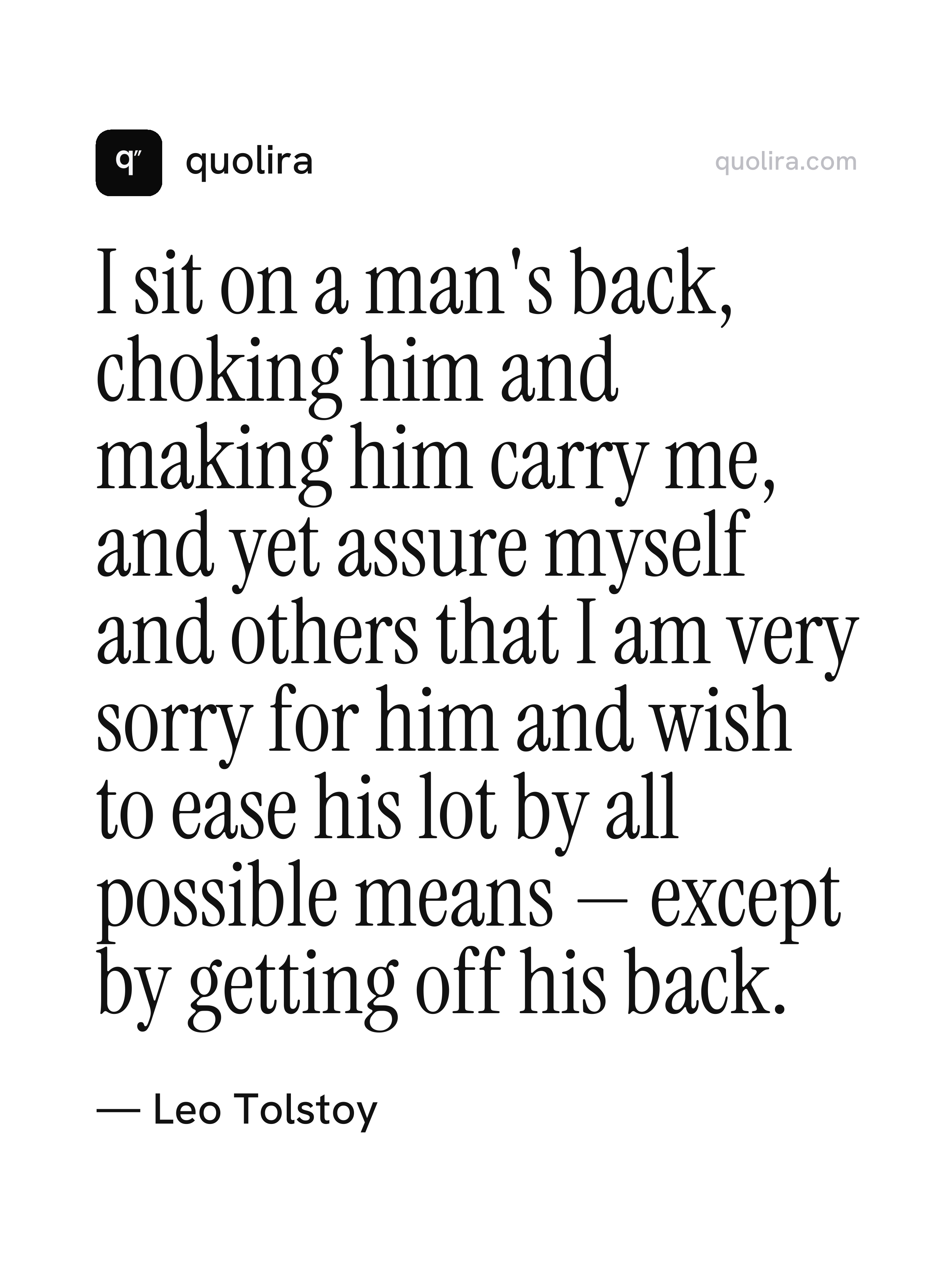
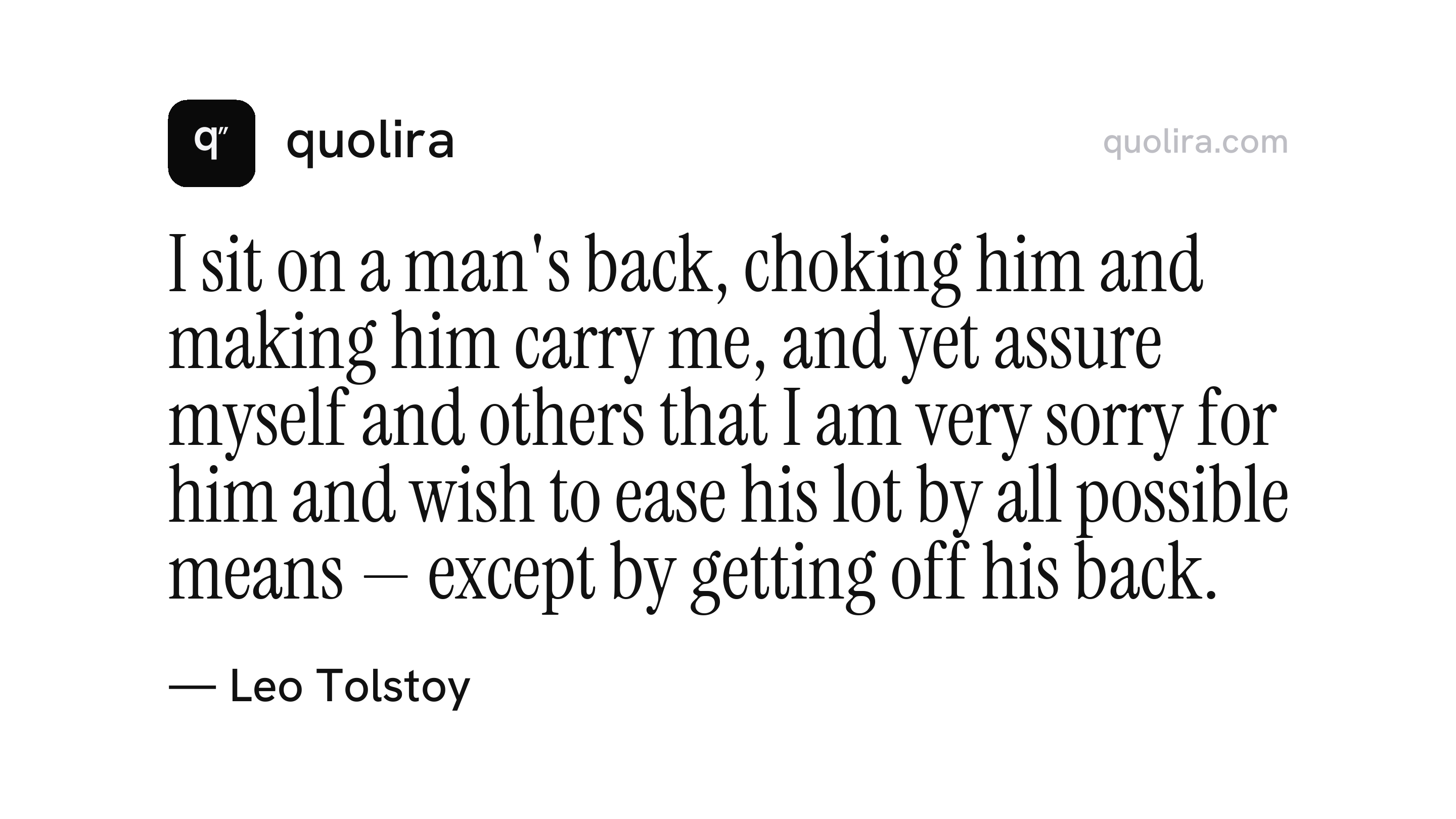
“I sit on a man's back, choking him and making him carry me, and yet assure myself and others that I am very sorry for him and wish to ease his lot by all possible means — except by getting off his back.”
Leo Tolstoy · What Then Must We Do?, 1886
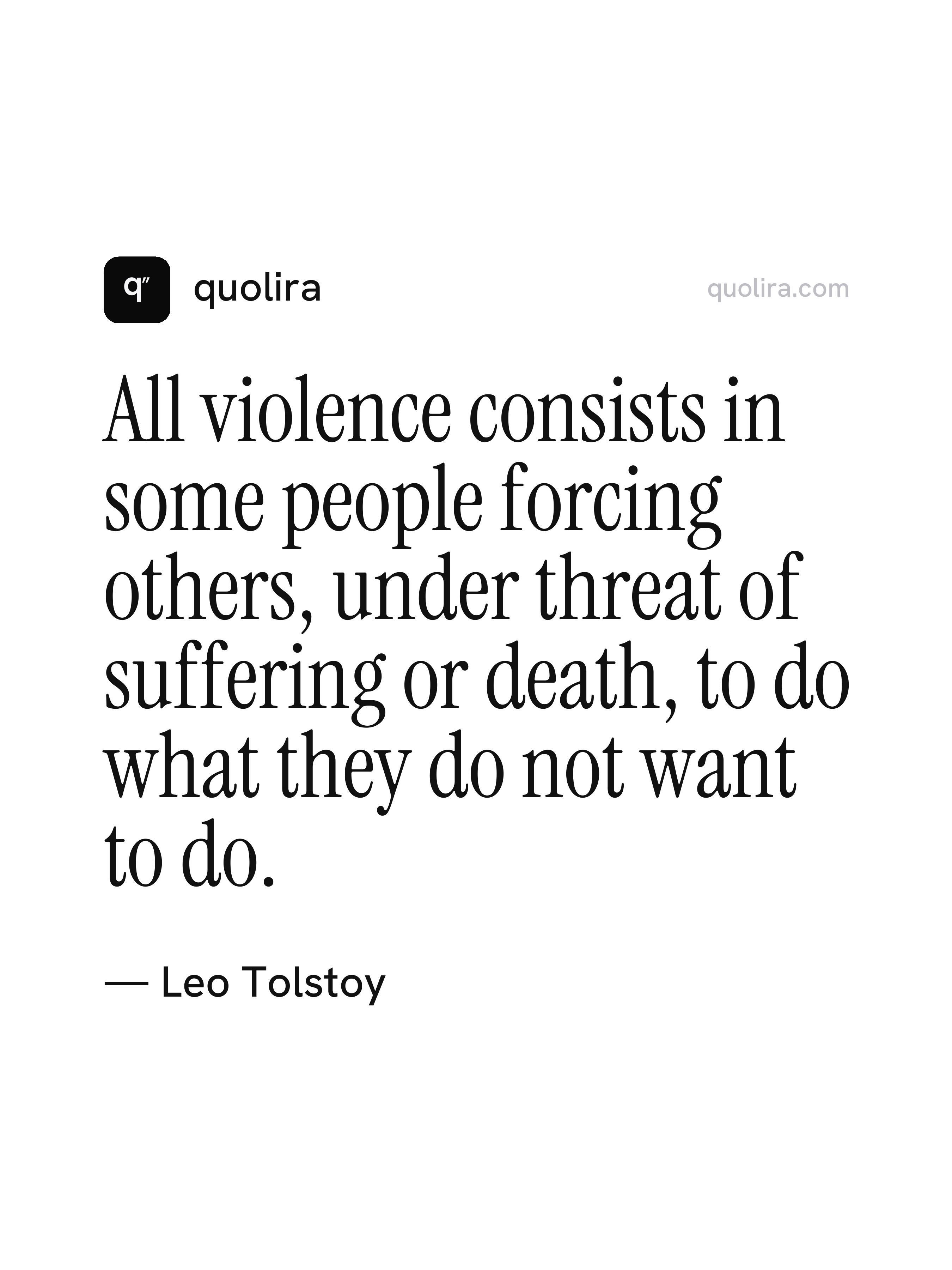
“All violence consists in some people forcing others, under threat of suffering or death, to do what they do not want to do.”
Leo Tolstoy · The Kingdom of God Is Within You, 1894