“Common sense is not so common.”
Voltaire · Philosophical Dictionary, 1764
 quolira
.com
quolira
quolira.com
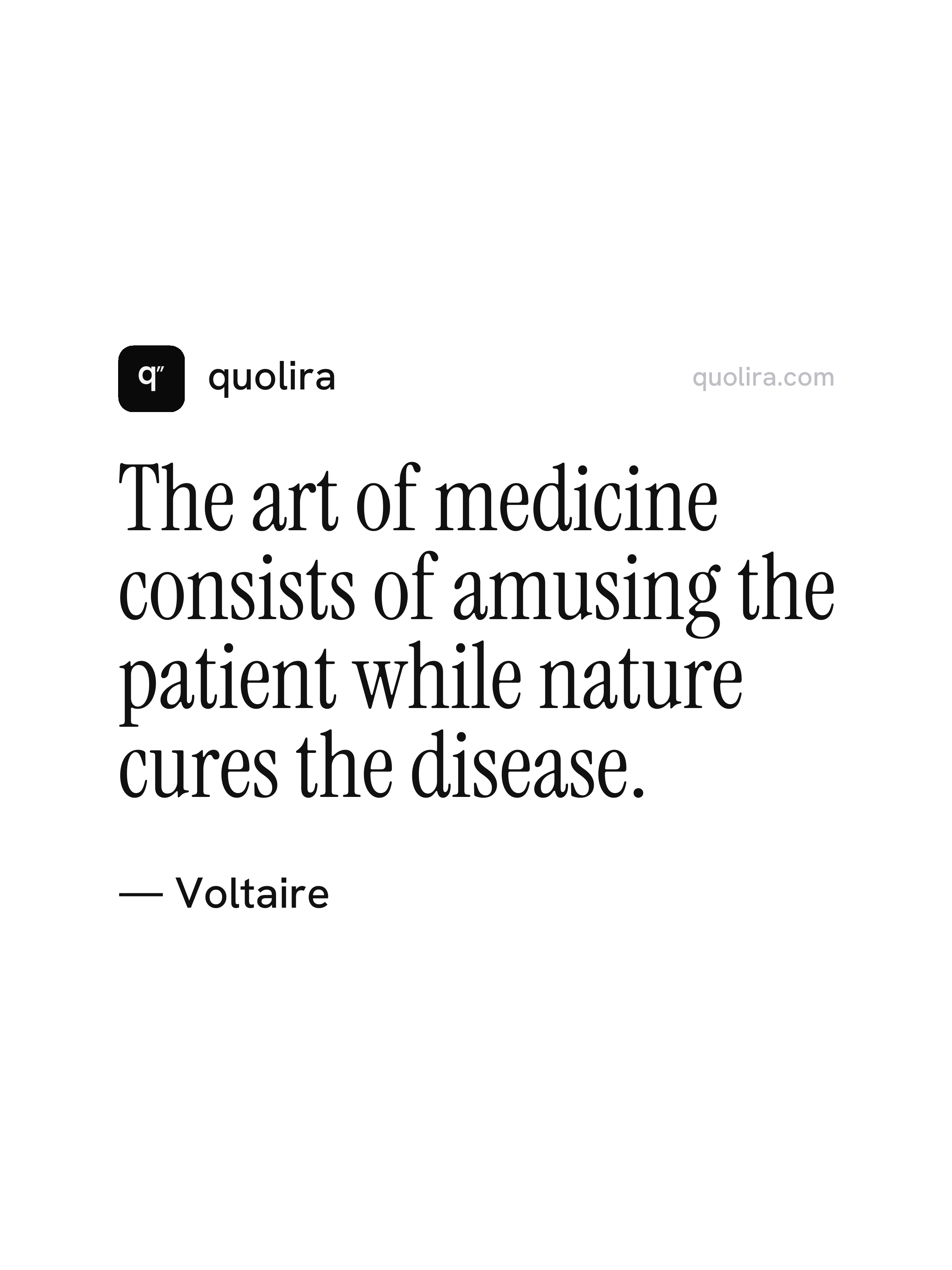
Voltaire is making a skeptical observation about the medical profession by suggesting that the body tends to heal itself and that the physician's main contribution is keeping the patient distracted and reassured in the meantime. The remark is not purely cynical: it also acknowledges that comfort and calm attention have real value for a patient. But the sharper edge of the line is a reminder that confident-sounding intervention is not always the same as effective treatment.
Voltaire was writing in the eighteenth century, when medical practice was still far removed from the evidence-based methods developed in later centuries. Treatments of the era were often ineffective or actively harmful, and a skeptical observer like Voltaire had ample reason to question whether physicians were truly curing patients or simply performing the role of healer while the body did the real work. His broader philosophy of empiricism and reason made him naturally suspicious of any profession that relied more on custom and authority than on observable results.
Voltaire was a French writer and philosopher of the Enlightenment, born in 1694 and active for most of the eighteenth century. He brought a restless, questioning intelligence to almost every subject he encountered, including science, religion, history, and human nature. Though trained in law, he became famous as a literary and philosophical figure whose work ranged from tragedy and satirical fiction to historical writing and polemical essays. He died in 1778, having shaped the intellectual culture of his era more than almost any other single writer.
“Common sense is not so common.”
Voltaire · Philosophical Dictionary, 1764
“God is a comedian playing to an audience too afraid to laugh.”
Voltaire
“Those who can make you believe absurdities can make you commit atrocities.”
Voltaire · Questions sur les miracles, 1765
“It is dangerous to be right in matters on which the established authorities are wrong.”
Voltaire · The Age of Louis XIV, 1752
“Doubt is not a pleasant condition, but certainty is an absurd one.”
Voltaire · Letter to Frederick the Great, 1767
“Judge a man by his questions rather than by his answers.”
Voltaire
“We must cultivate our garden.”
Voltaire · Candide, 1759
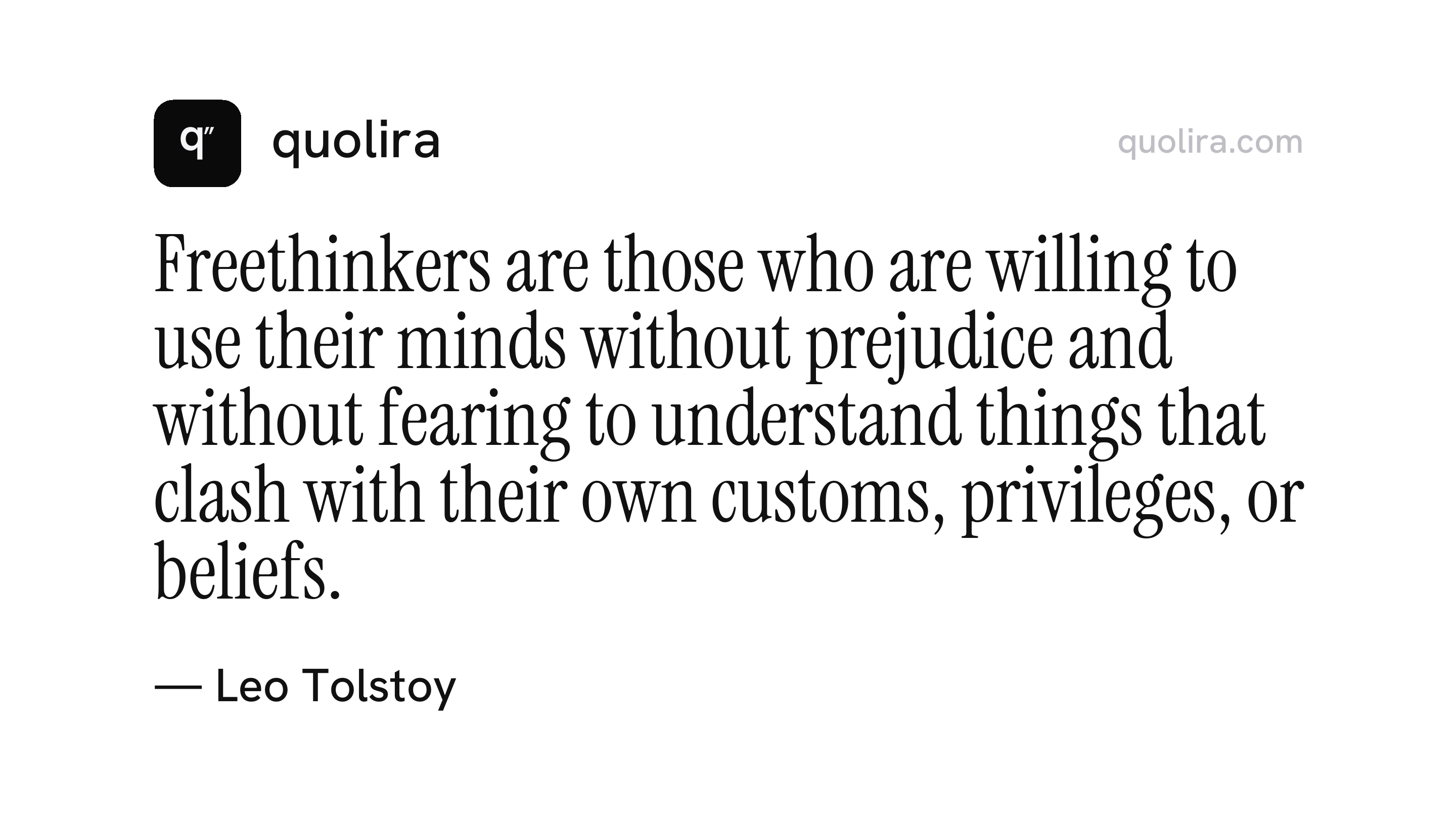
“Freethinkers are those who are willing to use their minds without prejudice and without fearing to understand things that clash with their own customs, privileges, or beliefs.”
Leo Tolstoy
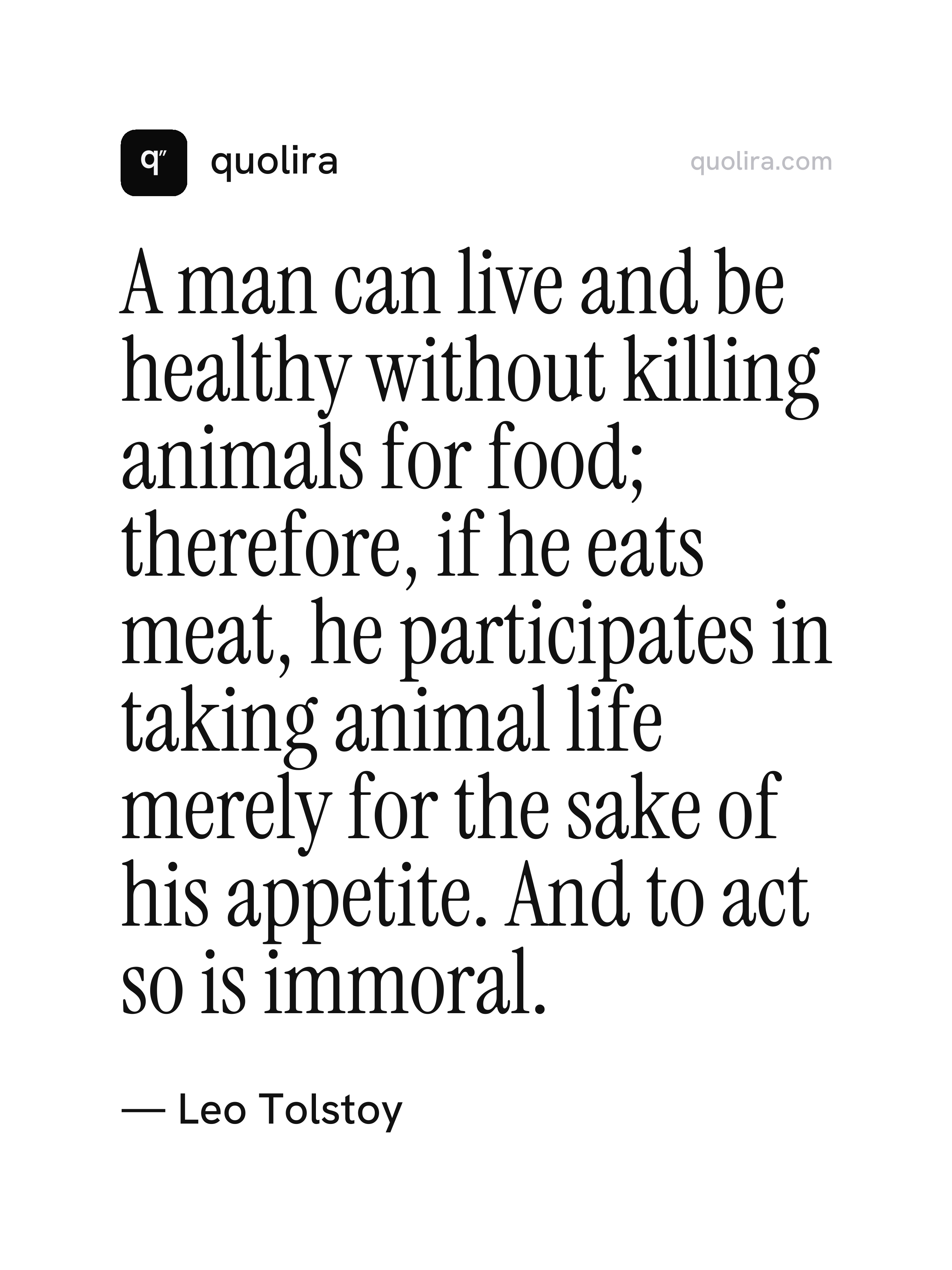
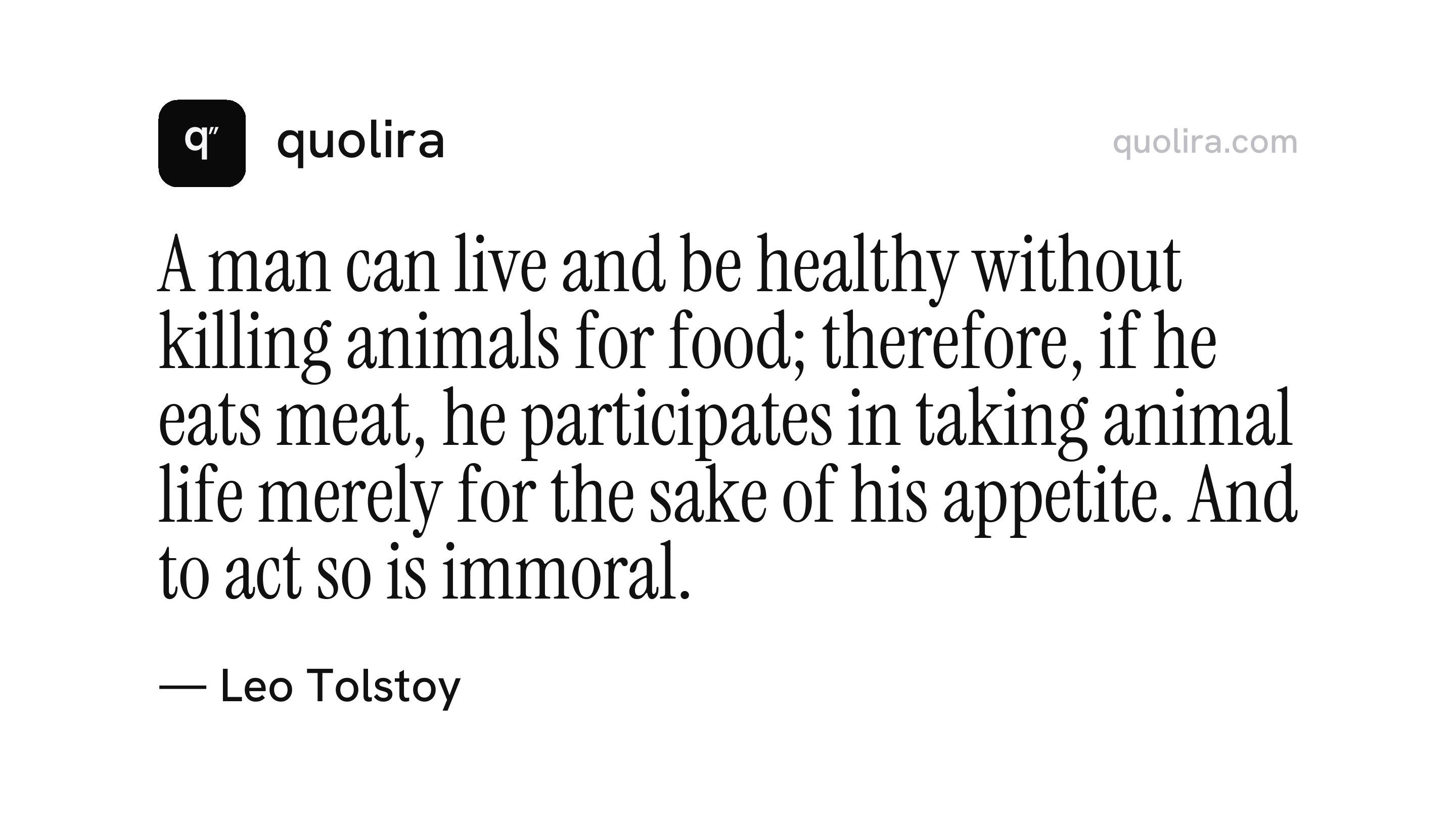
“A man can live and be healthy without killing animals for food; therefore, if he eats meat, he participates in taking animal life merely for the sake of his appetite. And to act so is immoral.”
Leo Tolstoy · The First Step, 1892
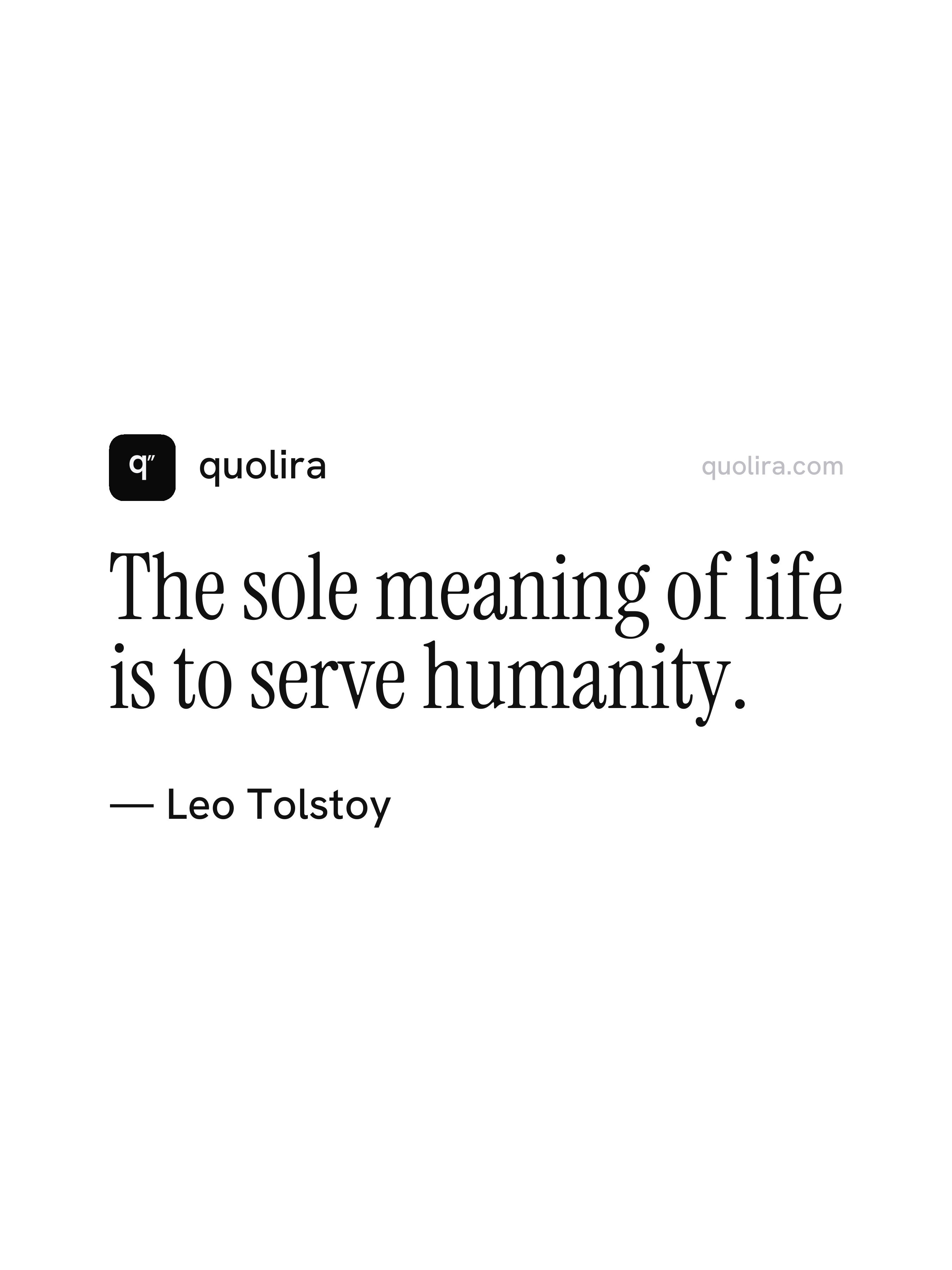
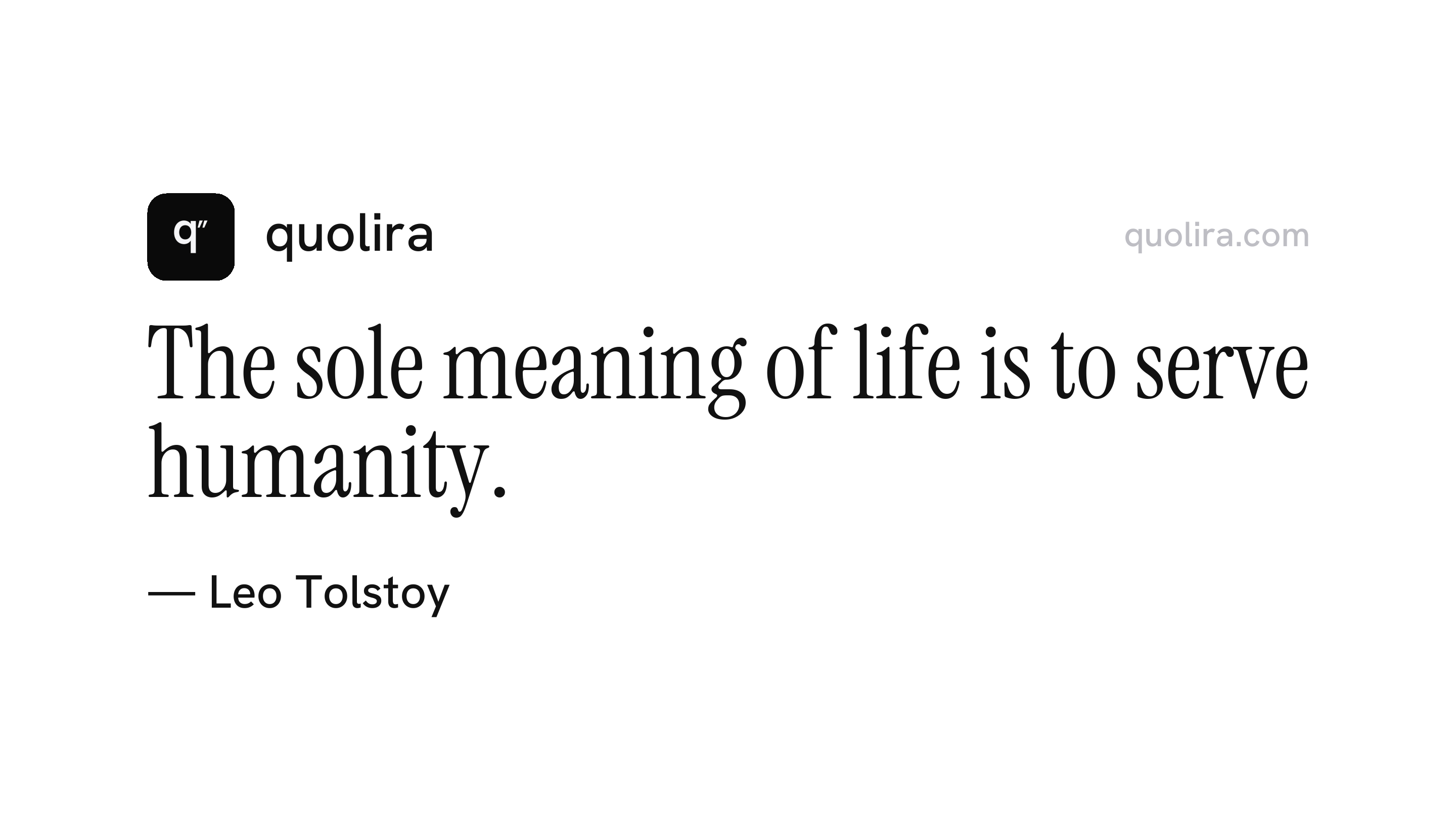
“The sole meaning of life is to serve humanity.”
Leo Tolstoy · A Confession, 1882
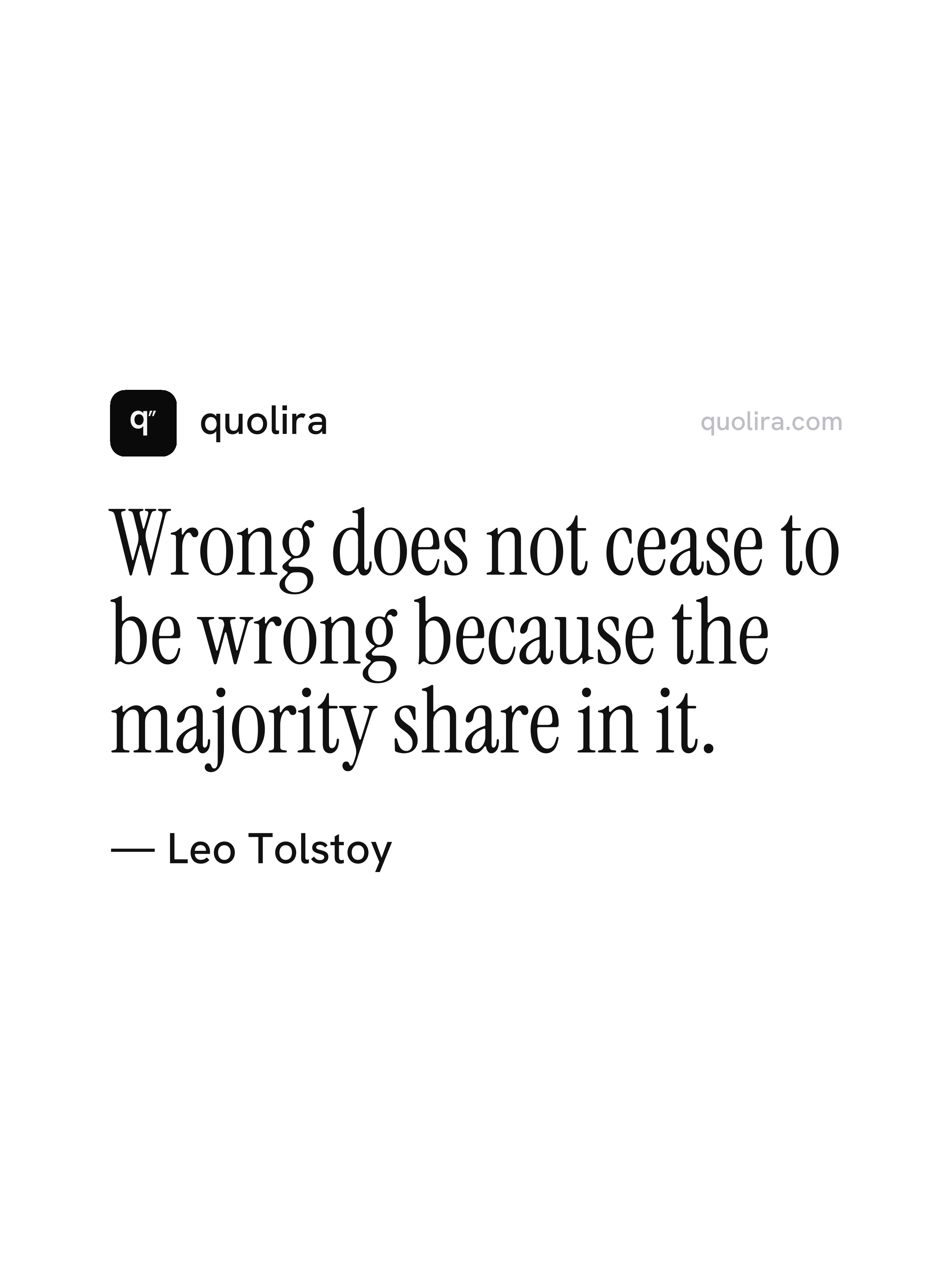
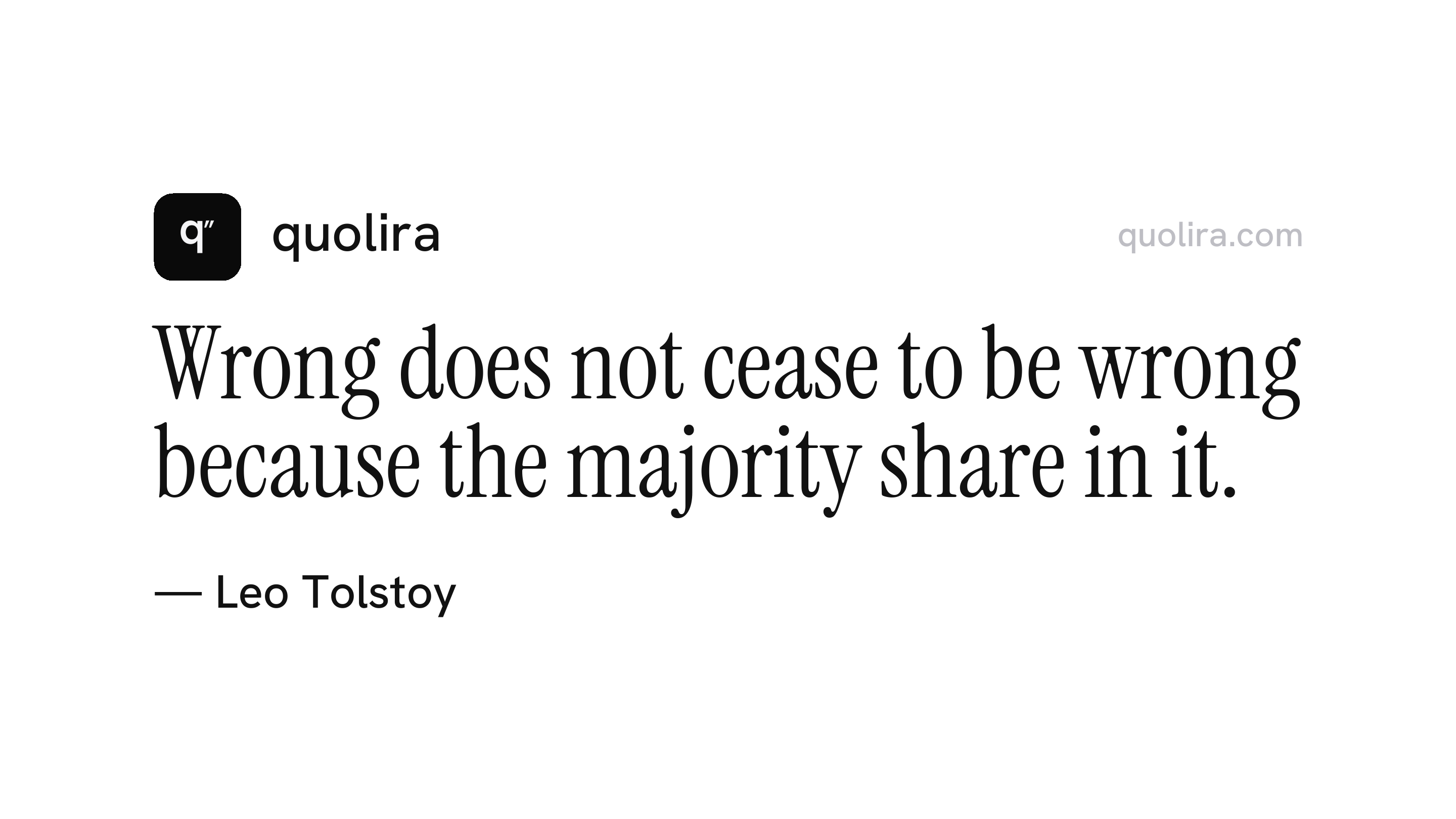
“Wrong does not cease to be wrong because the majority share in it.”
Leo Tolstoy · A Calendar of Wisdom, 1908
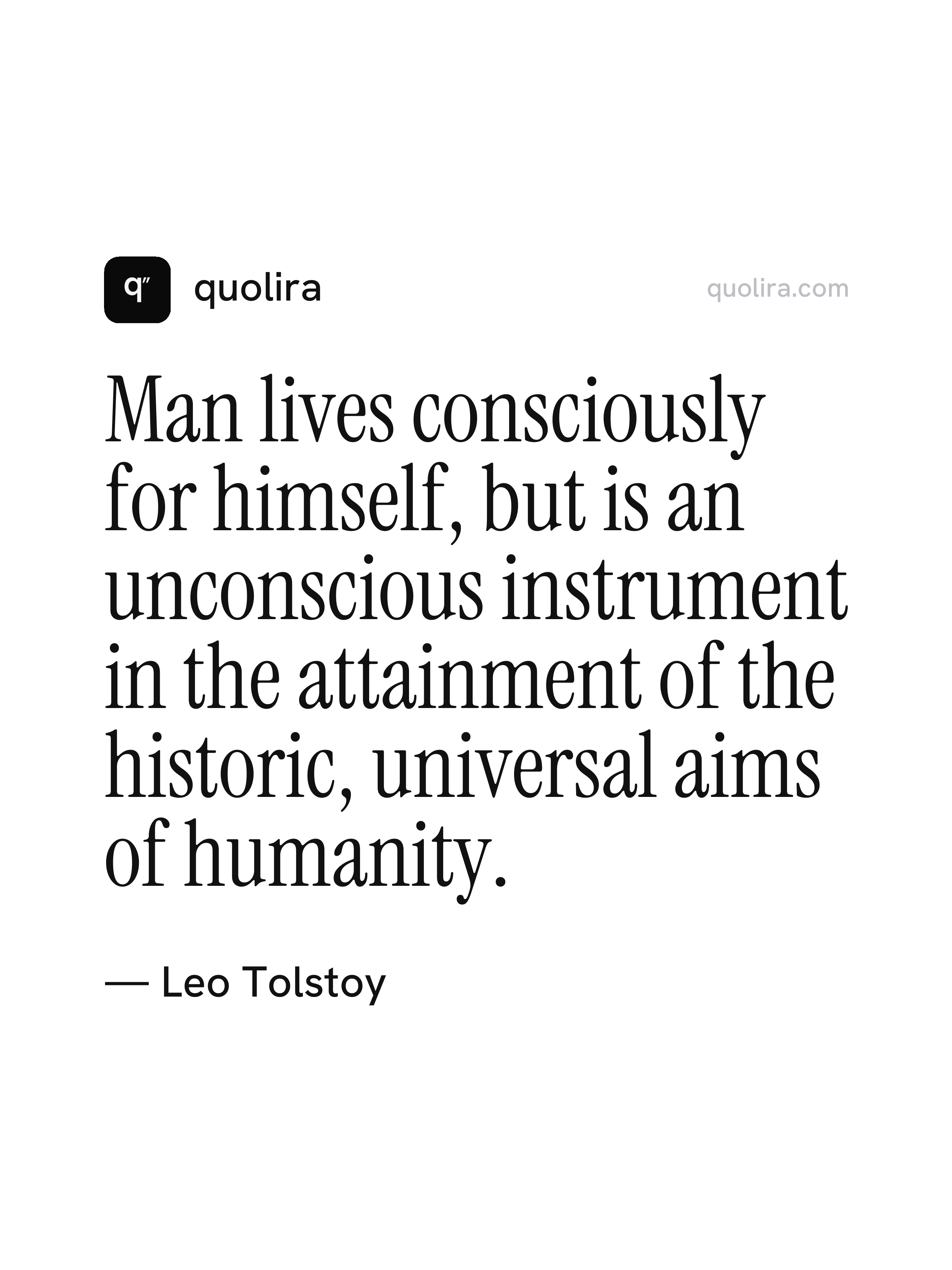
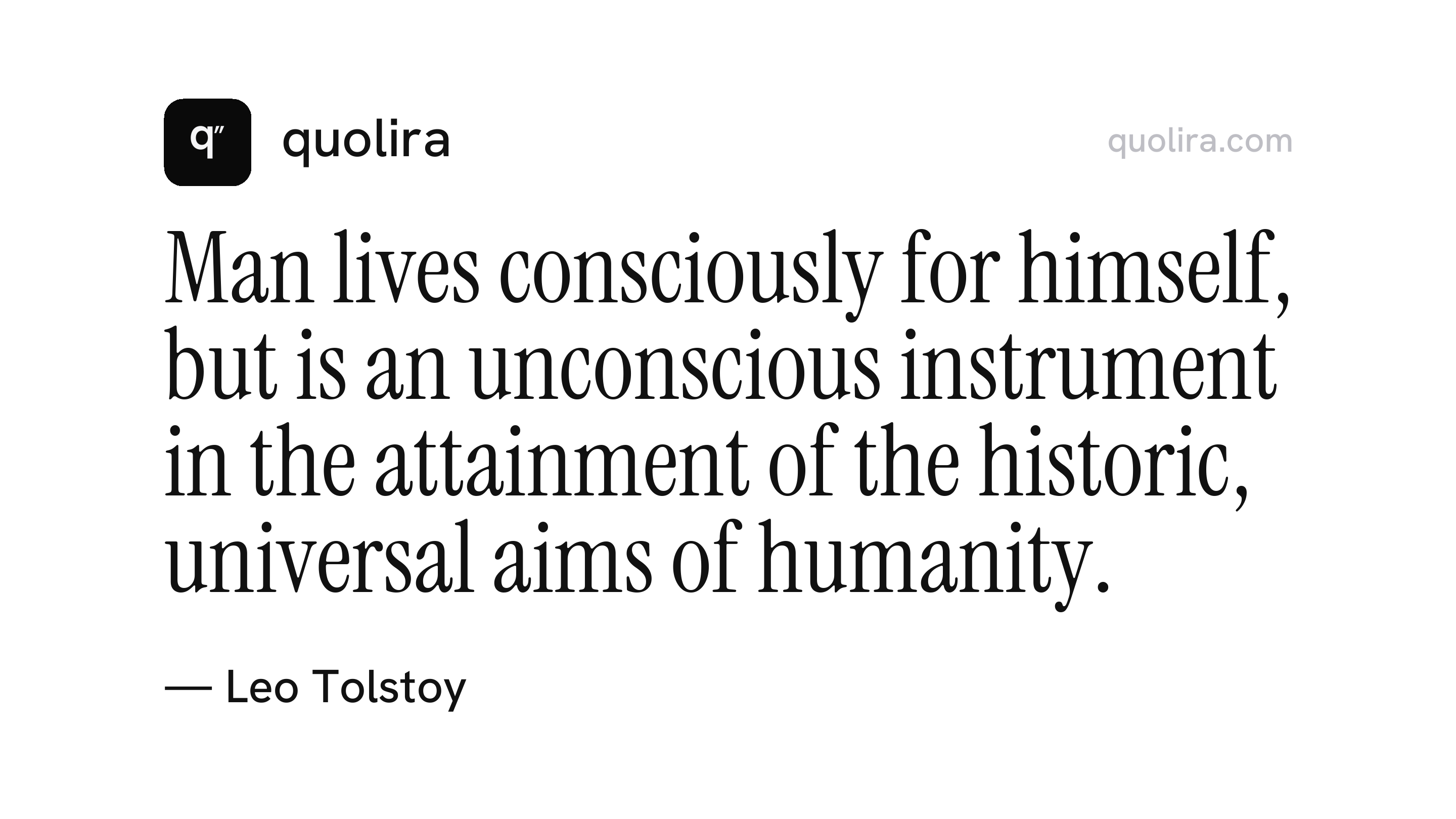
“Man lives consciously for himself, but is an unconscious instrument in the attainment of the historic, universal aims of humanity.”
Leo Tolstoy · War and Peace, 1869