“Doubt is not a pleasant condition, but certainty is an absurd one.”
Voltaire · Letter to Frederick the Great, 1767
 quolira
.com
quolira
quolira.com
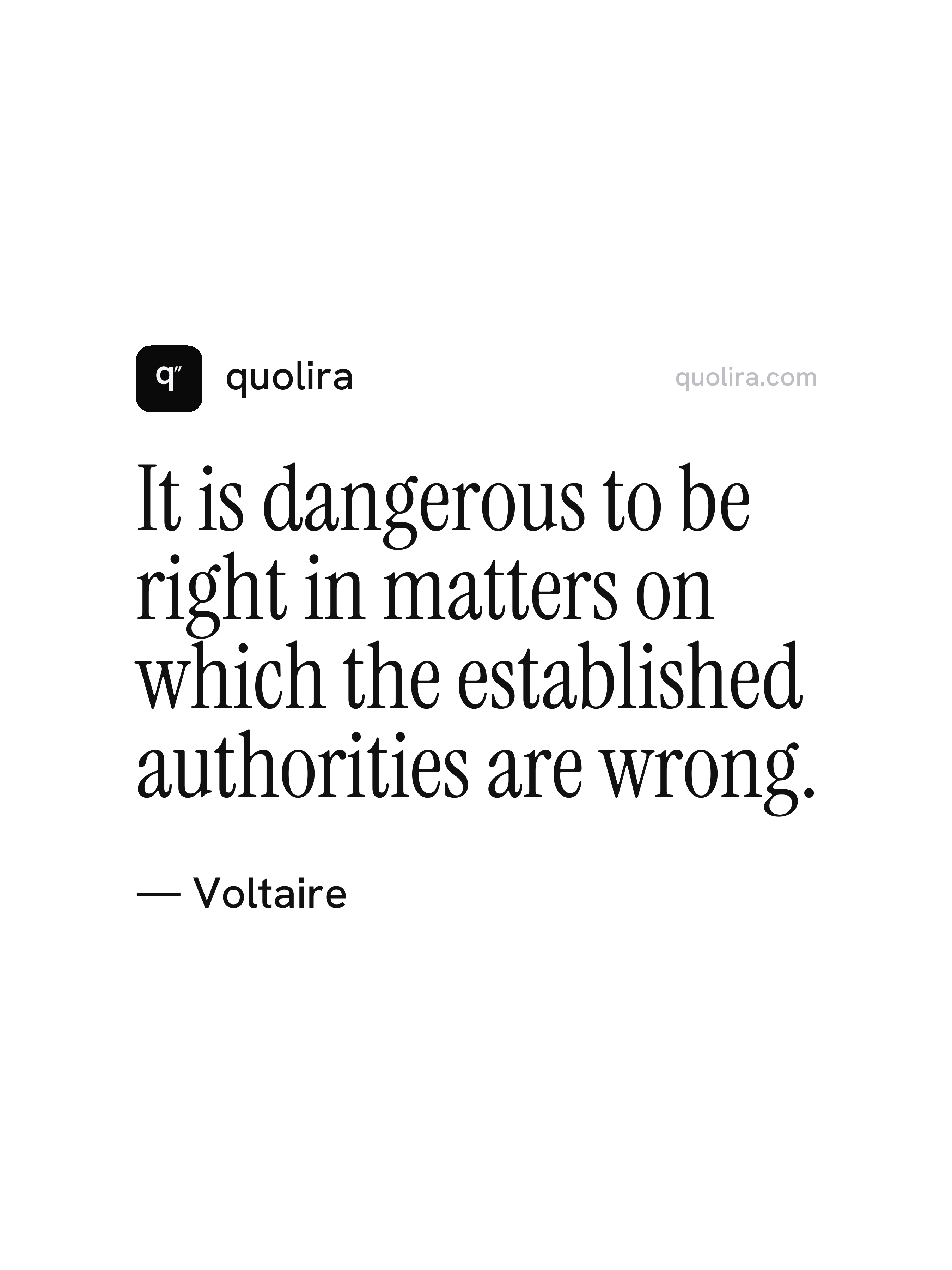
The warning here is both practical and political. Being correct is no protection when those in power have committed themselves to a different position. In fact, the closer your argument is to the truth they wish to suppress, the more threatening you become to them. Voltaire is not counseling silence: he is naming a real and recurring danger that individuals face when intellectual honesty puts them at odds with institutional authority.
This line is drawn from Voltaire's historical work on the reign of Louis XIV, published in 1752. Writing history was itself a form of commentary for Voltaire, and the age of Louis XIV offered ample material for reflecting on power, orthodoxy, and the fate of those who challenged them. Voltaire had personal experience with this dynamic: he was imprisoned and later exiled for writing that offended powerful figures, giving his observations on the risks of independent thought the weight of lived experience.
Voltaire was the pen name of Francois-Marie Arouet, born in 1694 in Paris. He became one of the most prominent and controversial writers of the French Enlightenment, celebrated for his defense of civil liberties and his attacks on religious and political dogma. His life included periods of imprisonment in the Bastille and extended exile, experiences that sharpened his understanding of how power responds to dissent. He died in 1778, widely regarded as one of the great champions of free thought in Western history.
“Doubt is not a pleasant condition, but certainty is an absurd one.”
Voltaire · Letter to Frederick the Great, 1767
“Judge a man by his questions rather than by his answers.”
Voltaire
“We must cultivate our garden.”
Voltaire · Candide, 1759
“Freethinkers are those who are willing to use their minds without prejudice and without fearing to understand things that clash with their own customs, privileges, or beliefs.”
Leo Tolstoy
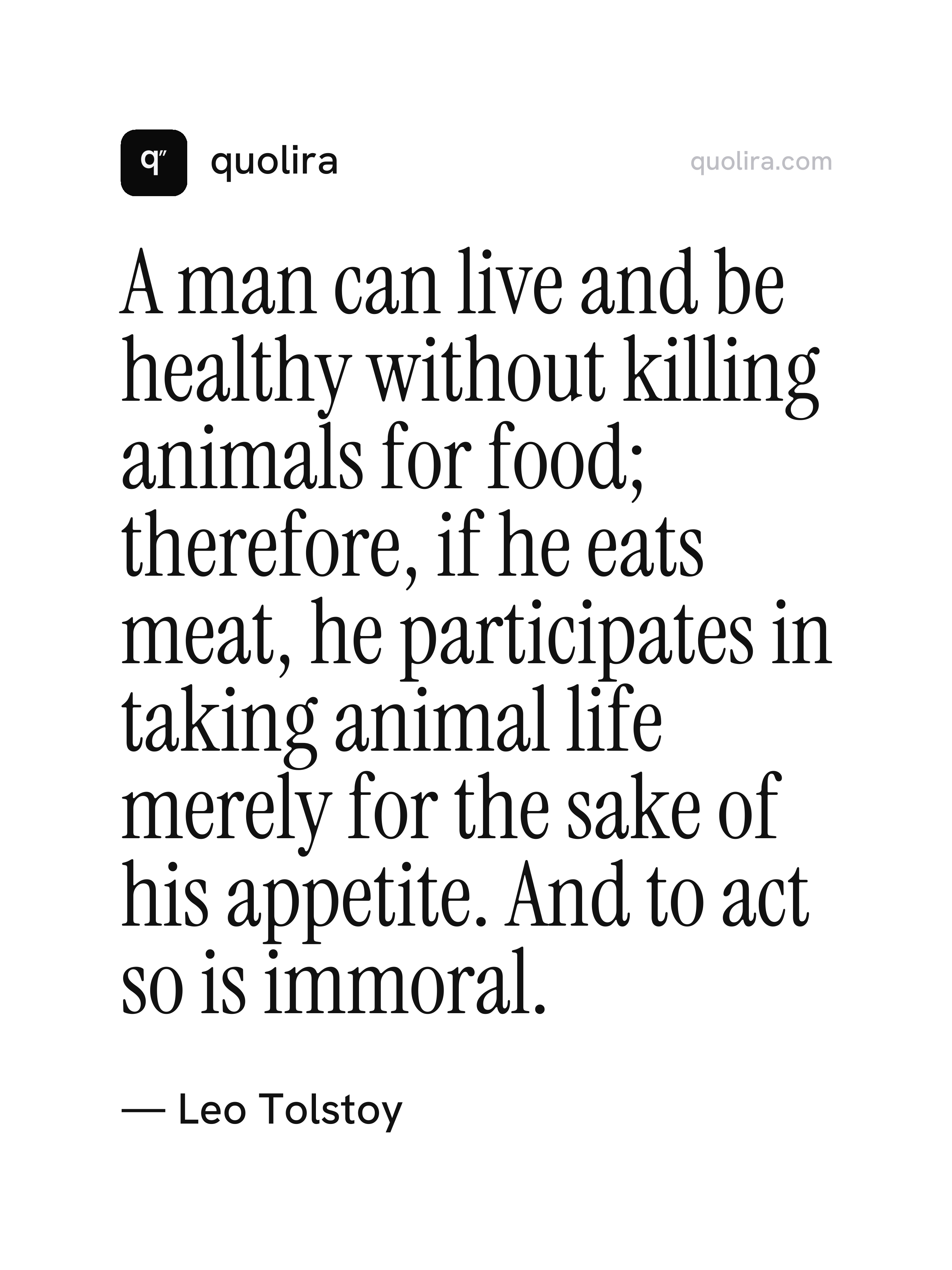
“A man can live and be healthy without killing animals for food; therefore, if he eats meat, he participates in taking animal life merely for the sake of his appetite. And to act so is immoral.”
Leo Tolstoy · The First Step, 1892
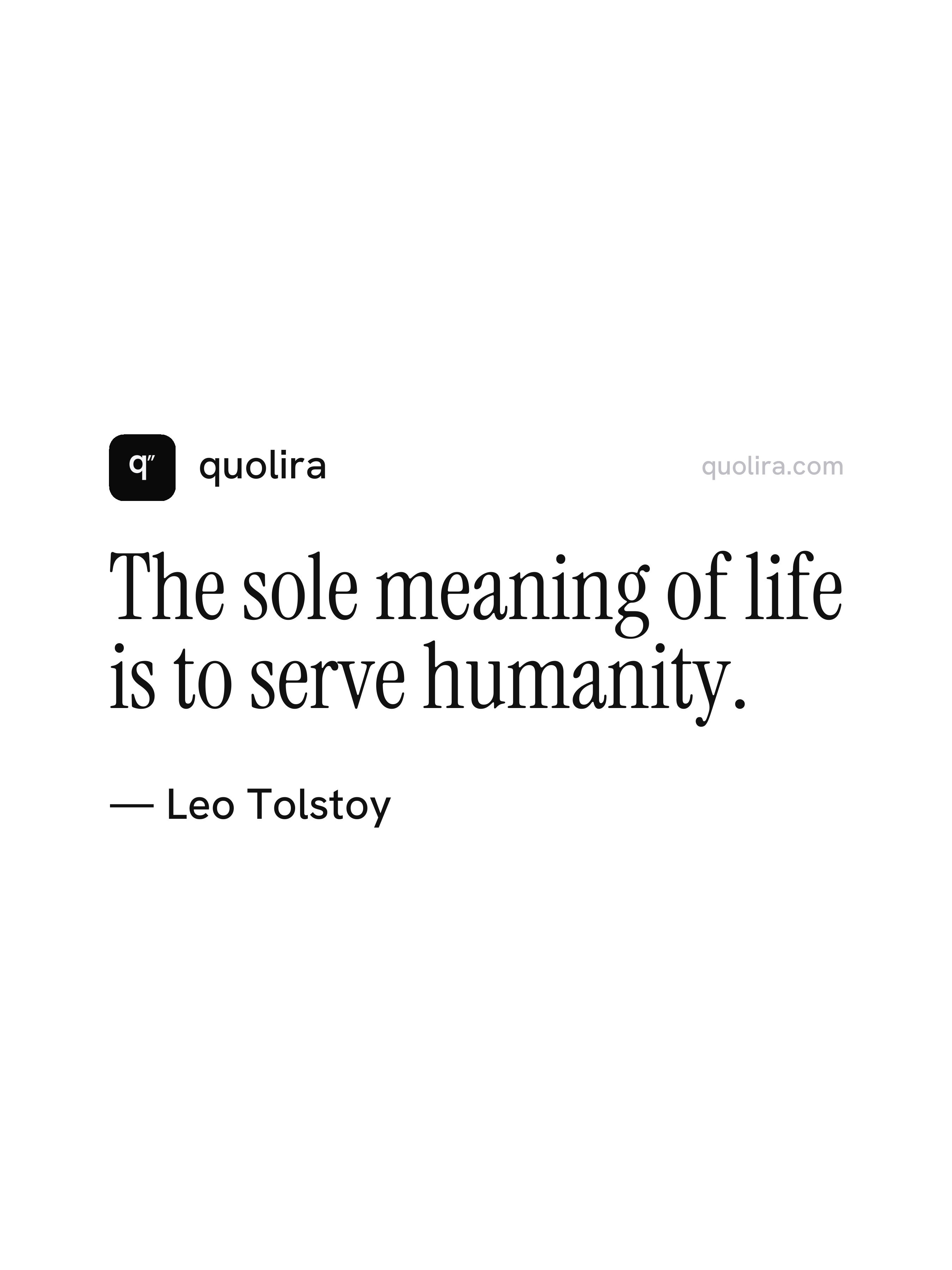
“The sole meaning of life is to serve humanity.”
Leo Tolstoy · A Confession, 1882
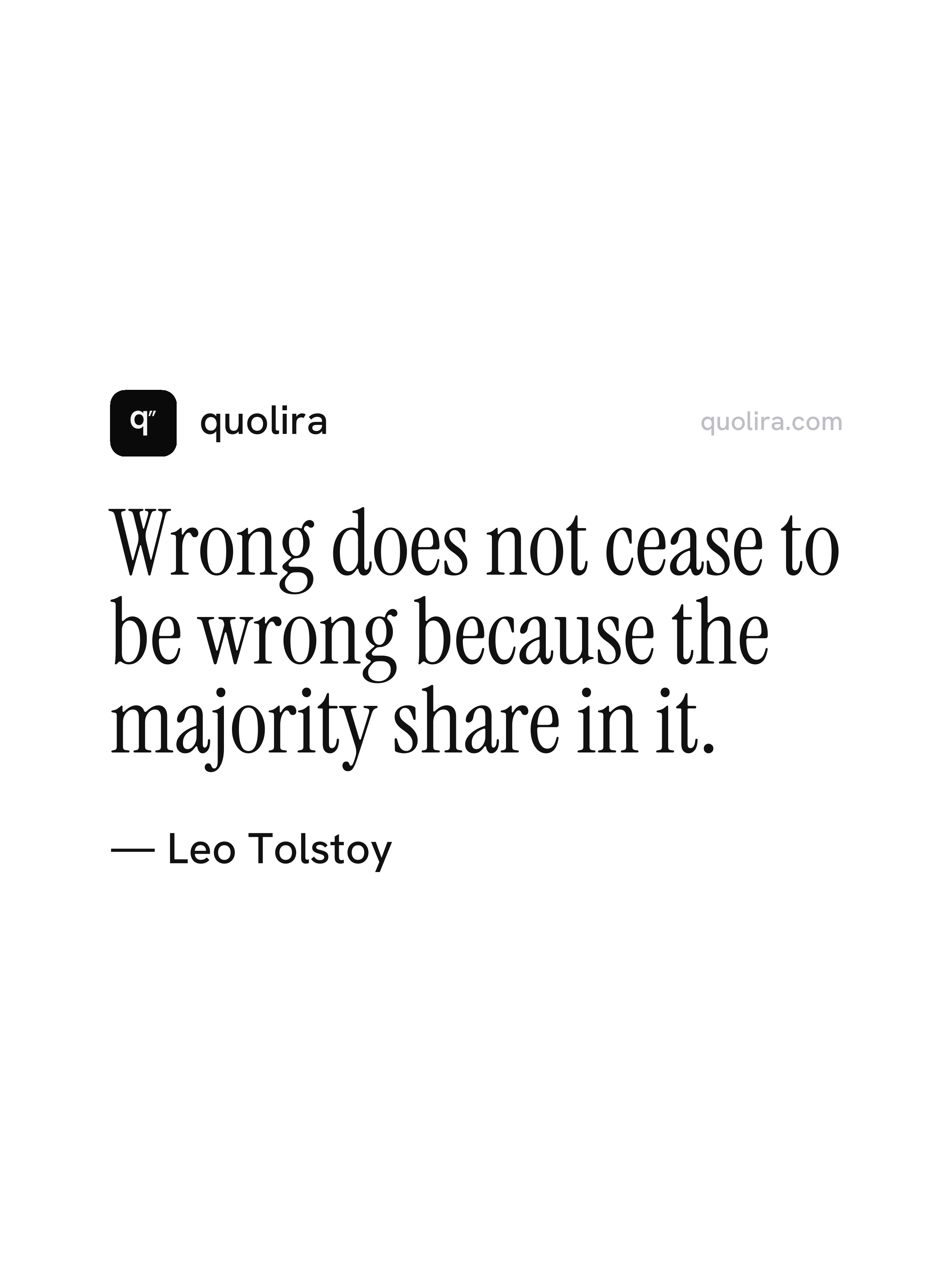
“Wrong does not cease to be wrong because the majority share in it.”
Leo Tolstoy · A Calendar of Wisdom, 1908
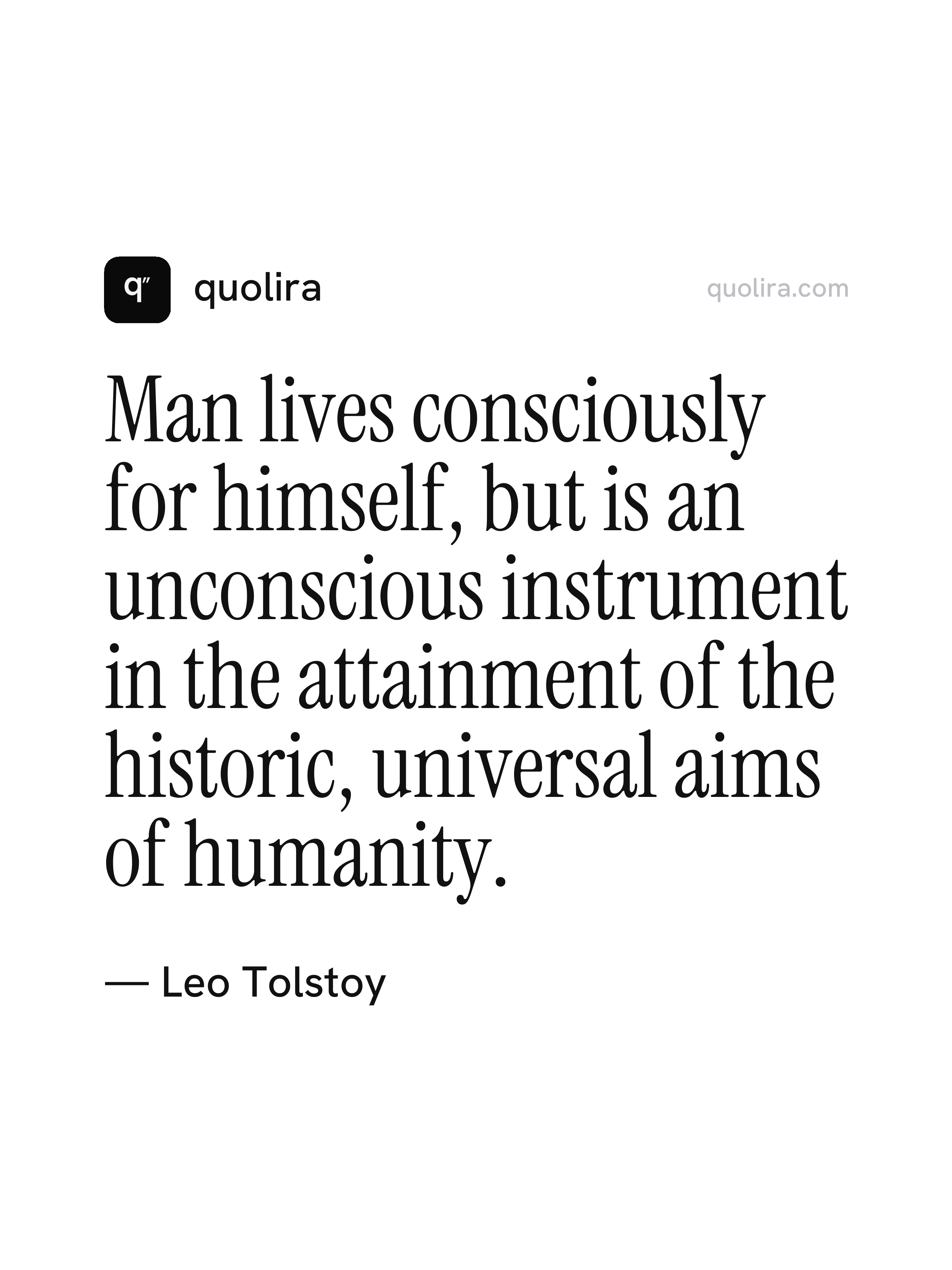
“Man lives consciously for himself, but is an unconscious instrument in the attainment of the historic, universal aims of humanity.”
Leo Tolstoy · War and Peace, 1869
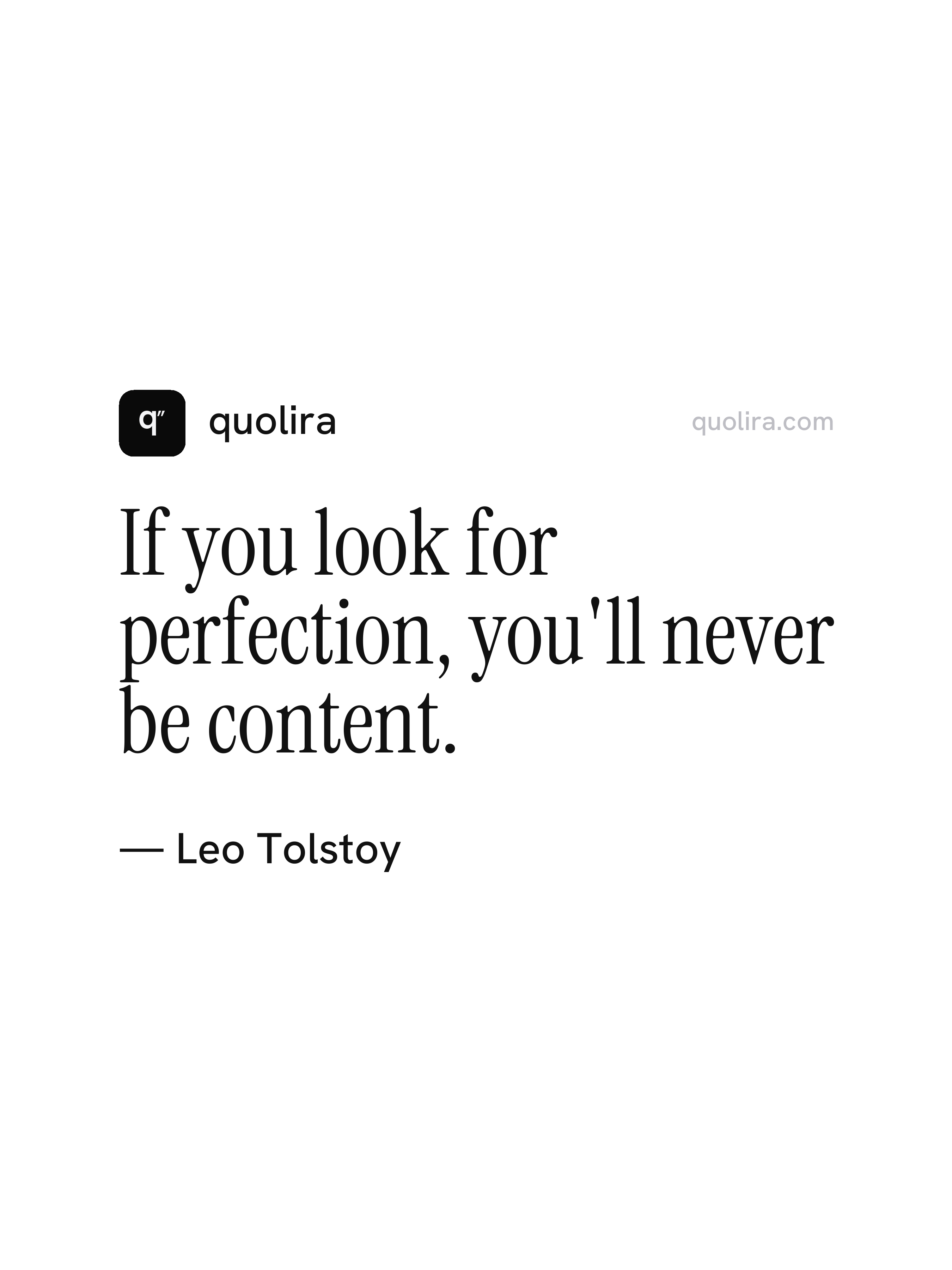
“If you look for perfection, you'll never be content.”
Leo Tolstoy · Anna Karenina, 1878
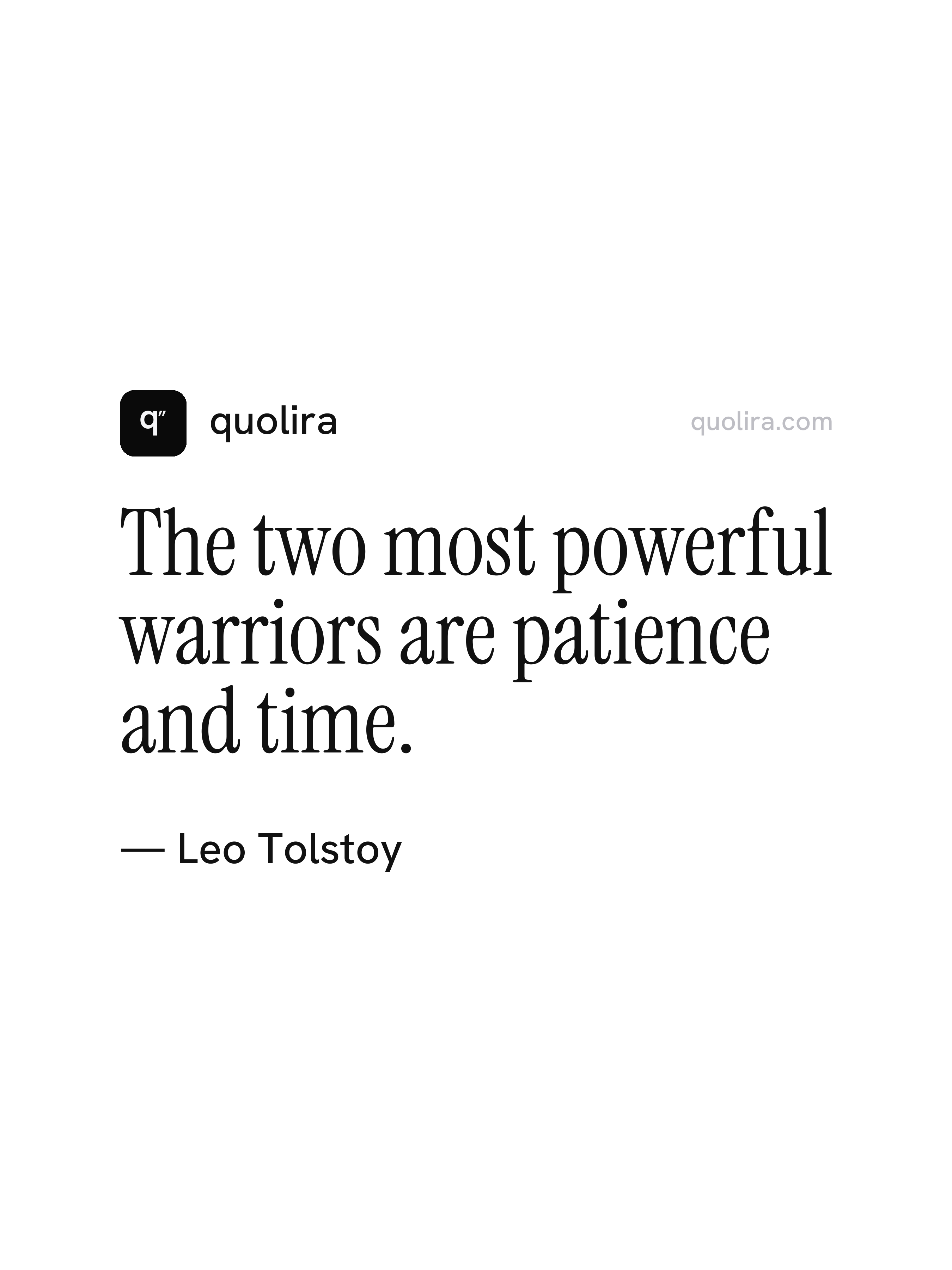
“The two most powerful warriors are patience and time.”
Leo Tolstoy · War and Peace, 1869
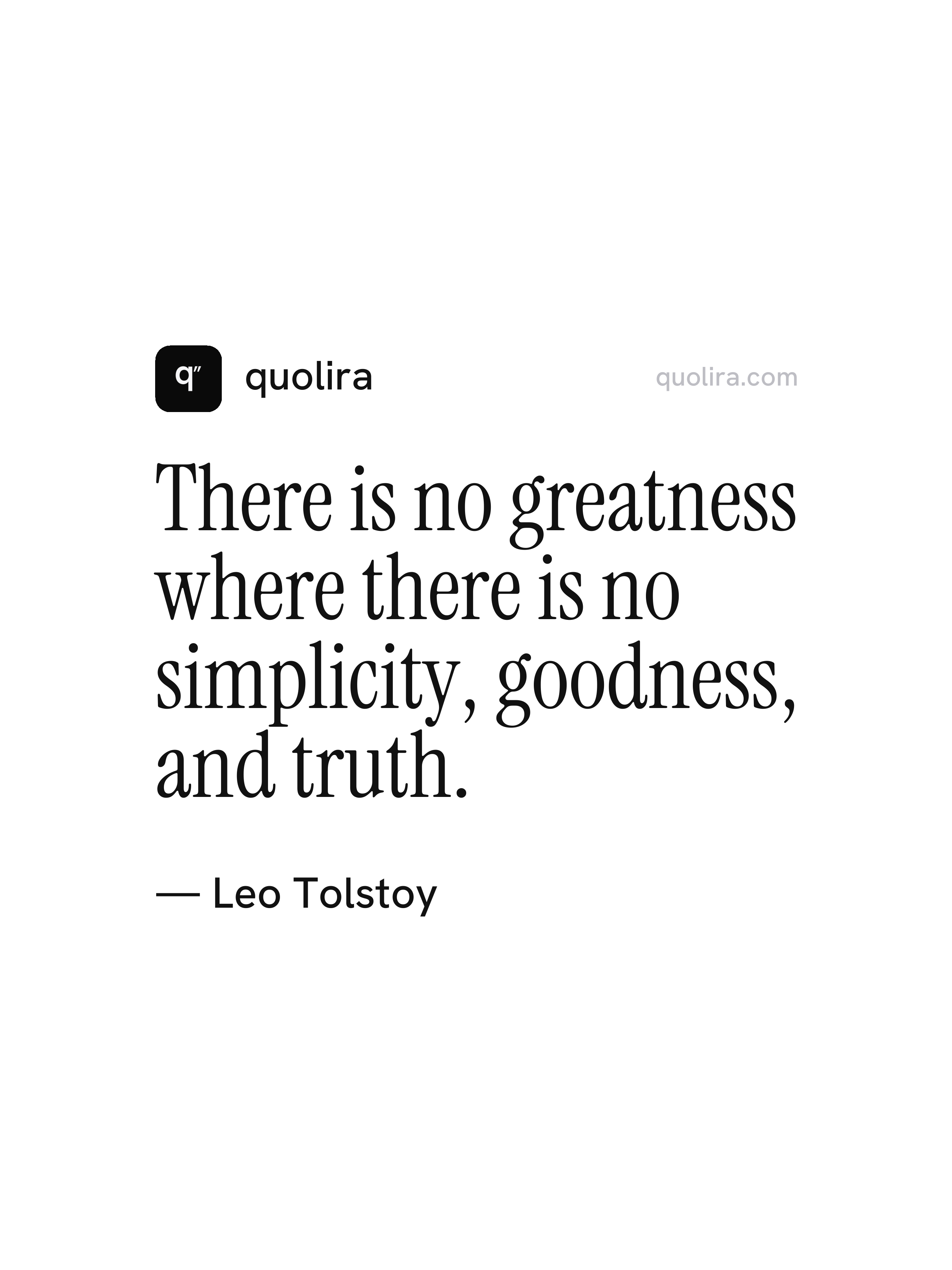
“There is no greatness where there is no simplicity, goodness, and truth.”
Leo Tolstoy · War and Peace, 1869
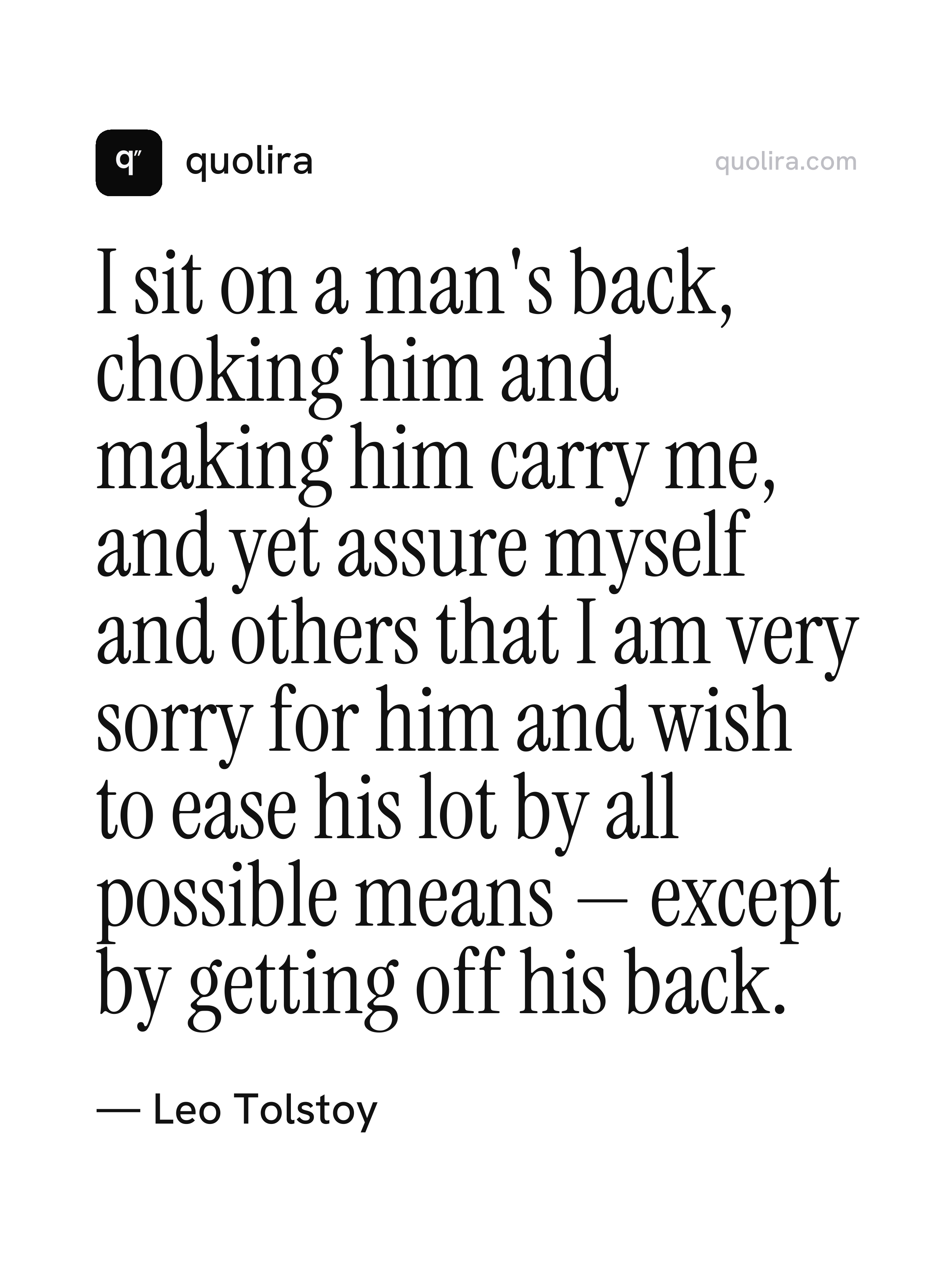
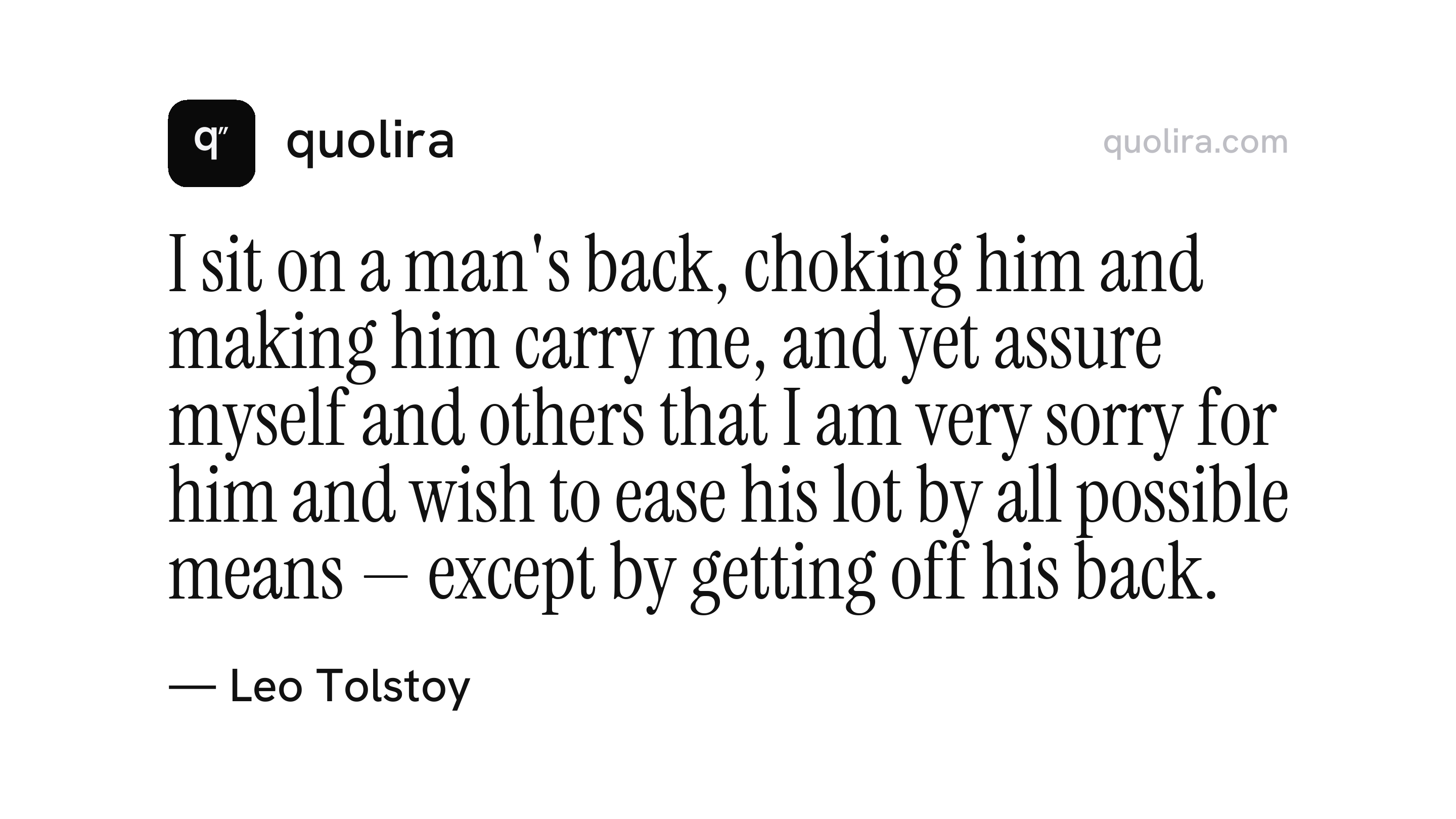
“I sit on a man's back, choking him and making him carry me, and yet assure myself and others that I am very sorry for him and wish to ease his lot by all possible means — except by getting off his back.”
Leo Tolstoy · What Then Must We Do?, 1886