“The secret of being a bore is to tell everything.”
Voltaire · Sept Discours en Vers sur l'Homme, 1738
 quolira
.com
quolira
quolira.com
Voltaire draws a careful distinction here between two kinds of disadvantage. Being unequal to others in wealth, status, or talent is a fact of life that people can endure, work around, or strive to change. Dependence is different: it strips a person of agency and makes their dignity contingent on the will of another. The line argues that the real wound is not having less but being unable to act freely, because it is dependence that truly diminishes a person.
This observation fits within the broader Enlightenment conversation about liberty, which Voltaire engaged with throughout his career. Thinkers of his era were increasingly distinguishing between poverty as a material condition and servitude as a political and psychological one. Voltaire himself had experienced forms of enforced dependence, including imprisonment and exile imposed by powerful authorities, and those experiences sharpened his understanding of what it felt like to have one's freedom constrained by the will of another person or institution.
Voltaire was a French Enlightenment writer and philosopher born in 1694 in Paris. Over a career lasting more than six decades he produced an enormous body of work across nearly every literary and intellectual form of his time. He was a committed advocate for civil liberty and personal freedom, and his writing consistently returned to the relationship between power, authority, and the individual. His satirical fiction, his historical works, and his personal campaigns on behalf of persecuted individuals all reflect the same core conviction that human beings deserve to live without arbitrary domination. He died in 1778.
“The secret of being a bore is to tell everything.”
Voltaire · Sept Discours en Vers sur l'Homme, 1738
“Every man is guilty of all the good he did not do.”
Voltaire
“The art of medicine consists of amusing the patient while nature cures the disease.”
Voltaire
“Common sense is not so common.”
Voltaire · Philosophical Dictionary, 1764
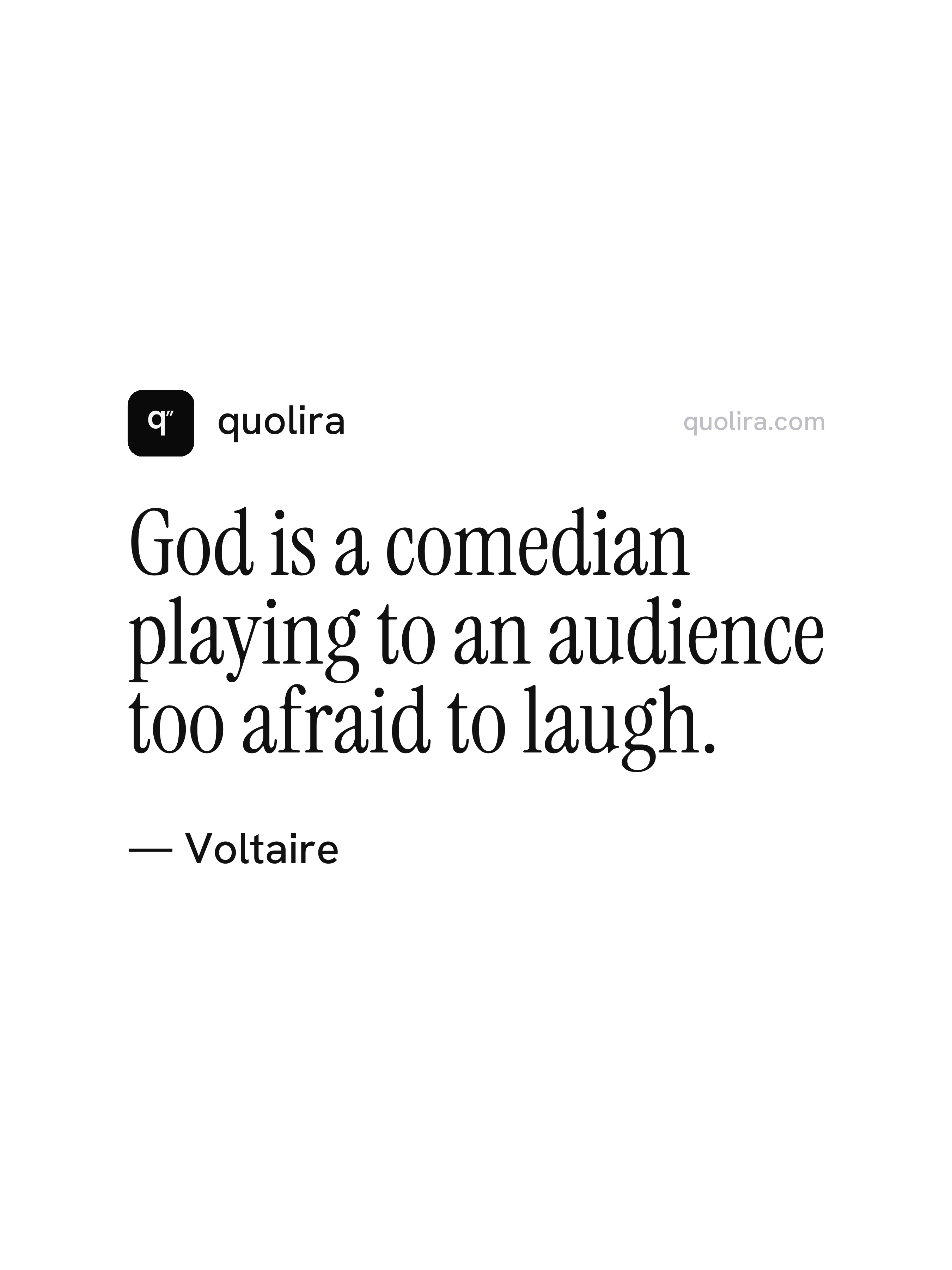
“God is a comedian playing to an audience too afraid to laugh.”
Voltaire
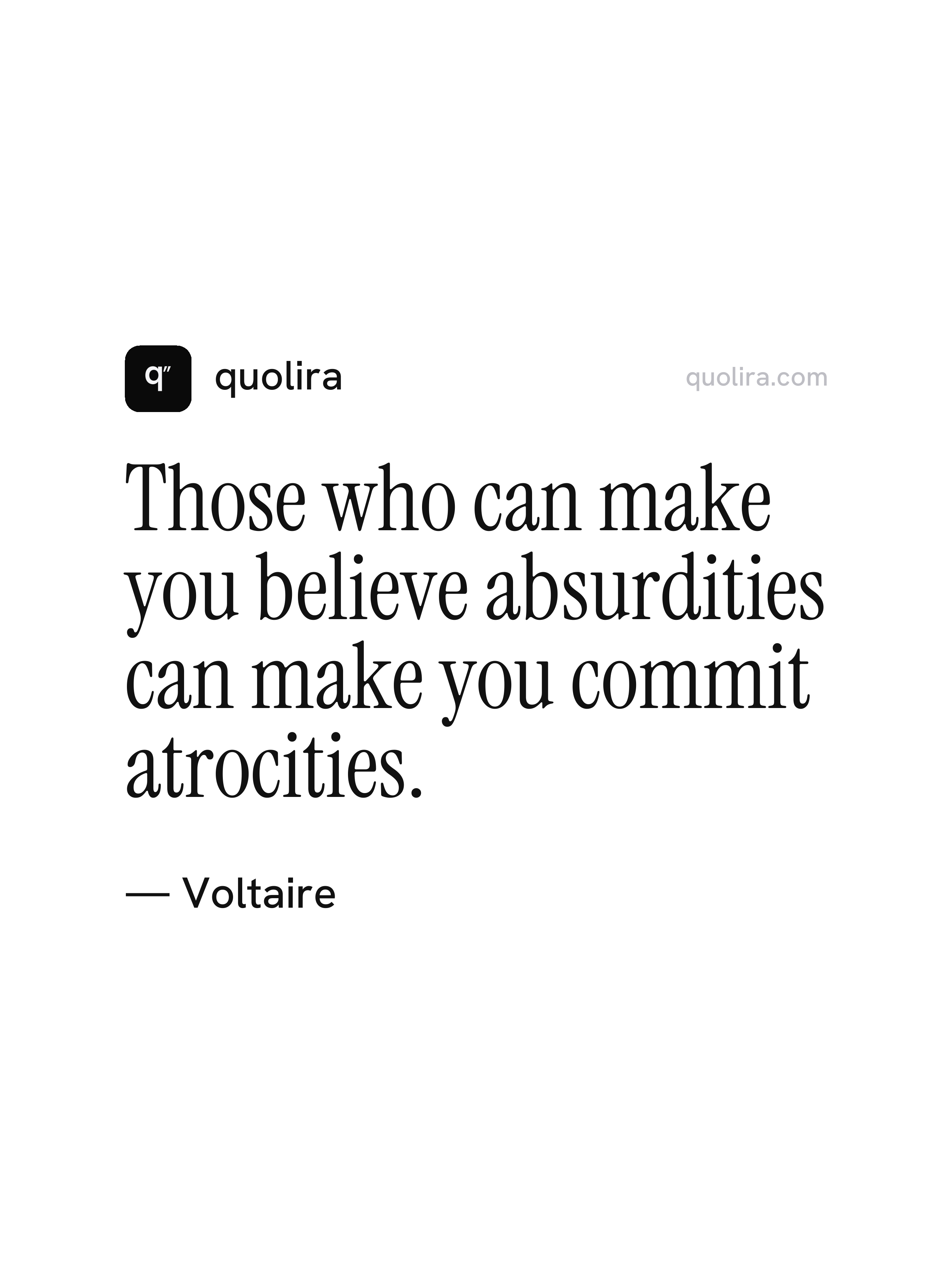
“Those who can make you believe absurdities can make you commit atrocities.”
Voltaire · Questions sur les miracles, 1765
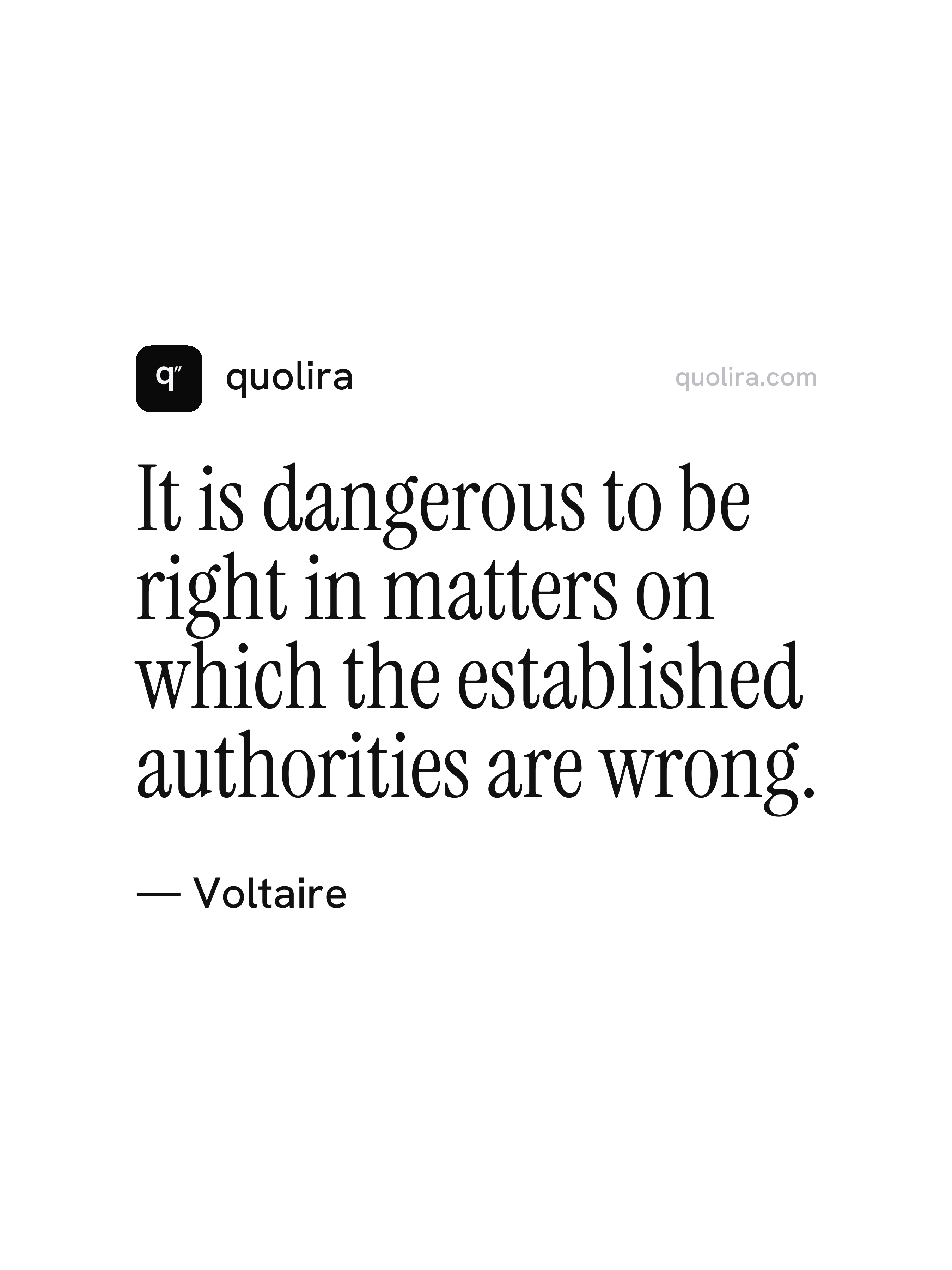
“It is dangerous to be right in matters on which the established authorities are wrong.”
Voltaire · The Age of Louis XIV, 1752
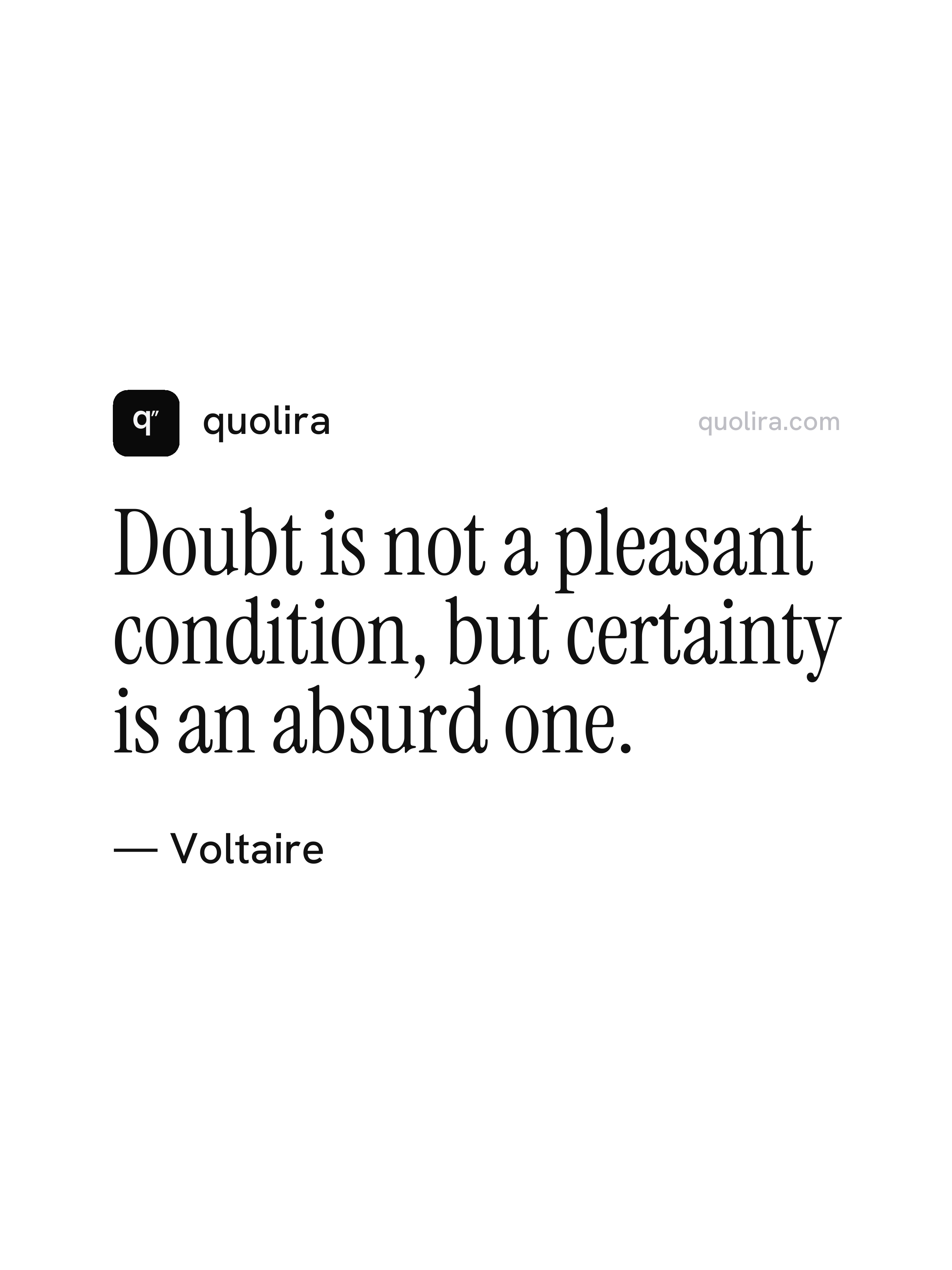
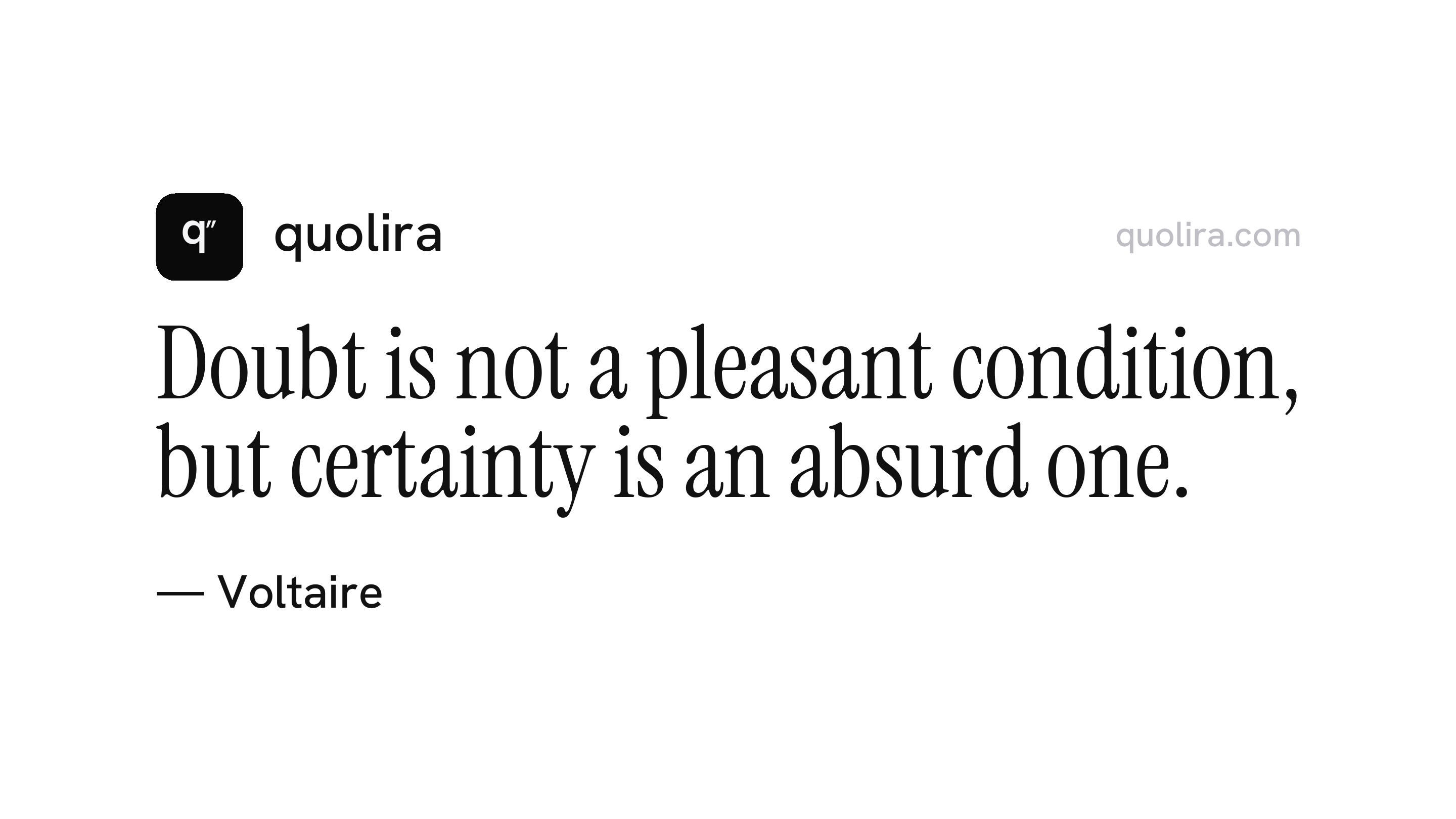
“Doubt is not a pleasant condition, but certainty is an absurd one.”
Voltaire · Letter to Frederick the Great, 1767
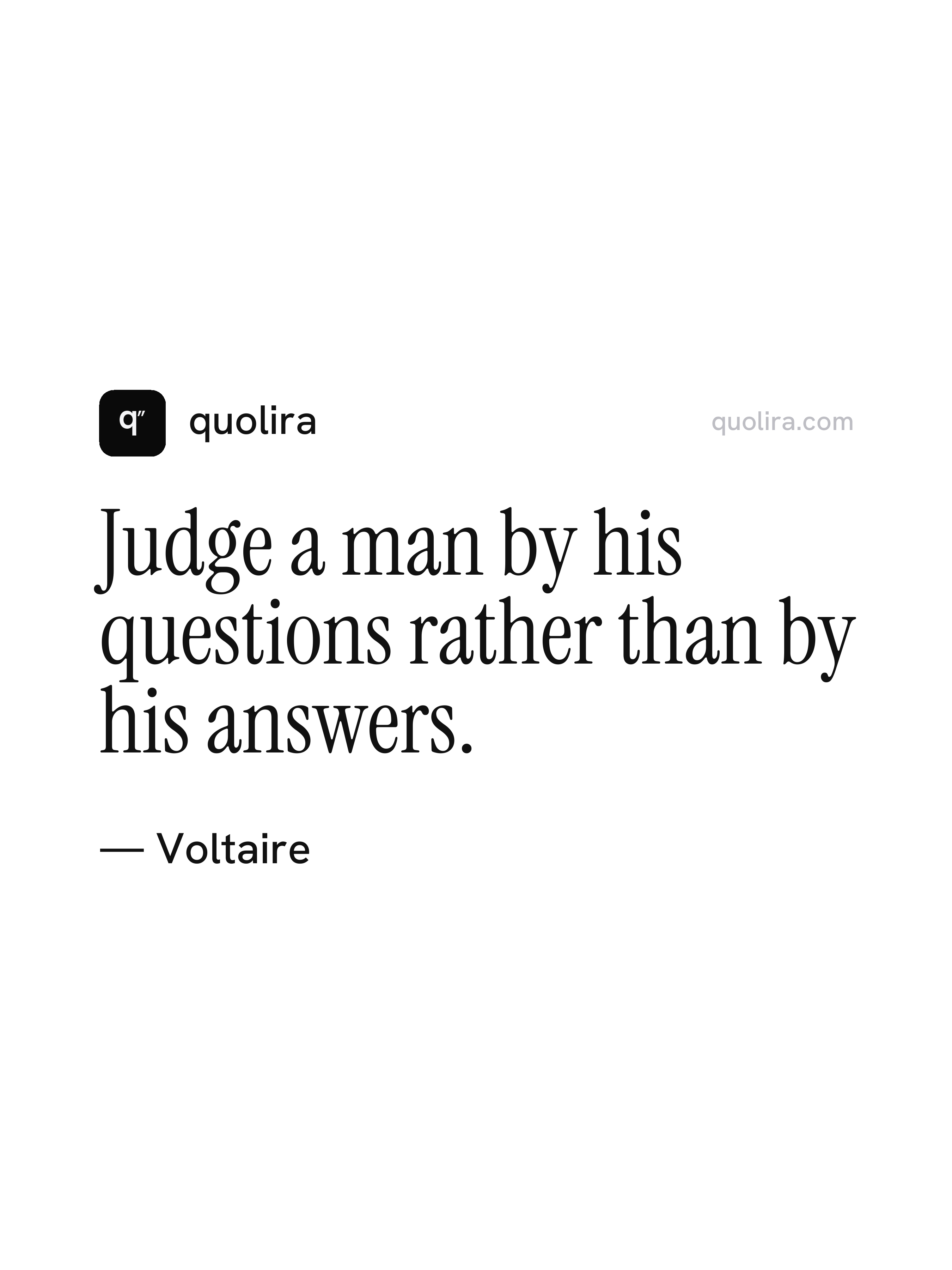
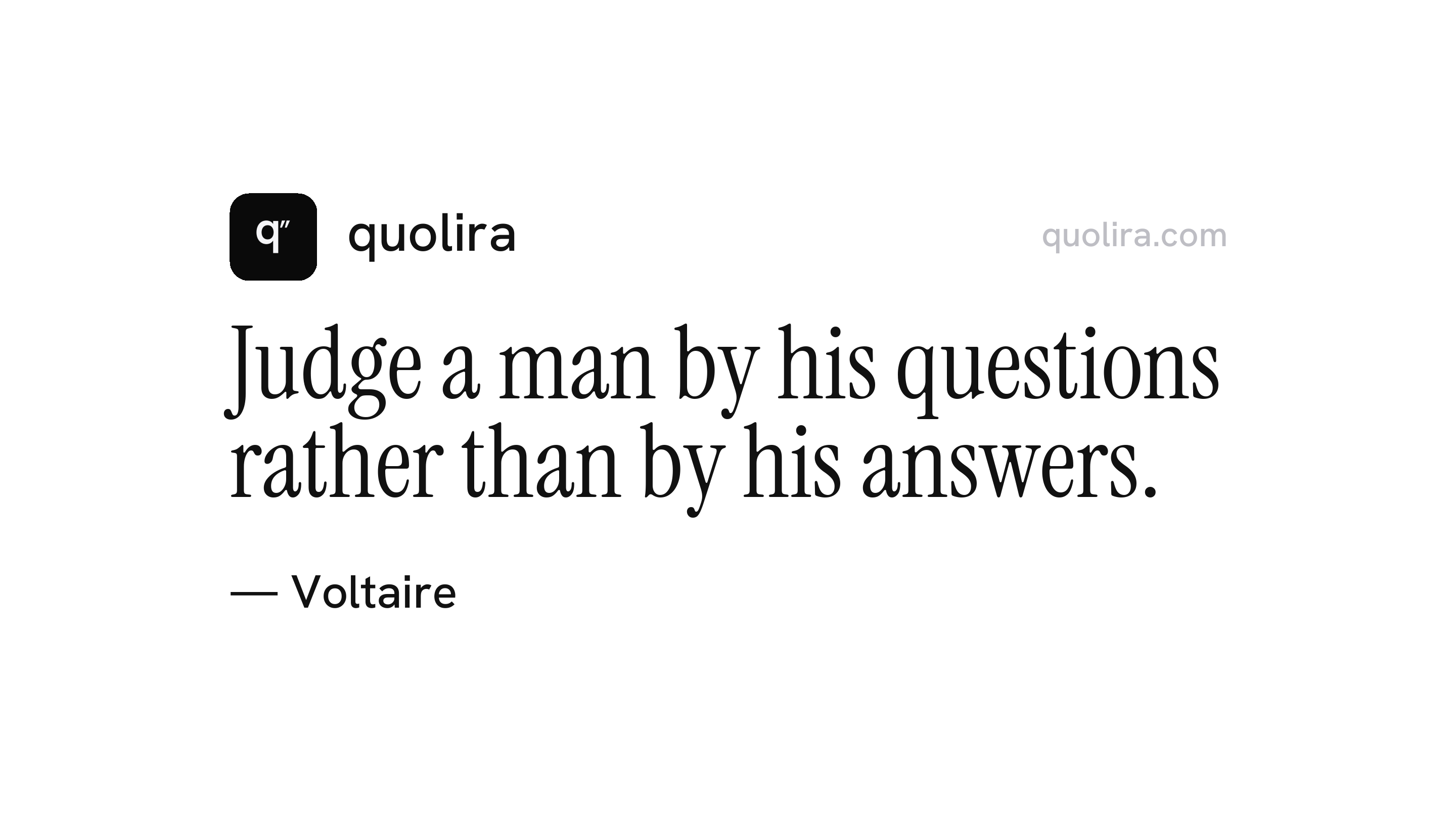
“Judge a man by his questions rather than by his answers.”
Voltaire
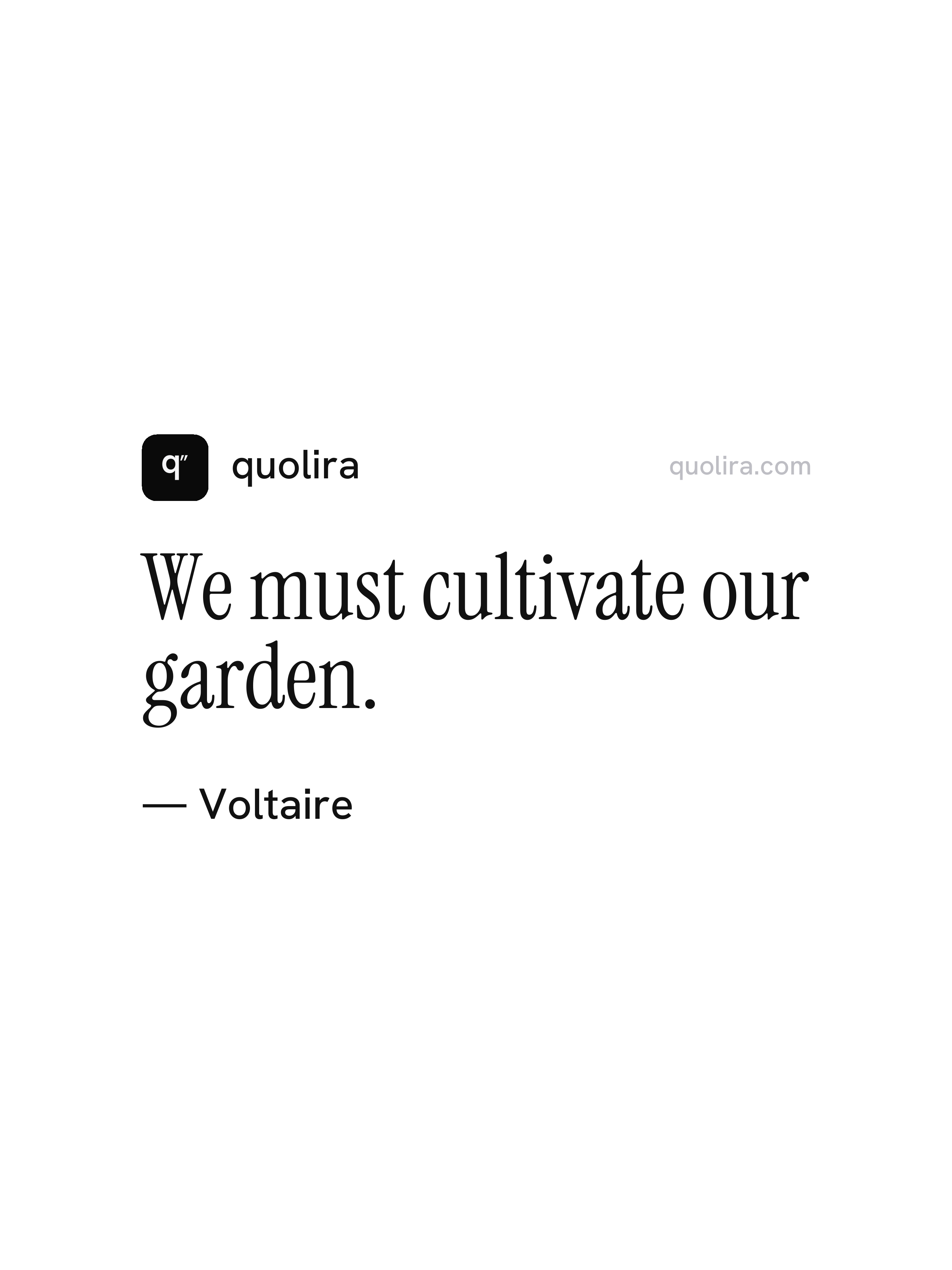
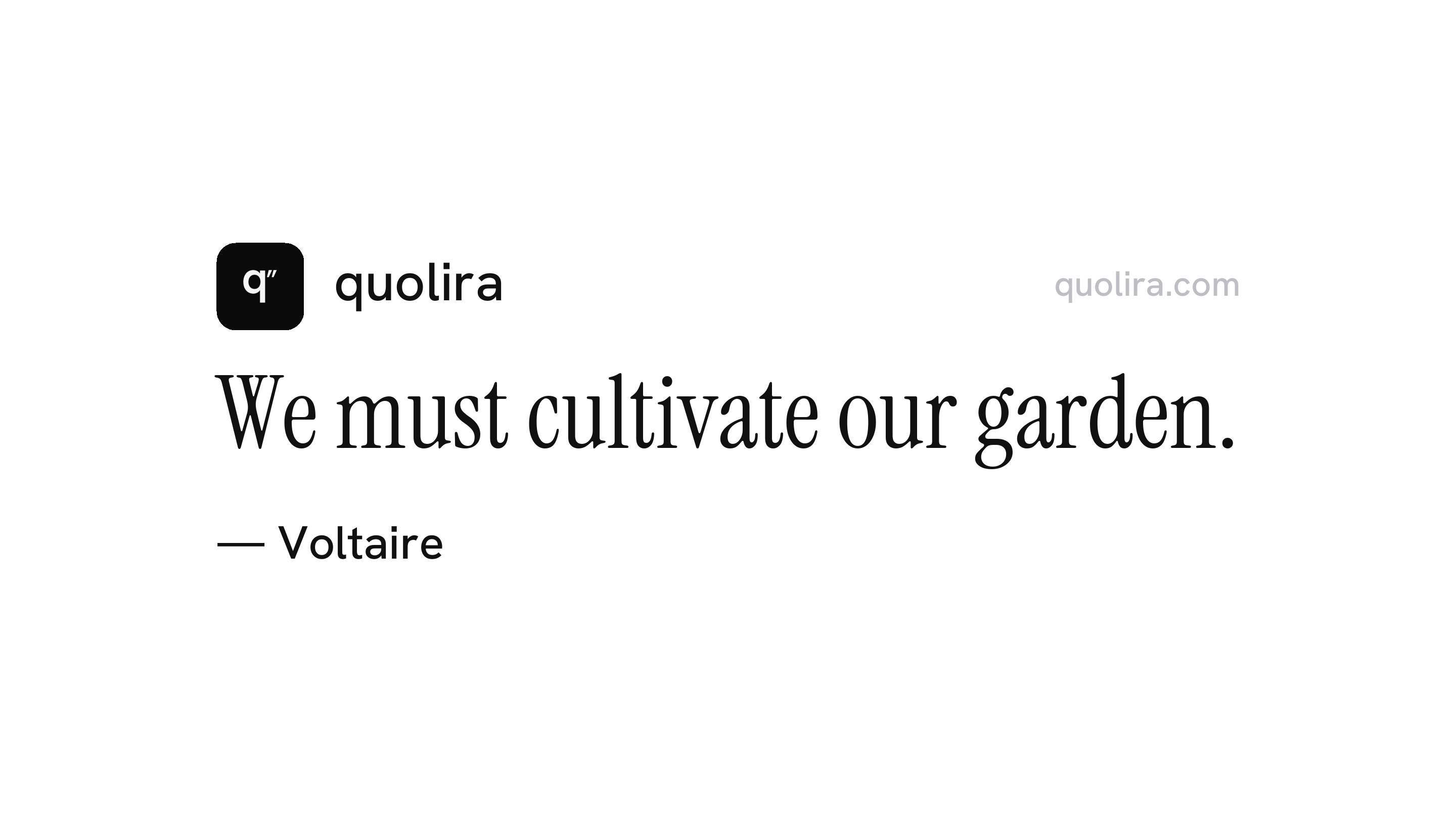
“We must cultivate our garden.”
Voltaire · Candide, 1759
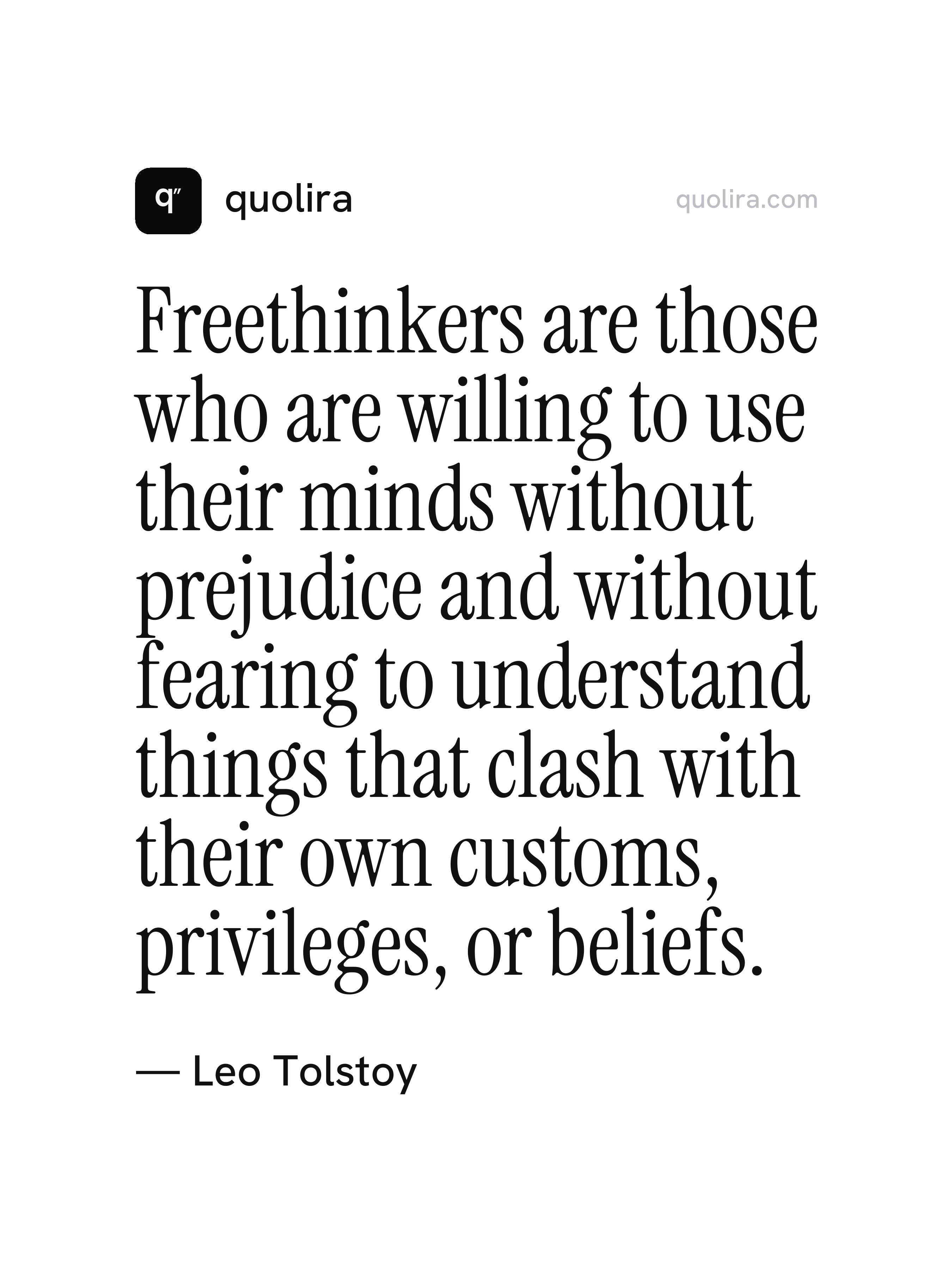
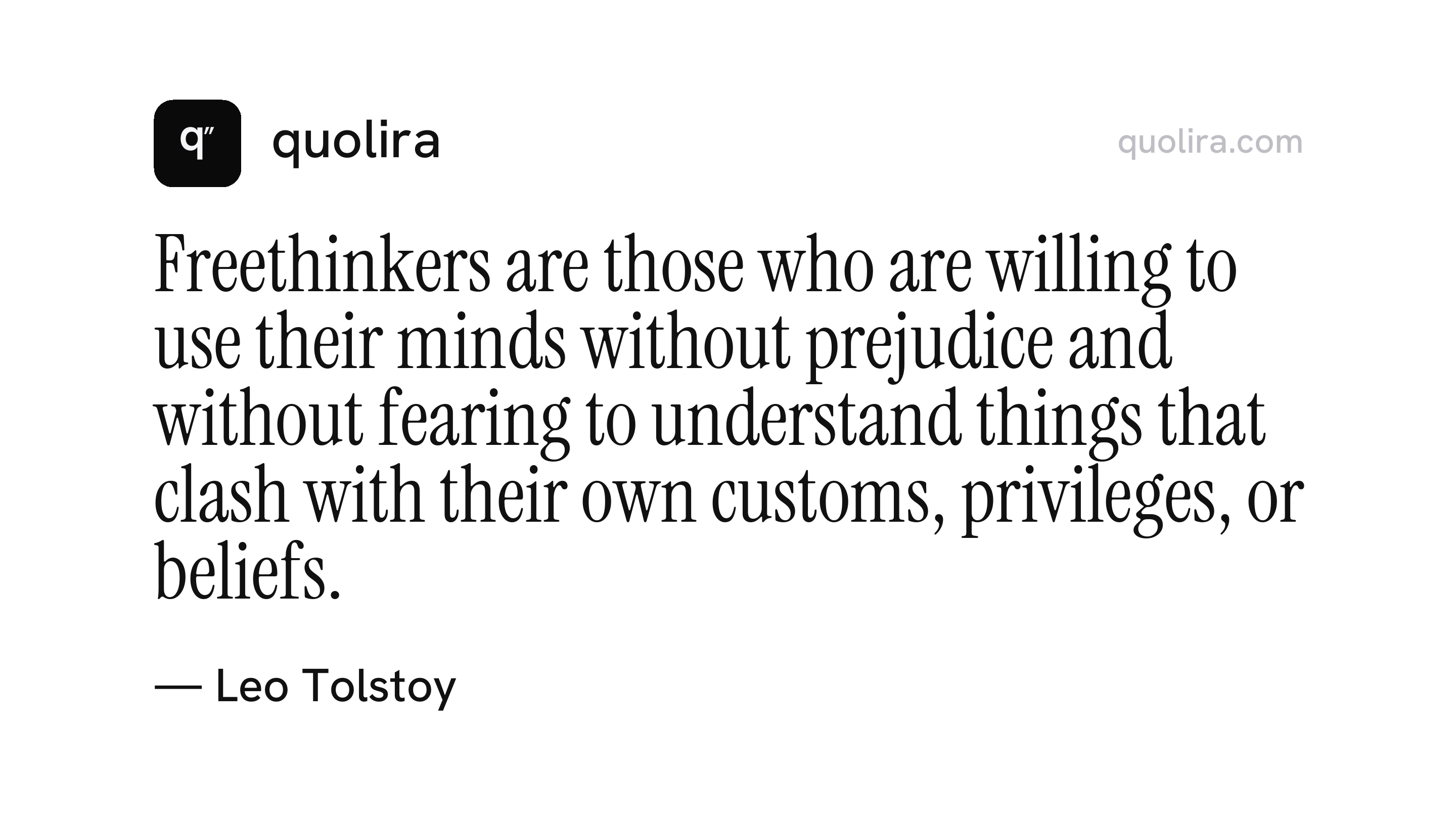
“Freethinkers are those who are willing to use their minds without prejudice and without fearing to understand things that clash with their own customs, privileges, or beliefs.”
Leo Tolstoy
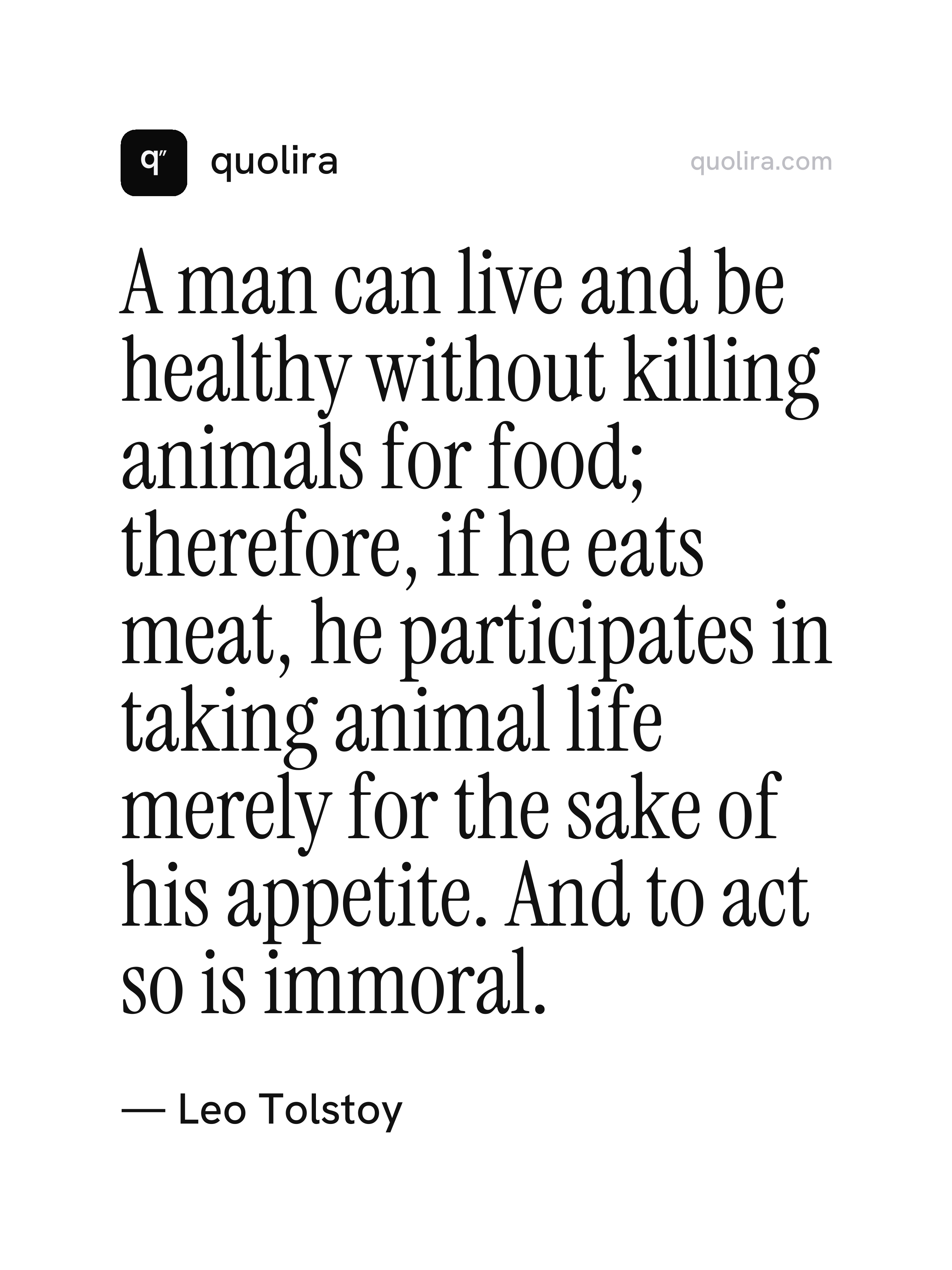
“A man can live and be healthy without killing animals for food; therefore, if he eats meat, he participates in taking animal life merely for the sake of his appetite. And to act so is immoral.”
Leo Tolstoy · The First Step, 1892