“The unlived life is always better because it never has to survive contact with living.”
Original
 quolira
.com
quolira
quolira.com
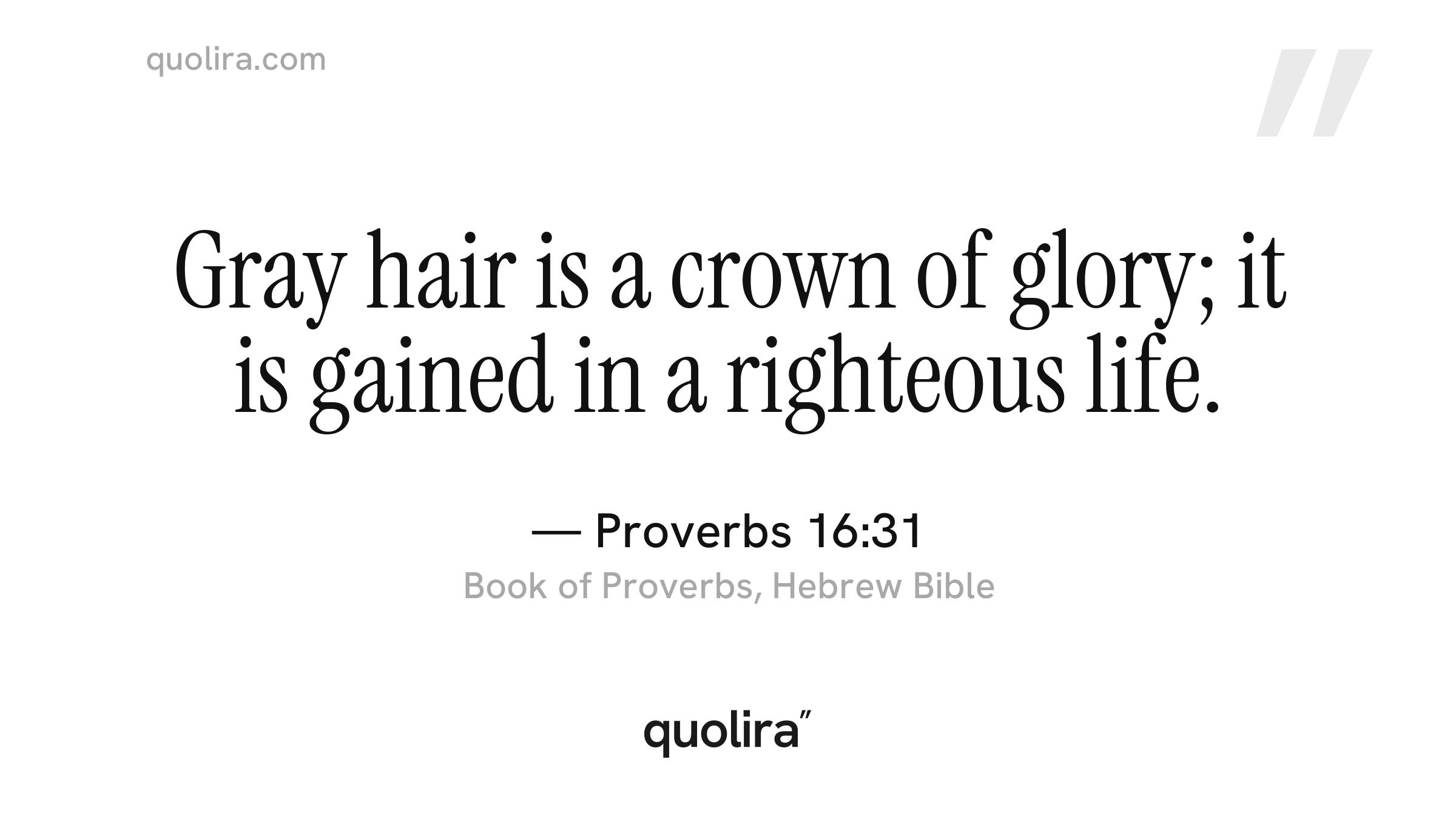
This verse reframes aging as an achievement rather than a loss. Gray hair, in this reading, is not simply a sign of time passing but a visible mark of a life lived with integrity and purpose. The implication is that longevity itself, when accompanied by righteous conduct, carries a kind of quiet dignity that younger people cannot yet claim.
The Book of Proverbs belongs to the wisdom literature of the Hebrew Bible, a tradition concerned with practical and moral guidance for daily life. The book gathers sayings that reflect the values of ancient Israelite society, where age and wisdom were closely linked. Respect for elders was a core social and religious principle, and this verse fits squarely within that framework. It speaks to a culture that saw a long life not as a biological accident but as something connected to how a person chose to live.
Proverbs is an anthology rather than the work of a single author, though tradition associates parts of it with King Solomon. Scholars understand it as a collection built up over centuries, drawing on earlier oral and written sources. It forms part of the broader category of wisdom texts in the Hebrew Bible, which also includes Ecclesiastes and Job. These books share a concern with understanding how to live well, and Proverbs in particular grounds its advice in the practical rhythms of everyday experience.
“The unlived life is always better because it never has to survive contact with living.”
Original
“Some things are worth more after they've been broken. The repair is the evidence that they were worth saving.”
Original
“The break is part of the object's story. Making it invisible doesn't heal it. It just makes you carry it alone.”
Original
“He is richest who is content with the least, for content is the wealth of nature.”
Socrates · Attributed in Diogenes Laertius, Lives of the Eminent Philosophers
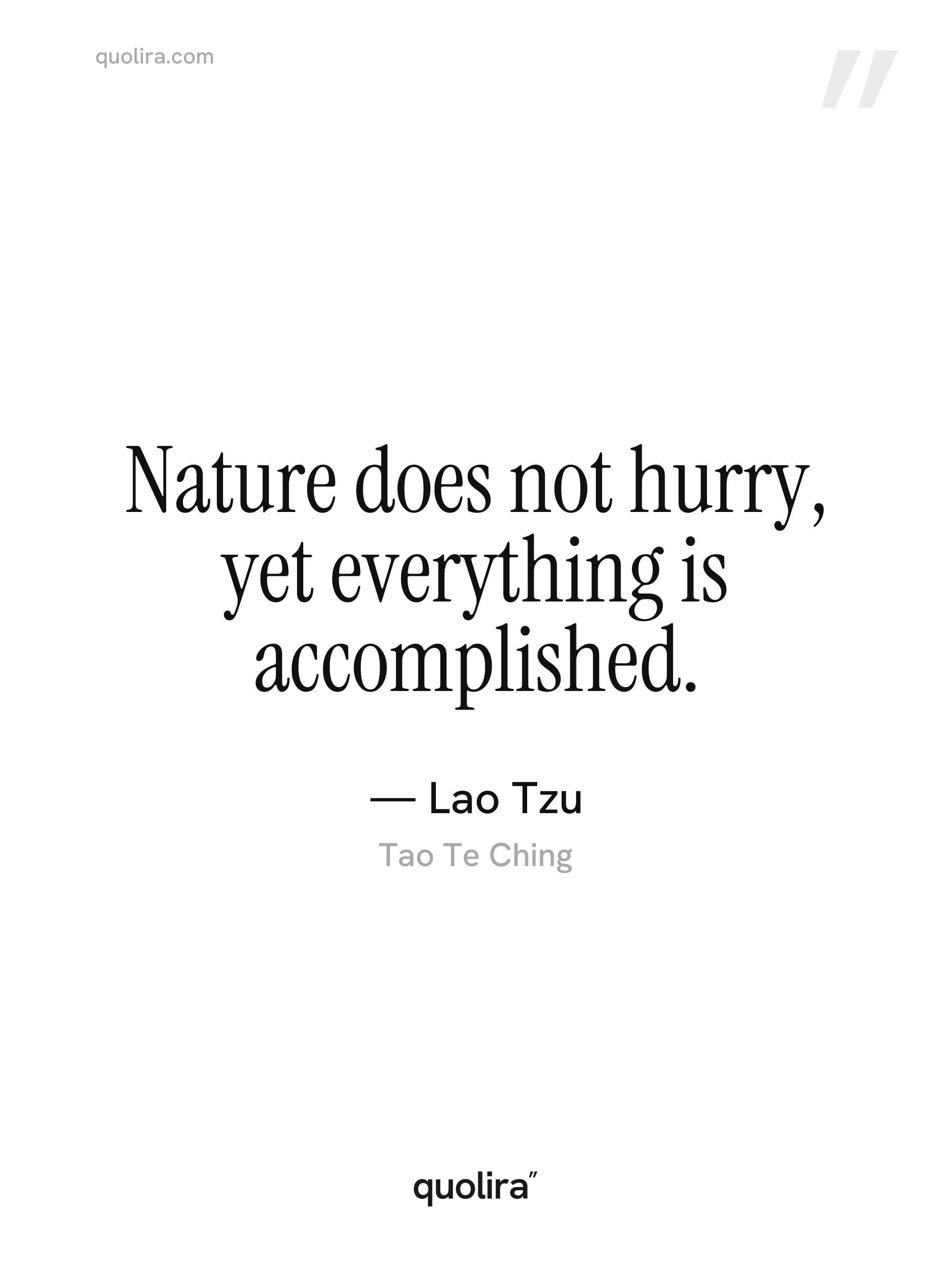
“Nature does not hurry, yet everything is accomplished.”
Lao Tzu · Tao Te Ching
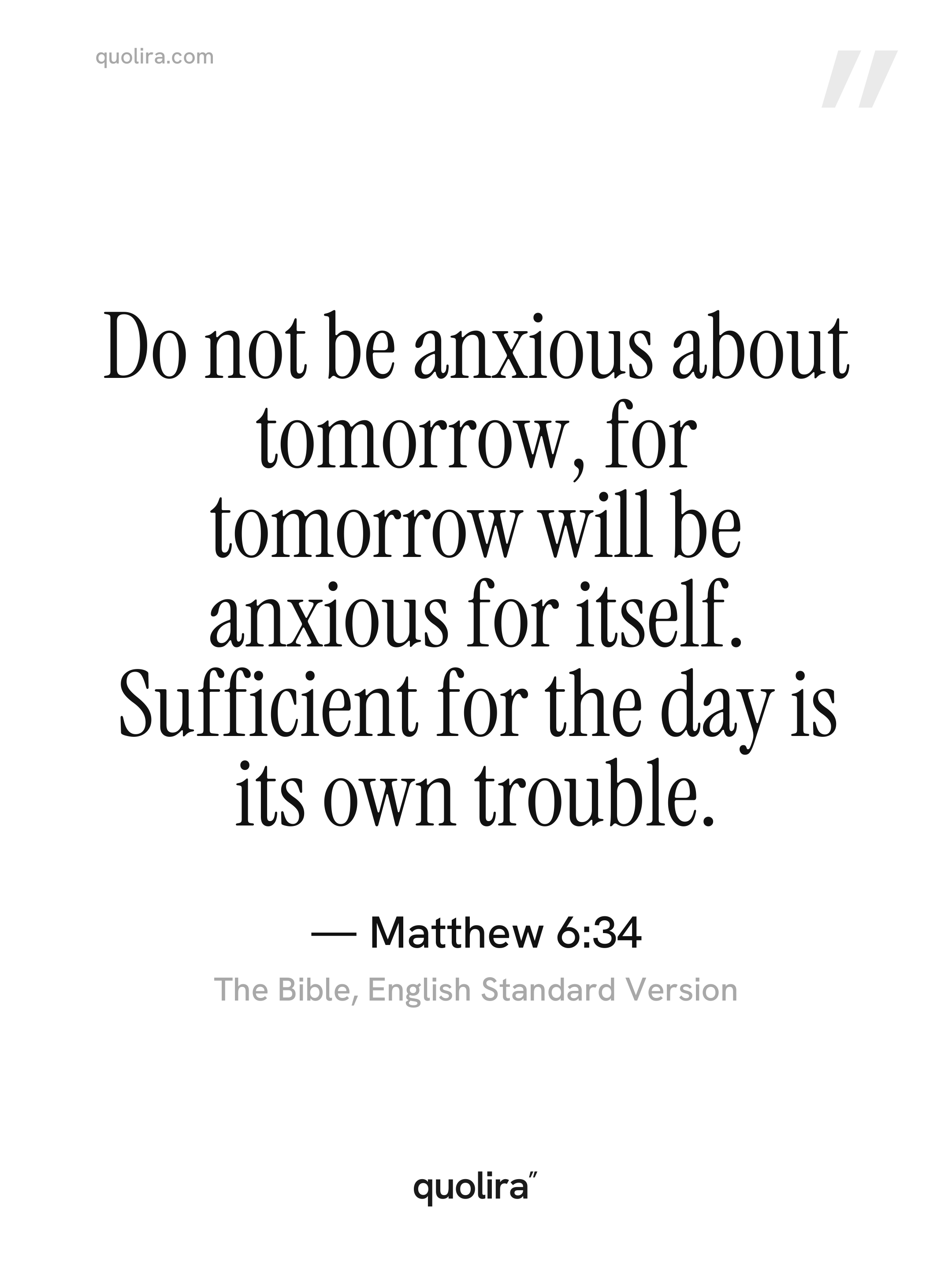
“Do not be anxious about tomorrow, for tomorrow will be anxious for itself. Sufficient for the day is its own trouble.”
Matthew 6:34 · The Bible, English Standard Version
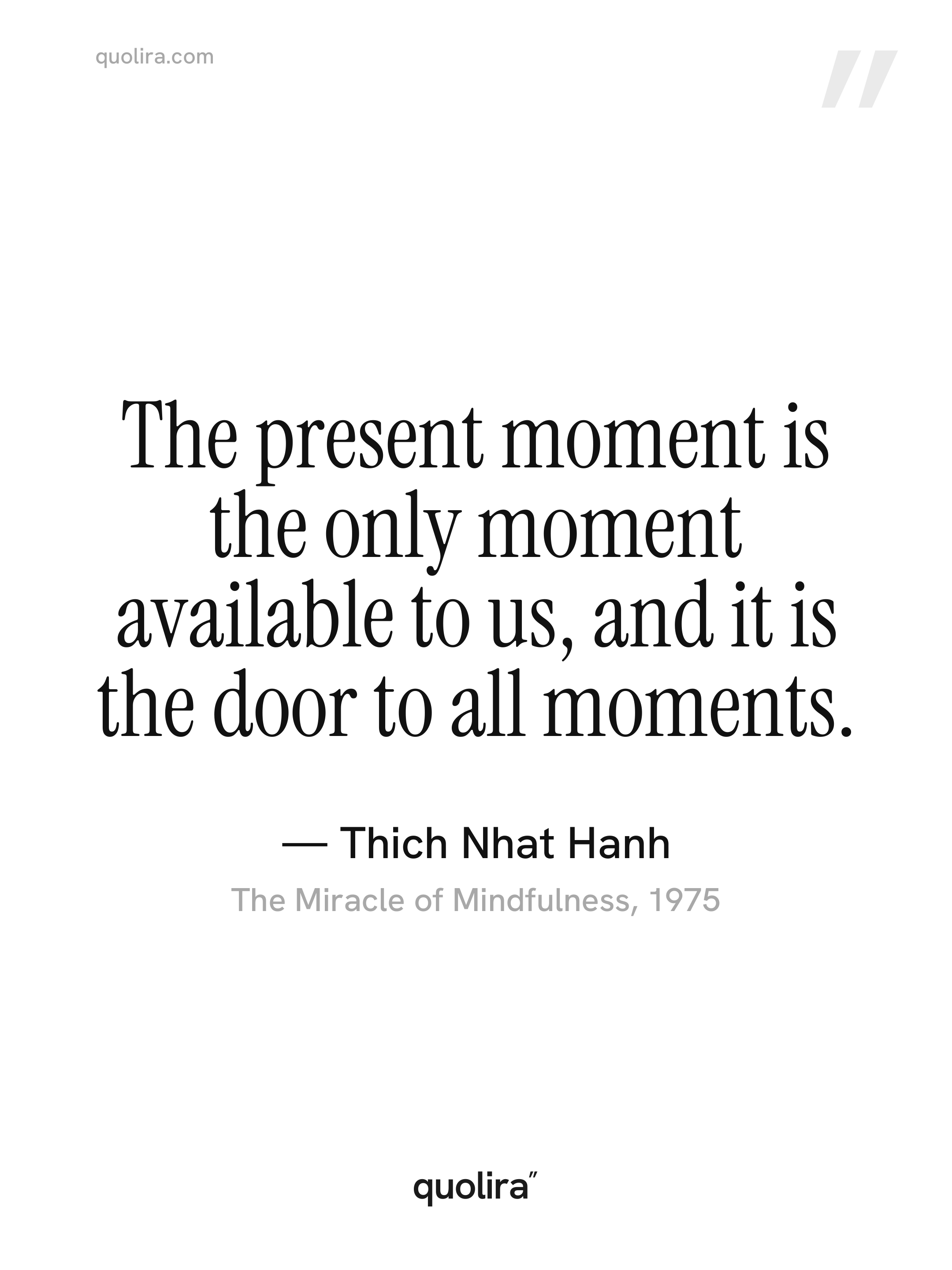
“The present moment is the only moment available to us, and it is the door to all moments.”
Thich Nhat Hanh · The Miracle of Mindfulness, 1975
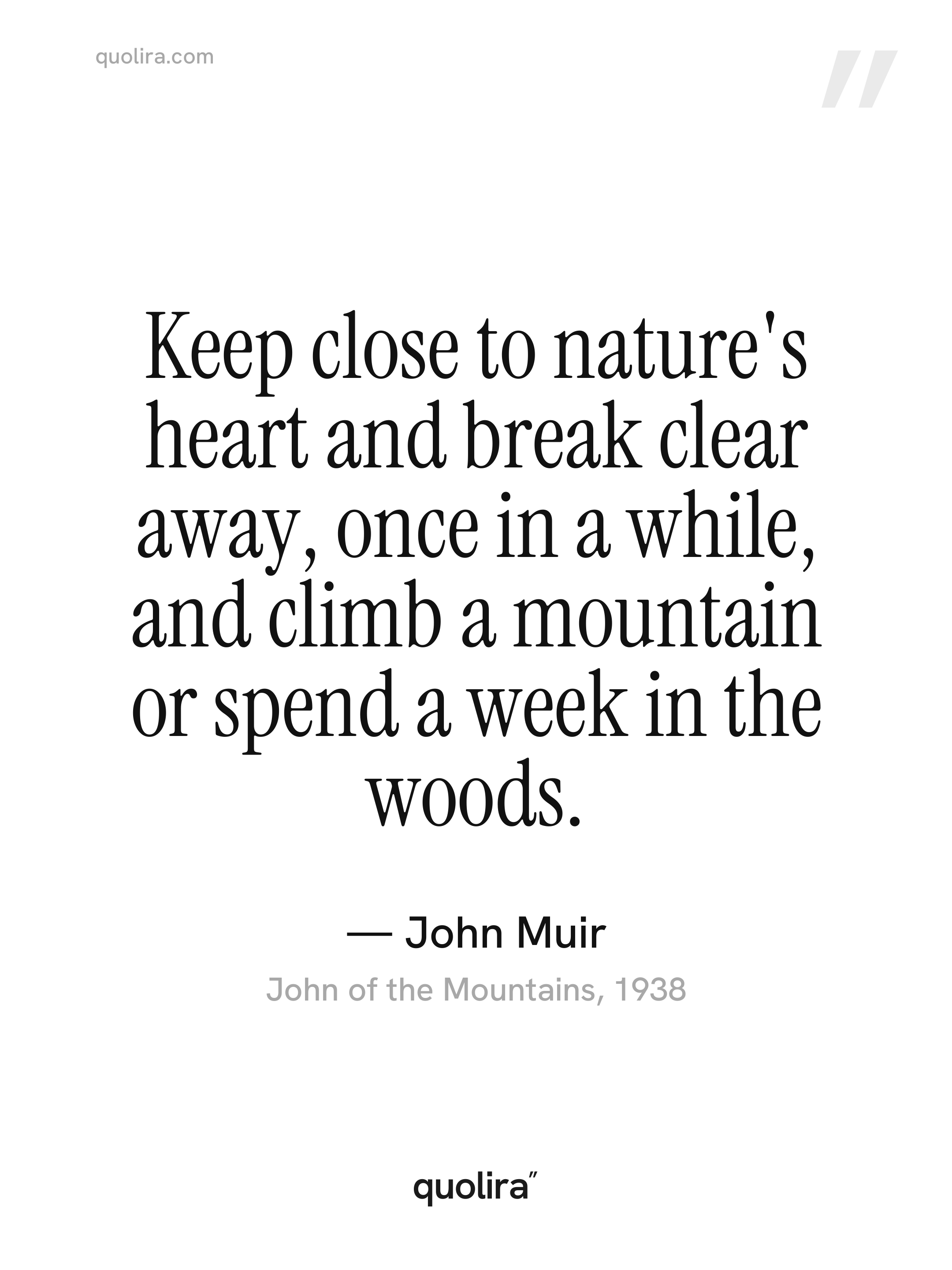
“Keep close to nature's heart and break clear away, once in a while, and climb a mountain or spend a week in the woods.”
John Muir · John of the Mountains, 1938
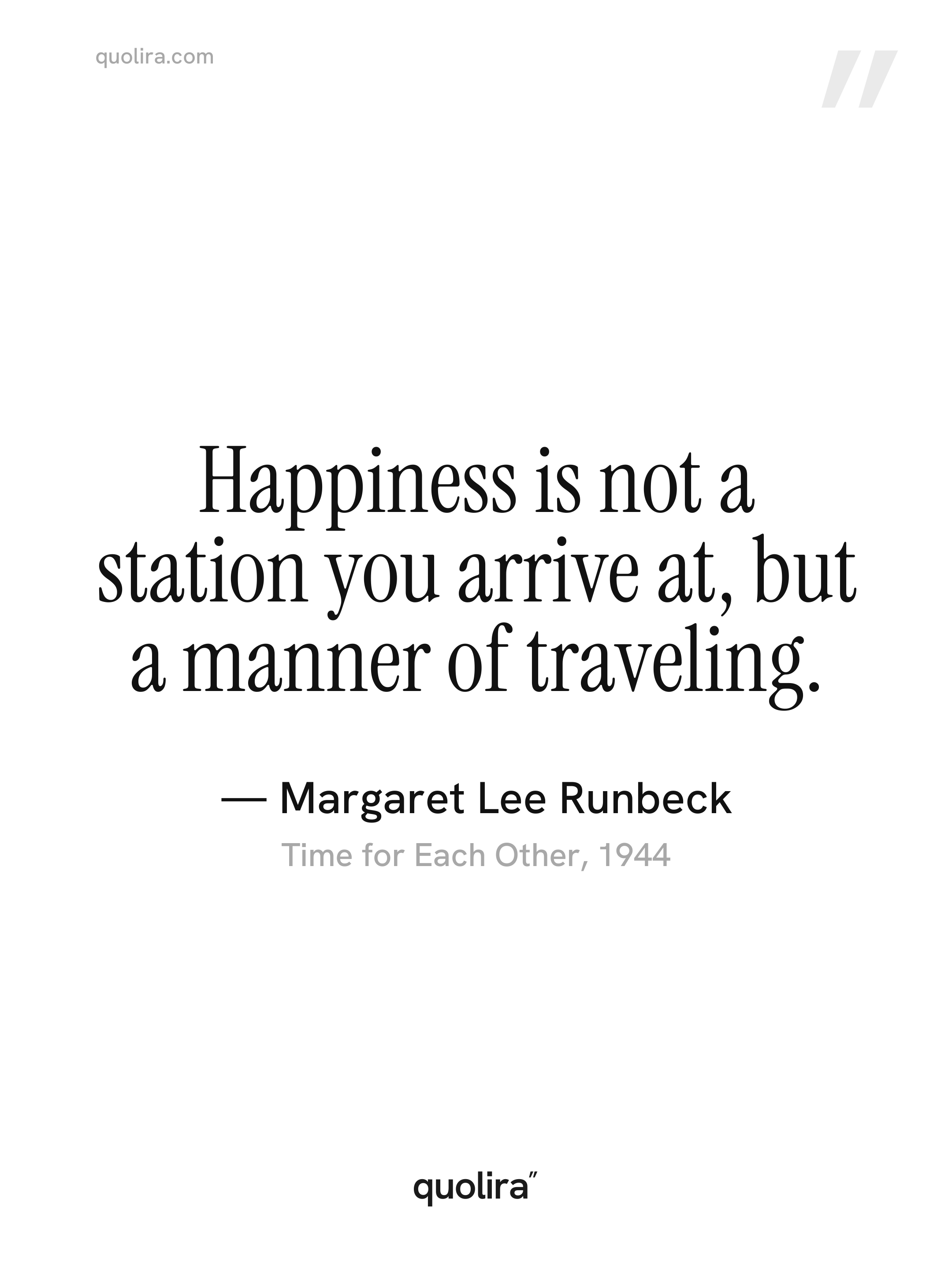
“Happiness is not a station you arrive at, but a manner of traveling.”
Margaret Lee Runbeck · Time for Each Other, 1944
“I never worked a day in my life without selling something. And I always delivered more than I promised.”
Joseph Addison
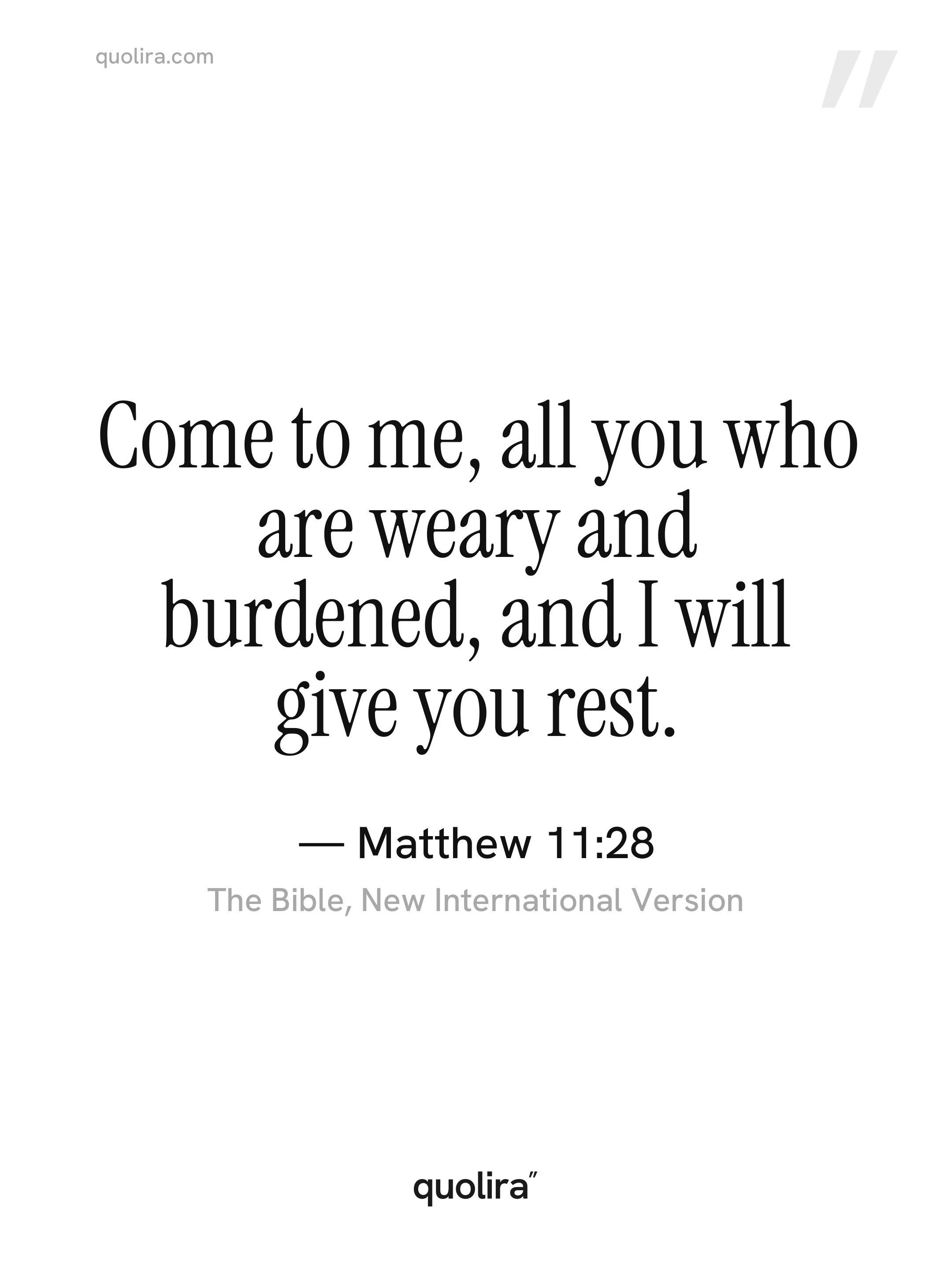
“Come to me, all you who are weary and burdened, and I will give you rest.”
Matthew 11:28 · The Bible, New International Version
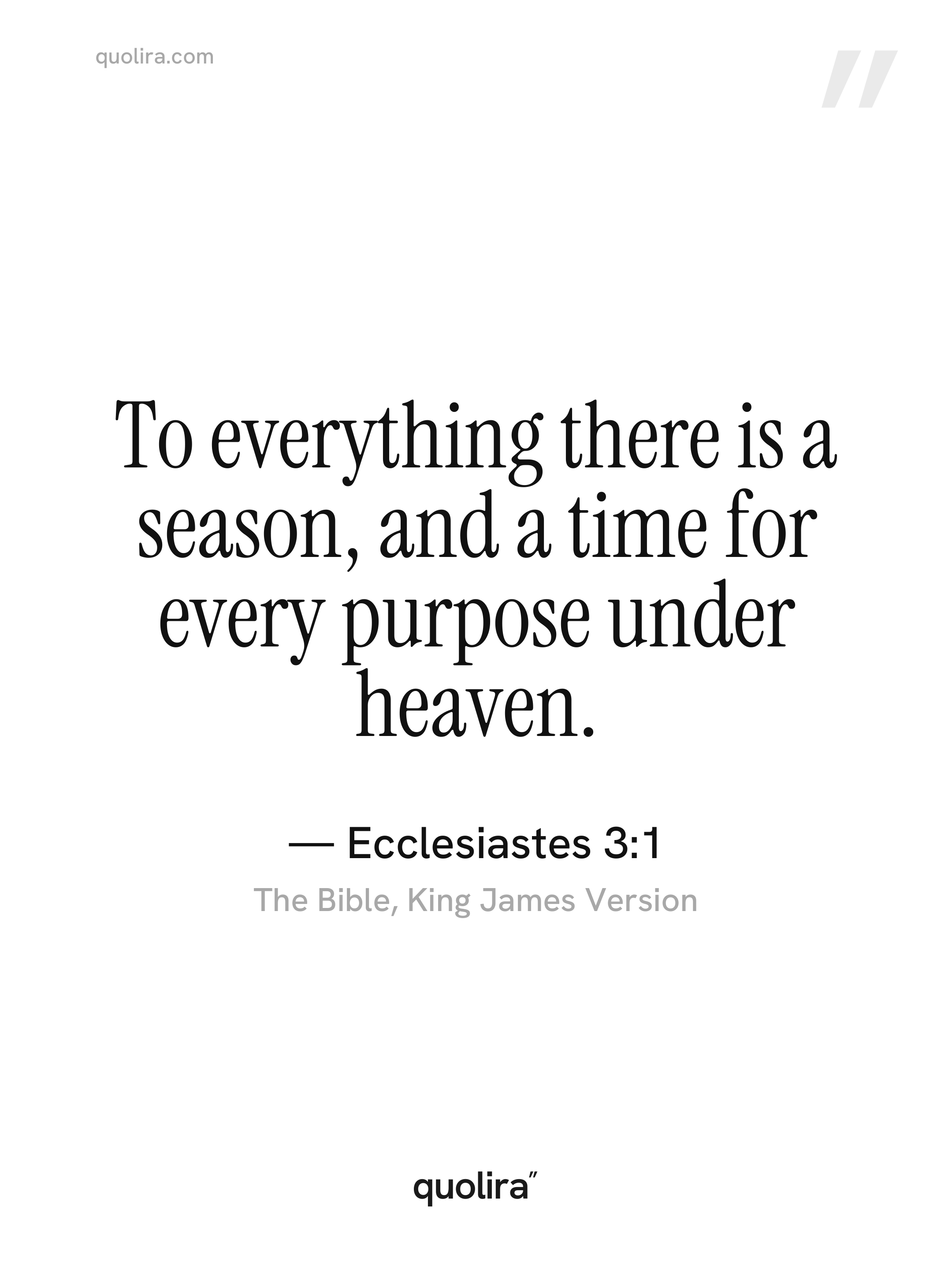
“To everything there is a season, and a time for every purpose under heaven.”
Ecclesiastes 3:1 · The Bible, King James Version