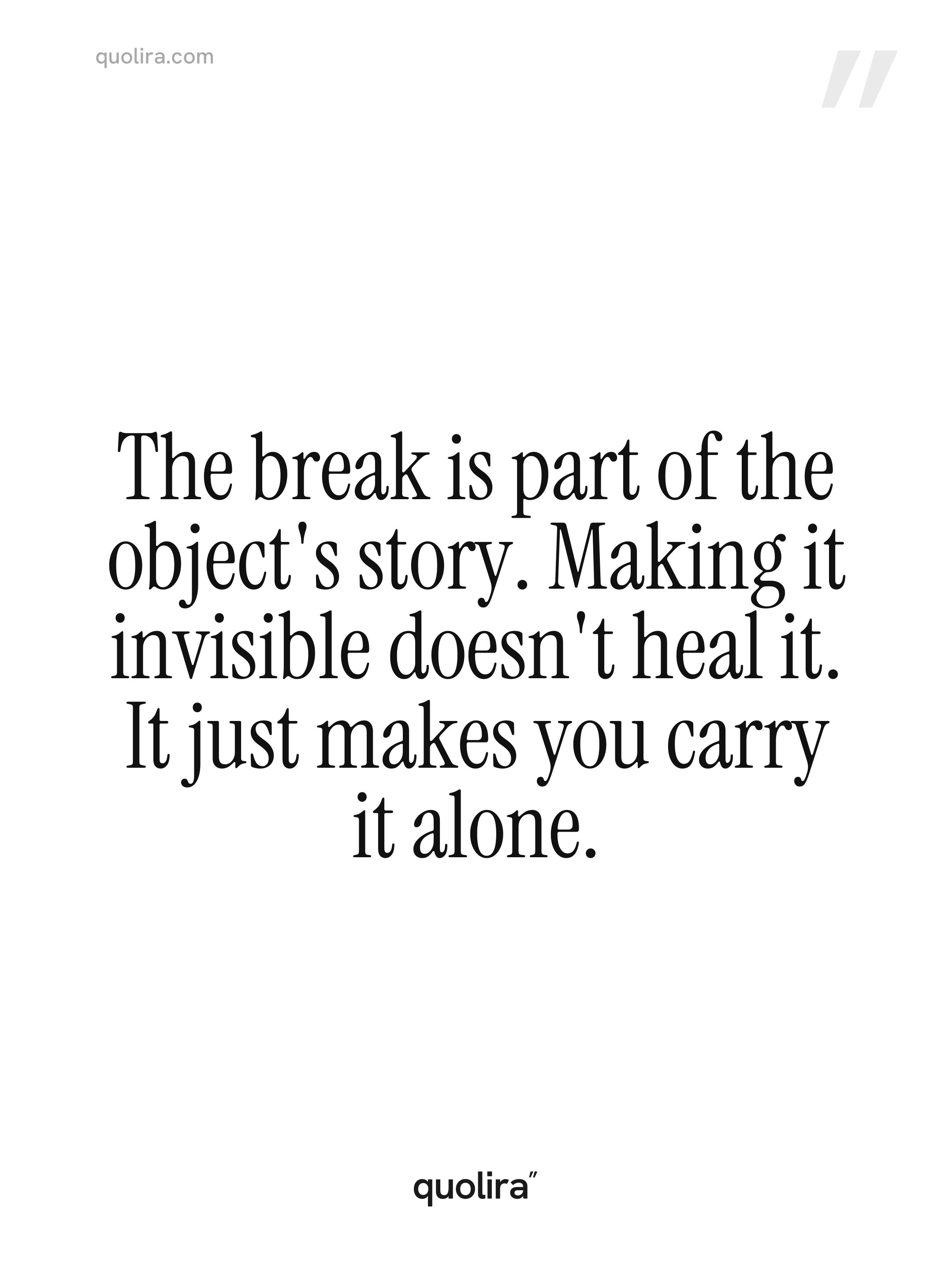
“The break is part of the object's story. Making it invisible doesn't heal it. It just makes you carry it alone.”
Original
 quolira
.com
quolira
quolira.com
This line reframes the experience of being broken, whether an object, a relationship, or a person, as evidence of value rather than failure. Something that nobody cared about would simply be discarded when it cracked. The act of repair is therefore a declaration that what was broken mattered enough to warrant the effort, the care, and the time it takes to put something back together. Damage, in this reading, does not diminish worth but can actually illuminate it.
People often carry a private sense that having been broken in some way, by loss, failure, illness, or heartbreak, makes them lesser. This line pushes back against that assumption gently but clearly. It aligns with ideas found in several cultural traditions, including the Japanese practice of kintsugi, in which cracked pottery is repaired with gold rather than hidden or discarded. The line resonates because it offers a way to see one's own history of difficulty not as a source of shame but as a record of what was considered worth saving.
This line is well suited to contexts involving resilience, healing, or personal growth. It can open a conversation about the way people relate to their own imperfections or past hardships without sounding preachy or overly optimistic. Writers, therapists, coaches, and educators might find it useful as a framing device. It also works as a quiet personal reminder during difficult moments, a way of restoring perspective when the fact of having been broken feels like the whole story rather than part of it.
“The break is part of the object's story. Making it invisible doesn't heal it. It just makes you carry it alone.”
Original
“He is richest who is content with the least, for content is the wealth of nature.”
Socrates · Attributed in Diogenes Laertius, Lives of the Eminent Philosophers
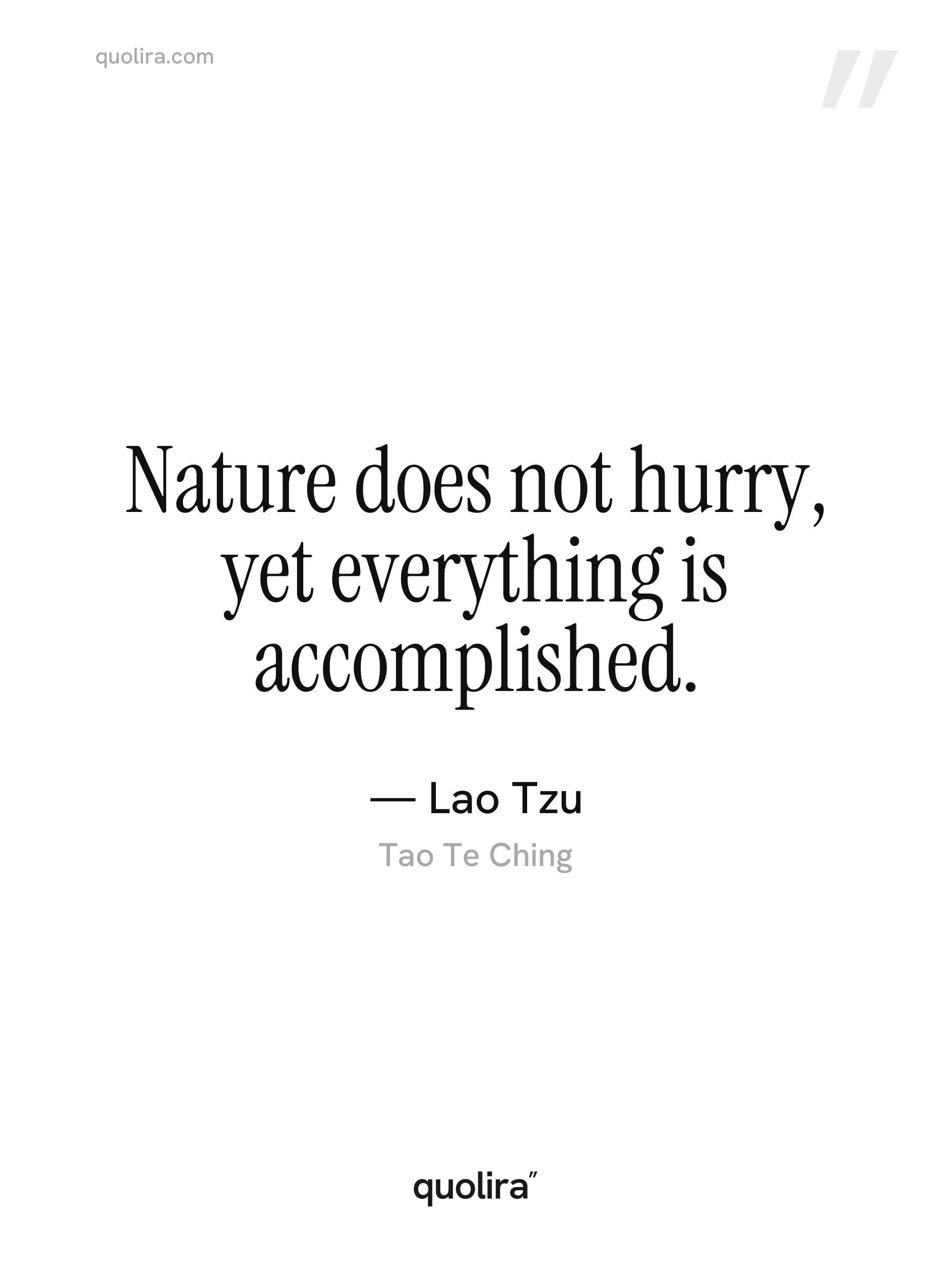
“Nature does not hurry, yet everything is accomplished.”
Lao Tzu · Tao Te Ching
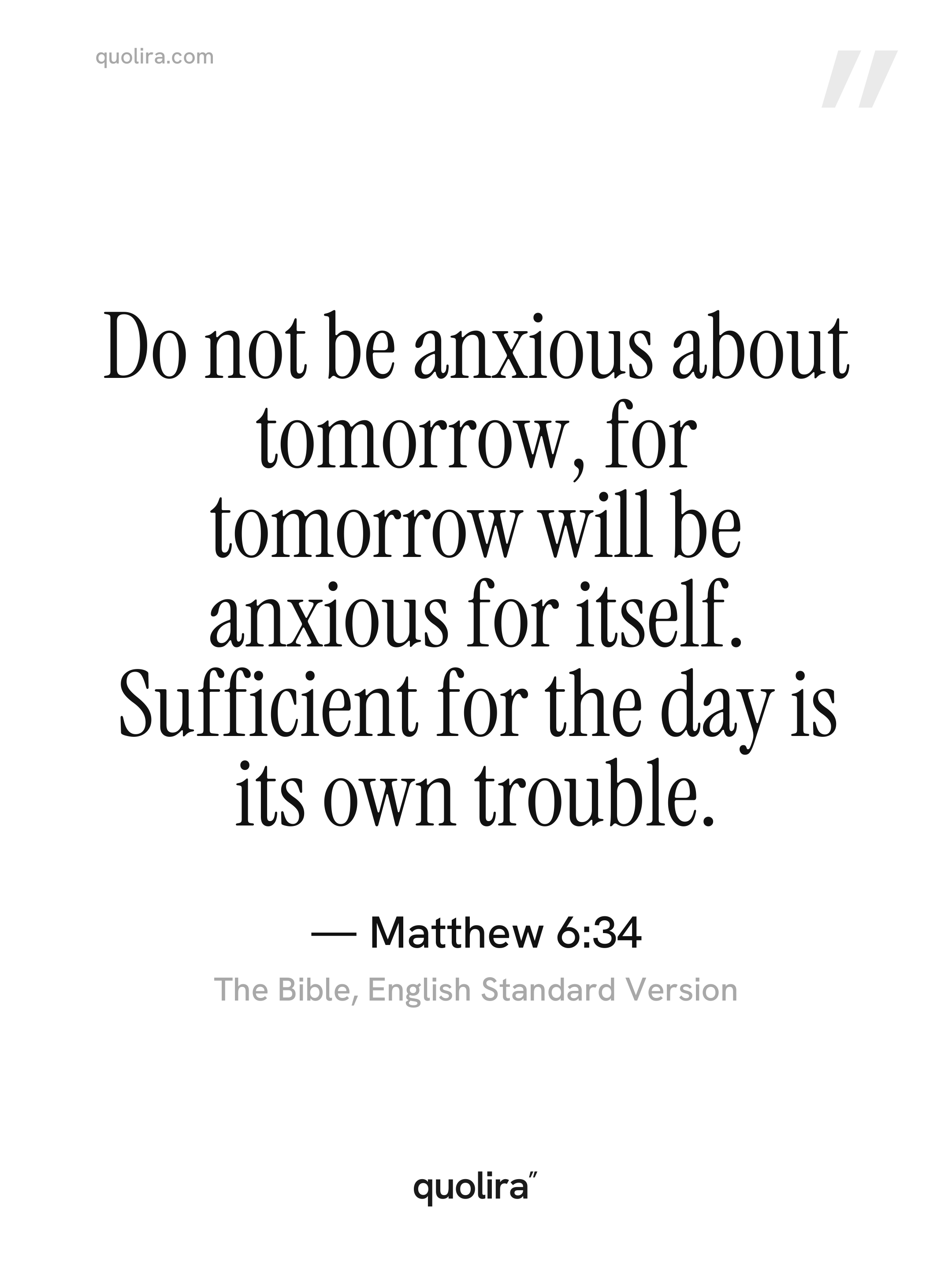
“Do not be anxious about tomorrow, for tomorrow will be anxious for itself. Sufficient for the day is its own trouble.”
Matthew 6:34 · The Bible, English Standard Version
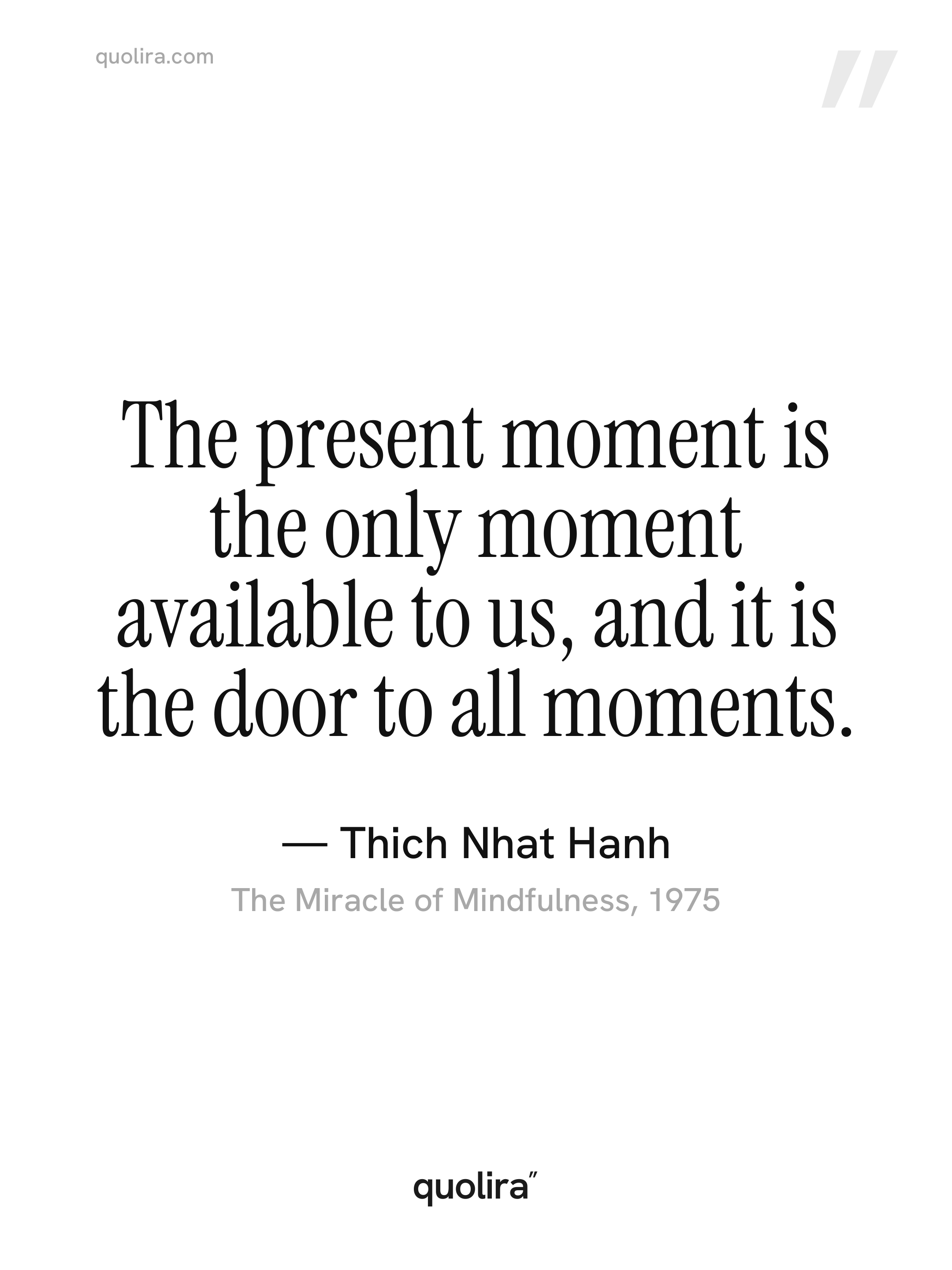
“The present moment is the only moment available to us, and it is the door to all moments.”
Thich Nhat Hanh · The Miracle of Mindfulness, 1975
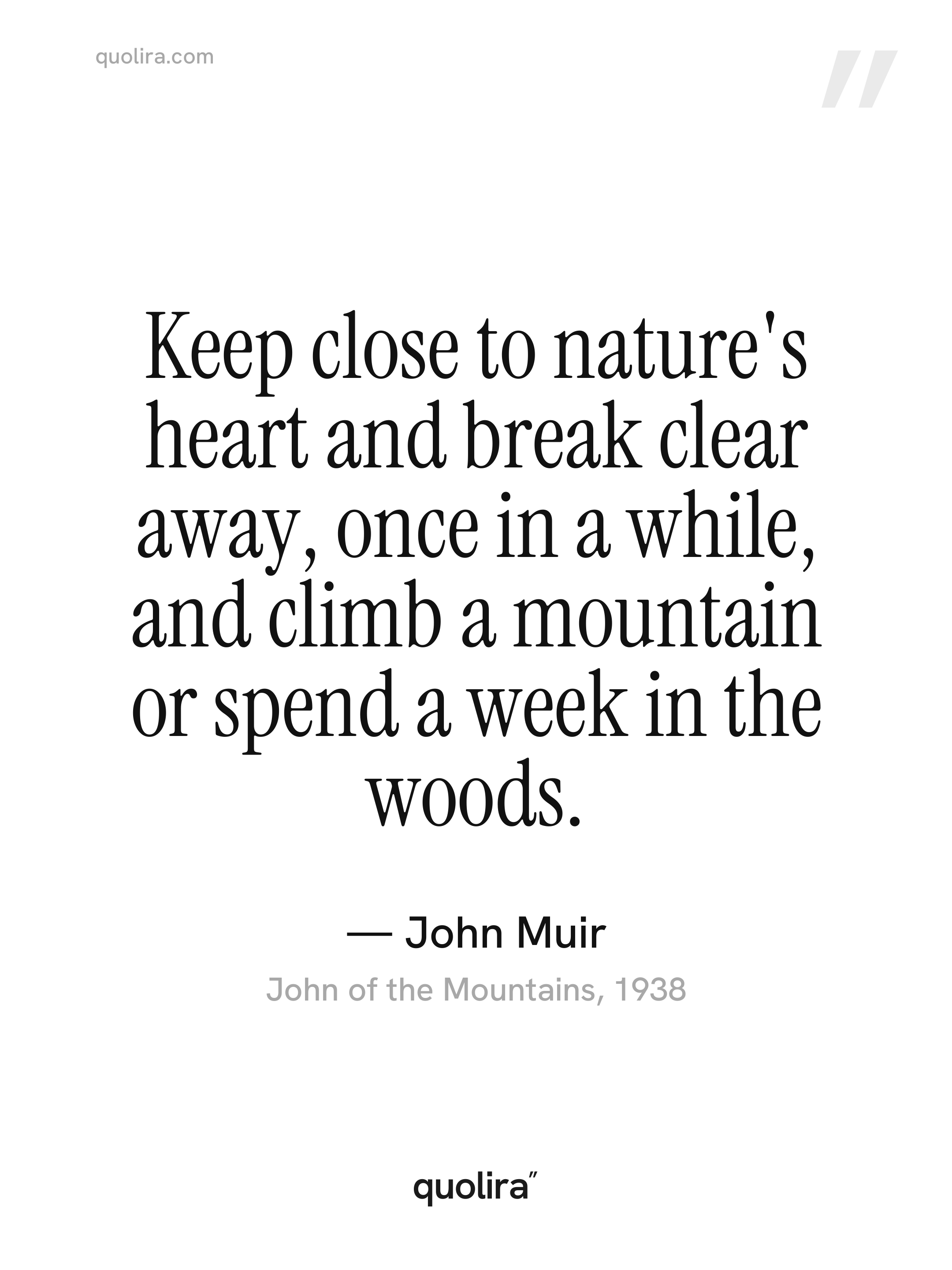
“Keep close to nature's heart and break clear away, once in a while, and climb a mountain or spend a week in the woods.”
John Muir · John of the Mountains, 1938
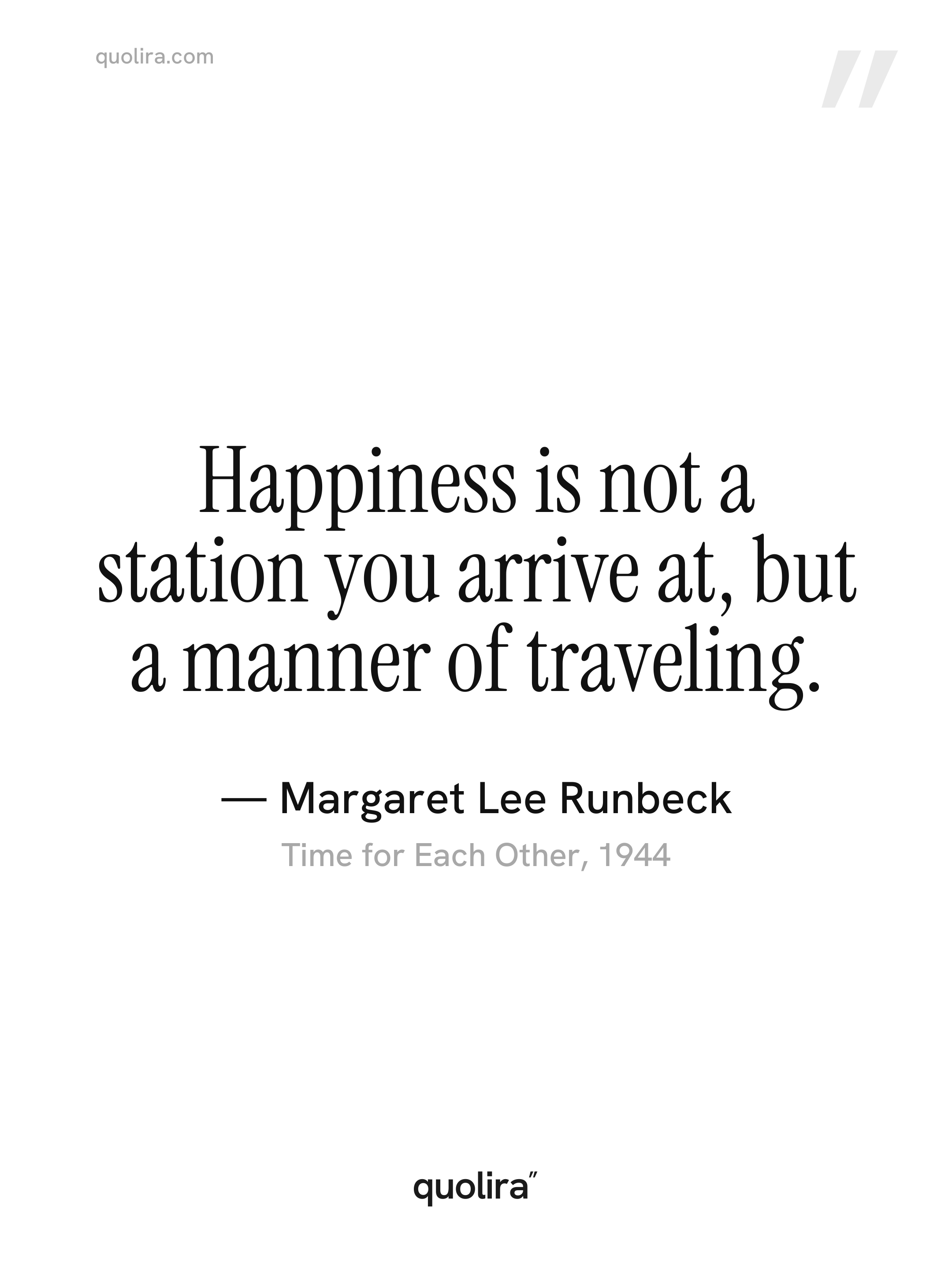
“Happiness is not a station you arrive at, but a manner of traveling.”
Margaret Lee Runbeck · Time for Each Other, 1944
“I never worked a day in my life without selling something. And I always delivered more than I promised.”
Joseph Addison
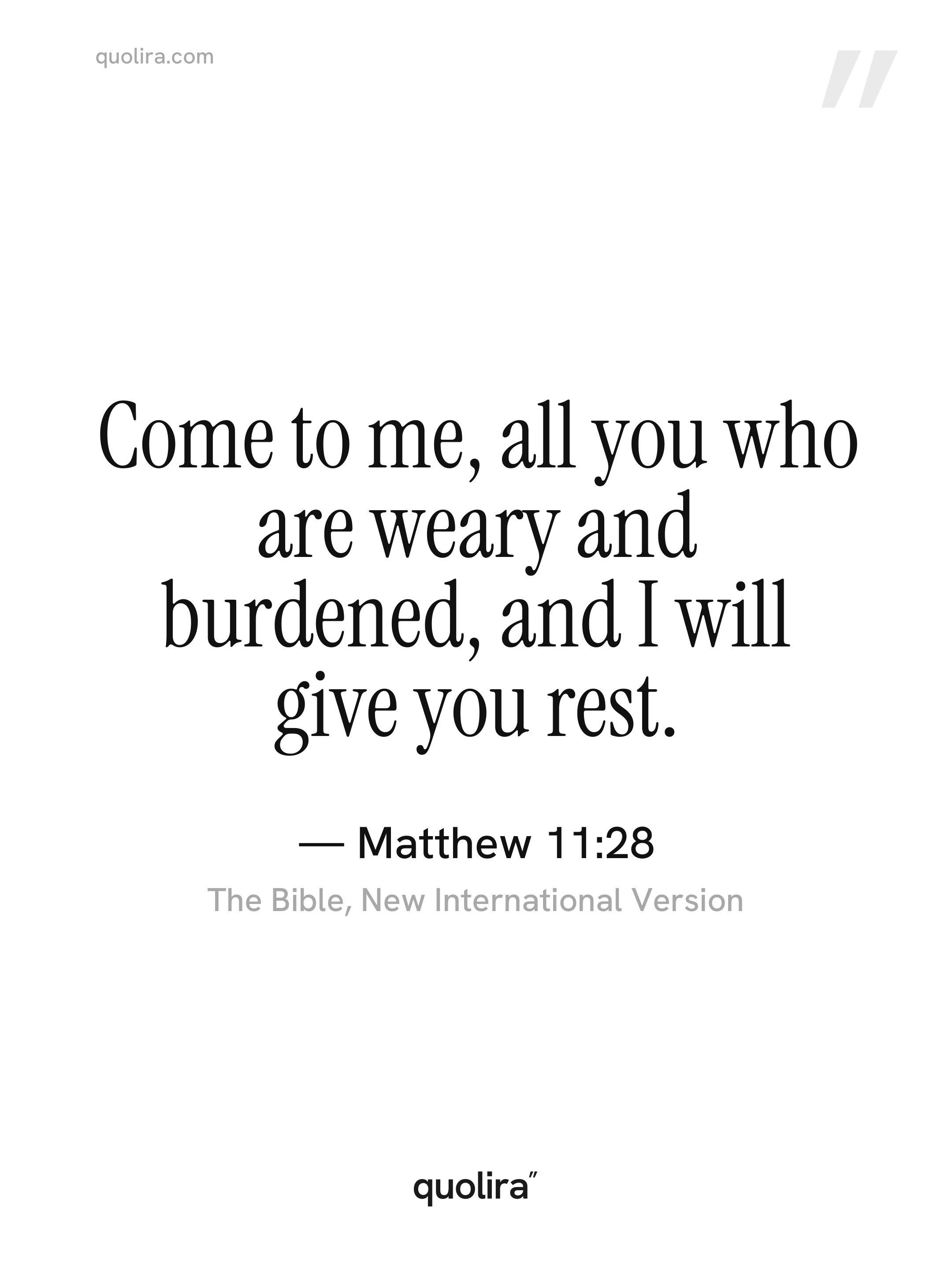
“Come to me, all you who are weary and burdened, and I will give you rest.”
Matthew 11:28 · The Bible, New International Version
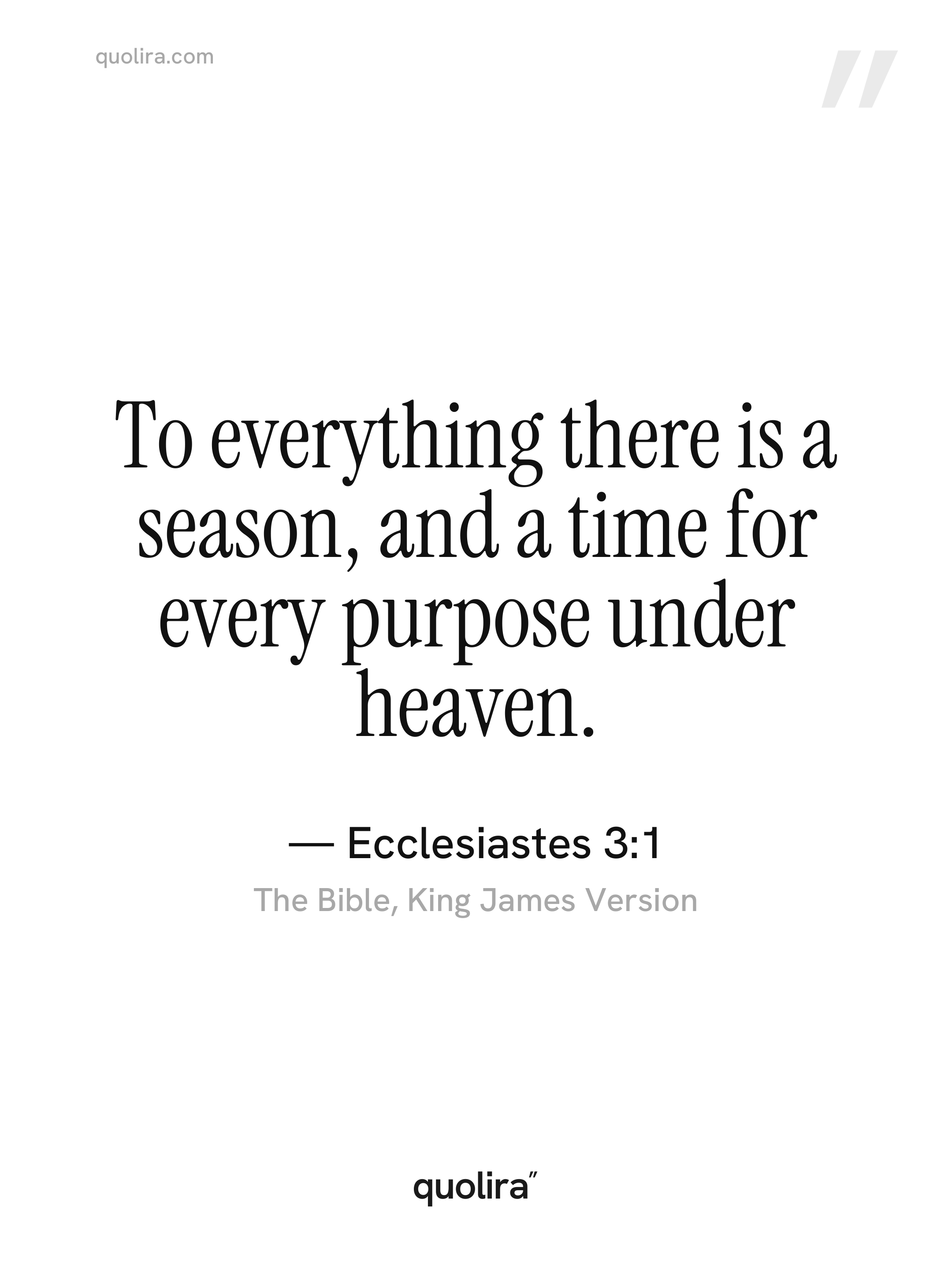
“To everything there is a season, and a time for every purpose under heaven.”
Ecclesiastes 3:1 · The Bible, King James Version
“There is a pleasure in the pathless woods, there is a rapture on the lonely shore.”
Lord Byron · Childe Harold's Pilgrimage, Canto IV, 1818
“The most beautiful thing we can experience is the mysterious. It is the source of all true art and science.”
Albert Einstein · What I Believe, 1930