“Dying of shyness doesn't require a dramatic event. It just requires enough mornings where you decided today wasn't the day to come out.”
Original
 quolira
.com
quolira
quolira.com
This teaching draws a sharp line between two incomplete ways of engaging with knowledge. A person who absorbs information without ever pausing to examine or question it becomes a kind of passive vessel, carrying content without truly owning it. But a person who thinks deeply while ignoring the accumulated wisdom of others is working with a very small set of materials, however skillfully. Confucius is arguing that learning and thinking are not alternatives or even supplements to each other. They are partners, and both are necessary for genuine understanding.
This saying appears in the Analects, a collection of the teachings, conversations, and reflections of Confucius as recorded by his disciples. The Analects were compiled after his death and became one of the foundational texts of Confucian philosophy, which shaped Chinese culture, governance, and education for more than two thousand years. Chapter two of the Analects deals broadly with the conduct of learning and the qualities of a cultivated person. This particular observation sits within a cluster of teachings about how one should approach study and self-development.
Confucius was a Chinese philosopher and teacher who lived during the Spring and Autumn period of Chinese history. He devoted much of his life to questions of ethics, education, and the responsibilities of individuals within society. His ideas, preserved through his disciples and through texts like the Analects, became the foundation of Confucianism, one of the most influential schools of thought in East Asian history and a lasting presence in philosophical conversations worldwide.
“Dying of shyness doesn't require a dramatic event. It just requires enough mornings where you decided today wasn't the day to come out.”
Original
“The shell protected the tortoise from everything except the decision to stay inside it.”
Original
“A frog in a well does not know the great sea.”
Japanese Proverb · I no naka no kawazu taikai wo shirazu
“Fall seven times, get up eight.”
Japanese Proverb · Nana korobi ya oki, Edo period Japan
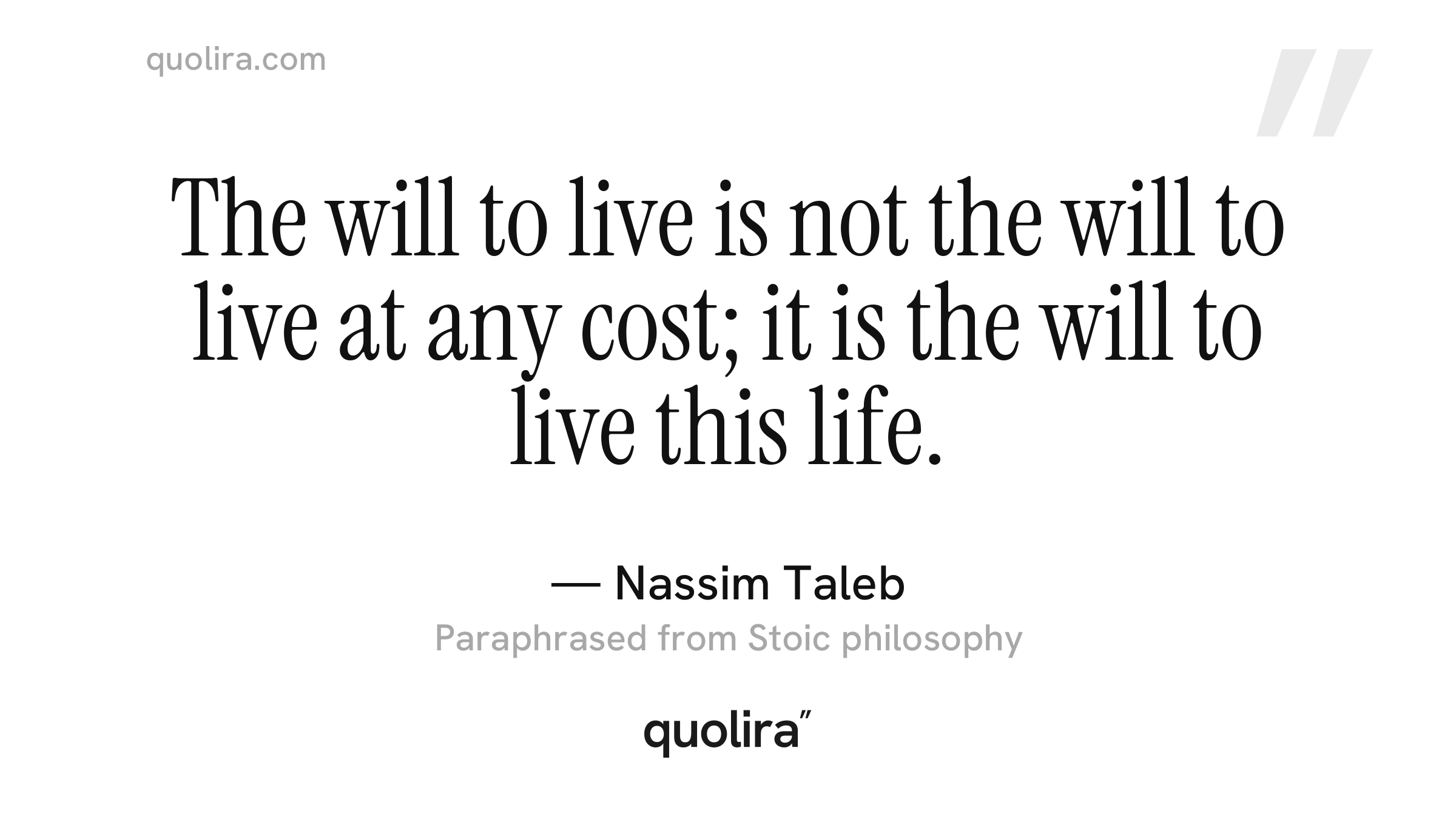
“The will to live is not the will to live at any cost; it is the will to live this life.”
Nassim Taleb · Paraphrased from Stoic philosophy
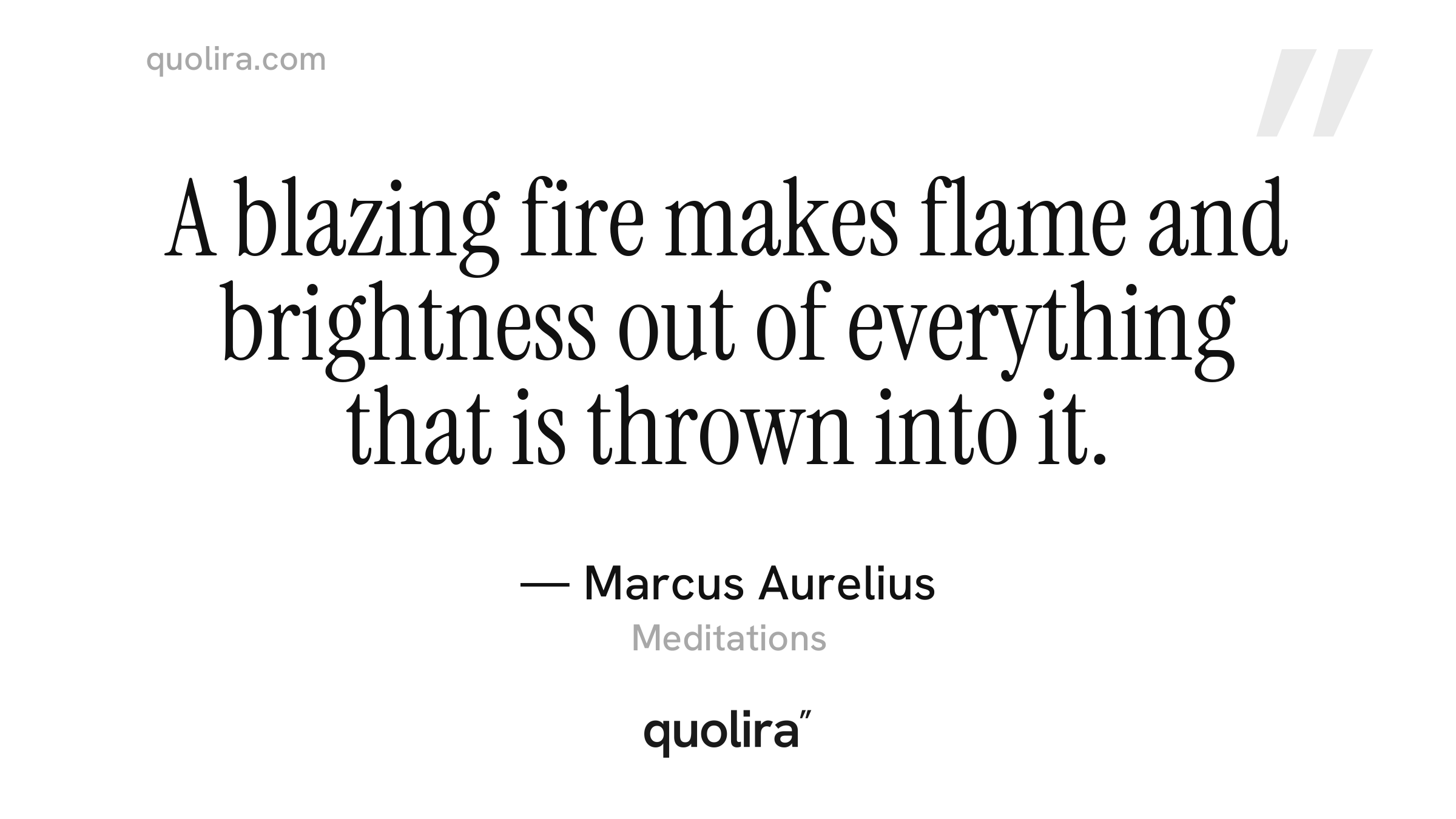
“A blazing fire makes flame and brightness out of everything that is thrown into it.”
Marcus Aurelius · Meditations
“Lose money once with real skin in the game and you'll understand risk better than a hundred free articles could teach you.”
Original
“The lesson you pay for is the one you actually keep.”
Original
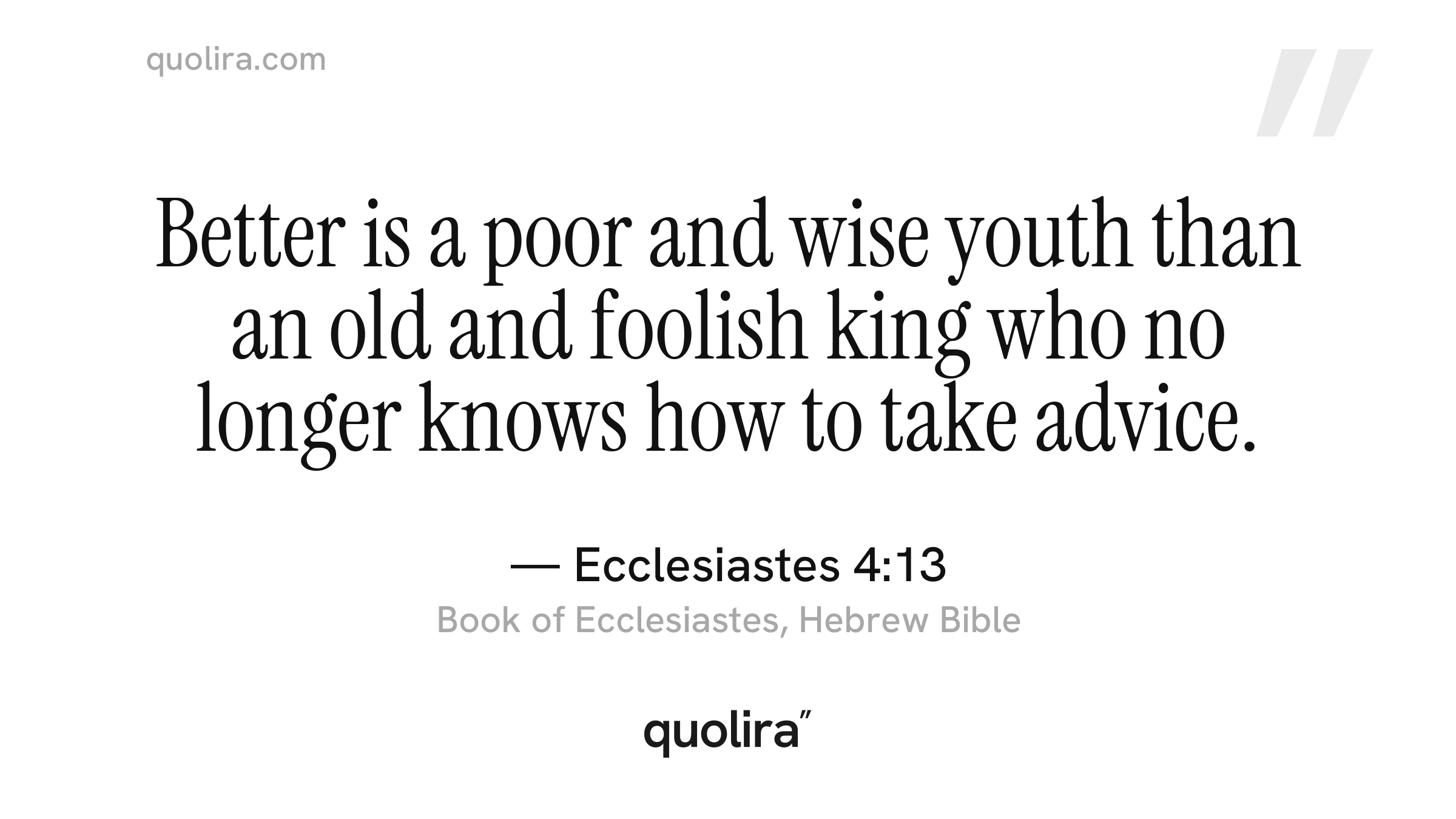
“Better is a poor and wise youth than an old and foolish king who no longer knows how to take advice.”
Ecclesiastes 4:13 · Book of Ecclesiastes, Hebrew Bible
“Gray hair is a crown of glory; it is gained in a righteous life.”
Proverbs 16:31 · Book of Proverbs, Hebrew Bible
“The unlived life is always better because it never has to survive contact with living.”
Original
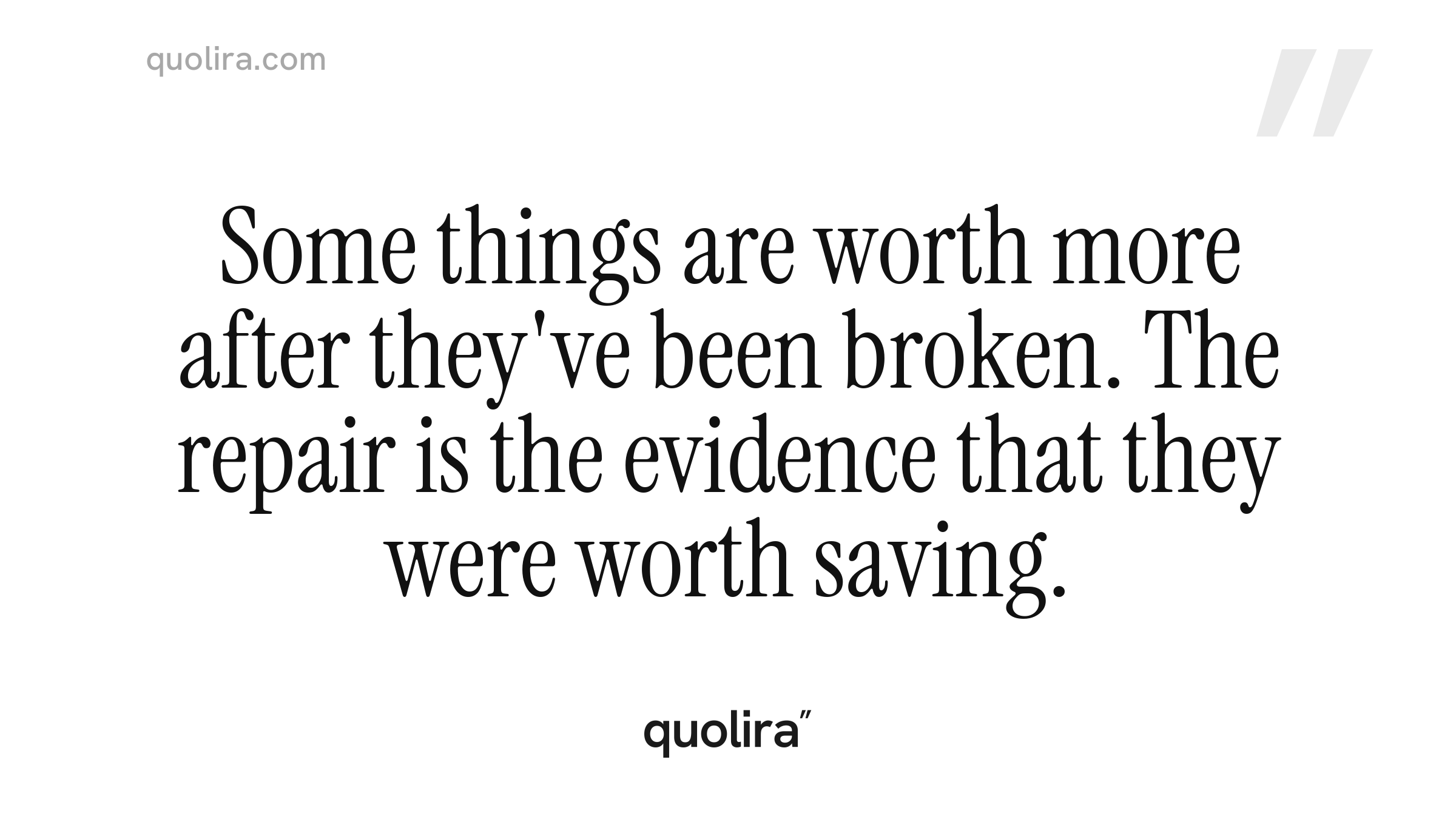
“Some things are worth more after they've been broken. The repair is the evidence that they were worth saving.”
Original