“The will to live is not the will to live at any cost; it is the will to live this life.”
Nassim Taleb · Paraphrased from Stoic philosophy
 quolira
.com
quolira
quolira.com
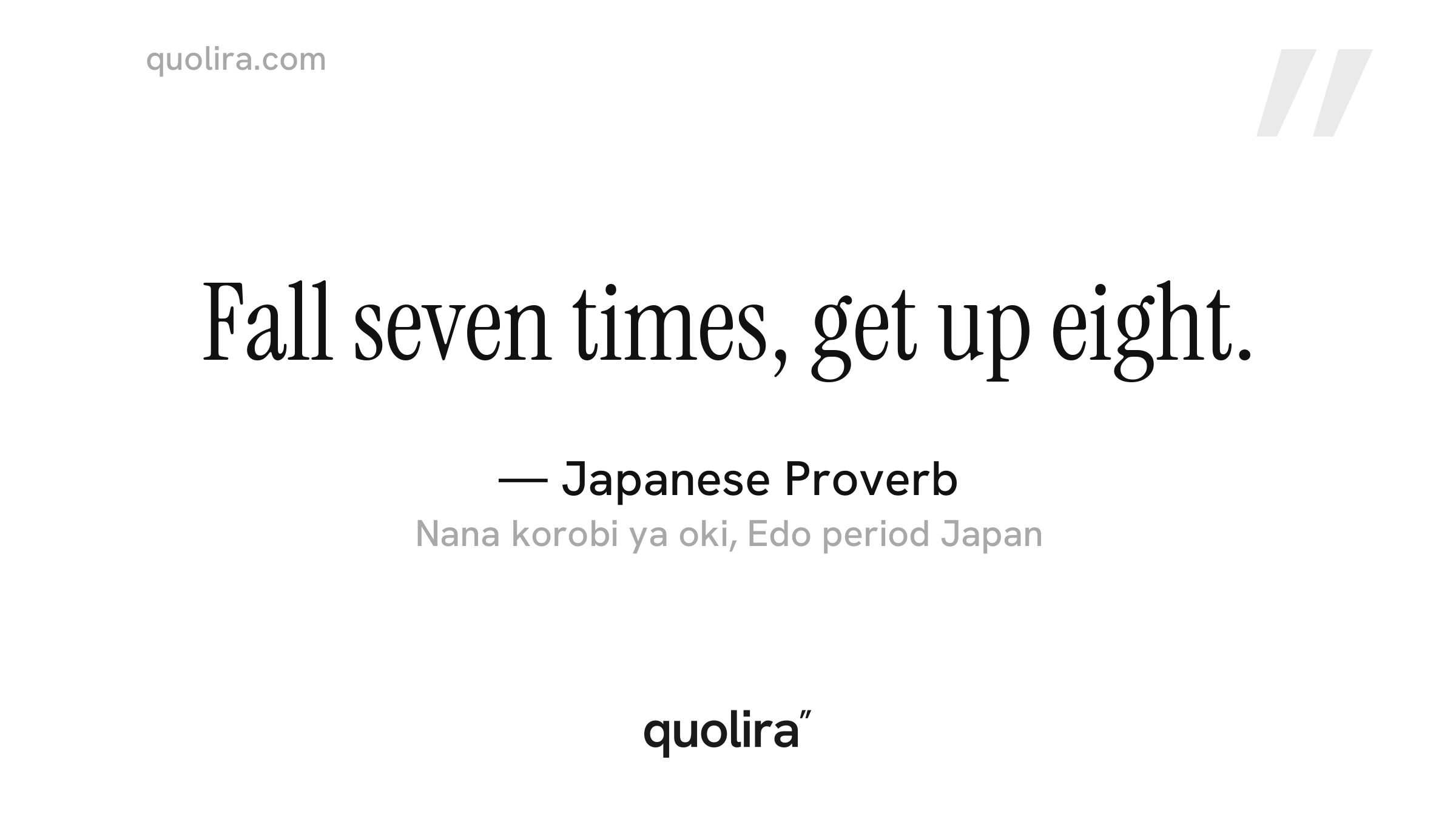
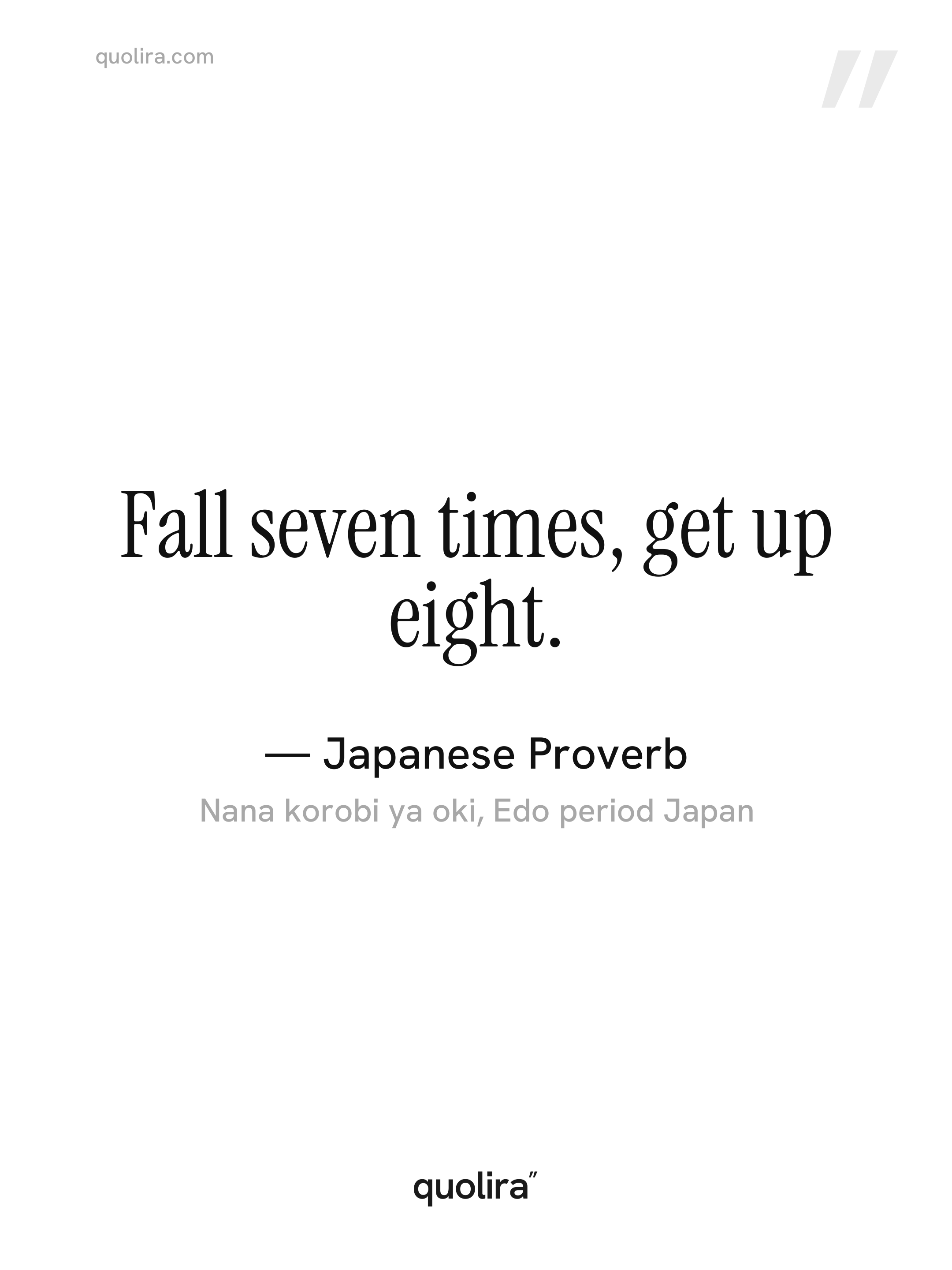
This short proverb captures one of the most enduring ideas in human experience: resilience is not about avoiding failure but about refusing to stay down. The arithmetic is deliberately impossible, since falling seven times and rising eight means you were already standing before the first fall, which hints that the spirit of recovery is always present inside a person, waiting to be called upon. The message is simple and direct: what matters is not how many times life knocks you over but whether you keep choosing to rise.
The proverb is associated with the Edo period of Japan, a long era of relative stability and cultural development that produced a rich tradition of folk wisdom expressed in compact, memorable phrases. Sayings of this kind were passed down orally and eventually found their way into written collections. The phrase "Nana korobi ya oki" became one of the most recognized expressions of the Japanese concept of gaman, a word that blends endurance, patience, and quiet perseverance in the face of hardship. It has since traveled far beyond Japan and is repeated in schools, sports coaching, business culture, and personal development conversations around the world.
This saying belongs to the collective wisdom of the Japanese people rather than to any single individual. Proverbs of this kind are shaped over generations, refined by repetition until only the most essential words remain. They carry the authority not of one voice but of many, which is part of what gives them their quiet power. This particular proverb has become one of the most widely quoted Japanese sayings in any language.
“The will to live is not the will to live at any cost; it is the will to live this life.”
Nassim Taleb · Paraphrased from Stoic philosophy
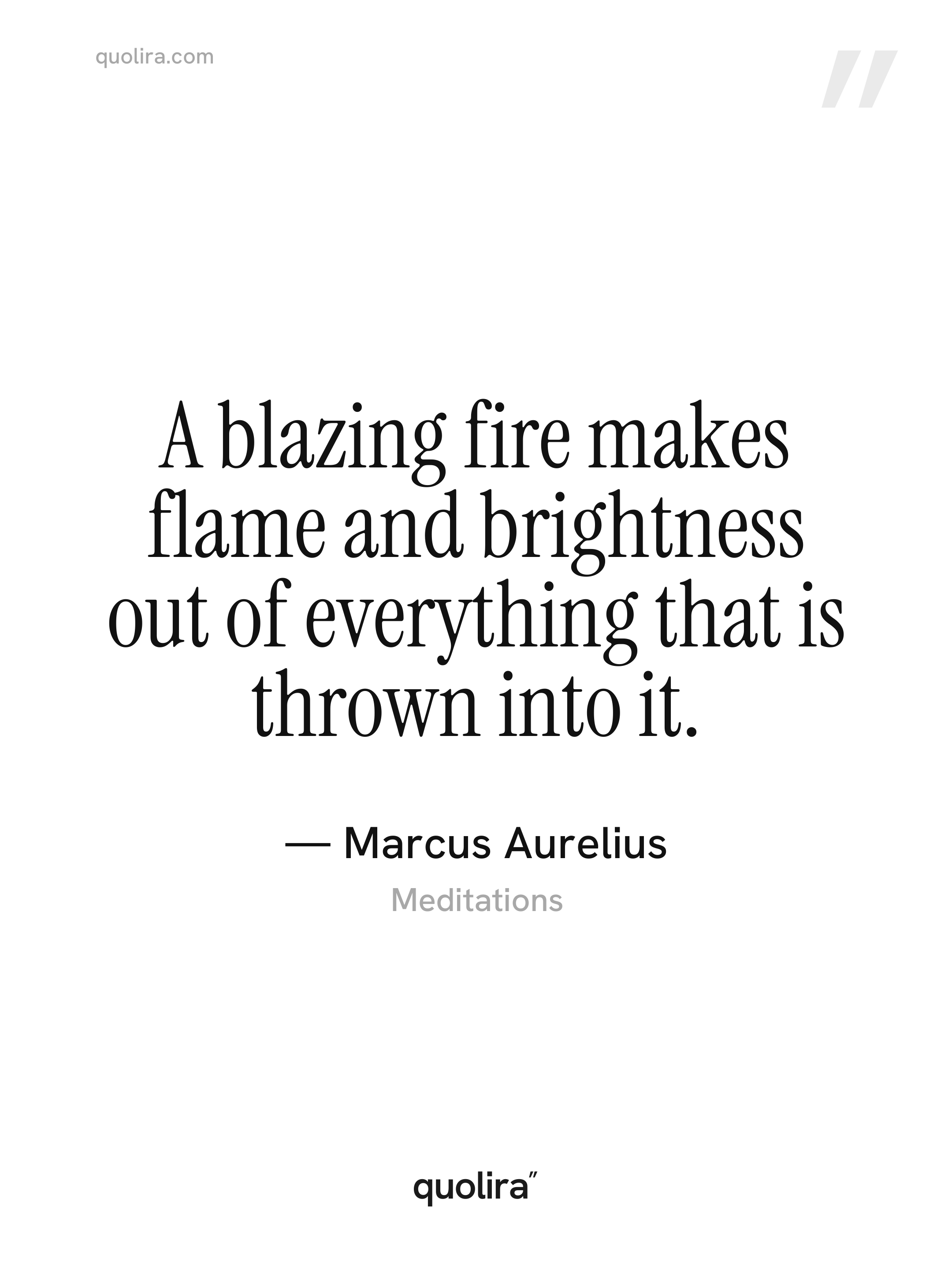
“A blazing fire makes flame and brightness out of everything that is thrown into it.”
Marcus Aurelius · Meditations
“Lose money once with real skin in the game and you'll understand risk better than a hundred free articles could teach you.”
Original
“The lesson you pay for is the one you actually keep.”
Original
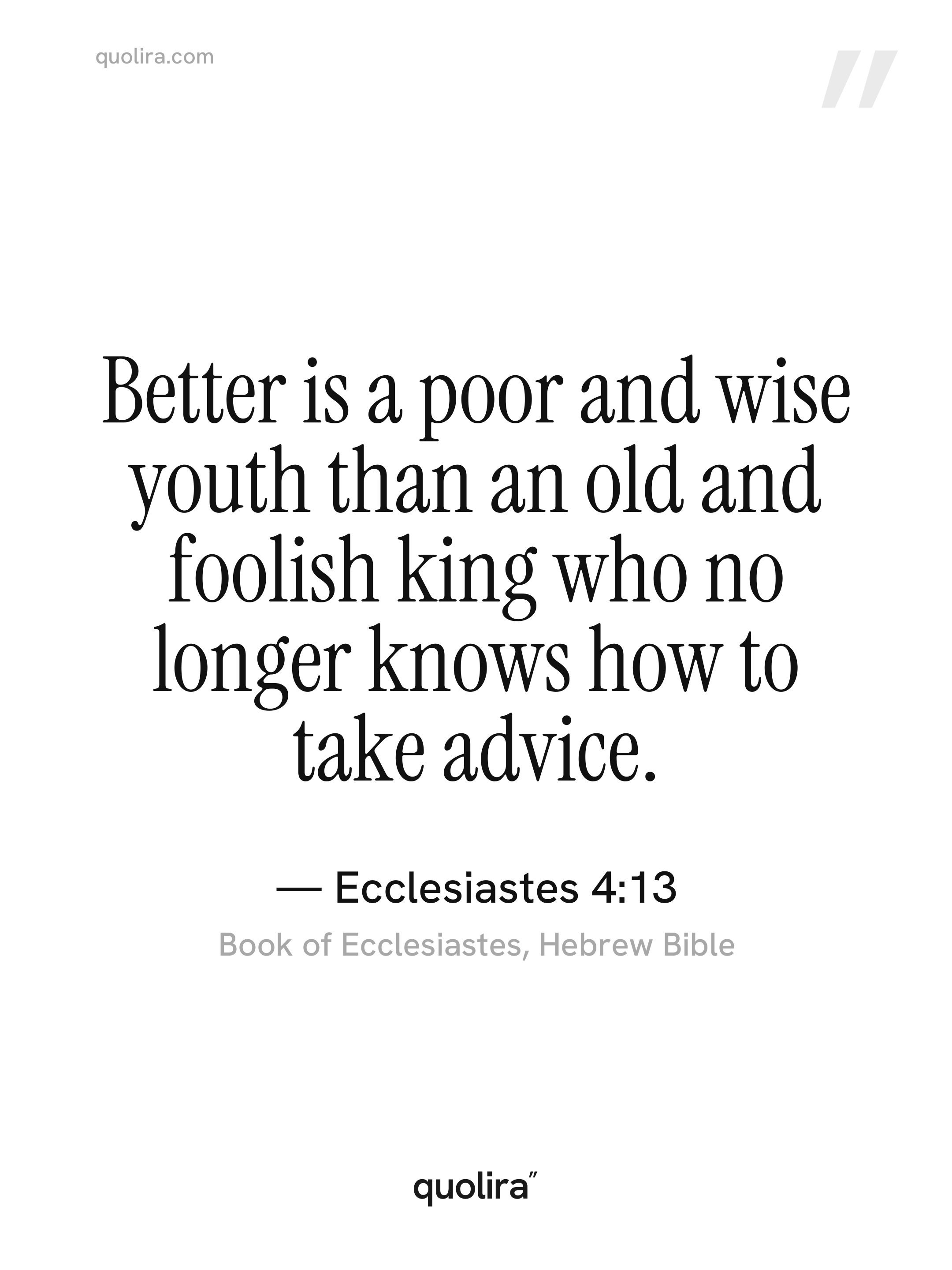
“Better is a poor and wise youth than an old and foolish king who no longer knows how to take advice.”
Ecclesiastes 4:13 · Book of Ecclesiastes, Hebrew Bible
“Gray hair is a crown of glory; it is gained in a righteous life.”
Proverbs 16:31 · Book of Proverbs, Hebrew Bible
“The unlived life is always better because it never has to survive contact with living.”
Original
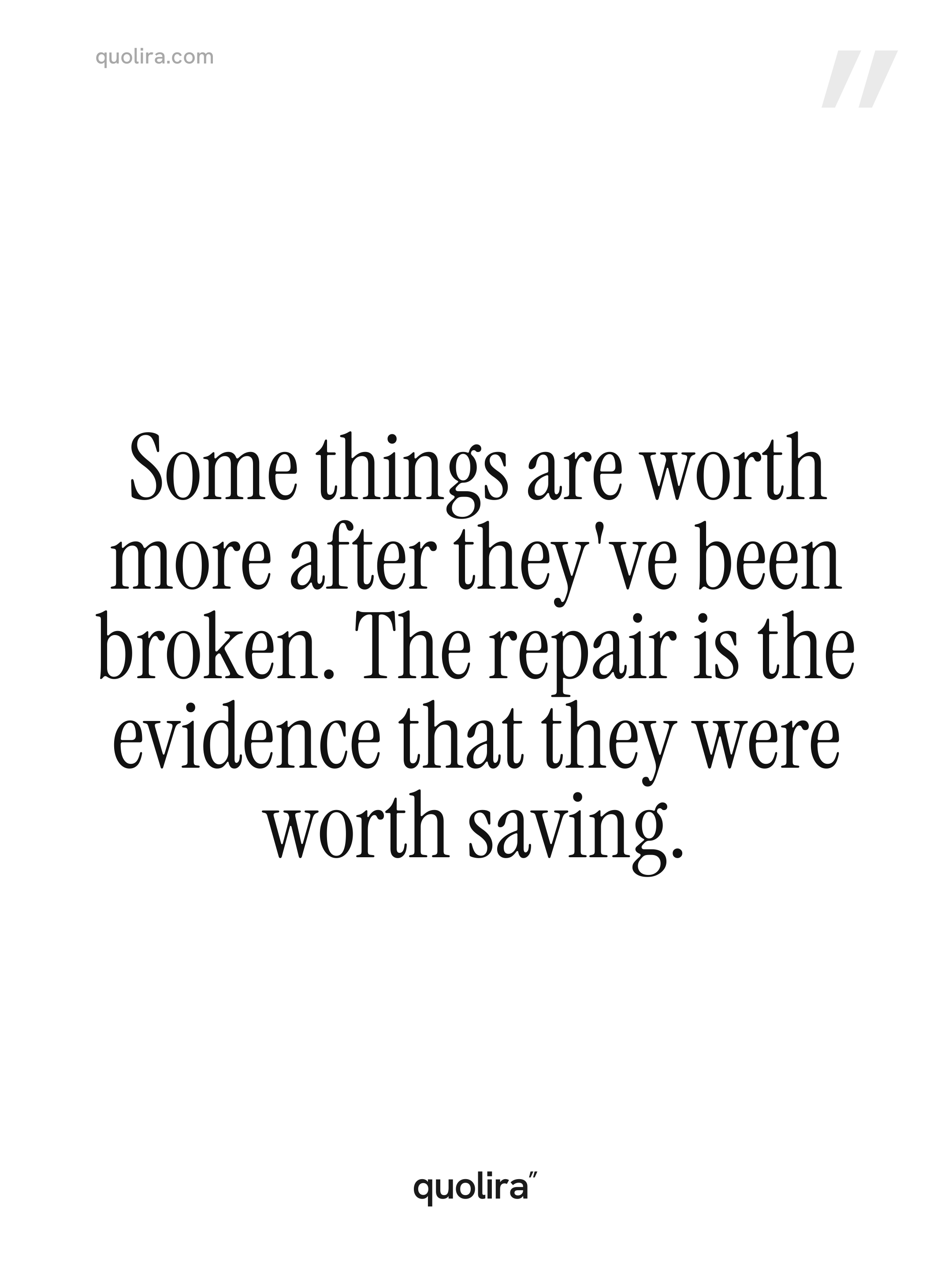
“Some things are worth more after they've been broken. The repair is the evidence that they were worth saving.”
Original
“The break is part of the object's story. Making it invisible doesn't heal it. It just makes you carry it alone.”
Original
“He is richest who is content with the least, for content is the wealth of nature.”
Socrates · Attributed in Diogenes Laertius, Lives of the Eminent Philosophers
“Nature does not hurry, yet everything is accomplished.”
Lao Tzu · Tao Te Ching
“Do not be anxious about tomorrow, for tomorrow will be anxious for itself. Sufficient for the day is its own trouble.”
Matthew 6:34 · The Bible, English Standard Version