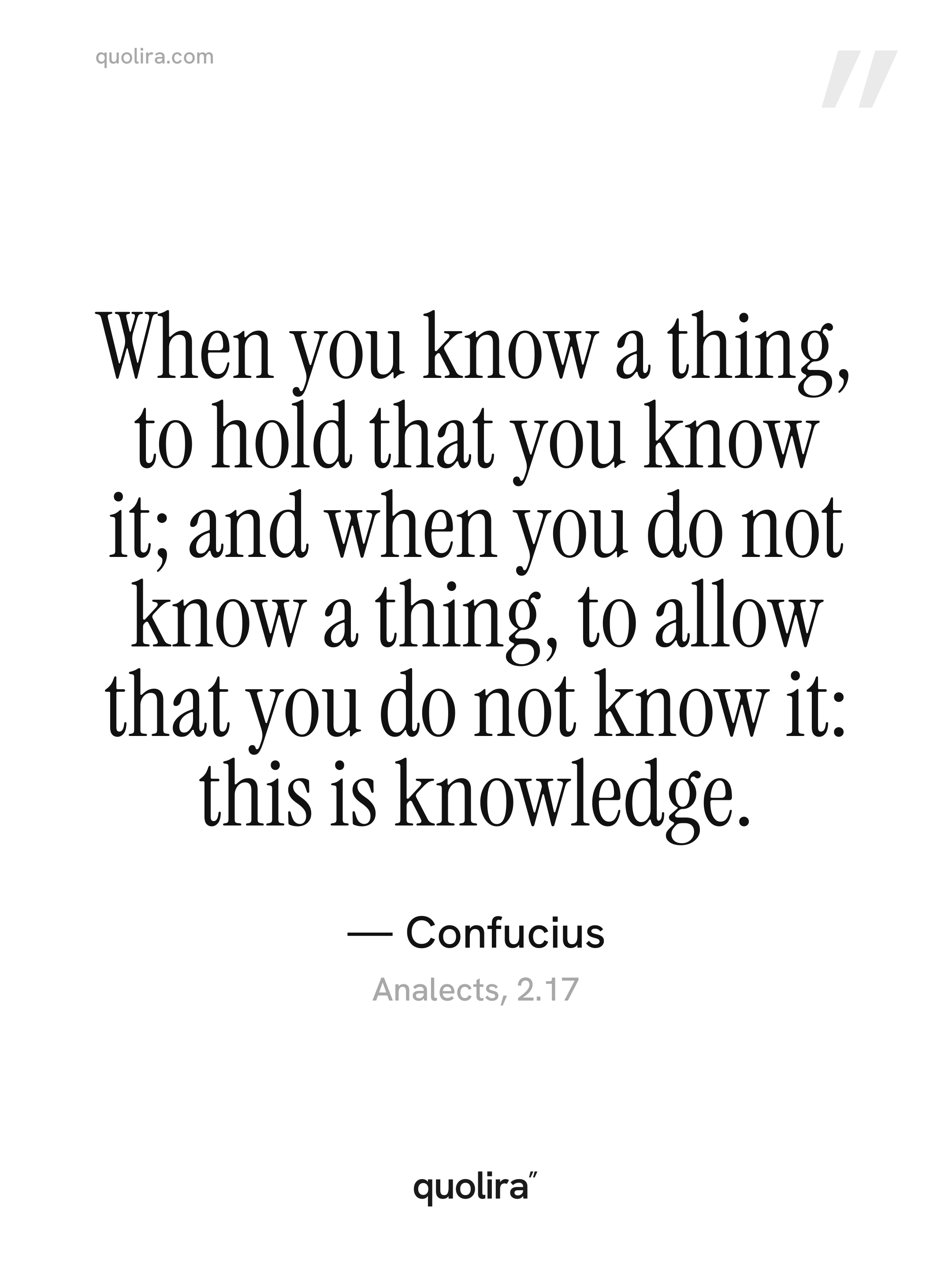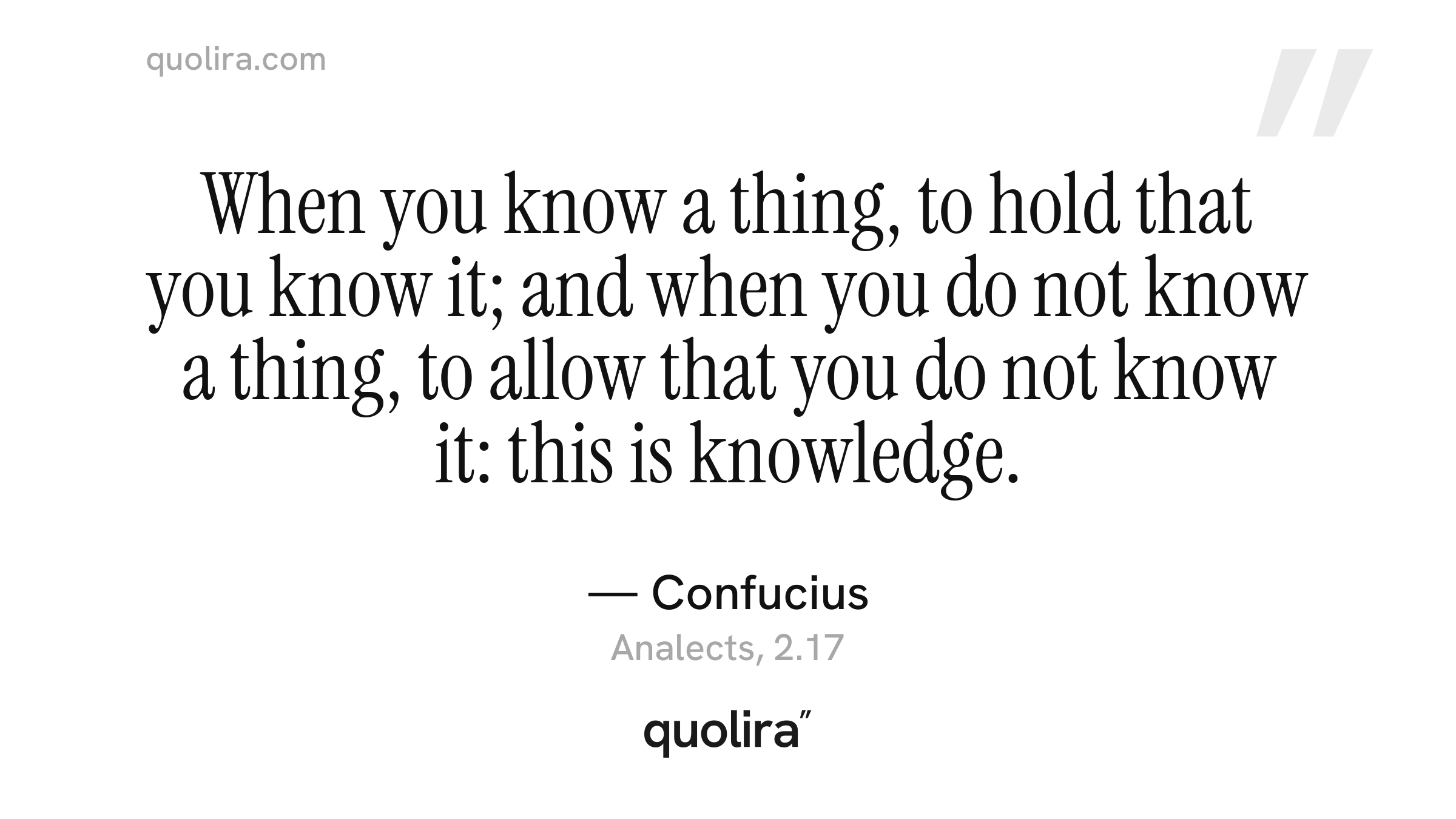
“When you know a thing, to hold that you know it; and when you do not know a thing, to allow that you do not know it: this is knowledge.”
Confucius · Analects, 2.17
 quolira
.com
quolira
quolira.com
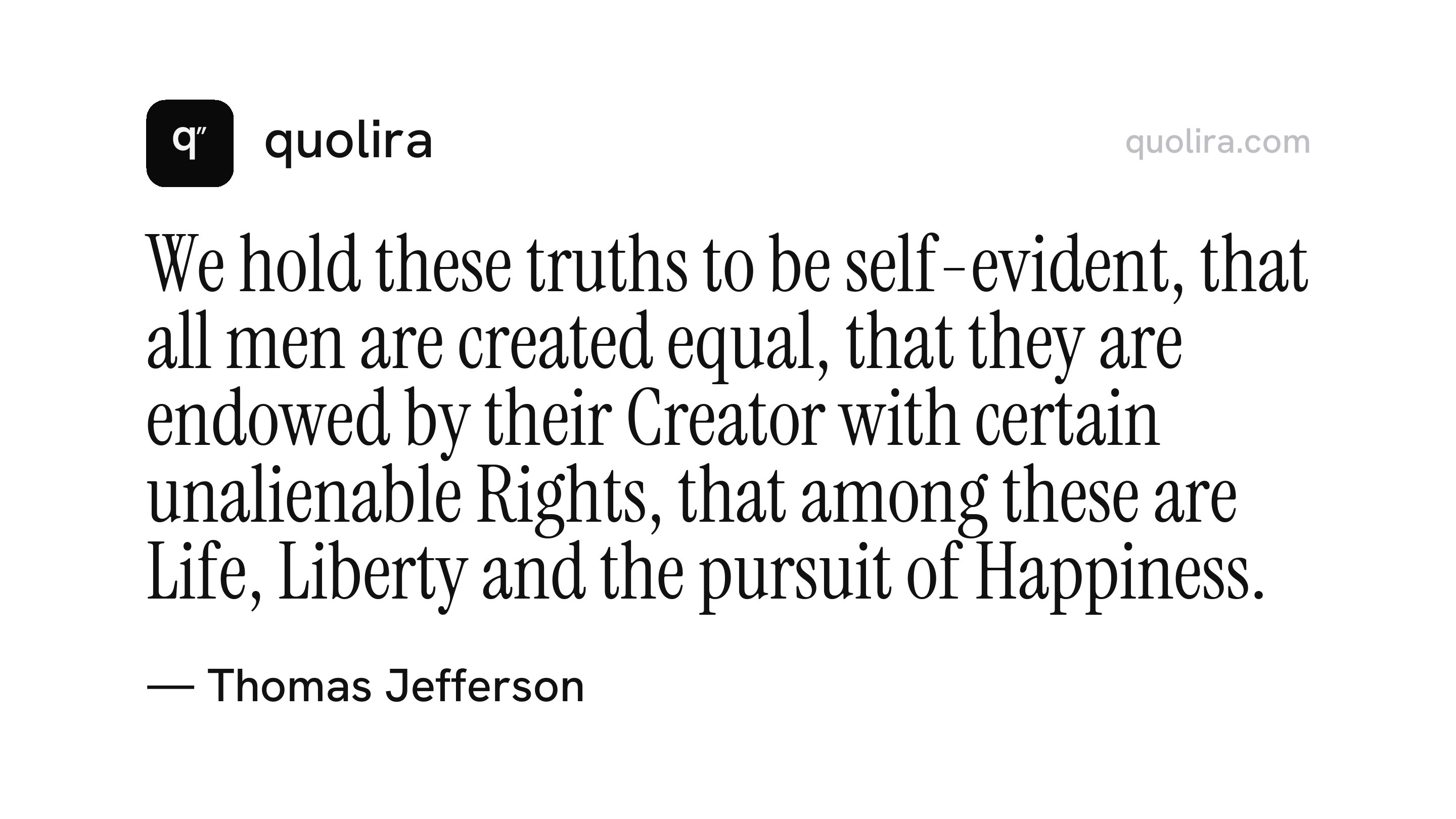
These opening words of the Declaration of Independence assert that certain fundamental rights belong to every person by nature, not by the grace of any government. Jefferson is making the philosophical claim that equality and the rights to life, liberty, and the pursuit of happiness are not privileges to be granted or revoked but are built into the human condition itself. The phrase "self-evident" signals that these are truths requiring no proof, only recognition.
The sentence comes from the preamble of the Declaration of Independence, adopted by the Second Continental Congress in July 1776. The delegates were formally announcing the American colonies' break from British rule, and this passage provided the moral justification for that act. Jefferson drew on Enlightenment philosophy, particularly ideas about natural rights that had circulated widely in the preceding century, weaving them into a document meant to speak to all of humanity, not just to the immediate political crisis.
Thomas Jefferson was a Virginia statesman, lawyer, and planter who served as the principal drafter of the Declaration of Independence. He later became the third President of the United States. Jefferson was a wide-ranging intellectual with deep interests in architecture, science, agriculture, and philosophy. His public career was long and consequential, though his legacy is complicated by the fact that he enslaved people throughout his life, a stark contradiction to the universal ideals he so memorably expressed.
“When you know a thing, to hold that you know it; and when you do not know a thing, to allow that you do not know it: this is knowledge.”
Confucius · Analects, 2.17
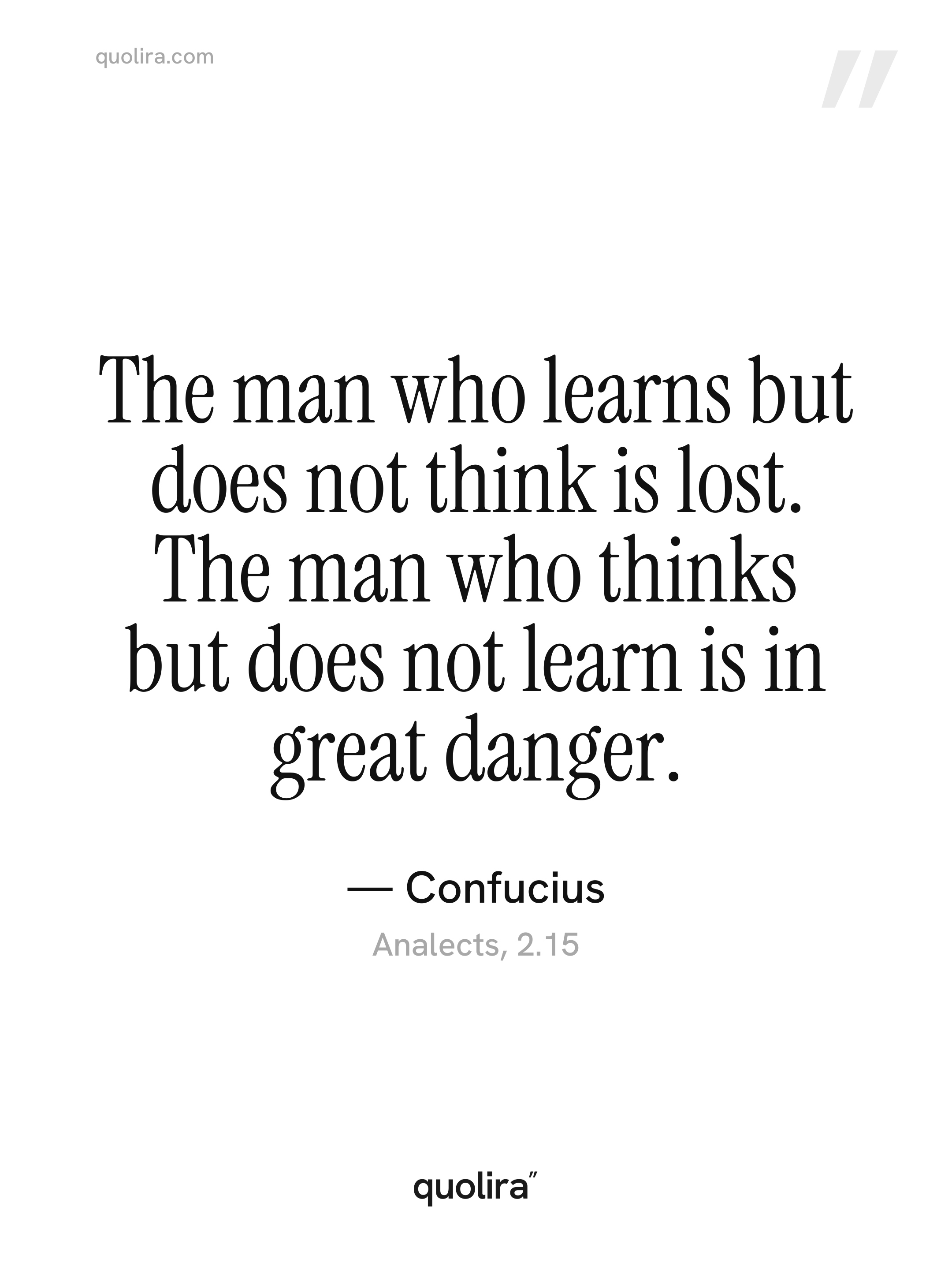
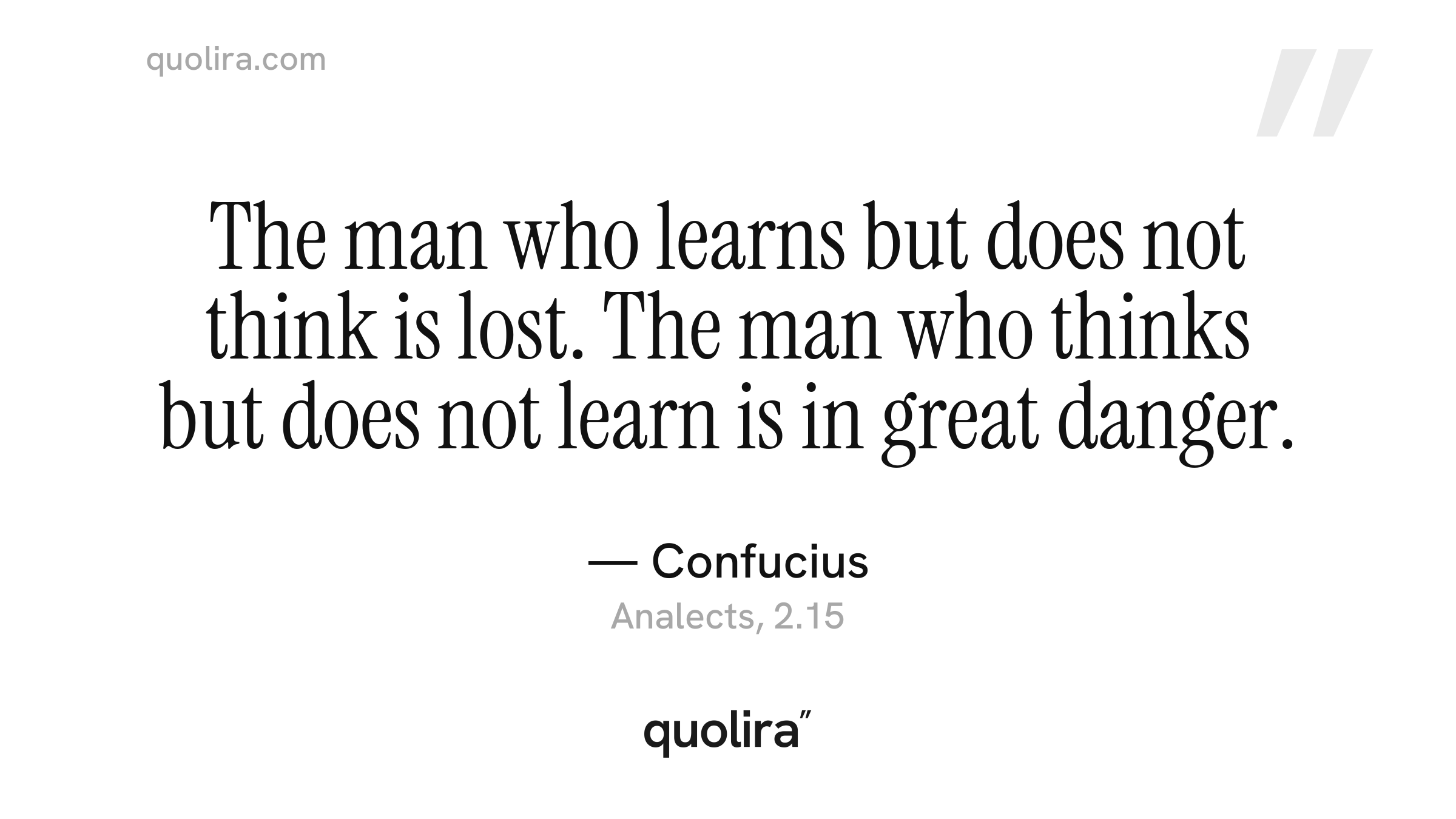
“The man who learns but does not think is lost. The man who thinks but does not learn is in great danger.”
Confucius · Analects, 2.15
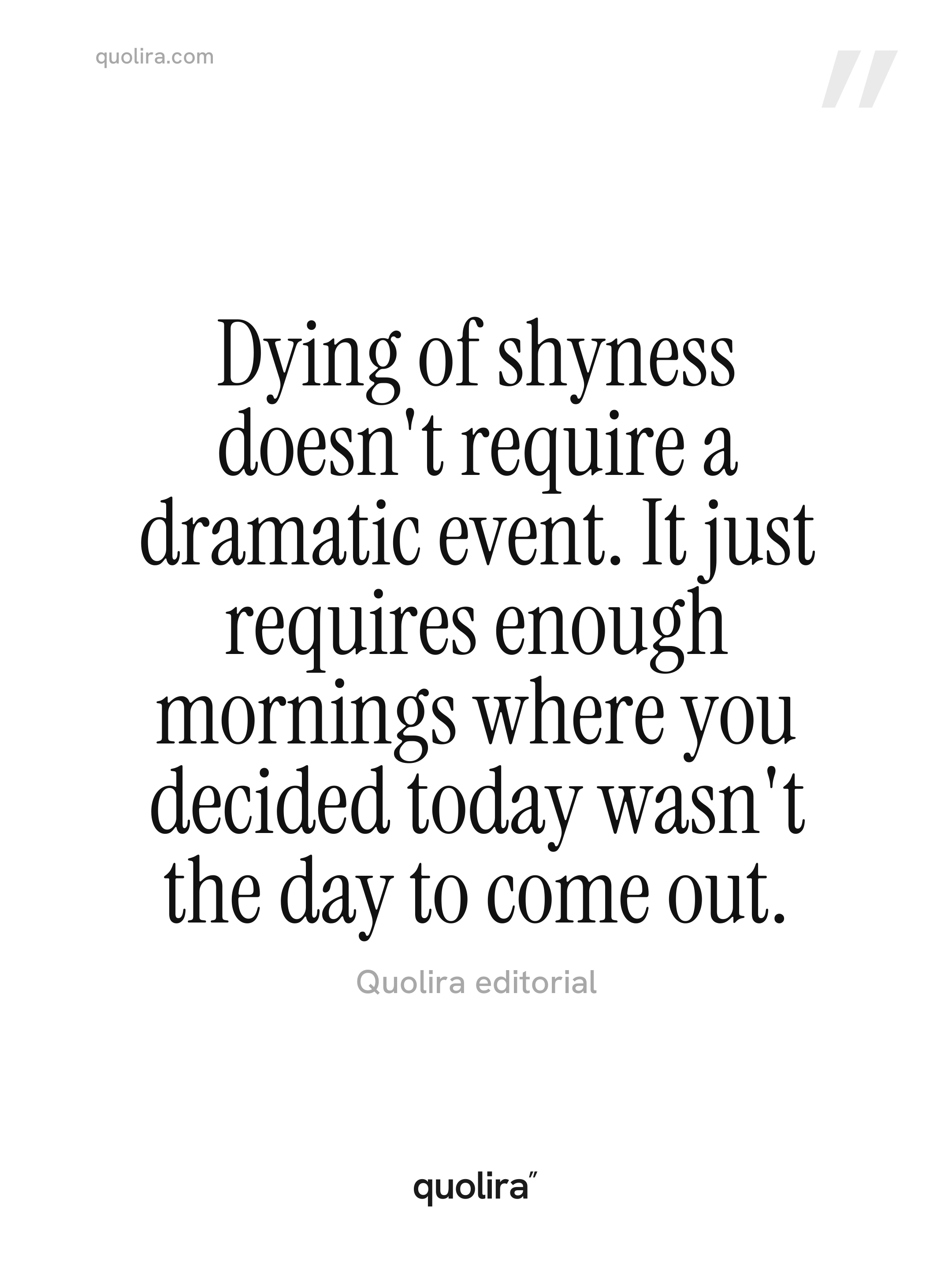
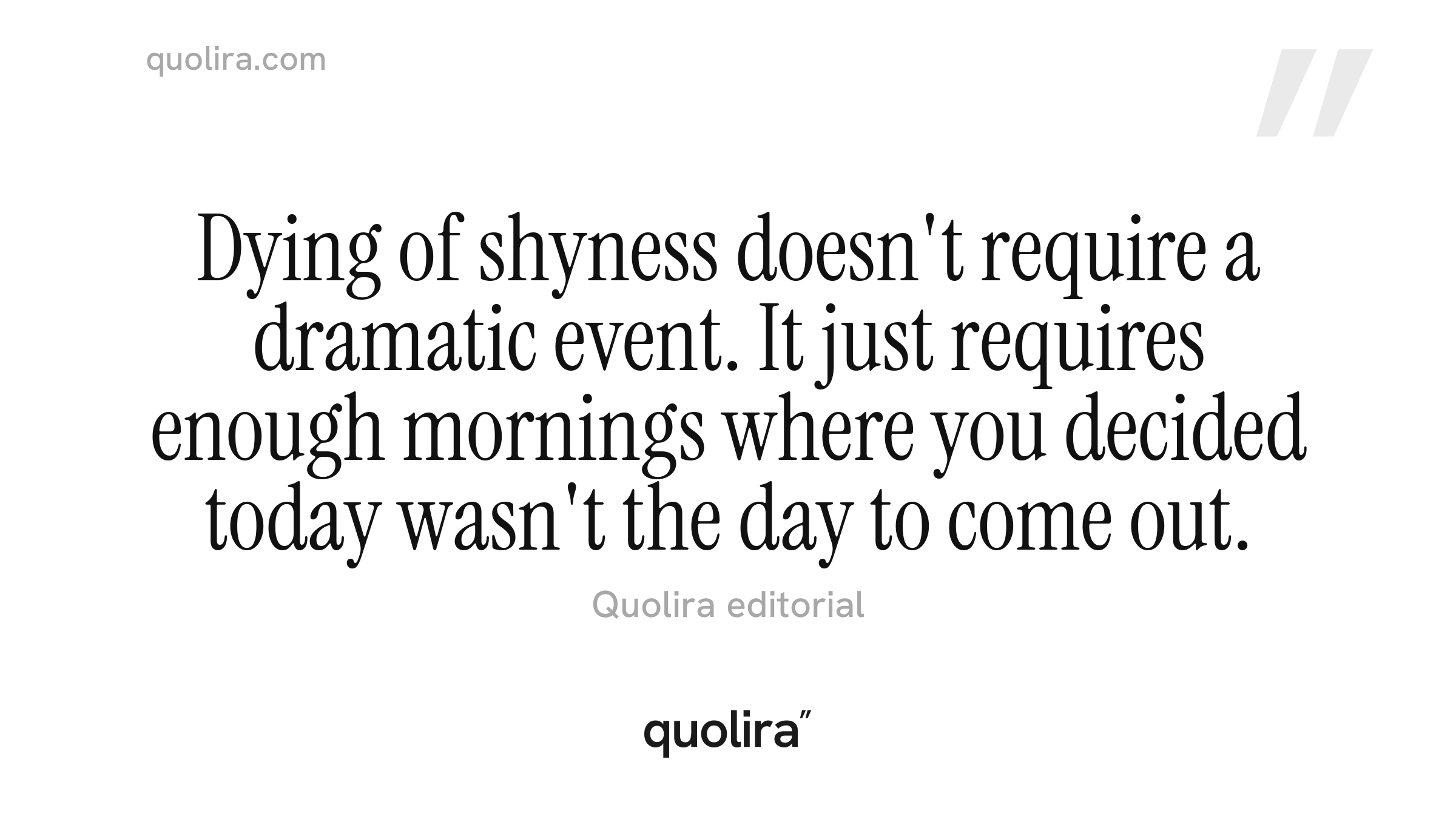
“Dying of shyness doesn't require a dramatic event. It just requires enough mornings where you decided today wasn't the day to come out.”
Original
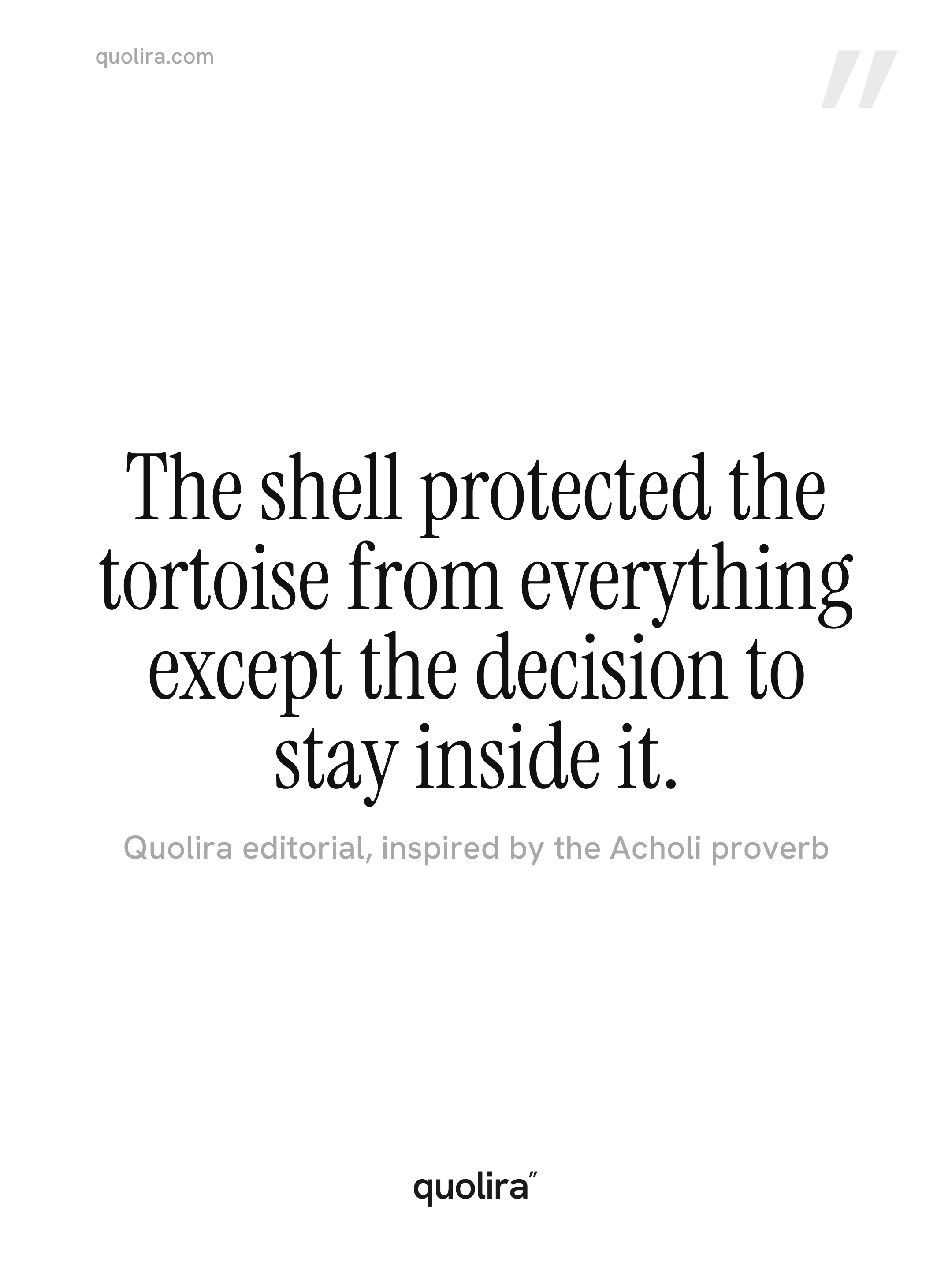
“The shell protected the tortoise from everything except the decision to stay inside it.”
Original
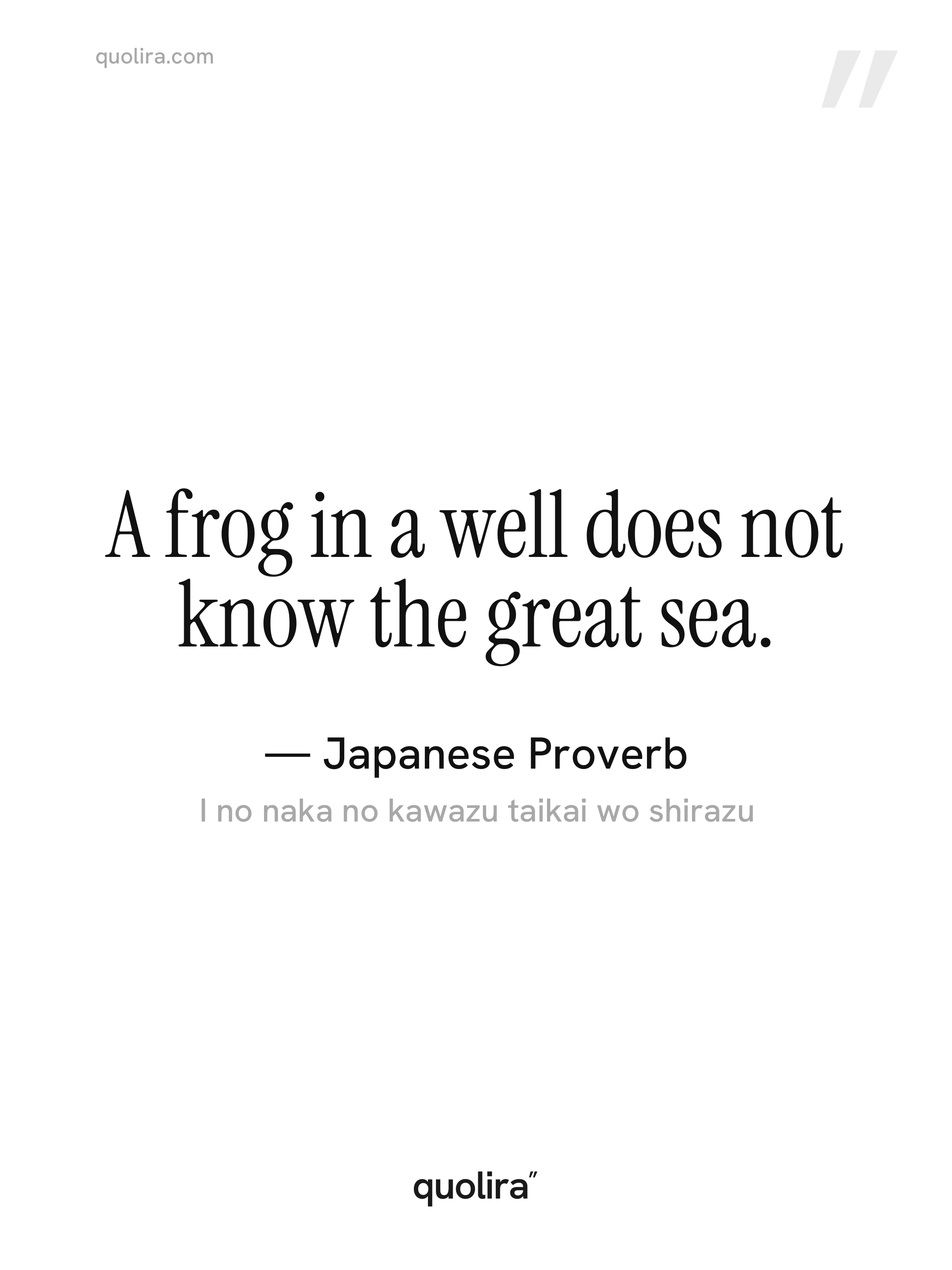
“A frog in a well does not know the great sea.”
Japanese Proverb · I no naka no kawazu taikai wo shirazu
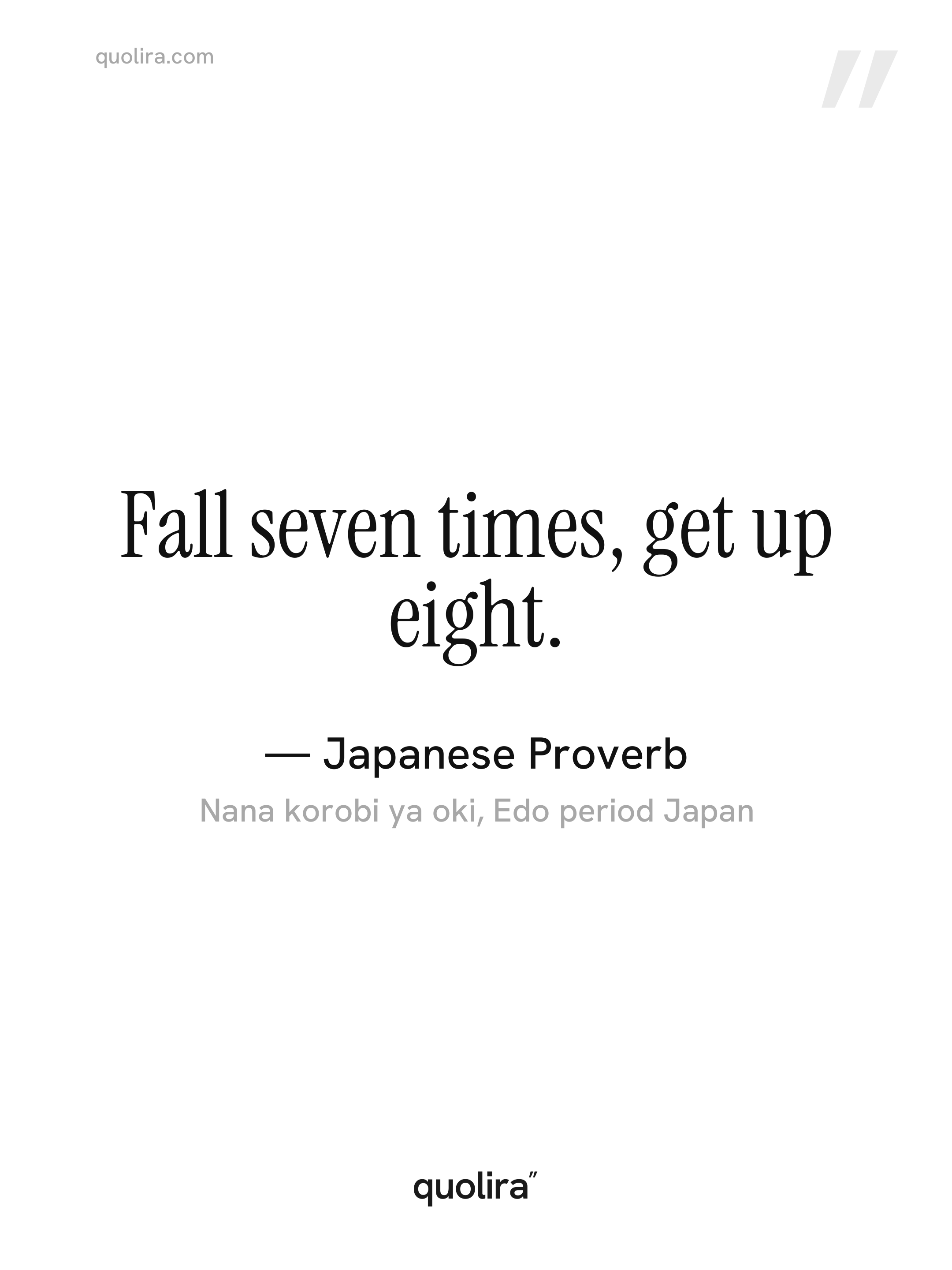
“Fall seven times, get up eight.”
Japanese Proverb · Nana korobi ya oki, Edo period Japan
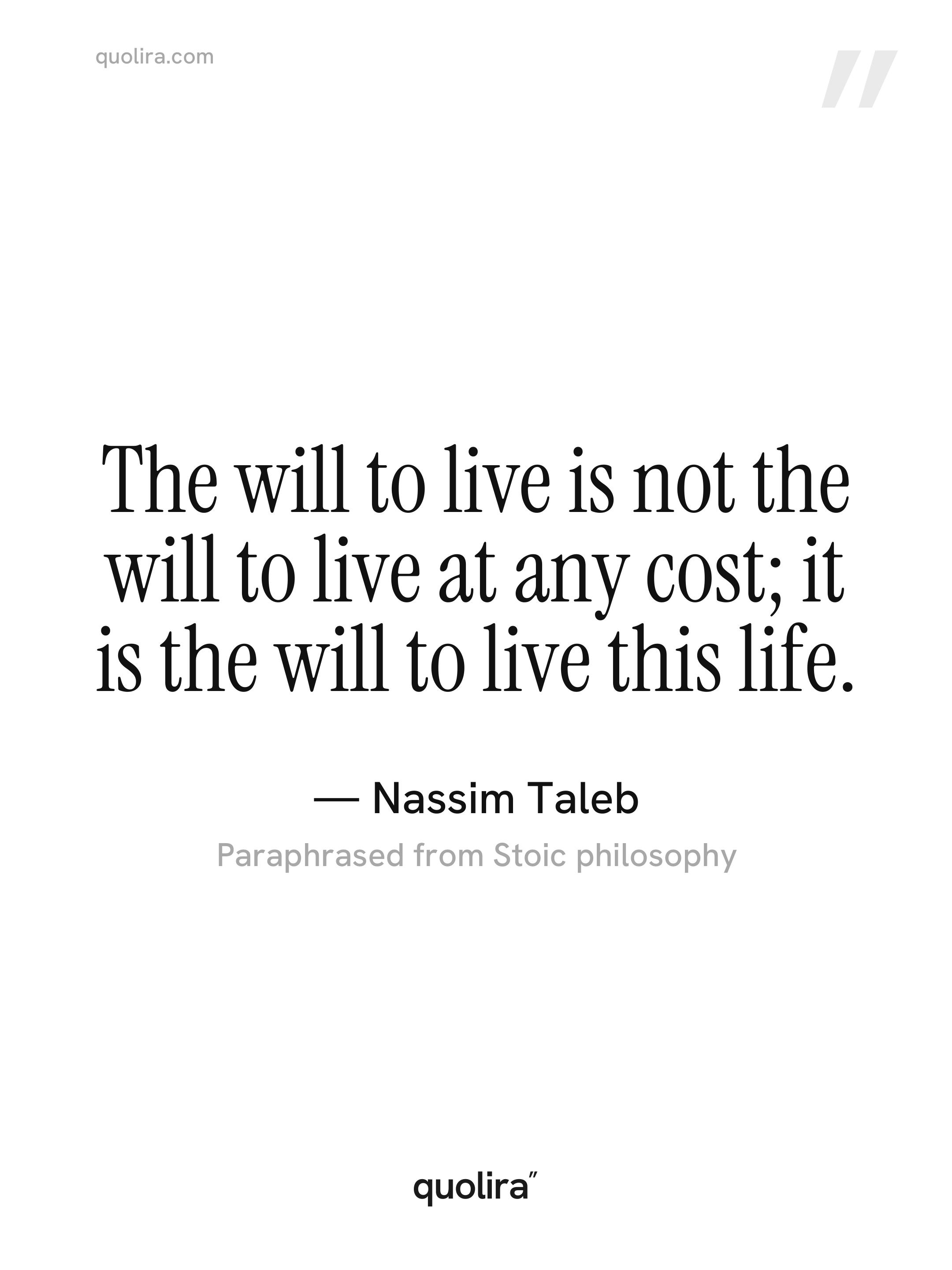
“The will to live is not the will to live at any cost; it is the will to live this life.”
Nassim Taleb · Paraphrased from Stoic philosophy
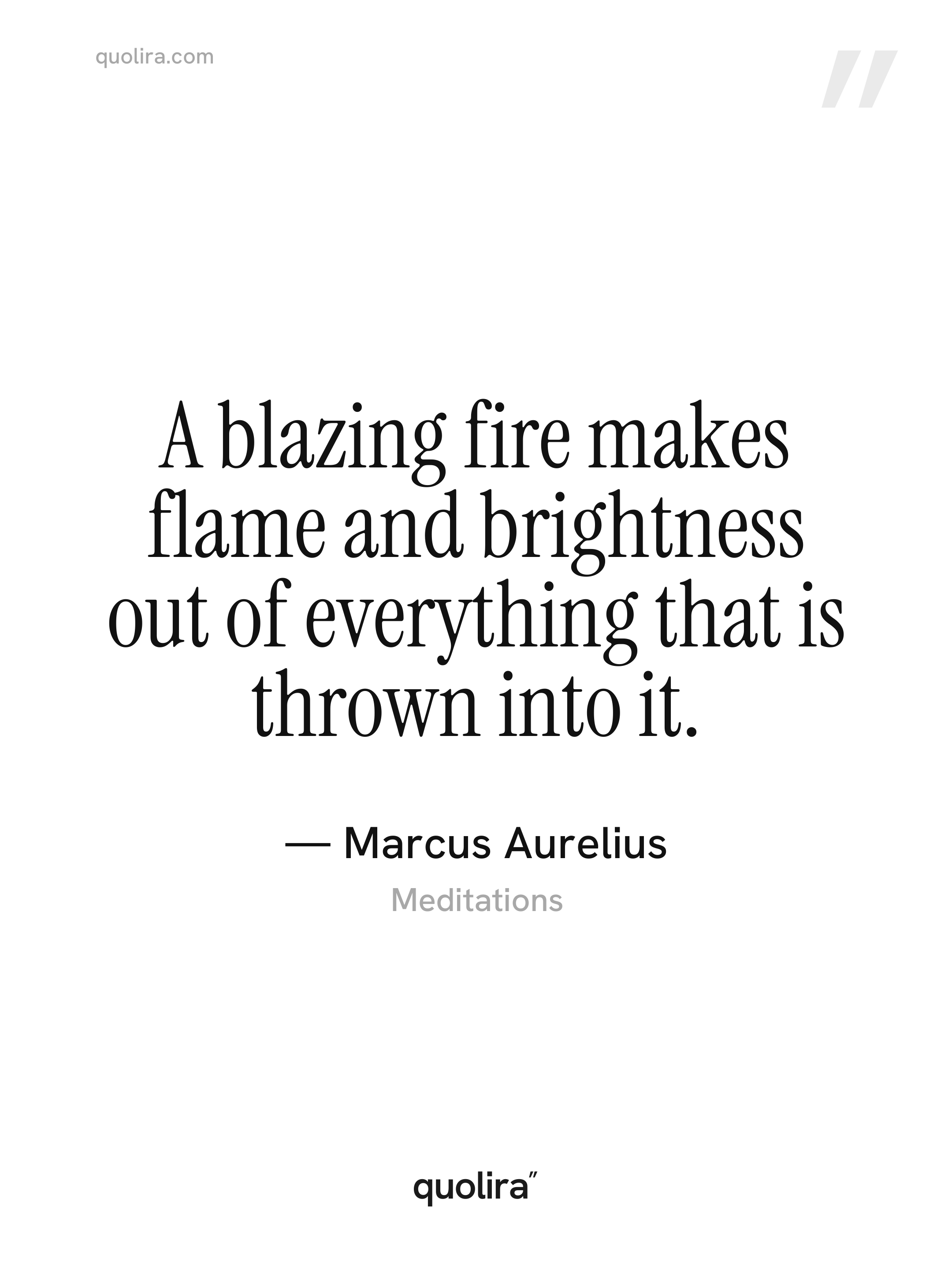
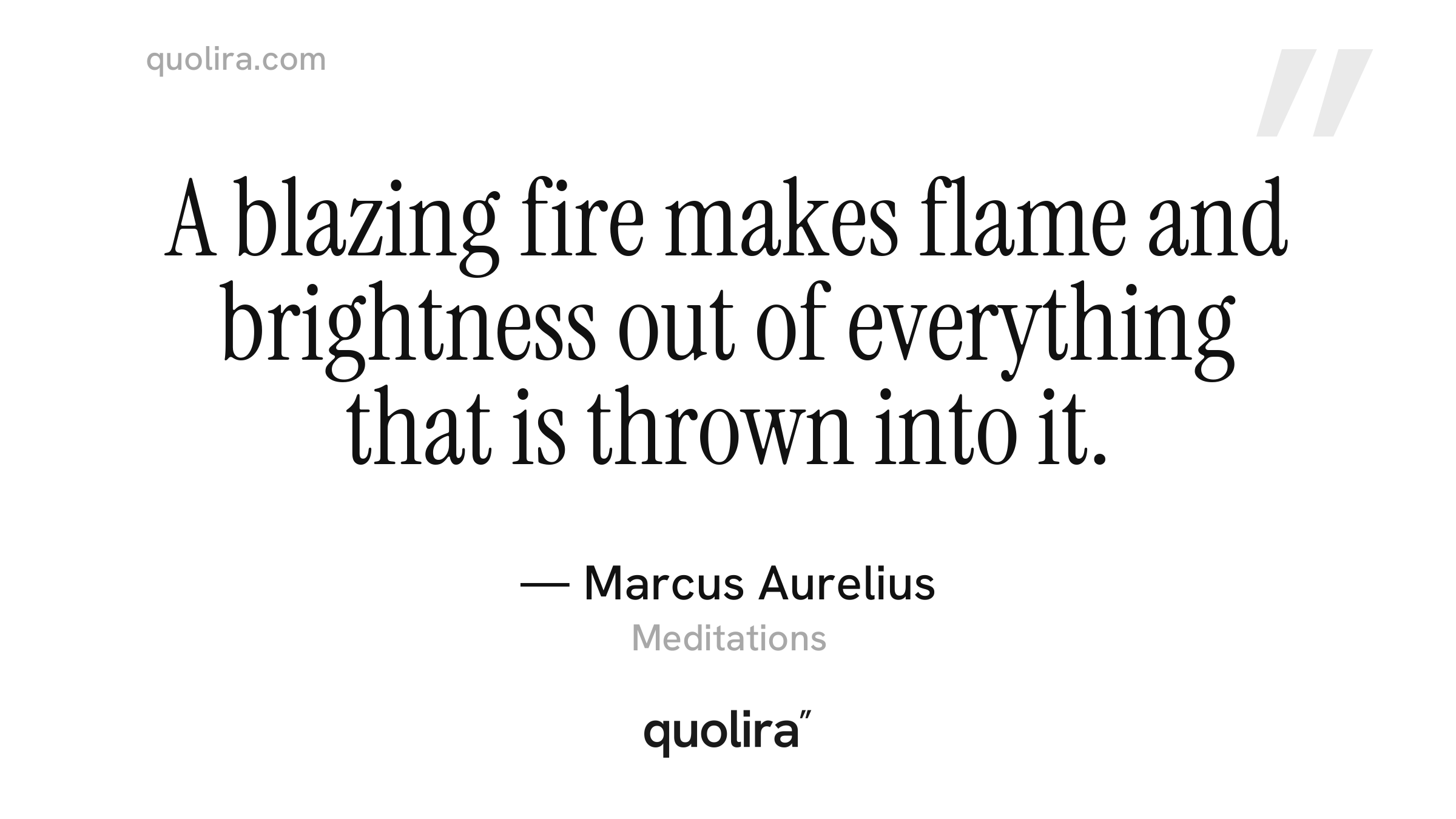
“A blazing fire makes flame and brightness out of everything that is thrown into it.”
Marcus Aurelius · Meditations
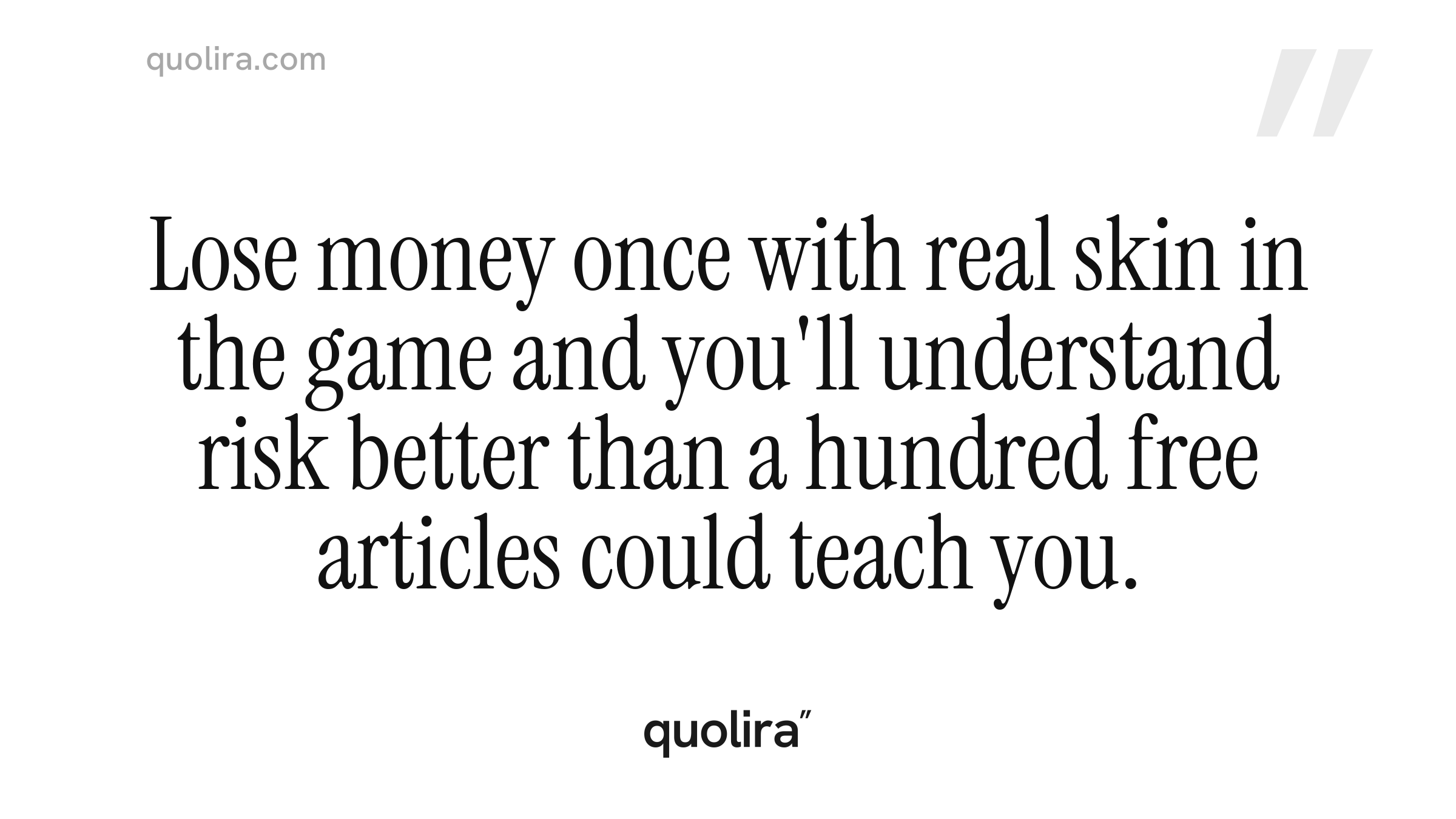
“Lose money once with real skin in the game and you'll understand risk better than a hundred free articles could teach you.”
Original
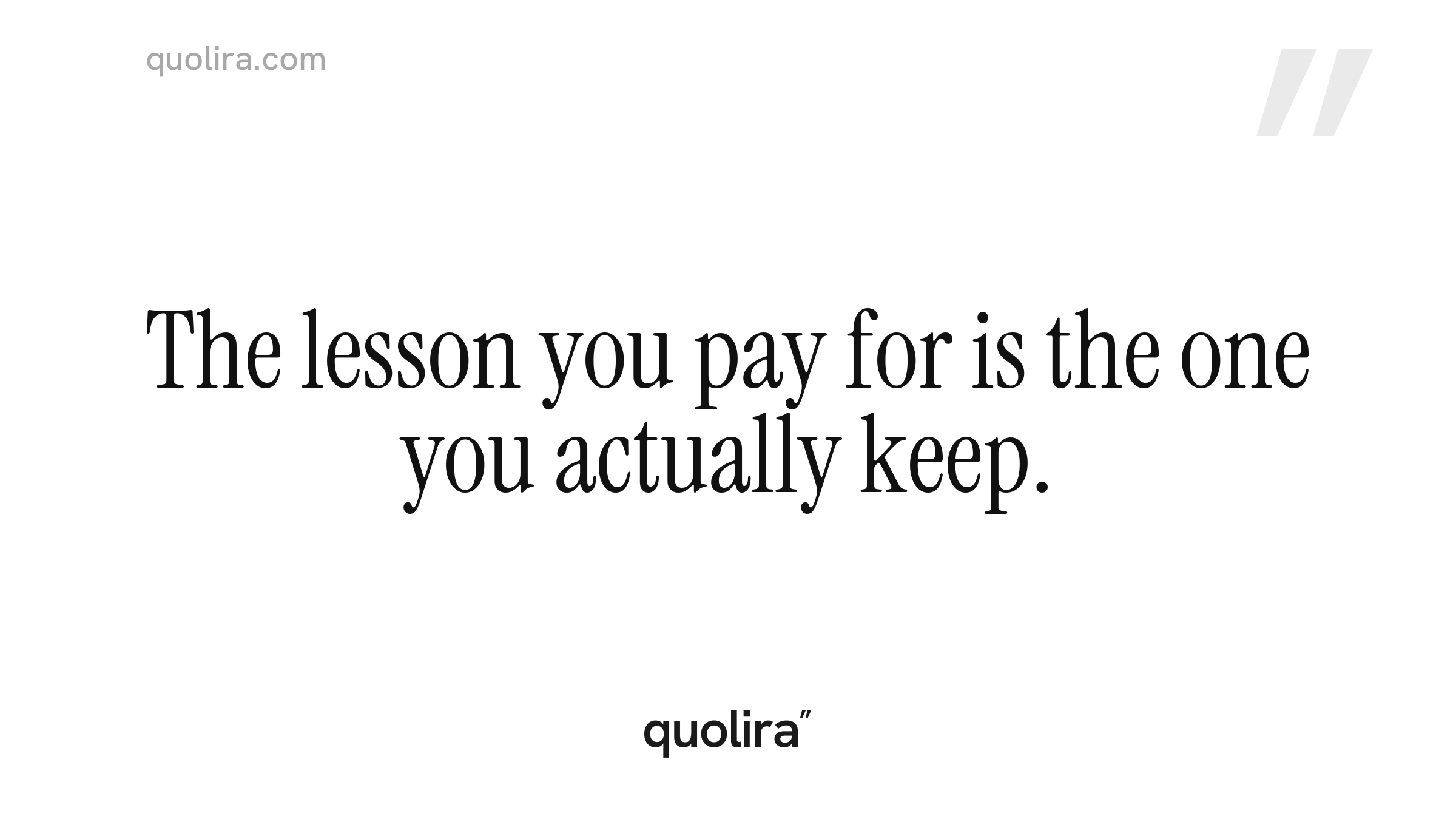
“The lesson you pay for is the one you actually keep.”
Original
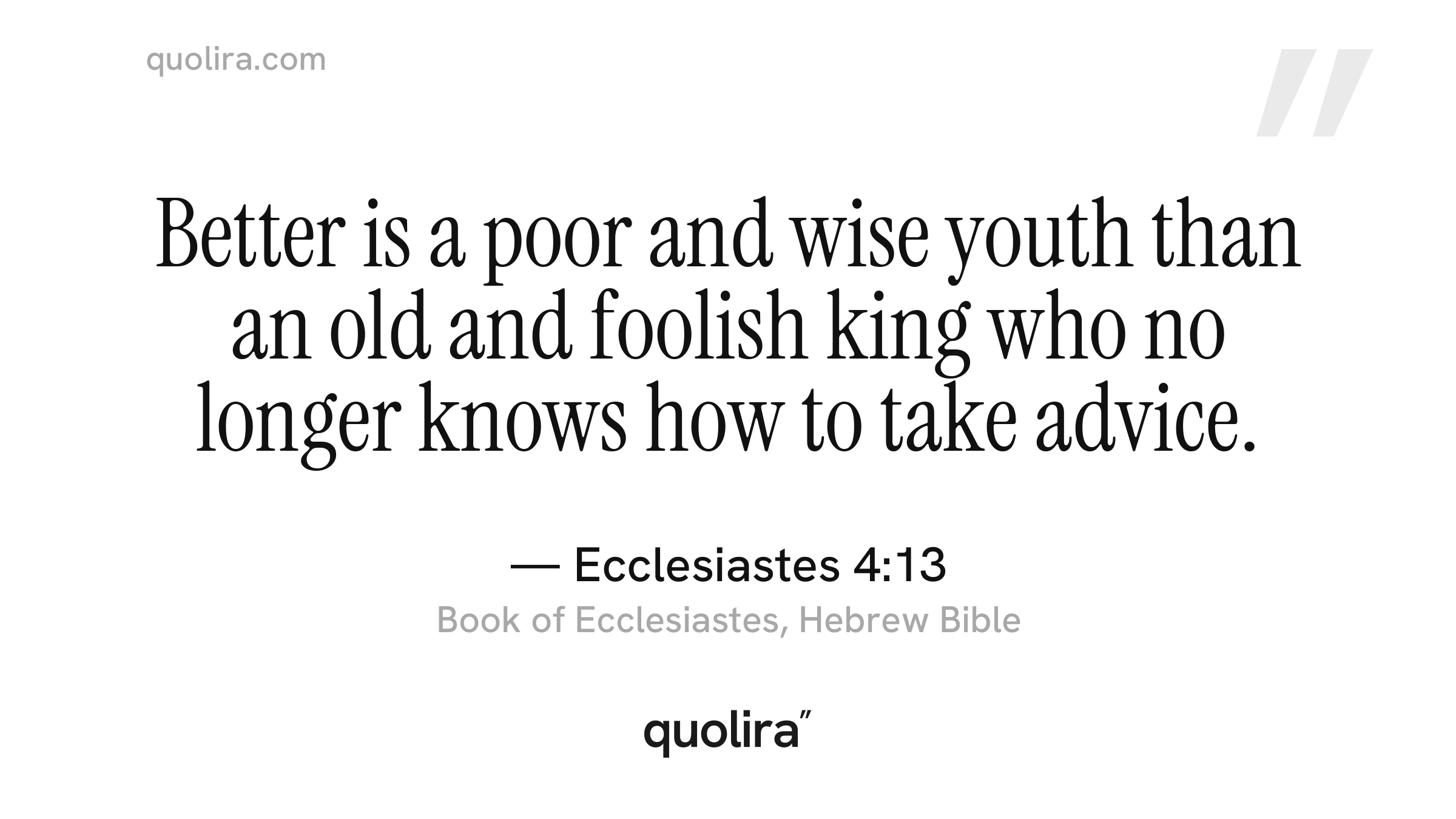
“Better is a poor and wise youth than an old and foolish king who no longer knows how to take advice.”
Ecclesiastes 4:13 · Book of Ecclesiastes, Hebrew Bible
“Gray hair is a crown of glory; it is gained in a righteous life.”
Proverbs 16:31 · Book of Proverbs, Hebrew Bible