“The man who learns but does not think is lost. The man who thinks but does not learn is in great danger.”
Confucius · Analects, 2.15
 quolira
.com
quolira
quolira.com
This teaching redefines knowledge in a way that is both simple and quietly radical. True knowledge, Confucius argues, is not the accumulation of facts or the projection of confidence. It is an accurate awareness of what you know and, just as importantly, an honest acknowledgment of what you do not. Most people find the second part harder than the first. Admitting ignorance requires a kind of intellectual humility that can feel uncomfortable, especially in situations where being seen as knowledgeable carries social weight. Confucius places that honesty at the very center of what it means to know something.
This passage comes from the Analects, the collected sayings of Confucius preserved by his students. Chapter two contains several of his most direct statements about how a person should approach learning and self-cultivation. The observation on knowing and not-knowing appears alongside other reflections on study, conduct, and the qualities of the exemplary person that Confucian thought calls the junzi. The theme of intellectual humility runs throughout Confucian teaching, and this verse is one of its most economical and memorable expressions.
Confucius was a Chinese philosopher and teacher active during the Spring and Autumn period of Chinese history. He worked as an educator and advisor and spent years traveling in the hope of finding rulers willing to govern according to his ethical principles. His teachings, collected in the Analects by his disciples, became central to Confucianism, a tradition that profoundly shaped the intellectual, political, and cultural life of China and much of East Asia for centuries.
“The man who learns but does not think is lost. The man who thinks but does not learn is in great danger.”
Confucius · Analects, 2.15
“Dying of shyness doesn't require a dramatic event. It just requires enough mornings where you decided today wasn't the day to come out.”
Original
“The shell protected the tortoise from everything except the decision to stay inside it.”
Original
“A frog in a well does not know the great sea.”
Japanese Proverb · I no naka no kawazu taikai wo shirazu
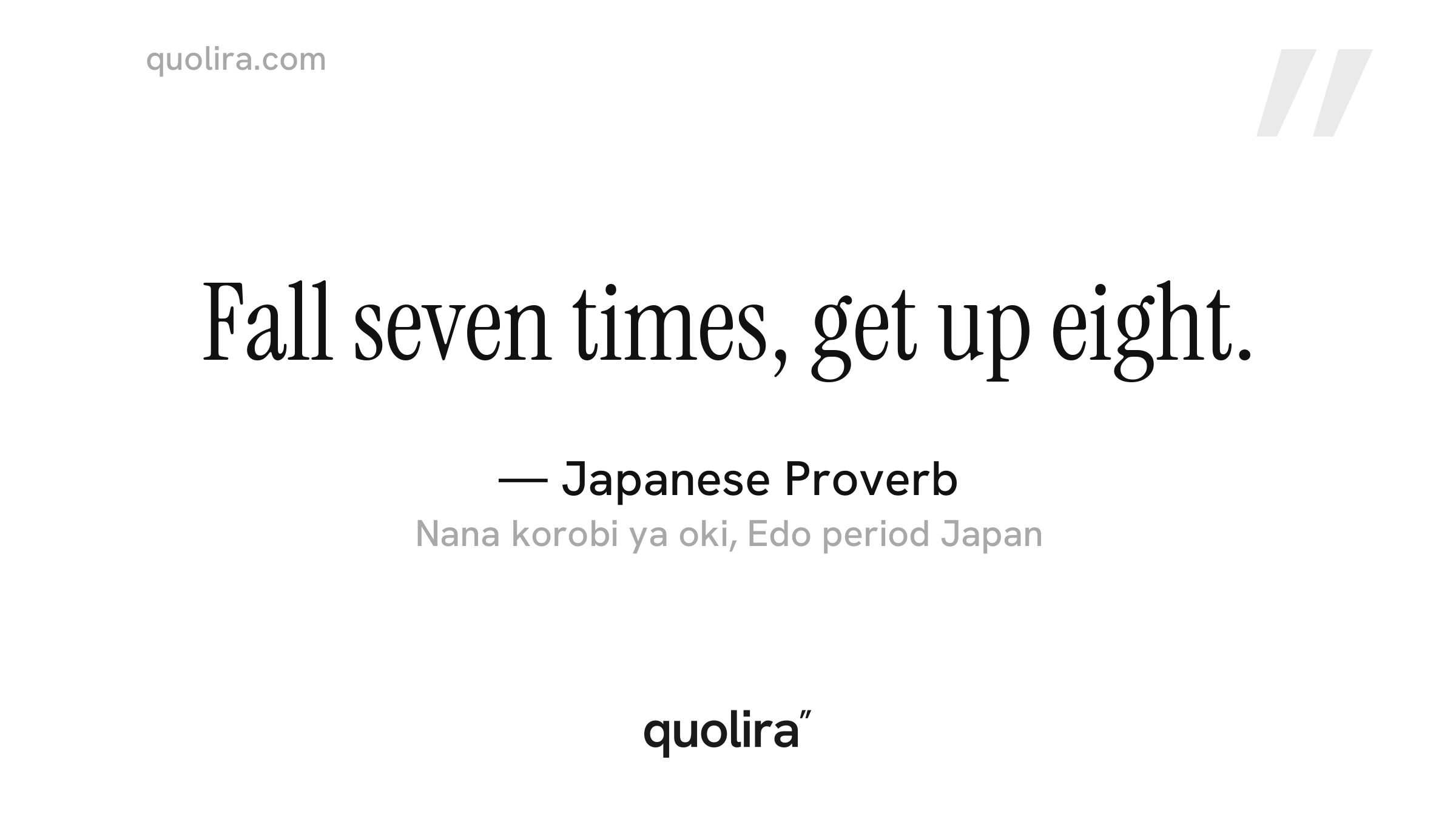
“Fall seven times, get up eight.”
Japanese Proverb · Nana korobi ya oki, Edo period Japan
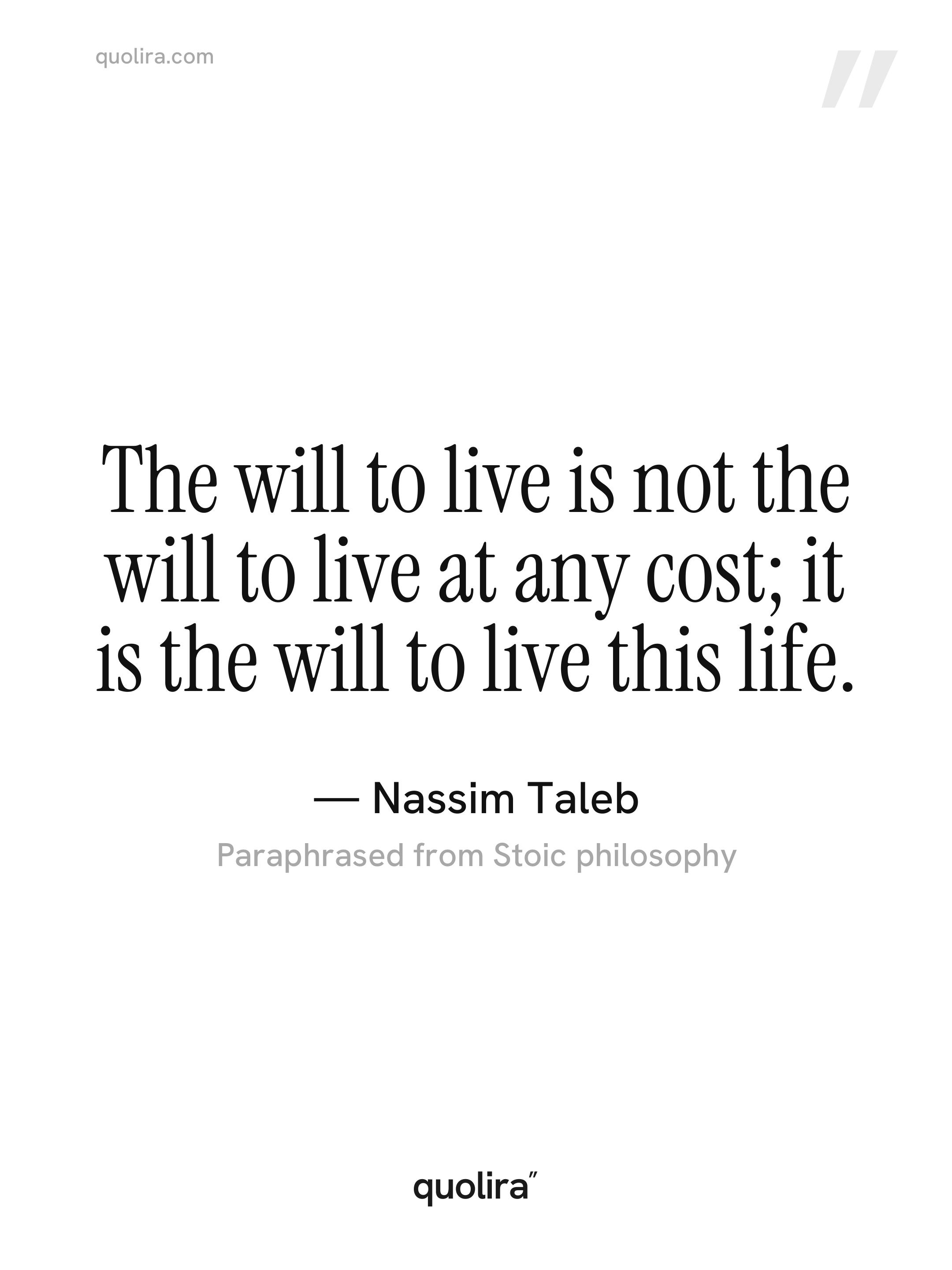
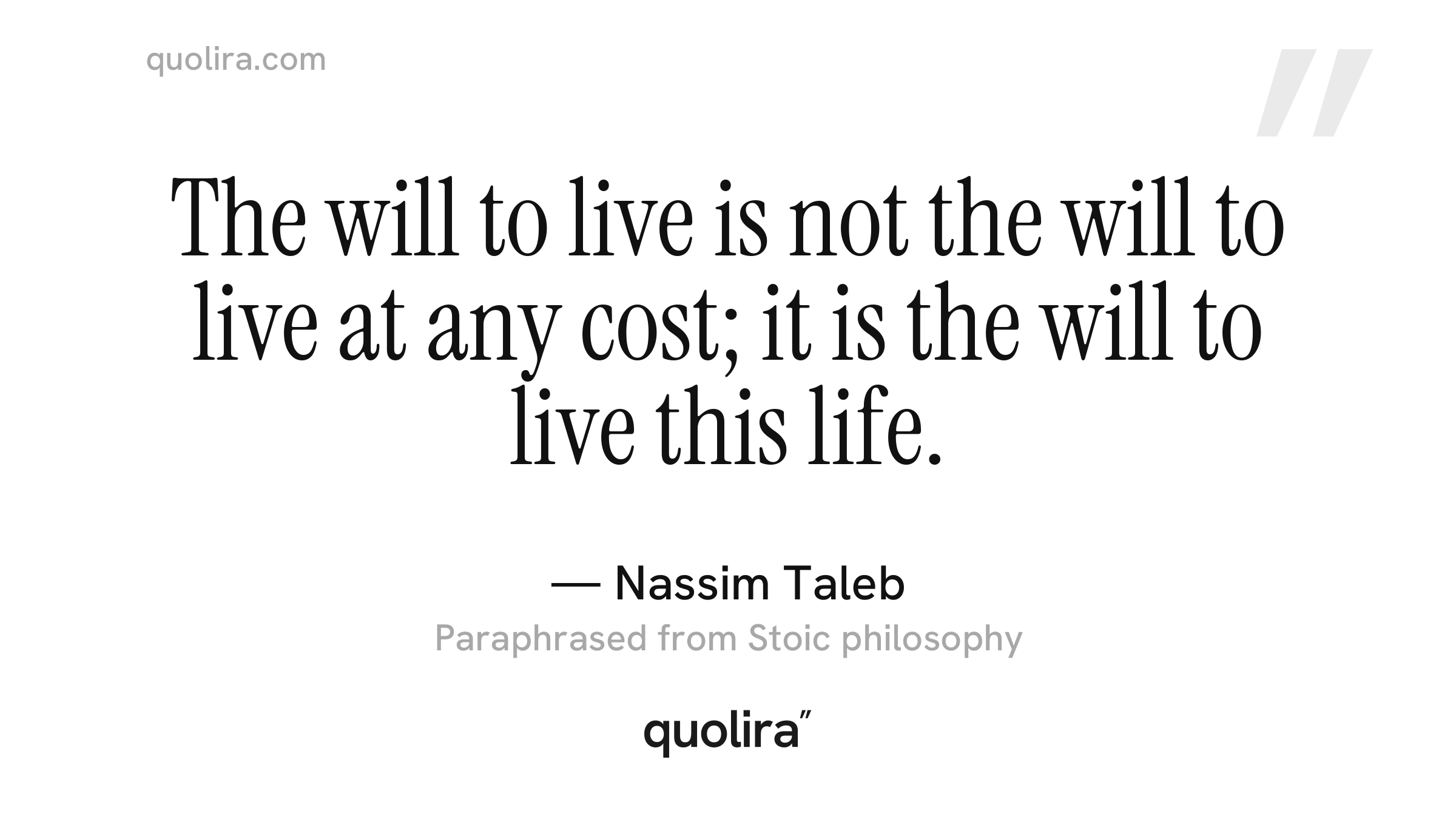
“The will to live is not the will to live at any cost; it is the will to live this life.”
Nassim Taleb · Paraphrased from Stoic philosophy
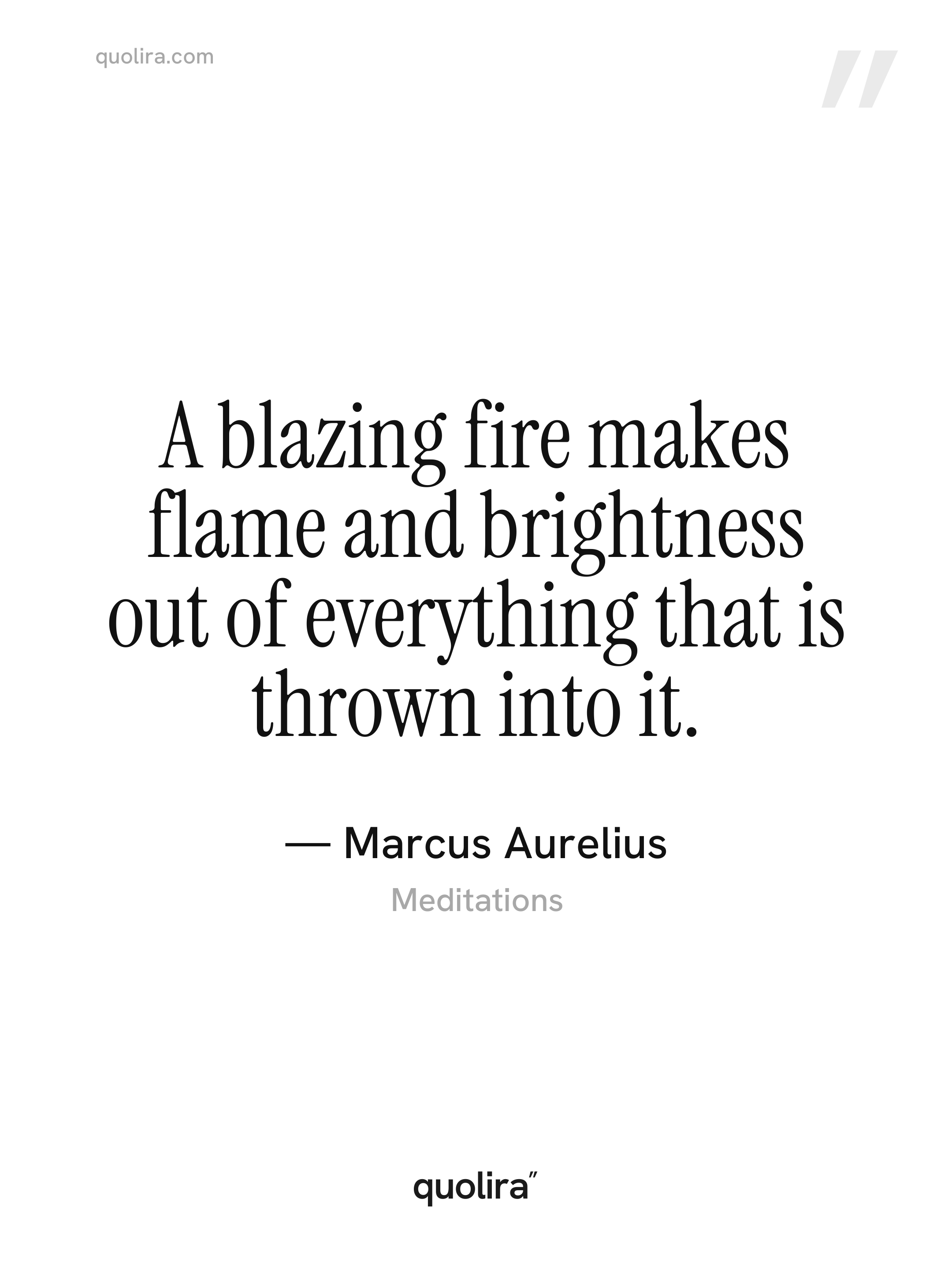
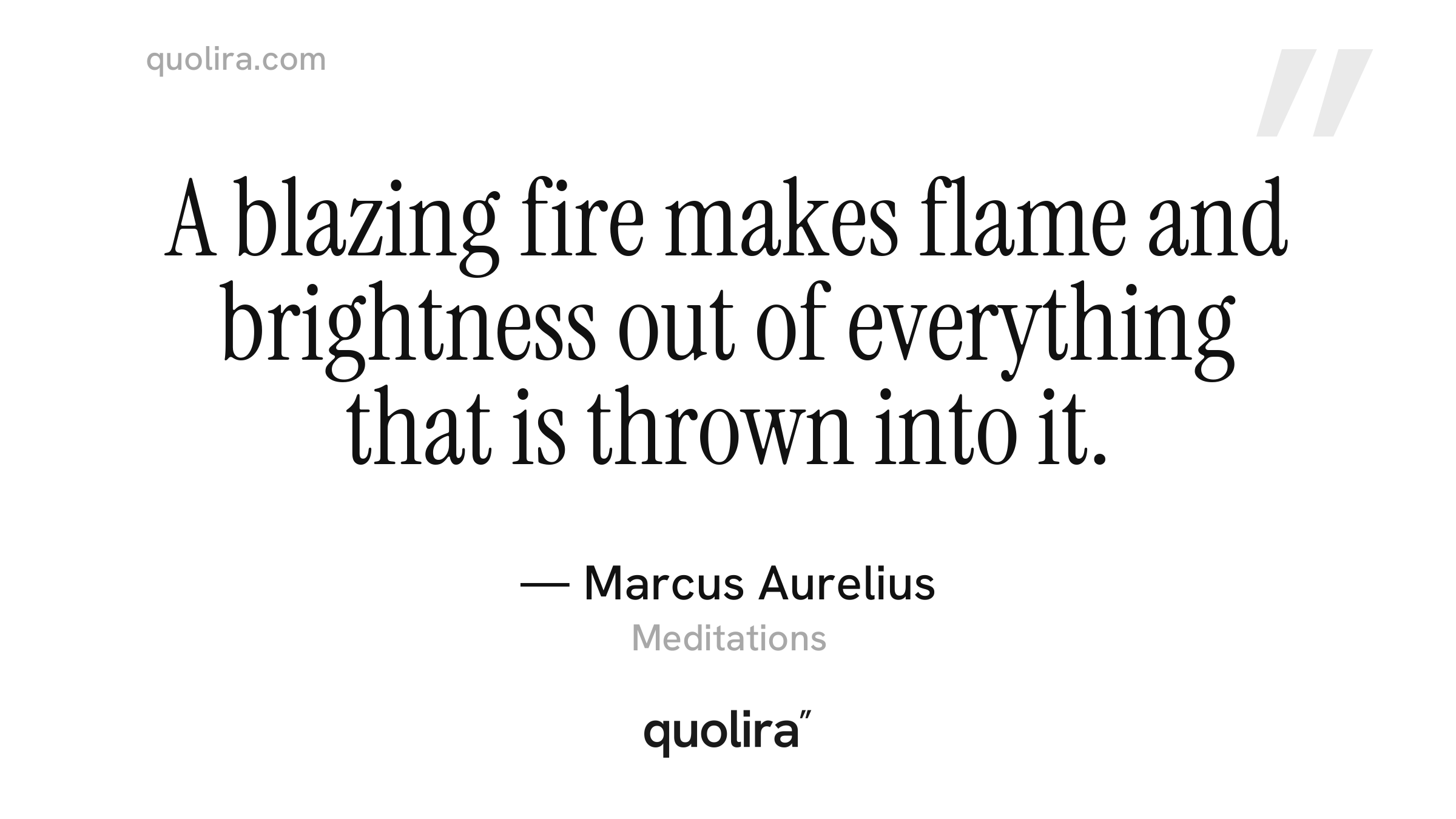
“A blazing fire makes flame and brightness out of everything that is thrown into it.”
Marcus Aurelius · Meditations
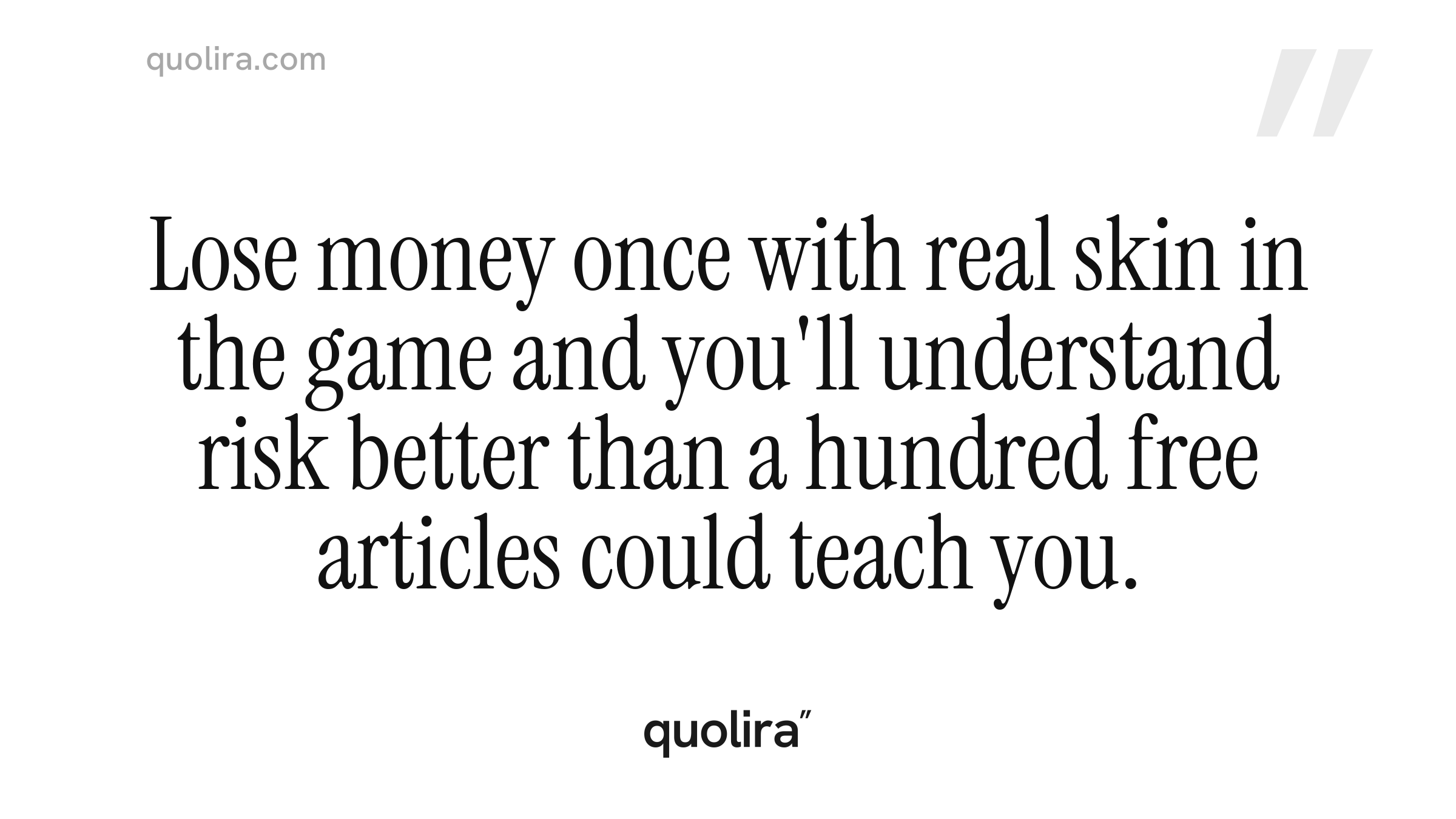
“Lose money once with real skin in the game and you'll understand risk better than a hundred free articles could teach you.”
Original
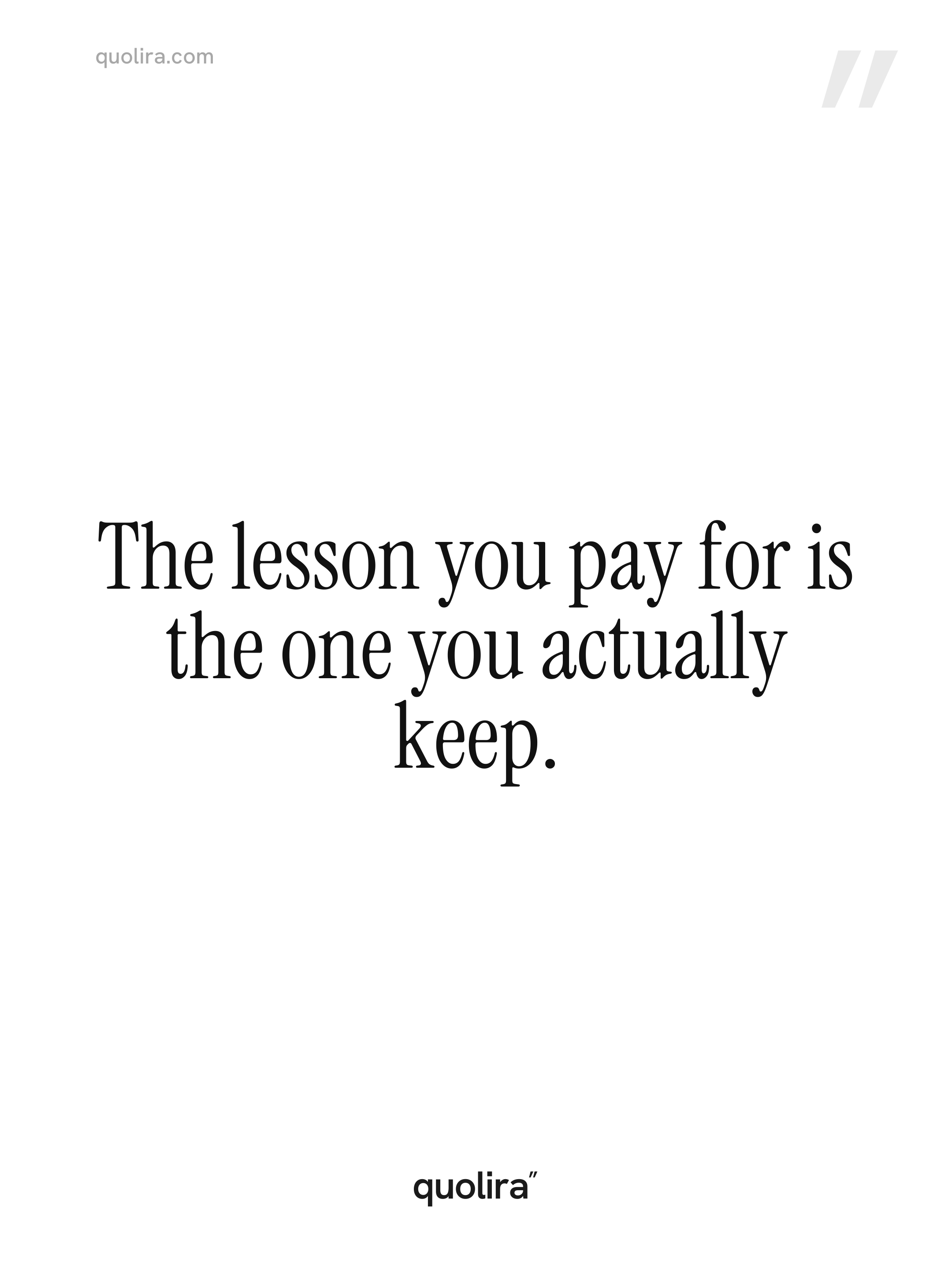
“The lesson you pay for is the one you actually keep.”
Original
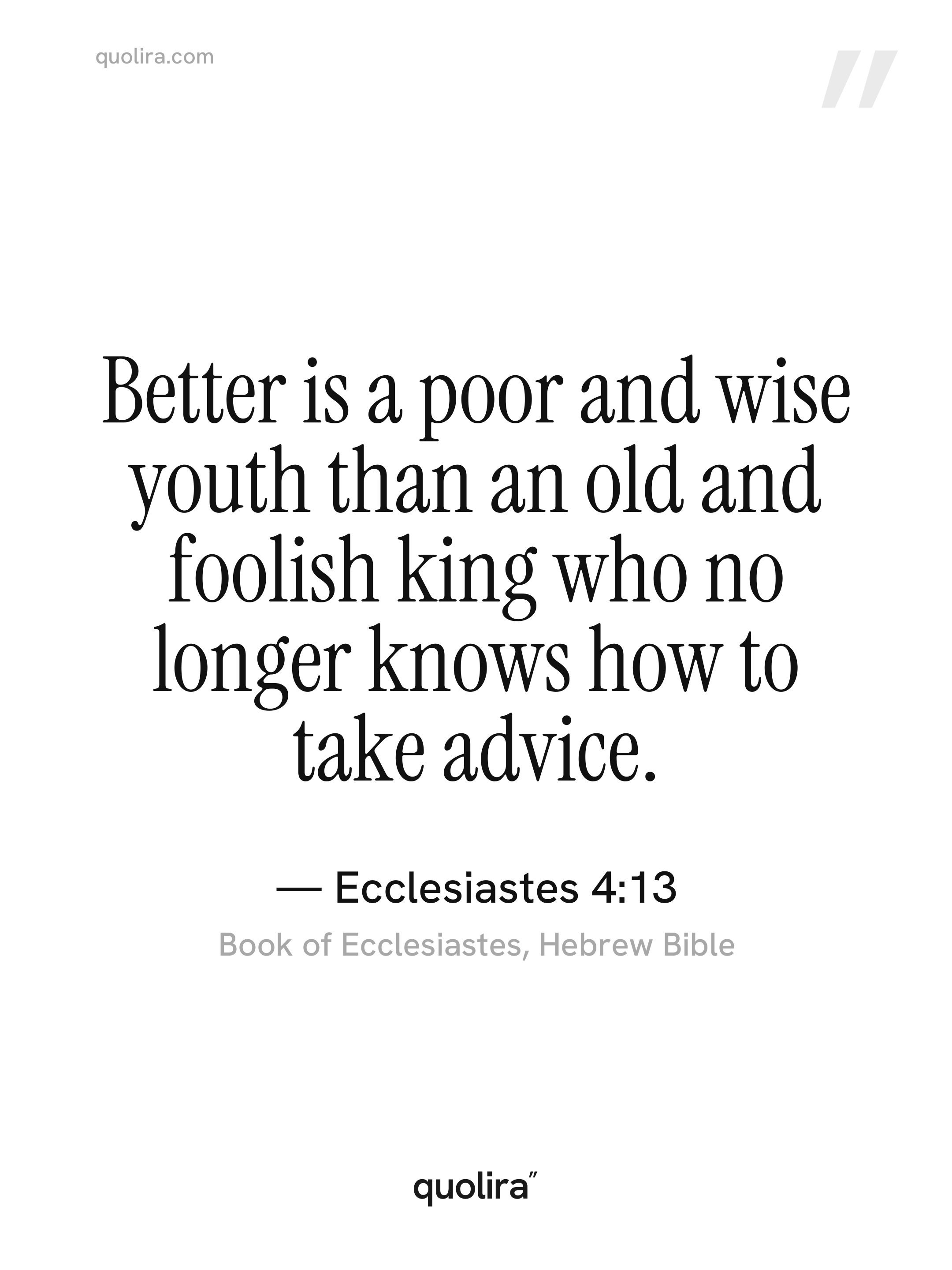
“Better is a poor and wise youth than an old and foolish king who no longer knows how to take advice.”
Ecclesiastes 4:13 · Book of Ecclesiastes, Hebrew Bible
“Gray hair is a crown of glory; it is gained in a righteous life.”
Proverbs 16:31 · Book of Proverbs, Hebrew Bible
“The unlived life is always better because it never has to survive contact with living.”
Original