“Let the world change you and you can change the world.”
Che Guevara
 quolira
.com
Often credited to Che Guevara, but the attribution is doubtful. No source in Guevara's writings or speeches has been found for this passage.
Guevara rarely got this inward-looking in his public writing. This reads more like a personal note than a political manifesto, which is why it sticks.
More misattributed quotes · How we verify quotes
From the collection: 21 Che Guevara Quotes That Still Cut Deep
The passage says that every person carries a sense of what is true, and that even hard circumstances or harsh judgments from others do not erase it. The task is to look inward, bring that understanding out, and act on it. The message centers on self-knowledge as a practical resource rather than a comfort.
The passage is commonly credited to Che Guevara, but it is not documented as his. No source in his writings or speeches has been found for this wording, and it is not known to match any published passage. What can be said is that Guevara wrote and spoke often about moral conviction, sacrifice, and the responsibilities of revolutionaries, so the general themes are consistent with his public record. The specific sentences, however, circulate online without a verifiable origin. Anyone quoting it should describe it as an attributed saying rather than a confirmed statement by him.
Many people feel that others misread them, and this passage offers a steady reply: the inner compass still exists and can be recovered. Its three short sentences build toward an action, which gives the reader something concrete to do after reading. That structure makes it easy to carry into personal reflection, mentoring conversations, or moments of self-doubt. The emphasis on digging out truth rather than receiving it from outside also reflects a long tradition of valuing conscience over reputation, a theme that appears in many philosophical and religious writings across cultures.
“Let the world change you and you can change the world.”
Che Guevara
“If you tremble with indignation at every injustice, then you are a comrade of mine.”
Che Guevara
“We cannot be sure of having something to live for unless we are willing to die for it.”
Che Guevara
“I am not a liberator. Liberators do not exist. The people liberate themselves.”
Che Guevara
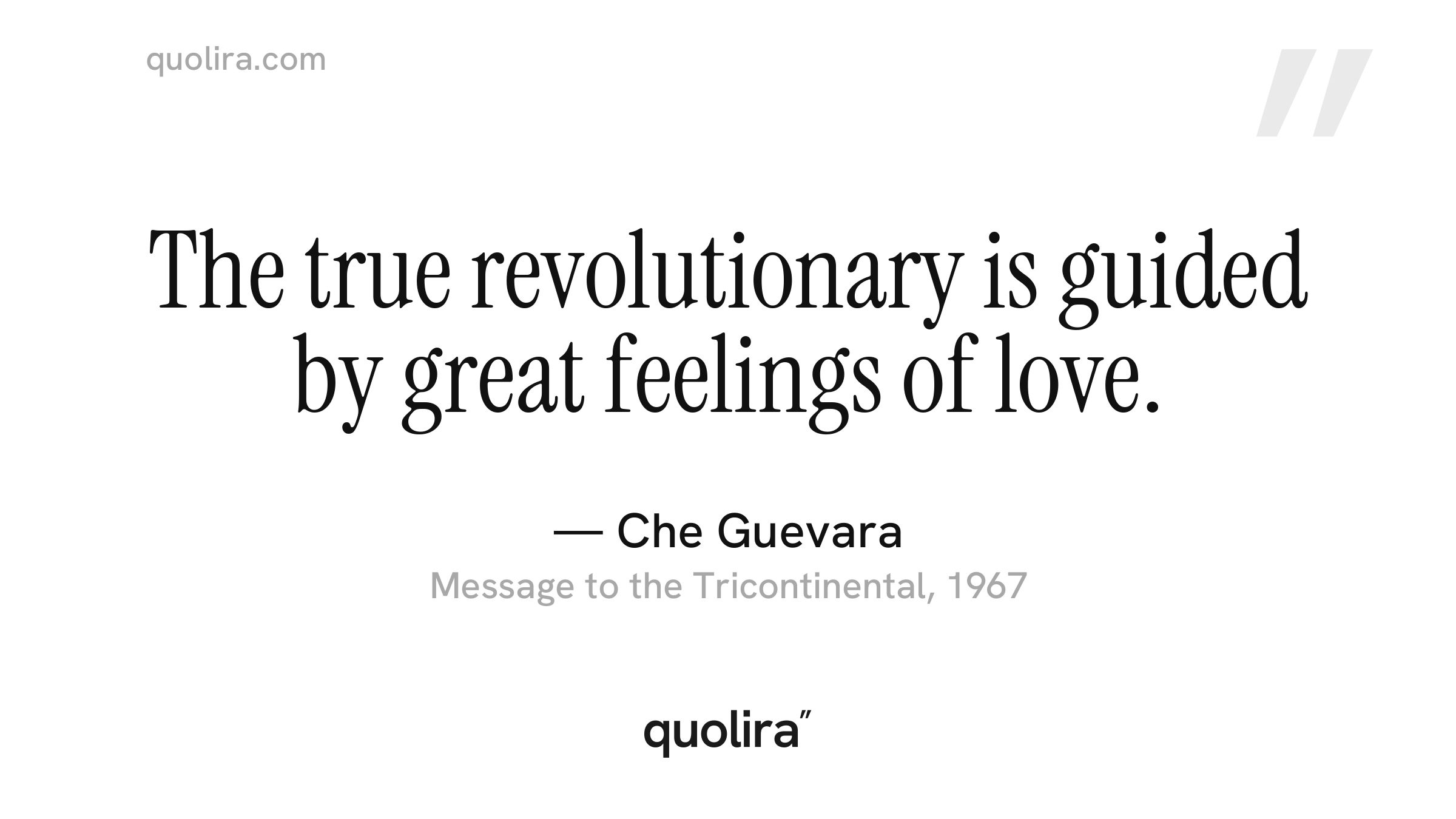
“The true revolutionary is guided by great feelings of love.”
Che Guevara · Message to the Tricontinental, 1967
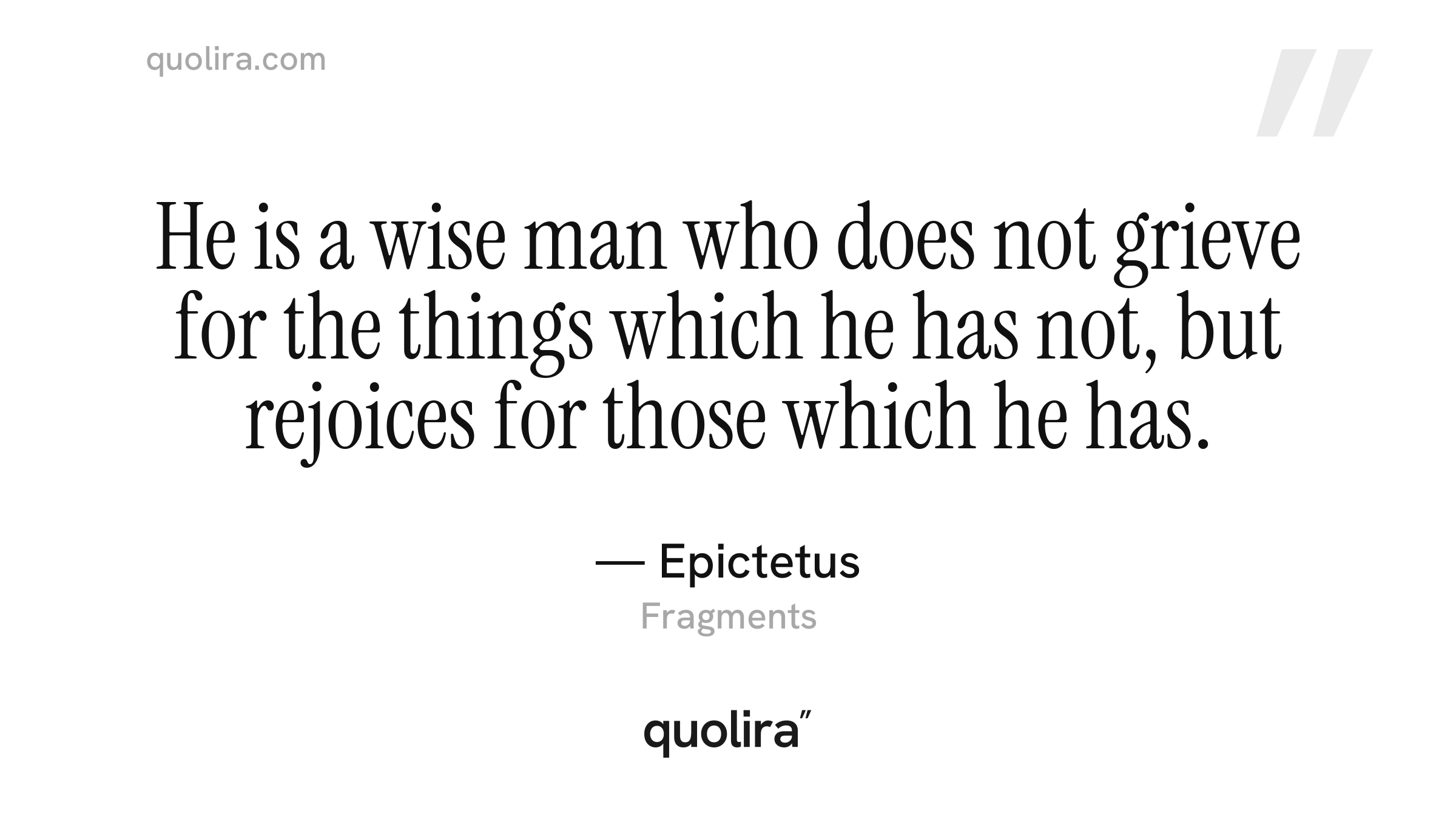
“He is a wise man who does not grieve for the things which he has not, but rejoices for those which he has.”
Epictetus · Fragments
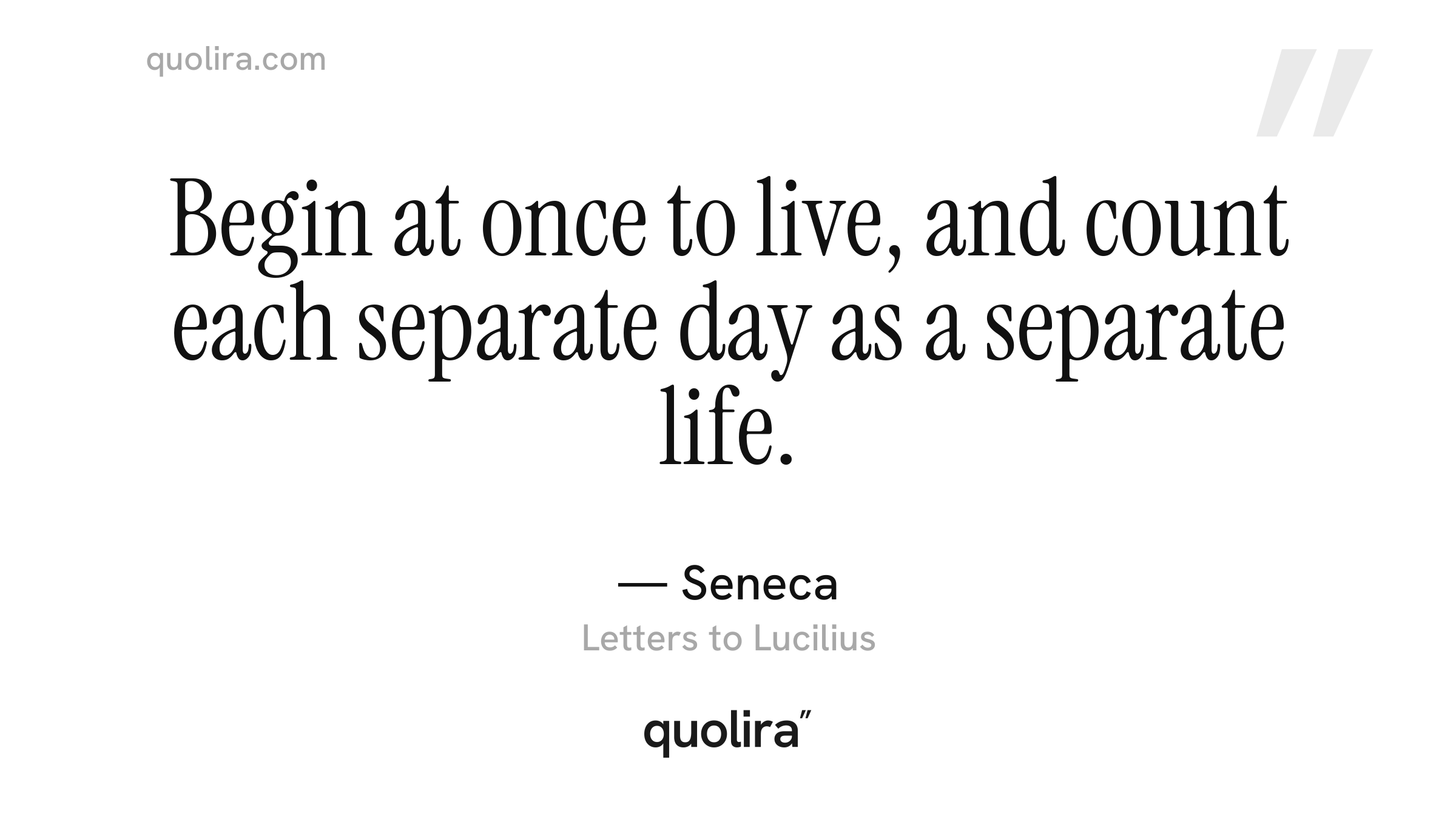
“Begin at once to live, and count each separate day as a separate life.”
Seneca · Letters to Lucilius
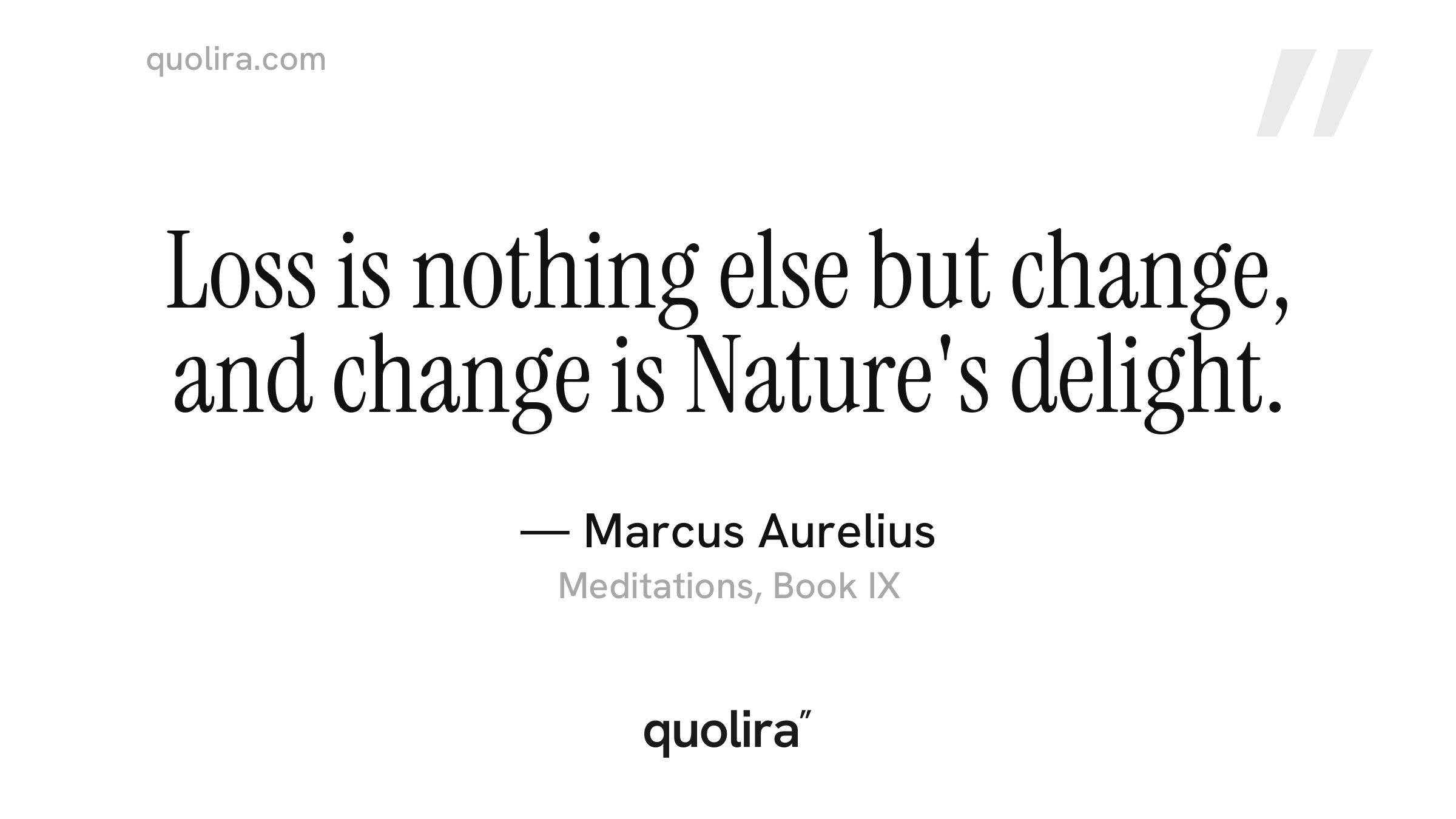
“Loss is nothing else but change, and change is Nature's delight.”
Marcus Aurelius · Meditations, Book IX
“Never let the future disturb you. You will meet it, if you have to, with the same weapons of reason which today arm you against the present.”
Marcus Aurelius · Meditations, Book VII
“How long are you going to wait before you demand the best for yourself?”
Epictetus · Discourses, Book I
“No man is free who is not master of himself.”
Epictetus · Fragments
“First say to yourself what you would be; and then do what you have to do.”
Epictetus · Discourses, Book III