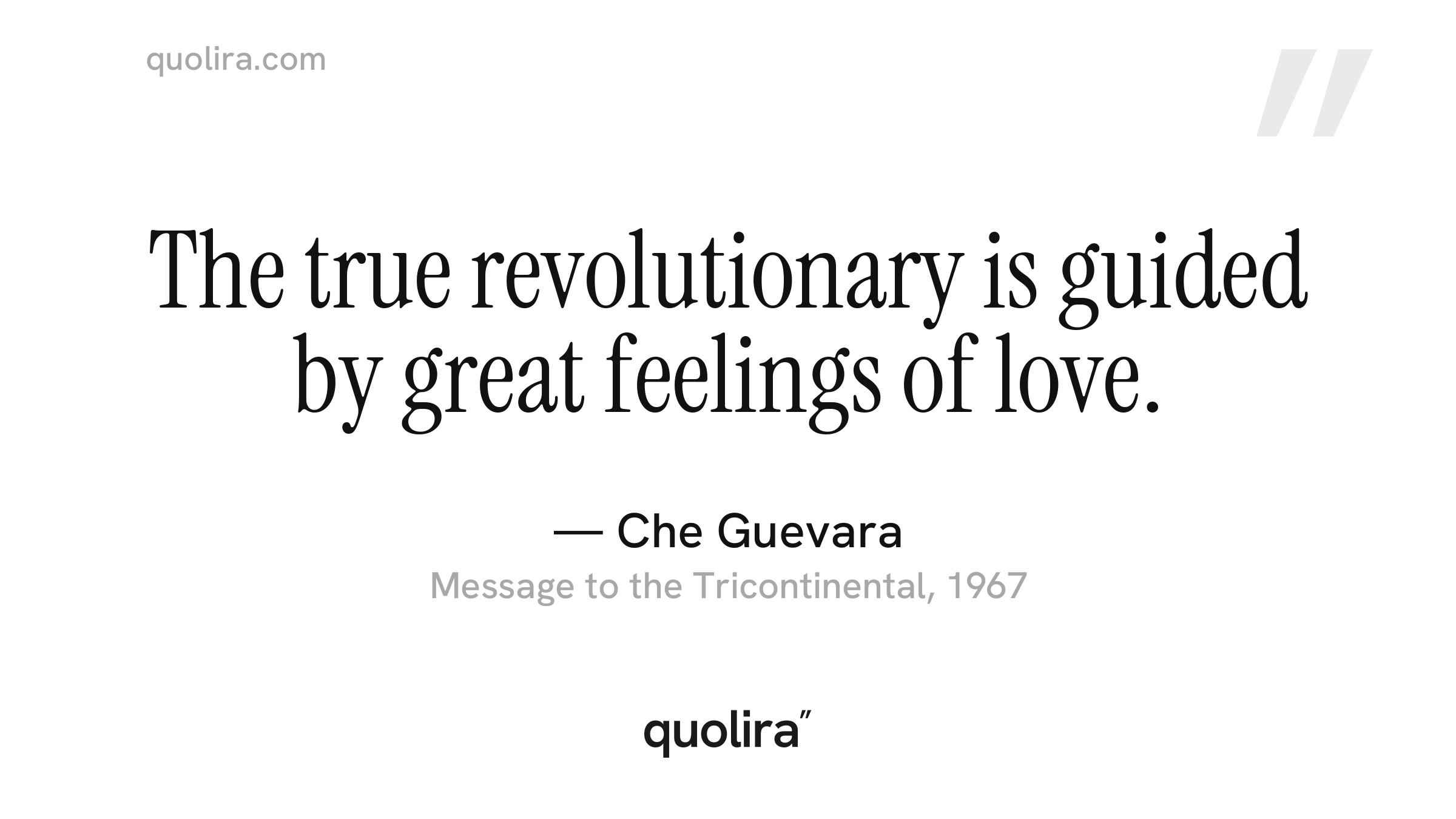
“The true revolutionary is guided by great feelings of love.”
Che Guevara · Message to the Tricontinental, 1967
 quolira
.com
quolira
quolira.com
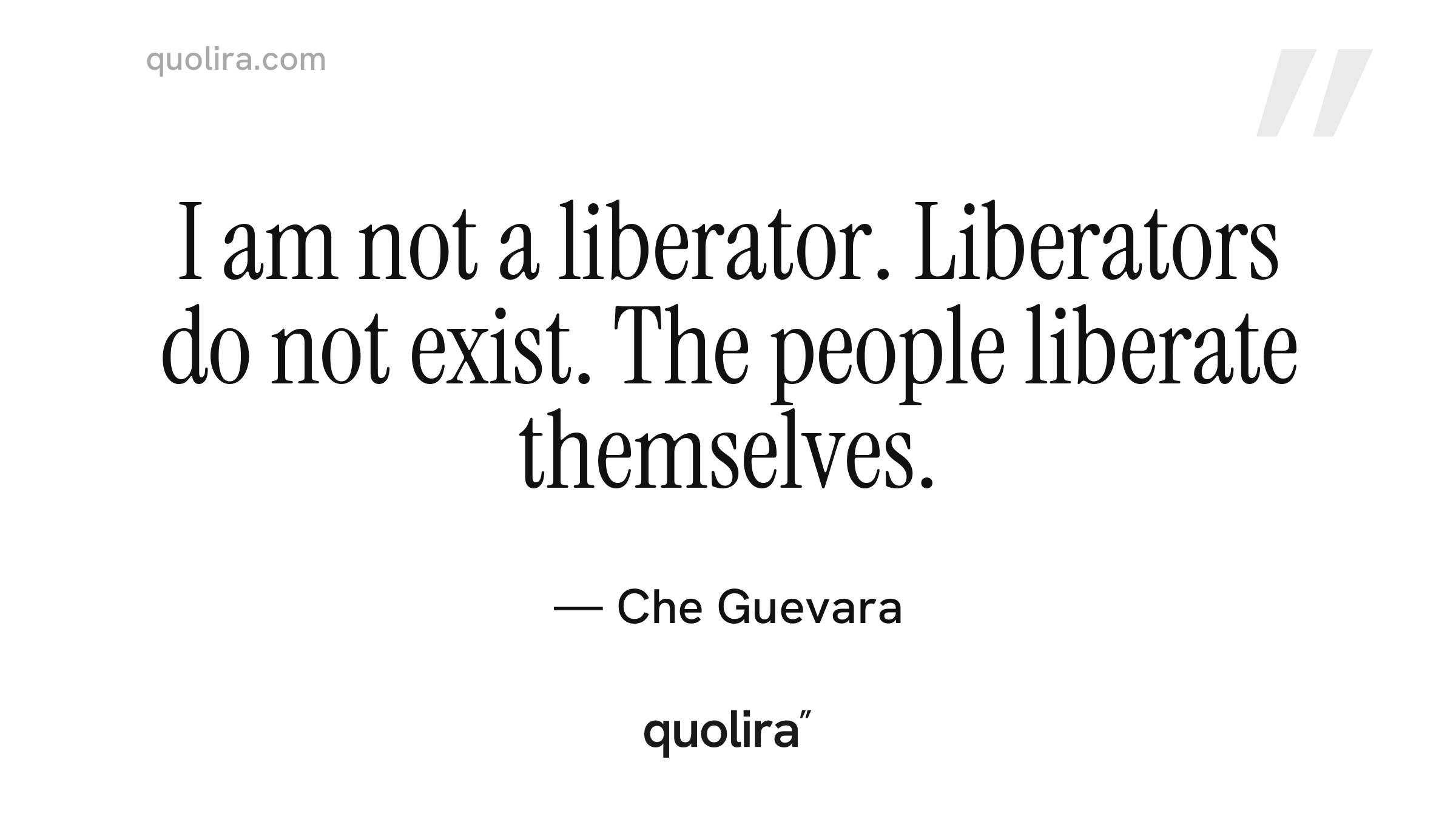
Guevara is making a pointed argument against the idea that change is delivered to people by a heroic outside figure. True liberation, he insists, is something a people must accomplish for themselves through their own awareness, organization, and action. The statement is a rejection of savior politics and a call for collective self-determination, suggesting that even the most committed revolutionary is only a catalyst, not the source of freedom.
This quote reflects a tension that Guevara lived with throughout his political life. He dedicated himself to revolutionary causes across Latin America and Africa, yet this statement shows an awareness that outside involvement has limits. The idea aligns with broader currents in leftist and anti-colonial thought of the mid-twentieth century, which emphasized that genuine sovereignty cannot be handed down from above or imported from outside. The quote is widely attributed to Guevara, though the precise original source in his writings is difficult to pin down with certainty.
Ernesto Guevara, known as Che, was an Argentine doctor who became one of the leading figures of the Cuban Revolution in the 1950s. After the revolution, he continued to pursue armed struggle in other parts of the world, motivated by a belief in international solidarity among oppressed peoples. He was killed in Bolivia in 1967 during a guerrilla campaign. His image and words have outlasted his life by decades, remaining powerful symbols in global conversations about justice, resistance, and the nature of political change.
“The true revolutionary is guided by great feelings of love.”
Che Guevara · Message to the Tricontinental, 1967
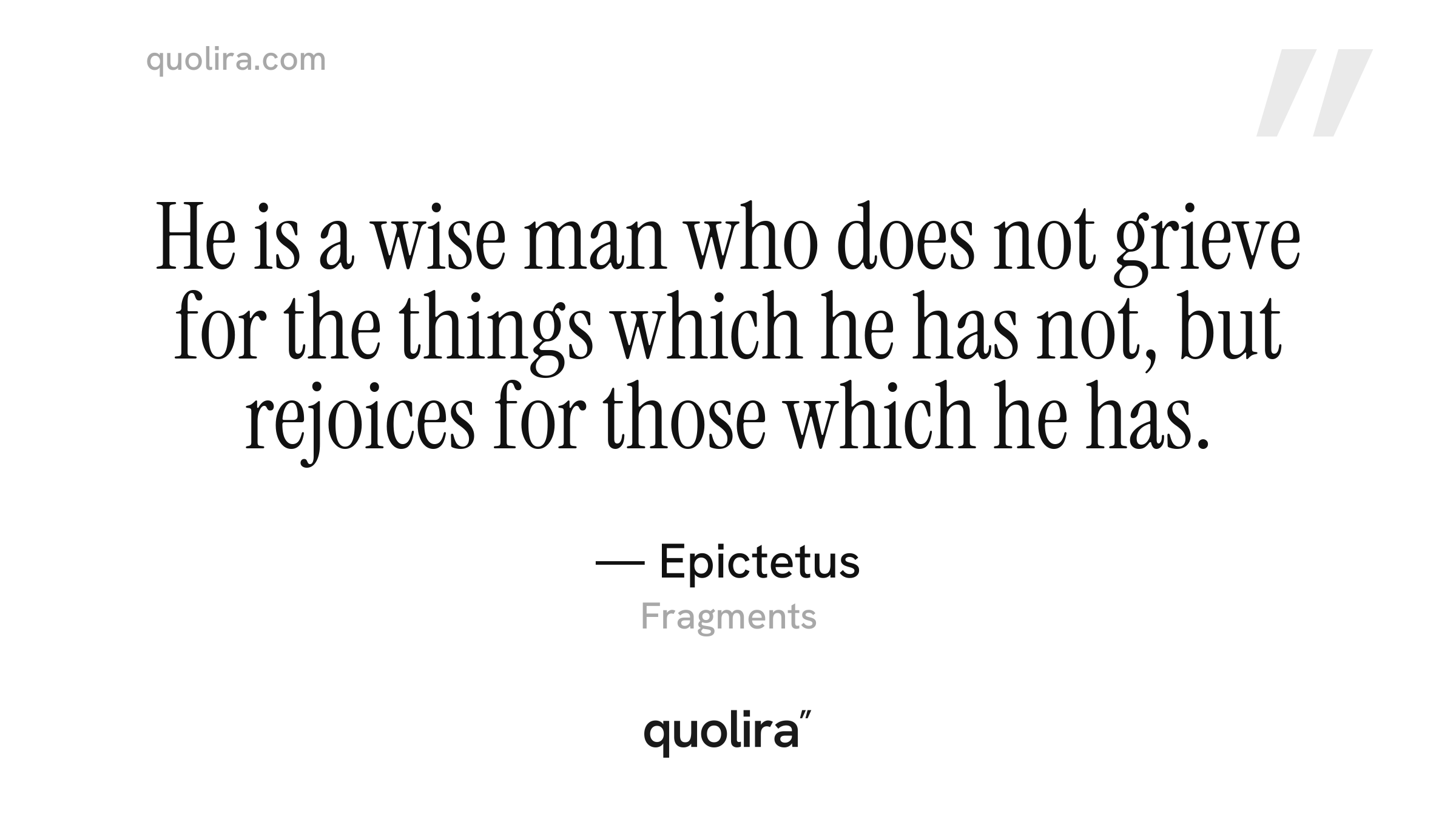
“He is a wise man who does not grieve for the things which he has not, but rejoices for those which he has.”
Epictetus · Fragments
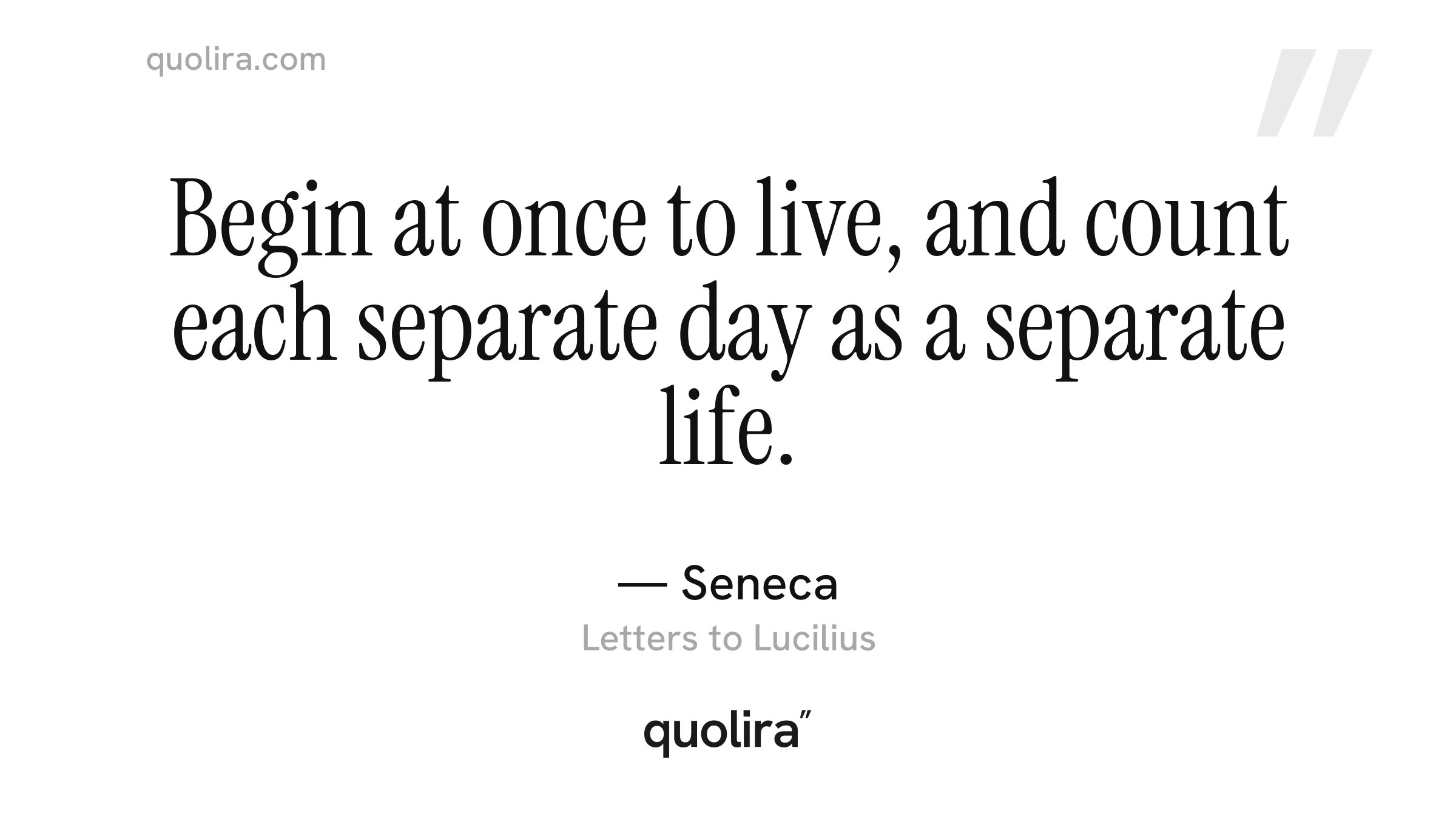
“Begin at once to live, and count each separate day as a separate life.”
Seneca · Letters to Lucilius
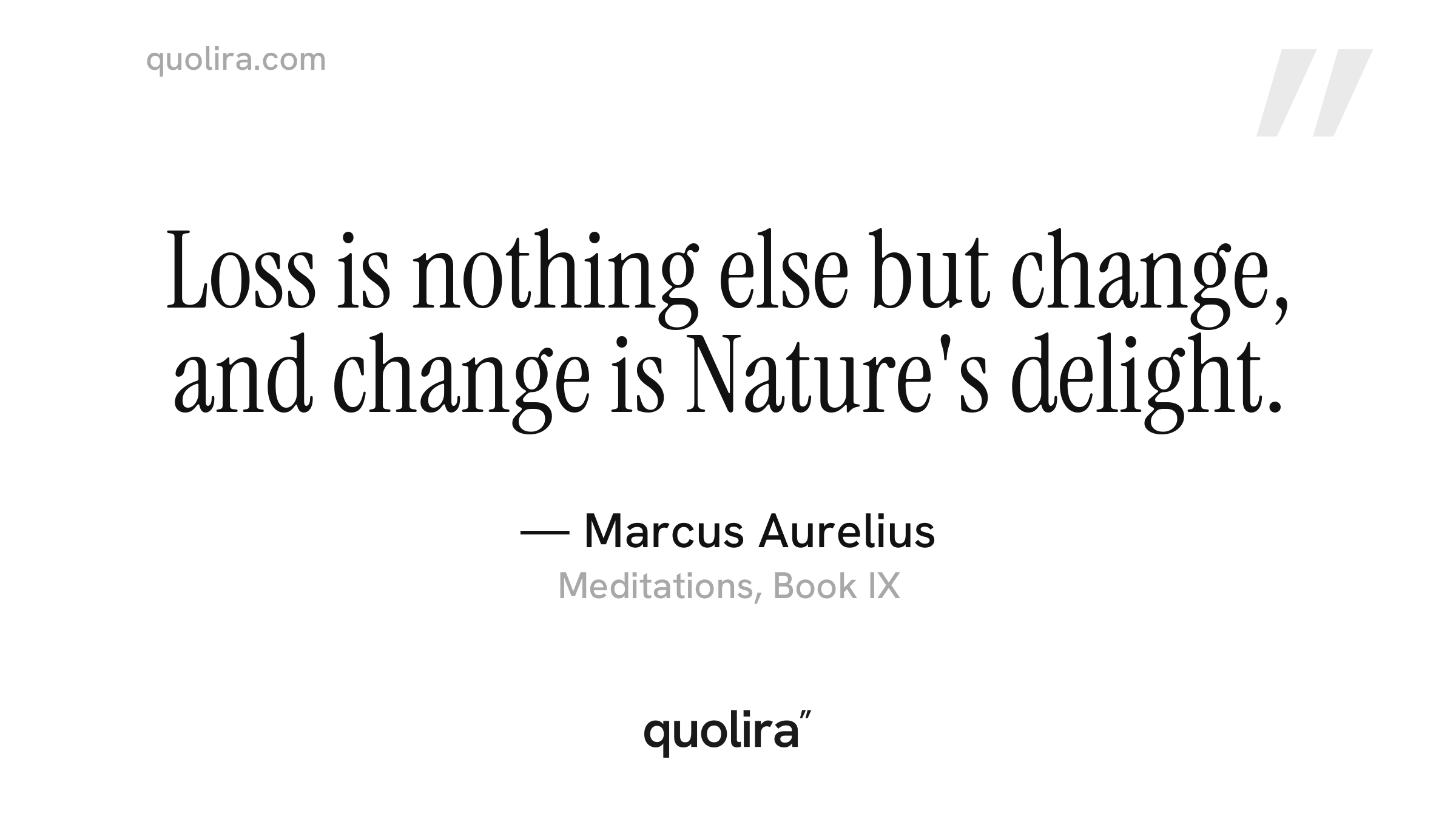
“Loss is nothing else but change, and change is Nature's delight.”
Marcus Aurelius · Meditations, Book IX
“Never let the future disturb you. You will meet it, if you have to, with the same weapons of reason which today arm you against the present.”
Marcus Aurelius · Meditations, Book VII
“How long are you going to wait before you demand the best for yourself?”
Epictetus · Discourses, Book I
“No man is free who is not master of himself.”
Epictetus · Fragments
“First say to yourself what you would be; and then do what you have to do.”
Epictetus · Discourses, Book III
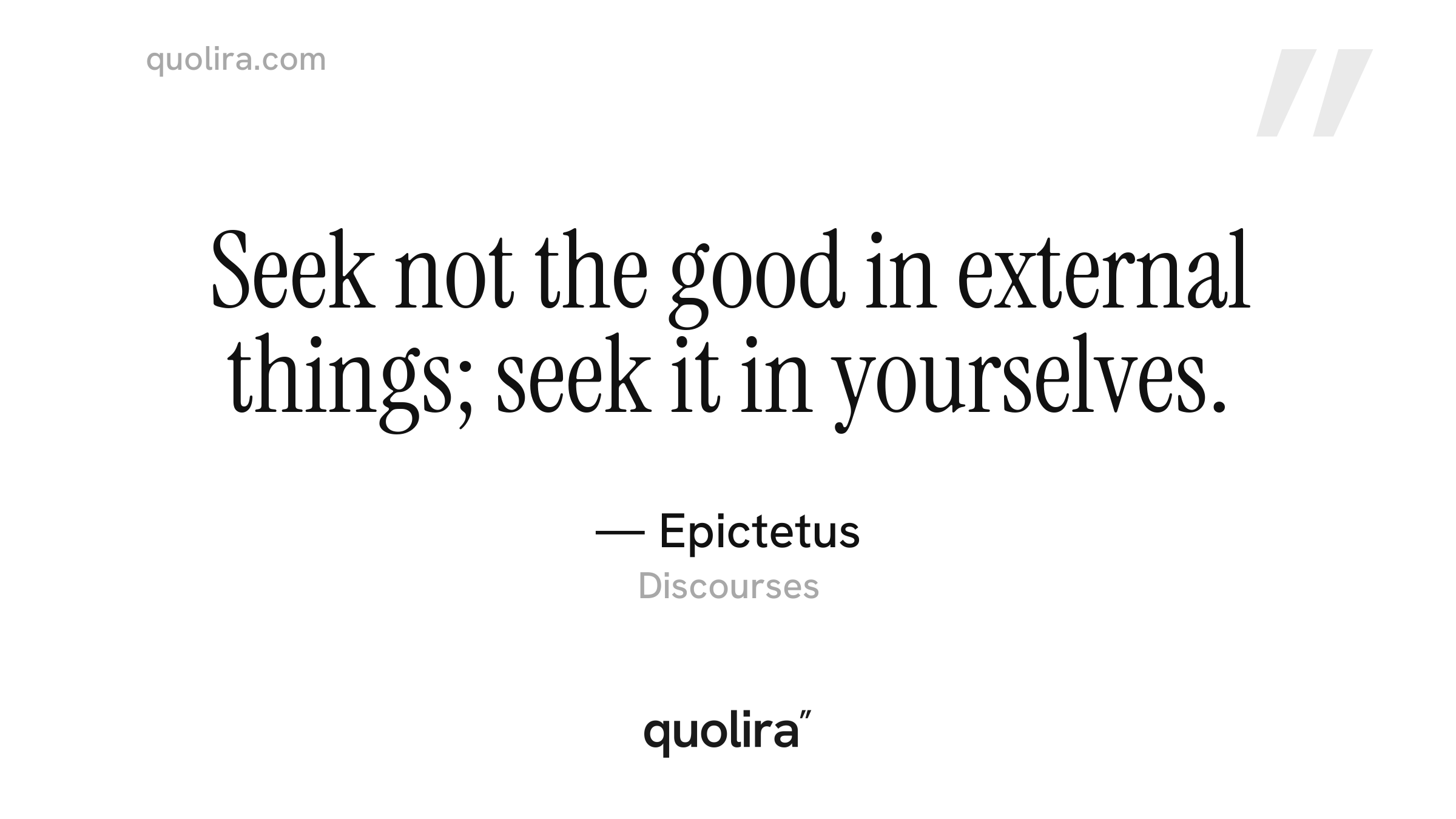
“Seek not the good in external things; seek it in yourselves.”
Epictetus · Discourses
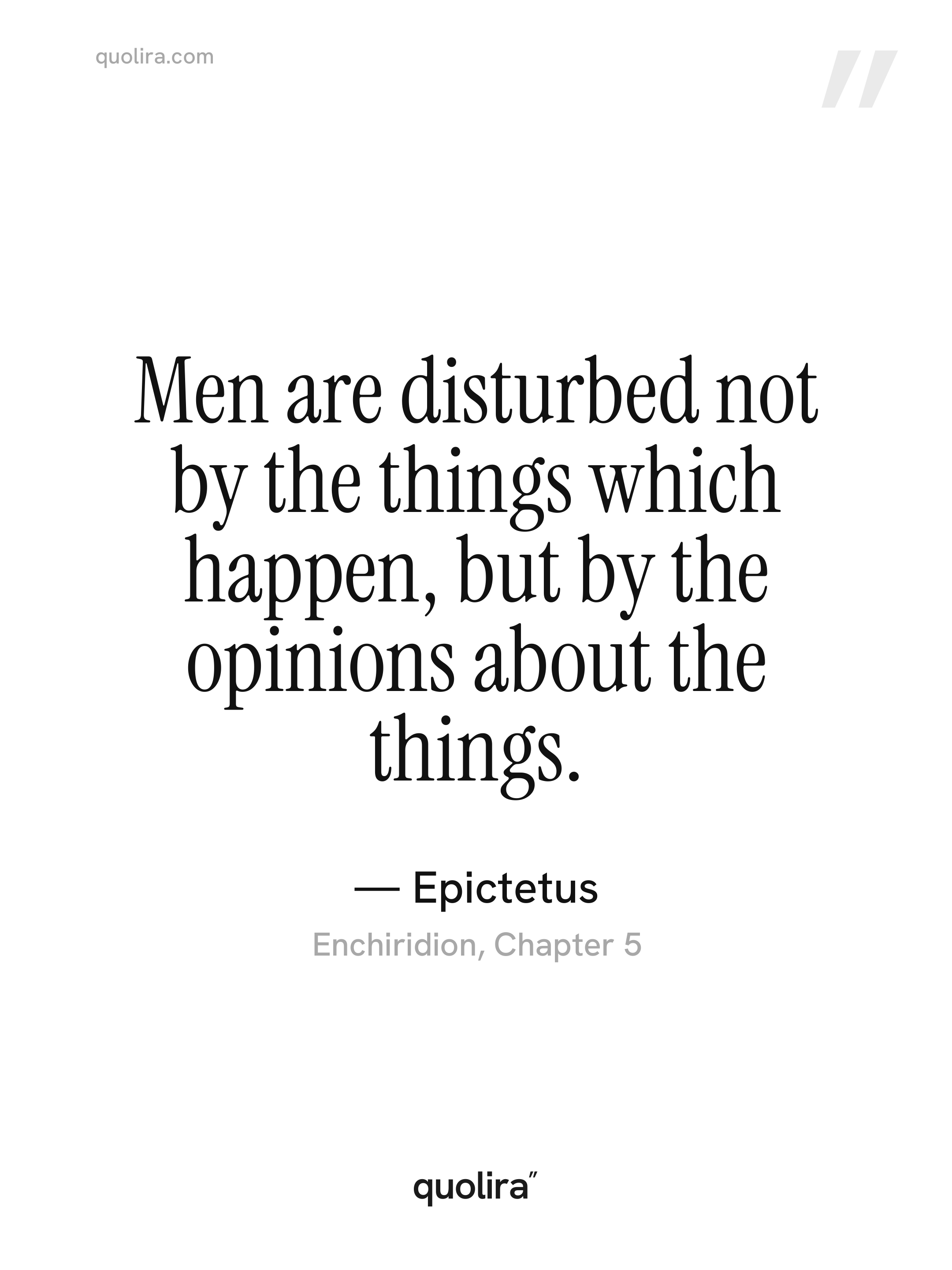
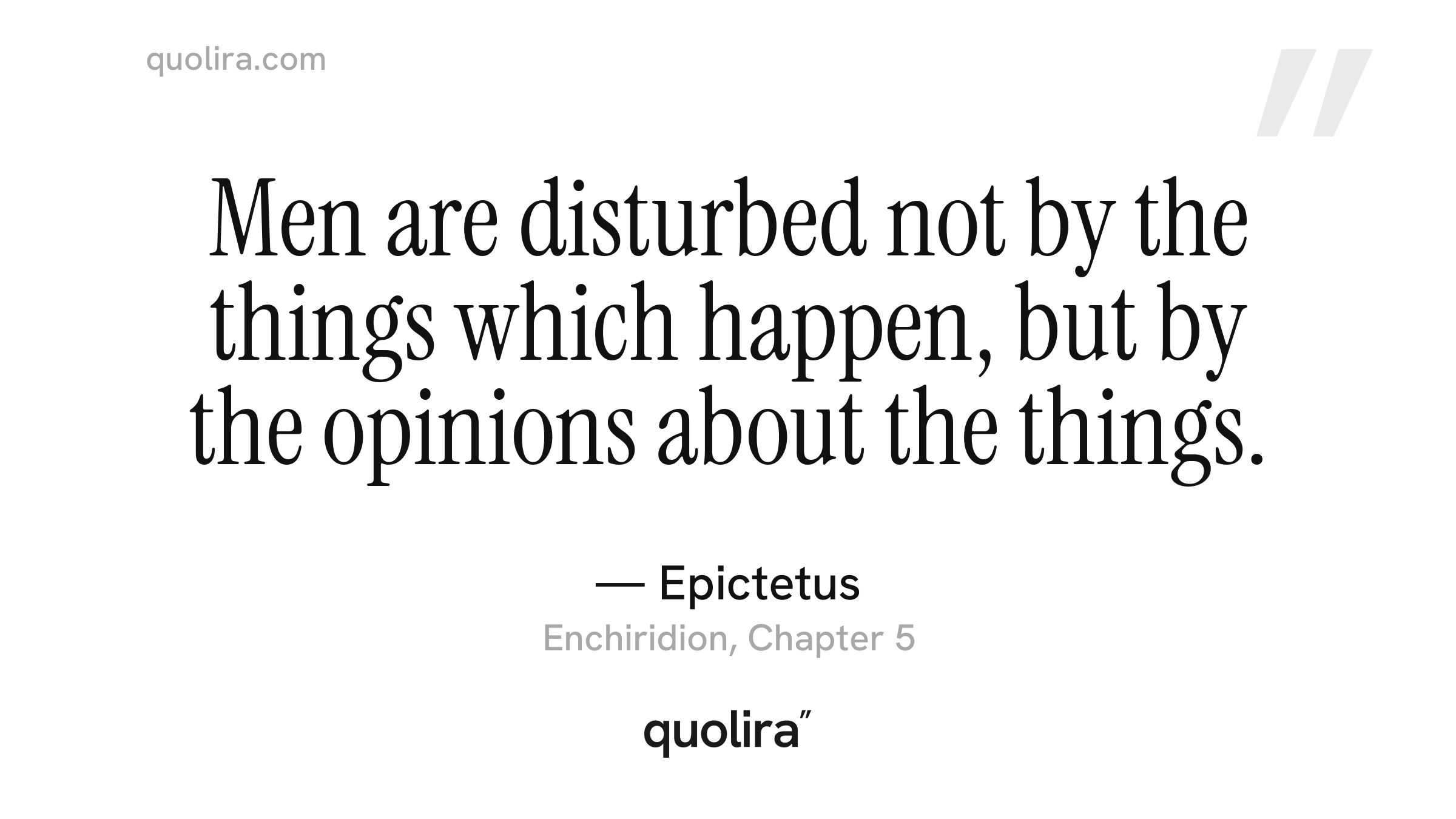
“Men are disturbed not by the things which happen, but by the opinions about the things.”
Epictetus · Enchiridion, Chapter 5
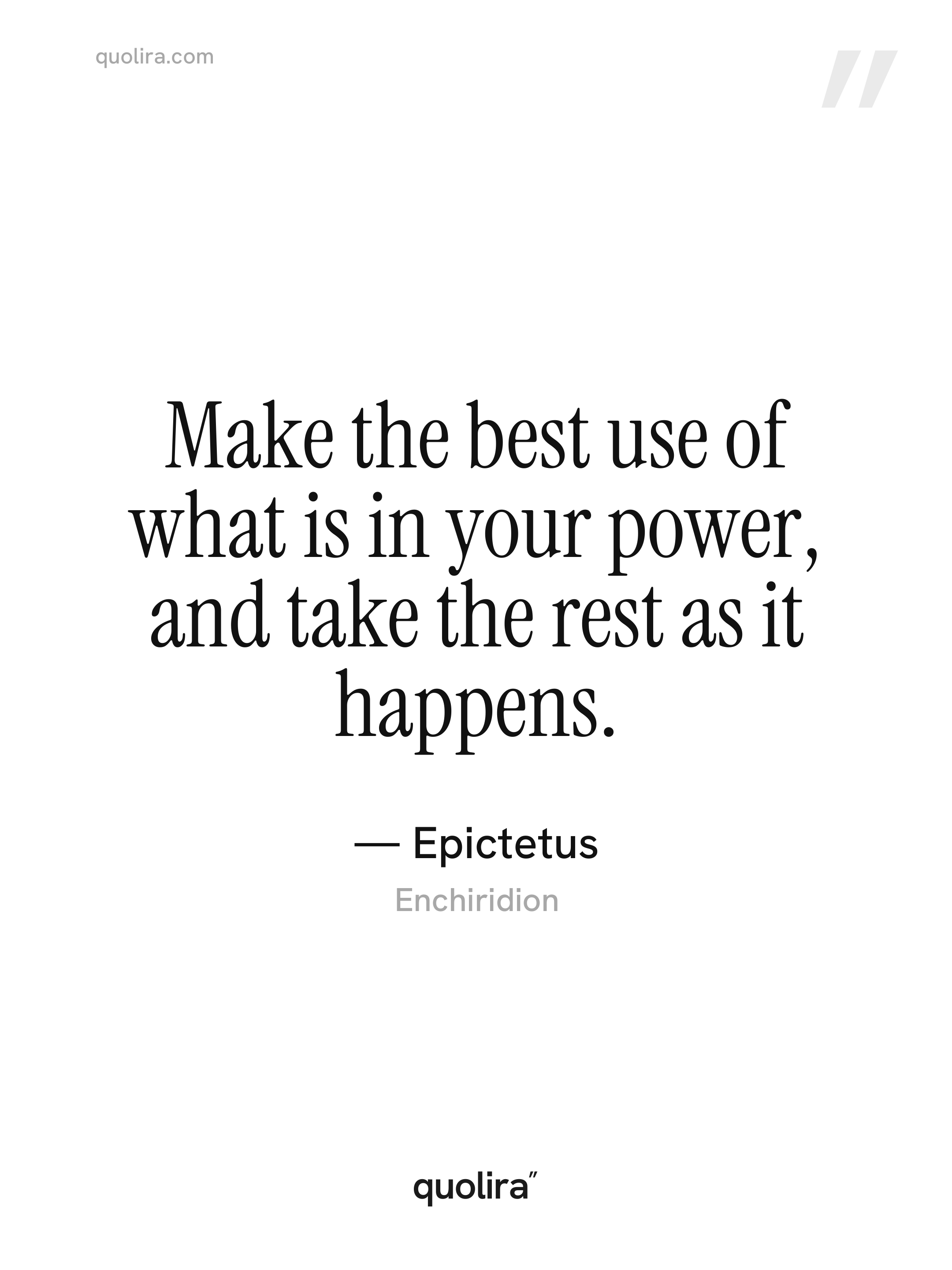
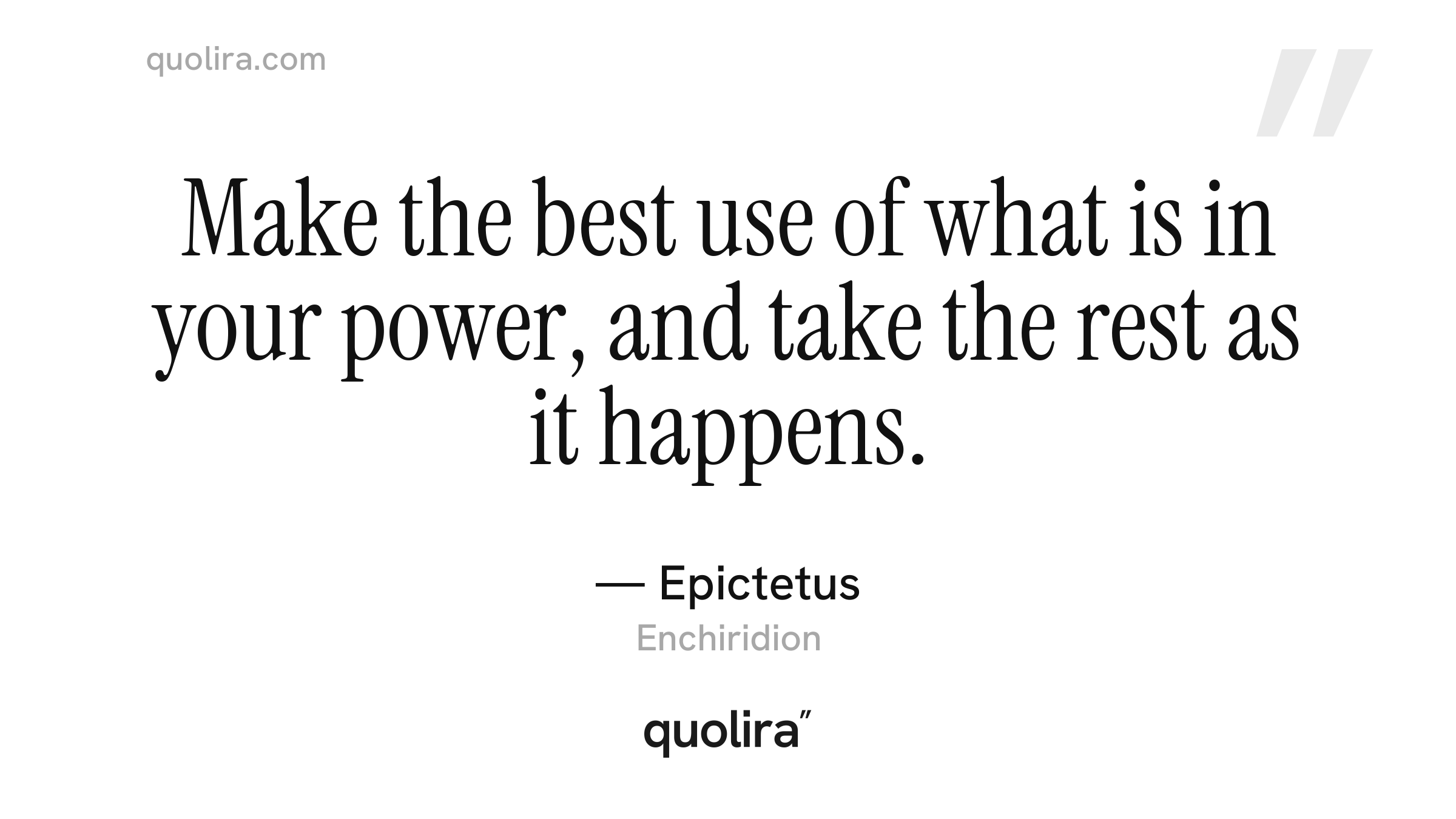
“Make the best use of what is in your power, and take the rest as it happens.”
Epictetus · Enchiridion
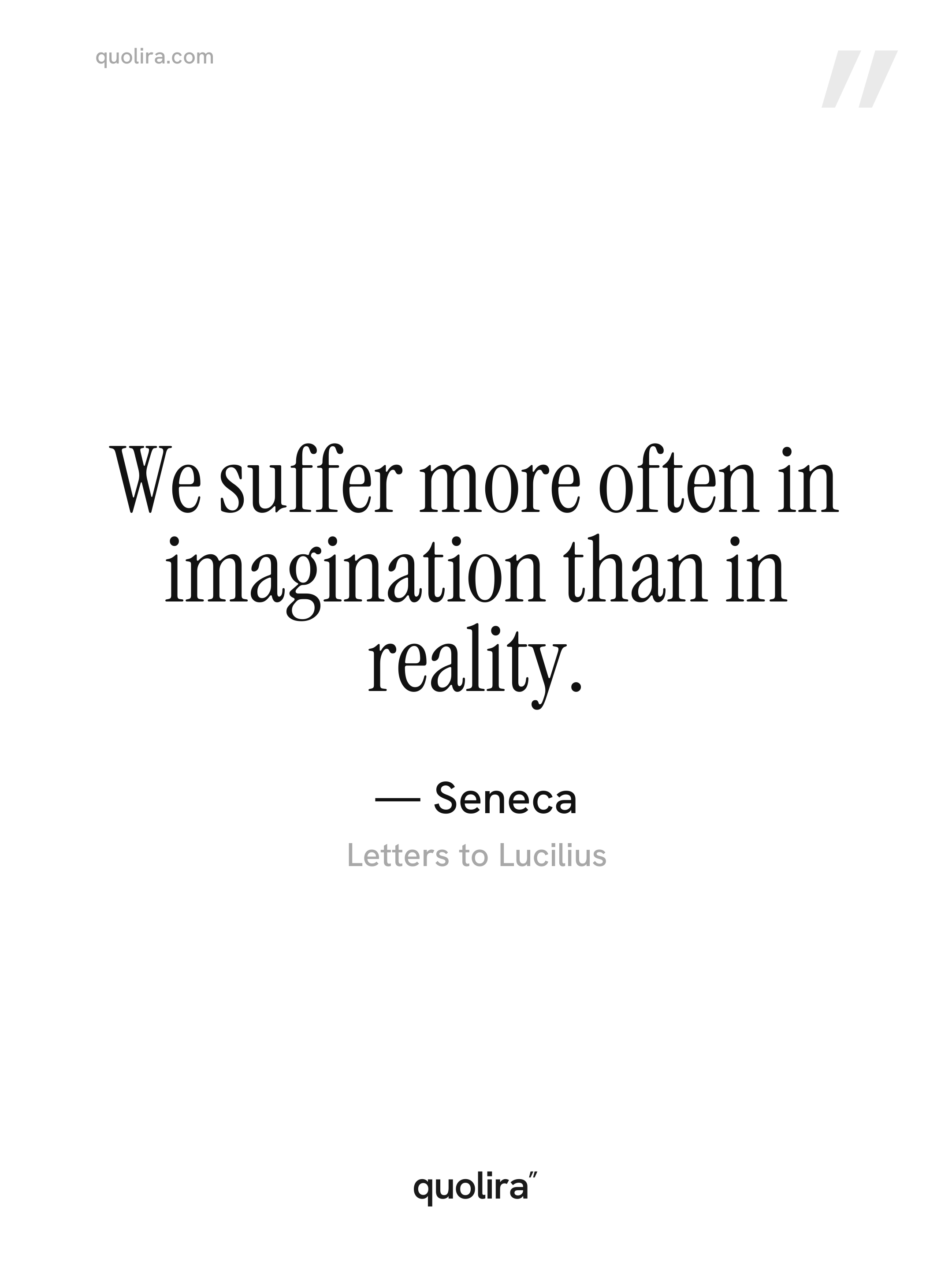
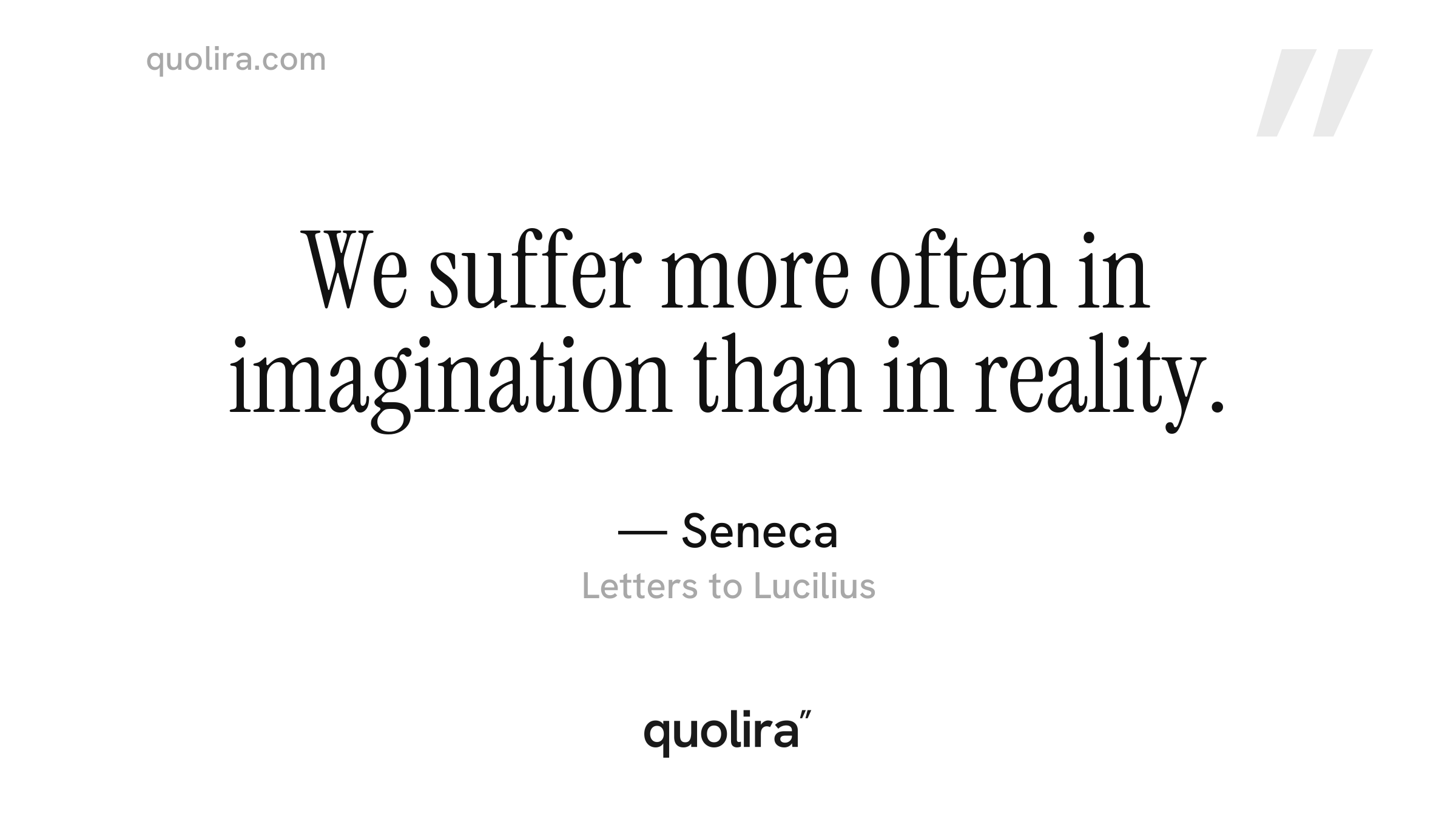
“We suffer more often in imagination than in reality.”
Seneca · Letters to Lucilius