“He is a wise man who does not grieve for the things which he has not, but rejoices for those which he has.”
Epictetus · Fragments
 quolira
.com
quolira
quolira.com
This statement reframes how we think about political and social struggle. Guevara is arguing that revolutionary action, at its most authentic, is not driven purely by ideology, strategy, or anger, but by a deep compassion for other human beings. The implication is that hatred and resentment alone make poor foundations for lasting change, while love for people, especially the oppressed, provides a more genuine and sustaining motivation.
Guevara wrote these words in his 1967 message to the Tricontinental, a publication of the Organization of Solidarity with the Peoples of Asia, Africa, and Latin America. The letter was written during a period when Guevara was deeply engaged in promoting armed struggle across the developing world, and it is one of his most direct statements of political philosophy. In it he addressed revolutionary movements globally, urging them toward unity and sustained commitment. The claim about love was his way of distinguishing principled struggle from mere violence or personal ambition.
Ernesto Guevara, widely known as Che, was an Argentine Marxist revolutionary who became a central figure in the Cuban Revolution alongside Fidel Castro. After the revolution succeeded, he held government positions in Cuba before leaving to support guerrilla movements in other countries. He was captured and killed in Bolivia in 1967. His writings, speeches, and life have made him one of the most recognized and debated political figures of the twentieth century, celebrated by some as a symbol of resistance and criticized by others for his methods.
“He is a wise man who does not grieve for the things which he has not, but rejoices for those which he has.”
Epictetus · Fragments
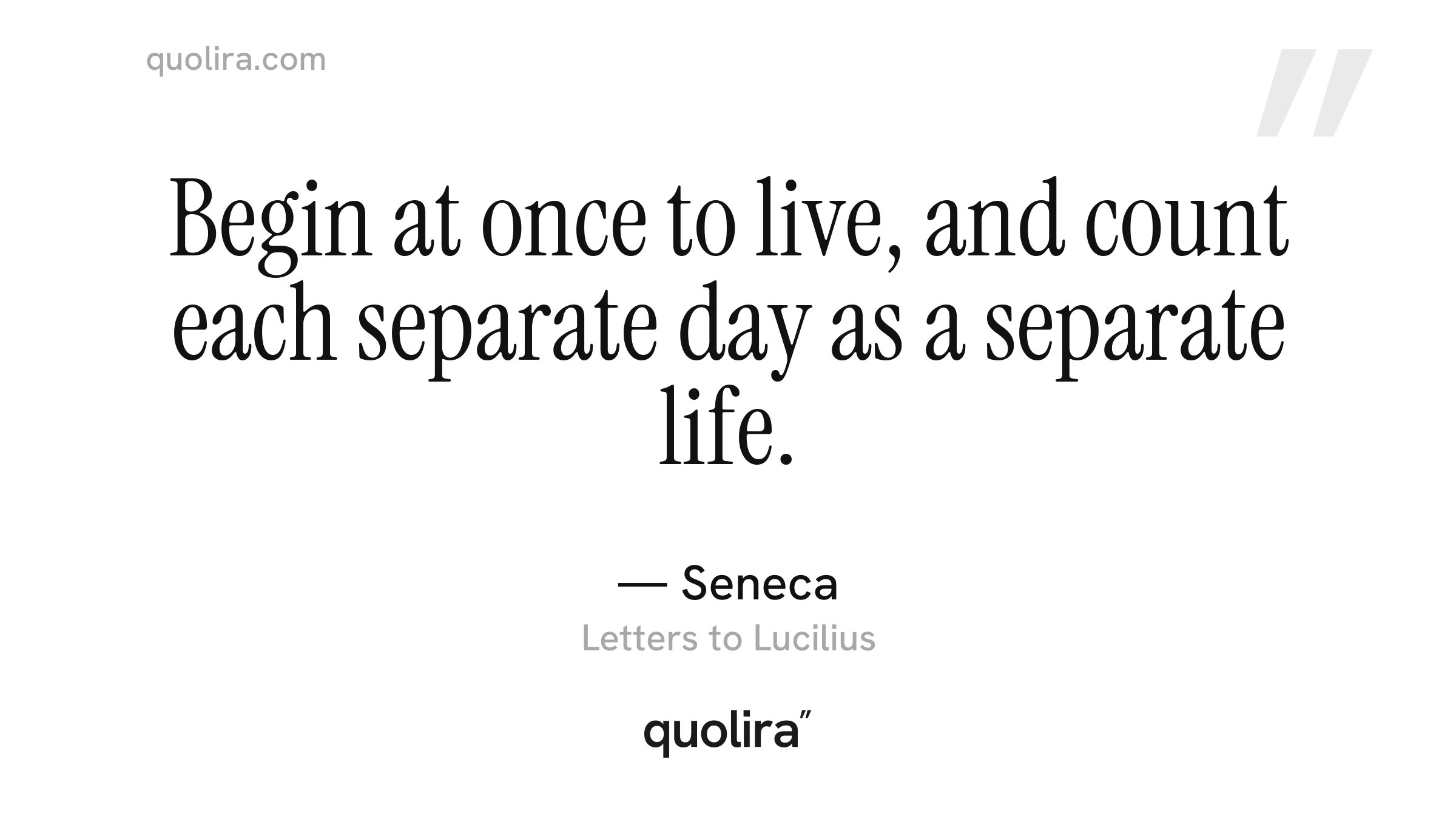
“Begin at once to live, and count each separate day as a separate life.”
Seneca · Letters to Lucilius
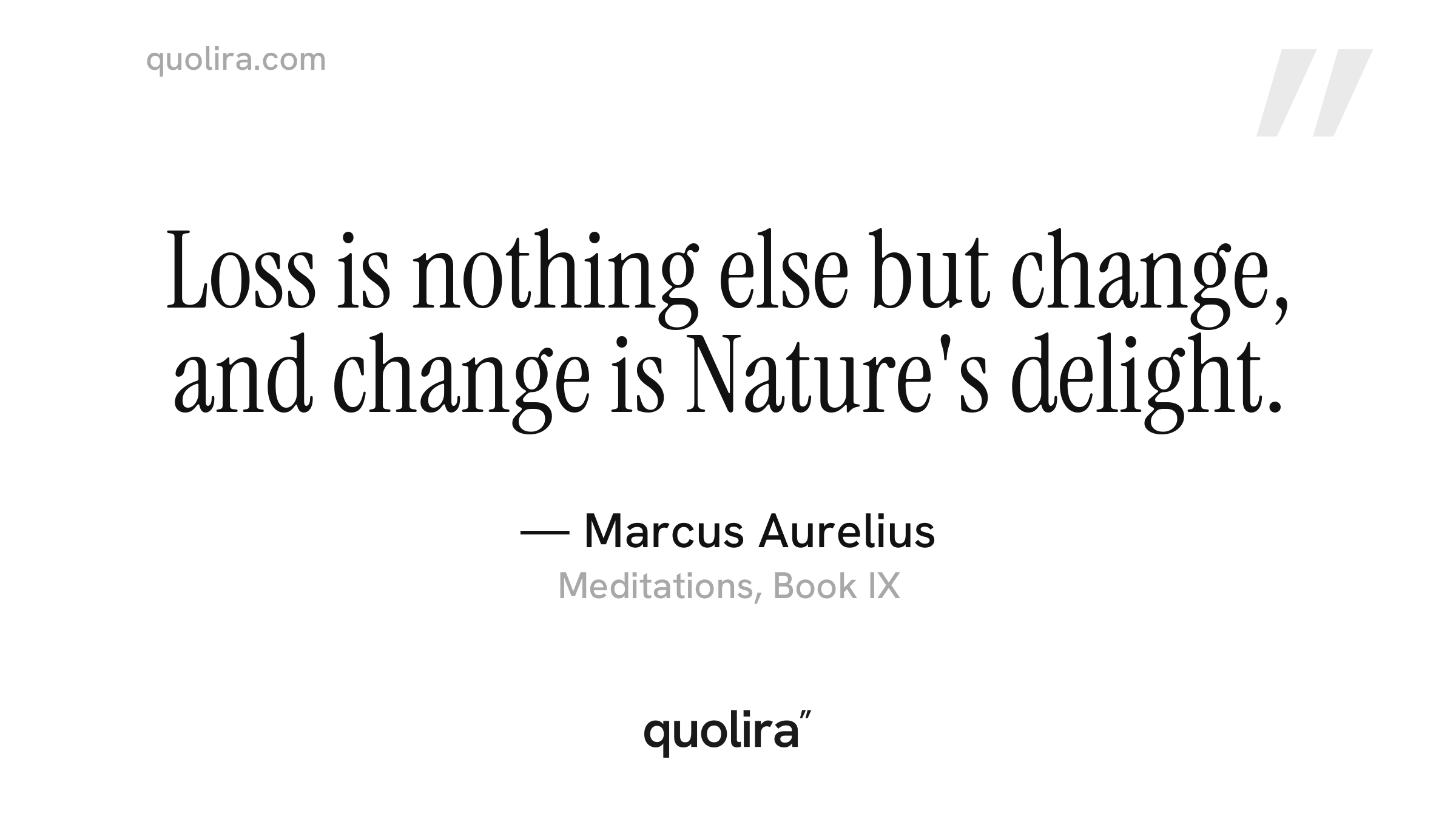
“Loss is nothing else but change, and change is Nature's delight.”
Marcus Aurelius · Meditations, Book IX
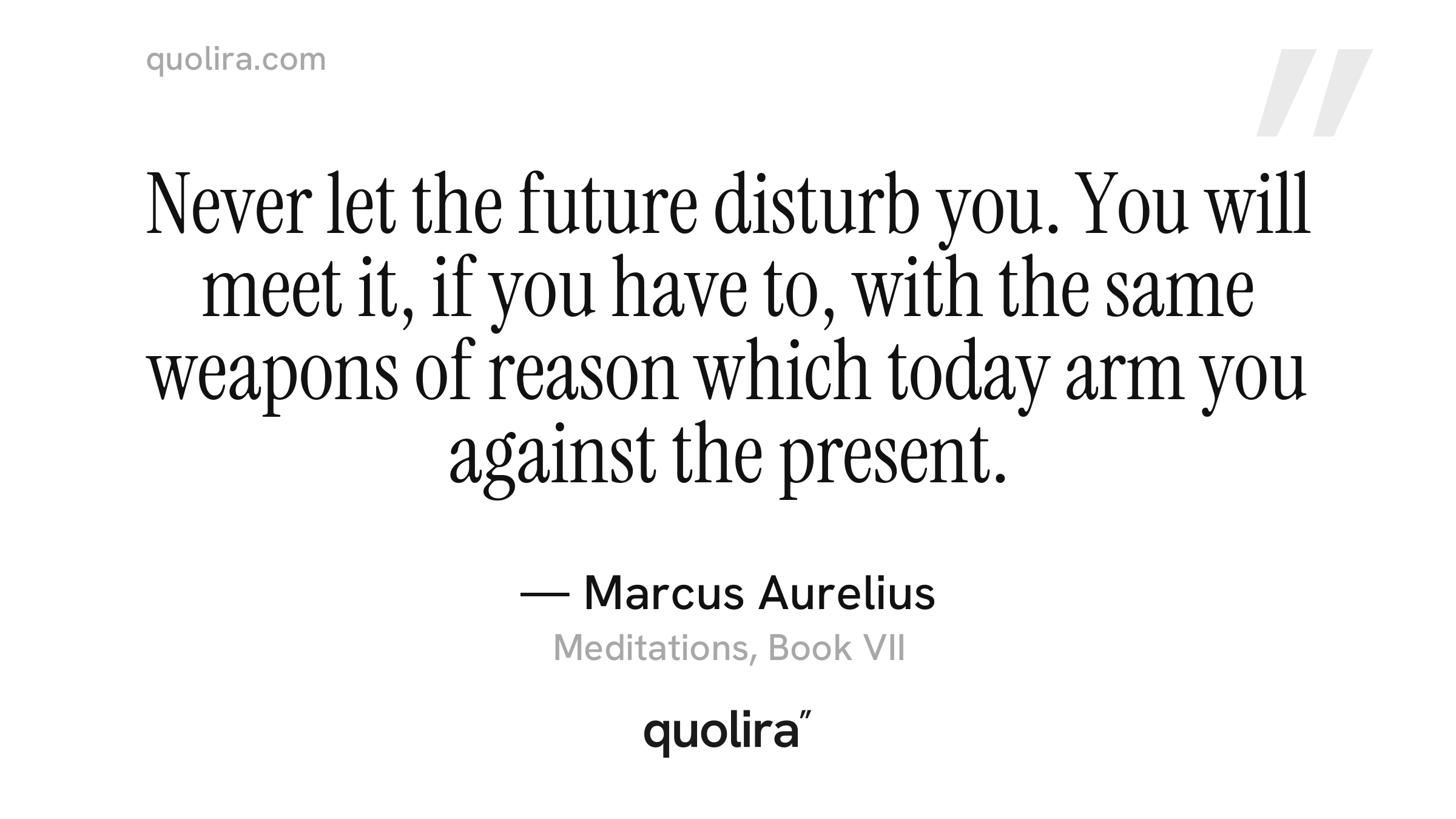
“Never let the future disturb you. You will meet it, if you have to, with the same weapons of reason which today arm you against the present.”
Marcus Aurelius · Meditations, Book VII
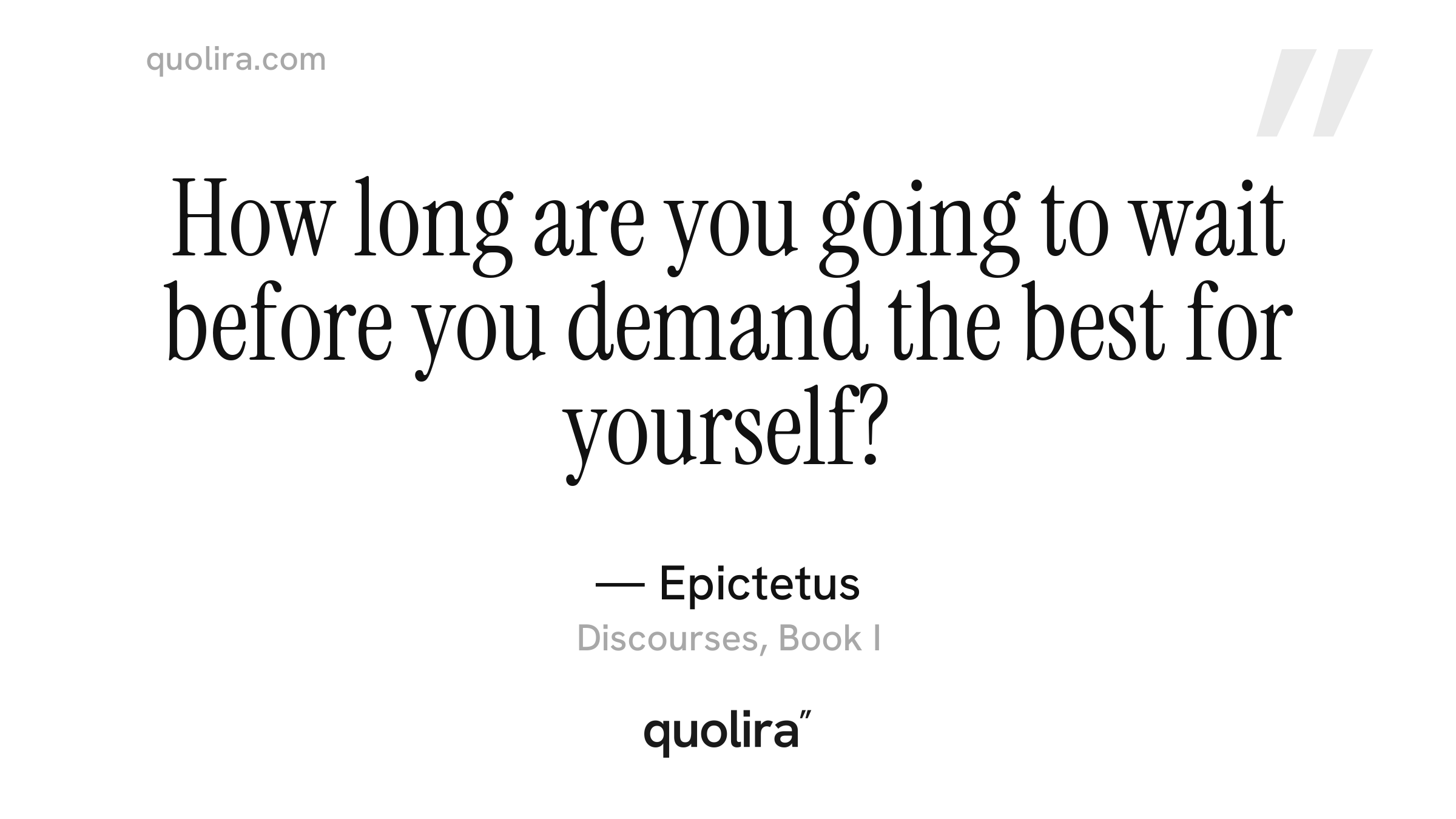
“How long are you going to wait before you demand the best for yourself?”
Epictetus · Discourses, Book I
“No man is free who is not master of himself.”
Epictetus · Fragments
“First say to yourself what you would be; and then do what you have to do.”
Epictetus · Discourses, Book III
“Seek not the good in external things; seek it in yourselves.”
Epictetus · Discourses
“Men are disturbed not by the things which happen, but by the opinions about the things.”
Epictetus · Enchiridion, Chapter 5
“Make the best use of what is in your power, and take the rest as it happens.”
Epictetus · Enchiridion
“We suffer more often in imagination than in reality.”
Seneca · Letters to Lucilius
“Dum differtur vita transcurrit.”
Seneca · Letters to Lucilius, Letter I