“We cannot be sure of having something to live for unless we are willing to die for it.”
Che Guevara
 quolira
.com
quolira
quolira.com
Guevara is offering a definition of solidarity rooted in emotional response rather than formal membership or ideology. To be a comrade in his sense is not about carrying a particular label or belonging to an organization. It is about possessing a moral reflex, a genuine inability to witness injustice without being moved to anger. The quote values feeling as a sign of conscience, suggesting that shared outrage at suffering is the most honest basis for political kinship.
This statement reflects Guevara's consistent emphasis on the moral and emotional dimensions of revolutionary commitment. Throughout his writing and speeches, he returned often to questions of character and inner motivation, arguing that the right feelings were as important as the right ideas. The image of trembling with indignation is deliberately physical, grounding ethics in the body rather than in abstract principle. The quote has circulated widely and is strongly associated with Guevara, though as with several of his attributed sayings, confirming the precise original source takes careful research.
Che Guevara was an Argentine-born revolutionary, physician, and writer who became a major figure in the Cuban Revolution of the late 1950s. His political philosophy combined Marxist theory with a strong emphasis on personal courage and moral conviction. After the Cuban Revolution, he worked to spread armed struggle to other countries and was captured and executed in Bolivia in 1967. His face, drawn from a famous photograph, became one of the most reproduced images of the twentieth century and continues to appear on protest banners worldwide.
“We cannot be sure of having something to live for unless we are willing to die for it.”
Che Guevara
“I am not a liberator. Liberators do not exist. The people liberate themselves.”
Che Guevara
“The true revolutionary is guided by great feelings of love.”
Che Guevara · Message to the Tricontinental, 1967
“He is a wise man who does not grieve for the things which he has not, but rejoices for those which he has.”
Epictetus · Fragments
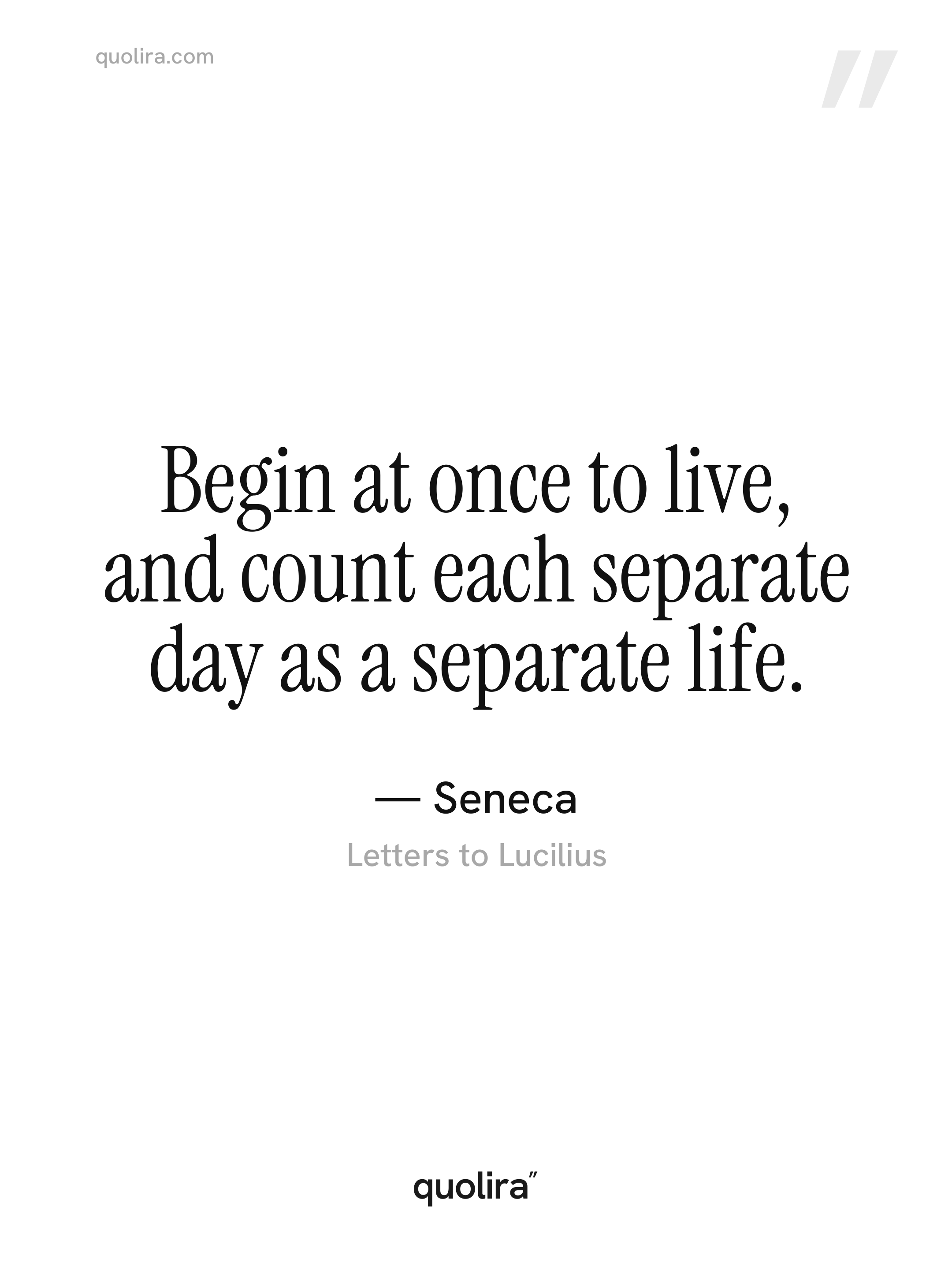
“Begin at once to live, and count each separate day as a separate life.”
Seneca · Letters to Lucilius
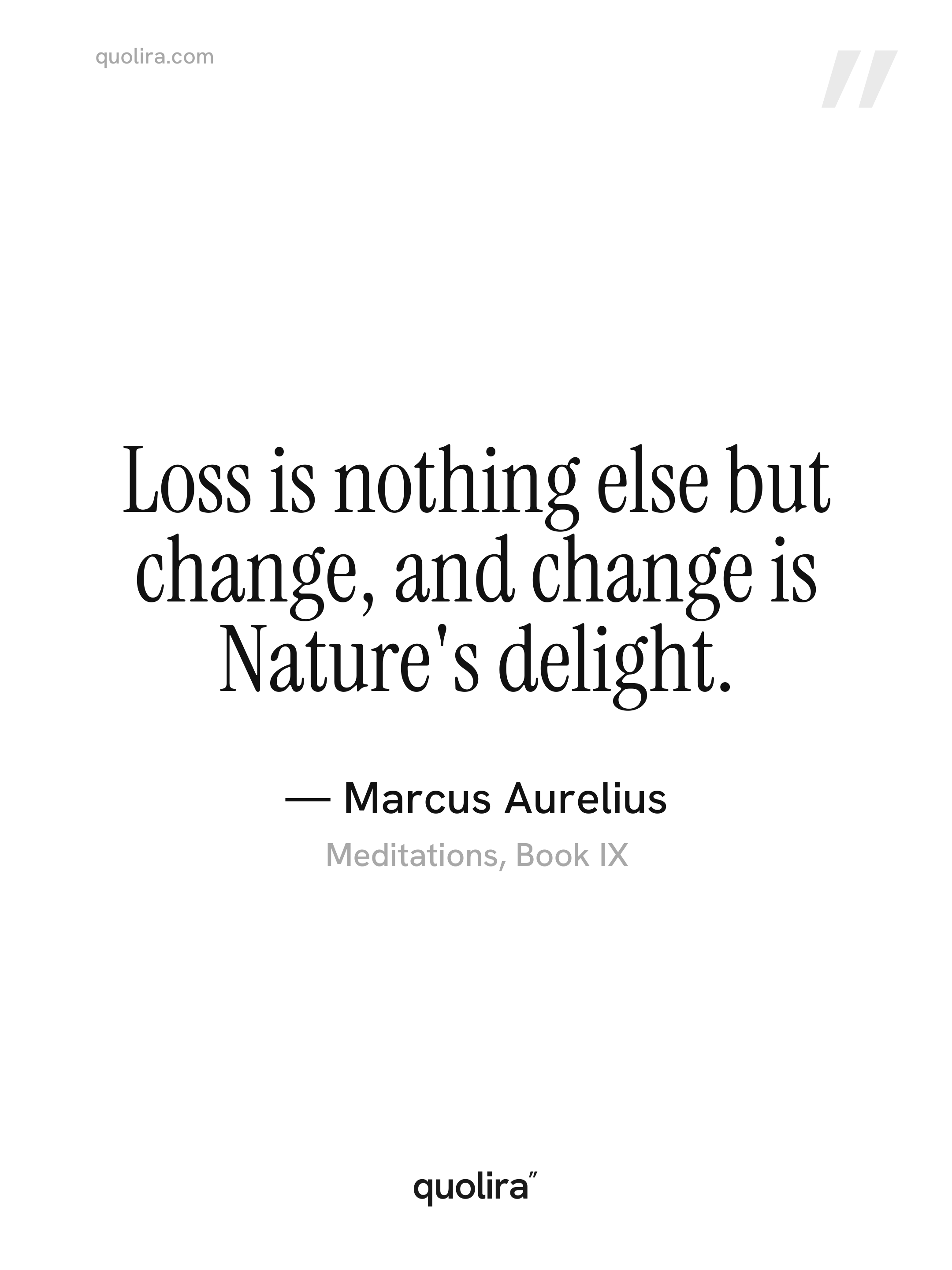
“Loss is nothing else but change, and change is Nature's delight.”
Marcus Aurelius · Meditations, Book IX
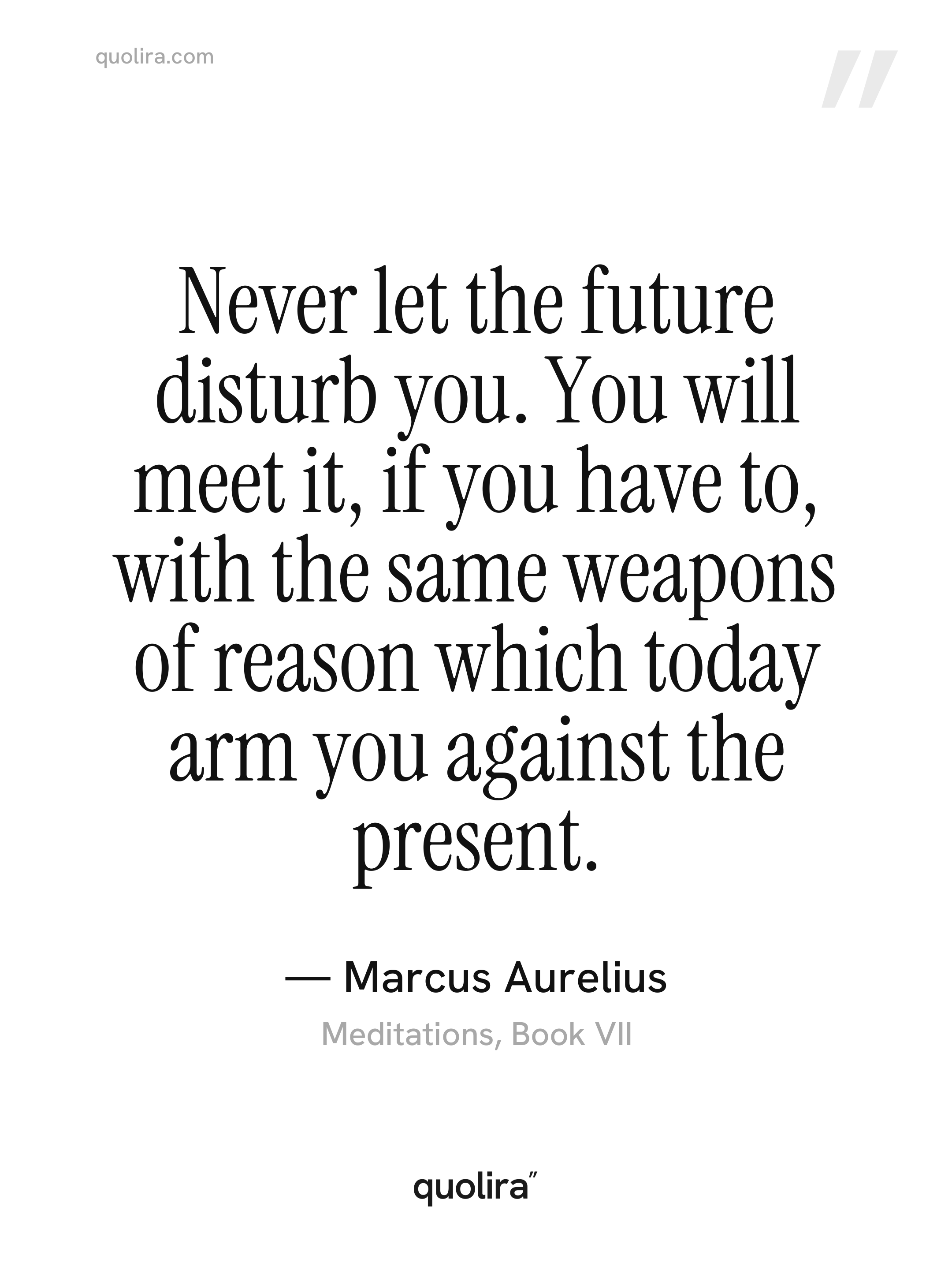
“Never let the future disturb you. You will meet it, if you have to, with the same weapons of reason which today arm you against the present.”
Marcus Aurelius · Meditations, Book VII
“How long are you going to wait before you demand the best for yourself?”
Epictetus · Discourses, Book I
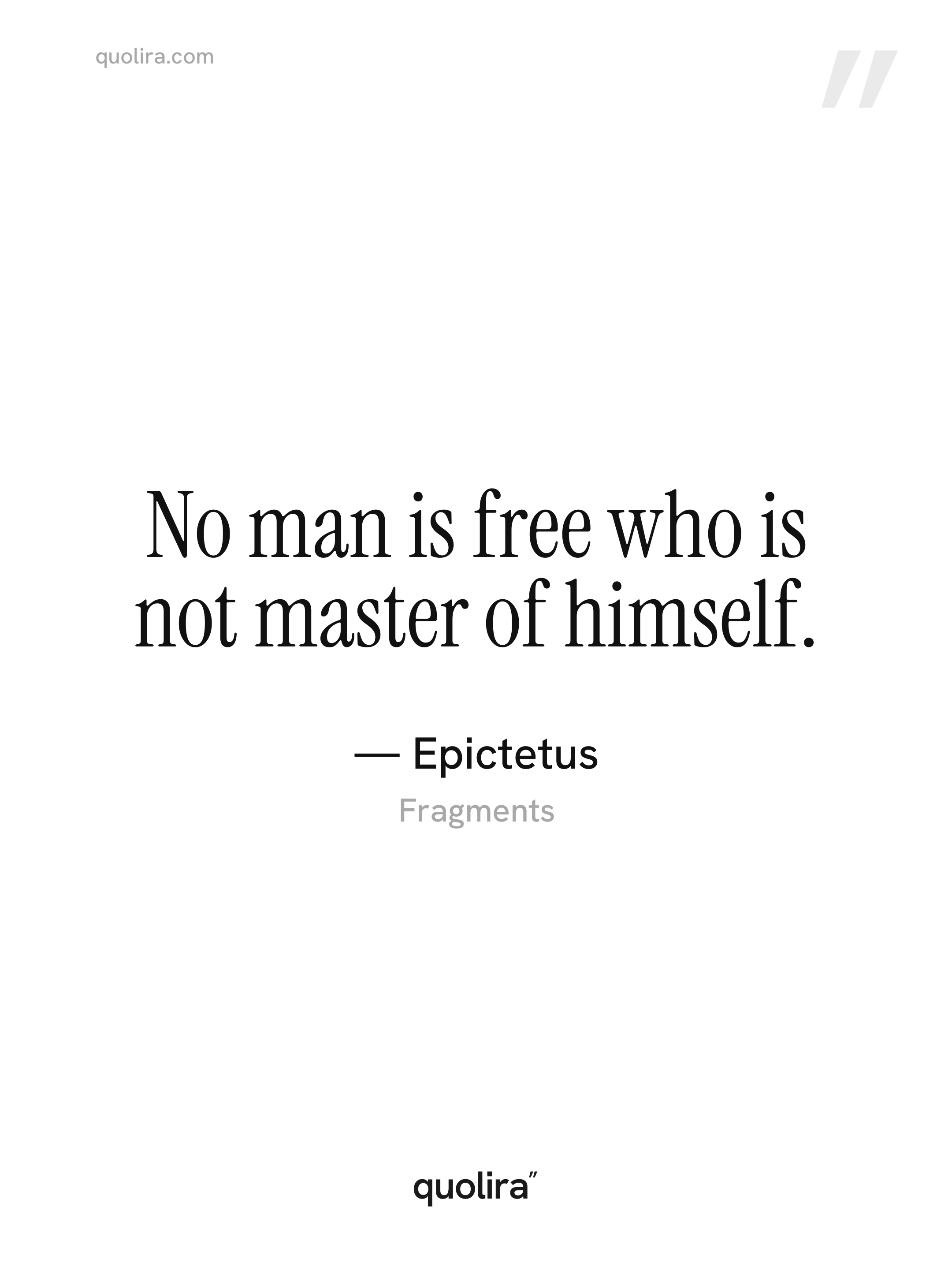
“No man is free who is not master of himself.”
Epictetus · Fragments
“First say to yourself what you would be; and then do what you have to do.”
Epictetus · Discourses, Book III
“Seek not the good in external things; seek it in yourselves.”
Epictetus · Discourses
“Men are disturbed not by the things which happen, but by the opinions about the things.”
Epictetus · Enchiridion, Chapter 5