“This, for the purpose of this celebration, is the Fourth of July. It is the birthday of your National Independence, and of your political freedom.”
Frederick Douglass · What to the Slave Is the Fourth of July?, July 5, 1852
 quolira
.com
quolira
quolira.com
Lincoln opens by counting back eighty-seven years to 1776, rooting the Civil War in the founding promise of equality rather than in the Constitution, which he pointedly did not mention. He describes the nation as something conceived and dedicated to an idea, framing America less as a political arrangement and more as an ongoing moral experiment. The word "proposition" is significant: it implies something still being tested, still requiring proof through action and sacrifice.
Lincoln delivered the Gettysburg Address on November 19, 1863, at the dedication of a military cemetery on the Pennsylvania battlefield where, months earlier, one of the bloodiest engagements of the Civil War had been fought. The speech was brief, only a few minutes long, yet it reframed the meaning of the war for a grieving and divided public. Rather than presenting the conflict as a struggle merely to preserve the Union, Lincoln argued it was a test of whether a nation built on equality could survive.
Abraham Lincoln served as the sixteenth President of the United States from 1861 until his assassination in 1865. He guided the country through the Civil War and issued the Emancipation Proclamation, which declared enslaved people in Confederate states to be free. Lincoln came from humble origins in Kentucky and Indiana and was largely self-educated. He is widely regarded as one of the greatest American presidents, remembered for his moral seriousness, his gift for plain and powerful language, and his leadership during the nation's gravest crisis.
“This, for the purpose of this celebration, is the Fourth of July. It is the birthday of your National Independence, and of your political freedom.”
Frederick Douglass · What to the Slave Is the Fourth of July?, July 5, 1852
“Give me liberty, or give me death!”
Patrick Henry · Speech to the Virginia Convention, March 23, 1775
“We hold these truths to be self-evident, that all men are created equal, that they are endowed by their Creator with certain unalienable Rights, that among these are Life, Liberty and the pursuit of Happiness.”
Thomas Jefferson · Declaration of Independence, 1776
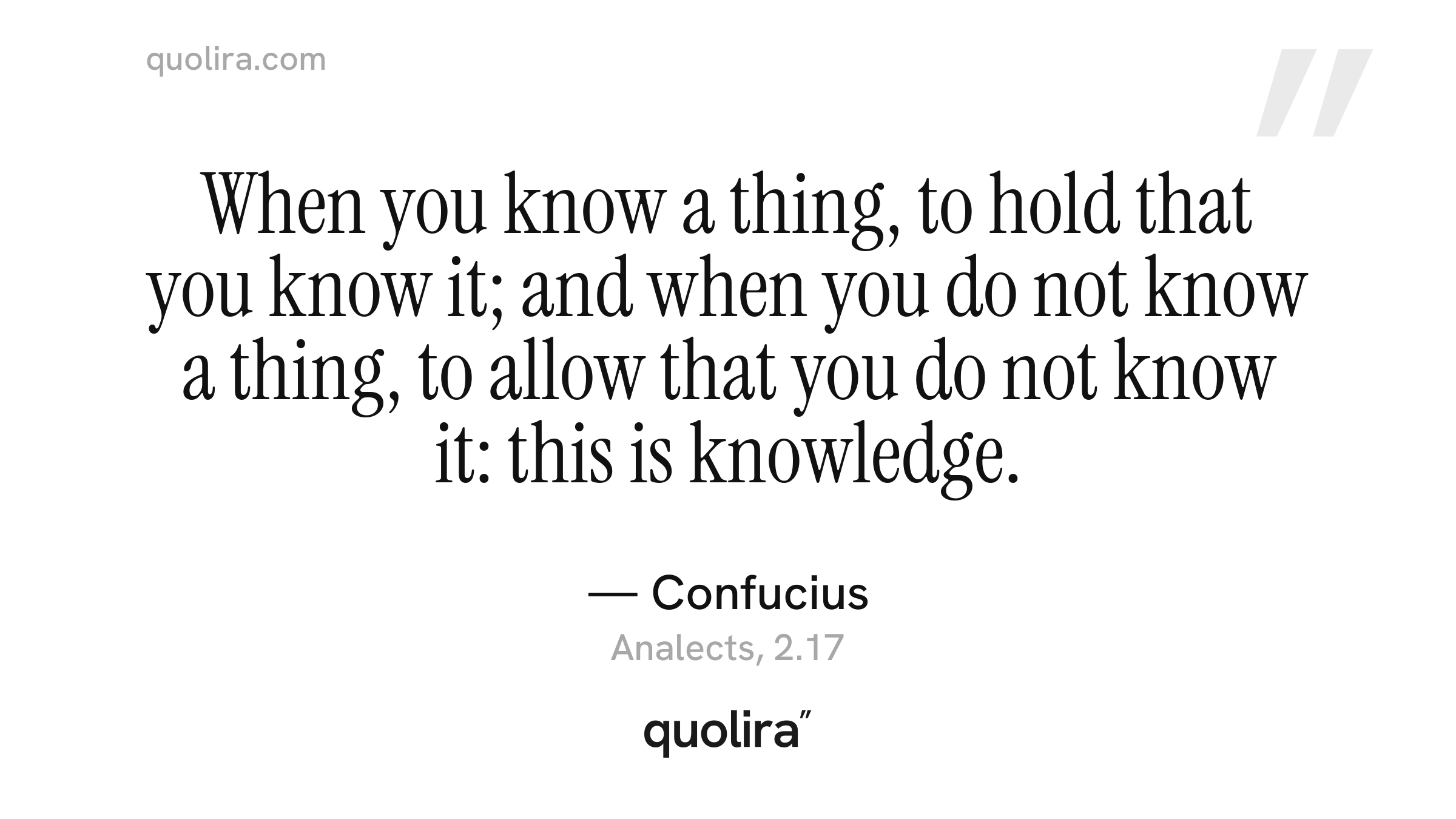
“When you know a thing, to hold that you know it; and when you do not know a thing, to allow that you do not know it: this is knowledge.”
Confucius · Analects, 2.17
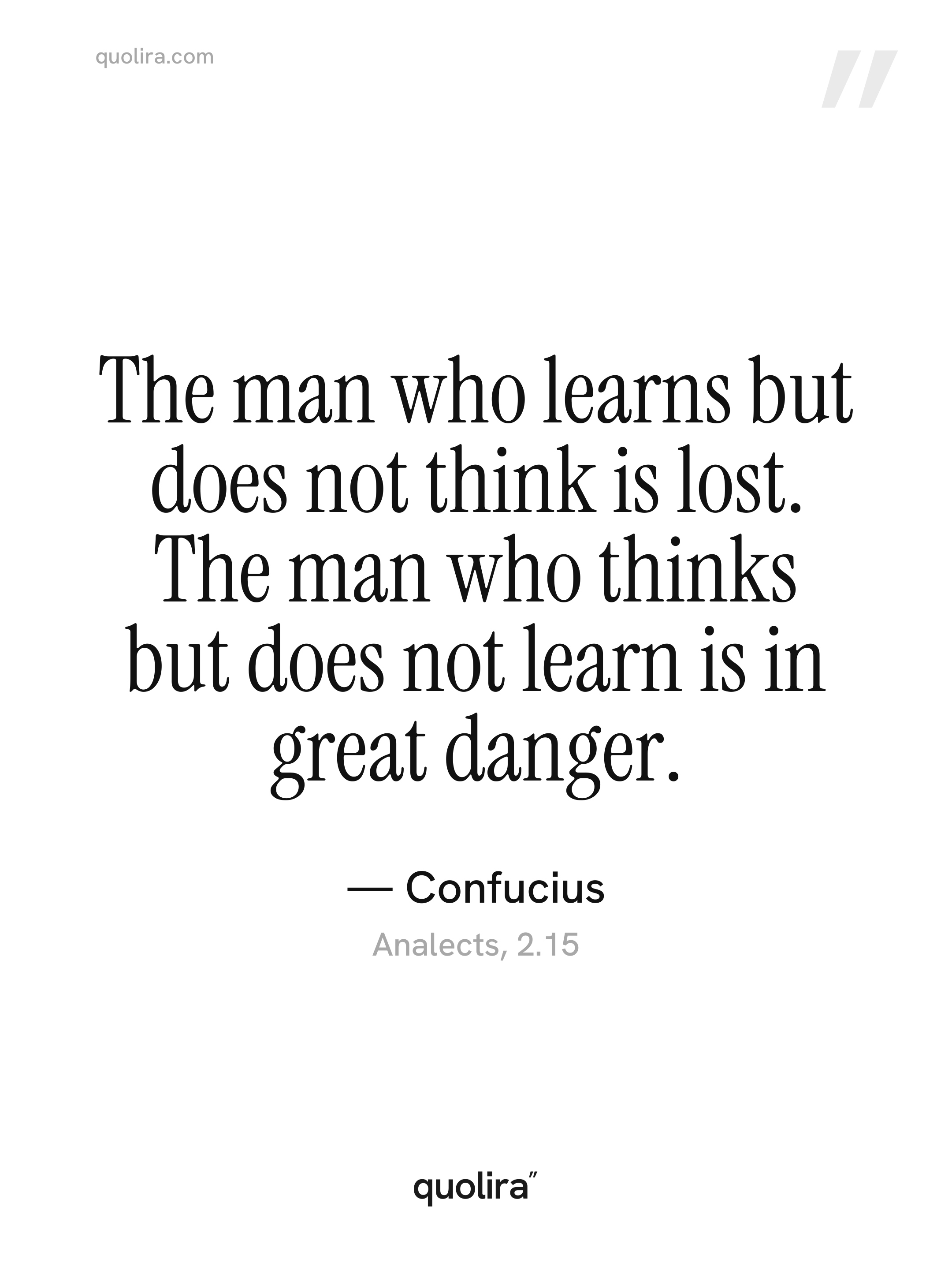
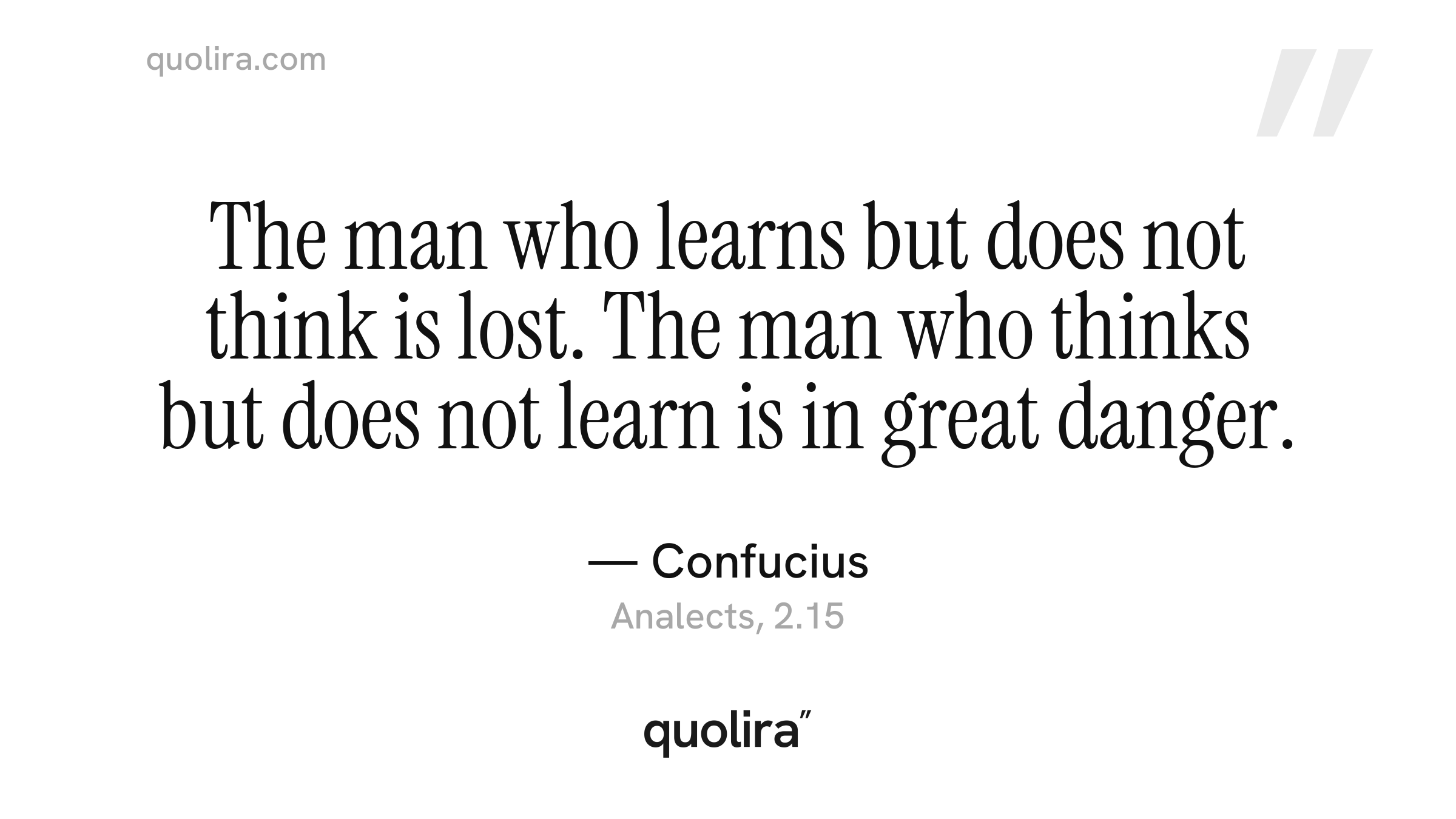
“The man who learns but does not think is lost. The man who thinks but does not learn is in great danger.”
Confucius · Analects, 2.15
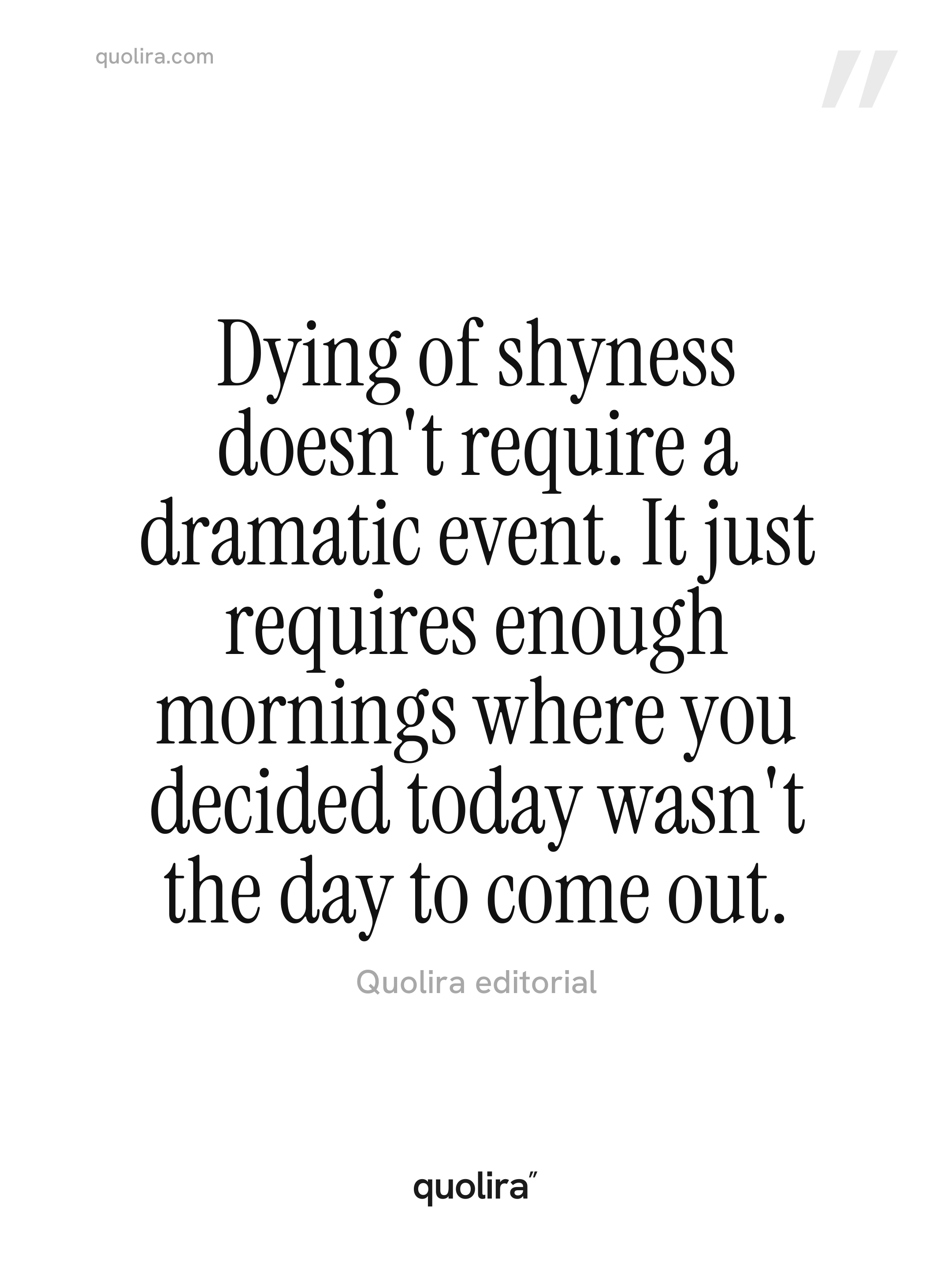
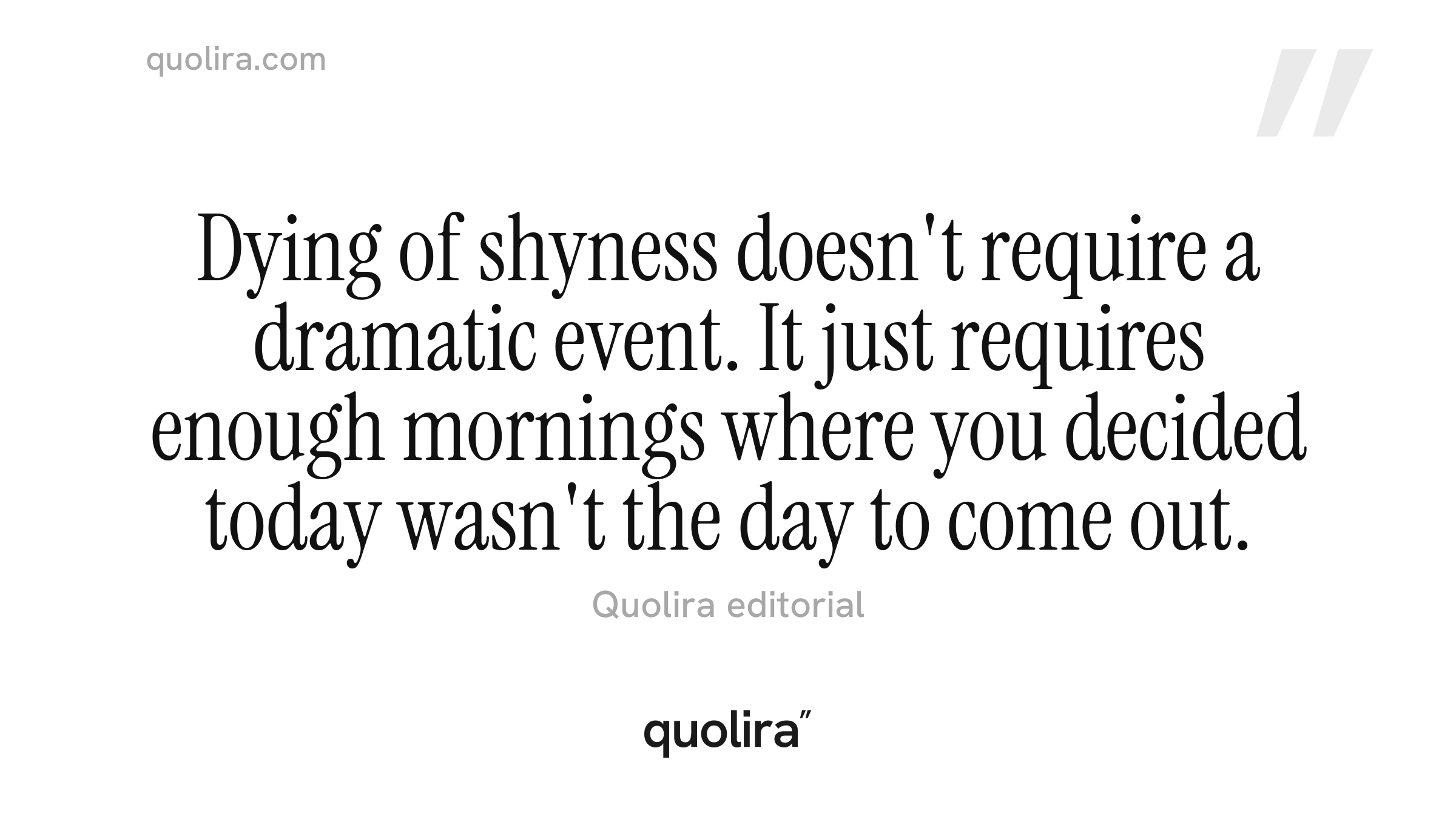
“Dying of shyness doesn't require a dramatic event. It just requires enough mornings where you decided today wasn't the day to come out.”
Original
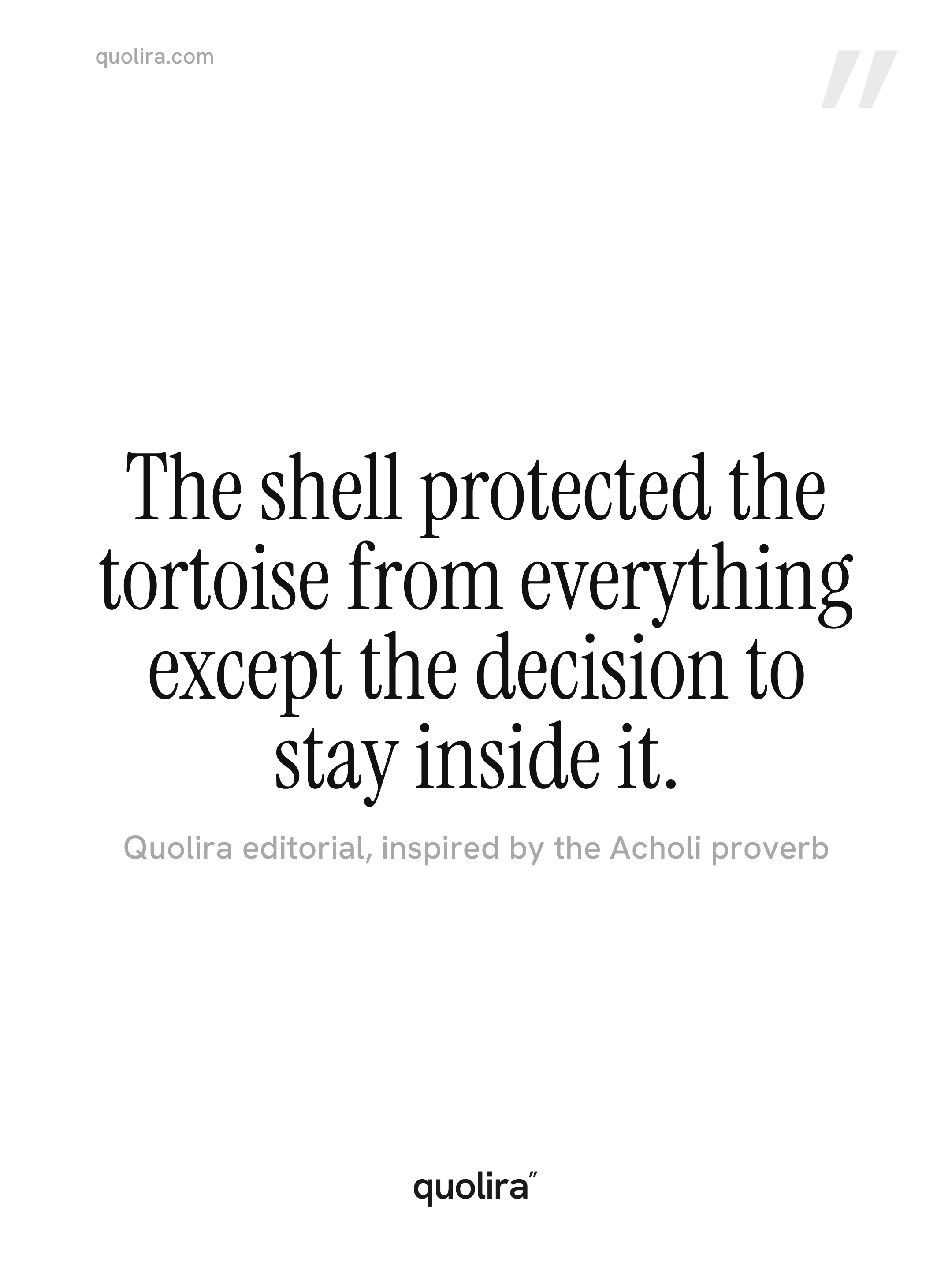
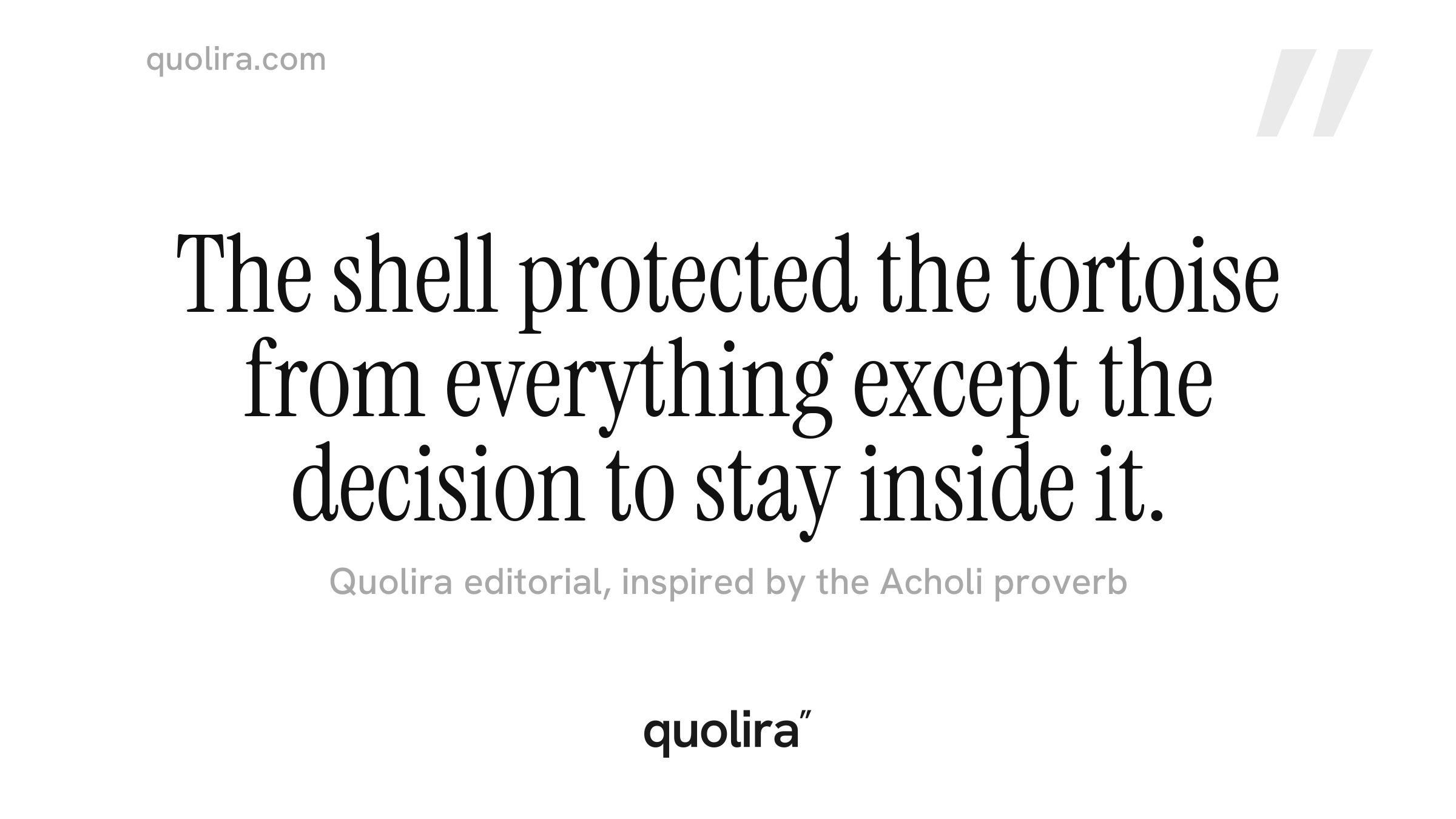
“The shell protected the tortoise from everything except the decision to stay inside it.”
Original
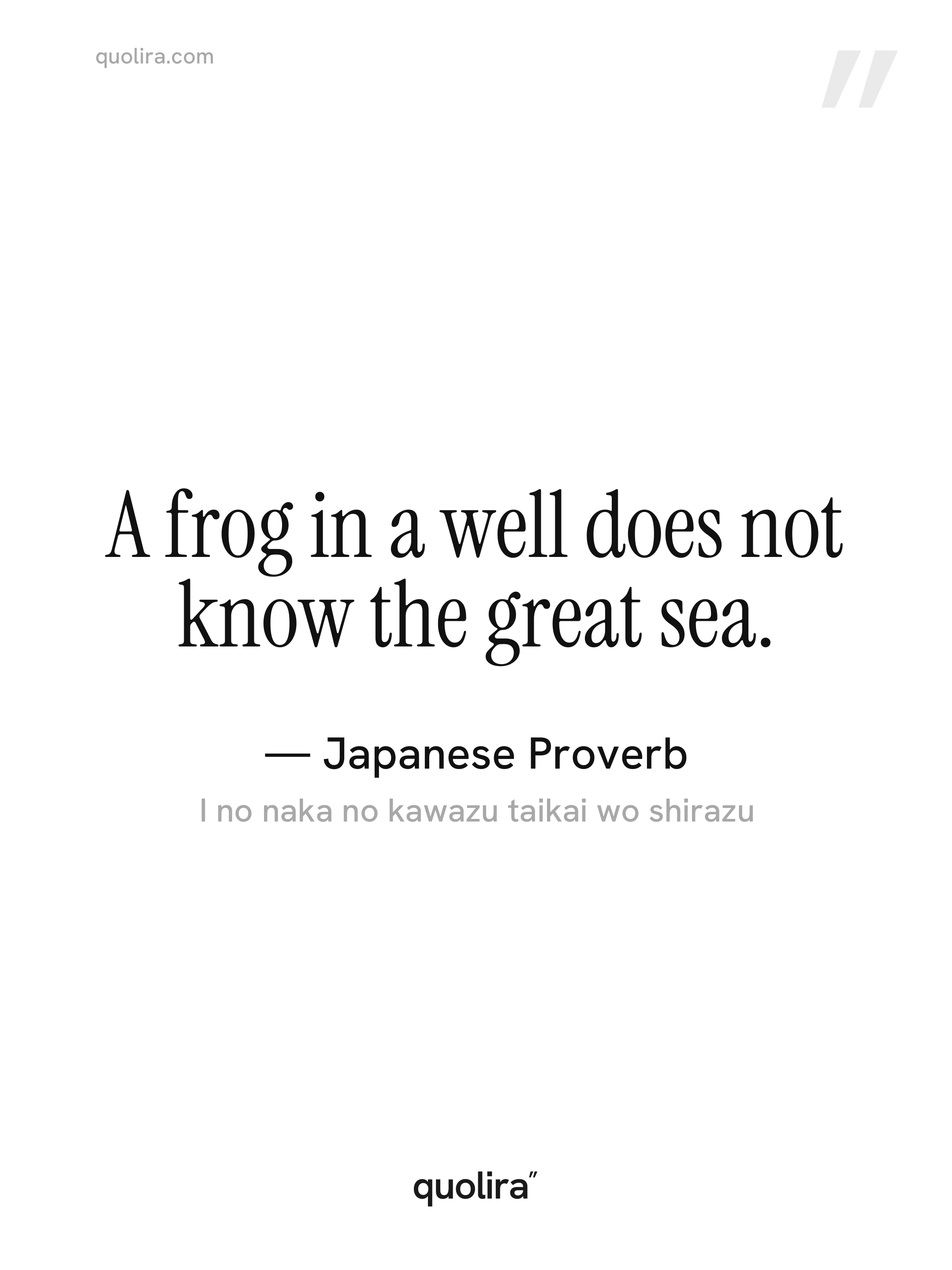
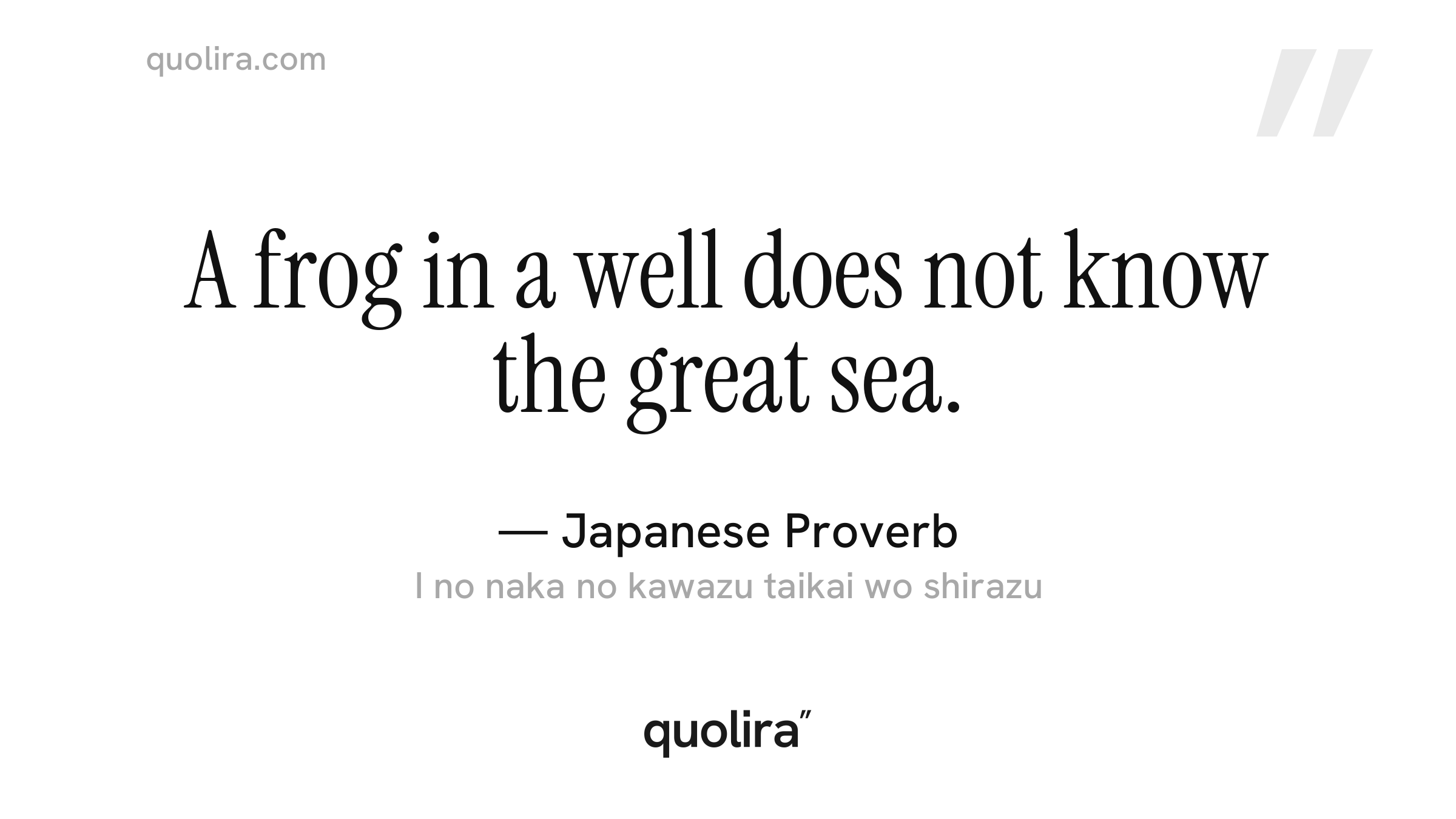
“A frog in a well does not know the great sea.”
Japanese Proverb · I no naka no kawazu taikai wo shirazu
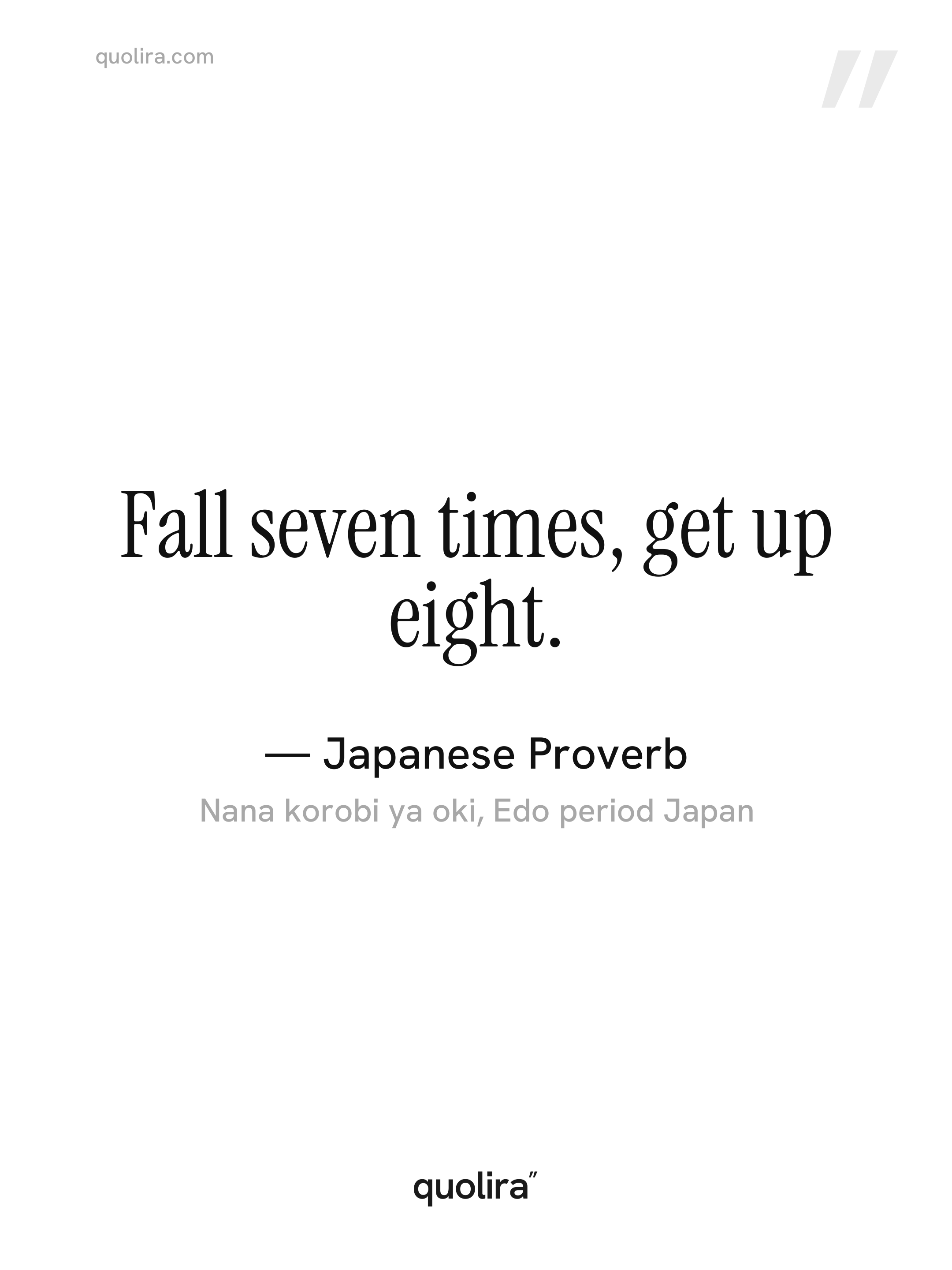
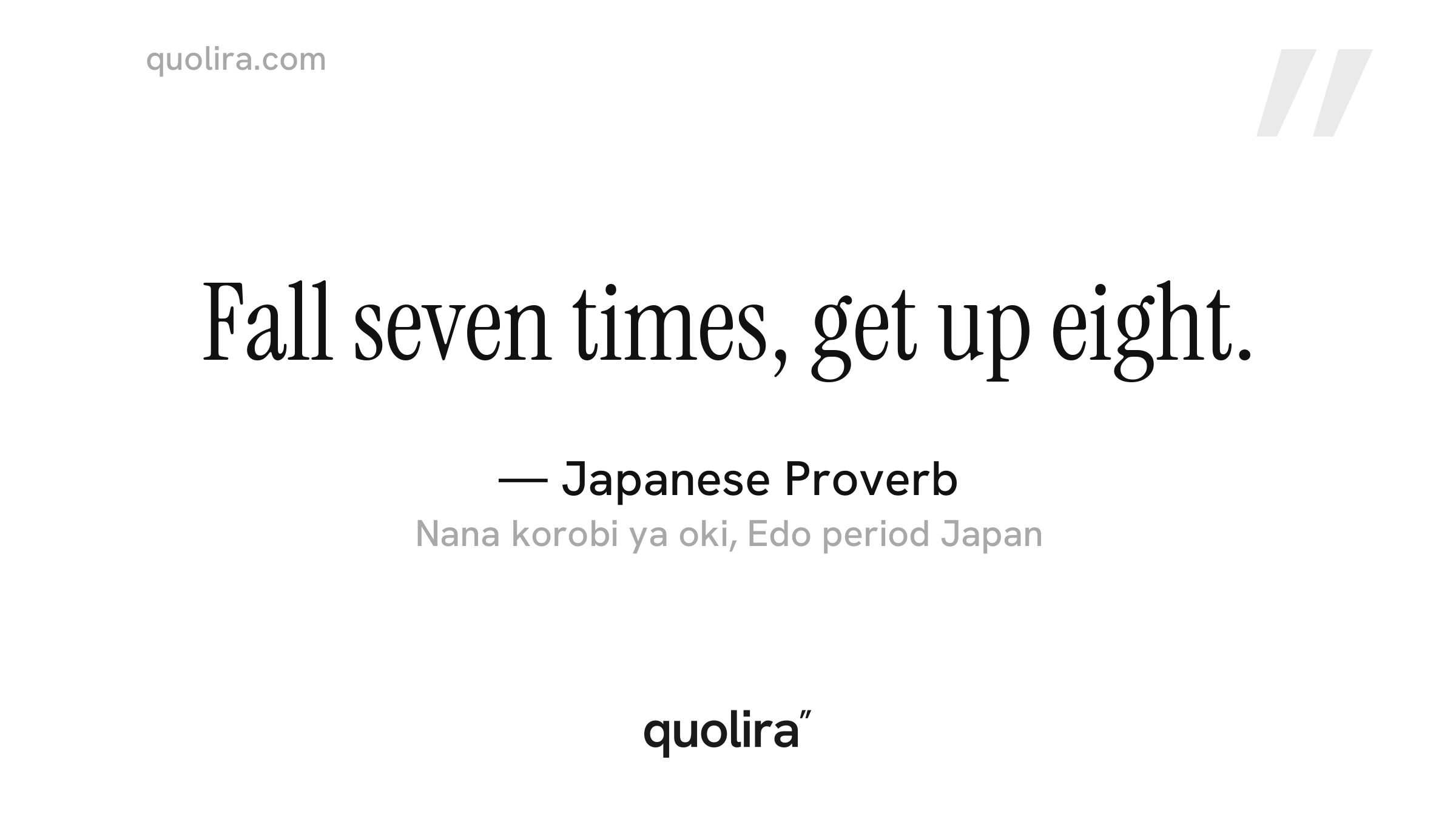
“Fall seven times, get up eight.”
Japanese Proverb · Nana korobi ya oki, Edo period Japan
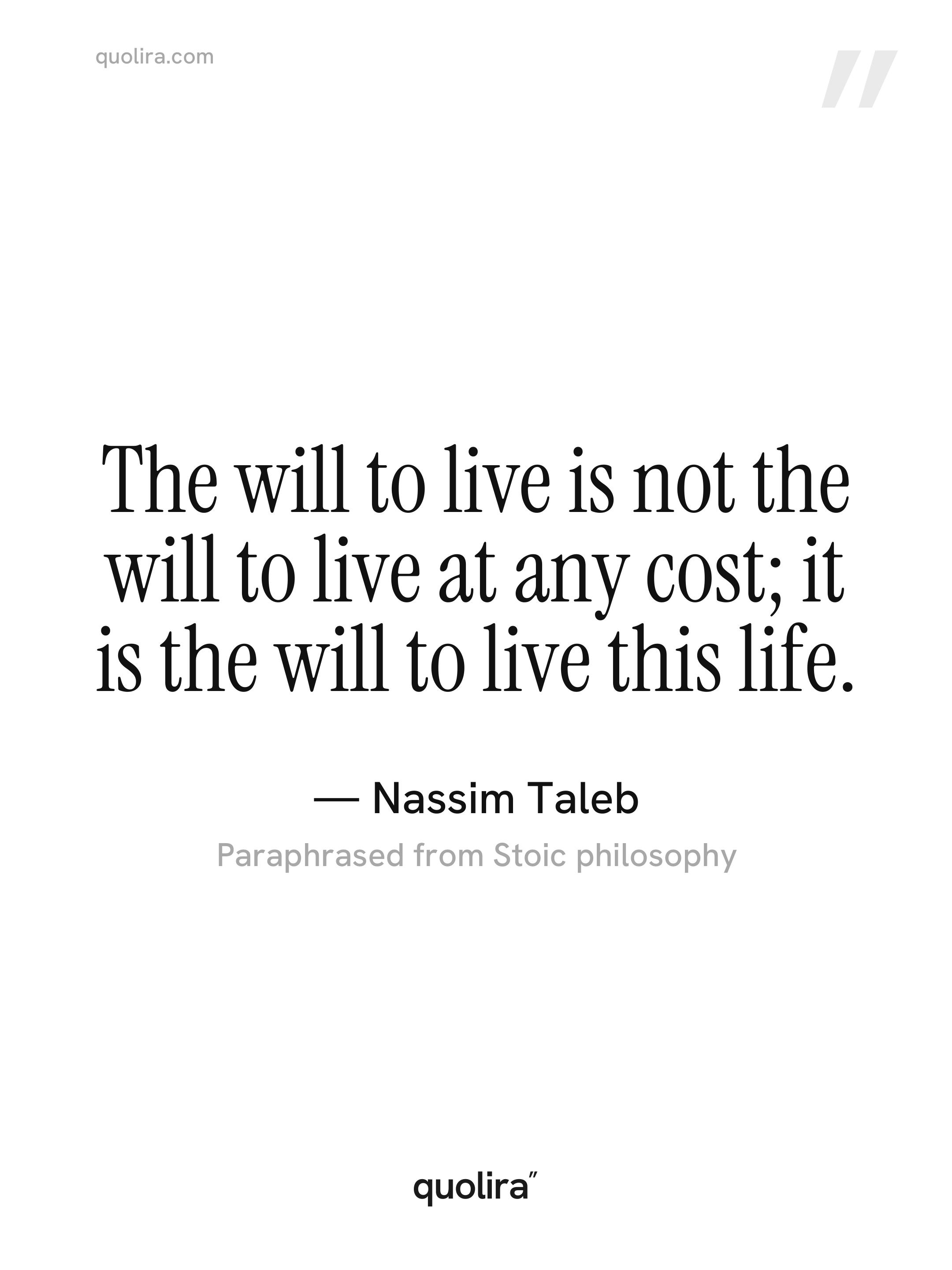
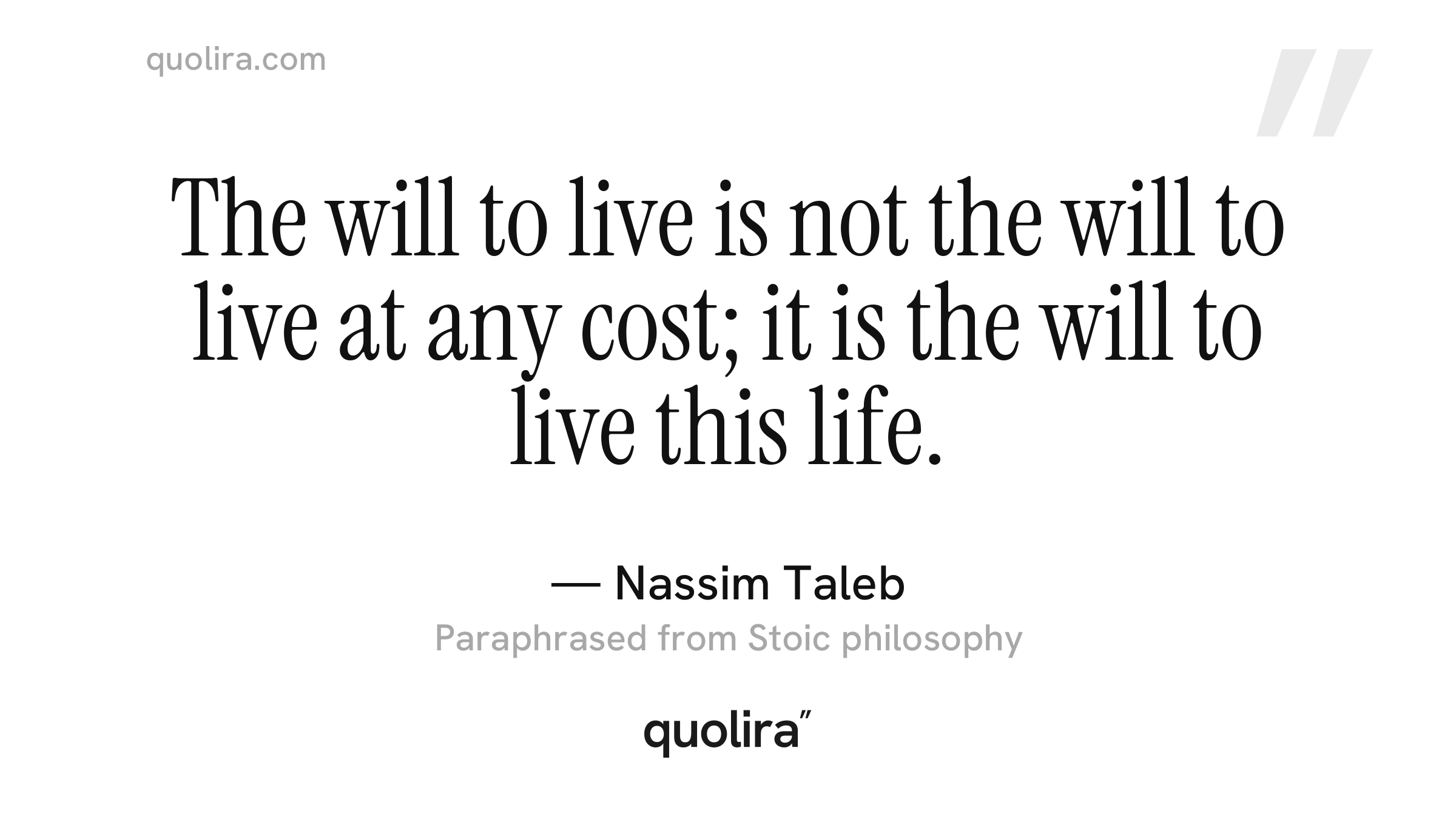
“The will to live is not the will to live at any cost; it is the will to live this life.”
Nassim Taleb · Paraphrased from Stoic philosophy
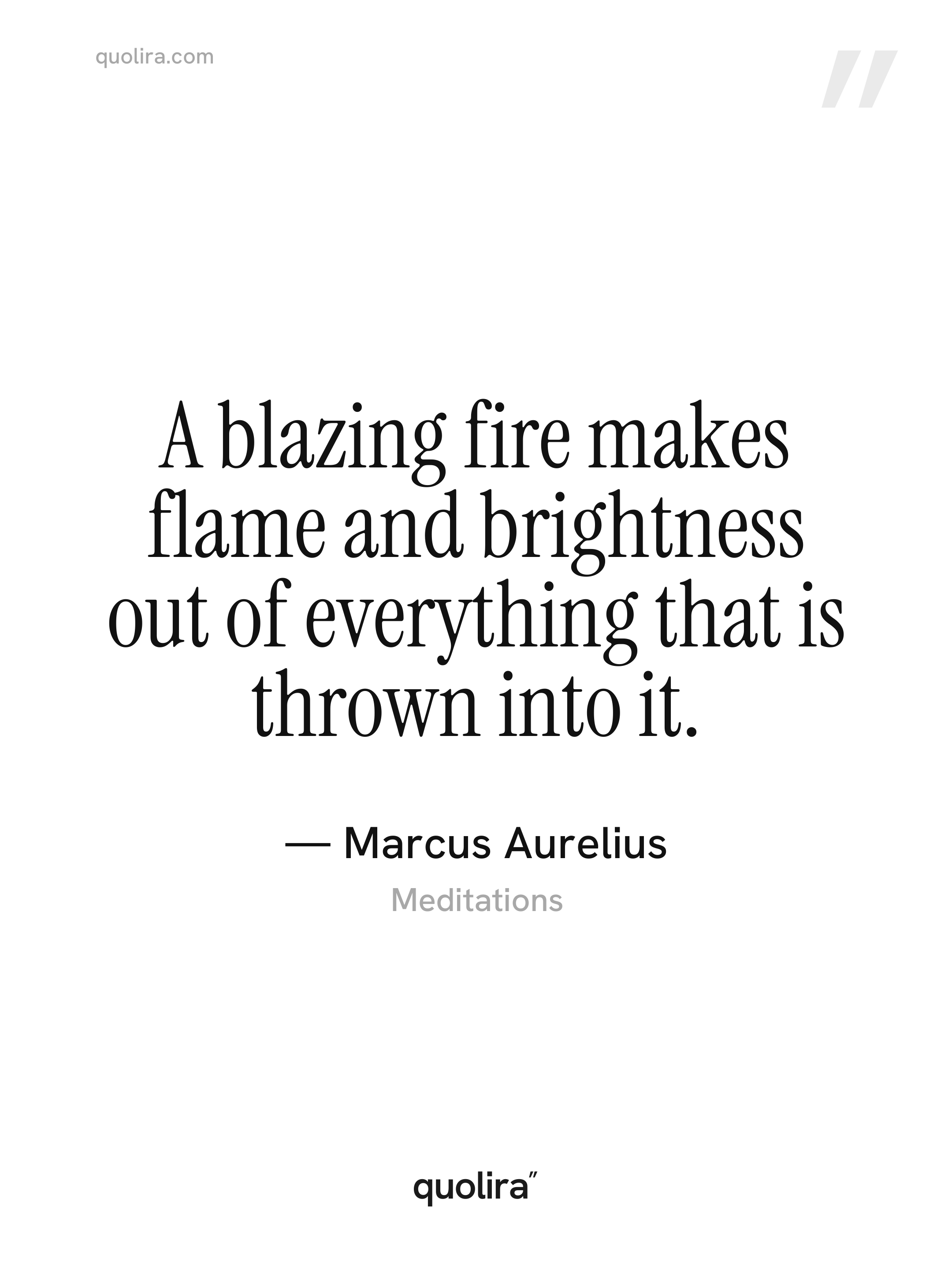
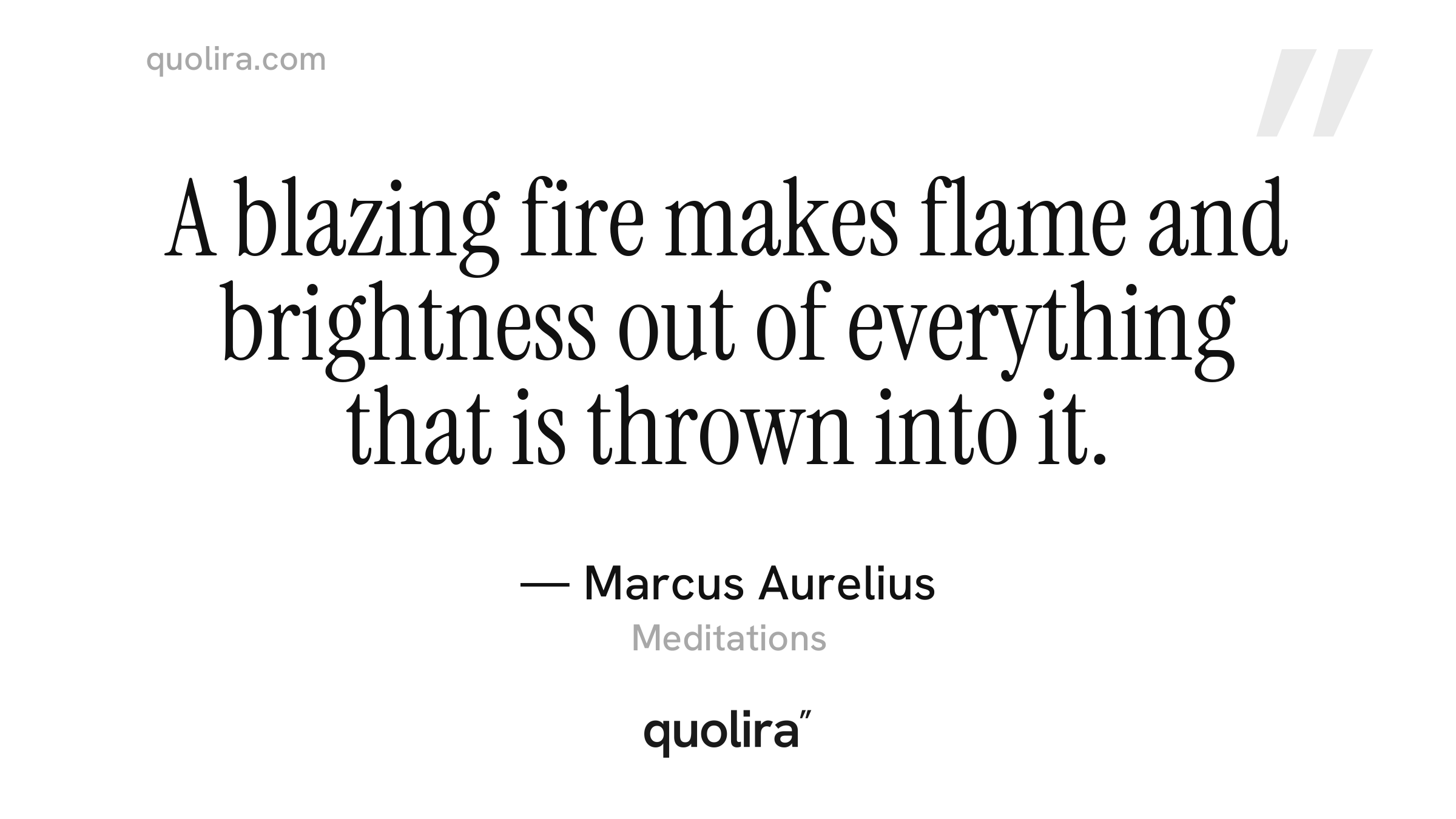
“A blazing fire makes flame and brightness out of everything that is thrown into it.”
Marcus Aurelius · Meditations
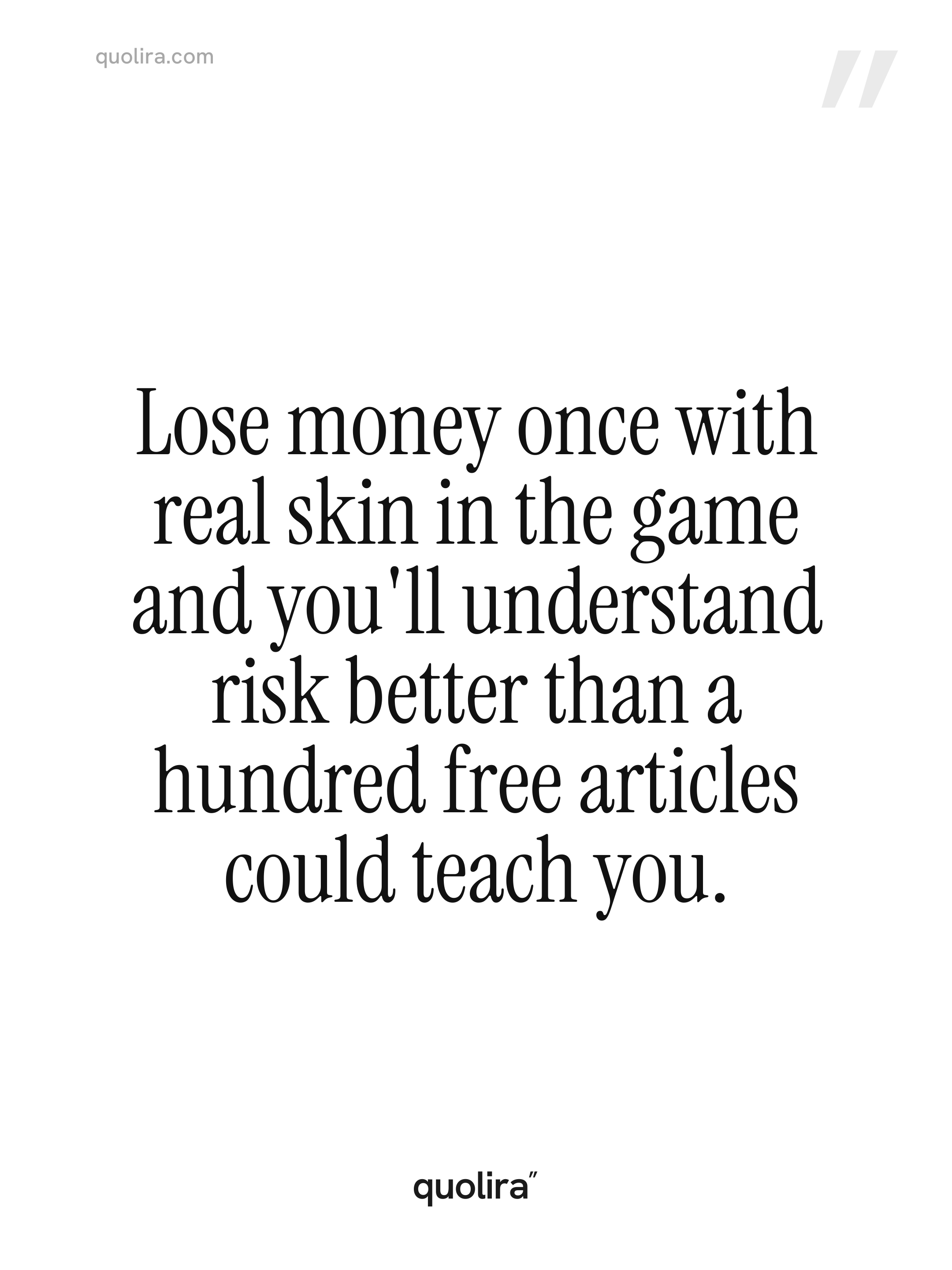
“Lose money once with real skin in the game and you'll understand risk better than a hundred free articles could teach you.”
Original