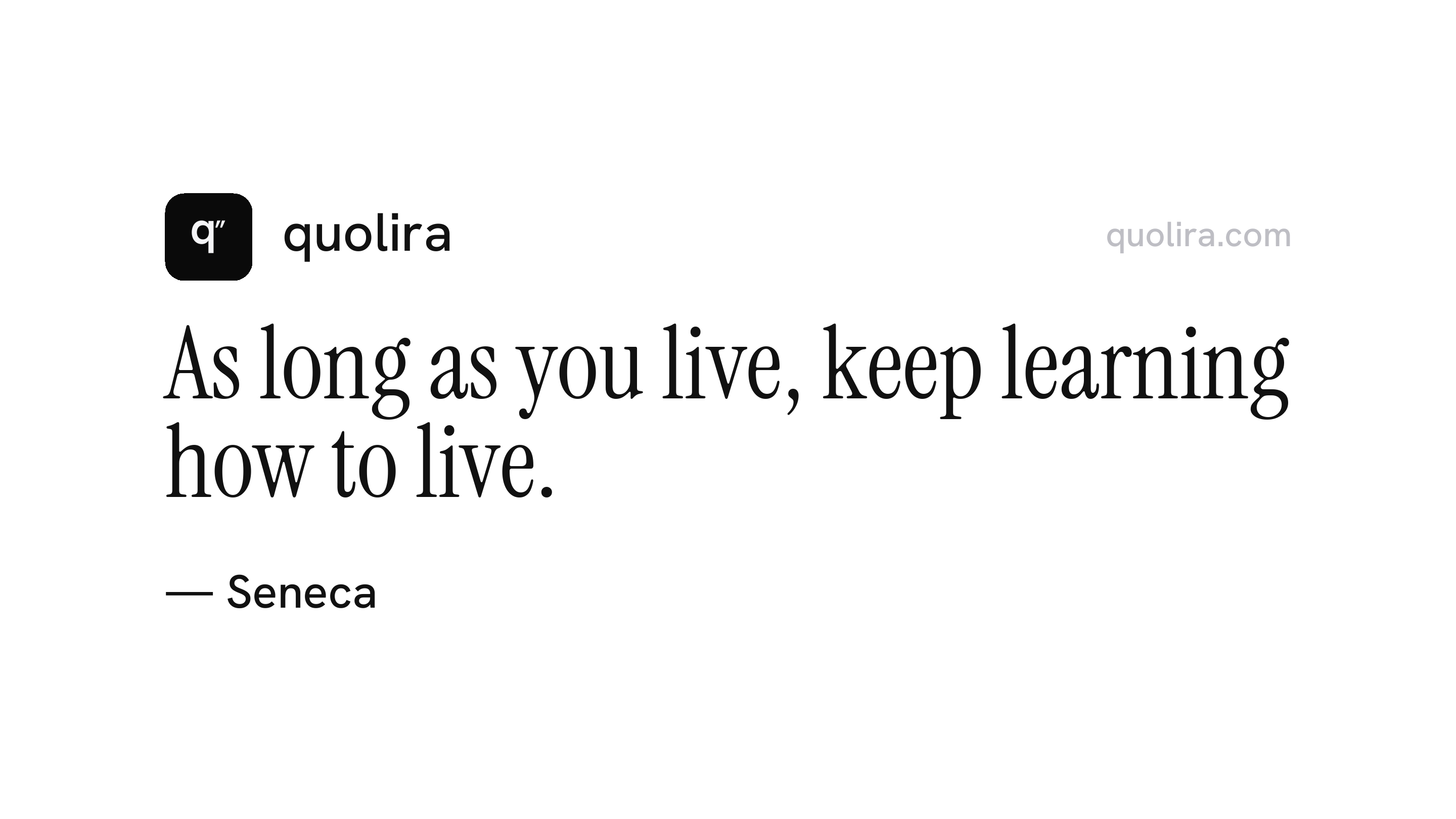
“As long as you live, keep learning how to live.”
Seneca · On the Shortness of Life
 quolira
.com
quolira
quolira.com
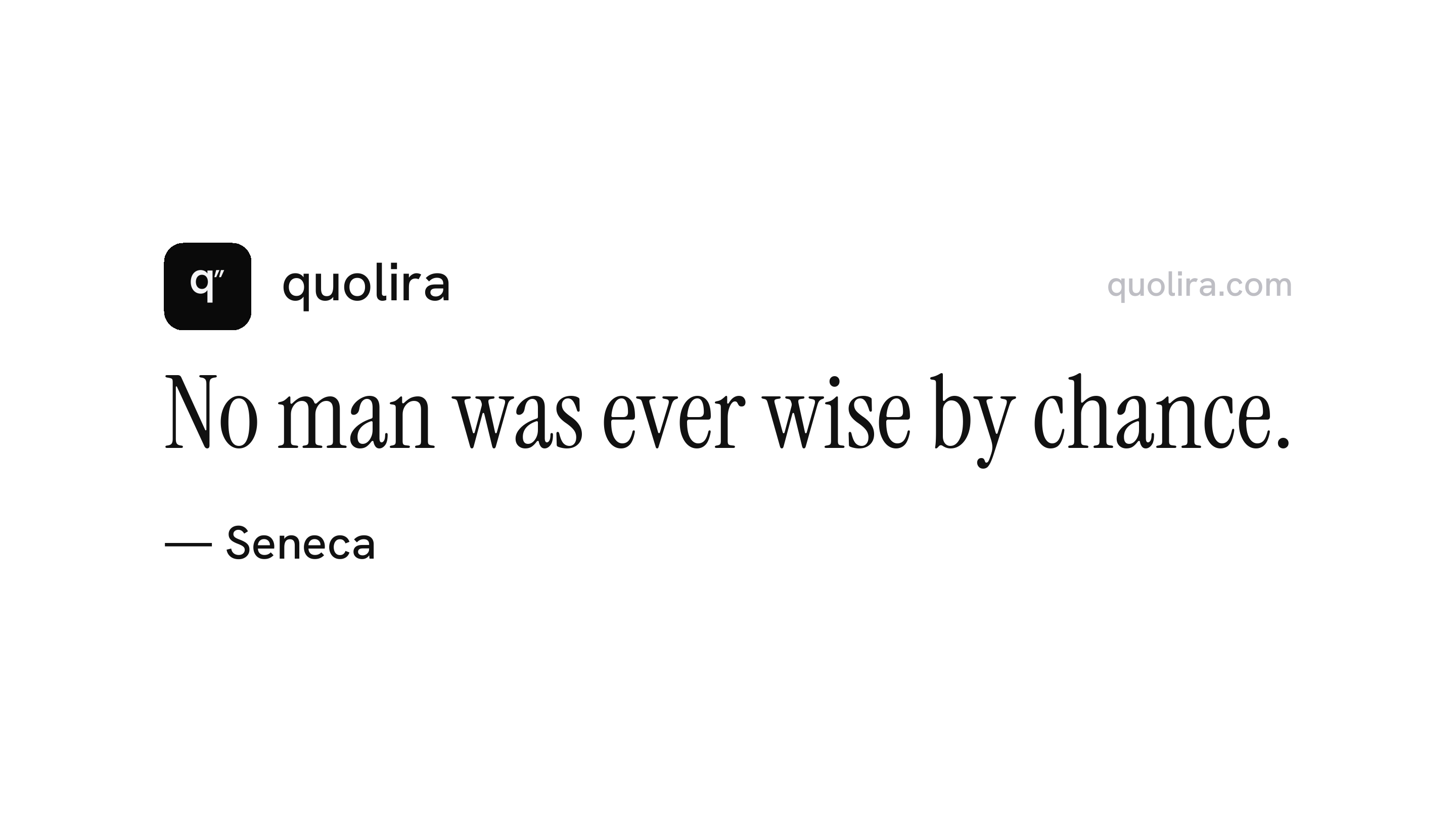
This short statement makes a strong claim about the nature of wisdom: it is never accidental. A person does not stumble into genuine understanding the way they might stumble into good luck or favorable circumstances. Wisdom is the result of deliberate effort, sustained reflection, and the willingness to examine one's own thinking and conduct over time. The quote challenges any assumption that insight simply arrives on its own.
This line comes from Seneca's Letters to Lucilius, a collection of personal letters addressed to his friend Lucilius that function as a kind of extended course in Stoic philosophy and self-improvement. Letter 76 is concerned with the value of learning and the question of what it means to be a good person. Throughout the letters, Seneca returns repeatedly to the theme that virtue and understanding require active, conscious pursuit rather than passive reception. This particular observation fits that argument precisely: wisdom is a discipline, not a gift.
Seneca the Younger was a Roman philosopher, statesman, and writer of the first century who became one of the most widely read Stoic thinkers of his era. His letters to Lucilius are among his most enduring works, combining philosophical instruction with personal candor in a way that feels remarkably intimate. His influence on Western moral thought has been substantial, and readers across many different periods have found his practical approach to ethics both challenging and genuinely useful.
“As long as you live, keep learning how to live.”
Seneca · On the Shortness of Life
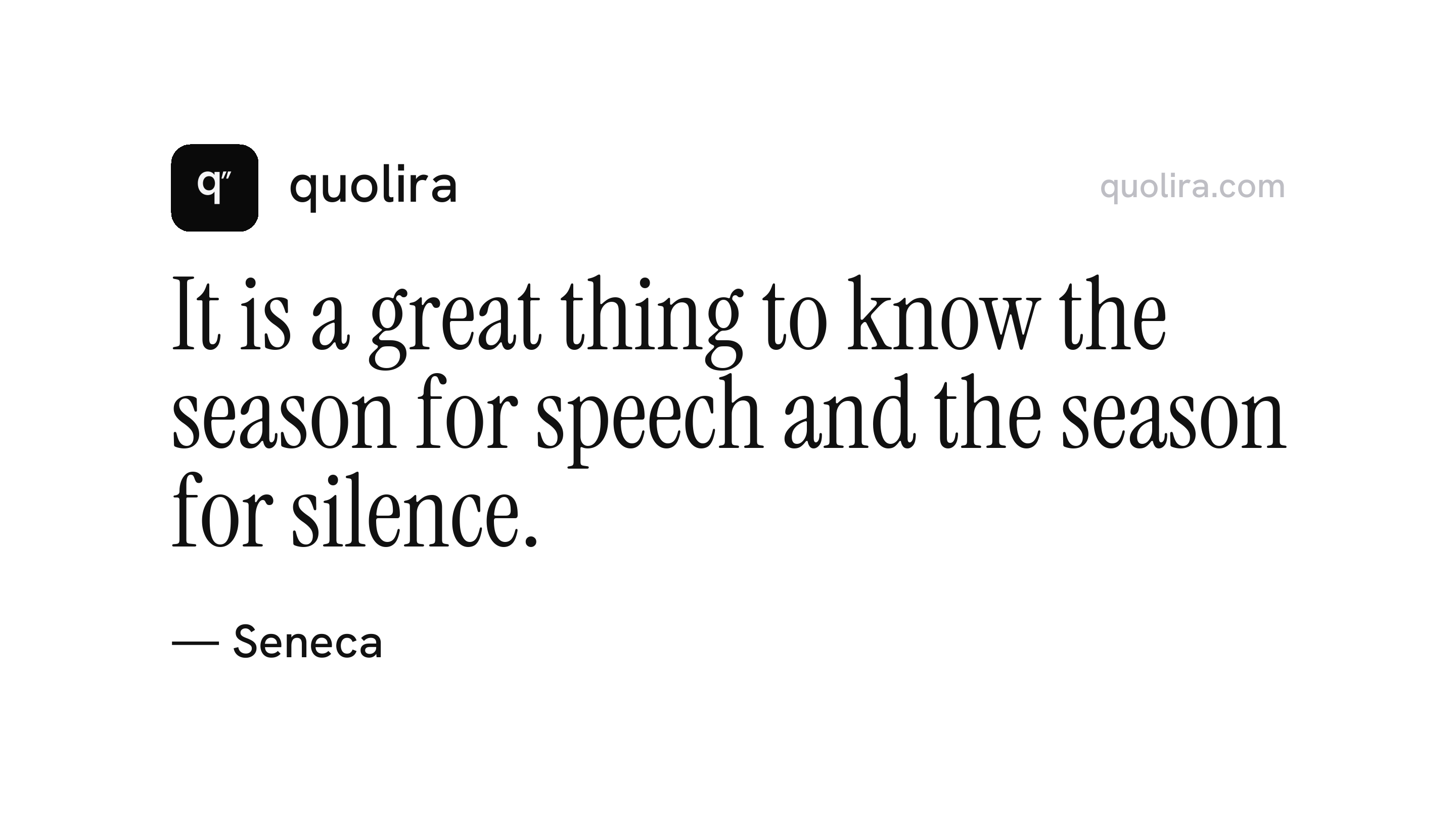
“It is a great thing to know the season for speech and the season for silence.”
Seneca · Moral essays
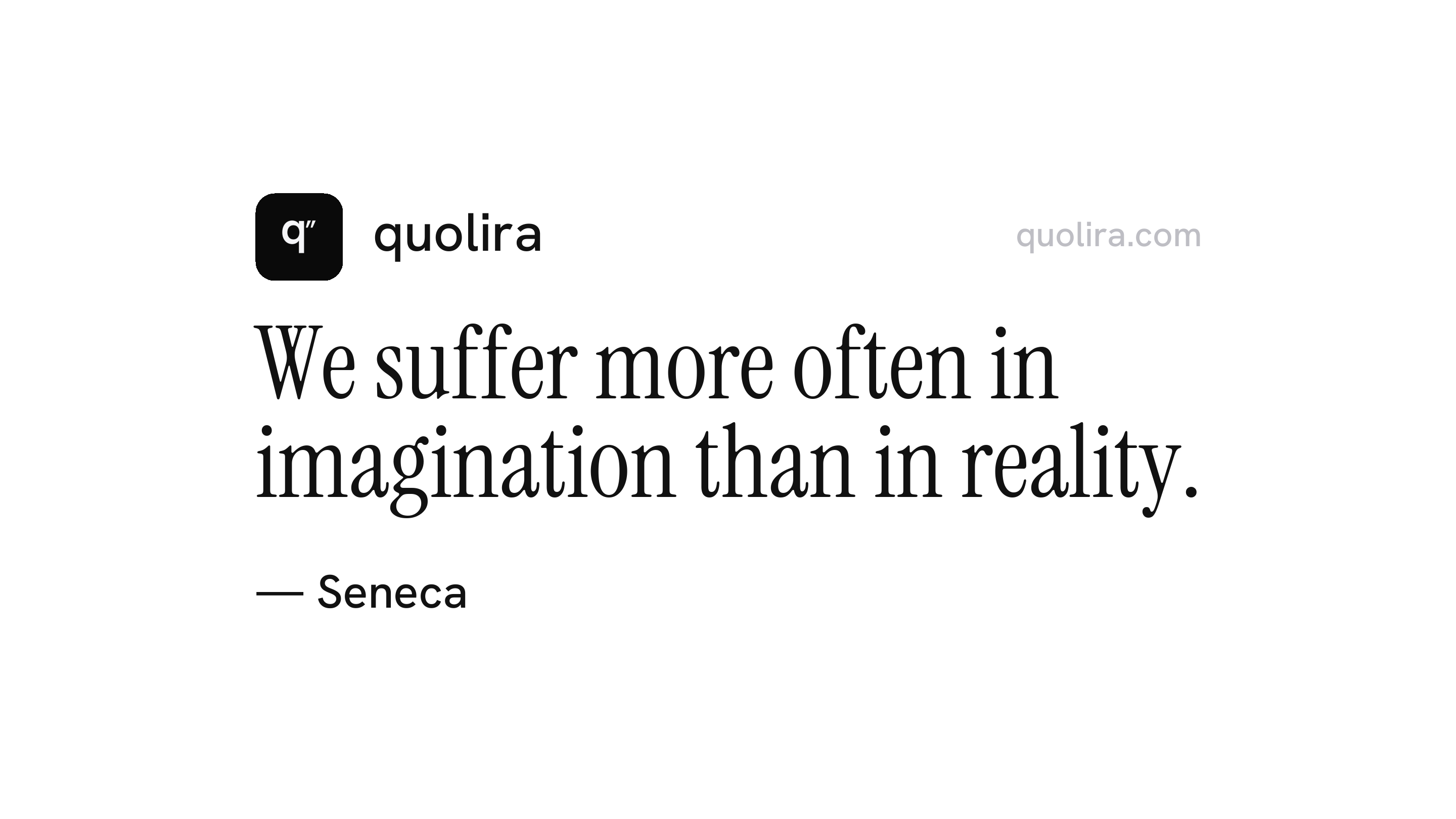
“We suffer more often in imagination than in reality.”
Seneca · Letters to Lucilius
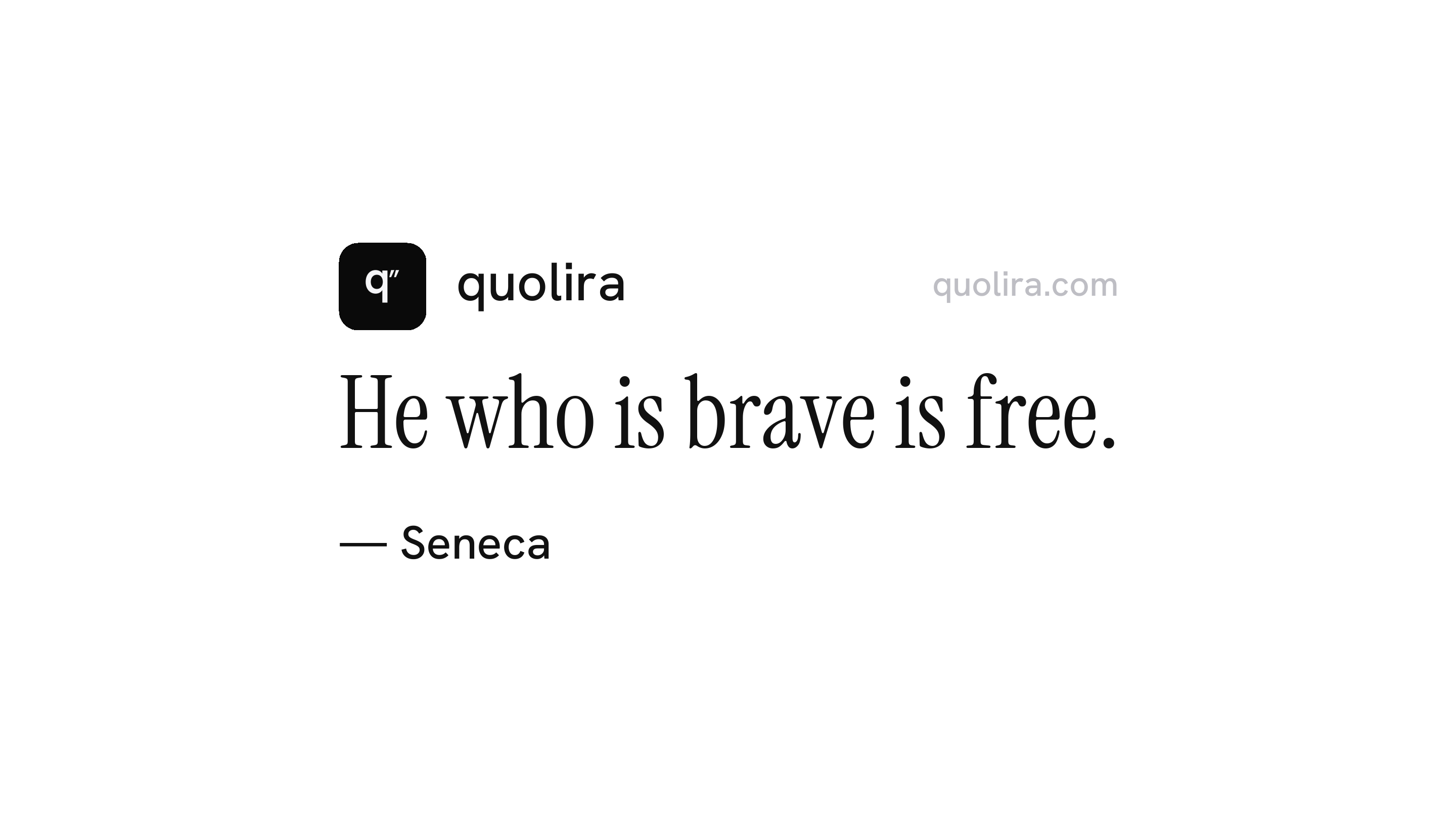
“He who is brave is free.”
Seneca · Letters to Lucilius
“Retire into yourself as much as you can. Associate with those who will make a better man of you.”
Seneca · Letters to Lucilius, Letter 7
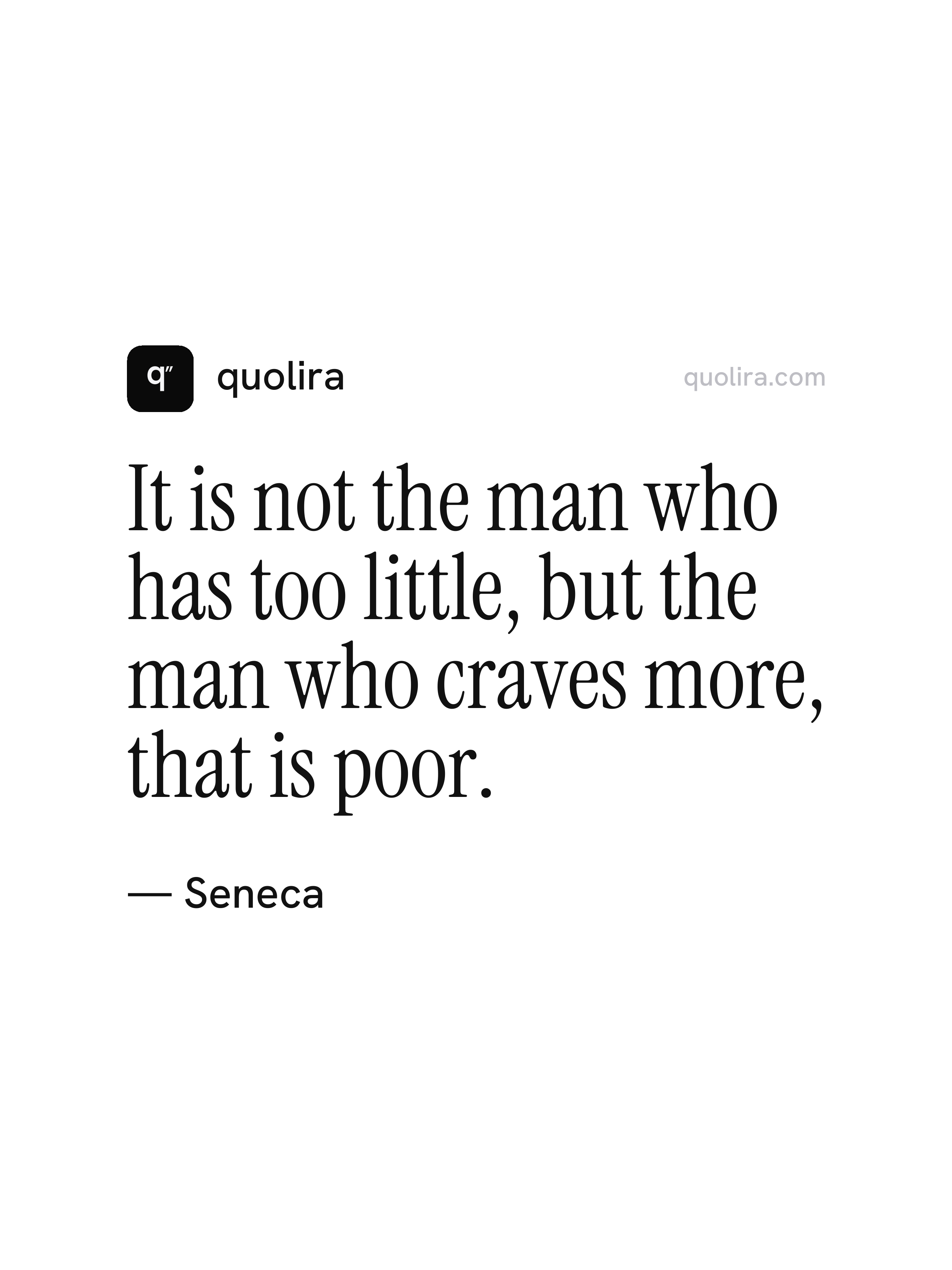
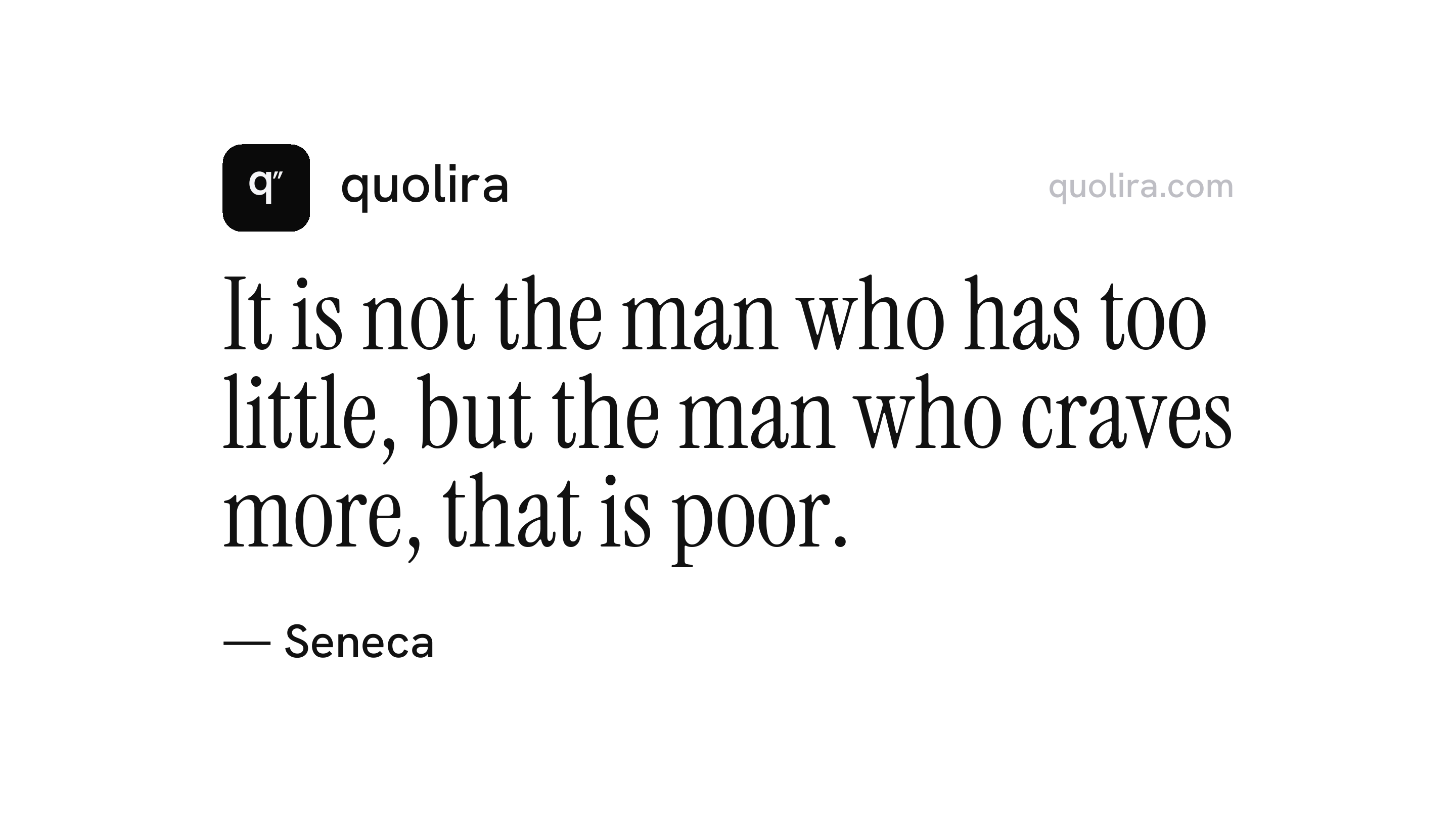
“It is not the man who has too little, but the man who craves more, that is poor.”
Seneca · Letters to Lucilius, Letter 2
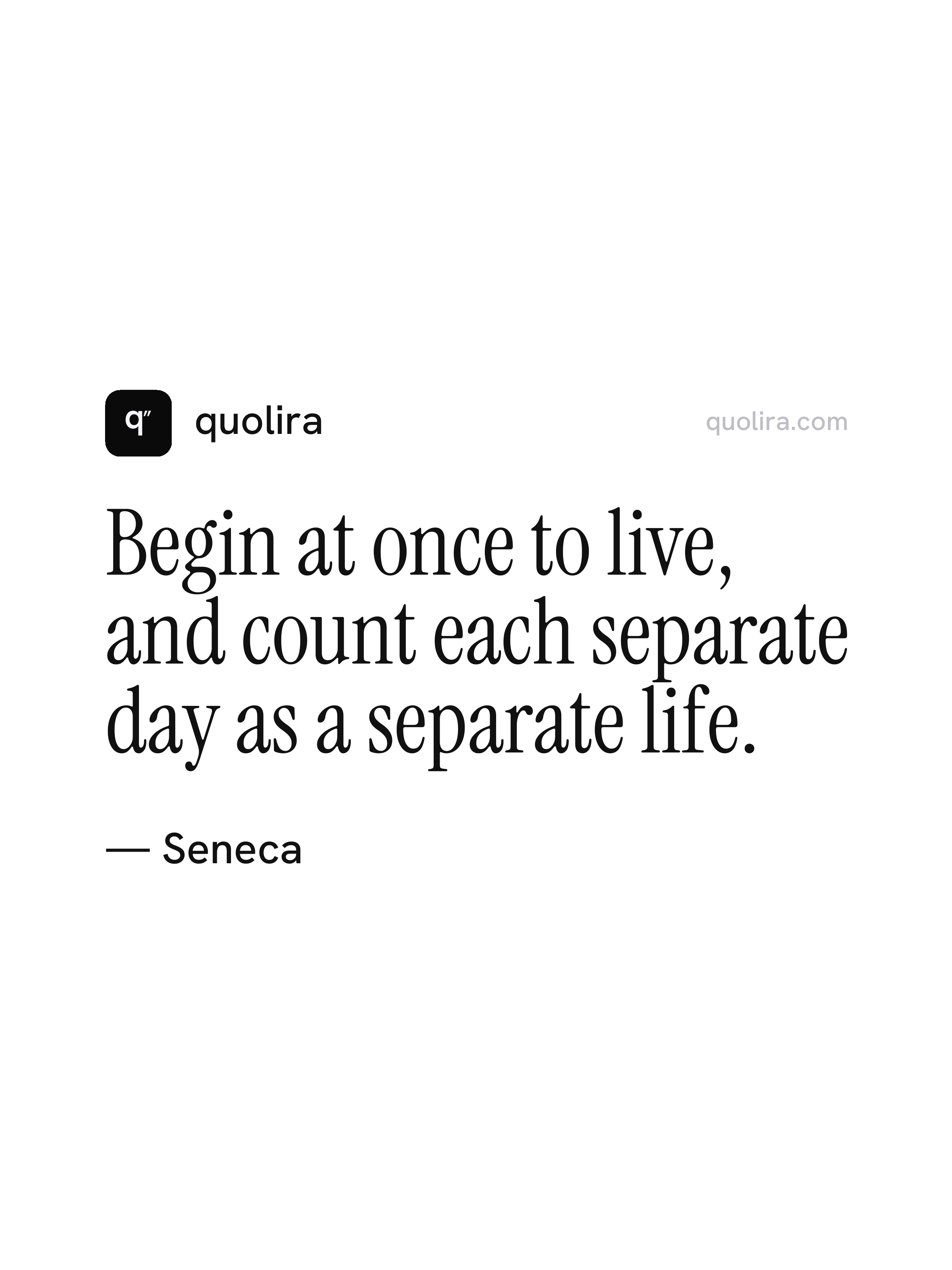
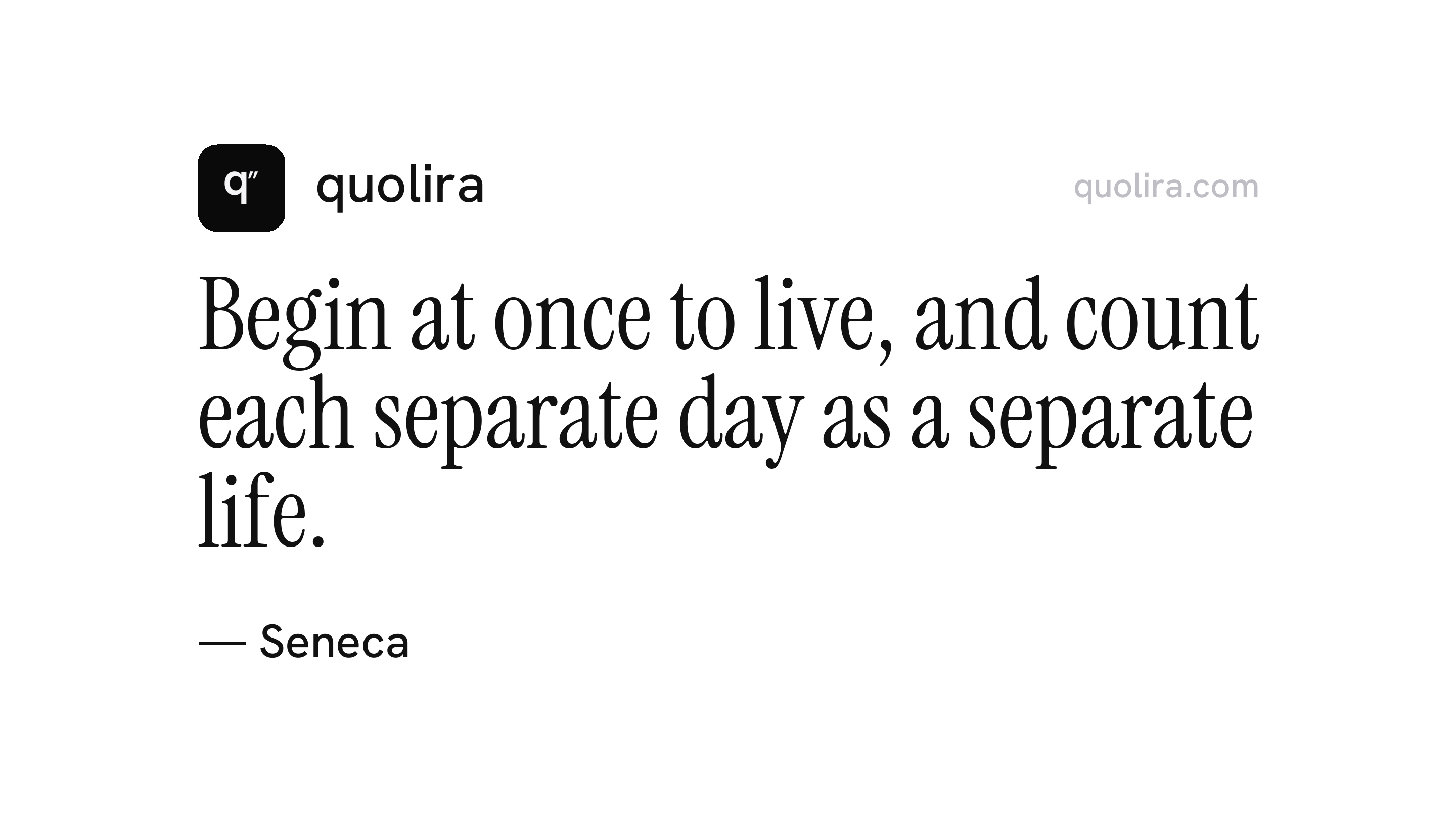
“Begin at once to live, and count each separate day as a separate life.”
Seneca · Letters to Lucilius
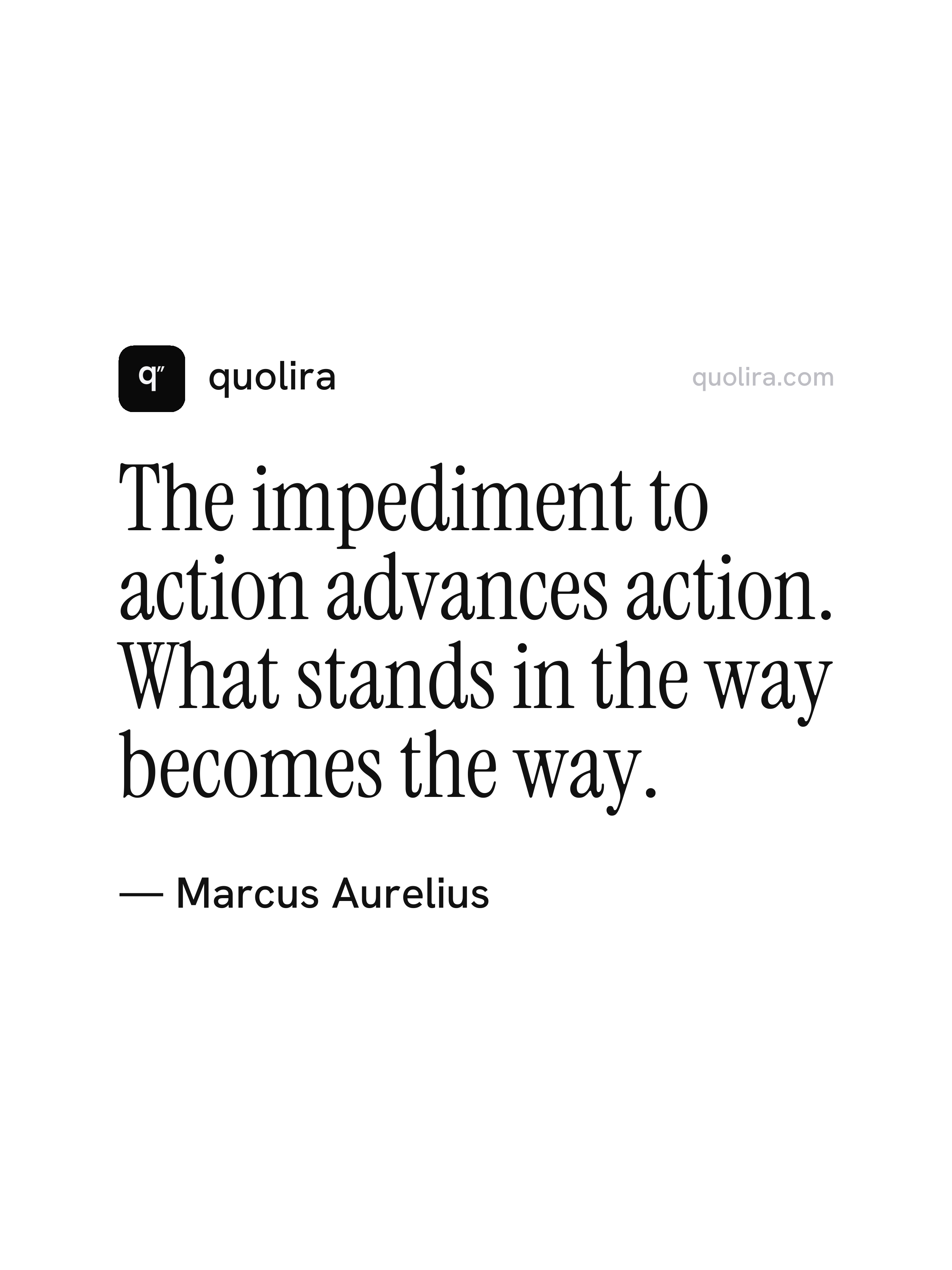
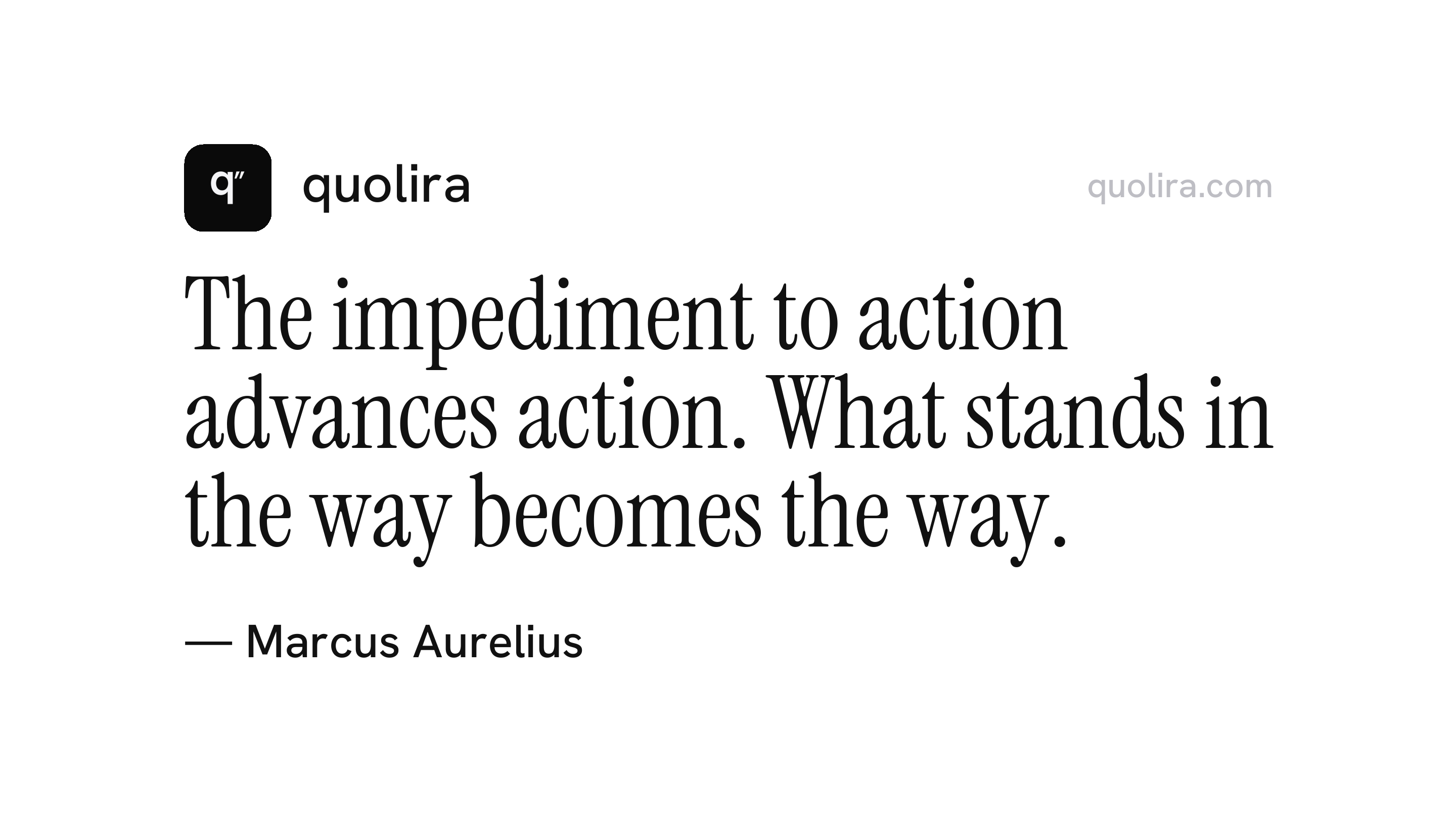
“The impediment to action advances action. What stands in the way becomes the way.”
Marcus Aurelius · Meditations
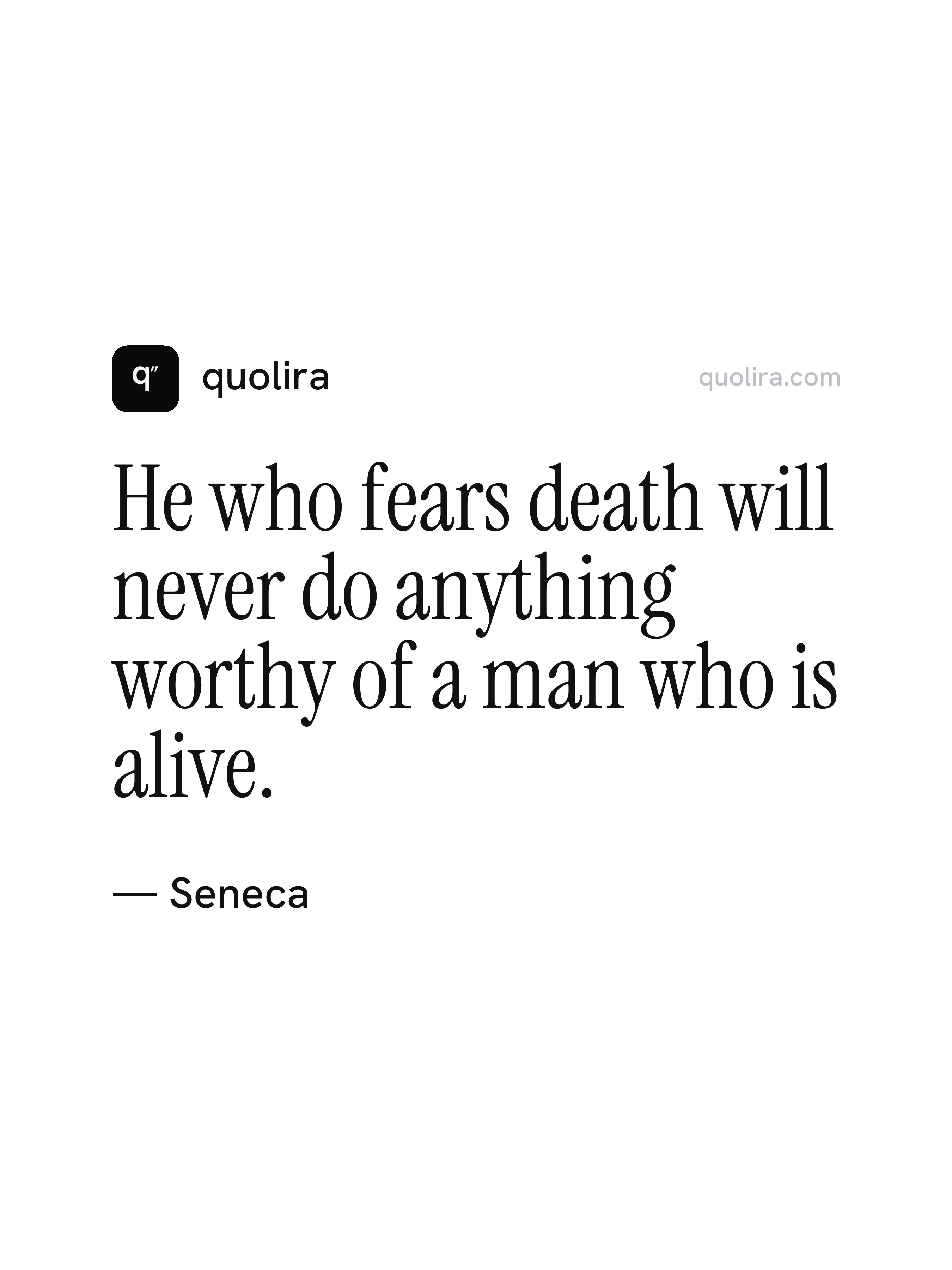
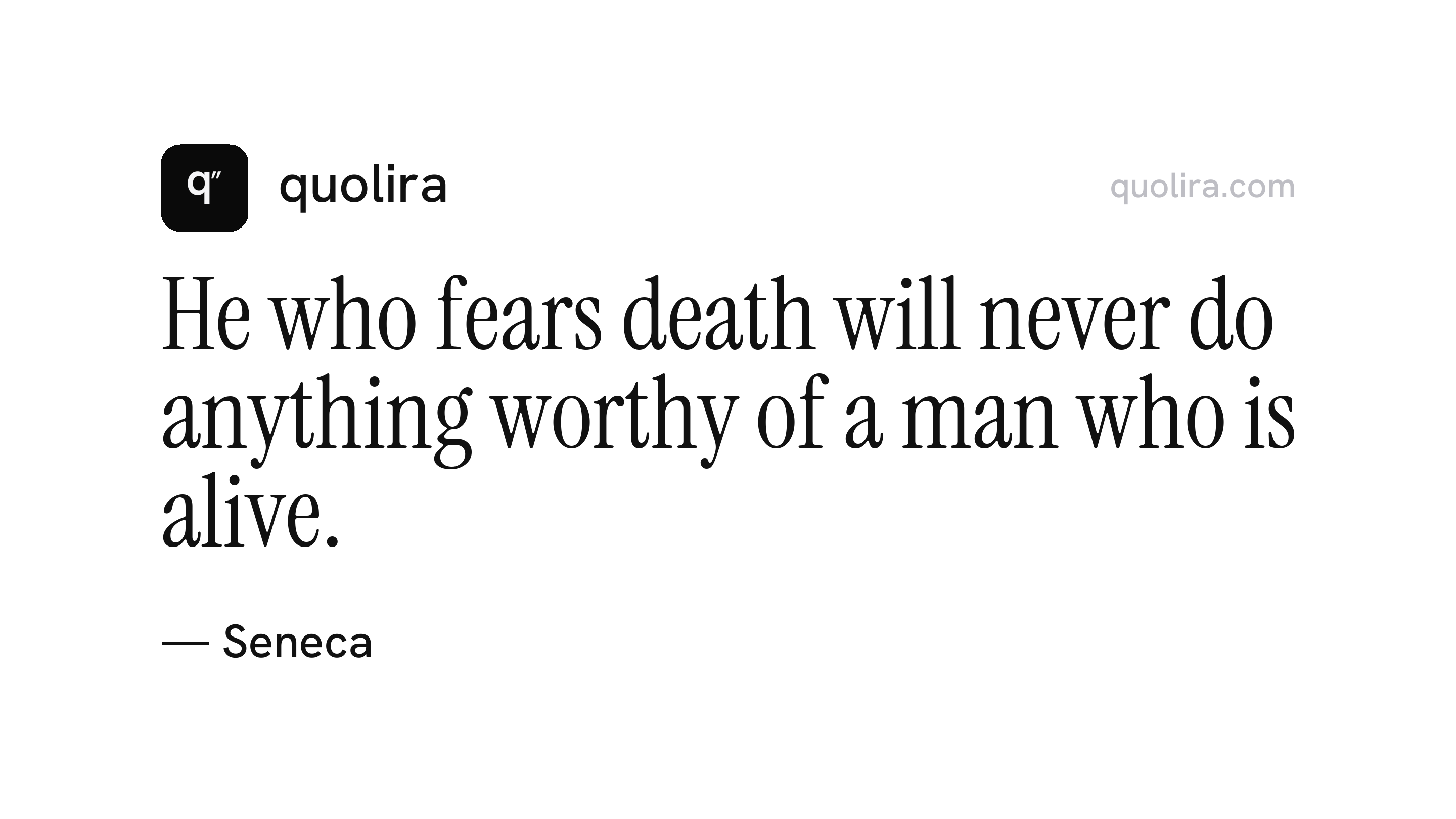
“He who fears death will never do anything worthy of a man who is alive.”
Seneca · Letters to Lucilius
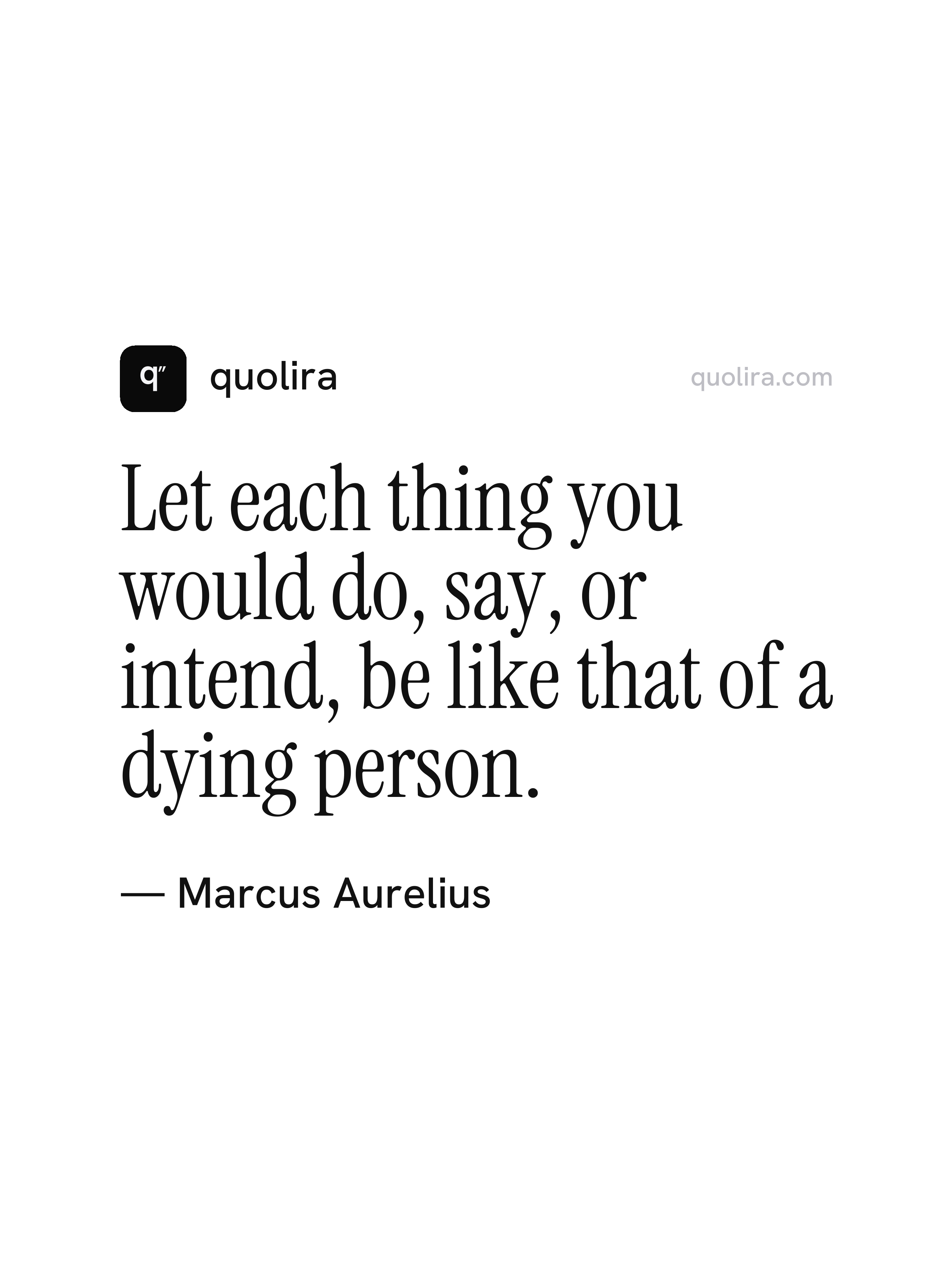
“Let each thing you would do, say, or intend, be like that of a dying person.”
Marcus Aurelius · Meditations
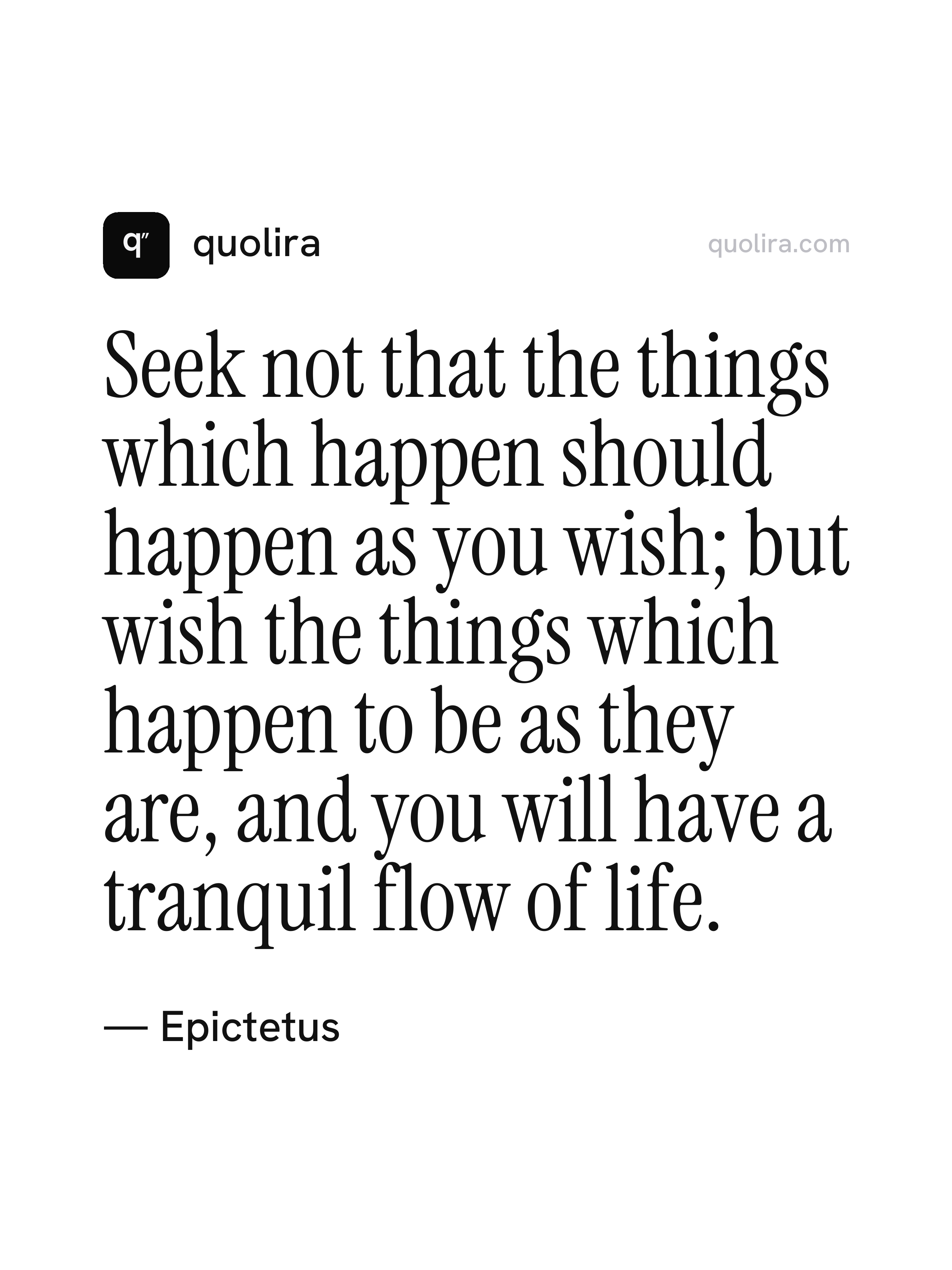
“Seek not that the things which happen should happen as you wish; but wish the things which happen to be as they are, and you will have a tranquil flow of life.”
Epictetus · Enchiridion
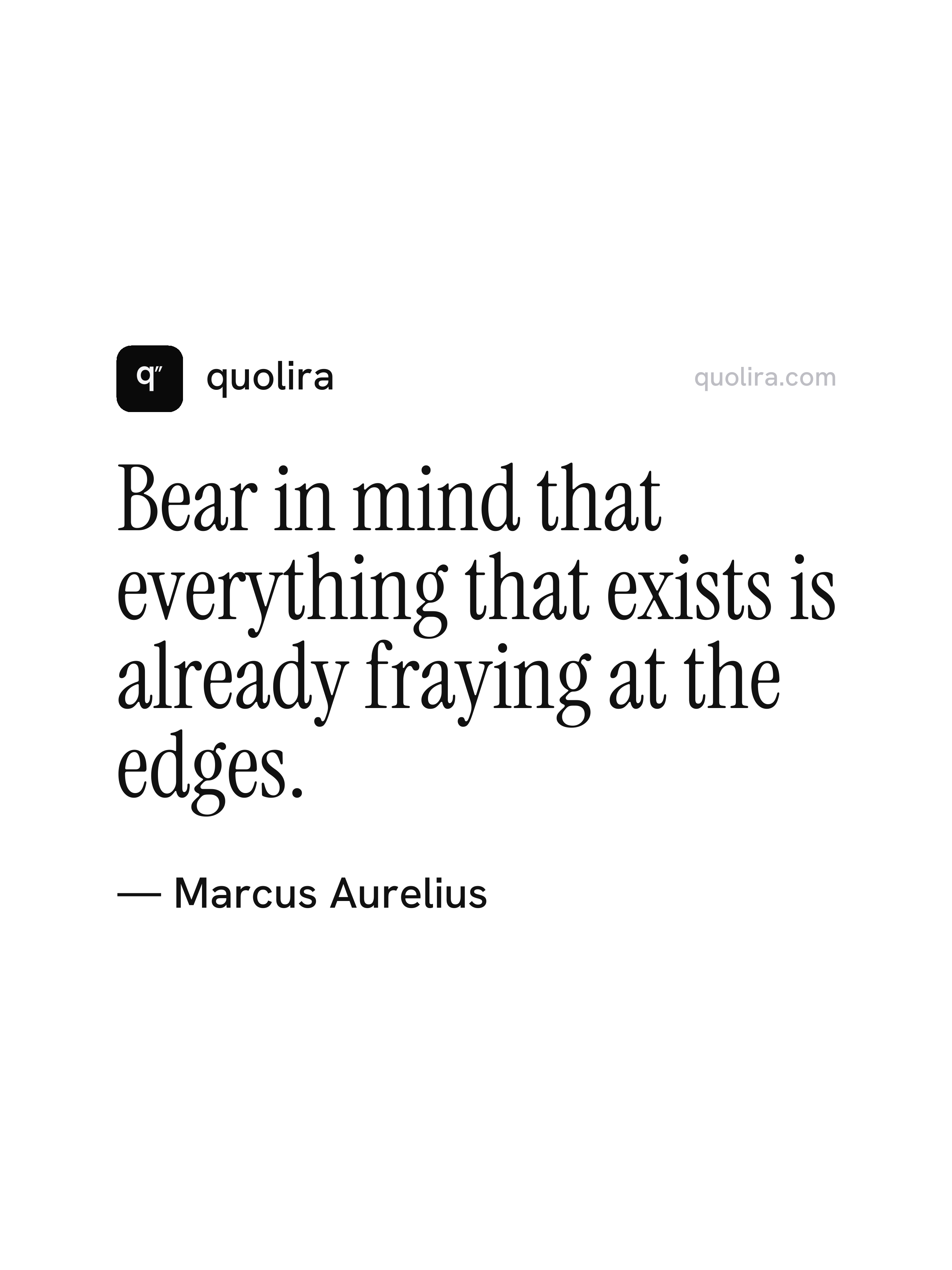
“Bear in mind that everything that exists is already fraying at the edges.”
Marcus Aurelius · Meditations