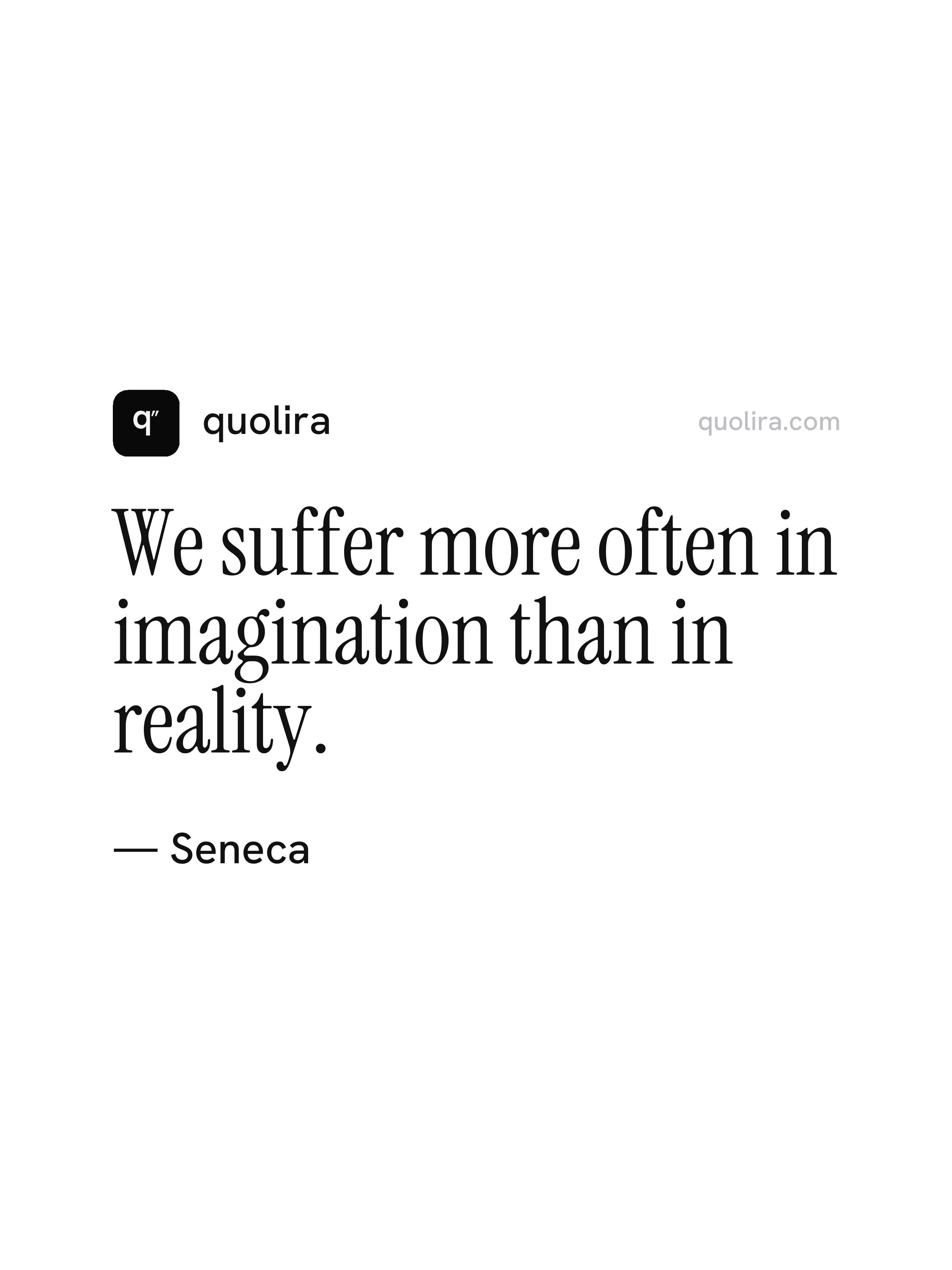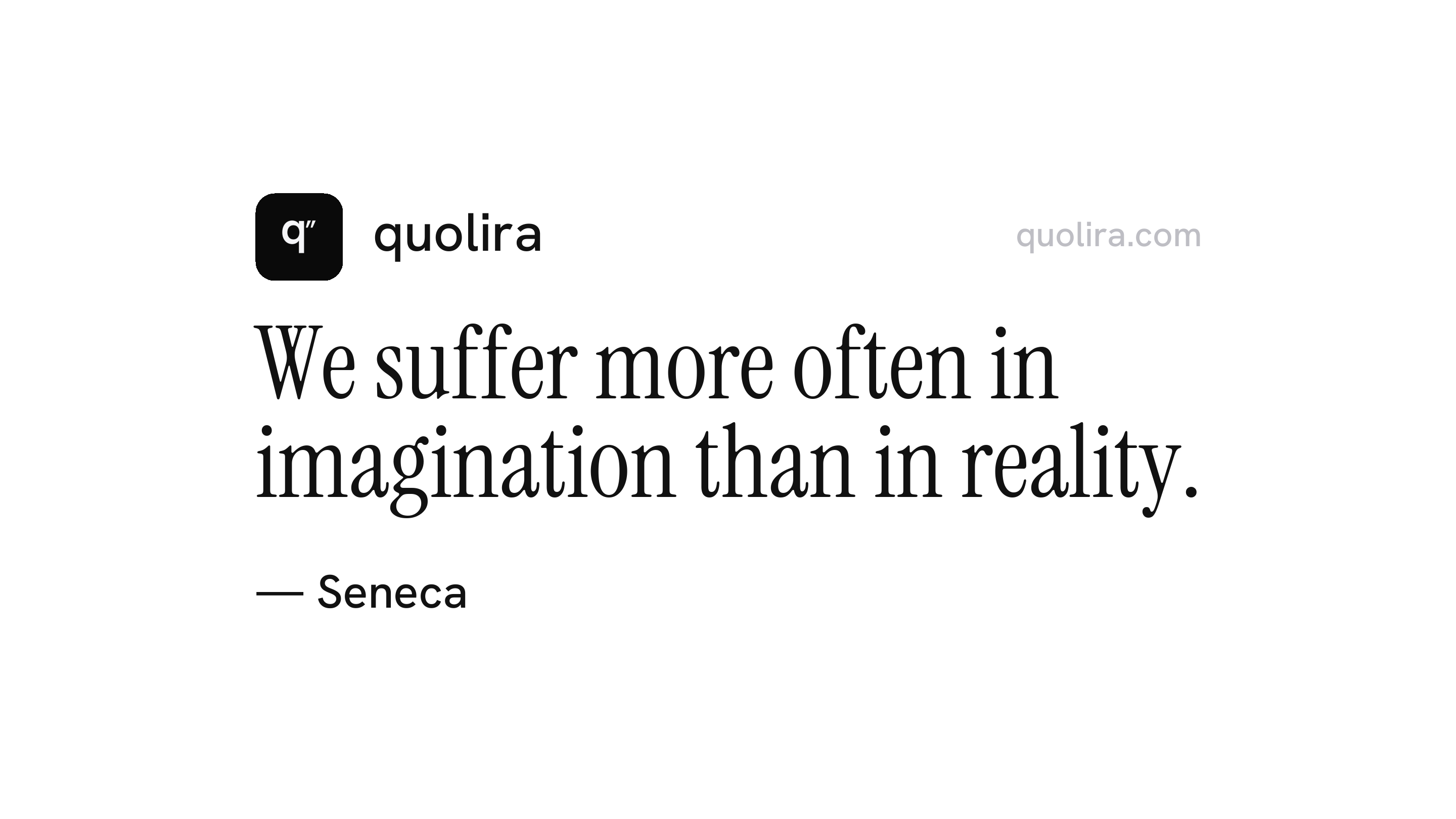
“We suffer more often in imagination than in reality.”
Seneca · Letters to Lucilius
 quolira
.com
quolira
quolira.com
This quote points to a kind of intelligence that goes beyond simply knowing what to say. It recognizes that communication is as much about timing as it is about content. Knowing when to speak and when to remain quiet requires reading a situation accurately, understanding the emotional state of others, and having the self-discipline to hold back when words would cause more harm than good. The ability to choose silence deliberately, rather than filling every moment with speech, is presented here as a genuine mark of wisdom.
Seneca's moral essays are a collection of philosophical writings that address a wide range of practical and ethical questions, from anger and friendship to the nature of a good life. This observation about speech and silence fits naturally within that tradition, which values self-mastery and careful judgment above impulsive action or expression. Stoic philosophy in general placed great weight on the idea that a person who cannot govern their own words and reactions cannot truly govern themselves, and this quote gives that broader principle a very specific and practical form.
Lucius Annaeus Seneca was one of the most influential Roman writers and thinkers of the first century. As a Stoic philosopher, advisor to the emperor Nero, and prolific author of essays, letters, and plays, he occupied a prominent and often complicated position in public life. His writing consistently explores the gap between how people actually behave and how they might behave if guided by reason and virtue, and his observations on human conduct remain strikingly relevant across very different historical contexts.
“We suffer more often in imagination than in reality.”
Seneca · Letters to Lucilius
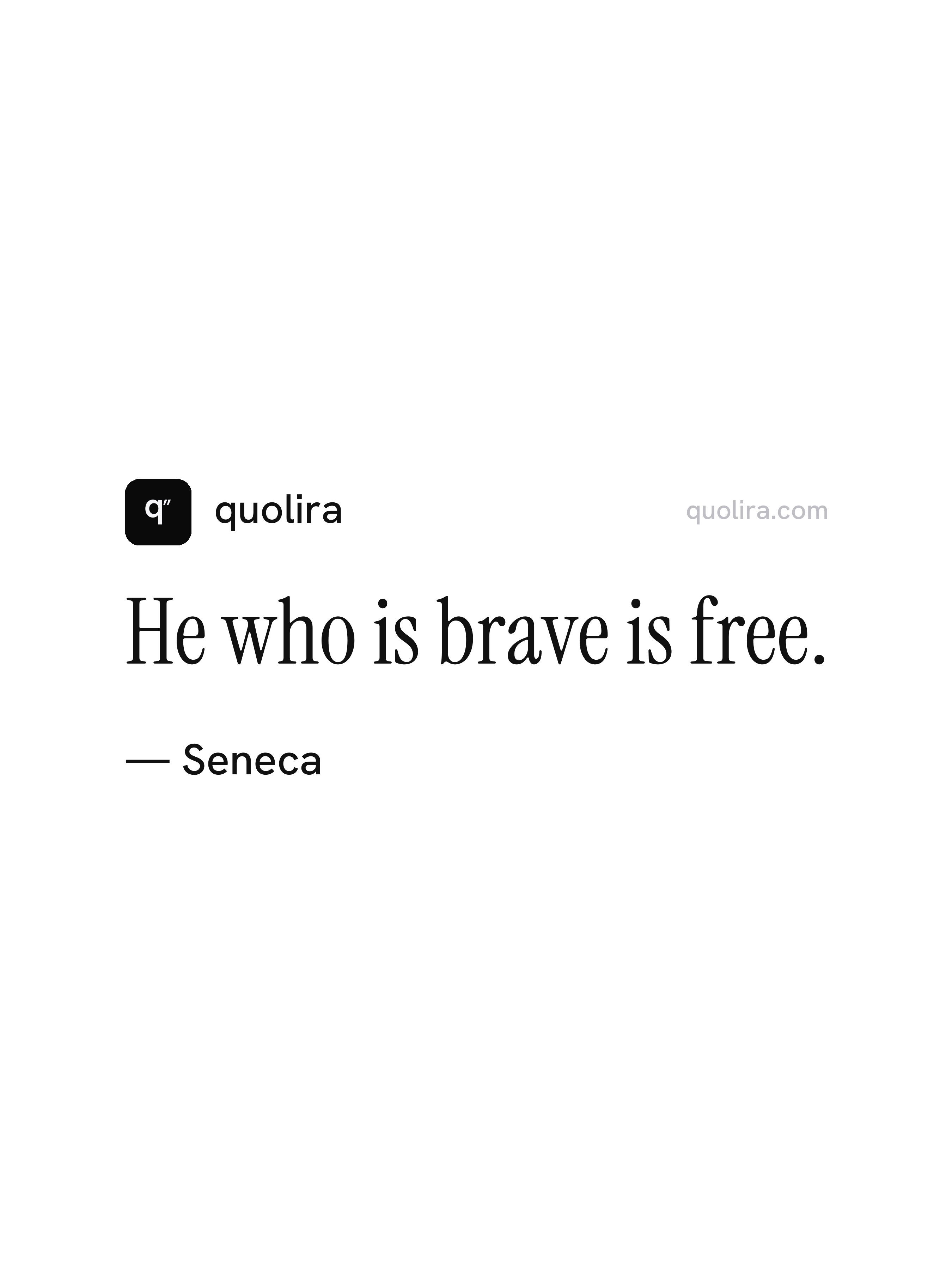
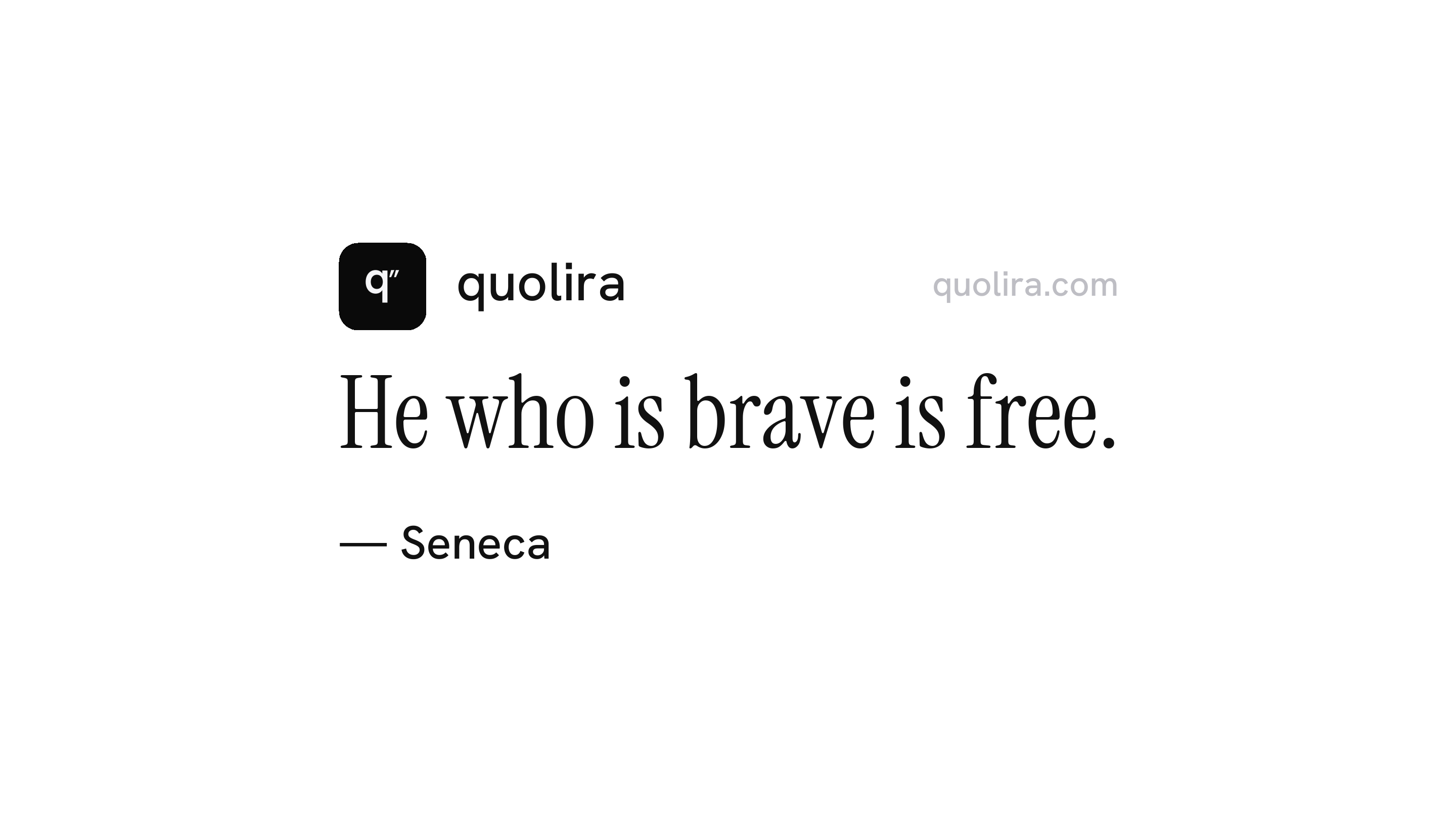
“He who is brave is free.”
Seneca · Letters to Lucilius
“Retire into yourself as much as you can. Associate with those who will make a better man of you.”
Seneca · Letters to Lucilius, Letter 7
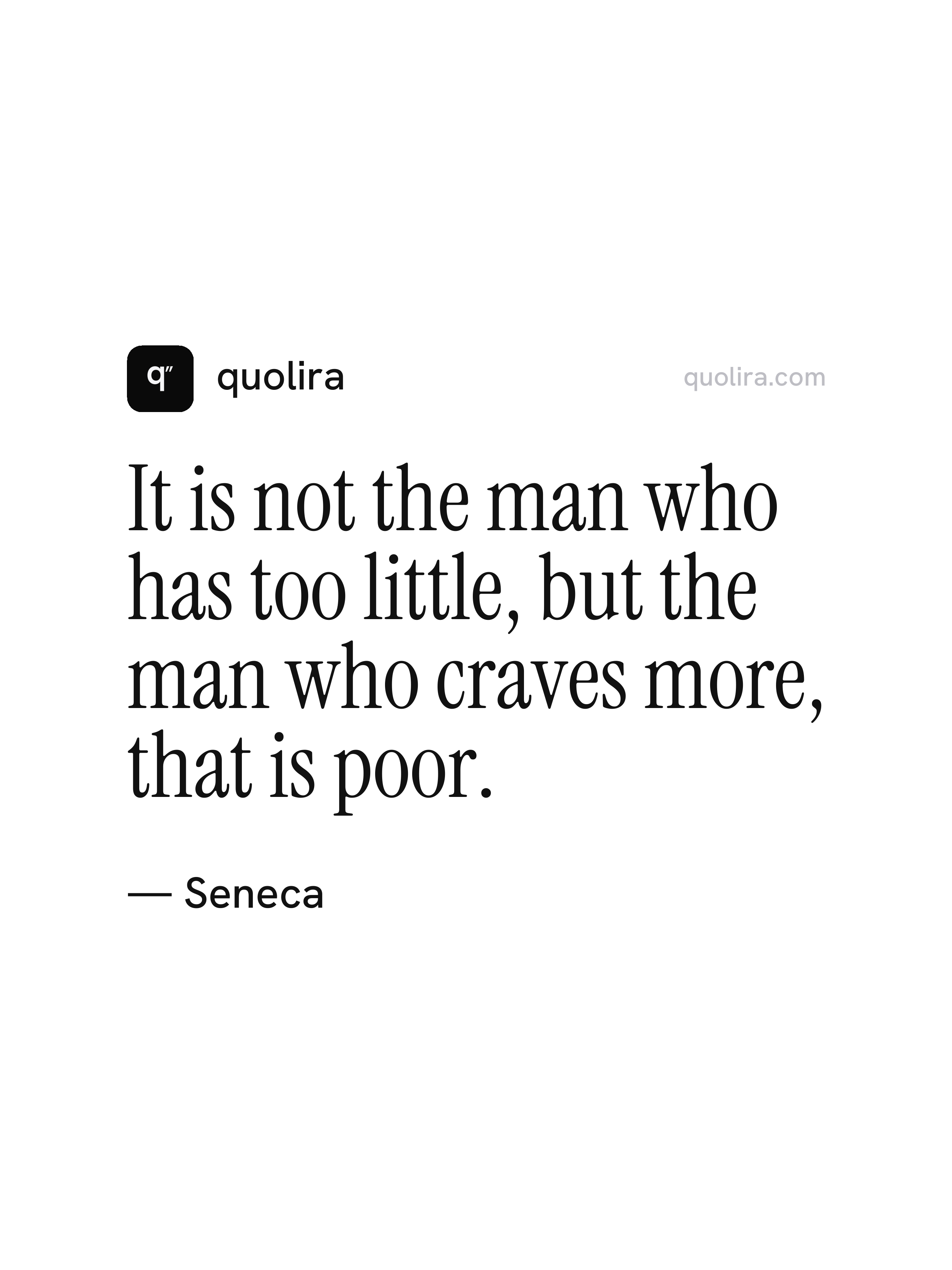
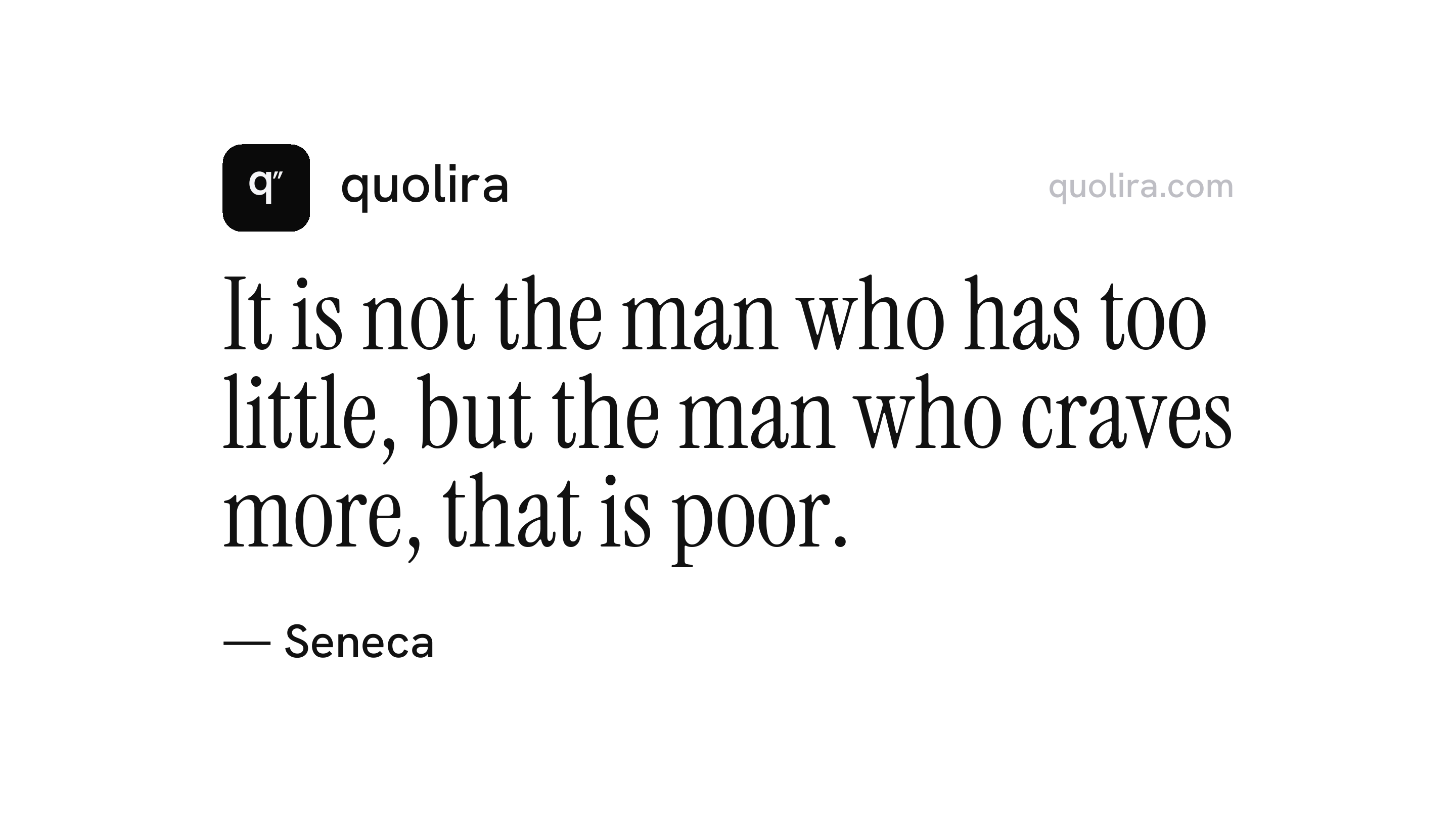
“It is not the man who has too little, but the man who craves more, that is poor.”
Seneca · Letters to Lucilius, Letter 2
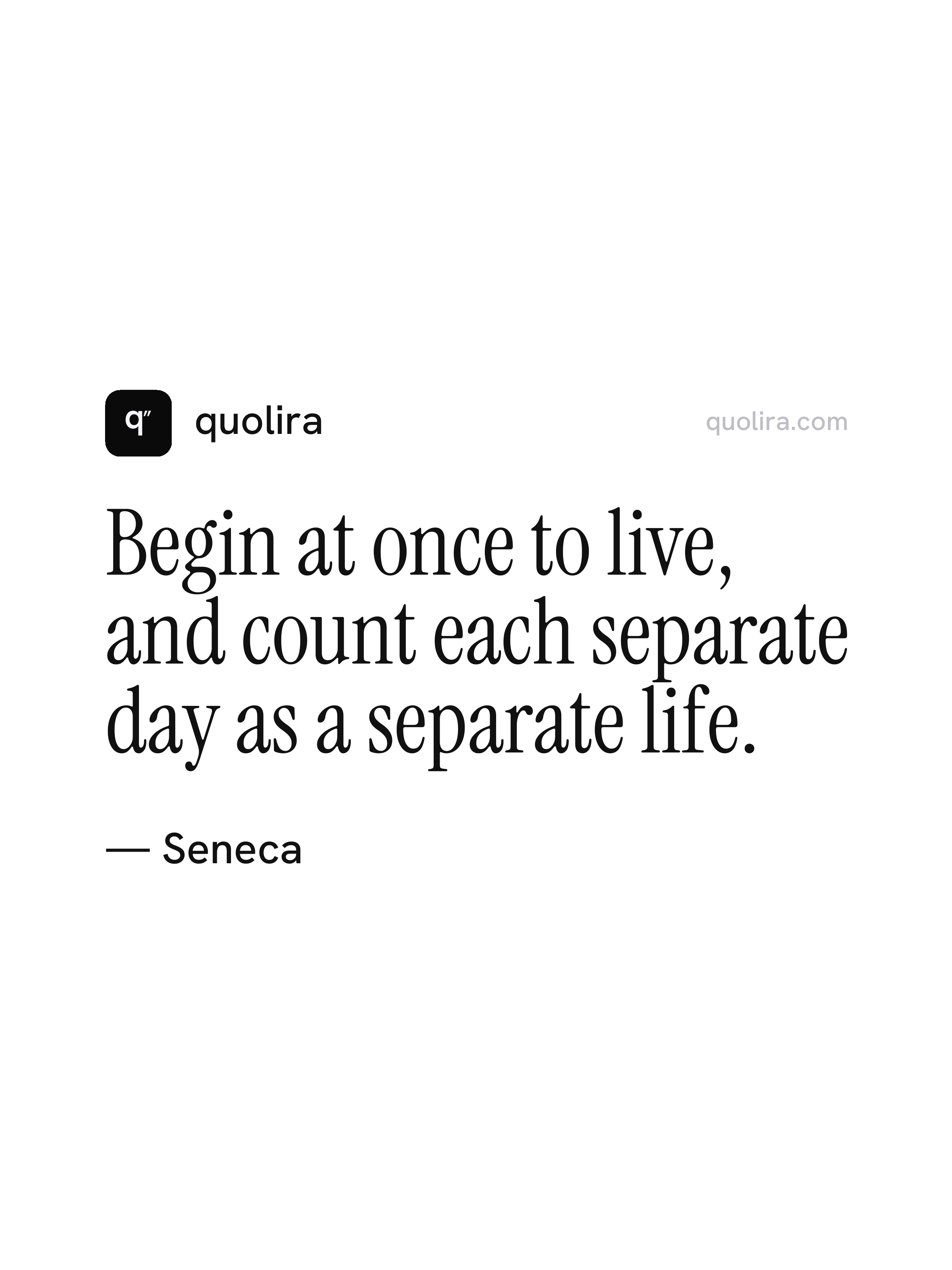
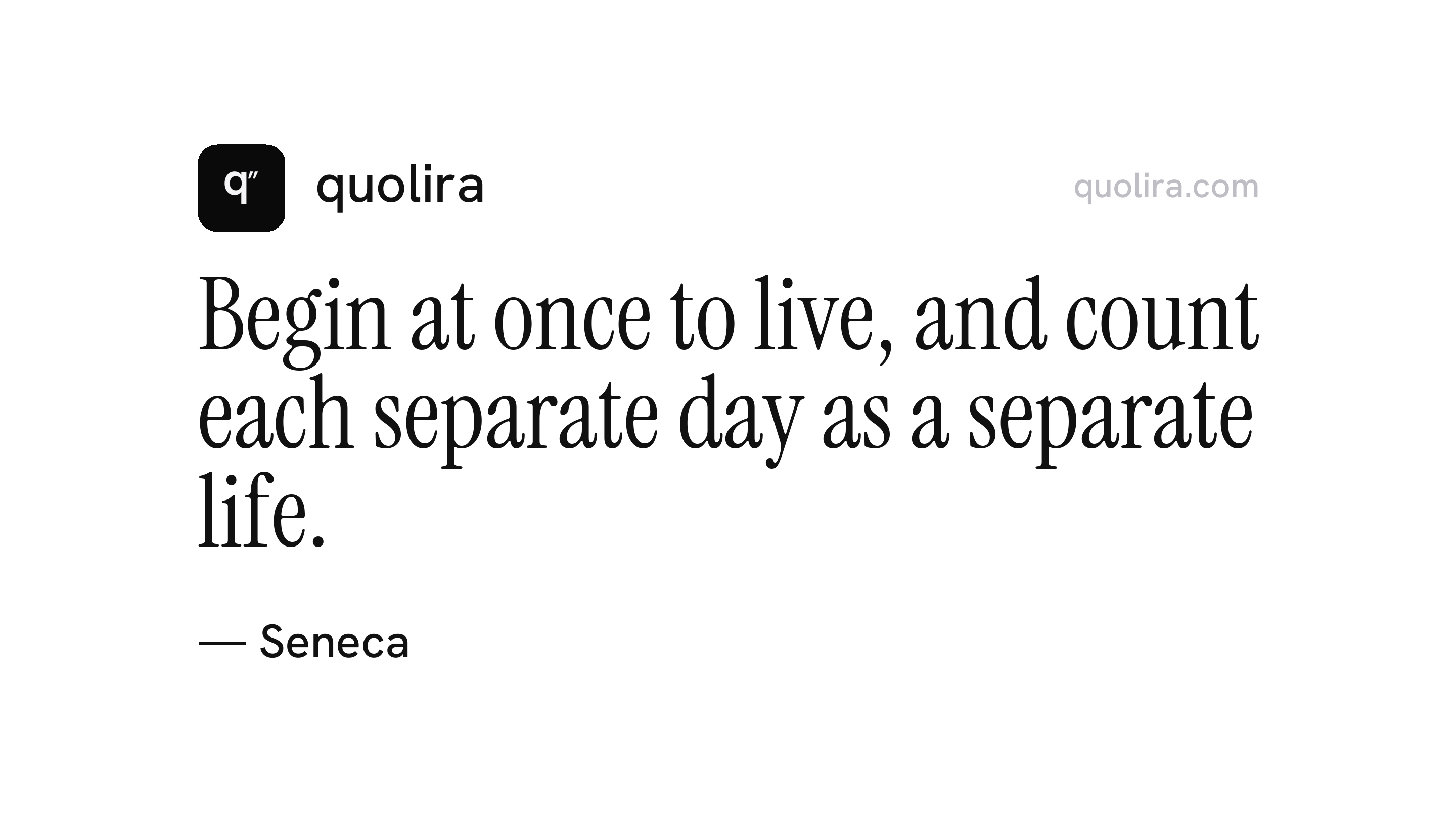
“Begin at once to live, and count each separate day as a separate life.”
Seneca · Letters to Lucilius
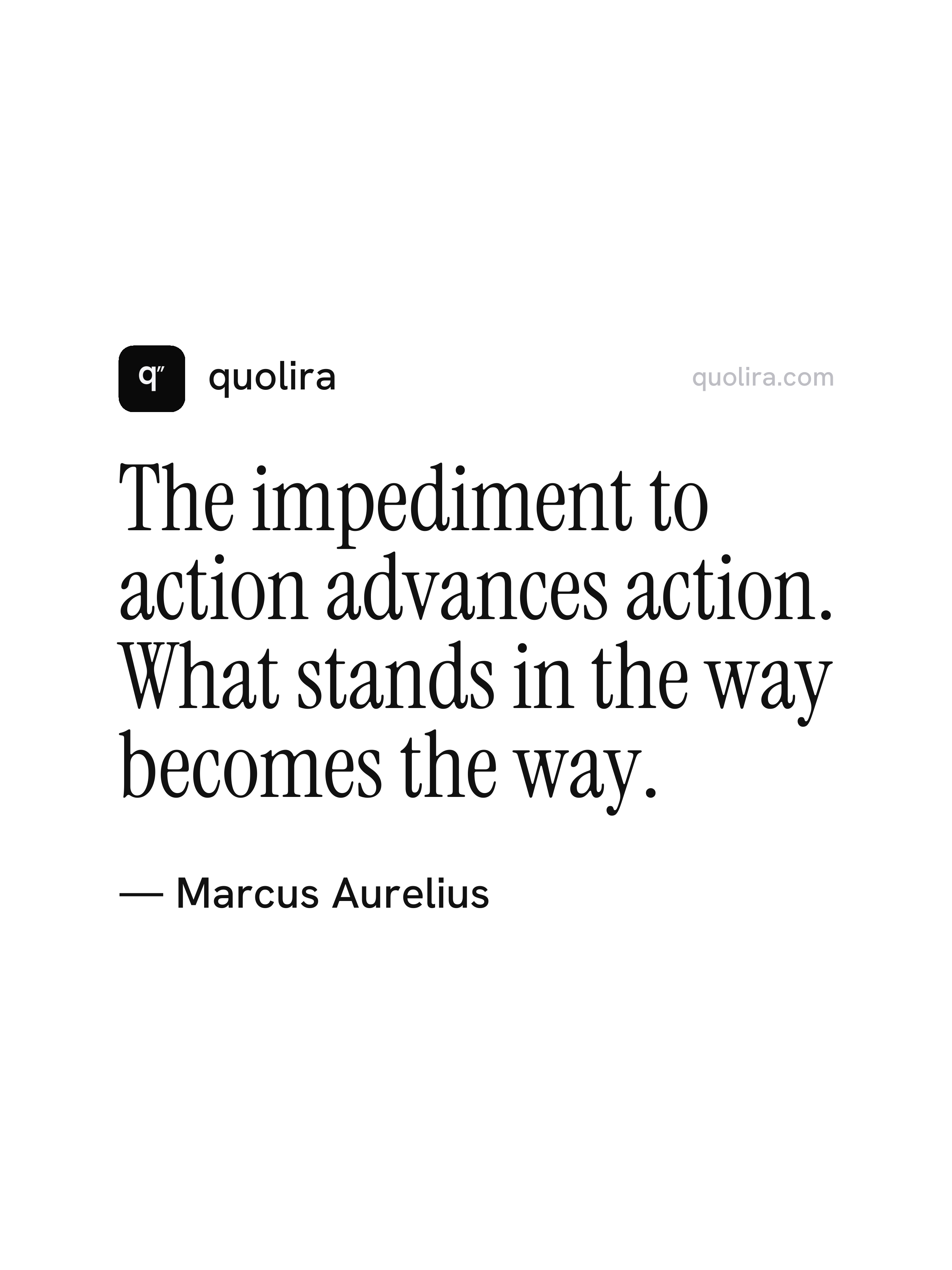
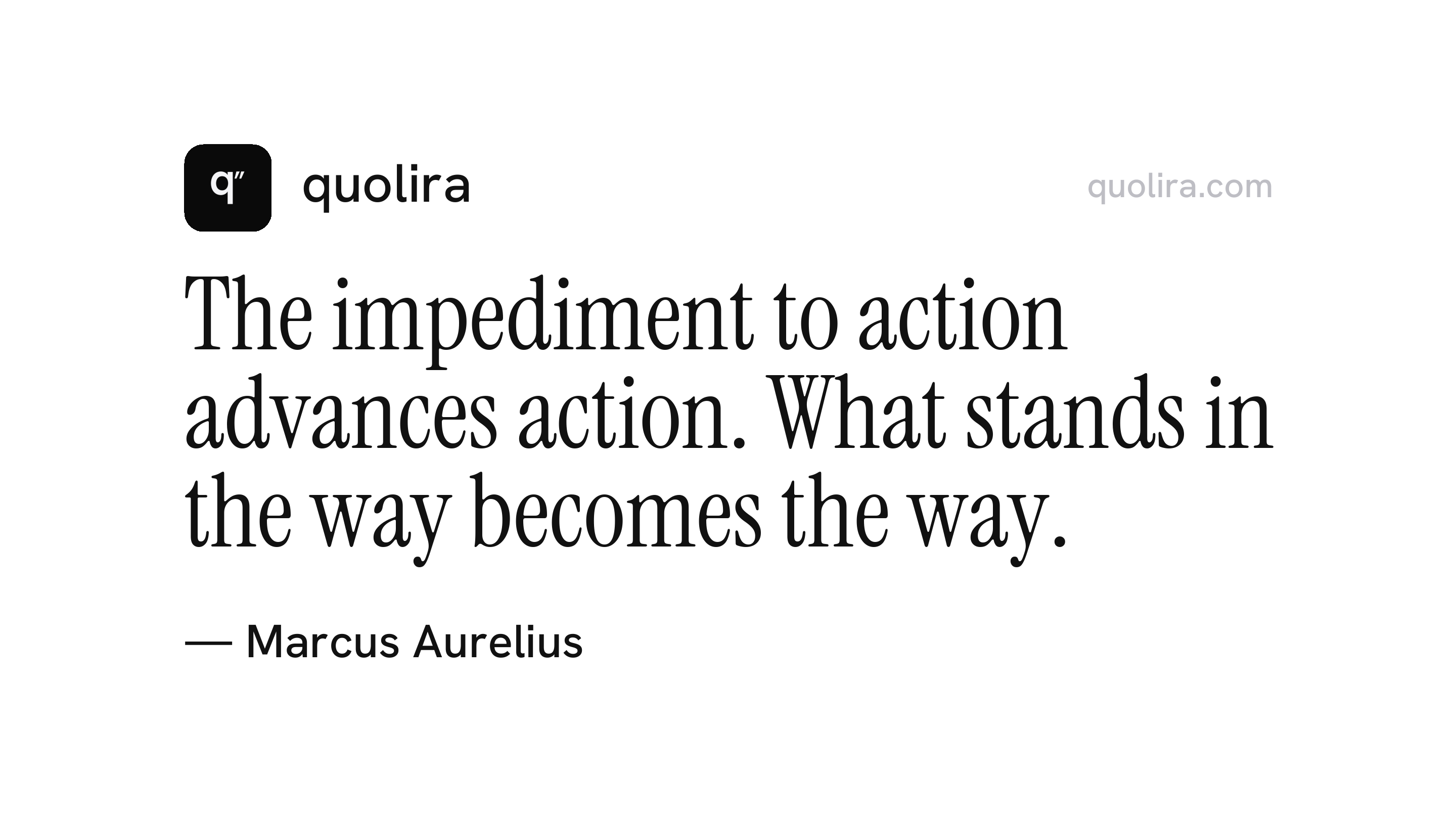
“The impediment to action advances action. What stands in the way becomes the way.”
Marcus Aurelius · Meditations
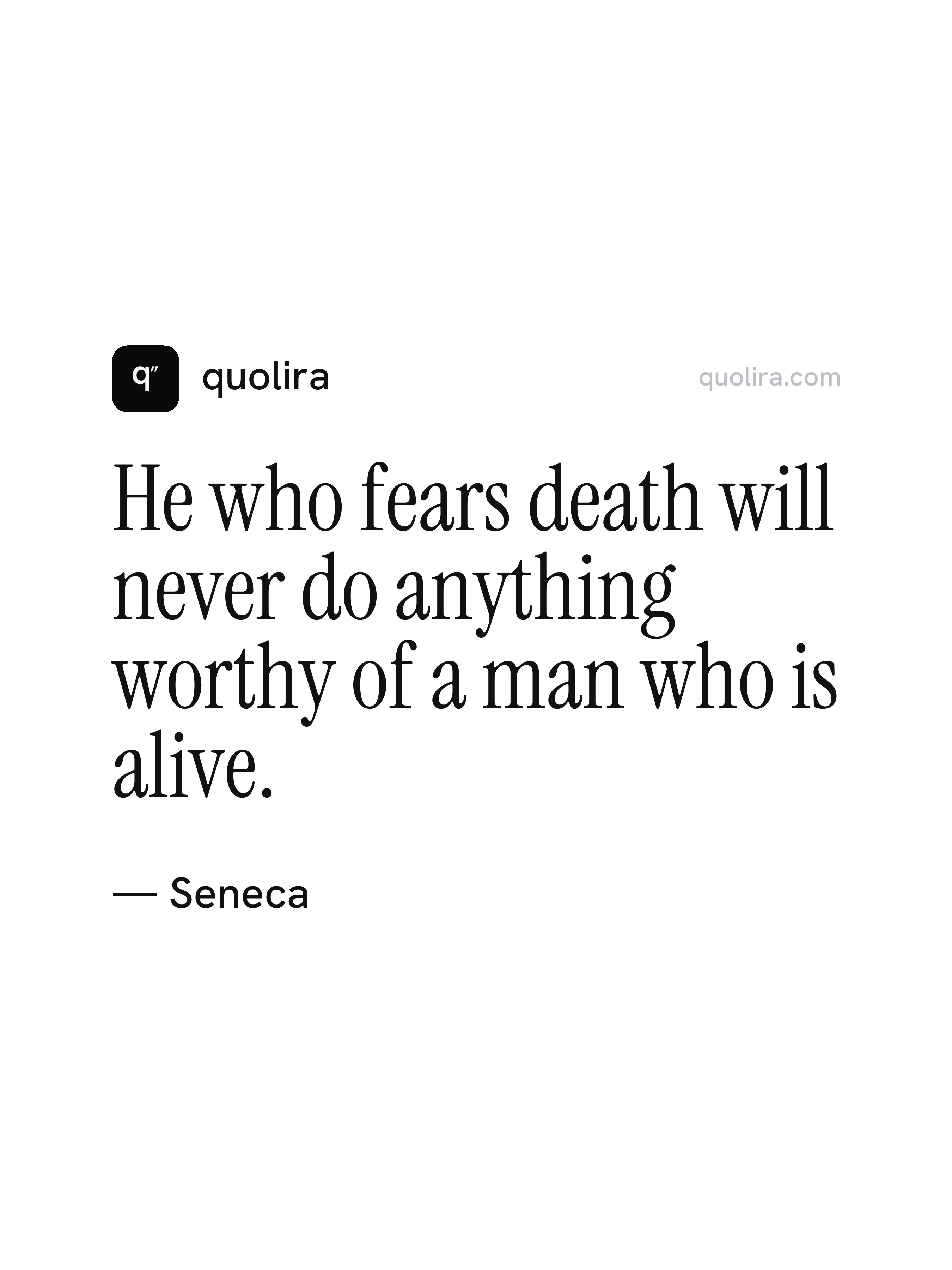
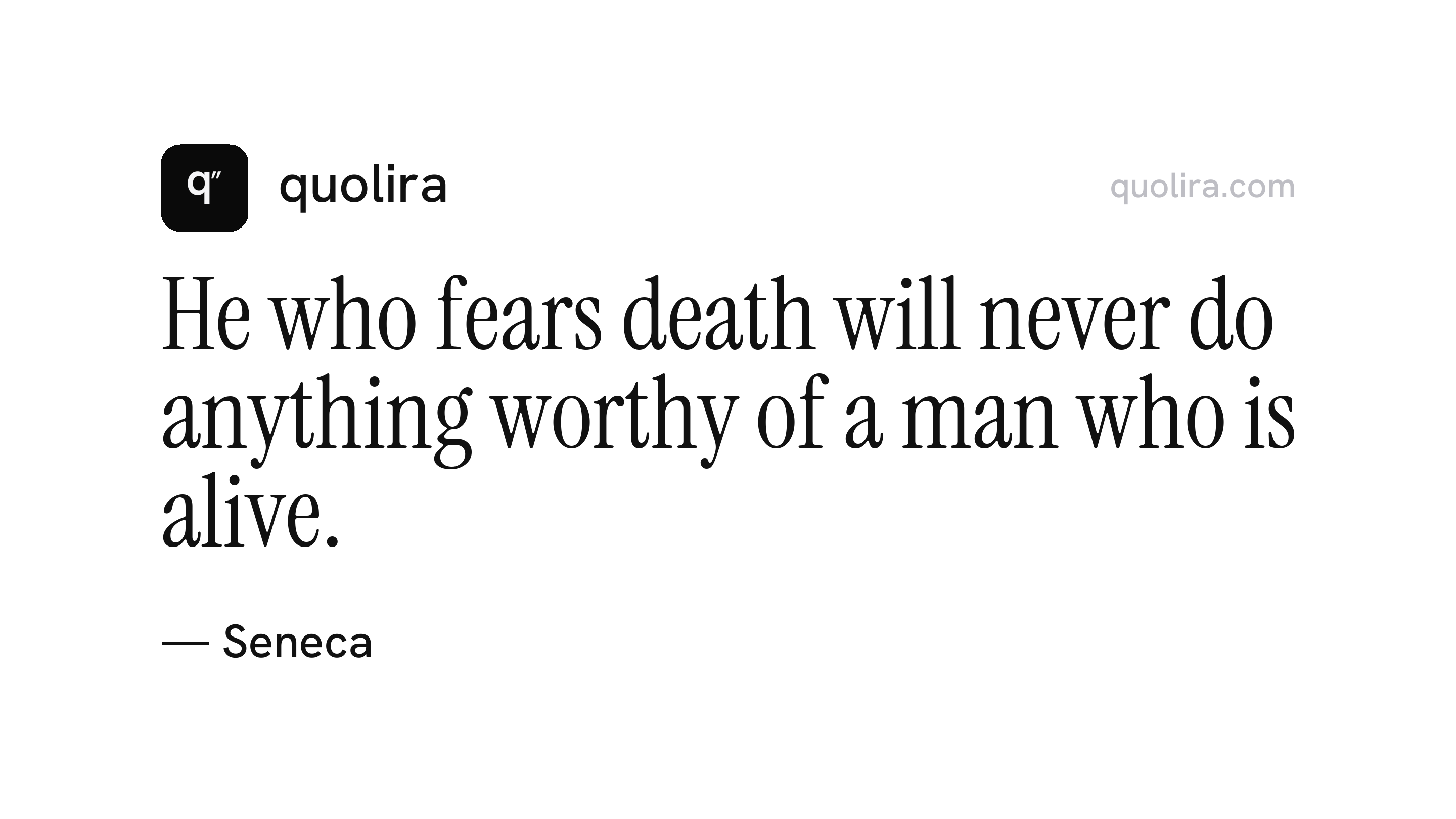
“He who fears death will never do anything worthy of a man who is alive.”
Seneca · Letters to Lucilius
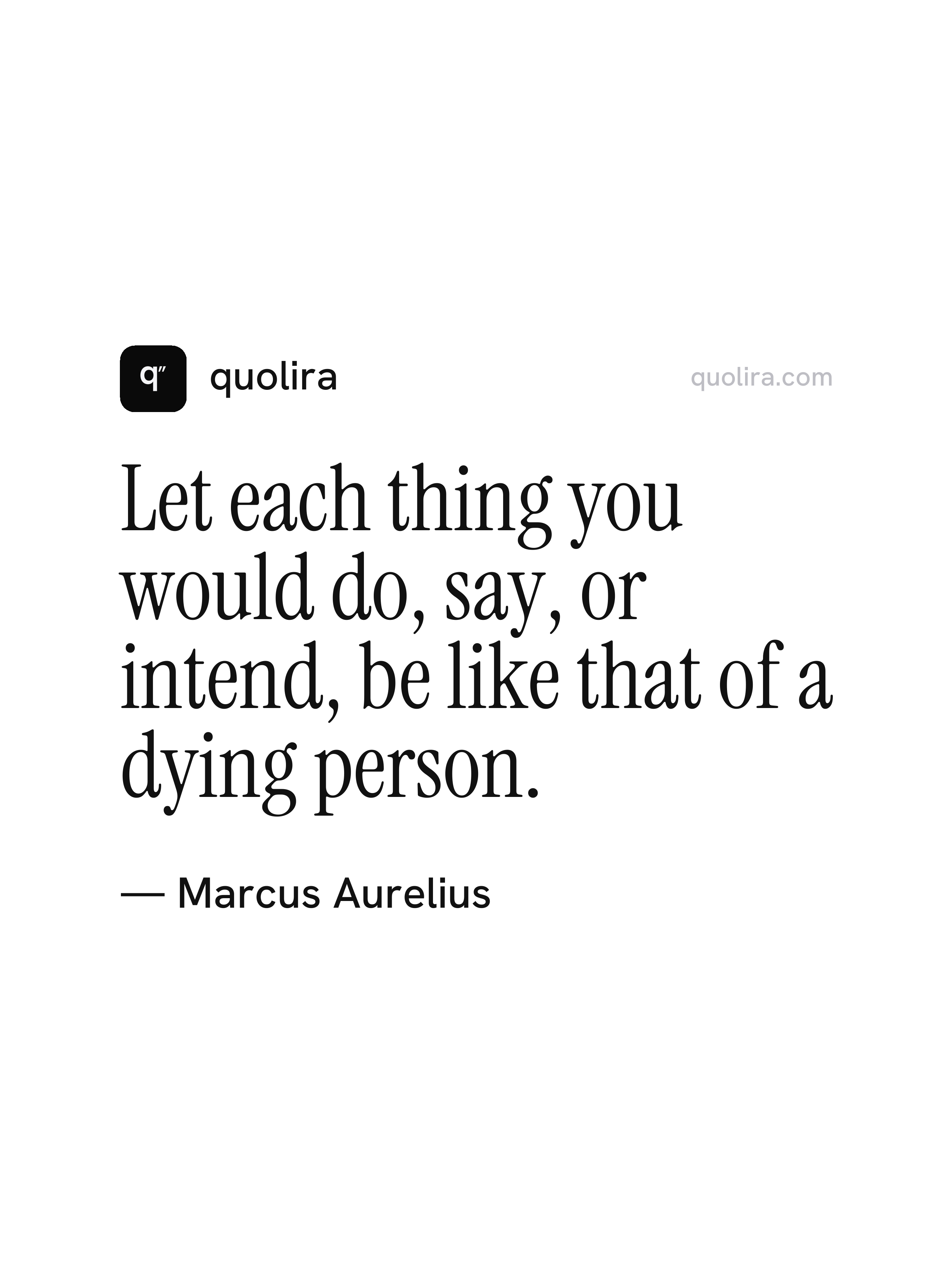
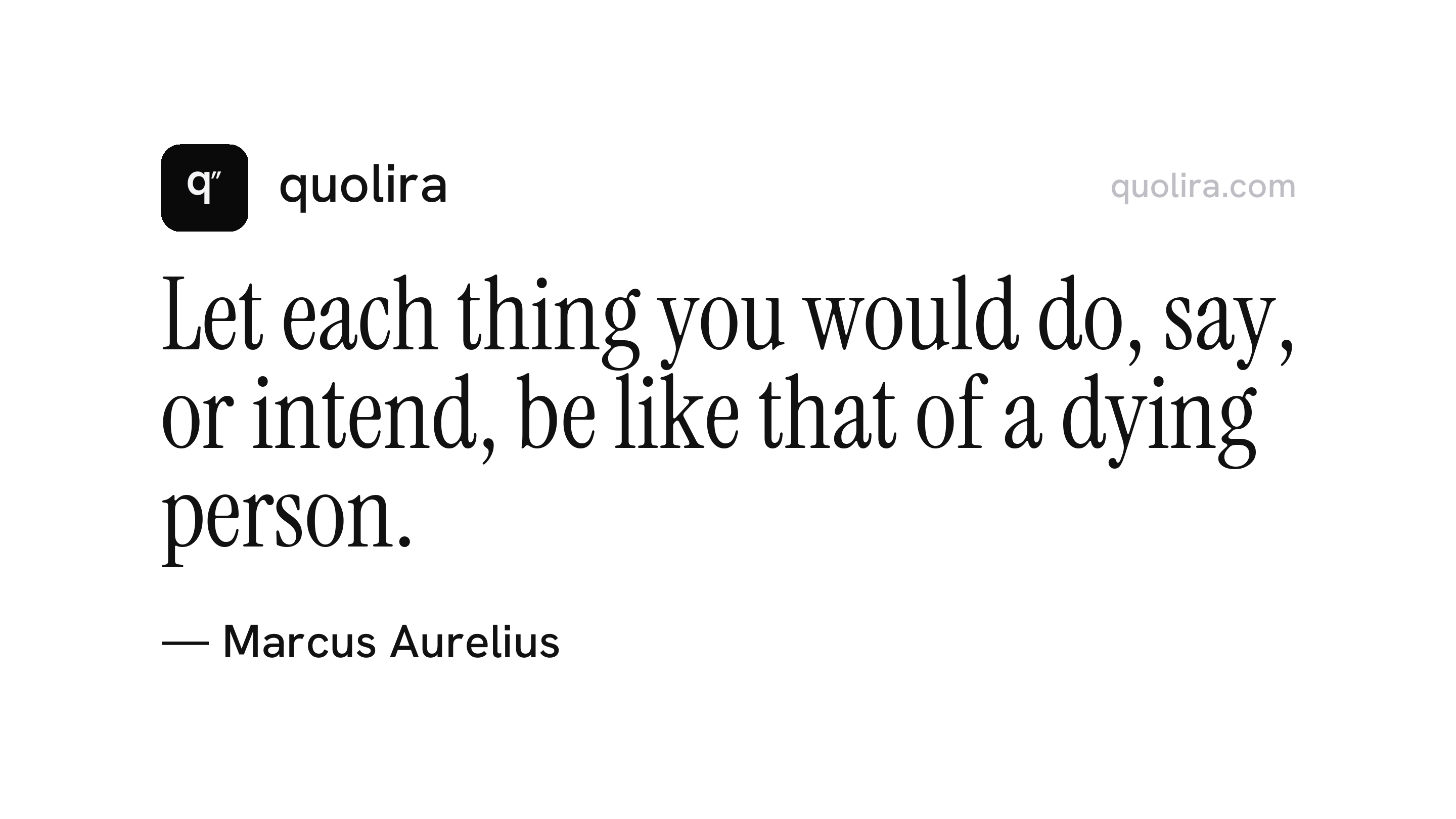
“Let each thing you would do, say, or intend, be like that of a dying person.”
Marcus Aurelius · Meditations
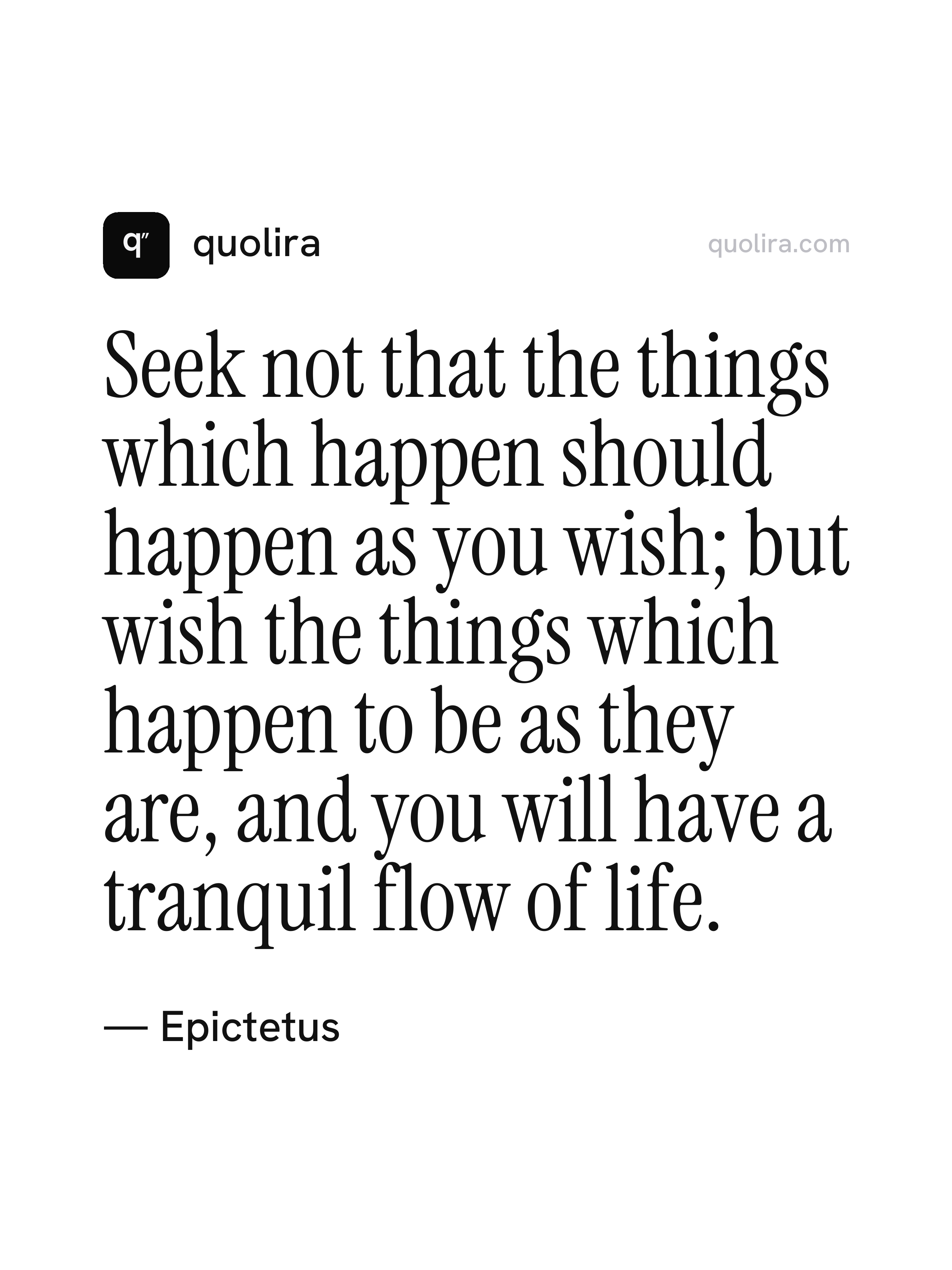
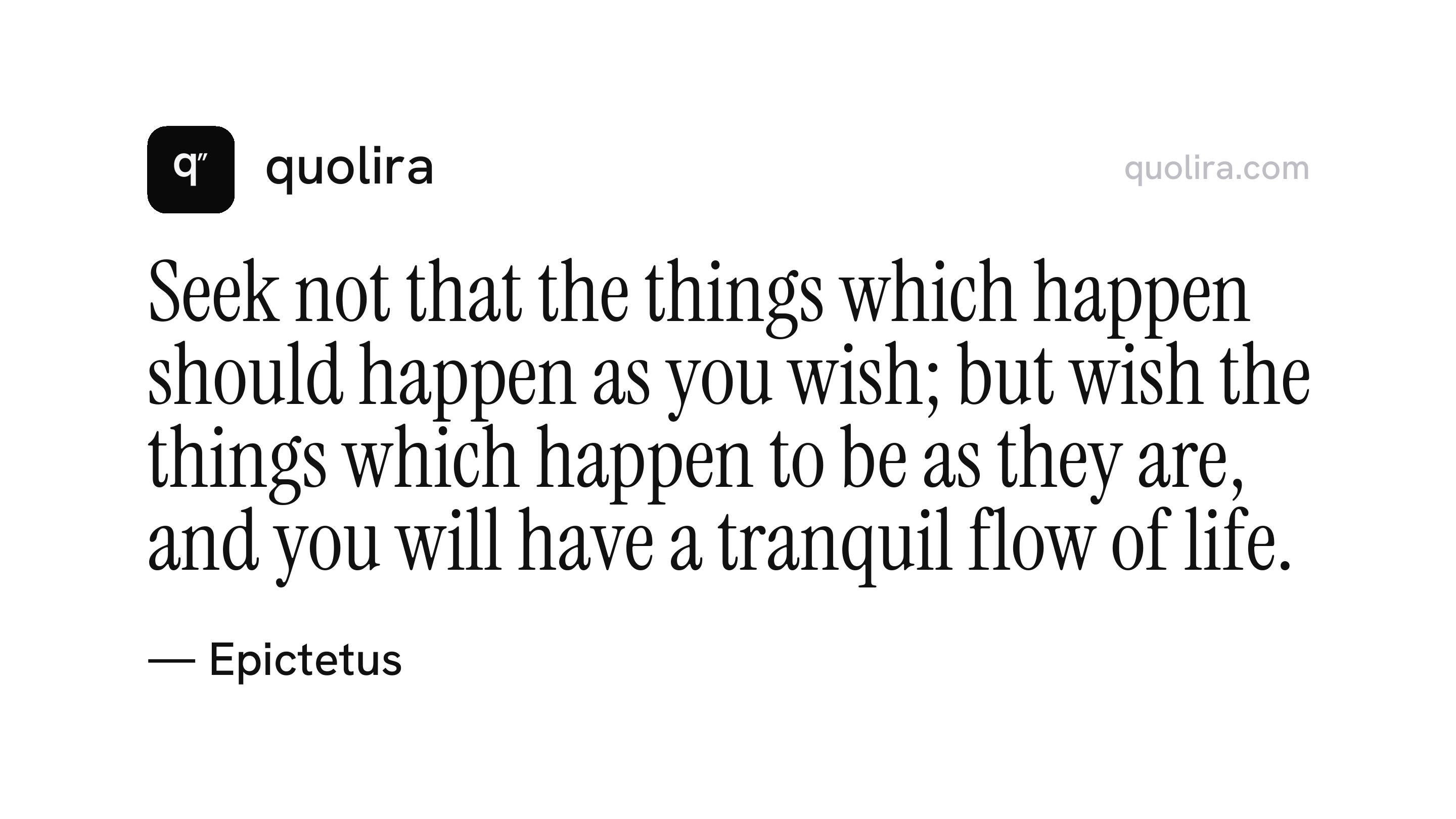
“Seek not that the things which happen should happen as you wish; but wish the things which happen to be as they are, and you will have a tranquil flow of life.”
Epictetus · Enchiridion
“Bear in mind that everything that exists is already fraying at the edges.”
Marcus Aurelius · Meditations
“Everything that happens is either endurable or not. If it's endurable, then endure it. Stop complaining.”
Marcus Aurelius · Meditations
“The willing are led by fate, the reluctant dragged.”
Seneca · Letters to Lucilius