“Retire into yourself as much as you can. Associate with those who will make a better man of you.”
Seneca · Letters to Lucilius, Letter 7
 quolira
.com
quolira
quolira.com
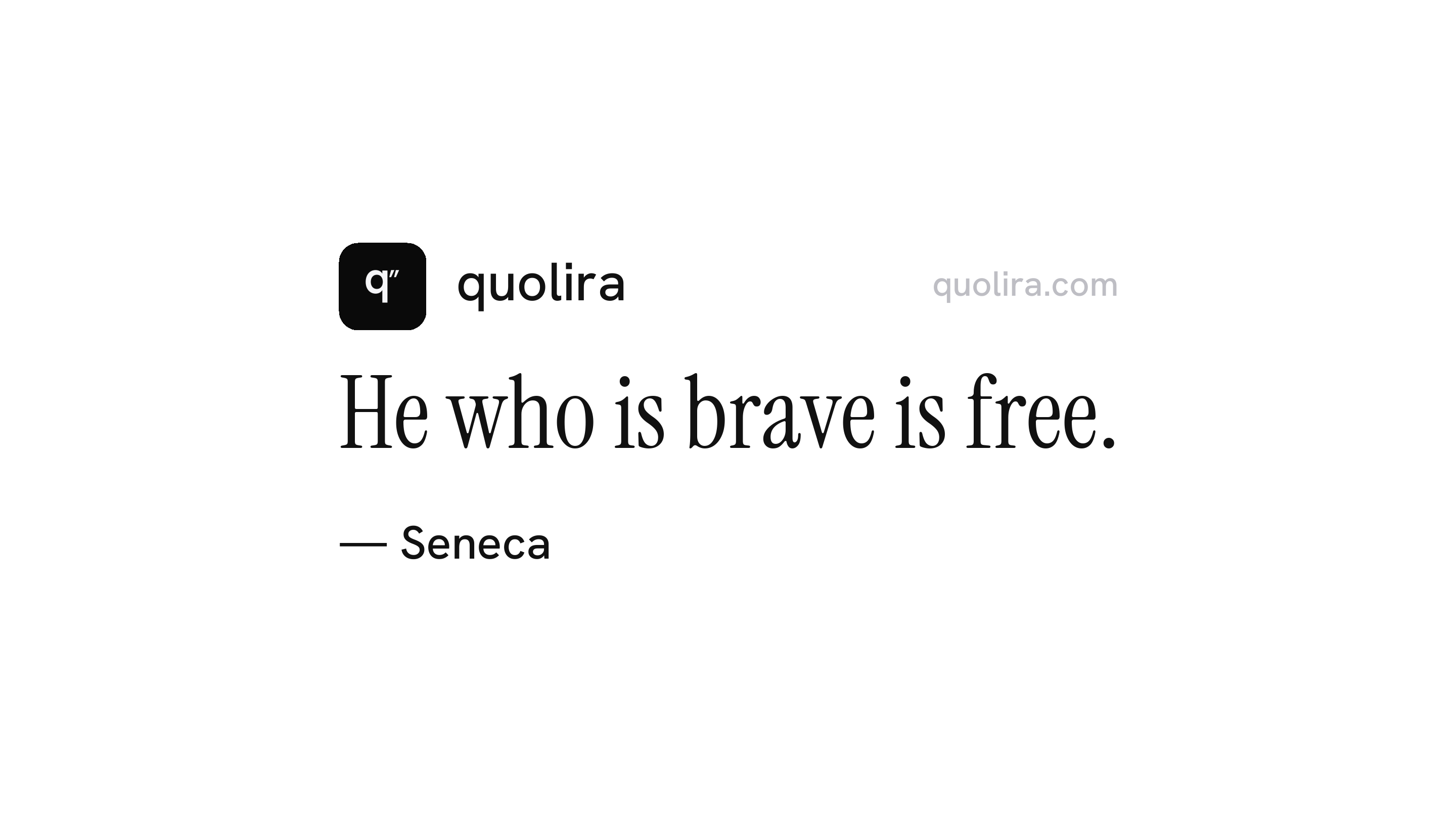
This compact statement argues that courage and freedom are inseparable. A person who can act in spite of fear, who is not paralyzed by what others think, by the threat of loss, or by the prospect of pain, lives without the invisible chains that bind most people. Seneca is not speaking only of physical bravery on a battlefield. He means the broader courage to hold to one's values, to speak honestly, and to face whatever life brings without flinching. That inner readiness, he suggests, is the only genuine form of liberty.
The Letters to Lucilius is a collection of moral epistles that Seneca wrote in the final years of his life, addressed to his friend Gaius Lucilius Junior. The letters range across Stoic philosophy, offering practical guidance on how to live well rather than abstract theory. This particular idea fits naturally within Stoic thought, which held that external circumstances, wealth, status, even bodily freedom, do not determine whether a person is truly free. Only the state of one's own mind and character matters. A person ruled by fear is a slave regardless of their social position.
Lucius Annaeus Seneca, known as Seneca the Younger, was a Roman philosopher, statesman, and playwright who lived during the first century of the common era. He served as an advisor to Emperor Nero and was one of the most influential writers of his time. His essays, letters, and tragedies remain widely read today as foundational texts of Stoic philosophy and Latin literature.
“Retire into yourself as much as you can. Associate with those who will make a better man of you.”
Seneca · Letters to Lucilius, Letter 7
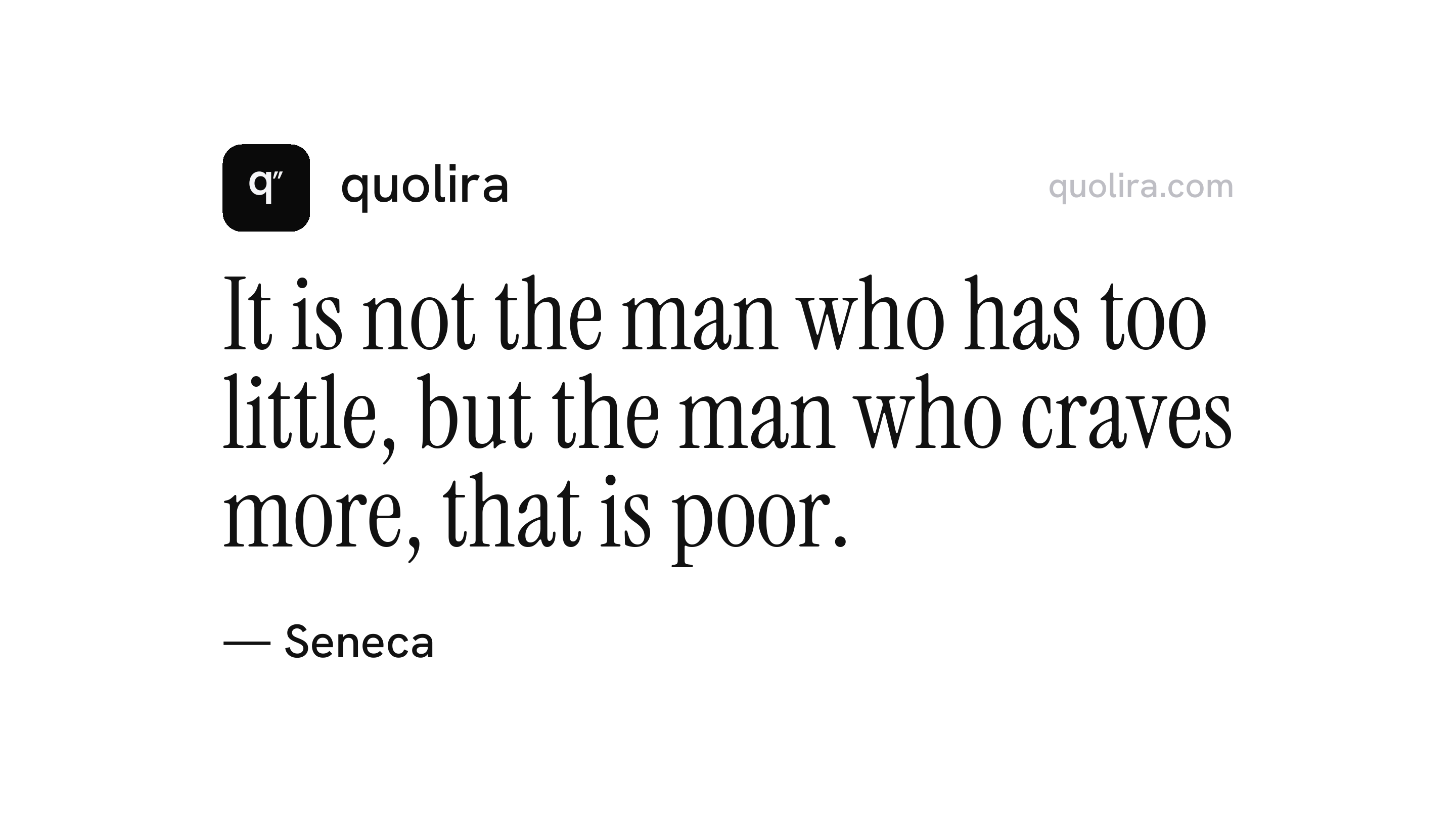
“It is not the man who has too little, but the man who craves more, that is poor.”
Seneca · Letters to Lucilius, Letter 2
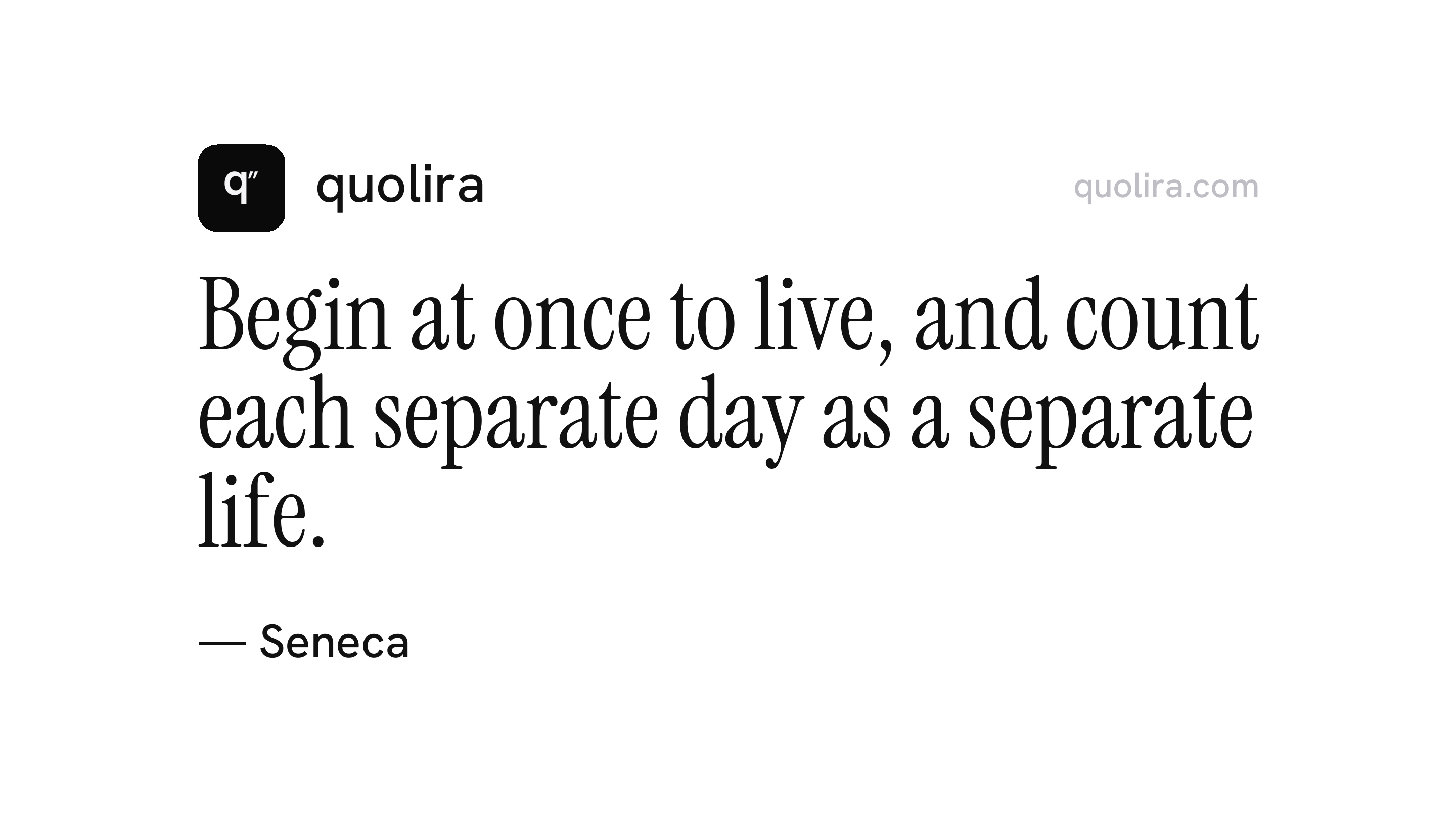
“Begin at once to live, and count each separate day as a separate life.”
Seneca · Letters to Lucilius
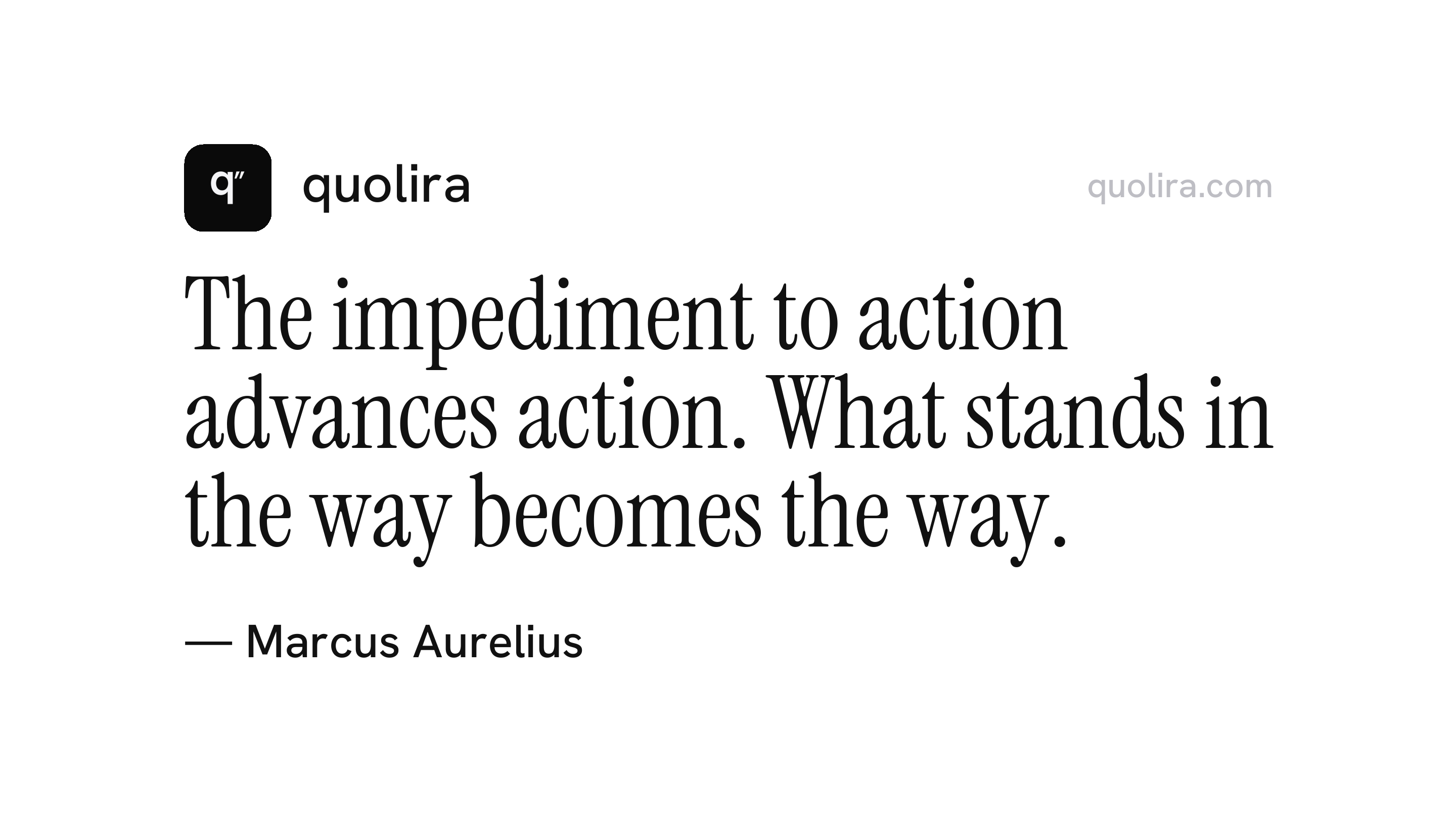
“The impediment to action advances action. What stands in the way becomes the way.”
Marcus Aurelius · Meditations
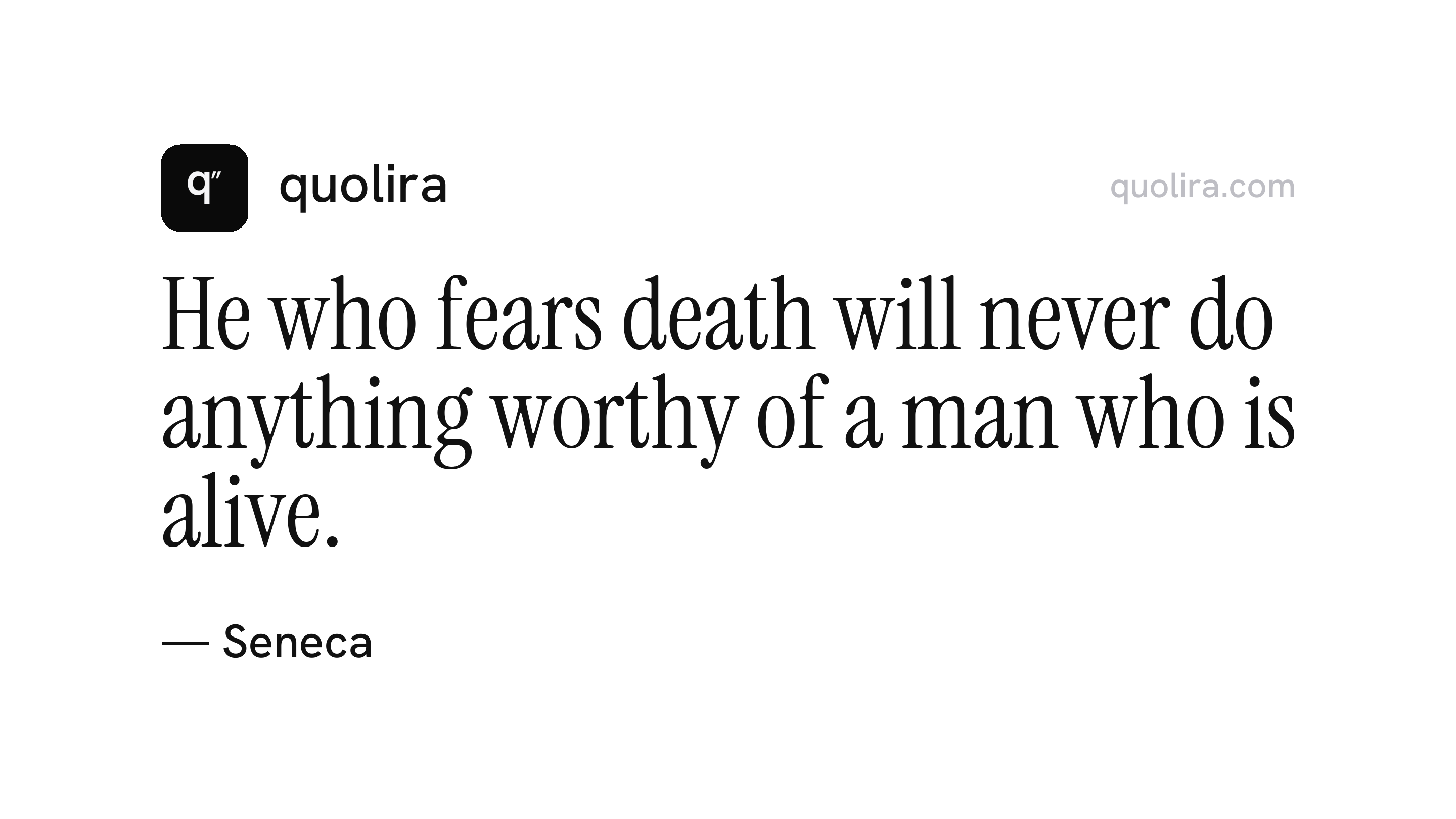
“He who fears death will never do anything worthy of a man who is alive.”
Seneca · Letters to Lucilius
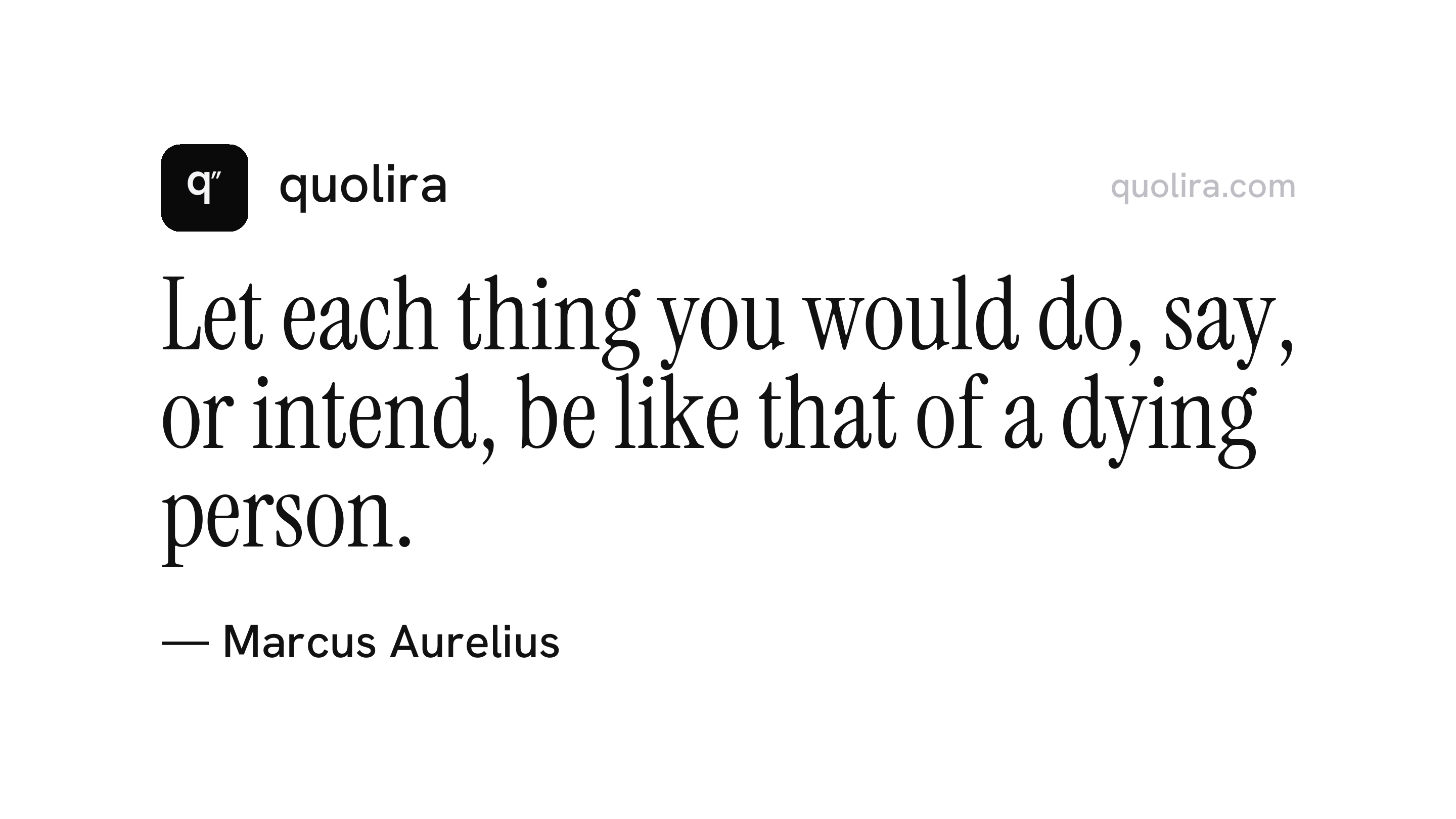
“Let each thing you would do, say, or intend, be like that of a dying person.”
Marcus Aurelius · Meditations
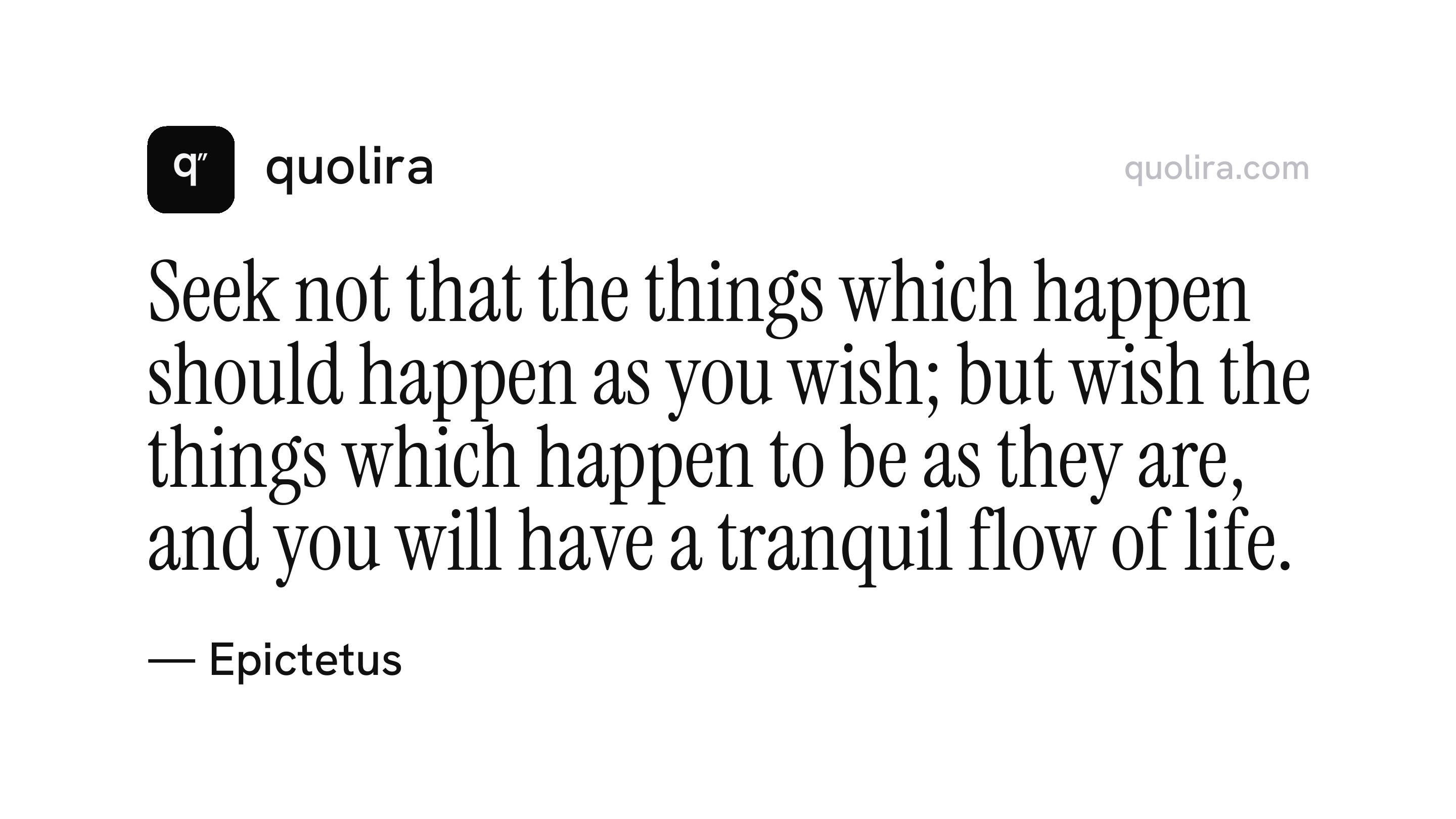
“Seek not that the things which happen should happen as you wish; but wish the things which happen to be as they are, and you will have a tranquil flow of life.”
Epictetus · Enchiridion
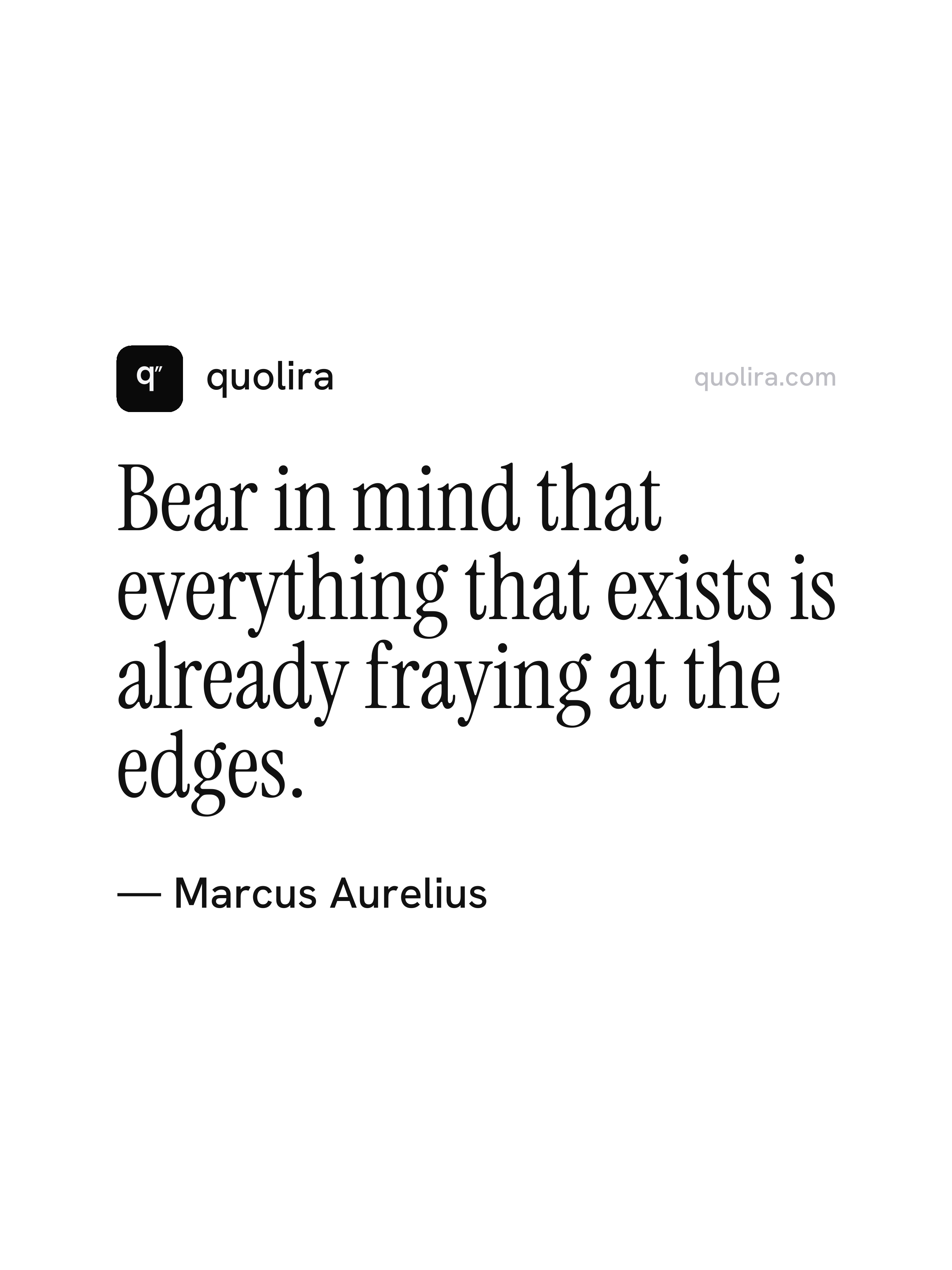
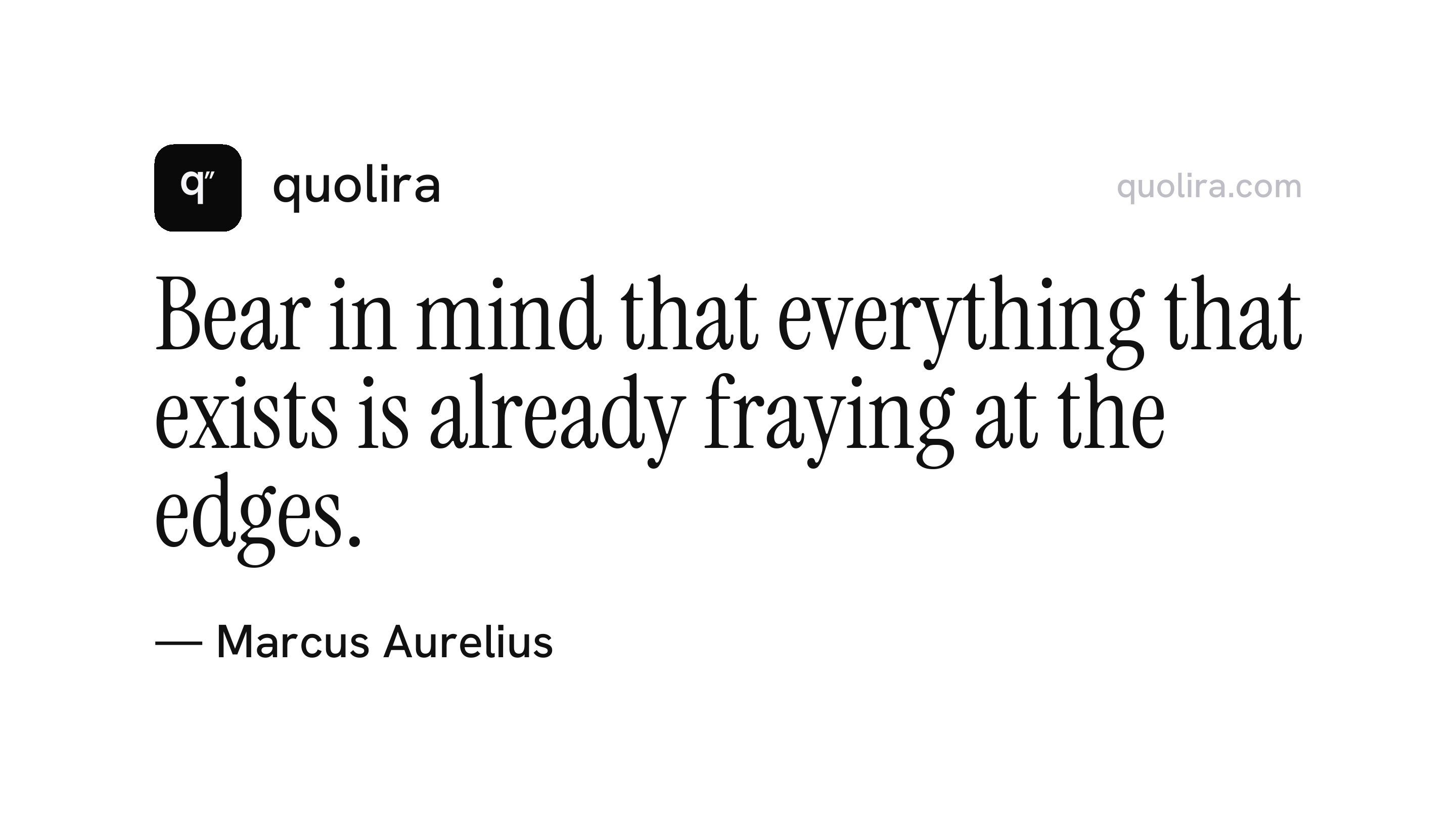
“Bear in mind that everything that exists is already fraying at the edges.”
Marcus Aurelius · Meditations
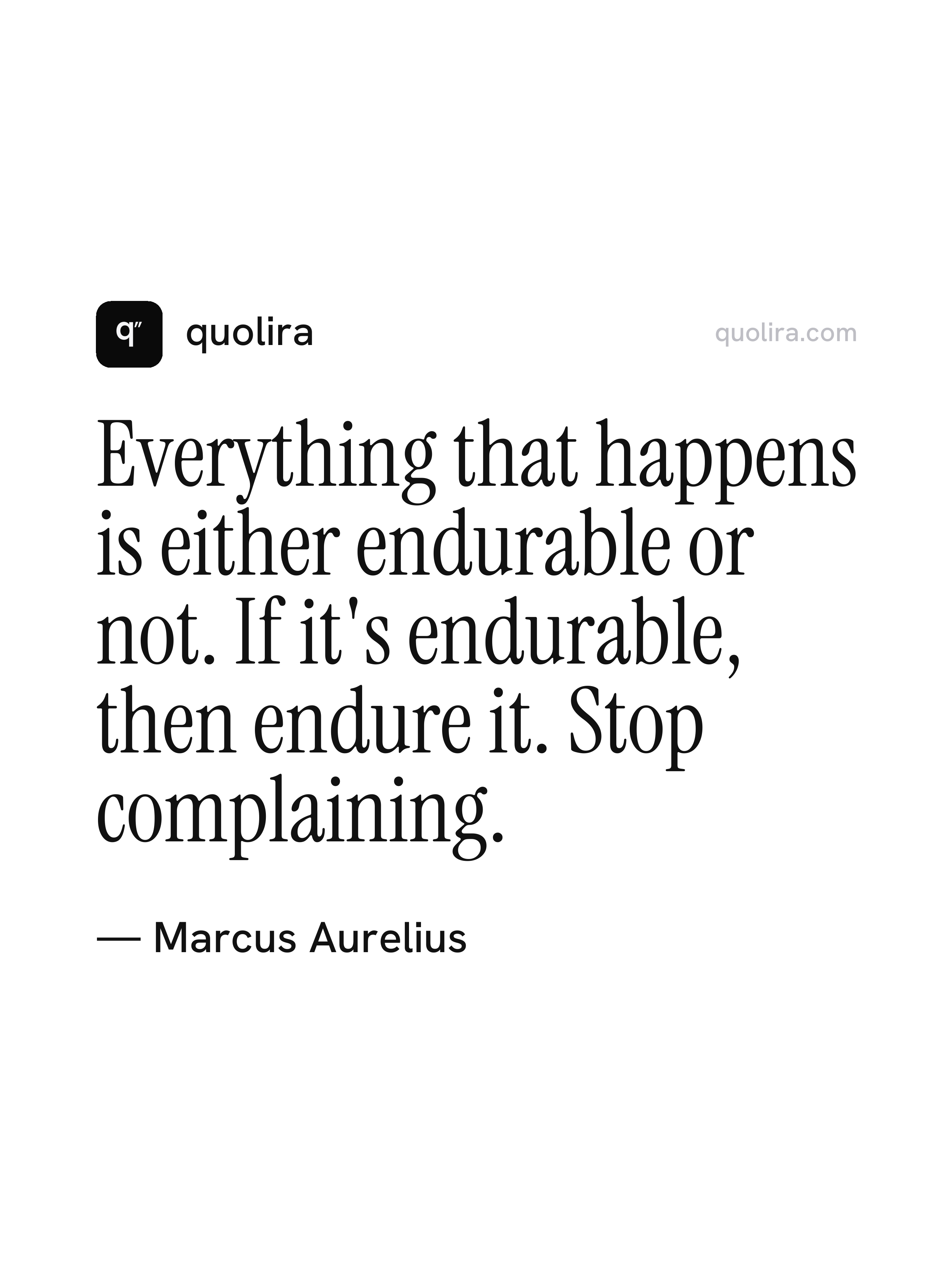
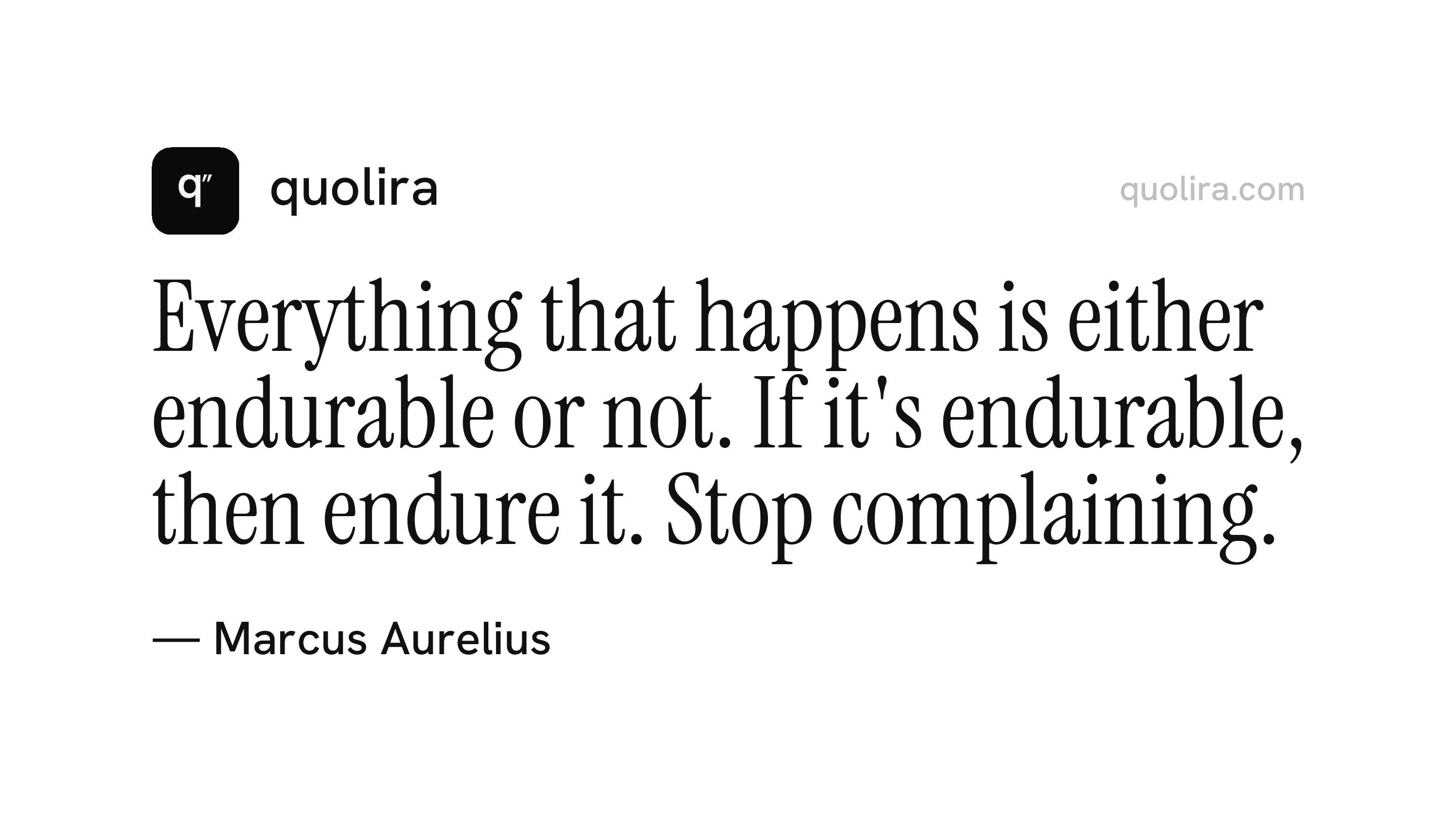
“Everything that happens is either endurable or not. If it's endurable, then endure it. Stop complaining.”
Marcus Aurelius · Meditations
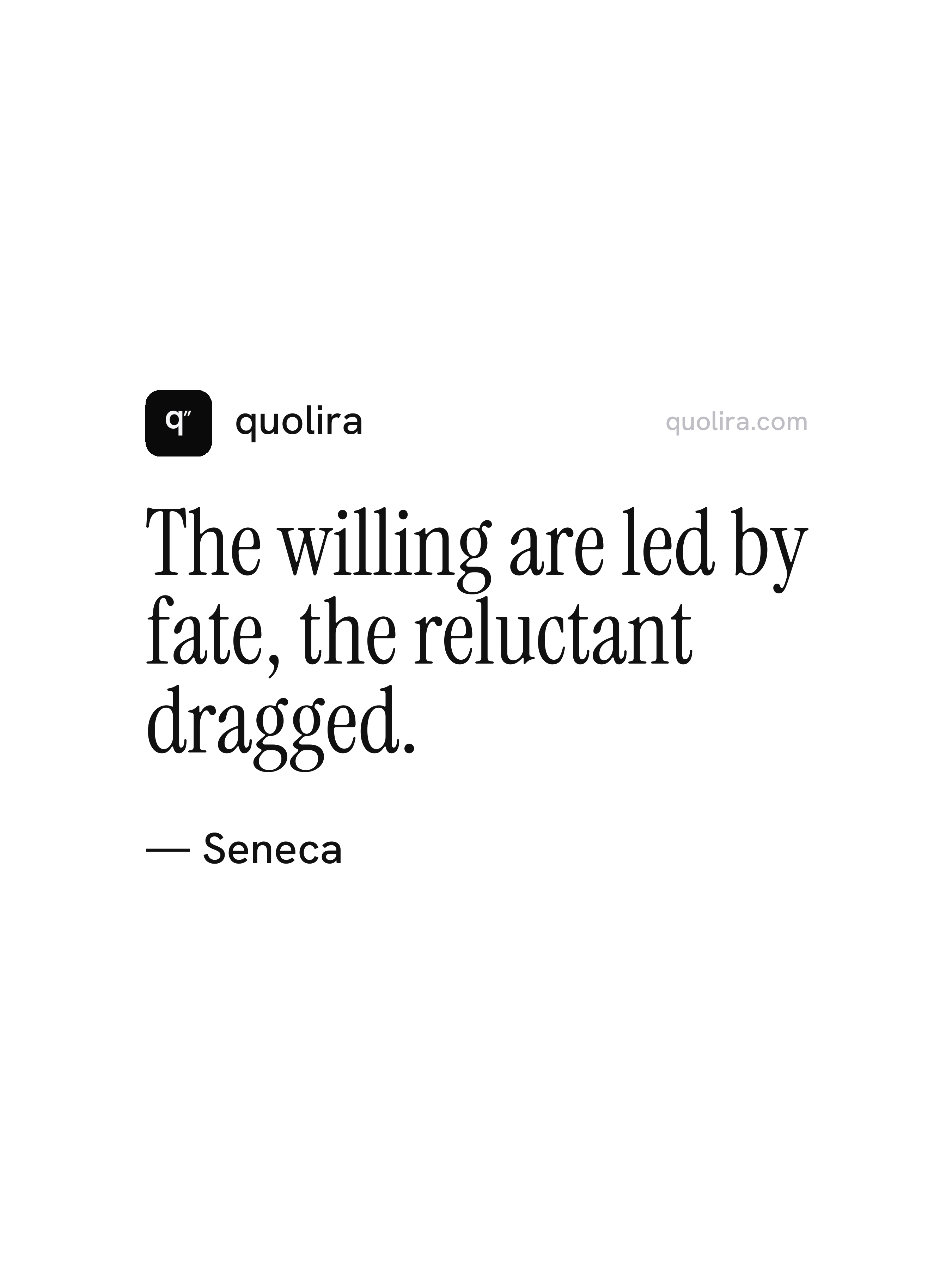
“The willing are led by fate, the reluctant dragged.”
Seneca · Letters to Lucilius
“A blazing fire makes flame and brightness out of everything that is thrown into it.”
Marcus Aurelius · Meditations
“Accept the things to which fate binds you, and love the people with whom fate brings you together, but do so with all your heart.”
Marcus Aurelius · Meditations