“Begin at once to live, and count each separate day as a separate life.”
Seneca · Letters to Lucilius
 quolira
.com
quolira
quolira.com
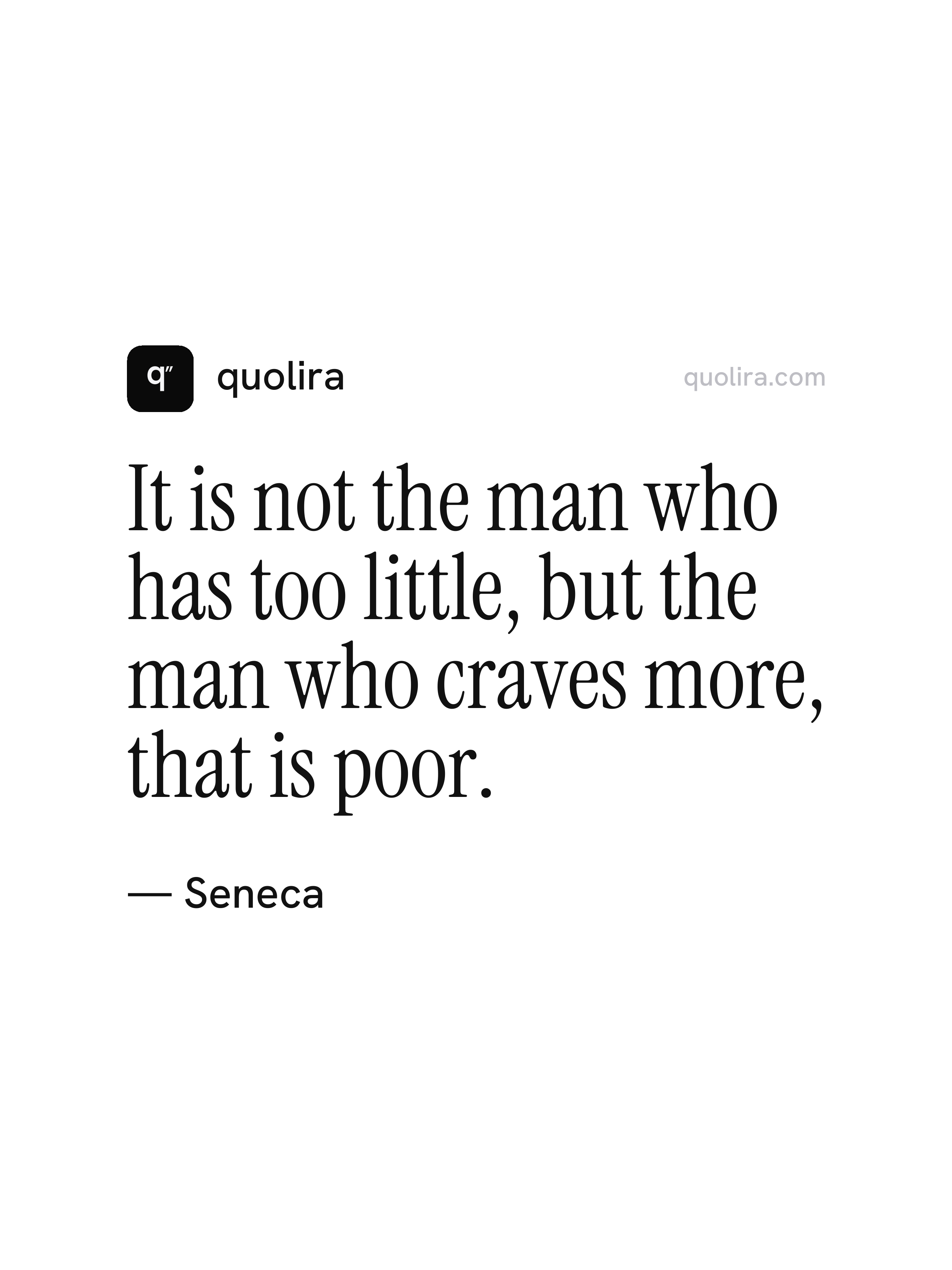
Seneca is turning the ordinary definition of poverty on its head. Most people assume poverty is simply a matter of having too little. Seneca argues that the real measure is desire, not possession. A person with modest means who is satisfied with what they have is, in the truest sense, wealthy. A person with abundant resources who is constantly hungry for more lives in a state of perpetual scarcity, because the gap between what they have and what they want never closes. Contentment, not accumulation, is the cure for poverty.
This line appears in Letter 2 of the Letters to Lucilius, an early letter in the collection in which Seneca begins laying out his core Stoic principles about the good life. The letter discusses the importance of settling the mind rather than restlessly moving from place to place or idea to idea. The observation about poverty and craving fits within the broader Stoic argument that our suffering comes less from our circumstances than from our judgments about those circumstances. Wanting what you do not have is a choice the mind makes, and it is a choice that can be undone.
Lucius Annaeus Seneca, known as Seneca the Younger, was a Roman philosopher and writer of the first century of the common era. A leading voice of Stoic thought in the Latin world, he wrote philosophical essays, tragedies, and letters that have influenced readers from the Renaissance to the present day. His Letters to Lucilius remain one of the finest introductions to Stoic ideas about wealth, time, and the good life.
“Begin at once to live, and count each separate day as a separate life.”
Seneca · Letters to Lucilius
“The impediment to action advances action. What stands in the way becomes the way.”
Marcus Aurelius · Meditations
“He who fears death will never do anything worthy of a man who is alive.”
Seneca · Letters to Lucilius
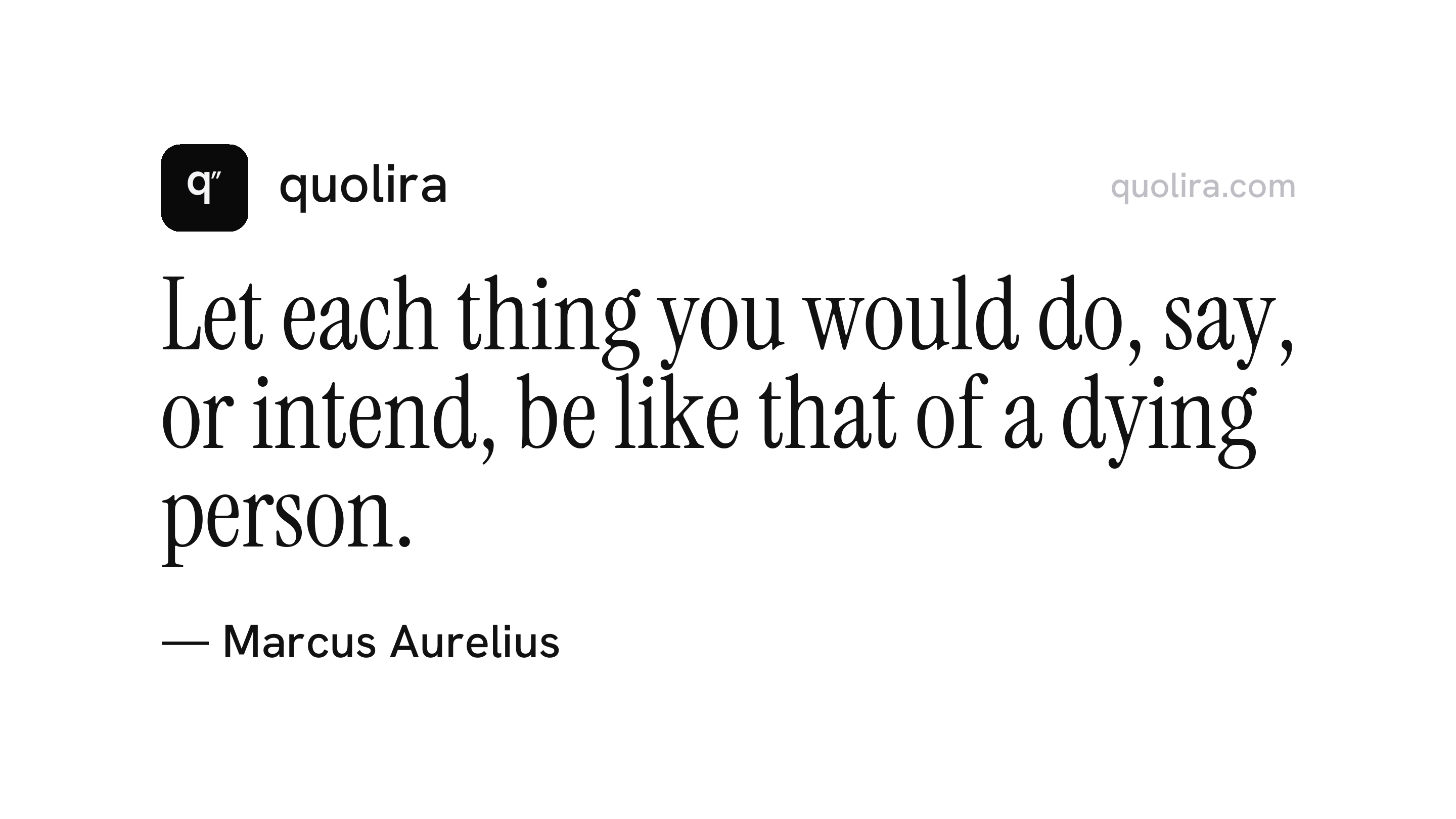
“Let each thing you would do, say, or intend, be like that of a dying person.”
Marcus Aurelius · Meditations
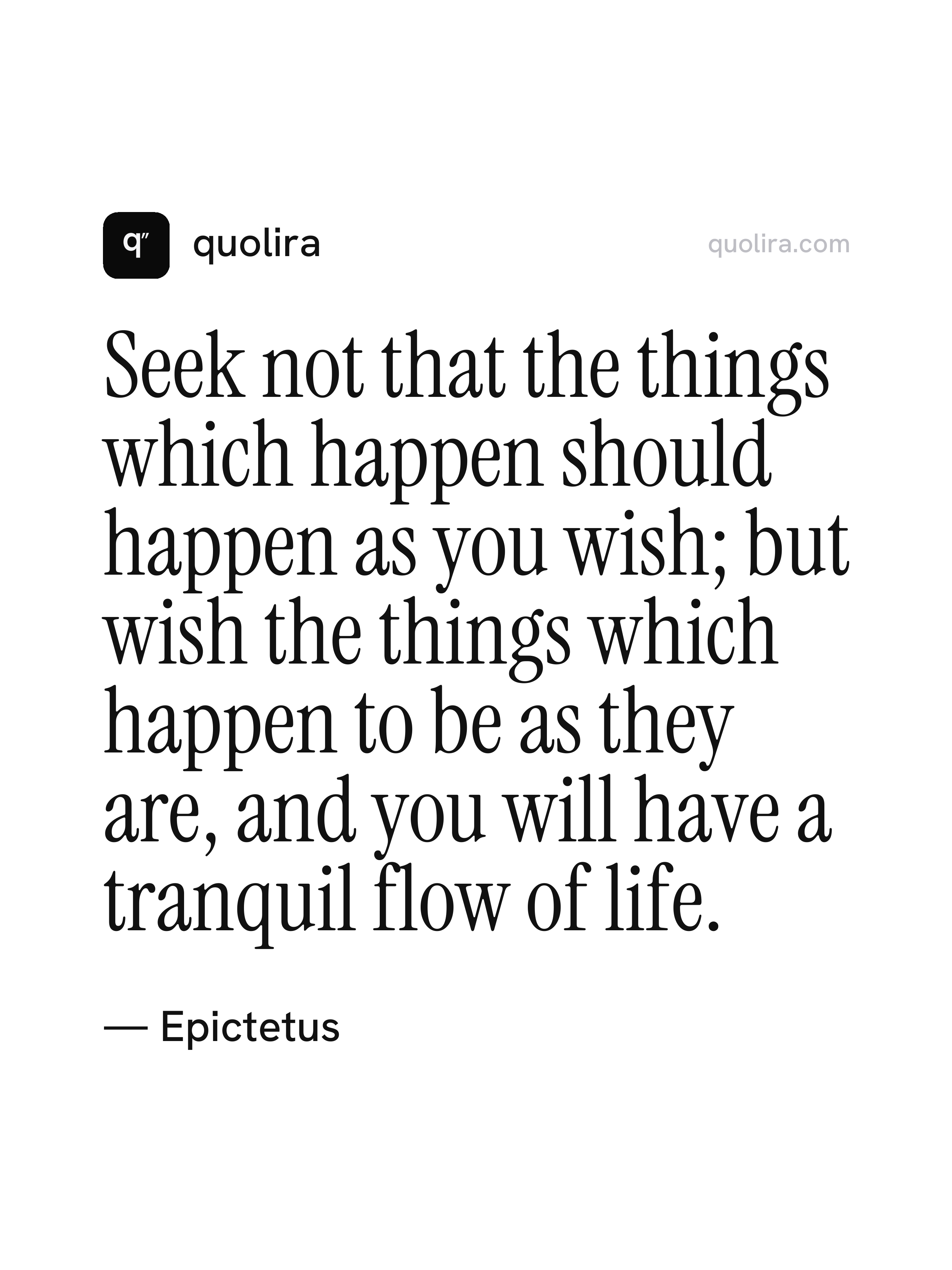
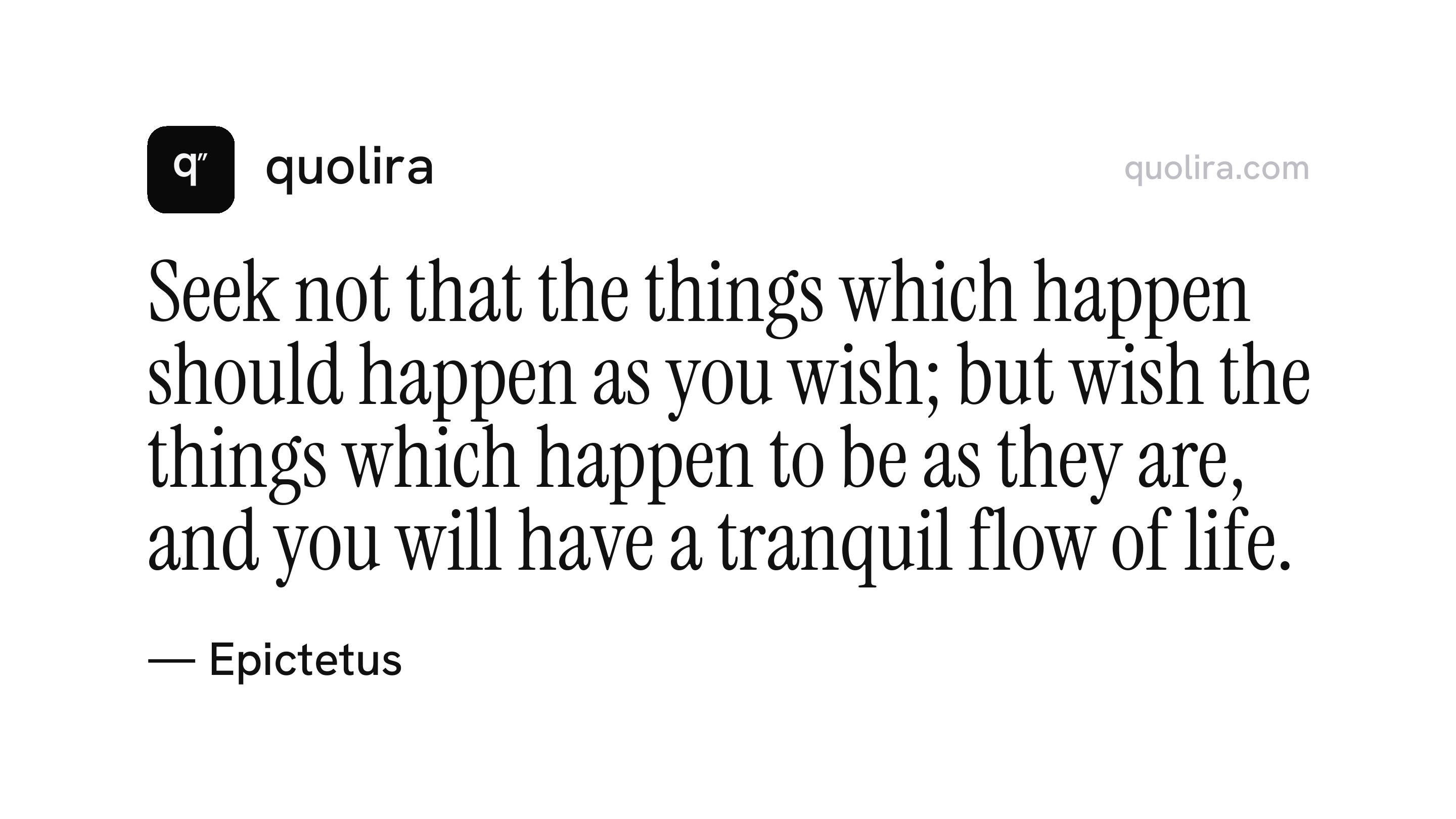
“Seek not that the things which happen should happen as you wish; but wish the things which happen to be as they are, and you will have a tranquil flow of life.”
Epictetus · Enchiridion
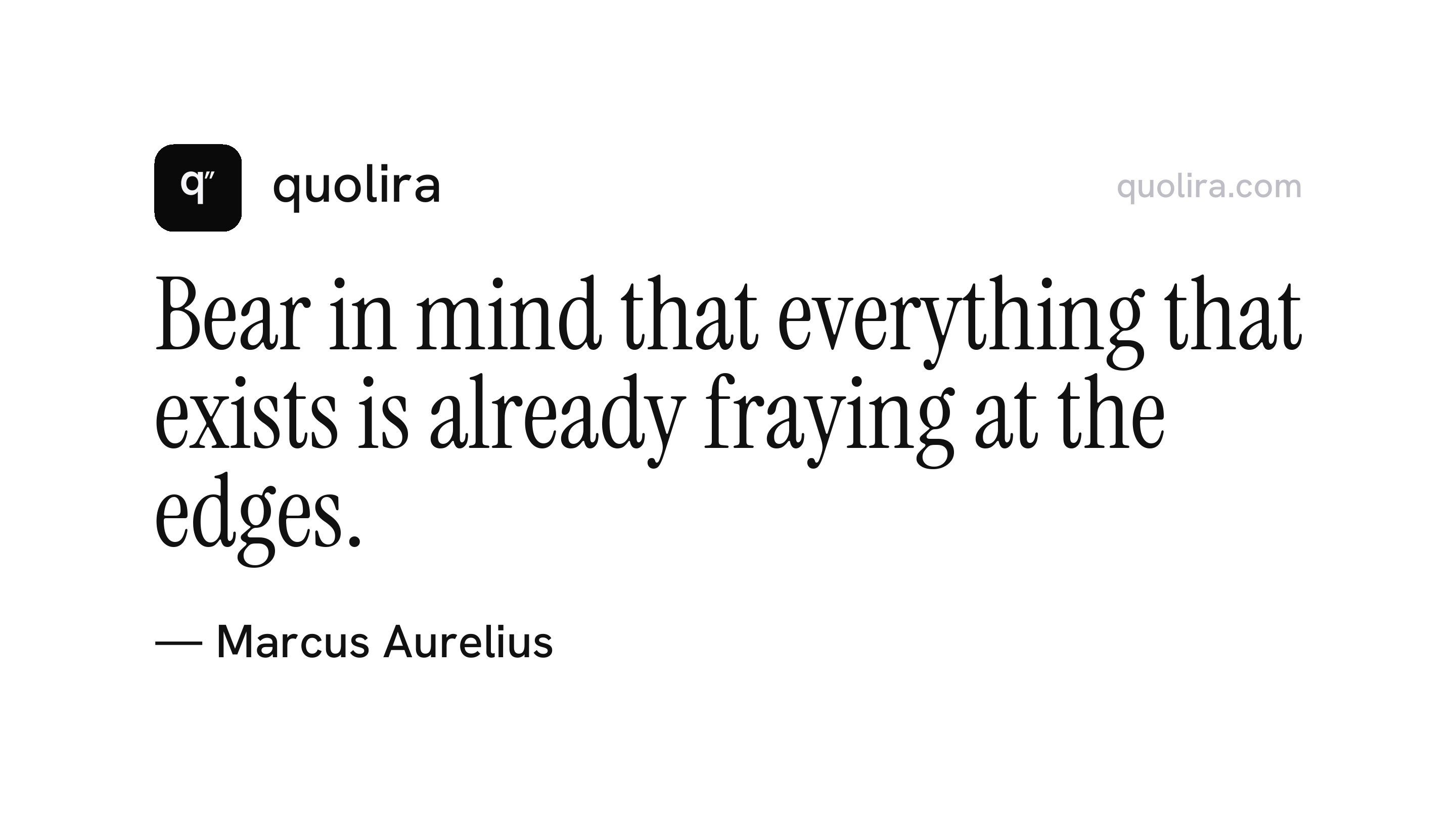
“Bear in mind that everything that exists is already fraying at the edges.”
Marcus Aurelius · Meditations
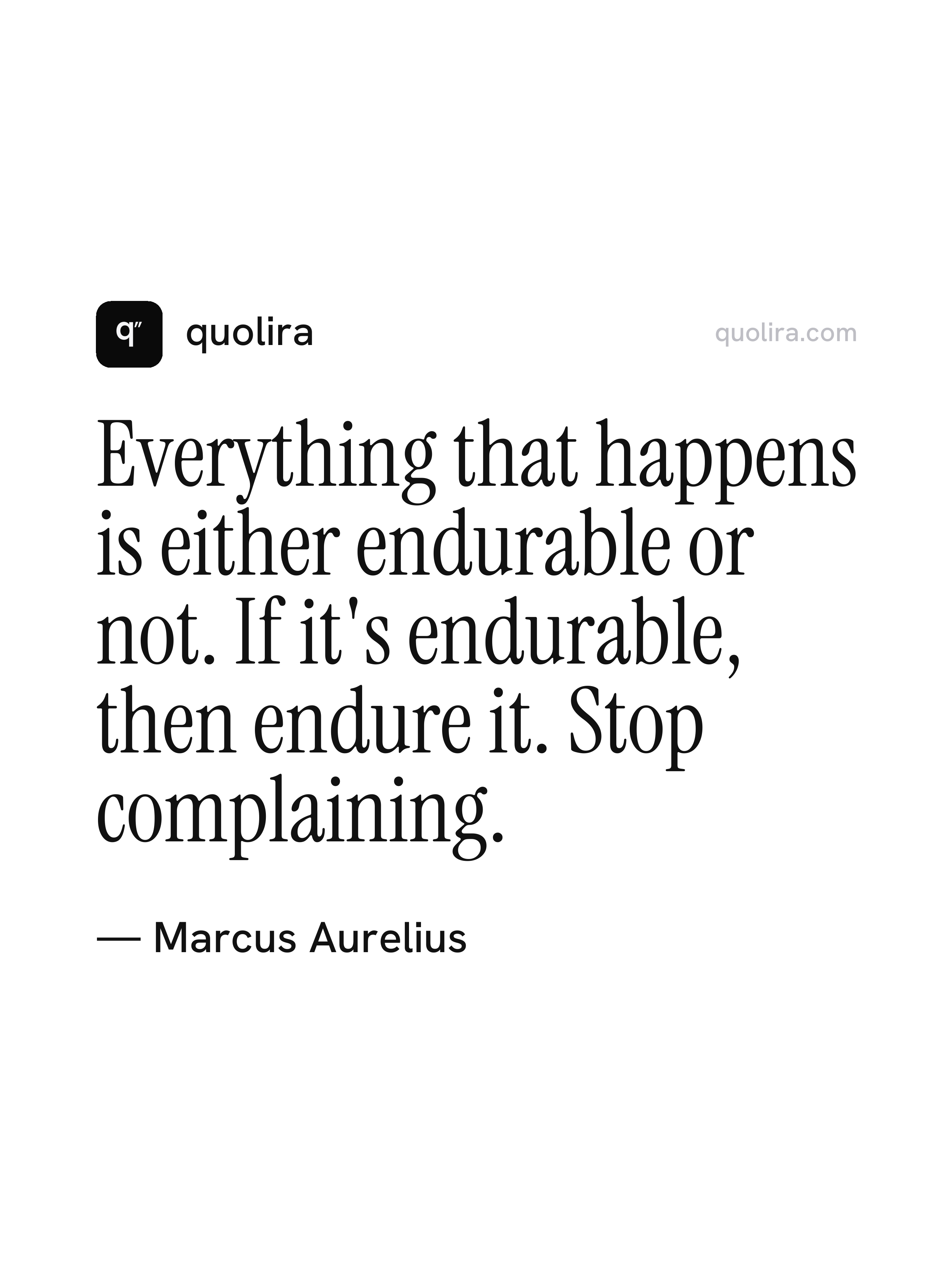
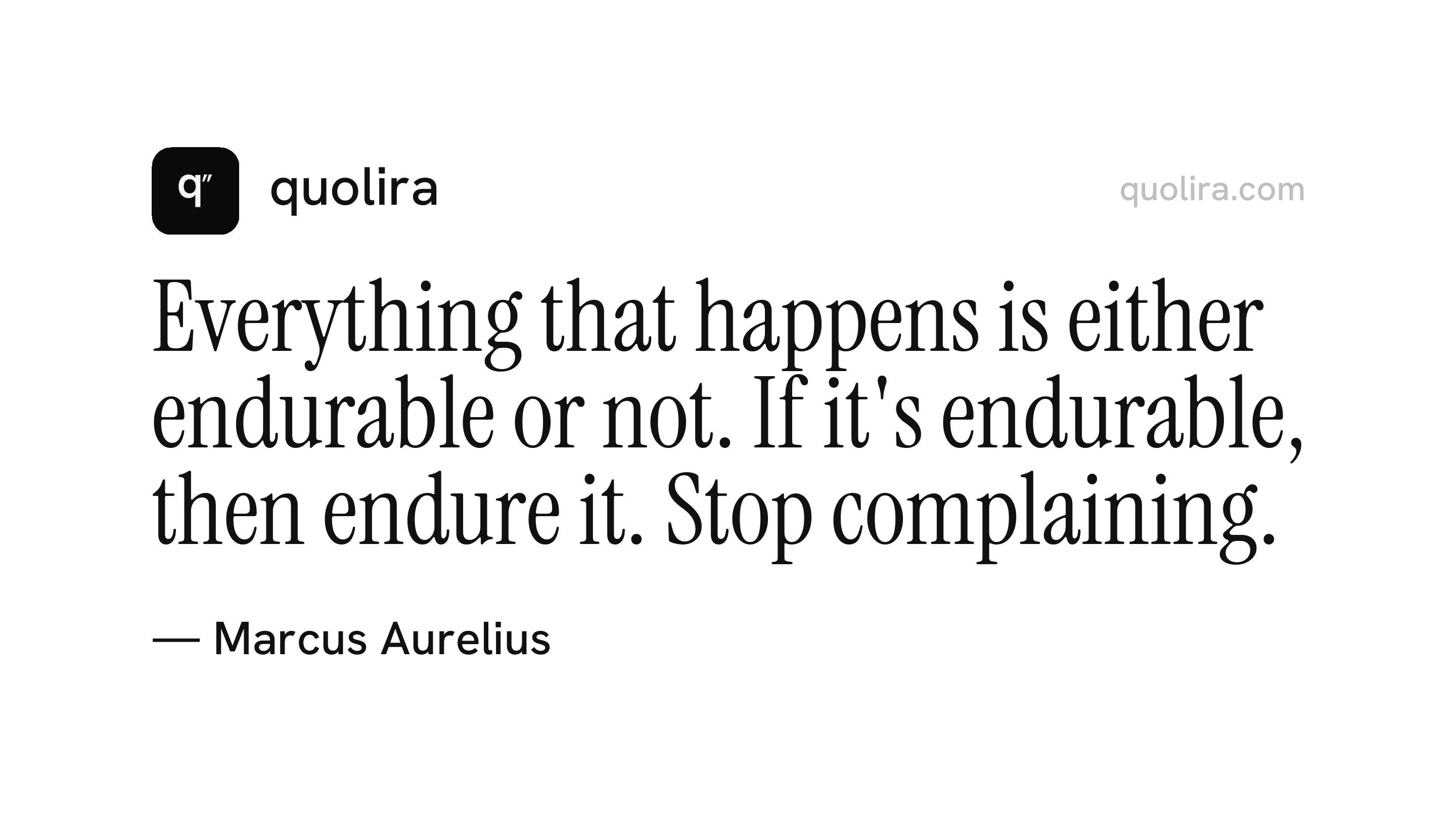
“Everything that happens is either endurable or not. If it's endurable, then endure it. Stop complaining.”
Marcus Aurelius · Meditations
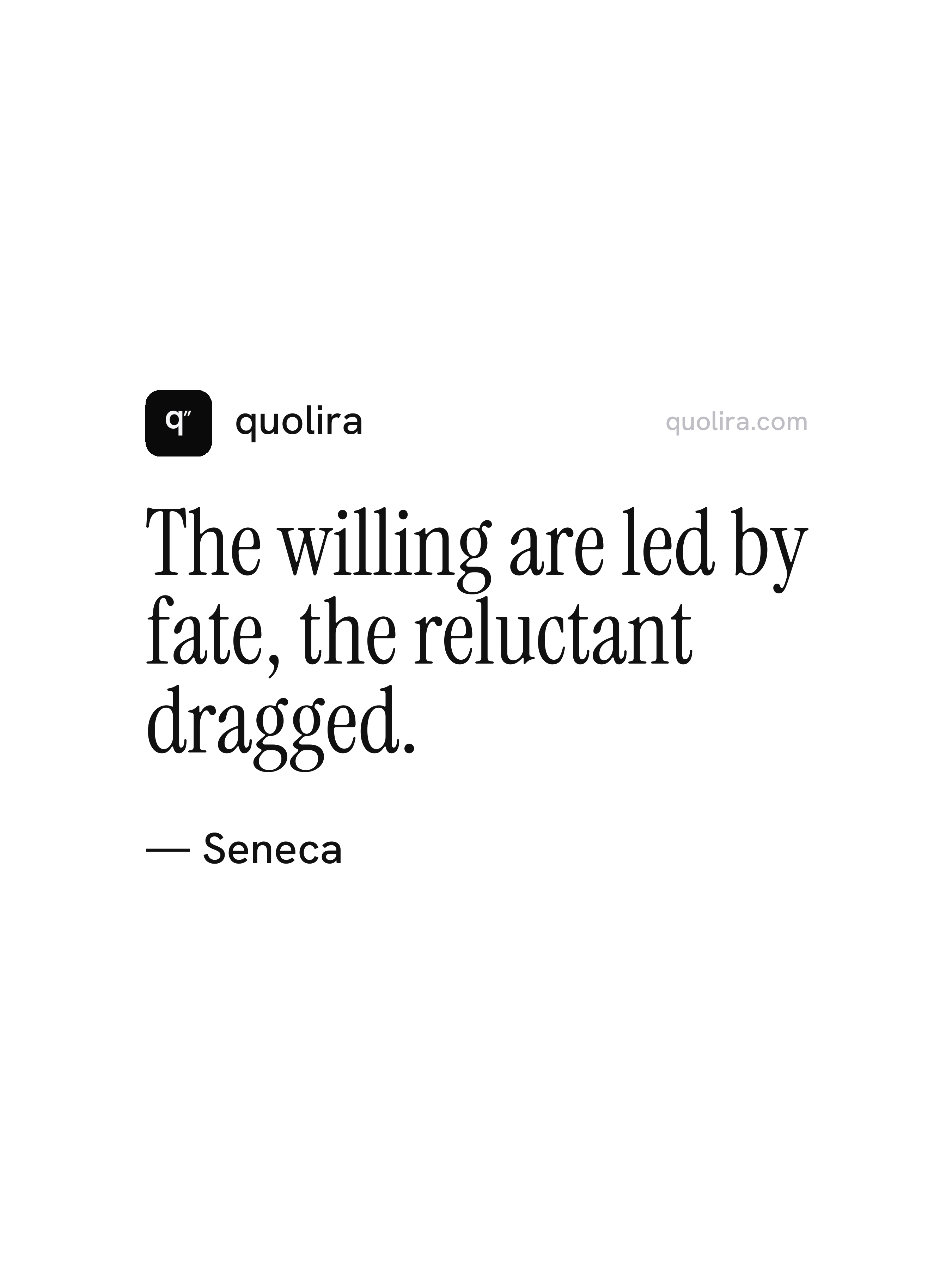
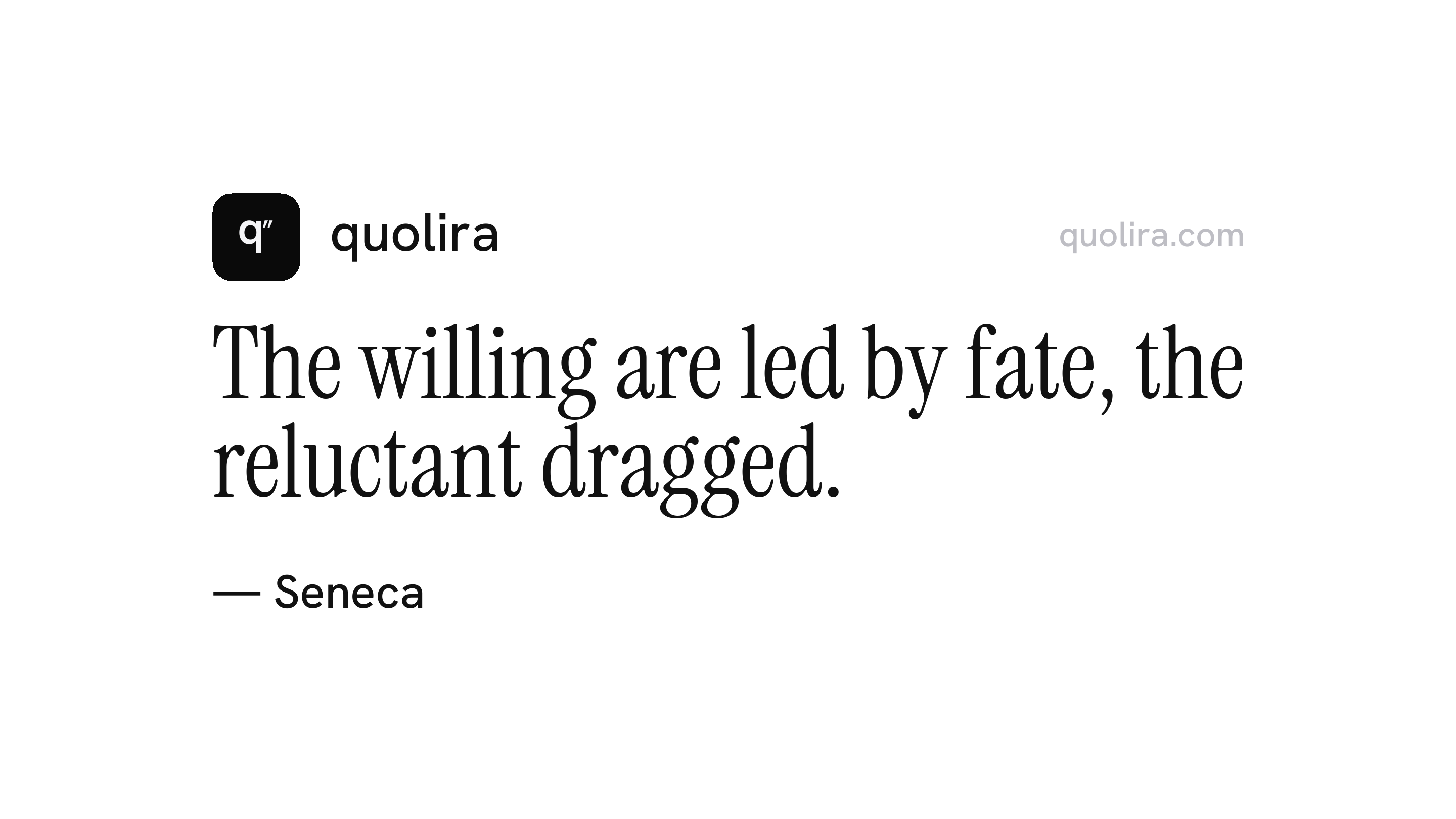
“The willing are led by fate, the reluctant dragged.”
Seneca · Letters to Lucilius
“A blazing fire makes flame and brightness out of everything that is thrown into it.”
Marcus Aurelius · Meditations
“Accept the things to which fate binds you, and love the people with whom fate brings you together, but do so with all your heart.”
Marcus Aurelius · Meditations
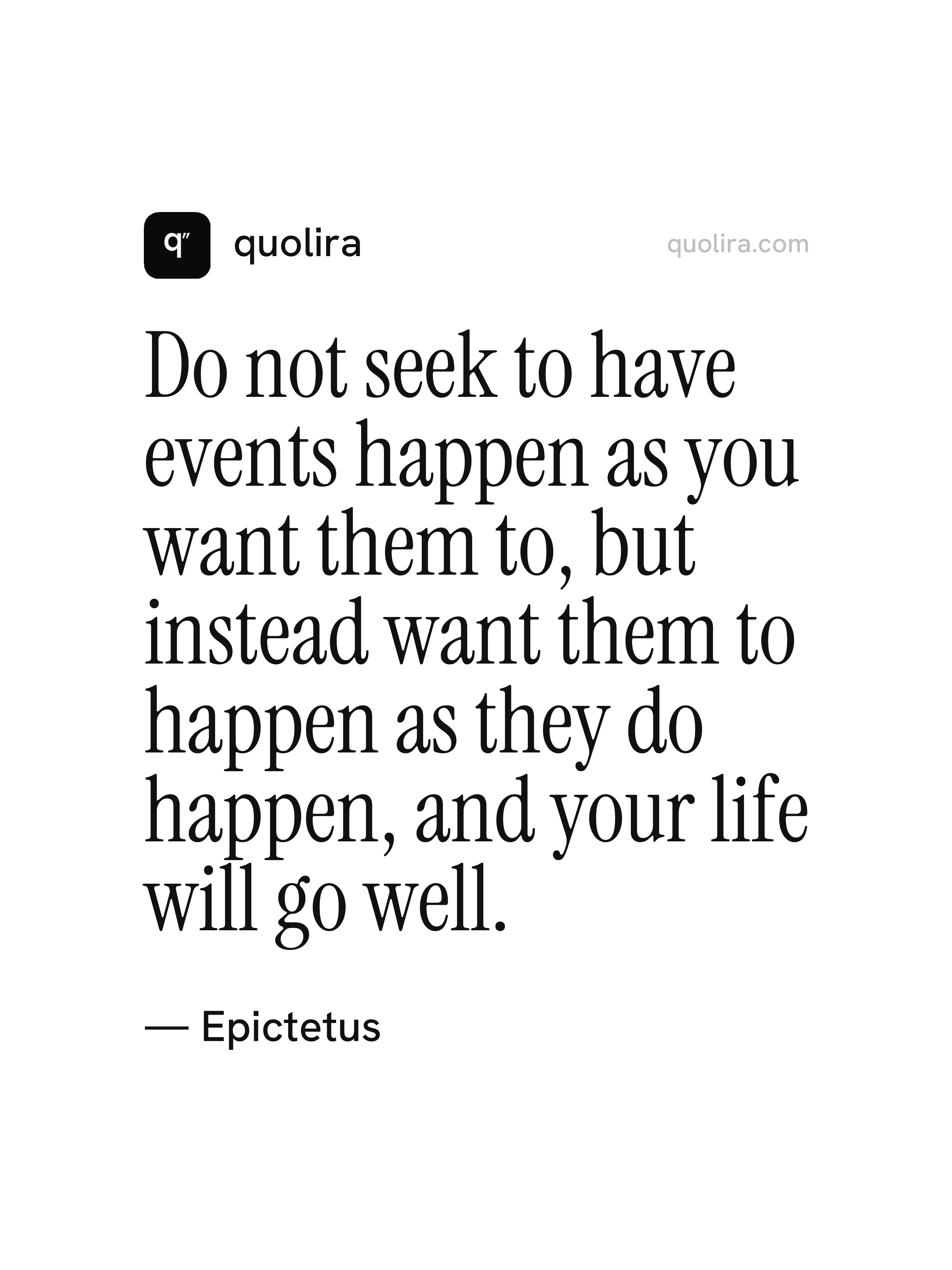
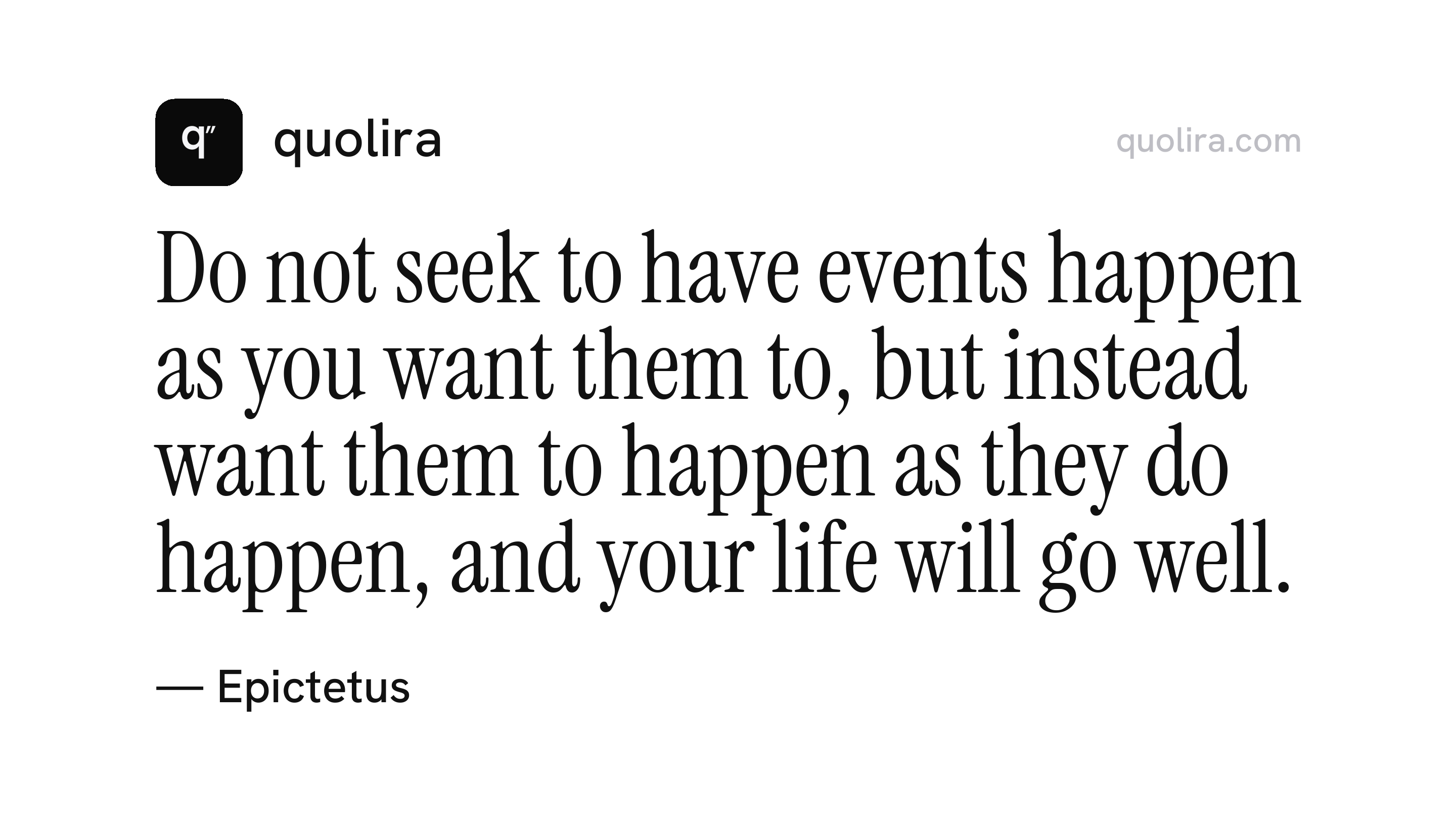
“Do not seek to have events happen as you want them to, but instead want them to happen as they do happen, and your life will go well.”
Epictetus · Enchiridion
“I want to learn more and more to see as beautiful what is necessary in things; then I shall be one of those who make things beautiful. Amor fati: let that be my love henceforth!”
Friedrich Nietzsche · The Gay Science, 1882