“He who fears death will never do anything worthy of a man who is alive.”
Seneca · Letters to Lucilius
 quolira
.com
quolira
quolira.com
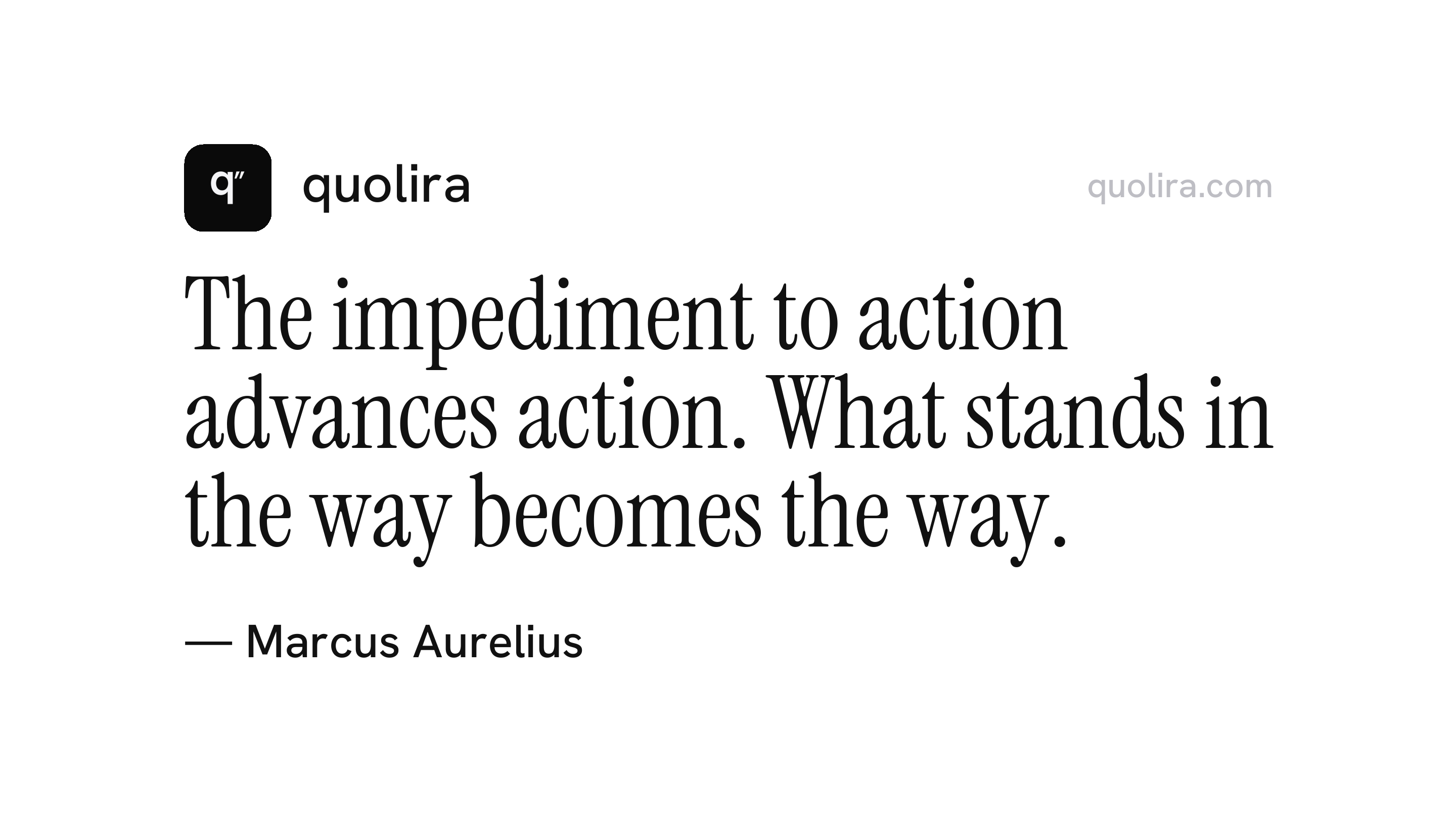
This line teaches that obstacles are not separate from your path forward but are, in fact, the path itself. Rather than treating resistance as a reason to stop, Marcus Aurelius argues that every difficulty contains within it the very energy needed to move through it. The block becomes the bridge.
Marcus Aurelius wrote his reflections privately, with no apparent intention of publishing them. The work we call Meditations is essentially a personal journal he kept as Roman emperor, reminding himself of Stoic principles while managing the immense pressures of war, politics, and governance. This particular idea, sometimes called the obstacle is the way, sits at the heart of Stoic philosophy: that external events are neutral and that a trained mind can convert any adversity into fuel for progress rather than a reason for despair.
Marcus Aurelius ruled Rome during the second century CE and is remembered as one of the few rulers in history who combined great political power with genuine philosophical seriousness. He was a committed student of Stoicism and studied under several teachers in that tradition. His Meditations, written in Greek, were rediscovered and published centuries after his death and have since become one of the most widely read works of ancient philosophy, valued precisely because they read not as lectures to others but as honest self-instructions from a man trying his best to live well under extraordinary pressure.
“He who fears death will never do anything worthy of a man who is alive.”
Seneca · Letters to Lucilius
“Let each thing you would do, say, or intend, be like that of a dying person.”
Marcus Aurelius · Meditations
“Seek not that the things which happen should happen as you wish; but wish the things which happen to be as they are, and you will have a tranquil flow of life.”
Epictetus · Enchiridion
“Bear in mind that everything that exists is already fraying at the edges.”
Marcus Aurelius · Meditations
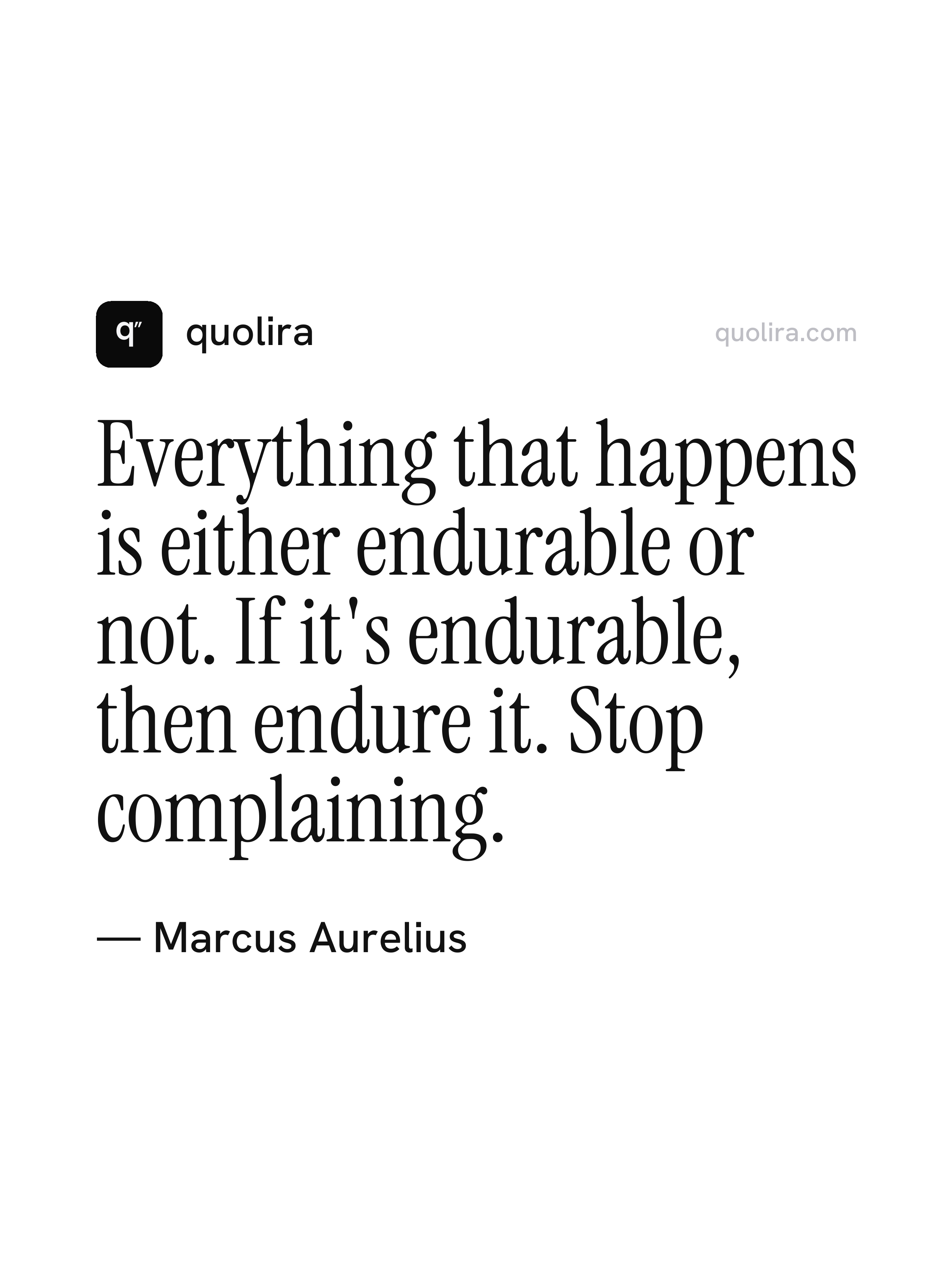
“Everything that happens is either endurable or not. If it's endurable, then endure it. Stop complaining.”
Marcus Aurelius · Meditations
“The willing are led by fate, the reluctant dragged.”
Seneca · Letters to Lucilius
“A blazing fire makes flame and brightness out of everything that is thrown into it.”
Marcus Aurelius · Meditations
“Accept the things to which fate binds you, and love the people with whom fate brings you together, but do so with all your heart.”
Marcus Aurelius · Meditations
“Do not seek to have events happen as you want them to, but instead want them to happen as they do happen, and your life will go well.”
Epictetus · Enchiridion
“I want to learn more and more to see as beautiful what is necessary in things; then I shall be one of those who make things beautiful. Amor fati: let that be my love henceforth!”
Friedrich Nietzsche · The Gay Science, 1882
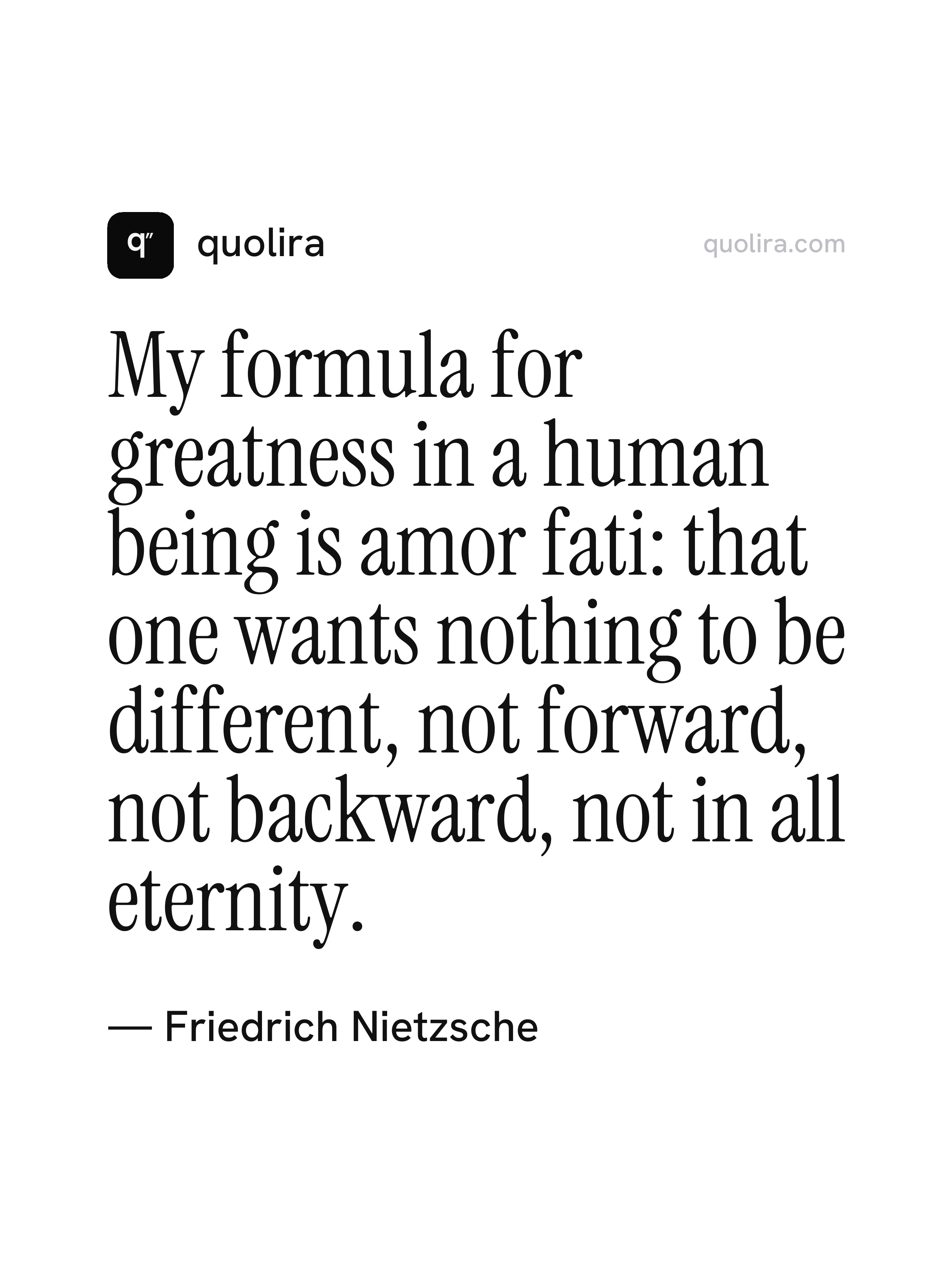
“My formula for greatness in a human being is amor fati: that one wants nothing to be different, not forward, not backward, not in all eternity.”
Friedrich Nietzsche · Ecce Homo, 1888
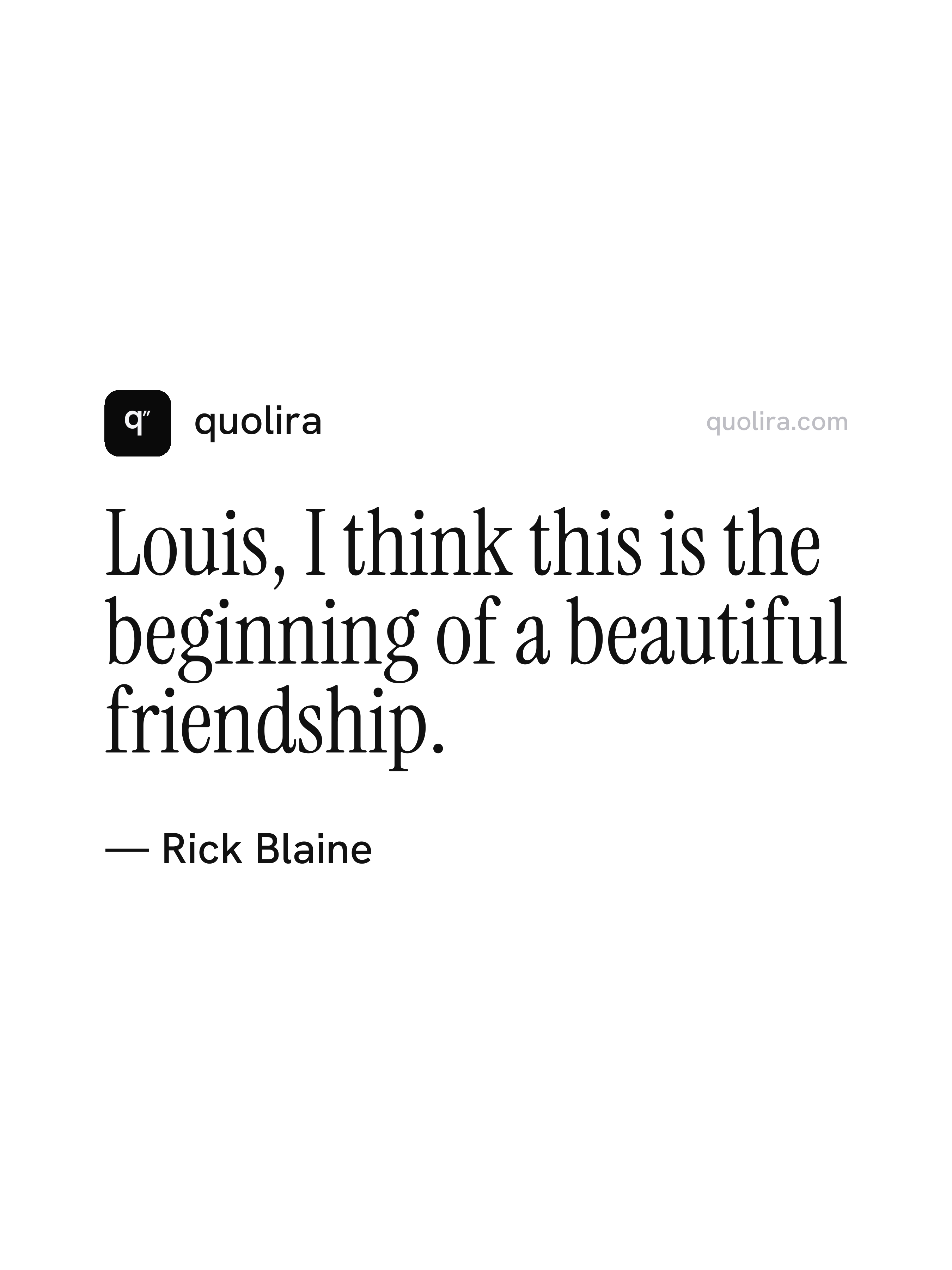
“Louis, I think this is the beginning of a beautiful friendship.”
Rick Blaine · Casablanca, 1942