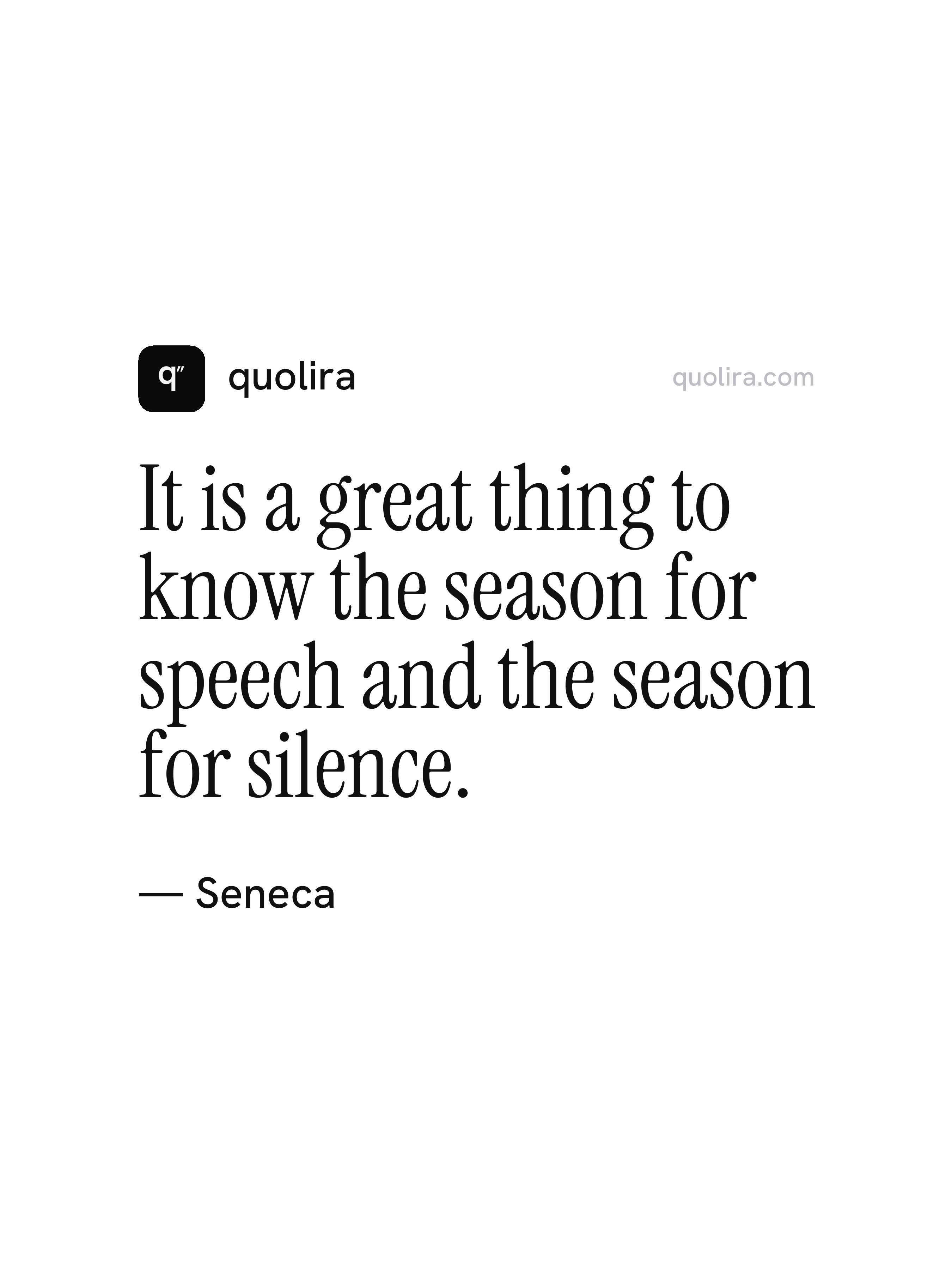
“It is a great thing to know the season for speech and the season for silence.”
Seneca · Moral essays
 quolira
.com
quolira
quolira.com
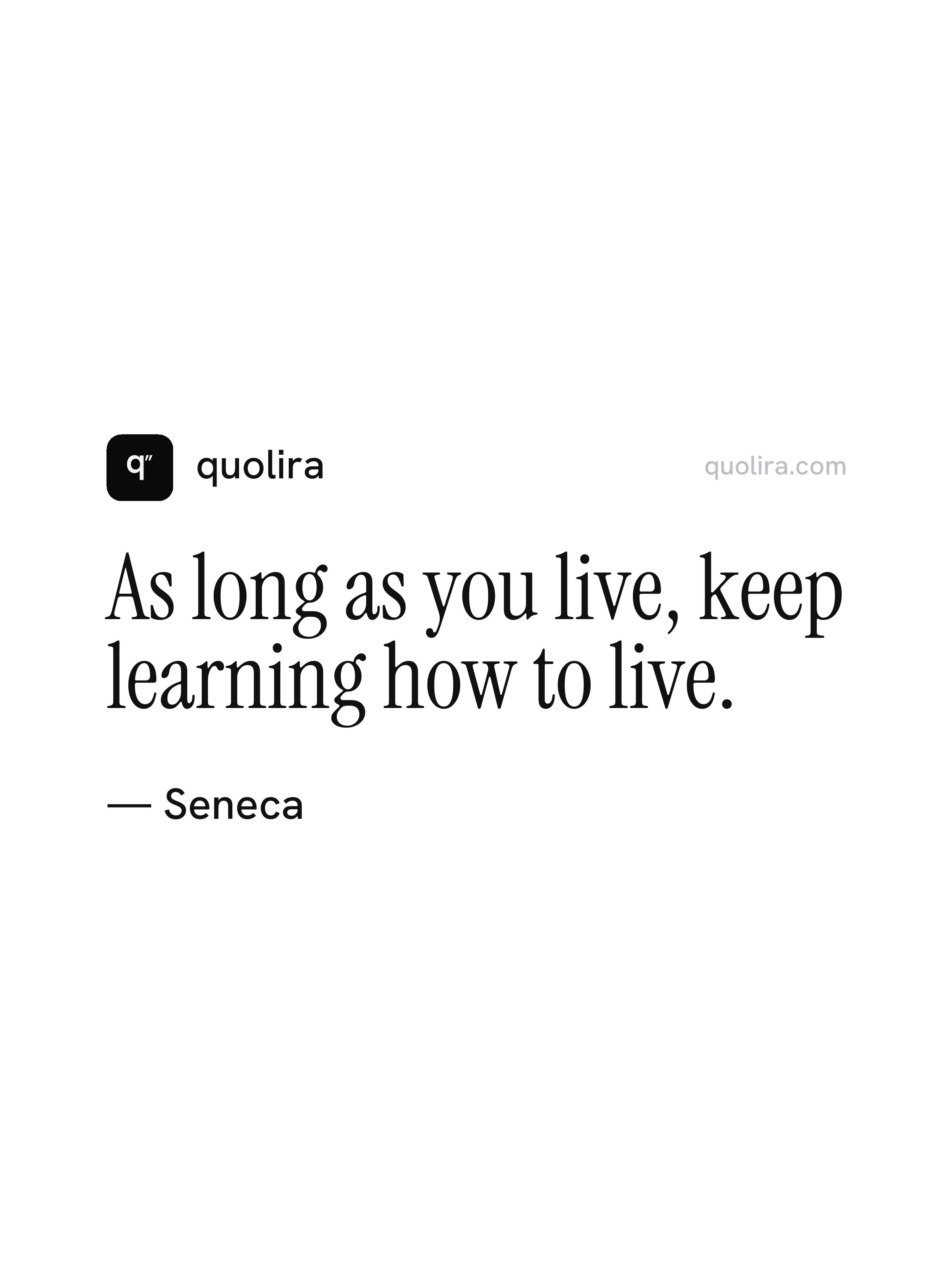
This line captures a core conviction of Stoic philosophy: that the art of living is not something mastered once and then set aside, but a continuous and lifelong practice. No matter how much experience a person accumulates, there is always more to understand about how to respond to circumstances with wisdom, patience, and clarity. The quote is a quiet rebuke to complacency, suggesting that the moment a person stops learning how to live, they begin to live less well.
On the Shortness of Life is one of Seneca's most celebrated works, a philosophical essay addressed to his father-in-law that argues time is not truly short but is simply wasted by most people on trivial or unconscious pursuits. The essay urges readers to reclaim their lives through deliberate attention and continuous self-improvement. This particular line reflects that central argument: a life spent in genuine learning is a life fully inhabited, while a life spent on distraction or habit alone is, in a meaningful sense, not fully lived at all.
Seneca the Younger was a Roman Stoic philosopher, playwright, and statesman who lived and wrote during the first century. He held considerable political influence in Rome and produced a body of philosophical writing that has remained widely read for more than two thousand years. His essays and letters are distinguished by their directness and their focus on practical questions about how to conduct a meaningful life, qualities that continue to make his work relevant to modern readers.
“It is a great thing to know the season for speech and the season for silence.”
Seneca · Moral essays
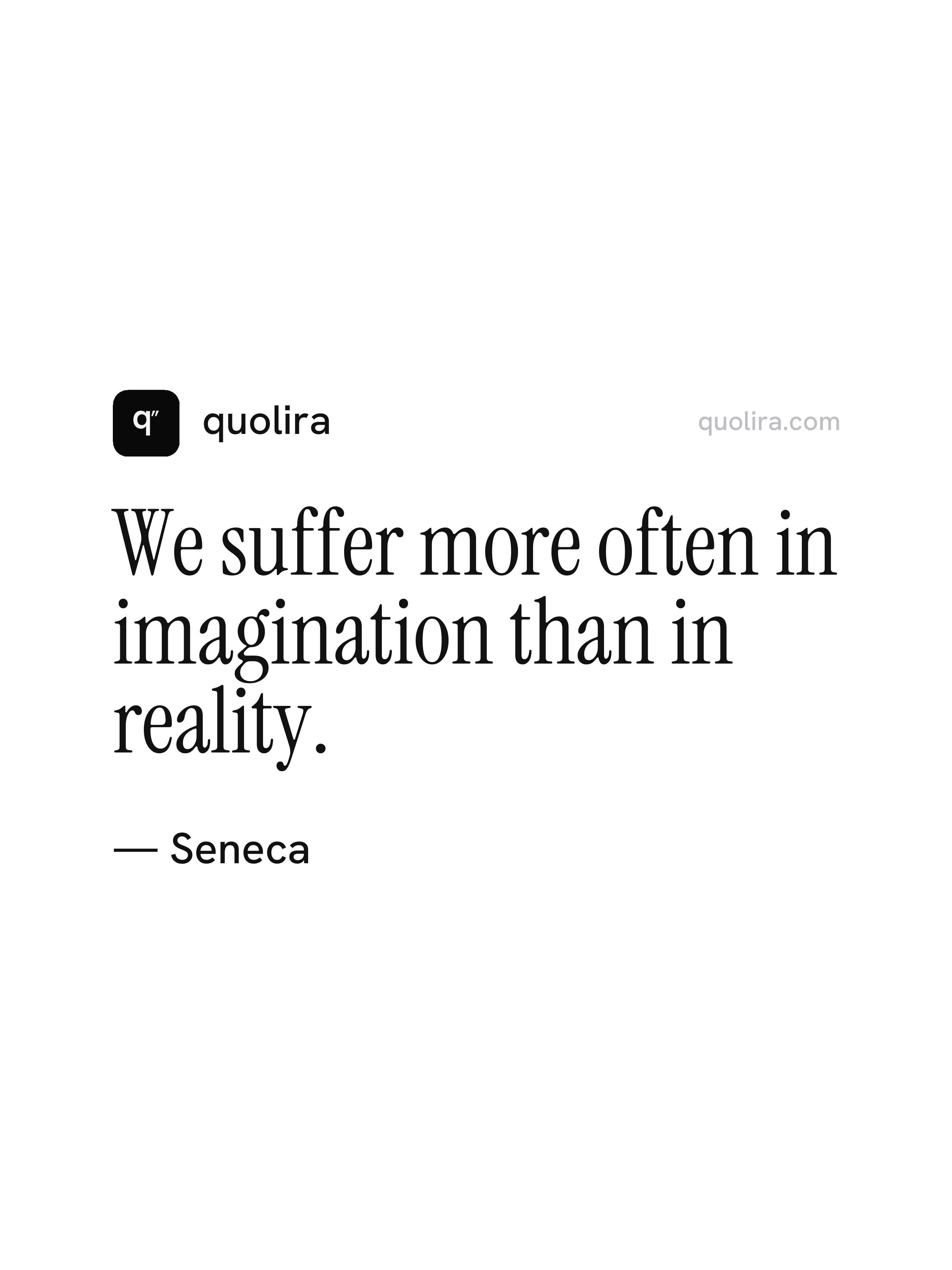
“We suffer more often in imagination than in reality.”
Seneca · Letters to Lucilius
“He who is brave is free.”
Seneca · Letters to Lucilius
“Retire into yourself as much as you can. Associate with those who will make a better man of you.”
Seneca · Letters to Lucilius, Letter 7
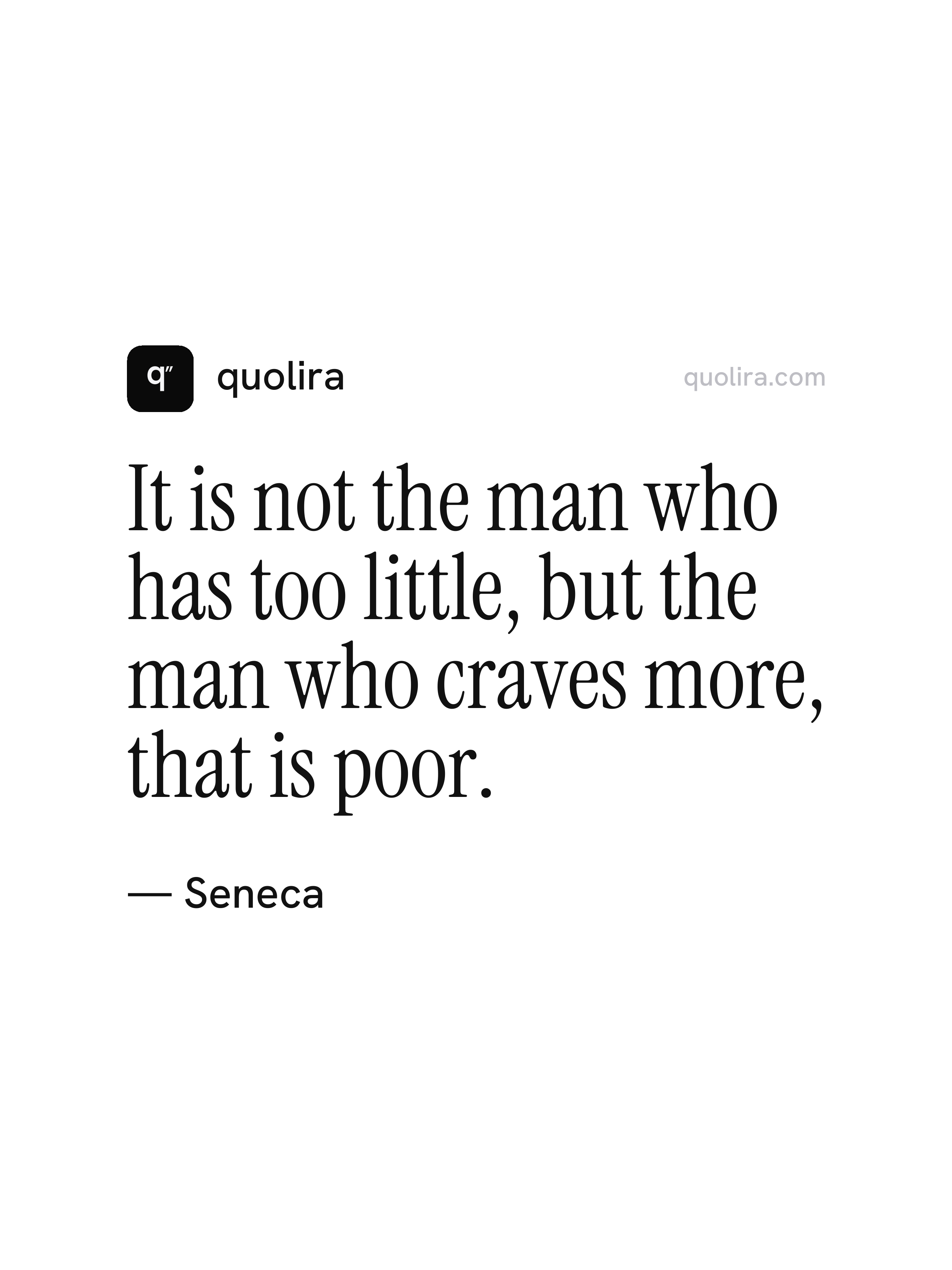
“It is not the man who has too little, but the man who craves more, that is poor.”
Seneca · Letters to Lucilius, Letter 2
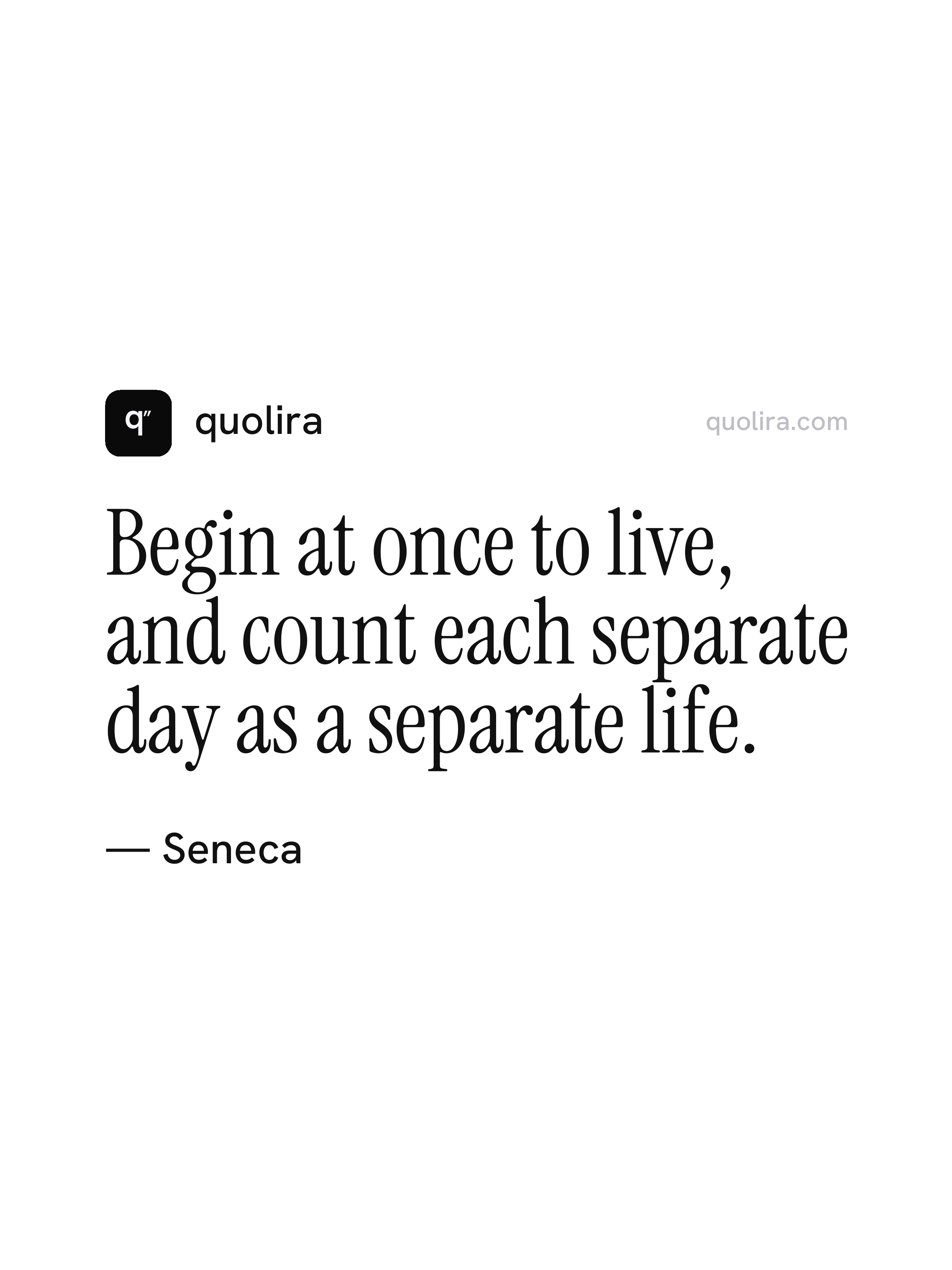
“Begin at once to live, and count each separate day as a separate life.”
Seneca · Letters to Lucilius
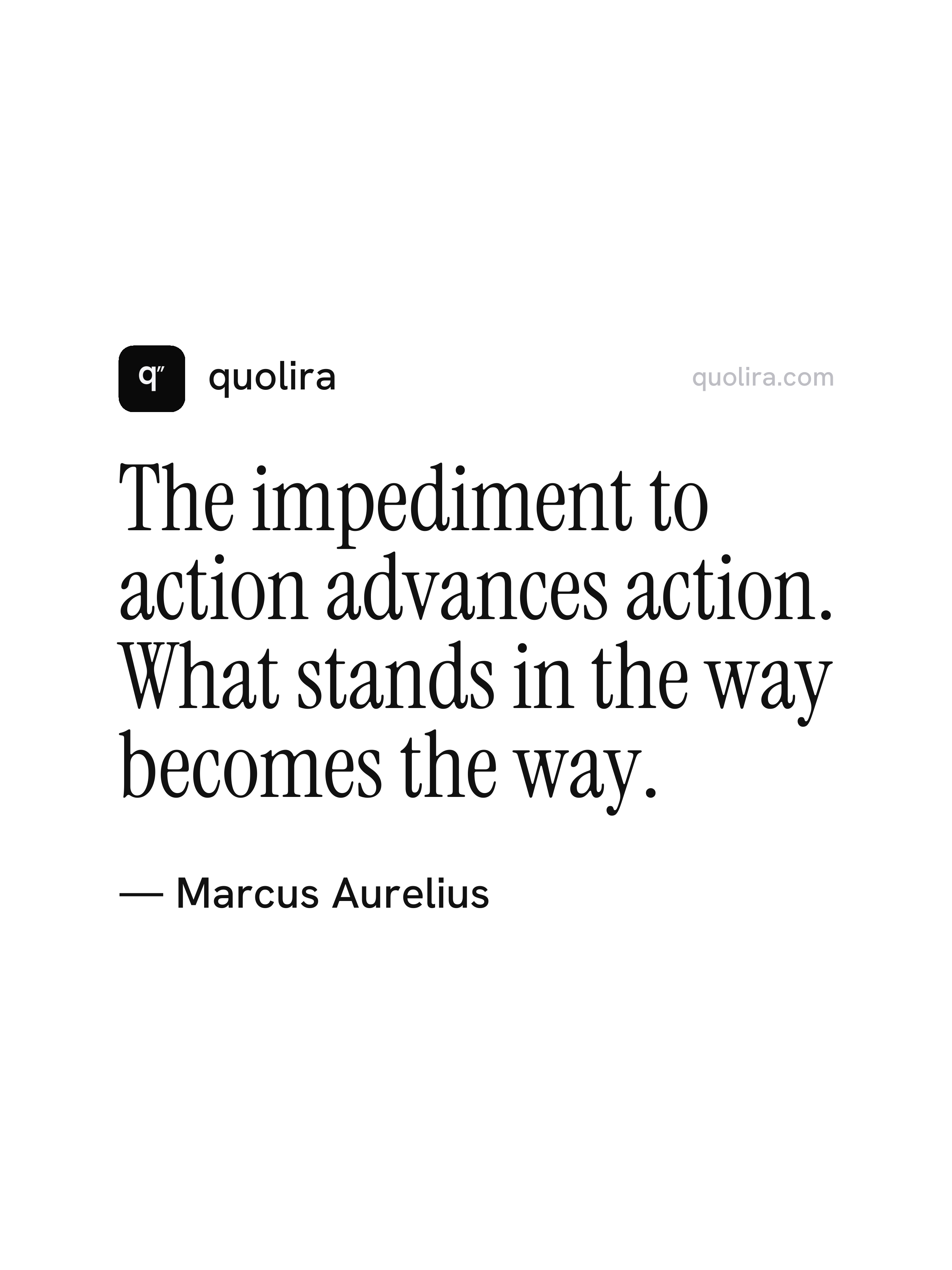
“The impediment to action advances action. What stands in the way becomes the way.”
Marcus Aurelius · Meditations
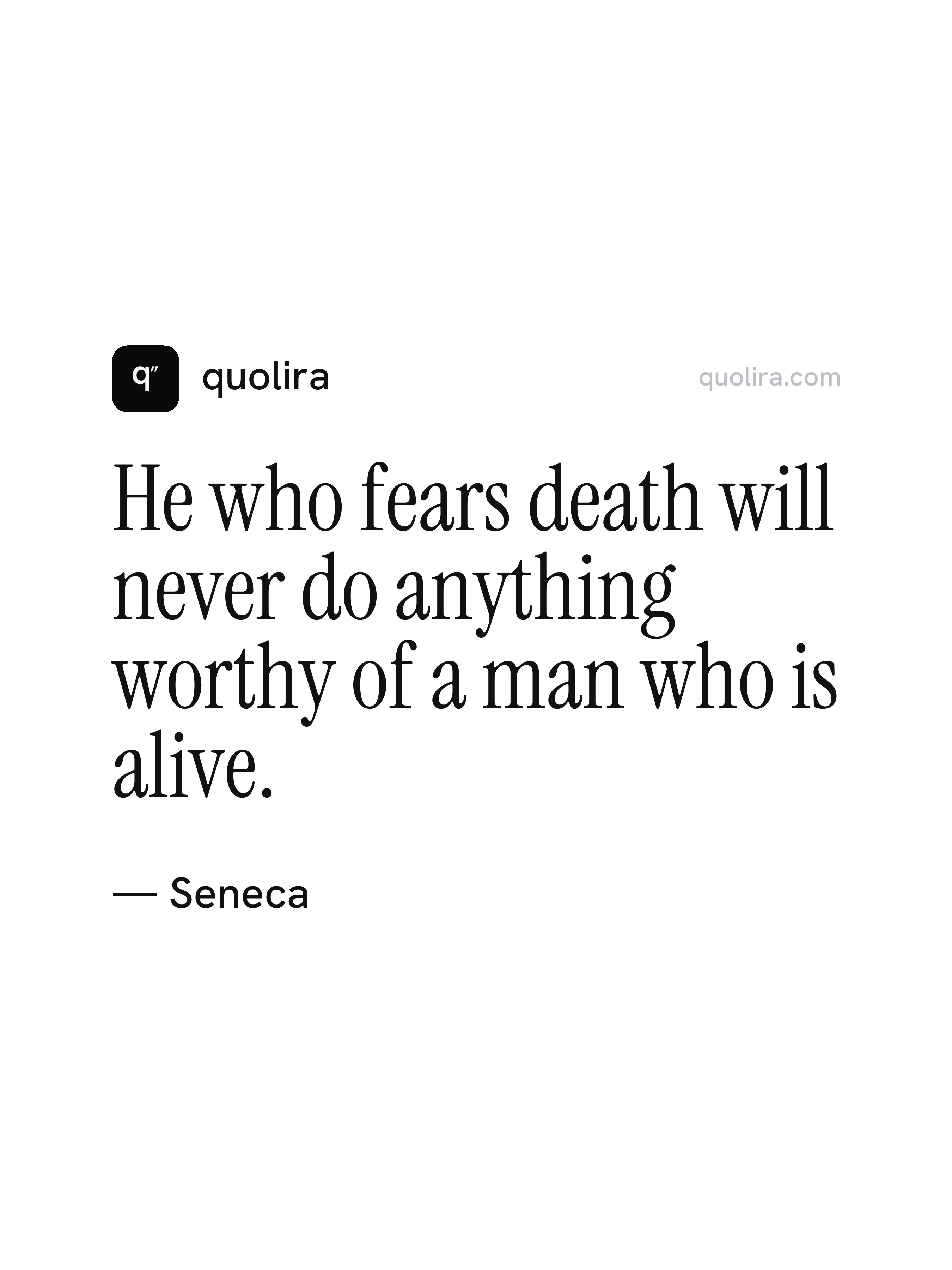
“He who fears death will never do anything worthy of a man who is alive.”
Seneca · Letters to Lucilius
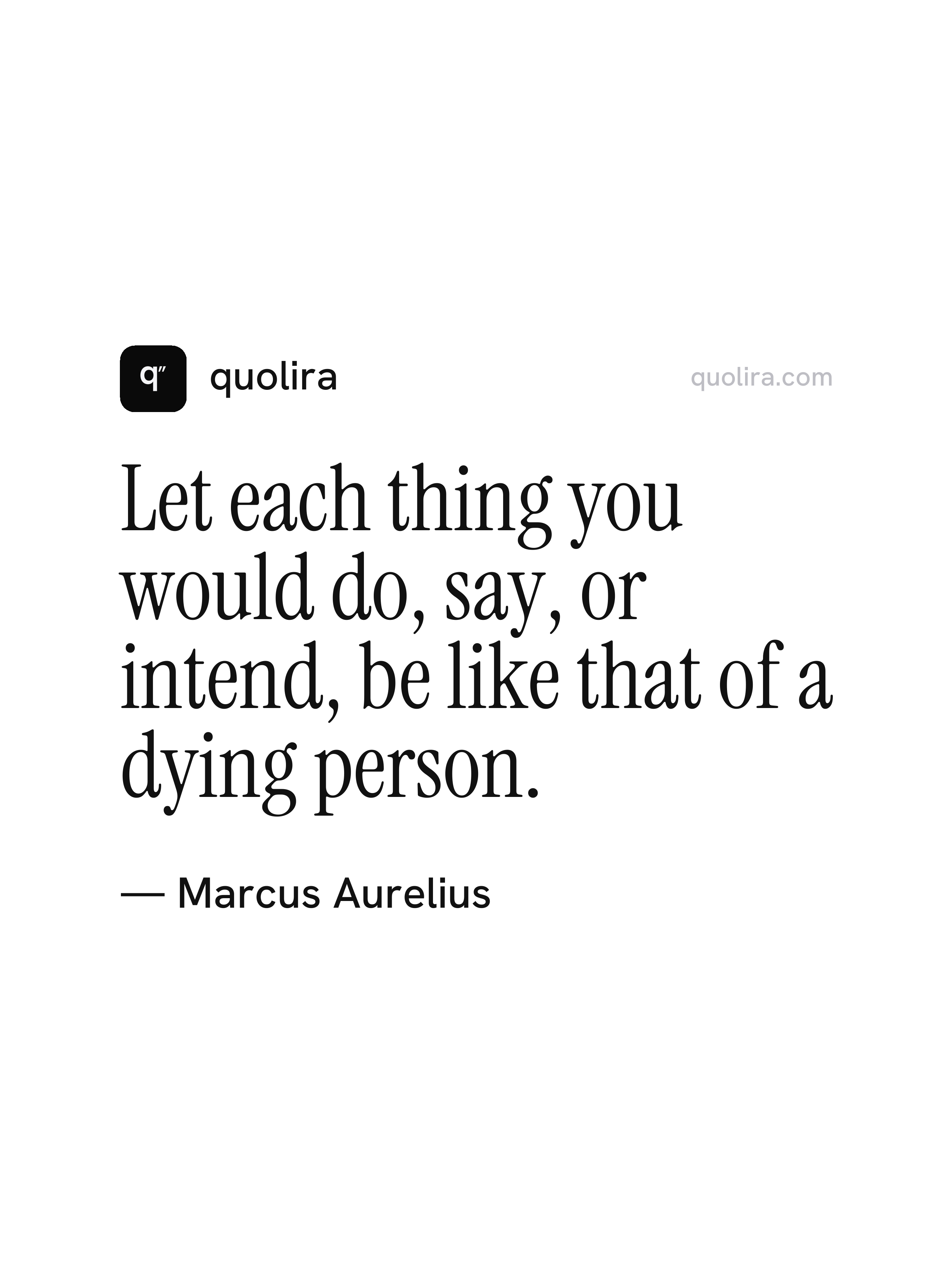
“Let each thing you would do, say, or intend, be like that of a dying person.”
Marcus Aurelius · Meditations
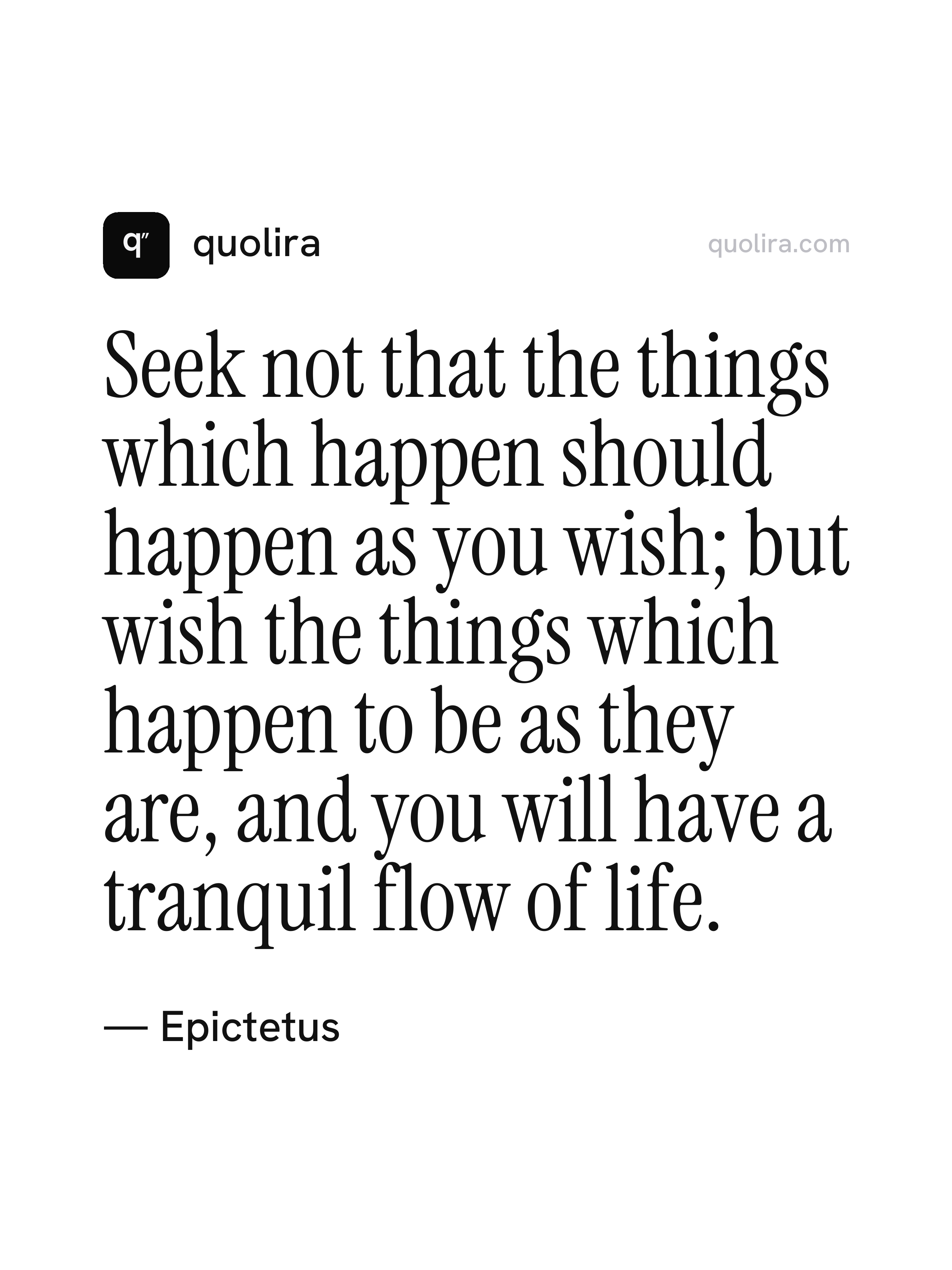
“Seek not that the things which happen should happen as you wish; but wish the things which happen to be as they are, and you will have a tranquil flow of life.”
Epictetus · Enchiridion
“Bear in mind that everything that exists is already fraying at the edges.”
Marcus Aurelius · Meditations
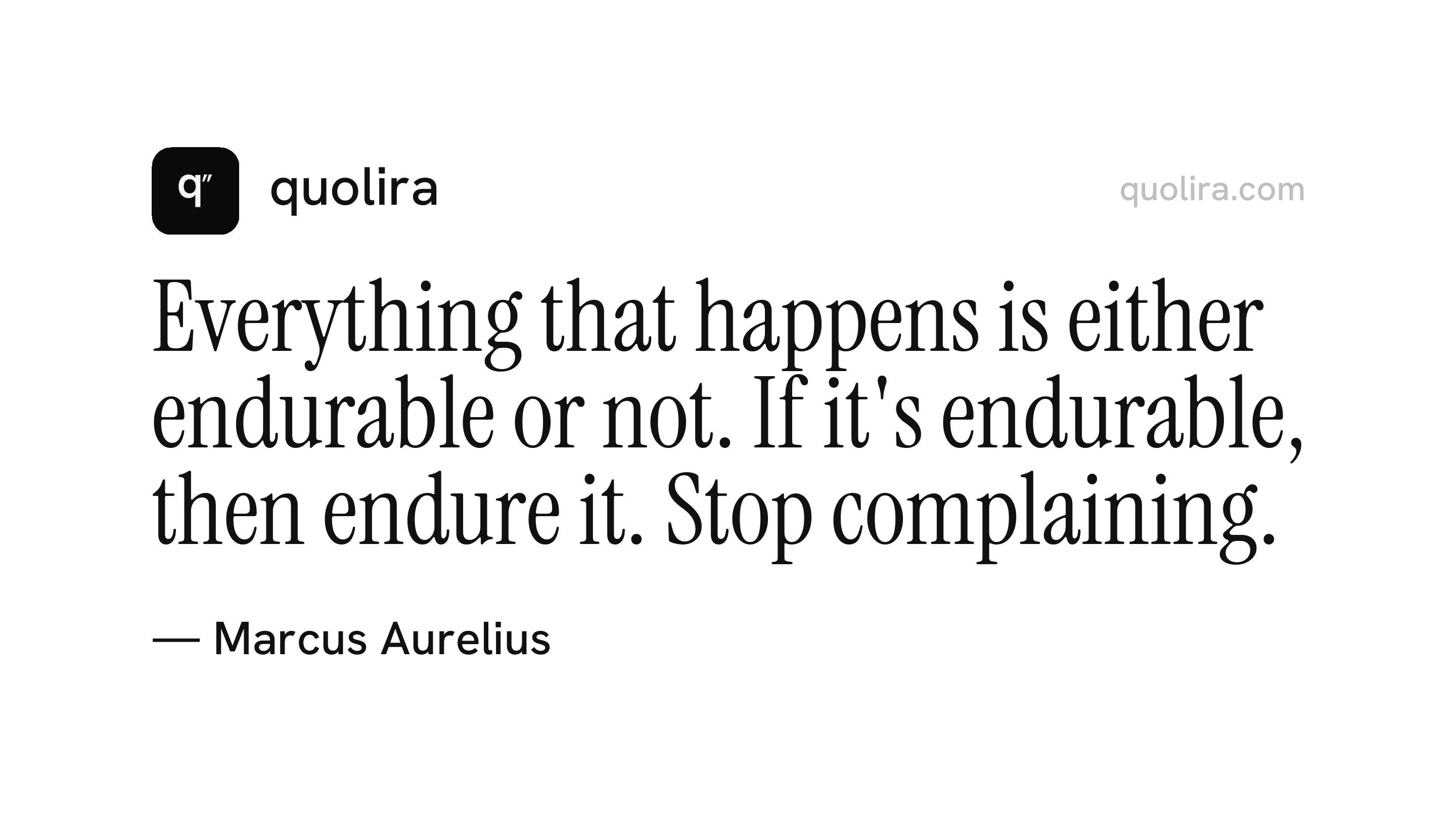
“Everything that happens is either endurable or not. If it's endurable, then endure it. Stop complaining.”
Marcus Aurelius · Meditations