12 Juneteenth Quotes That Remind Us Freedom Is Never Just a Date
Voices across generations on what liberation truly costs and what it still demands.
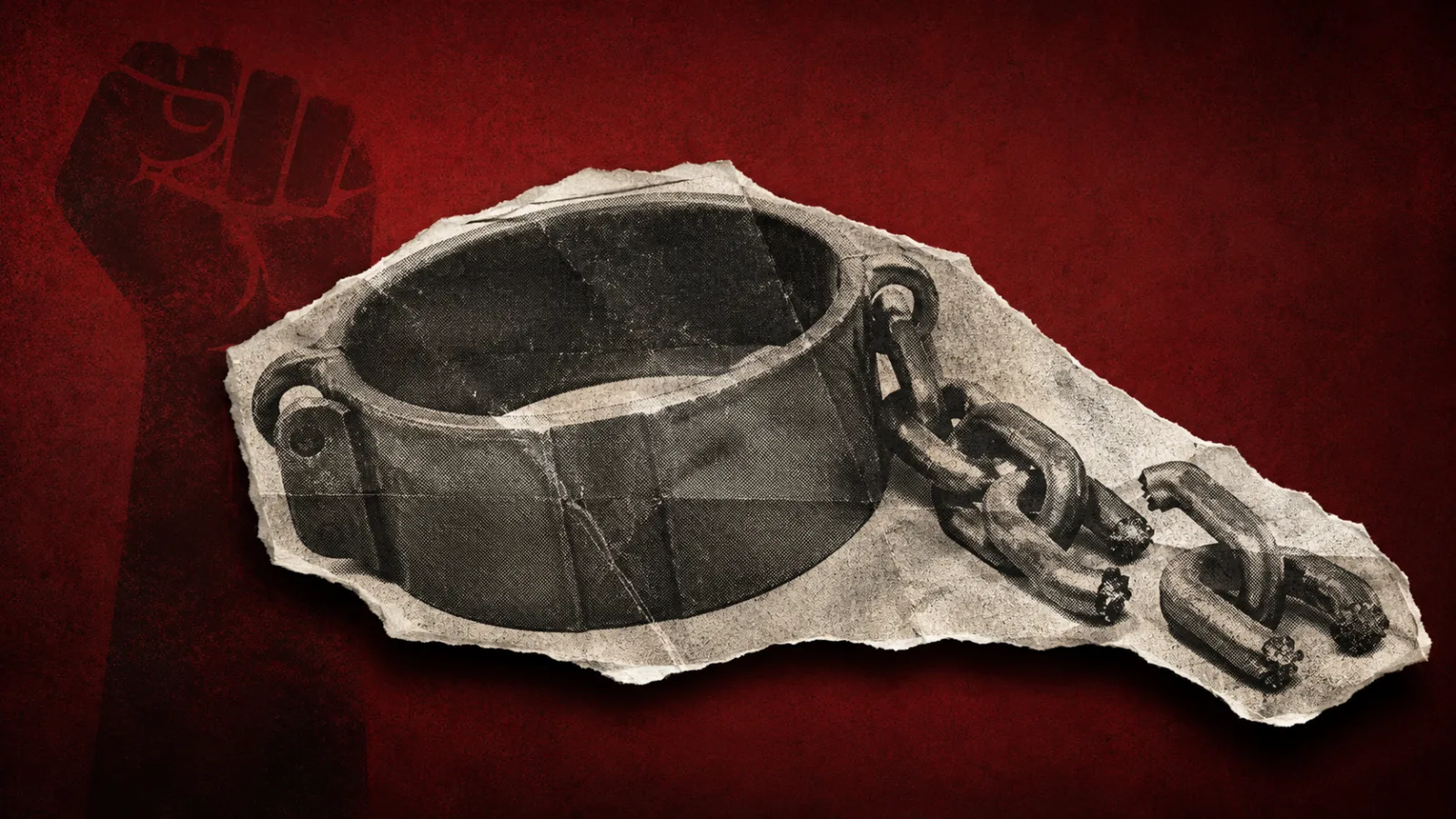
Juneteenth quotes carry a particular weight: they speak to a freedom that was real but delayed, celebrated but incomplete. The holiday marks June 19, 1865, the day Union soldiers reached Galveston, Texas, and announced the end of slavery, more than two months after the Confederacy collapsed. Black liberation and historical memory run through every word here. These 12 quotes, drawn from writers, activists, and leaders across two centuries, ask what it means to be free when the world hasn't caught up yet.
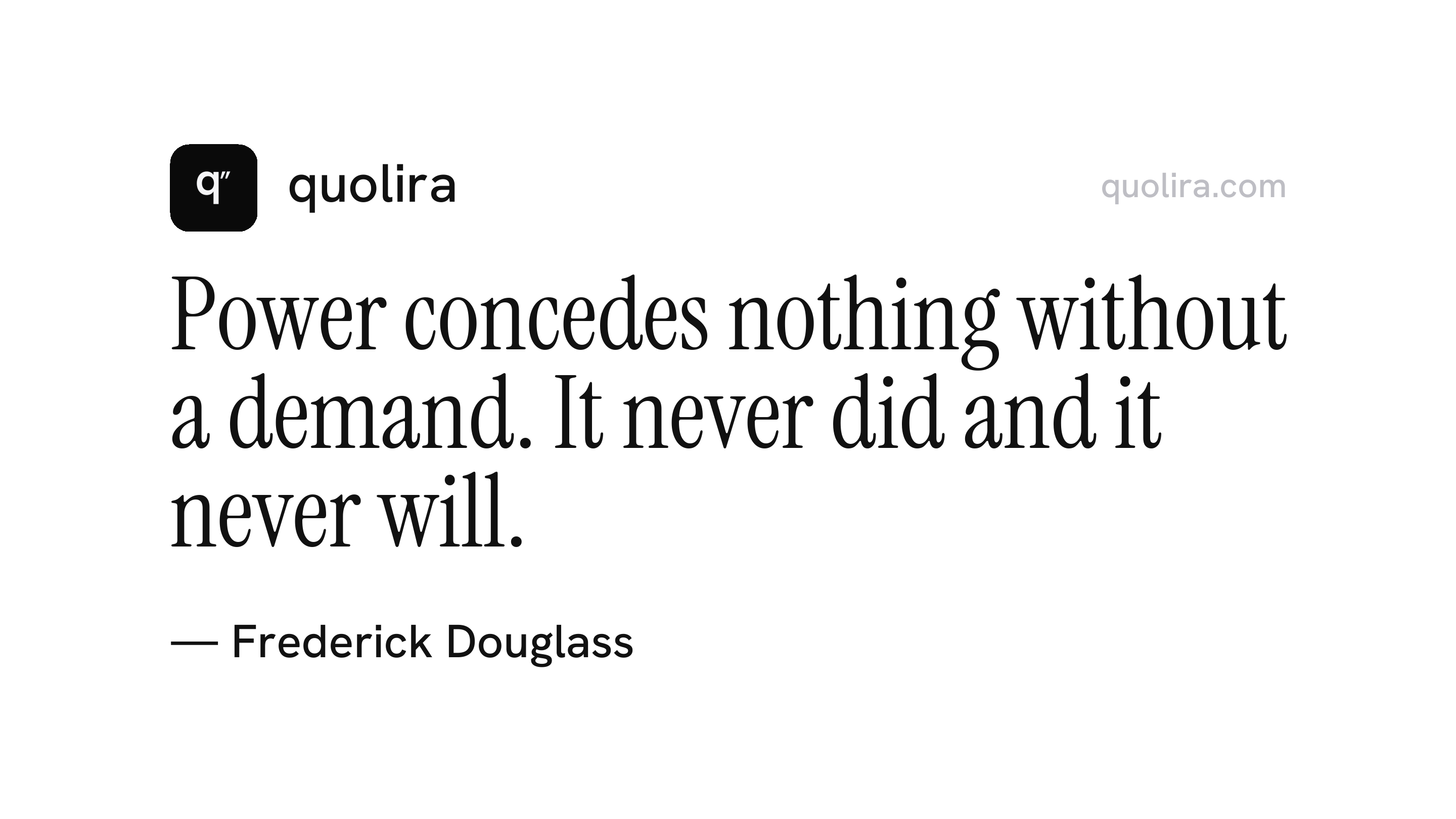
Power concedes nothing without a demand. It never did and it never will.
Frederick Douglass "If There Is No Struggle, There Is No Progress," speech, 1857
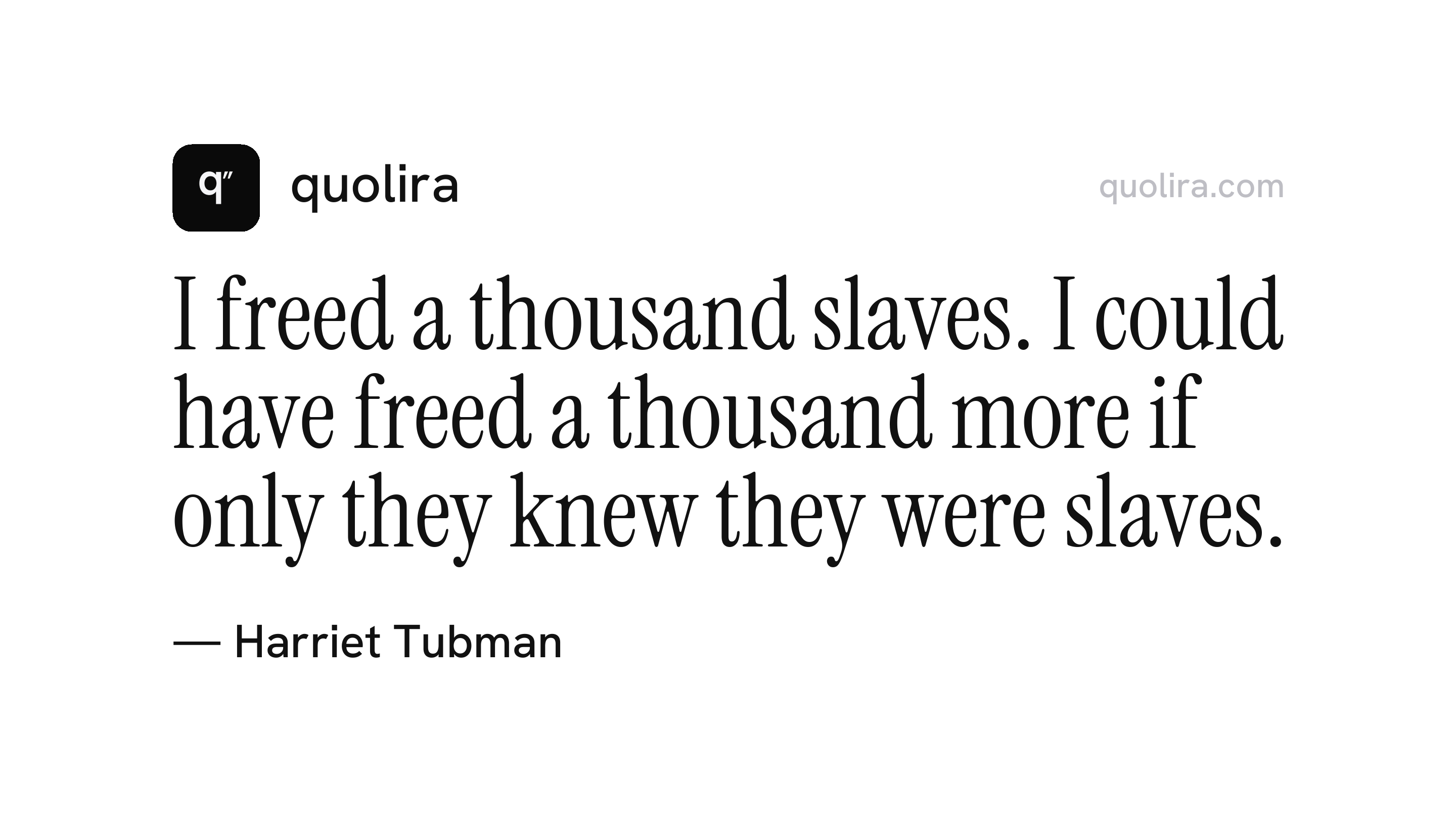
I freed a thousand slaves. I could have freed a thousand more if only they knew they were slaves.
Harriet Tubman widely attributed, circa 1896
Tubman's words cut past the legal question straight into the psychological one. Juneteenth is partly about the announcement of freedom, but Tubman understood that the harder work was helping people believe it.
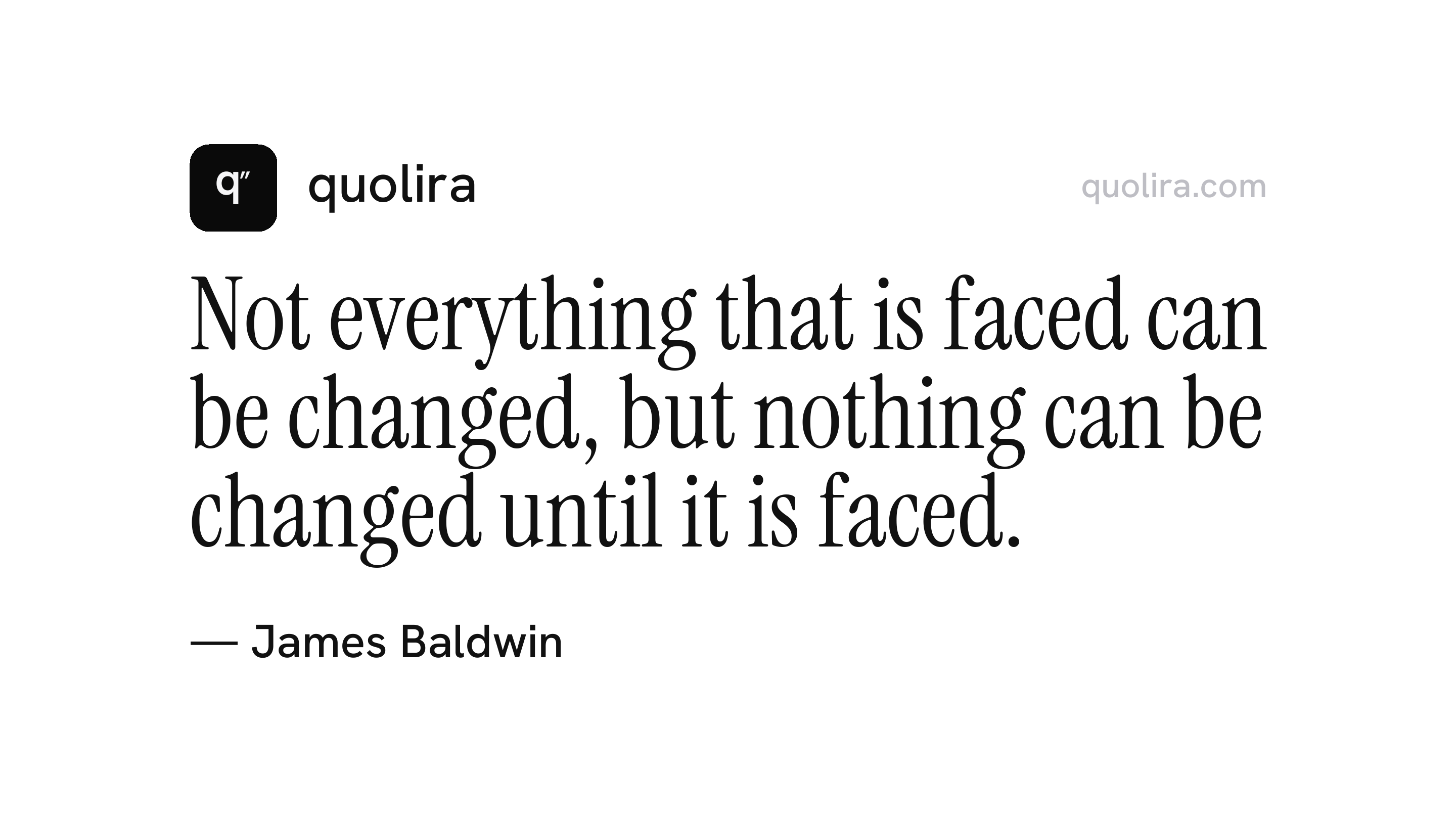
Not everything that is faced can be changed, but nothing can be changed until it is faced.
James Baldwin "As Much Truth As One Can Bear," The New York Times Book Review, 1962
Baldwin wrote this in 1962, but it applies cleanly to Juneteenth. Facing the full history of American slavery, including its delayed end in Texas, is the precondition for anything that follows.
Narrative of the Life of Frederick Douglass
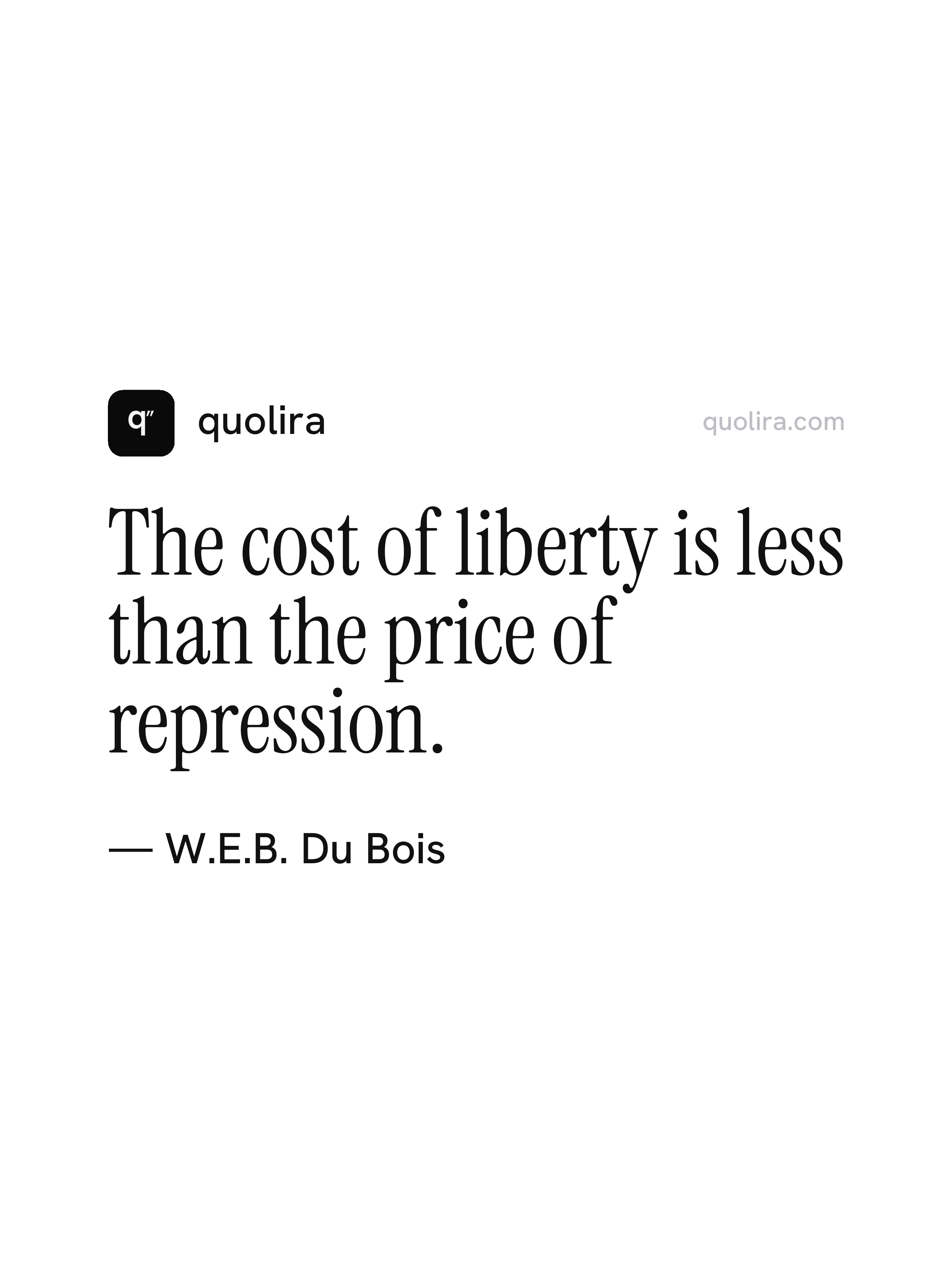
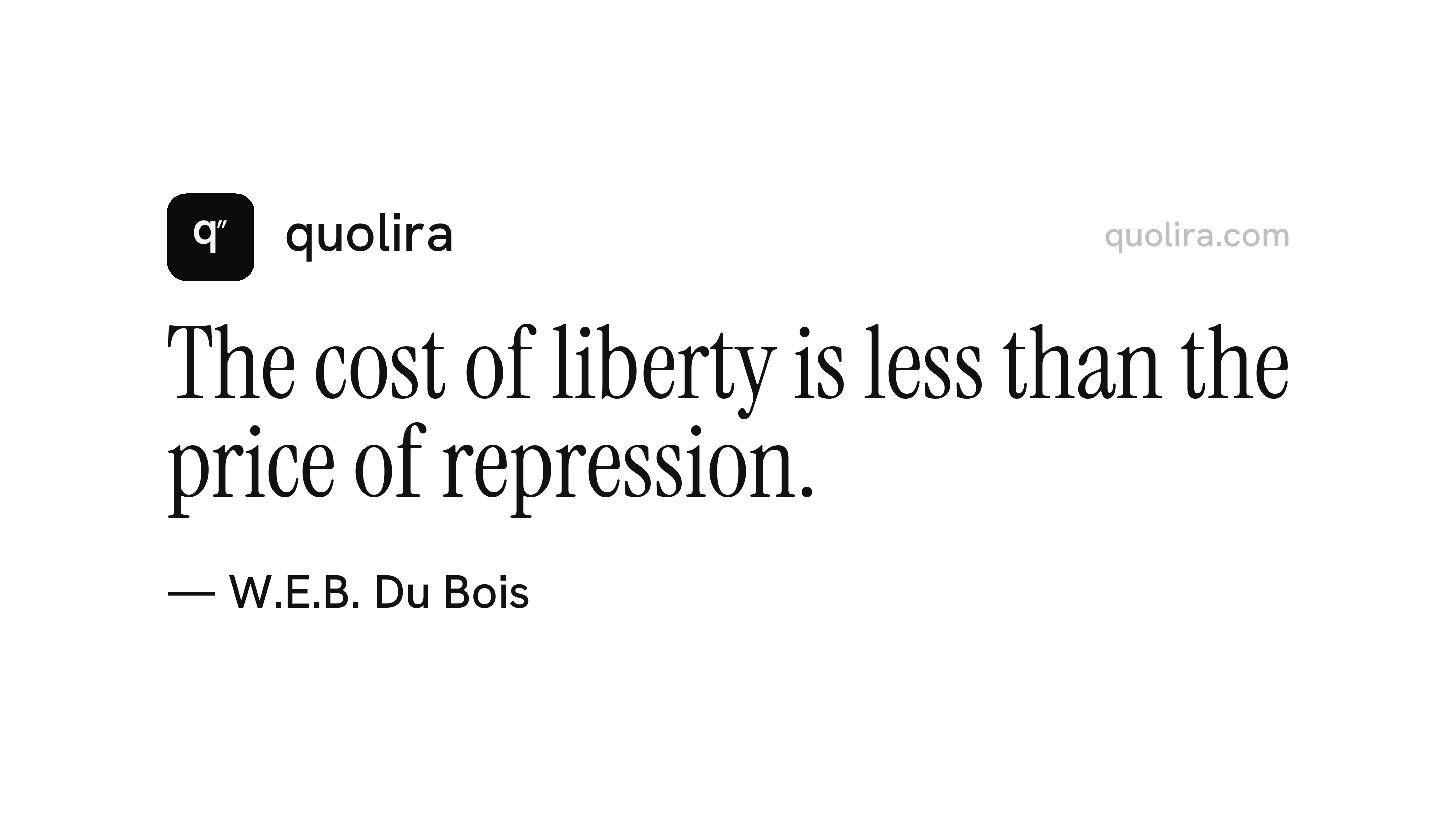
The cost of liberty is less than the price of repression.
W.E.B. Du Bois "John Brown," 1909
Du Bois made this argument as a historian and as someone living through Jim Crow. It's an economic claim dressed in moral language, and it's more urgent every time a freedom is deferred.
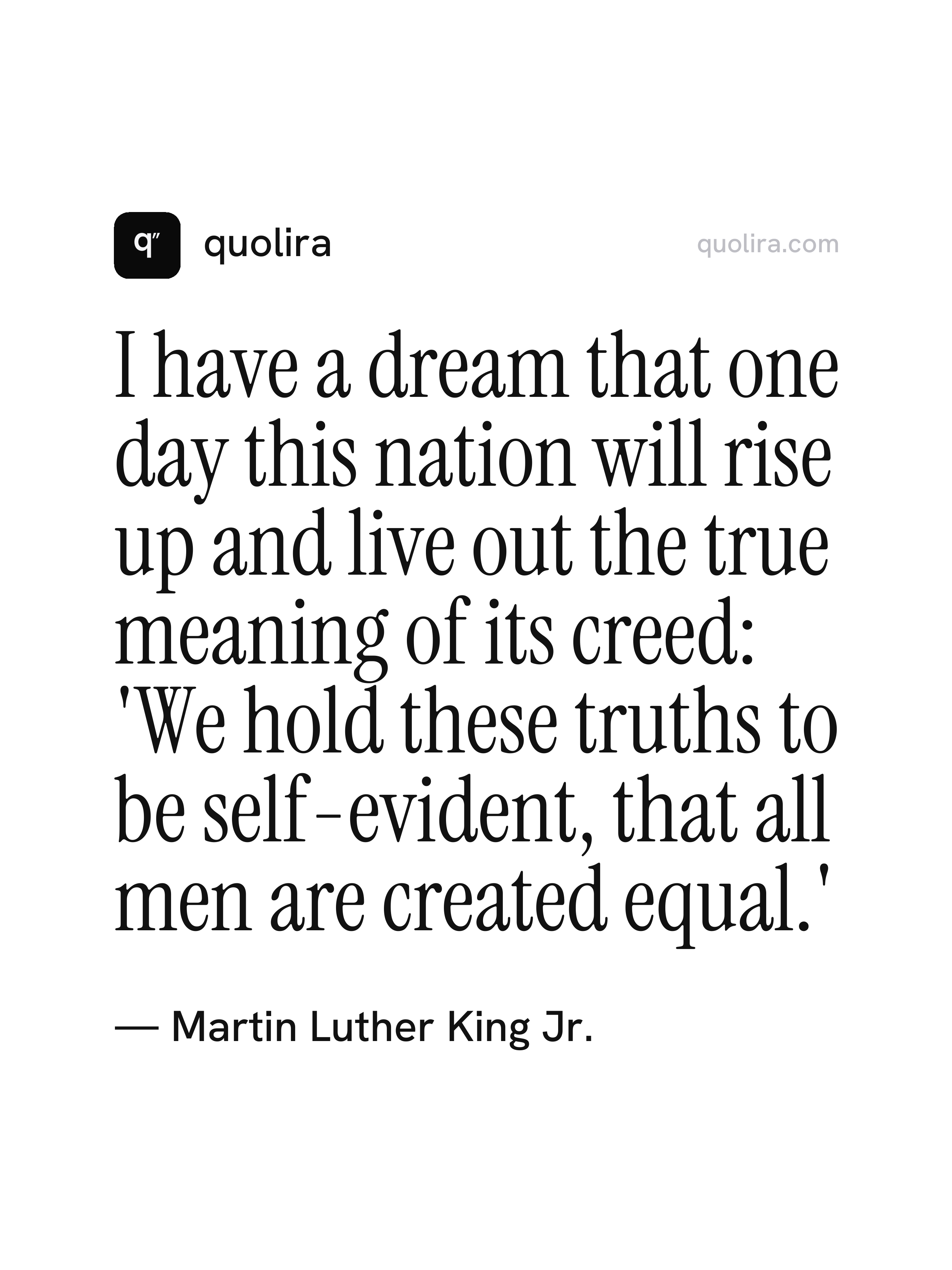
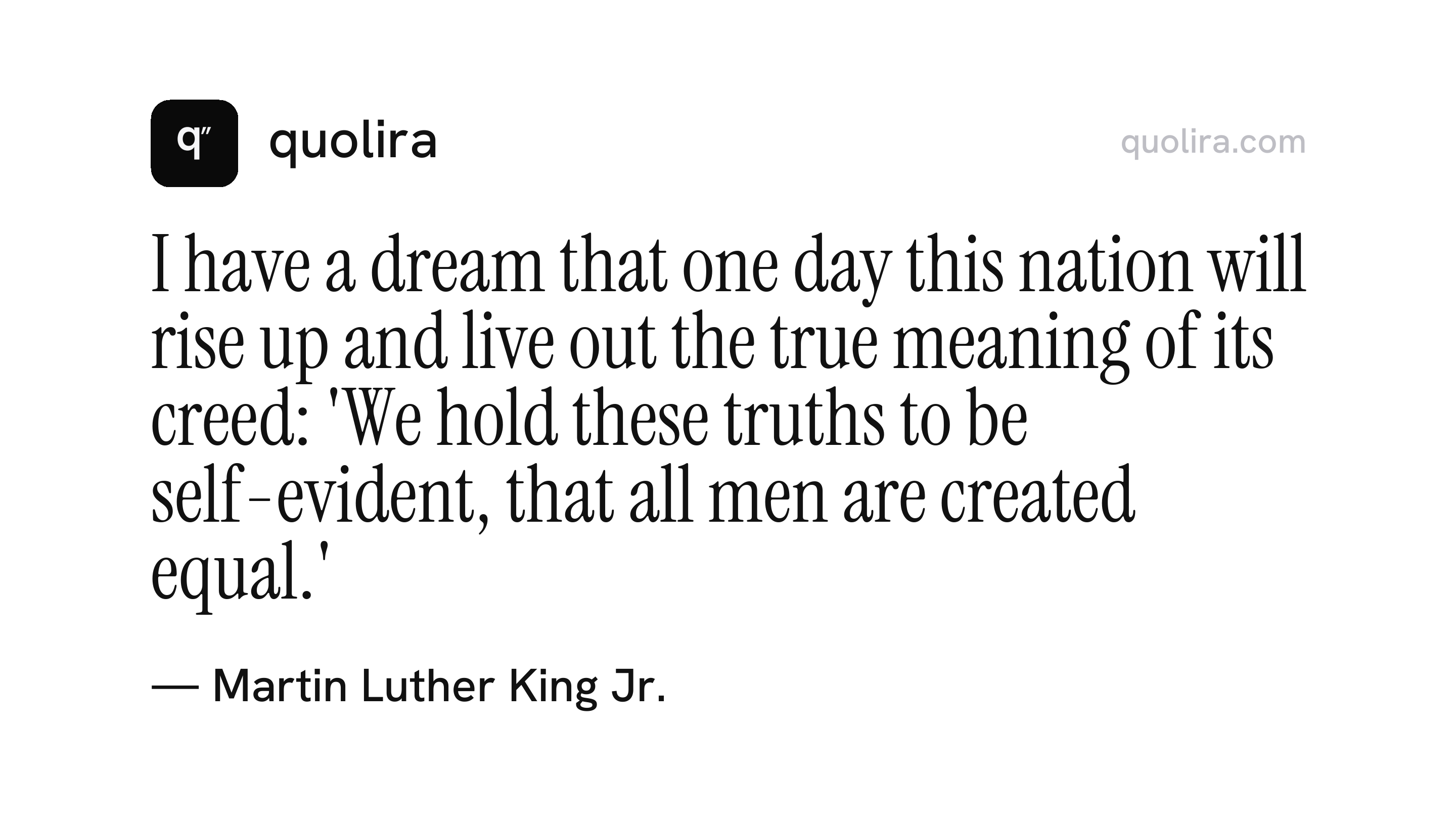
I have a dream that one day this nation will rise up and live out the true meaning of its creed: 'We hold these truths to be self-evident, that all men are created equal.'
Martin Luther King Jr. "I Have a Dream" speech, Lincoln Memorial, August 28, 1963
King was quoting the Declaration of Independence back at a country that hadn't fulfilled it. Juneteenth is part of that same unfinished argument: a creed that existed in 1776, a freedom that reached Galveston in 1865, and a dream still in progress.
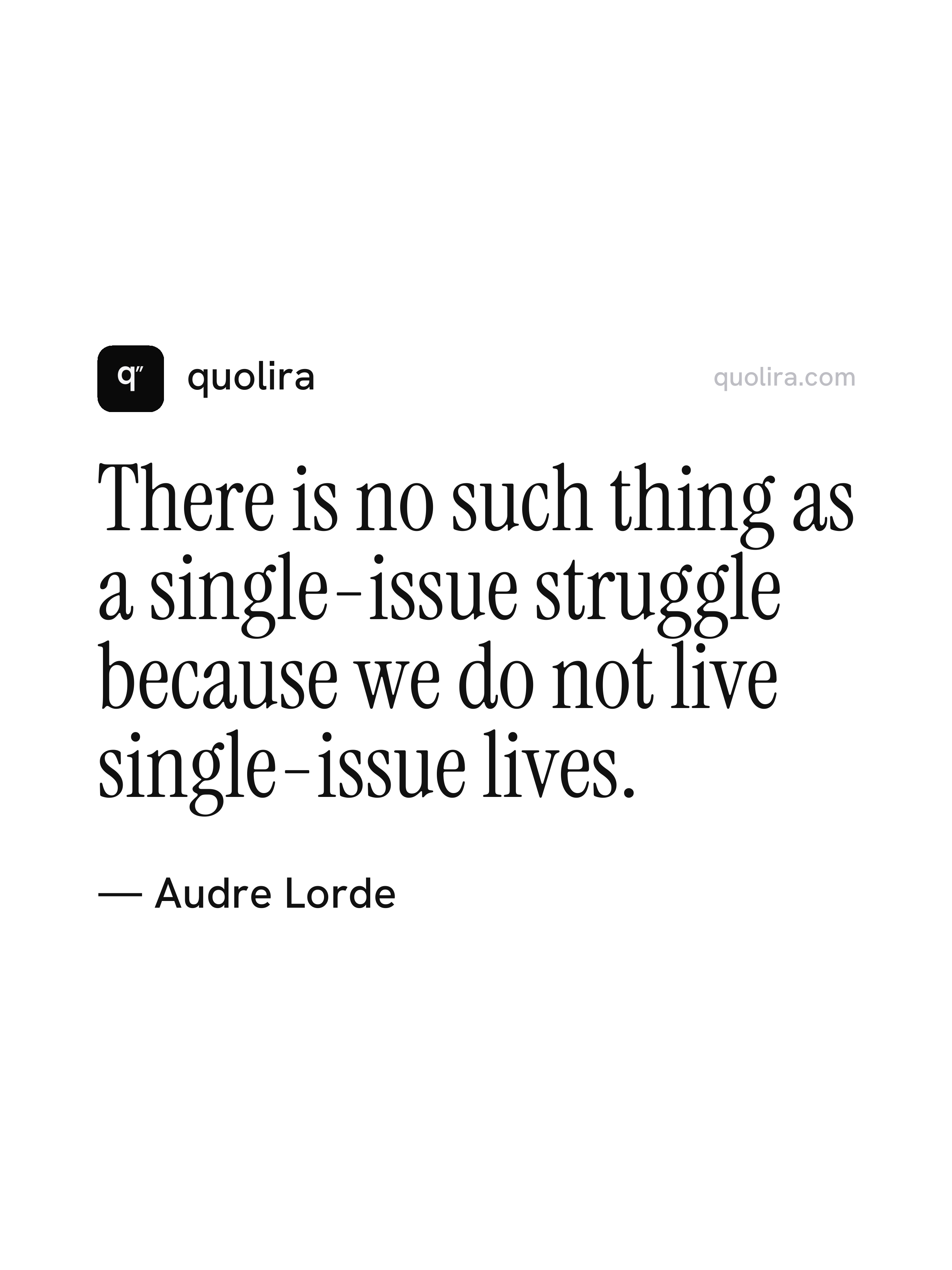
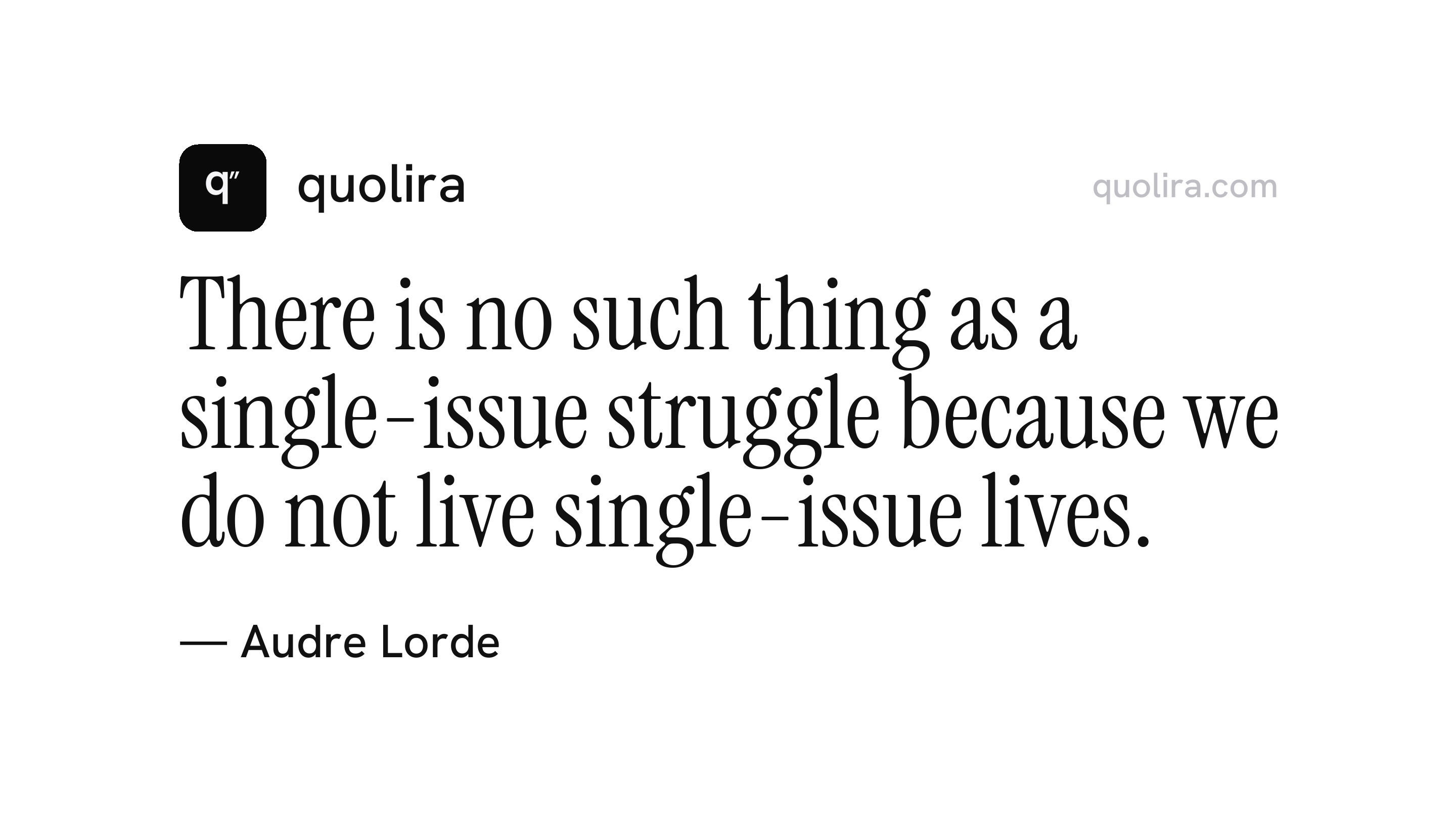
There is no such thing as a single-issue struggle because we do not live single-issue lives.
Audre Lorde "Learning from the 60s," speech at Harvard, February 1982
Lorde said this at Harvard, and it maps directly onto Juneteenth. The end of slavery didn't end poverty, segregation, or systemic violence. Liberation, Lorde insisted, has to be whole.
The Warmth of Other Suns by Isabel Wilkerson
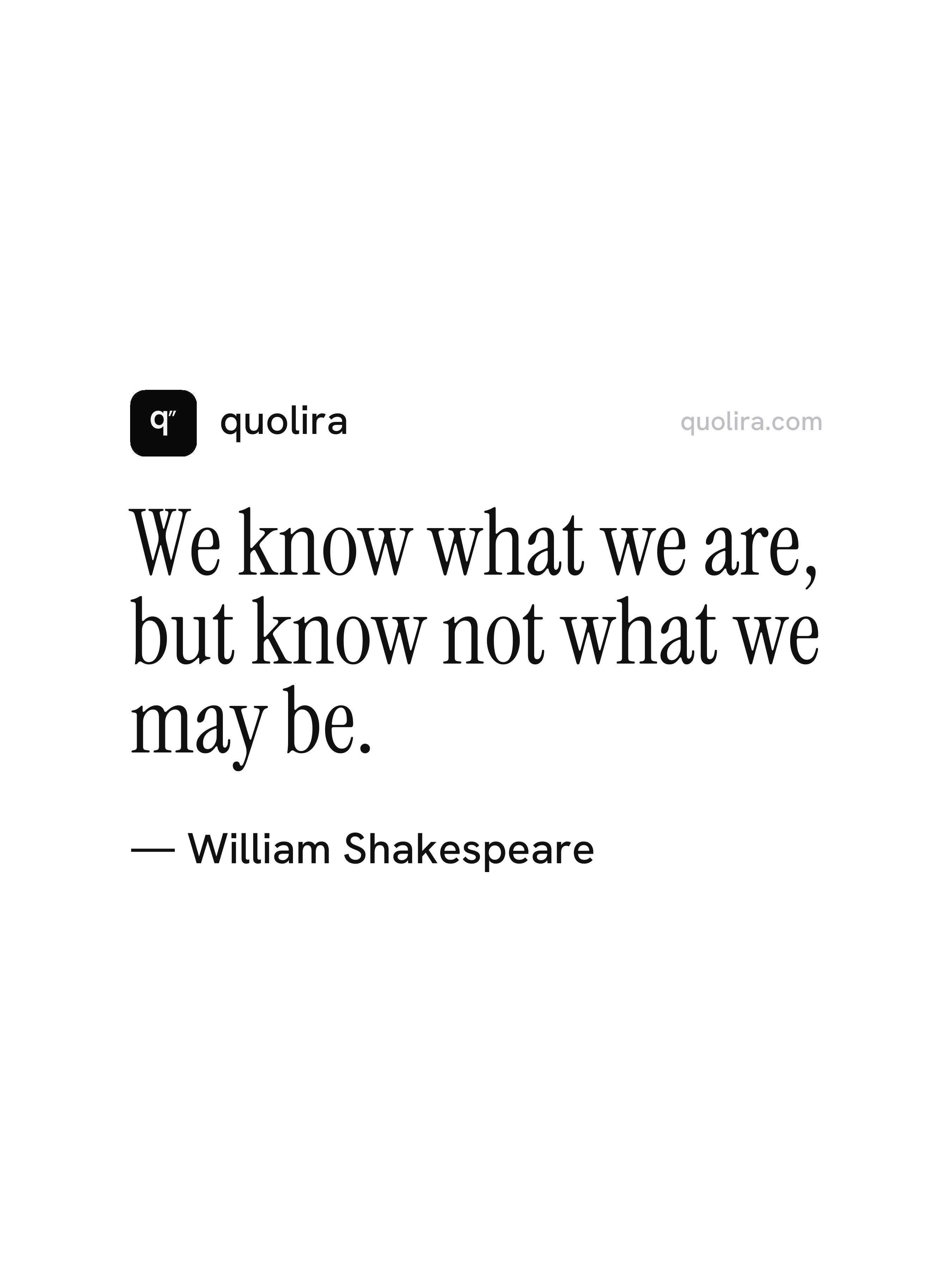
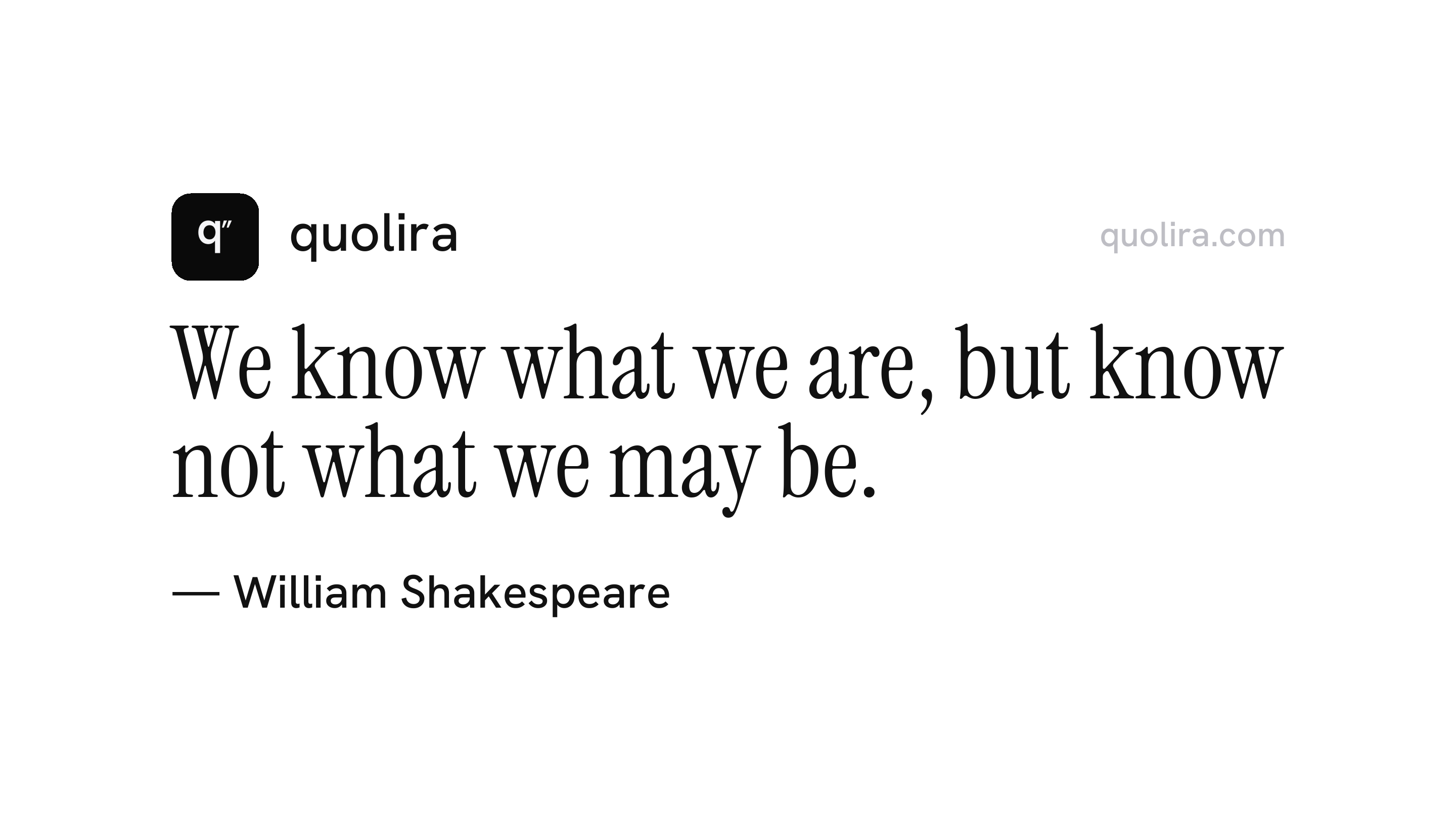
We know what we are, but know not what we may be.
William Shakespeare Hamlet, Act 4, Scene 5
Shakespeare meant this about individual identity, but it speaks to something Juneteenth holds: a people who knew what they had survived and were only beginning to discover what they could become.
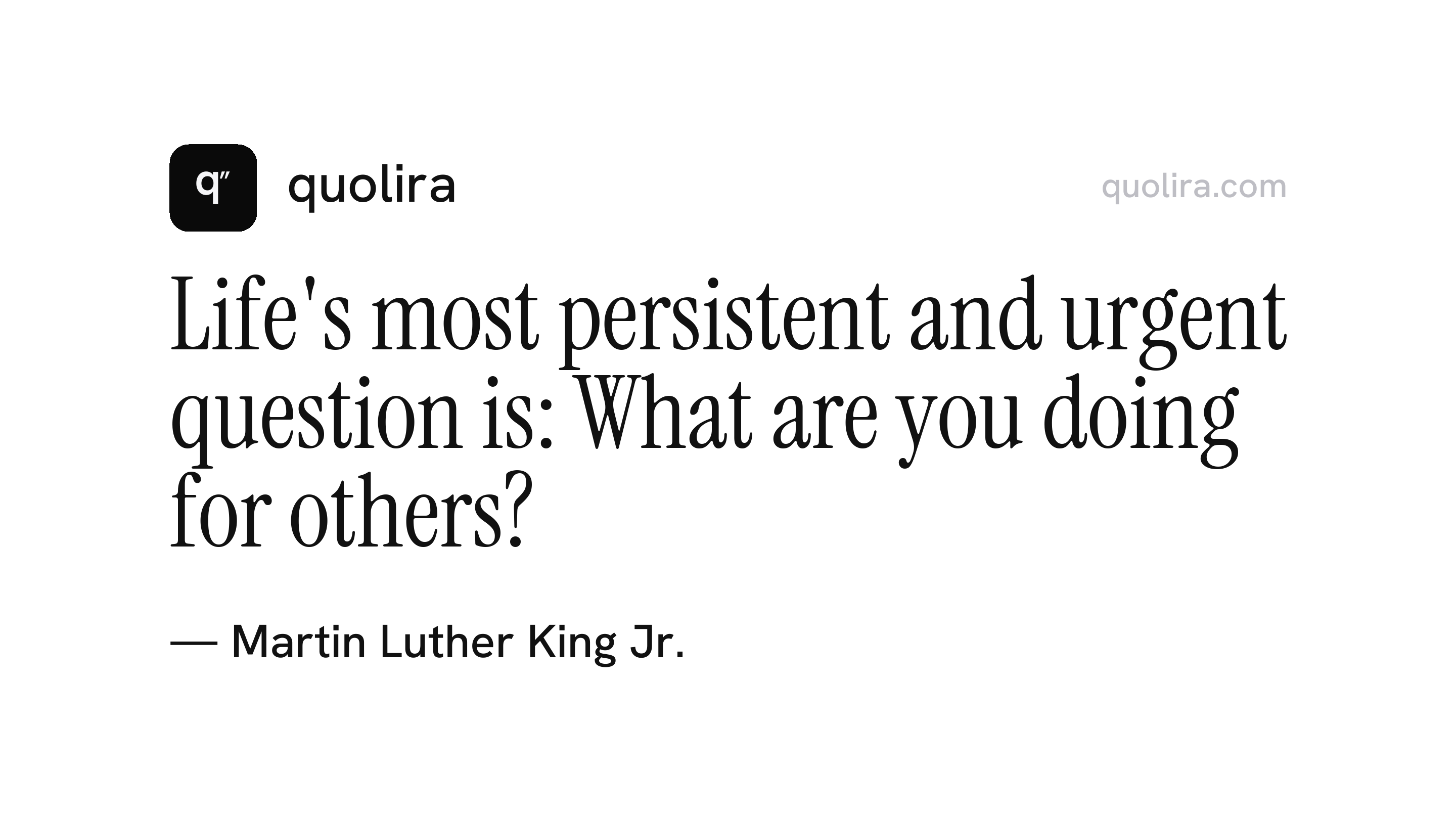
Life's most persistent and urgent question is: What are you doing for others?
Martin Luther King Jr. "A Question of Life or Death," speech, Louisville, Kentucky, March 1956
King delivered this a full decade before the Voting Rights Act. On Juneteenth, it turns inward: freedom received is also freedom owed to the next person who doesn't have it yet.
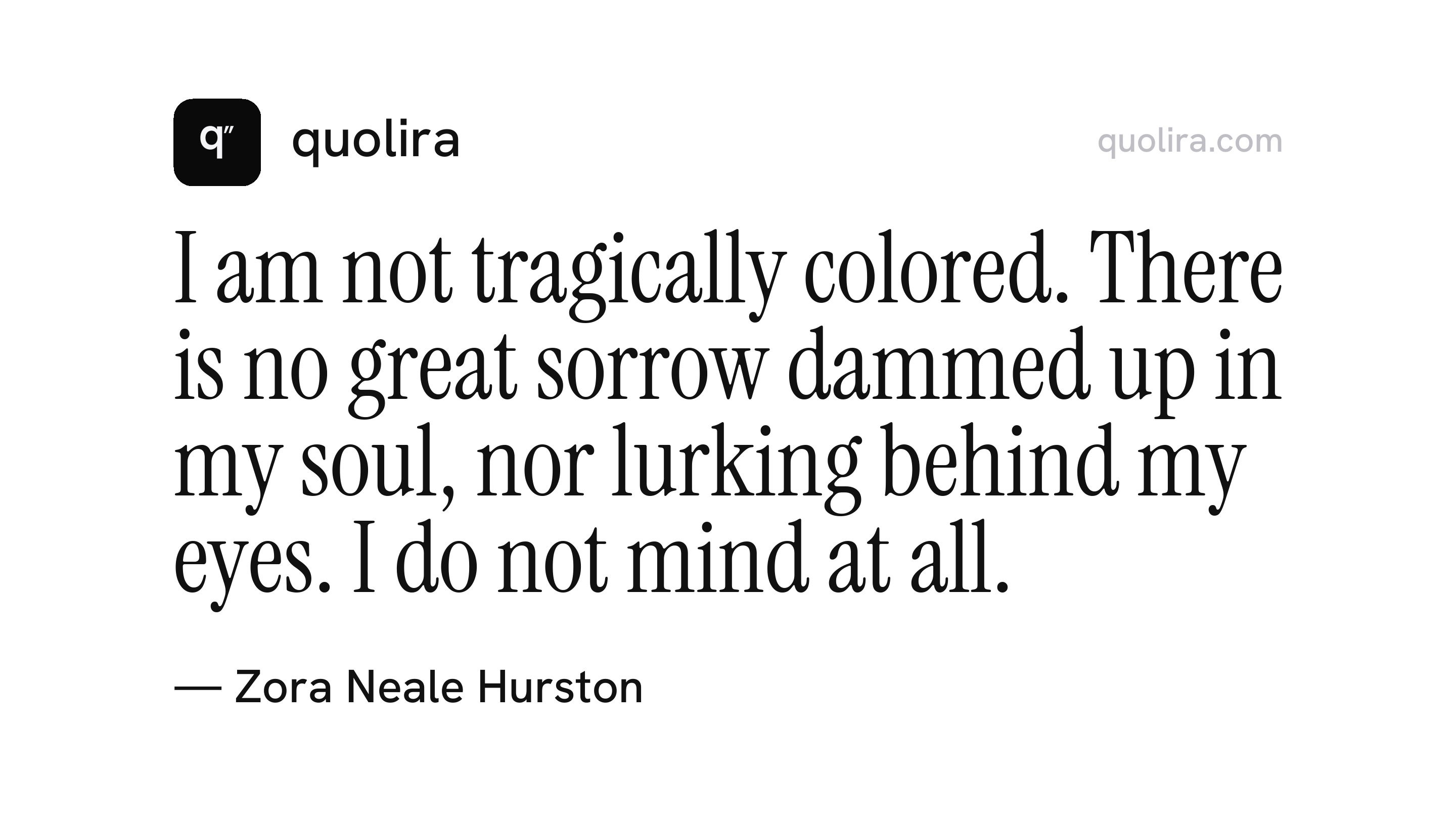
I am not tragically colored. There is no great sorrow dammed up in my soul, nor lurking behind my eyes. I do not mind at all.
Zora Neale Hurston "How It Feels to Be Colored Me," World Tomorrow, 1928
Hurston wrote this essay in 1928, and it pushed back against the idea that Black identity was defined primarily by suffering. Juneteenth, at its most joyful, is exactly what Hurston was reaching for: freedom as a living thing, not just a wound.
Between the World and Me by Ta-Nehisi Coates
Hold fast to dreams, for if dreams die, life is a broken-winged bird that cannot fly.
Langston Hughes "Dreams," 1922
Hughes published this poem in 1922, during the Harlem Renaissance, when Juneteenth was 57 years old and Jim Crow was very much alive. The poem is a quiet act of resistance: insisting on possibility when the present offers little.
You may write me down in history with your bitter, twisted lies, you may trod me in the very dirt, but still, like dust, I'll rise.
Maya Angelou "Still I Rise," And Still I Rise, 1978
Angelou's poem is among the most recited texts on Juneteenth for good reason. It doesn't ask for permission to rise. It simply announces the rising.
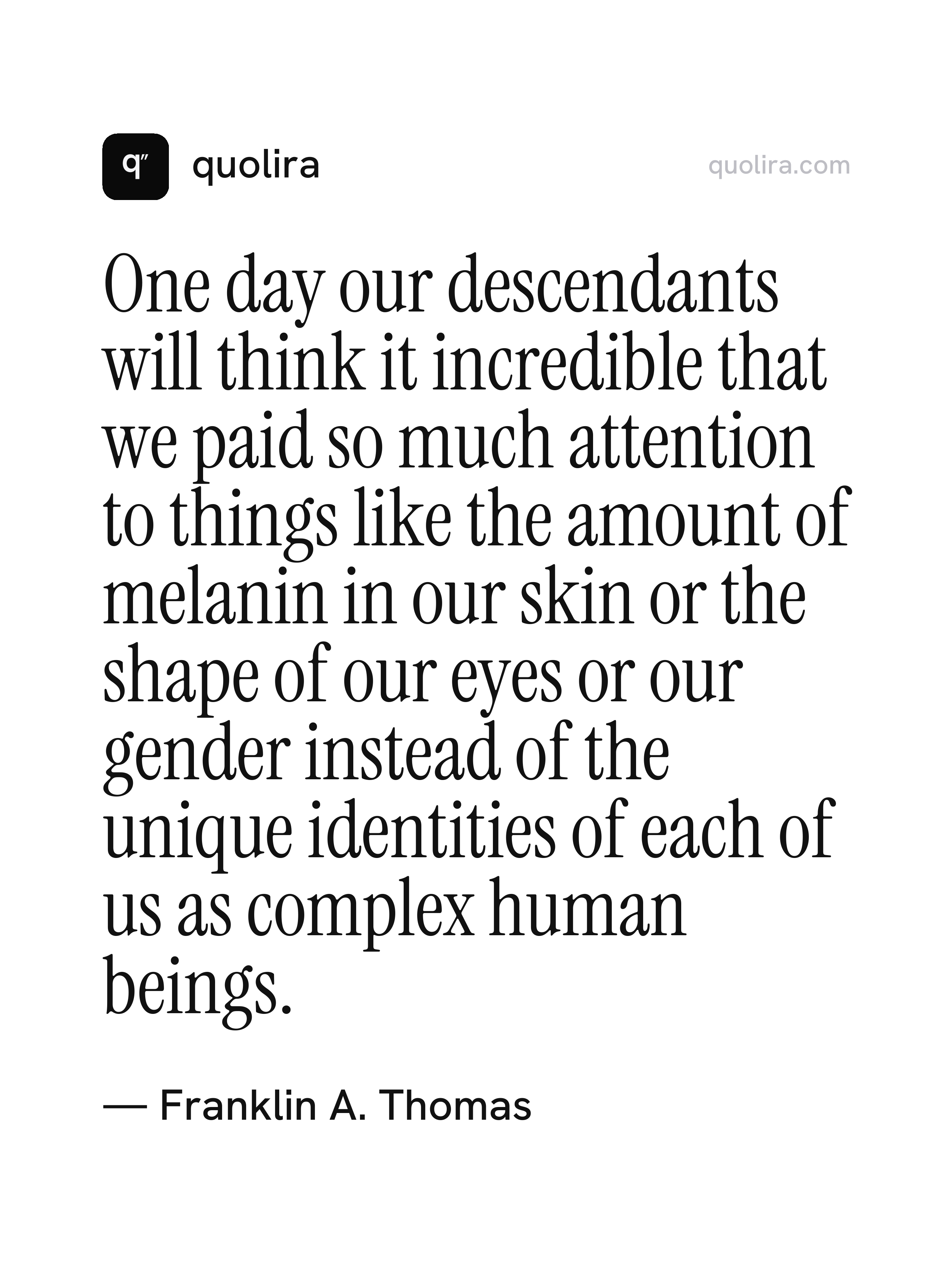
One day our descendants will think it incredible that we paid so much attention to things like the amount of melanin in our skin or the shape of our eyes or our gender instead of the unique identities of each of us as complex human beings.
Franklin A. Thomas widely attributed to Franklin A. Thomas, former president of the Ford Foundation
Thomas ran the Ford Foundation from 1979 to 1996, and this quote imagines the future as a corrective lens on the present. Juneteenth plants that same flag: a belief that the arc bends, slowly, toward something clearer.
Juneteenth is a reminder that freedom announced is not freedom delivered. Read these quotes slowly. Then ask what delivery looks like today.
Frequently asked questions
What is Juneteenth and why is it celebrated?
What are some powerful Juneteenth quotes to share?
Who are the most quoted voices on Black freedom and liberation?
Is Juneteenth a federal holiday?
Keep reading
21 Lord Voldemort Best Harry Potter Quotes That Still Chill You
The most memorable lines from the Dark Lord, weighed for what they reveal about fear, power, and the man behind the mask.
14 Satchel Paige Quotes on Aging, Motion, and Not Looking Back
The pitcher who kept throwing into his fifties left behind lines about time that still land.

16 Alice in Wonderland Quotes That Still Make You Stop and Think
The strange logic of Wonderland has a way of feeling truer than the real world.
Douglass wrote this eight years before Juneteenth, and it reads like a warning about every delayed emancipation in history. Freedom handed down without pressure tends to come with conditions attached.