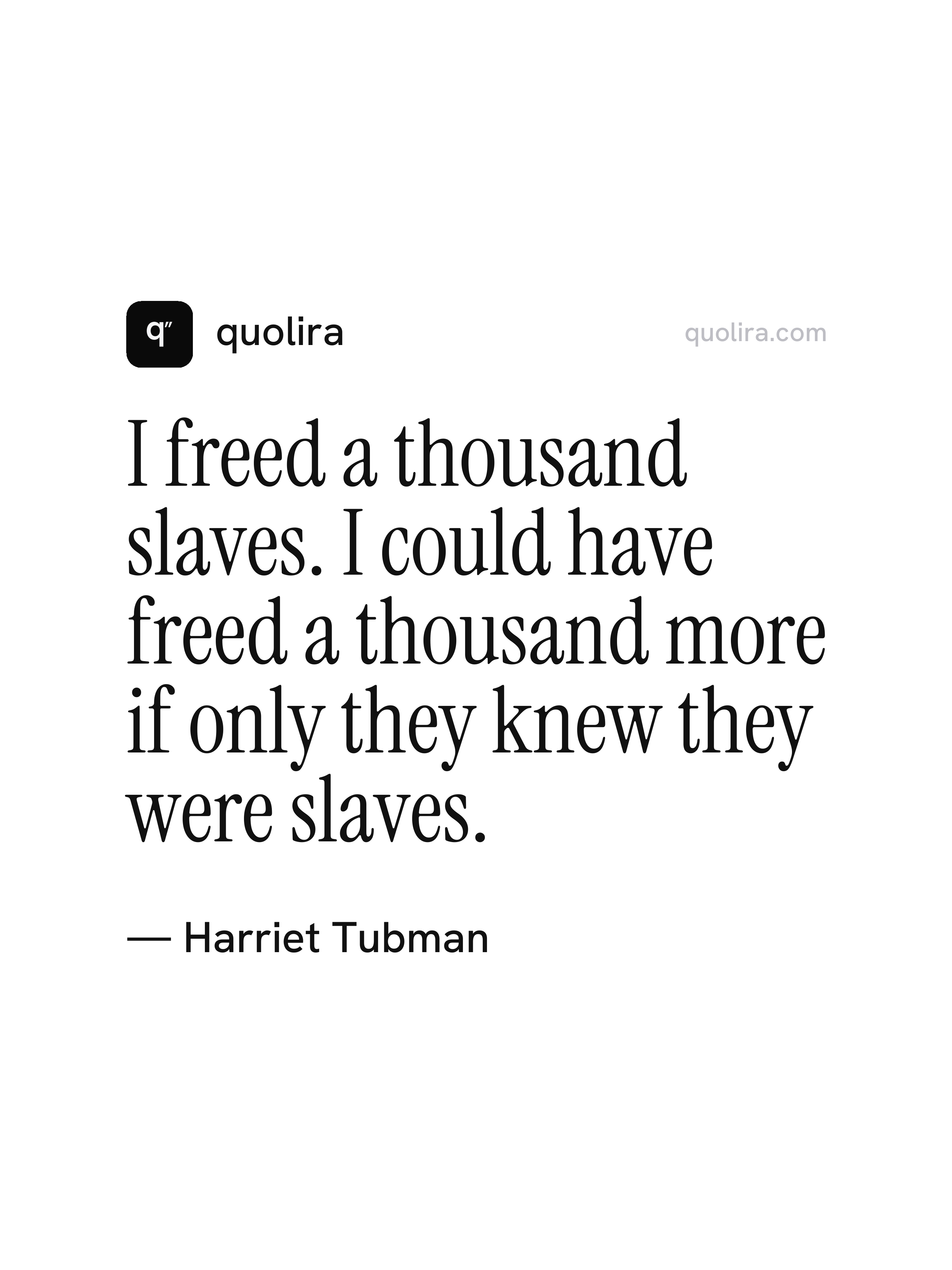
“I freed a thousand slaves. I could have freed a thousand more if only they knew they were slaves.”
Harriet Tubman · widely attributed, circa 1896
 quolira
.com
quolira
quolira.com
Baldwin is making two connected points in a single sentence. The first is a caution against overconfidence: confronting a problem honestly does not guarantee it will be solved. The second, and the sharper of the two, is the real demand: nothing at all can begin to change until the problem is looked at directly and honestly. Denial and avoidance do not preserve comfort; they simply guarantee that nothing improves. Facing the truth is the minimum required condition for any change.
This line appeared in a 1962 essay Baldwin published in the New York Times Book Review. The piece was a reflection on the responsibilities of the American writer and, more broadly, on the American habit of avoiding uncomfortable truths about race, history, and national identity. Baldwin argued that literature and honest thought had a duty to force society to confront what it preferred to ignore. The quote captures the central ethical stance of much of his writing across his career.
James Baldwin was born in New York City in 1924 and grew up in Harlem. He became one of the most important American writers of the twentieth century, known for novels, plays, and essays that examined race, identity, faith, and sexuality with extraordinary precision and emotional force. Works including his essays and fiction placed him at the center of American literary and political life during the civil rights era. He spent significant periods of his life in France. He died in 1987, leaving a body of work that continues to be widely read and taught.
“I freed a thousand slaves. I could have freed a thousand more if only they knew they were slaves.”
Harriet Tubman · widely attributed, circa 1896
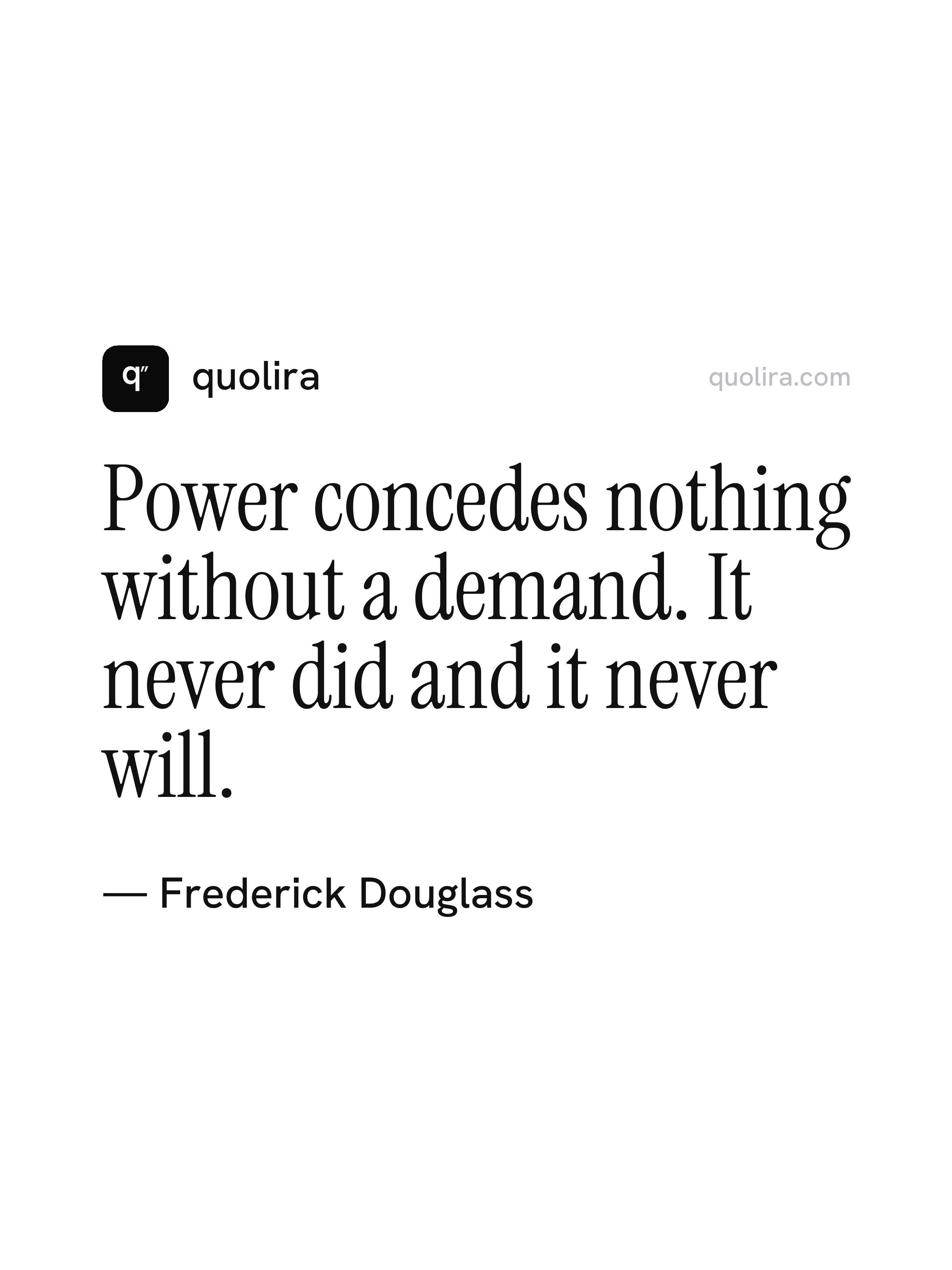
“Power concedes nothing without a demand. It never did and it never will.”
Frederick Douglass · "If There Is No Struggle, There Is No Progress," speech, 1857
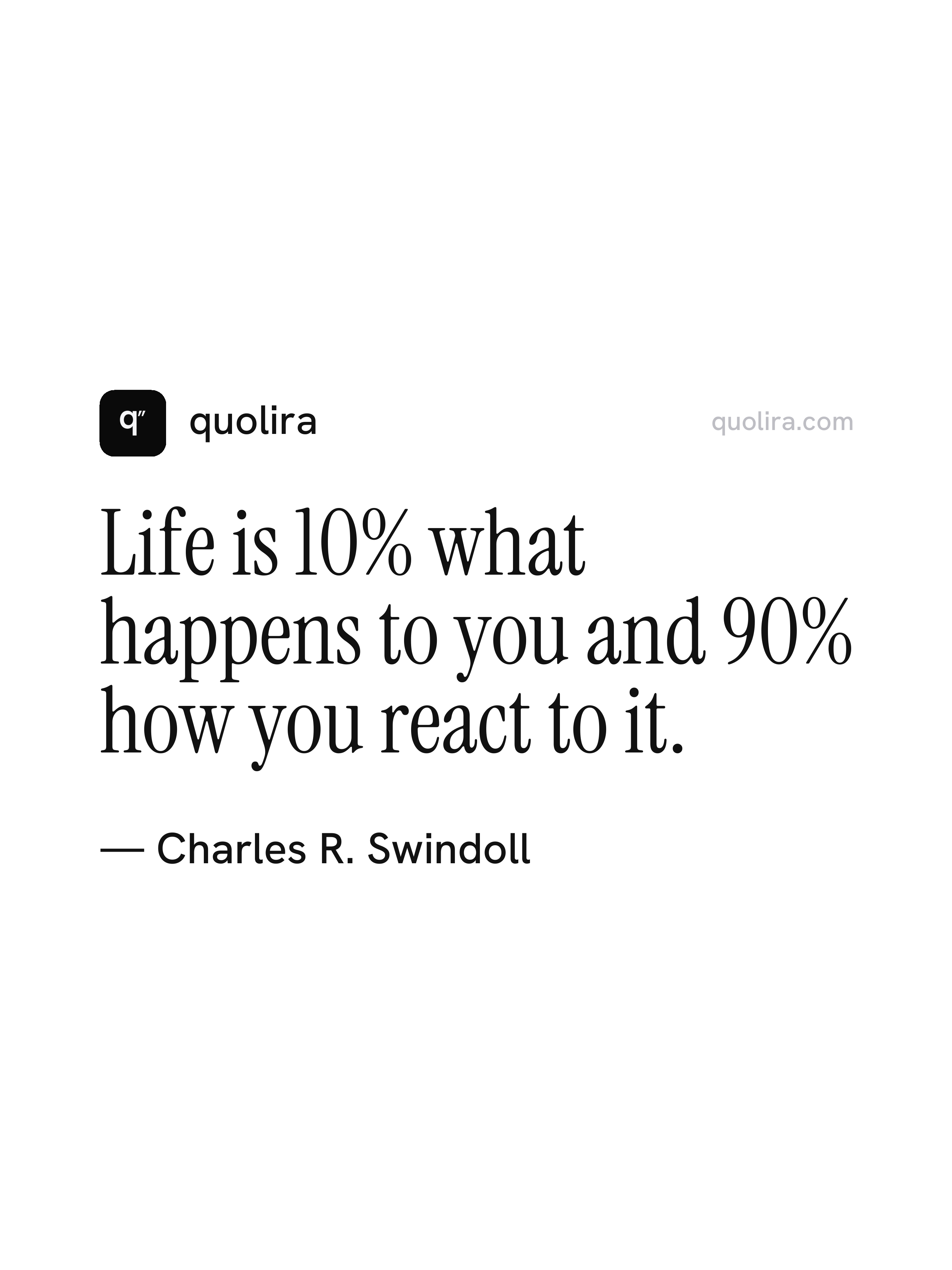
“Life is 10% what happens to you and 90% how you react to it.”
Charles R. Swindoll · Strengthening Your Grip, 1982
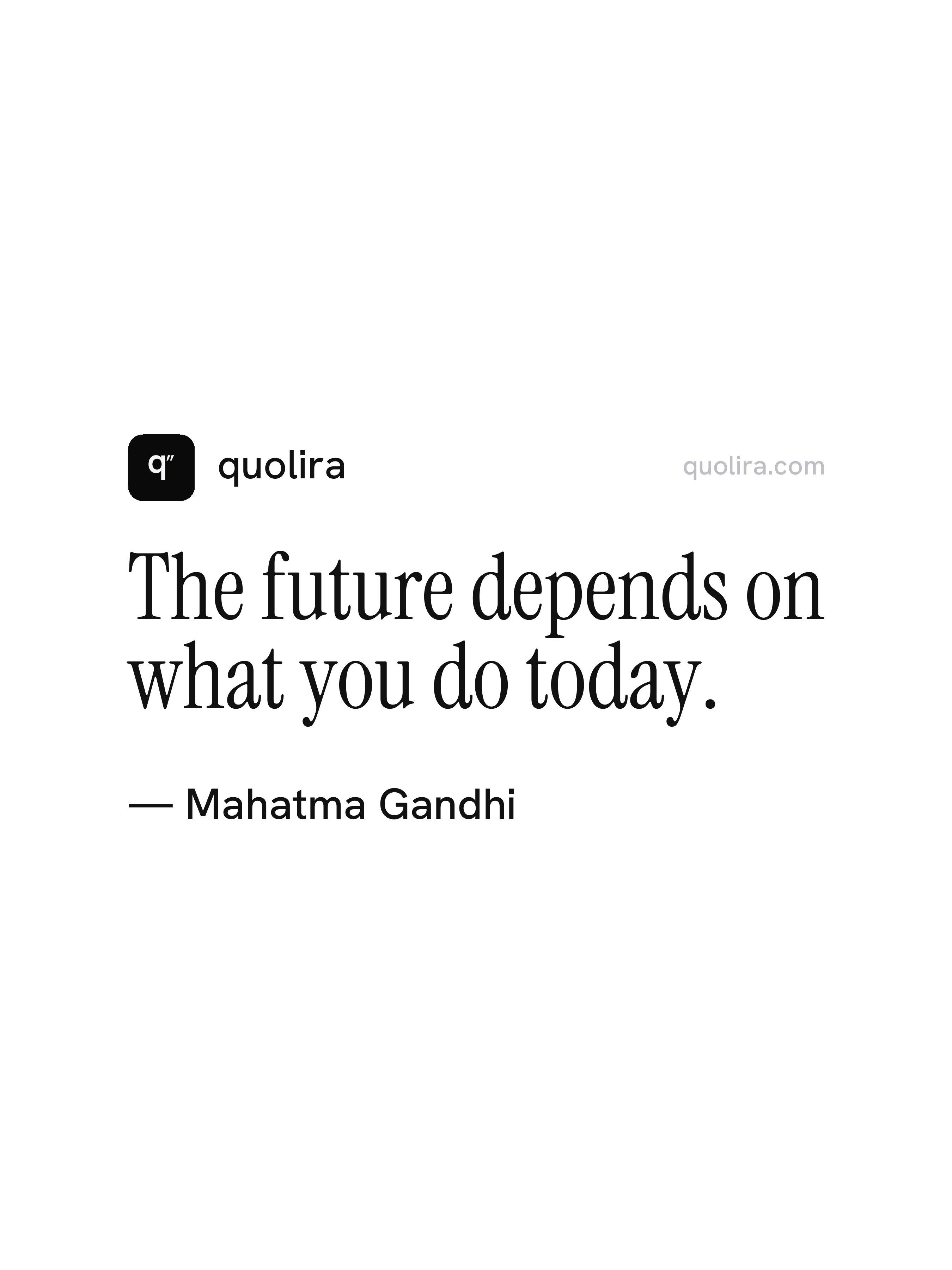
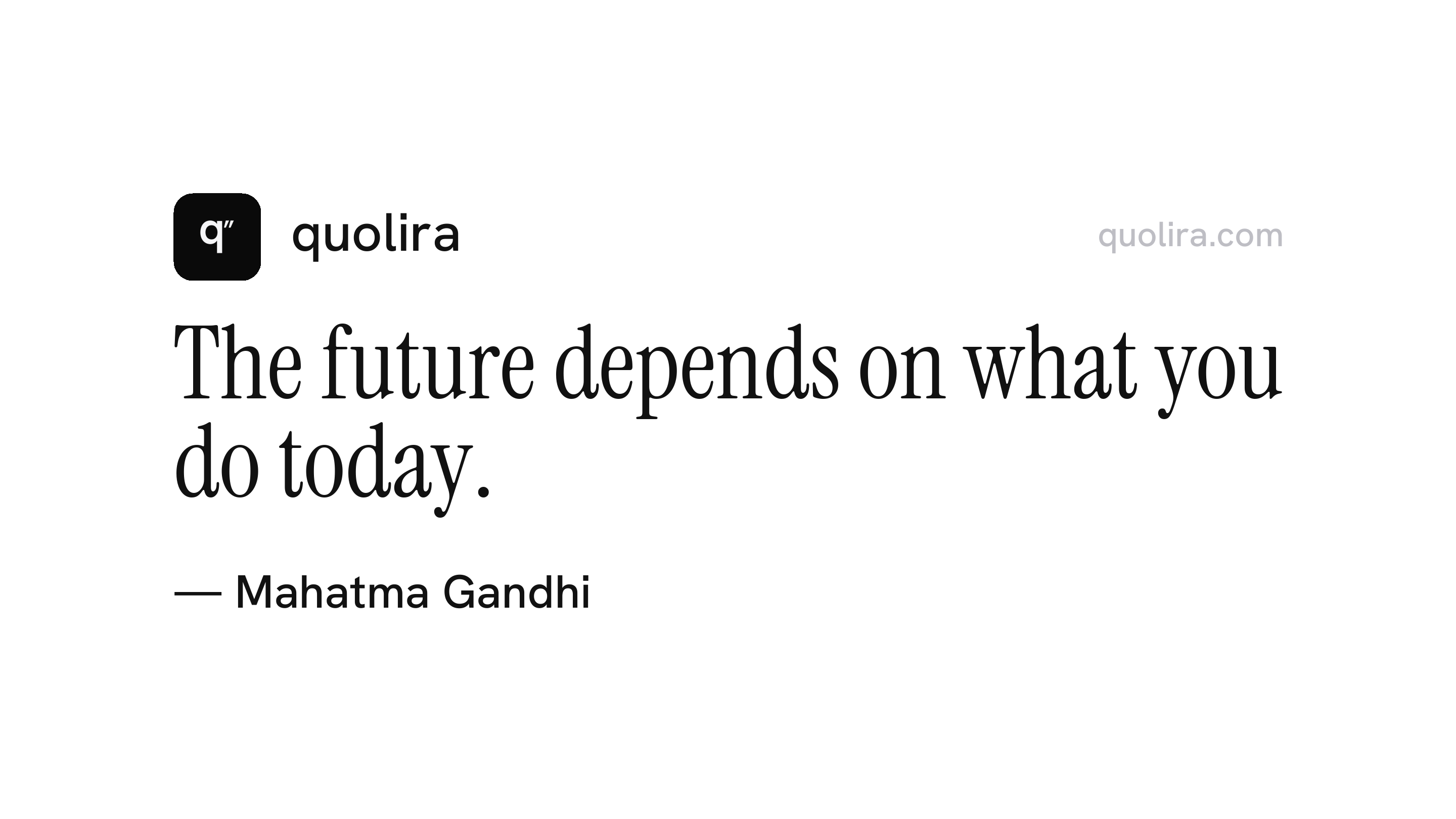
“The future depends on what you do today.”
Mahatma Gandhi
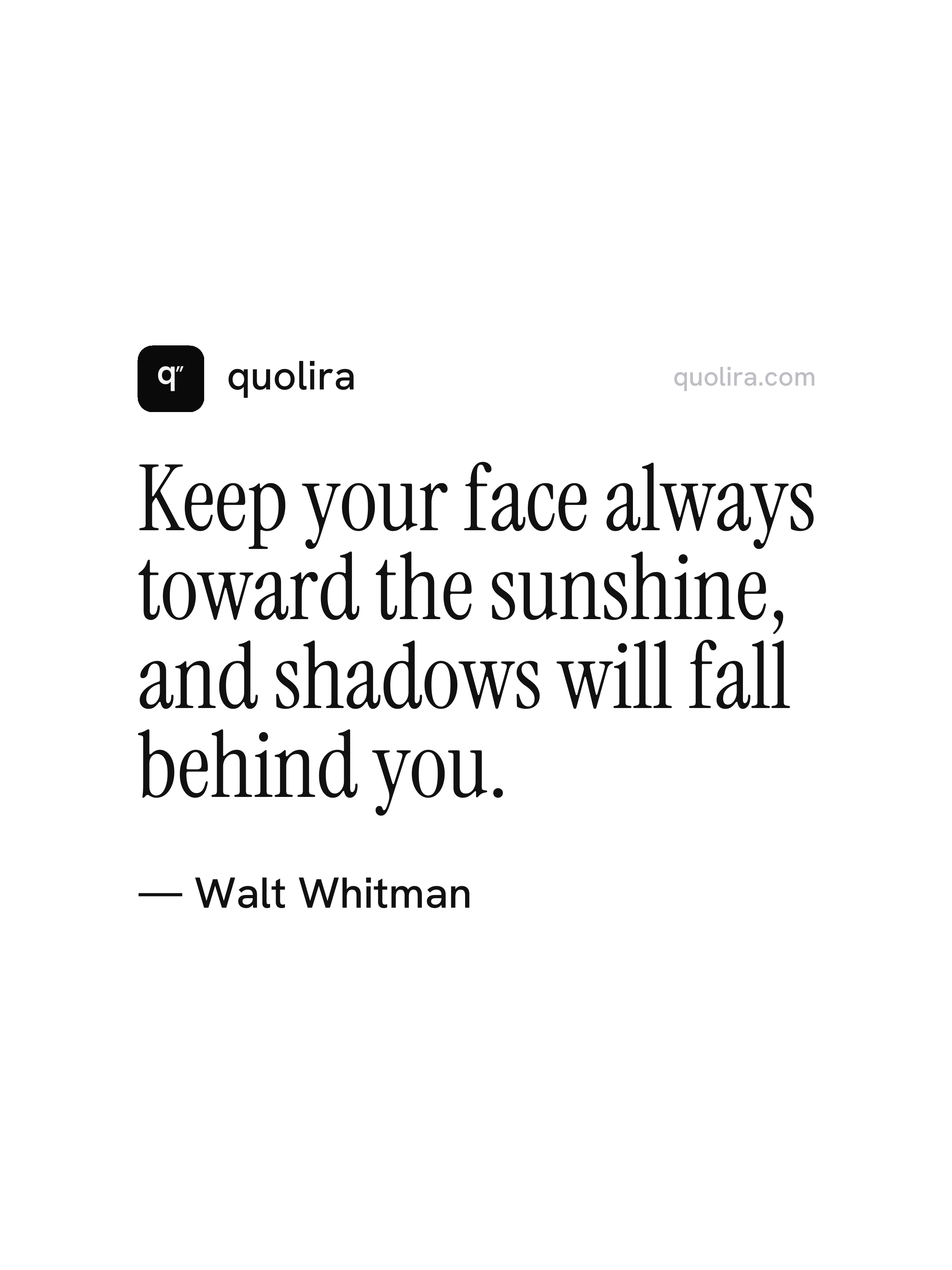
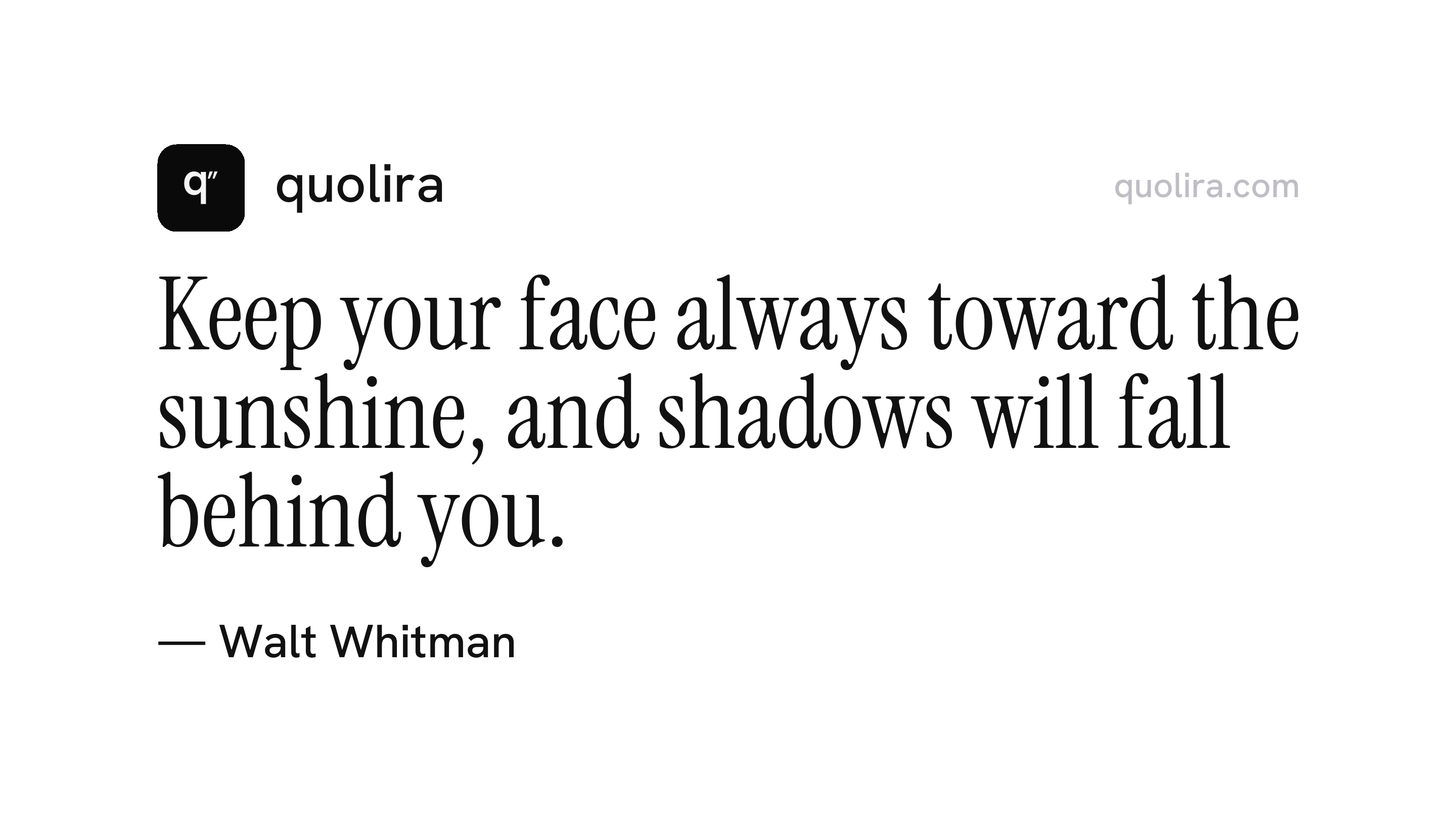
“Keep your face always toward the sunshine, and shadows will fall behind you.”
Walt Whitman
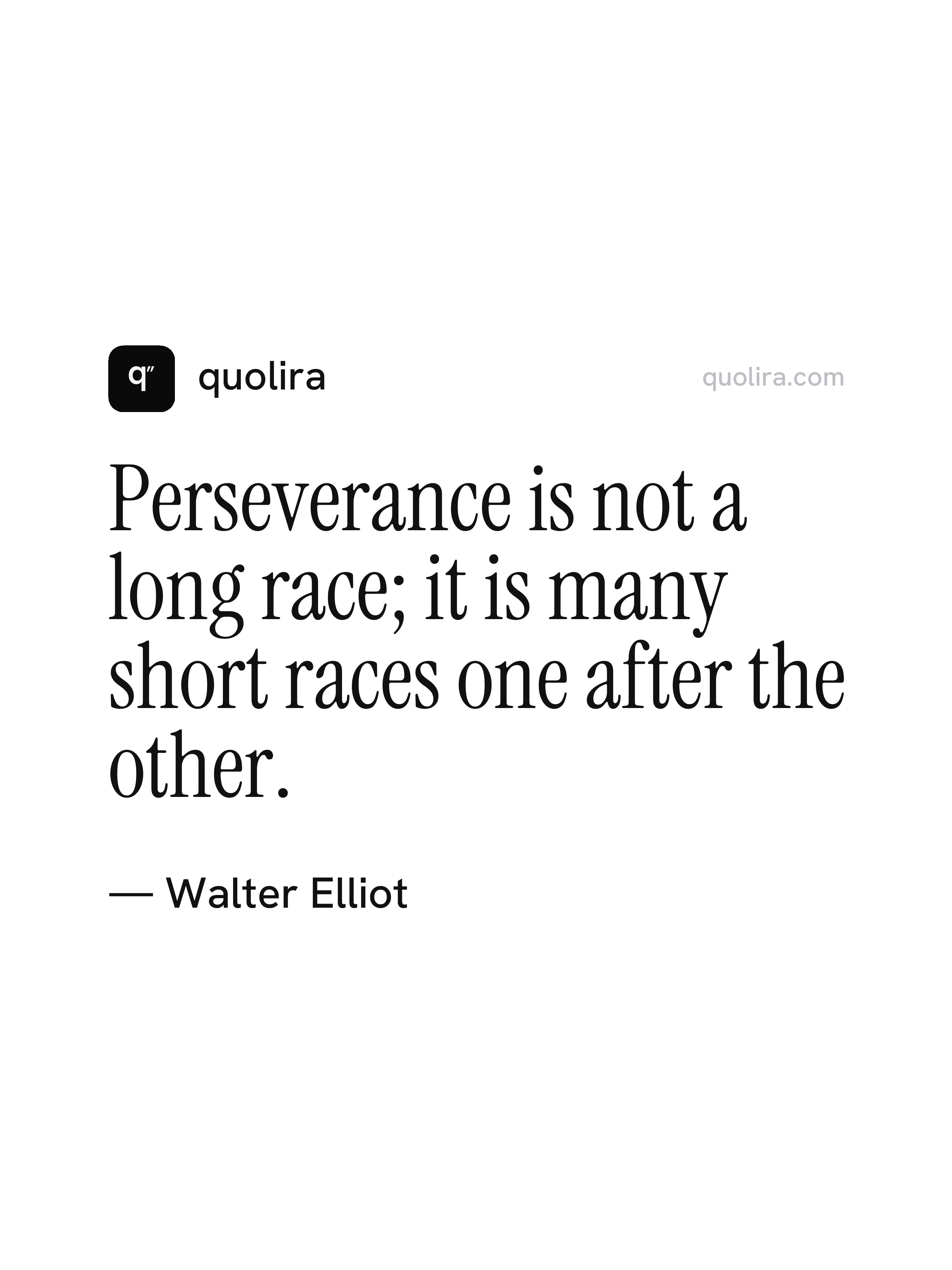
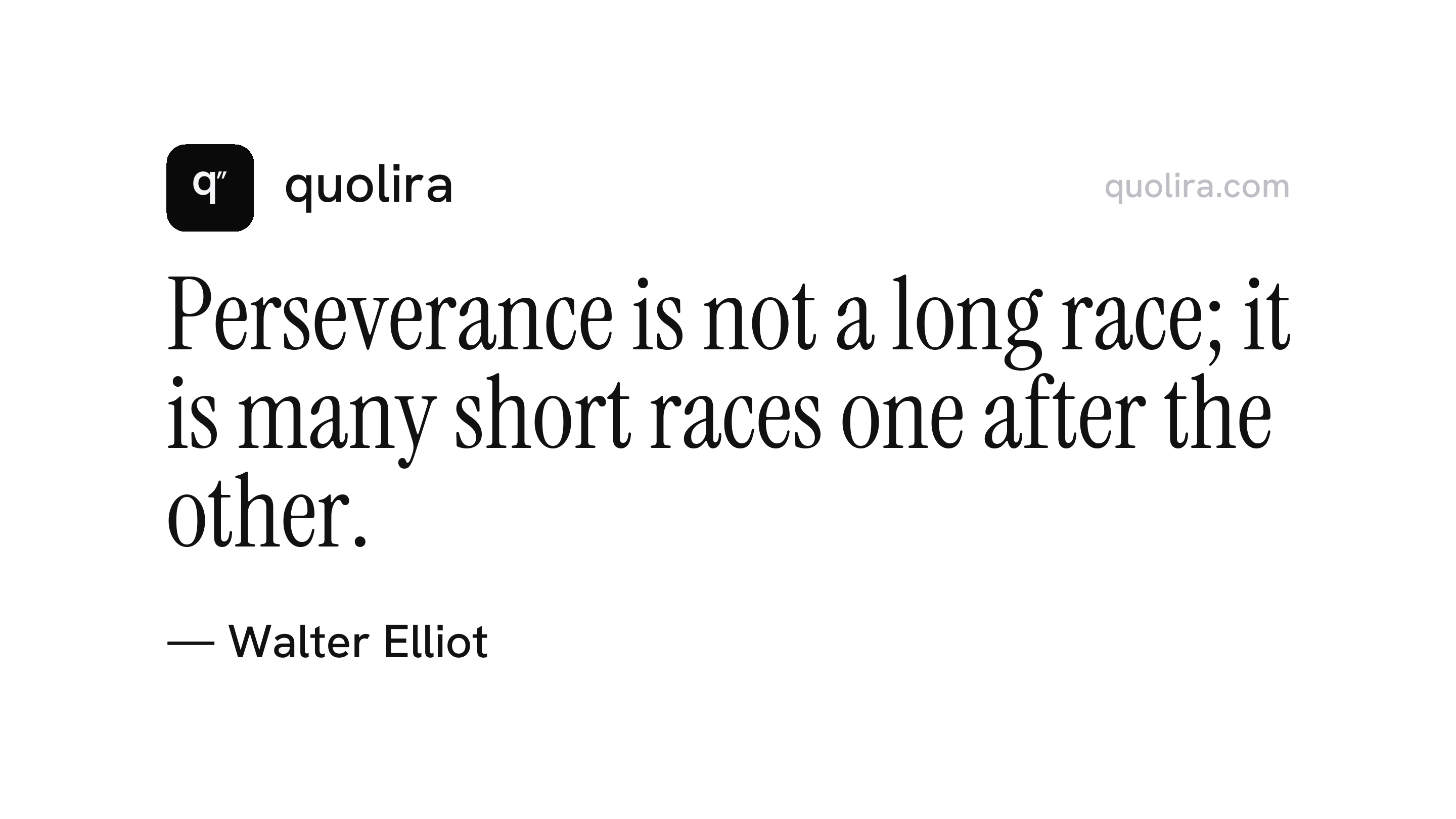
“Perseverance is not a long race; it is many short races one after the other.”
Walter Elliot · The Spiritual Life
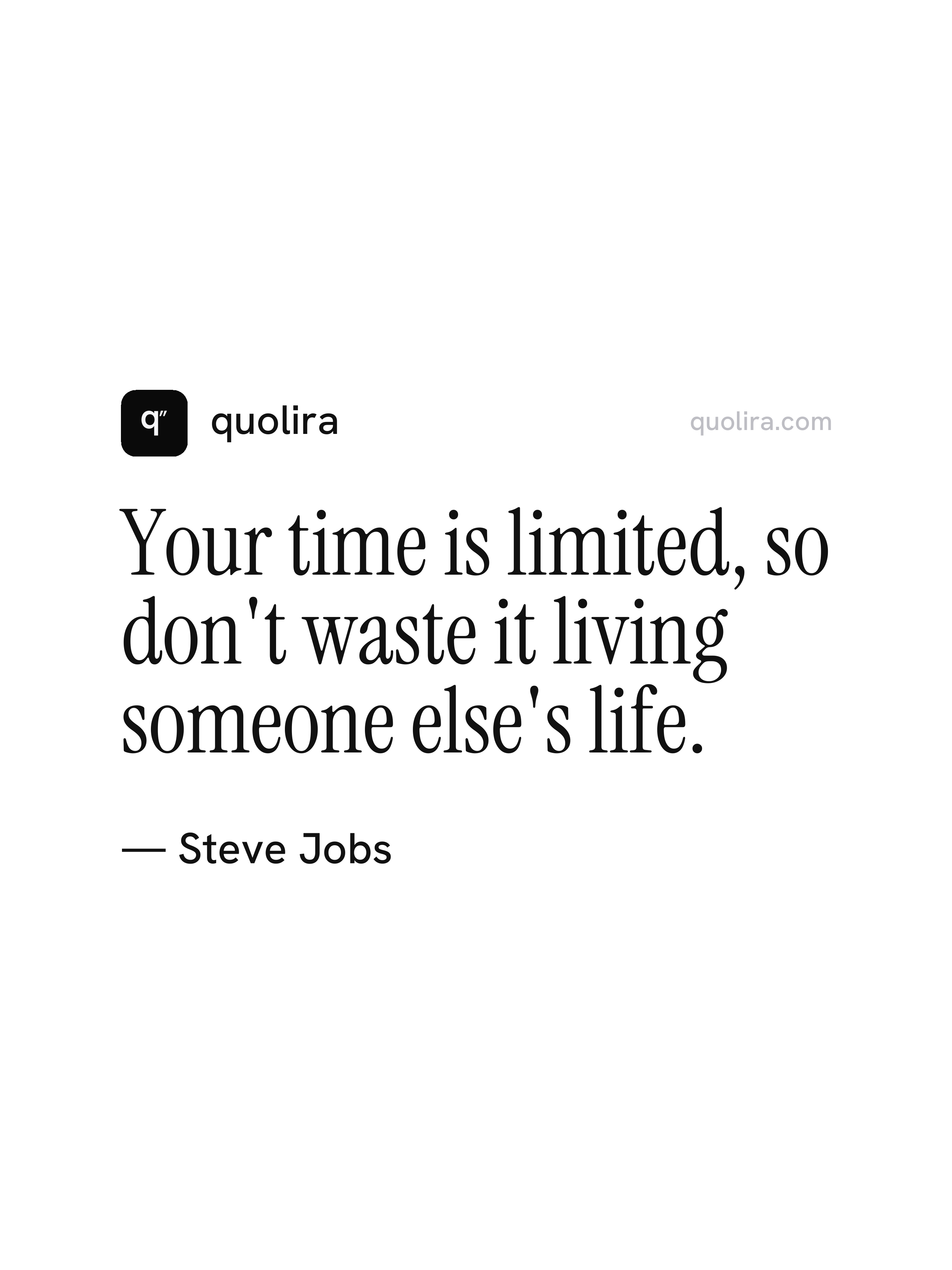
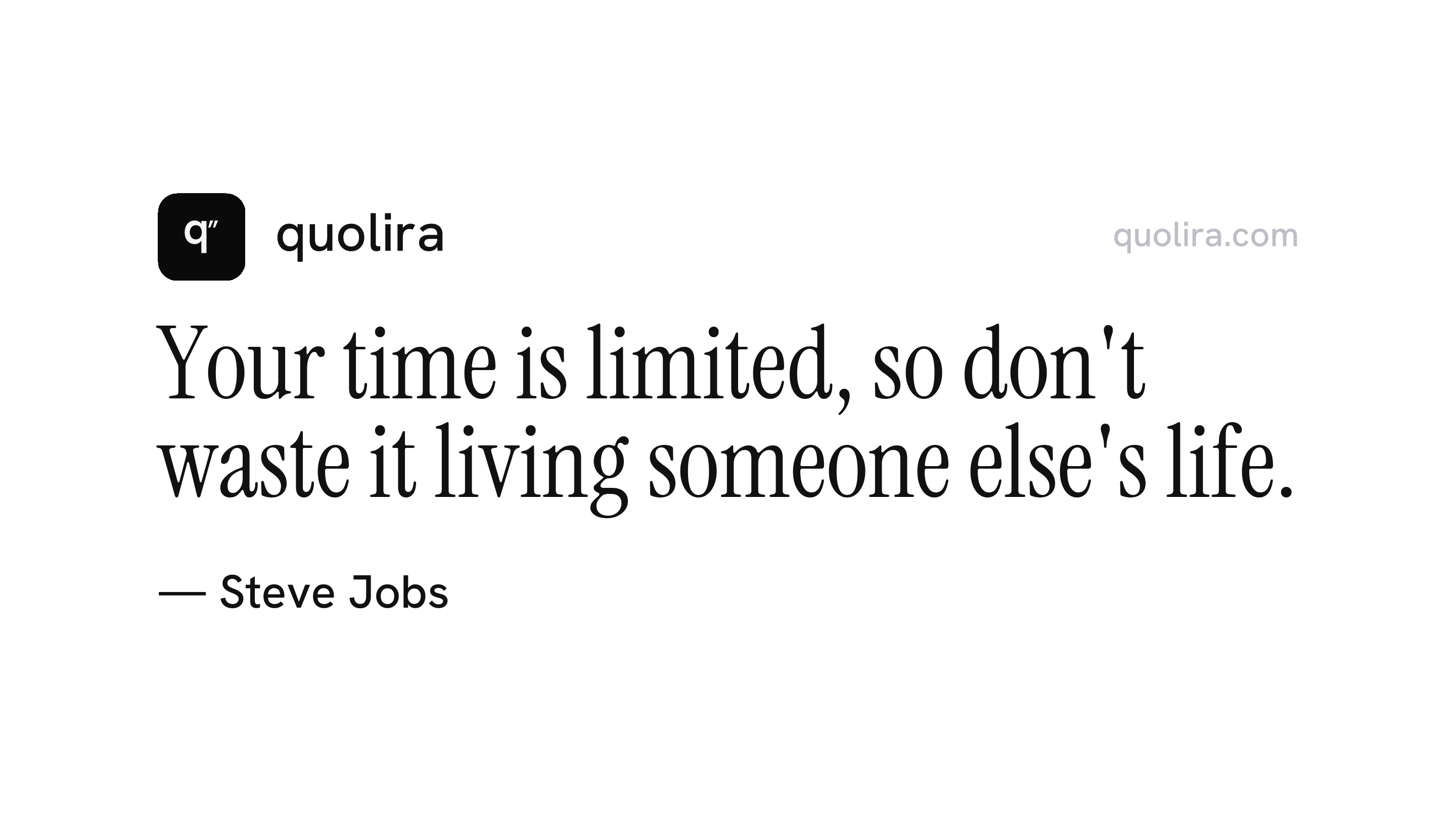
“Your time is limited, so don't waste it living someone else's life.”
Steve Jobs · Stanford Commencement Address, 2005
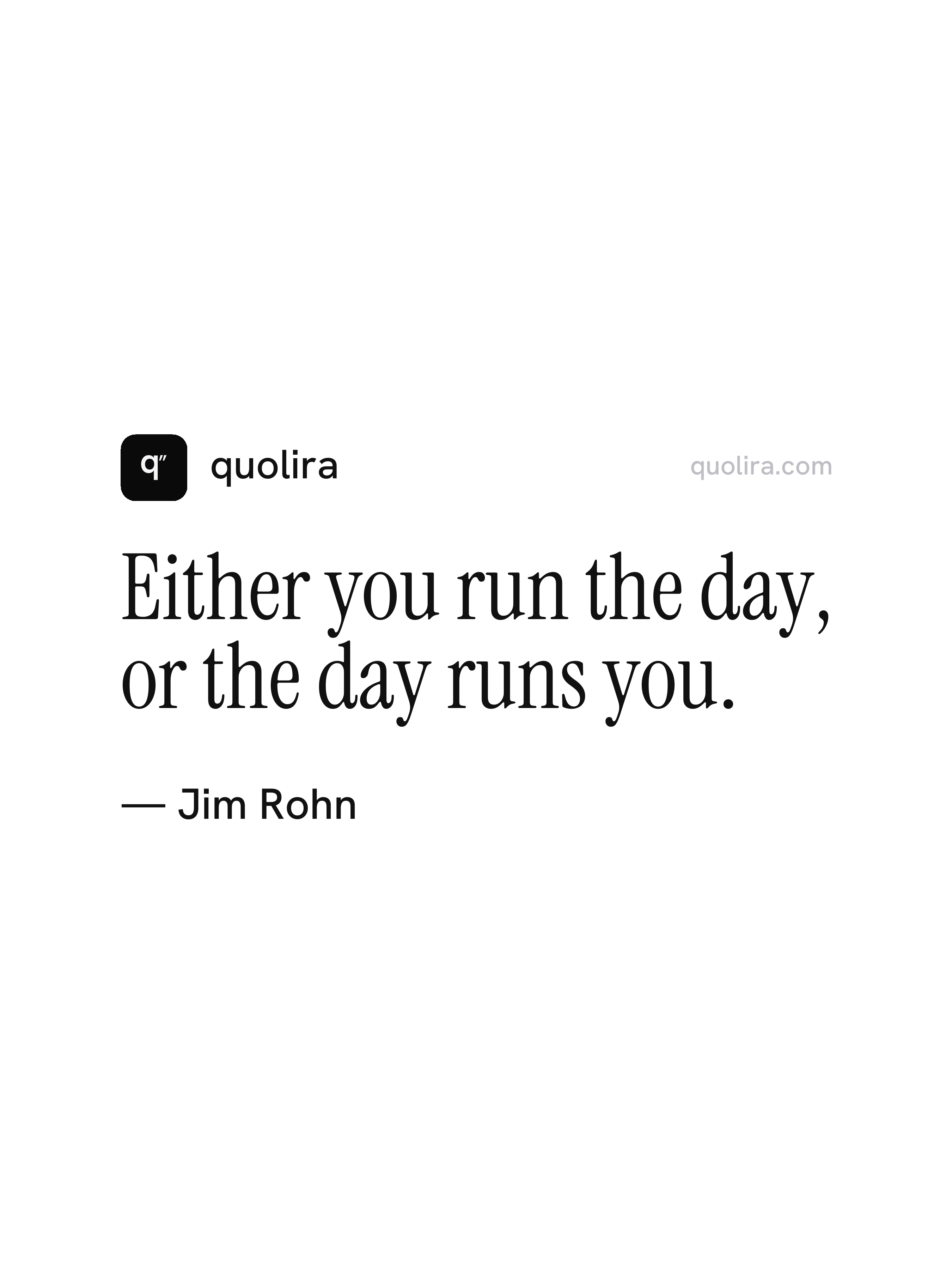
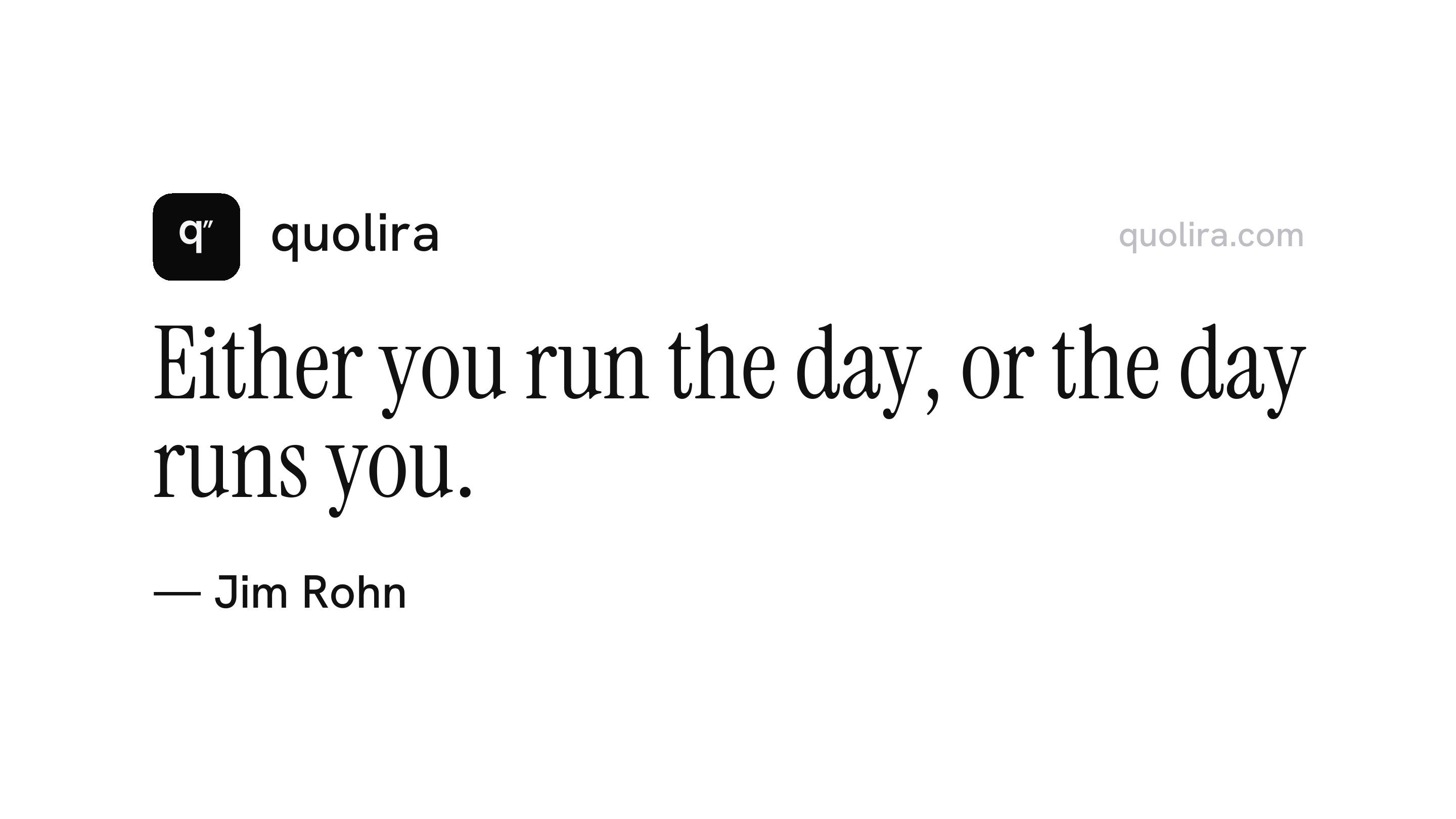
“Either you run the day, or the day runs you.”
Jim Rohn
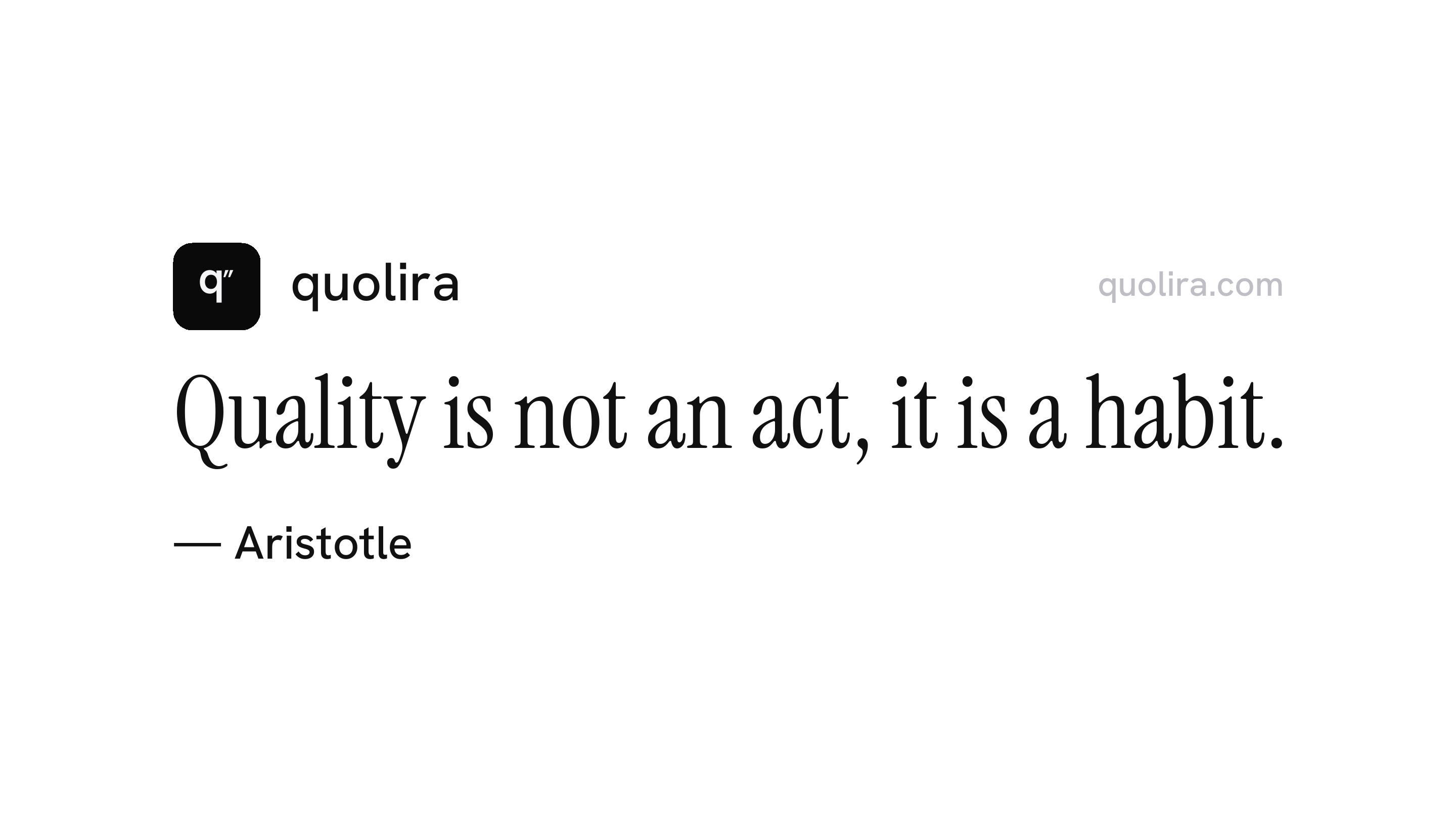
“Quality is not an act, it is a habit.”
Aristotle · Nicomachean Ethics
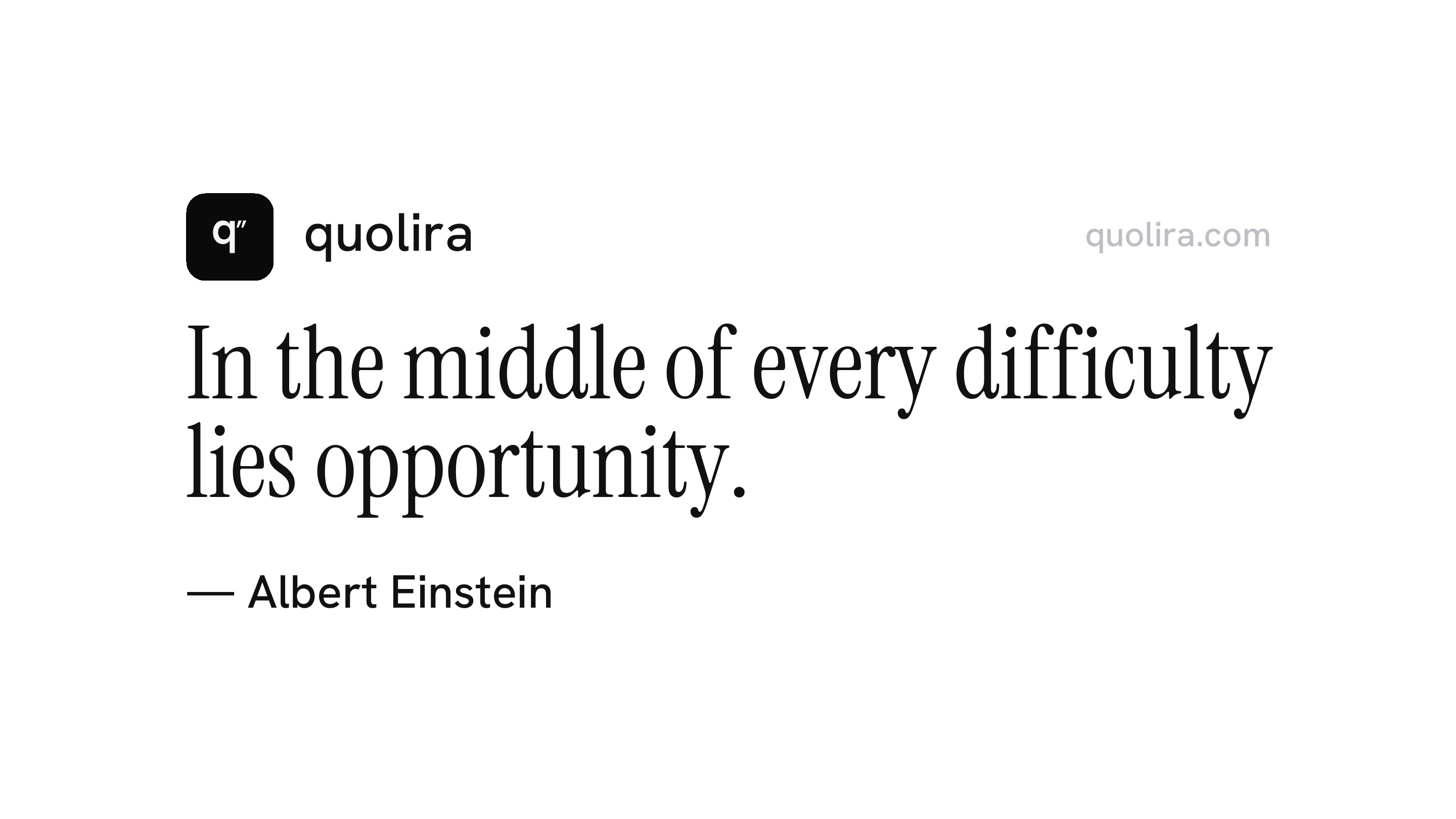
“In the middle of every difficulty lies opportunity.”
Albert Einstein
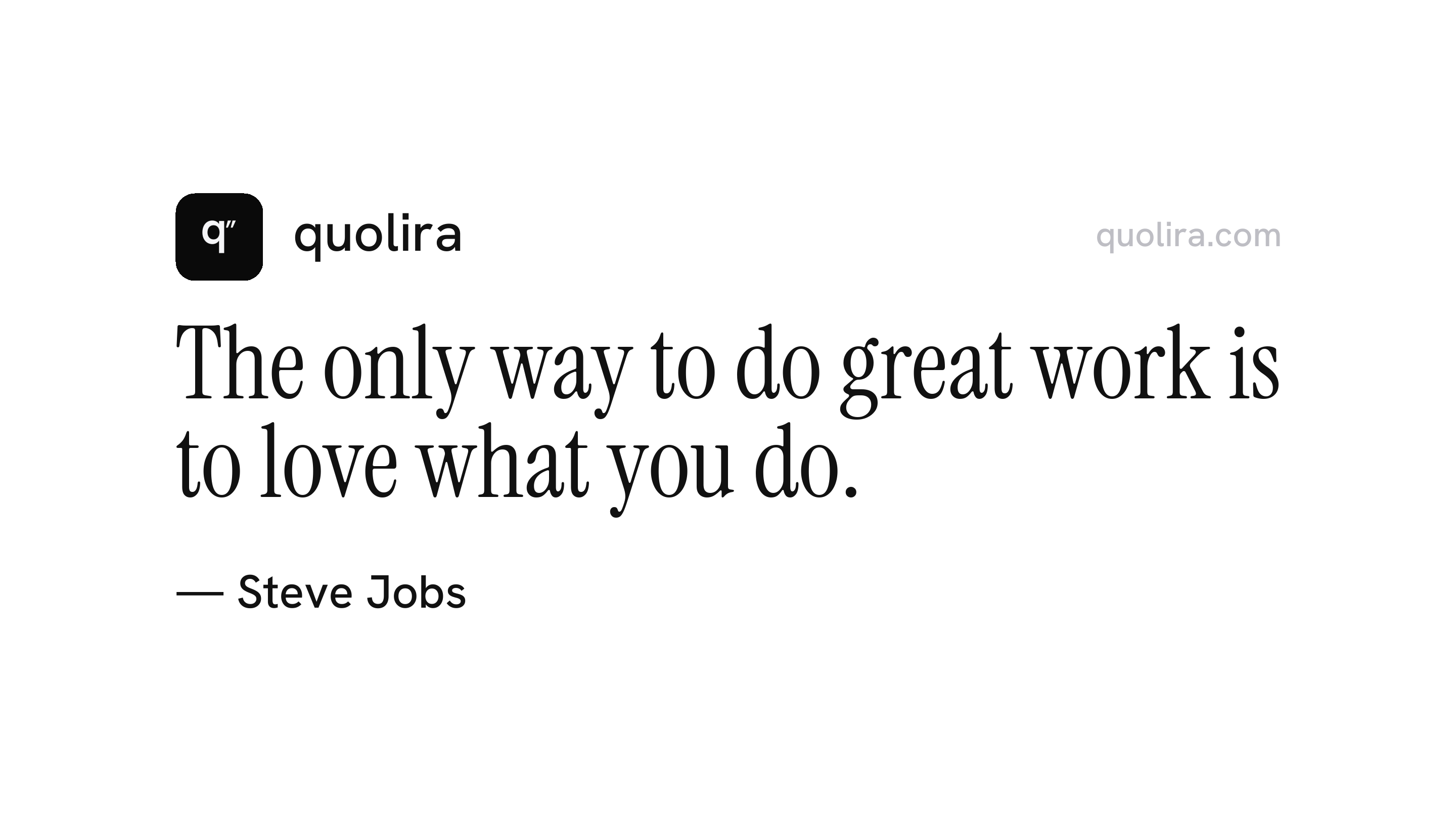
“The only way to do great work is to love what you do.”
Steve Jobs · Stanford Commencement Address, 2005
“Nothing will work unless you do.”
Maya Angelou