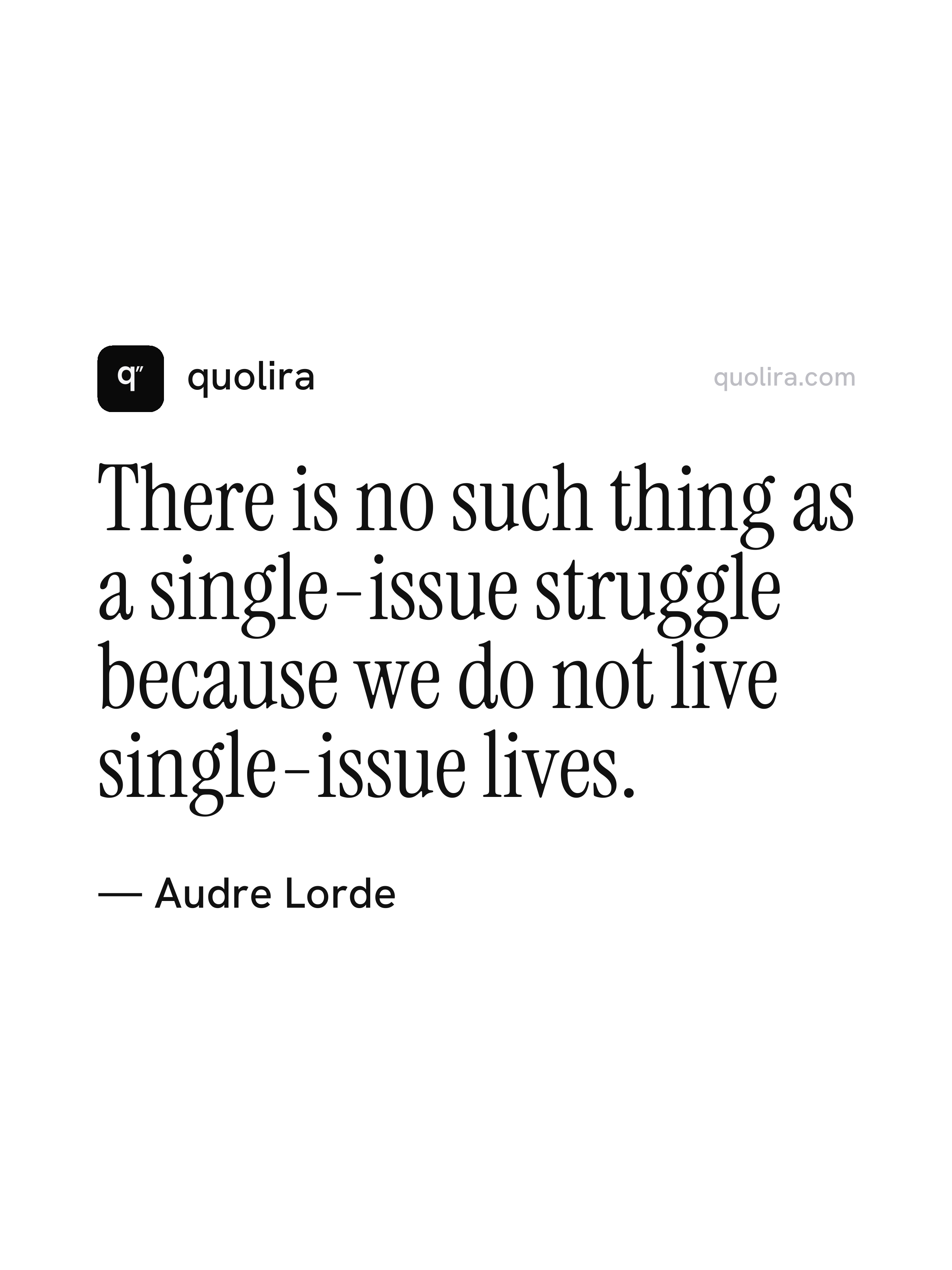
“There is no such thing as a single-issue struggle because we do not live single-issue lives.”
Audre Lorde · "Learning from the 60s," speech at Harvard, February 1982
 quolira
.com
quolira
quolira.com
Shakespeare is drawing a sharp line between self-knowledge rooted in the present and the open, uncertain territory of becoming. We can observe ourselves as we are now, cataloging our habits, values, and flaws, but who we might grow into, or fall into, remains genuinely unknown. There is humility in this observation, and also a kind of warning: the person you are today does not set the ceiling on who you could become, for better or worse.
These words appear in Act 4 of Hamlet, spoken by Ophelia in a state of grief and mental distress following her father's death. The surrounding scene is charged with instability and loss of control, which gives the line a darker undertone than it might carry in isolation. Ophelia's condition makes the words feel like a lament about how quickly a person's inner world can shift beyond recognition, though readers and audiences have long taken the line beyond its dramatic moment to apply it more broadly to human potential and uncertainty.
William Shakespeare was an English playwright and poet active in the late sixteenth and early seventeenth centuries. He wrote a large body of work including tragedies, comedies, histories, and sonnets, and his plays were performed at the Globe Theatre in London. Hamlet is widely regarded as one of his most complex and enduring works, exploring themes of revenge, mortality, loyalty, and the instability of the self. Shakespeare's precise biography contains gaps that historians continue to study, but his influence on the English language and world literature is beyond dispute.
“There is no such thing as a single-issue struggle because we do not live single-issue lives.”
Audre Lorde · "Learning from the 60s," speech at Harvard, February 1982
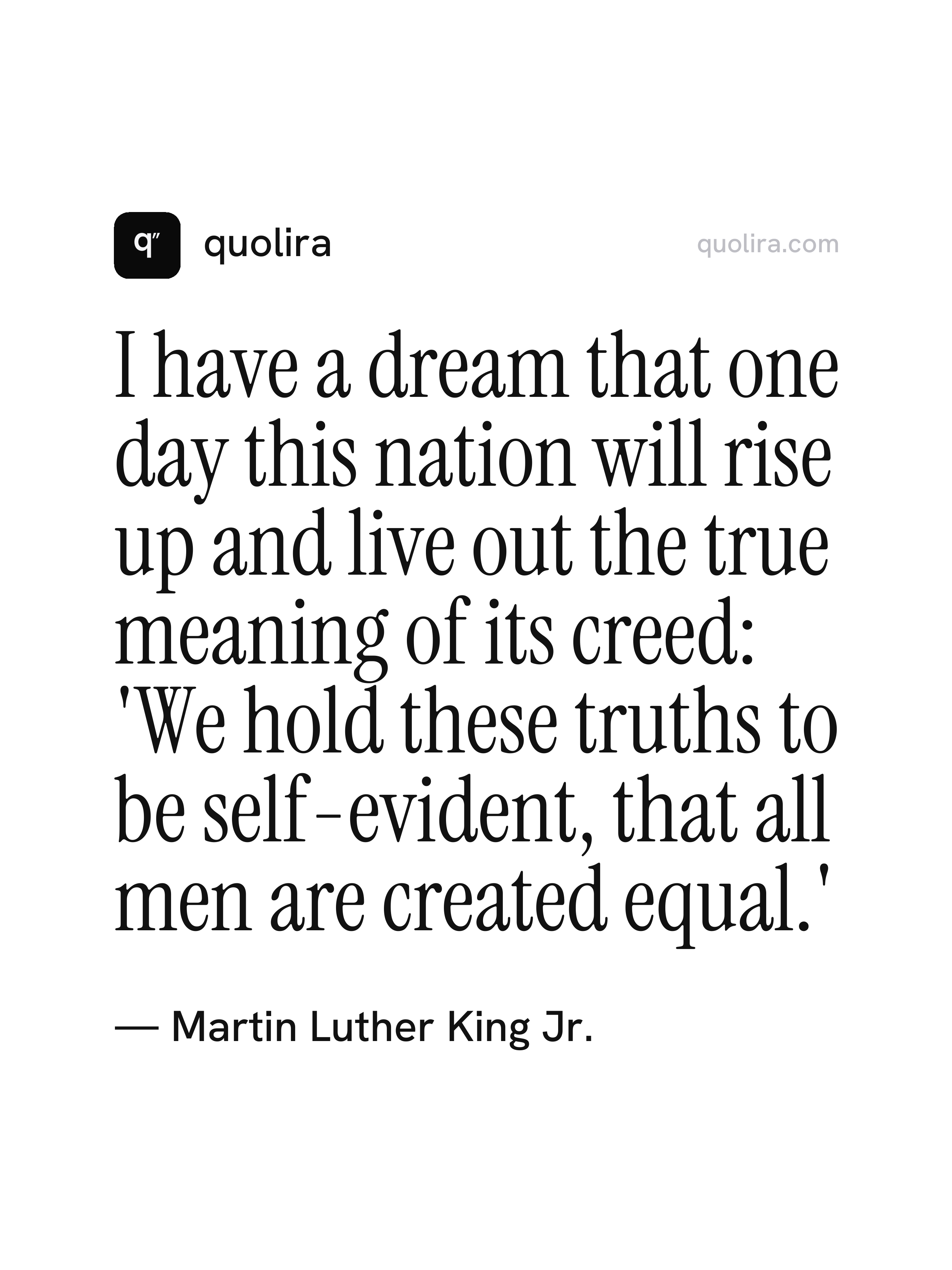
“I have a dream that one day this nation will rise up and live out the true meaning of its creed: 'We hold these truths to be self-evident, that all men are created equal.'”
Martin Luther King Jr. · "I Have a Dream" speech, Lincoln Memorial, August 28, 1963
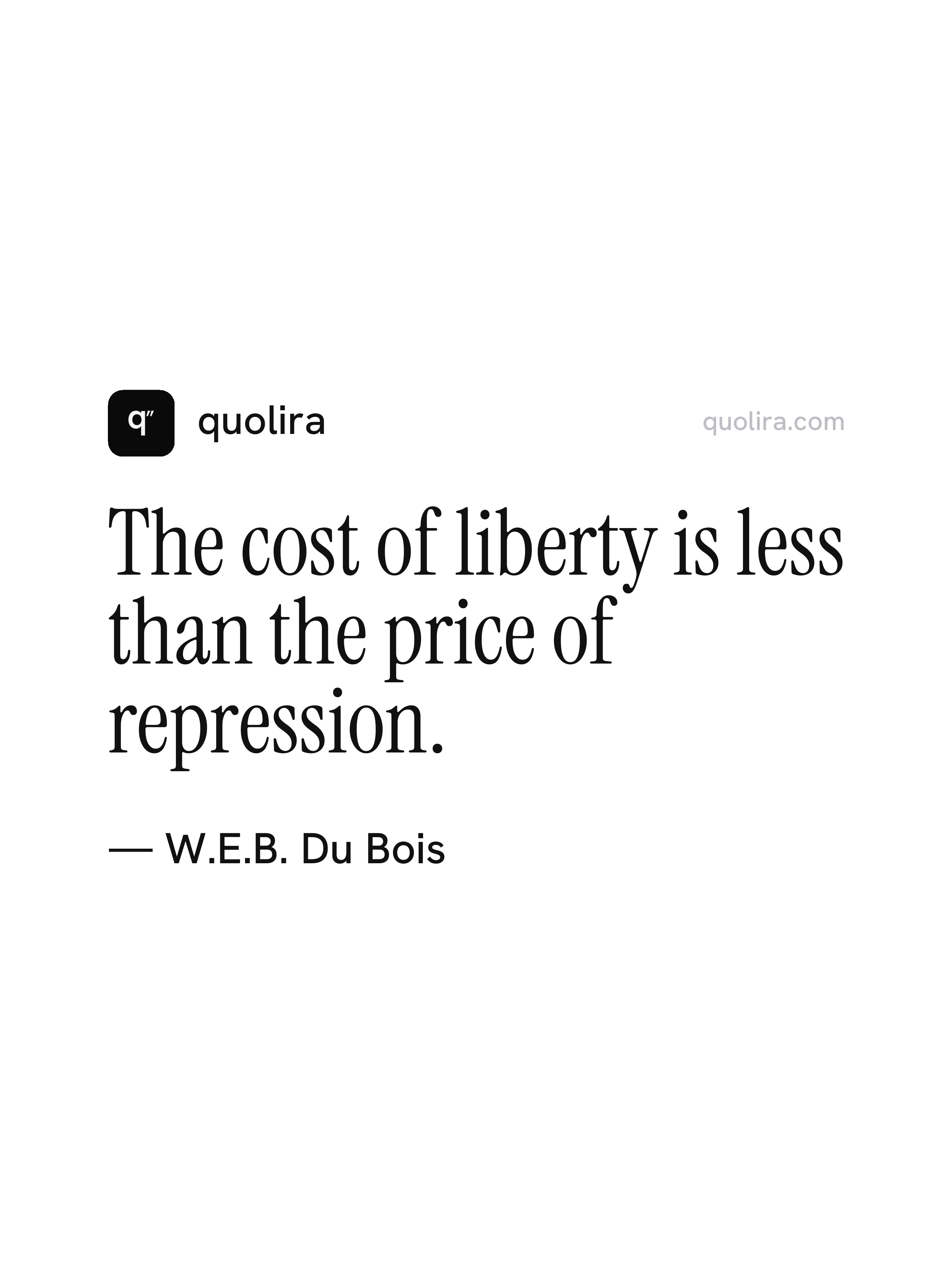
“The cost of liberty is less than the price of repression.”
W.E.B. Du Bois · "John Brown," 1909
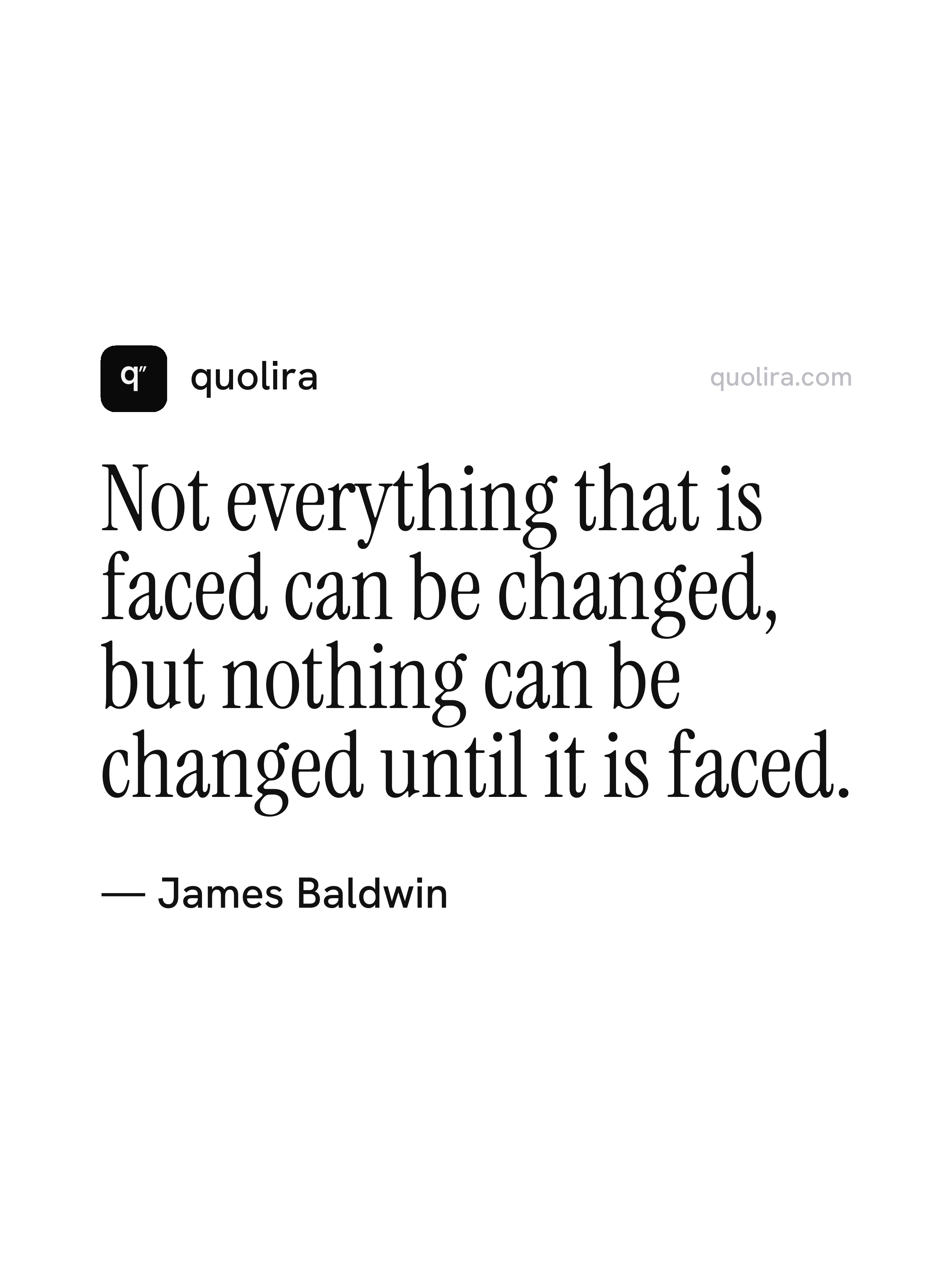
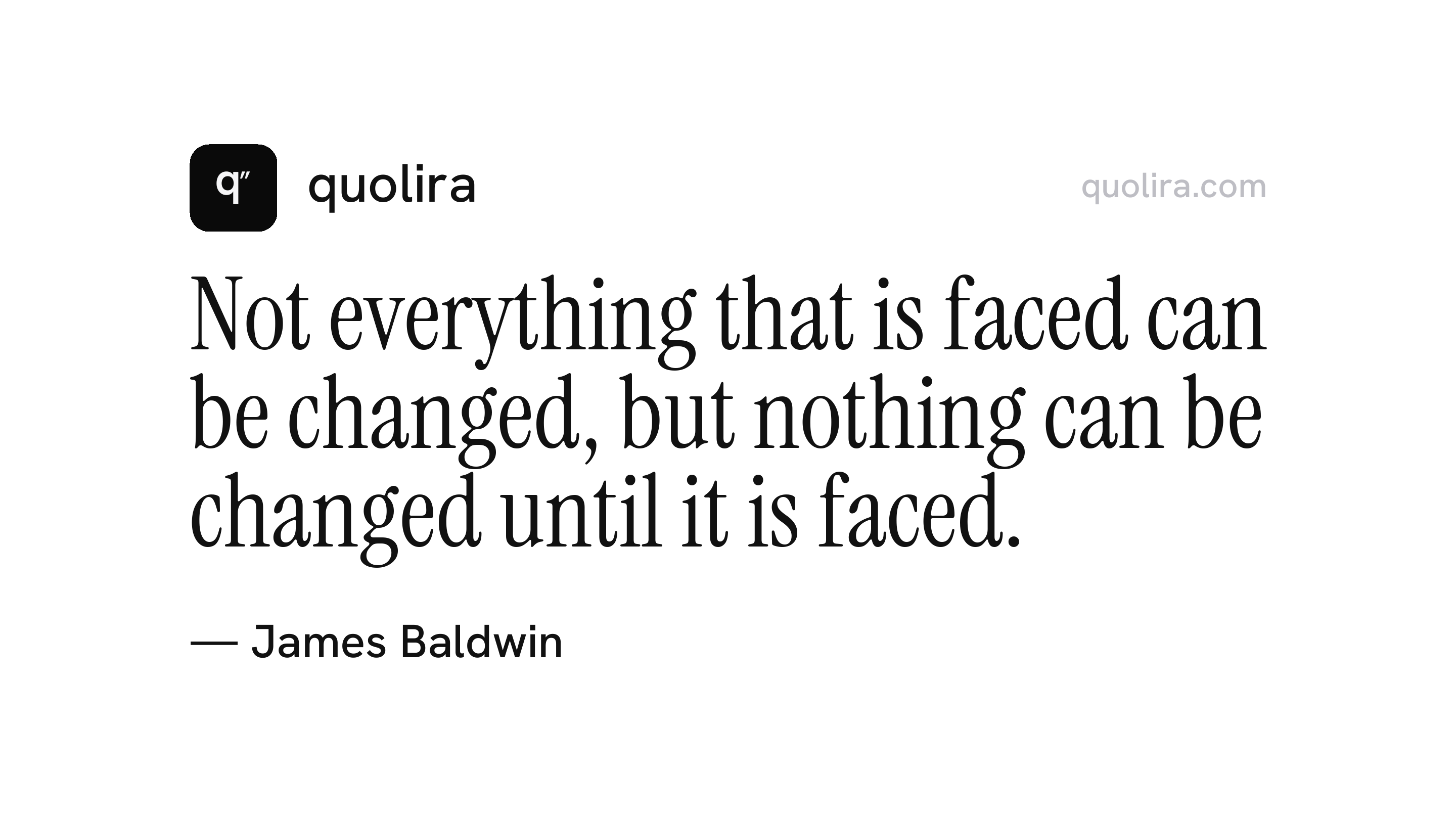
“Not everything that is faced can be changed, but nothing can be changed until it is faced.”
James Baldwin · "As Much Truth As One Can Bear," The New York Times Book Review, 1962
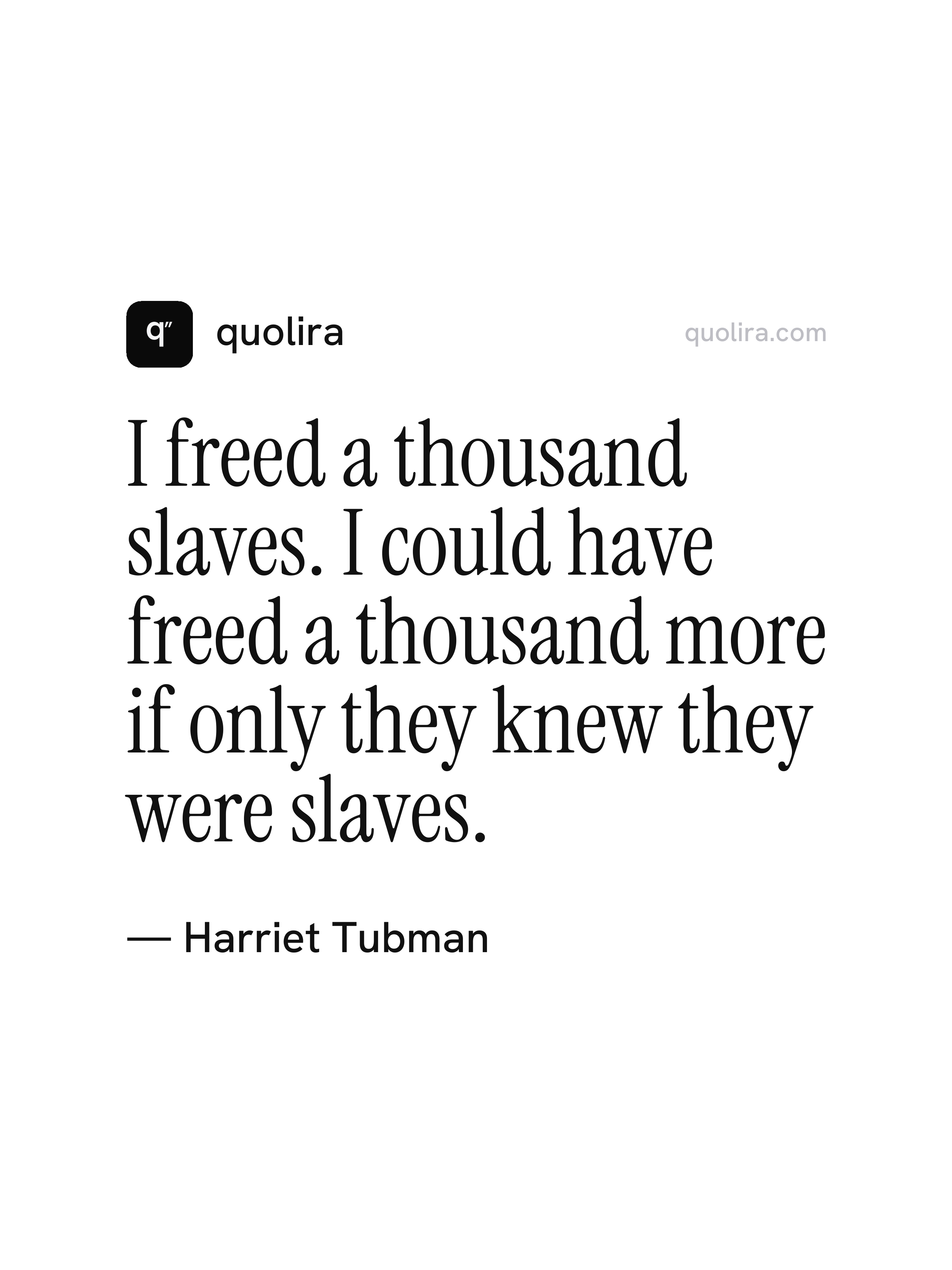
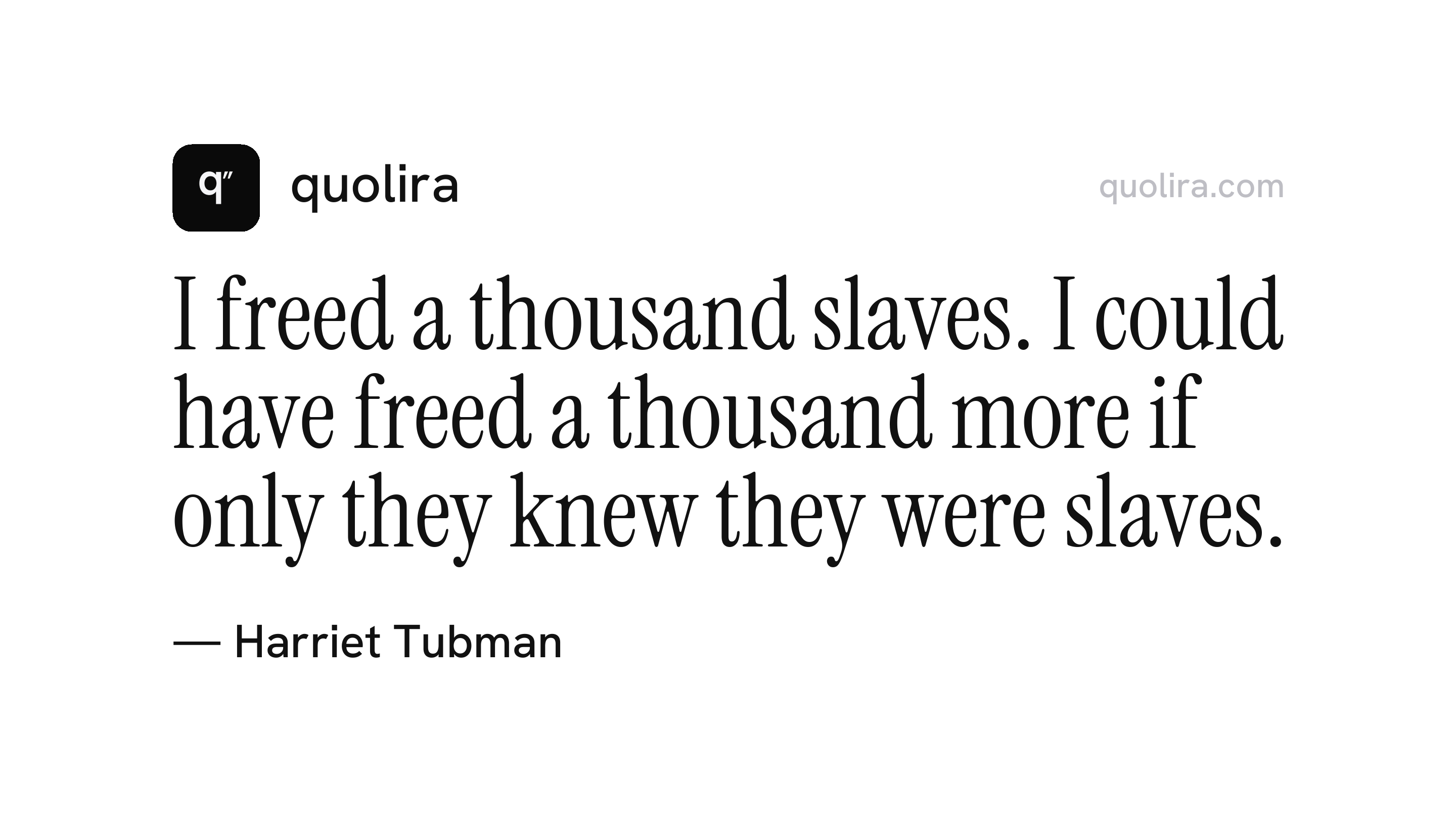
“I freed a thousand slaves. I could have freed a thousand more if only they knew they were slaves.”
Harriet Tubman · widely attributed, circa 1896
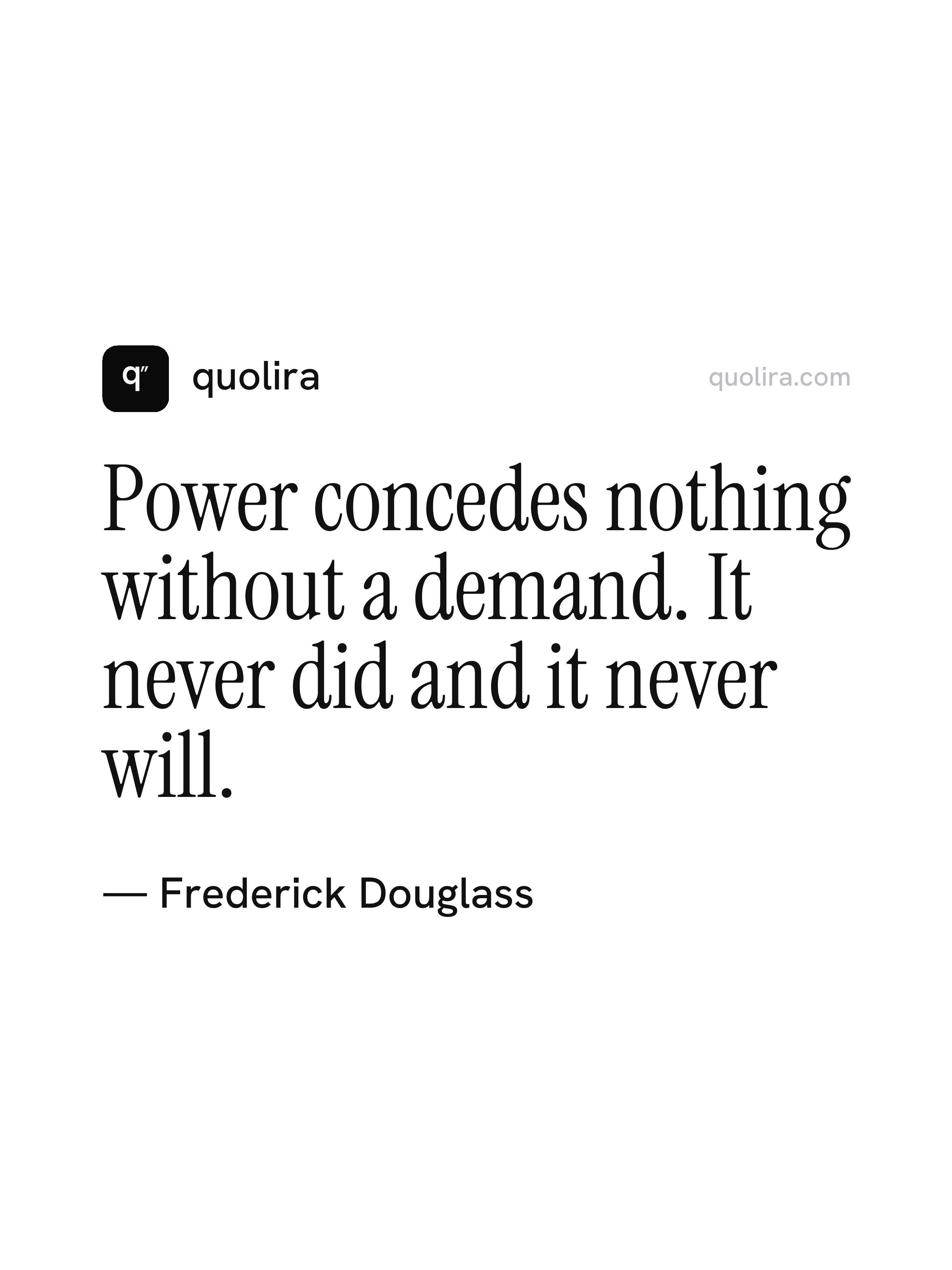
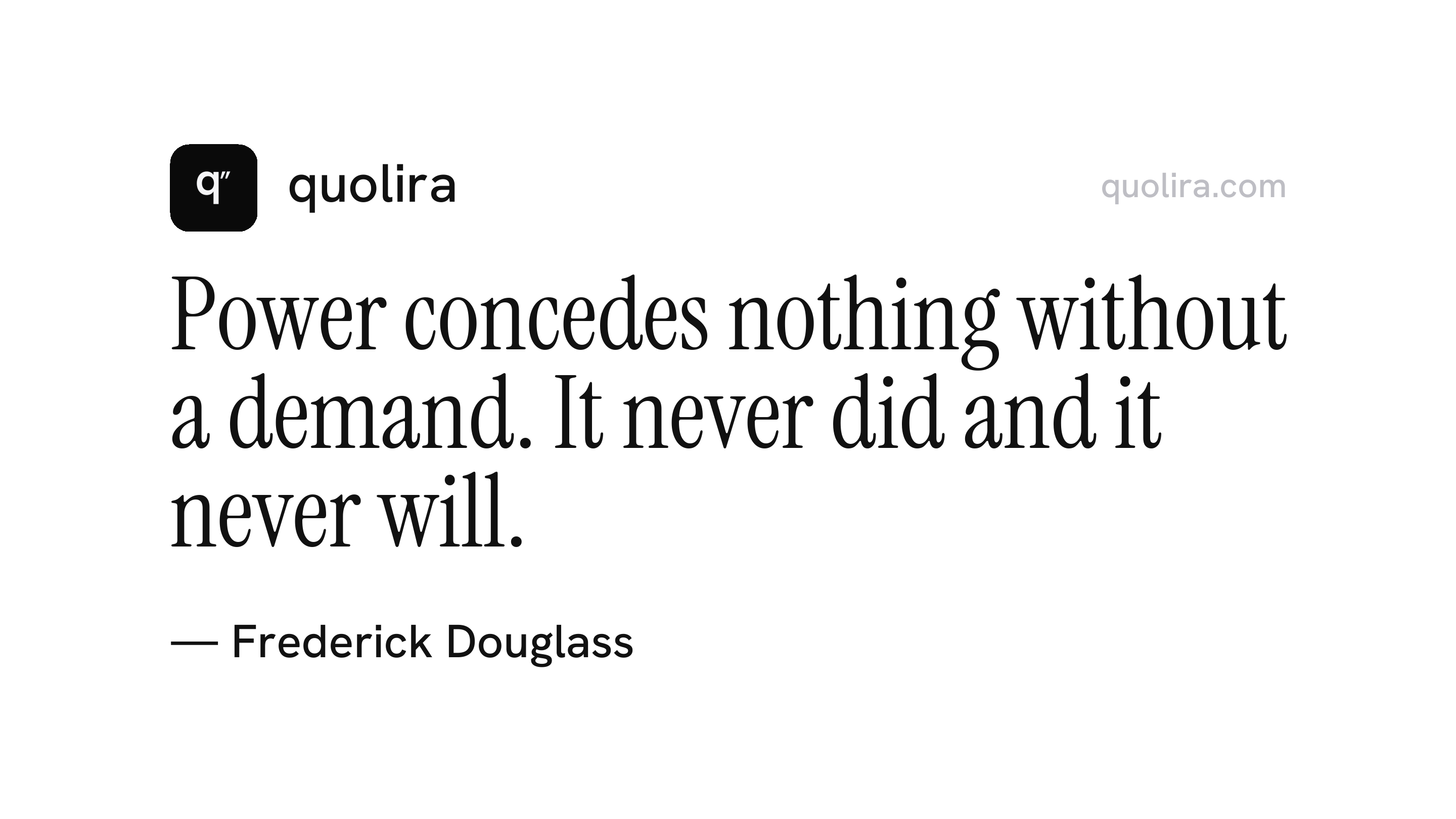
“Power concedes nothing without a demand. It never did and it never will.”
Frederick Douglass · "If There Is No Struggle, There Is No Progress," speech, 1857
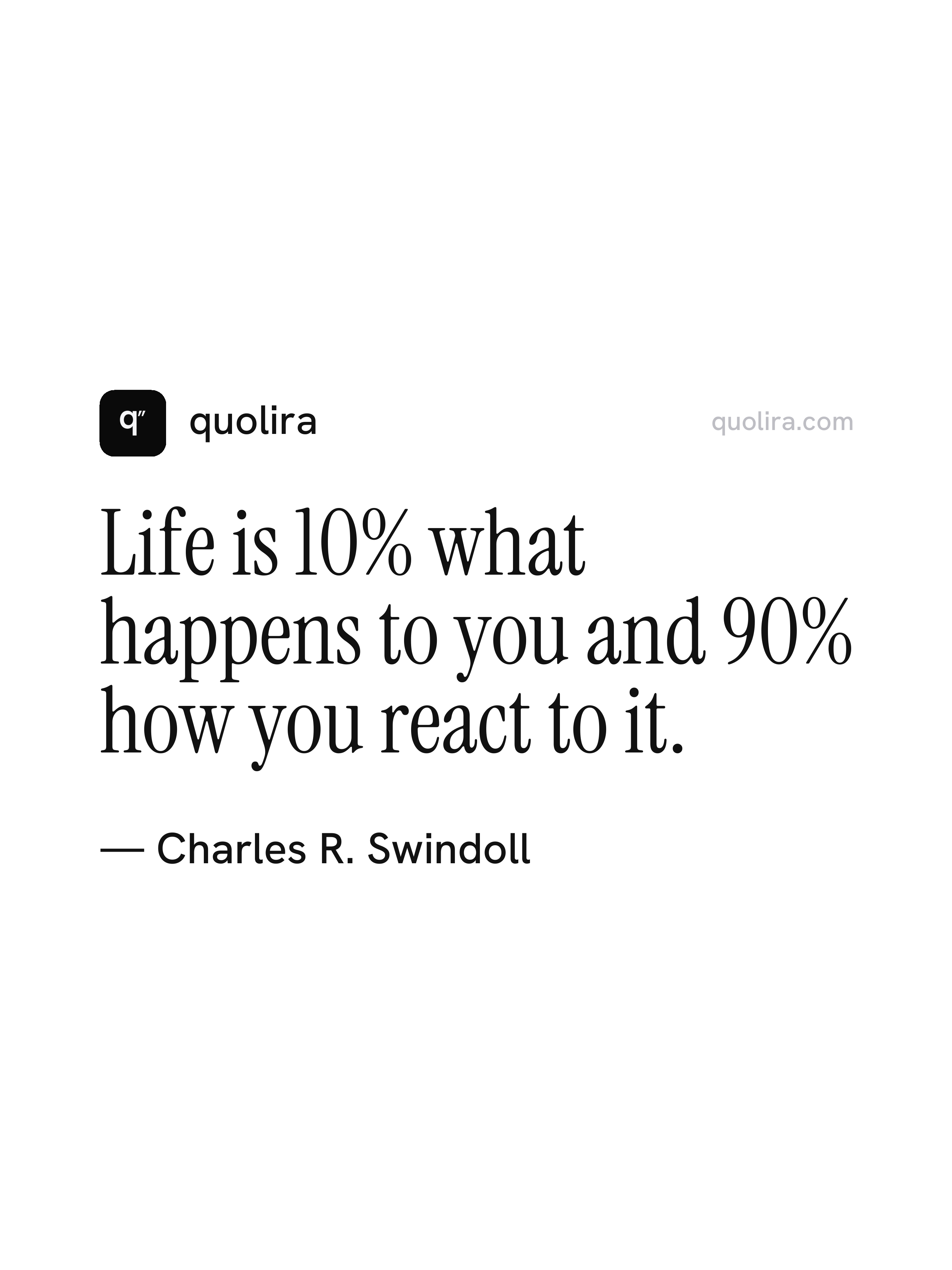
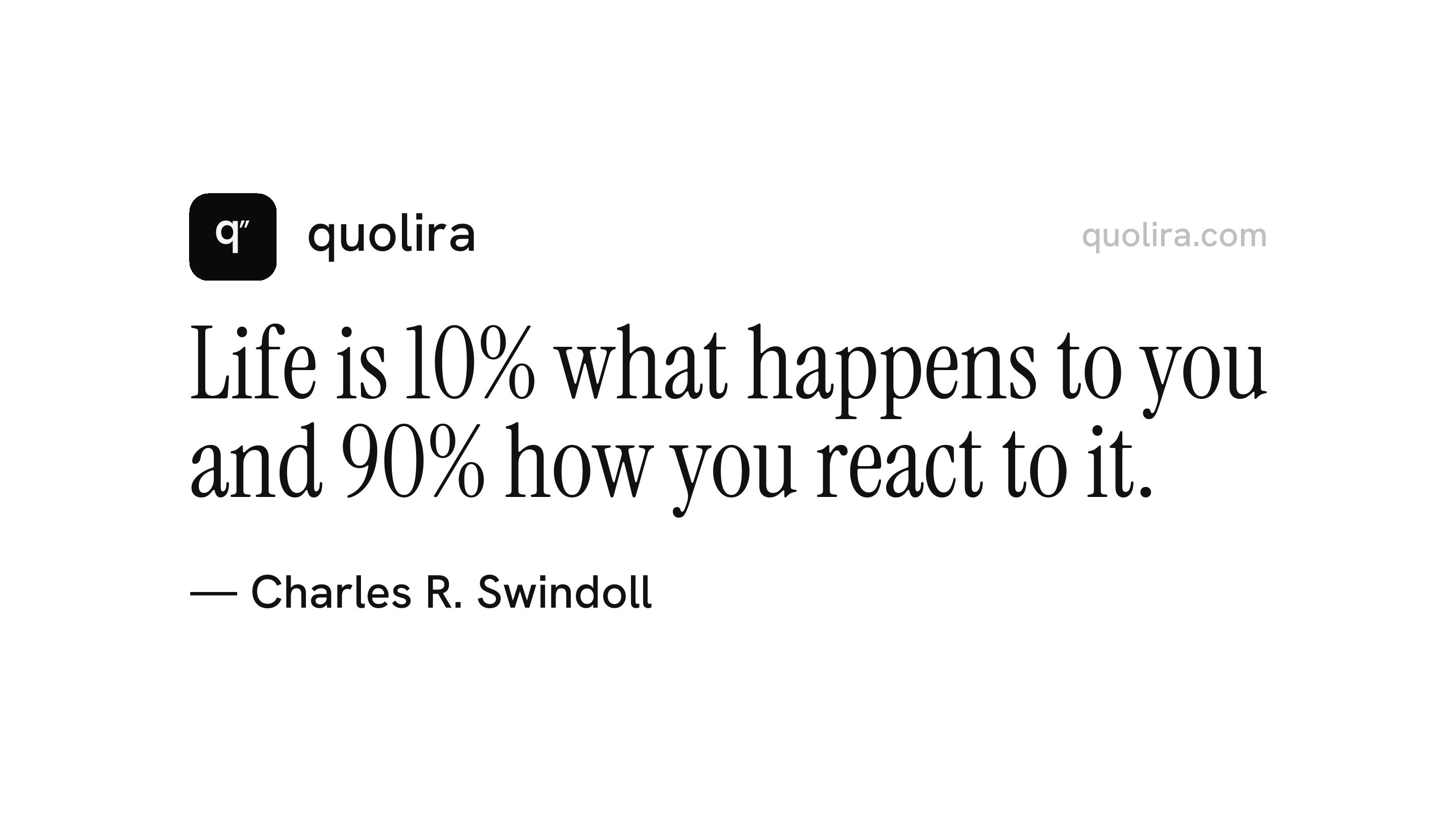
“Life is 10% what happens to you and 90% how you react to it.”
Charles R. Swindoll · Strengthening Your Grip, 1982
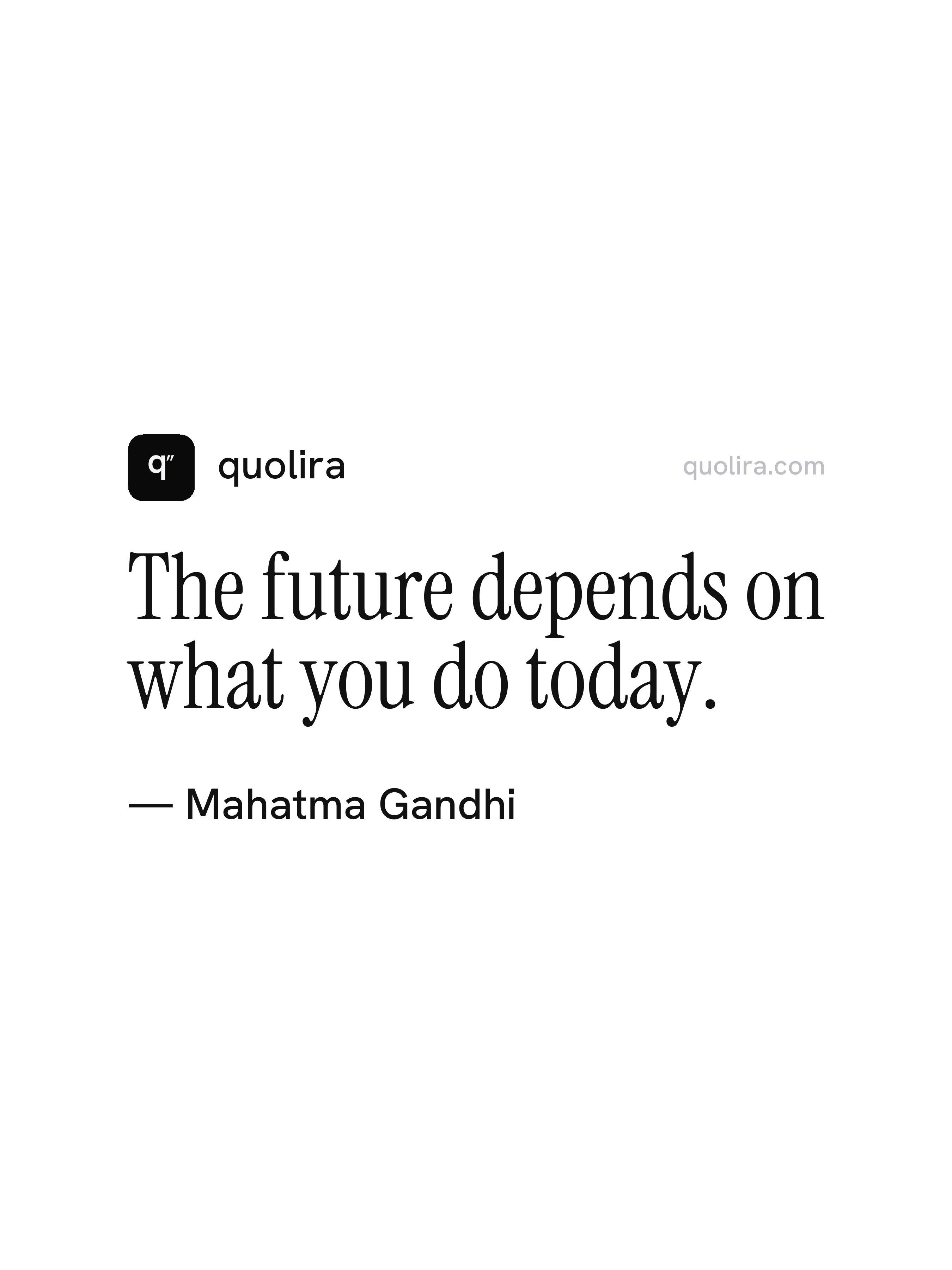
“The future depends on what you do today.”
Mahatma Gandhi
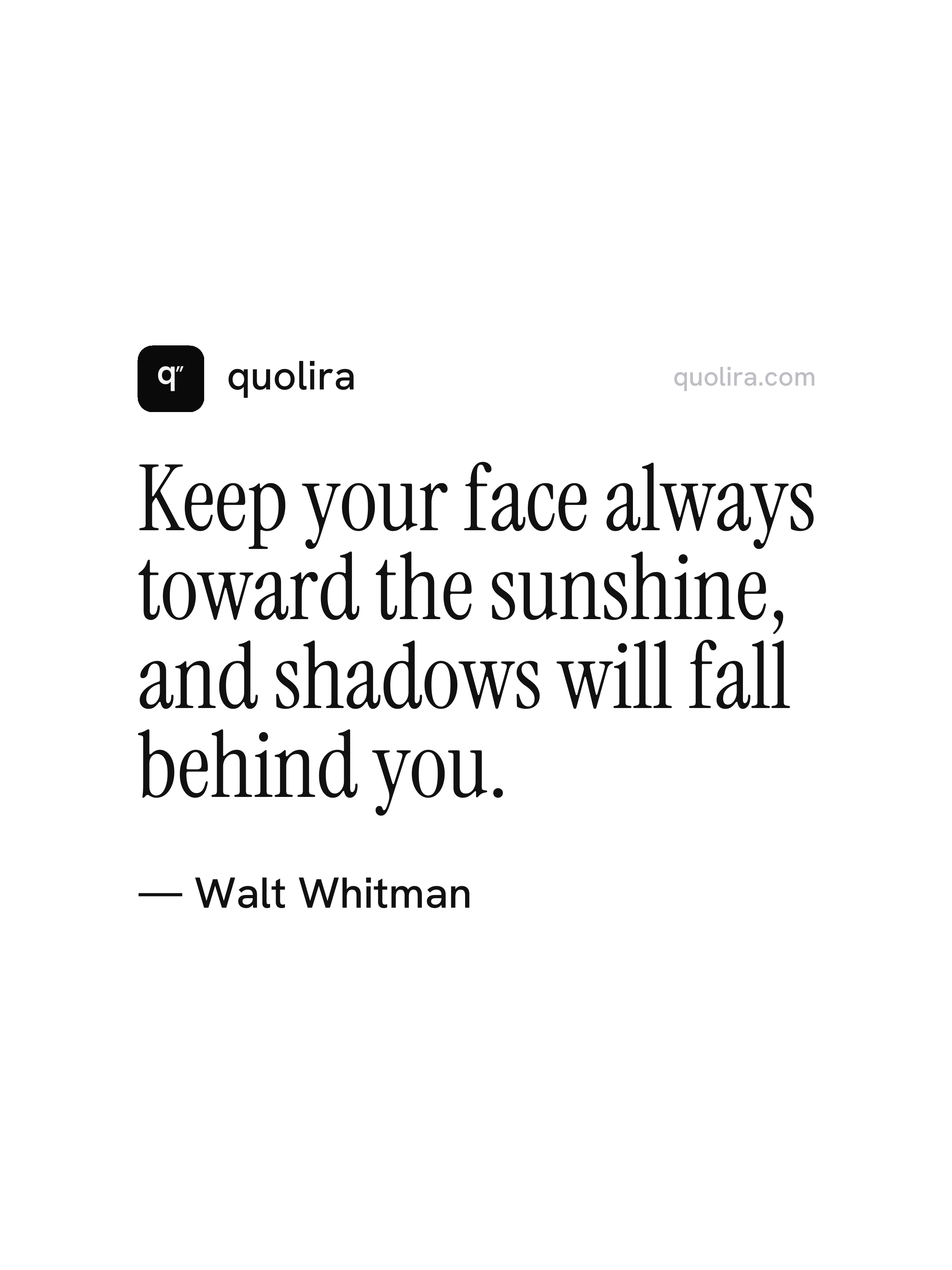
“Keep your face always toward the sunshine, and shadows will fall behind you.”
Walt Whitman
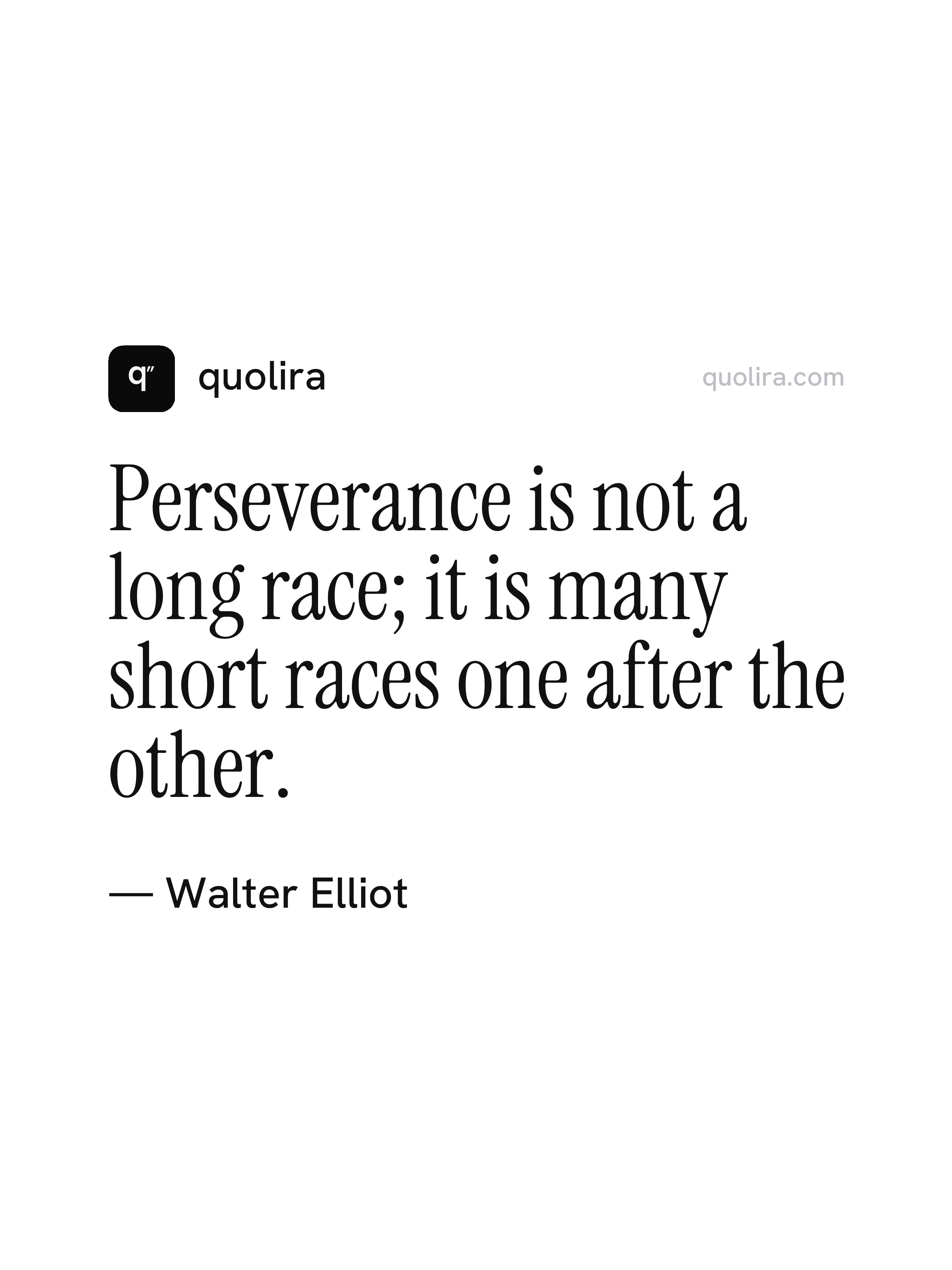
“Perseverance is not a long race; it is many short races one after the other.”
Walter Elliot · The Spiritual Life
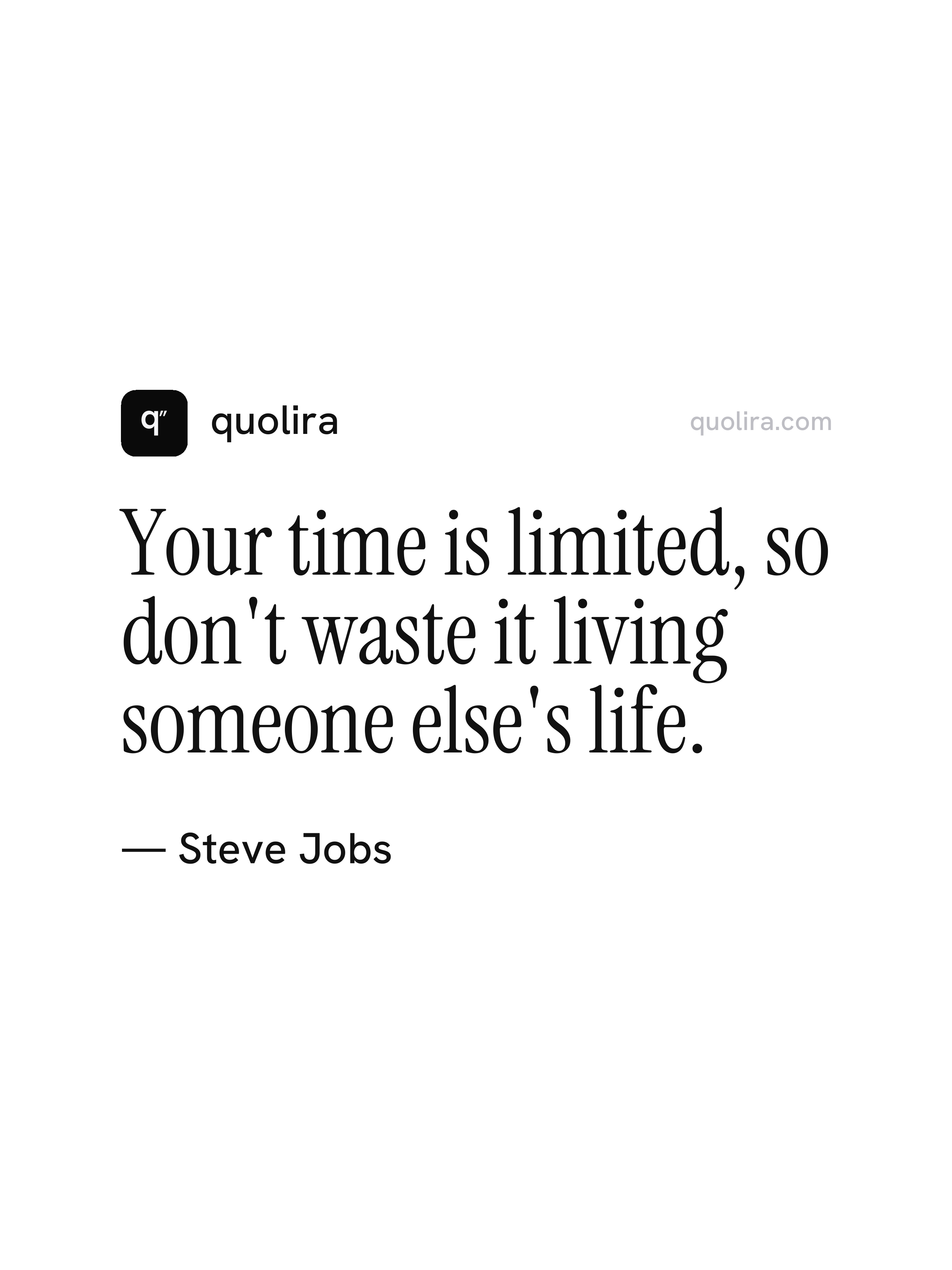
“Your time is limited, so don't waste it living someone else's life.”
Steve Jobs · Stanford Commencement Address, 2005
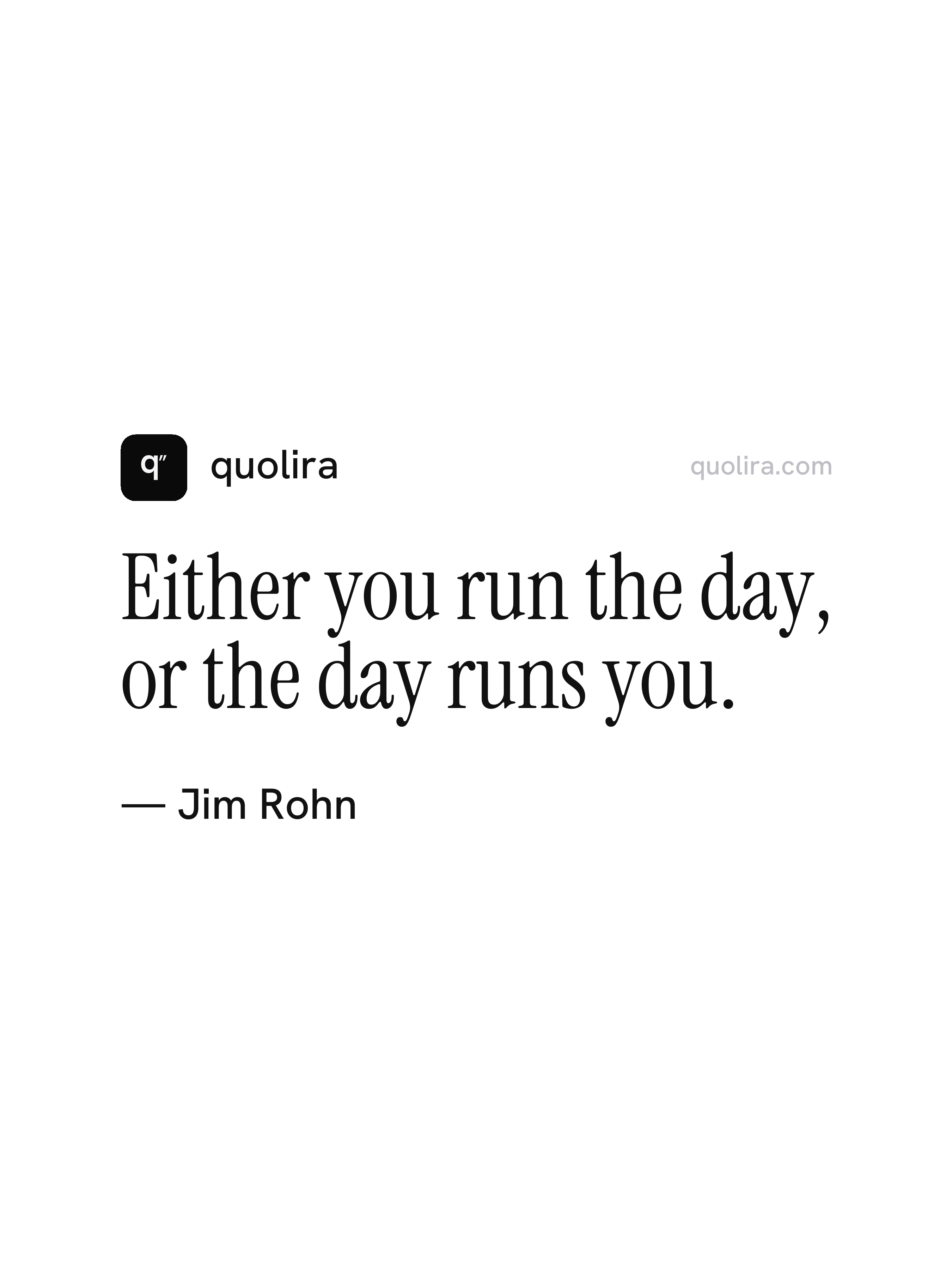
“Either you run the day, or the day runs you.”
Jim Rohn