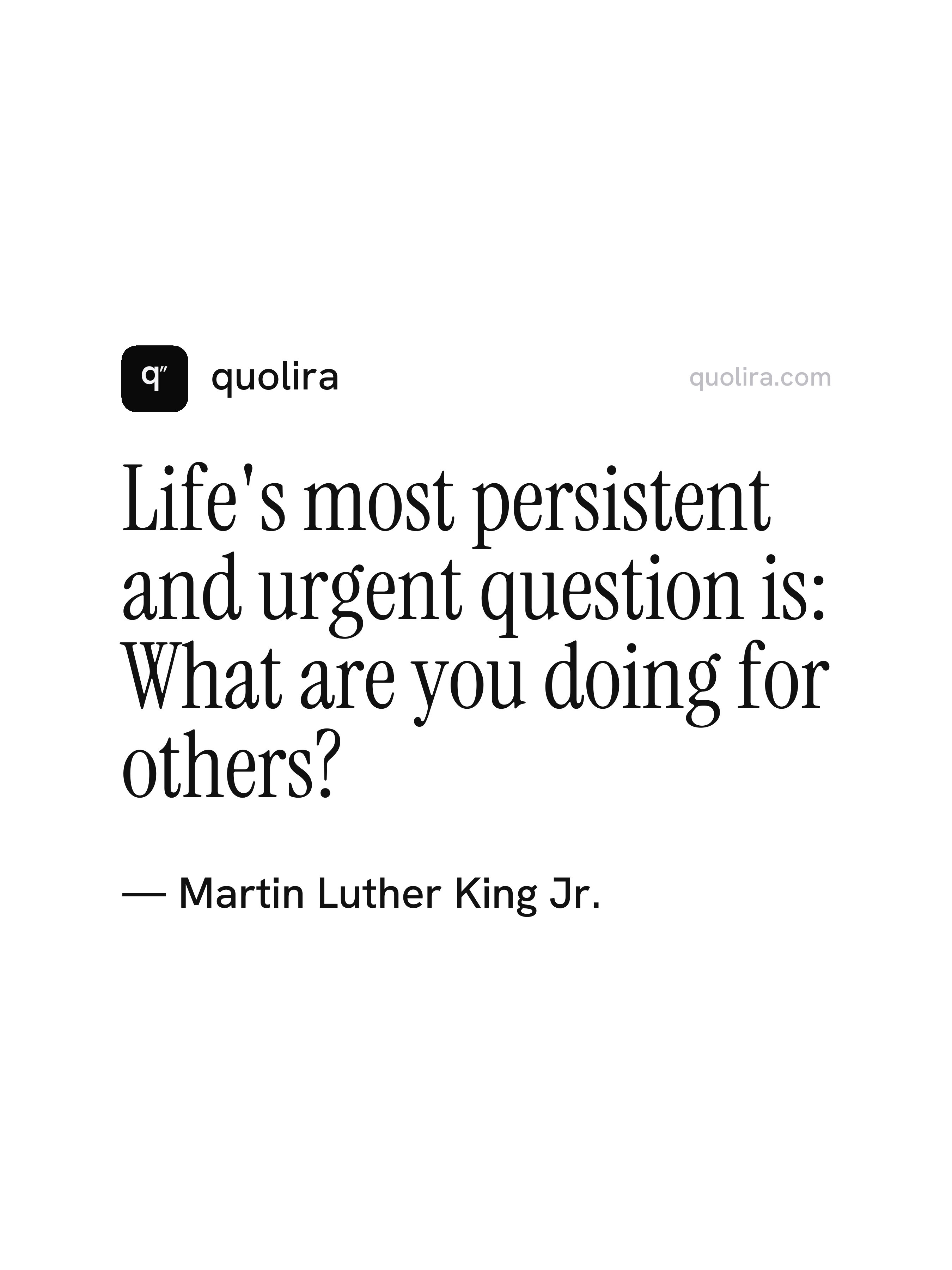
“Life's most persistent and urgent question is: What are you doing for others?”
Martin Luther King Jr. · "A Question of Life or Death," speech, Louisville, Kentucky, March 1956
 quolira
.com
quolira
quolira.com
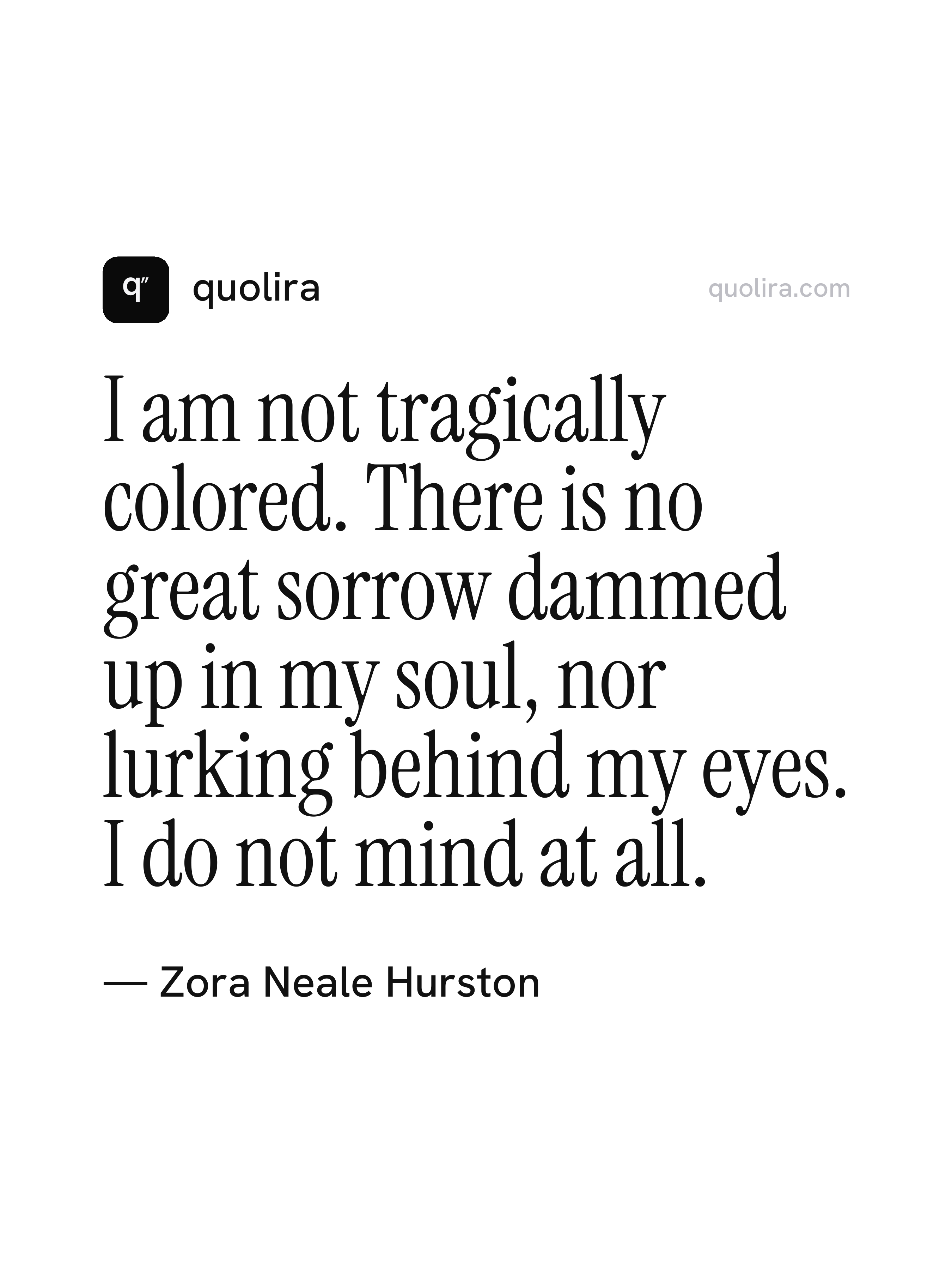
Hurston is firmly rejecting the idea that her racial identity is a wound or a burden she carries through the world. Where some might expect her to narrate her experience of being Black in America as one of accumulated grief, she refuses that script. She is not denying that racism exists or that it causes harm, but she is insisting on her own interior freedom, on the right to experience herself as whole rather than diminished, and to move through life without a posture of tragedy.
This passage is drawn from Hurston's personal essay published in the magazine World Tomorrow in 1928. The essay is a bold and playful piece in which she reflects on her own sense of identity, difference, and belonging, written at a time when the Harlem Renaissance was reshaping how Black writers and artists presented themselves to American culture. Hurston's tone in the essay is deliberately unconventional, resisting both self-pity and the kind of earnest protest writing that dominated much of the era's discourse about race.
Zora Neale Hurston was an American novelist, folklorist, and anthropologist who became one of the most distinctive voices of the Harlem Renaissance. She studied anthropology and conducted extensive fieldwork collecting African American folklore and oral traditions across the American South and the Caribbean. Her novel Their Eyes Were Watching God is her best-known work of fiction. Despite her considerable output, she spent years in relative obscurity before being rediscovered by later generations of readers and scholars. Her writing is celebrated for its exuberance, its linguistic richness, and its unapologetic centering of Black life on its own terms.
“Life's most persistent and urgent question is: What are you doing for others?”
Martin Luther King Jr. · "A Question of Life or Death," speech, Louisville, Kentucky, March 1956
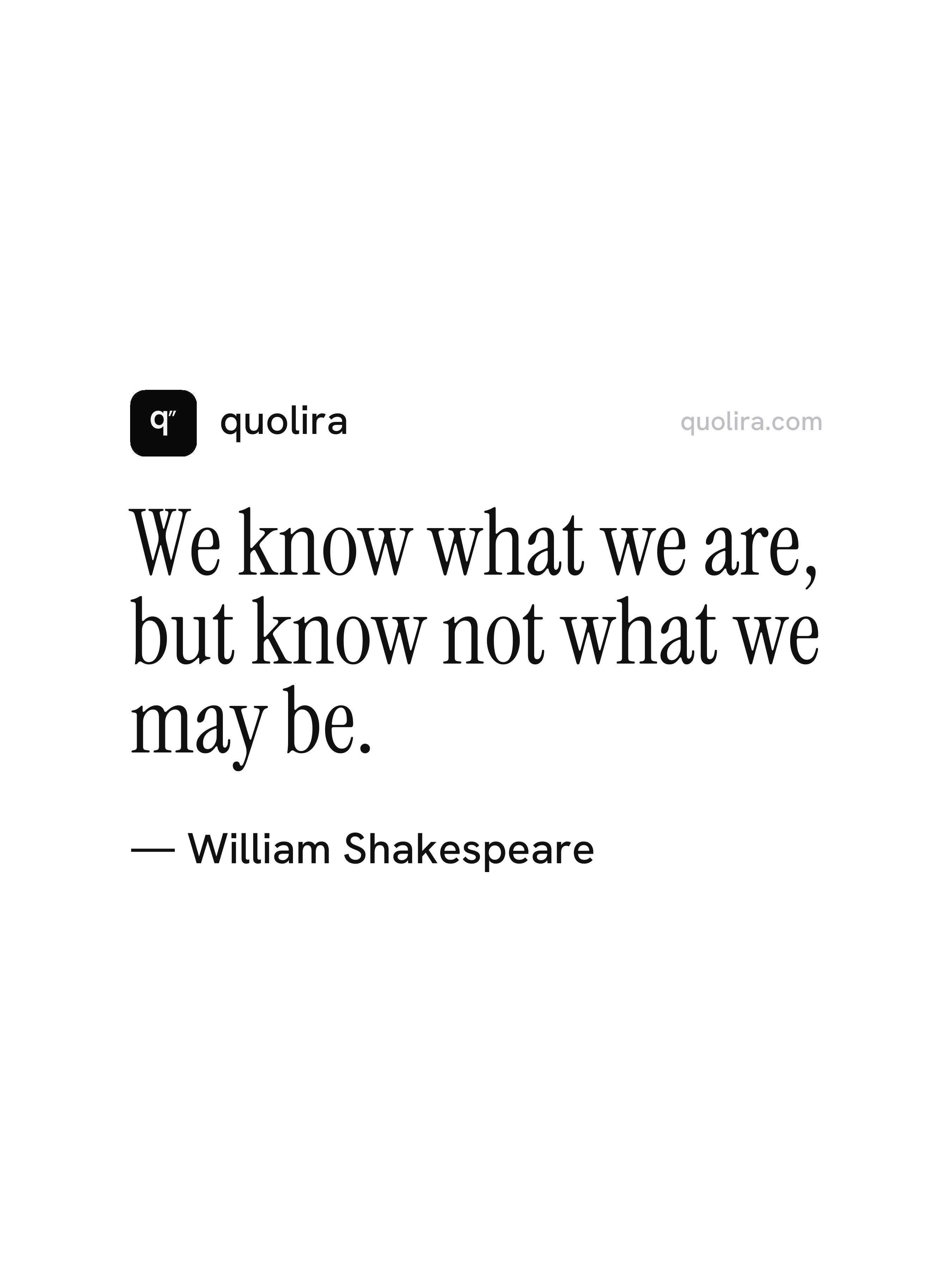
“We know what we are, but know not what we may be.”
William Shakespeare · Hamlet, Act 4, Scene 5
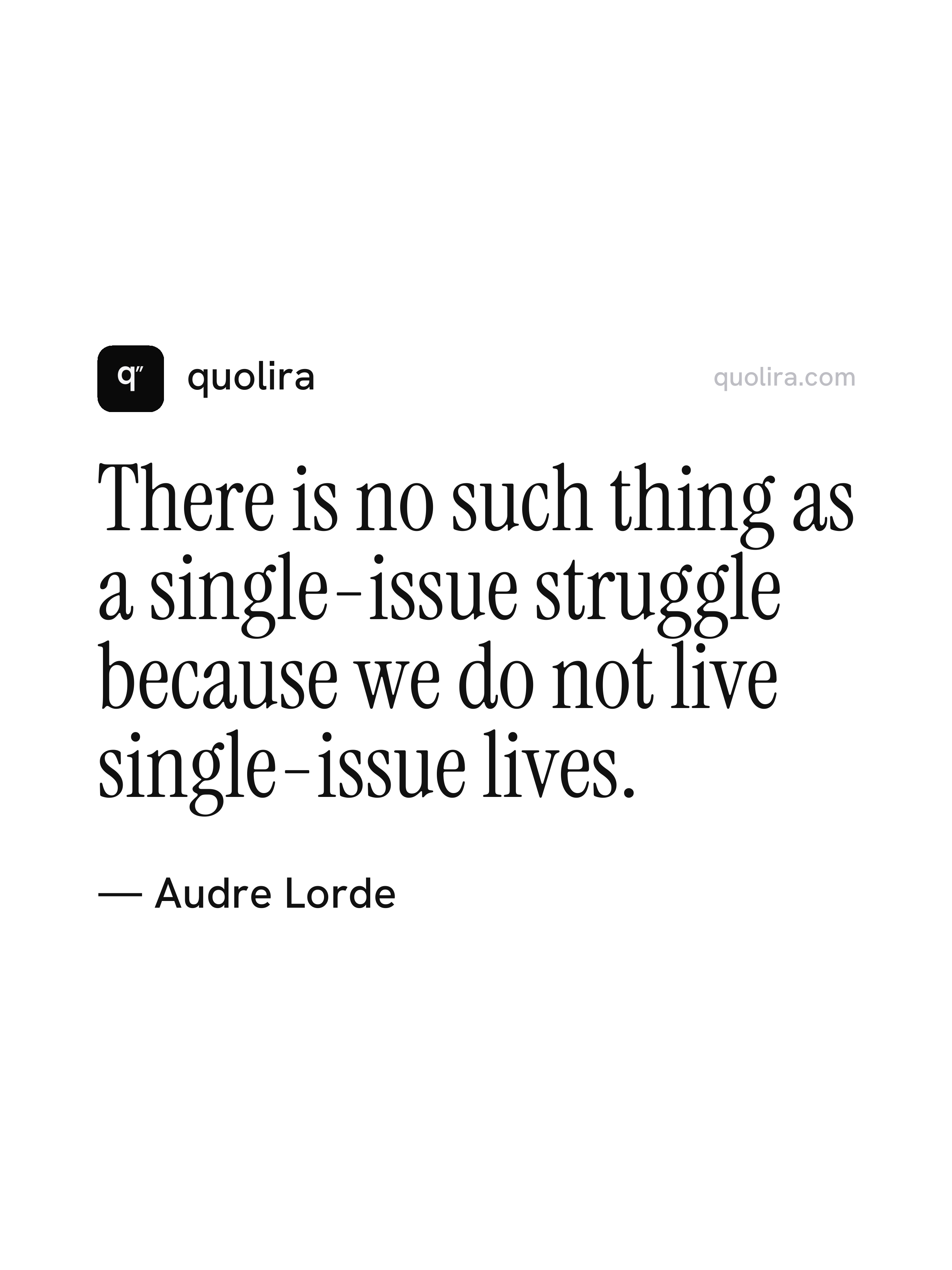
“There is no such thing as a single-issue struggle because we do not live single-issue lives.”
Audre Lorde · "Learning from the 60s," speech at Harvard, February 1982
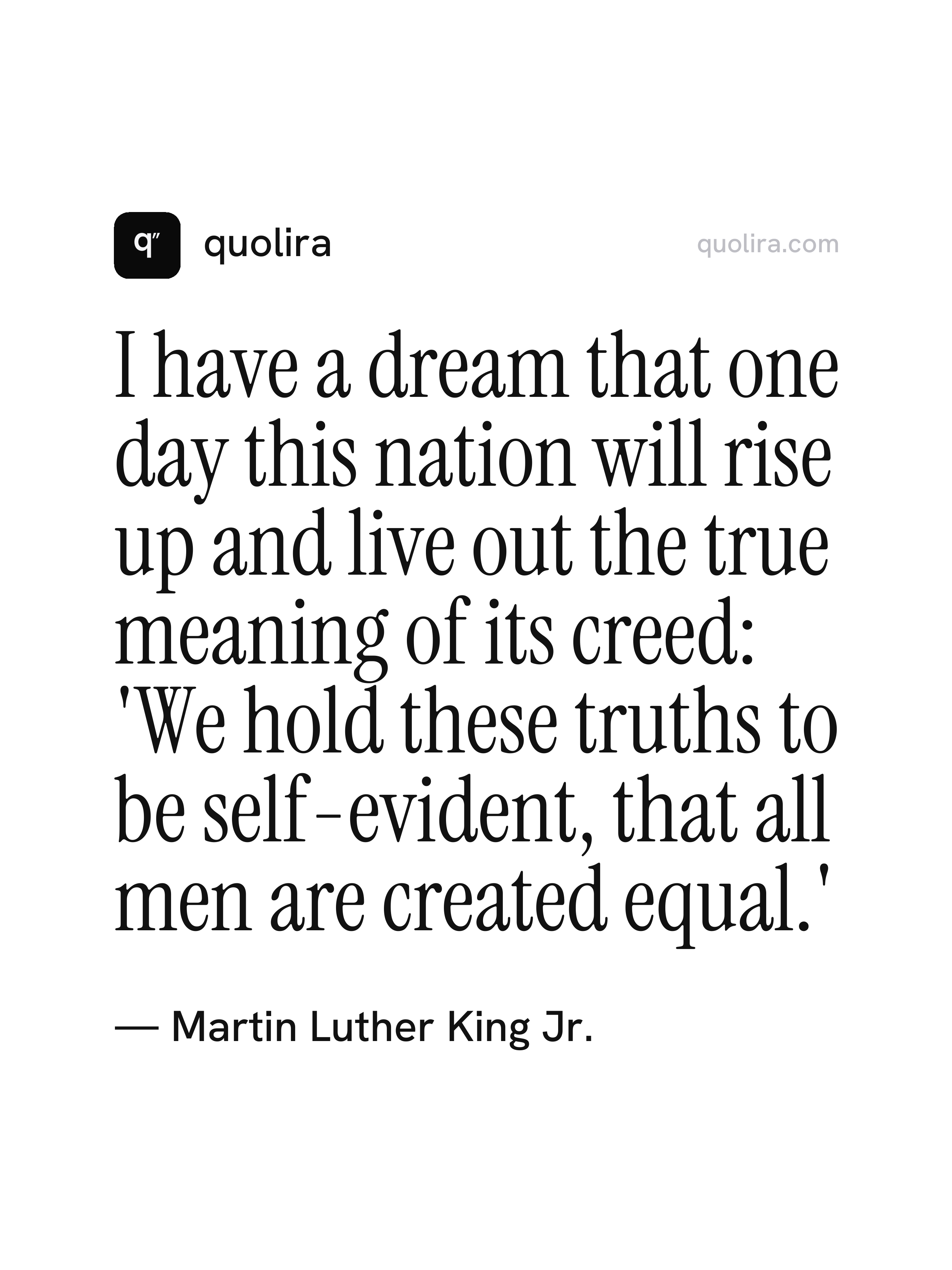
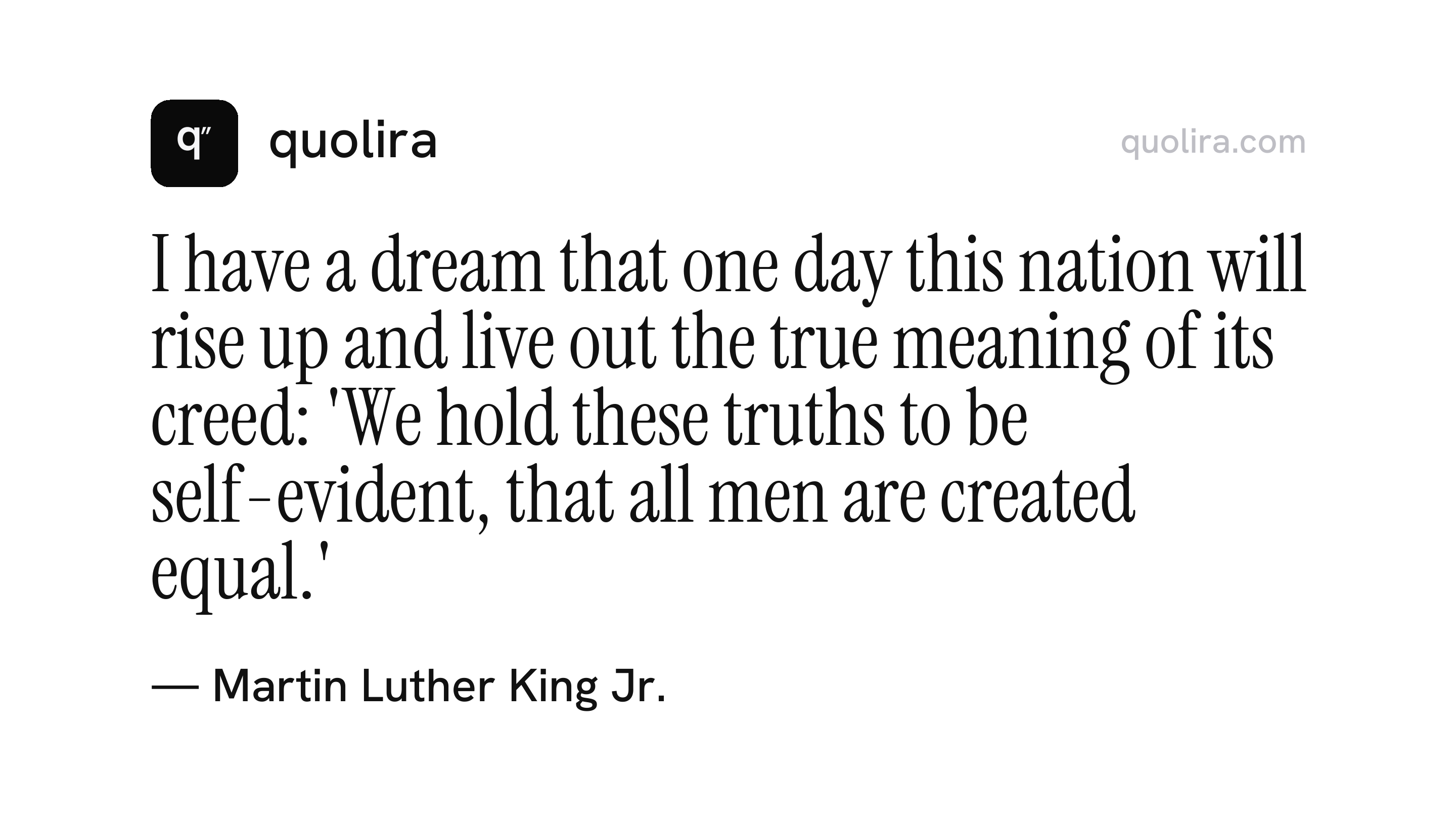
“I have a dream that one day this nation will rise up and live out the true meaning of its creed: 'We hold these truths to be self-evident, that all men are created equal.'”
Martin Luther King Jr. · "I Have a Dream" speech, Lincoln Memorial, August 28, 1963
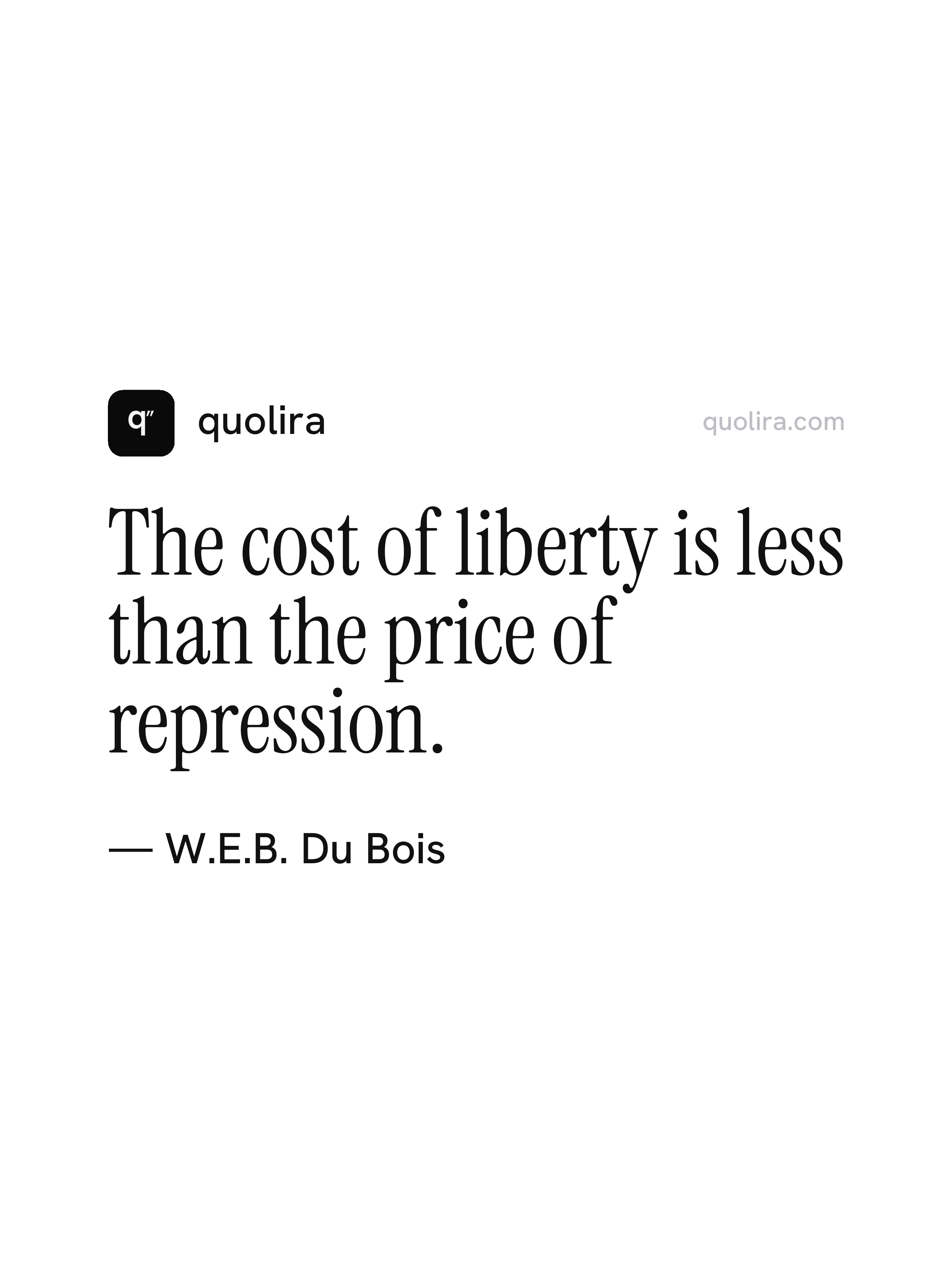
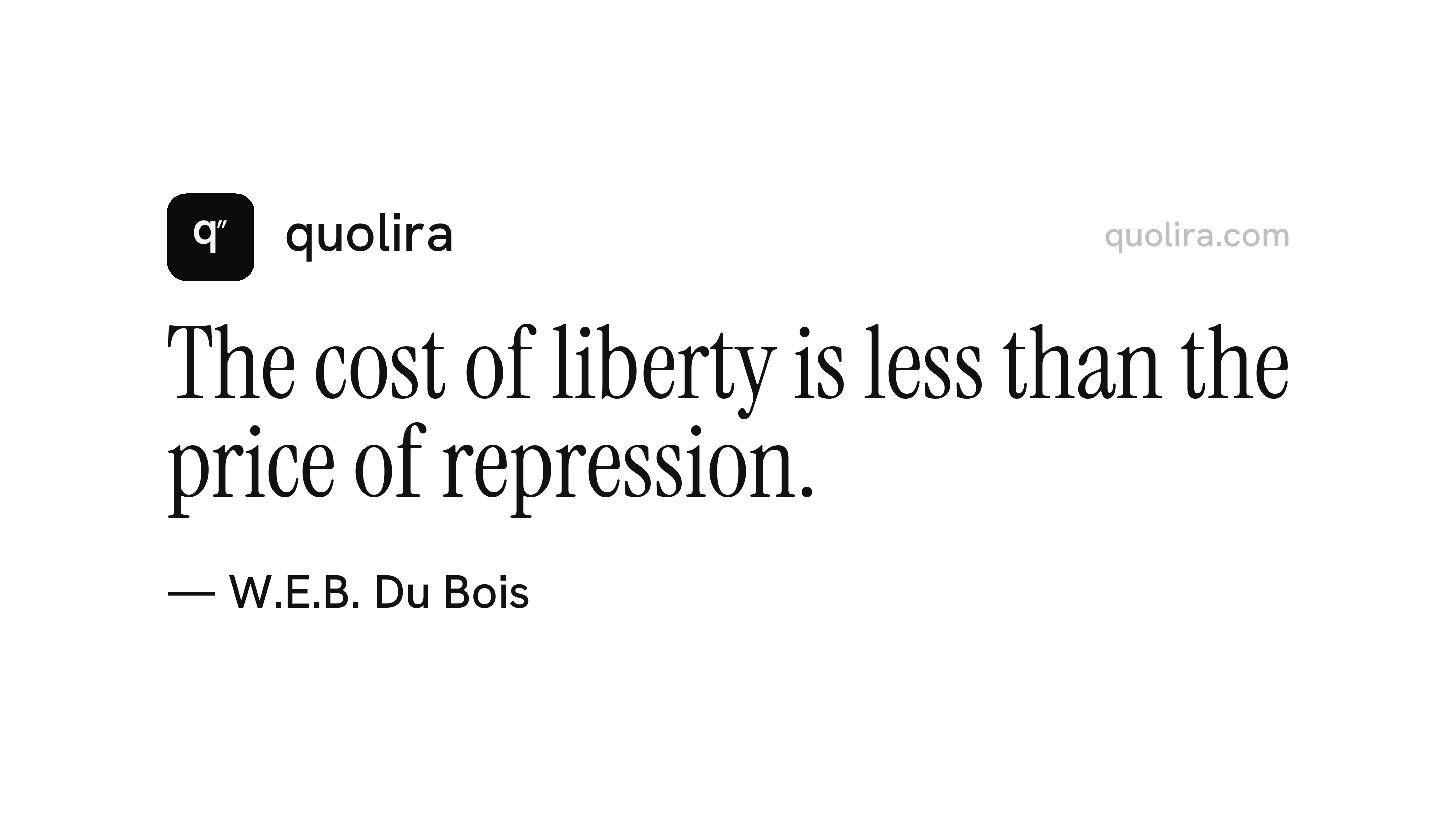
“The cost of liberty is less than the price of repression.”
W.E.B. Du Bois · "John Brown," 1909
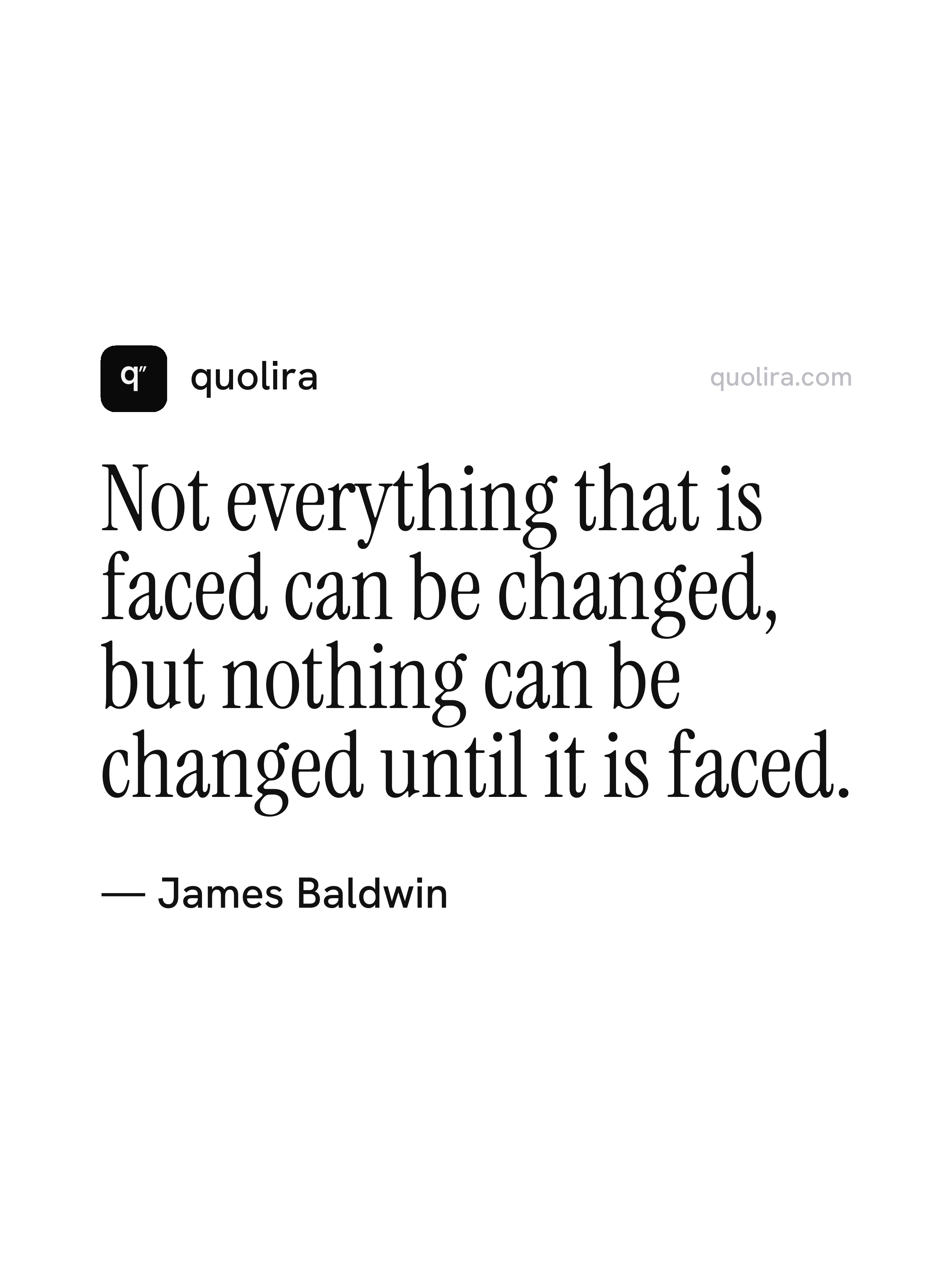
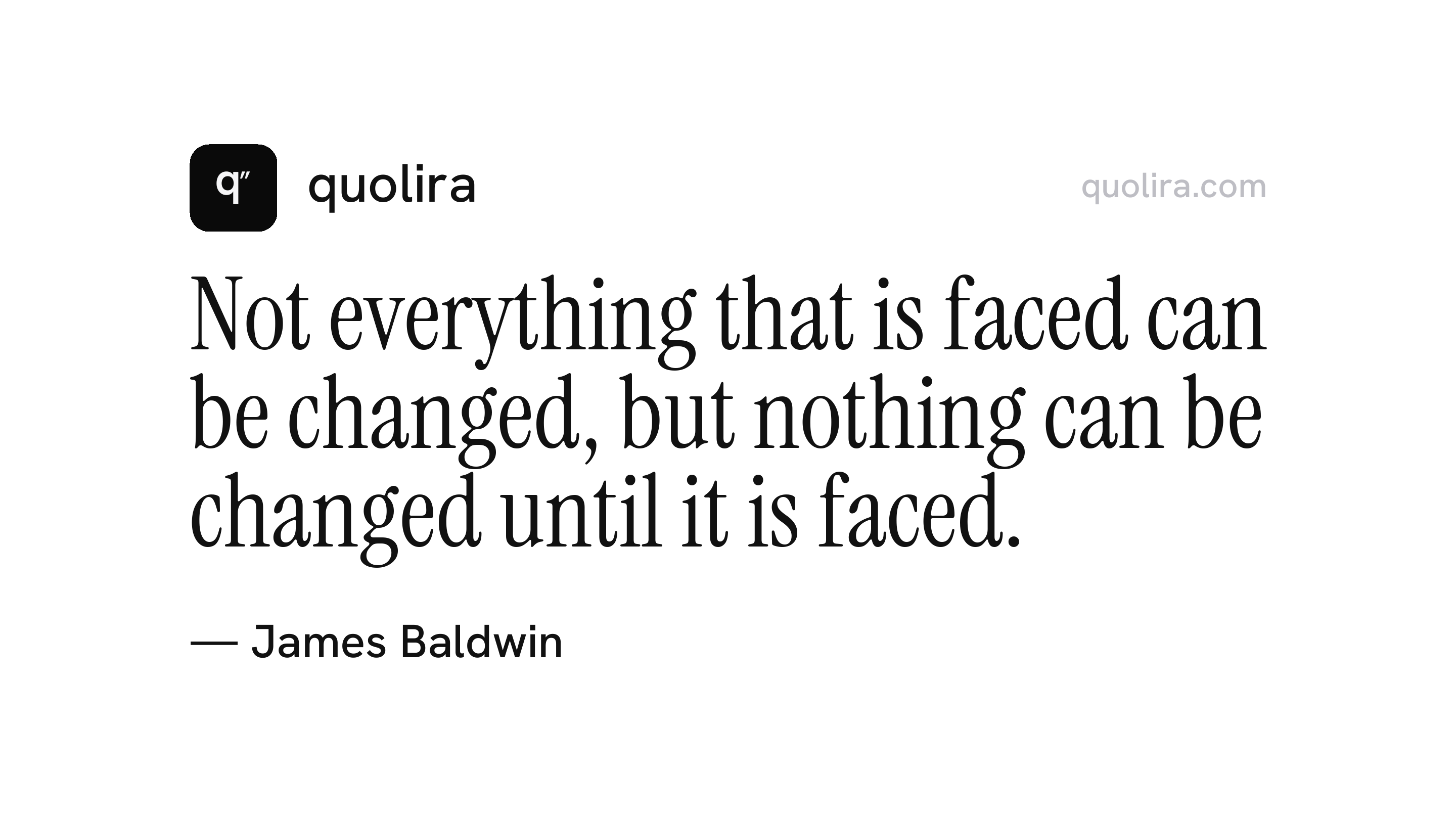
“Not everything that is faced can be changed, but nothing can be changed until it is faced.”
James Baldwin · "As Much Truth As One Can Bear," The New York Times Book Review, 1962
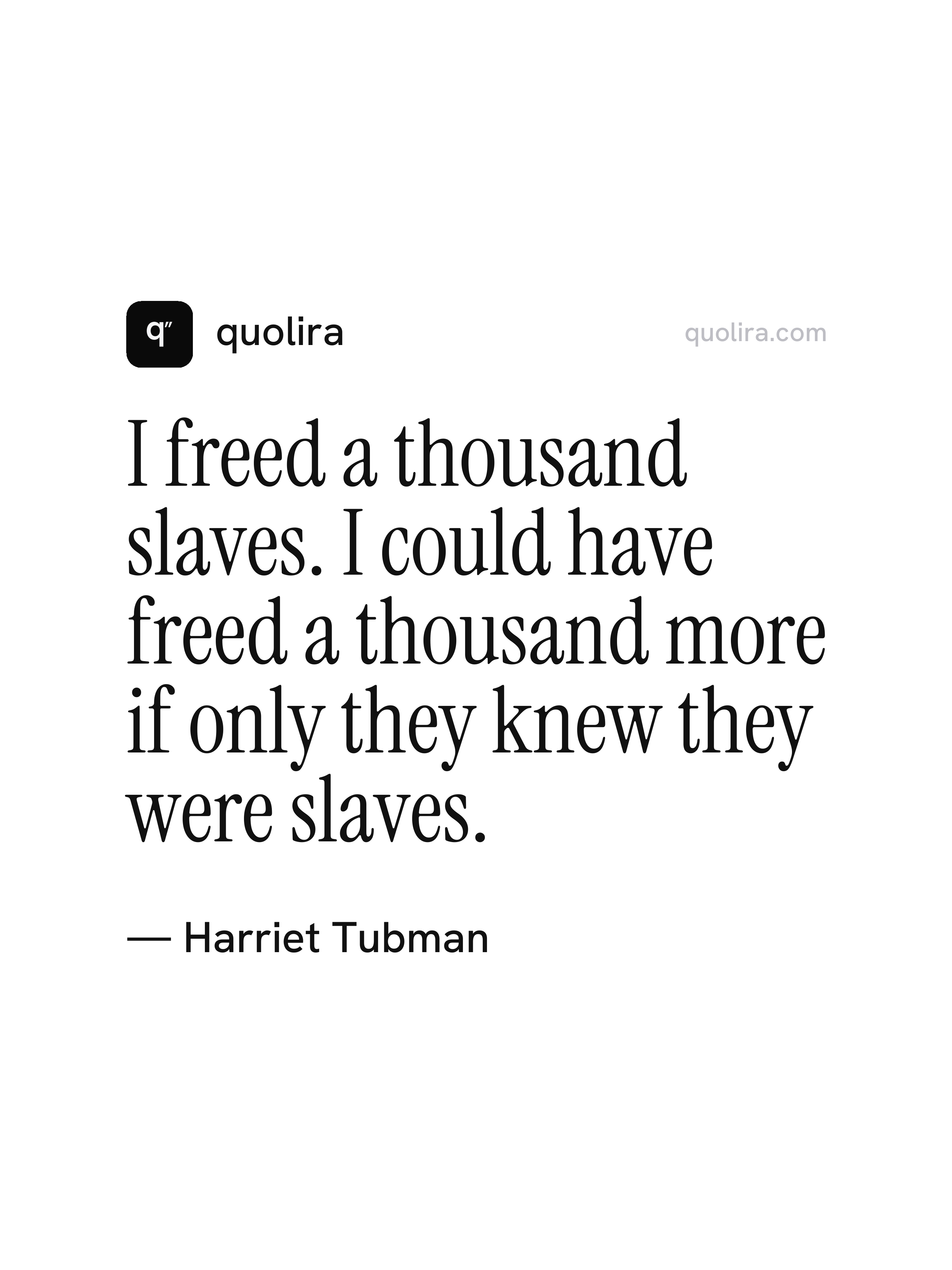
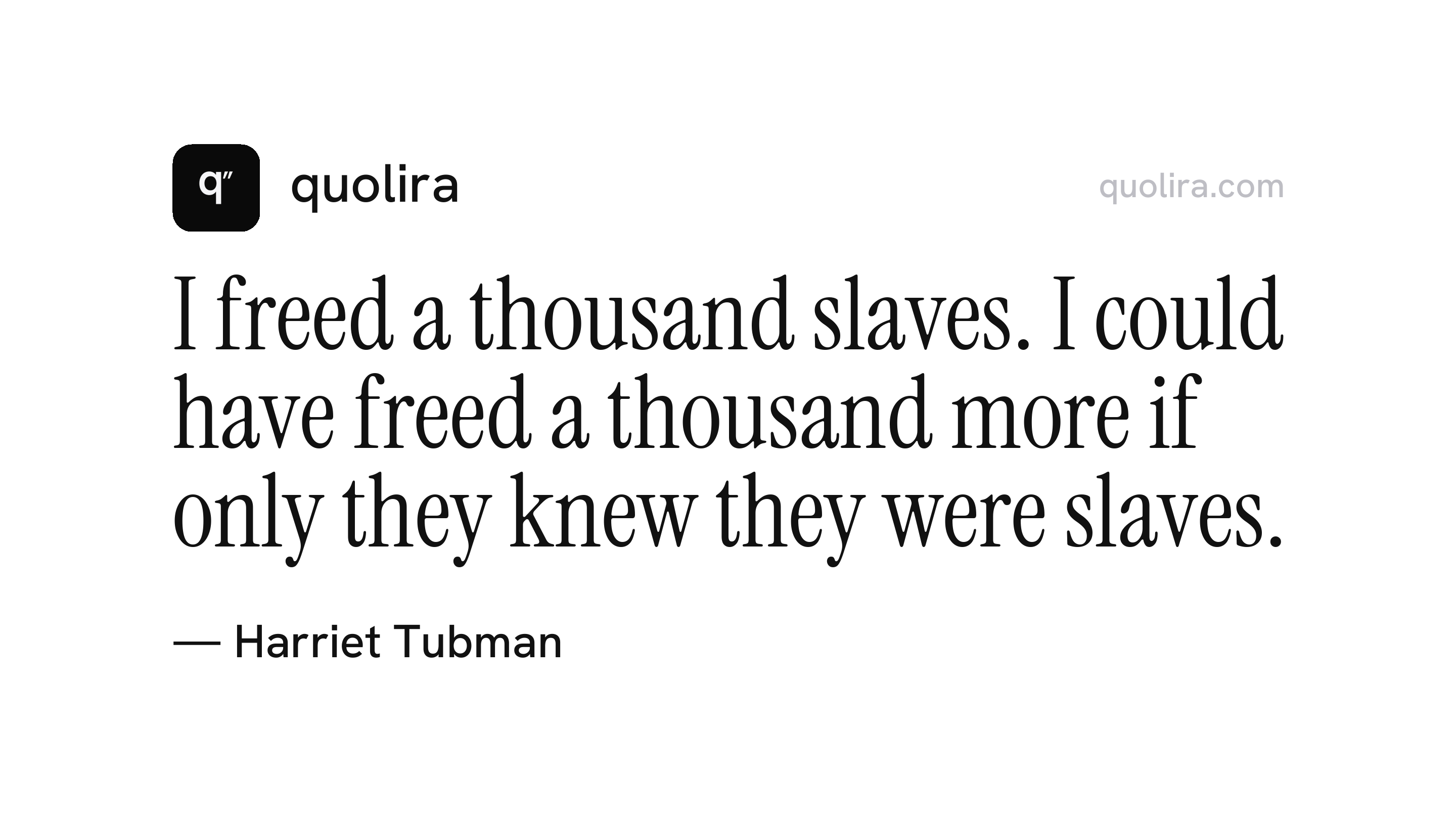
“I freed a thousand slaves. I could have freed a thousand more if only they knew they were slaves.”
Harriet Tubman · widely attributed, circa 1896
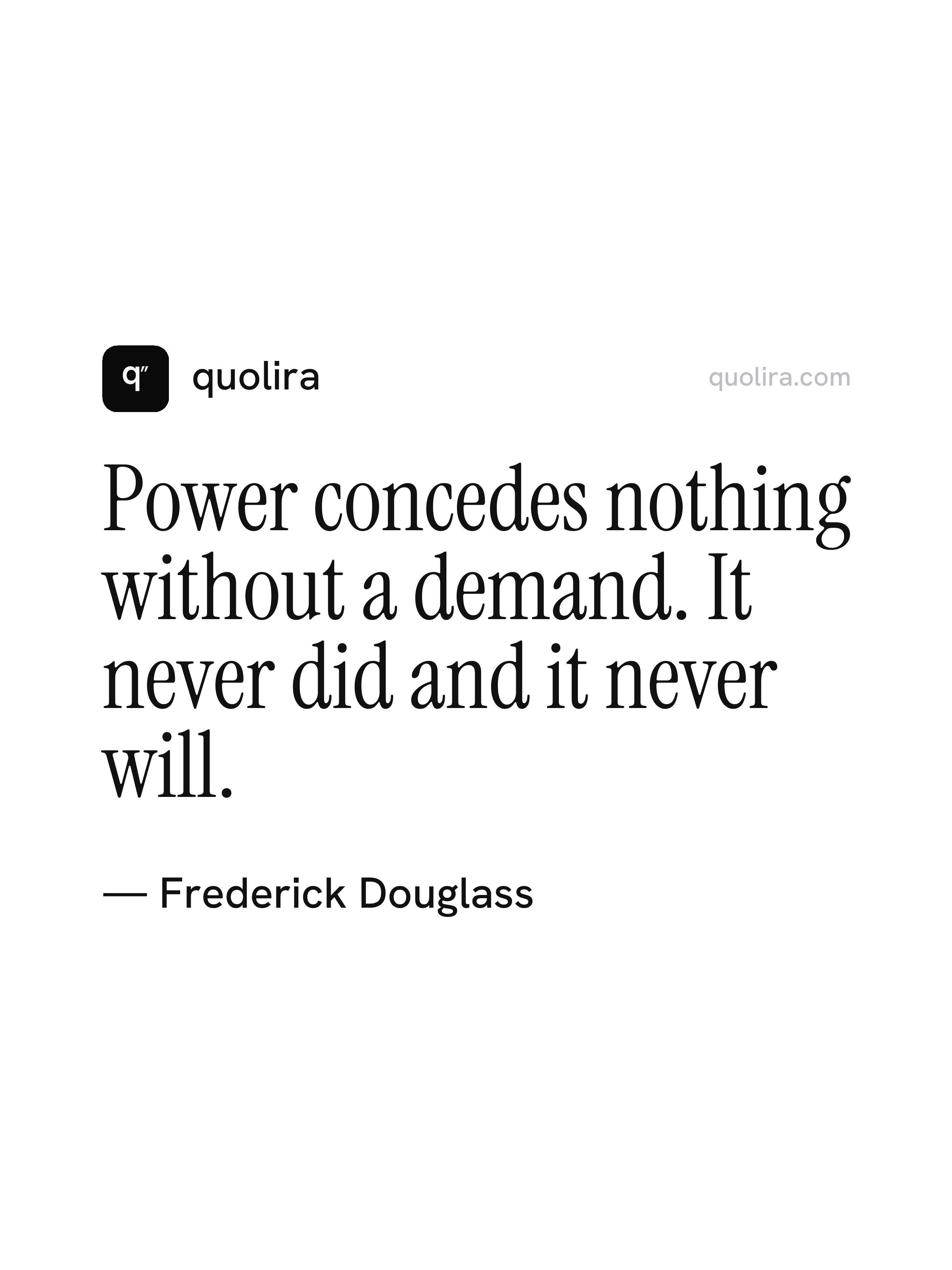
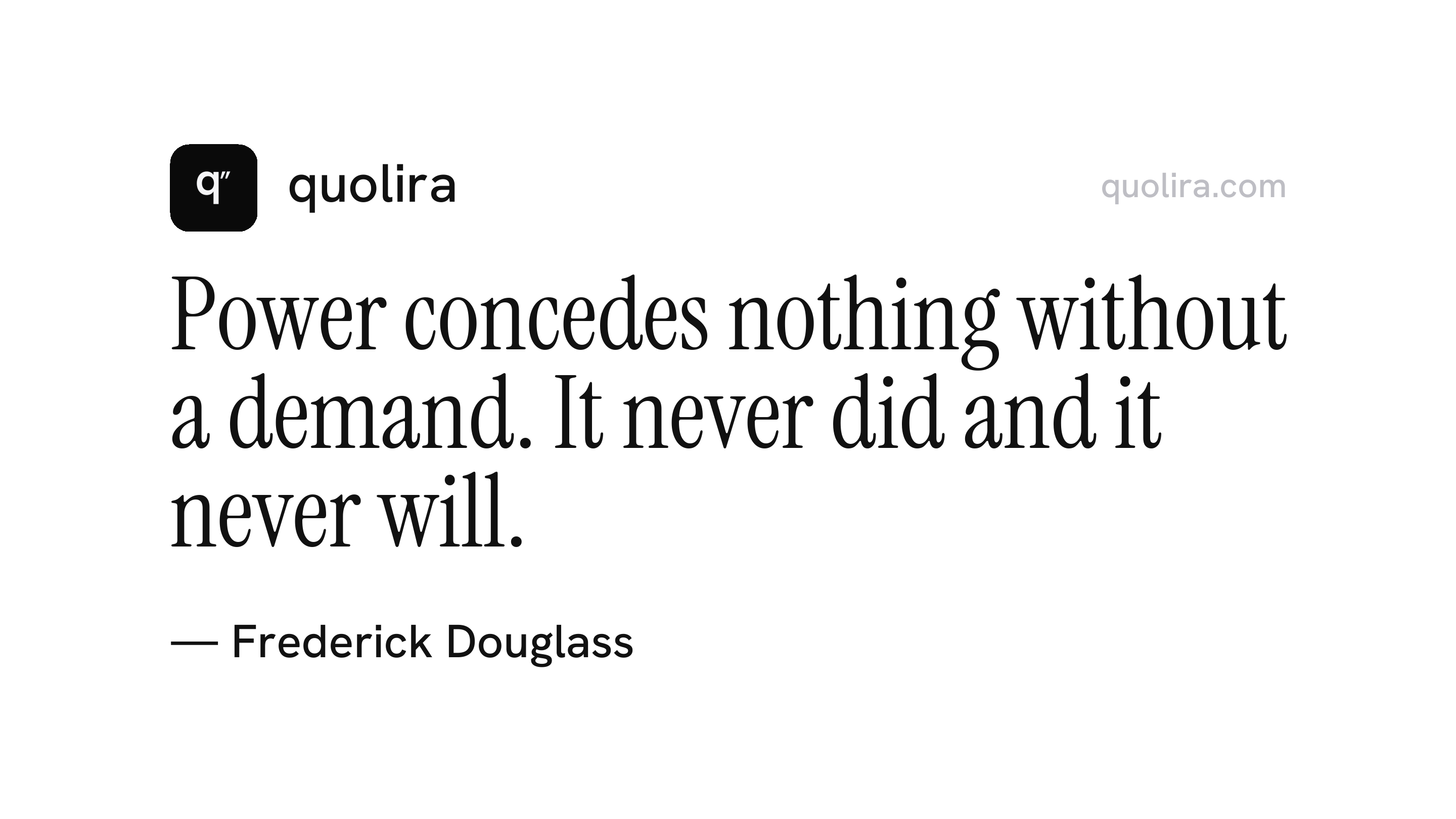
“Power concedes nothing without a demand. It never did and it never will.”
Frederick Douglass · "If There Is No Struggle, There Is No Progress," speech, 1857
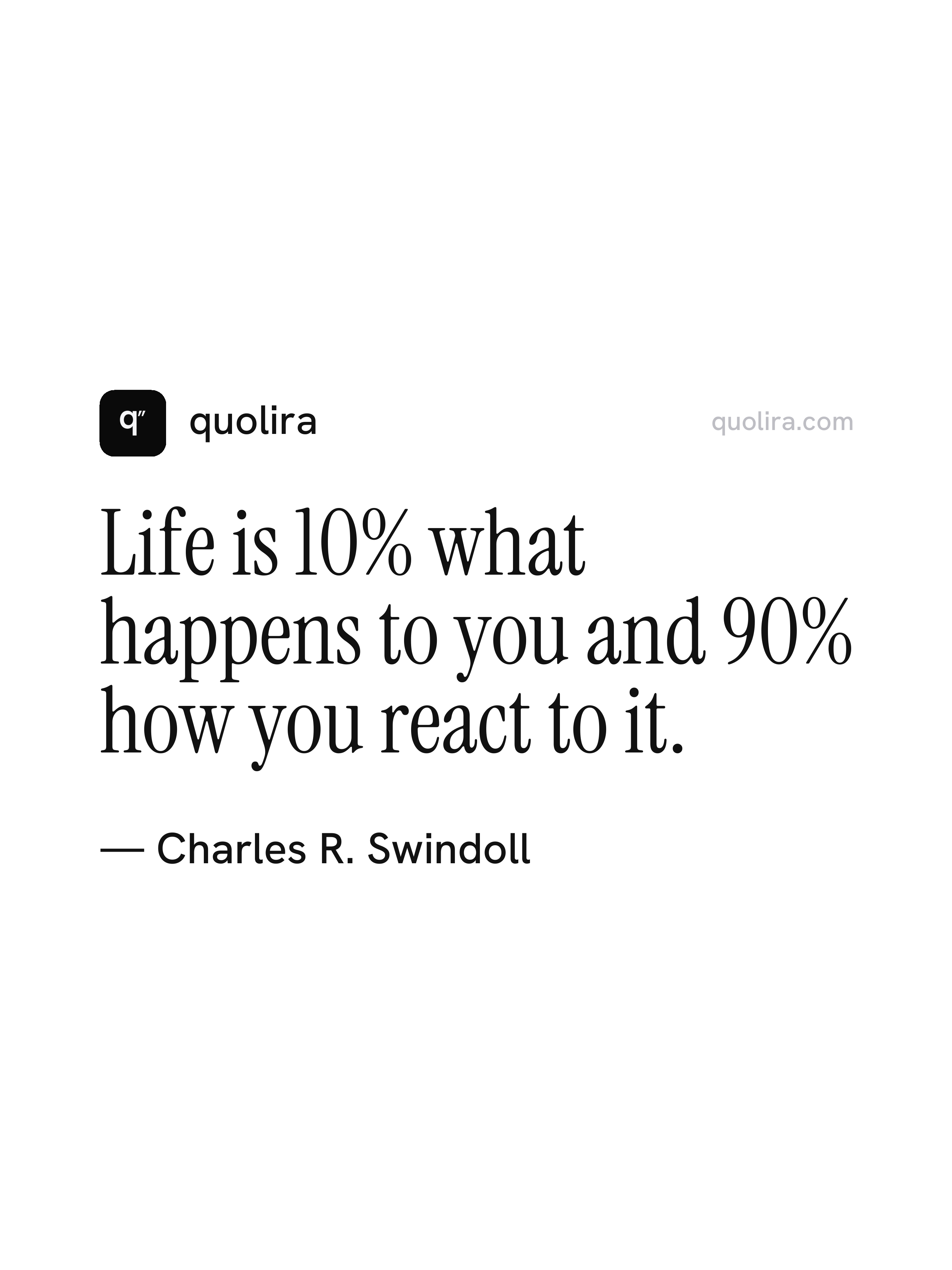
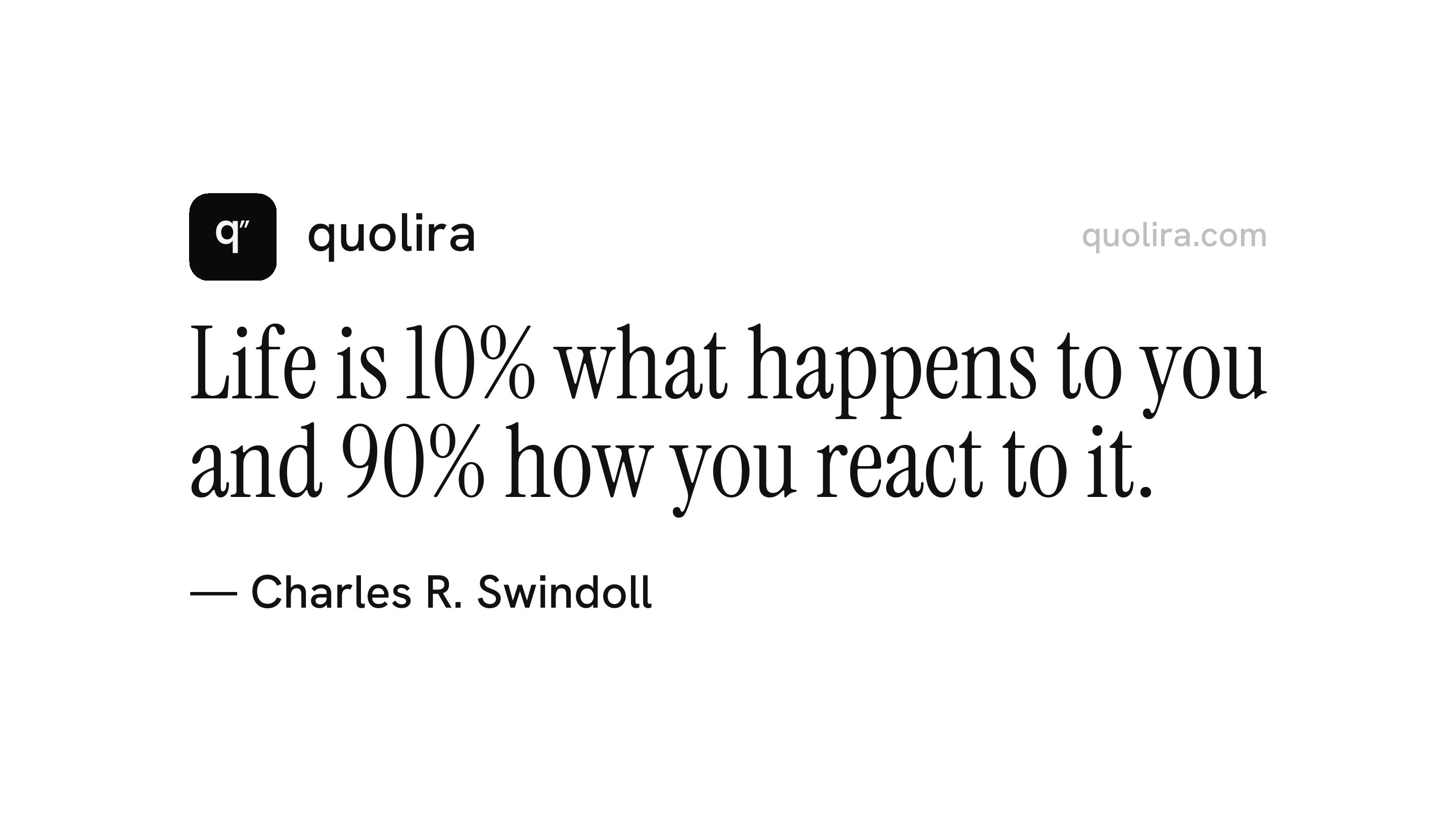
“Life is 10% what happens to you and 90% how you react to it.”
Charles R. Swindoll · Strengthening Your Grip, 1982
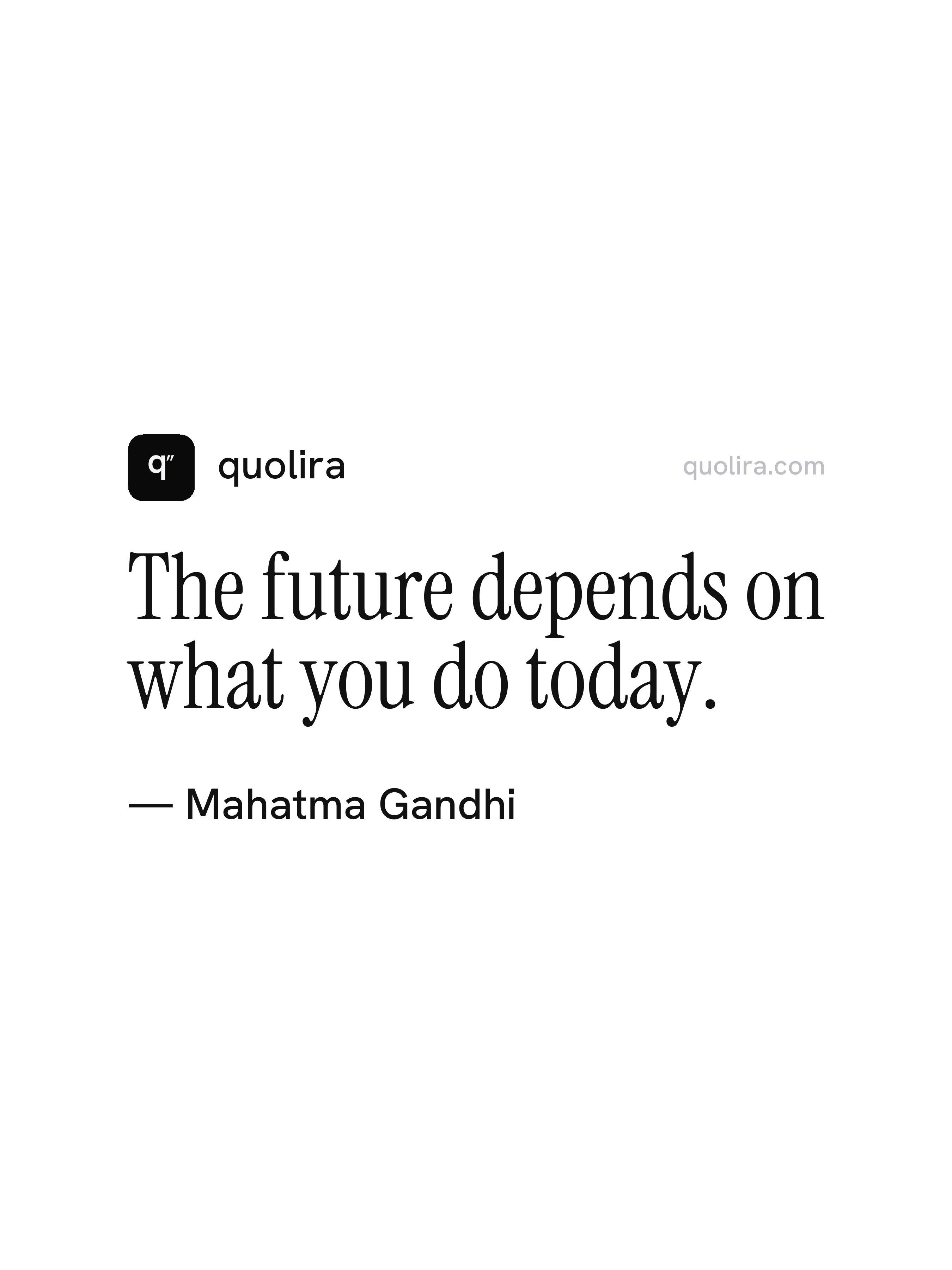
“The future depends on what you do today.”
Mahatma Gandhi
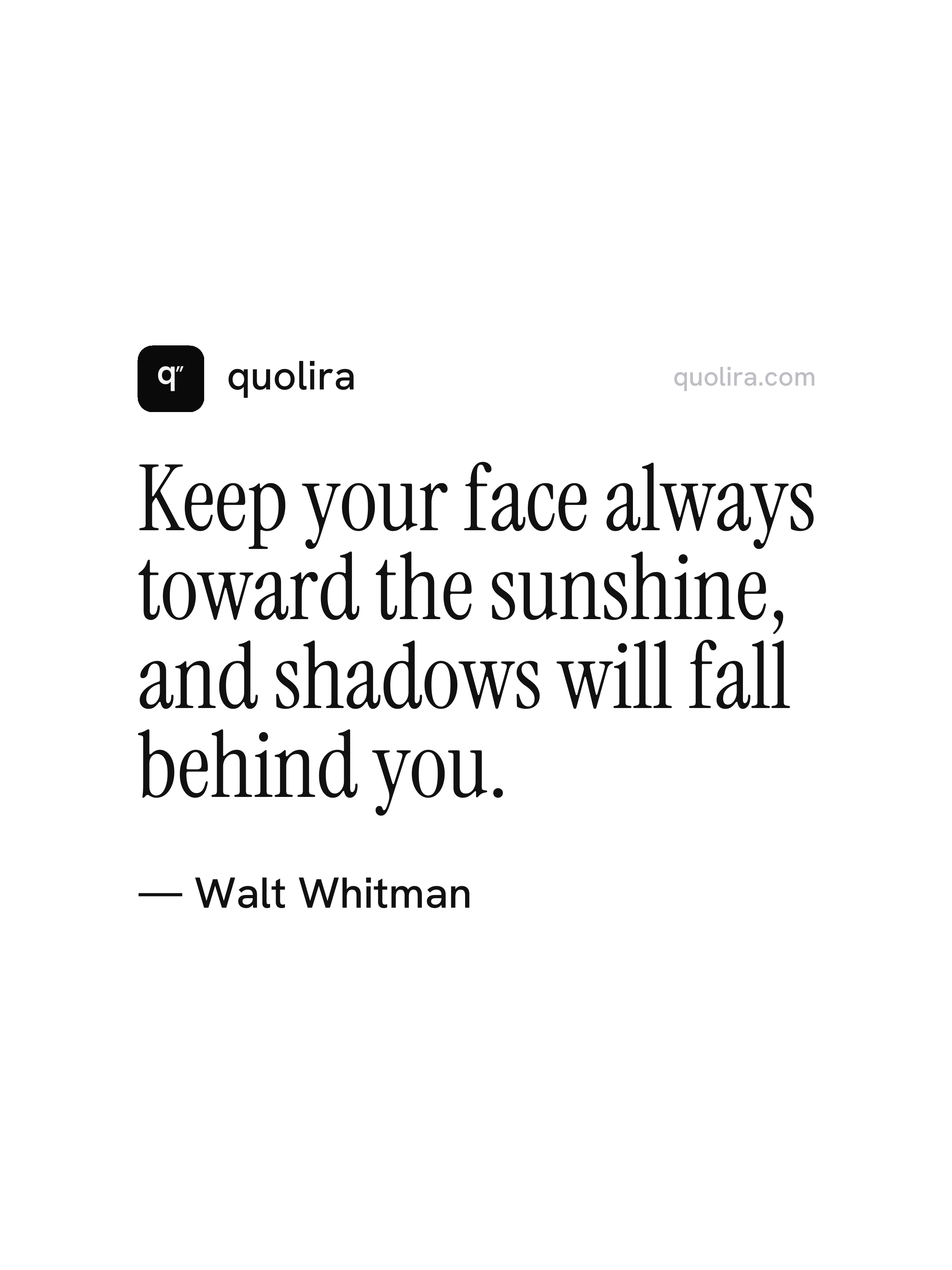
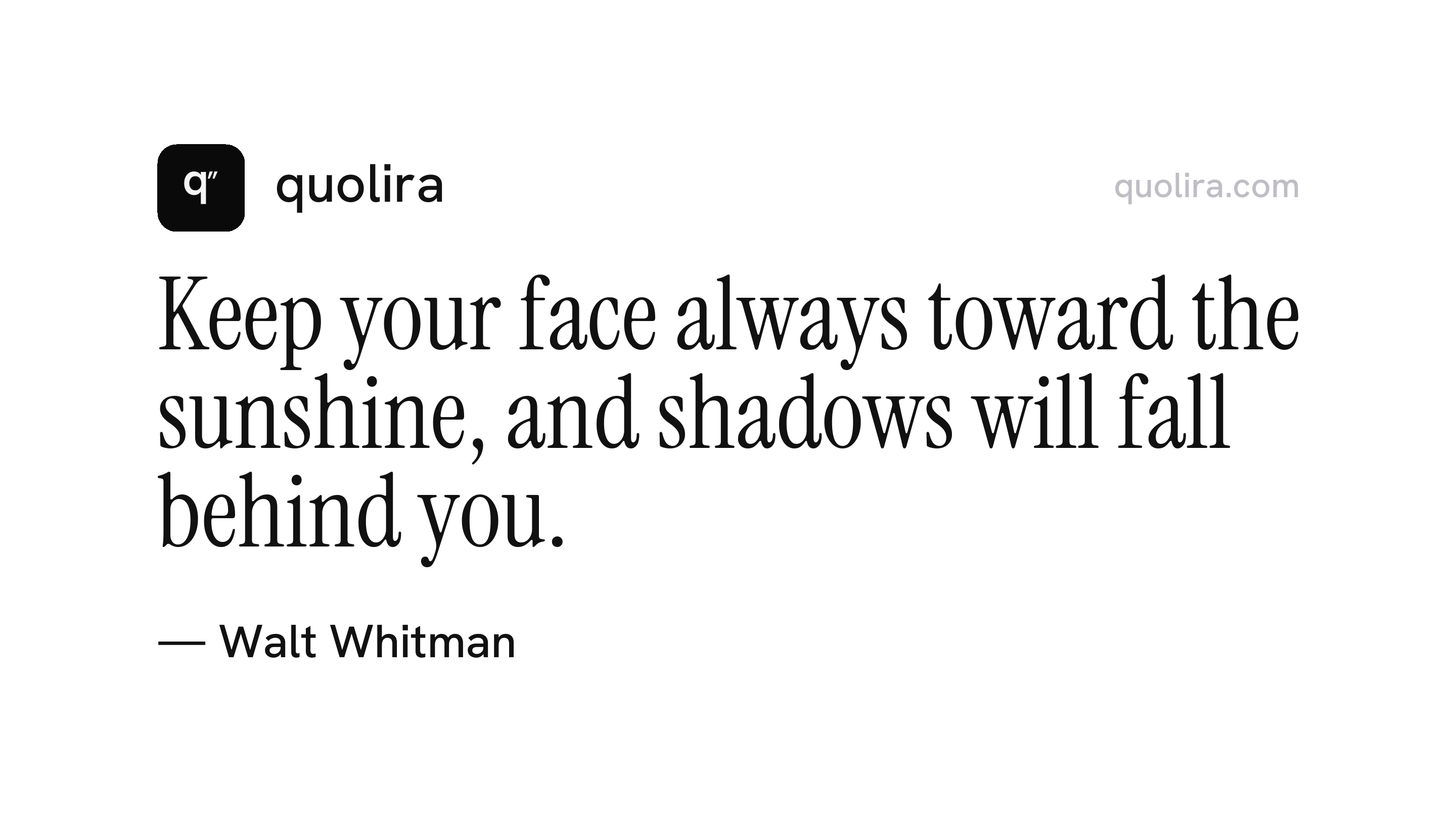
“Keep your face always toward the sunshine, and shadows will fall behind you.”
Walt Whitman
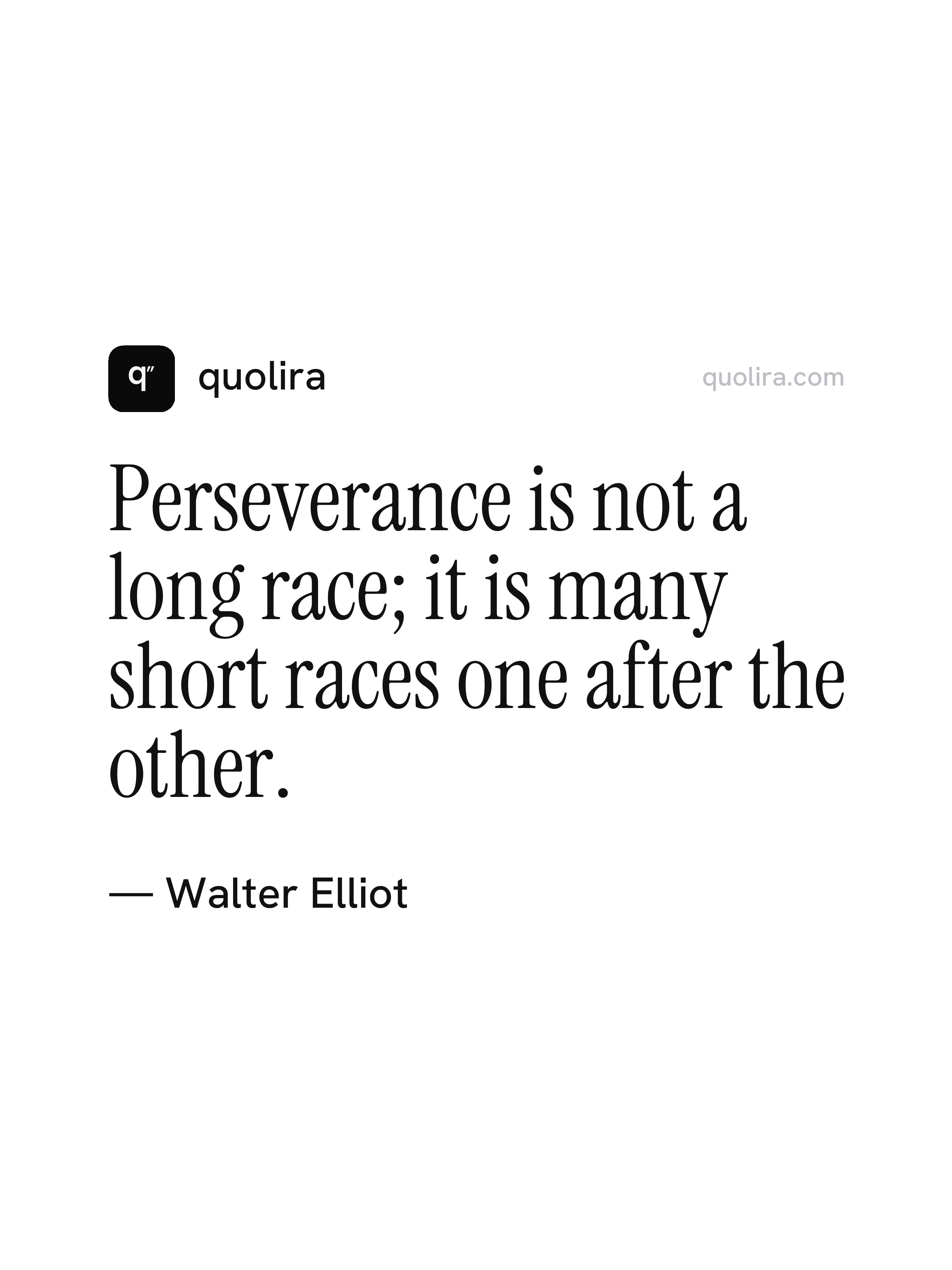
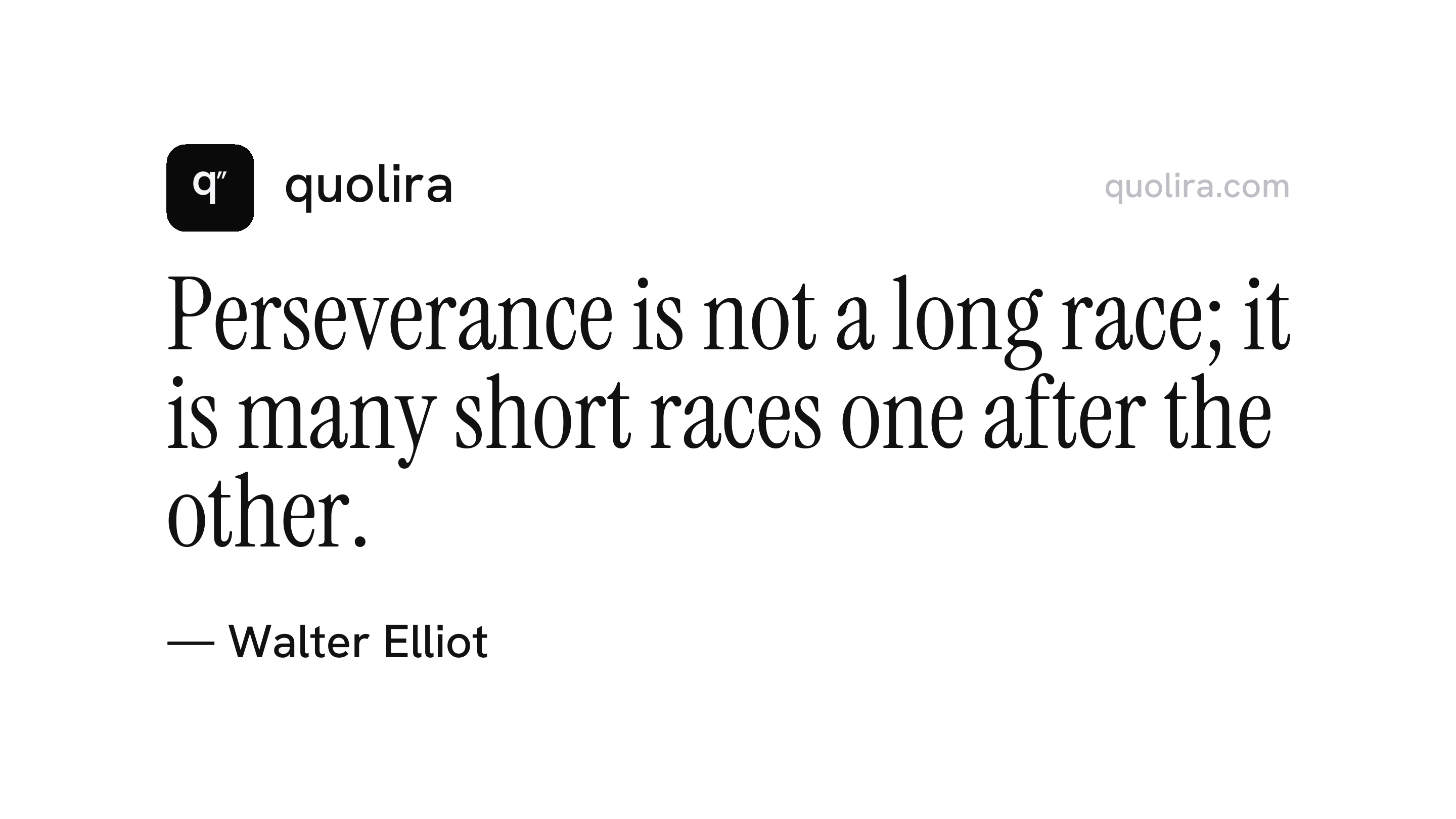
“Perseverance is not a long race; it is many short races one after the other.”
Walter Elliot · The Spiritual Life