“We know what we are, but know not what we may be.”
William Shakespeare · Hamlet, Act 4, Scene 5
 quolira
.com
quolira
quolira.com
King is redirecting attention away from what life gives us and toward what we contribute. The word "persistent" is important here: this is not a question asked once and answered, but one that recurs every day and in every circumstance. The framing suggests that a life well lived is measured not by personal achievement or comfort but by how consistently a person turns outward to consider the needs of others.
This line comes from a speech King delivered in Louisville, Kentucky, in March 1956, a period when he was emerging as a national voice for civil rights following the Montgomery Bus Boycott. The speech was rooted in his theological convictions as a Baptist minister, for whom service to others was not merely a civic virtue but a moral and spiritual obligation. King returned to this theme throughout his career, linking the individual duty to serve with the collective project of building a just society.
Martin Luther King Jr. was a Baptist minister and one of the foremost leaders of the American civil rights movement. His approach combined Christian ethics with the philosophy of nonviolent resistance, and he led or participated in many of the defining campaigns for racial equality in the United States during the 1950s and 1960s. He was awarded the Nobel Peace Prize in 1964. His speeches, sermons, and writings, including the Letter from Birmingham Jail, remain widely read and frequently cited in discussions of justice, morality, and civic responsibility. He was assassinated in Memphis, Tennessee, in April 1968.
“We know what we are, but know not what we may be.”
William Shakespeare · Hamlet, Act 4, Scene 5
“There is no such thing as a single-issue struggle because we do not live single-issue lives.”
Audre Lorde · "Learning from the 60s," speech at Harvard, February 1982
“I have a dream that one day this nation will rise up and live out the true meaning of its creed: 'We hold these truths to be self-evident, that all men are created equal.'”
Martin Luther King Jr. · "I Have a Dream" speech, Lincoln Memorial, August 28, 1963
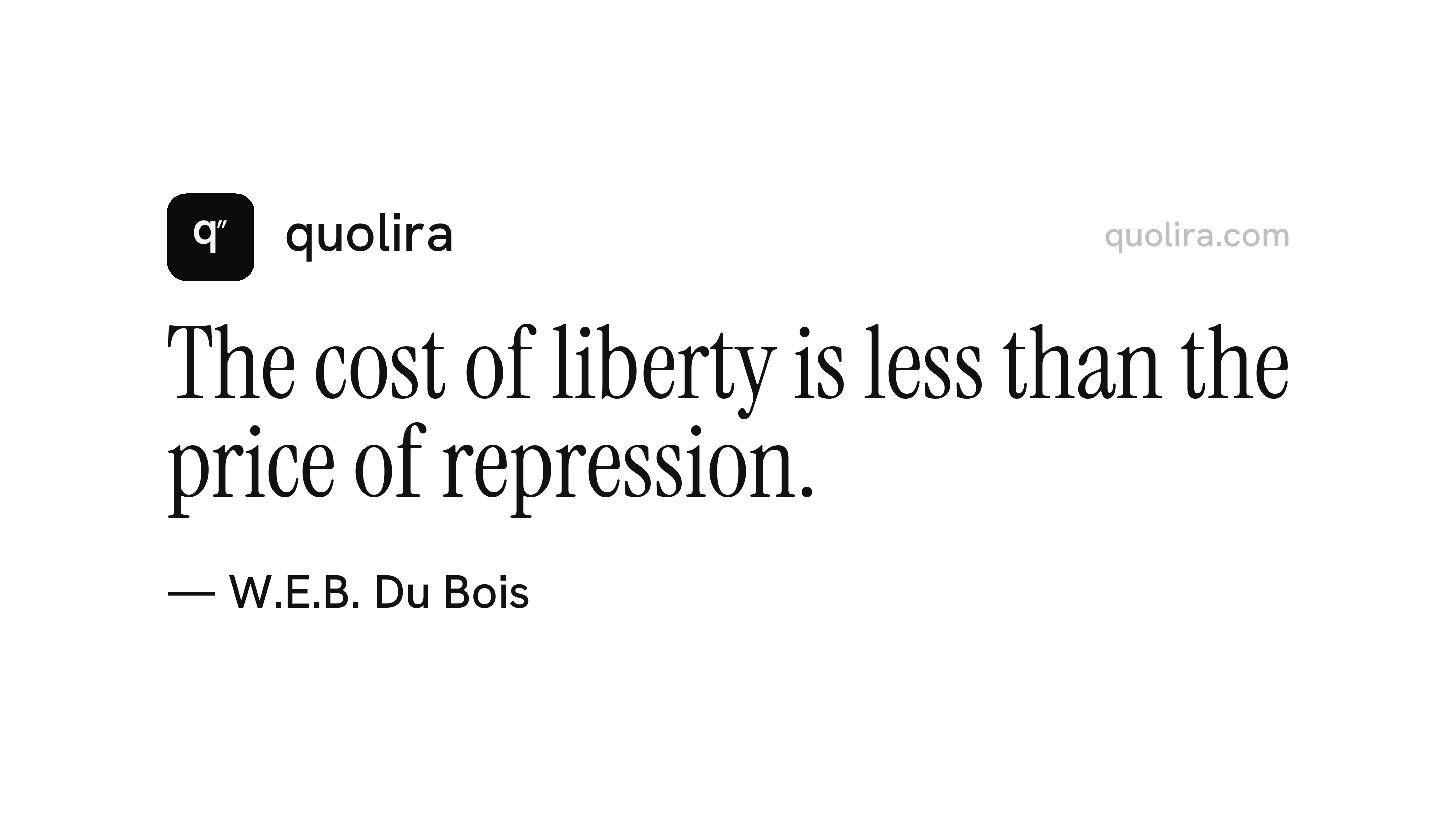
“The cost of liberty is less than the price of repression.”
W.E.B. Du Bois · "John Brown," 1909
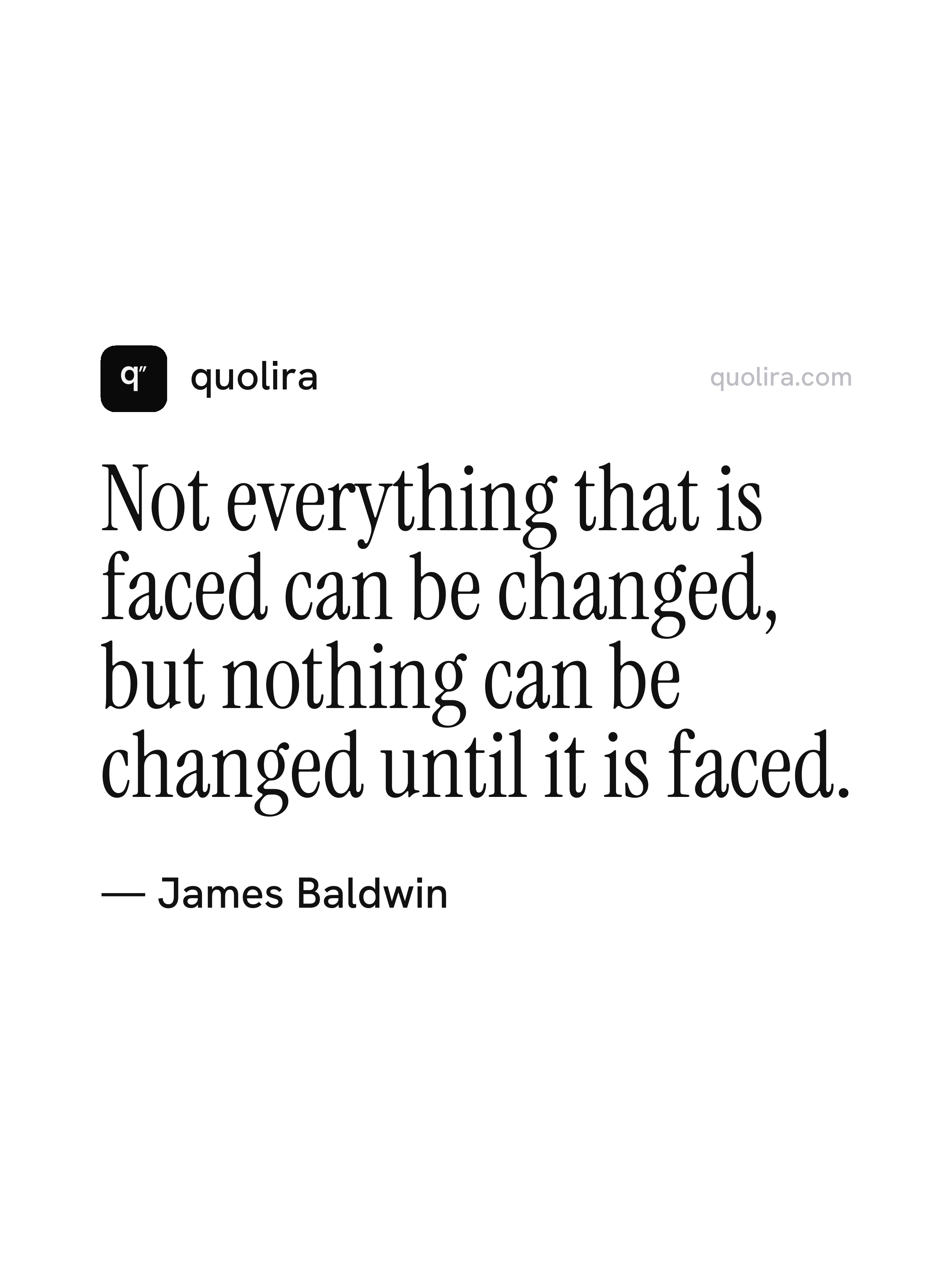
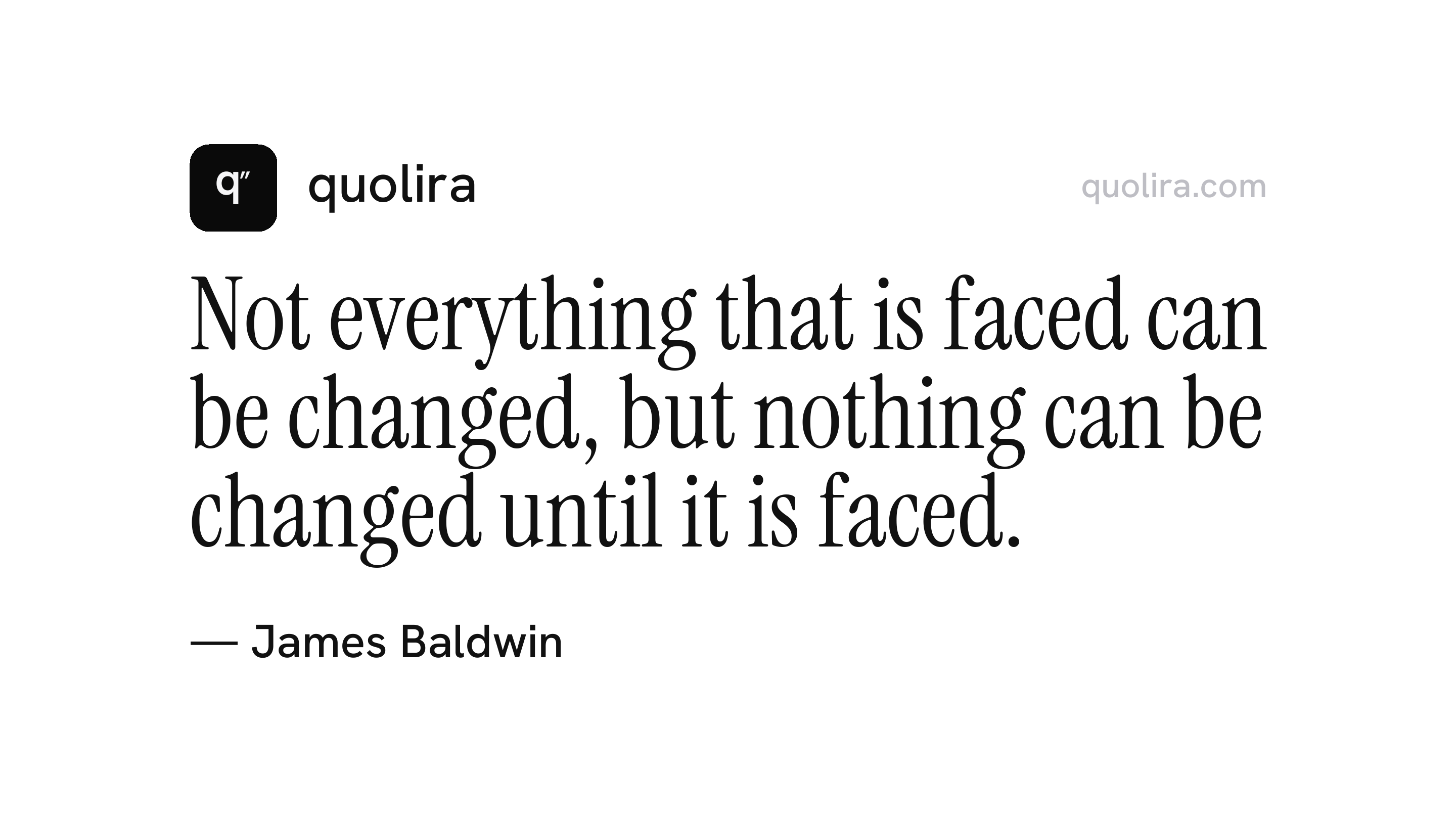
“Not everything that is faced can be changed, but nothing can be changed until it is faced.”
James Baldwin · "As Much Truth As One Can Bear," The New York Times Book Review, 1962
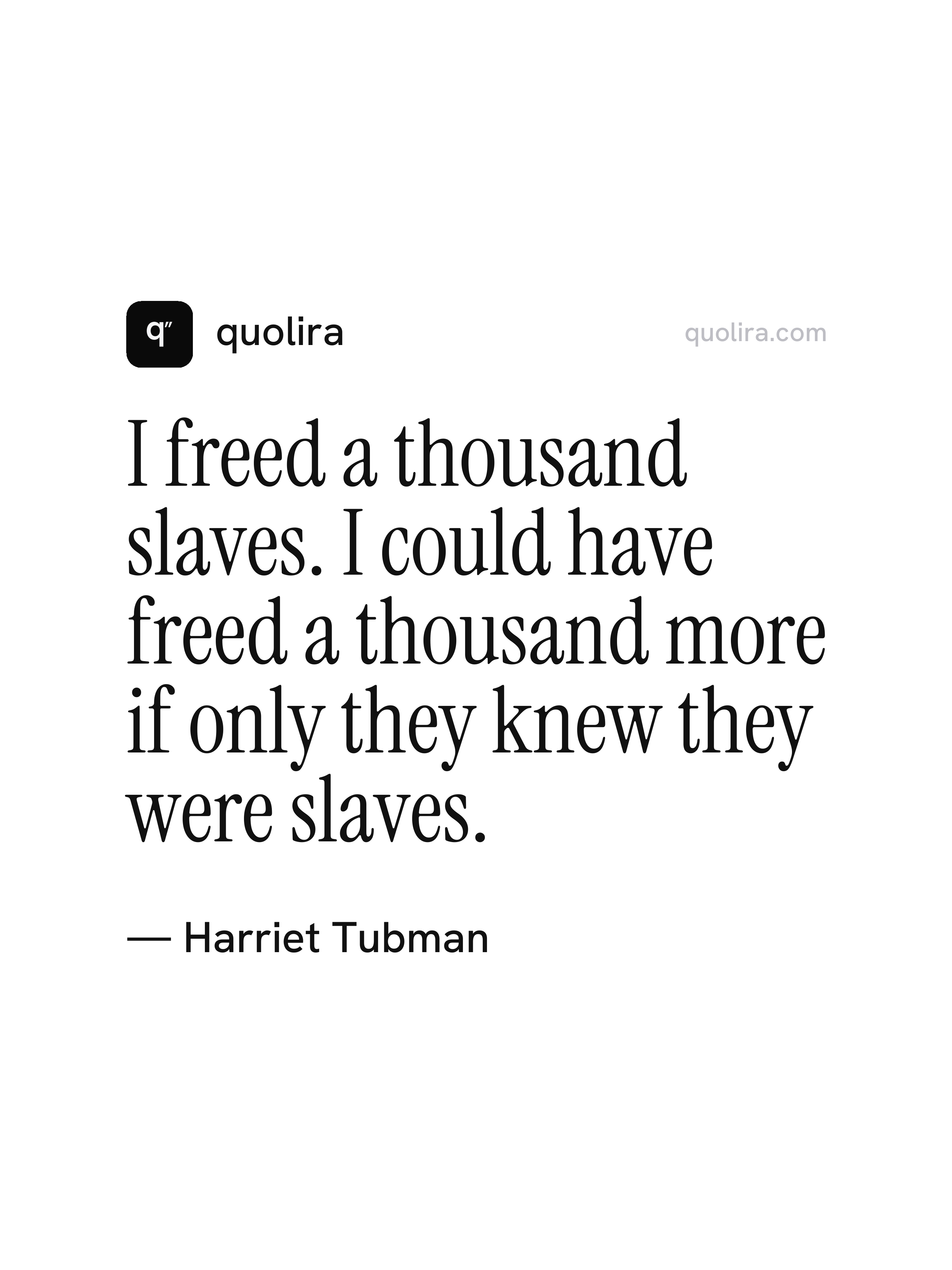
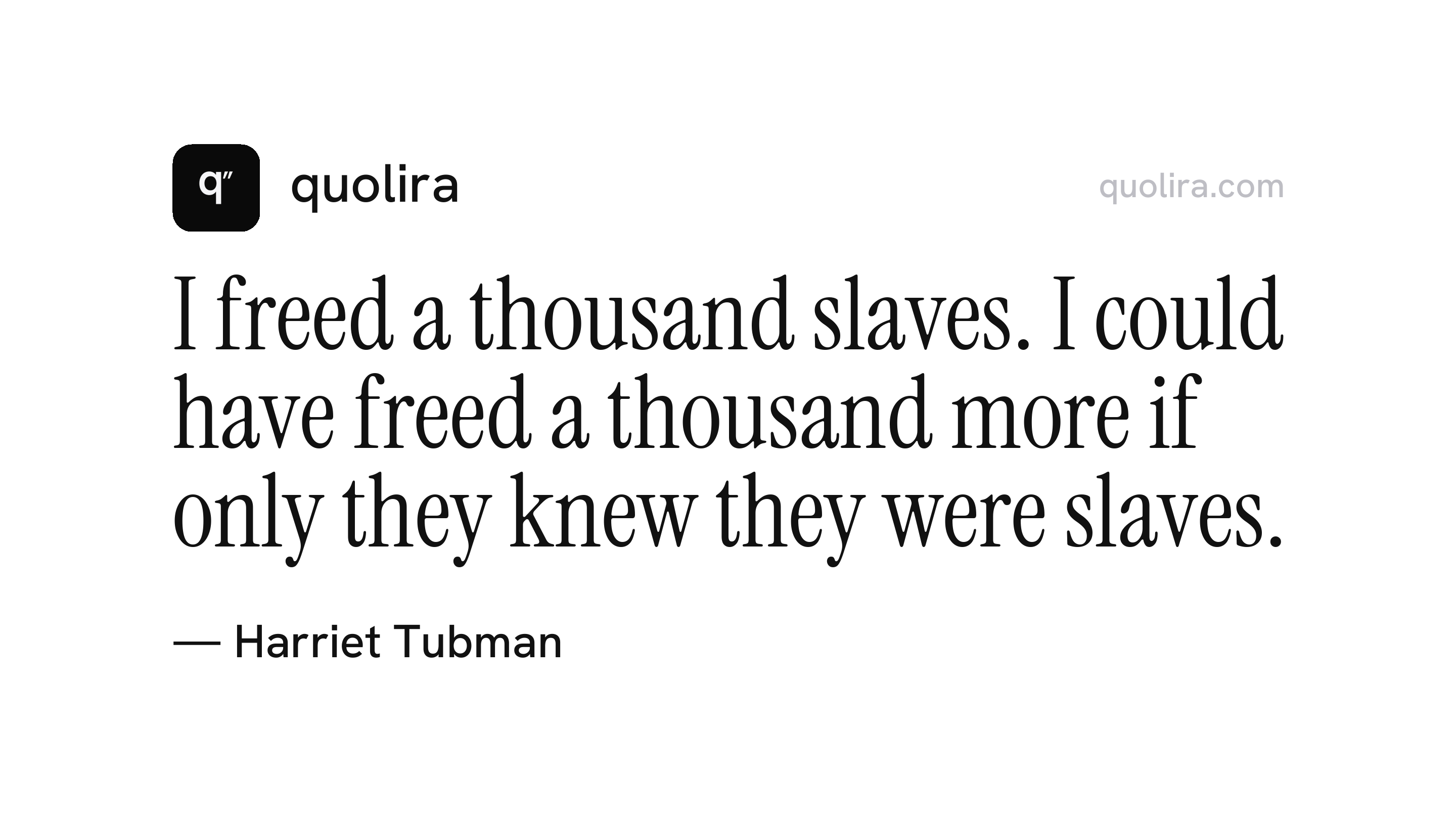
“I freed a thousand slaves. I could have freed a thousand more if only they knew they were slaves.”
Harriet Tubman · widely attributed, circa 1896
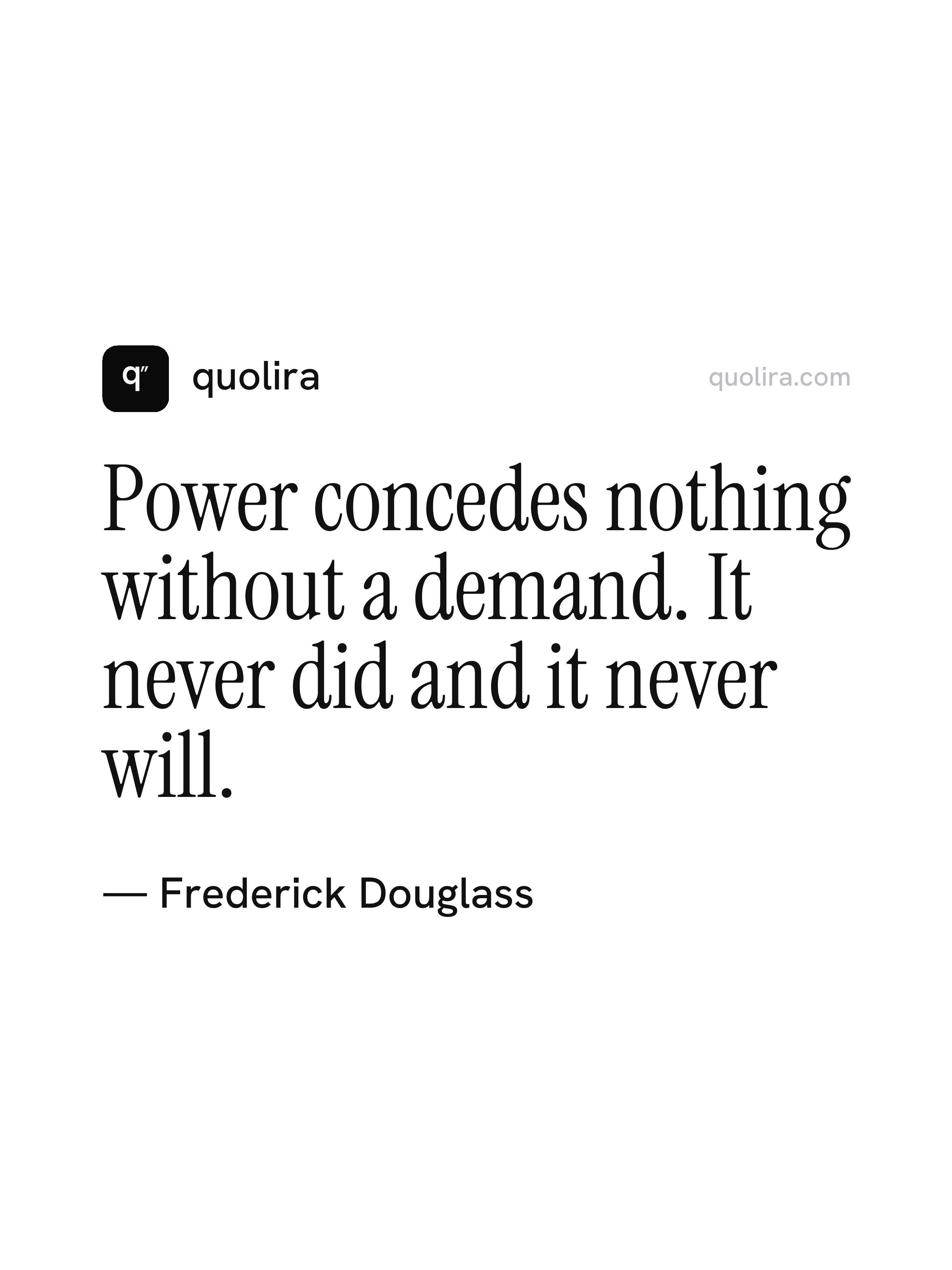
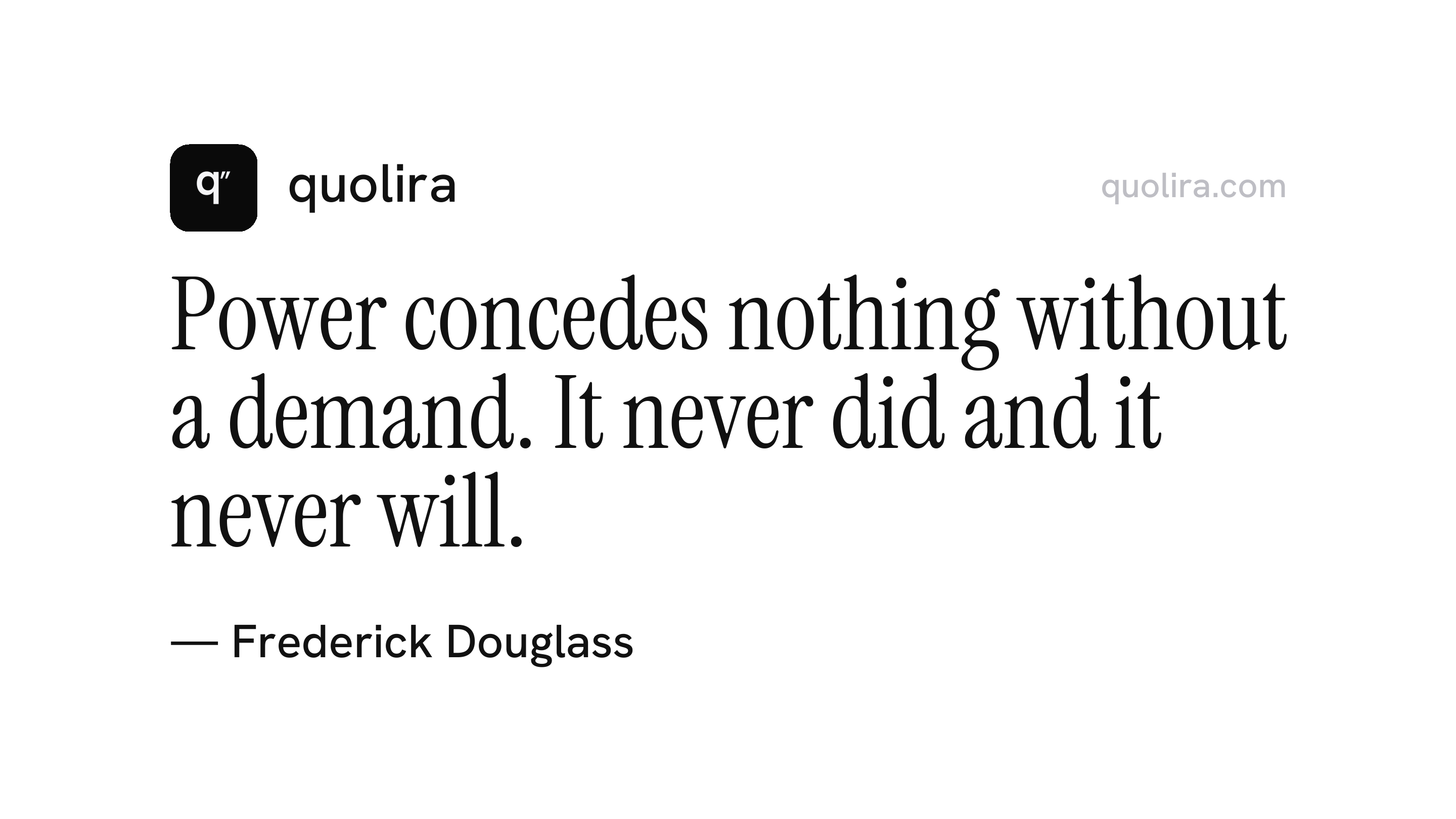
“Power concedes nothing without a demand. It never did and it never will.”
Frederick Douglass · "If There Is No Struggle, There Is No Progress," speech, 1857
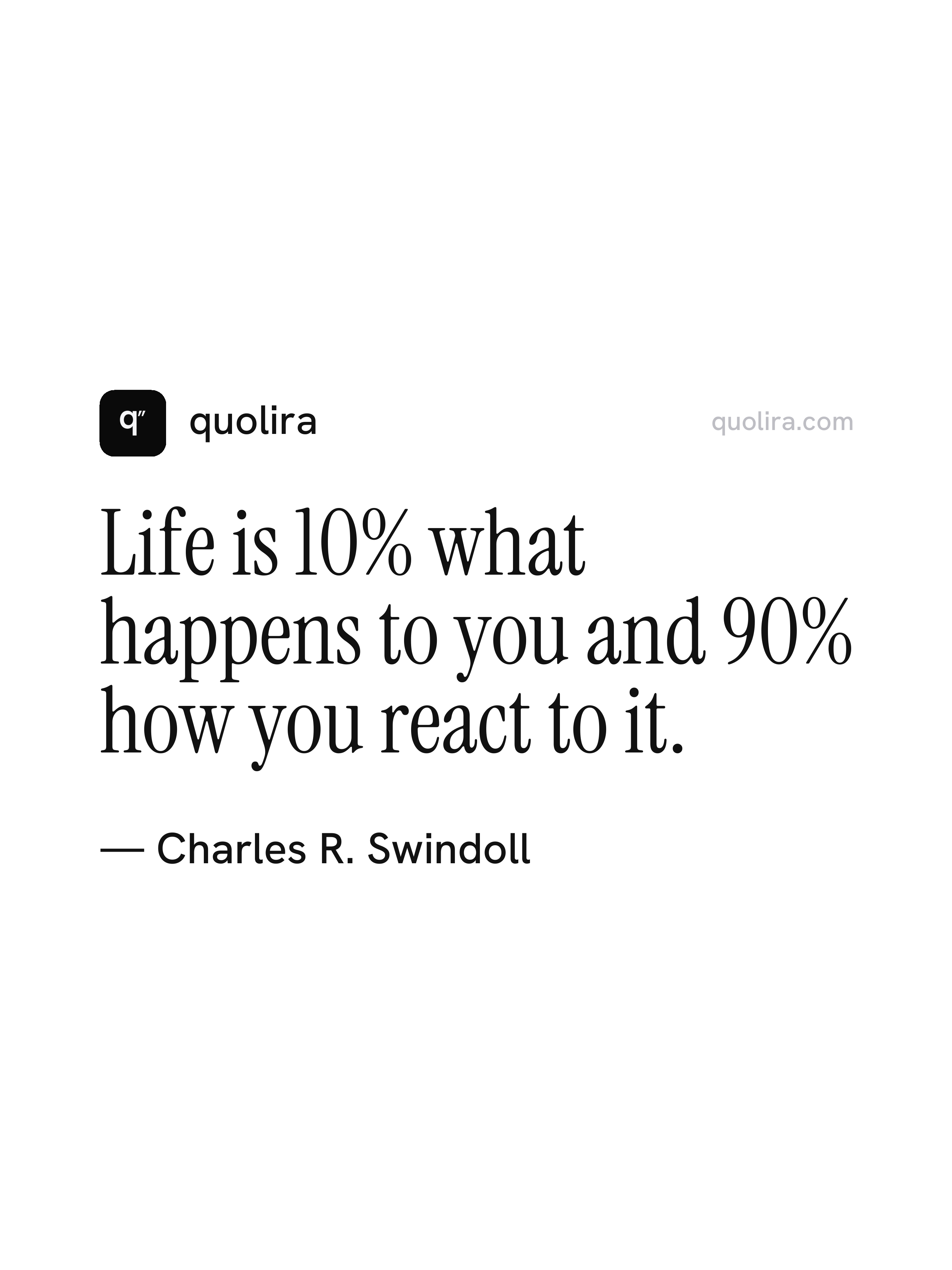
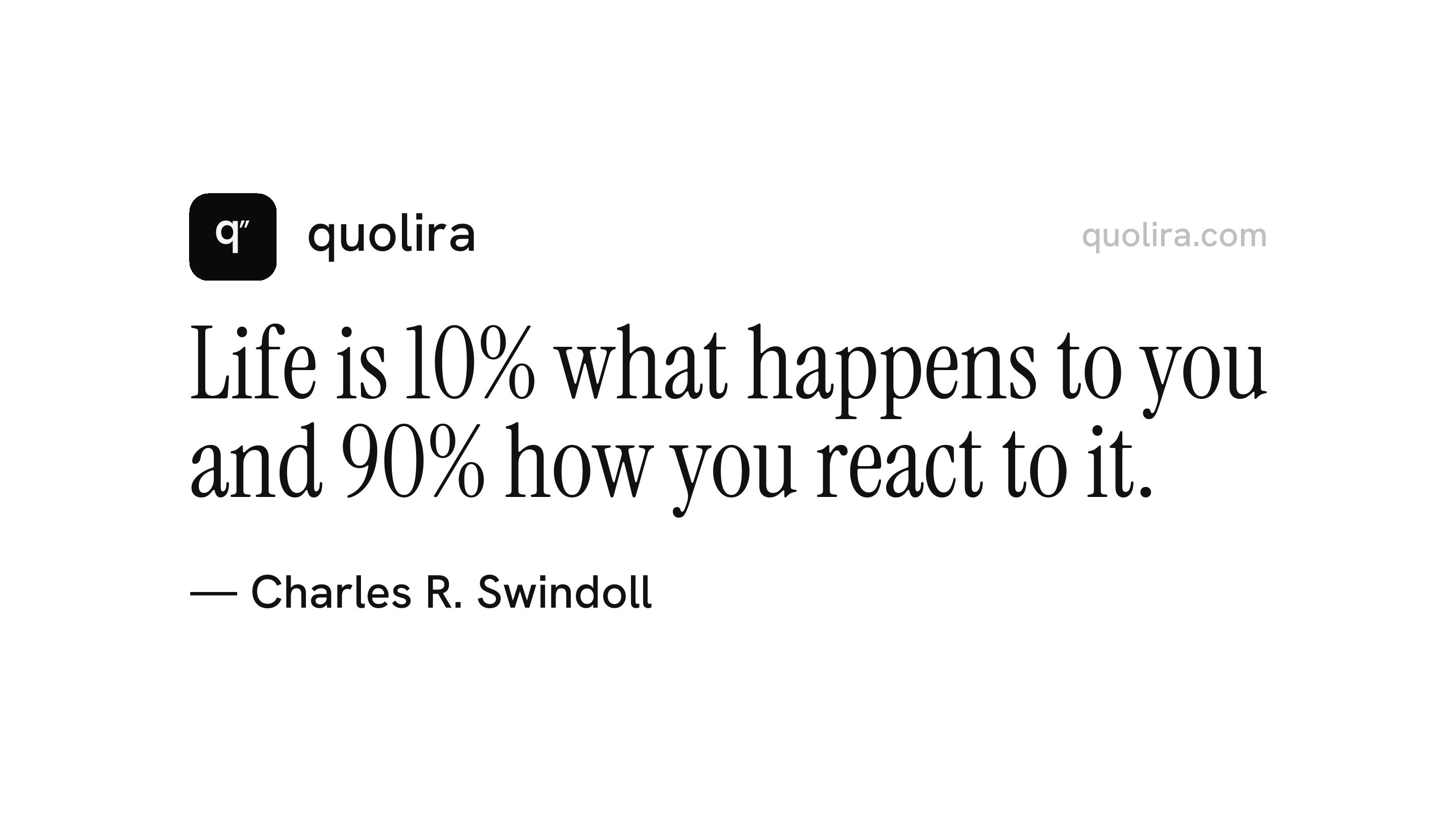
“Life is 10% what happens to you and 90% how you react to it.”
Charles R. Swindoll · Strengthening Your Grip, 1982
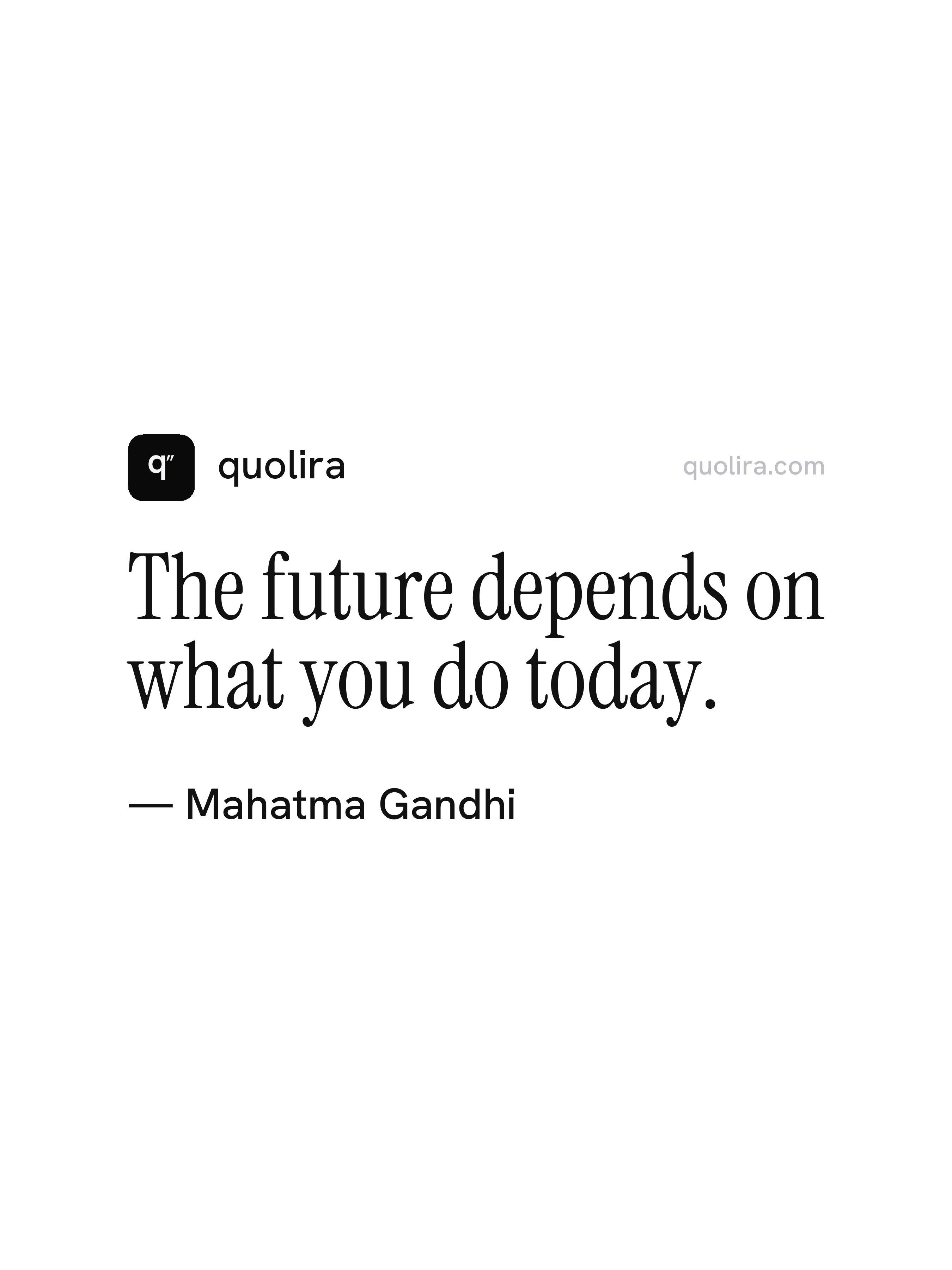
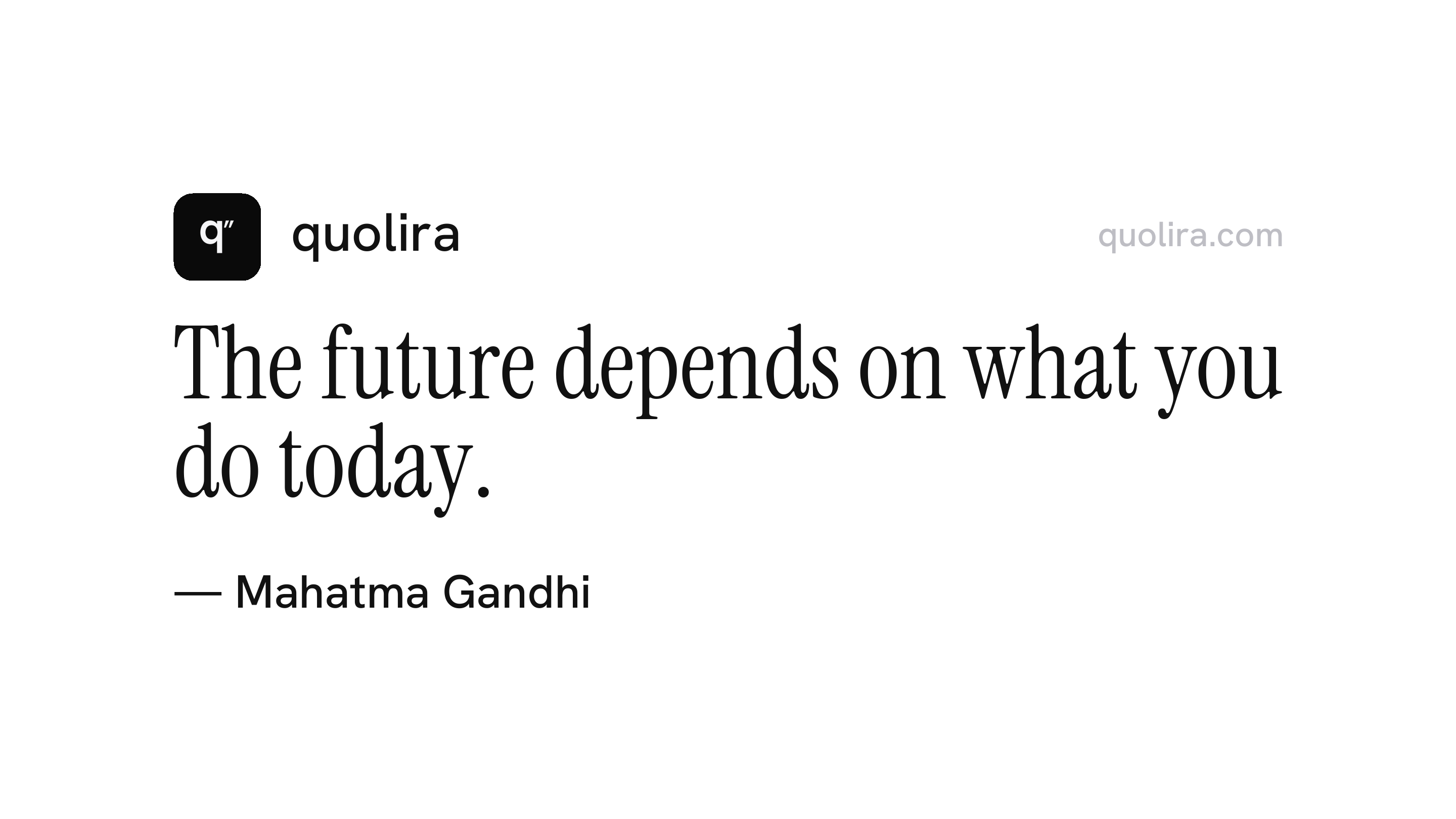
“The future depends on what you do today.”
Mahatma Gandhi
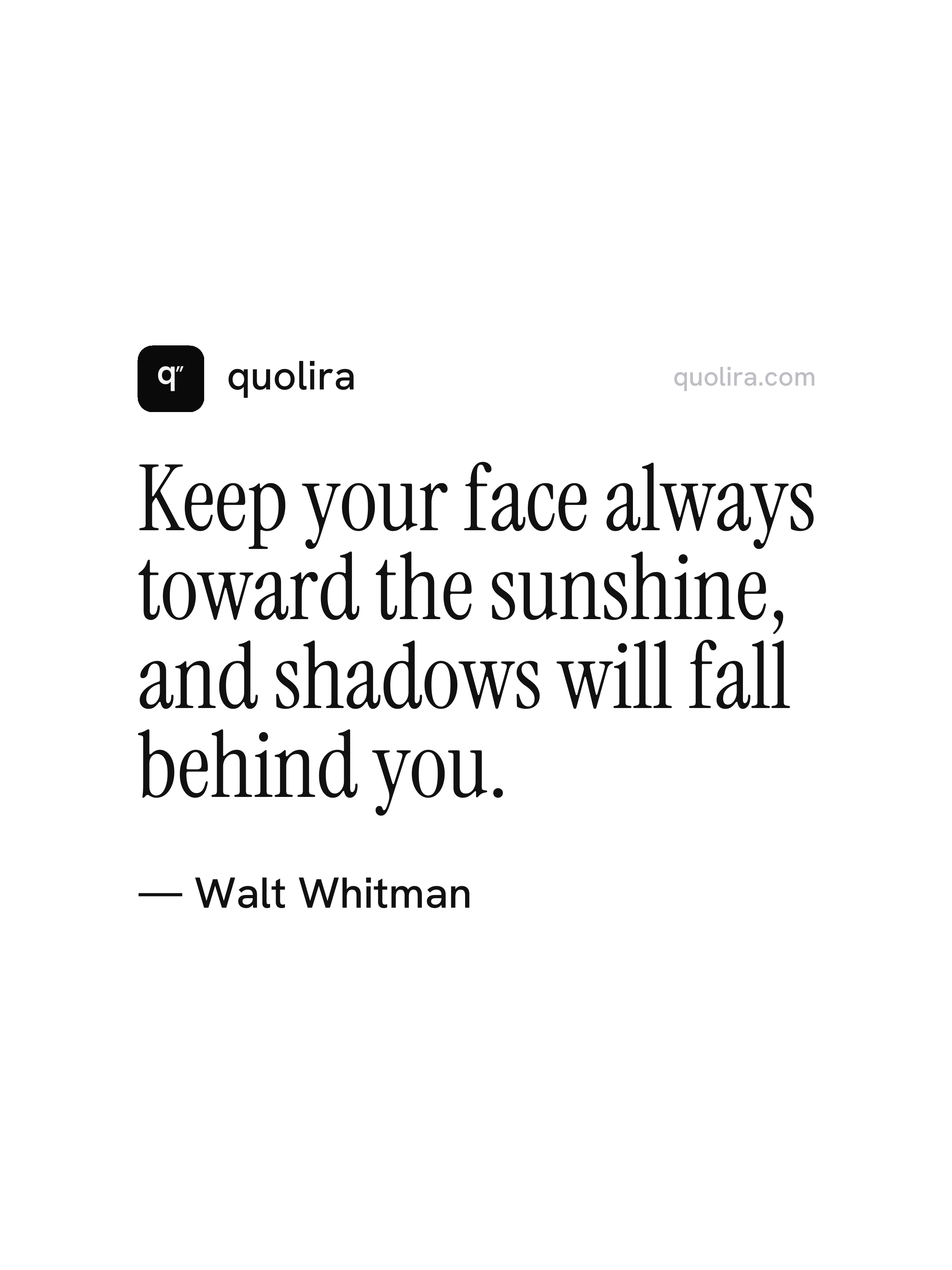
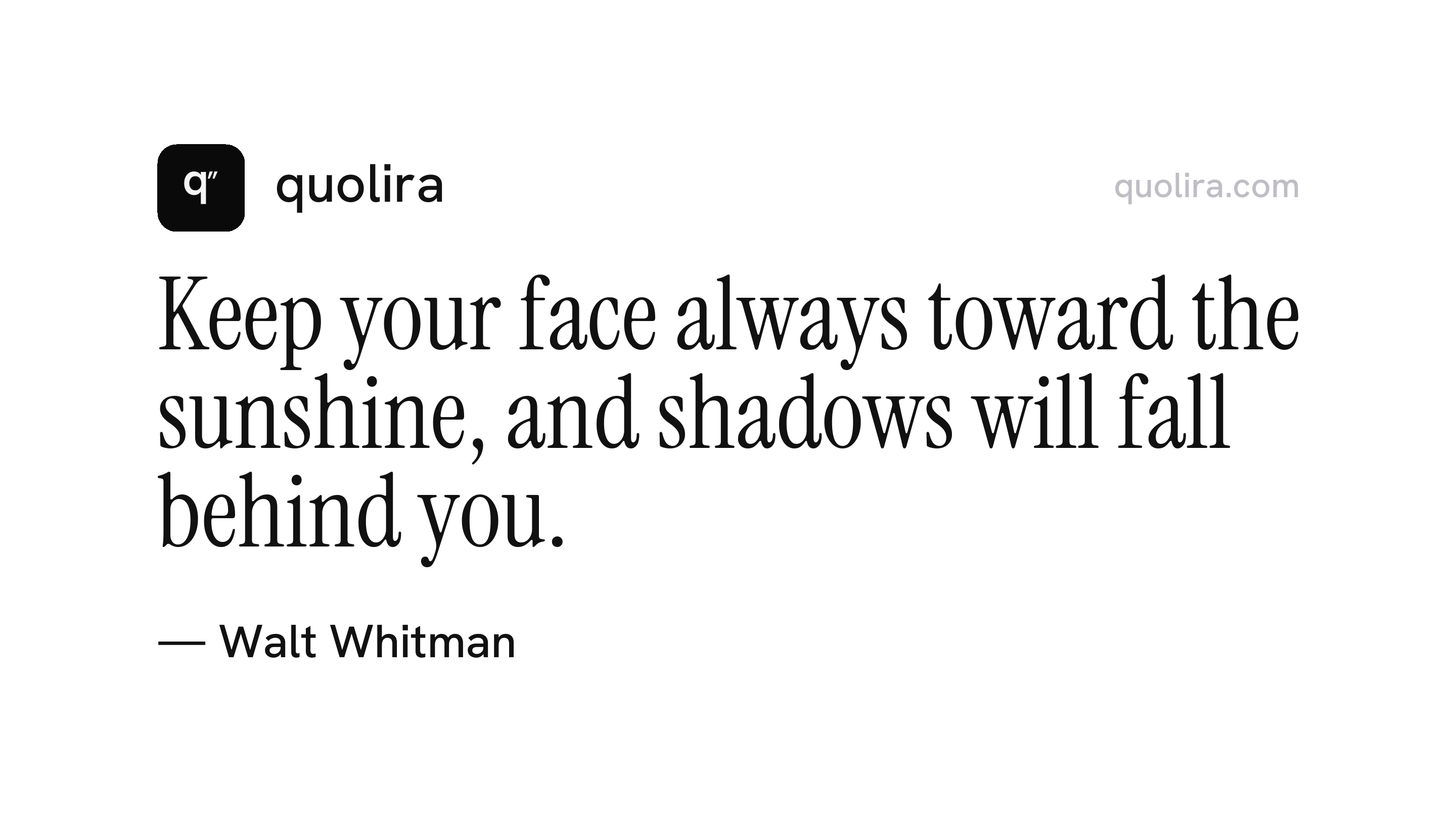
“Keep your face always toward the sunshine, and shadows will fall behind you.”
Walt Whitman
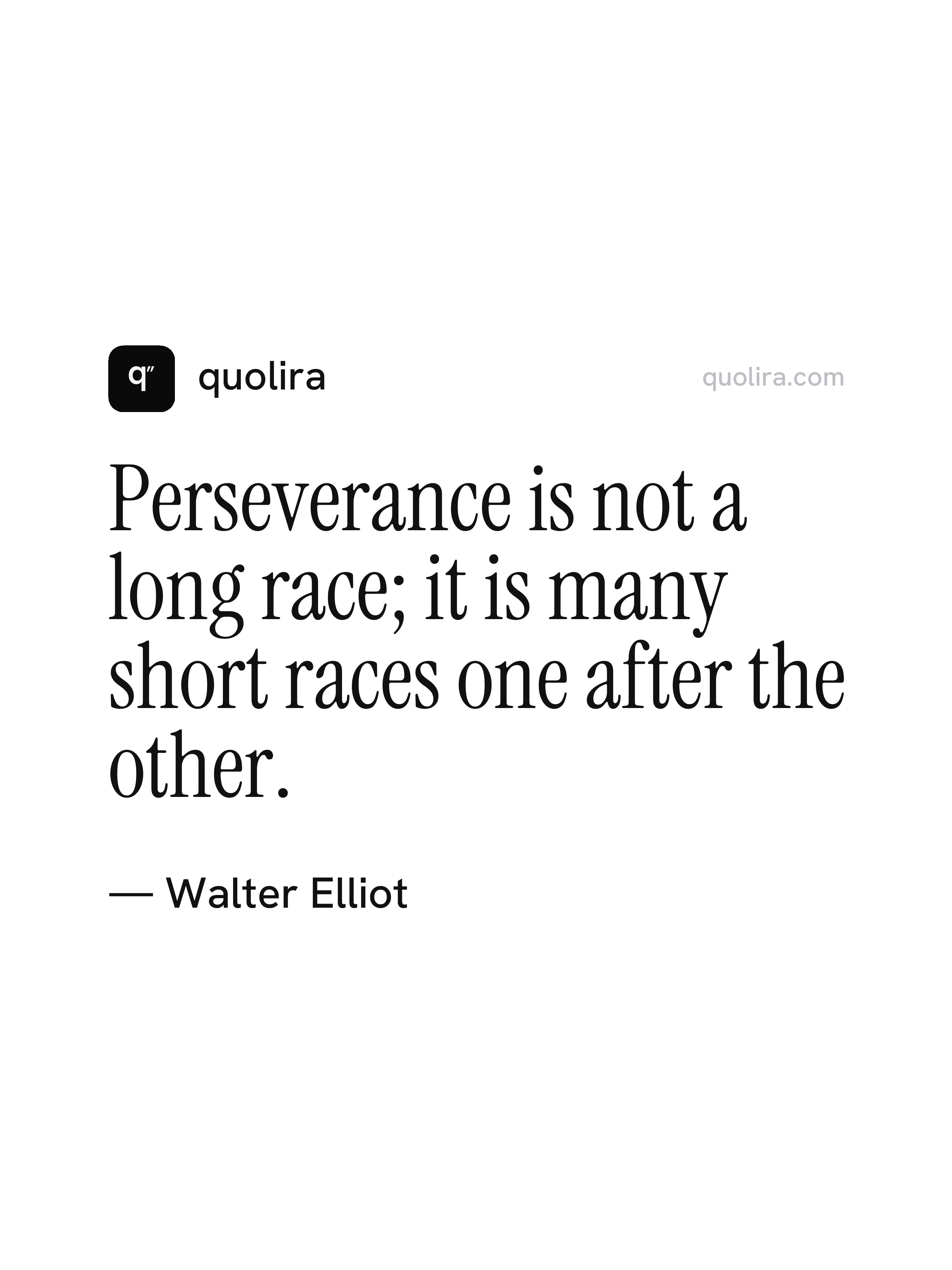
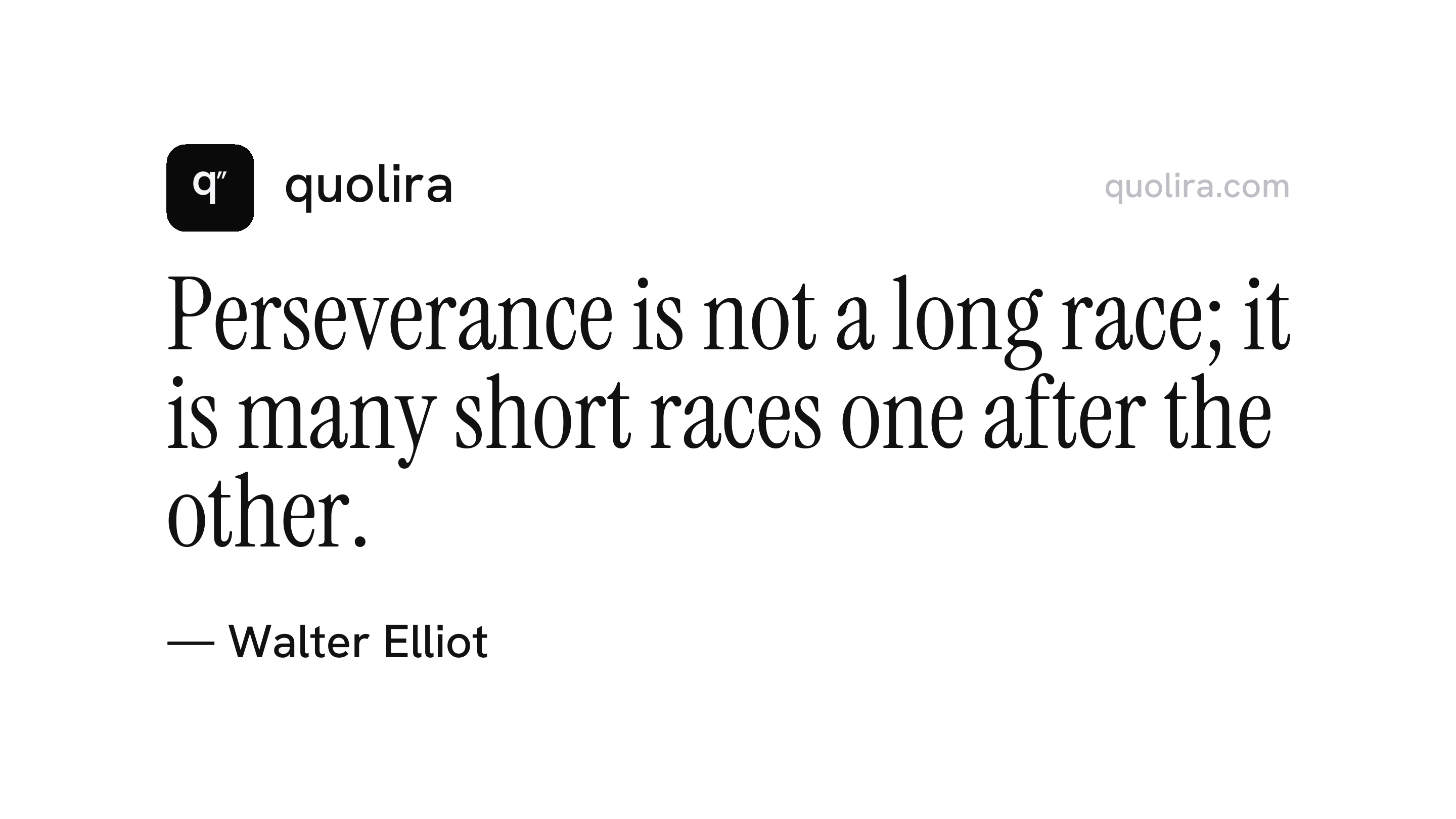
“Perseverance is not a long race; it is many short races one after the other.”
Walter Elliot · The Spiritual Life
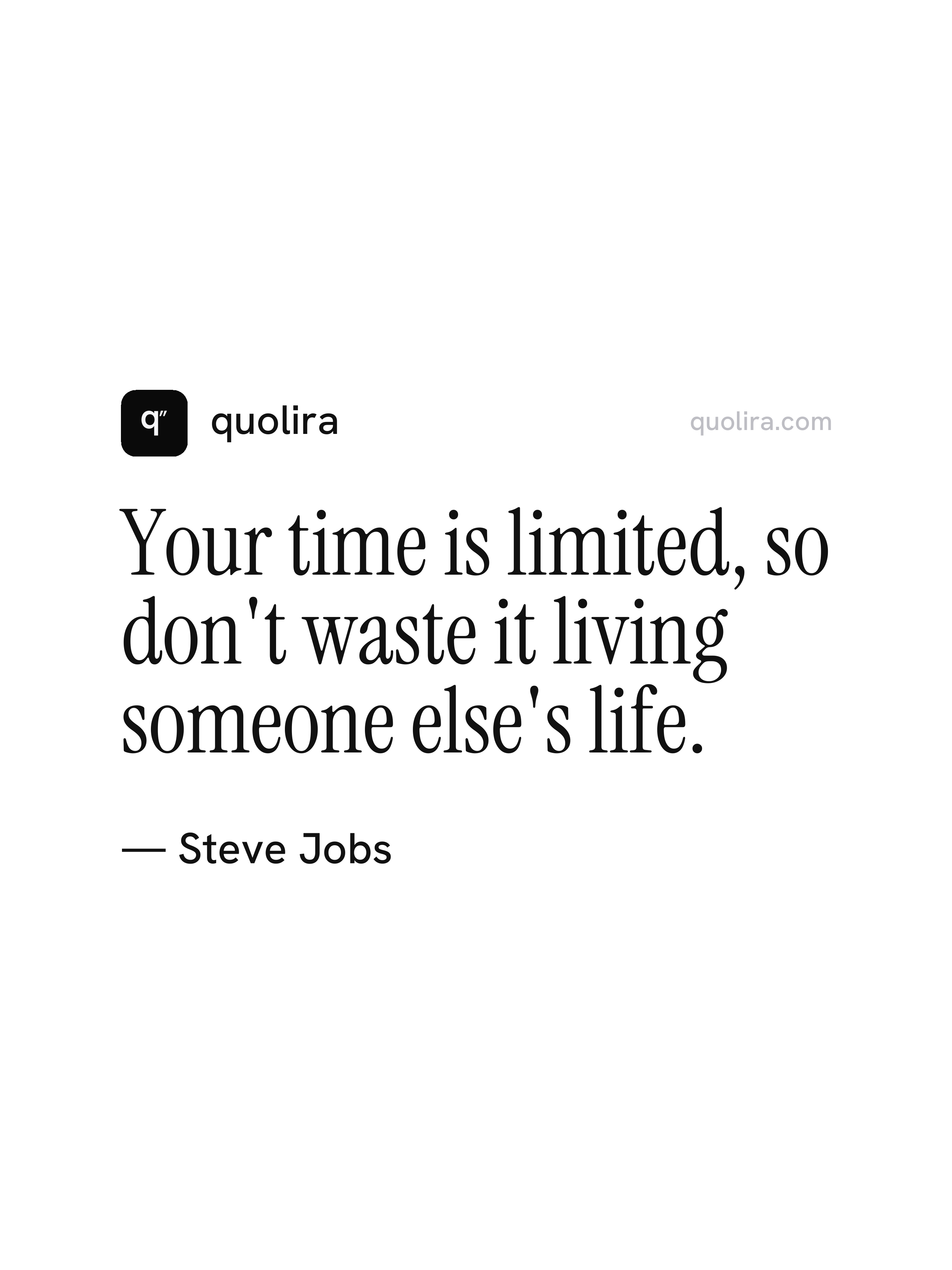
“Your time is limited, so don't waste it living someone else's life.”
Steve Jobs · Stanford Commencement Address, 2005