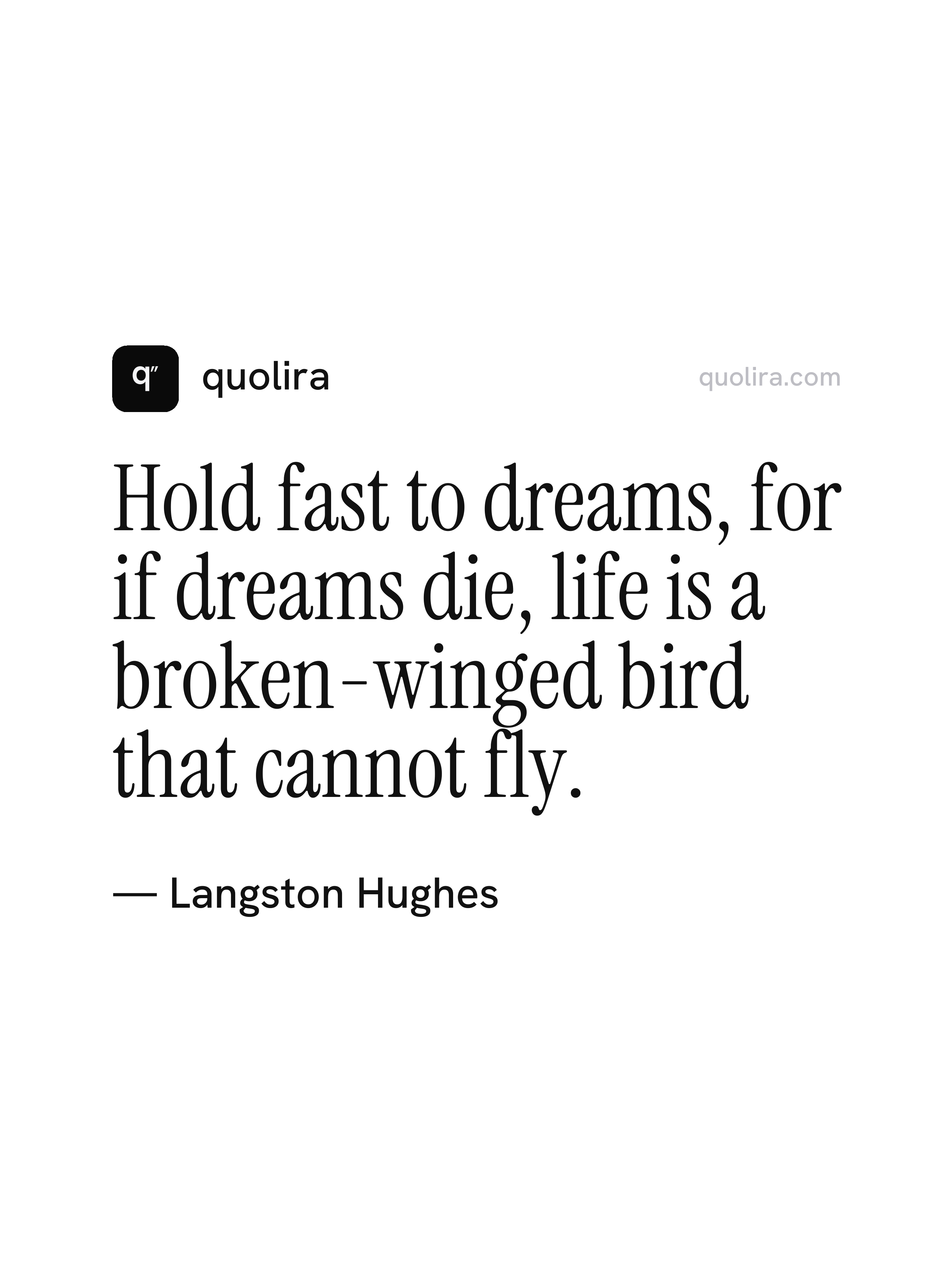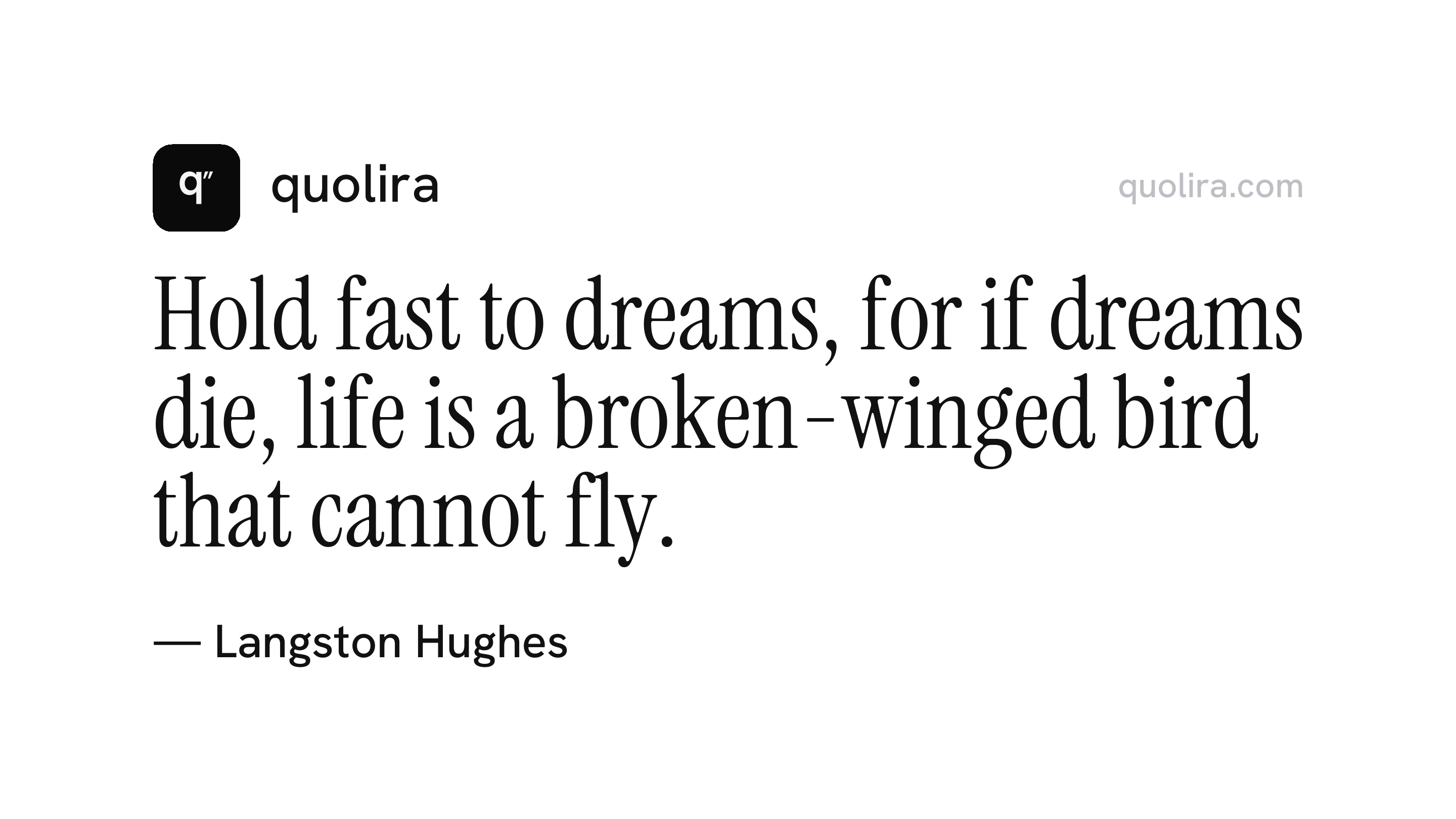
“Hold fast to dreams, for if dreams die, life is a broken-winged bird that cannot fly.”
Langston Hughes · "Dreams," 1922
 quolira
.com
quolira
quolira.com
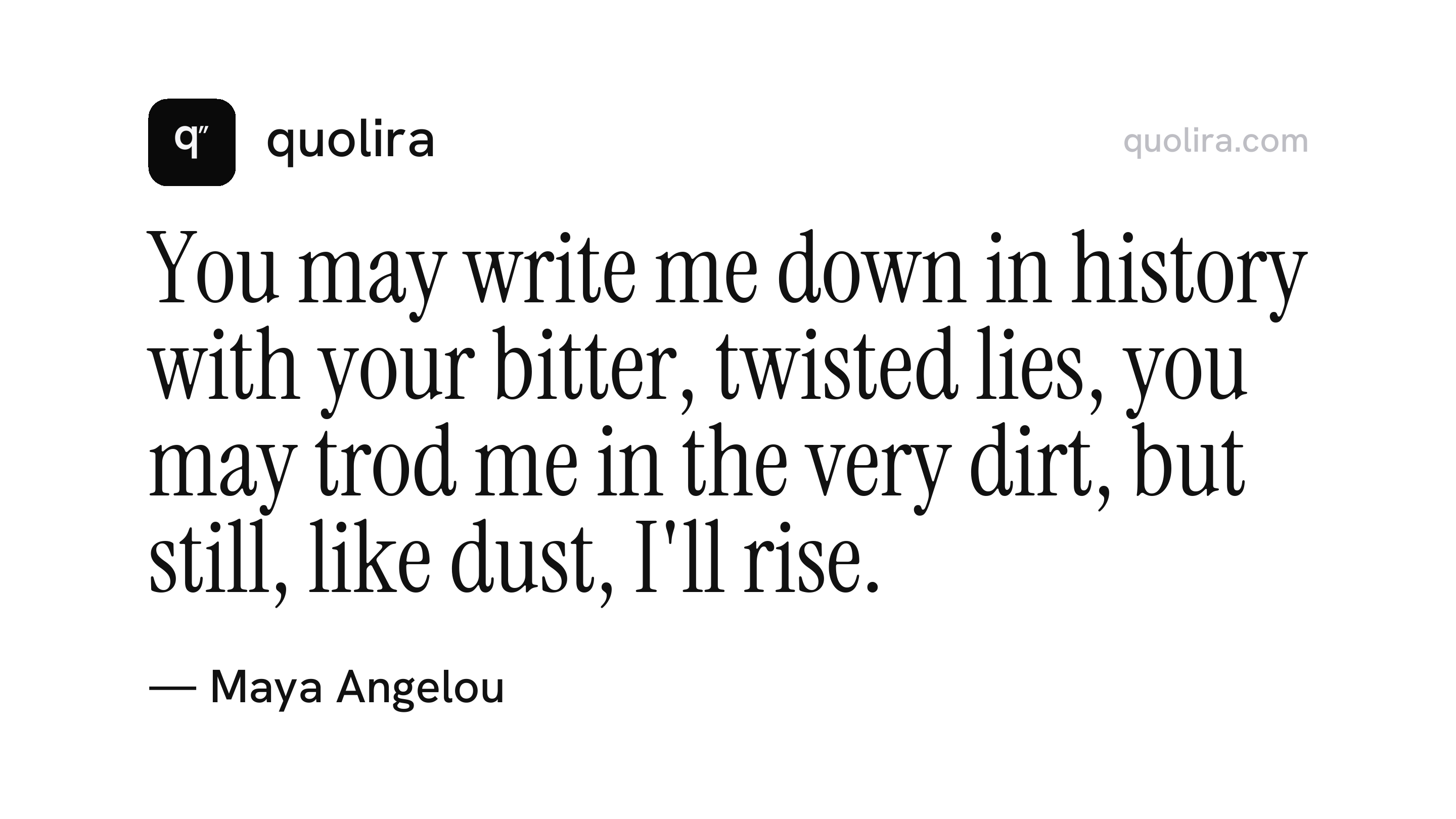
This opening stanza from Maya Angelou's celebrated poem declares that no amount of deliberate cruelty or historical erasure can permanently suppress a person's spirit. The image of rising like dust is quietly defiant: dust is everywhere, weightless, impossible to contain, and it always settles back into existence no matter how forcefully it is disturbed. Angelou is speaking on behalf of herself and, more broadly, on behalf of all people who have been written off, pushed down, or systematically diminished.
The poem appears in Angelou's 1978 collection and is widely regarded as one of the most powerful statements of resilience in American literature. Written during a period when conversations about civil rights, Black identity, and the long legacy of slavery and segregation were very much alive, the poem channels both personal experience and collective memory. Its tone moves between defiance and celebration, refusing victimhood while fully acknowledging the reality of oppression.
Maya Angelou was an American poet, memoirist, and civil rights activist whose work spanned decades and touched readers around the world. She is perhaps best known for her autobiographical writing, but her poetry carries equal weight, combining lyrical rhythm with moral clarity. Angelou received numerous honors over her lifetime, including the Presidential Medal of Freedom, and she remained a prominent cultural voice until her death in 2014.
“Hold fast to dreams, for if dreams die, life is a broken-winged bird that cannot fly.”
Langston Hughes · "Dreams," 1922
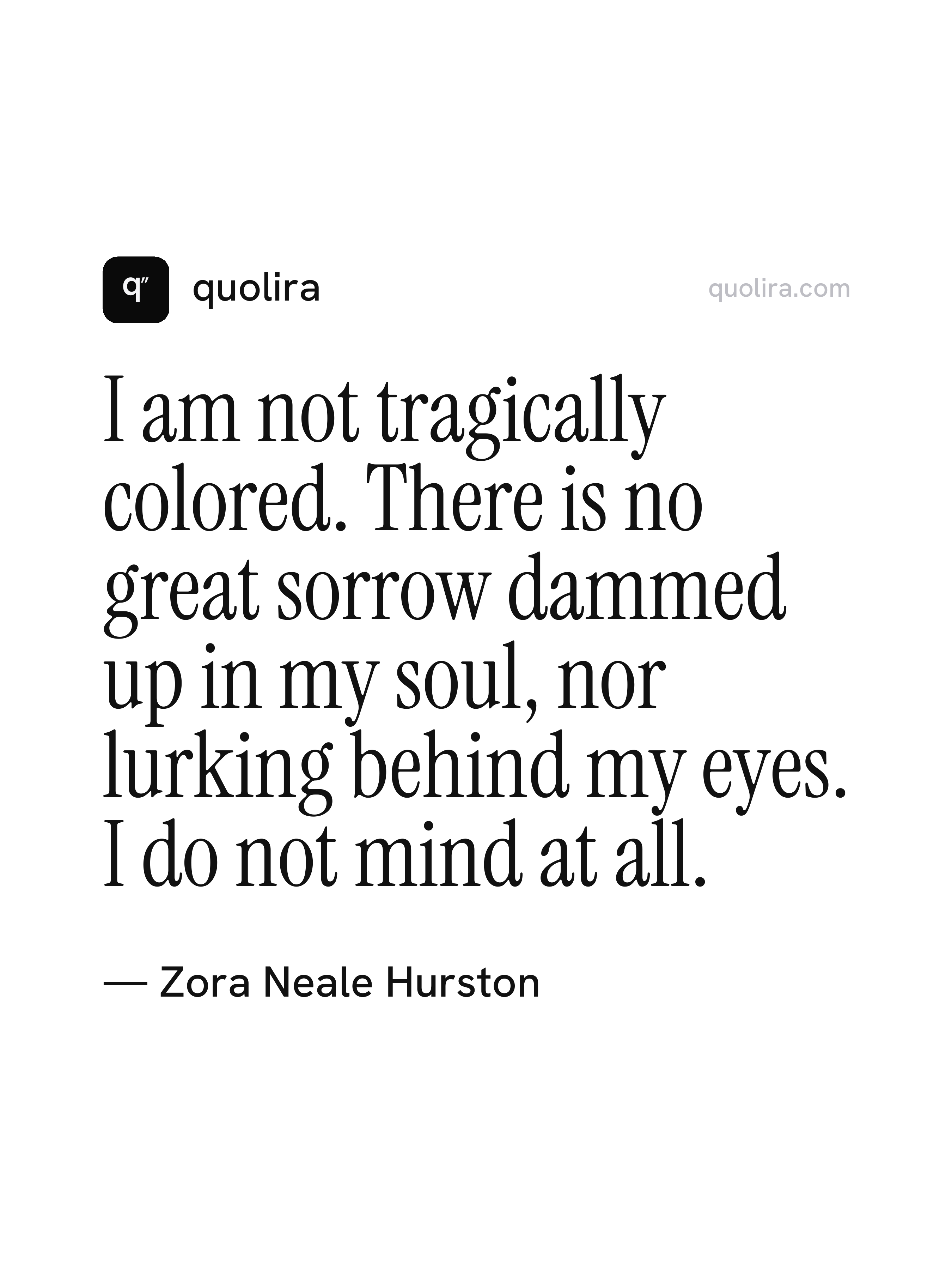
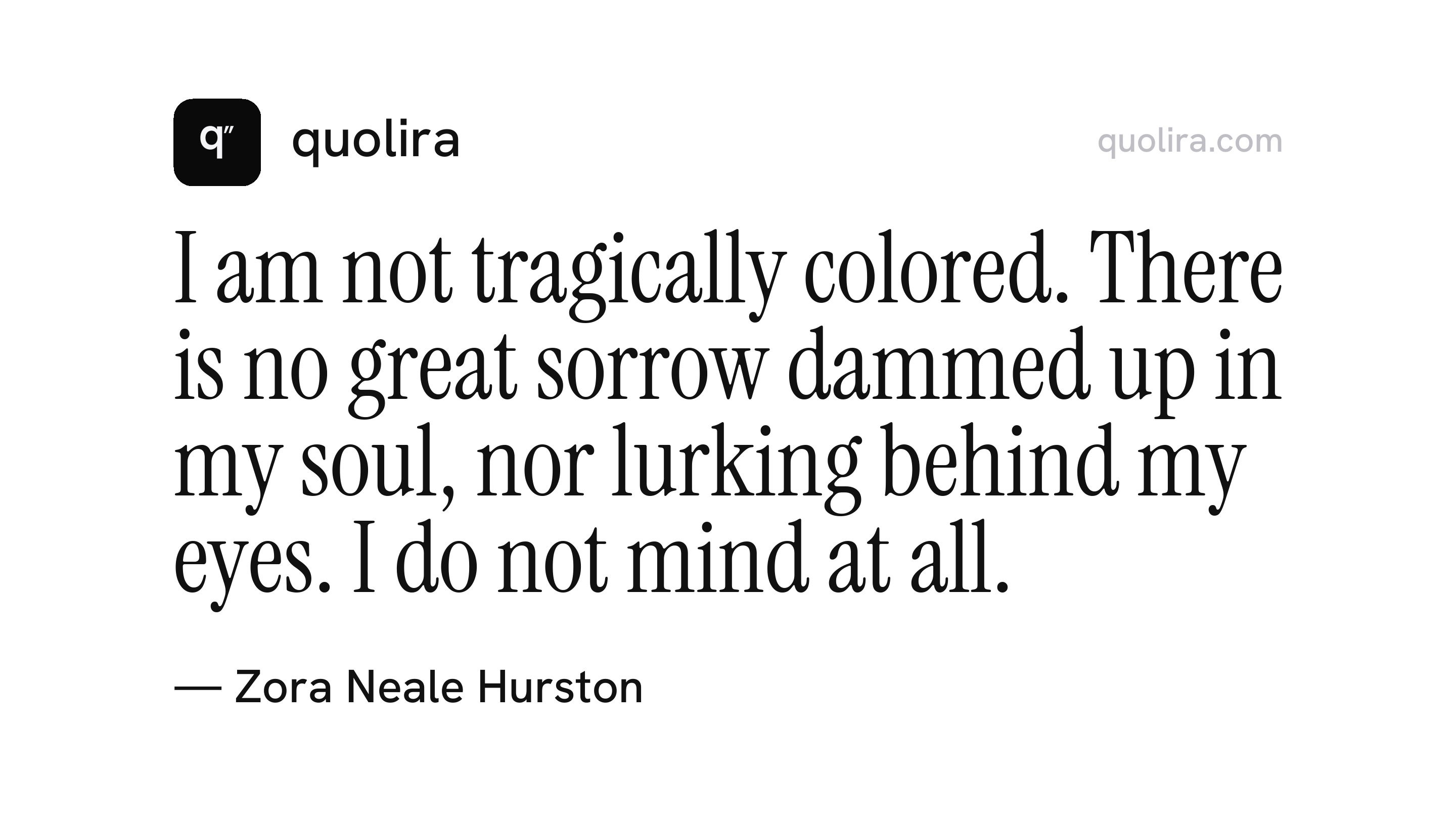
“I am not tragically colored. There is no great sorrow dammed up in my soul, nor lurking behind my eyes. I do not mind at all.”
Zora Neale Hurston · "How It Feels to Be Colored Me," World Tomorrow, 1928
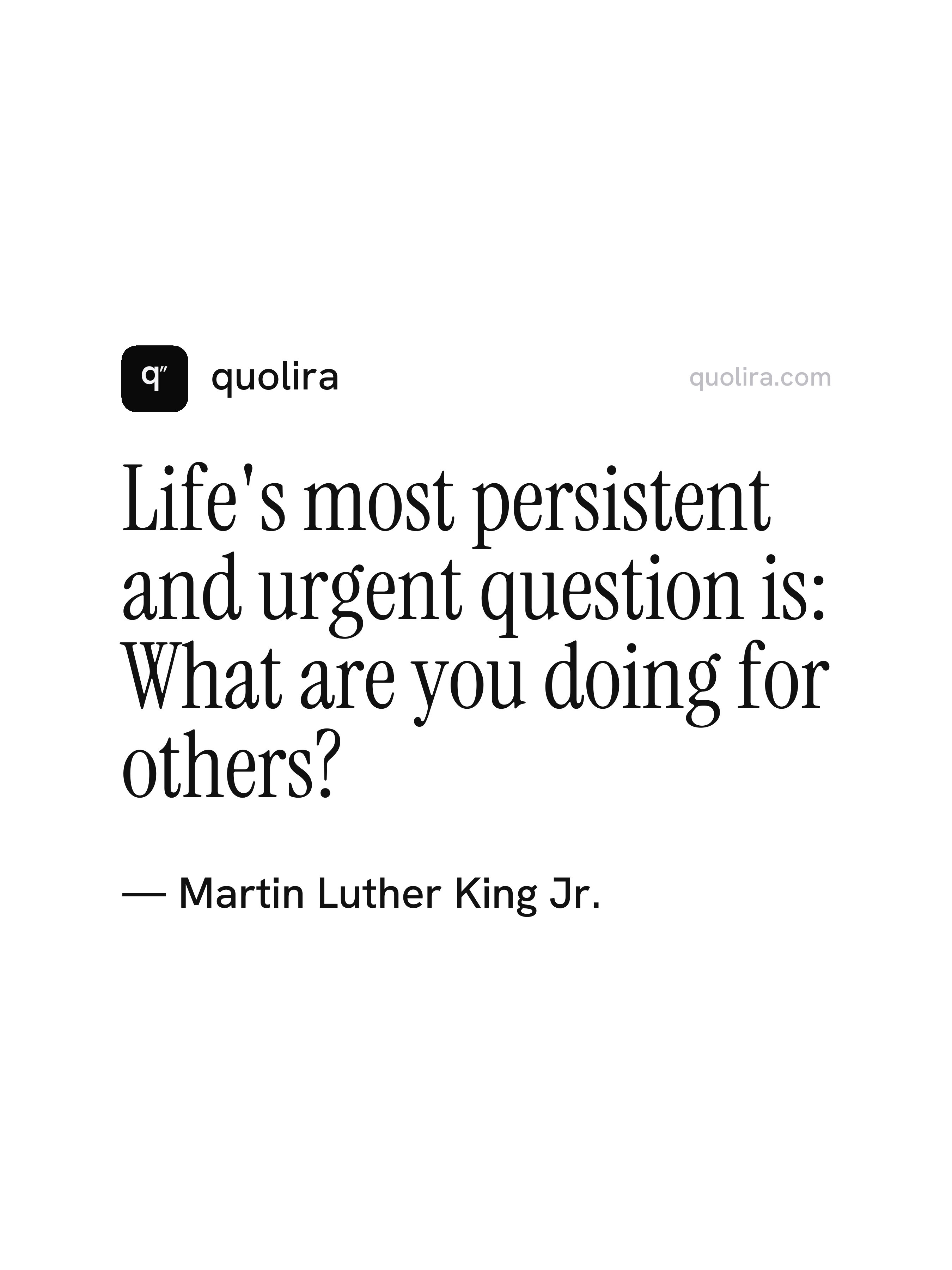
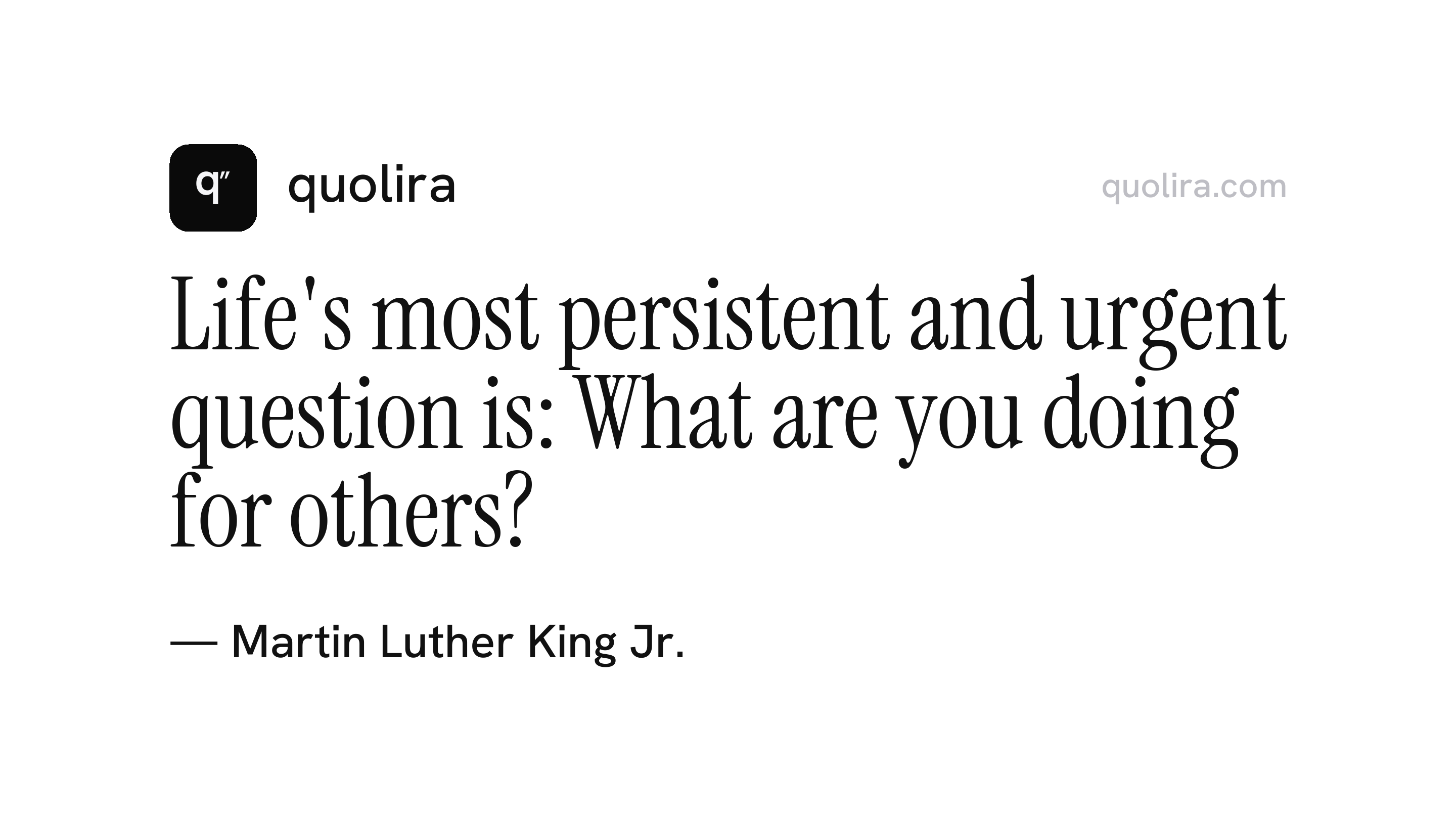
“Life's most persistent and urgent question is: What are you doing for others?”
Martin Luther King Jr. · "A Question of Life or Death," speech, Louisville, Kentucky, March 1956
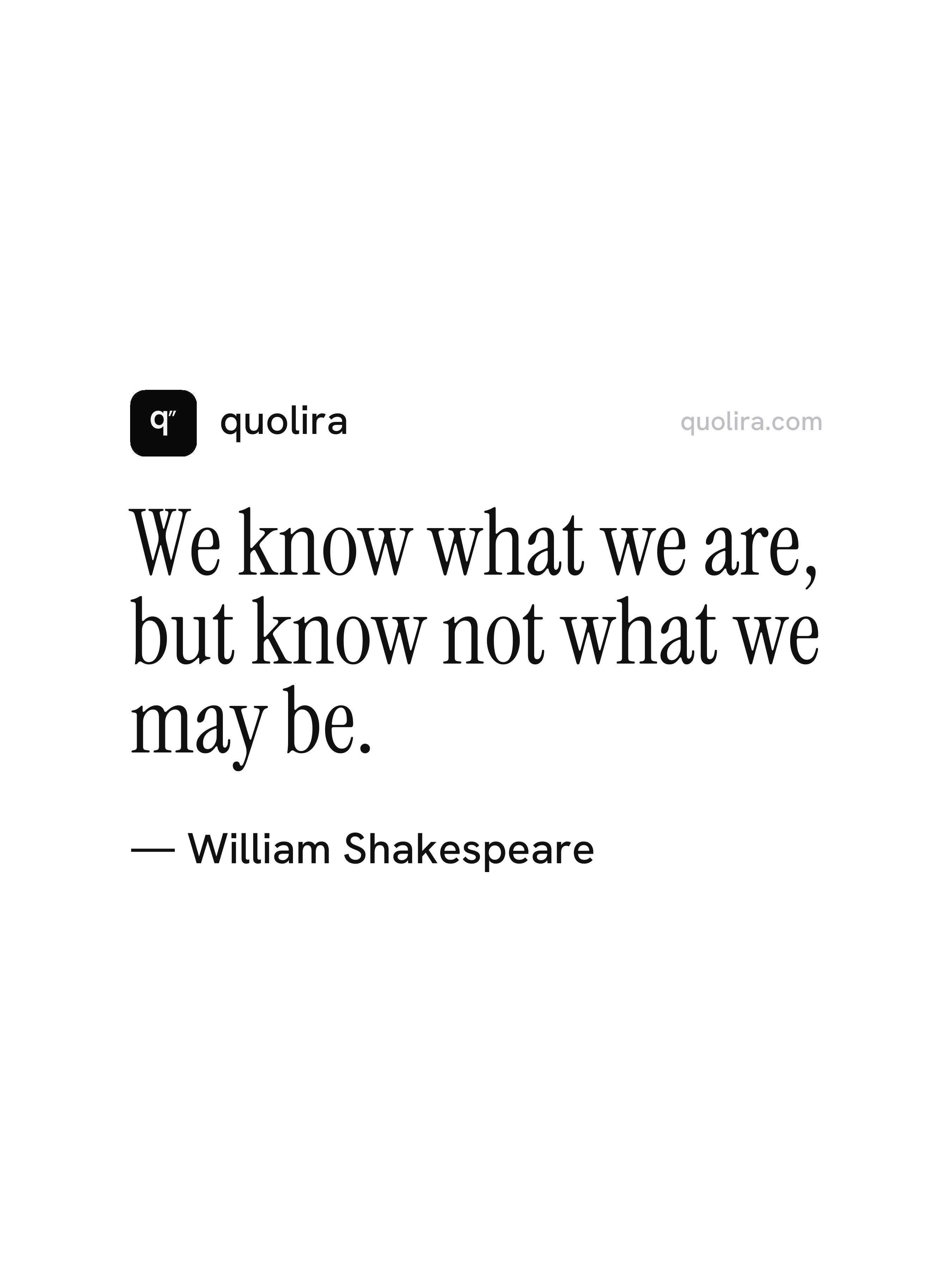
“We know what we are, but know not what we may be.”
William Shakespeare · Hamlet, Act 4, Scene 5
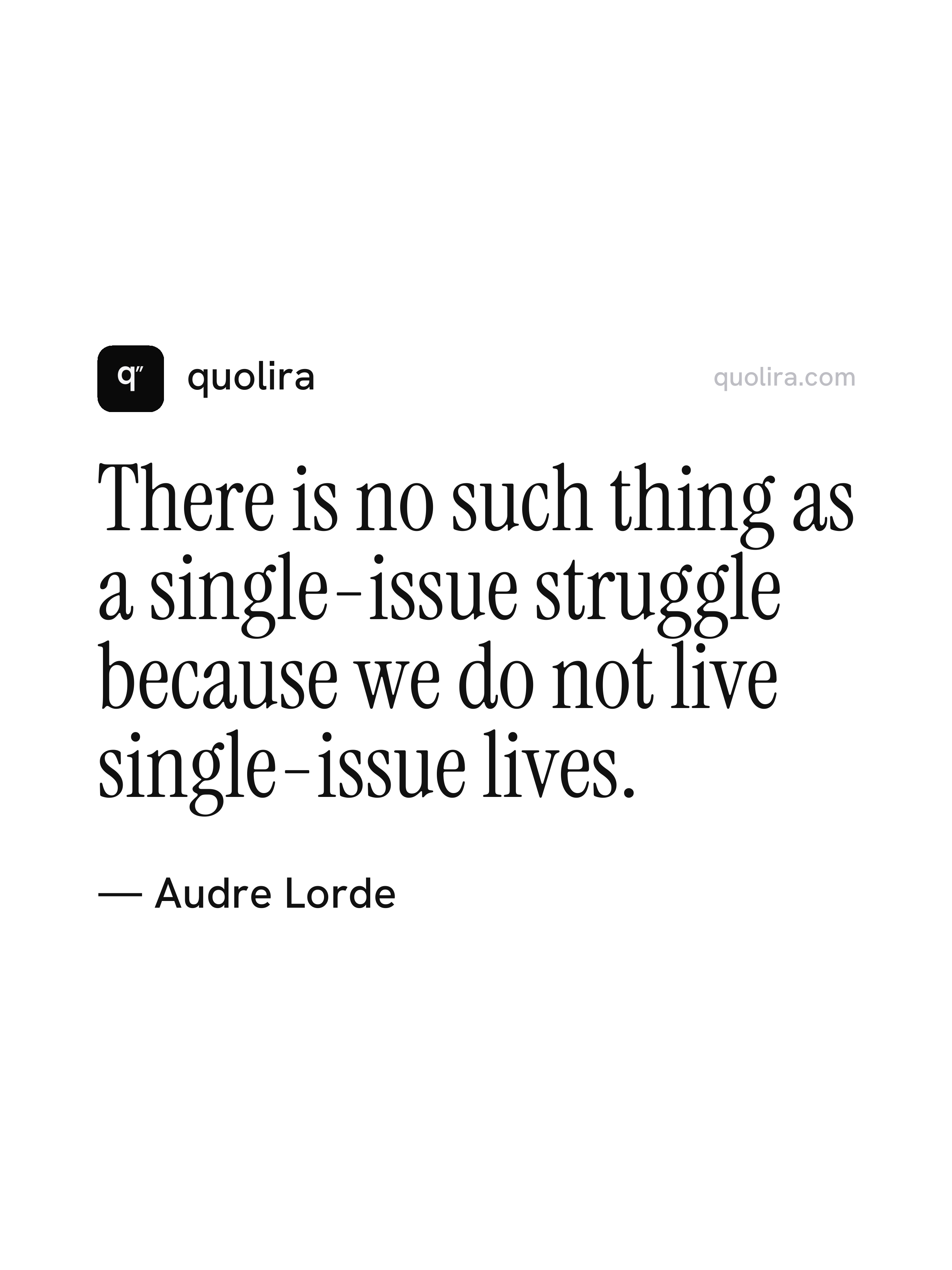
“There is no such thing as a single-issue struggle because we do not live single-issue lives.”
Audre Lorde · "Learning from the 60s," speech at Harvard, February 1982
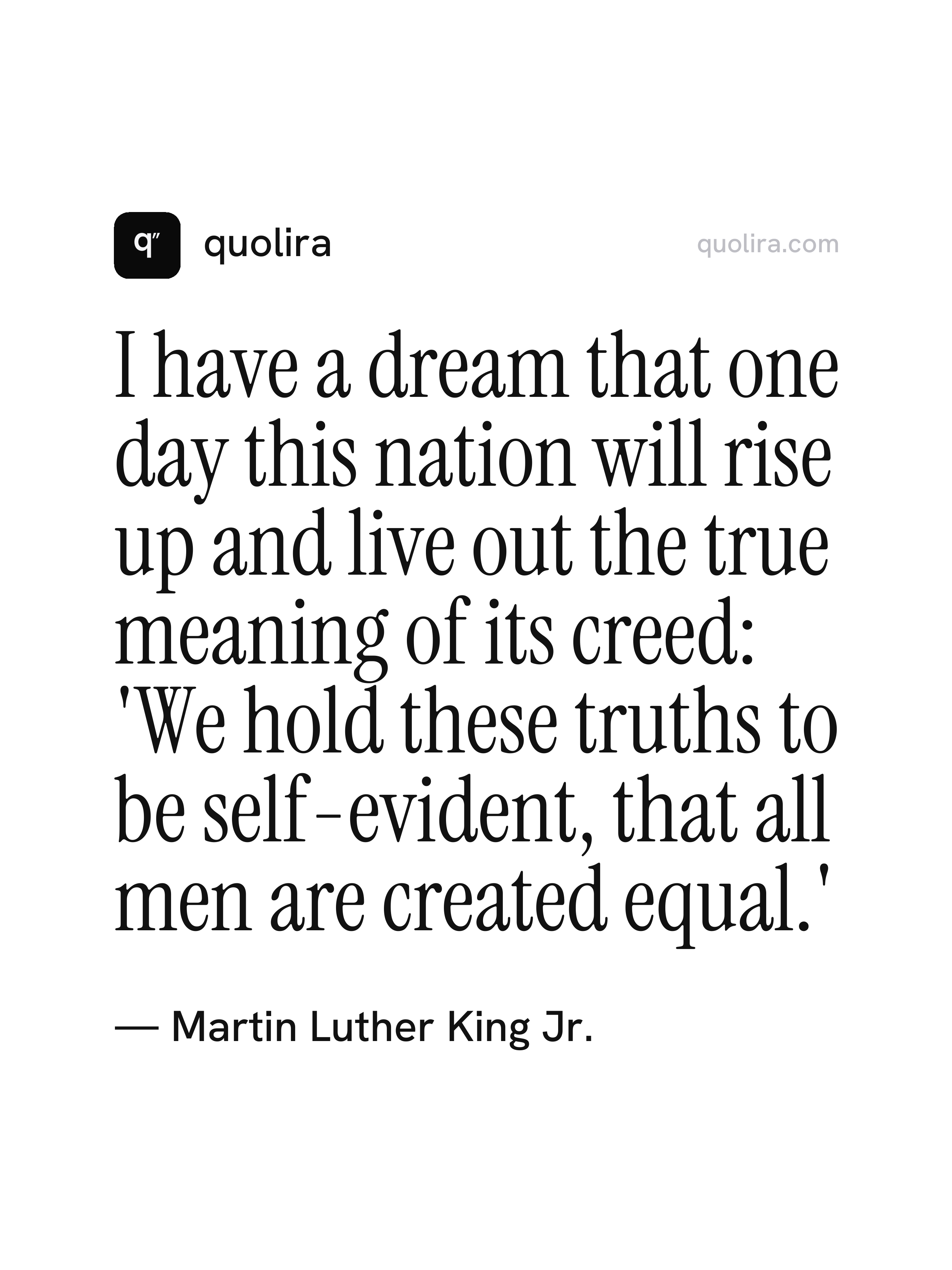
“I have a dream that one day this nation will rise up and live out the true meaning of its creed: 'We hold these truths to be self-evident, that all men are created equal.'”
Martin Luther King Jr. · "I Have a Dream" speech, Lincoln Memorial, August 28, 1963
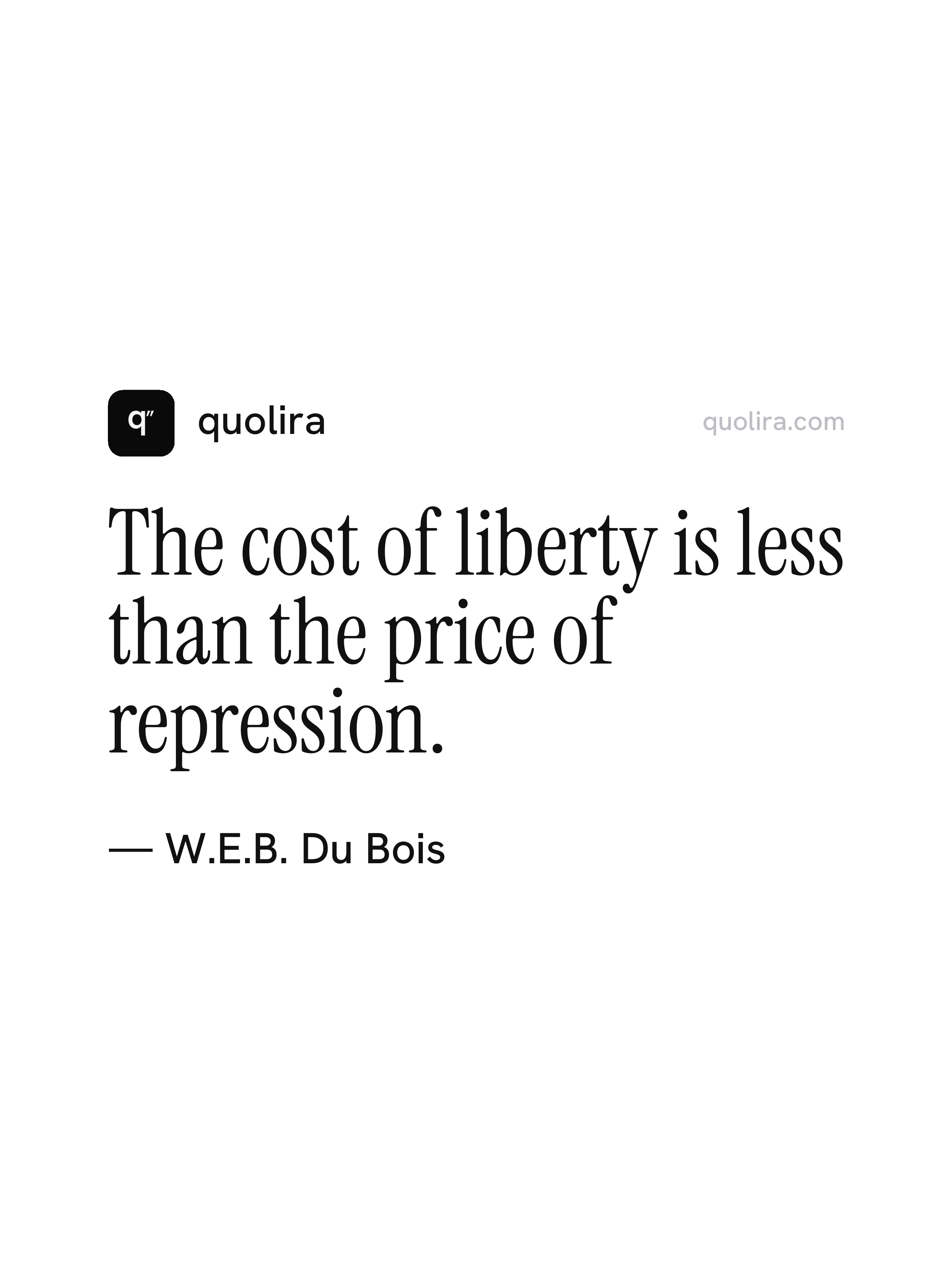
“The cost of liberty is less than the price of repression.”
W.E.B. Du Bois · "John Brown," 1909
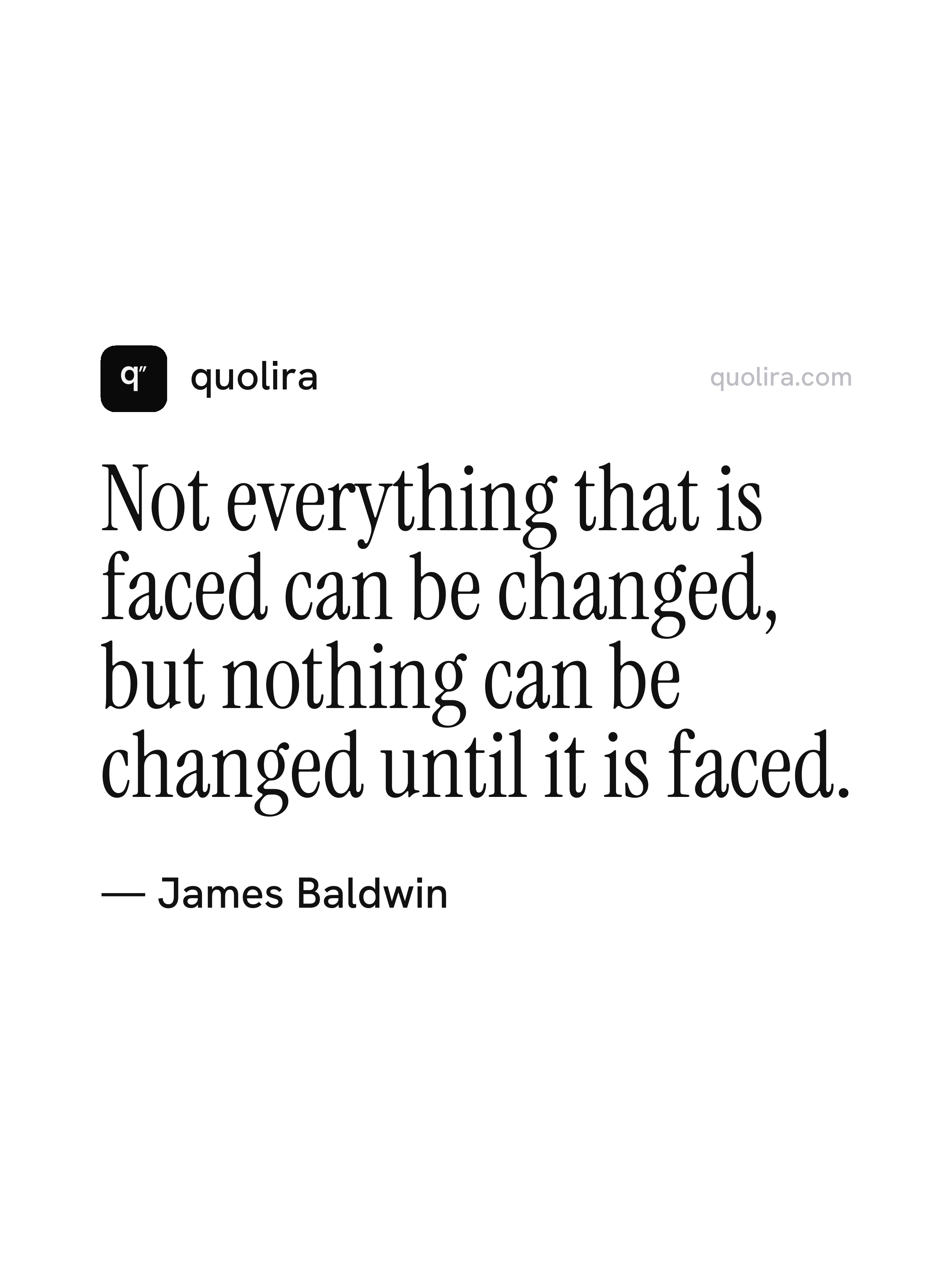
“Not everything that is faced can be changed, but nothing can be changed until it is faced.”
James Baldwin · "As Much Truth As One Can Bear," The New York Times Book Review, 1962
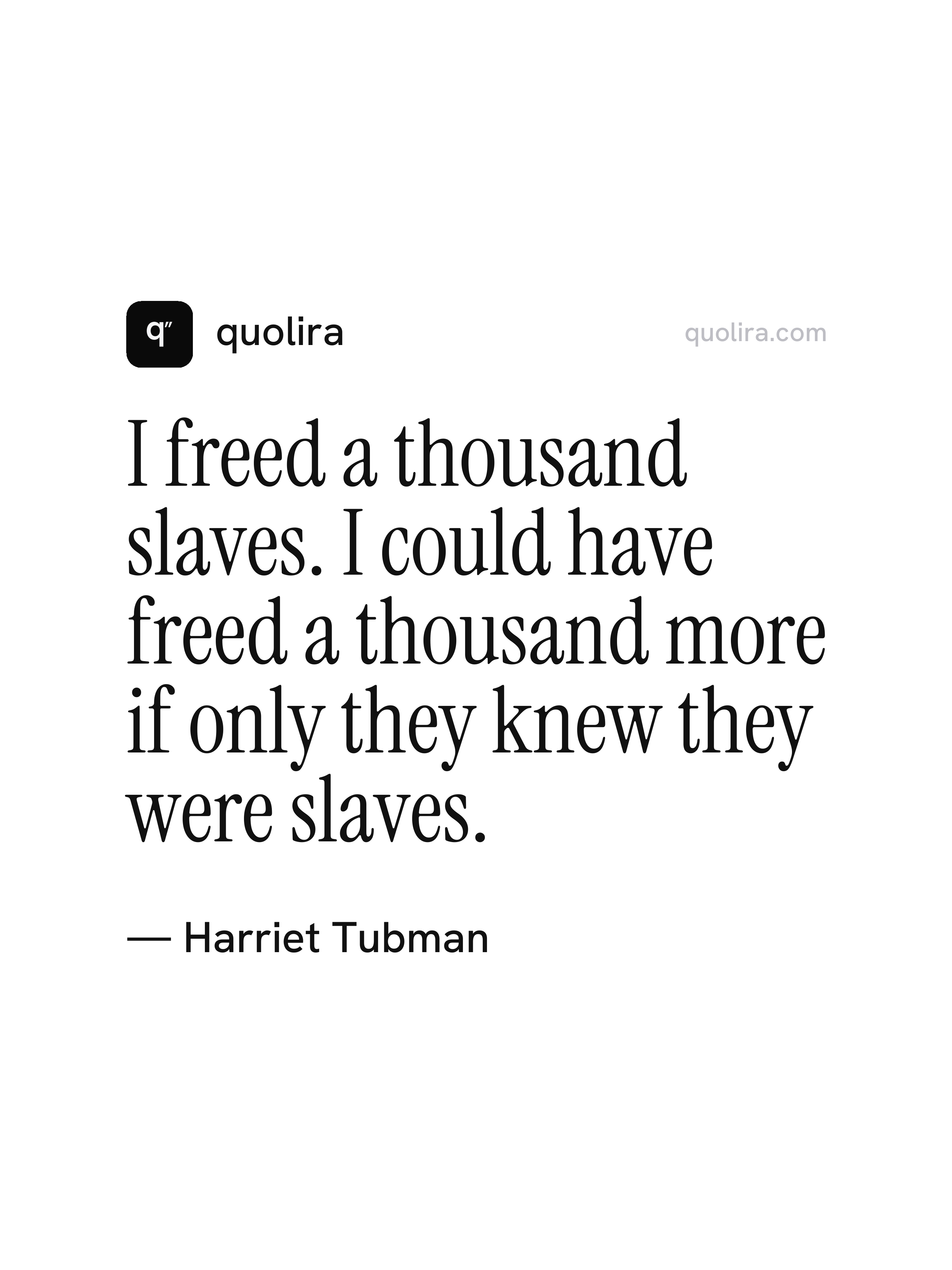
“I freed a thousand slaves. I could have freed a thousand more if only they knew they were slaves.”
Harriet Tubman · widely attributed, circa 1896
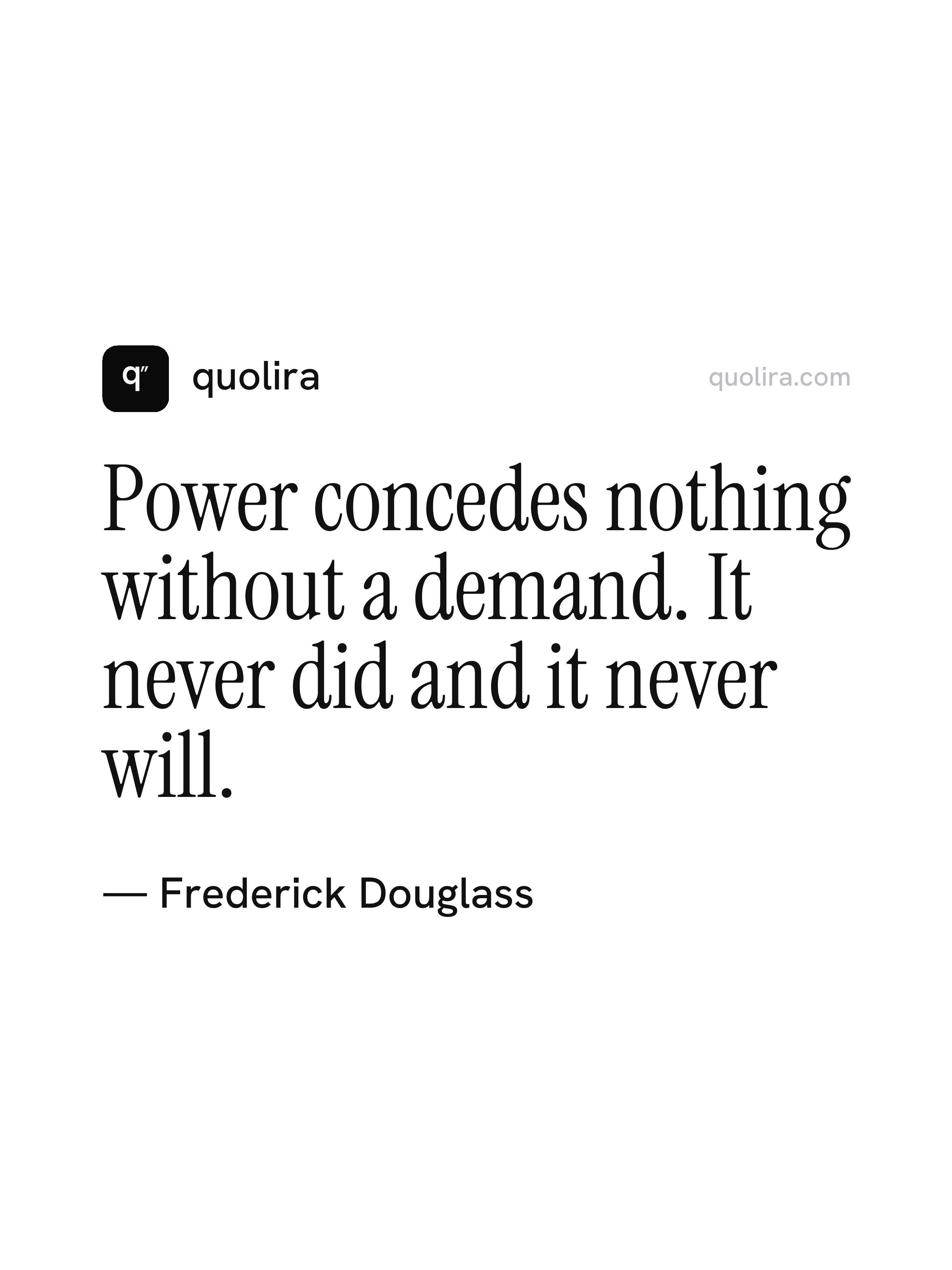
“Power concedes nothing without a demand. It never did and it never will.”
Frederick Douglass · "If There Is No Struggle, There Is No Progress," speech, 1857
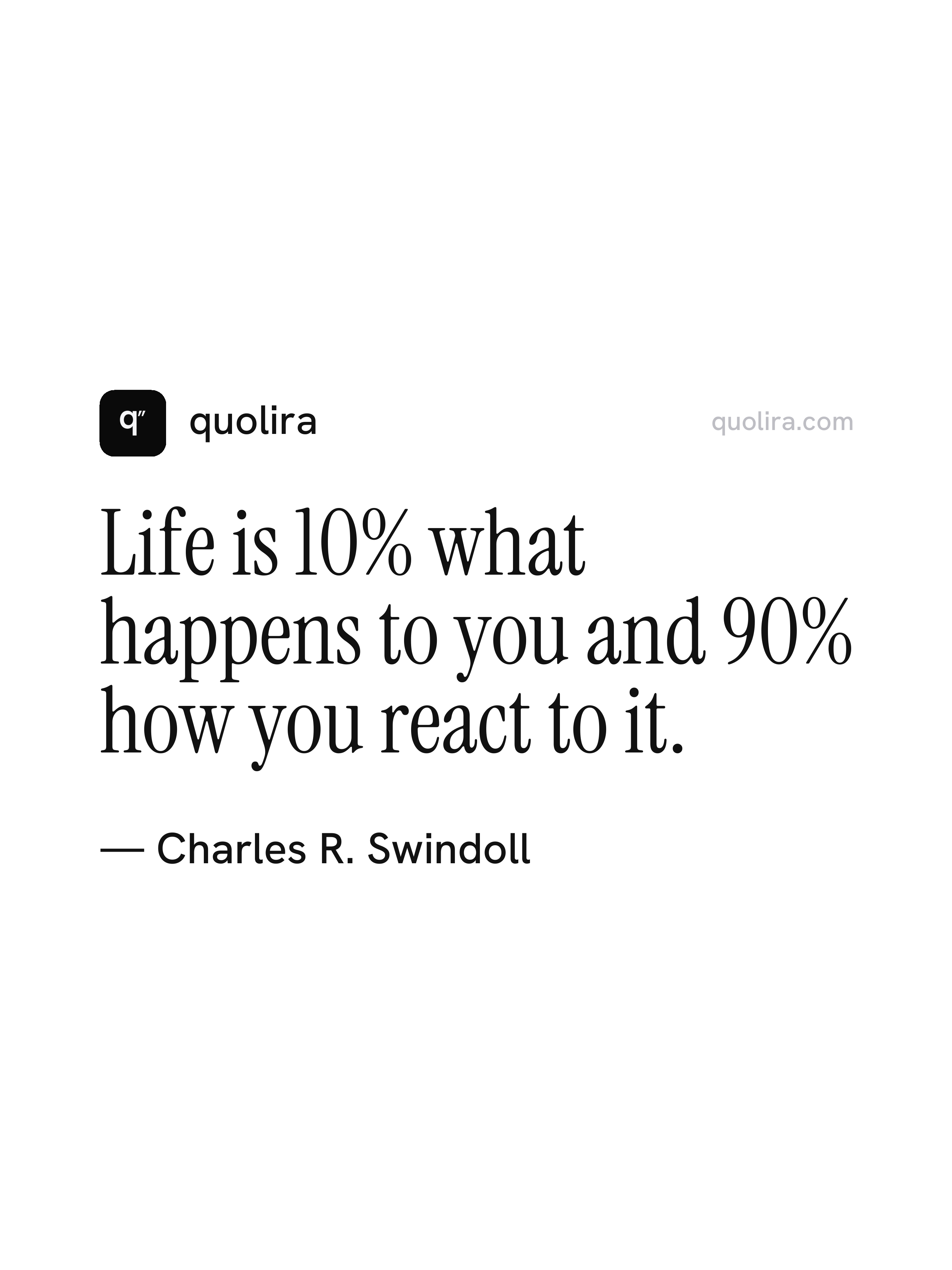
“Life is 10% what happens to you and 90% how you react to it.”
Charles R. Swindoll · Strengthening Your Grip, 1982
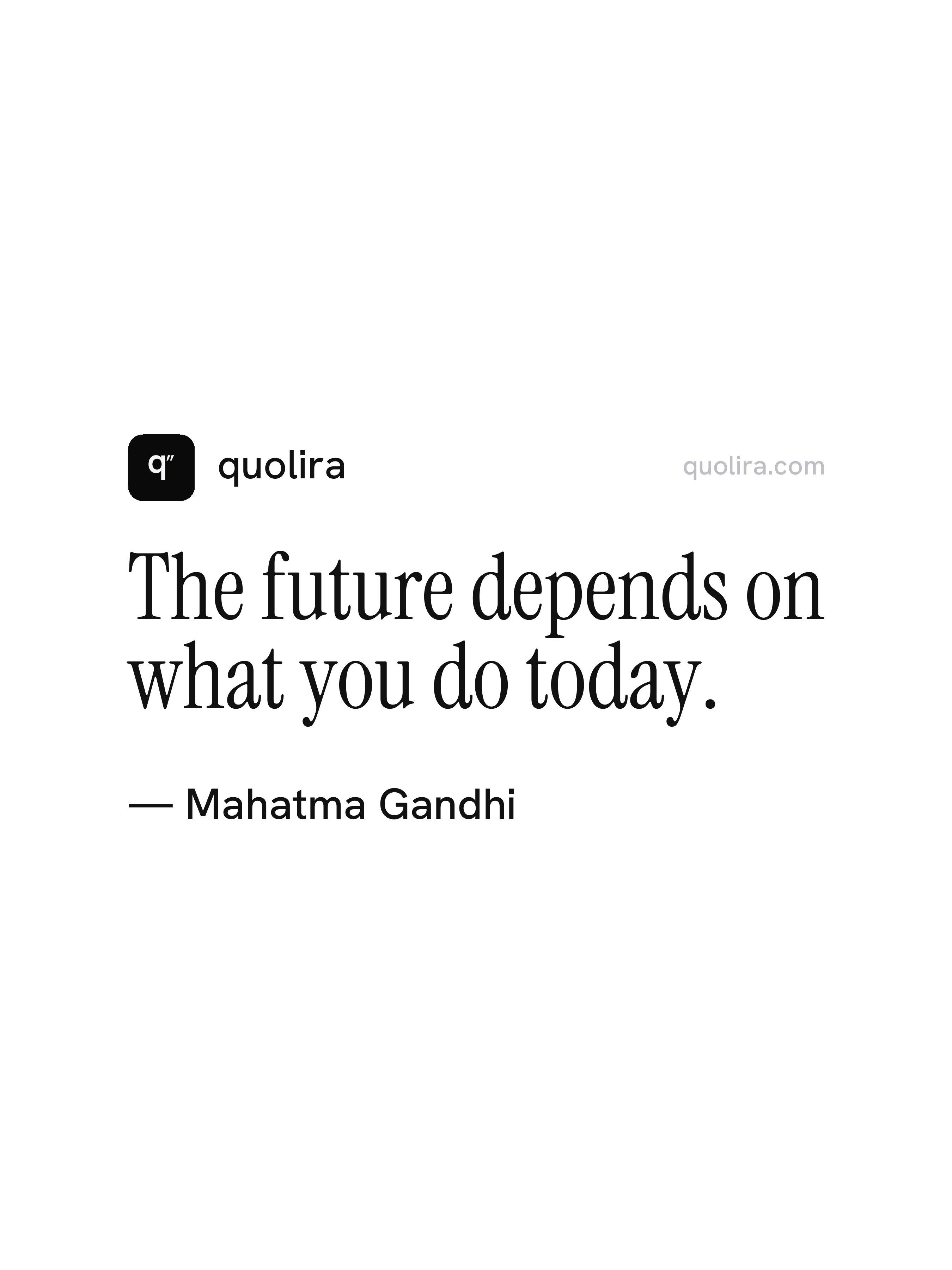
“The future depends on what you do today.”
Mahatma Gandhi