“One of the first duties of the physician is to educate the masses not to take medicine.”
William Osler · attributed
 quolira
.com
quolira
quolira.com
This line argues that the food we eat and the remedies we use to heal ourselves are not separate categories but a single continuum. Choosing nourishing food is an act of preventive medicine, and genuine medicine should work in harmony with what the body already receives through diet. The idea challenges any sharp divide between the kitchen and the clinic.
The phrase is widely attributed to Hippocrates, the ancient Greek figure regarded as the father of Western medicine, though most scholars note that it does not appear verbatim in the surviving texts of the Hippocratic Corpus. It likely grew from ideas that do run through those writings, particularly the emphasis on diet, lifestyle, and the natural environment as the foundations of health rather than drugs or surgery alone. Whether or not Hippocrates wrote these exact words, the sentiment fits squarely within the tradition he is associated with.
Hippocrates is thought to have lived in ancient Greece around the fifth and fourth centuries BCE, and his name became the organizing symbol for a school of rational, observation-based medicine. The Hippocratic Corpus is a collection of texts connected to that tradition, though scholars debate how many, if any, were written by a single person. His legacy is enormous: the ethical and observational principles linked to his name have shaped how physicians have thought about their role across more than two thousand years.
“One of the first duties of the physician is to educate the masses not to take medicine.”
William Osler · attributed
“The whole art of medicine is in observation.”
William Osler · attributed
“Nature heals, the doctor's job is to entertain the patient.”
Galen · attributed
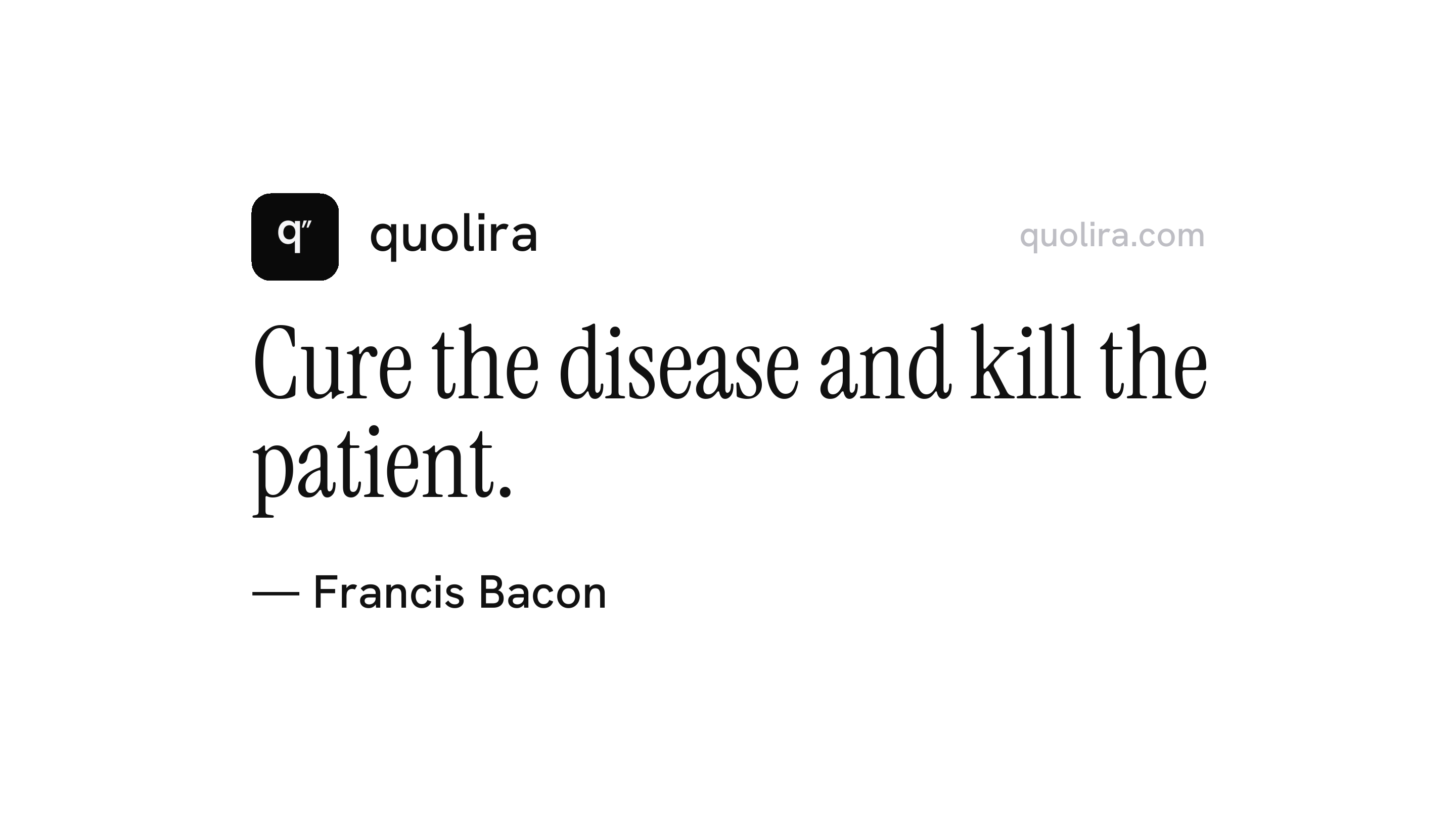
“Cure the disease and kill the patient.”
Francis Bacon · Of Friendship
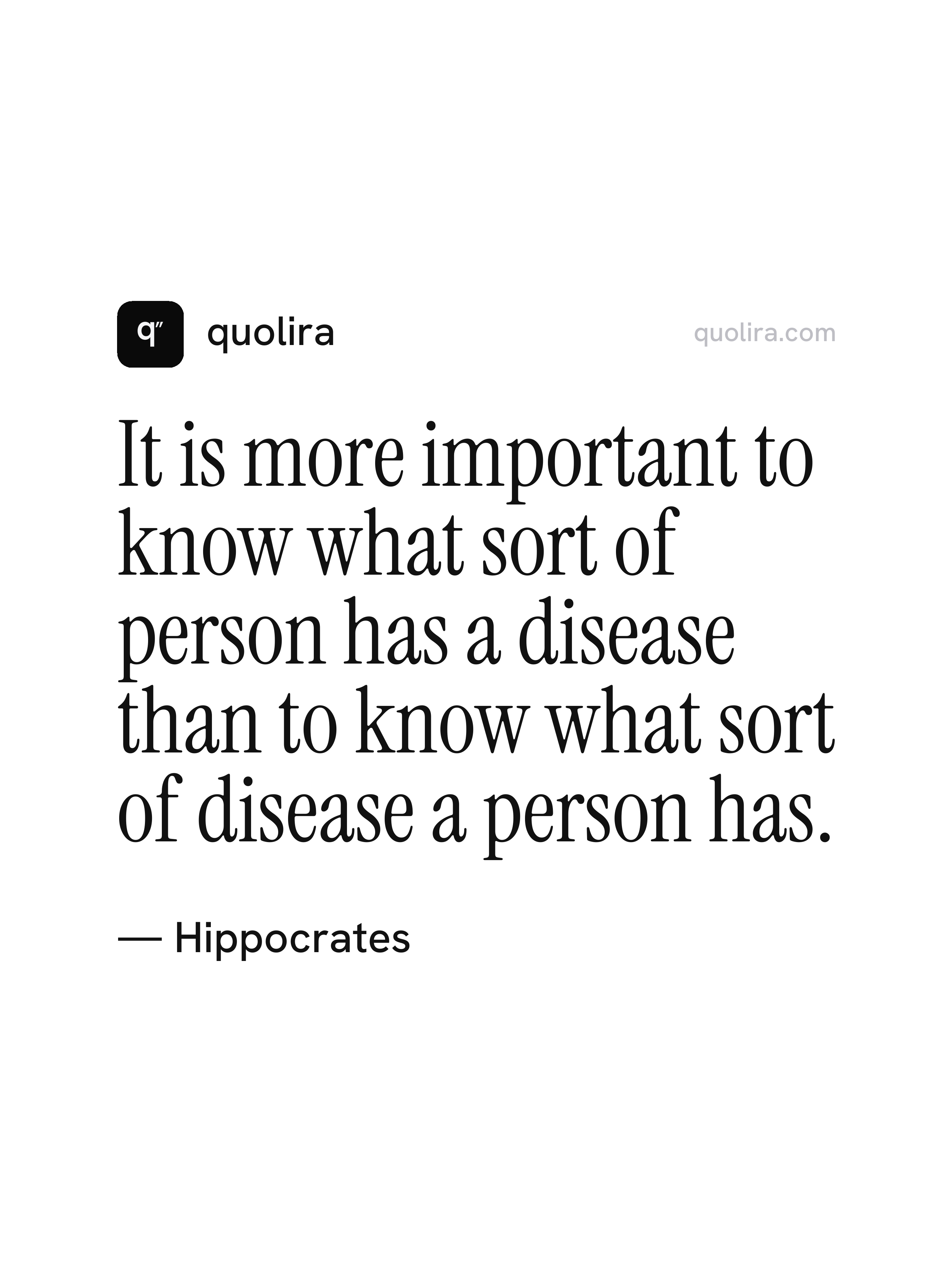
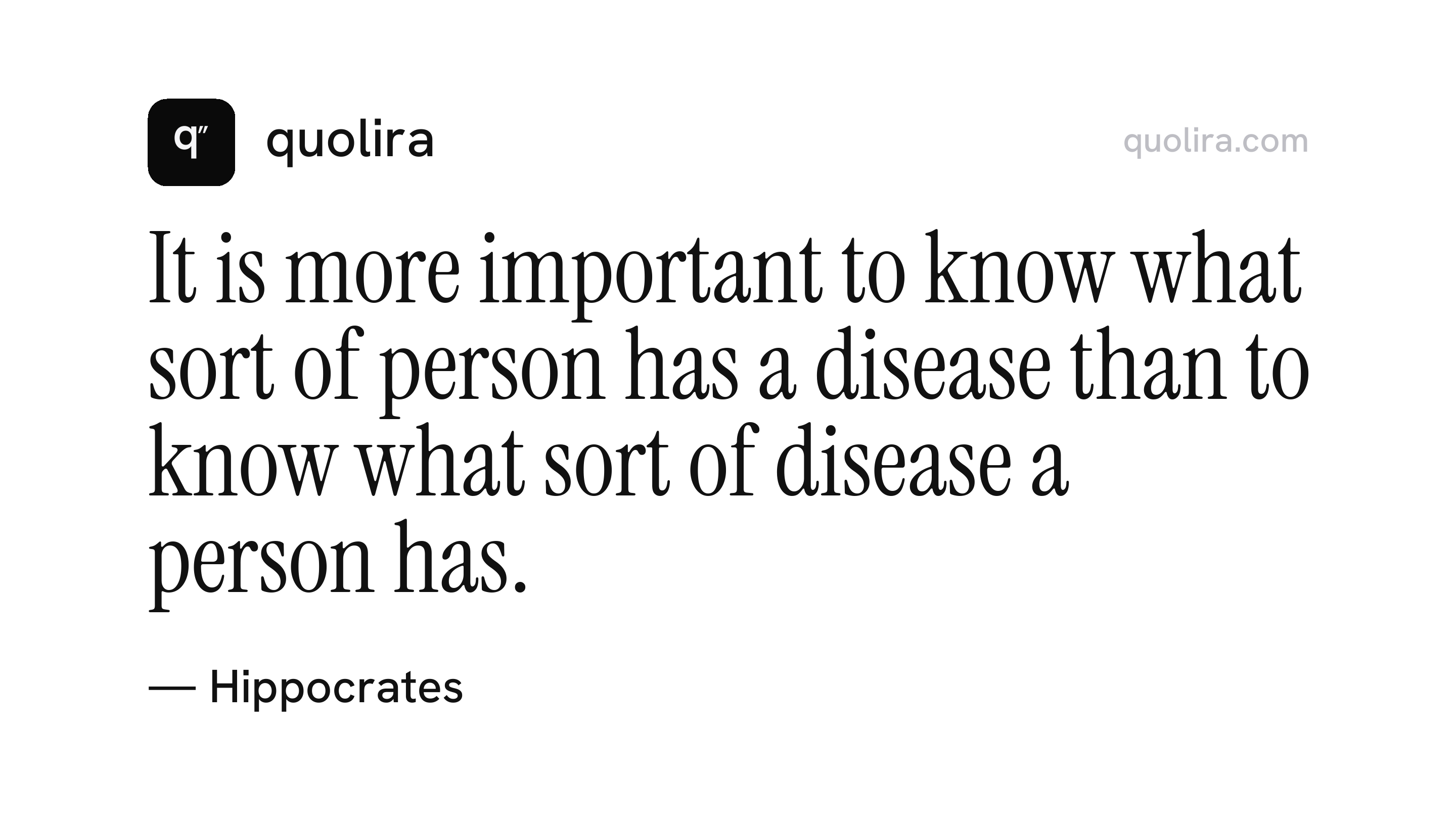
“It is more important to know what sort of person has a disease than to know what sort of disease a person has.”
Hippocrates · attributed
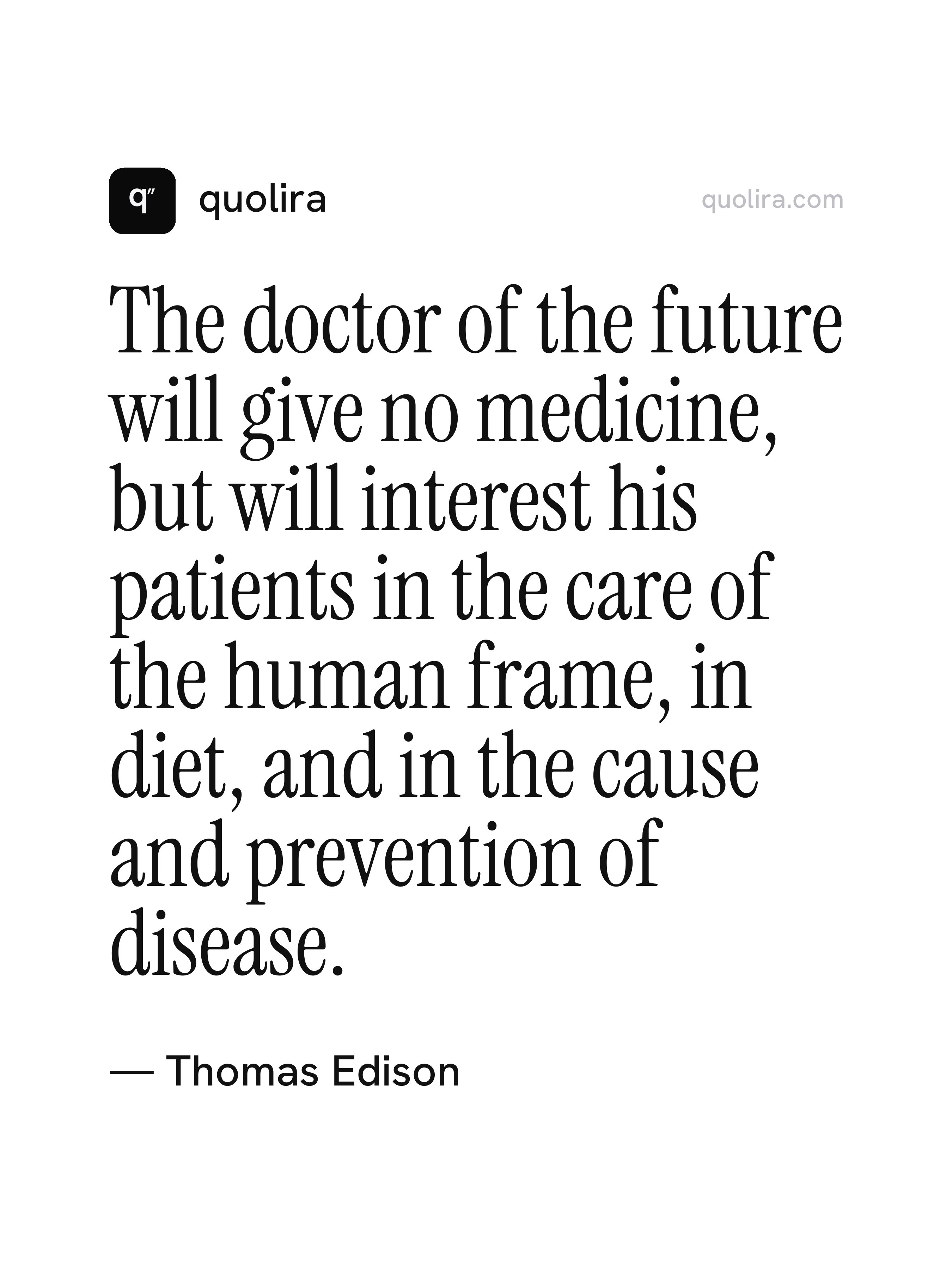
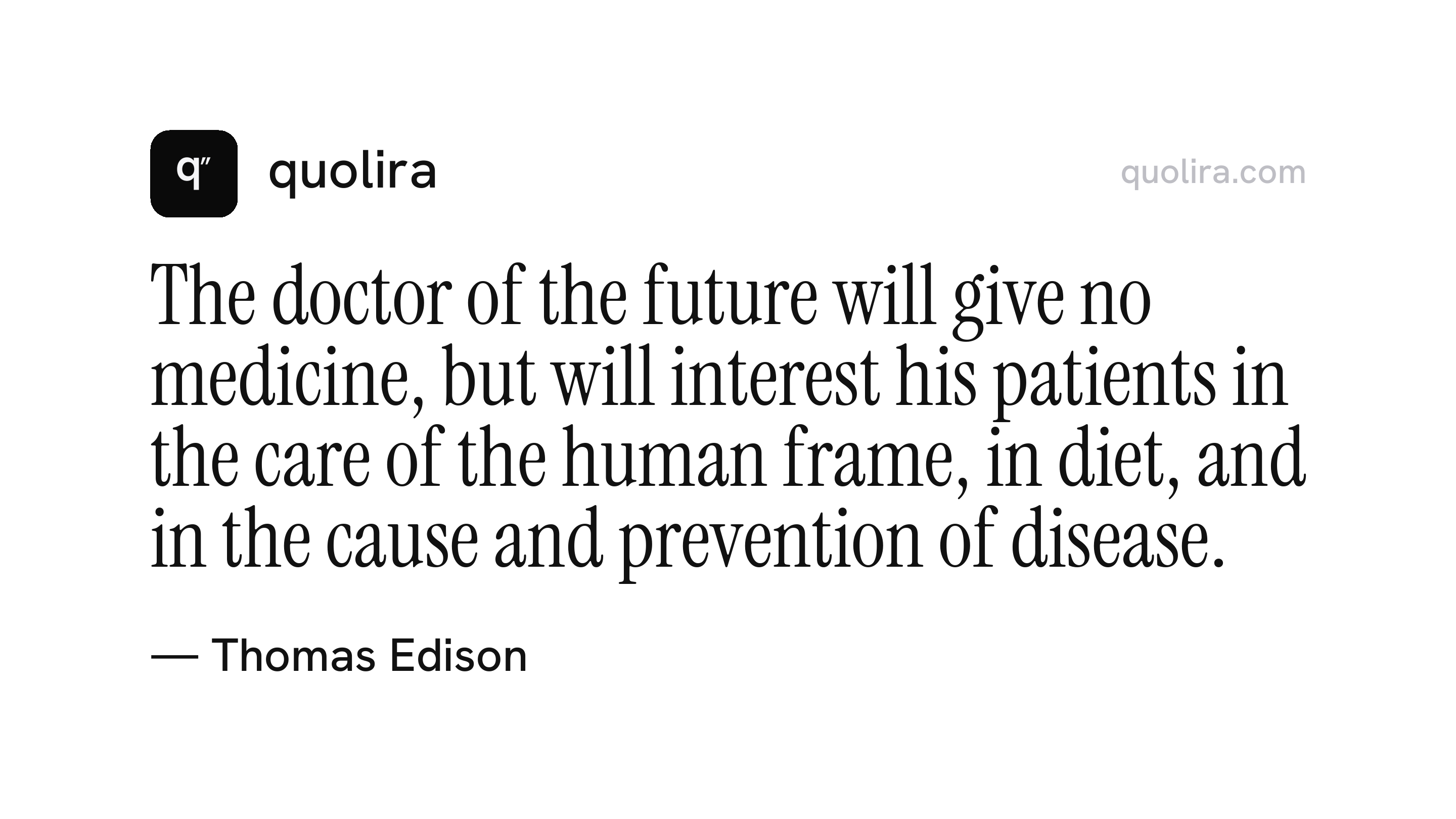
“The doctor of the future will give no medicine, but will interest his patients in the care of the human frame, in diet, and in the cause and prevention of disease.”
Thomas Edison · attributed
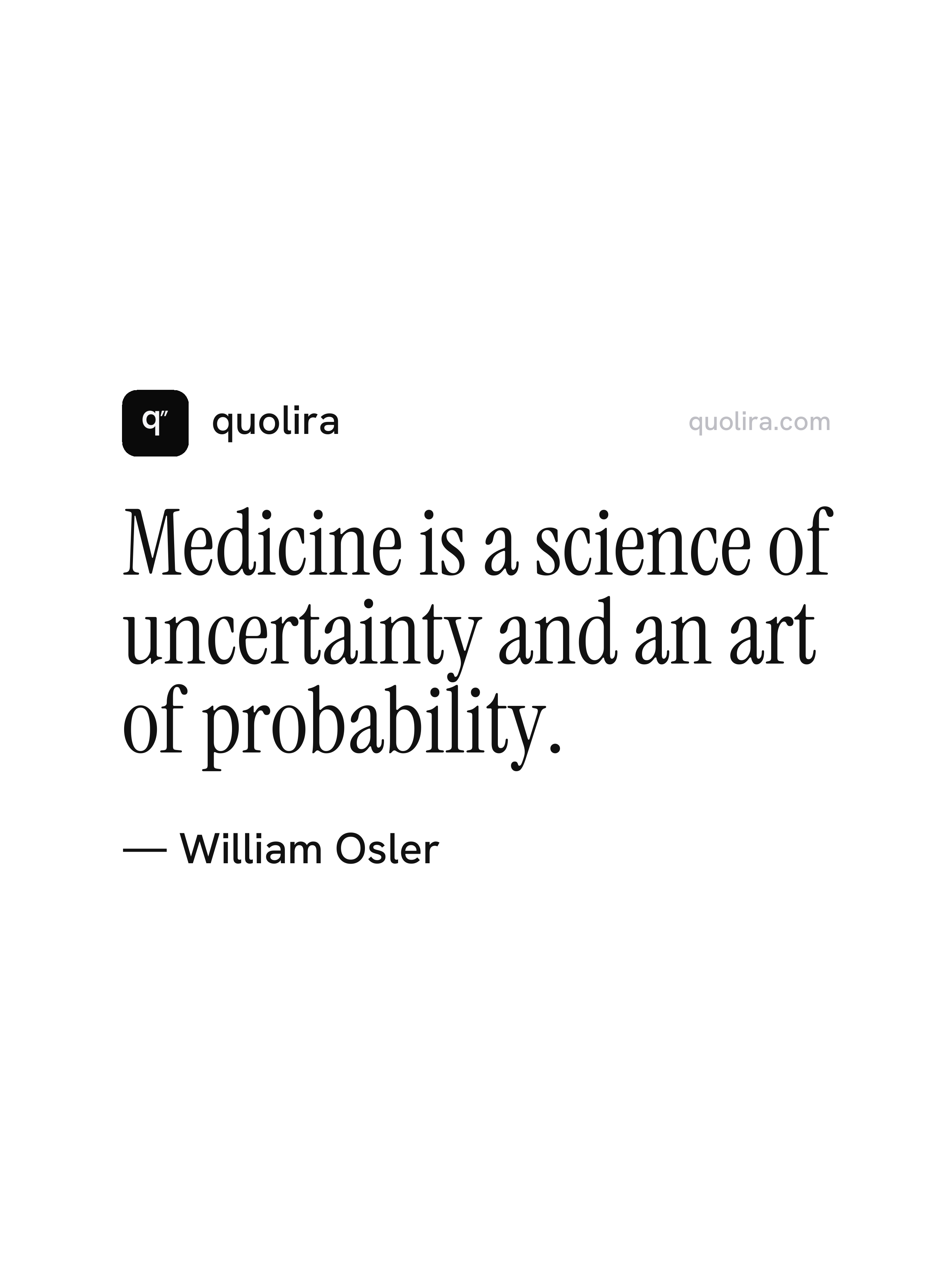
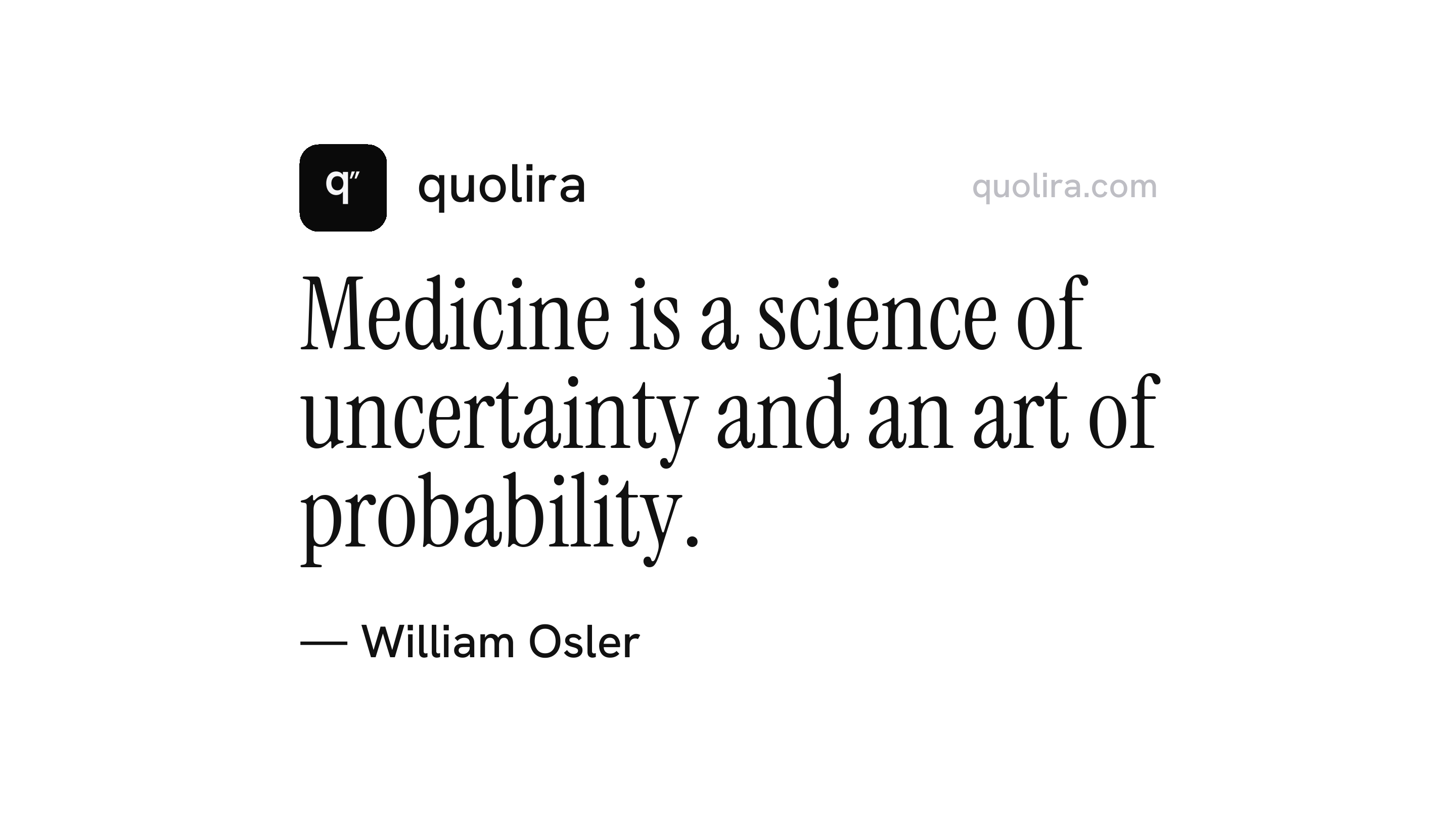
“Medicine is a science of uncertainty and an art of probability.”
William Osler · attributed
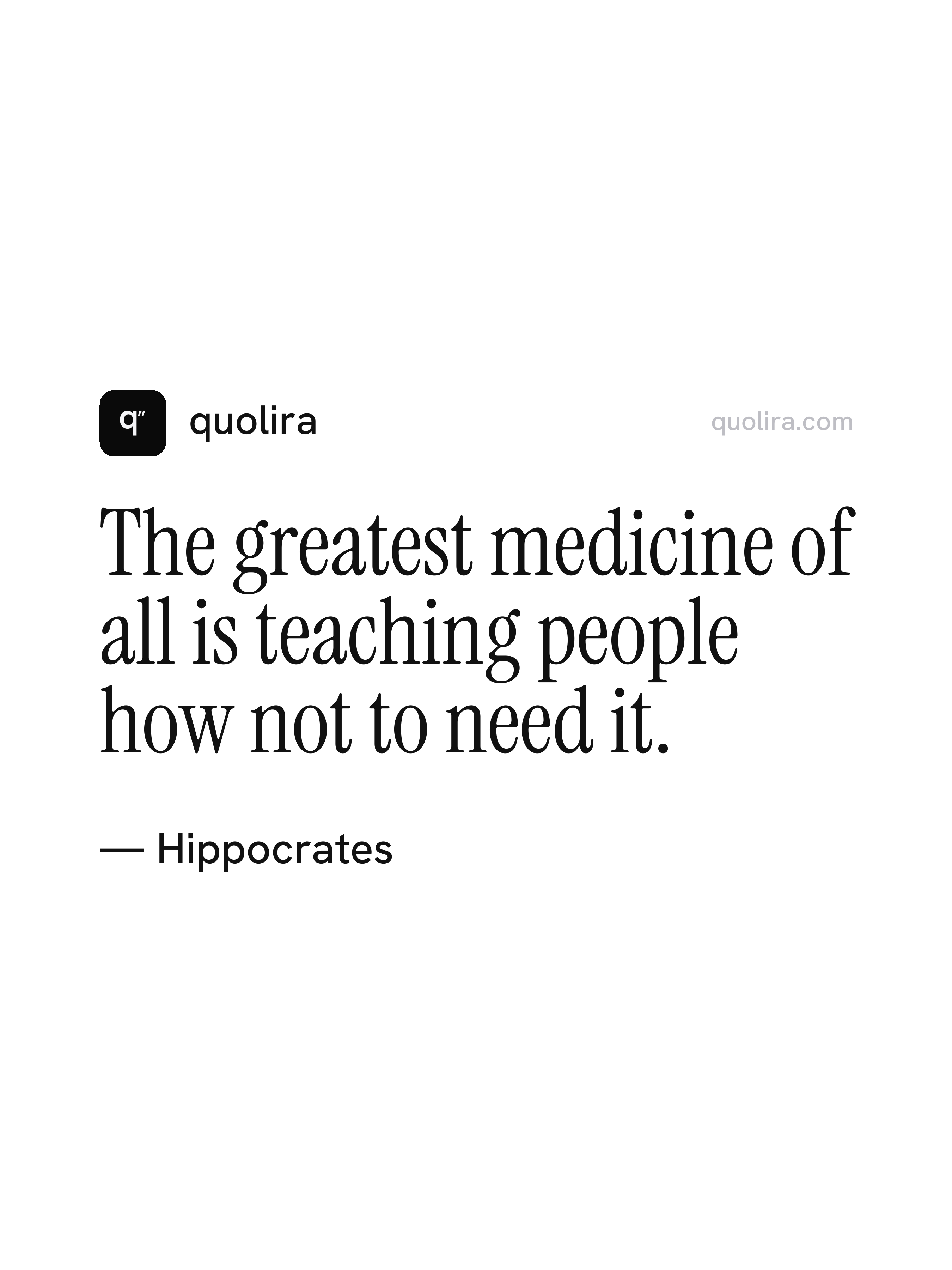
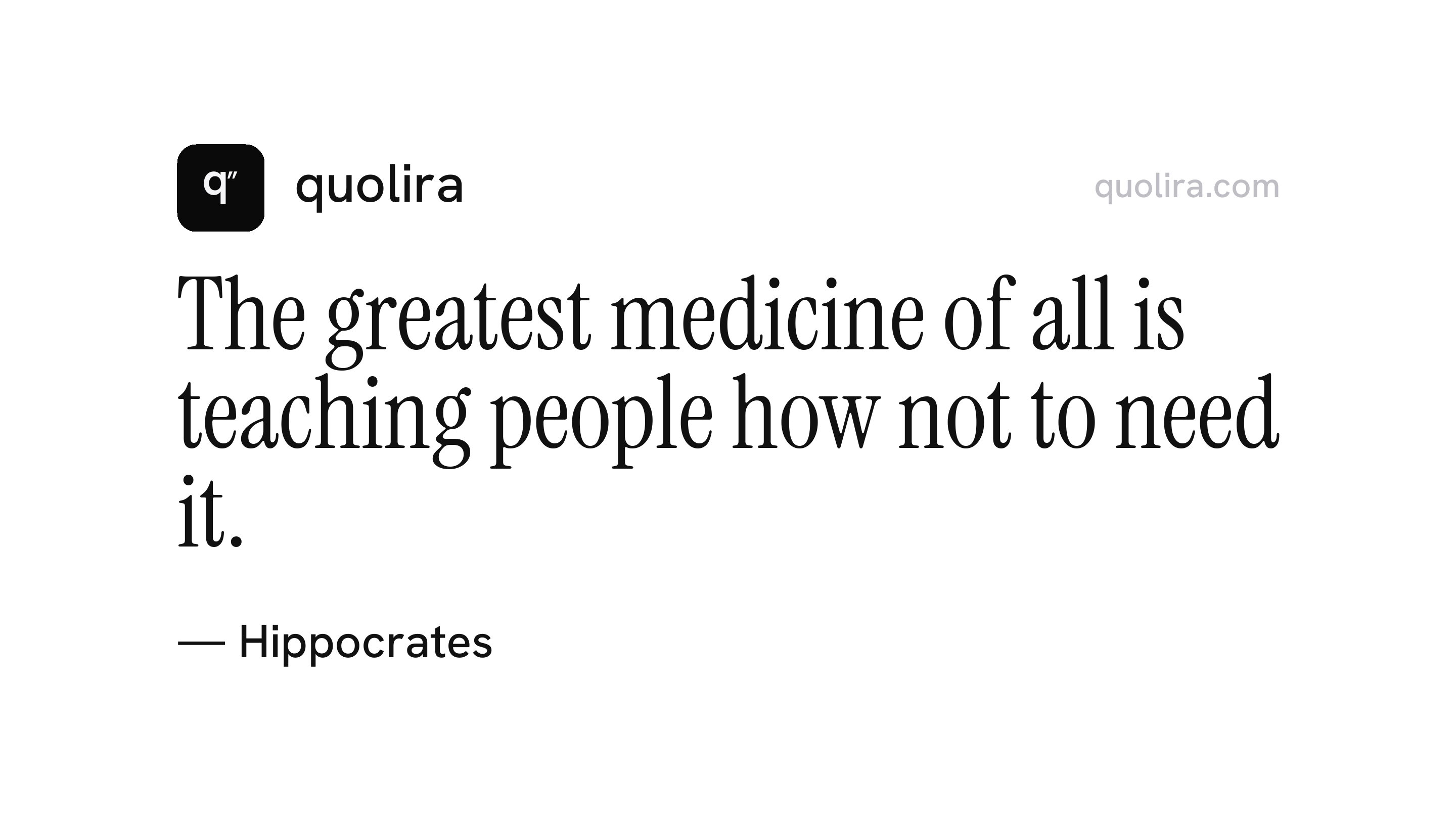
“The greatest medicine of all is teaching people how not to need it.”
Hippocrates · attributed
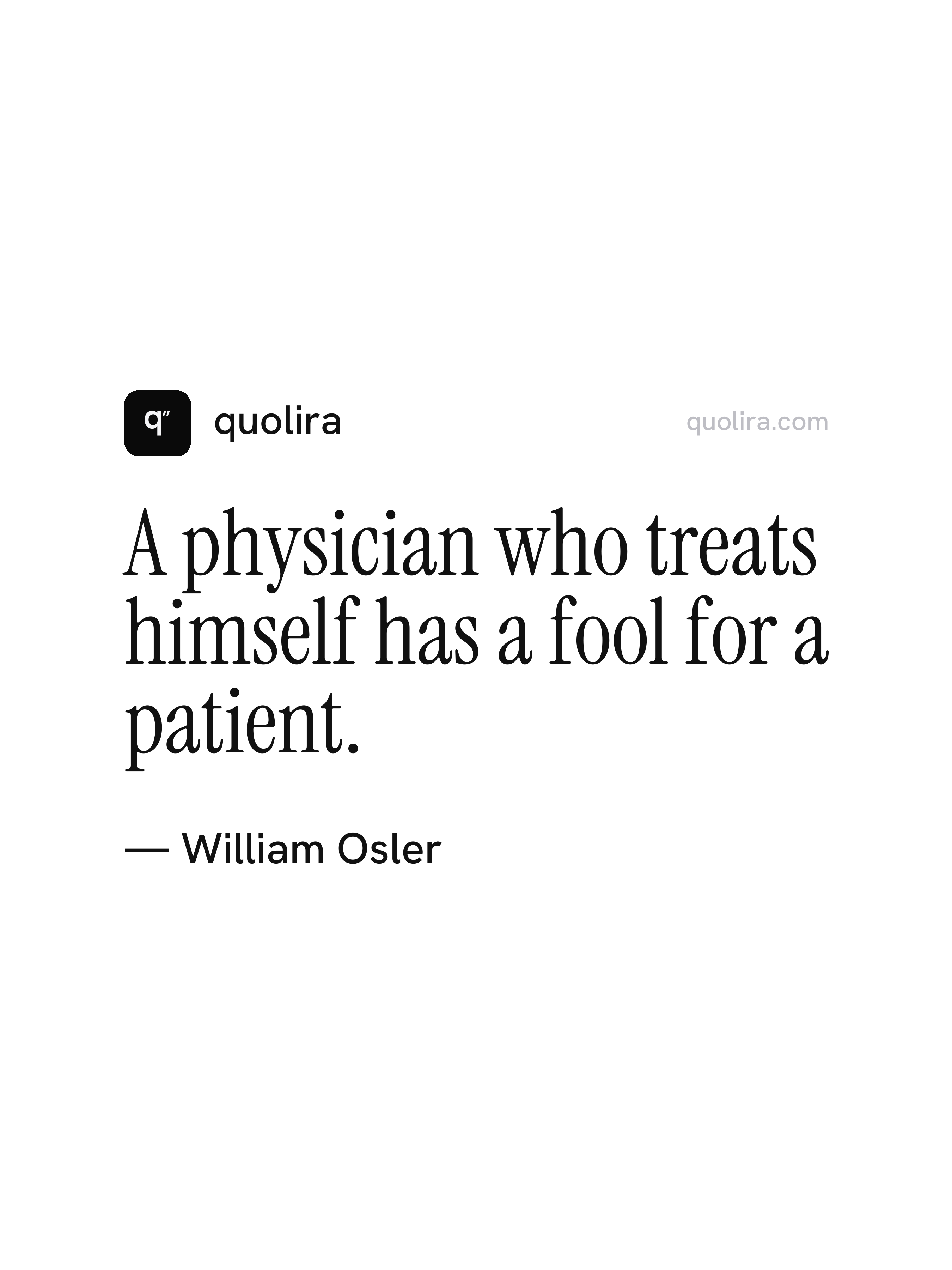
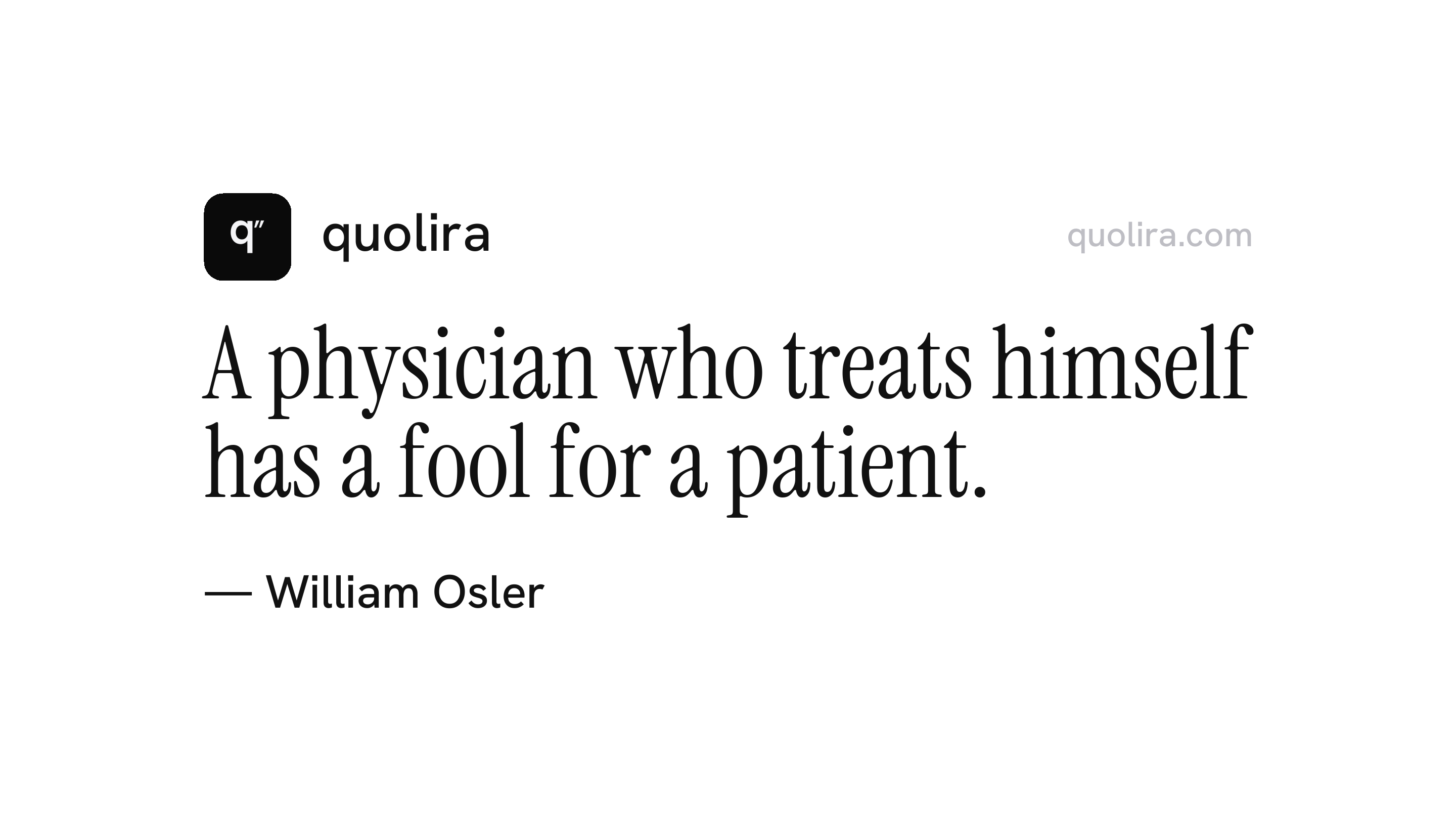
“A physician who treats himself has a fool for a patient.”
William Osler · attributed
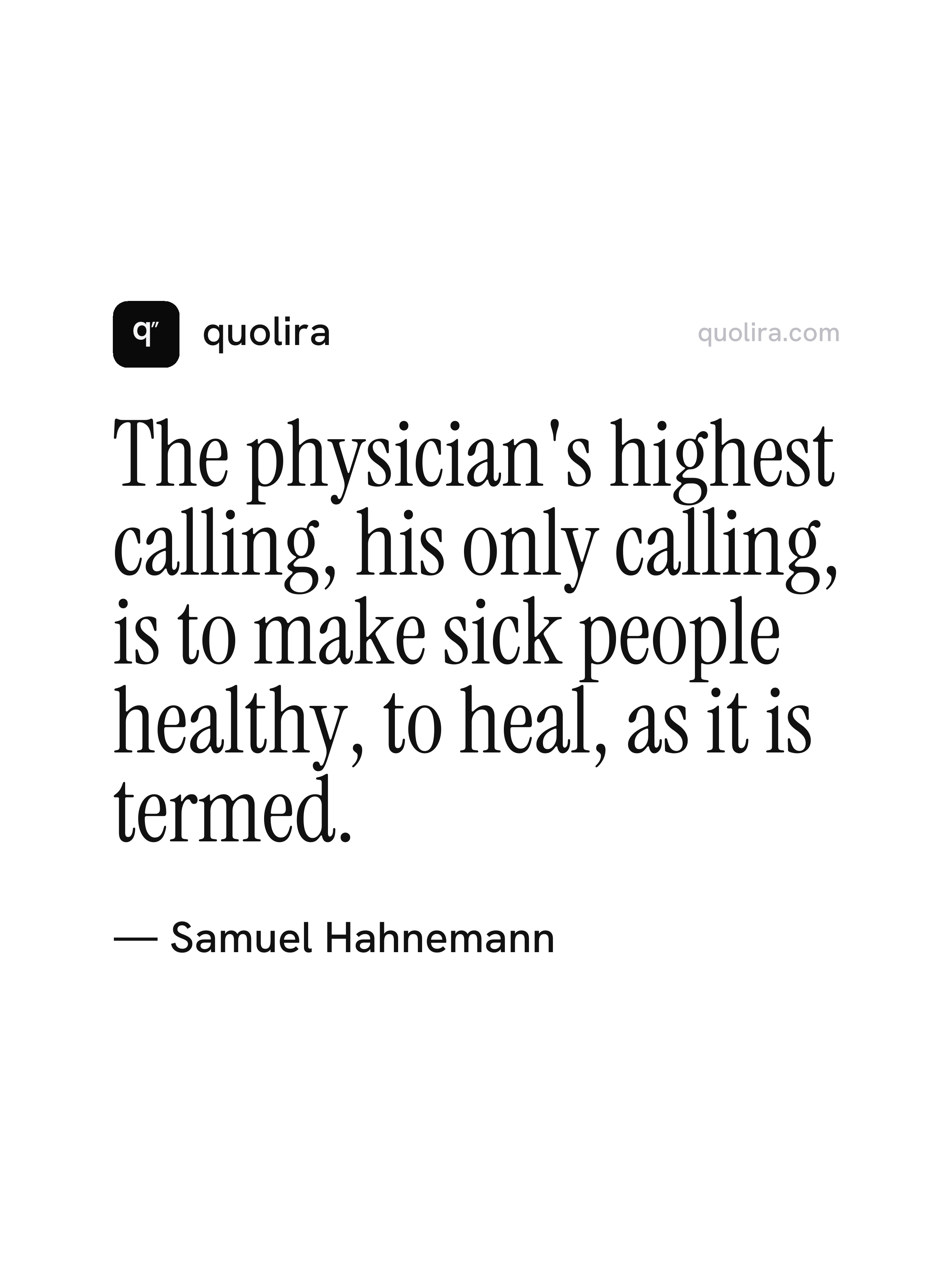
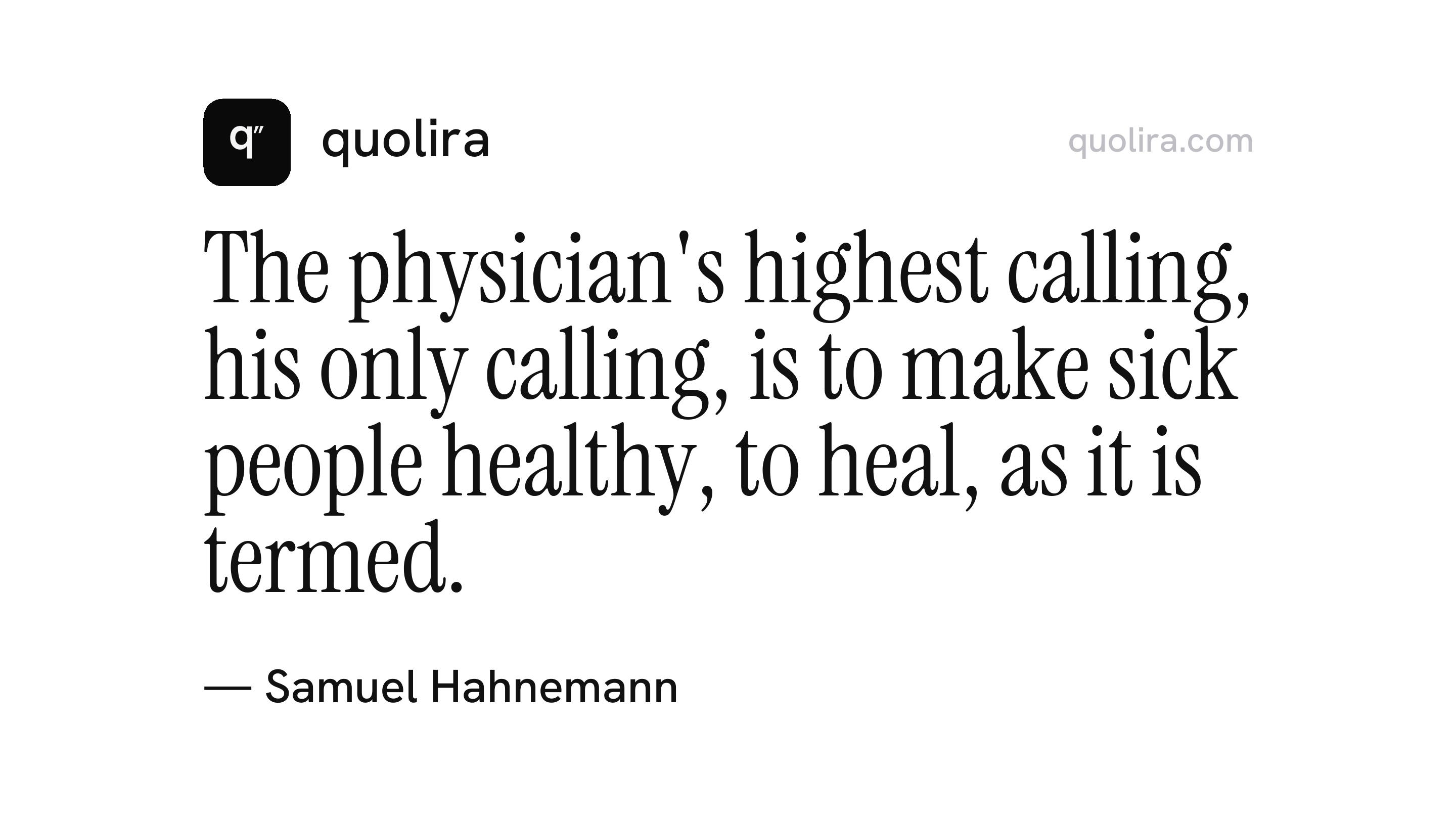
“The physician's highest calling, his only calling, is to make sick people healthy, to heal, as it is termed.”
Samuel Hahnemann · Organon of Medicine
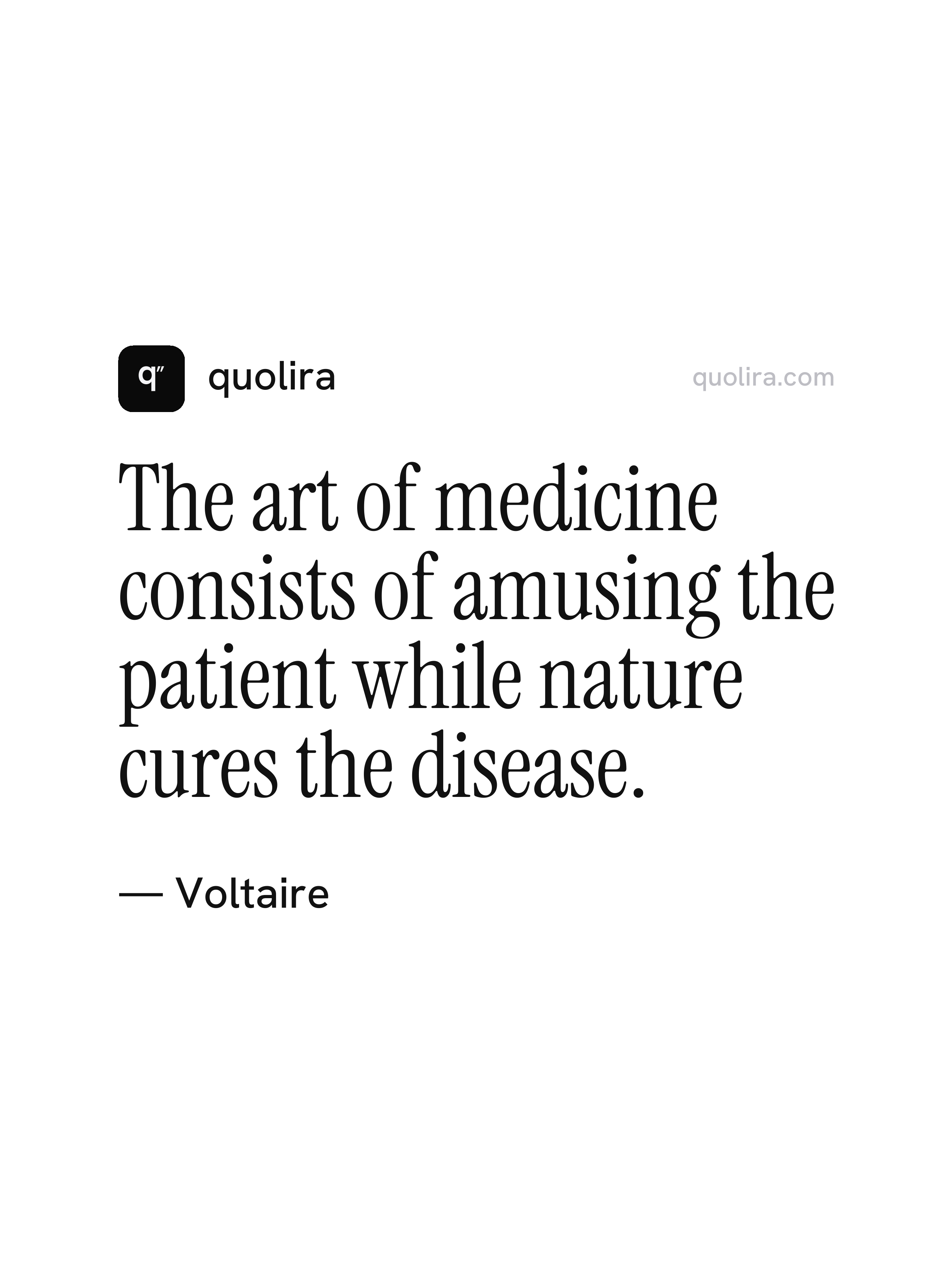
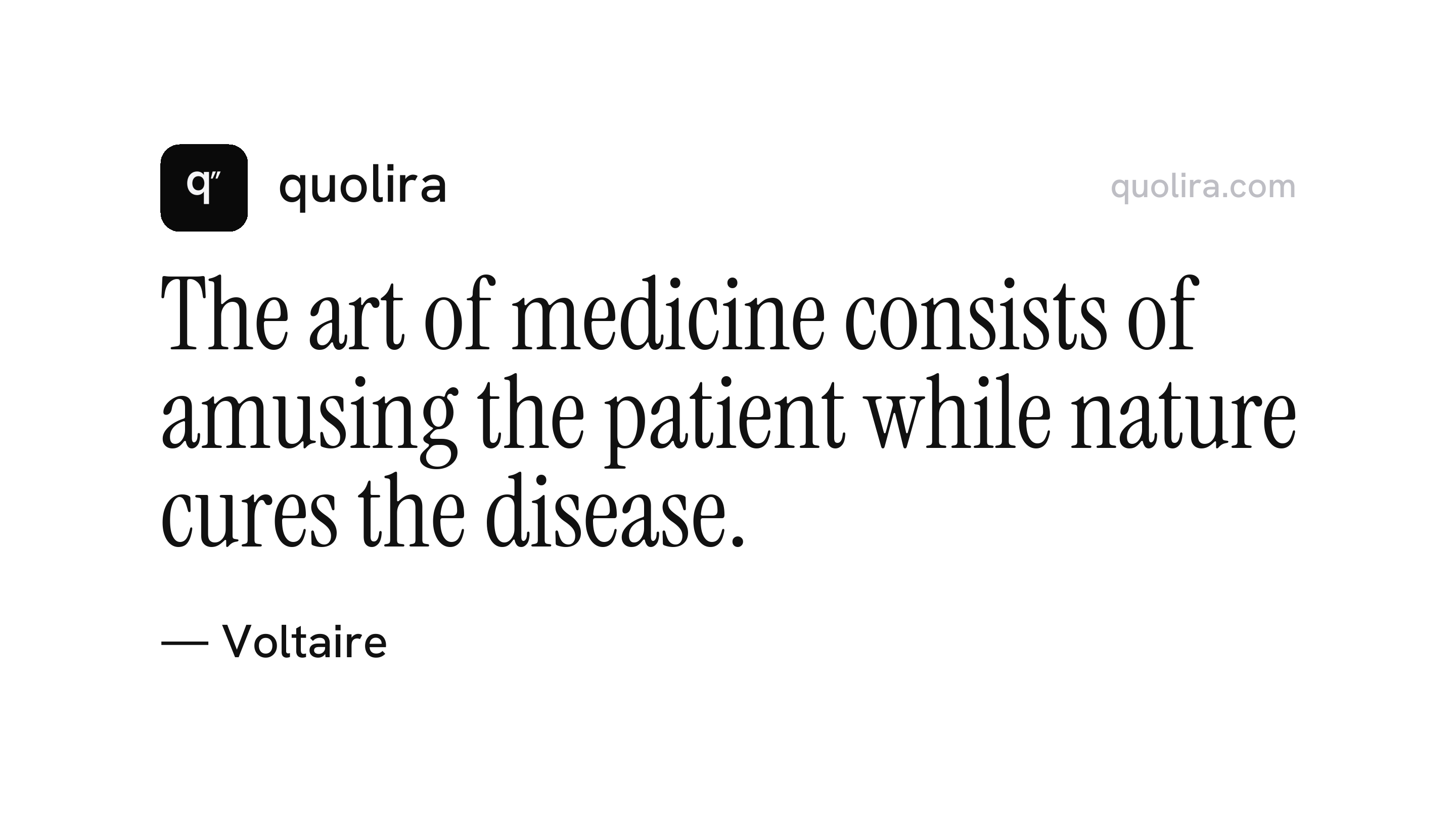
“The art of medicine consists of amusing the patient while nature cures the disease.”
Voltaire · attributed
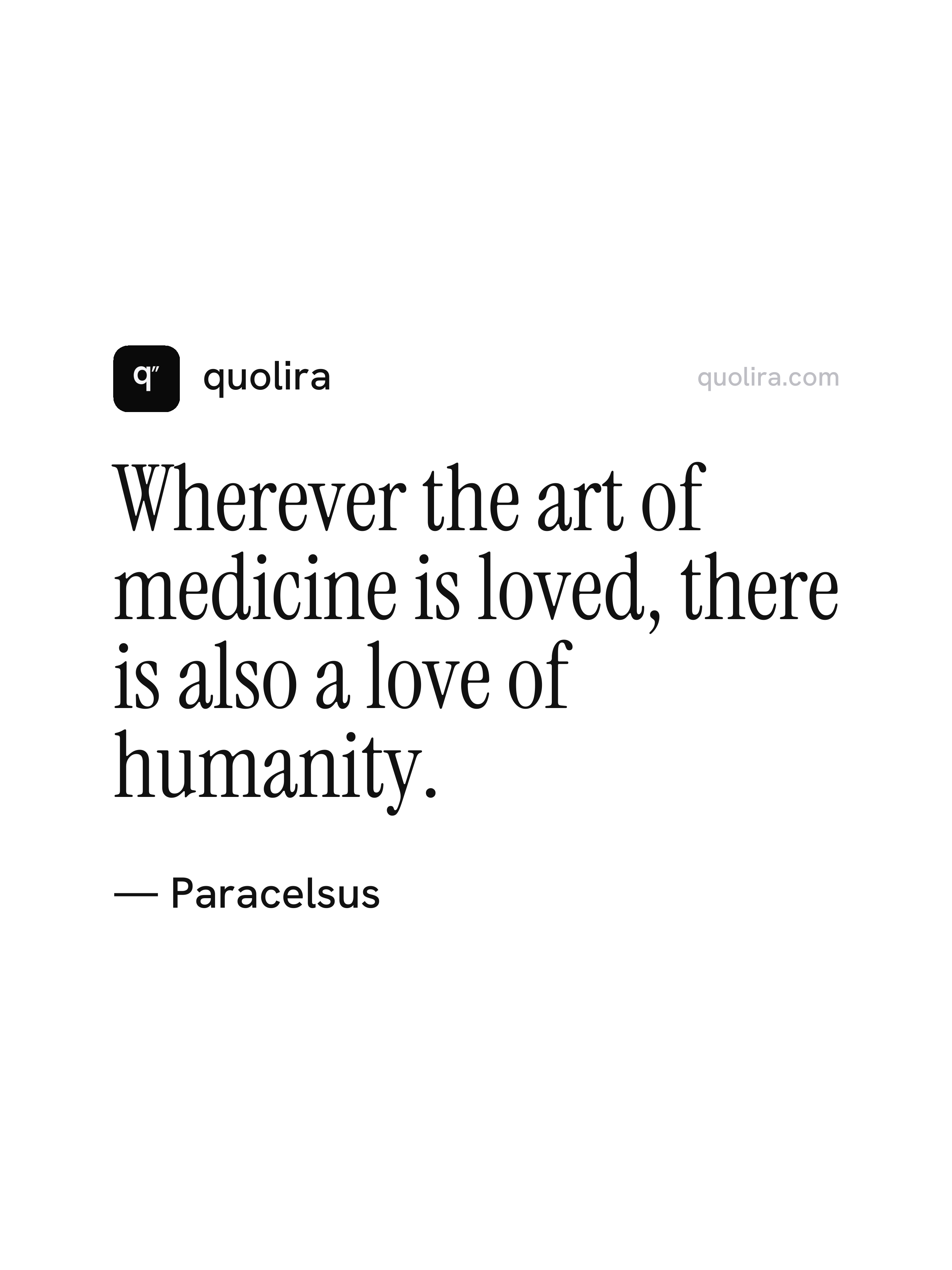
“Wherever the art of medicine is loved, there is also a love of humanity.”
Paracelsus · attributed