“The whole art of medicine is in observation.”
William Osler · attributed
 quolira
.com
quolira
quolira.com
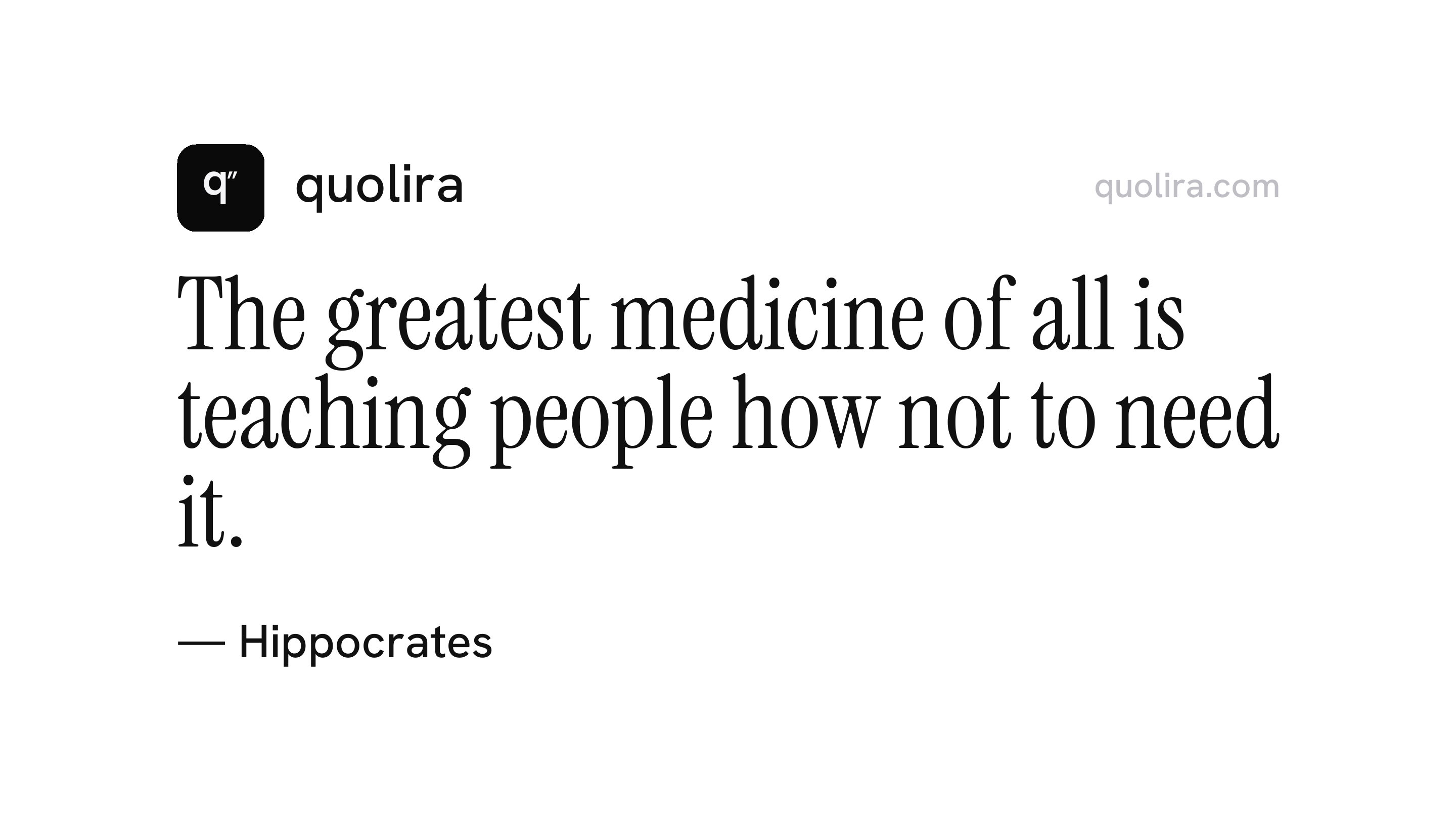
This observation turns the usual assumption about doctors on its head. Rather than seeing the prescription pad as the core of medical practice, it places patient education at the center, specifically the education that helps people recognize when medicine is unnecessary. The underlying point is that over-reliance on drugs can itself be harmful, and that a well-informed public is a healthier one.
William Osler was one of the most influential physician-teachers of the late nineteenth and early twentieth centuries, and this sentiment fits a consistent thread in his thinking. He was deeply concerned about the tendency to reach for remedies before exhausting simpler measures, and he repeatedly emphasized clinical judgment, careful observation, and honest communication with patients. The remark reflects an era when the boundaries of legitimate medicine were actively being debated and when therapeutic skepticism was considered a mark of wisdom rather than defeat.
William Osler was a Canadian physician who built much of his career in the United States and later in Britain. He helped transform medical education by insisting that students learn at the bedside rather than only from lectures and textbooks. His textbook on the principles and practice of medicine was a standard reference for a generation of doctors. He is remembered not only for his clinical and scientific contributions but also for a body of essays and addresses that explored the humanistic and ethical dimensions of medical life.
“The whole art of medicine is in observation.”
William Osler · attributed
“Nature heals, the doctor's job is to entertain the patient.”
Galen · attributed
“Cure the disease and kill the patient.”
Francis Bacon · Of Friendship
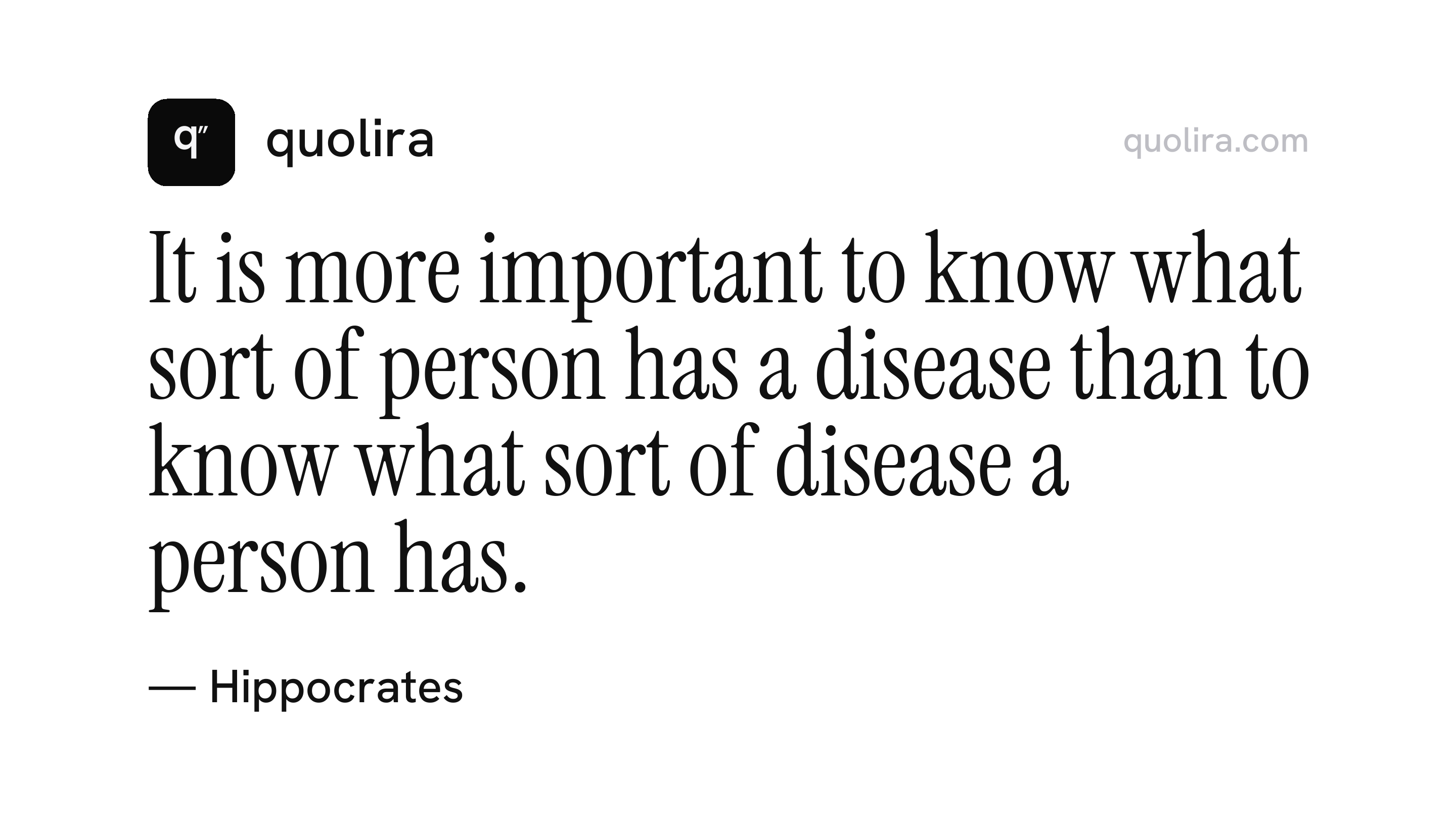
“It is more important to know what sort of person has a disease than to know what sort of disease a person has.”
Hippocrates · attributed
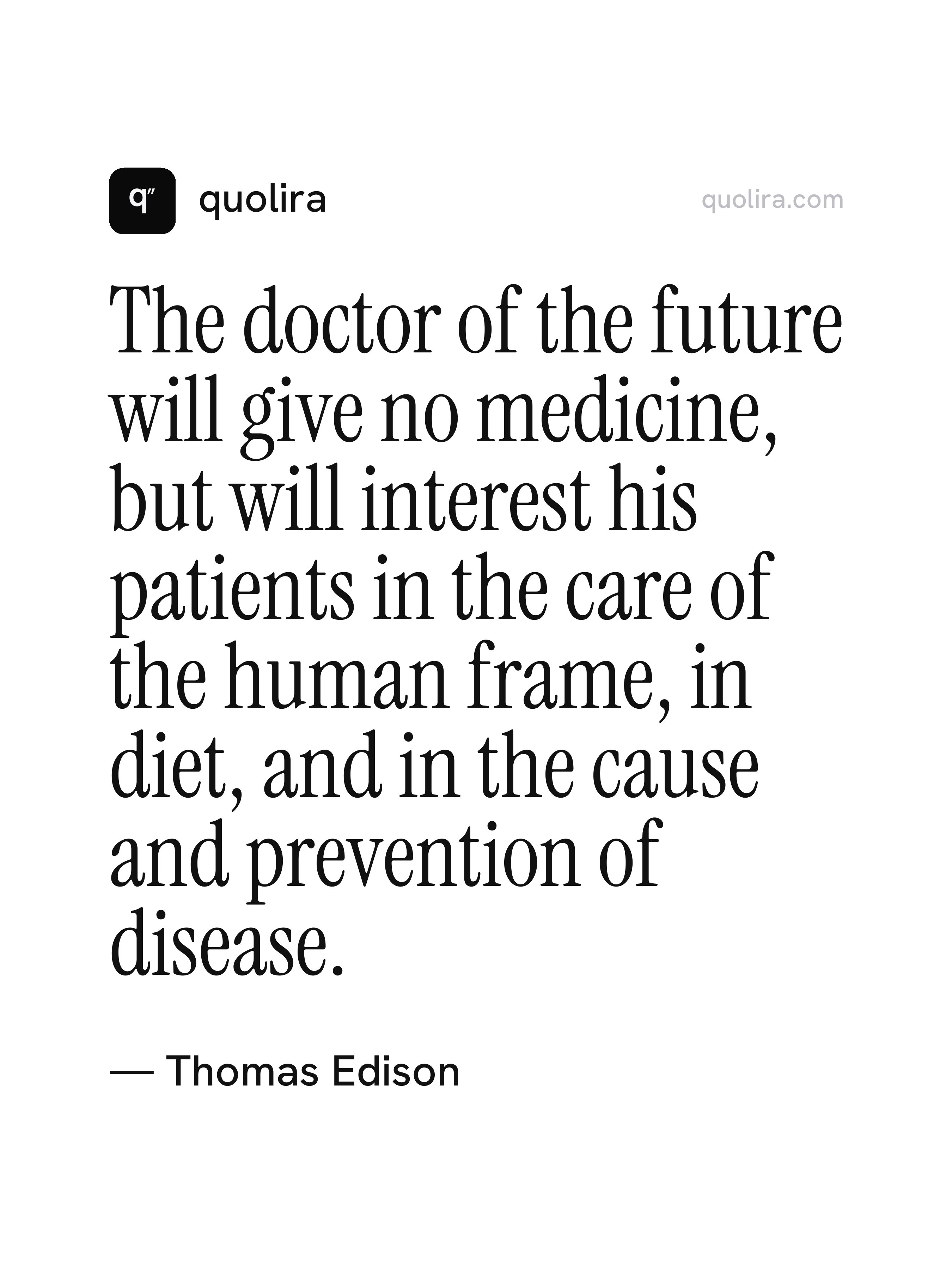
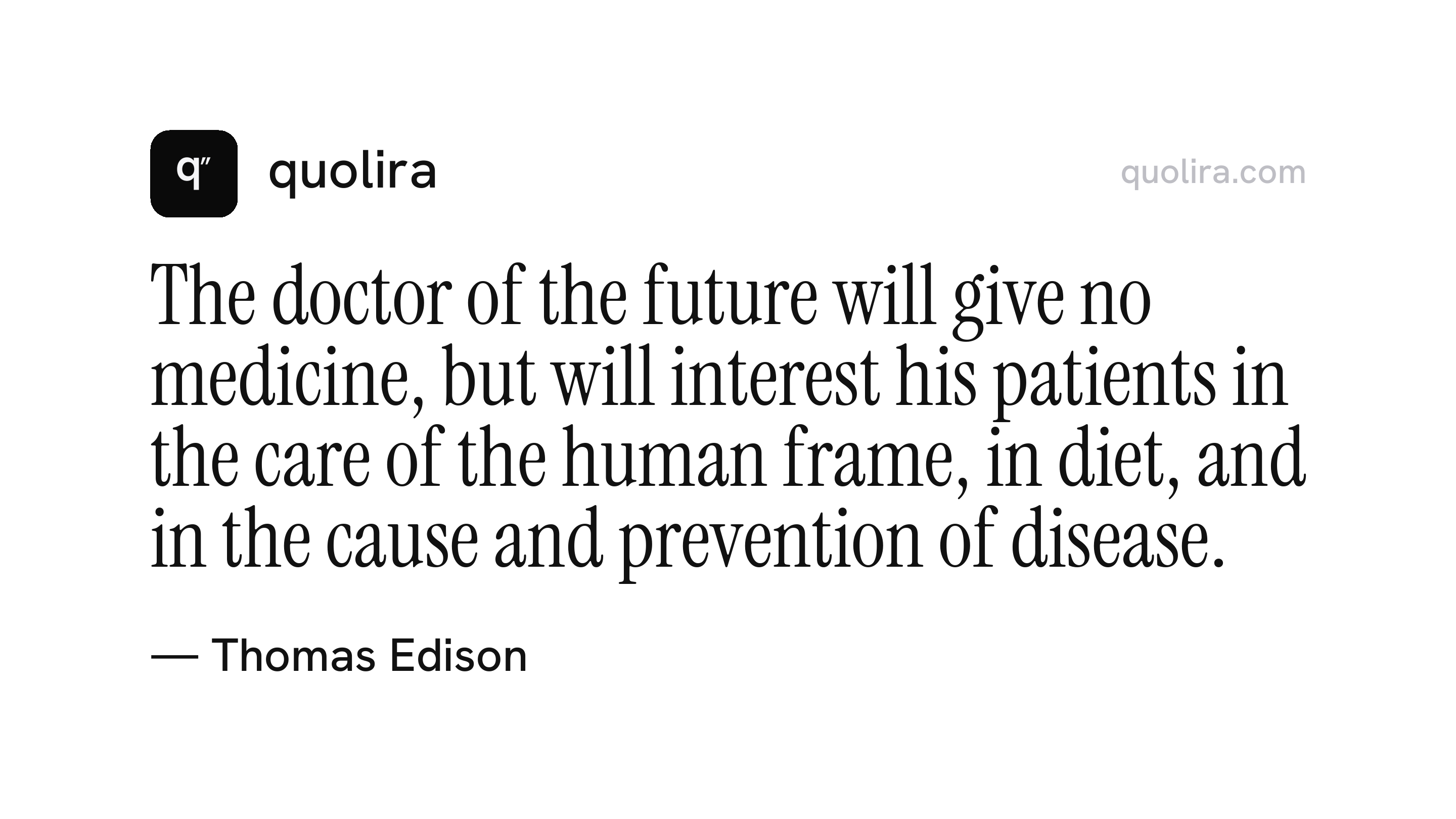
“The doctor of the future will give no medicine, but will interest his patients in the care of the human frame, in diet, and in the cause and prevention of disease.”
Thomas Edison · attributed
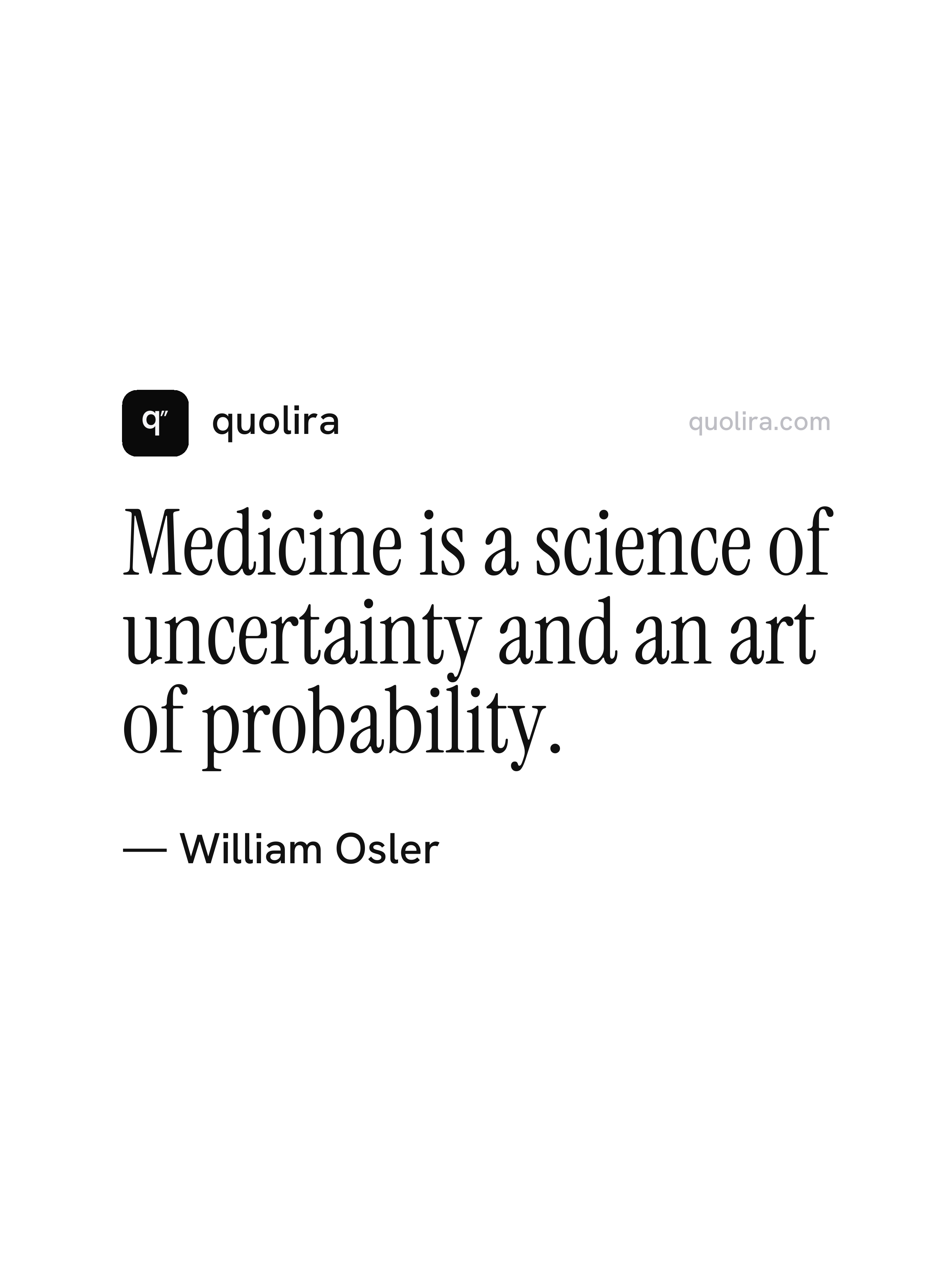
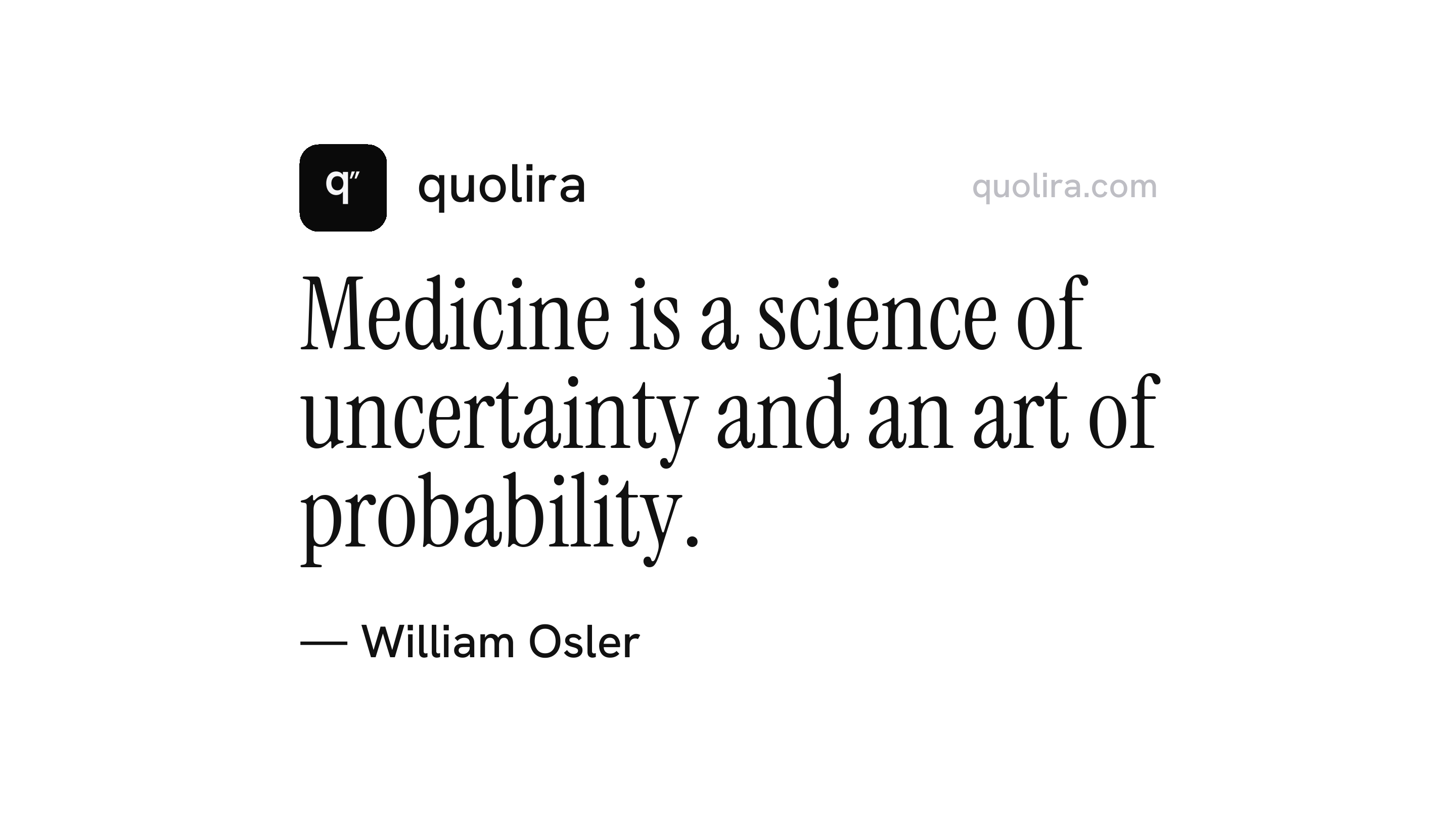
“Medicine is a science of uncertainty and an art of probability.”
William Osler · attributed
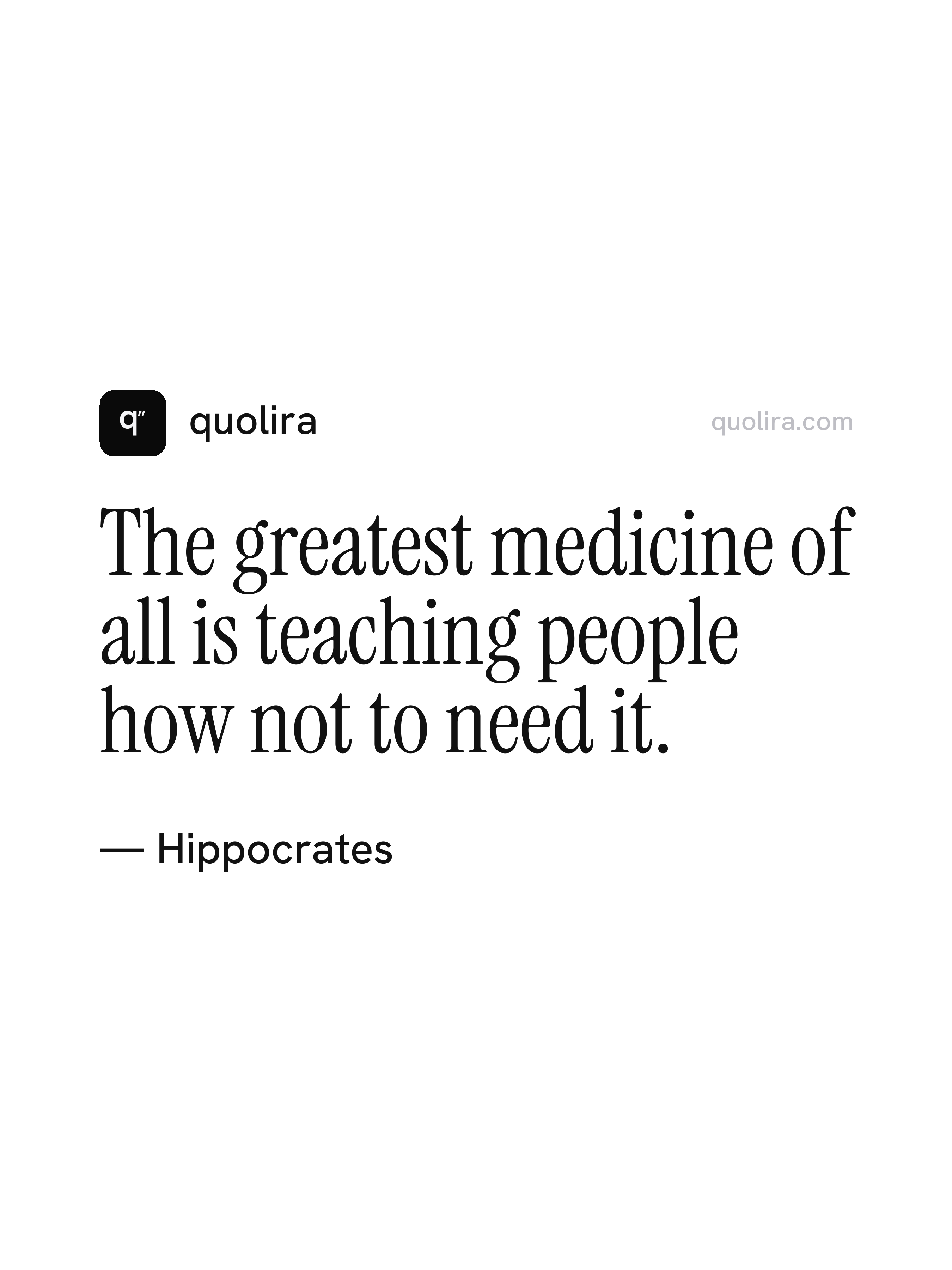
“The greatest medicine of all is teaching people how not to need it.”
Hippocrates · attributed
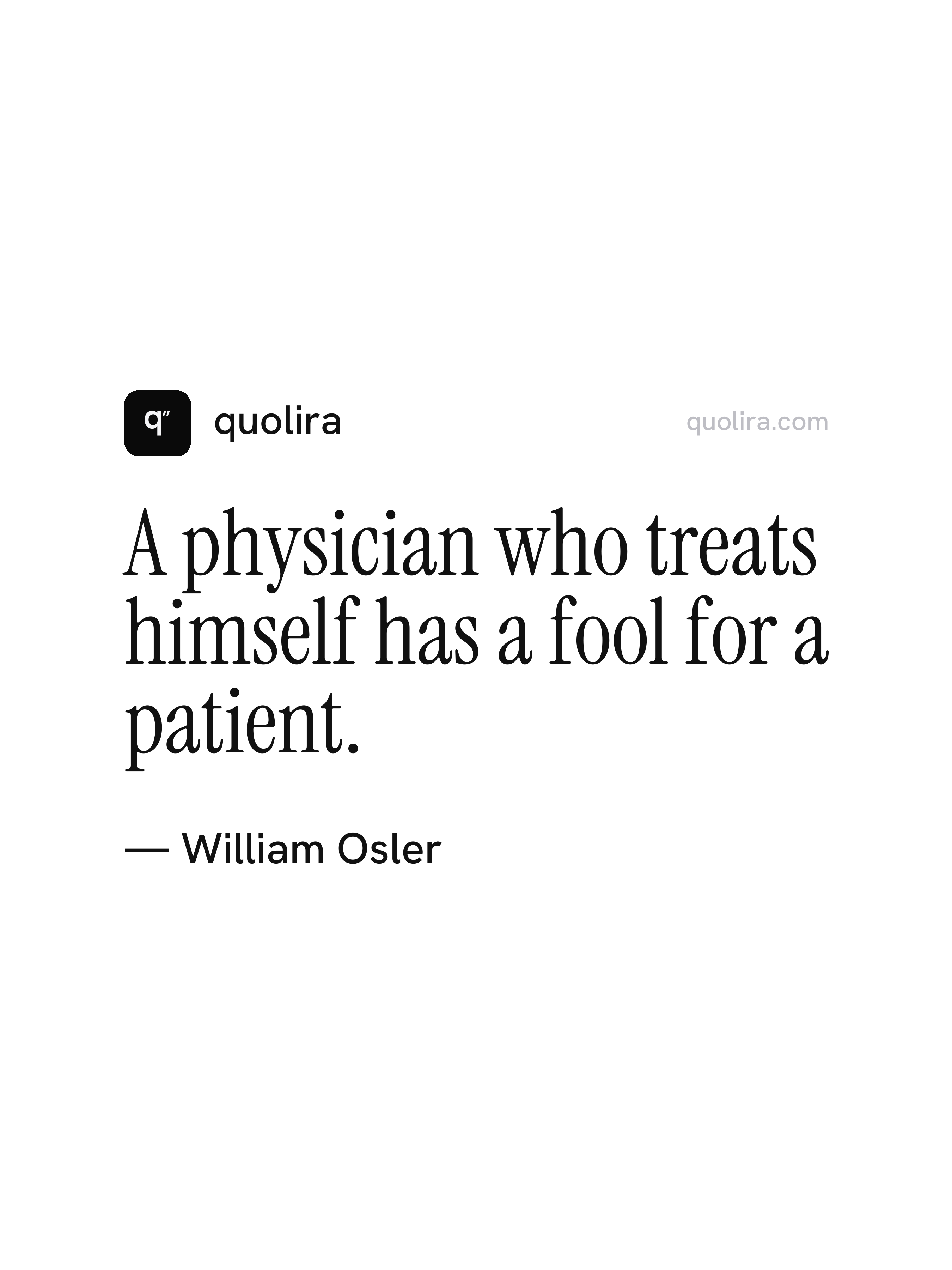
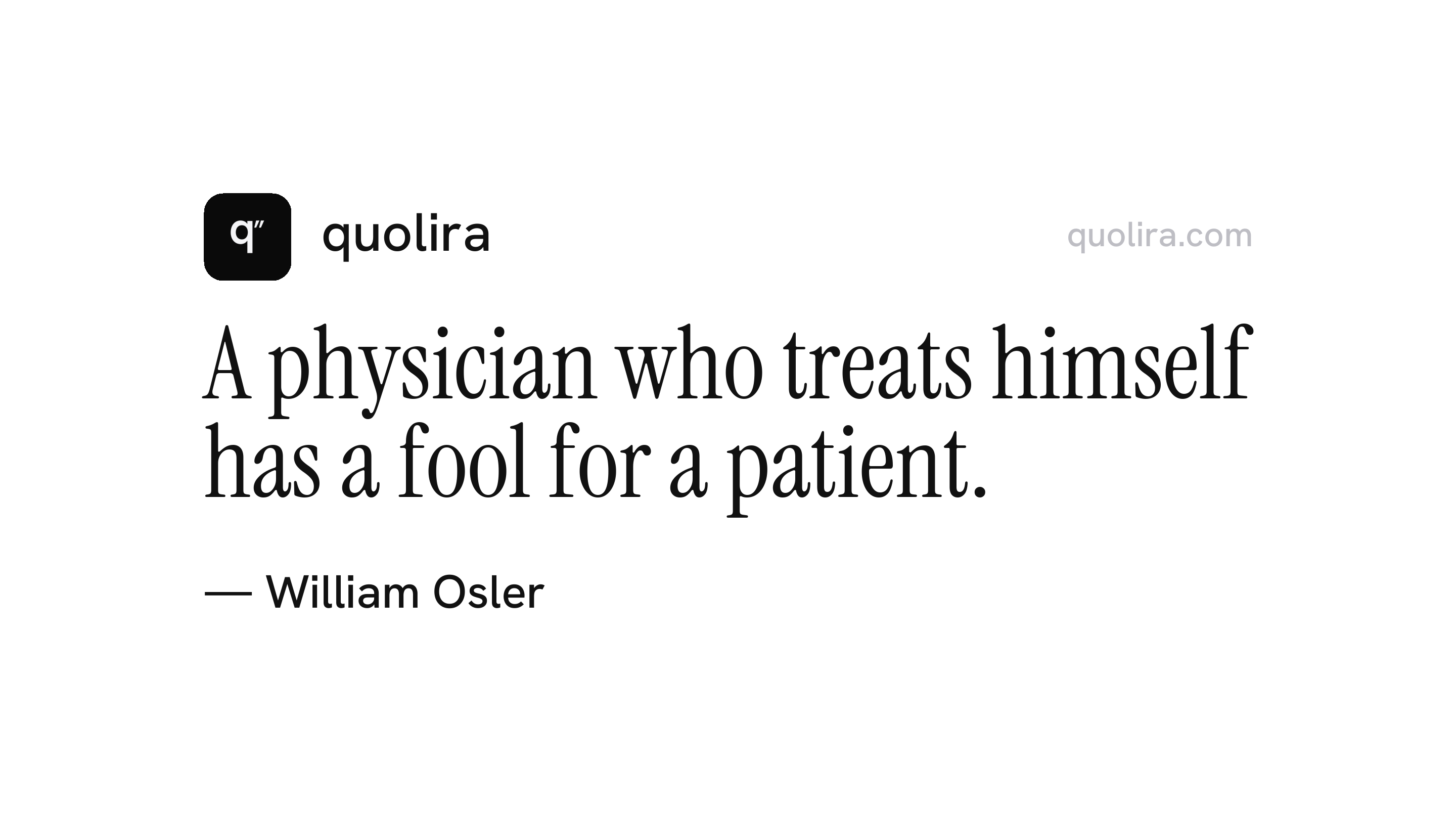
“A physician who treats himself has a fool for a patient.”
William Osler · attributed
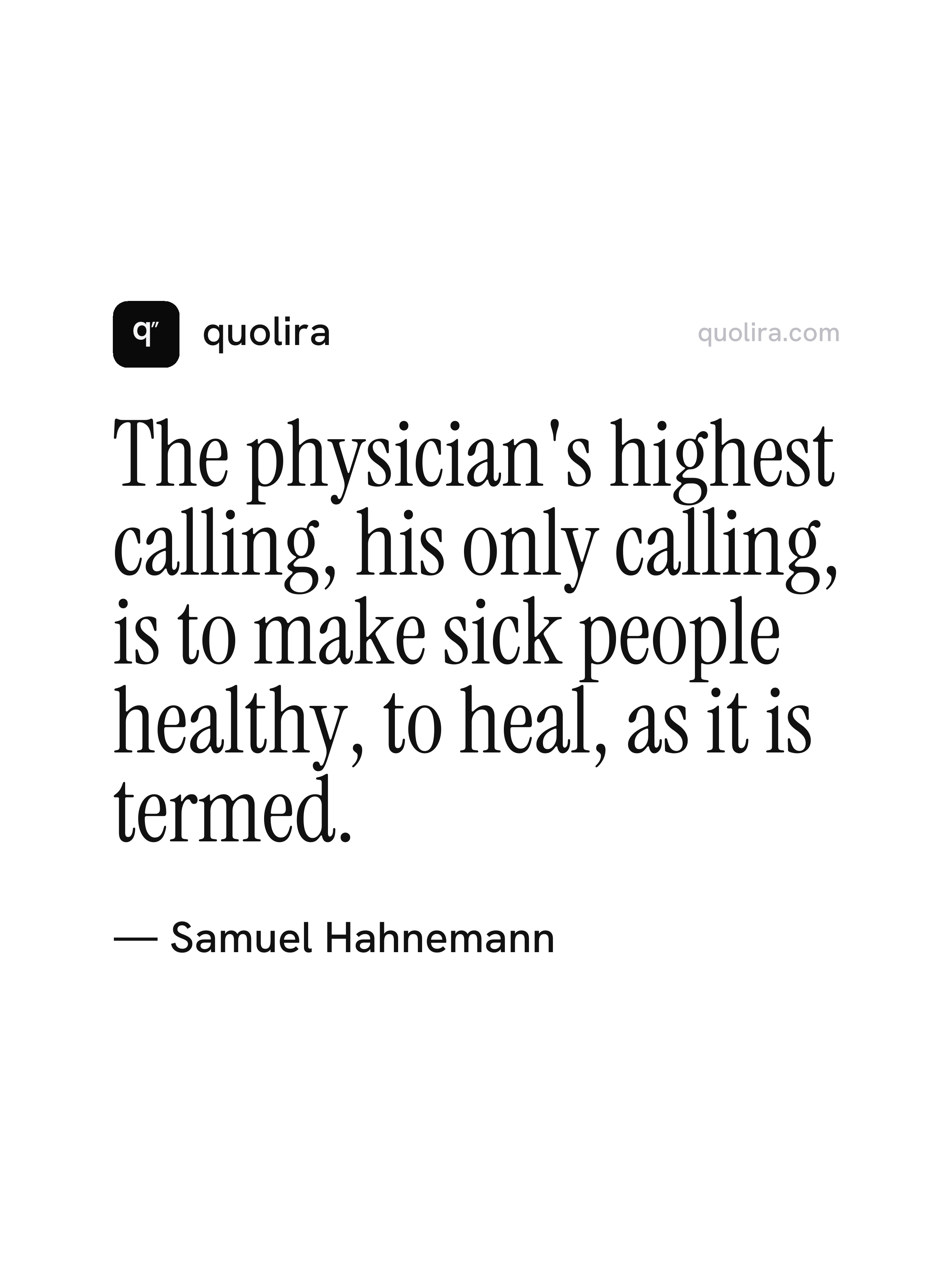
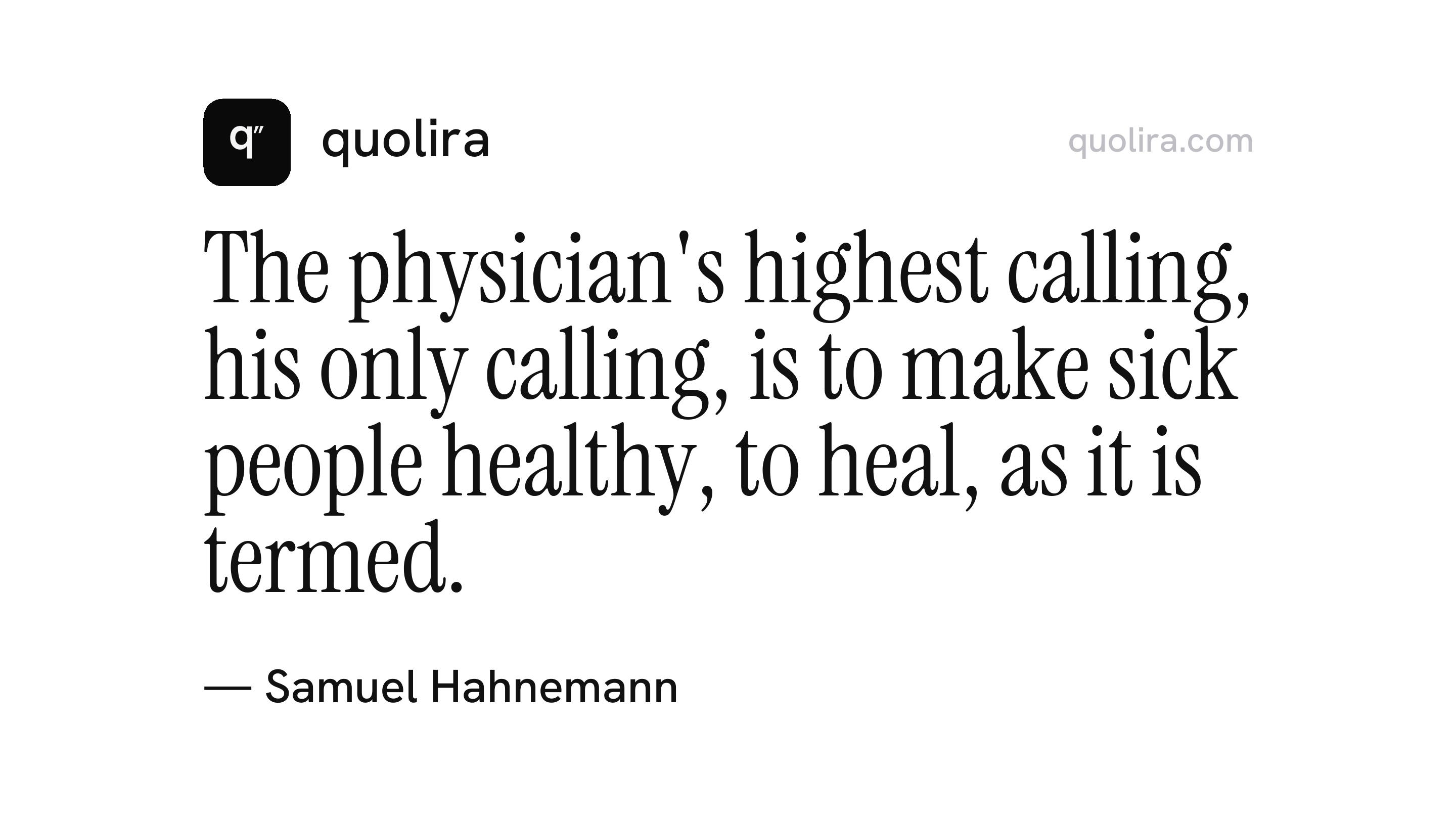
“The physician's highest calling, his only calling, is to make sick people healthy, to heal, as it is termed.”
Samuel Hahnemann · Organon of Medicine
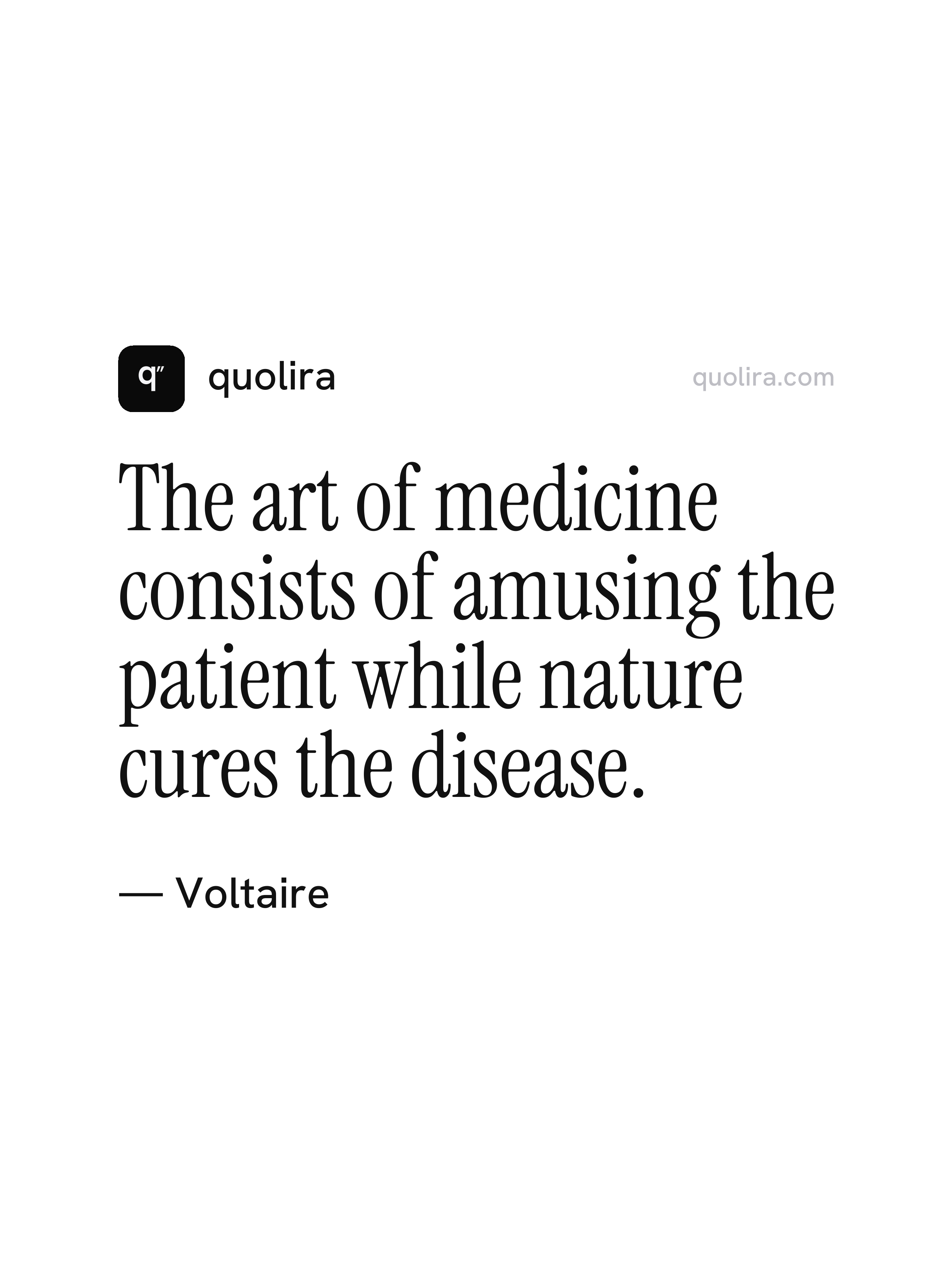
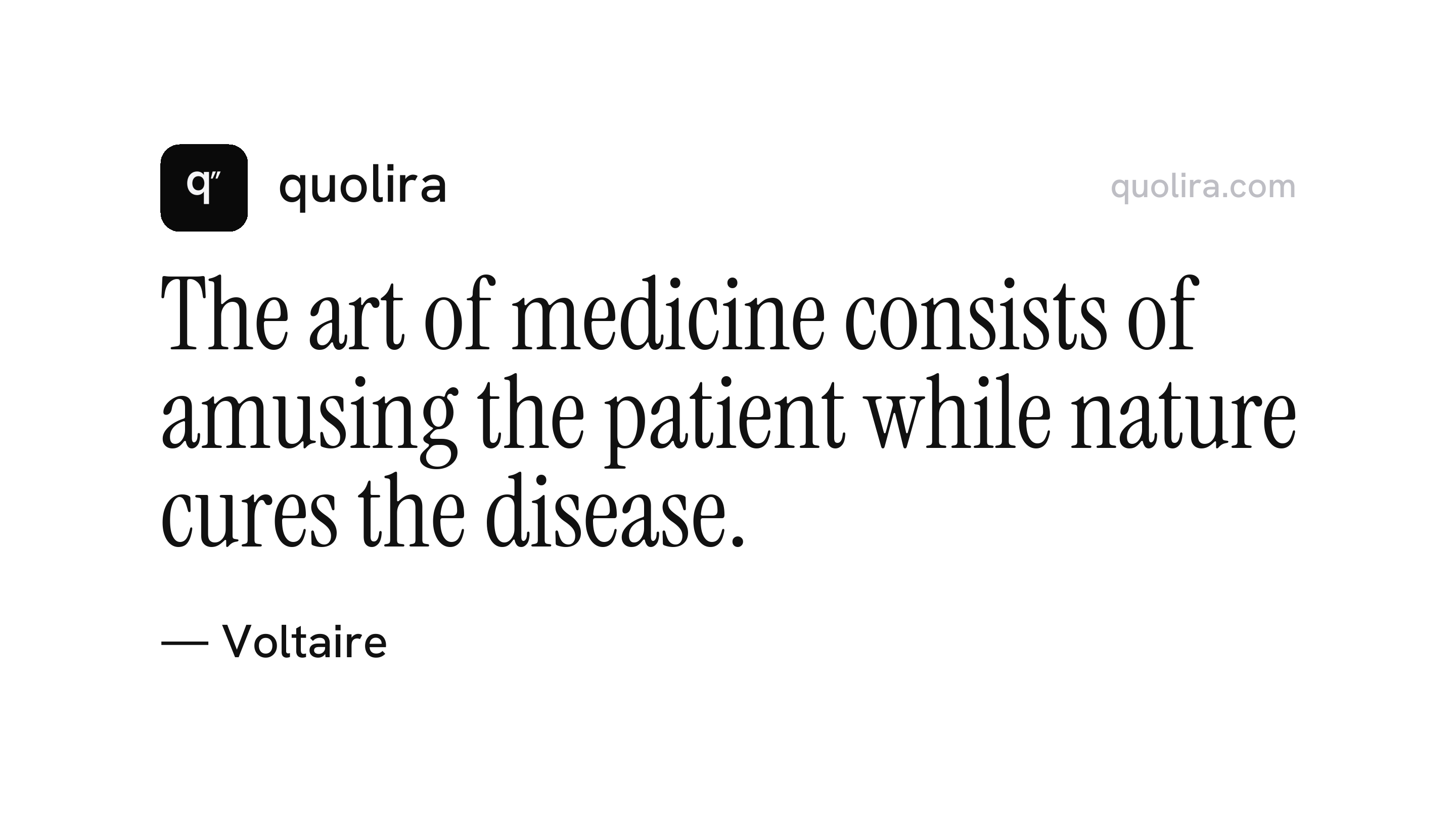
“The art of medicine consists of amusing the patient while nature cures the disease.”
Voltaire · attributed
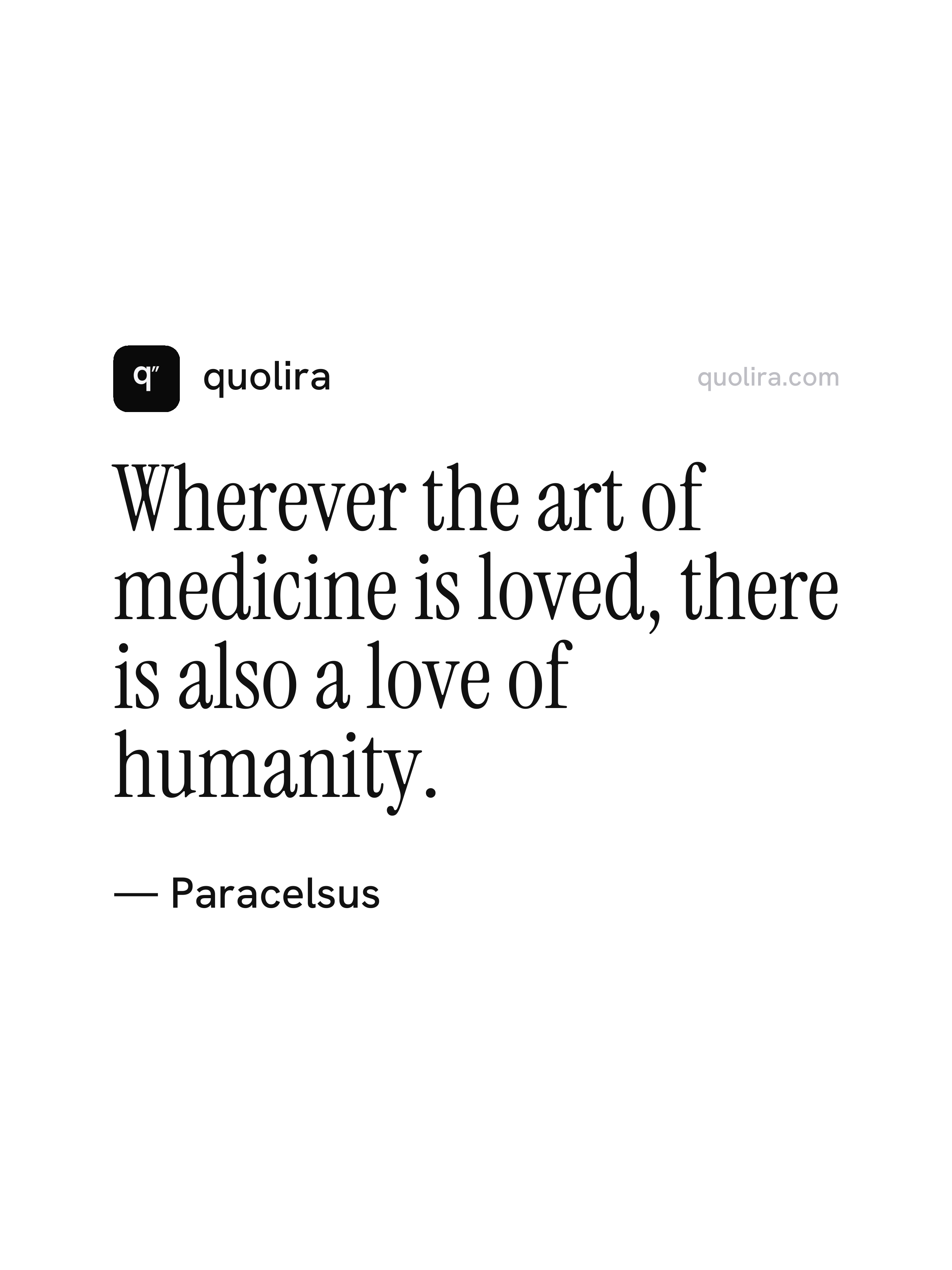
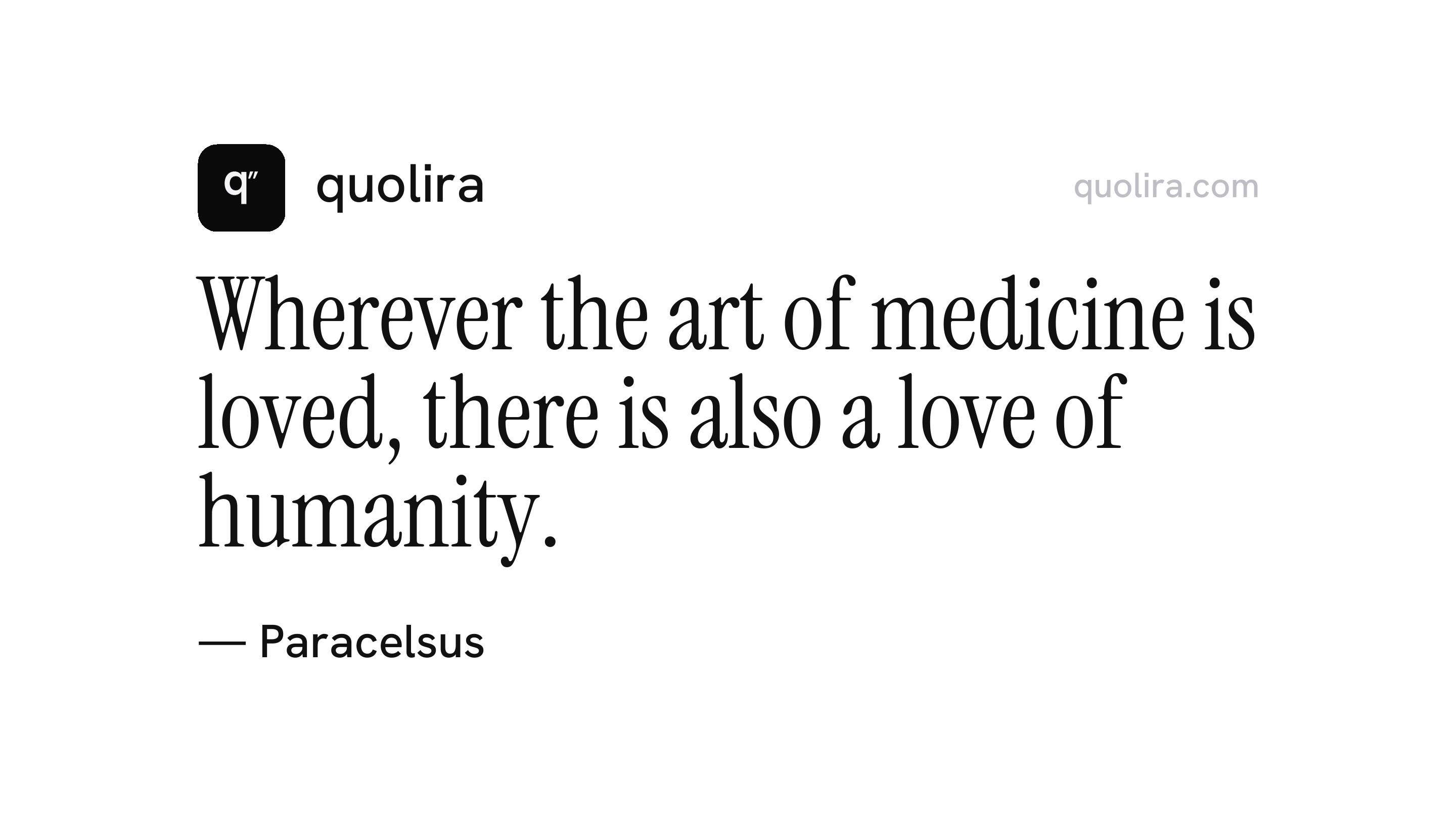
“Wherever the art of medicine is loved, there is also a love of humanity.”
Paracelsus · attributed
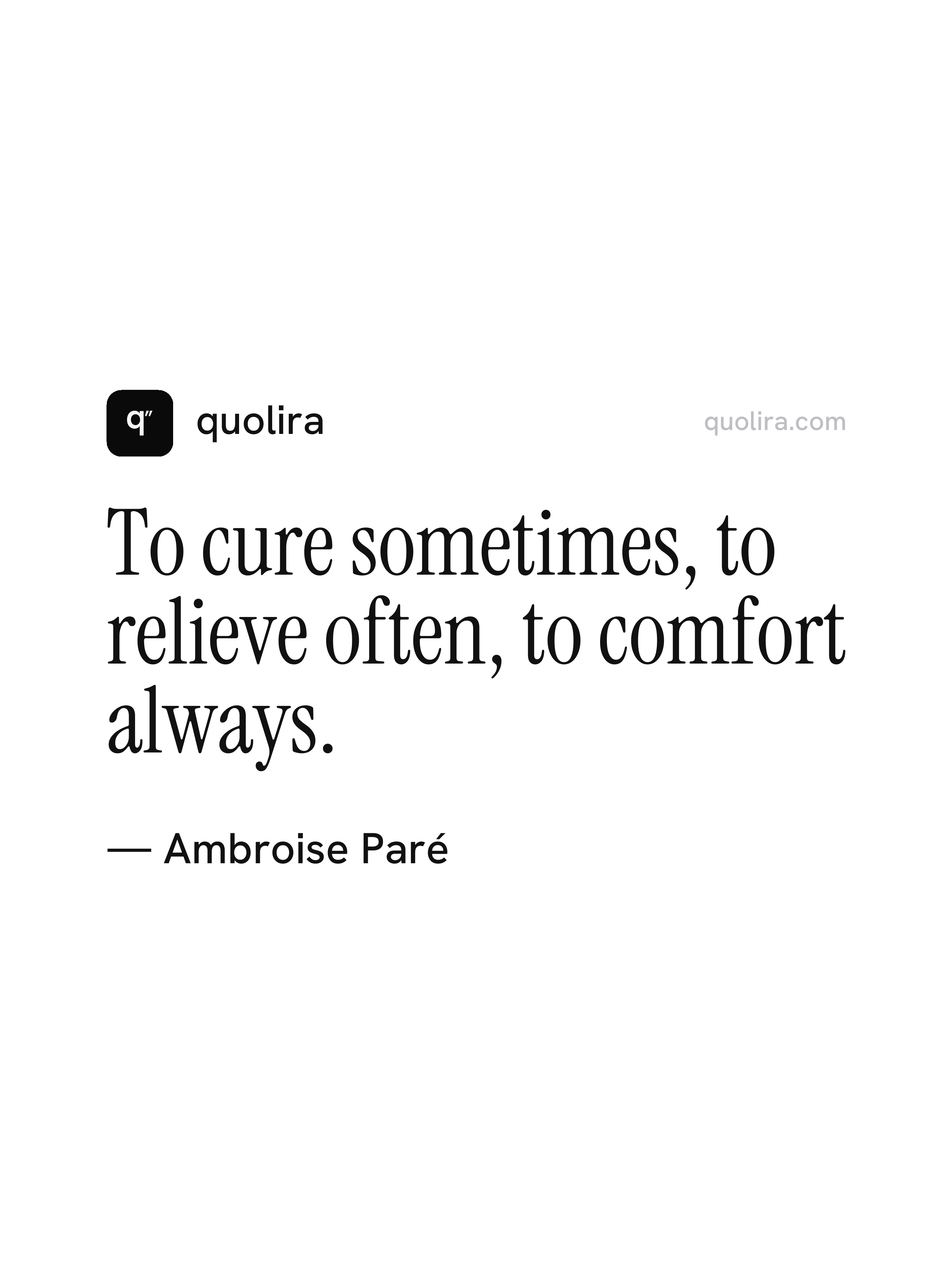
“To cure sometimes, to relieve often, to comfort always.”
Ambroise Paré · attributed