“Medicine is a science of uncertainty and an art of probability.”
William Osler · attributed
 quolira
.com
quolira
quolira.com
This prediction imagines a future in which medicine becomes primarily preventive rather than reactive. Instead of dispensing treatments after illness has taken hold, the ideal physician of tomorrow would guide people toward healthier ways of living, focusing on nutrition, physical well-being, and an understanding of what causes disease in the first place. The vision places education and lifestyle at the center of health care.
Thomas Edison made statements in this spirit during a period when enthusiasm for science, technology, and self-improvement ran high in American public life. The late nineteenth and early twentieth centuries saw growing popular interest in diet reform, physical culture, and natural approaches to health. Edison's remark reflects that broader cultural current, as well as his own general optimism about the power of knowledge and prevention to transform everyday life. Whether recorded in a formal interview or passed along informally, the attribution to Edison has circulated widely enough to become part of his popular legacy.
Thomas Edison was an American inventor and businessman who lived from 1847 to 1931. He is best known for contributions to electric lighting, sound recording, and motion pictures, among many other practical innovations. Though his fame rested on technology rather than medicine, Edison was known for expressing broad opinions on health, diet, and the direction of science, making him a recognizable voice in public conversations well beyond his core areas of expertise.
“Medicine is a science of uncertainty and an art of probability.”
William Osler · attributed
“The greatest medicine of all is teaching people how not to need it.”
Hippocrates · attributed
“A physician who treats himself has a fool for a patient.”
William Osler · attributed
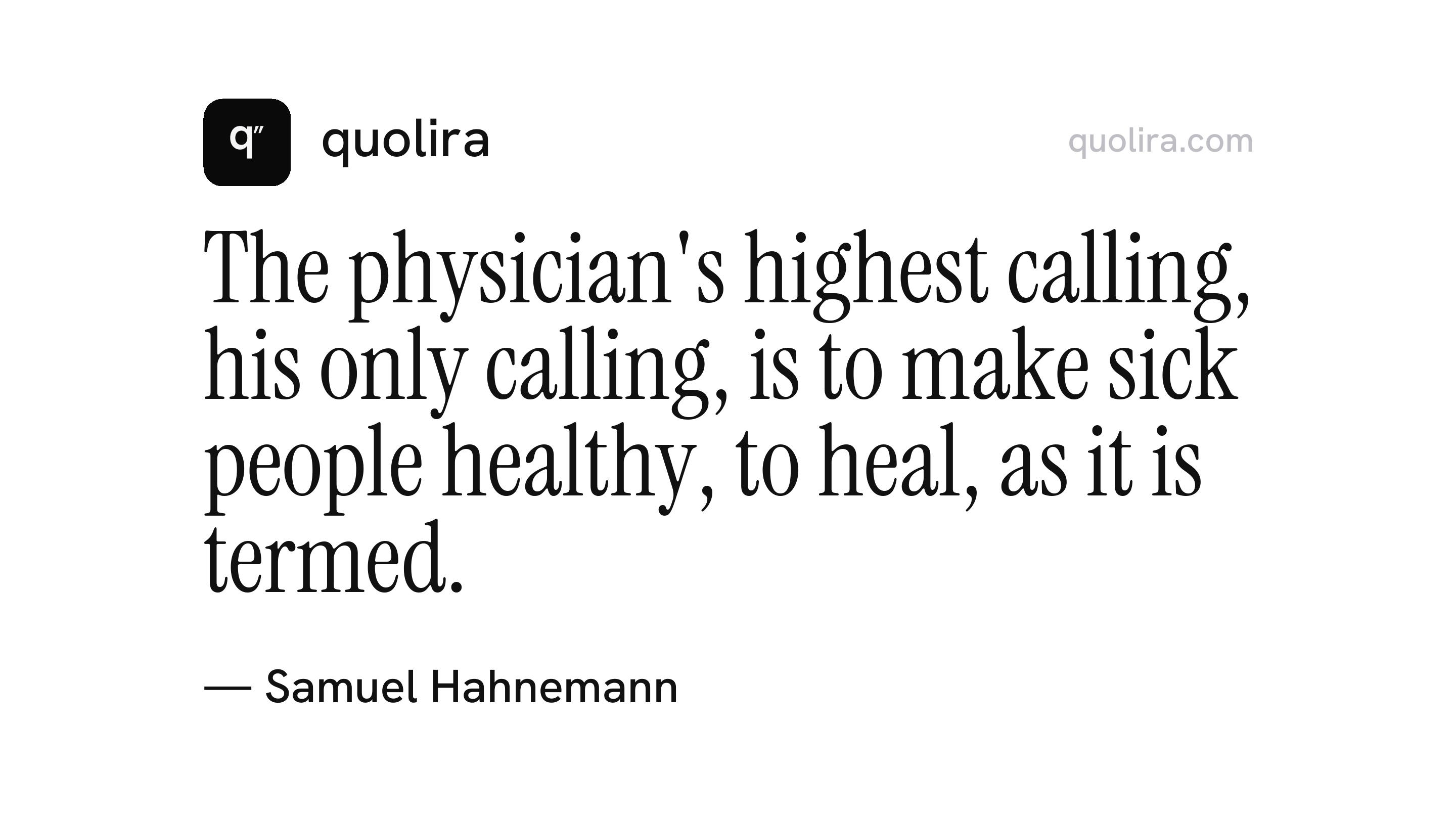
“The physician's highest calling, his only calling, is to make sick people healthy, to heal, as it is termed.”
Samuel Hahnemann · Organon of Medicine
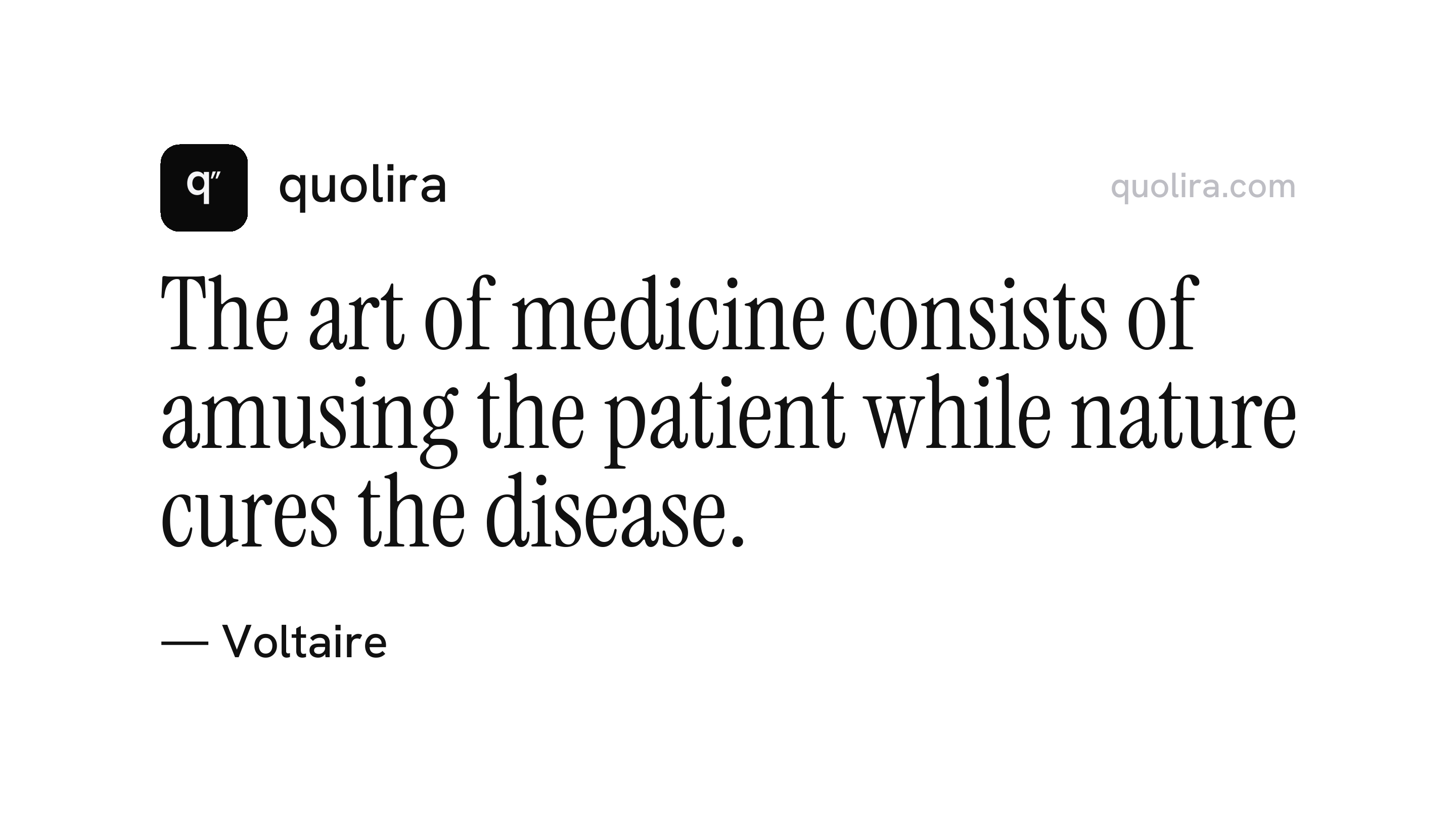
“The art of medicine consists of amusing the patient while nature cures the disease.”
Voltaire · attributed
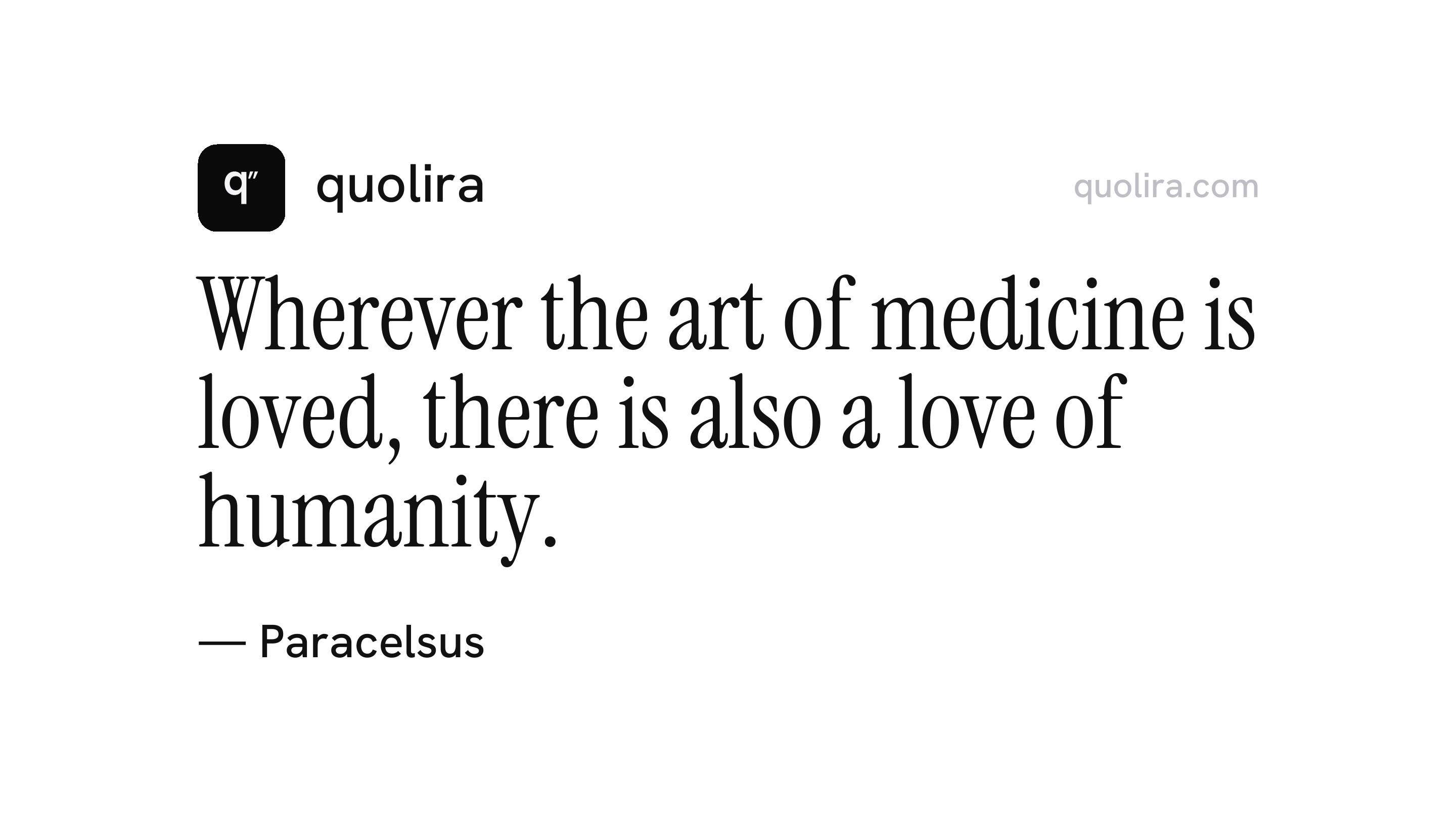
“Wherever the art of medicine is loved, there is also a love of humanity.”
Paracelsus · attributed
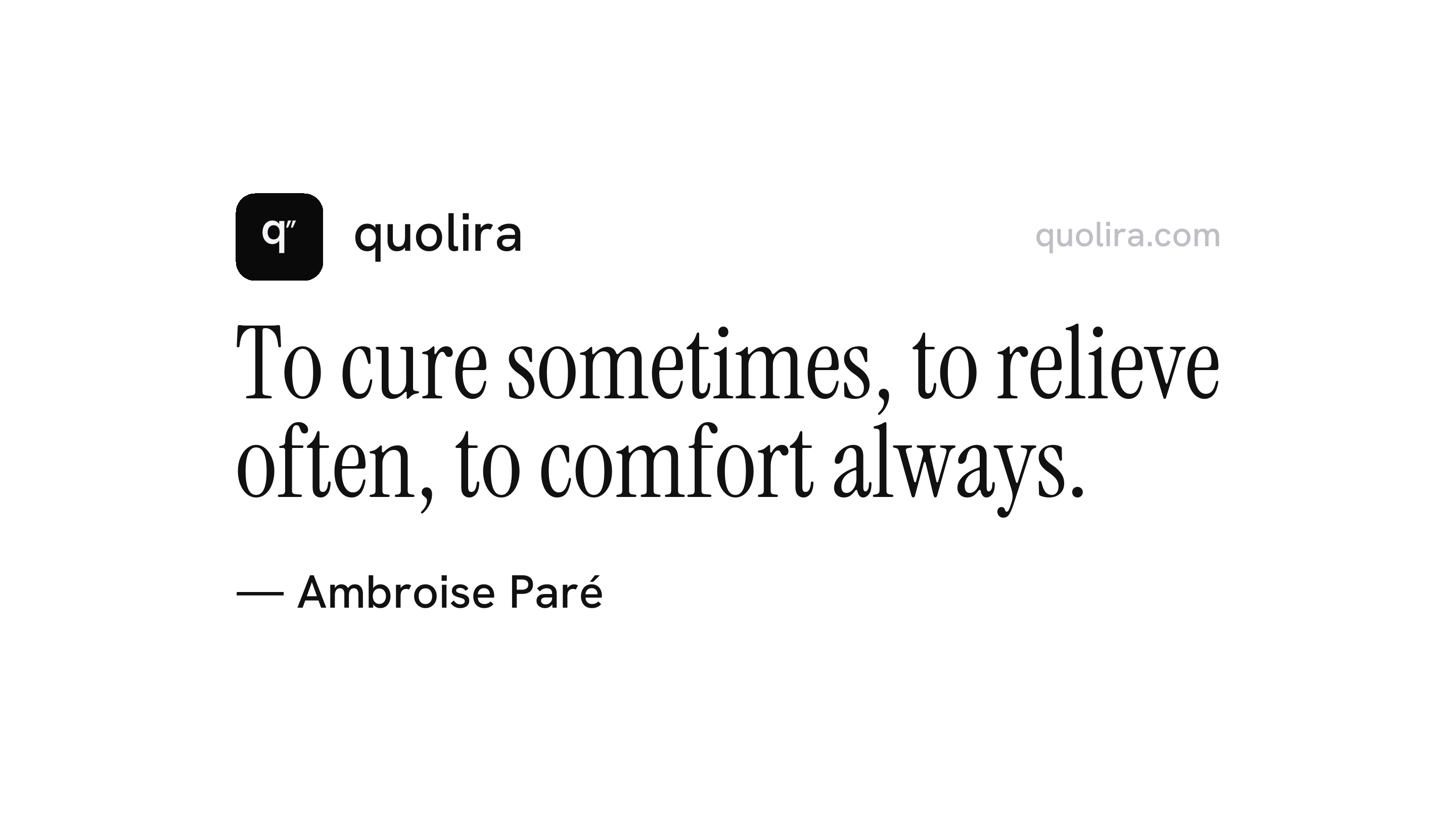
“To cure sometimes, to relieve often, to comfort always.”
Ambroise Paré · attributed
“The best doctor gives the least medicines.”
Benjamin Franklin · Poor Richard's Almanack
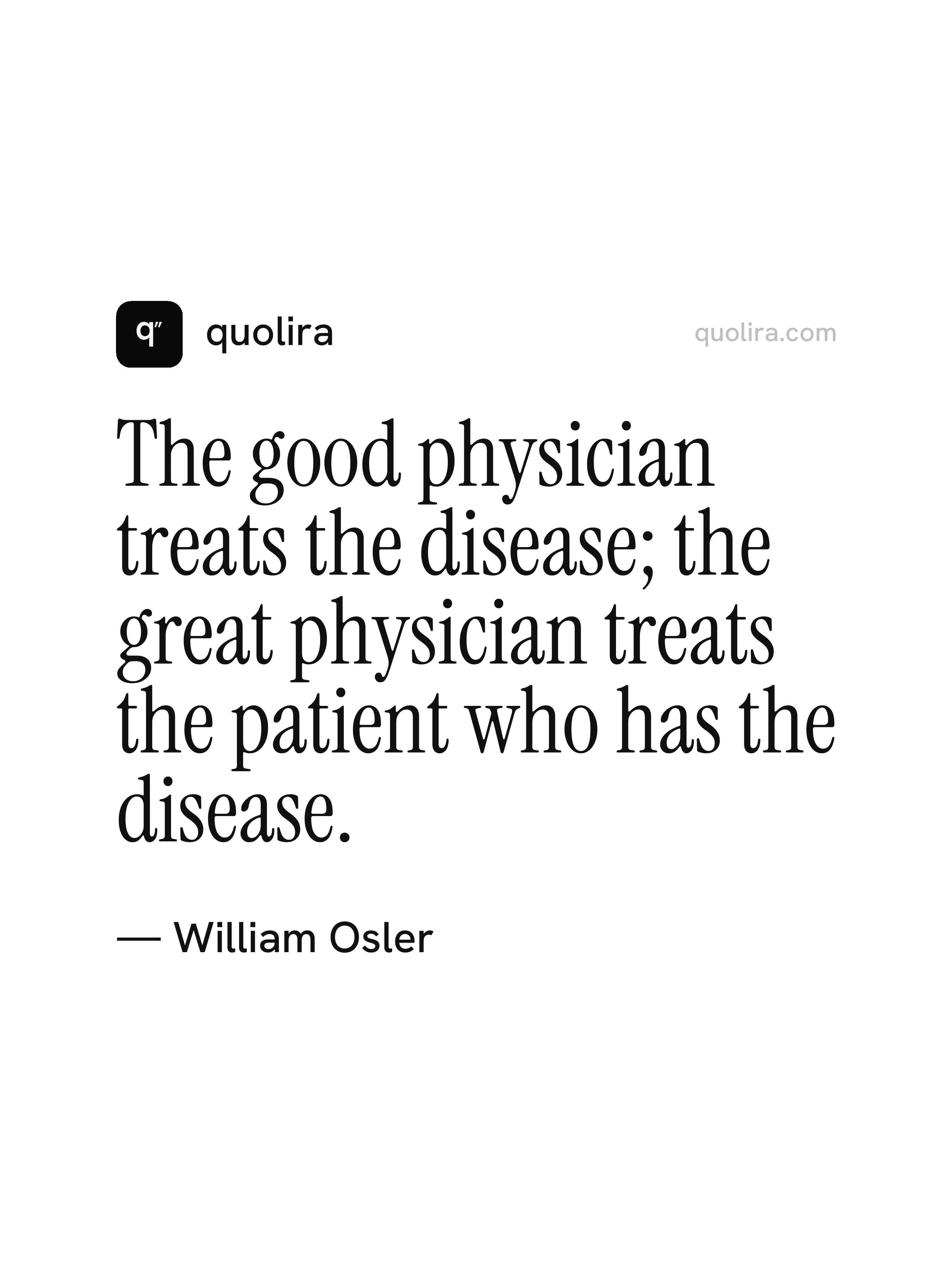
“The good physician treats the disease; the great physician treats the patient who has the disease.”
William Osler · attributed
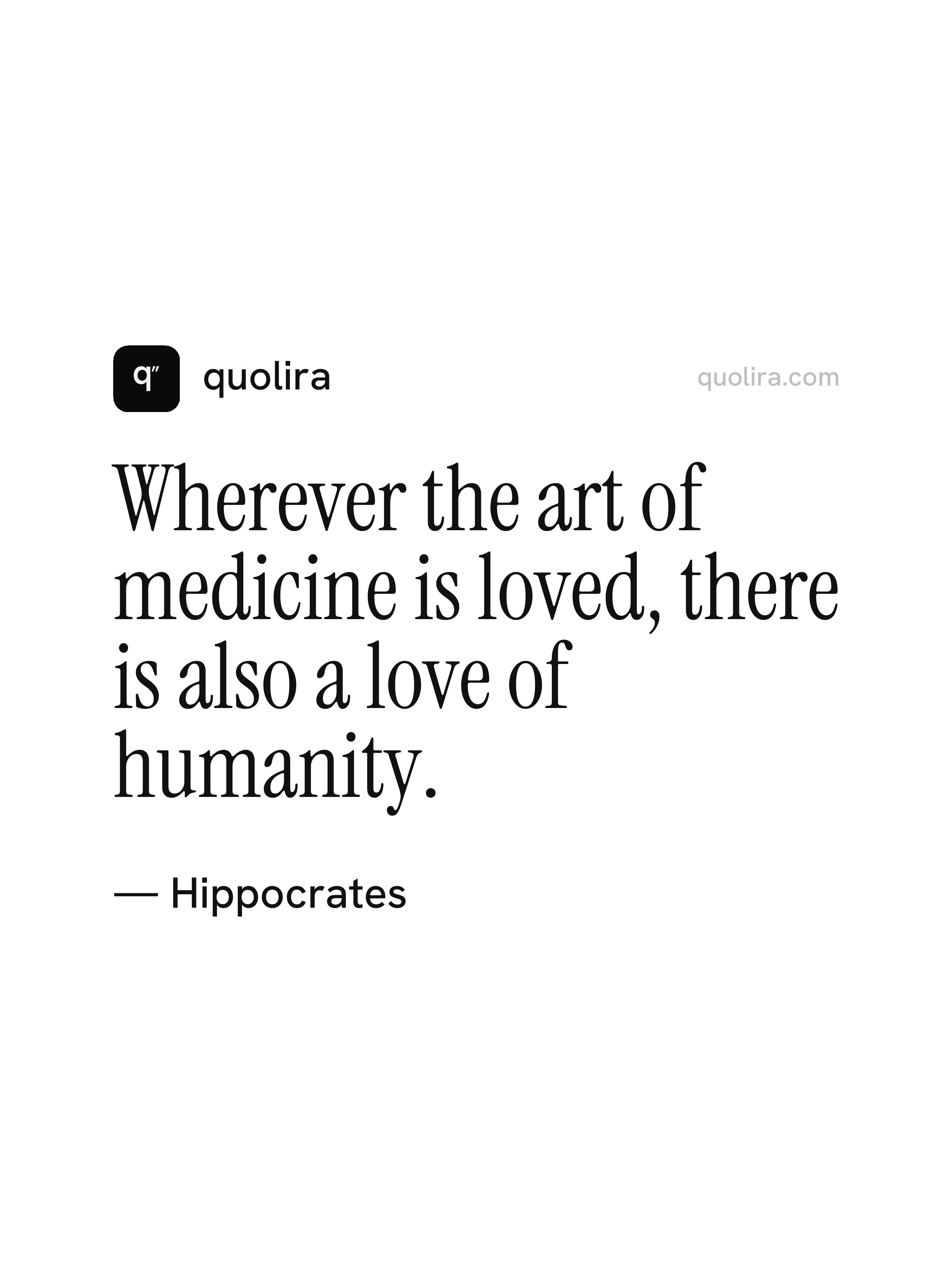
“Wherever the art of medicine is loved, there is also a love of humanity.”
Hippocrates · attributed
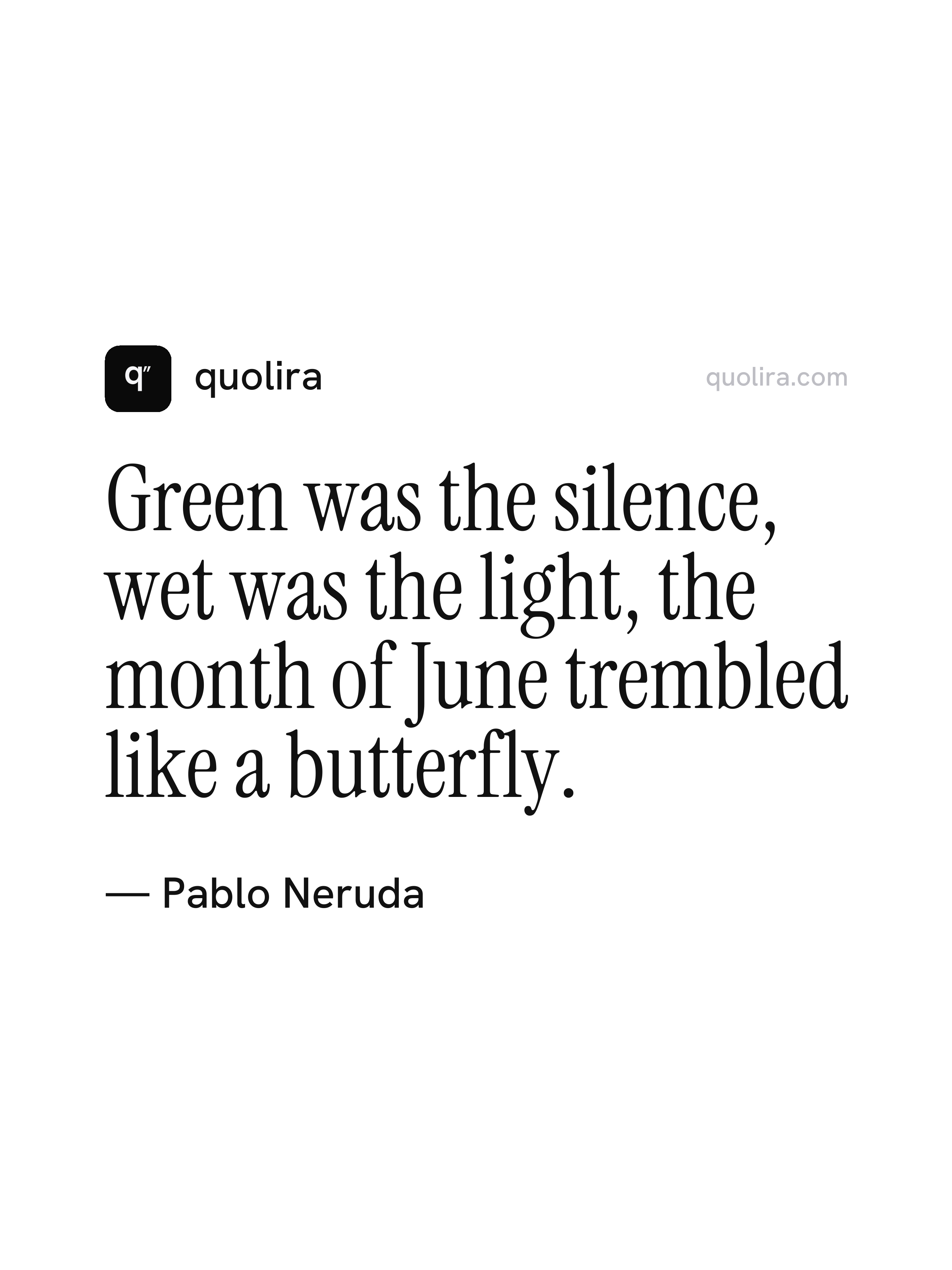
“Green was the silence, wet was the light, the month of June trembled like a butterfly.”
Pablo Neruda
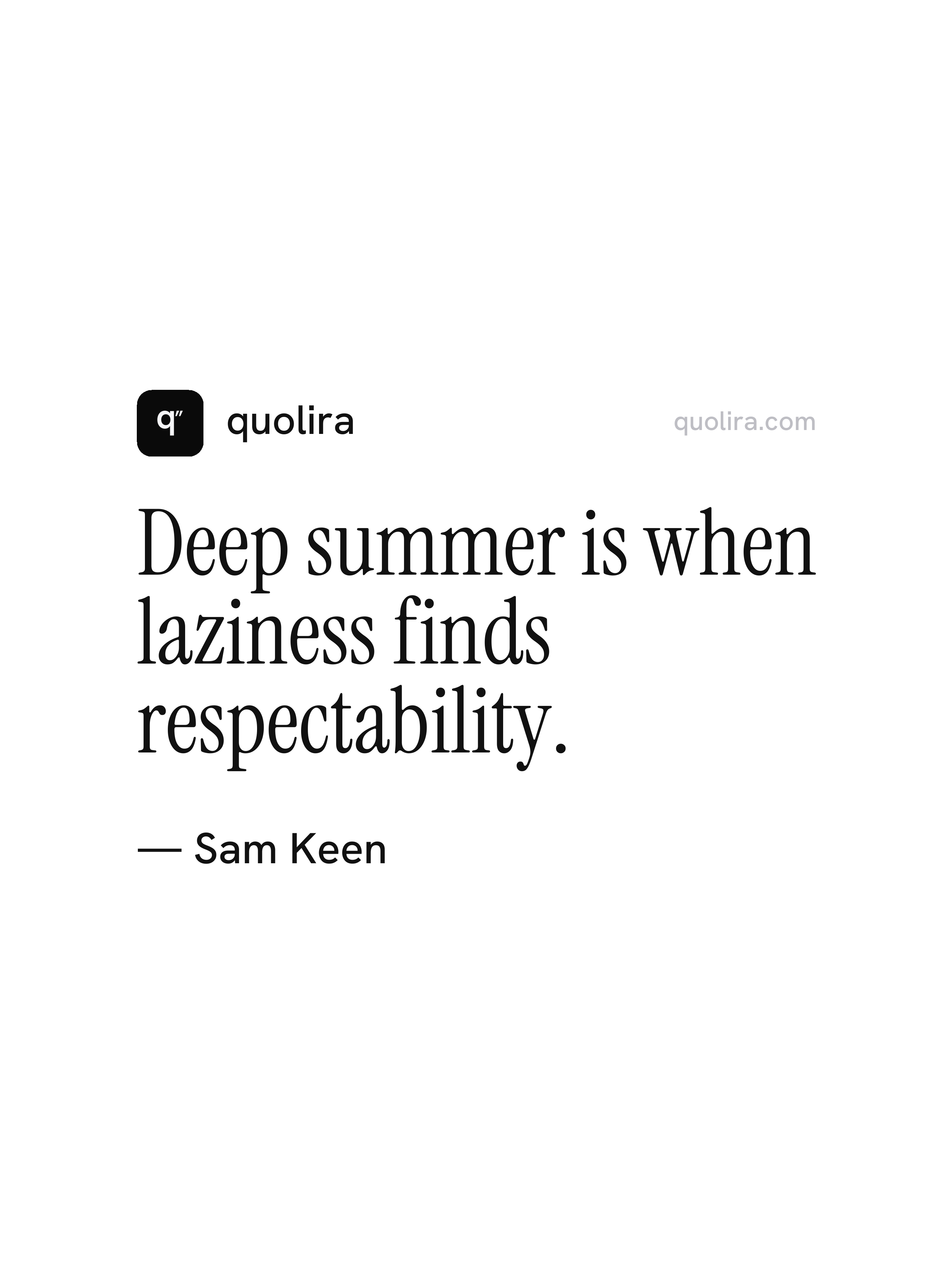
“Deep summer is when laziness finds respectability.”
Sam Keen