“Wherever the art of medicine is loved, there is also a love of humanity.”
Paracelsus · attributed
 quolira
.com
quolira
quolira.com
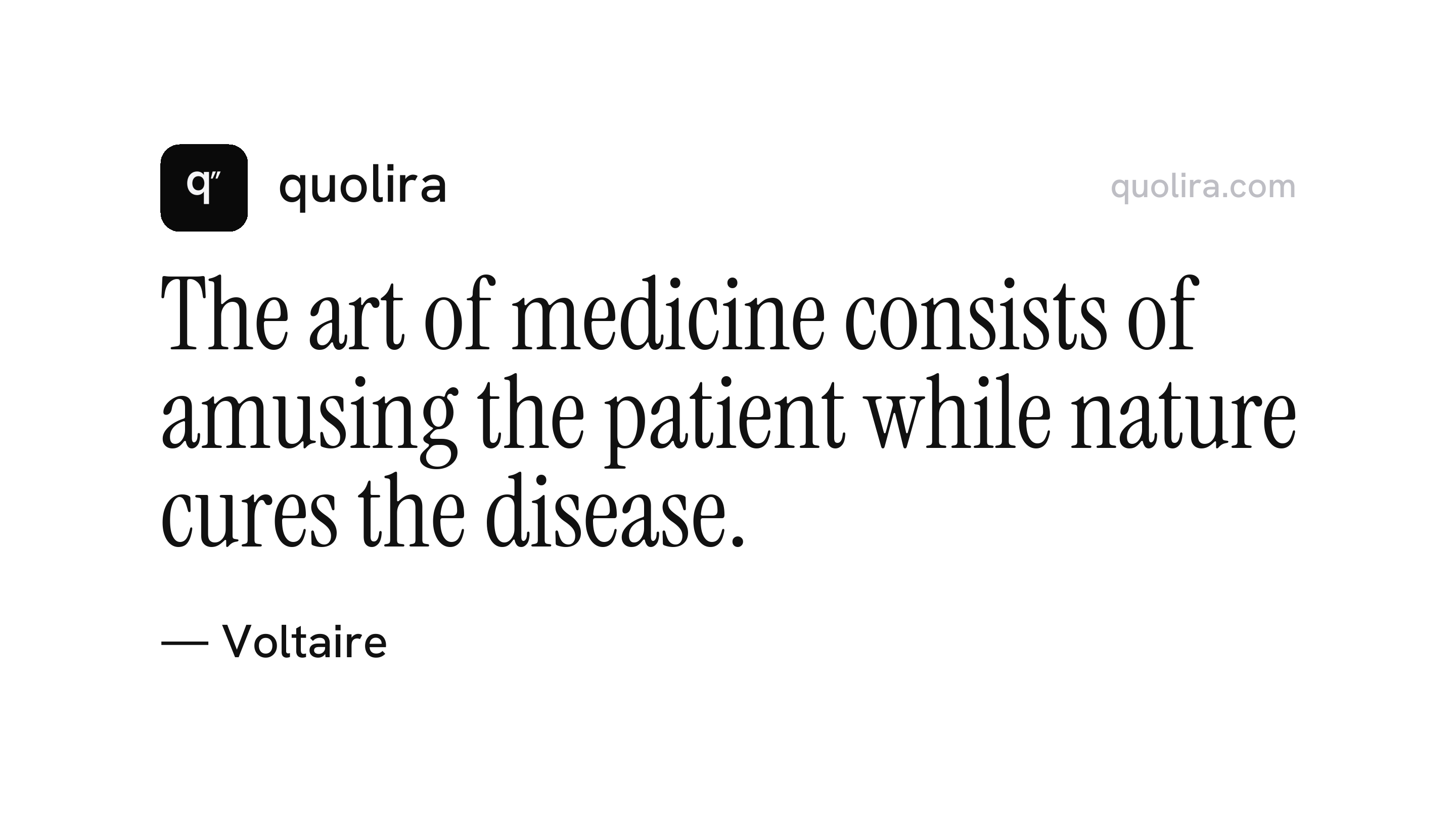
This remark suggests, with characteristic dry wit, that the medical profession's real role is often one of distraction and reassurance rather than direct intervention. The underlying idea is that the human body possesses its own remarkable capacity to heal, and that the most a doctor can reliably do is keep the patient occupied and calm while that natural process works itself out.
This line is widely attributed to Voltaire, though the attribution is listed here as uncertain, which is worth noting. The sentiment fits comfortably within Enlightenment-era skepticism toward established institutions and professions. During that period, many thinkers questioned whether the medicine practiced by physicians was genuinely effective or whether it sometimes caused more harm than good. The remark reads less as a cynical attack on doctors than as a gentle observation about the limits of human intervention and the underappreciated power of the body's own restorative processes.
Voltaire was a French writer and philosopher who became one of the defining voices of the European Enlightenment. He was prolific across many forms, including essays, plays, novels, and correspondence. He was known for his sharp humor and his willingness to challenge authority, whether religious, political, or scientific. His wit was rarely cruel for its own sake; it usually served a purpose, either exposing hypocrisy or defending reason. This quote, whether or not he wrote it in exactly this form, reflects the kind of thinking he made famous.
“Wherever the art of medicine is loved, there is also a love of humanity.”
Paracelsus · attributed
“To cure sometimes, to relieve often, to comfort always.”
Ambroise Paré · attributed
“The best doctor gives the least medicines.”
Benjamin Franklin · Poor Richard's Almanack
“The good physician treats the disease; the great physician treats the patient who has the disease.”
William Osler · attributed
“Wherever the art of medicine is loved, there is also a love of humanity.”
Hippocrates · attributed
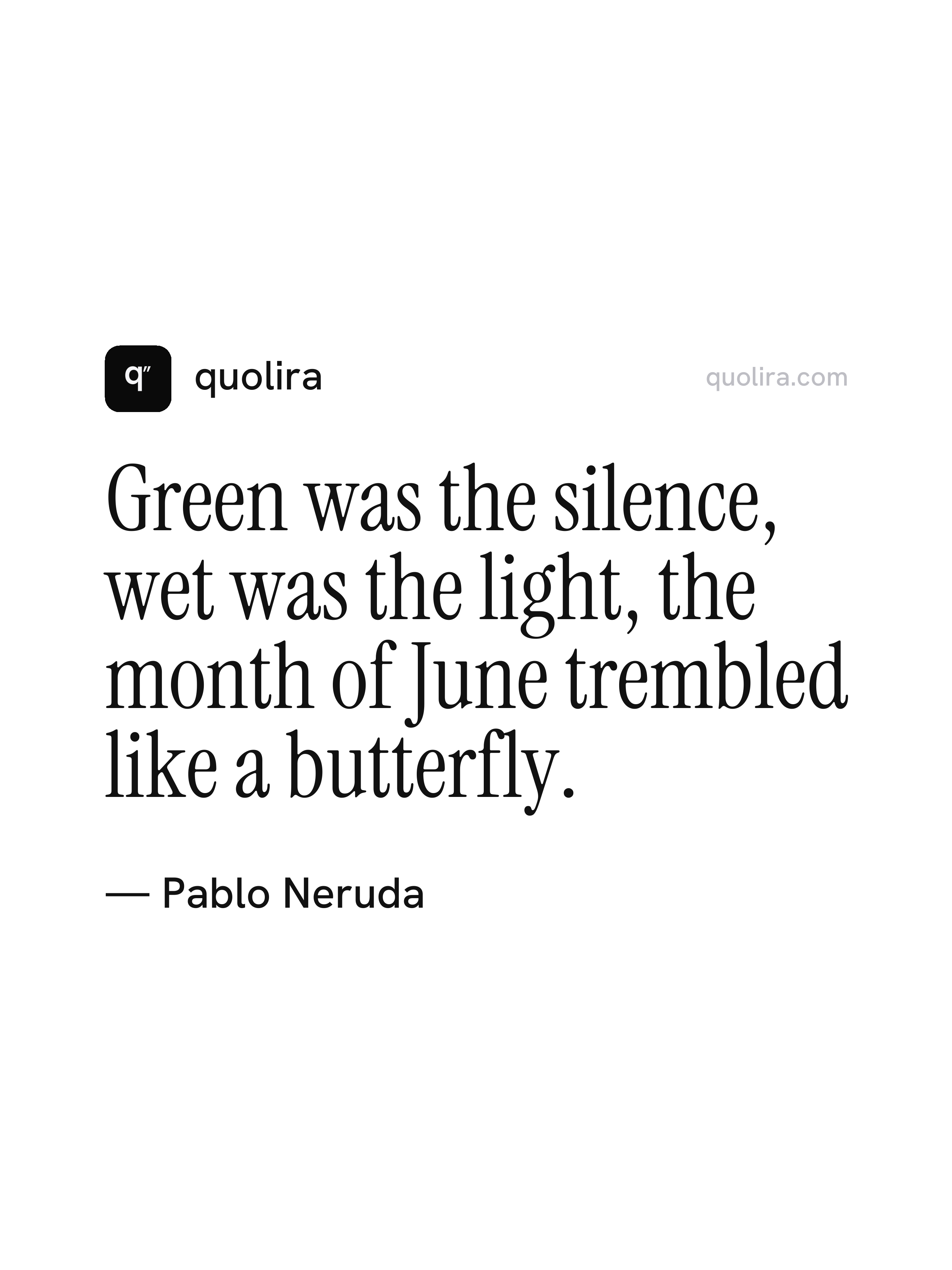
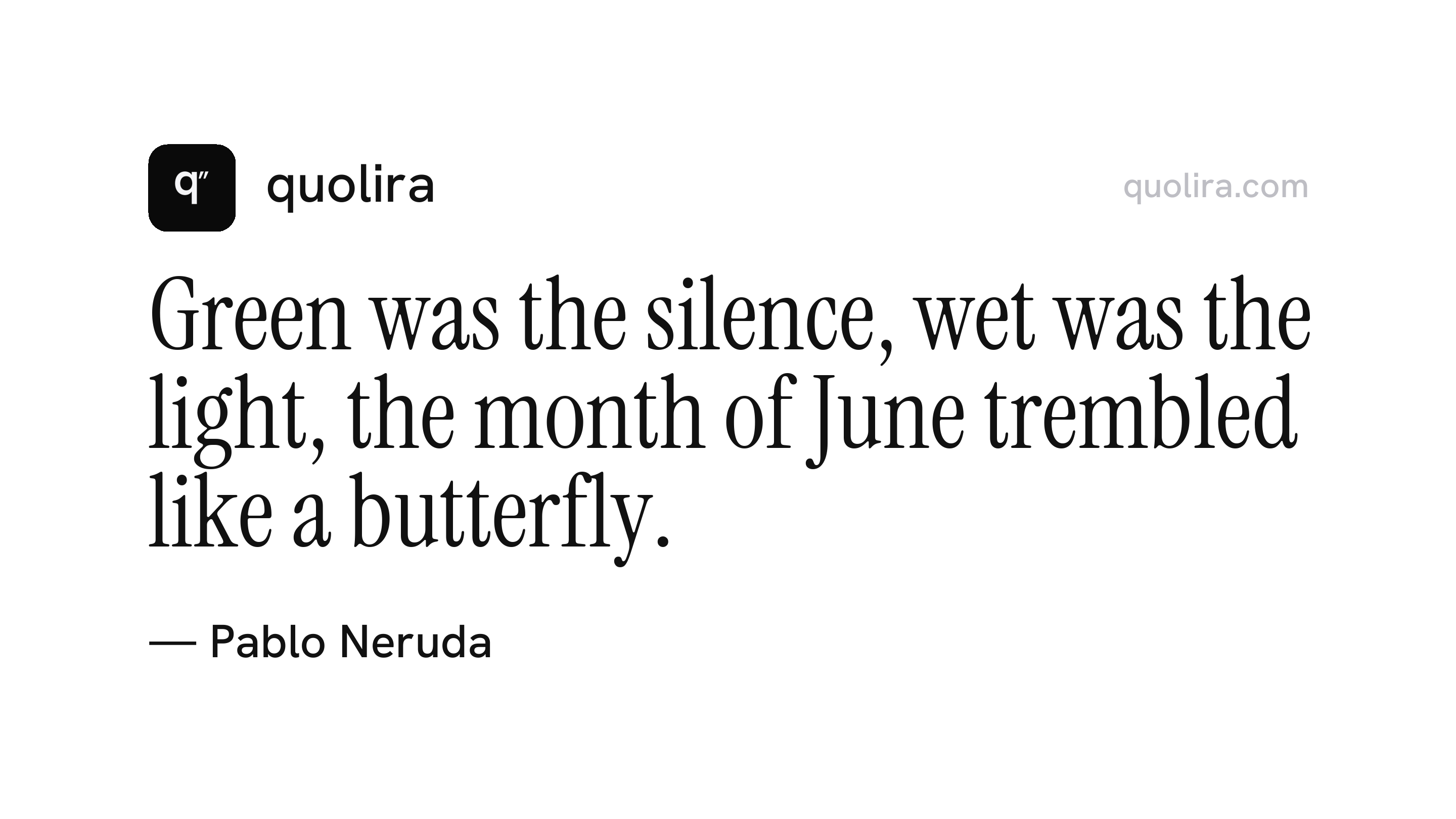
“Green was the silence, wet was the light, the month of June trembled like a butterfly.”
Pablo Neruda
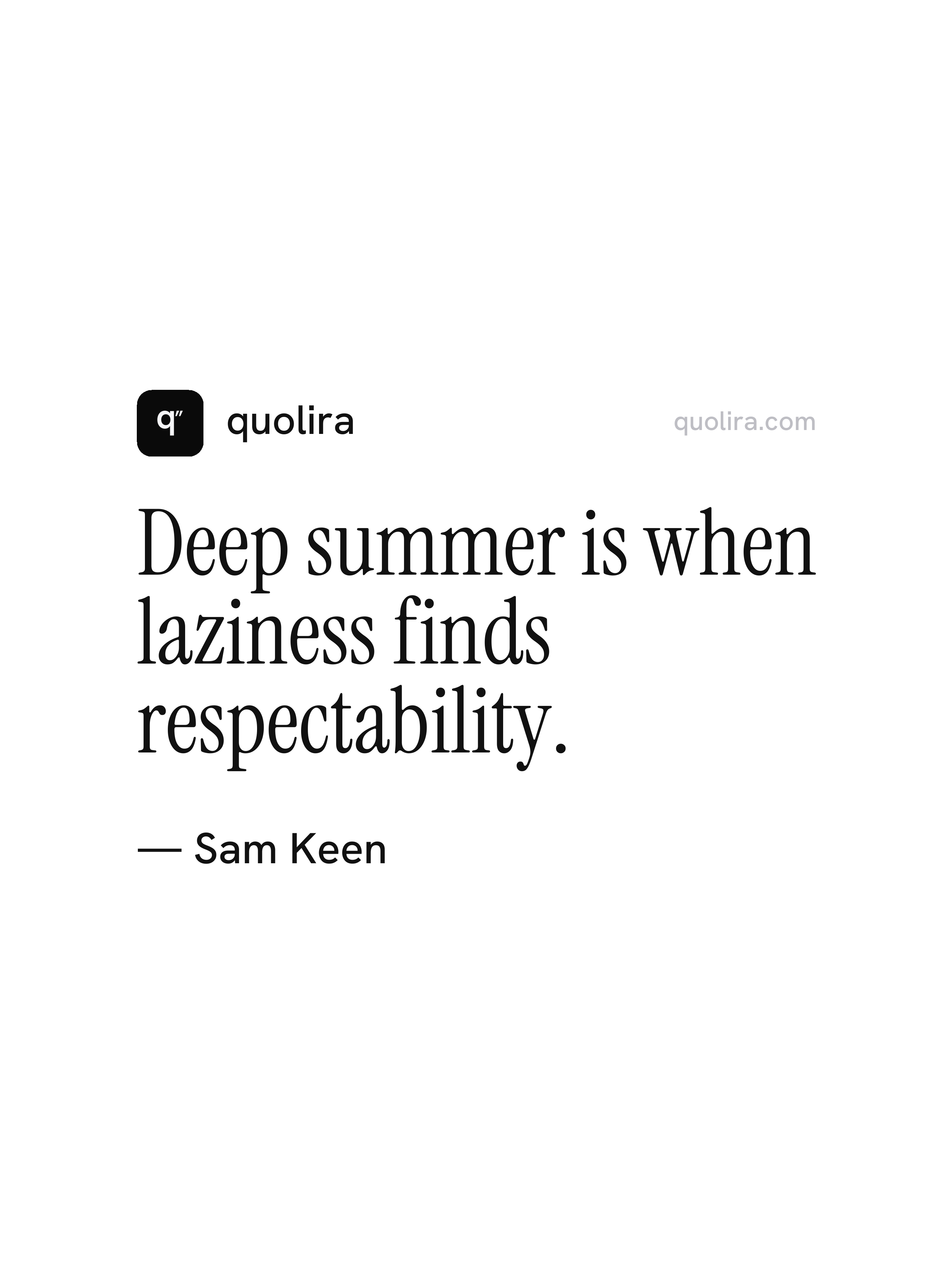
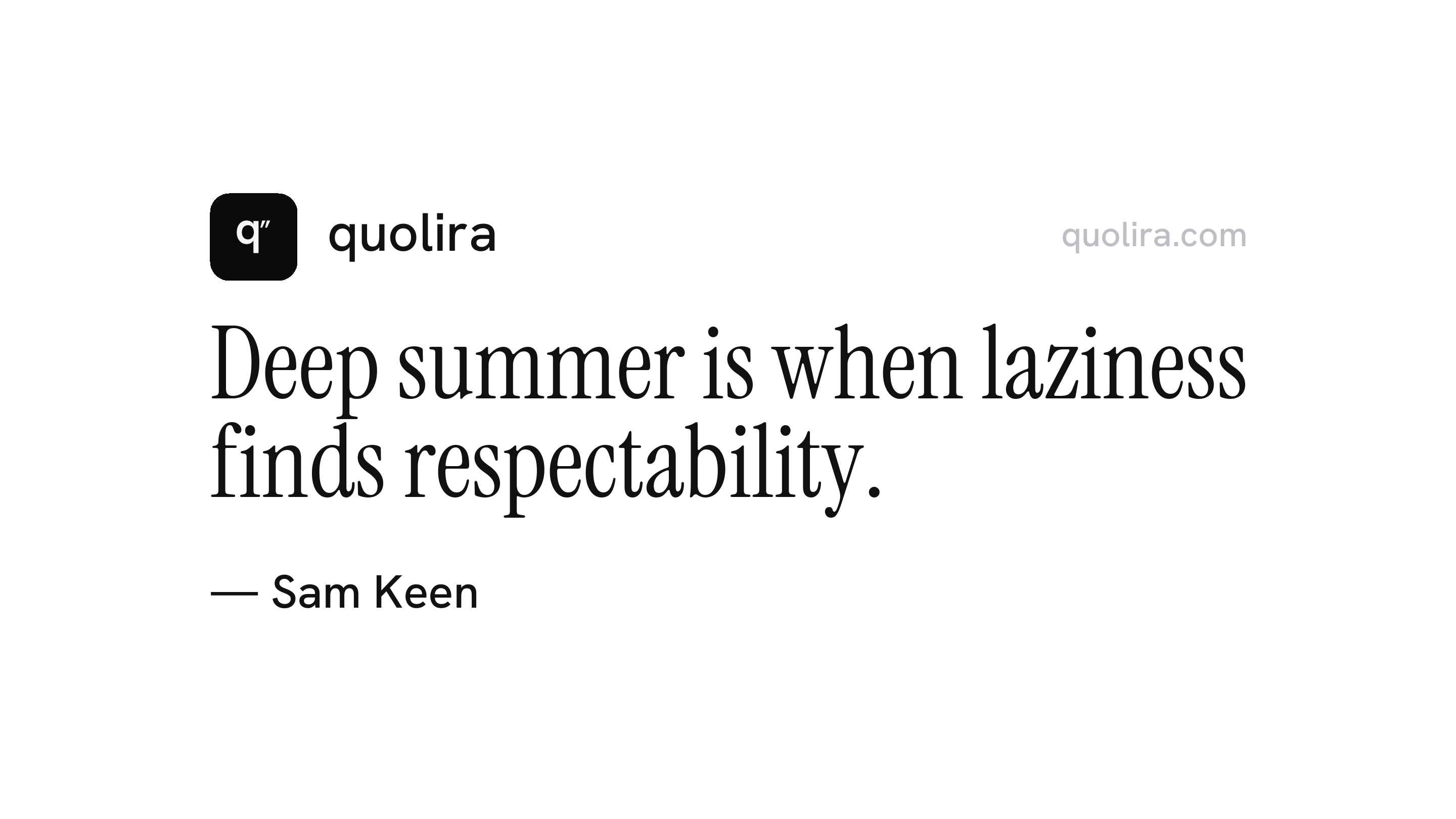
“Deep summer is when laziness finds respectability.”
Sam Keen
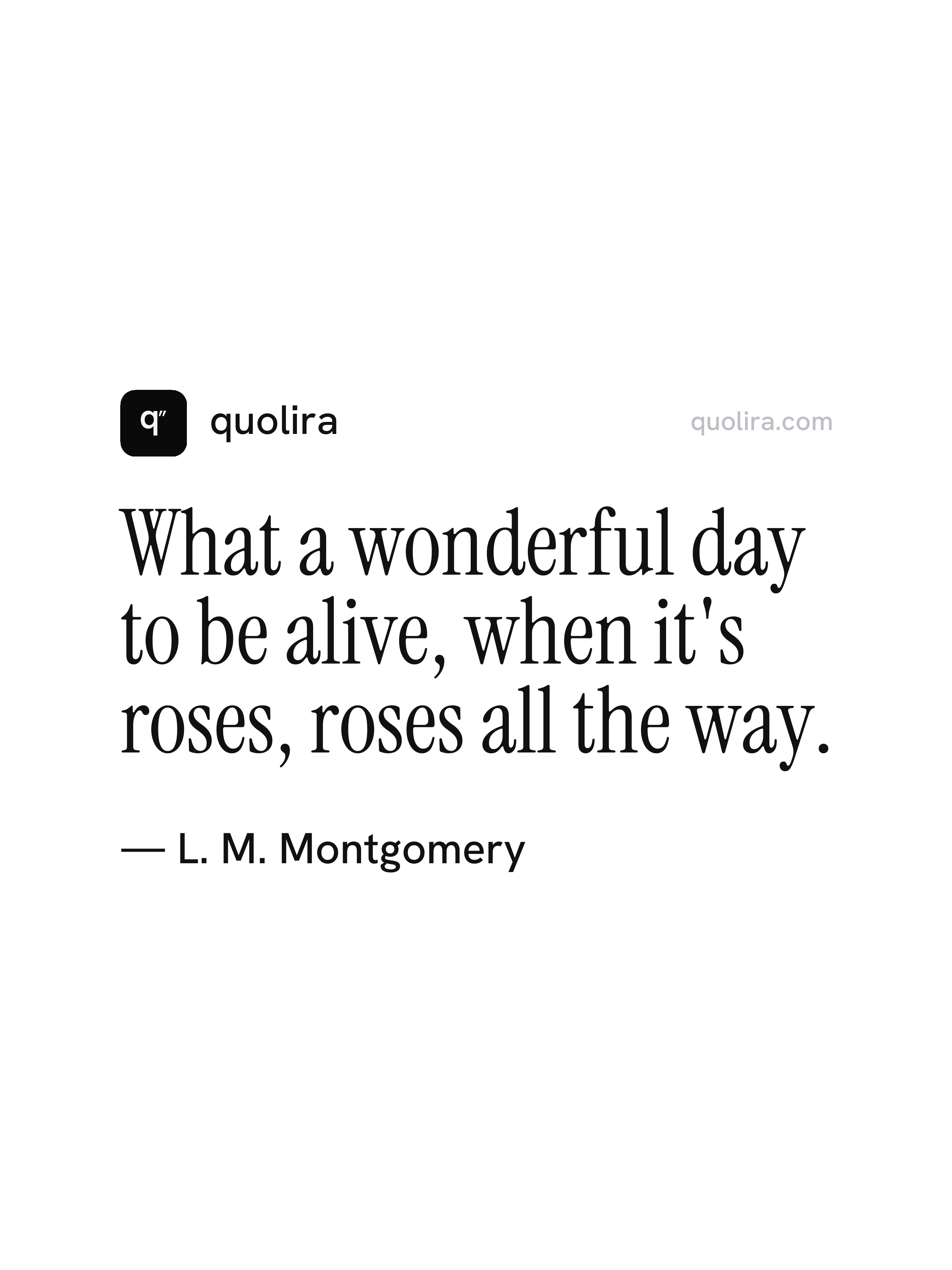
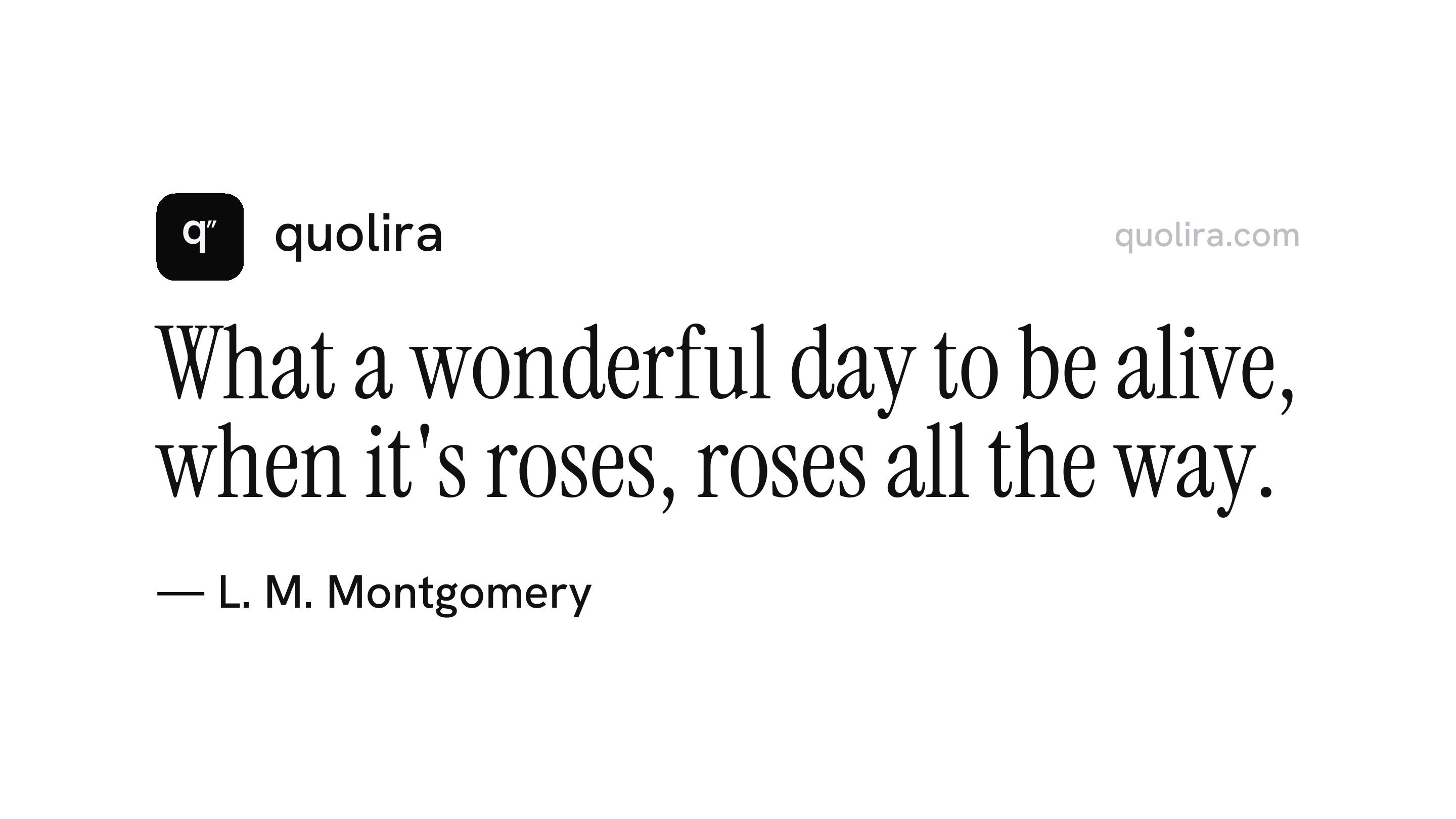
“What a wonderful day to be alive, when it's roses, roses all the way.”
L. M. Montgomery
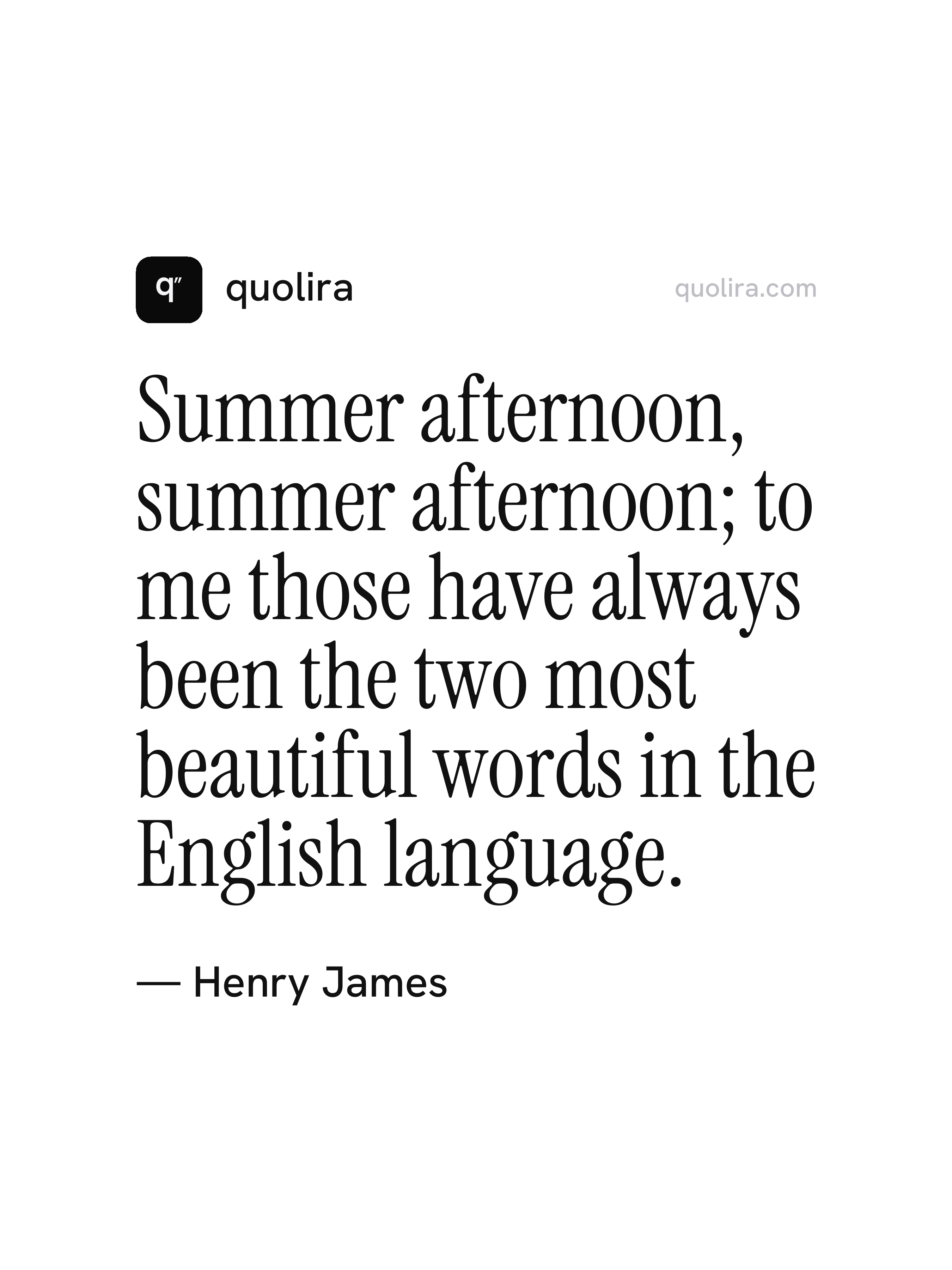
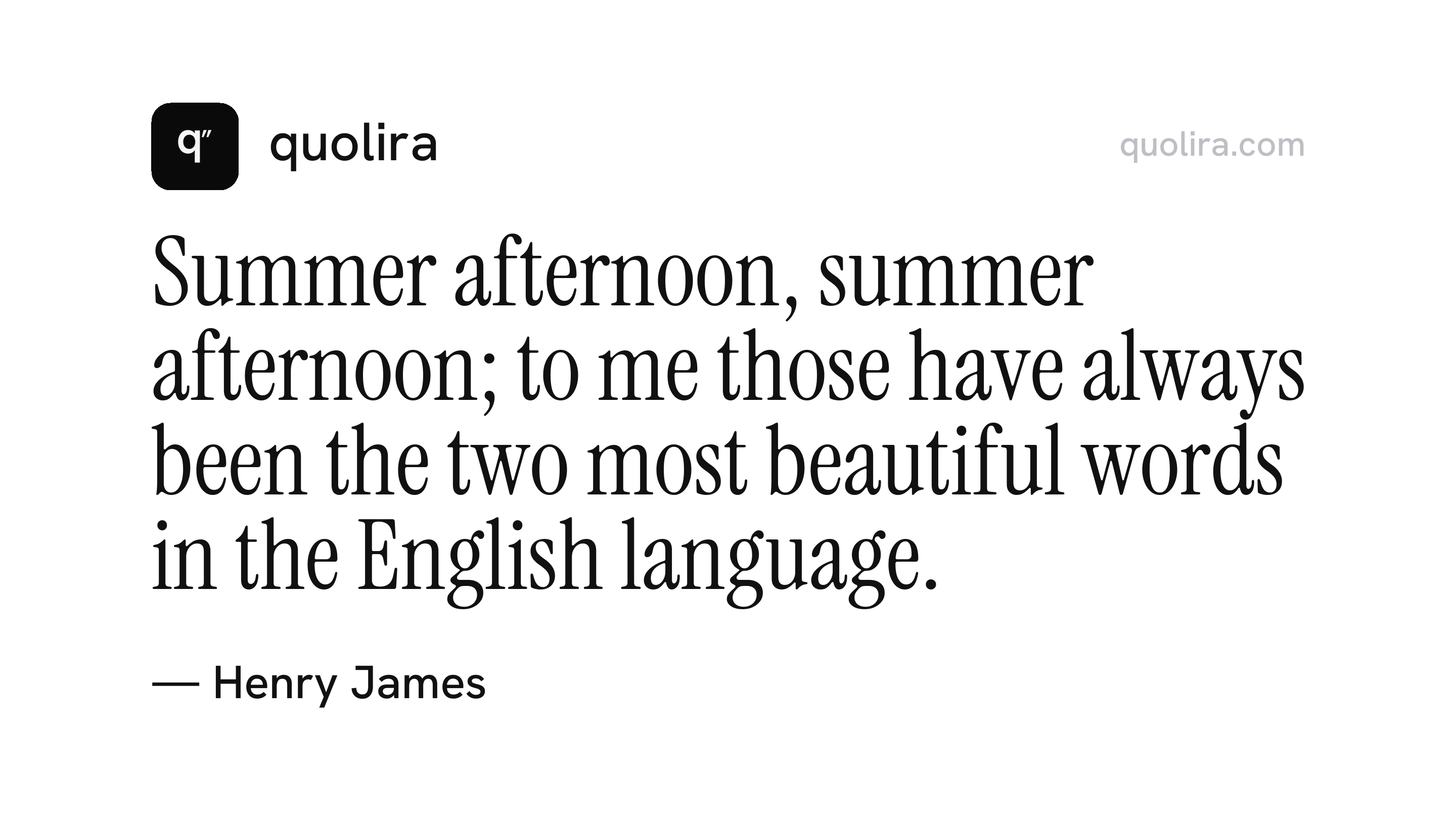
“Summer afternoon, summer afternoon; to me those have always been the two most beautiful words in the English language.”
Henry James
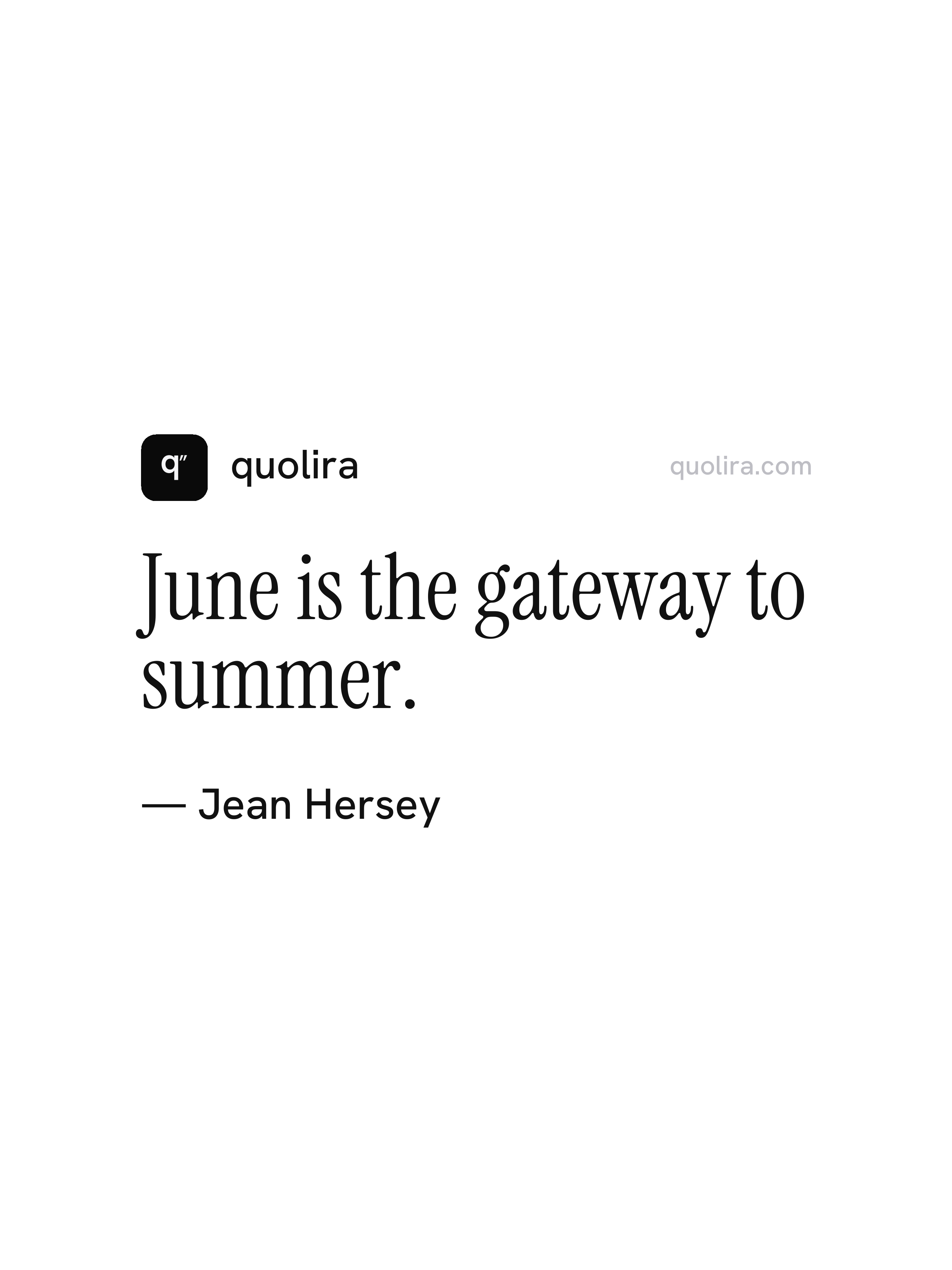
“June is the gateway to summer.”
Jean Hersey · The Shape of a Year, 1967
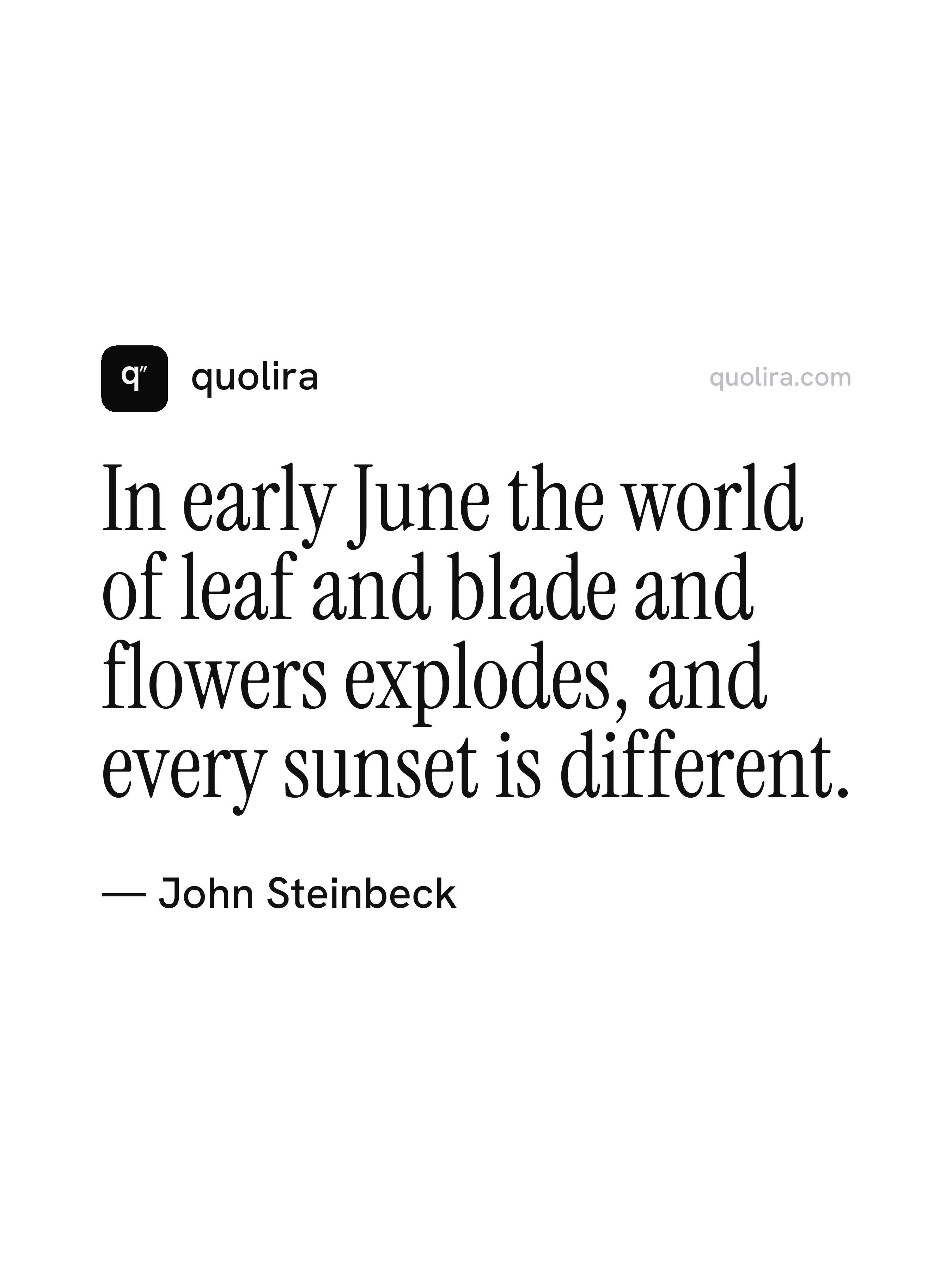
“In early June the world of leaf and blade and flowers explodes, and every sunset is different.”
John Steinbeck · Travels with Charley, 1962
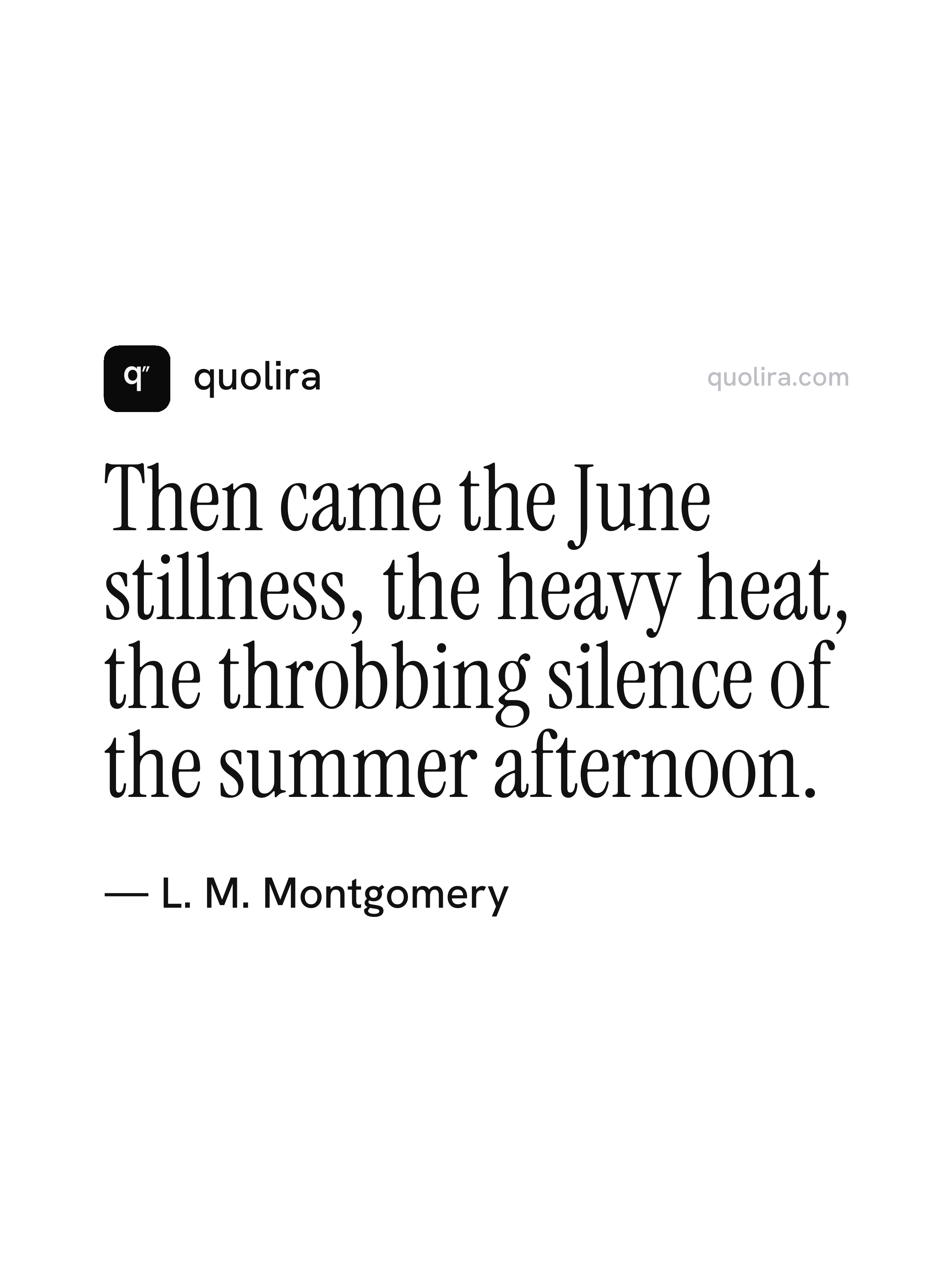
“Then came the June stillness, the heavy heat, the throbbing silence of the summer afternoon.”
L. M. Montgomery