“It is more important to know what sort of person has a disease than to know what sort of disease a person has.”
Hippocrates · attributed
 quolira
.com
quolira
quolira.com
The phrase captures a bitter paradox in medical treatment: the very measures taken to eliminate a disease can end up destroying the person who carries it. It is a warning against excessive or reckless intervention, a reminder that the goal of medicine is the survival and wellbeing of the patient, not simply the elimination of a symptom or pathogen. Winning against the disease while losing the patient represents a fundamental failure.
Francis Bacon included this observation in his essay on friendship, a context that might seem unexpected until the surrounding argument is considered. Bacon used medicine as an analogy for a broader point about how people, including advisers and friends, sometimes pursue a narrow objective so relentlessly that they cause collateral damage they never intended. The medical image served him as a vivid illustration of misplaced zeal. The phrase has outlived its original argumentative purpose and is now quoted on its own as a general caution about means and ends.
Francis Bacon was an English philosopher, statesman, and writer who lived from 1561 to 1626. He is remembered as an early advocate for empirical inquiry and the systematic observation of nature, ideas that contributed to what later became the scientific method. His Essays, first published in 1597 and expanded in later editions, are compact and aphoristic explorations of practical human concerns, from ambition and cunning to gardens and friendship. They remain readable and quoted today, prized for their density of thought and their clear-eyed view of human behavior.
“It is more important to know what sort of person has a disease than to know what sort of disease a person has.”
Hippocrates · attributed
“The doctor of the future will give no medicine, but will interest his patients in the care of the human frame, in diet, and in the cause and prevention of disease.”
Thomas Edison · attributed
“Medicine is a science of uncertainty and an art of probability.”
William Osler · attributed
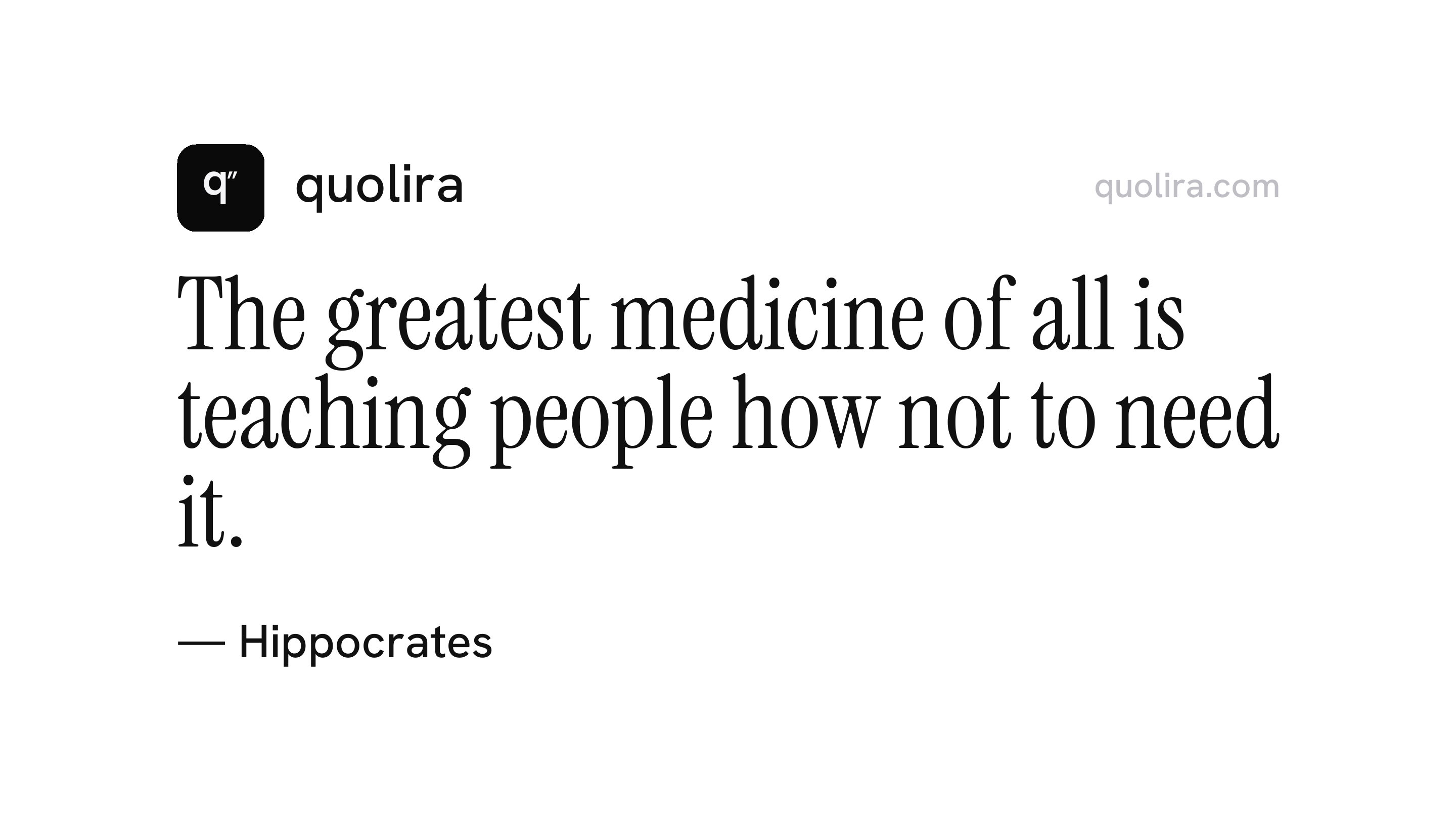
“The greatest medicine of all is teaching people how not to need it.”
Hippocrates · attributed
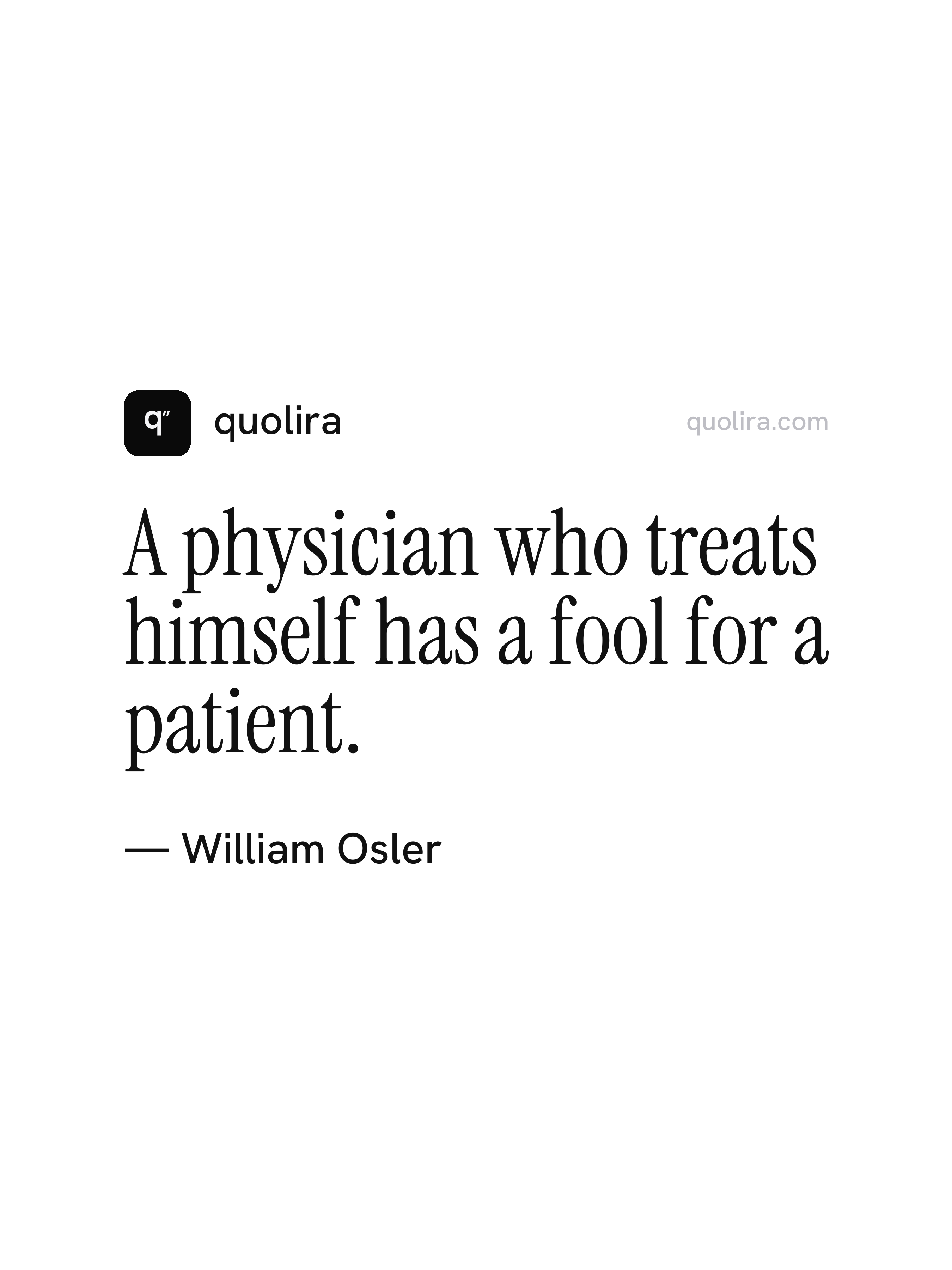
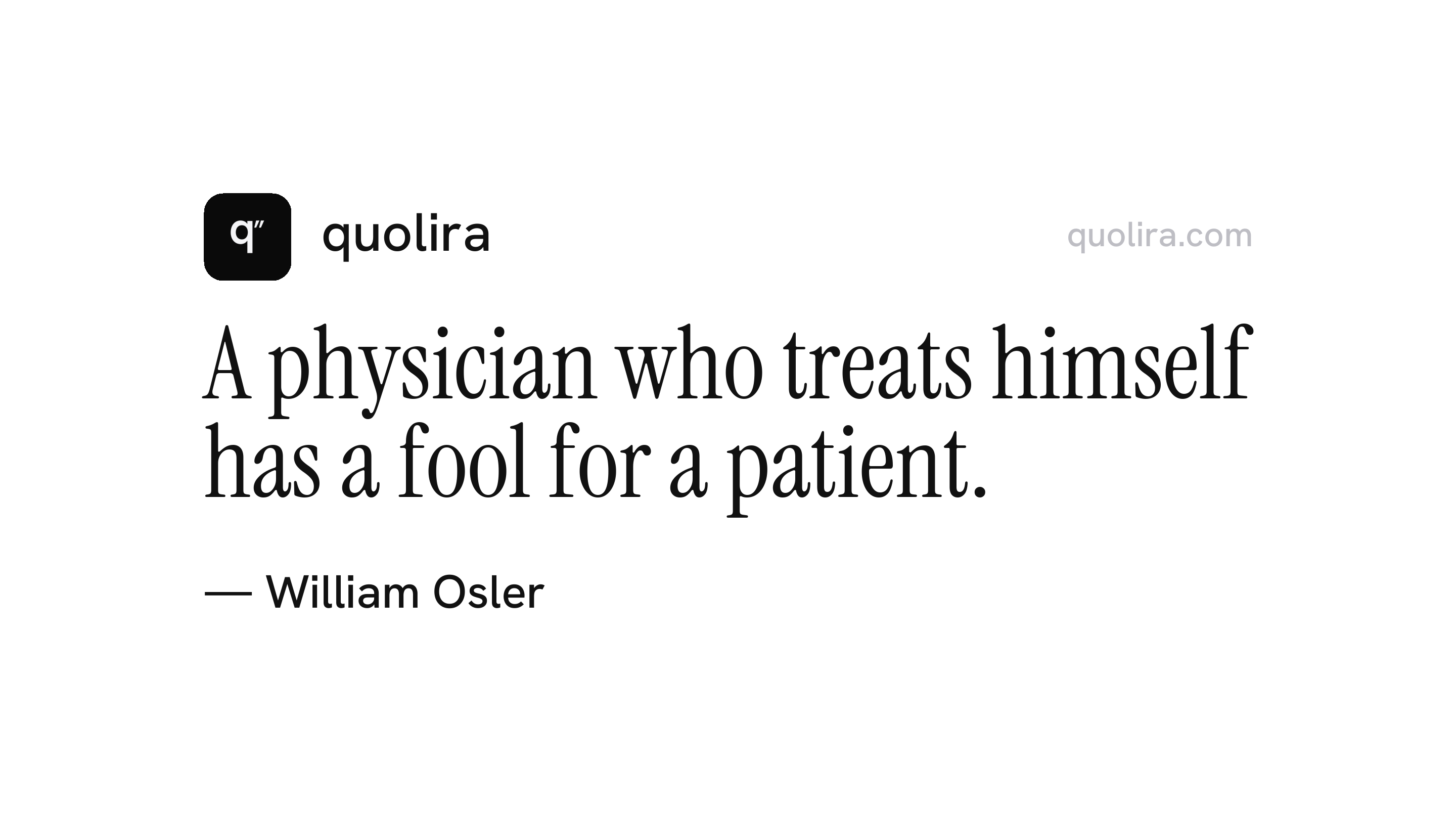
“A physician who treats himself has a fool for a patient.”
William Osler · attributed
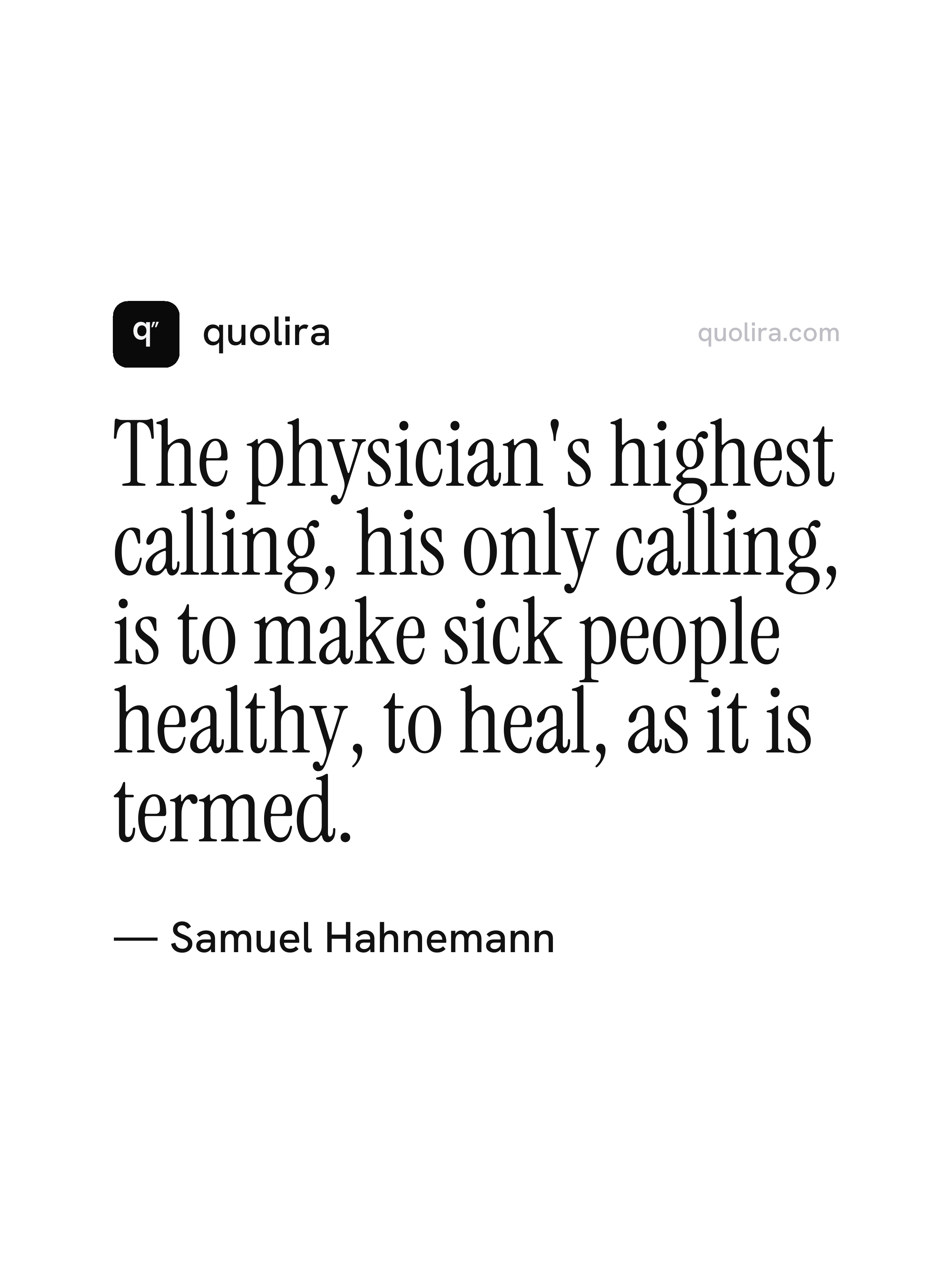
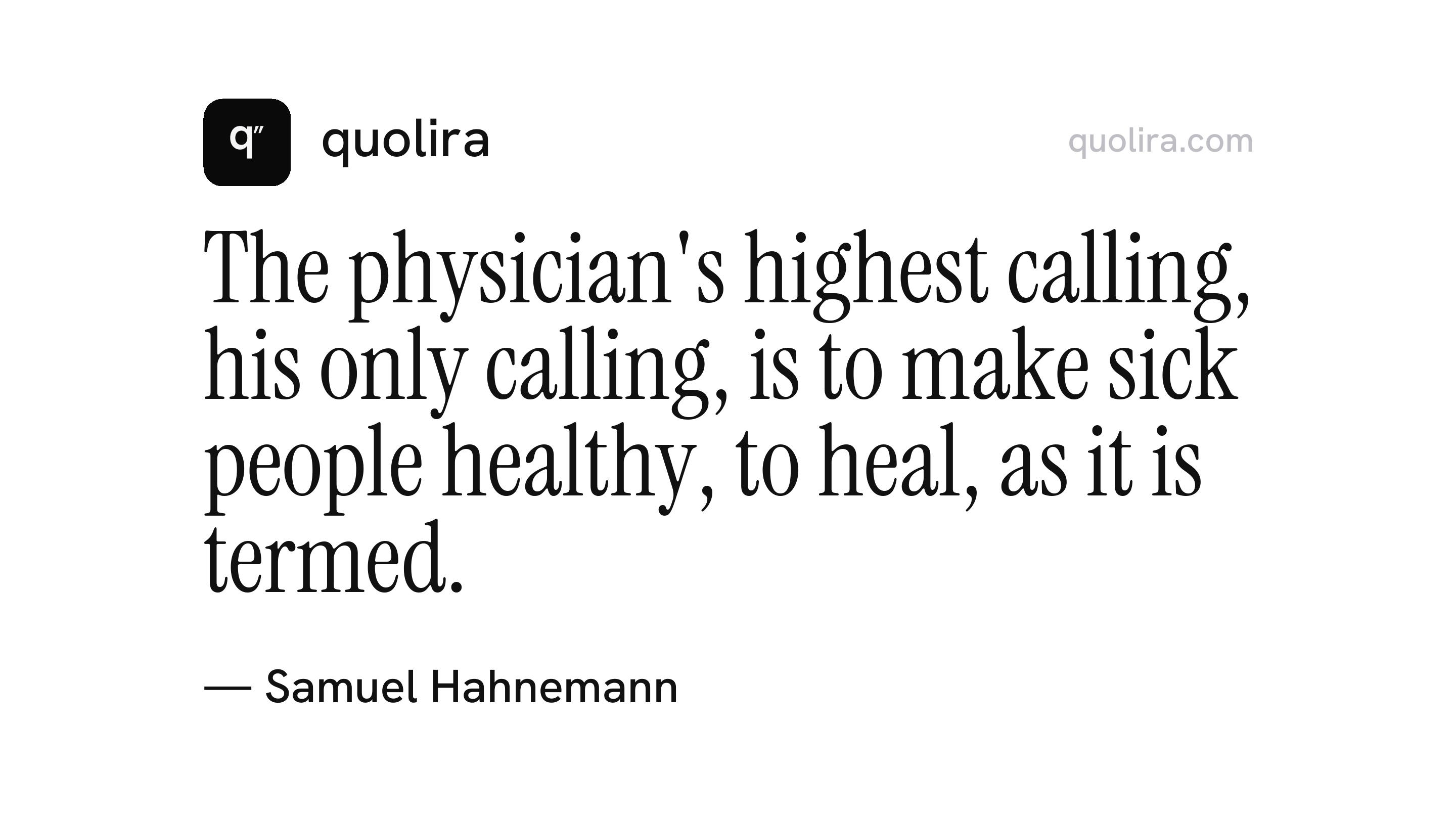
“The physician's highest calling, his only calling, is to make sick people healthy, to heal, as it is termed.”
Samuel Hahnemann · Organon of Medicine
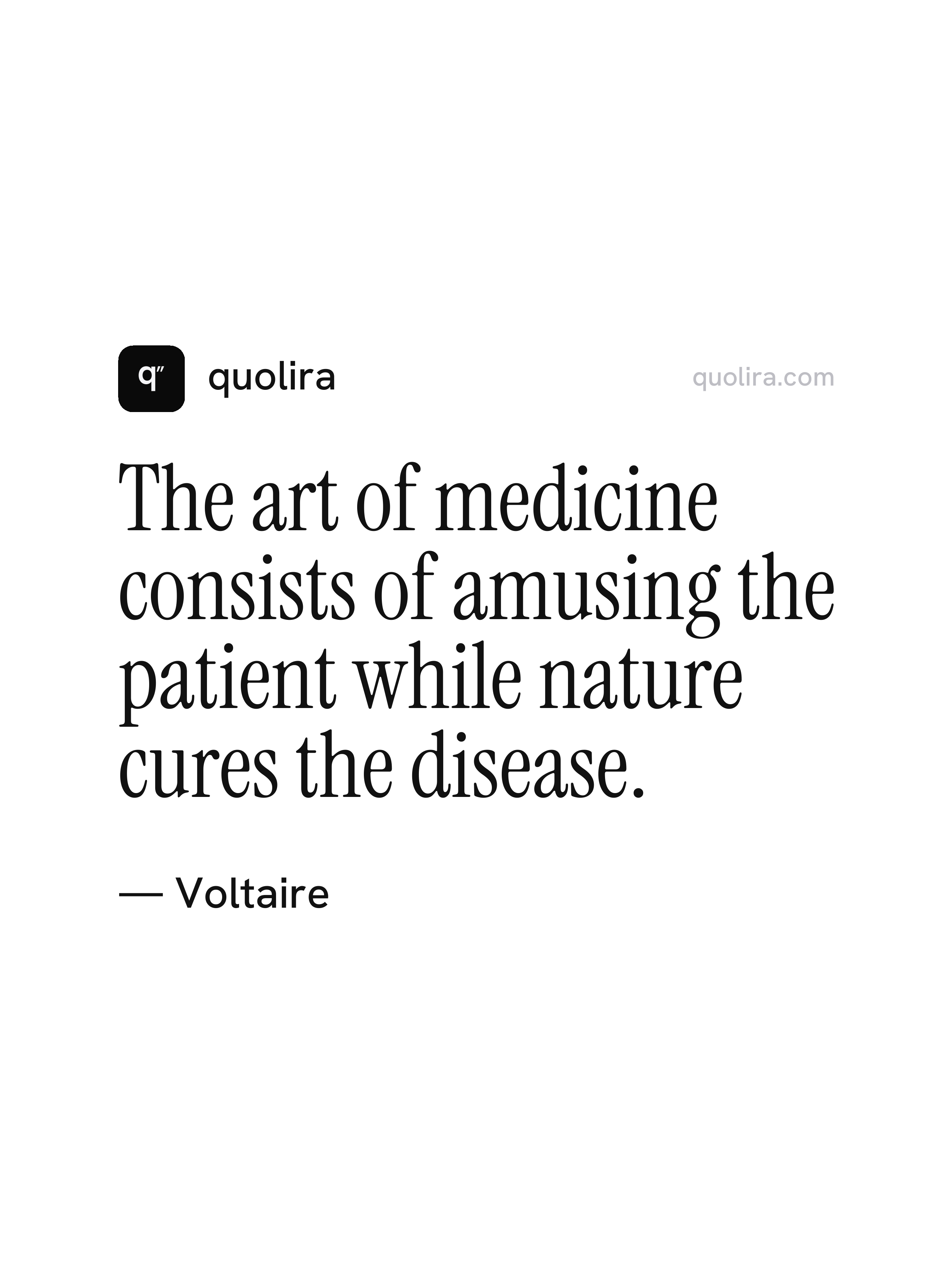
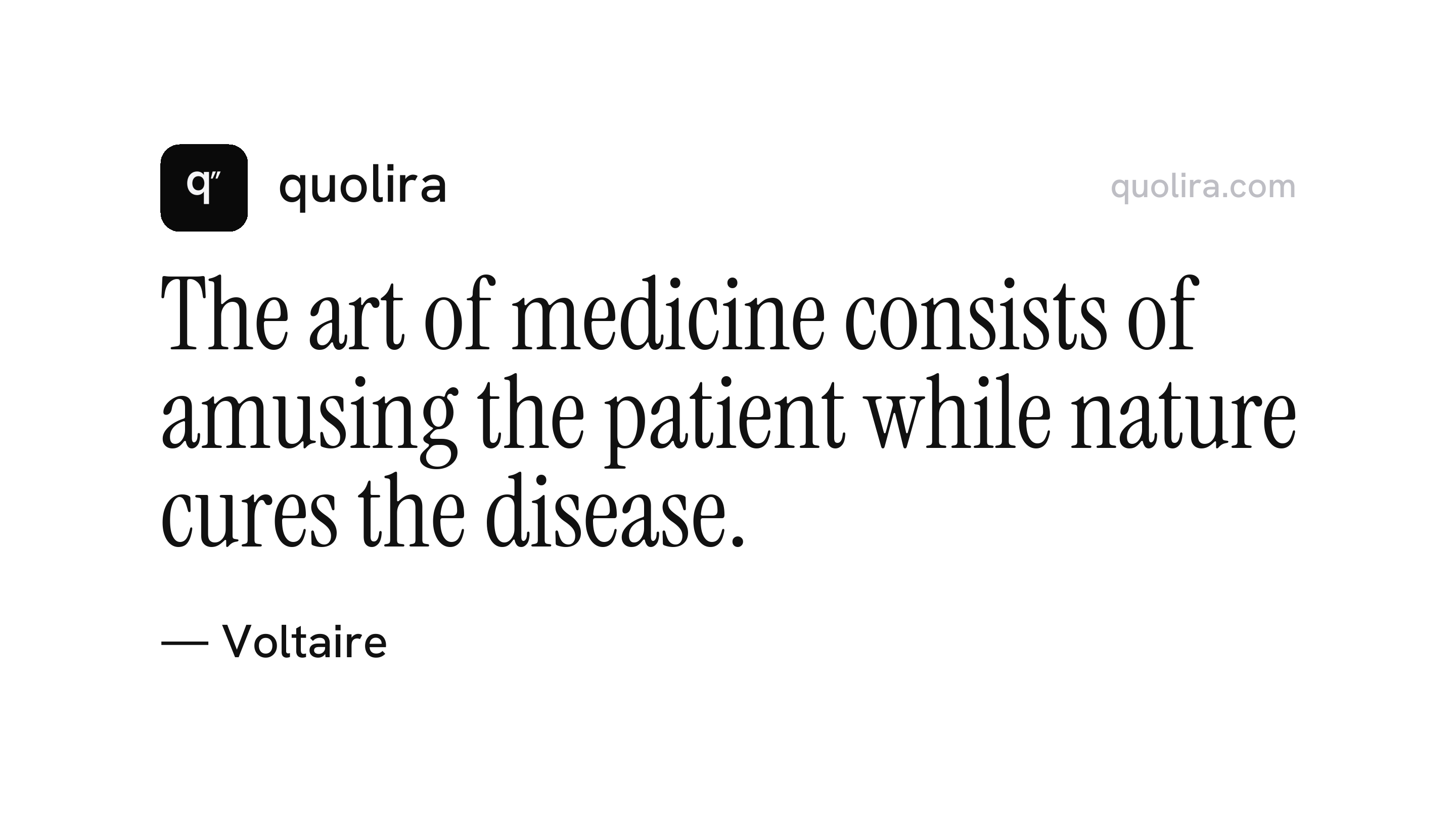
“The art of medicine consists of amusing the patient while nature cures the disease.”
Voltaire · attributed
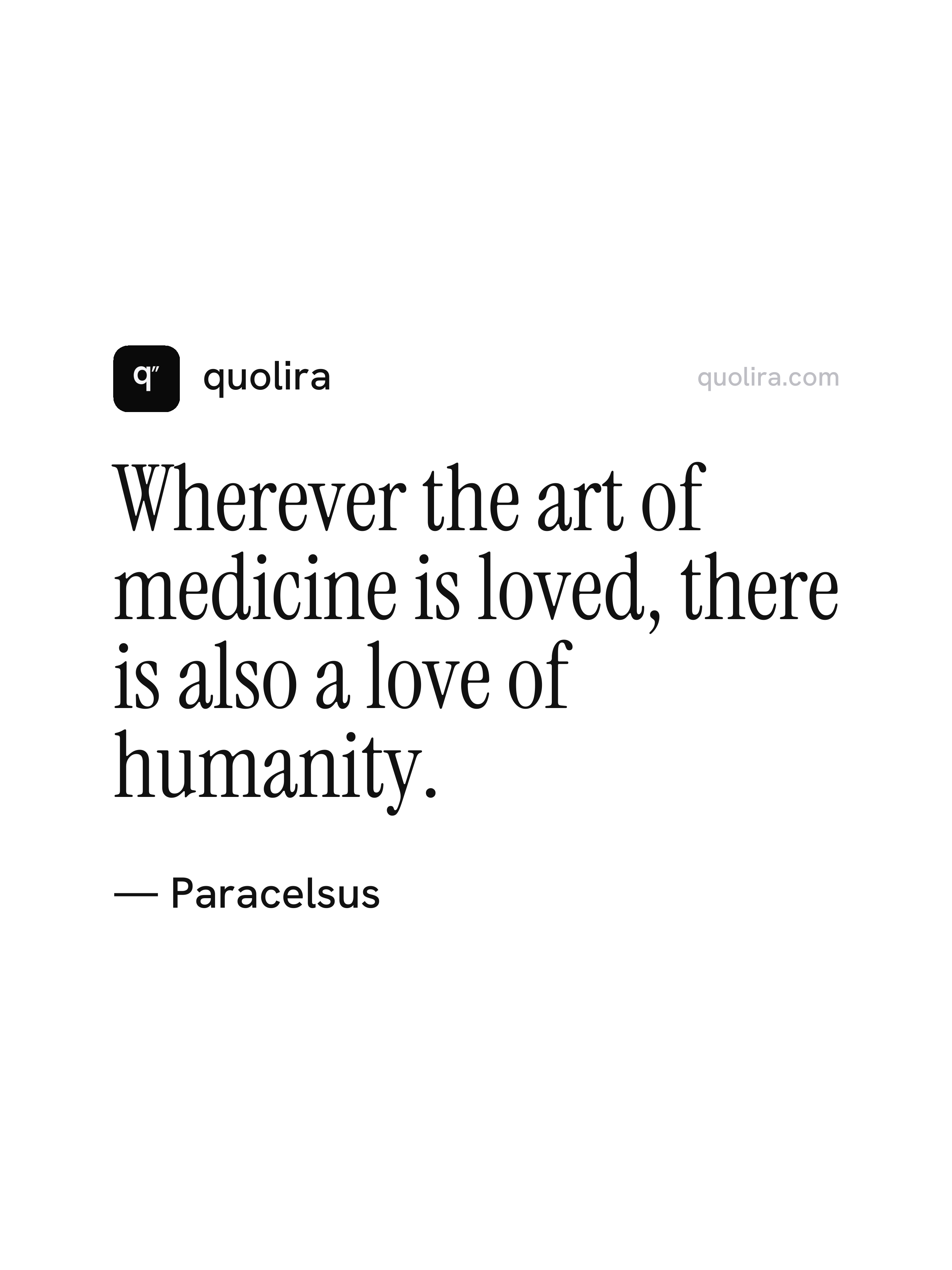
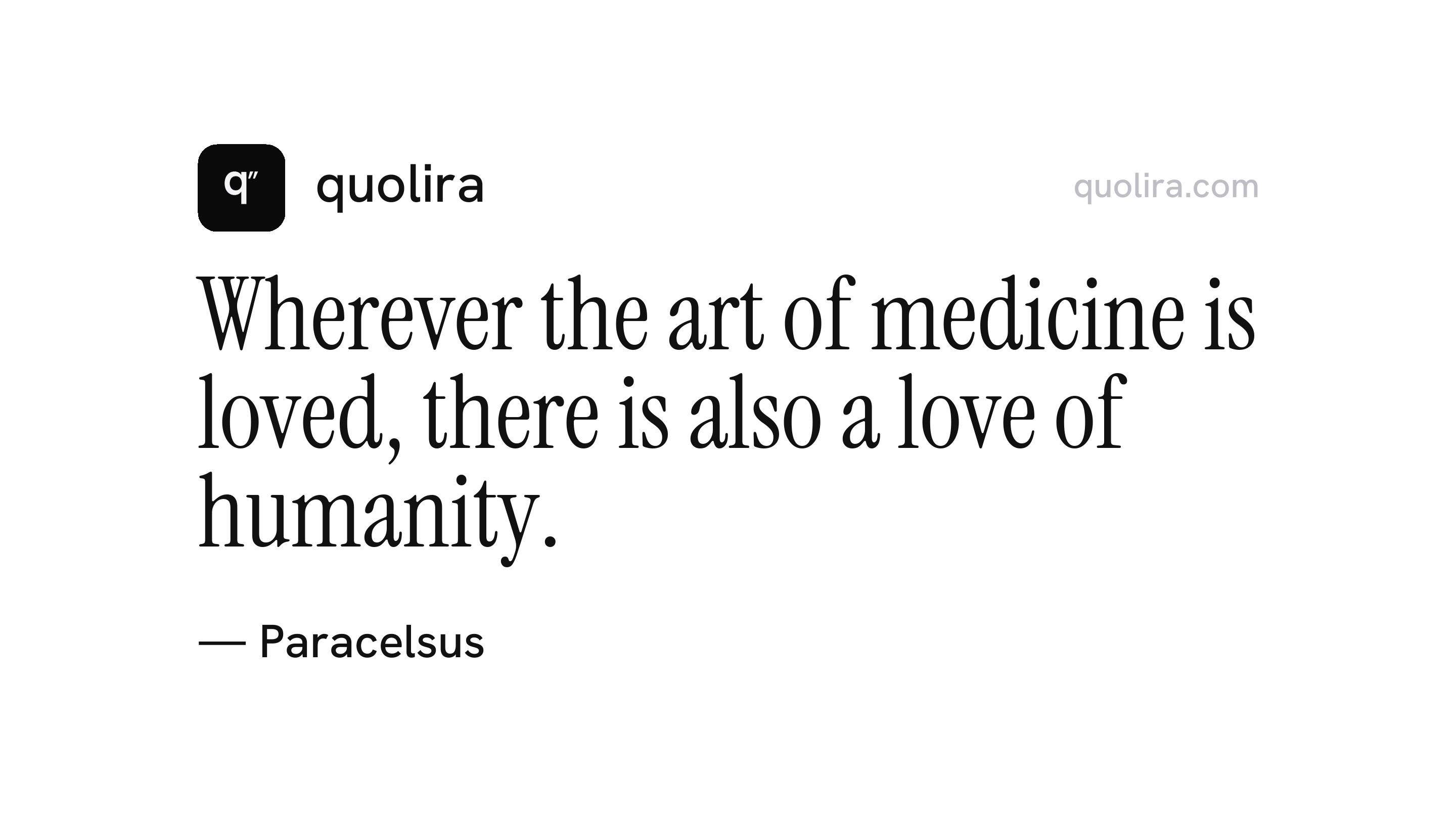
“Wherever the art of medicine is loved, there is also a love of humanity.”
Paracelsus · attributed
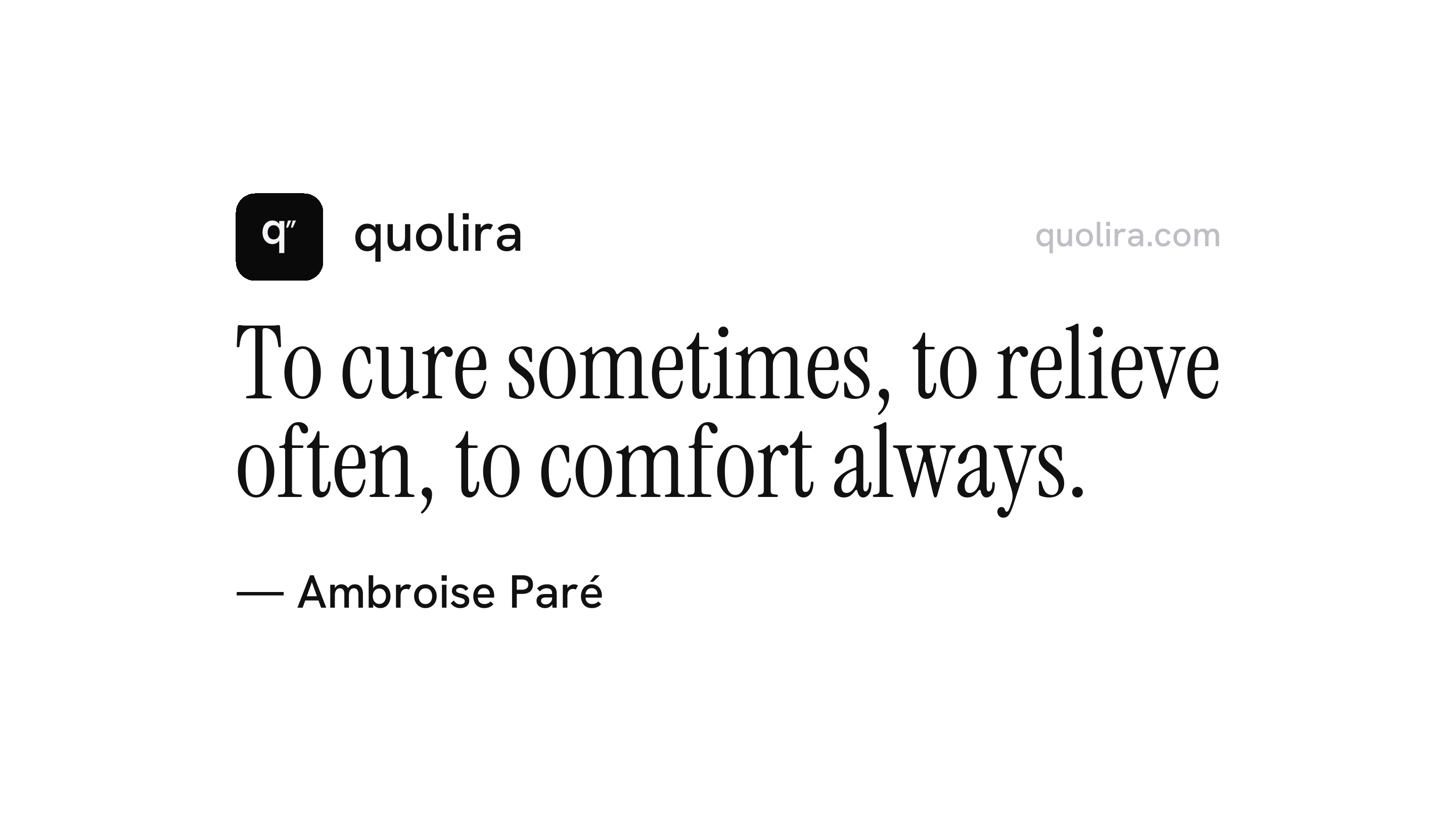
“To cure sometimes, to relieve often, to comfort always.”
Ambroise Paré · attributed
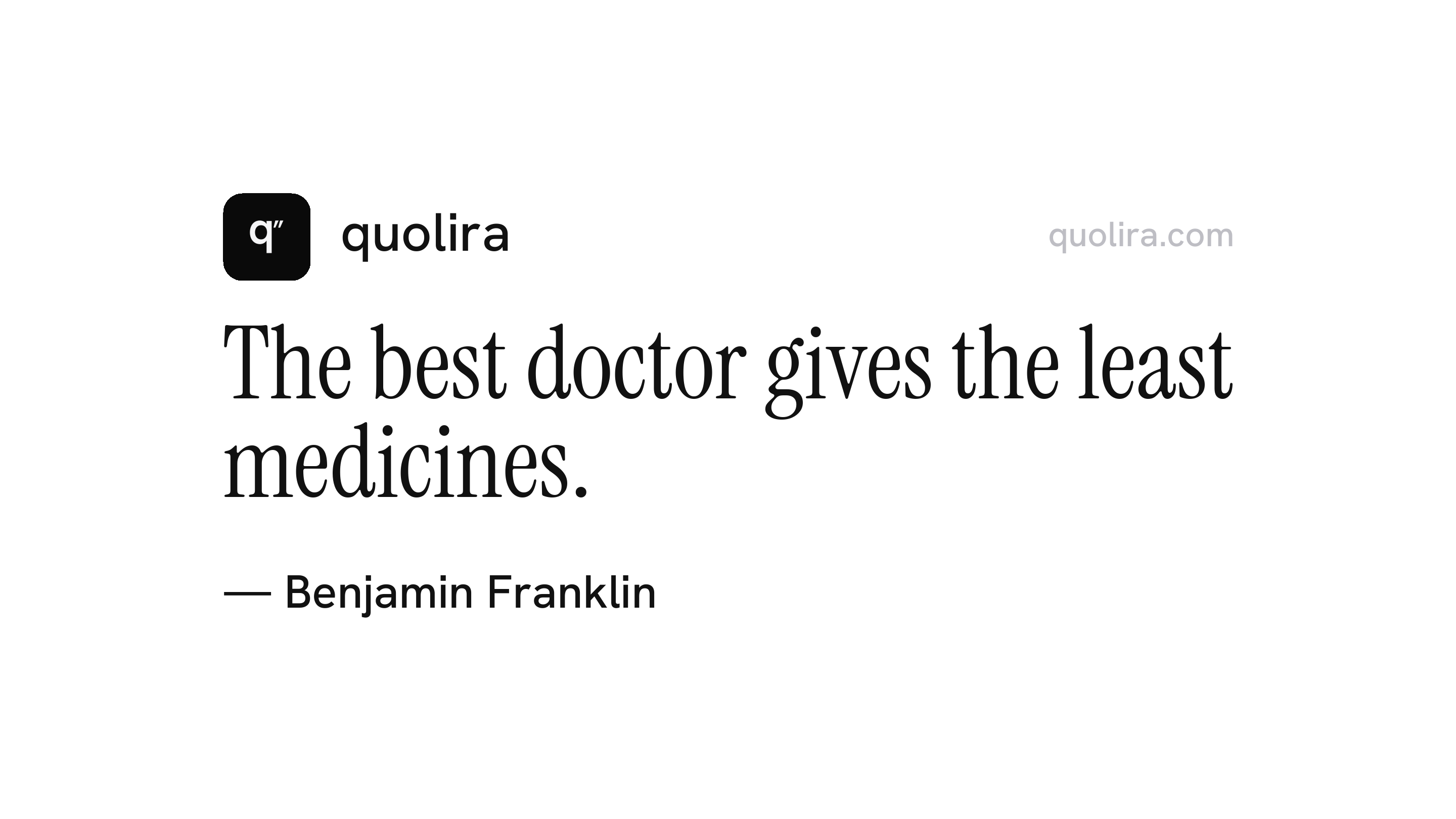
“The best doctor gives the least medicines.”
Benjamin Franklin · Poor Richard's Almanack
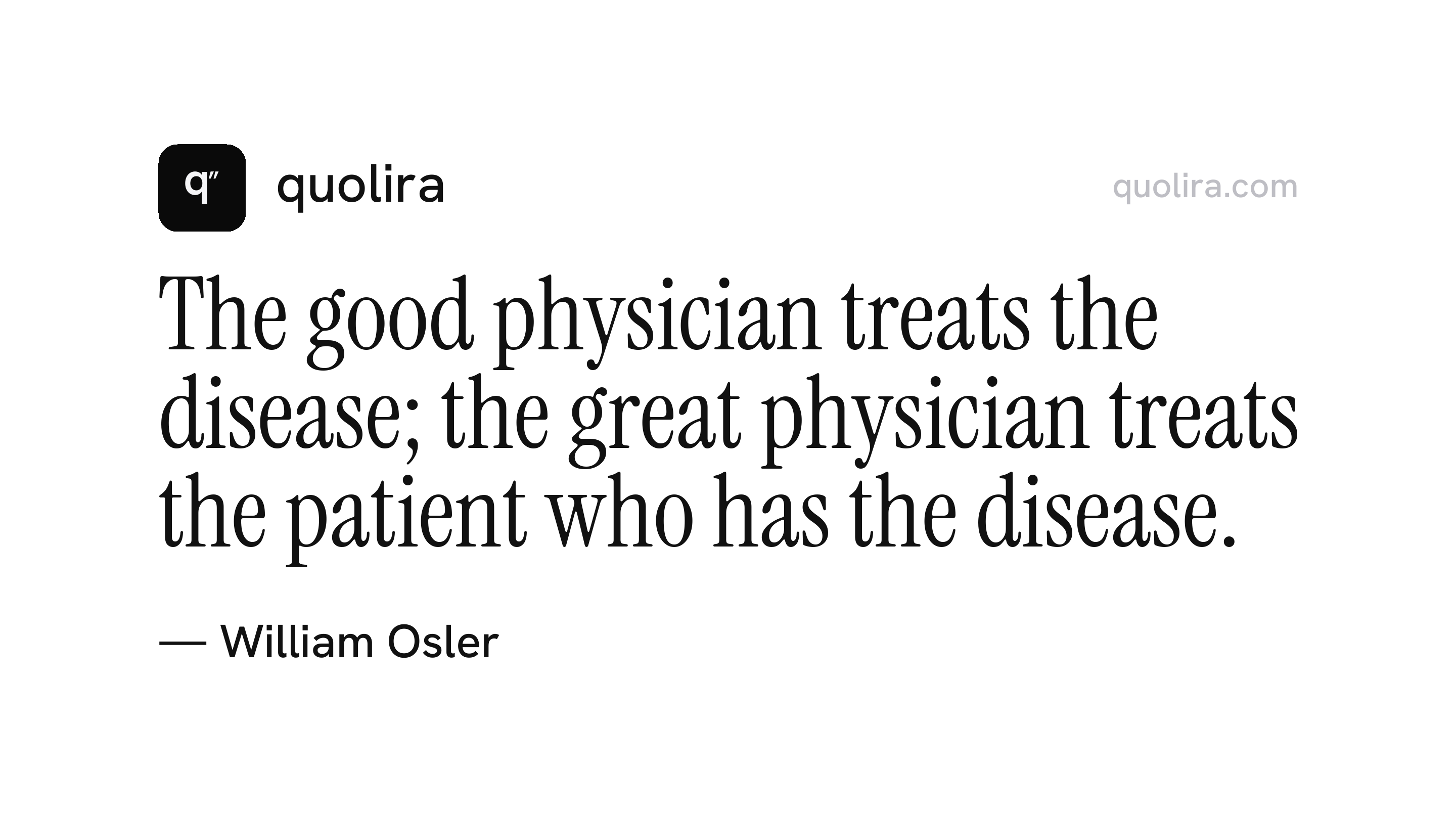
“The good physician treats the disease; the great physician treats the patient who has the disease.”
William Osler · attributed
“Wherever the art of medicine is loved, there is also a love of humanity.”
Hippocrates · attributed