“The doctor of the future will give no medicine, but will interest his patients in the care of the human frame, in diet, and in the cause and prevention of disease.”
Thomas Edison · attributed
 quolira
.com
quolira
quolira.com
This saying shifts the focus of medicine from the illness itself to the individual who carries it. It argues that understanding a patient's character, habits, temperament, and life circumstances is at least as important as diagnosing a specific condition. Two people with the same disease may experience it very differently depending on who they are, and effective care must account for that human dimension.
The idea reflects a holistic tradition in ancient Greek medicine, which treated the body and its environment as deeply interconnected. Early physicians in that tradition emphasized observation of the whole person rather than a narrow focus on symptoms in isolation. Whether or not Hippocrates wrote these exact words, the sentiment is consistent with the philosophical outlook associated with his school of thought, which valued individualized attention and the role of lifestyle, climate, and constitution in health and illness.
Hippocrates is a figure from ancient Greece widely regarded as a foundational influence on the practice of medicine in the Western tradition. He is often called the father of medicine, though many of the texts and sayings attributed to him were likely produced by a circle of students and followers over generations. The Hippocratic tradition emphasized careful observation, ethical conduct, and respect for the patient as a whole person rather than simply a host for disease.
“The doctor of the future will give no medicine, but will interest his patients in the care of the human frame, in diet, and in the cause and prevention of disease.”
Thomas Edison · attributed
“Medicine is a science of uncertainty and an art of probability.”
William Osler · attributed
“The greatest medicine of all is teaching people how not to need it.”
Hippocrates · attributed
“A physician who treats himself has a fool for a patient.”
William Osler · attributed
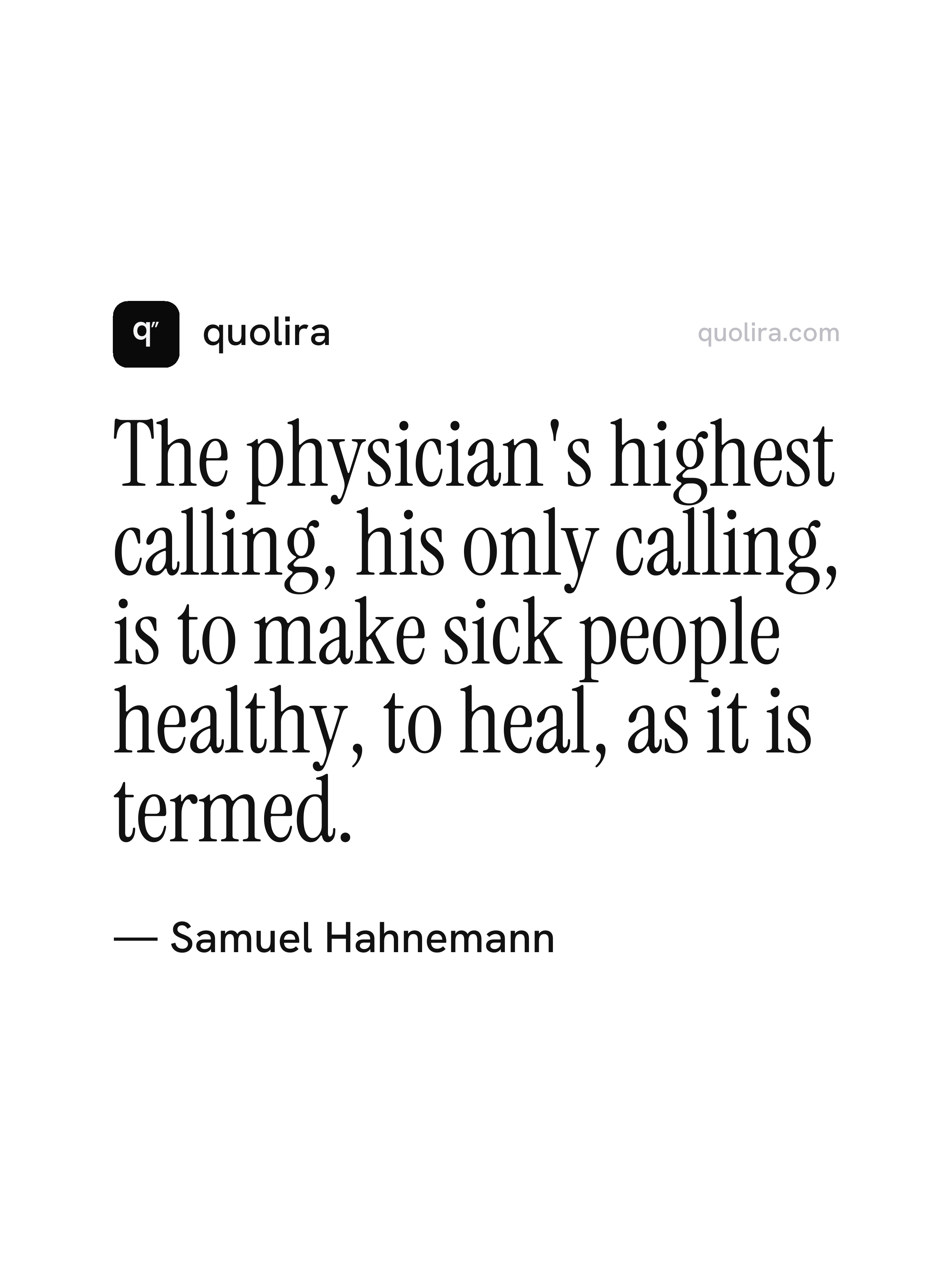
“The physician's highest calling, his only calling, is to make sick people healthy, to heal, as it is termed.”
Samuel Hahnemann · Organon of Medicine
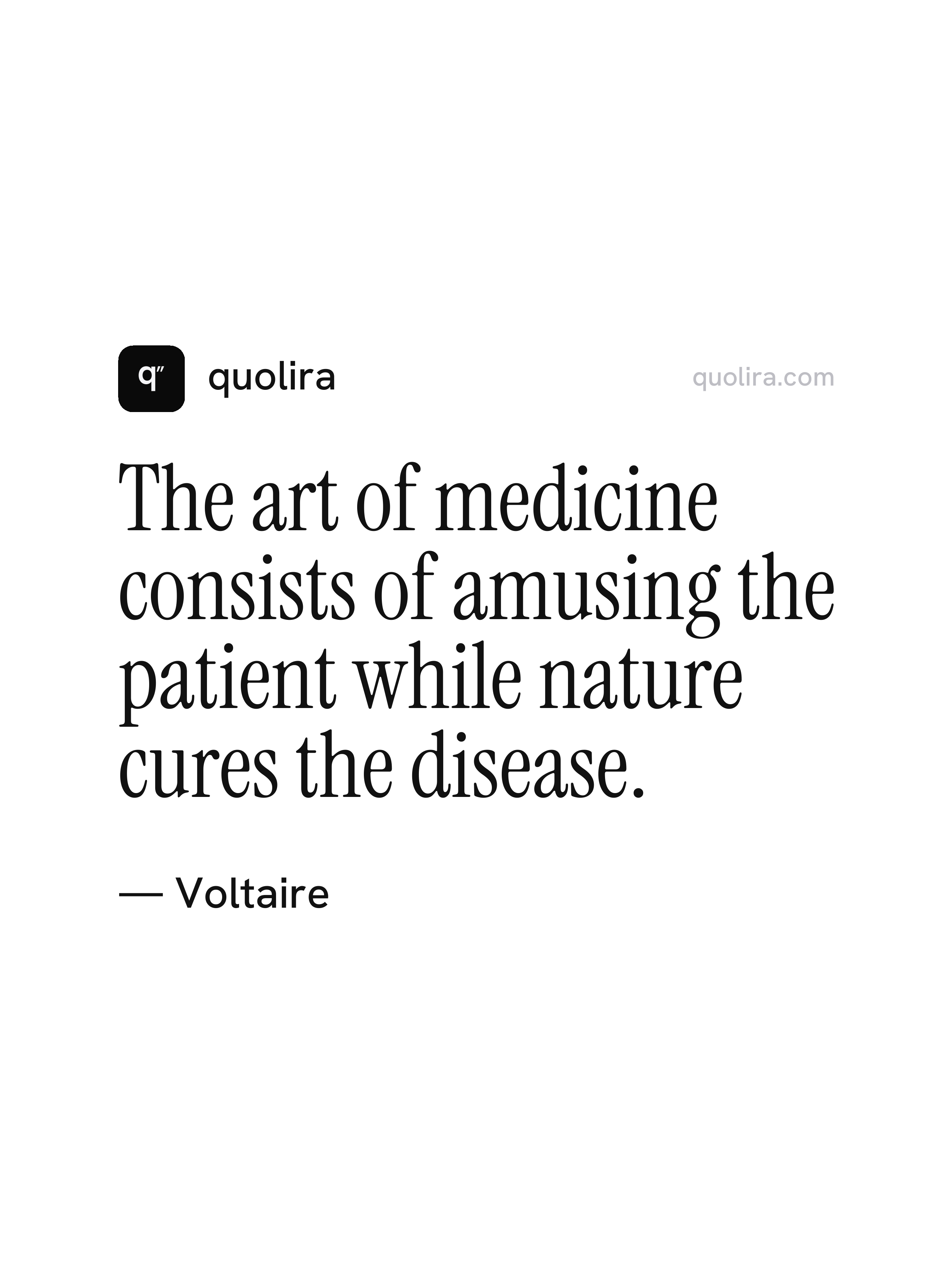
“The art of medicine consists of amusing the patient while nature cures the disease.”
Voltaire · attributed
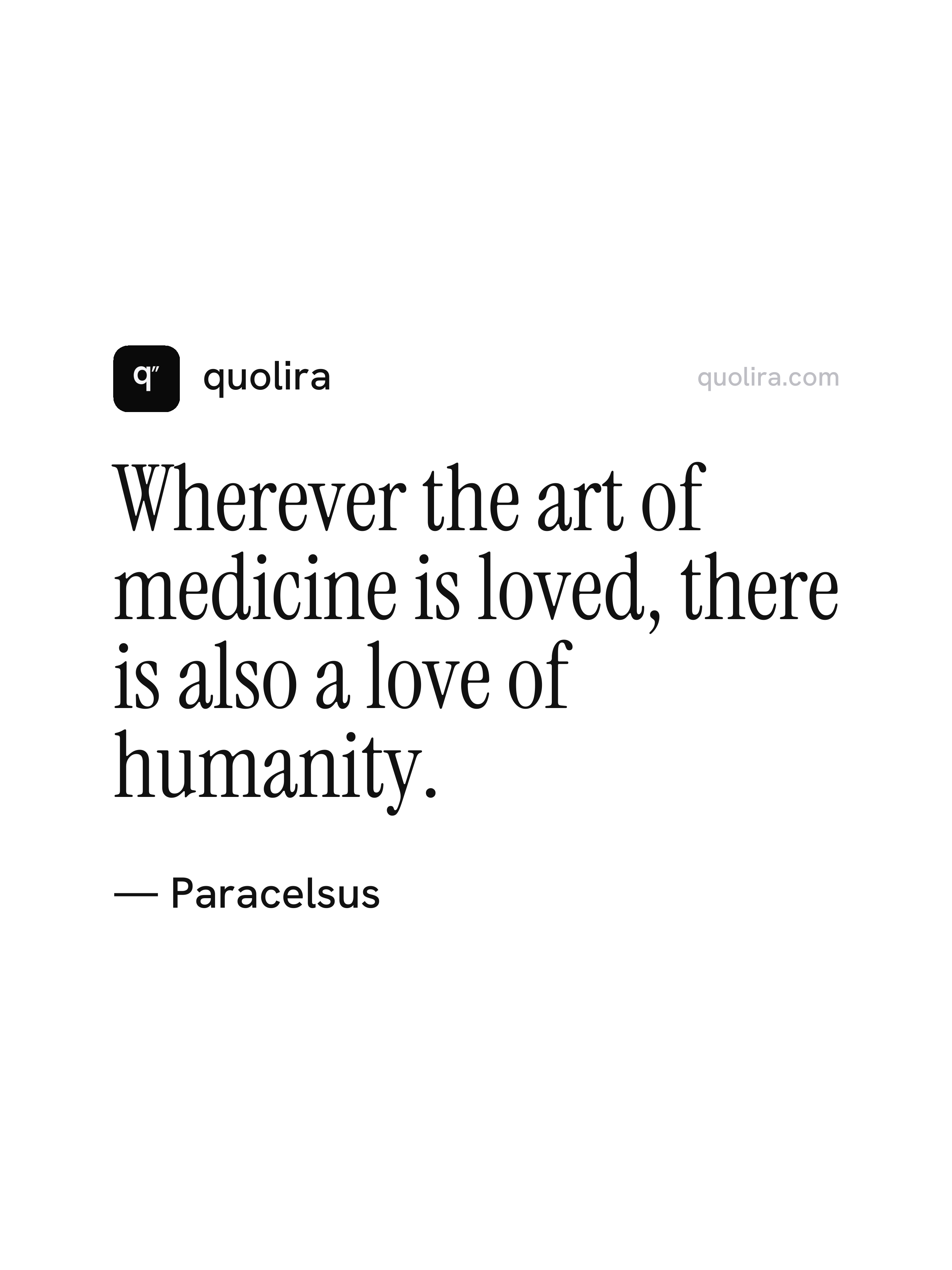
“Wherever the art of medicine is loved, there is also a love of humanity.”
Paracelsus · attributed
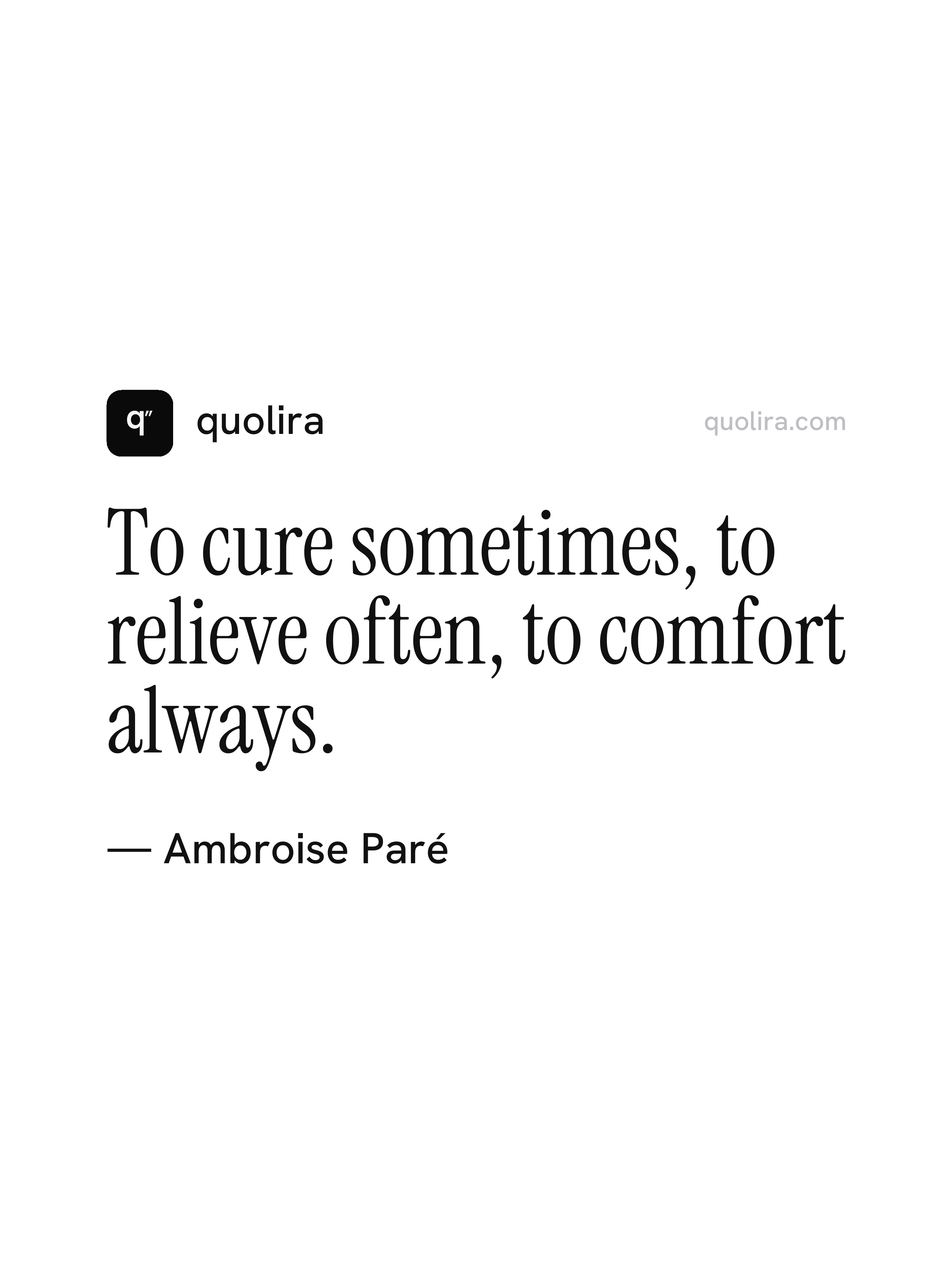
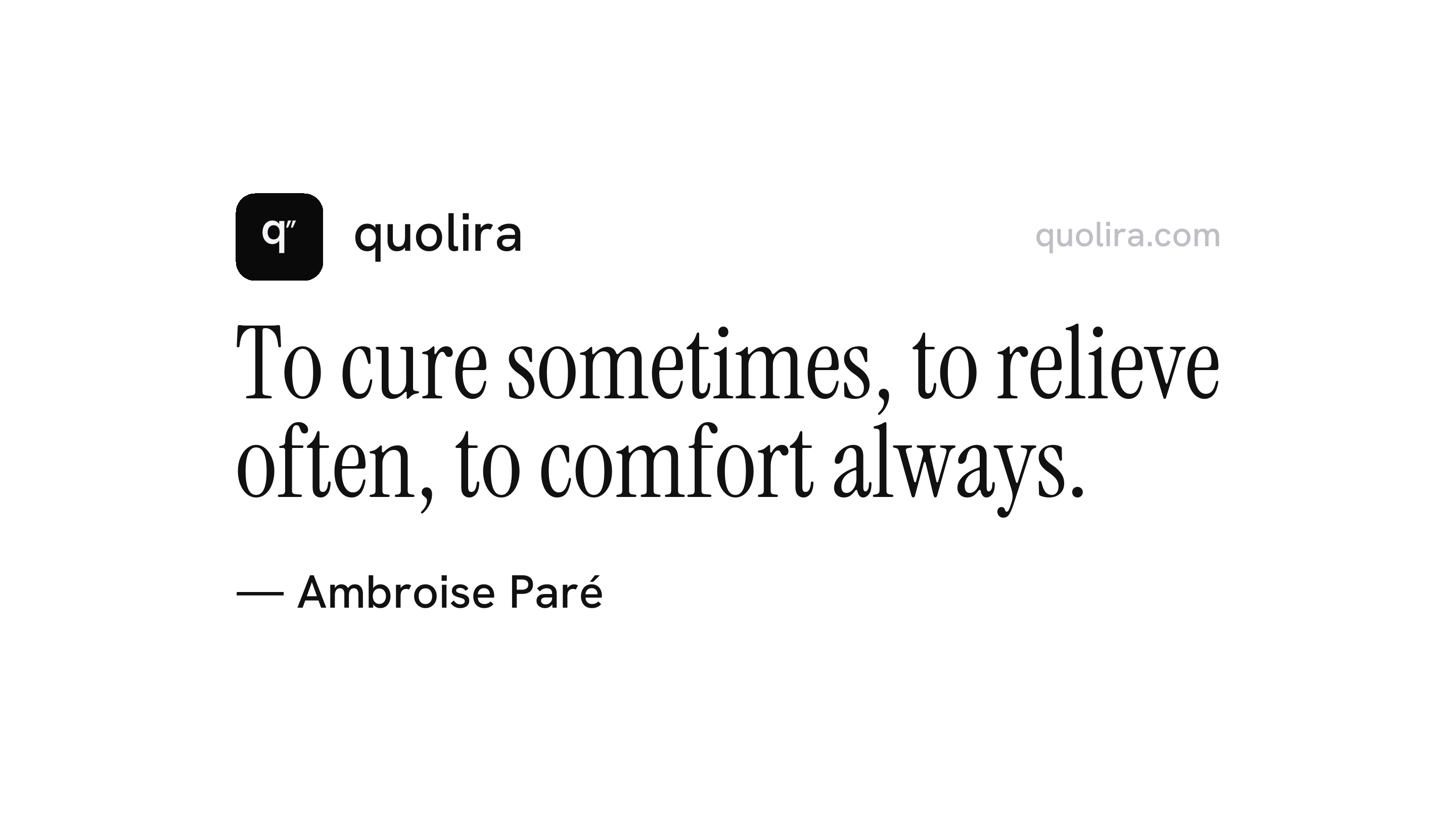
“To cure sometimes, to relieve often, to comfort always.”
Ambroise Paré · attributed
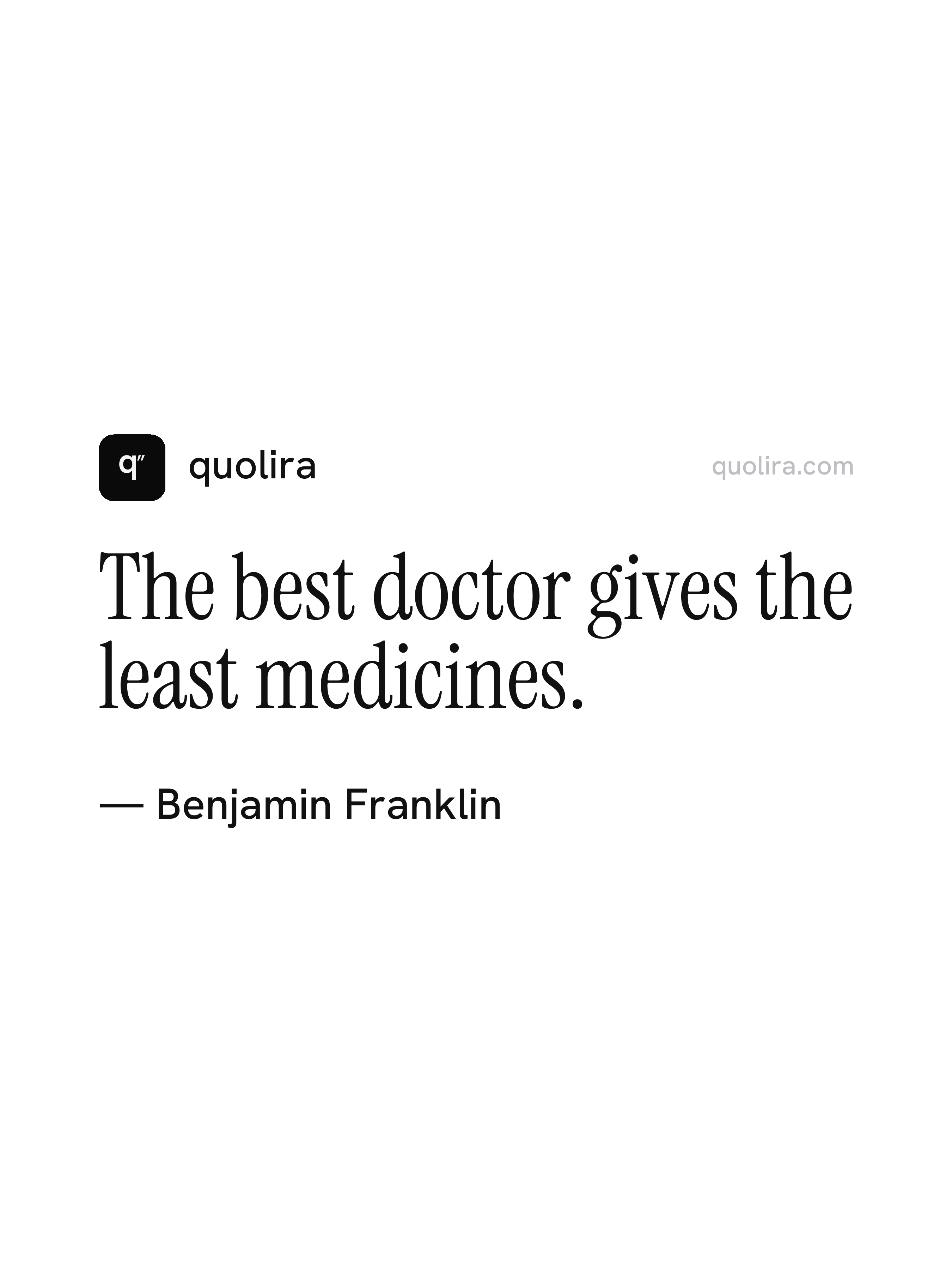
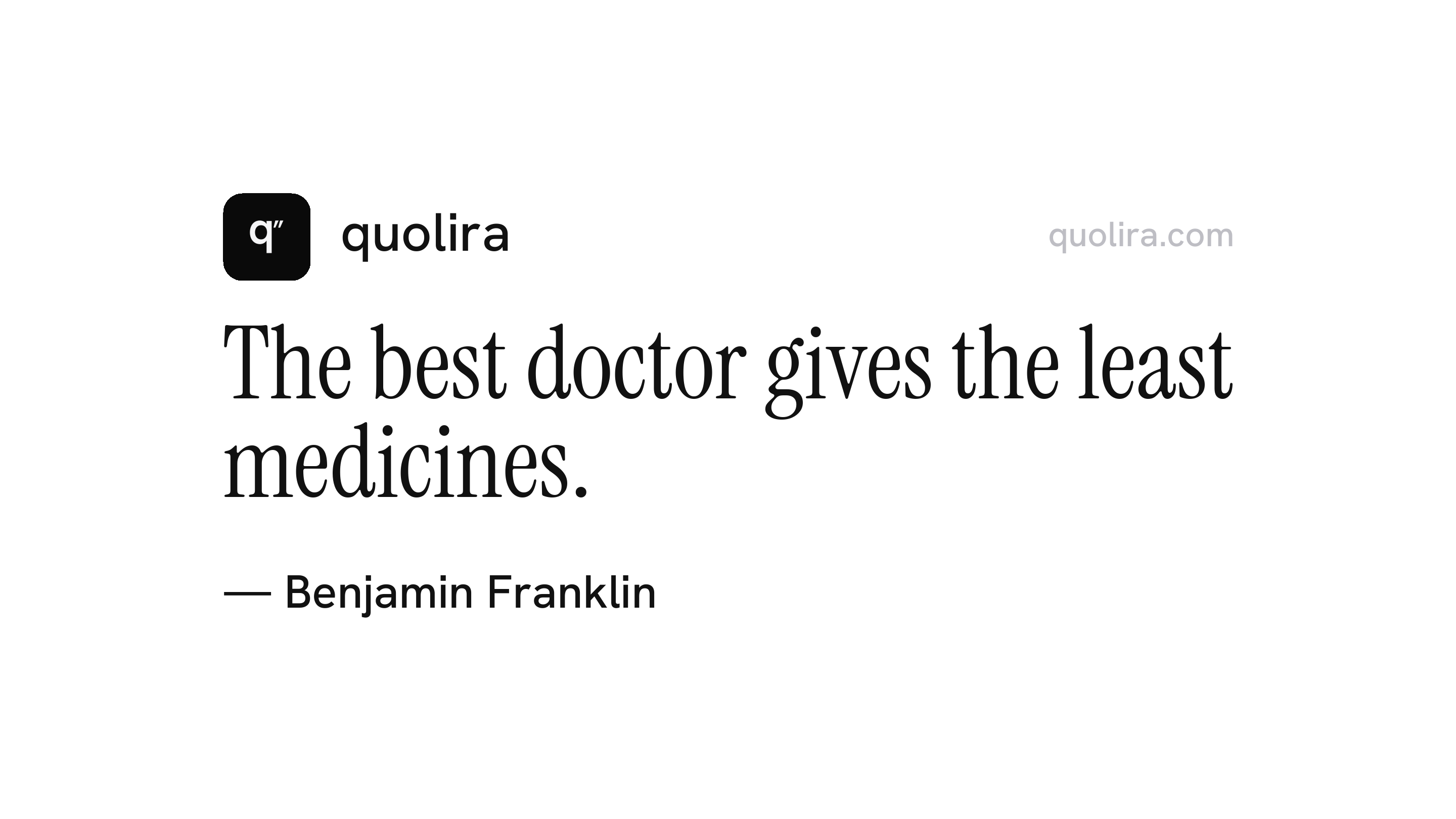
“The best doctor gives the least medicines.”
Benjamin Franklin · Poor Richard's Almanack
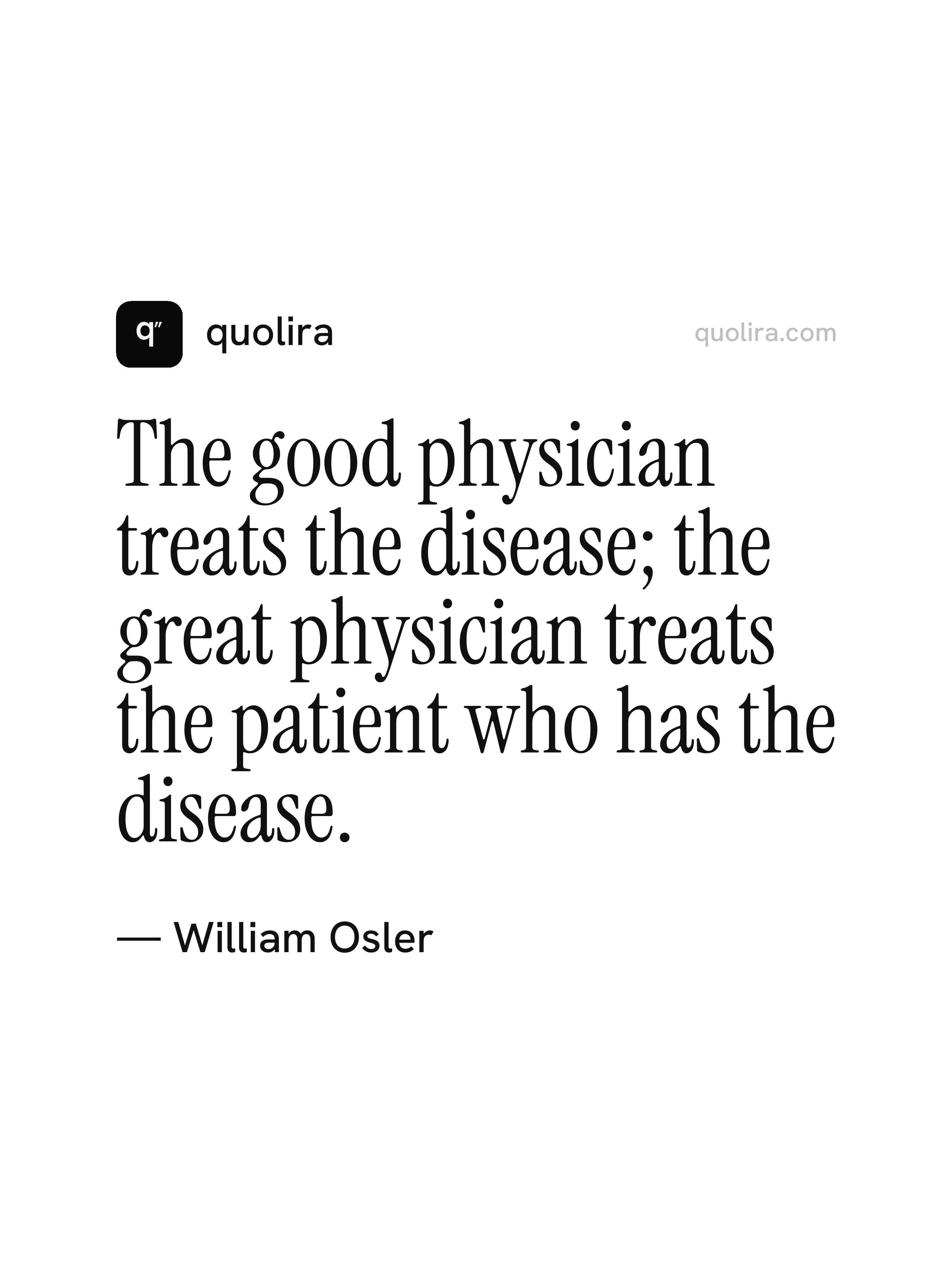
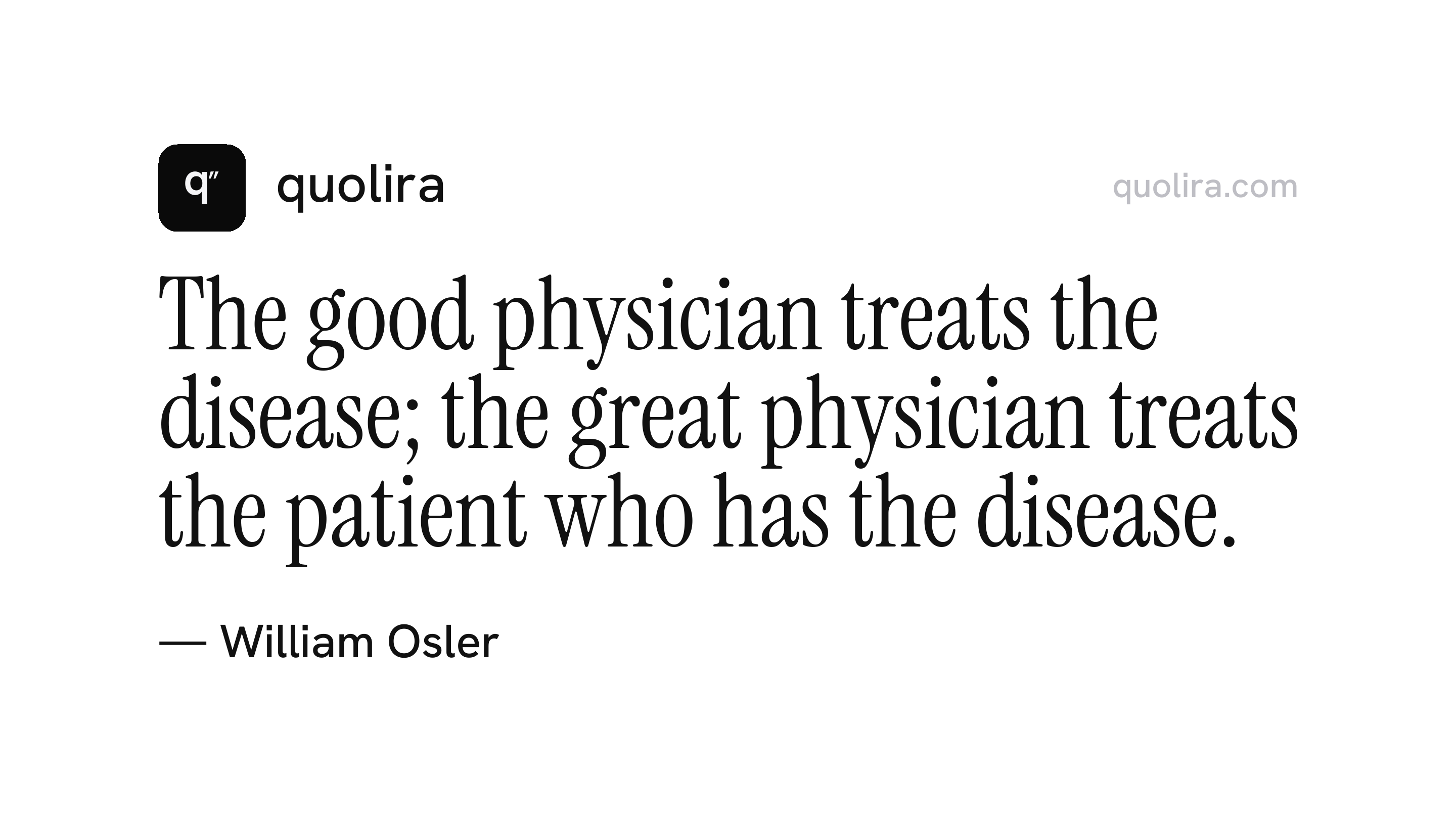
“The good physician treats the disease; the great physician treats the patient who has the disease.”
William Osler · attributed
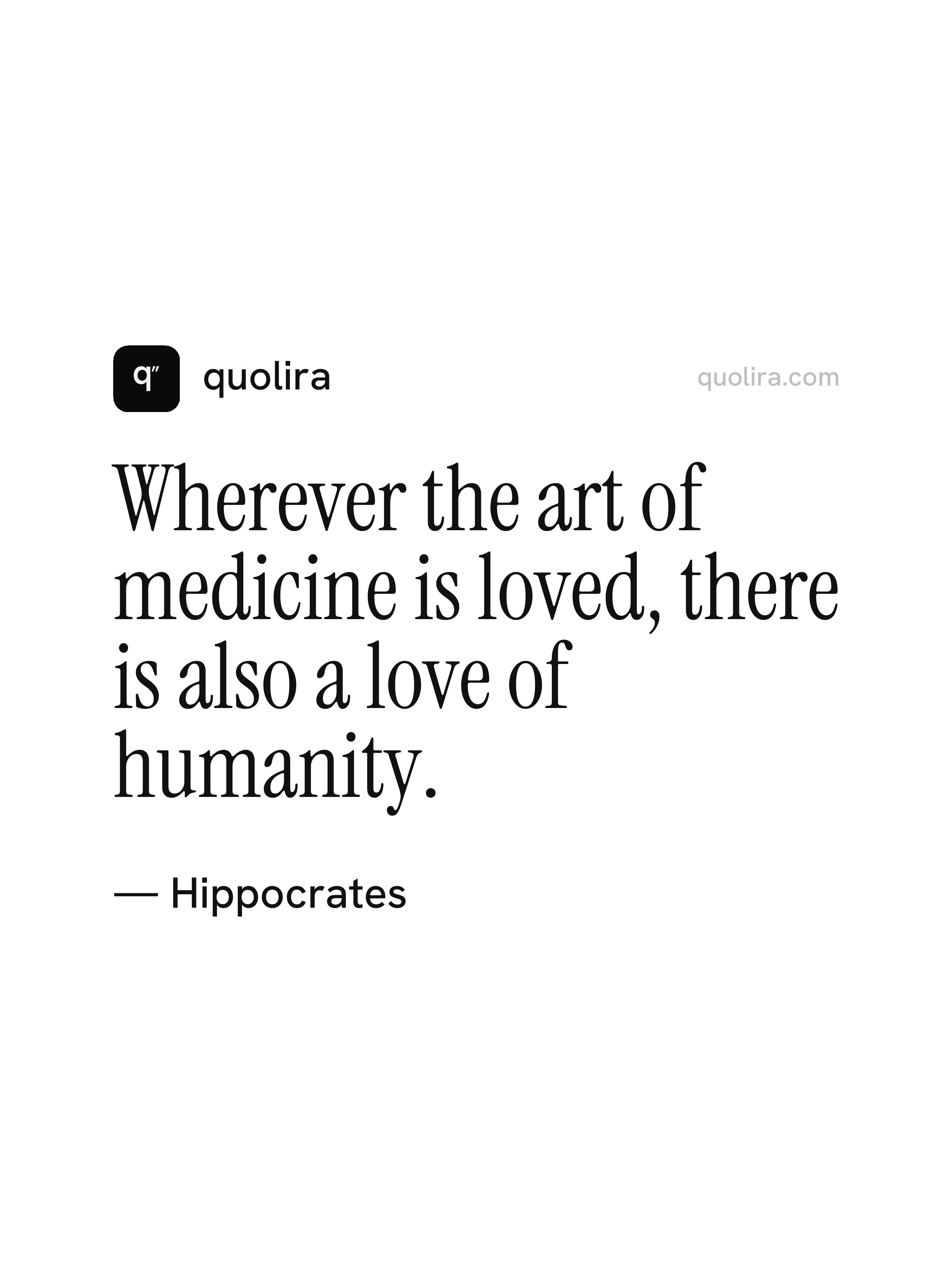
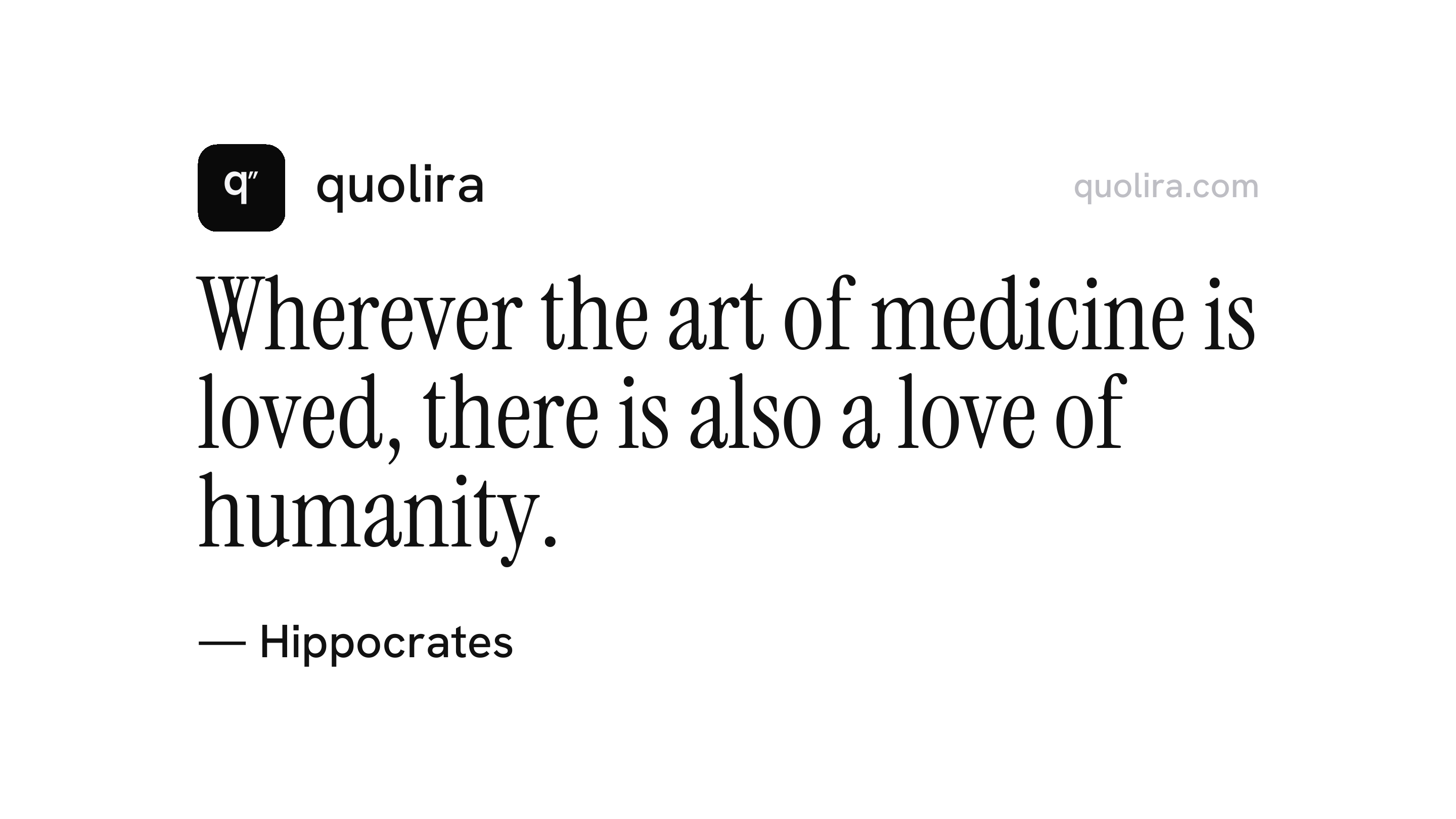
“Wherever the art of medicine is loved, there is also a love of humanity.”
Hippocrates · attributed
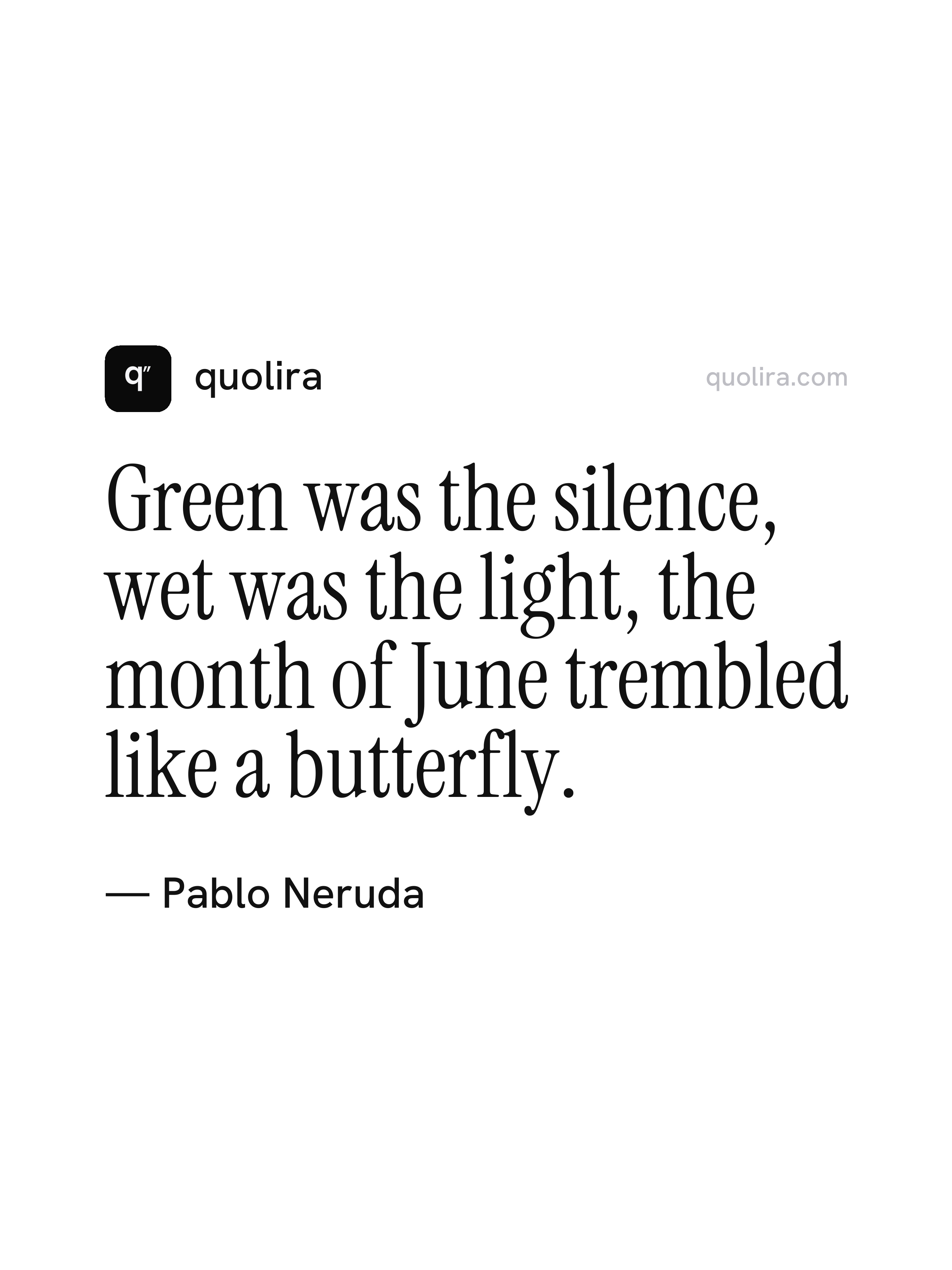
“Green was the silence, wet was the light, the month of June trembled like a butterfly.”
Pablo Neruda