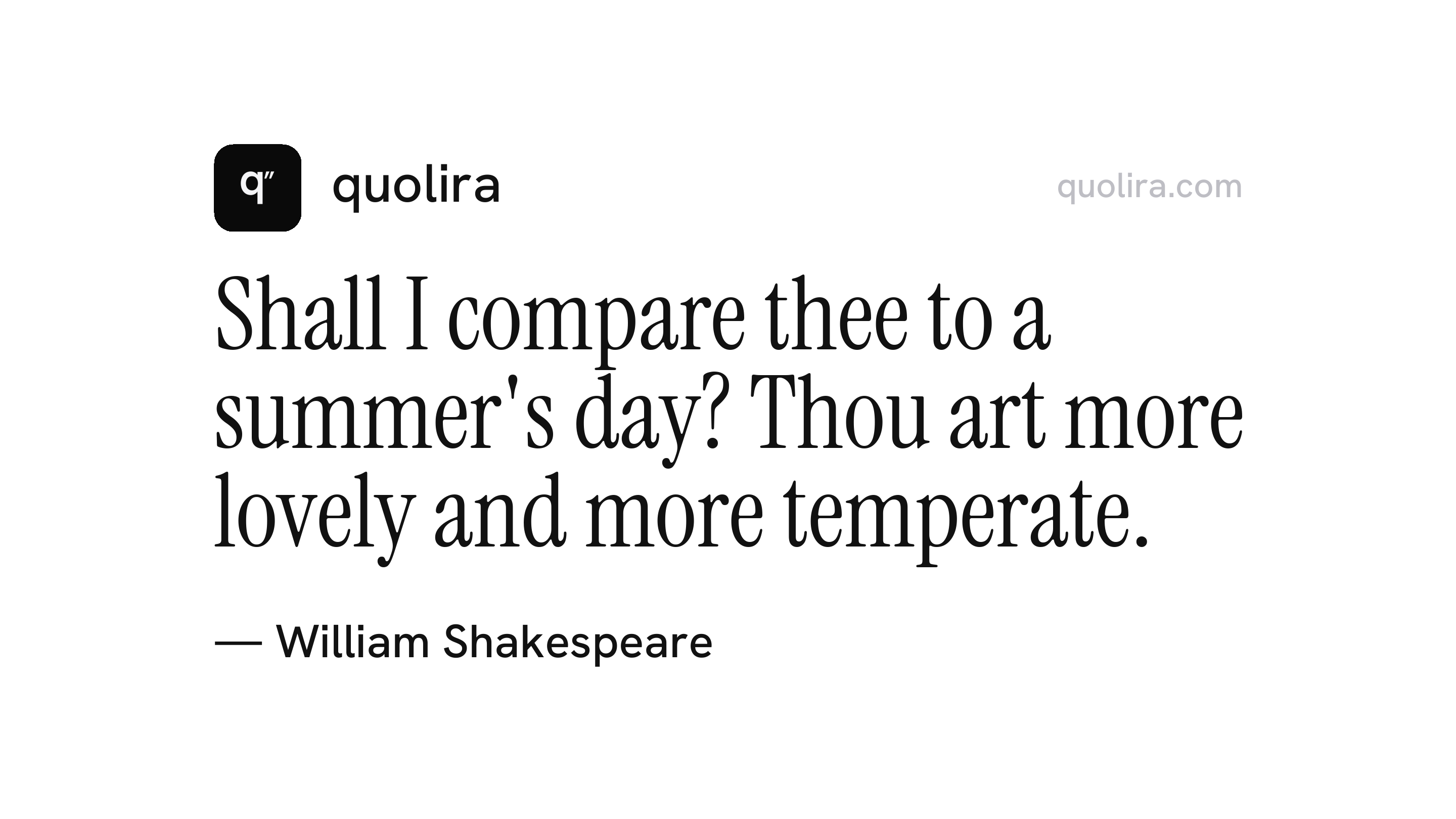
“Shall I compare thee to a summer's day? Thou art more lovely and more temperate.”
William Shakespeare · Sonnet 18, c. 1609
 quolira
.com
quolira
quolira.com
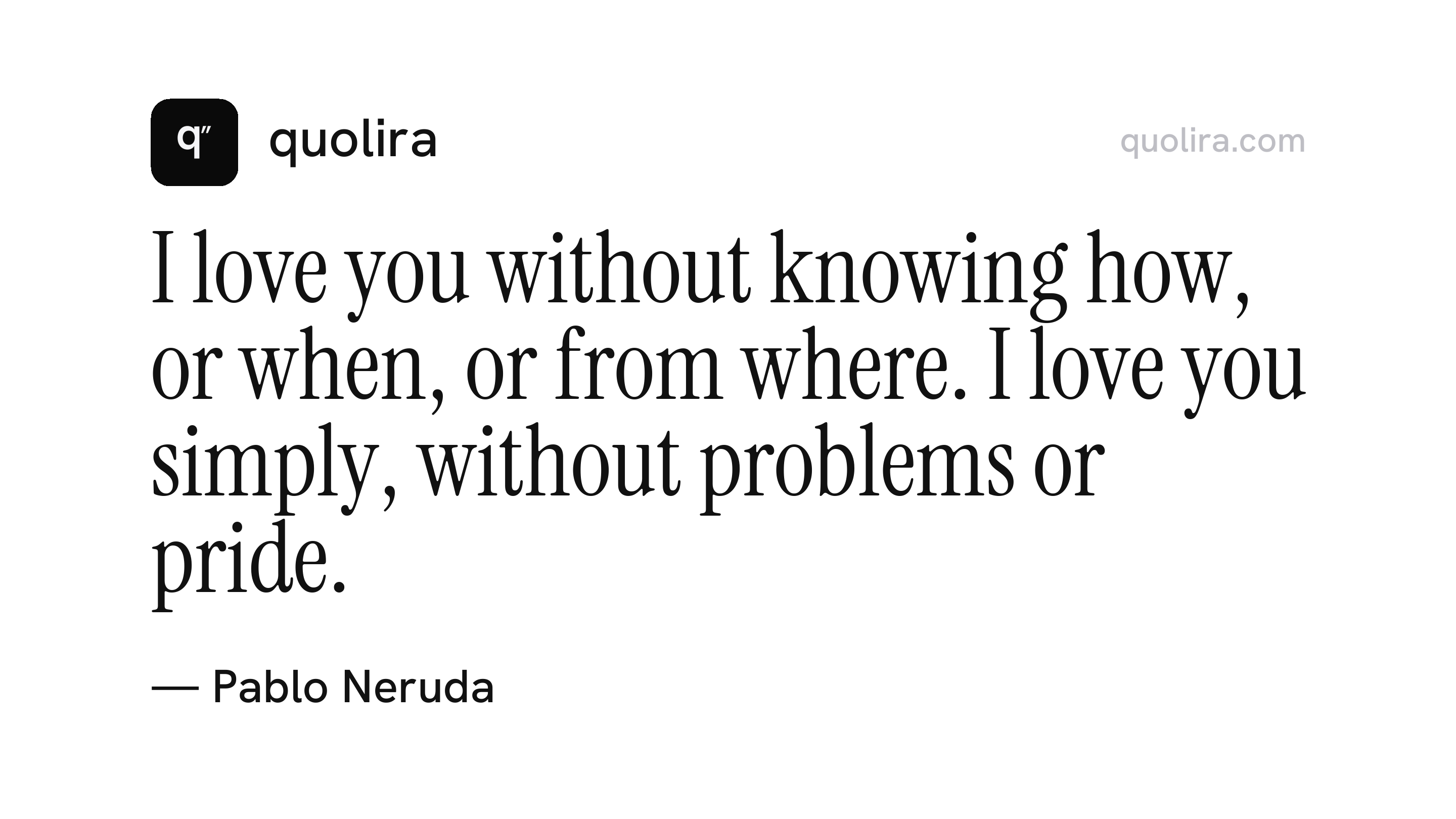
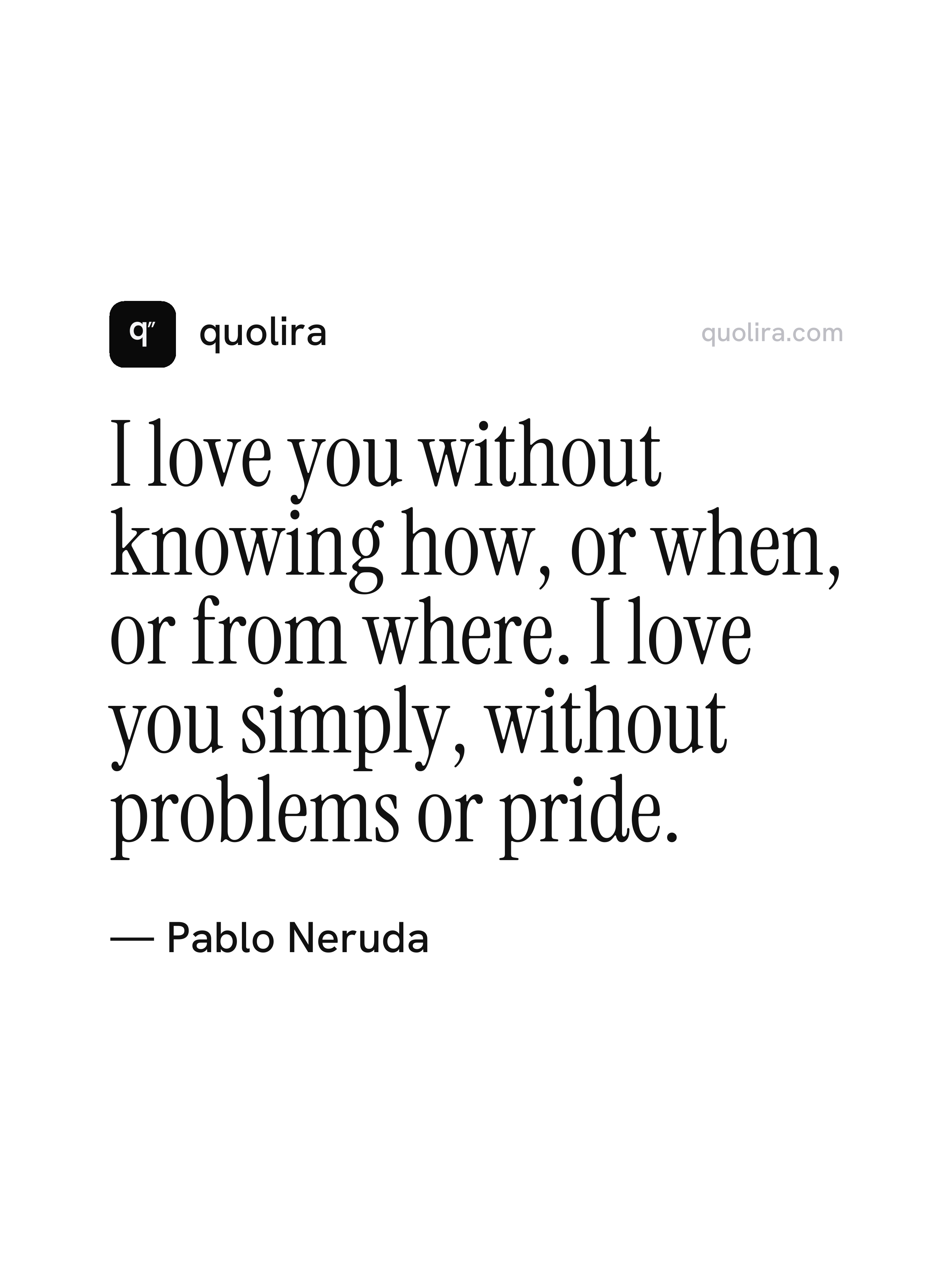
Neruda here describes love not as something reasoned or planned, but as a condition that simply exists. The lines push back against the idea that love needs to be explained or justified. It arrives without a clear origin, without a timeline, and without the complications of ego or social performance. What matters is the love itself, in its most stripped-down and sincere form.
These lines come from a collection of one hundred love sonnets that Neruda wrote in honor of his wife, Matilde Urrutia. The collection was published in 1960 and is considered one of the most celebrated bodies of love poetry in the Spanish language. Neruda chose the sonnet form as a tribute to its classical roots while filling it with intensely personal and sensory language. Sonnet XVII, from which this quote is drawn, is among the most frequently read and quoted poems in the entire collection.
Pablo Neruda was a Chilean poet who became one of the most influential voices in twentieth-century literature. He wrote across many styles and subjects, from surrealism to political verse, but his love poetry earned him a devoted global readership. He was awarded the Nobel Prize in Literature in 1971. His work has been translated into dozens of languages, and his love sonnets in particular continue to be read at weddings and celebrations around the world.
“Shall I compare thee to a summer's day? Thou art more lovely and more temperate.”
William Shakespeare · Sonnet 18, c. 1609
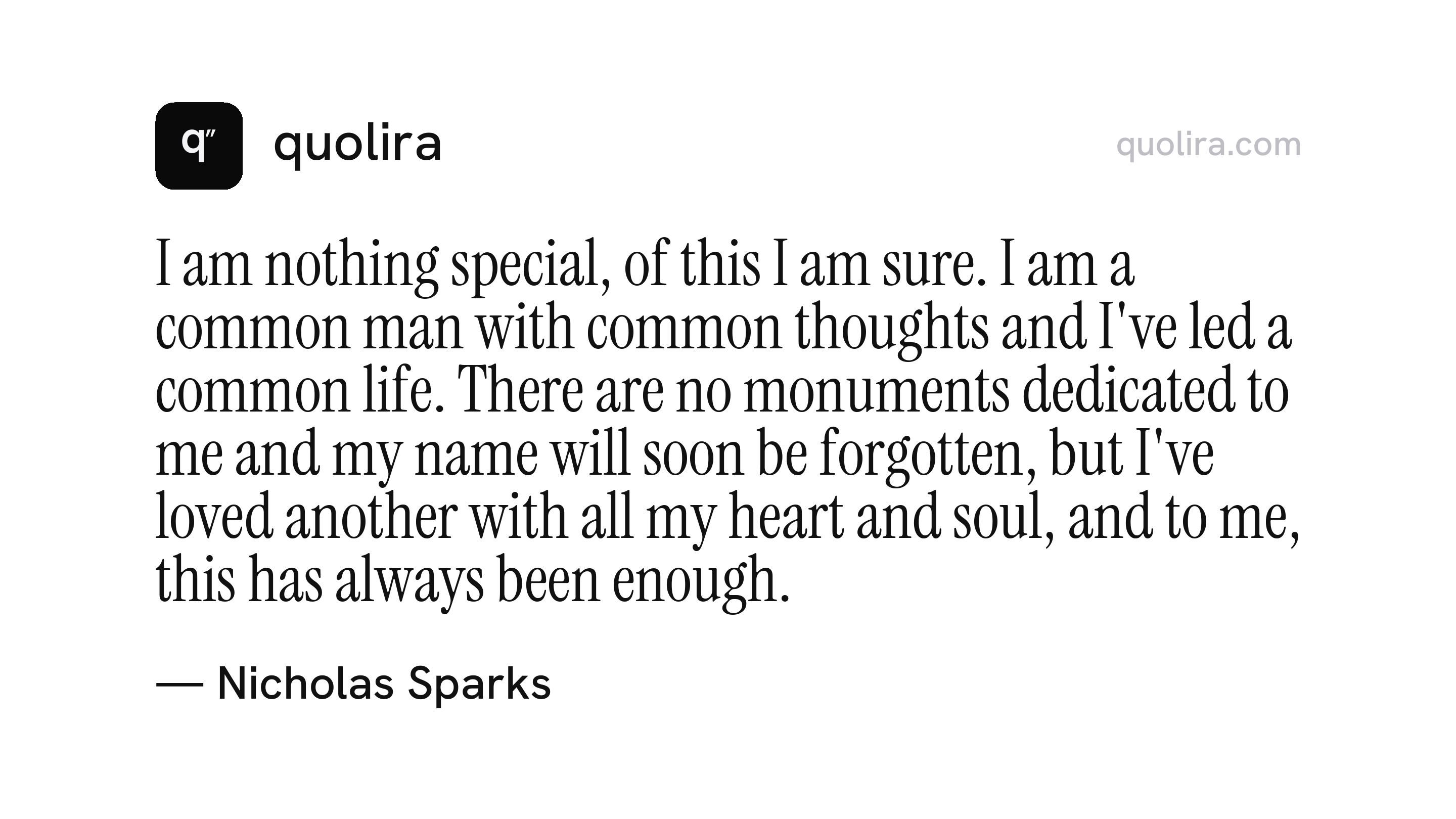
“I am nothing special, of this I am sure. I am a common man with common thoughts and I've led a common life. There are no monuments dedicated to me and my name will soon be forgotten, but I've loved another with all my heart and soul, and to me, this has always been enough.”
Nicholas Sparks · The Notebook, 1996
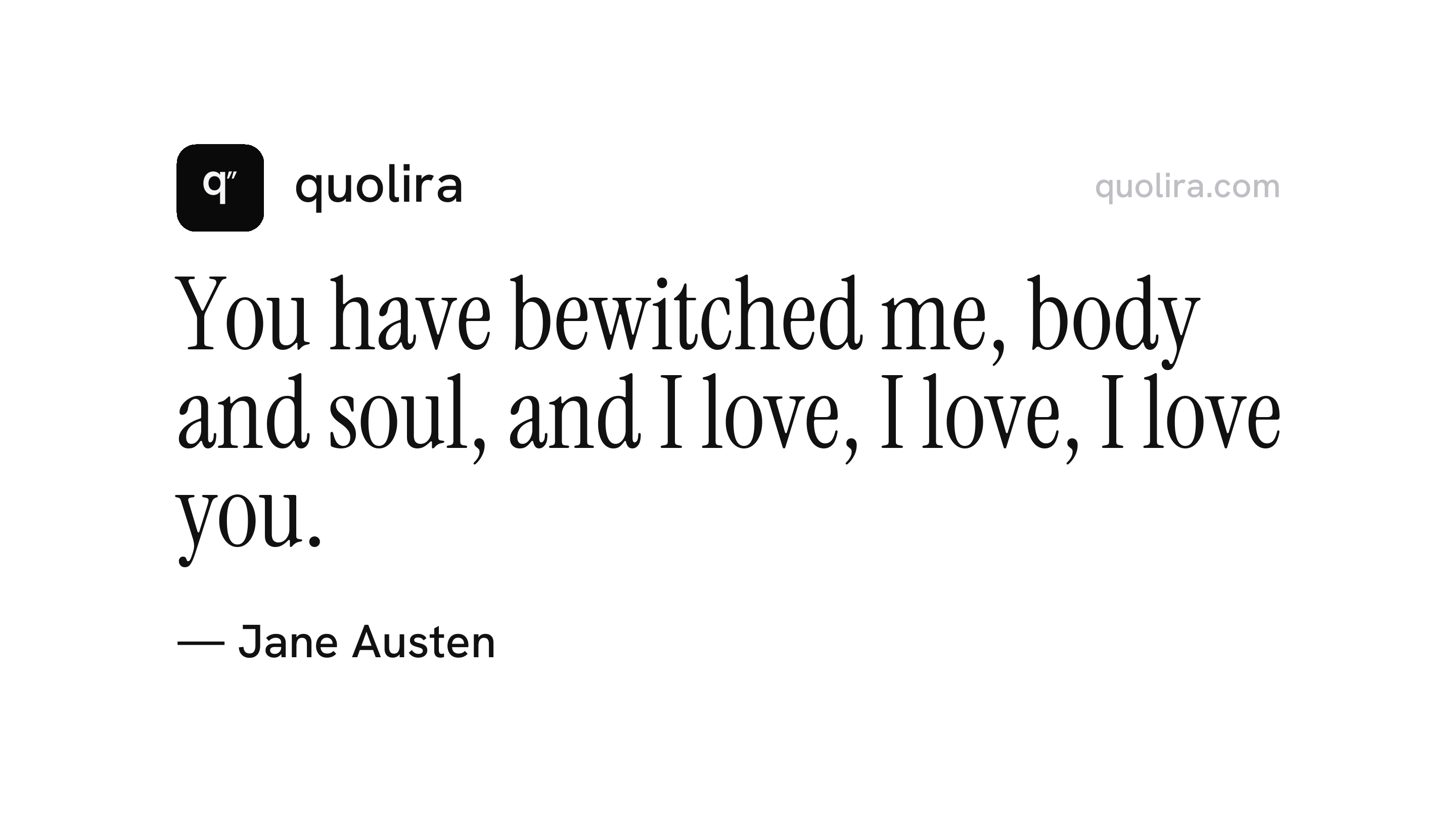
“You have bewitched me, body and soul, and I love, I love, I love you.”
Jane Austen · Pride and Prejudice, 1813
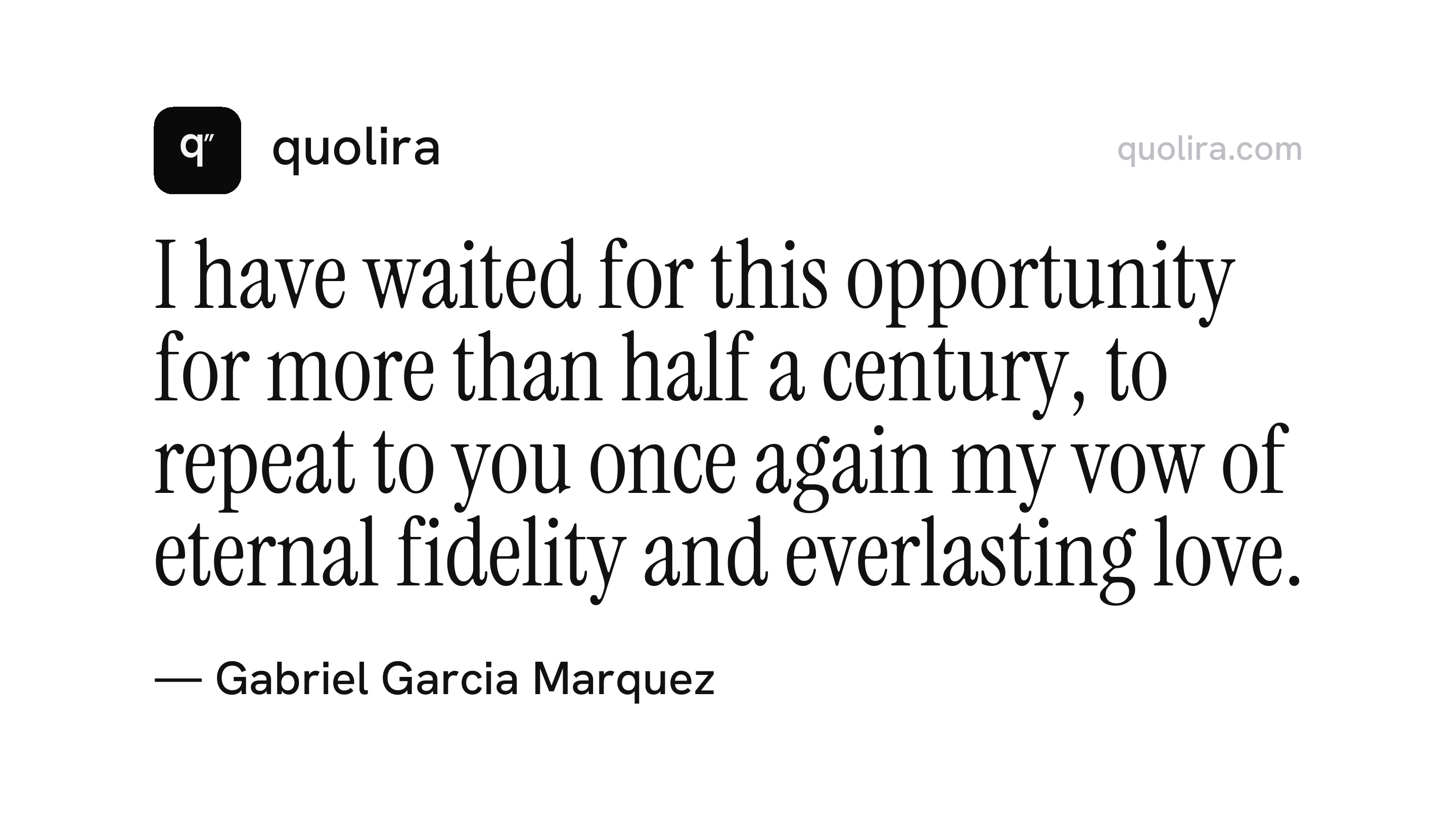
“I have waited for this opportunity for more than half a century, to repeat to you once again my vow of eternal fidelity and everlasting love.”
Gabriel Garcia Marquez · Love in the Time of Cholera, 1985
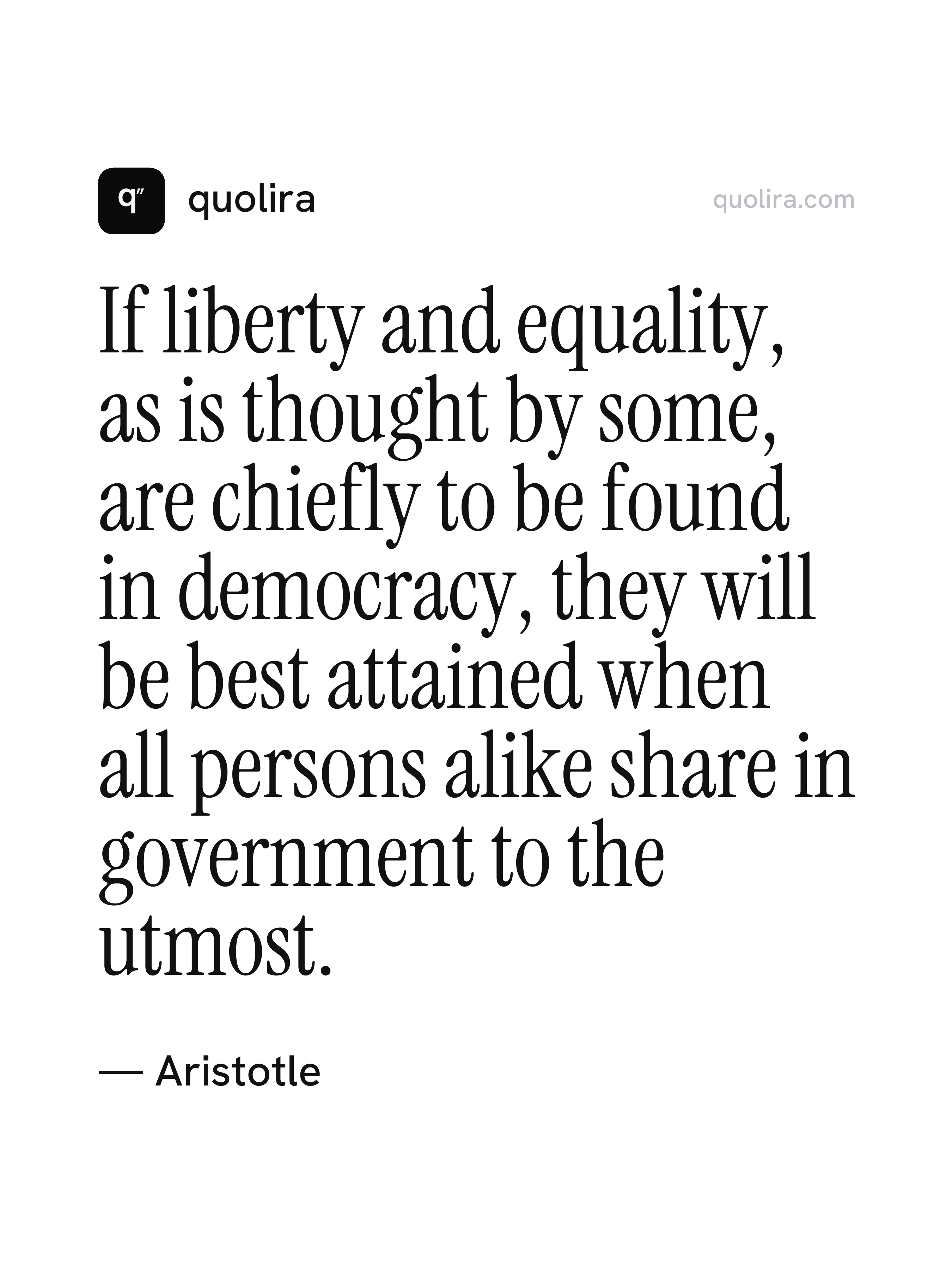
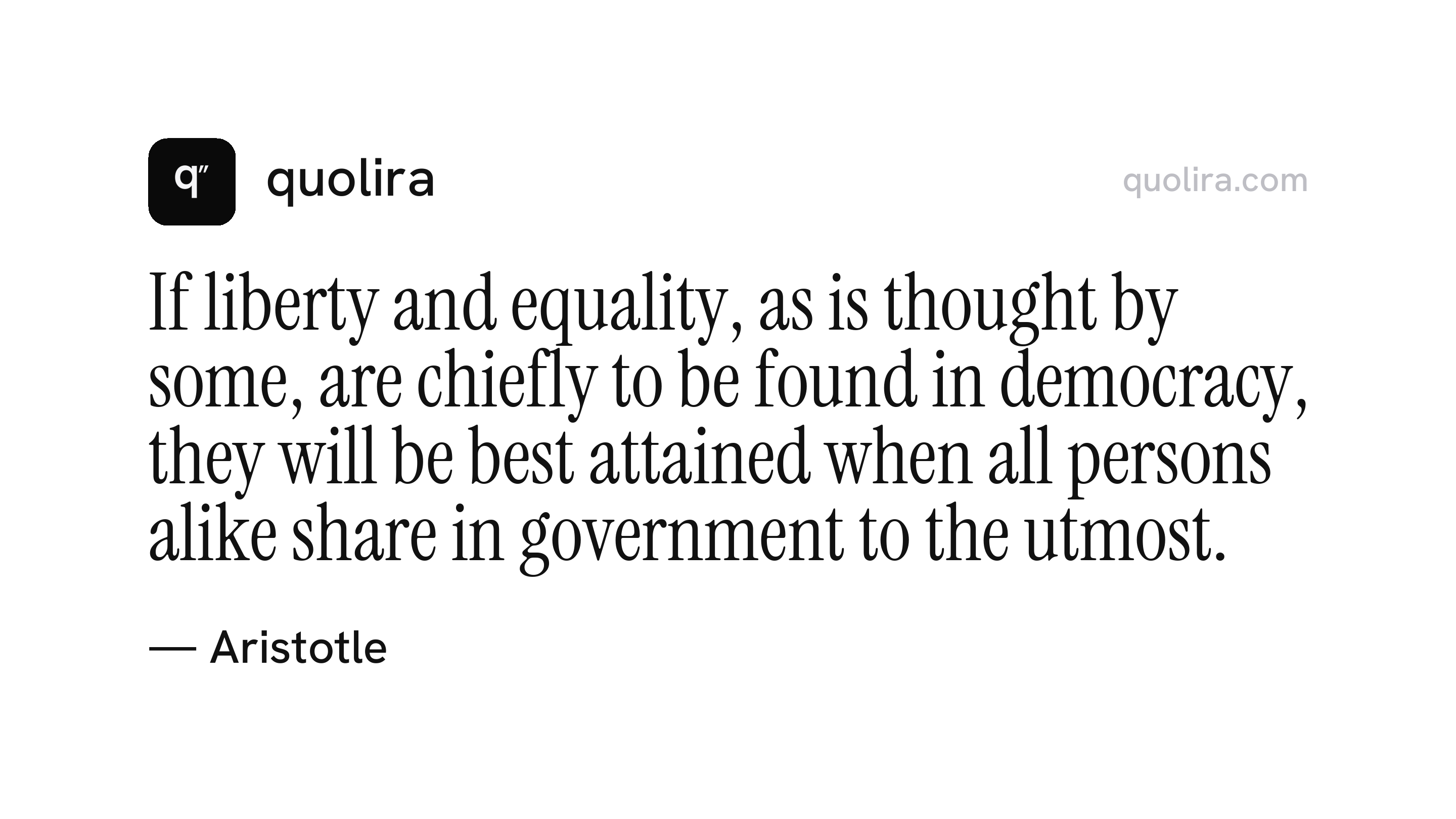
“If liberty and equality, as is thought by some, are chiefly to be found in democracy, they will be best attained when all persons alike share in government to the utmost.”
Aristotle · Politics, Book VI, c. 350 BC
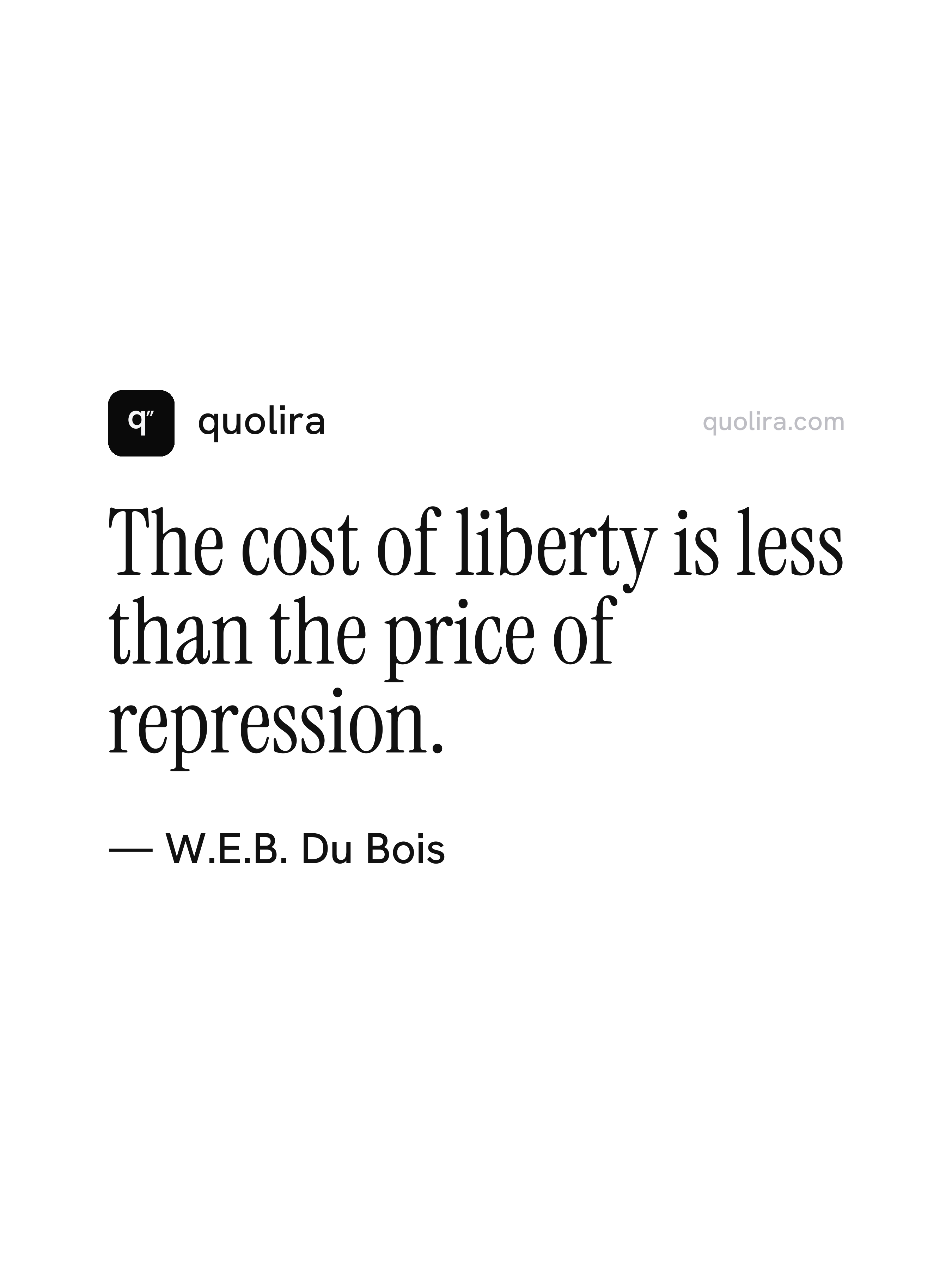
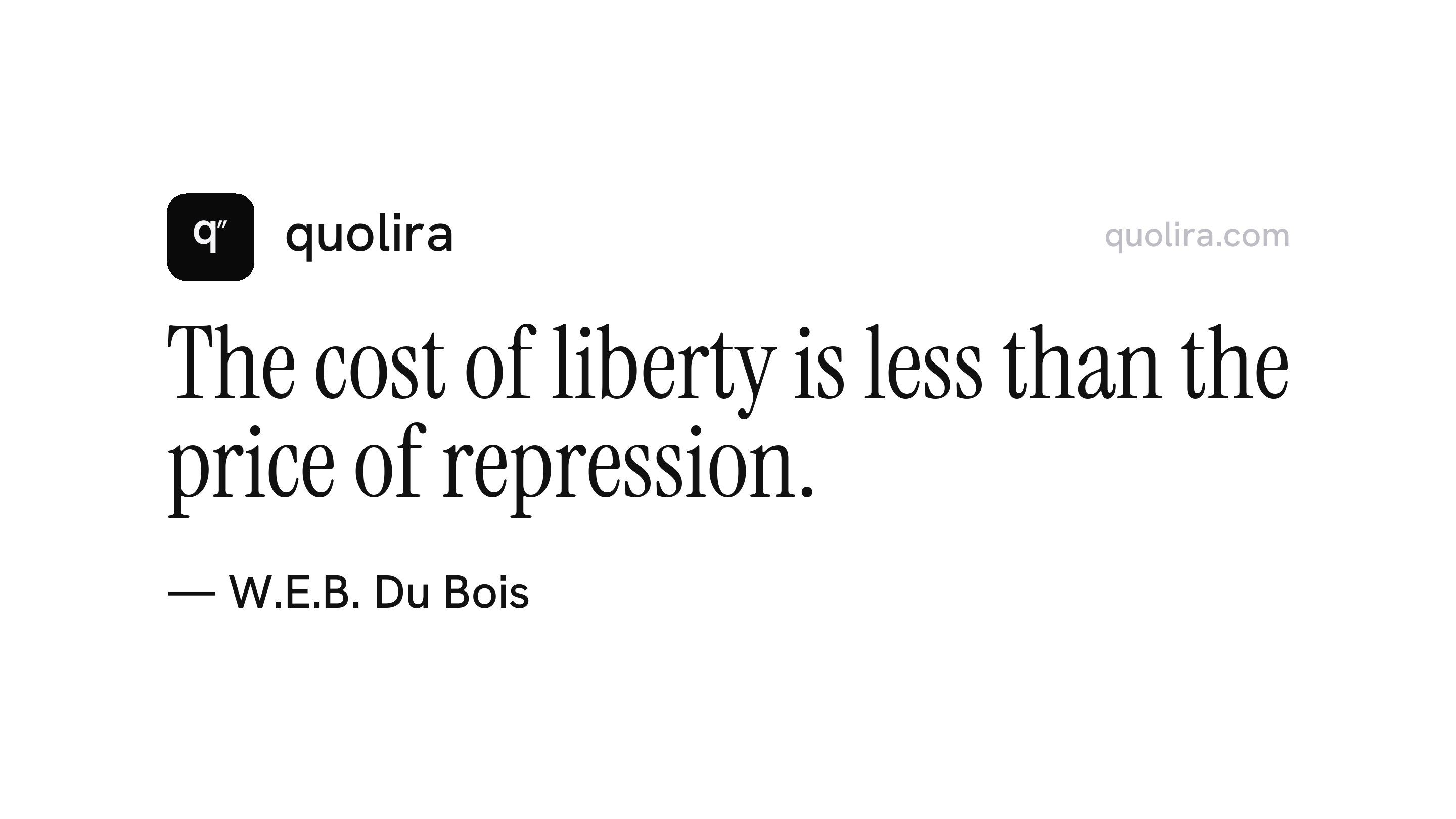
“The cost of liberty is less than the price of repression.”
W.E.B. Du Bois · John Brown, 1909
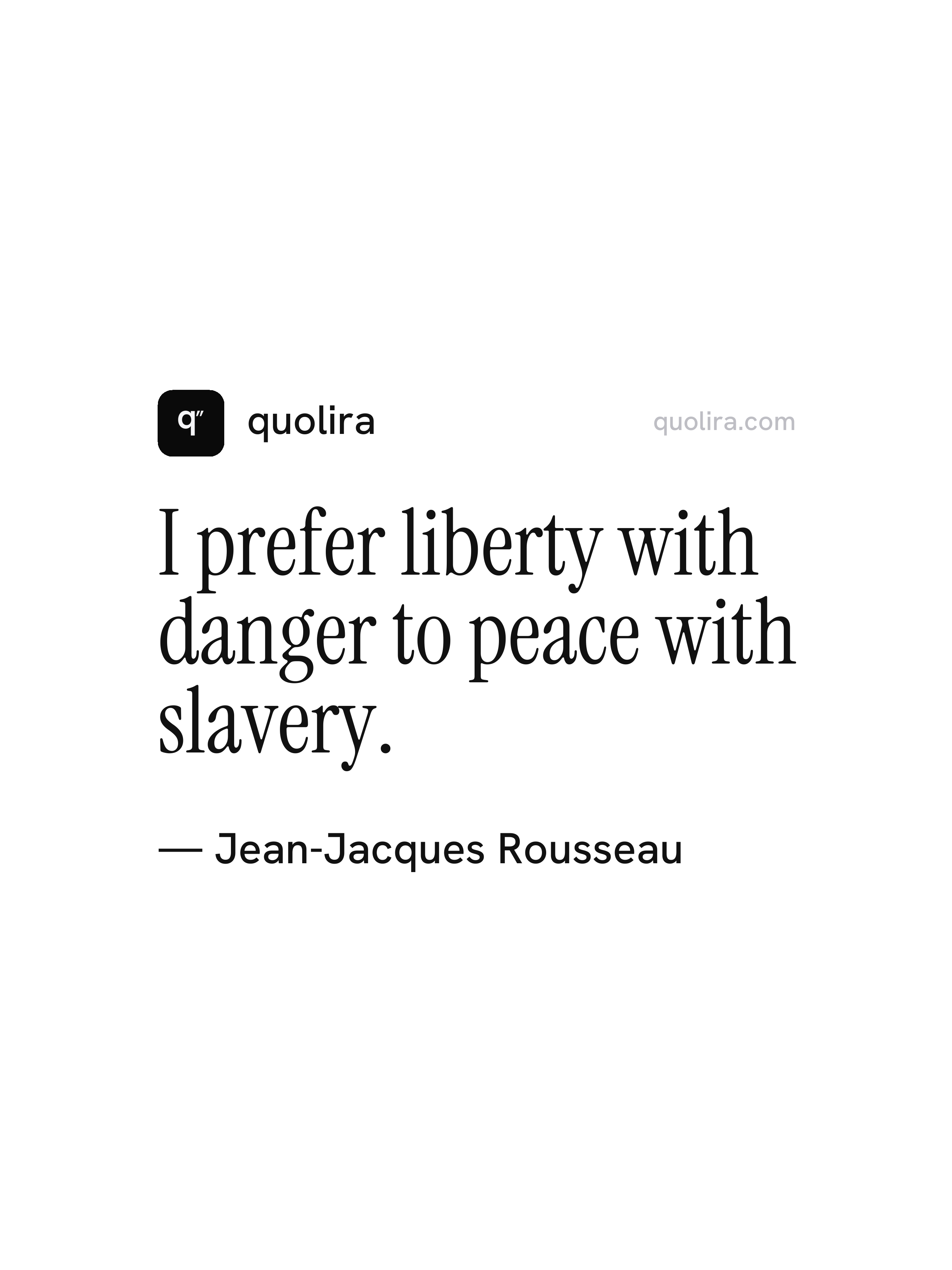
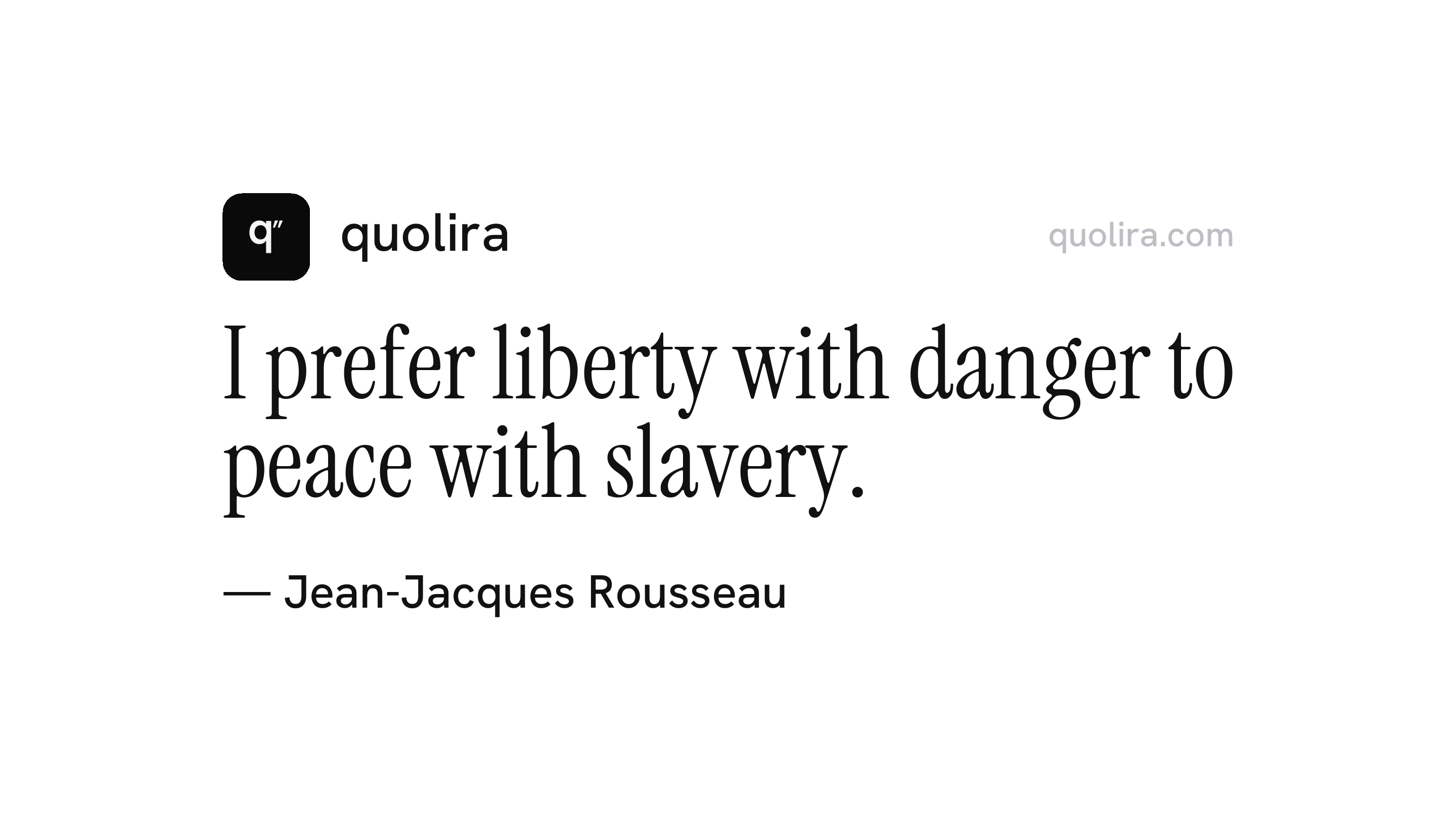
“I prefer liberty with danger to peace with slavery.”
Jean-Jacques Rousseau · The Social Contract, 1762
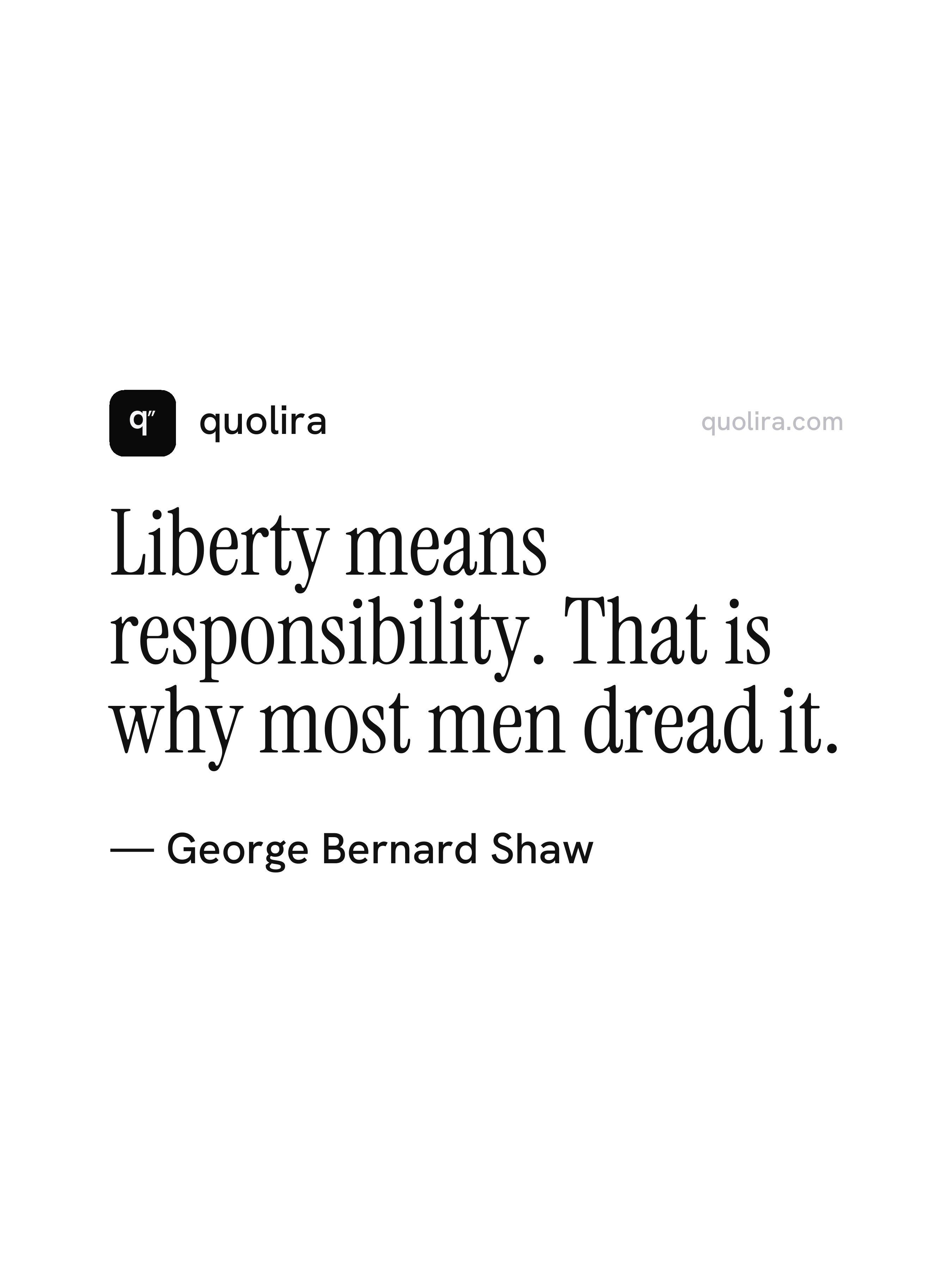
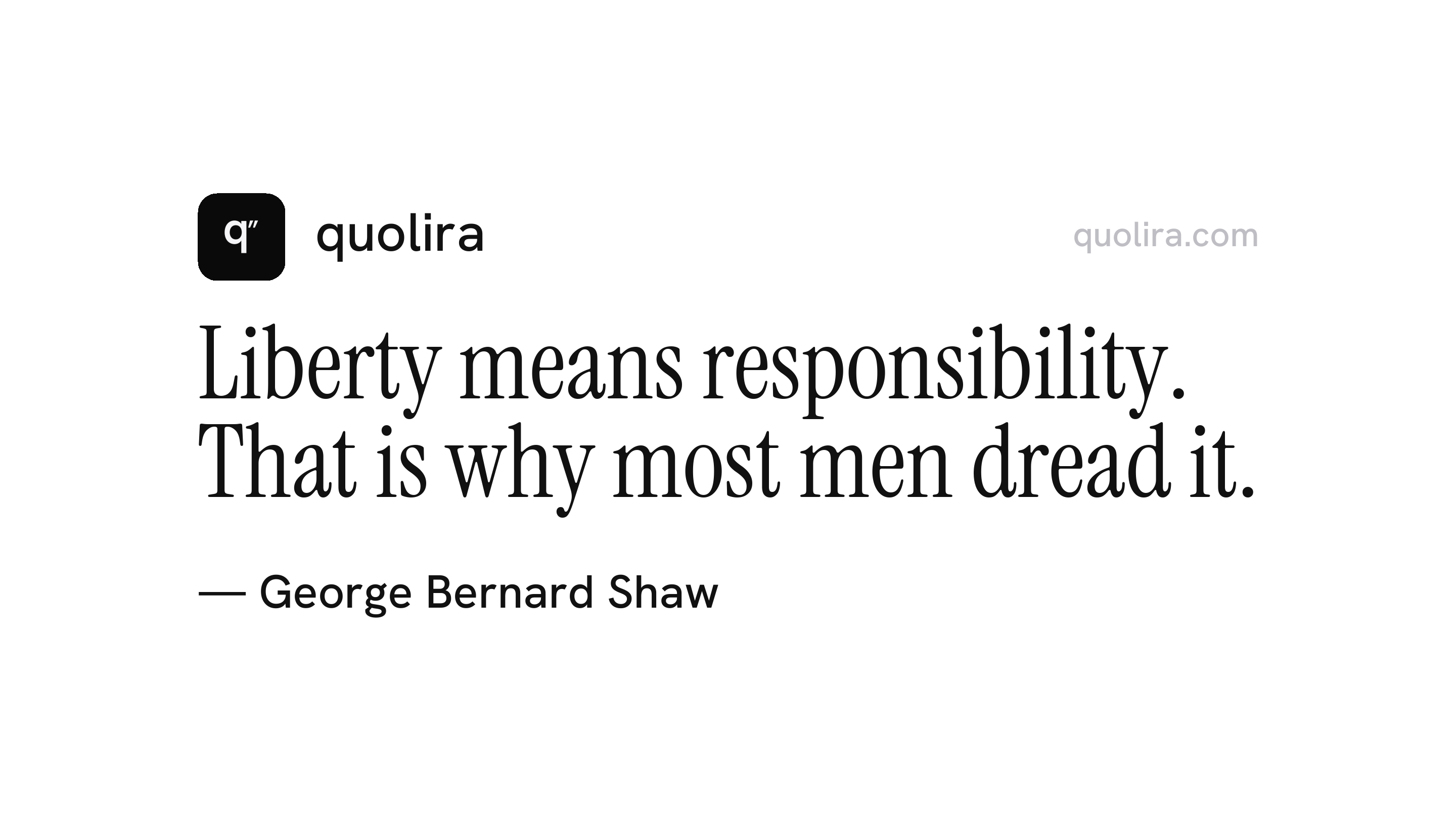
“Liberty means responsibility. That is why most men dread it.”
George Bernard Shaw · Maxims for Revolutionists, 1903
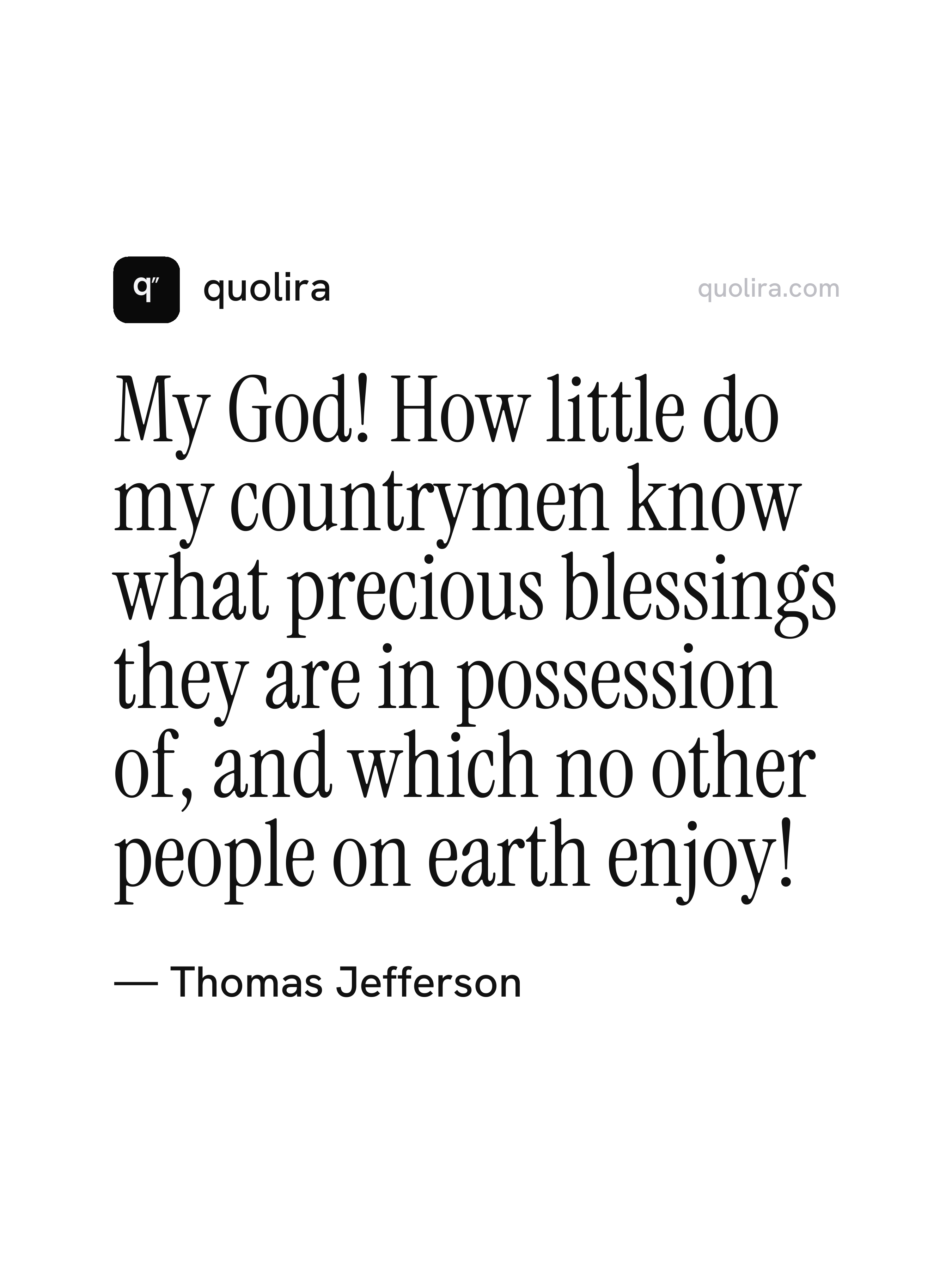
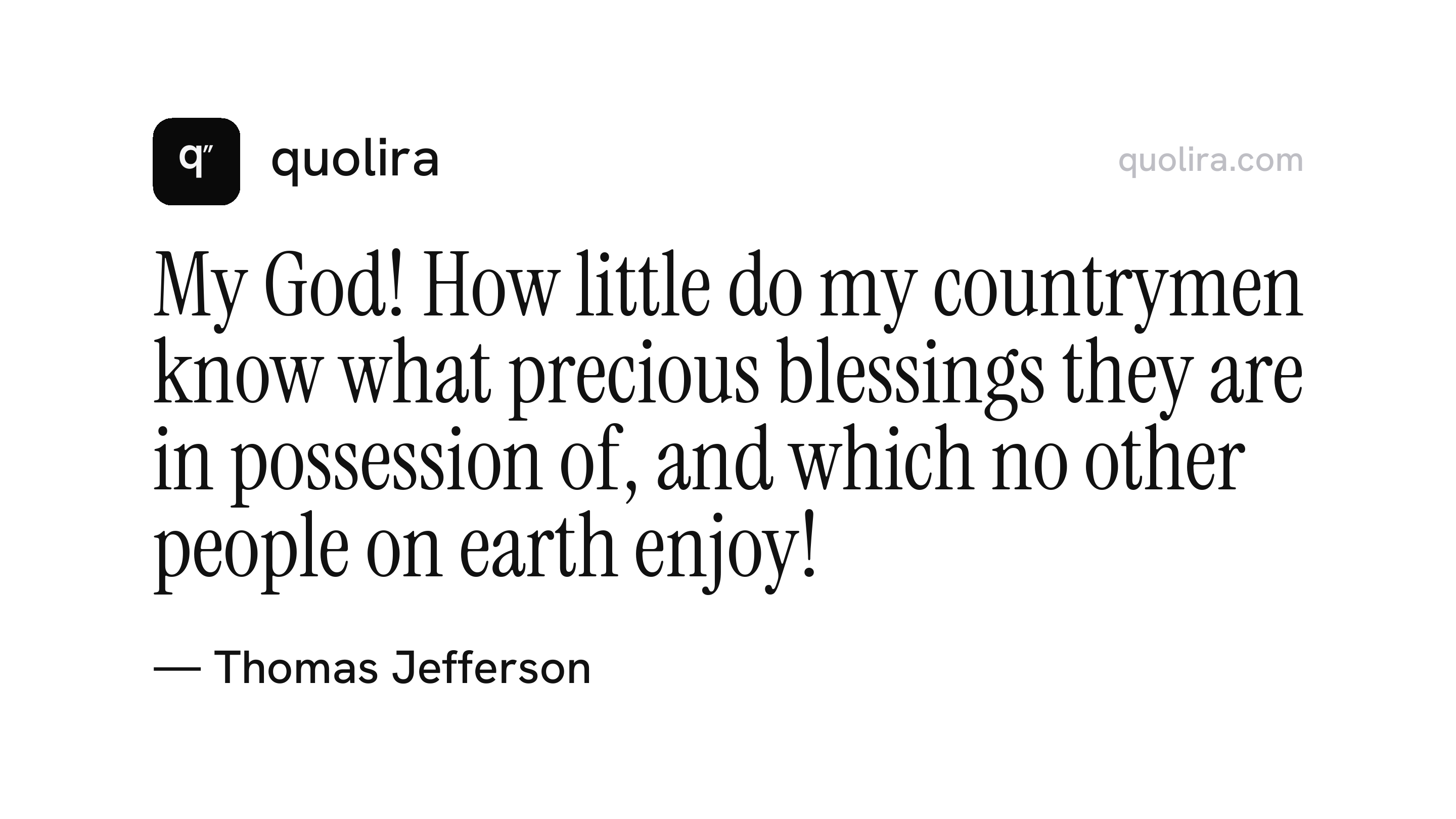
“My God! How little do my countrymen know what precious blessings they are in possession of, and which no other people on earth enjoy!”
Thomas Jefferson · Letter to James Monroe, June 17, 1785
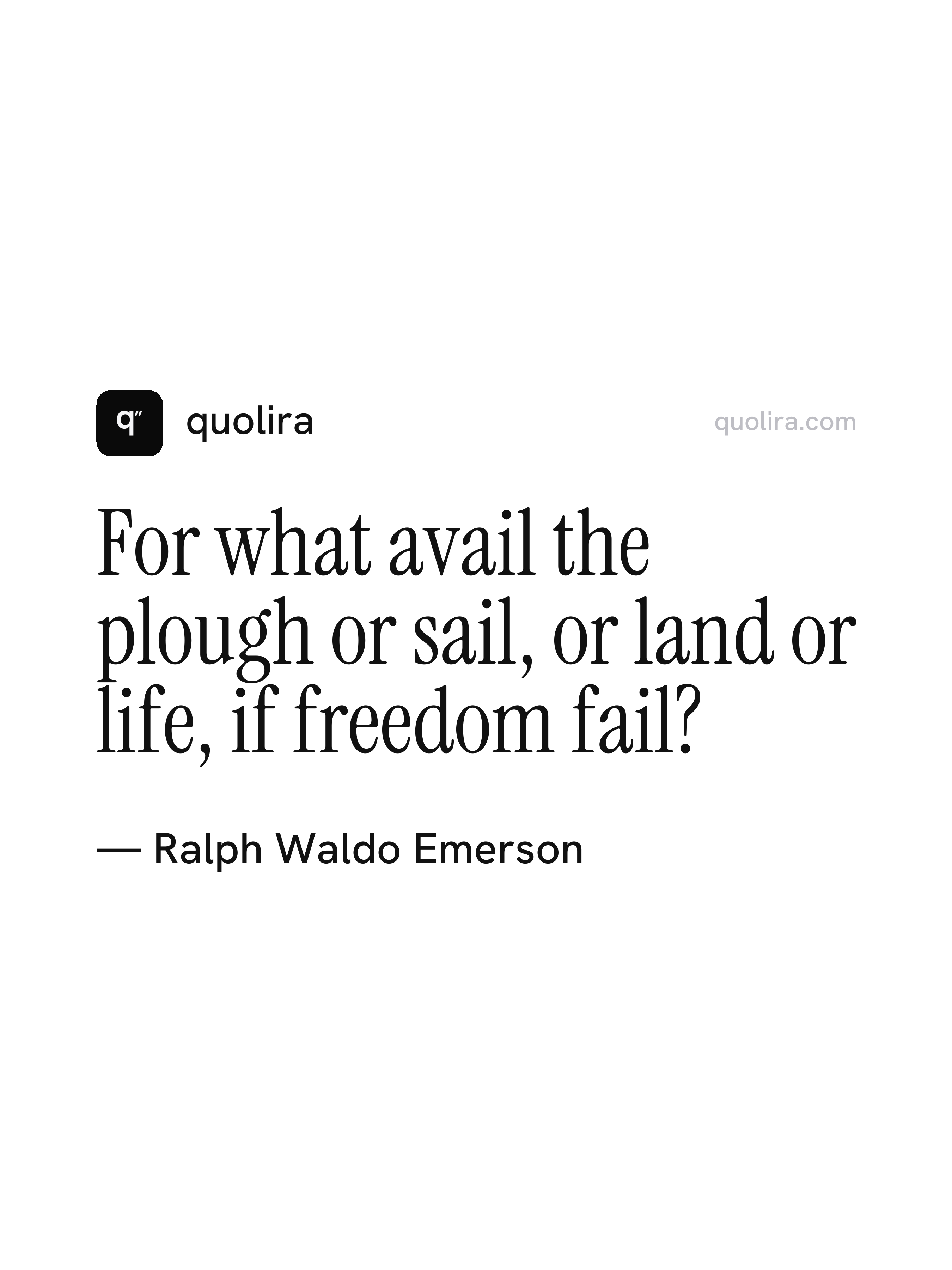
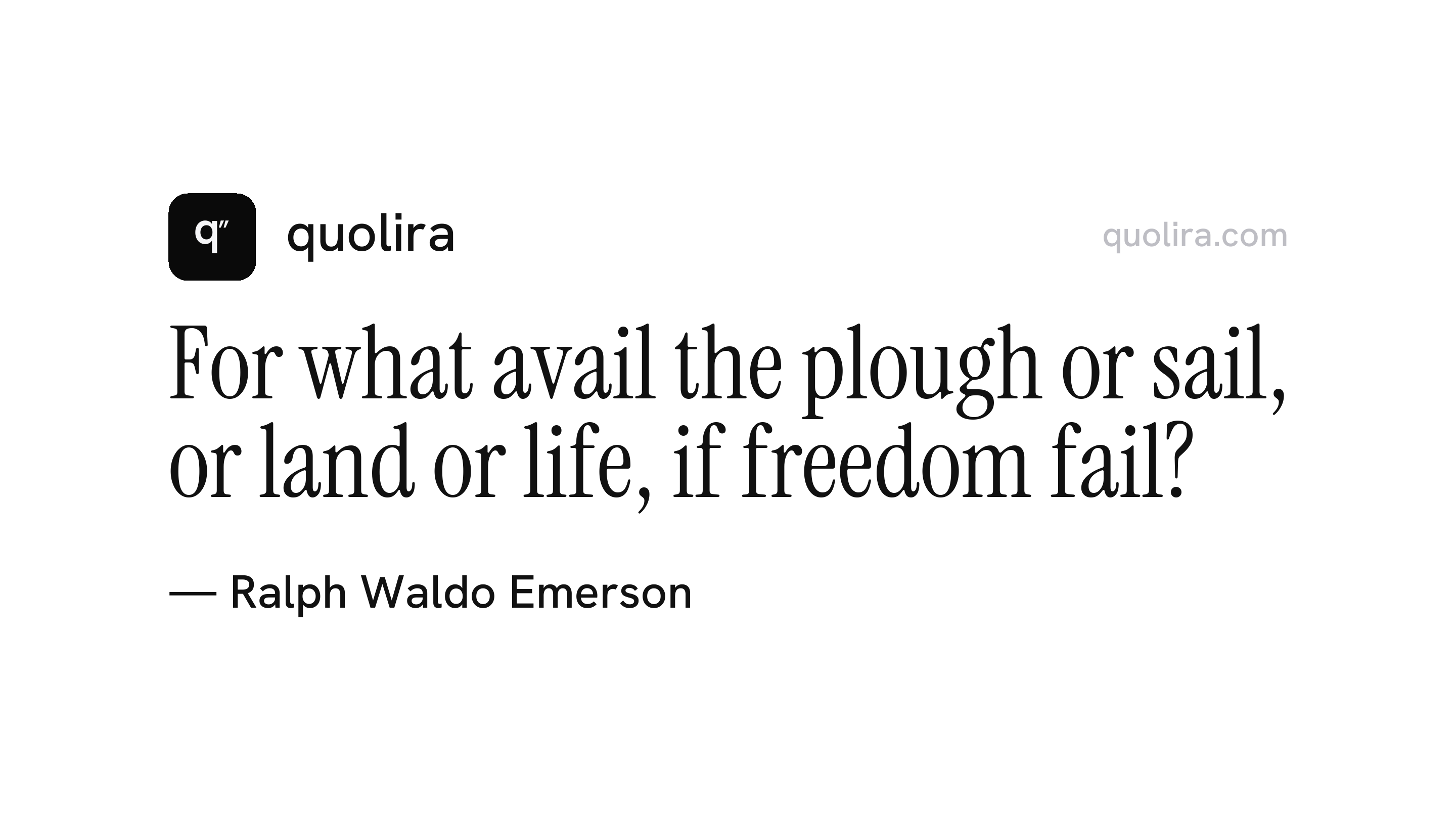
“For what avail the plough or sail, or land or life, if freedom fail?”
Ralph Waldo Emerson · "Boston," poem, 1830s
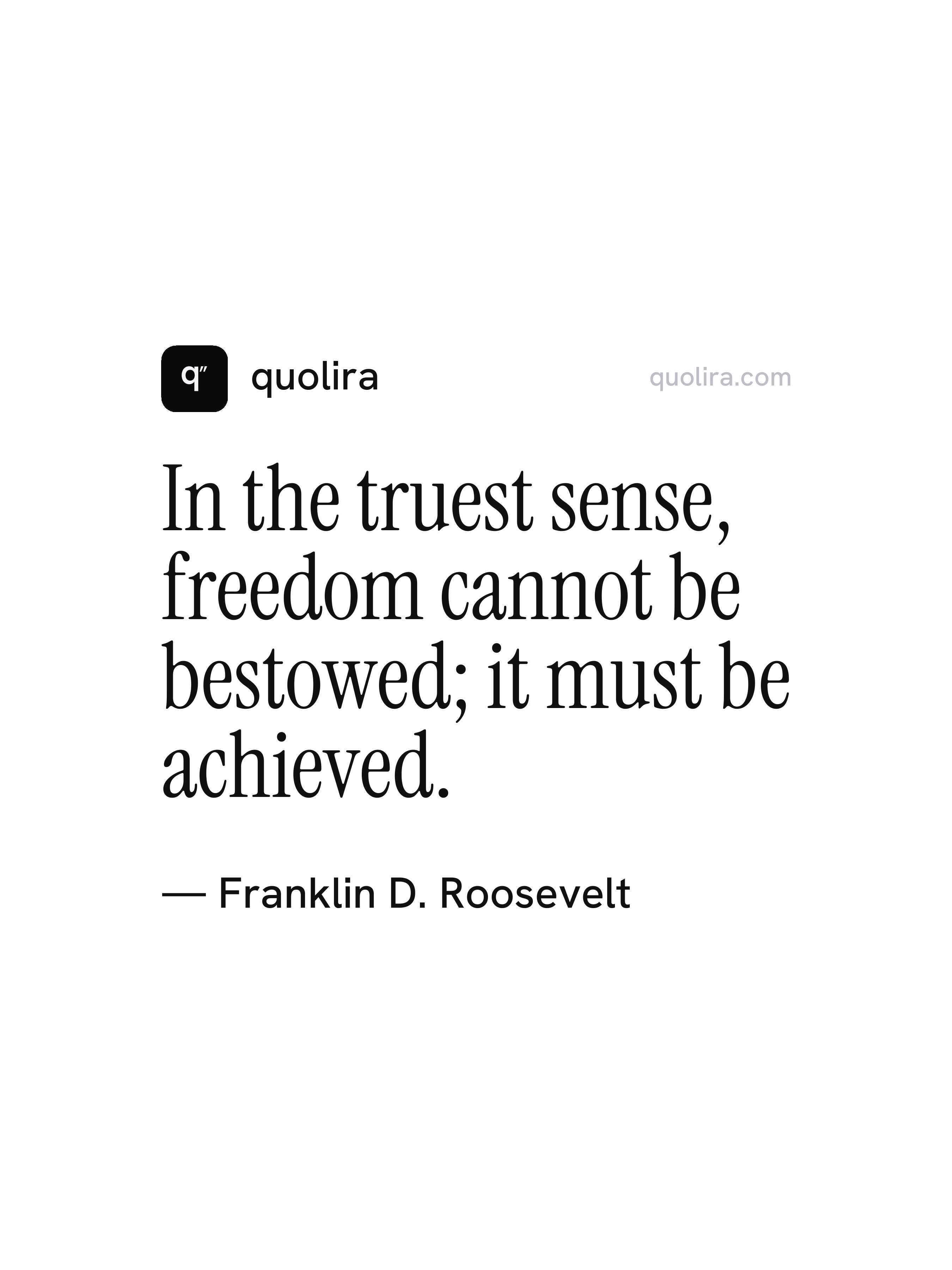
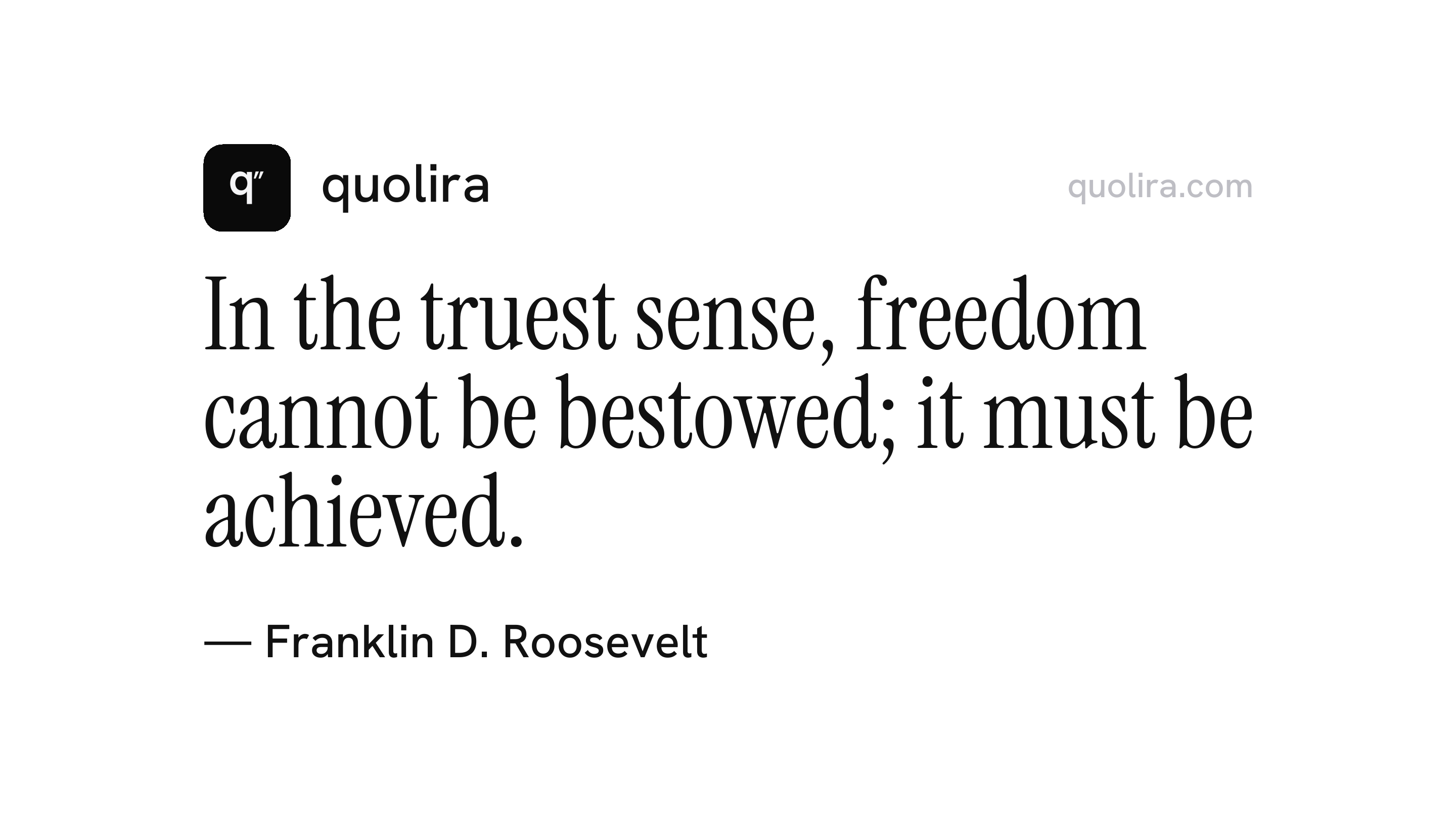
“In the truest sense, freedom cannot be bestowed; it must be achieved.”
Franklin D. Roosevelt · Speech on the Seventy-Fourth Anniversary of the Emancipation Proclamation, September 22, 1936
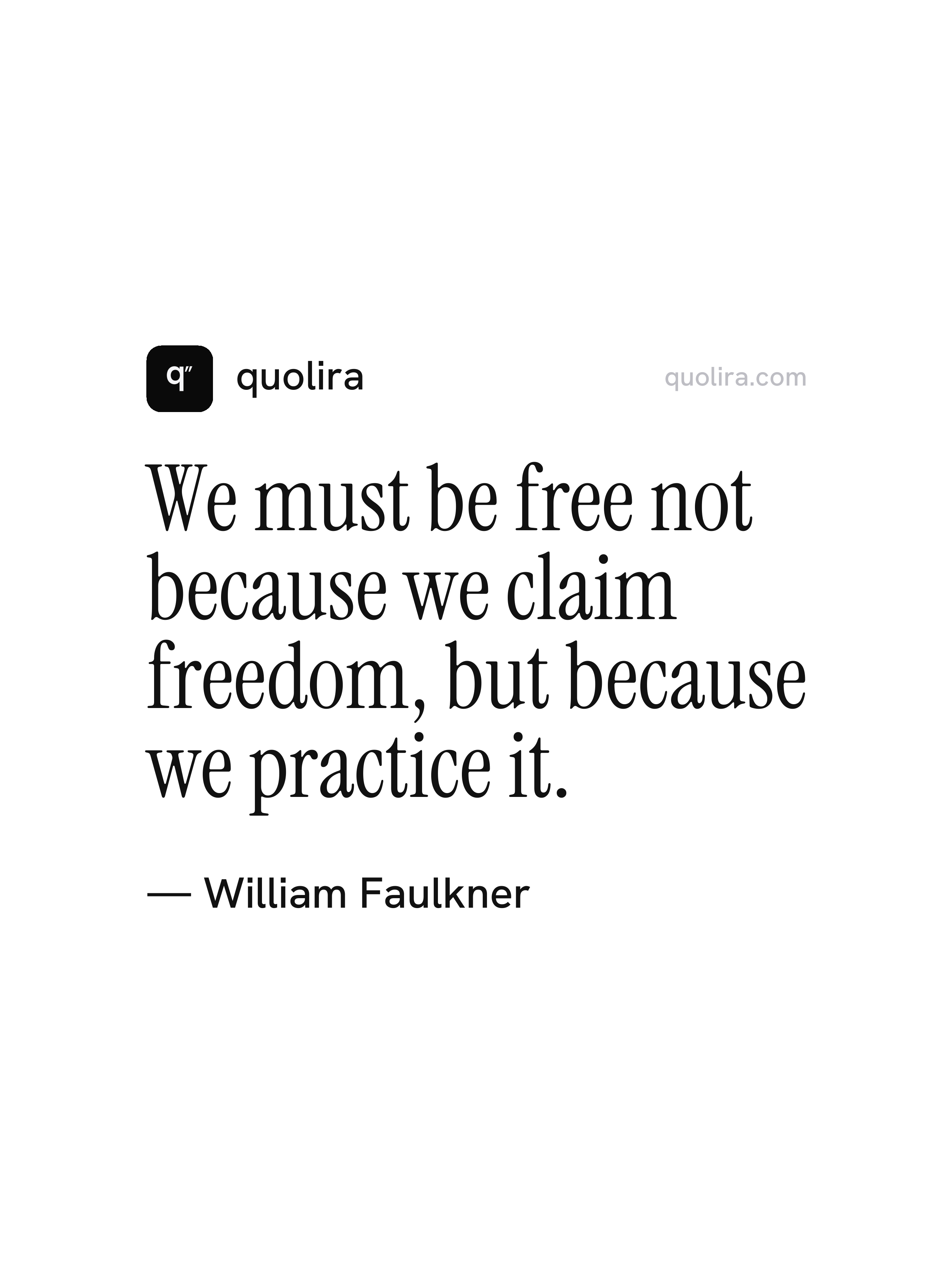
“We must be free not because we claim freedom, but because we practice it.”
William Faulkner · Essay "On Fear: Deep South in Labor," Harper's Magazine, June 1956