“America was not built on fear. America was built on courage, on imagination, and an unbeatable determination to do the job at hand.”
Harry S. Truman · Special Message to the Congress on the State of the Union, January 8, 1947
 quolira
.com
quolira
quolira.com
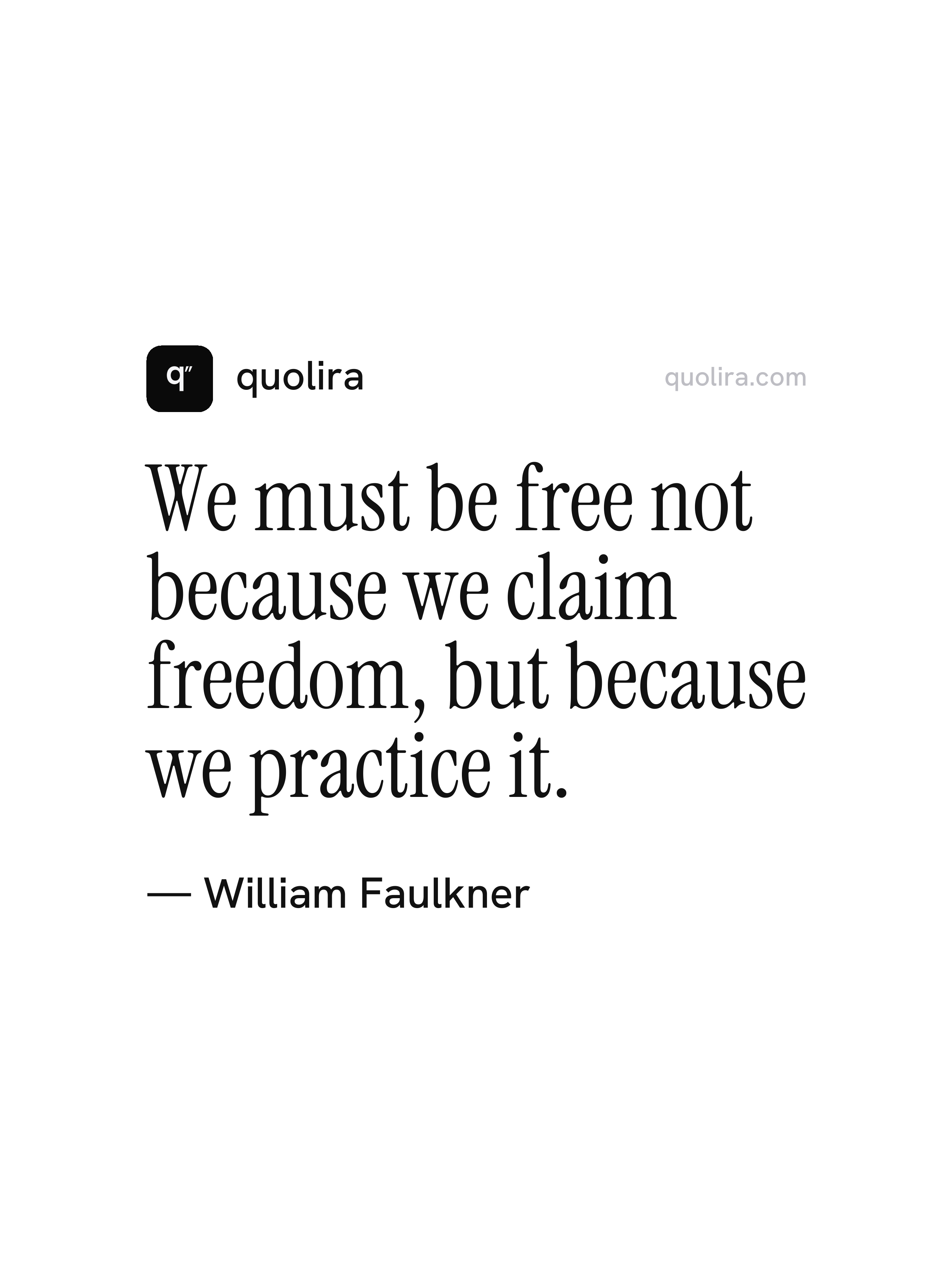
Faulkner is drawing a sharp line between the rhetoric of freedom and its reality. Claiming liberty in words or demanding it as a right is not enough; what actually makes a person or a society free is the daily habit of exercising that freedom, making choices, speaking honestly, and living without self-imposed silence. Freedom, in this view, is not a status to be declared but a practice to be sustained.
Faulkner wrote this in an essay published in Harper's Magazine in 1956, addressing the racial tensions gripping the American South during the early years of the civil rights movement. The piece was a rare and complicated public statement from a Southern writer on a subject many of his contemporaries preferred to avoid. Faulkner's argument was that the South could not claim to value freedom while denying it to Black Americans. The essay was controversial, and Faulkner's position was not without its own contradictions, but the central idea about practicing rather than merely professing freedom carried genuine moral weight.
William Faulkner was an American novelist and short story writer from Mississippi, widely considered one of the most important figures in twentieth-century American literature. He received the Nobel Prize in Literature in 1950. His fiction explored the history, culture, and conscience of the American South, often through complex narrative structures and deeply flawed characters. Beyond his novels and stories, he occasionally wrote essays and gave speeches that engaged directly with the social and moral questions of his era.
“America was not built on fear. America was built on courage, on imagination, and an unbeatable determination to do the job at hand.”
Harry S. Truman · Special Message to the Congress on the State of the Union, January 8, 1947
“Freedom is never more than one generation away from extinction. We didn't pass it to our children in the bloodstream. It must be fought for, protected, and handed on for them to do the same.”
Ronald Reagan · Address to the Annual Meeting of the Phoenix Chamber of Commerce, March 30, 1961
“The advancement and diffusion of knowledge is the only guardian of true liberty.”
James Madison · Letter to George Thompson, June 30, 1825
“Those who deny freedom to others deserve it not for themselves.”
Abraham Lincoln · Letter to Henry L. Pierce, April 6, 1859
“Four score and seven years ago our fathers brought forth on this continent, a new nation, conceived in Liberty, and dedicated to the proposition that all men are created equal.”
Abraham Lincoln · Gettysburg Address, November 19, 1863
“This, for the purpose of this celebration, is the Fourth of July. It is the birthday of your National Independence, and of your political freedom.”
Frederick Douglass · What to the Slave Is the Fourth of July?, July 5, 1852
“Give me liberty, or give me death!”
Patrick Henry · Speech to the Virginia Convention, March 23, 1775
“We hold these truths to be self-evident, that all men are created equal, that they are endowed by their Creator with certain unalienable Rights, that among these are Life, Liberty and the pursuit of Happiness.”
Thomas Jefferson · Declaration of Independence, 1776
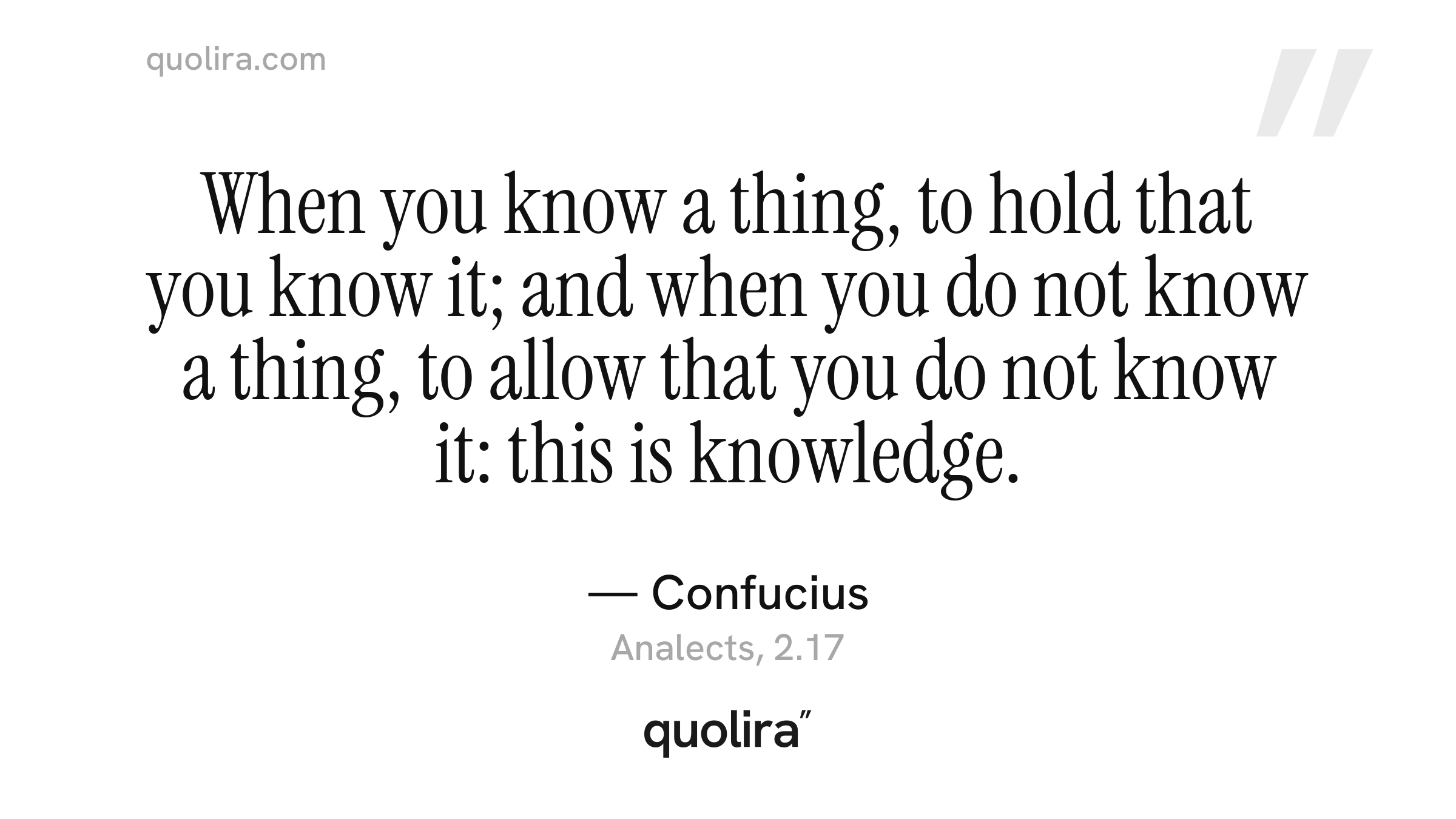
“When you know a thing, to hold that you know it; and when you do not know a thing, to allow that you do not know it: this is knowledge.”
Confucius · Analects, 2.17
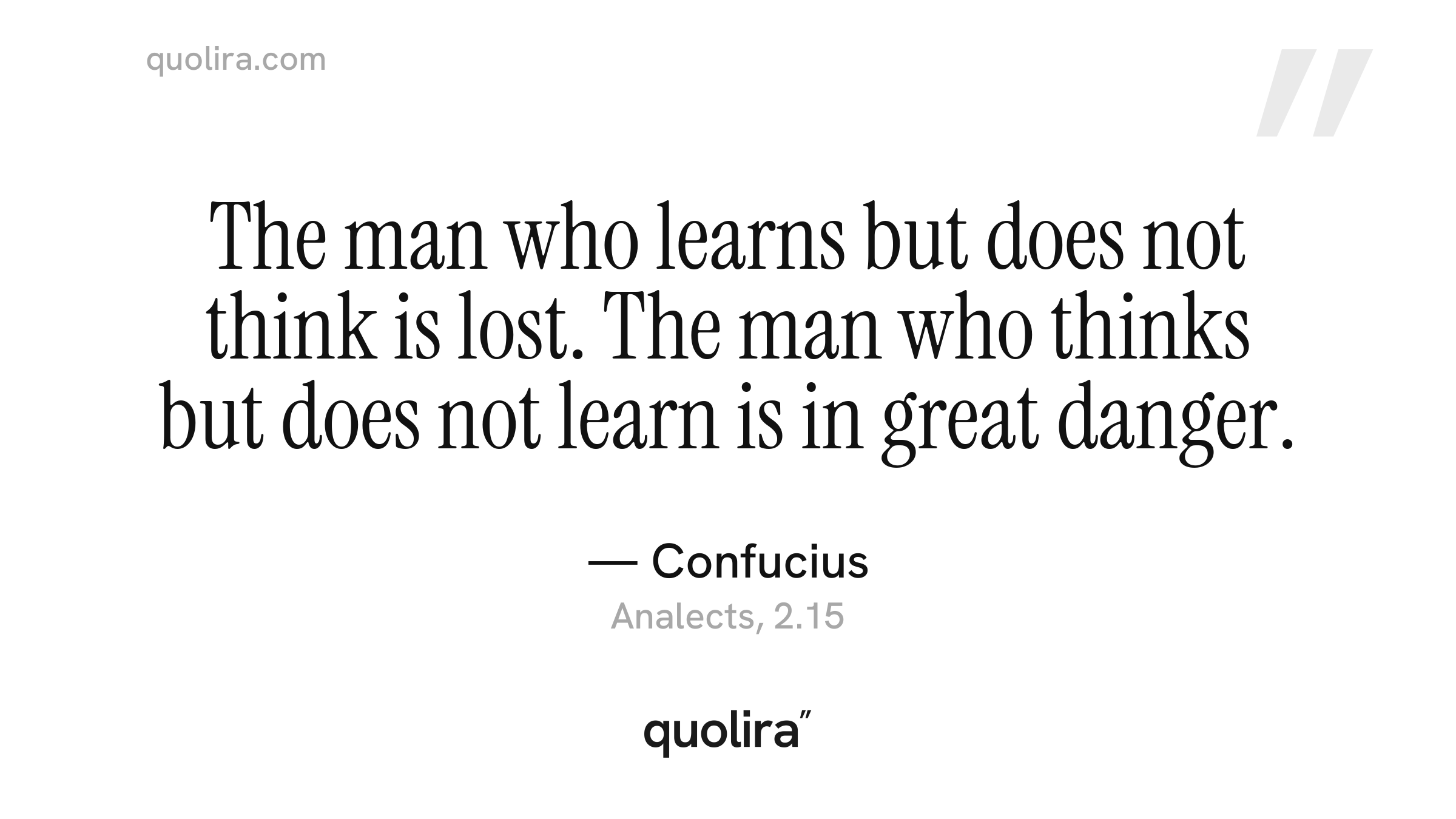
“The man who learns but does not think is lost. The man who thinks but does not learn is in great danger.”
Confucius · Analects, 2.15
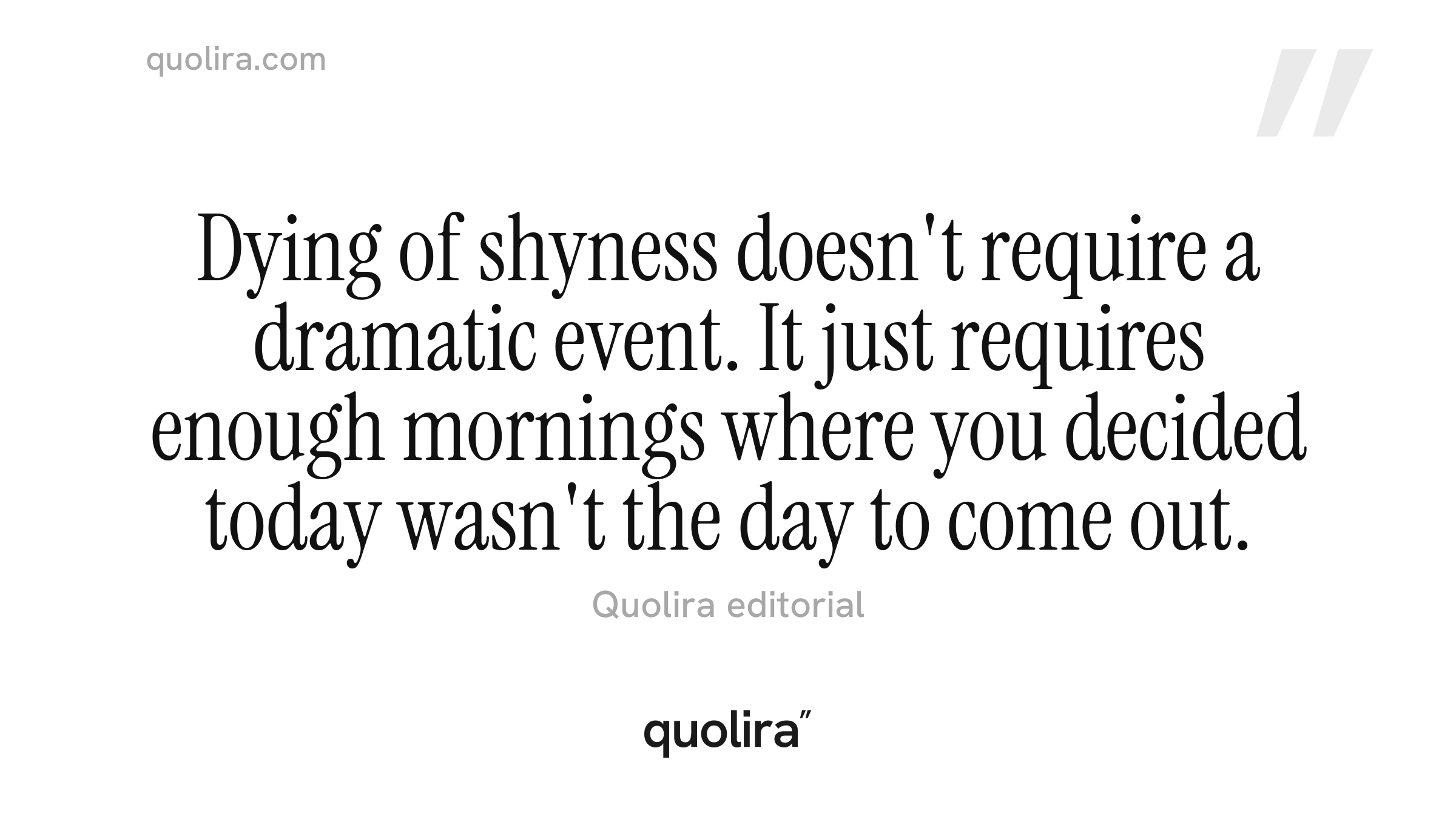
“Dying of shyness doesn't require a dramatic event. It just requires enough mornings where you decided today wasn't the day to come out.”
Original
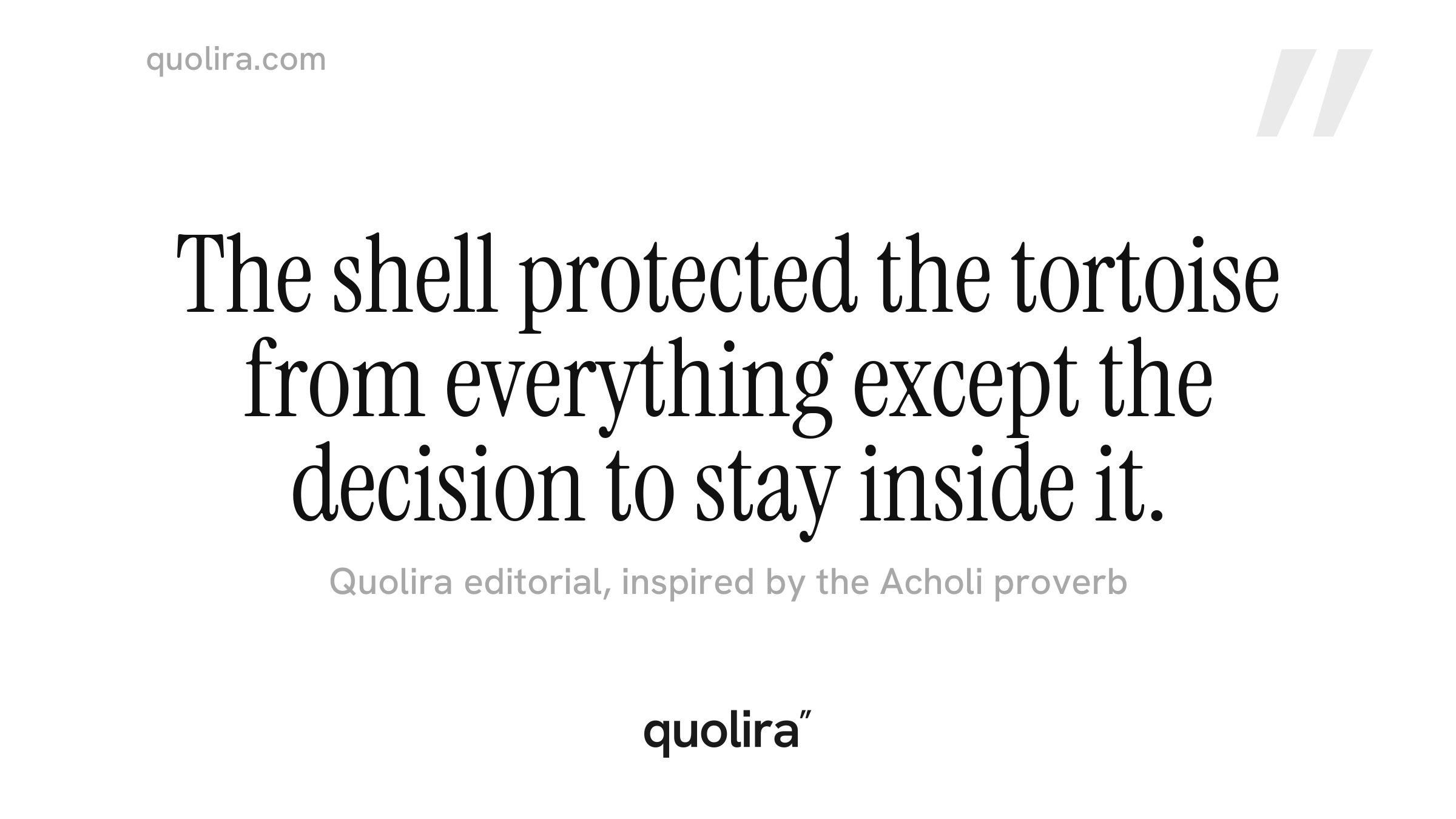
“The shell protected the tortoise from everything except the decision to stay inside it.”
Original