“Those who deny freedom to others deserve it not for themselves.”
Abraham Lincoln · Letter to Henry L. Pierce, April 6, 1859
 quolira
.com
quolira
quolira.com
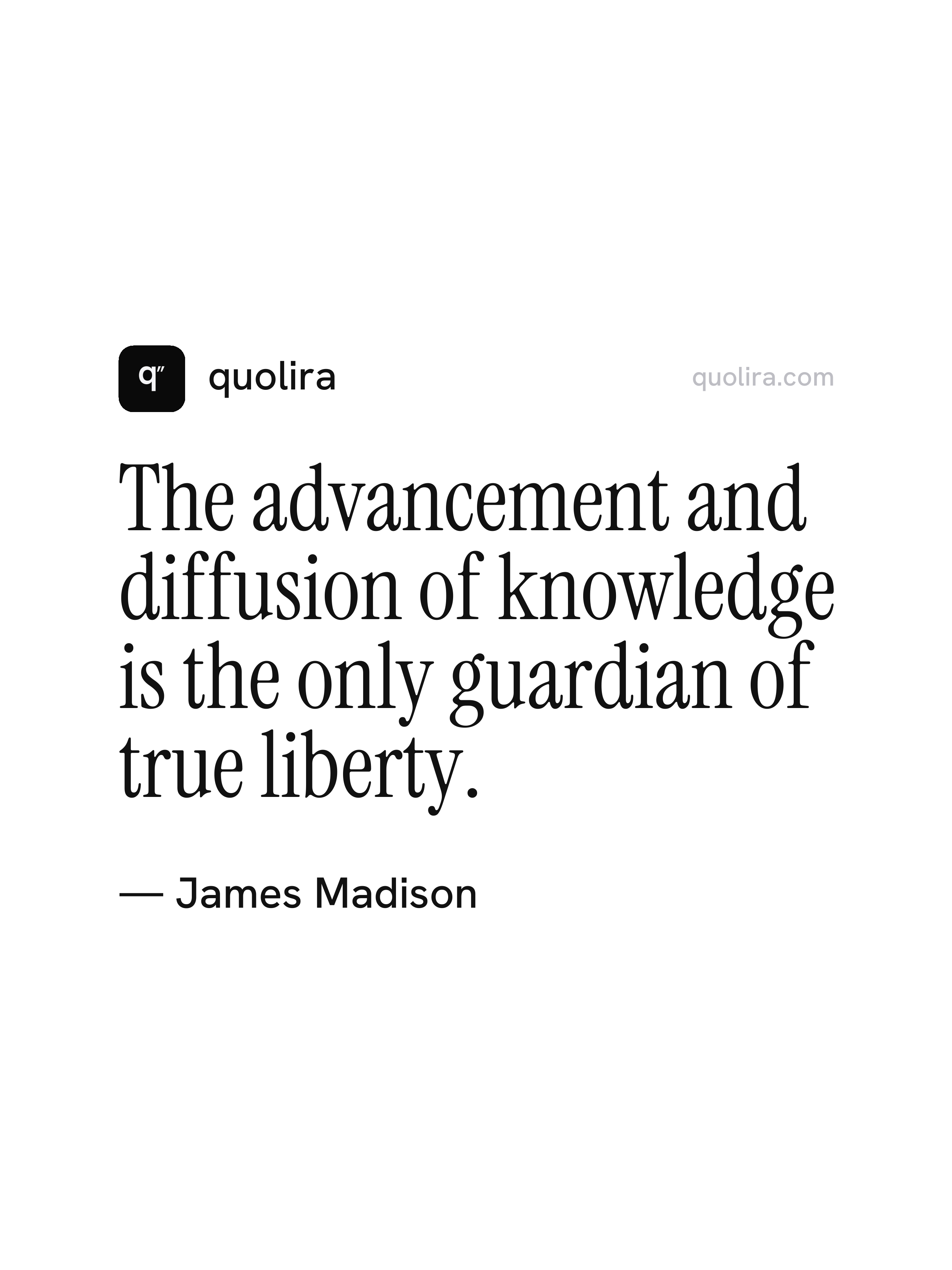
Madison is arguing that freedom cannot sustain itself through political structures alone: it depends on an informed and educated citizenry. Without the spread of knowledge, people cannot recognize threats to their rights, hold leaders accountable, or participate meaningfully in self-governance. The word "guardian" is telling, suggesting that liberty is something fragile that must be actively protected, and that education is the most reliable means of doing so.
Madison wrote this line in a letter in 1825, late in his life, long after his most active years in public service. By that point he had helped draft the Constitution, co-authored the Federalist Papers, served as the fourth President of the United States, and watched the young republic navigate its earliest decades. His concern for the relationship between an educated public and a functioning democracy was consistent throughout his career, and this letter reflects a conviction he returned to repeatedly in his writing and correspondence.
James Madison was a Virginia statesman who played a central role in the founding of the United States. He is often called the Father of the Constitution for his work at the Constitutional Convention of 1787, and he was instrumental in drafting the Bill of Rights. Together with Alexander Hamilton and John Jay, he wrote the Federalist Papers, a series of essays defending the proposed Constitution. Madison served two terms as the fourth President and remained an important voice in American political thought throughout his long life.
“Those who deny freedom to others deserve it not for themselves.”
Abraham Lincoln · Letter to Henry L. Pierce, April 6, 1859
“Four score and seven years ago our fathers brought forth on this continent, a new nation, conceived in Liberty, and dedicated to the proposition that all men are created equal.”
Abraham Lincoln · Gettysburg Address, November 19, 1863
“This, for the purpose of this celebration, is the Fourth of July. It is the birthday of your National Independence, and of your political freedom.”
Frederick Douglass · What to the Slave Is the Fourth of July?, July 5, 1852
“Give me liberty, or give me death!”
Patrick Henry · Speech to the Virginia Convention, March 23, 1775
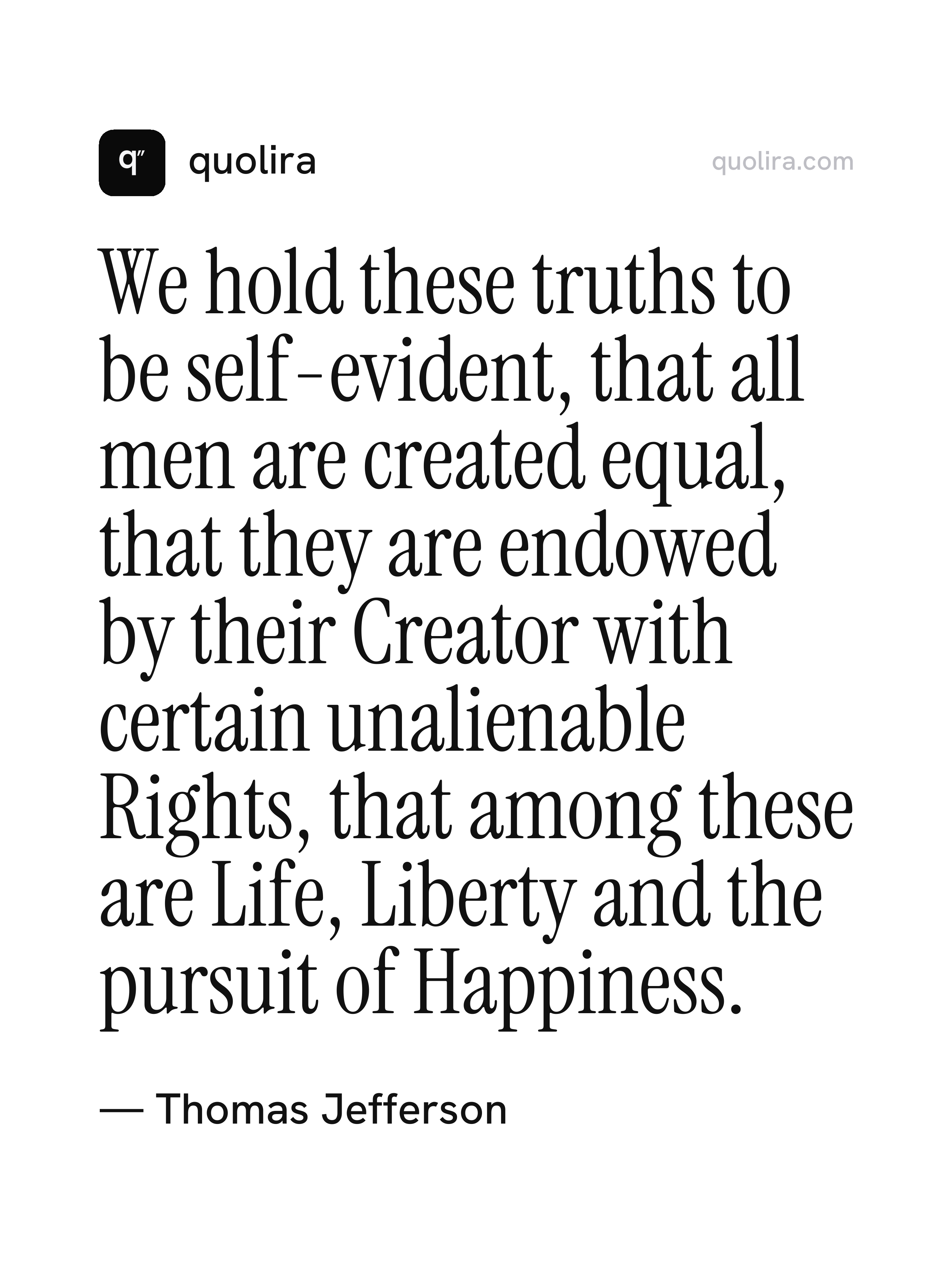
“We hold these truths to be self-evident, that all men are created equal, that they are endowed by their Creator with certain unalienable Rights, that among these are Life, Liberty and the pursuit of Happiness.”
Thomas Jefferson · Declaration of Independence, 1776
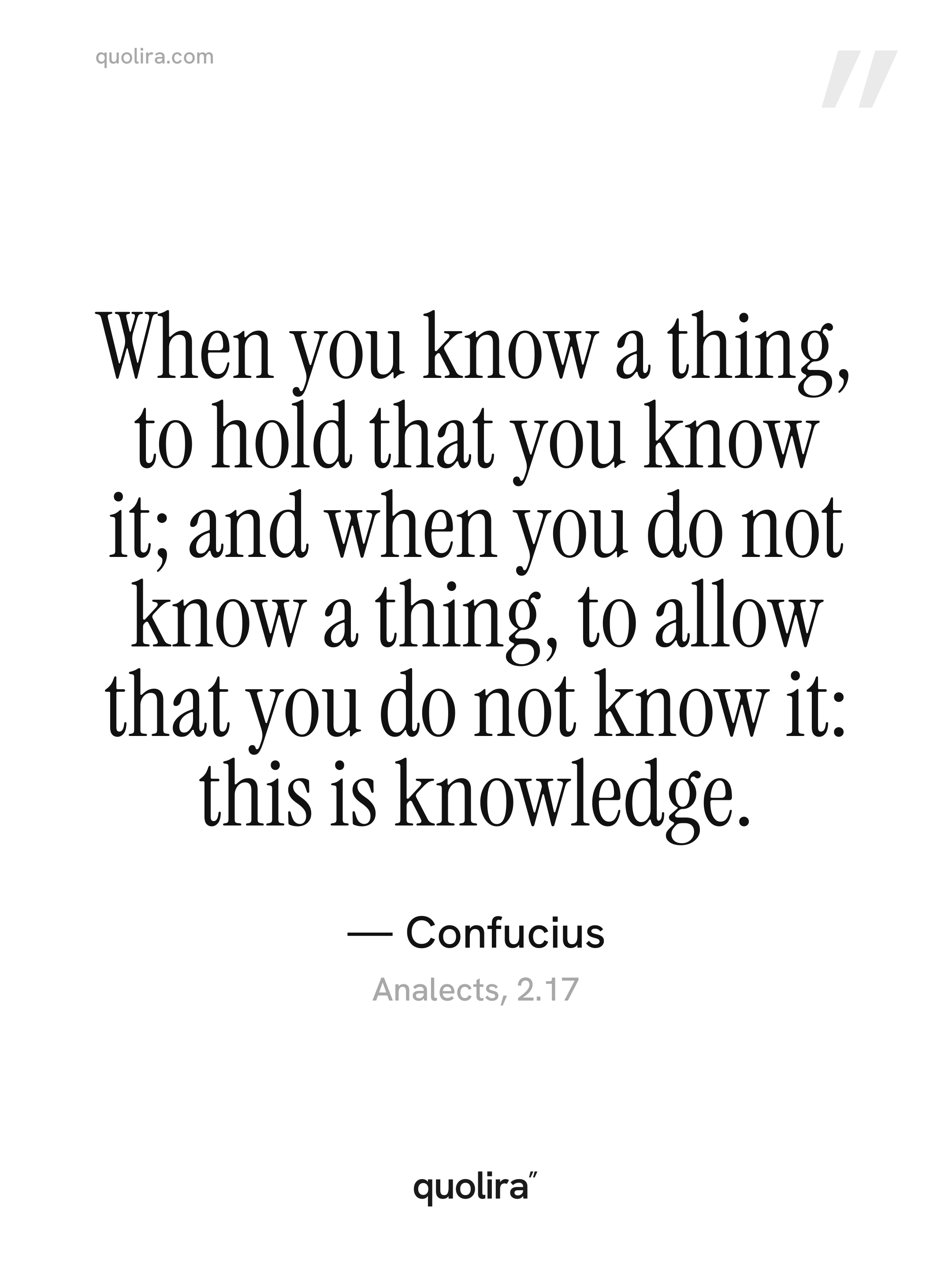
“When you know a thing, to hold that you know it; and when you do not know a thing, to allow that you do not know it: this is knowledge.”
Confucius · Analects, 2.17
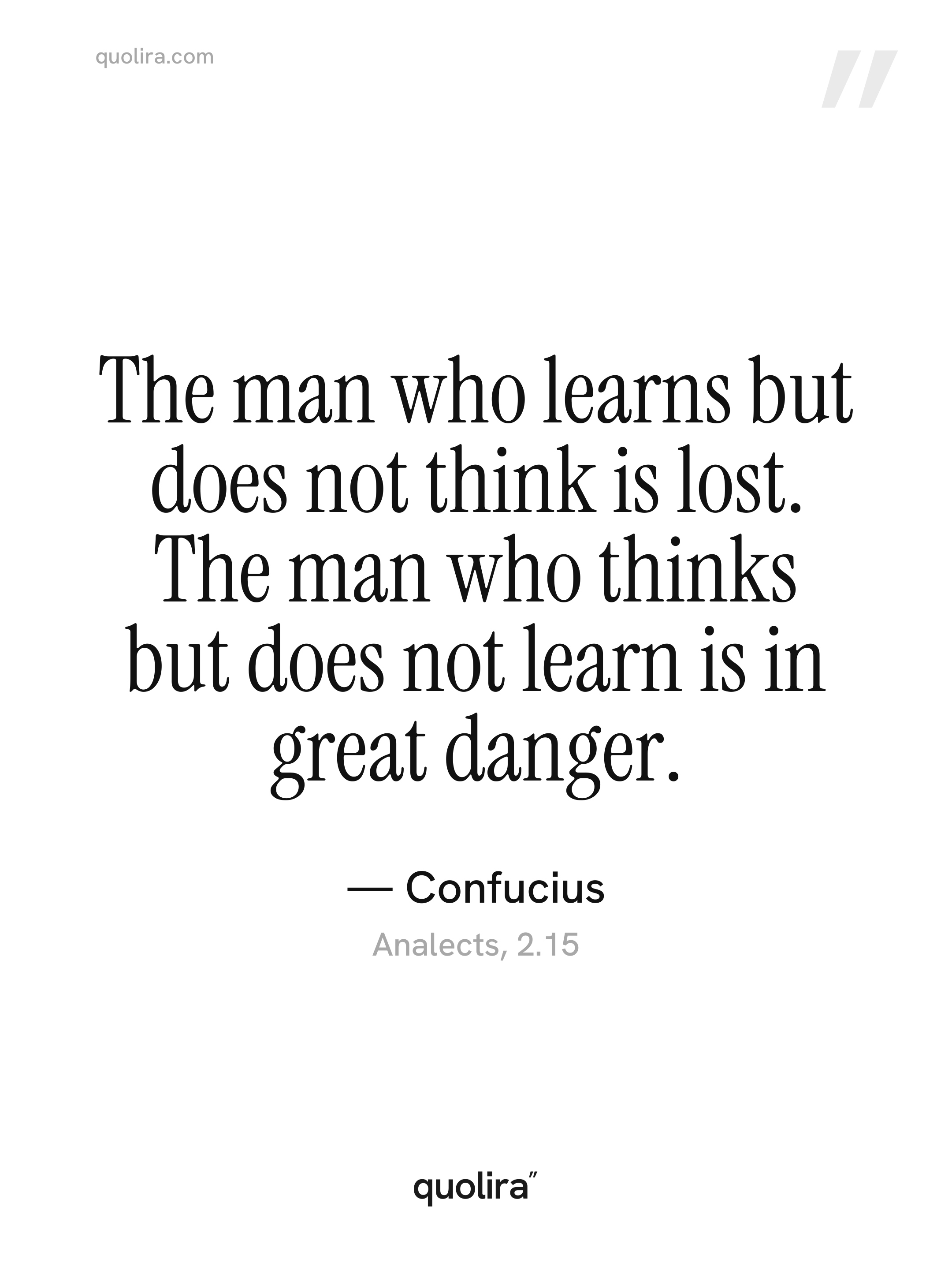
“The man who learns but does not think is lost. The man who thinks but does not learn is in great danger.”
Confucius · Analects, 2.15
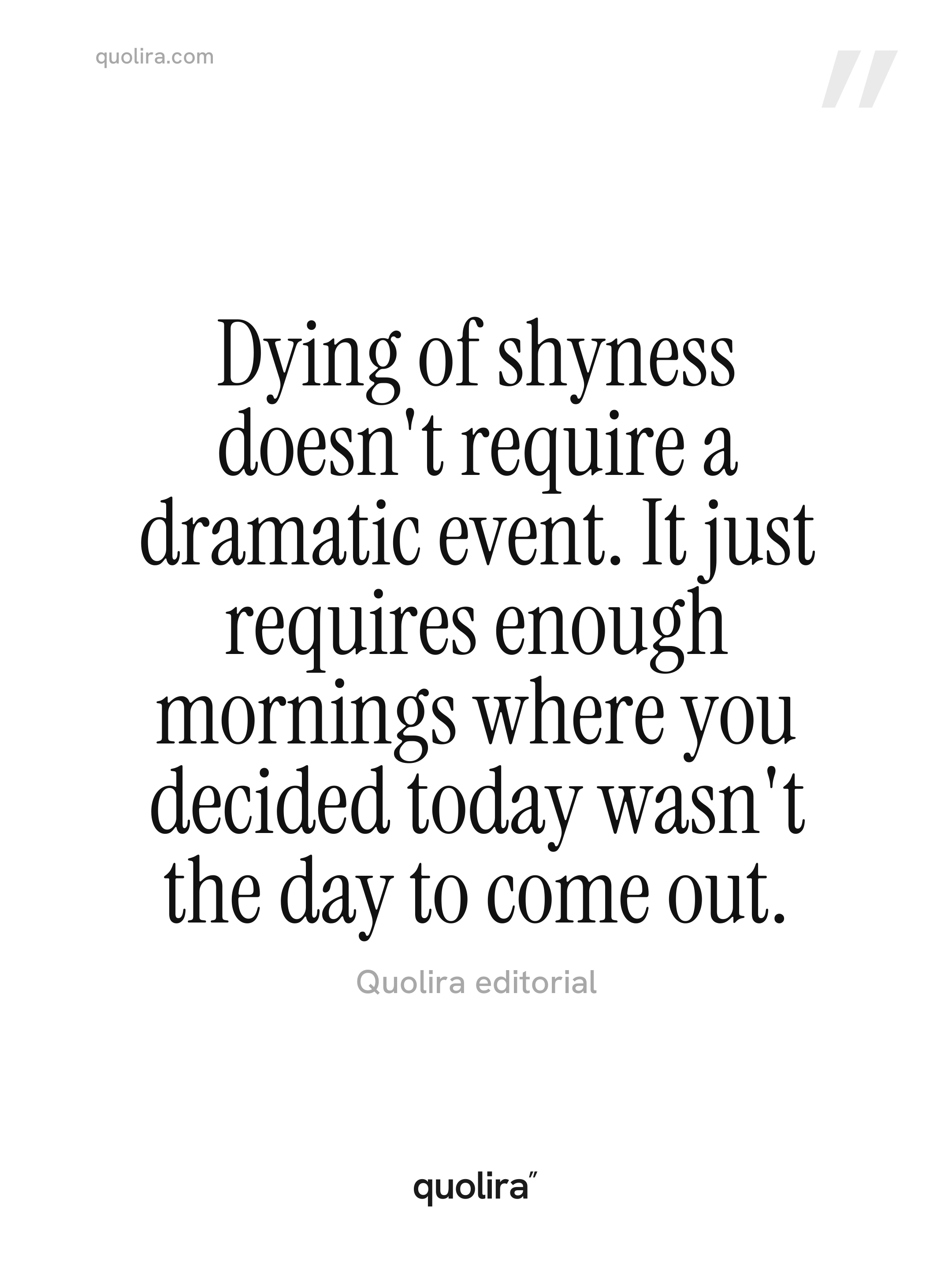
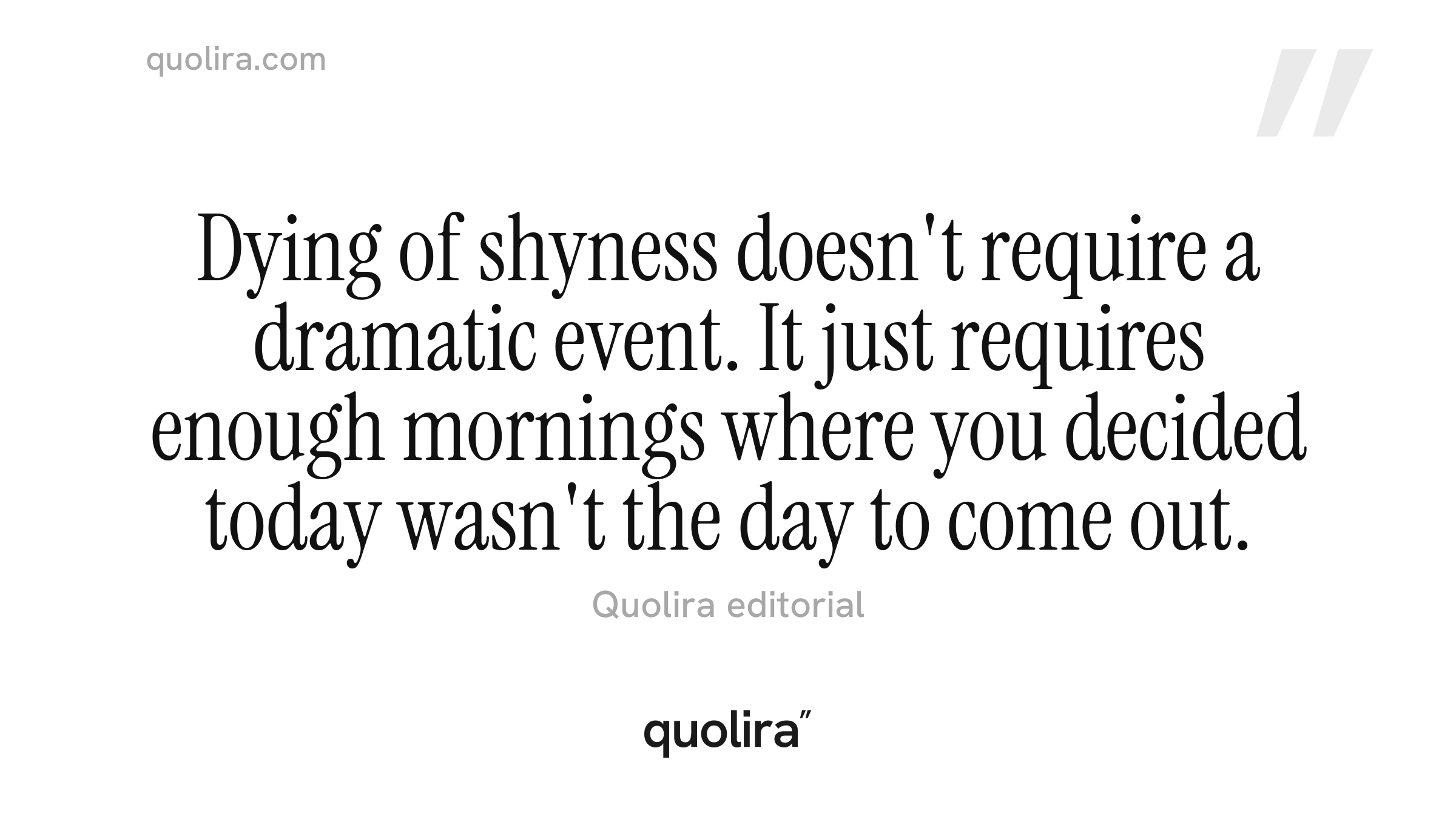
“Dying of shyness doesn't require a dramatic event. It just requires enough mornings where you decided today wasn't the day to come out.”
Original
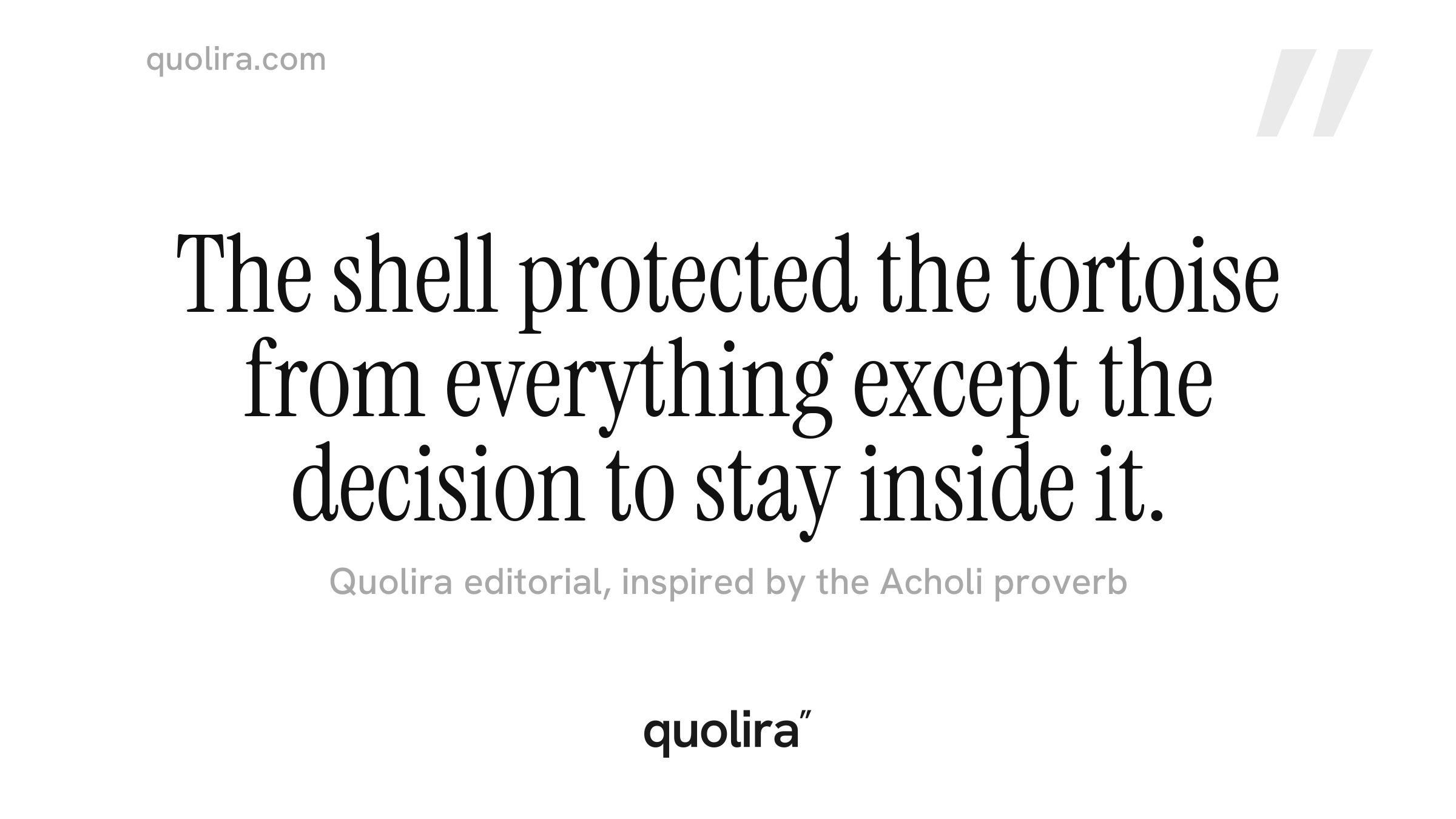
“The shell protected the tortoise from everything except the decision to stay inside it.”
Original
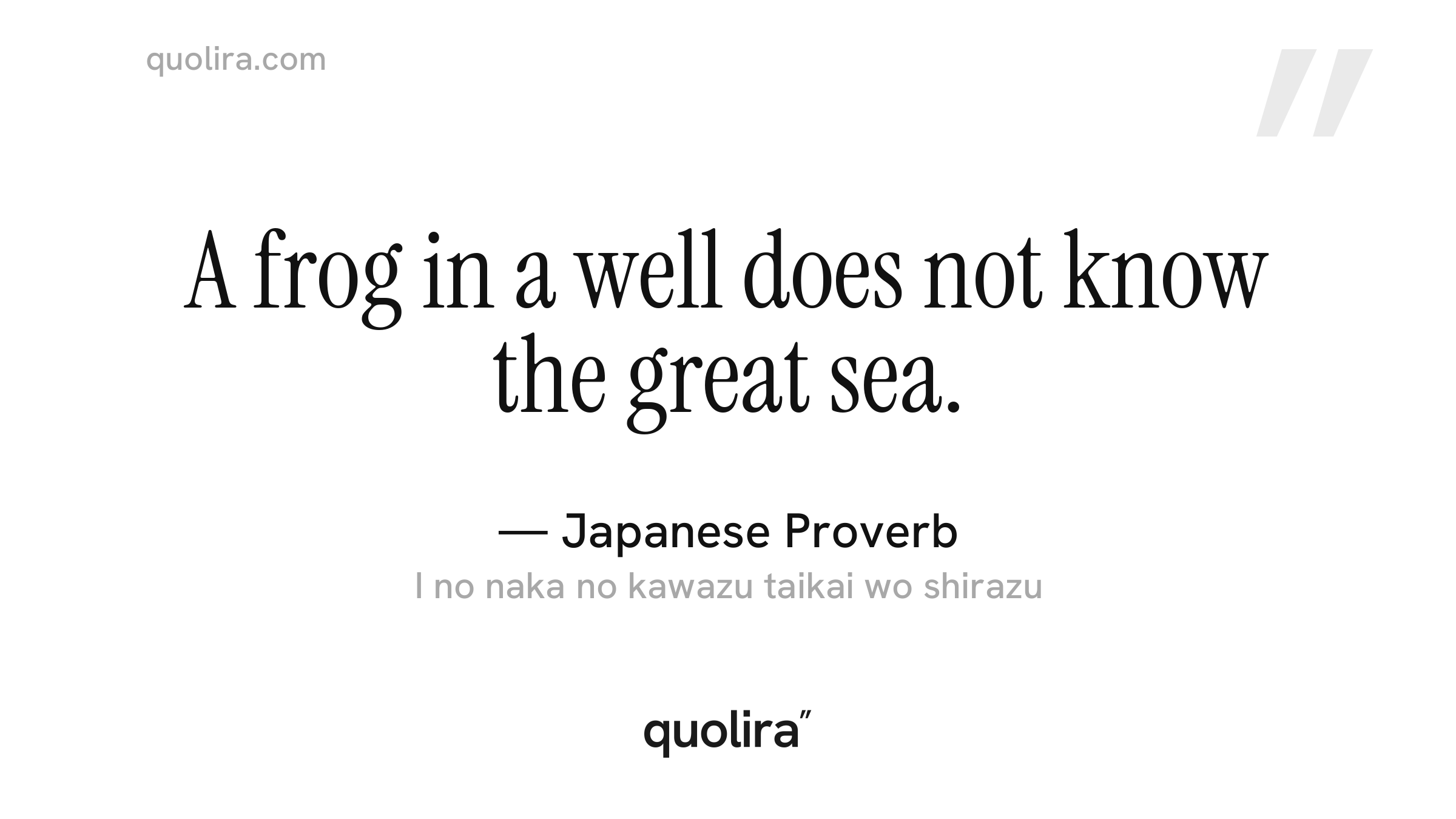
“A frog in a well does not know the great sea.”
Japanese Proverb · I no naka no kawazu taikai wo shirazu
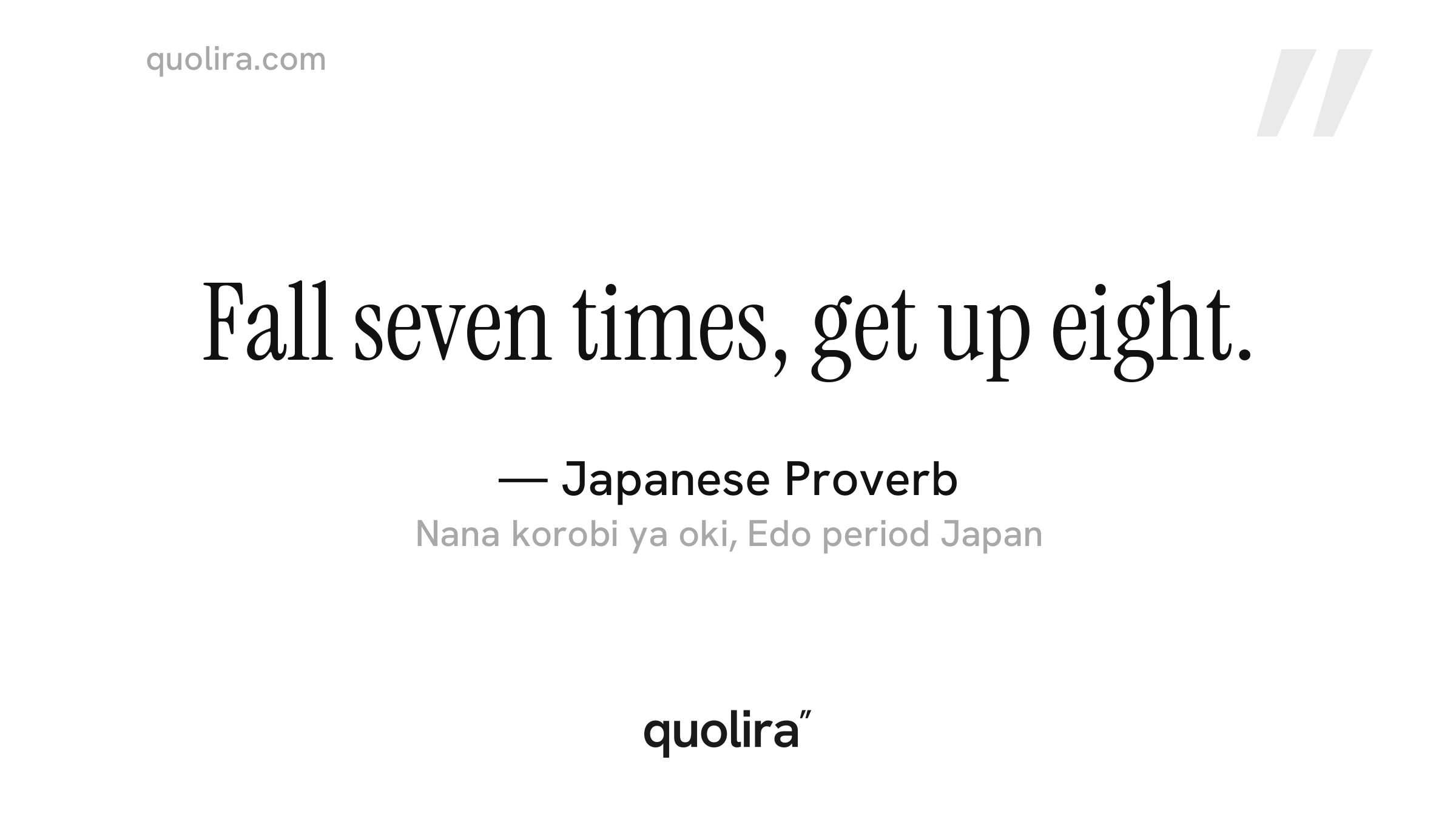
“Fall seven times, get up eight.”
Japanese Proverb · Nana korobi ya oki, Edo period Japan
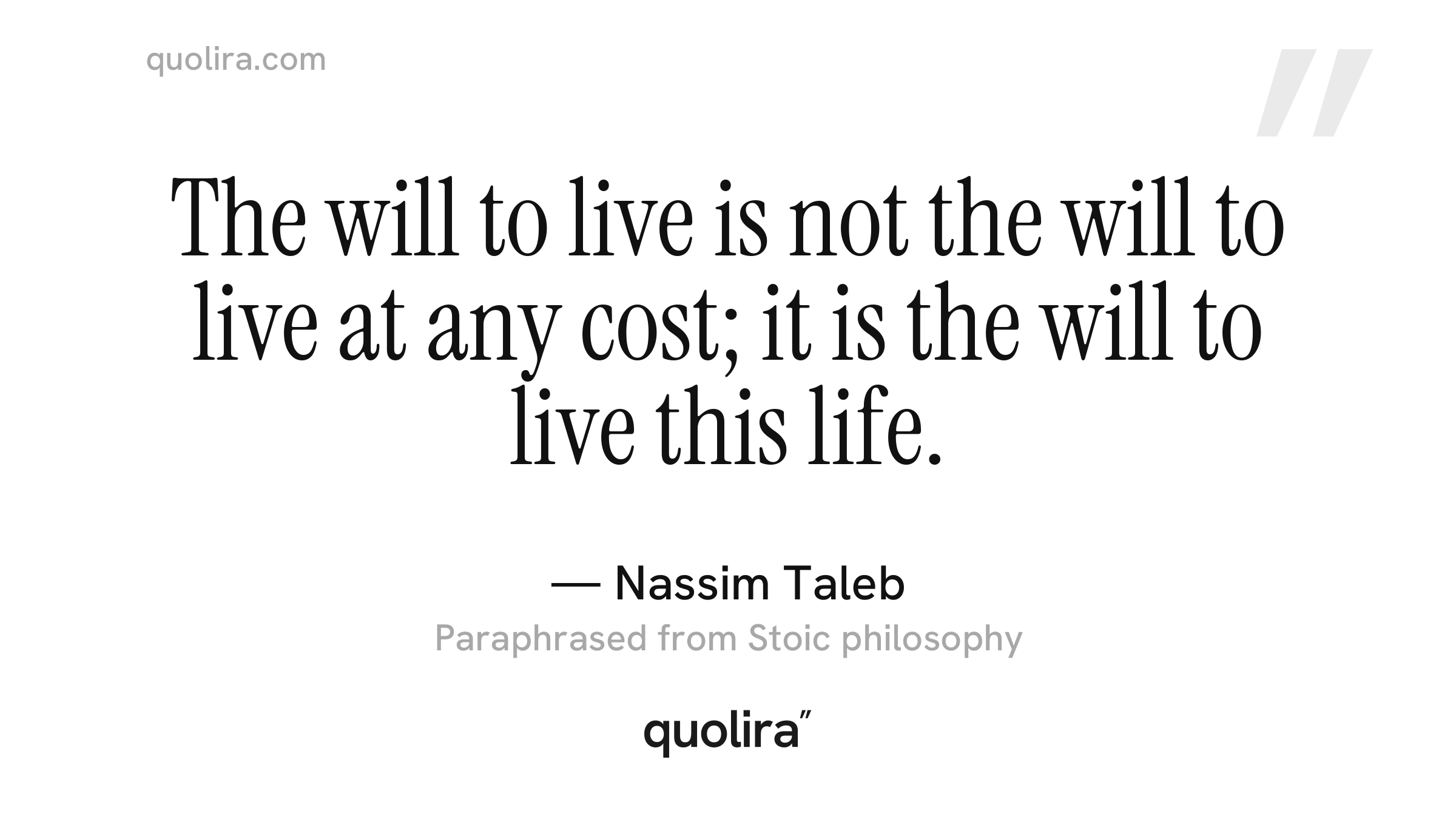
“The will to live is not the will to live at any cost; it is the will to live this life.”
Nassim Taleb · Paraphrased from Stoic philosophy