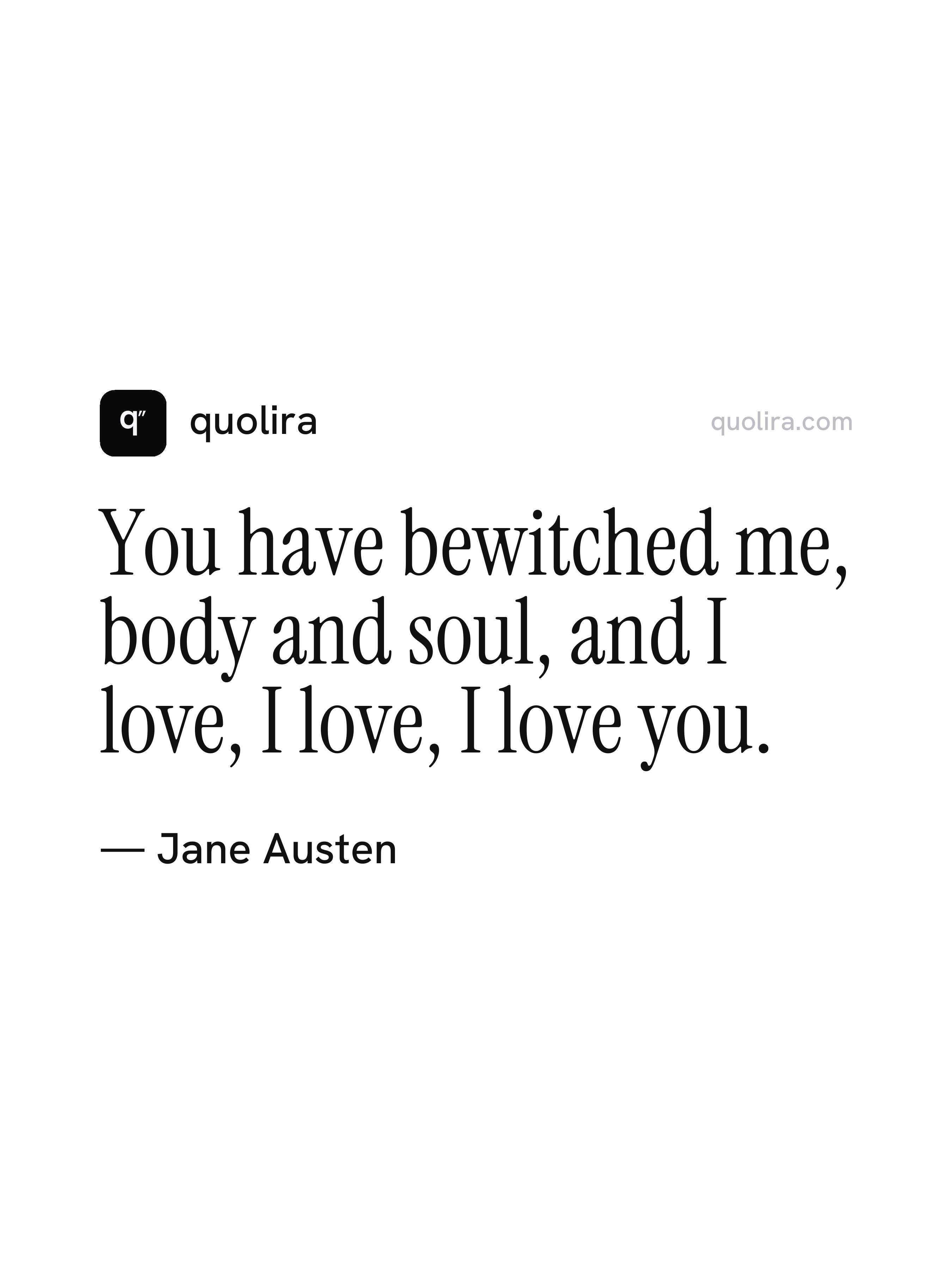
“You have bewitched me, body and soul, and I love, I love, I love you.”
Jane Austen · Pride and Prejudice, 1813
 quolira
.com
quolira
quolira.com
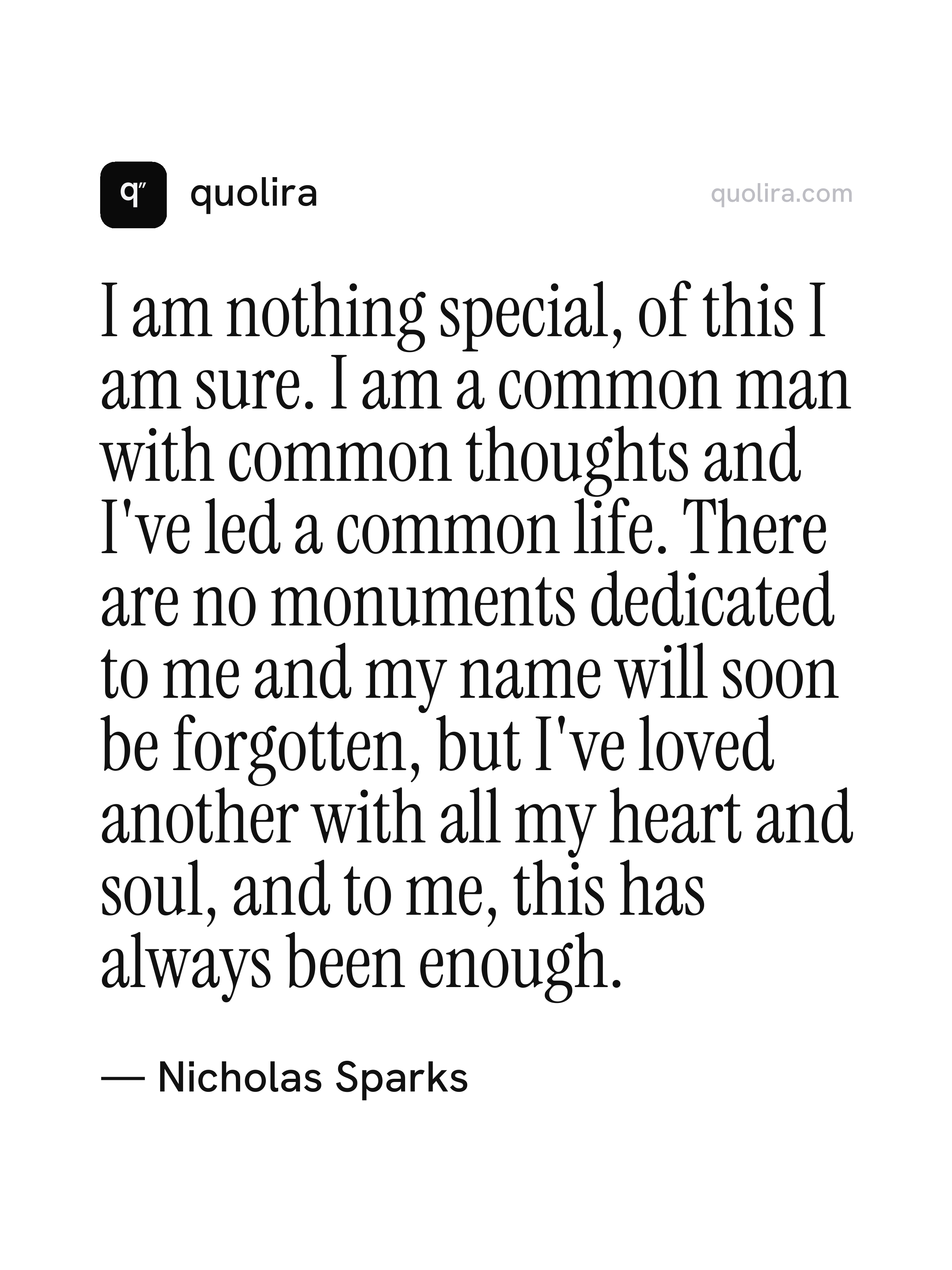
This passage speaks to the quiet dignity of an ordinary life made extraordinary through love. The speaker acknowledges, without self-pity, that he holds no special status, no great achievements, and no lasting fame. Yet he insists that loving another person completely has been more than sufficient to give his life meaning and worth.
These words appear in Nicholas Sparks's debut novel, published in 1996, told through the memories of an elderly man reading a love story to a woman in a care facility. The novel became one of the most beloved romantic stories of its era and was later adapted into a widely seen film. The passage captures the novel's central argument: that deep, devoted love between two people is its own monument, more enduring in personal terms than any public recognition could ever be.
Nicholas Sparks is an American novelist and screenwriter known for emotionally driven love stories that often explore themes of devotion, loss, and memory. He has written numerous bestselling novels, many of which have been adapted into popular films. His work consistently finds a wide readership by focusing on everyday people navigating love under difficult circumstances, and this debut novel established the warm, heartfelt voice that has defined his writing career.
“You have bewitched me, body and soul, and I love, I love, I love you.”
Jane Austen · Pride and Prejudice, 1813
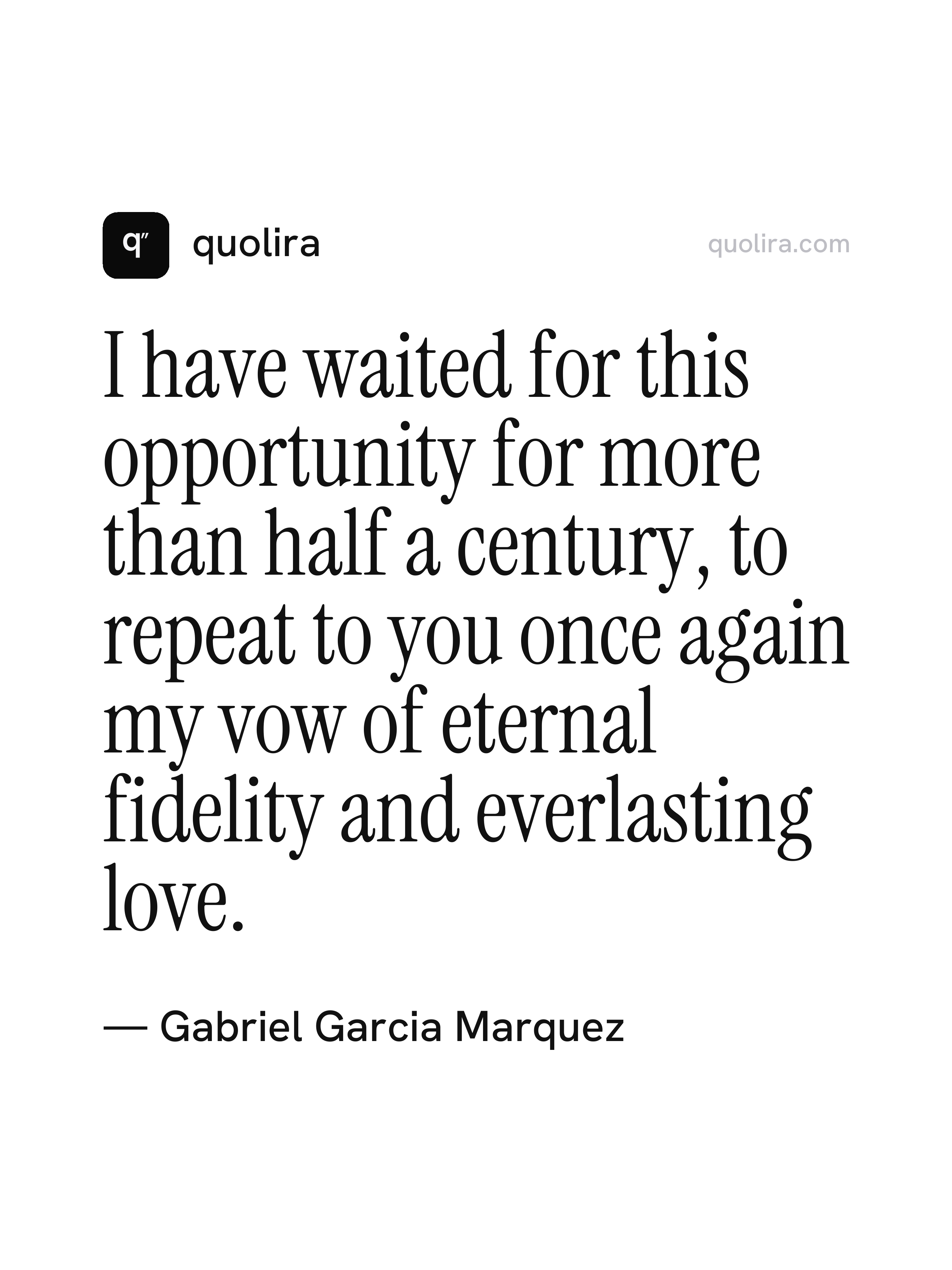
“I have waited for this opportunity for more than half a century, to repeat to you once again my vow of eternal fidelity and everlasting love.”
Gabriel Garcia Marquez · Love in the Time of Cholera, 1985
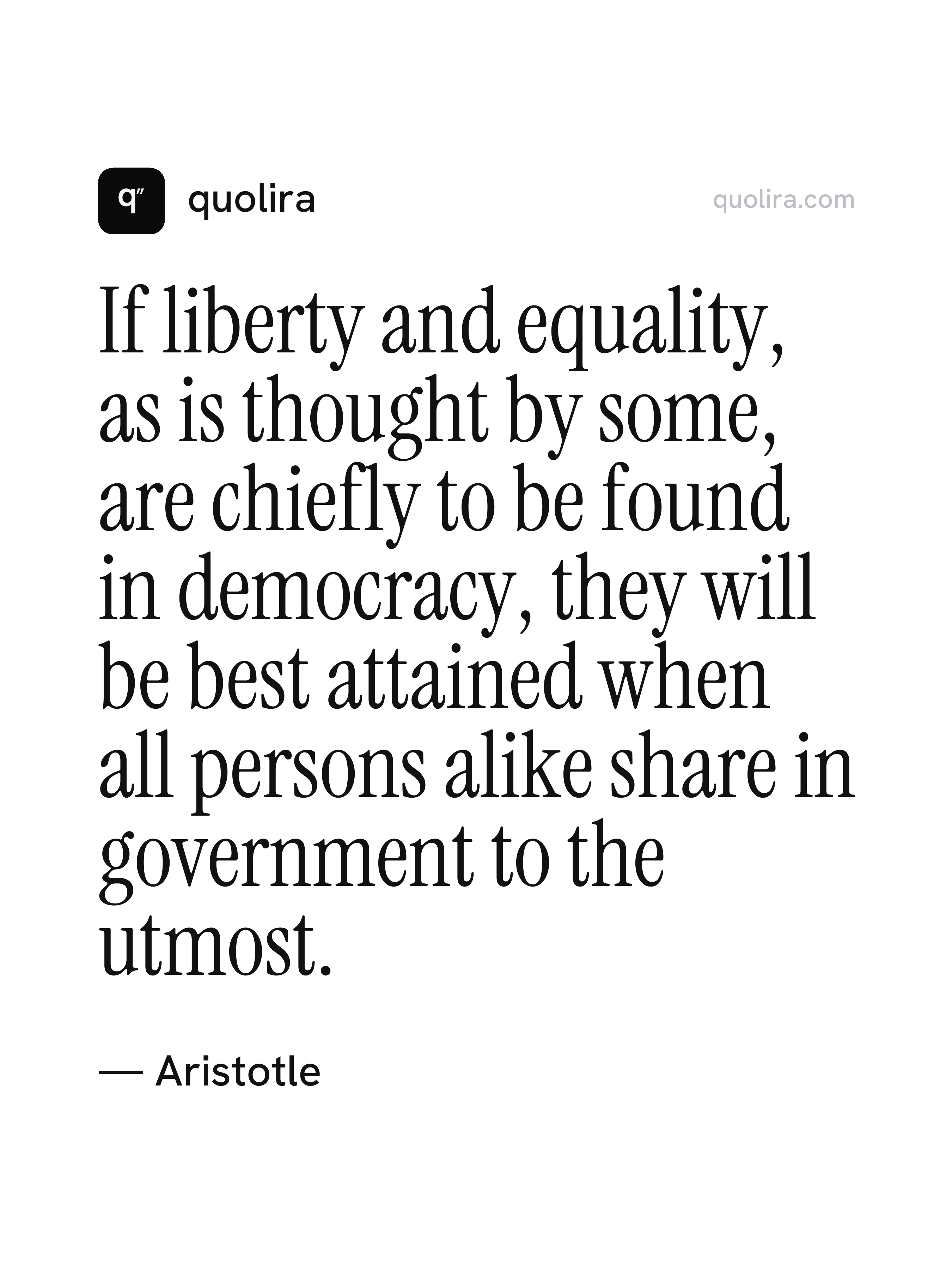
“If liberty and equality, as is thought by some, are chiefly to be found in democracy, they will be best attained when all persons alike share in government to the utmost.”
Aristotle · Politics, Book VI, c. 350 BC
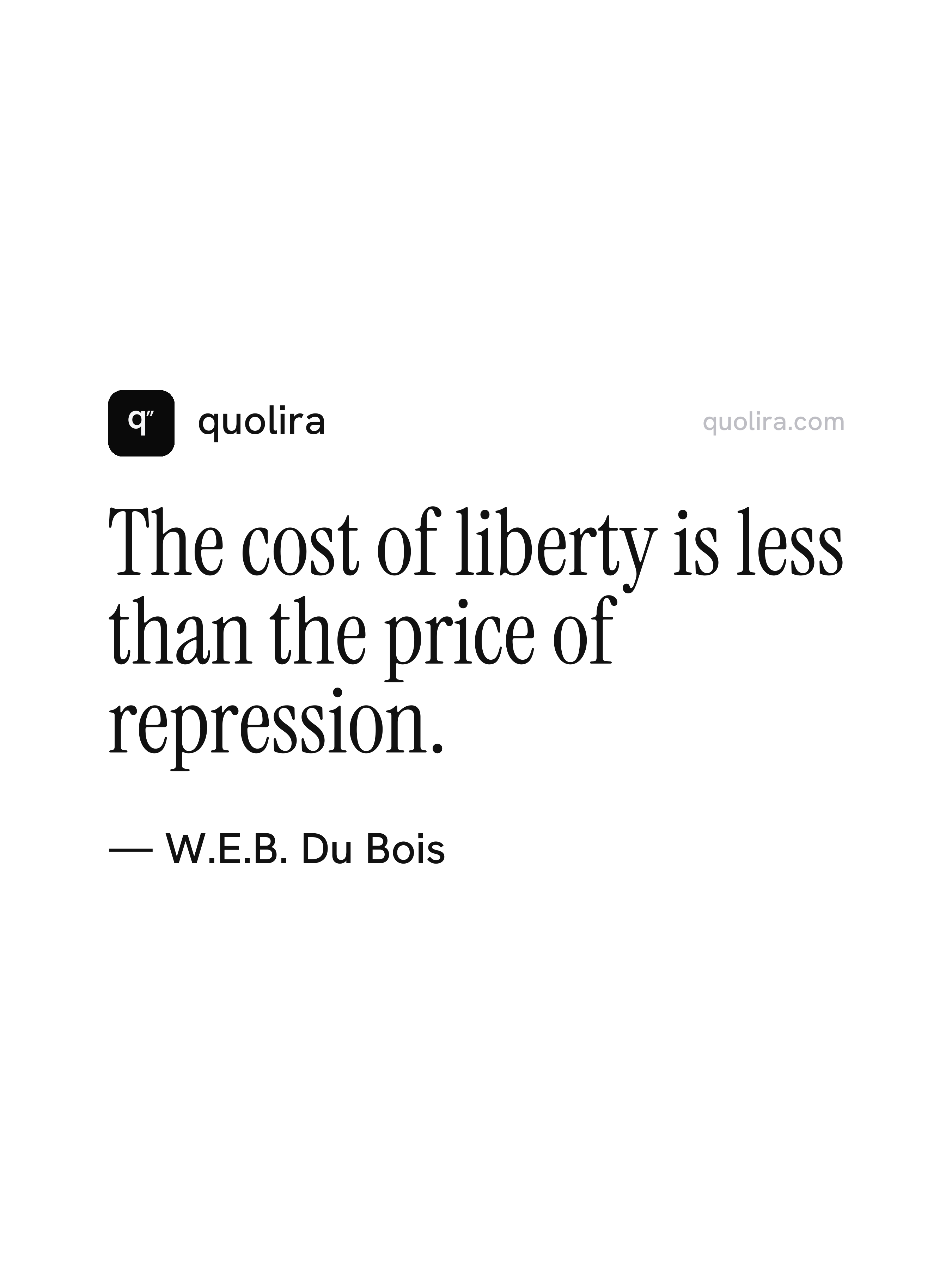
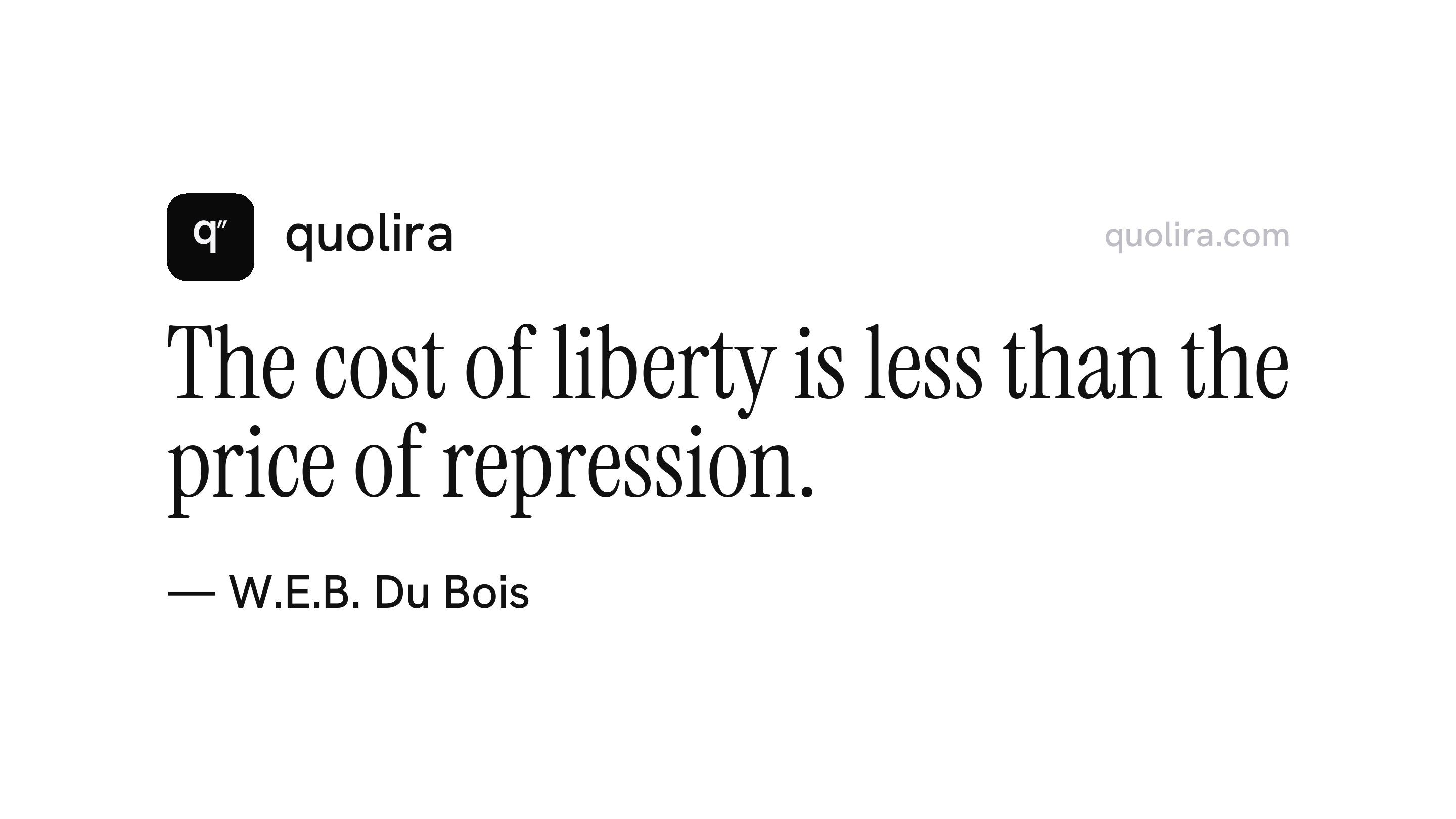
“The cost of liberty is less than the price of repression.”
W.E.B. Du Bois · John Brown, 1909
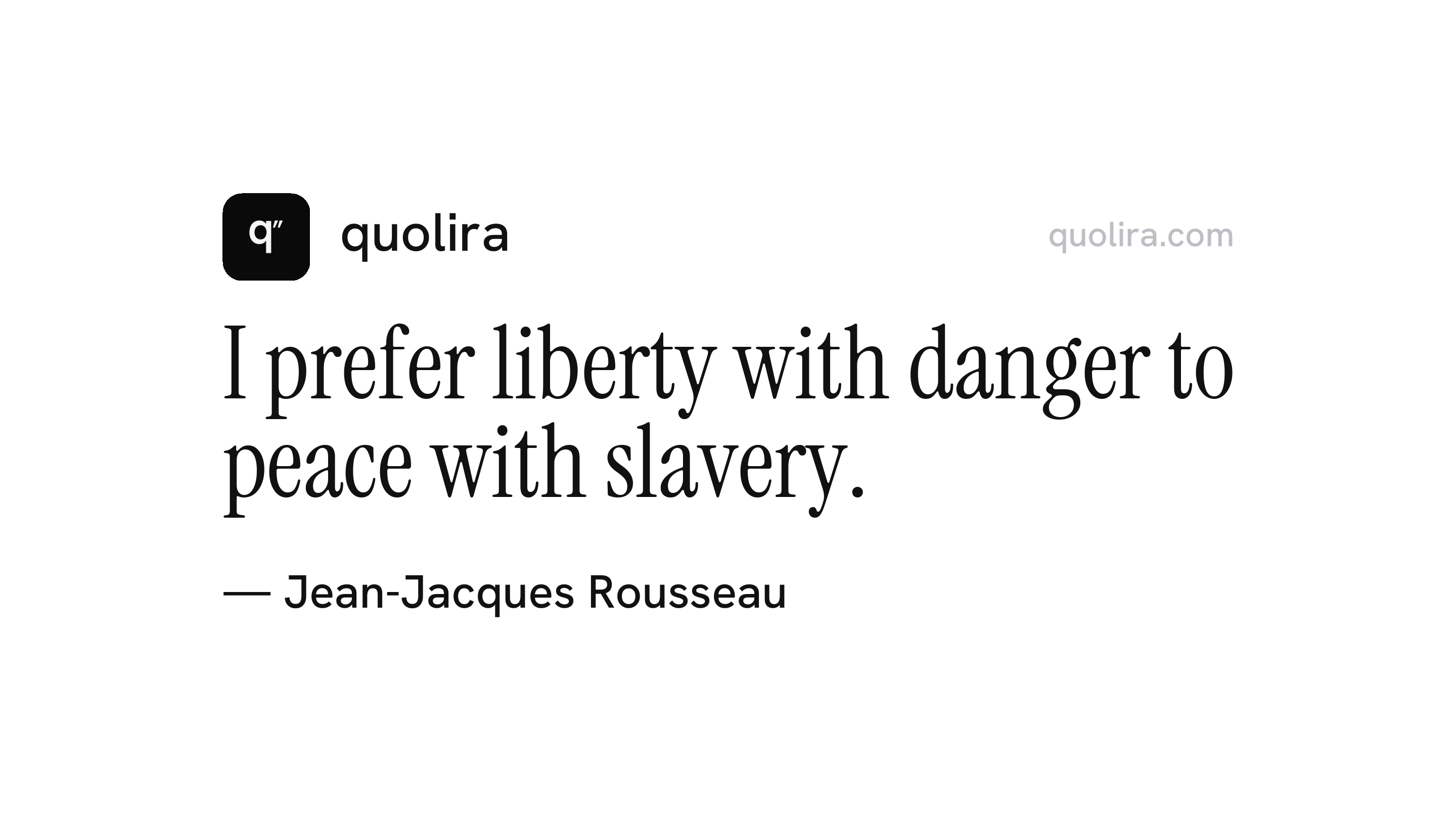
“I prefer liberty with danger to peace with slavery.”
Jean-Jacques Rousseau · The Social Contract, 1762
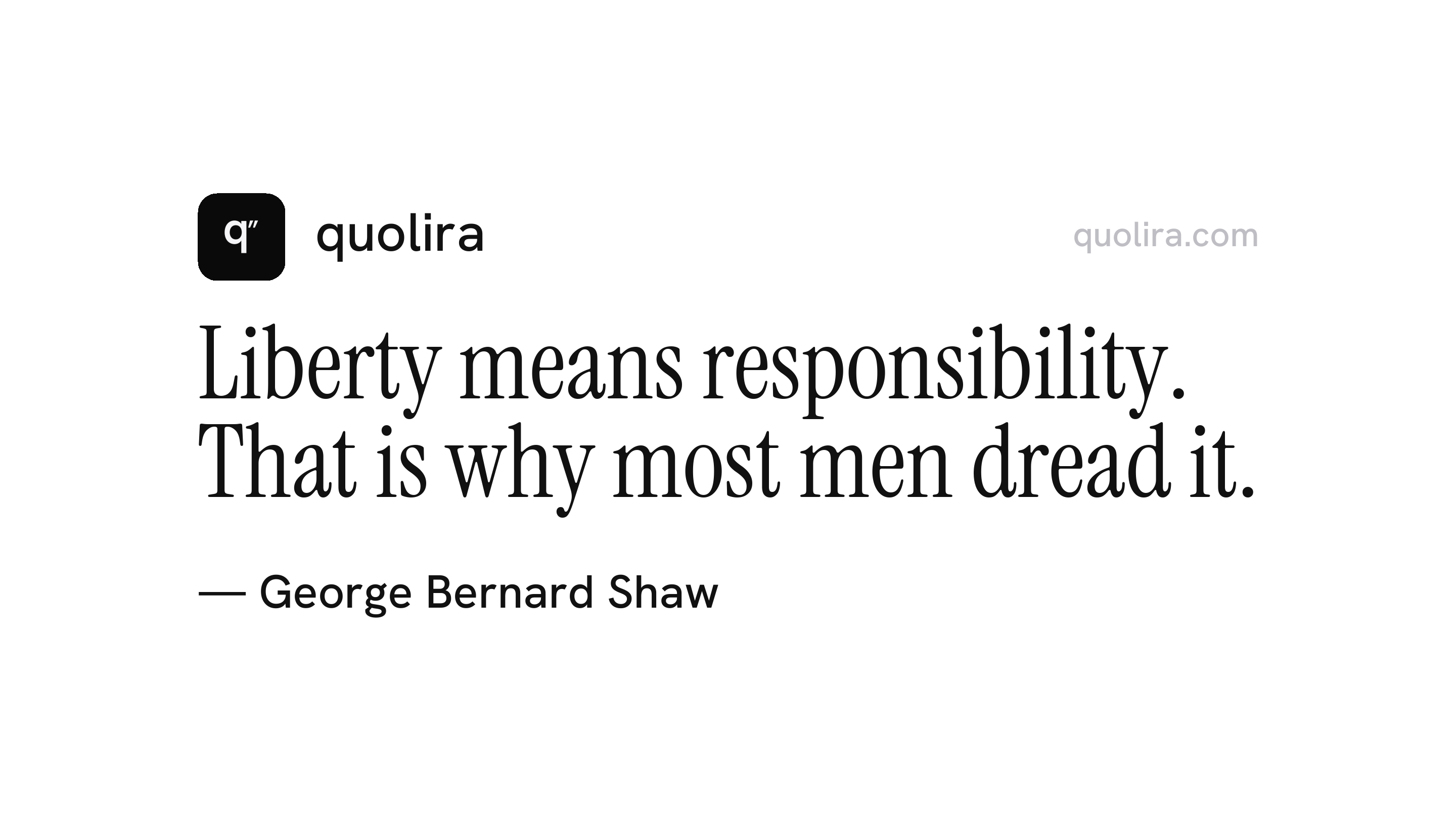
“Liberty means responsibility. That is why most men dread it.”
George Bernard Shaw · Maxims for Revolutionists, 1903
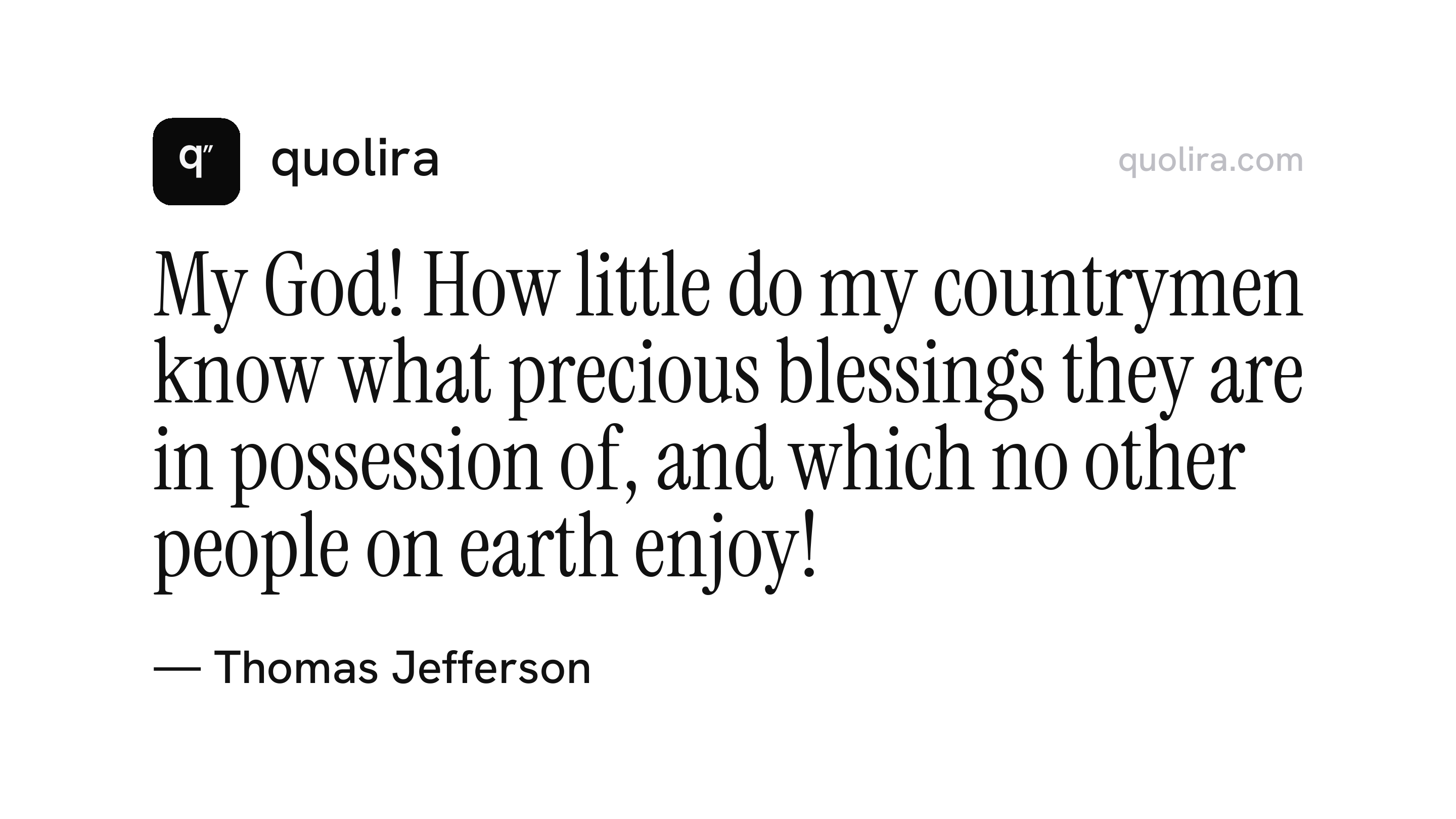
“My God! How little do my countrymen know what precious blessings they are in possession of, and which no other people on earth enjoy!”
Thomas Jefferson · Letter to James Monroe, June 17, 1785
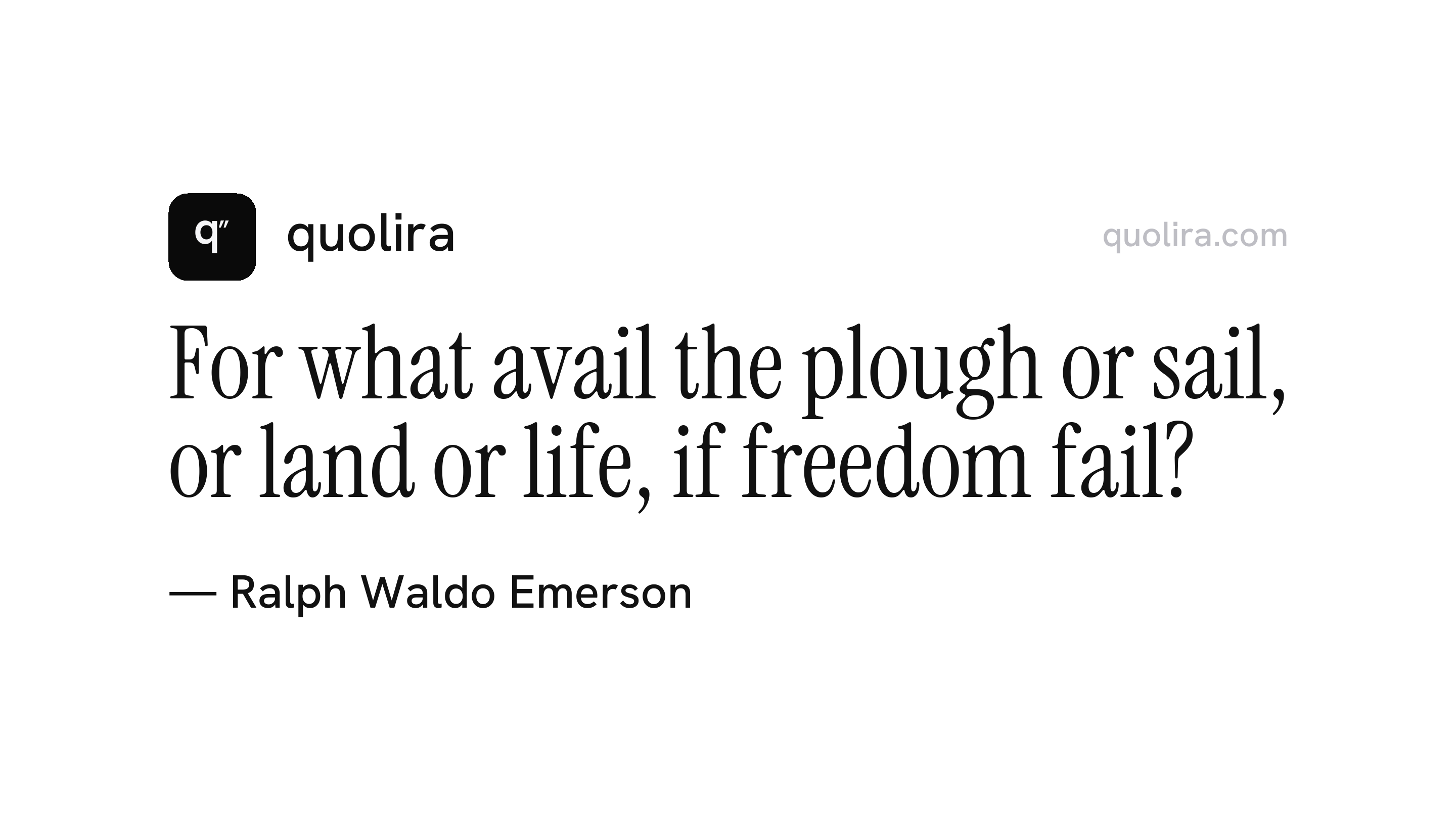
“For what avail the plough or sail, or land or life, if freedom fail?”
Ralph Waldo Emerson · "Boston," poem, 1830s
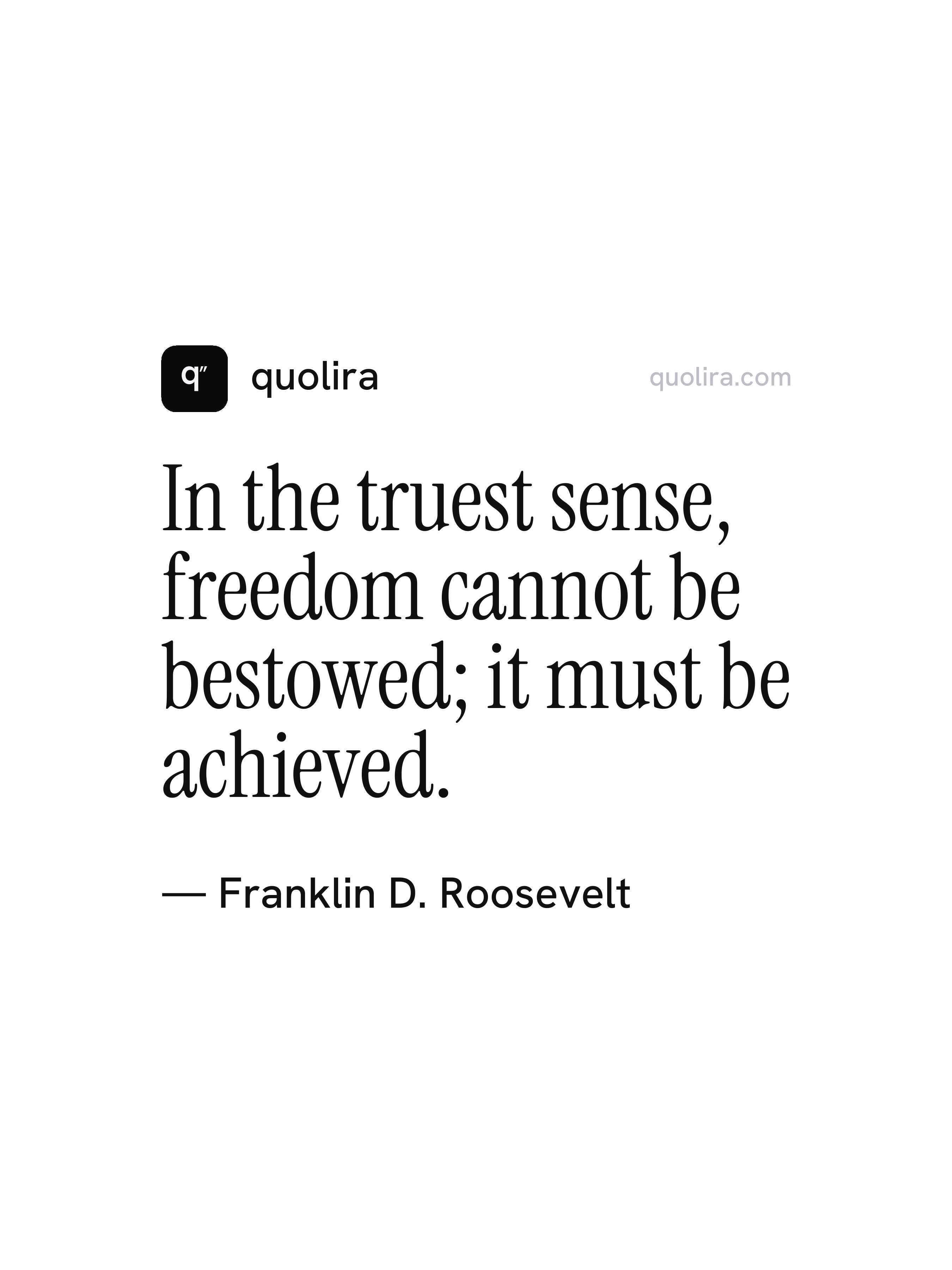
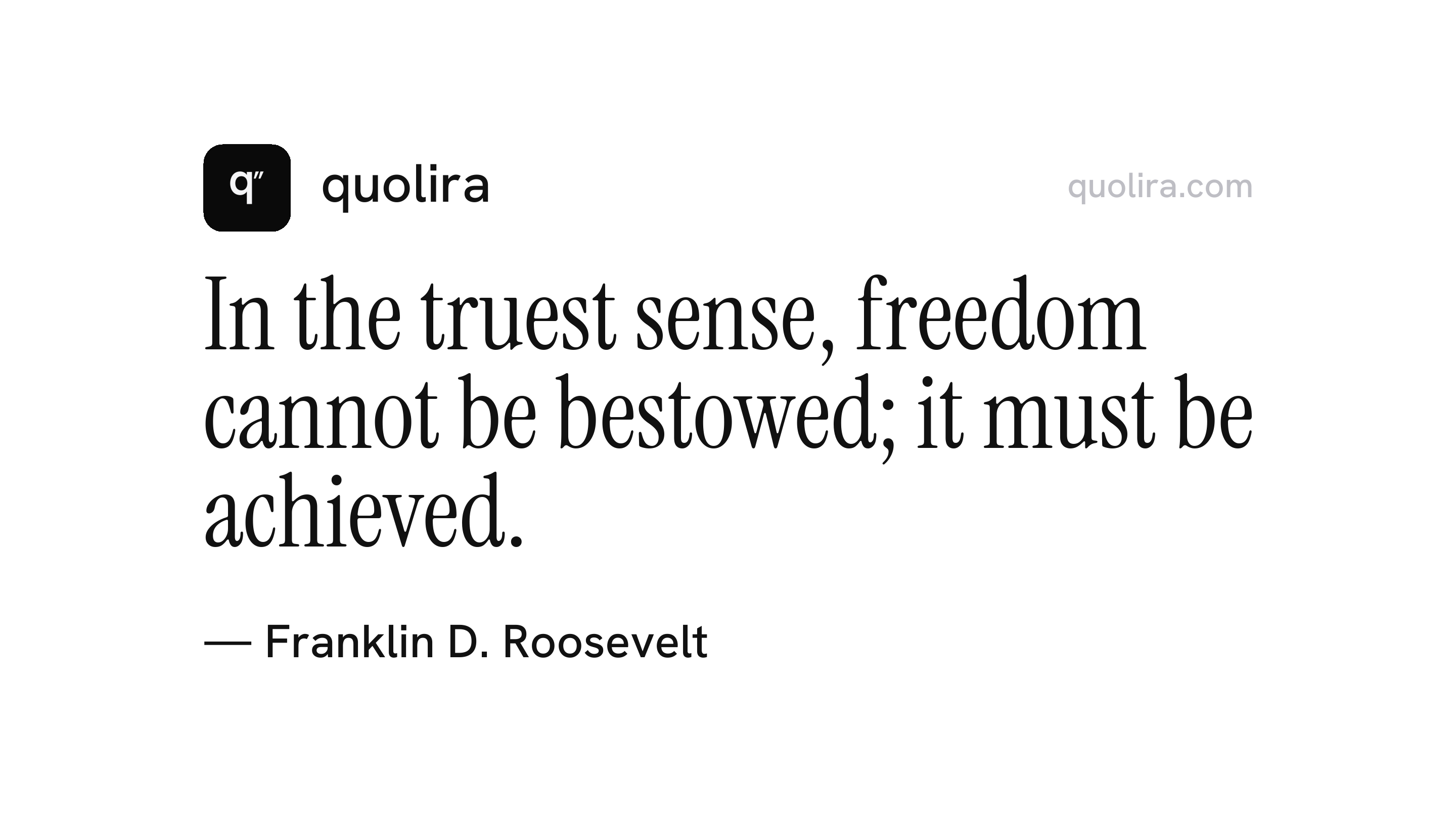
“In the truest sense, freedom cannot be bestowed; it must be achieved.”
Franklin D. Roosevelt · Speech on the Seventy-Fourth Anniversary of the Emancipation Proclamation, September 22, 1936
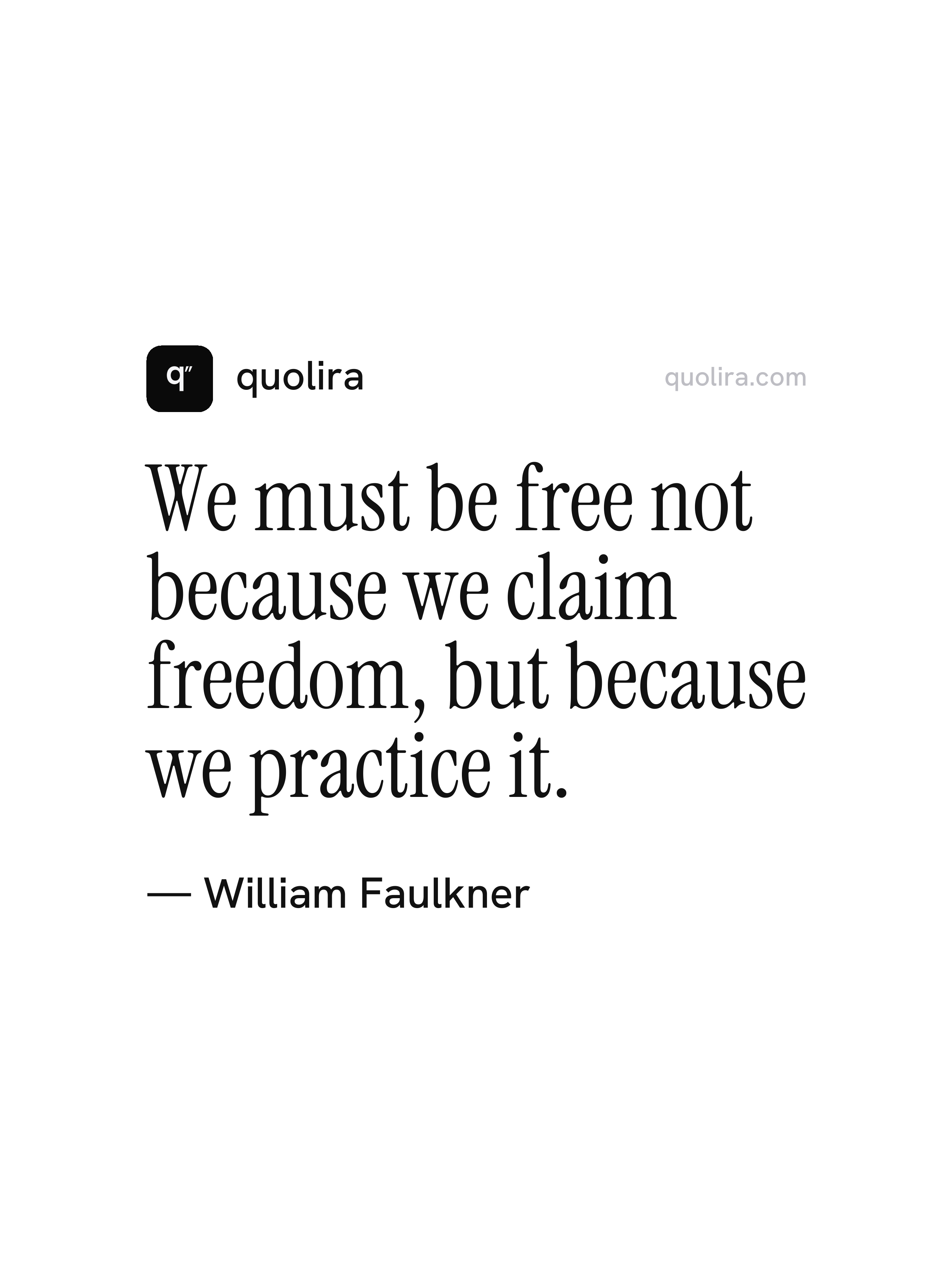
“We must be free not because we claim freedom, but because we practice it.”
William Faulkner · Essay "On Fear: Deep South in Labor," Harper's Magazine, June 1956
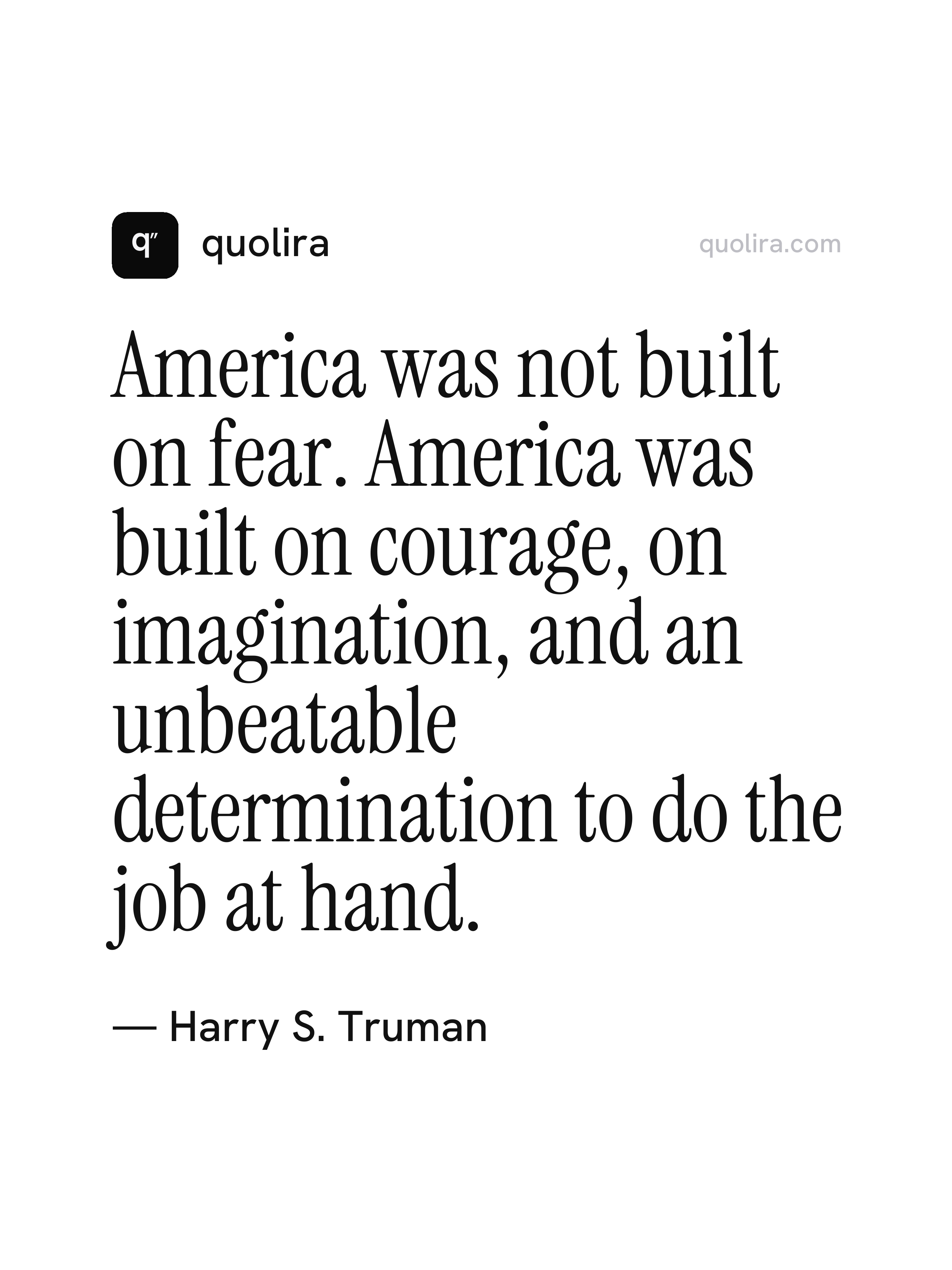
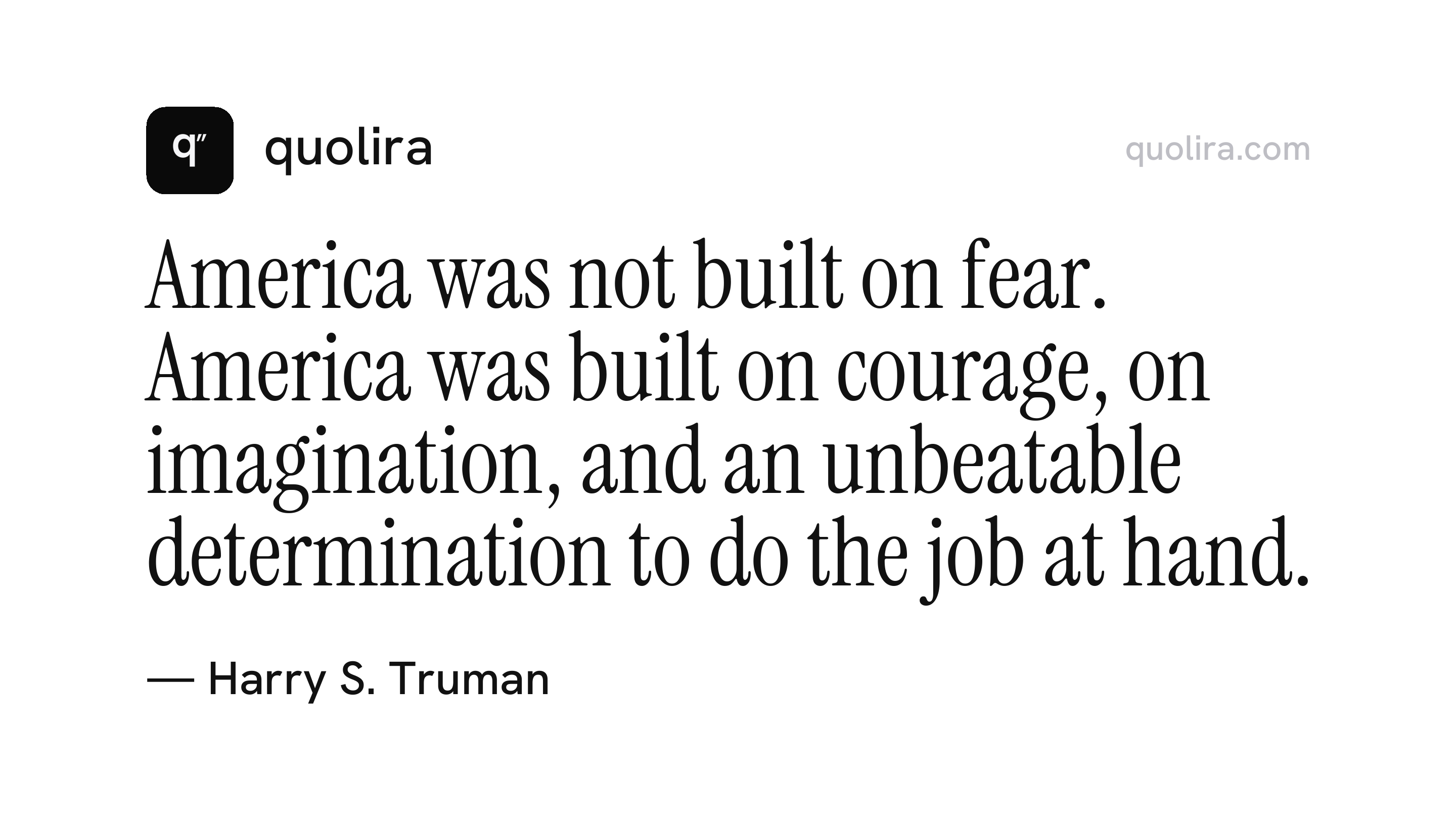
“America was not built on fear. America was built on courage, on imagination, and an unbeatable determination to do the job at hand.”
Harry S. Truman · Special Message to the Congress on the State of the Union, January 8, 1947
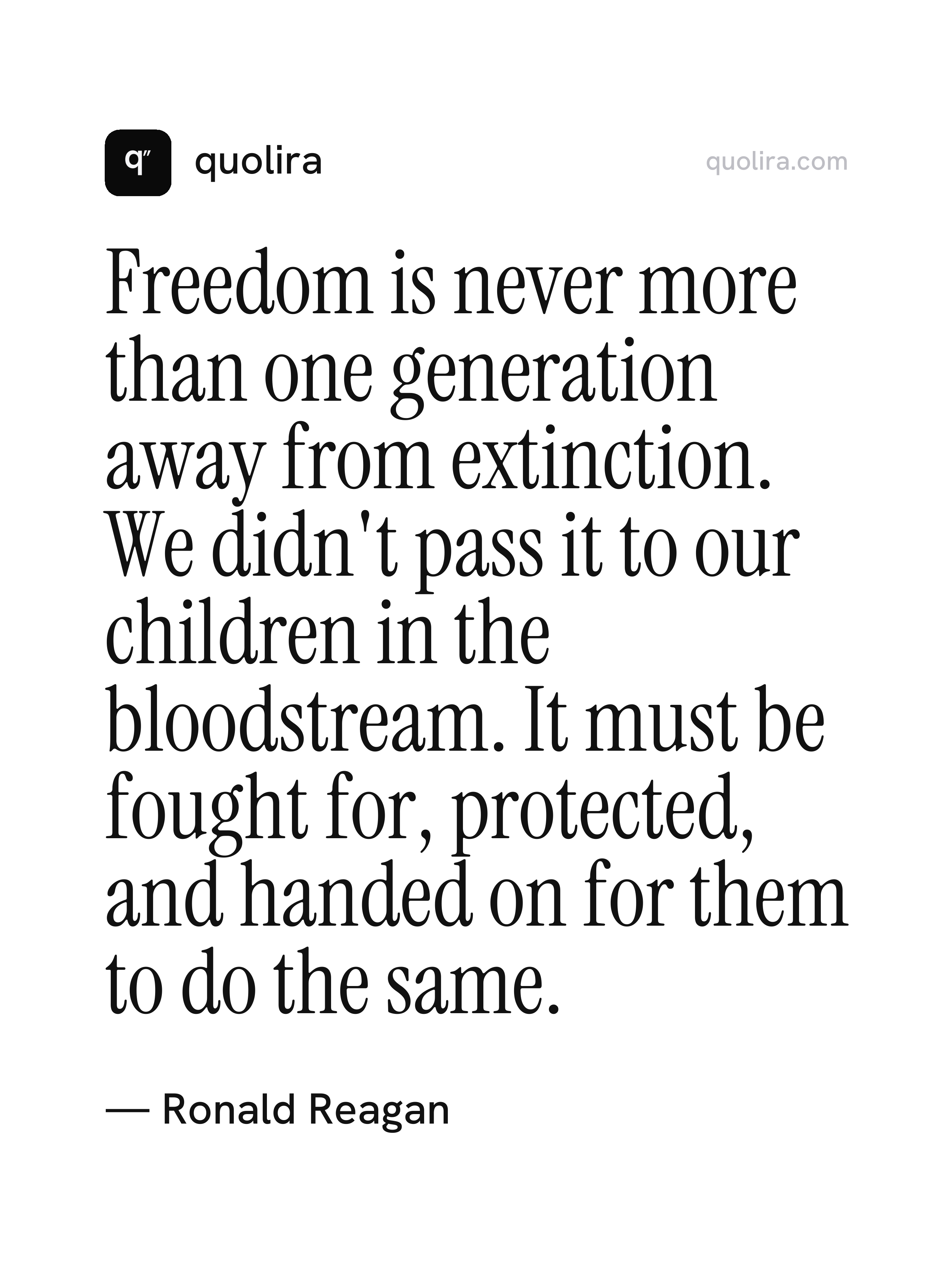
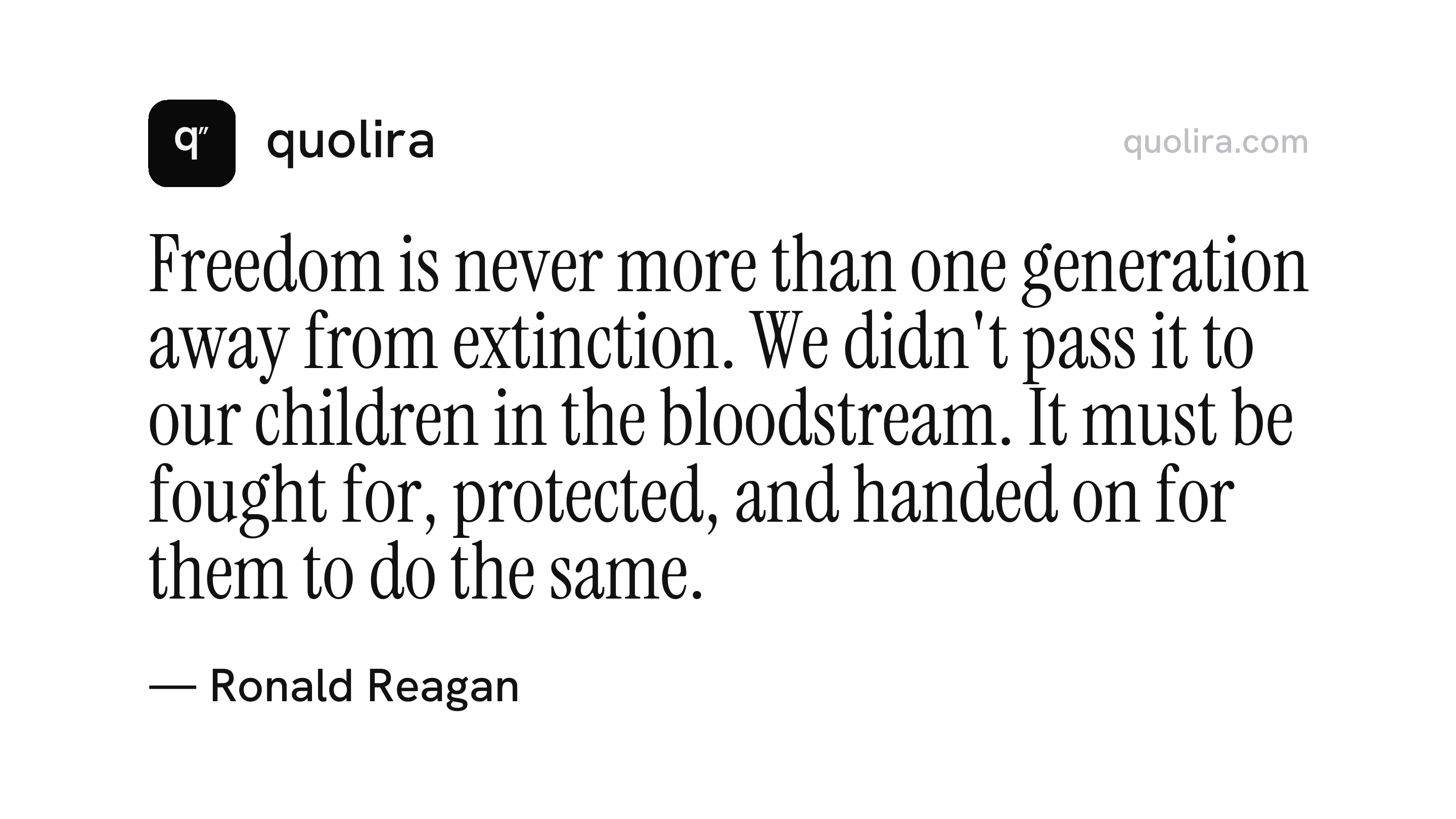
“Freedom is never more than one generation away from extinction. We didn't pass it to our children in the bloodstream. It must be fought for, protected, and handed on for them to do the same.”
Ronald Reagan · Address to the Annual Meeting of the Phoenix Chamber of Commerce, March 30, 1961